


How Smart Ring Benefits Beat Smartwatch Features for Health Tracking
How smart rings outperform smartwatches for certain health tracking features.
How smart rings outperform smartwatches for certain health tracking features.
%402x.svg)
You did everything right. You invested in that sleek smartwatch, charged it faithfully, and diligently synced its data. You tracked steps, counted calories, and watched your heart rate climb during workouts. Yet, something feels… incomplete. You still wake up tired. Stress still feels like a constant hum. That deep, restorative sleep you crave remains elusive. The metrics flash on your wrist, but the meaning—the true understanding of your body's whispers—feels just out of reach.
This is the silent gap in modern wellness tracking. For years, we've been sold a vision of health that fits on our wrist. We've traded elegance for bulk, traded physiological accuracy for notifications, and traded deep, meaningful insights for surface-level activity scores. The wrist, while convenient, is a fundamentally flawed location for understanding the subtle language of your nervous system, your sleep quality, and your true readiness for the day.
The future of personal health intelligence isn't on your wrist. It's on your finger. A quiet revolution in biometrics is underway, moving from the noisy periphery of your body to its core signal highway. Welcome to the era of the smart ring—a paradigm shift where continuous, clinical-grade data meets minimalist design to deliver insights that are not just observed, but deeply felt. This isn't about replacing your watch; it's about transcending its limitations to finally listen to what your body has been trying to tell you all along.
The journey to optimal health begins not with more data, but with better data. Your smartwatch is a technological marvel, a mini-computer that excels at many things. However, as a window into your autonomic nervous system—the system that controls stress, recovery, digestion, and sleep—it is looking through frosted glass. It sits on a bony, pulsatile wrist, a location prone to motion artifact and distant from the body's rich vascular beds. Its readings, especially for delicate metrics like Heart Rate Variability (HRV) and blood oxygen (SpO₂), can be approximations, educated guesses that fluctuate with every arm movement.
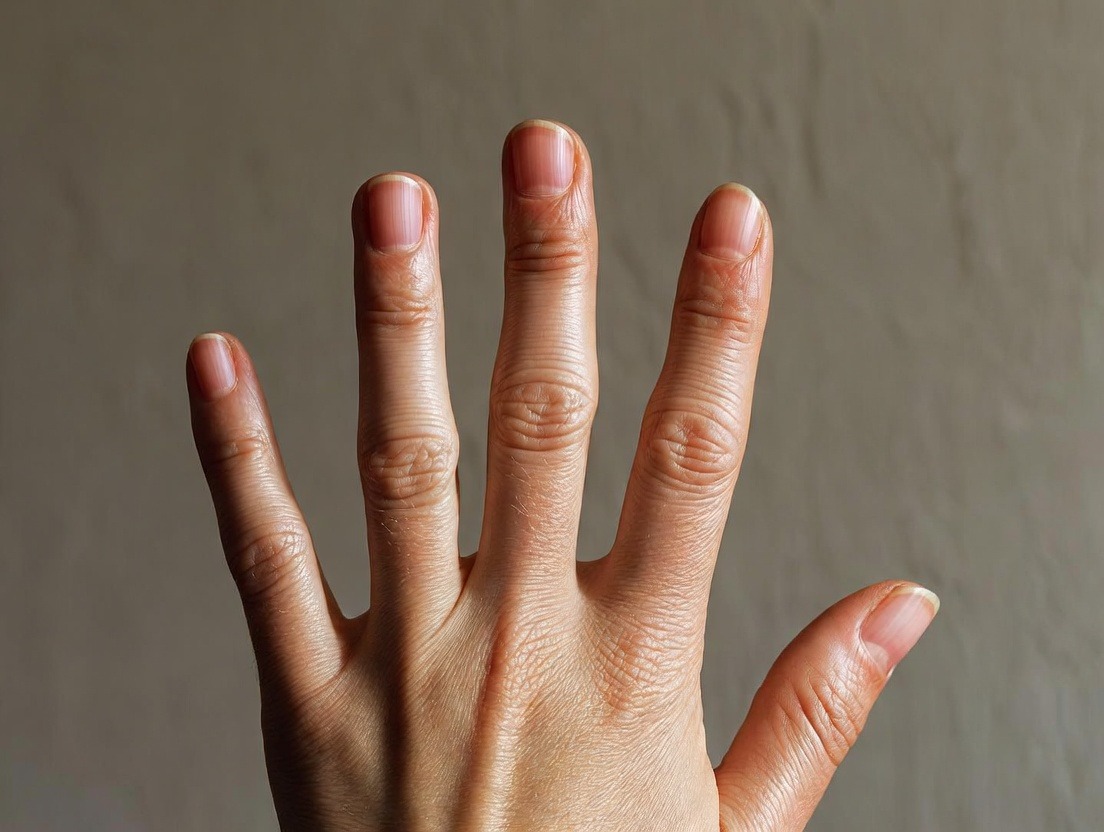
Contrast this with the finger. It's home to dense capillary networks and strong pulse signals. This is why, in any clinical setting, when accuracy is non-negotiable, medical professionals place sensors on the finger, not the wrist. A smart ring leverages this anatomical advantage 24/7, turning your finger into a private, high-fidelity health monitoring station. It captures the nuanced, beat-to-beat changes in your heart that reveal your stress state, the true architecture of your sleep cycles, and the overnight recovery your body desperately needs.
At Oxyzen, this principle is at the core of our mission. Born from a doctor's frustration with inaccessible and inaccurate health data during critical air-ambulance missions, our story is one of moving from noise to signal. We built a ring not to add more complexity to your life, but to bring clarity and balance, translating the body's complex language into simple, actionable wisdom. As you'll discover, this shift from wrist to finger isn't just a change of location—it's a fundamental upgrade in your ability to understand and optimize your own wellbeing.
To understand why a ring is superior, we must start with basic physiology. The radial artery in your wrist is a deeper vessel, and the signal it provides to a watch's optical sensor is more easily disrupted by bone, tendon, and—most critically—movement. Every flick of your wrist, every keystroke, introduces "noise." For tracking steps or rough heart rate during a run, this is tolerable. But for the subtle art of recovery and readiness tracking, it's a fatal flaw.
Your finger, however, is a biometric treasure trove:
This isn't theoretical. It's the reason the medical gold standard for pulse oximetry is a fingertip clip. A smart ring like Oxyzen essentially provides a continuous, wearable version of this clinical tool. It leverages a multi-sensor architecture, including advanced PPG sensors and infrared thermometers, to read your body's story directly from its source. The result is a level of accuracy for nighttime metrics—HRV, resting heart rate, sleep stages, and SpO₂—that a wrist-worn device simply cannot match reliably. This foundational accuracy is what turns random data points into a trustworthy, coherent narrative of your health.
The modern smartwatch is a masterpiece of interruption. It buzzes with emails, dings with social media alerts, and lights up with calendar reminders. It has turned your wrist into a second, smaller smartphone screen, conditioning you to a state of constant, low-grade alertness. This design philosophy is in direct conflict with the goal of measuring autonomic nervous system balance, which requires periods of true rest and disconnection.
A smart ring operates on a different principle: silent, passive observation. Its purpose is not to capture your attention, but to capture the truth of your physiological state without influencing it. You forget it's there. It doesn't light up in a dark movie theater or vibrate during a mindful moment. This allows it to gather data in your most natural states—during deep work, in conversation, in the critical wind-down period before sleep, and throughout the night—without the Hawthorn effect of you changing your behavior because you're being "watched."
This philosophy aligns with ancient wellness systems that prioritize observation and balance over constant stimulation. By removing the source of distraction, the ring itself becomes a tool for mindfulness. It allows you to live your life fully while it quietly gathers the insights you need to live it better. The data it provides comes from a place of authentic living, not from a life lived for the device. For a deeper look at how this principle of balanced, silent tracking translates into daily life, our blog explores the intersection of modern technology and timeless wellness practices.

Sleep is the cornerstone of health, and it's where the smart ring's advantages become overwhelmingly clear. A watch on your wrist is an active, often uncomfortable participant in your sleep. It can restrict movement, cause pressure points, and its screen may accidentally illuminate. More importantly, its data is suspect. As you toss and turn, the watch loses optimal contact, leading to missed beats, misread movements, and a blurred picture of your sleep architecture.
A smart ring, nestled securely on your finger, maintains perfect contact. It tracks the subtle physiological markers of sleep stages with precision:
The Oxyzen ring transforms this high-fidelity data into an intelligible Sleep Score and detailed stage breakdown. Users consistently report revelations: discovering undiagnosed sleep disruptions, seeing the direct impact of evening habits (like alcohol or late meals), and finally understanding why they wake up exhausted despite "getting enough hours." This isn't just sleep tracking; it's sleep decoding. It provides the evidence needed to make tangible changes, turning restless nights into a foundation for energized days. For real-world examples of this transformation, the experiences shared in our testimonials highlight how this deep sleep intelligence changes lives.
If sleep is the cornerstone, Heart Rate Variability (HRV) is the master blueprint. HRV measures the millisecond variations between your heartbeats, and it is the single most powerful non-invasive window into your autonomic nervous system. A high, stable HRV indicates resilience, adaptability, and recovery. A low or dropping HRV signals stress, fatigue, or illness. Tracking it is like having a direct line to your body's CEO.
However, HRV is an exceptionally delicate metric. It can be skewed by a single deep breath, a sudden movement, or a misplaced sensor. Wrist-based HRV readings, often taken in short, sporadic snapshots, are notoriously noisy and inconsistent. They can provide a general trend but lack the fidelity for true, actionable insight.
A smart ring measures HRV continuously and accurately, especially during the gold-standard measurement window: sleep. While you're still, it builds a pristine, hours-long HRV profile that reflects your true recovery state. The Oxyzen algorithm analyzes this, along with resting heart rate, respiratory rate, and temperature trends, to generate a Readiness or Recovery Score. This isn't a guess; it's a data-driven verdict on your body's capacity for the day ahead.
This changes everything. Instead of forcing a hard workout because your calendar says so, you learn to respect a low readiness score and opt for recovery. You see the positive impact of meditation or a nature walk on your nervous system in real time. You get early warning signs of impending illness or overtraining days before you feel symptoms. This proactive, body-led approach is the essence of modern wellness, and it's only possible with the accurate, continuous data a ring provides. For a detailed breakdown of how these scores work and how to use them, our comprehensive FAQ delves into the science of HRV and recovery.
Chronic stress is the silent epidemic of our age. It's not just about feeling anxious; it's a physiological cascade that elevates cortisol, suppresses immunity, and fragments sleep. Most of us are poor judges of our own stress levels, often realizing we're burnt out only after we crash. Smartwatches might offer a stress "score" based on heart rate, but it's a blunt instrument, easily confused by physical activity.
A smart ring, with its superior HRV accuracy and 24/7 wearability, acts as a continuous stress seismograph. It maps your autonomic nervous system's activity throughout the entire day and night. It can identify:
Oxyzen presents this as an intuitive Stress Load metric. Seeing your stress visualized is a powerful moment of awareness. It moves stress from an abstract feeling to a manageable data point. You can start to connect specific triggers, observe the calming effect of a lunchtime walk, and validate the power of a breathing exercise as your HRV improves on the screen. This turns the ring from a tracker into a biofeedback tool, empowering you to build what we call a "Stress Shield"—a personalized set of habits and awareness that protects your mental and physical reserves. The journey to building this resilience is deeply personal, much like the journey that founded Oxyzen, born from a need to manage extreme stress and prevent burnout.
Let's address the elephant in the room: aesthetics and comfort. A smartwatch is, by definition, a conspicuous piece of technology. It clashes with formal wear, can be uncomfortable to sleep in, and constantly announces its presence. For many, this leads to "wearable fatigue"—taking the device off for days or weeks, creating huge gaps in the health data that require consistency.
A smart ring is designed to be forgotten. It is:
This effortless wearability is its secret weapon. Consistency is the key to insight, and a device you never want to take off provides a complete, unbroken timeline of your health. There are no charging gaps in your sleep data, no missed days that break your recovery trendlines. The Oxyzen ring becomes less of a "device" and more of a permanent part of you—a silent partner in your wellness journey. This commitment to seamless integration reflects our core mission and values of making advanced health monitoring accessible and effortless.

The smartwatch charging ritual is a familiar burden: nightly or bi-nightly trips to the charger, often right when you should be tracking sleep. This design flaw actively works against its primary health-tracking purpose.
Smart rings are engineered with efficiency in mind. Their smaller screens (or lack thereof) and focused sensor suites consume far less power. Devices like Oxyzen routinely offer 4 to 7 days of battery life on a single charge. This transforms the user experience. You charge briefly while you shower or get ready in the morning, not every night. You can travel for a week without a charger. Most importantly, you never, ever miss a night of sleep data because your device was plugged in.
This extends to the software experience. Without the need to manage a mini-smartphone on your wrist, the companion app can focus purely on health insight, not app notifications. The interface is cleaner, the data presentations are deeper, and the focus remains on your wellbeing, not your inbox. This philosophy of "less friction, more function" removes the barriers between you and your health intelligence.
The modern wearable ecosystem has a dark secret: the subscription paywall. Many companies lock your most insightful health analyses—your long-term trends, advanced sleep breakdowns, or personalized recommendations—behind a monthly fee. After paying hundreds for the hardware, you are told your own health data isn't fully yours unless you keep paying.
This model is antithetical to true wellness empowerment. At Oxyzen, this issue is personal. Our founder's moment of clarity came when critical health data was locked behind a paywall during a medical mission. We built our company on a subscription-free promise. When you buy an Oxyzen ring, you own your data—fully, completely, and forever. All analytics, insights, and historical trends are yours without an ongoing toll.
This commitment extends to privacy. Your biometric data is among the most personal information you possess. Ring platforms, by their focused nature, often have clearer, more stringent data policies than the sprawling ecosystems of major tech companies. The choice becomes clear: rent access to your own physiology, or own it outright. We believe true wellness begins with true ownership.
Wrist-based trackers often take a one-size-fits-all approach. A smart ring's accurate, continuous data allows for far more personalized and specialized insights, particularly impactful for two groups:
For Women's Health: The female body operates on a powerful hormonal rhythm that influences core temperature, resting heart rate, HRV, and sleep patterns. Wrist-based temperature sensing is often too inconsistent to track the subtle biphasic shift of the menstrual cycle. A ring like Oxyzen, with its precise infrared sensor maintaining perfect skin contact, can reliably track basal body temperature trends. When combined with HRV and sleep data, it can provide remarkable insights into cycle phases, helping women understand their unique patterns of energy, recovery, and emotional resilience throughout the month.
For Athletes & Biohackers: For those pushing their limits, marginal gains come from perfect recovery. The ring's accurate overnight HRV and recovery score are the ultimate guide for periodized training. It answers the critical question: "Am I recovered enough to train hard today, or will this workout dig me into a hole?" Biohackers experimenting with cold therapy, fasting, or new supplements can see the direct, nuanced impact on their nervous system like never before. It turns self-experimentation from guesswork into a data-driven science.
This is where the journey truly accelerates. A smartwatch is largely a historian—it tells you what you did. The future of the smart ring is as a guide and predictor. With a flawless, continuous stream of physiological data, advanced AI can begin to model your unique body.
Imagine your ring not just telling you your sleep was poor, but predicting two days in advance that you're heading for a poor sleep night based on rising stress markers, and suggesting an earlier wind-down routine. It could link a specific daytime stress pattern to a likely nighttime awakening and recommend a targeted breathing exercise. This is the shift from reactive tracking to proactive, contextual coaching.
This AI Wellness Revolution is the next frontier. It's about building a "Personal Health Twin"—a digital model of you that learns and anticipates. This isn't science fiction; it's the logical endpoint of having a clinical-grade sensor in the perfect location, gathering clean data 24/7. The ring becomes an intelligent partner in navigating life, helping you align your daily choices with your long-term wellbeing goals.
Transitioning from a wrist-based ecosystem to a finger-based one is a shift in perspective. Here's what savvy users discover:
The goal is not to vilify the smartwatch, which remains a powerful tool for fitness tracking and connectivity. The goal is to recognize that for the deep, internal work of health optimization—sleep, recovery, stress management, and nervous system balance—the smart ring is a superior tool. It completes the picture, providing the foundational, accurate biometric layer that makes all other activity data more meaningful.
You now hold the master key—a continuous, pristine stream of data flowing from your finger, revealing the hidden rhythms of your nervous system. But data alone is not transformation. A symphony of perfect notes is meaningless without a conductor to give them purpose. This is where the true power of the smart ring is unleashed: not as a passive collector, but as an active interpreter and guide that bridges the gap between insight and action.
Moving beyond the "what" of your metrics—your sleep score, your HRV, your stress load—we arrive at the transformative "so what?" This is the realm of personalized algorithms, contextual intelligence, and daily protocols. While a smartwatch might tell you to "stand up" or "close your rings," it operates on generic, population-level assumptions. A smart ring, armed with your unique physiological signature, can guide you with a precision that feels eerily personal. It shifts the paradigm from standardized fitness goals to personalized wellness intelligence, helping you make decisions that are perfectly attuned to the internal reality of your body on any given day.
The cornerstone of meaningful health tracking is not comparing yourself to others, but comparing yourself to yourself. This requires establishing a personal, dynamic baseline—a "normal" that adapts as you do. Smartwatches often use fixed thresholds or broad age-based averages, which can be wildly inaccurate for the individual.
A sophisticated smart ring platform like Oxyzen spends its first weeks learning you. It analyzes your unique patterns across multiple axes to establish a personal baseline for:
From this living baseline, the ring's algorithm calculates your daily Readiness Score. This isn't a simple pass/fail on sleep. It's a multidimensional analysis. Did your HRV stay high and stable all night (excellent recovery), or did it dip (sign of strain)? Is your resting heart rate 3-5 BPM above your baseline (potential sign of stress or illness onset)? Was your deep sleep duration sufficient for your body's current repair needs?
This dynamic score becomes your most trusted advisor. A high readiness score is your body's green light for a challenging workout, an important presentation, or a socially demanding day. A low score is a non-negotiable signal to prioritize recovery—to choose a walk over a run, to delegate a task, or to commit to an early bedtime. This is body-led decision-making, a practice that prevents burnout, optimizes performance, and builds sustainable health. For those curious about the nuances of how these scores are crafted, our detailed FAQ explains the interplay of metrics like HRV, RHR, and sleep in determining your daily readiness.
Knowing you slept poorly is frustrating. Knowing why you slept poorly is empowering. And knowing how to fix it is transformative. This is the three-stage journey a smart ring enables.
Stage 1: Diagnosis. With clinical-grade accuracy, the ring identifies your specific sleep disruptors. The Oxyzen sleep report doesn't just show "restlessness"; it can reveal:
Stage 2: Experimentation. This is where you become a scientist of your own sleep. The ring allows you to tag behaviors in the app and see their direct impact. Try these experiments:
Stage 3: Protocol & Habit Formation. Armed with cause-and-effect evidence, you build a personalized sleep protocol. The ring provides positive reinforcement—waking up to a high sleep score becomes a powerful reward. Over time, the Oxyzen app can evolve from a reporter to a gentle coach, sending proactive reminders based on your data: *"Your recent sleep has been light. Consider starting your wind-down 30 minutes earlier tonight."* This is the path from disrupted nights to consistently restorative sleep. Witnessing others achieve this is powerful; read their stories in our user testimonials to see the real-world impact of this data-driven approach.
Chronic stress is a physiological state, not just an emotional one. The ring’s 24/7 stress mapping allows you to move from feeling overwhelmed to strategically managing your nervous system load.
Step 1: Identification & Patterning. Your stress load graph becomes a mirror. You'll start to see clear patterns:
Step 2: Micro-Intervention. With awareness comes the power to intervene. Use the ring for biofeedback in real-time:
Step 3: Long-Term Buffering. By tracking over months, you learn what truly builds your resilience reservoir. You'll see the cumulative benefit of weekly yoga, the positive impact of a digital sunset, or how time in nature every weekend lowers your baseline stress load for the entire following week. The ring quantifies self-care, transforming it from a vague luxury into an essential, evidence-based component of high performance. This journey from stress reactivity to proactive resilience is at the heart of our company's story, born from the need to manage extreme physiological and emotional demands.
For the serious athlete or dedicated fitness enthusiast, the smart ring is the ultimate coach and guardian. The old paradigm of fixed training schedules is replaced by adaptive performance planning.
The Readiness-Based Training Week:
This adaptive approach, guided by your ring's recovery score, maximizes gains while virtually eliminating overtraining and injury risk. You stop guessing if you're recovered and start knowing.
Advanced Athletic Insights:
The ring shifts the athlete's mindset from "more is always better" to "precise is always better." It turns recovery from passive downtime into an actively measured, optimized component of performance. This philosophy of intelligent optimization is woven into the fabric of our approach at Oxyzen, where we treat health data as a guide for smarter living, not just harder training.
For the biohacker, life is an experiment. The smart ring is the perfect lab instrument, providing quantitative results for qualitative life changes.
Protocol Testing with Clear ROI:
The ring removes dogma and replaces it with data. It allows you to build a personalized operating system based on what your biology actually responds to, not just popular opinion. This empirical, self-directed approach to wellness is a core tenet of the modern health movement, and we explore its many facets regularly on our blog.
Perhaps the most profound personalization occurs in women's health. By tracking core body temperature and correlating it with HRV, RHR, and sleep, the ring paints a detailed picture of the menstrual cycle and its impact on every aspect of wellbeing.
Phase-Aware Planning:
This cyclical awareness is revolutionary. It empowers women to work with their biology, not against it, optimizing energy, performance, and emotional balance throughout the month. It provides tangible data to discuss with healthcare providers and dismantles the notion that a "fluctuating" physiology is an inferior one—it is simply an intelligent, rhythmic one.

The ultimate value of continuous, accurate tracking is not in today's score, but in the trends over months and years. This longitudinal data becomes a powerful health forecasting tool.
This long-view turns the ring into a preventive health guardian. It gives you the opportunity to course-correct with lifestyle interventions weeks or months before a potential issue manifests as a symptom or diagnosis. You're no longer navigating in the dark; you have a physiological GPS showing your long-term trajectory.
The smart ring doesn't seek to be an island. Its true power is realized as the central, authoritative source of biometric truth within a broader digital health ecosystem.
Imagine:
This interoperable future positions the ring not as another siloed device, but as the foundational layer of your personal health intelligence infrastructure. It provides the reliable "how you are" data that gives context to all the "what you did" data from other apps and devices.
You are now armed with a deep understanding of the smart ring's unparalleled potential—its anatomical precision, its philosophy of passive observation, and its power to drive personalized, life-changing actions. The final step before you embark on your own journey is to navigate the practical landscape: How does this actually compare to the device on your wrist today? And with options emerging, how do you make an informed choice that aligns with your unique needs?
This is where we move from the conceptual to the concrete. We will conduct a clear-eyed, metric-by-metric comparison, stripping away marketing claims to focus on inherent technological capabilities. Then, we will provide a structured framework to guide you in selecting the right ring, ensuring your investment delivers maximum value and insight. The era of the smart ring is here, but like any tool, its impact is determined by how wisely you choose and how intentionally you use it.
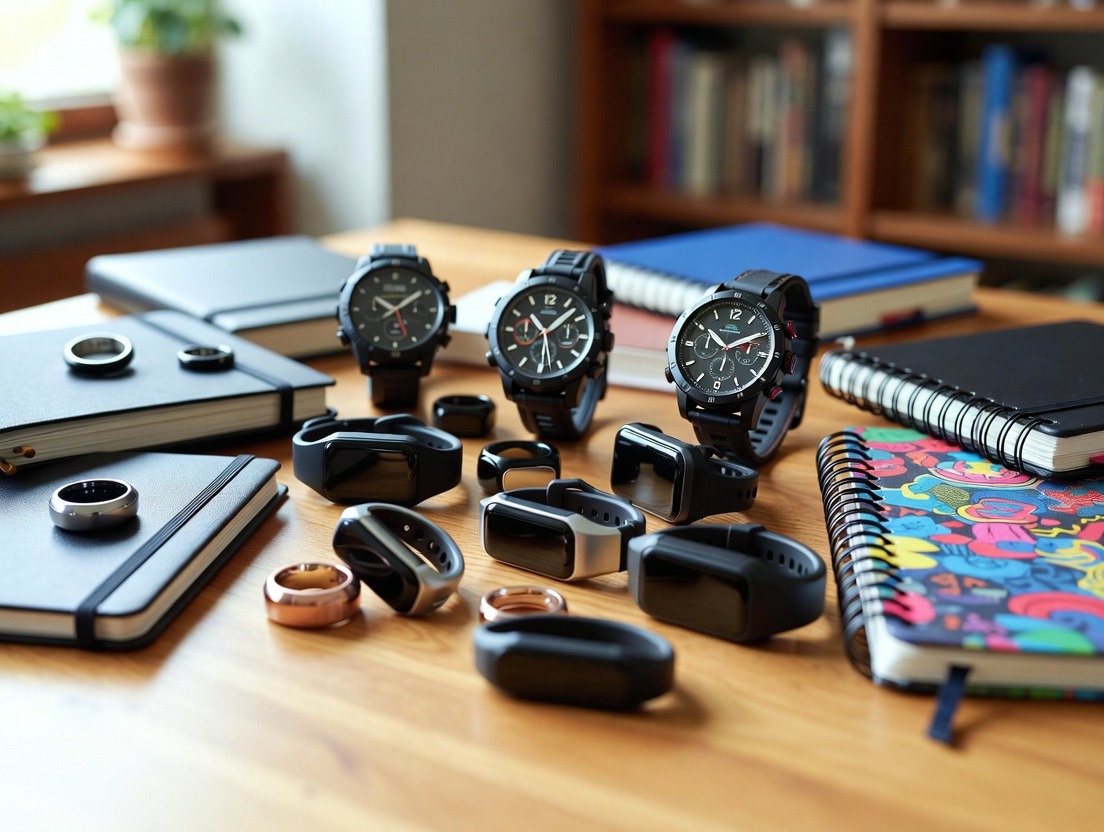
Let's demystify the competition by examining the core health-tracking pillars. This comparison highlights not just "different" results, but how the ring's fundamental advantages manifest in superior data quality.
1. Sleep Stage Tracking Accuracy:
2. Heart Rate Variability (HRV) Fidelity:
3. Resting Heart Rate (RHR) & Basal Metrics:
4. Blood Oxygen (SpO₂) Reliability:
5. Skin Temperature Tracking:
The Verdict: For fitness metrics like step count, GPS-tracked runs, or active heart rate zones during a workout, a good smartwatch remains excellent. But for the foundational, internal biomarkers of recovery, readiness, and long-term health—sleep, HRV, RHR, SpO₂, and temperature—the smart ring's anatomical advantage delivers inherently superior, more actionable data.
With several compelling options on the market, making a choice requires looking beyond specs. Use this framework to find the ring that fits your life, not just your finger.
Step 1: Define Your "North Star" Goal.
Your primary objective will steer your decision. Ask yourself: Am I primarily seeking to...
Step 2: Evaluate the "Total Cost of Ownership."
The upfront price is only part of the equation.
Step 3: Assess the App & Data Experience.
The hardware collects data; the software delivers wisdom. During your research:
Step 4: Consider Design, Fit, and Comfort.
You'll wear this 24/7.
The smart ring today is powerful. Its future trajectory is transformative. We are moving from descriptive analytics ("what happened") to prescriptive and predictive intelligence ("what to do about it" and "what will happen").
1. The AI Health Coach:
The next generation will feature deeply personalized AI. Imagine:
2. The Central Biometric Hub:
The ring will become the orchestrator of your health ecosystem:
3. Ethical Data Ownership & The "Health Twin":
As data becomes more predictive, the questions of ownership, privacy, and ethics grow paramount. The most trusted platforms will be those that treat user data with radical transparency and security. The concept of a "Health Twin"—a secure, private digital model of your physiology—will allow for powerful simulation and guidance without your raw data ever leaving your control. This commitment to user sovereignty is a core part of Oxyzen's philosophy and mission, ensuring the future of health tech remains empowering, not exploitative.
The journey from the smartwatch to the smart ring is more than a shift in wearable form factor. It is a fundamental upgrade in your relationship with your own health.
The smart ring, by virtue of its superior design and placement, finally gives you a clear channel to your body's communication. It translates the whispers of your autonomic nervous system into a language you can understand and act upon. It empowers you to make decisions based not on the calendar, the clock, or arbitrary goals, but on the objective, real-time needs of your unique biology.
Whether you are an athlete chasing marginal gains, a professional battling burnout, a woman seeking cyclical harmony, or simply someone who wants to wake up feeling truly restored, the smart ring is the most sophisticated, elegant, and effective tool yet created for the job.
The question is no longer if this technology is superior for holistic health tracking, but when you will choose to start listening from the best possible place.
Ready to begin your own journey of deeper understanding? Explore the full potential of this technology, compare models, and learn how a device like the Oxyzen ring can be tailored to your specific goals by visiting our homepage. For any remaining questions on how it all works, our comprehensive FAQ is an excellent resource. And to truly understand the driving force behind this mission—a story of medical insight, personal struggle, and a commitment to accessible wellness—we invite you to read Our Story.
The journey from understanding the smart ring's advantages to integrating it into your life represents the final frontier of this wellness revolution. The true power of this technology is unlocked not just by wearing a device, but by engaging with a holistic ecosystem of data, community, and science. This final section explores how the smart ring experience extends beyond the sensor on your finger, fostering a deeper connection with your health, with others on similar paths, and with the evolving frontier of human optimization.
We will delve into the social and collaborative dimensions of ring data, examine the cutting-edge research it enables, and provide a practical guide for your first 90 days—the critical period where insight turns into ingrained habit. This is about building a sustainable, intelligent partnership with technology to cultivate a lifetime of wellbeing.
Health is often a solitary pursuit, but motivation and understanding can be profoundly social. The next evolution of smart ring platforms lies in secure, opt-in community features that leverage aggregated, anonymized data to provide context and connection.
This social layer, built on a foundation of strict privacy controls (you share only what you want), transforms the ring from a personal dashboard into a window into collective wellness wisdom. It combats the isolation that can come with self-tracking and provides a sense of shared progress. Exploring shared experiences and learning from others' journeys is a theme we often highlight in the community-focused content on our blog.
Smart rings are generating the largest, most detailed longitudinal dataset of human physiology ever collected outside a clinical setting. This presents an unprecedented opportunity for citizen science and medical research.
Platforms that embrace this research-friendly, open-science ethos—while fiercely protecting individual privacy and data ownership—will drive the next wave of health discoveries. They transform users from passive consumers into active contributors to human knowledge. This vision of democratizing health research aligns with the foundational problem Oxyzen was created to solve: making advanced, meaningful health insights accessible and actionable for everyone.
Adopting a smart ring is not a plug-and-play event; it's the start of a learning journey. Here is a phased approach to maximize your success and avoid common pitfalls.
Phase 1: The Observation Month (Days 1-30) – "Establish Your Baseline"
Phase 2: The Experimentation Month (Days 31-60) – "Discover Your Levers"
Phase 3: The Integration & Refinement Month (Days 61-90) – "Build Your Protocol"
With great data comes the risk of obsession. A healthy relationship with your smart ring is crucial.
The most successful users are those who see the ring as a collaborative tool for self-compassion, not a punitive tool for self-judgment. This balanced, human-centric philosophy is core to the experience we strive to create, as reflected in the authentic journeys shared in our user testimonials.
The evidence is comprehensive and compelling. In the domain of holistic health tracking—sleep, recovery, stress management, and nervous system balance—the smart ring has established a new gold standard. It triumphs not through more features, but through better fundamentals: superior sensor placement, a philosophy of passive accuracy, and a focus on the metrics that matter most for long-term vitality.
The smartwatch is not obsolete; it remains a powerful tool for fitness tracking, notifications, and connectivity. But for the individual seeking to understand their body's inner world, to prevent burnout before it happens, to sleep deeply, and to recover fully, the smart ring is the unequivocally superior instrument.
It represents a maturation of wearable technology: a shift from the external quantification of activity to the internal qualification of state. It marks the moment we stopped just counting our steps and started listening to our heartbeat's hidden variability, the subtle story of our nighttime physiology, and the quiet signals of our stress and recovery.
This exploration began with a question about the gap between data and true wellbeing. It concludes with an answer: that gap is bridged by accuracy, interpretation, and action. The smart ring provides the first. The best platforms provide the second. You, the empowered user, provide the third.
The future of personal wellness is not about wearing more technology, but about wearing smarter technology—technology that respects your biology, honors your privacy, and speaks the language of your unique physiology. It is a future where you are no longer a passenger in your health journey, but the pilot, with the most sophisticated instrument panel ever available at your fingertips.
If you are ready to move beyond the limitations of the wrist and begin a truly insightful dialogue with your body, the path is clear. Discover the range of options designed for different lives and goals, learn about the technology in depth, and join a community focused on meaningful wellness at Oxyzen. For any final, specific questions as you make your decision, our support resources are available to help. The most important step is the first one toward deeper understanding.


