


Smart Ring Benefits for Couples: Tracking Wellness Together
Benefits for couples who want to track and improve their wellness together.
Benefits for couples who want to track and improve their wellness together.
%402x.svg)
In the quiet hum of modern life, where individual schedules often pull partners in different directions, a new kind of connection is emerging. It’s not forged through grand gestures or constant communication, but through a shared, intimate understanding of each other's most fundamental rhythms: the beat of a heart, the depth of sleep, the subtle signs of daily stress. Welcome to the frontier of connected wellness for couples, powered by an unassuming yet revolutionary device—the smart ring.
Forget clunky wearables that scream "tech." The smart ring is discreet, elegant, and designed to be worn 24/7, making it the perfect, unobtrusive companion for continuous health monitoring. It moves with you from the boardroom to the bedroom, from a morning run to a quiet evening on the couch, gathering a rich, holistic dataset of your body’s inner workings. But its true power is unlocked not in solitude, but in partnership. When two people sync their wellness journeys, the data transforms from personal metrics into a shared language of care, empathy, and mutual support.
This is about more than just counting steps in a friendly competition. It’s about seeing the invisible threads that bind your well-being. When your partner has a restless night, you can see it. When stress silently builds throughout their workday, you can understand it. This shared awareness fosters a proactive, deeply connected approach to health where "How are you?" is answered not just with words, but with compassionate, data-informed action. It turns wellness from a solo pursuit into a collaborative journey, strengthening the foundation of your relationship in the process.
In this deep exploration, we will uncover how this elegant piece of technology is helping couples sleep better, communicate more effectively, manage stress in unison, sync their intimate lives, and build a future of health—together. This is the story of how tracking wellness is becoming the ultimate act of modern love.
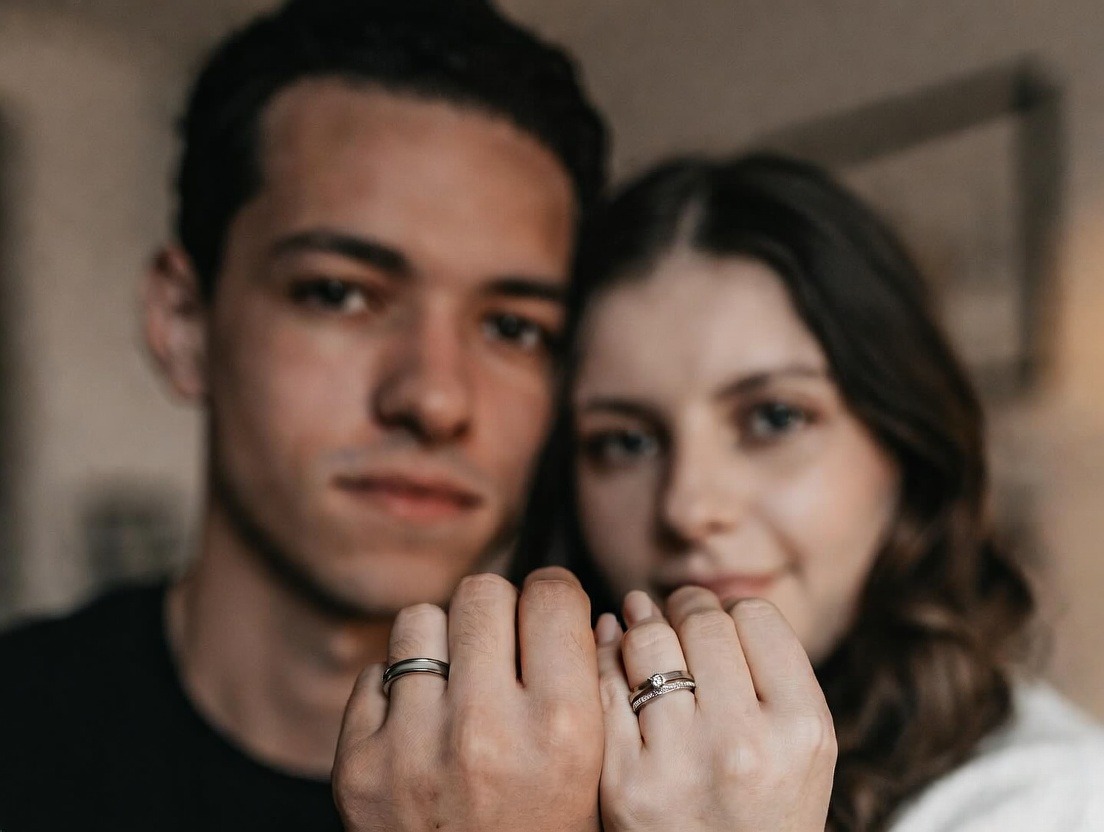
The journey to shared wellness begins with choosing the right tool. While fitness trackers and smartwatches have dominated the wearables market for years, they come with inherent limitations that make them less than ideal for the intimate, always-on dynamic of a couple’s life. The smart ring, by its very design, solves these problems elegantly, positioning itself as the superior device for partners embarking on a connected health journey.
First, consider the fundamental issue of discreet, continuous wear. A smartwatch is often removed for charging, during sleep, or in formal settings. This creates data gaps precisely during critical wellness periods—overnight recovery and high-stress moments. A smart ring, however, is designed to be forgotten. Its slim, jewelry-like profile allows it to be worn constantly, through showers, sleep, and even during intense physical activity (depending on the model). This provides an unbroken, 96/7 stream of biometric data, offering a complete picture of each partner’s physiological state. For couples, this means the insights aren’t based on a partial story; they’re built on a full narrative of each other’s days and nights.
Furthermore, the form factor eliminates social and sensory friction. There’s no bright screen lighting up a dark bedroom and disturbing a partner’s sleep. No audible notifications buzzing during a quiet dinner. The ring operates silently in the background, collecting data without ever intruding on the sacred, screen-free moments that relationships thrive on. Its aesthetic versatility also means it doesn’t clash with personal style or other jewelry—it complements it. You can learn more about how design integrates with daily life in our brand journey and vision.
The placement on the finger itself is a biomechanical advantage. The vasculature in the finger is rich, allowing for highly accurate photoplethysmography (PPG) sensor readings for heart rate, heart rate variability (HRV), and blood oxygen saturation. For sleep tracking, this often results in data considered more reliable for measuring sleep stages than wrist-based devices, which can be confused by arm movement. For couples focused on improving sleep quality together, this accuracy is paramount.
Finally, the intuitive nature of ring-based data sharing fosters connection, not competition. Unlike leaderboard-style fitness apps, couples can choose to share specific, meaningful metrics—like sleep scores or recovery status—as gentle check-ins. A glance at your phone in the morning could show not just your readiness for the day, but your partner’s, prompting a supportive, “I see you had a tough night, let me handle the kids this morning.” It turns raw data into a conduit for empathy. This shared, seamless experience is at the core of what we build at Oxyzen, where technology is designed to connect, not distract.
They say love means never having to say you’re sorry, but any couple who shares a bed knows that love often means being sorry for stealing the covers, or for the 3 AM snoring symphony. Sleep is the silent, non-negotiable foundation of our mental, emotional, and physical health. When it crumbles, everything else—patience, communication, libido, joy—is at risk. For couples, sleep is not an individual sport; it’s a team activity with a shared score. Smart rings are becoming the ultimate coaches for this team, providing the objective data needed to transform restless nights into restorative, synchronized slumber.
The first breakthrough is in understanding sleep synergy. Two people can lie in the same bed for eight hours and have two wildly different sleep experiences. One might cycle smoothly through deep and REM sleep, while the other experiences frequent, unnoticed awakenings (caused by their own restlessness, their partner’s, or external factors). A smart ring on each partner tracks individual sleep stages, movement, and restlessness. Over time, patterns emerge. You might discover that your partner’s light sleep phase consistently aligns with your period of intense tossing and turning. Or that the household’s sleep quality plummets on Sunday nights, pointing to shared anxiety about the week ahead. This objective data moves you beyond blame (“You kept me up!”) to collaborative problem-solving (“Our data shows we’re both restless after 4 AM. What’s disrupting us?”).
With this knowledge, couples can embark on data-driven sleep hygiene rituals. This goes beyond generic advice like “avoid screens.” It becomes personalized and partnered. For instance:
The ring also shines a light on sleep disorders. Chronic, loud snoring isn’t just a nuisance; it can be a sign of sleep apnea, which fragments sleep for both people and has serious health implications. While a smart ring is not a medical diagnostic device, it can flag potential issues—like consistently low blood oxygen levels (SpO2) or abnormally high resting heart rates during sleep—that warrant a conversation with a doctor. By addressing such issues, you’re not just saving your sleep; you could be saving your partner’s long-term health. For more insights on optimizing your shared environment for rest, our blog features several deep dives on sleep science for couples.
Ultimately, syncing sleep is an act of profound care. When you both commit to protecting each other’s rest, you’re investing in the patience, clarity, and emotional resilience that defines a strong, happy relationship. The good morning kiss feels different when it’s backed by the knowledge that you’ve both truly, fully rested—together.

Communication is the lifeblood of any relationship, yet we often struggle to articulate our internal states. “I’m tired,” “I’m stressed,” “I don’t feel like myself”—these phrases are vague and can be easily dismissed or misunderstood. What if you had a shared, objective vocabulary to describe these feelings? This is the revolutionary gift smart rings offer couples: a neutral, data-based language that facilitates empathy, validates experiences, and preempts conflict.
At the heart of this language is Heart Rate Variability (HRV). While your heart rate measures beats per minute, HRV measures the subtle, millisecond variations between those beats. It is one of the single most powerful indicators of your autonomic nervous system state. A high, resilient HRV generally indicates a body that is recovered, adaptable, and ready for stress. A low, depressed HRV is a clear flag from your body that it is fatigued, overwhelmed, or fighting illness. For couples, sharing HRV trends is like having a direct line to each other’s physiological resilience.
Imagine this scenario: It’s Wednesday evening. Partner A has had a demanding day but walks in saying, “I’m fine.” Partner B, however, has access to a shared wellness dashboard and sees that Partner A’s HRV has been in a steep decline since noon, and their resting heart rate is elevated. Instead of a potential miscommunication (“You seem short with me?” “No, I’m FINE!”), Partner B can approach with empathetic, data-informed support: “I can see your body had a really taxing day. Why don’t you relax, and I’ll handle dinner tonight?” The data validates the internal experience without accusation, defusing defensiveness.
This extends to stress tracking and recovery. Many smart rings provide a daily stress score based on a combination of HRV, heart rate, and activity data. Couples can use this as a simple, at-a-glance check-in. A quick look can tell you if your partner is entering the evening in a “green” (recovered), “yellow” (moderate stress), or “red” (high stress) zone. This awareness allows you to dynamically adjust your interactions. A “red zone” evening might not be the time to discuss finances or plan a complex social calendar; it’s a time for quiet connection, a walk, or simply giving space.
This shared metric system also fosters positive reinforcement and shared celebration. Did you both commit to a meditation practice? Watch your stress scores drop and your HRV climb together. Did a weekend getaway truly refresh you? The data will show a “recovery spike” for both parties. These objective wins become shared victories, reinforcing healthy habits as a team. It transforms wellness from a nagging chore into a connected game you’re playing—and winning—together. For couples curious about how this works in practice, reading real user experiences and testimonials can provide powerful, relatable insight.
By translating the body’s silent signals into a clear, shared dialogue, smart rings don’t replace deep conversation—they enable it. They provide the context that makes “How are you really?” a question you can both answer with more clarity and compassion than ever before.
In our perpetually "on" world, stress is not an individual burden; it’s a collective atmosphere in a household. One partner’s tense work deadline, the other’s anxiety about family logistics—this emotional static builds, often leading to a phenomenon known as stress contagion, where one person’s heightened nervous system state directly impacts the other’s. Left unmanaged, chronic shared stress erodes connection, intimacy, and health. Smart rings provide the early-warning system and the collaborative tools to not just manage stress individually, but to build a joint fortress of calm.
The process begins with identifying shared stress patterns. Your rings’ data logs create a timeline. You may pinpoint that every Tuesday afternoon, after a standing meeting, both your stress scores spike. Or that the hour before the in-laws arrive for a visit sends your collective heart rates climbing. This isn’t about assigning fault; it’s about mapping the “danger zones” in your shared life. With this map, you can preemptively deploy synchronized de-escalation tactics.
Instead of one person trying to meditate while the other clatters dishes in the kitchen, you can engage in paired recovery rituals. For example:
This collaborative approach also helps manage empathy fatigue. When one partner is going through an intensely stressful period (a big project, personal loss), the other naturally wants to support them. But without boundaries, the supporting partner can burn out. Smart ring data allows the supporting partner to monitor their own HRV and sleep metrics to ensure their resilience tank isn’t being depleted. It gives permission to say, “I am here for you, but my own data shows I need to recharge for an hour so I can be fully present for you later.” This is sustainable, compassionate care.
By treating stress as a shared challenge with shared biometric data, couples move from a reactive stance (“Why are we snapping at each other?”) to a proactive partnership (“Our data shows we’re both in the red zone; let’s activate our calm-down protocol”). You become allies against external pressures, co-creators of a peaceful home environment. For more strategies on building these shared resilience habits, you can always explore our FAQ and support resources.
The connection between physical well-being and romantic intimacy is profound, yet often relegated to the realm of intuition or left unspoken. Fatigue, stress, and misaligned rhythms can quietly dampen the spark, leaving couples feeling disconnected. Smart rings, with their nuanced tracking of the body’s readiness states, offer an unexpected but powerful pathway to rekindling physical connection by fostering awareness, timing, and mutual understanding.
The cornerstone of this is the concept of “Readiness” as an Aphrodisiac. Most advanced wellness wearables generate a daily readiness or recovery score (like Oura’s Readiness Score or Whoop’s Recovery). This number synthesizes sleep quality, HRV, resting heart rate, and temperature to answer a simple question: How much gas is in your tank today? For intimacy, this is revolutionary information. It provides an objective, non-verbal cue about each partner’s capacity for connection.
Consider the typical, tired scenario: One partner initiates intimacy after a long day, only to be met with a sleepy, “Not tonight, I’m exhausted.” This can lead to feelings of rejection or frustration. Now, imagine an alternative: Throughout the day, you’re both aware of each other’s recovery scores via a simple, shared glance at an app. If both scores are high, there’s a subtle, mutual knowledge that energy for connection is available. If one score is low, the higher-energy partner has context before initiation. This allows for empathy and adjustment—perhaps intimacy takes a gentler, more relaxed form, or perhaps the focus shifts to non-sexual touch and connection, with the understanding that tomorrow’s scores might align better.
The rings also track body temperature with incredible precision. For women, the basal body temperature (BBT) shift is a key indicator of ovulation. A smart ring can automatically detect this shift, providing invaluable data for couples whether they are trying to conceive or better understand the natural hormonal cycles that influence mood, energy, and libido. A partner can see, “Ah, her data shows she’s in her luteal phase, when energy sometimes dips,” leading to more supportive and attuned behavior. This shared knowledge demystifies the body’s cycles, replacing mystery or tension with collaborative understanding.
Furthermore, the act of joint wellness activities directly fuels intimacy. When you exercise together—tracked by your rings—you release endorphins, reduce stress hormones, and often engage in playful, physical teamwork. The post-workout glow, visible in improved physiological markers, creates a shared, positive physical state that is naturally conducive to closeness. The rings turn this into a positive feedback loop: shared activity improves biometrics, which improves readiness, which enhances the potential for connection.
Ultimately, smart rings help couples move from a model of spontaneous, often mismatched, desire to one of responsive, informed intimacy. They provide the insights needed to create the conditions—rest, recovery, low stress—where desire is most likely to flourish. It turns the complex dance of physical connection into a duet where both partners are listening to the same rhythm: the rhythm of their own, and each other’s, well-being.
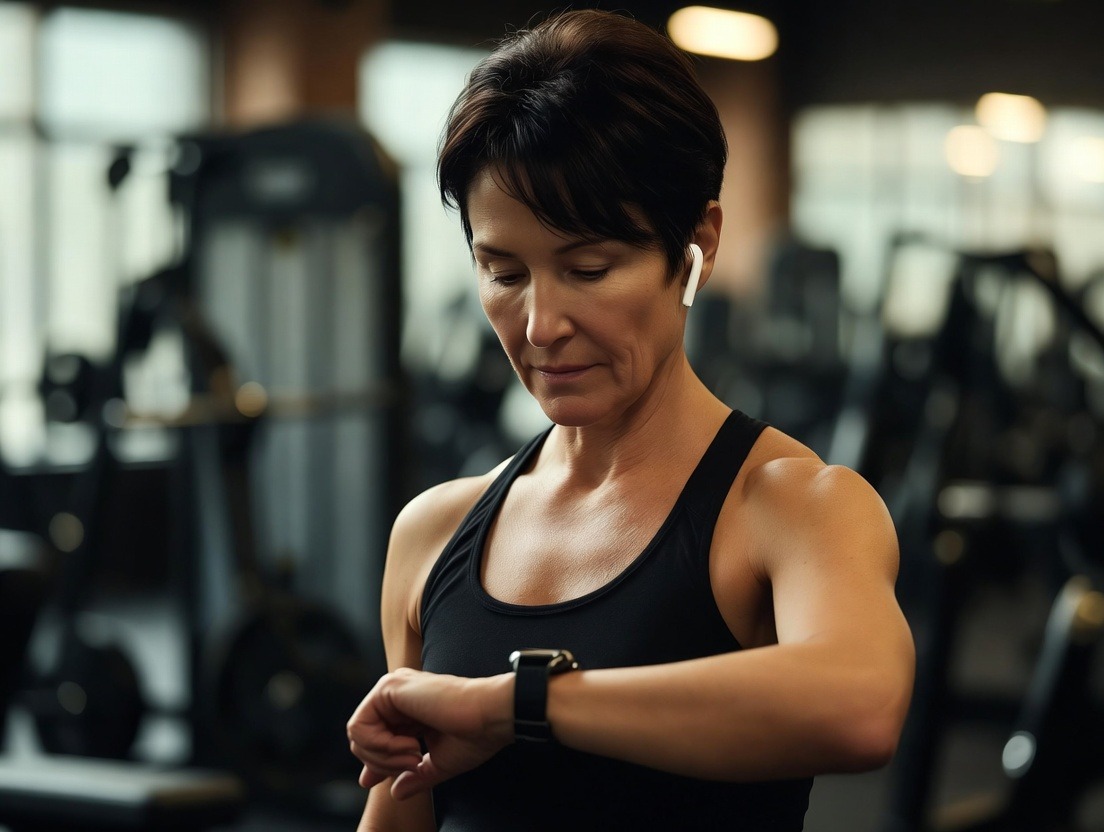
Shared physical activity has long been a pillar of strong relationships. But moving from “let’s go for a walk sometimes” to a sustainable, mutually supportive fitness partnership can be challenging. Differing fitness levels, motivations, and schedules often get in the way. Smart rings transform couples into true fitness duos by shifting the focus from competitive output (who ran faster?) to collaborative wellness input (how did our bodies respond and recover?).
The first major shift is in goal setting based on readiness, not arbitrary targets. Instead of Person A dragging Person B on a brutal 5-mile run because it’s on their training plan, you both check your readiness scores first. If Person B is in the red (poor recovery), the plan adapts. Maybe you opt for a gentle walk or a yoga session instead. This ensures fitness is always supportive, not destructive, to each other’s bodies. It teaches you to honor each other’s need for rest, preventing burnout and injury. You can learn more about this personalized approach to activity on our main platform page.
This leads to the concept of complementary, not identical, workouts. Your rings’ activity profiles will highlight your differences. One of you might have a naturally higher cardio fitness level (VO2 Max estimate), while the other shows faster strength recovery. This data allows you to play to your strengths and support each other’s weaknesses. The stronger partner can gently encourage and guide during resistance training, while the more cardio-fit partner can set a manageable pace on hikes. You become a personalized coaching team for each other.
The rings also introduce gamification and shared celebration in a healthy way. You can set joint goals: “Let’s both achieve an average sleep score of 85+ this week to fuel our weekend bike ride.” Or, “Let’s see if we can both lower our resting heart rates by 2 BPM this month through consistent, shared activity.” The win is mutual, and the reward is a tangible improvement in your shared health biomarkers. You’re competing against your past selves, not against each other.
Perhaps most importantly, they provide objective validation and encouragement. After a joint workout, you can both see the positive impact: a temporary, healthy elevation in heart rate, followed by a deeper sleep and an improved readiness score the next day. This positive feedback loop reinforces the habit. When one partner is feeling unmotivated, the other can point to their own data: “Remember how amazing we slept after our last workout? Let’s just go for 20 minutes and see how we feel.” The data becomes a neutral, persuasive partner in maintaining momentum.
By framing fitness as a shared investment in mutual recovery and resilience, smart rings turn exercise from a solitary chore or a potential point of friction into a cornerstone of your partnership. You’re not just workout buddies; you are co-authors of a stronger, healthier, and more energetic life story.
They say the couple that eats together, stays together. But what if you could thrive together by understanding how your shared meals impact your shared biology? Nutrition is deeply personal, yet for cohabitating couples, it’s almost always a joint venture—from grocery shopping to meal prep to the dinner table. Smart rings offer a unique feedback mechanism, helping couples move beyond dietary dogma and connect the dots between what they eat and how they both feel, sleep, and recover.
The most direct link is between dietary choices and sleep quality. Your rings provide an impeccable sleep score every morning. This becomes a powerful tool for nutritional experimentation. Try this as a couple: For one week, eat your usual diet and track your average sleep score. The following week, consciously make a joint change—such as finishing dinner at least 3 hours before bed, reducing shared alcohol intake, or cutting back on heavy, processed carbs in the evening. Observe what happens to both of your sleep scores, resting heart rates, and HRV. The data is often startlingly clear. One couple might discover that their beloved weekly pizza night consistently leads to poor sleep for both, prompting a switch to a lighter alternative. This turns nutrition from a lecture into a shared, curious investigation.
Similarly, rings can help identify shared food sensitivities or inflammatory responses. While not a diagnostic tool, trends in biomarkers like overnight resting heart rate and HRV can be very telling. If you both try a new recipe high in, say, dairy or gluten, and you both see a spike in resting heart rate and a dip in HRV that night, it’s a strong signal that your bodies are working harder (likely dealing with inflammation). This shared data makes it easier to embark on elimination diets or explore anti-inflammatory eating as a supportive team, not a lone sufferer.
This approach also helps harmonize different nutritional needs. Perhaps one partner is trying to build muscle while the other aims for weight maintenance. Your activity and recovery data can guide your shared meals. On days after a heavy strength workout for the muscle-building partner, the meal-prepper can ensure protein is prioritized. If the other partner had a high-stress day (visible in their stress score), a meal rich in magnesium and B vitamins might be beneficial. The rings provide the daily context to tailor your shared nourishment strategically.
Finally, this fosters a mindful, connected eating practice. Instead of eating in front of separate screens, you can make a ritual of reviewing your daily wellness summaries together over a meal. Discuss what worked. “Wow, we both crushed our sleep after that salmon and asparagus dinner.” “Hmm, our recoveries are low today; let’s make sure we hydrate and get an early night.” This transforms the dinner table into a wellness planning session, deepening your connection to the food and to each other. For more ideas on building these healthy, shared habits, our blog is a dedicated resource.
A committed relationship is a long-term venture, and nothing defines the long term like the process of aging. While often viewed with anxiety, aging as a couple can be reframed as a shared journey of proactive health stewardship. Smart rings shift the focus from worrying about the distant future to actively managing the present, providing a longitudinal dashboard of your most important asset: your combined healthspan. This transforms aging from a passive process into an active, collaborative project.
The fundamental power here is in establishing your personal baselines. Forget population averages. What is your normal resting heart rate? What is your partner’s typical HRV range? A smart ring learns these individual baselines over the first month of wear. From that point on, it’s looking for meaningful deviations. This is crucial because early signs of illness, excessive stress, or overtraining often appear as subtle shifts in these biomarkers long before you feel symptoms. As a couple, you can become each other’s early-warning system. A sustained, unexplained dip in your partner’s HRV or a creep in their resting heart rate can be a gentle nudge to check in, prioritize rest, or even consult a doctor. This is proactive, preventative care in its most intimate form.
Over years, this data becomes an invaluable longitudinal health journal. You can see how certain life changes—a new job, moving cities, having a child—affected your collective stress and sleep patterns. You can observe the positive impact of adopting a joint meditation practice or a regular hiking habit. This historical perspective provides powerful motivation. Seeing a multi-year trend of improving cardiovascular fitness (via VO2 Max estimates) or stabilizing sleep scores is a testament to the health choices you’ve made together.
This shared data also empowers informed conversations with healthcare providers. Walking into a doctor’s office with months of granular sleep, heart rate, and activity data for both partners is far more powerful than saying, “We’ve been tired lately.” It provides objective evidence of patterns, helping professionals make better diagnoses and recommendations. You become engaged, data-literate partners in your own healthcare.
Ultimately, tracking trends together builds a powerful narrative: “We are in this for the long haul, and we are taking care of our future selves, together.” It replaces fear of aging with a sense of agency and shared responsibility. You’re not just growing old together; you’re actively optimizing how you feel along the entire journey, ensuring you have the vitality to enjoy your shared life to the fullest. To understand the philosophy behind building technology for this lifelong journey, you can read about our mission and values.

Life as a couple is marked not by the mundane days, but by the major transitions: getting married, changing careers, moving homes, and most profoundly, becoming parents. These periods are celebrated, but they are also immense psychological and physiological stressors that can strain even the strongest bonds. During these times, subjective feelings are overwhelmed and communication often breaks down. Smart rings serve as an anchor of objective reality, providing couples with a shared, calm perspective amidst the storm by tracking the undeniable biology of change.
Consider the transition to parenthood, arguably the most demanding shift a couple can face. Sleep becomes fragmented, schedules evaporate, and stress is constant. A smart ring on each parent provides crucial insights. They can track the brutal reality of newborn sleep deprivation objectively. Instead of arguing over who is more tired (“I was up four times!” “Well, I was up for two hours!”), the data shows the unvarnished truth: you are both deeply in sleep debt, with depleted HRV and elevated resting heart rates. This shared truth fosters teamwork in survival mode. You can use the data to create shifts: “Your data shows you had less deep sleep than me last night, I’ll take the first feeding tonight.” It helps prevent resentment and promotes equitable rest-sharing.
Furthermore, rings can be critical in monitoring postpartum recovery for the birthing partner. Trends in resting heart rate, HRV, and temperature can provide reassurance or flag the need for a slower pace. For both partners, watching for the gradual return of their pre-parenthood baselines becomes a shared milestone of emerging from the fog.
Similarly, during a career change or relocation, stress biomarkers will spike. Watching this happen together on your apps normalizes the experience. You can say, “Okay, our stress scores are through the roof this week—that’s the packing and the job interview. Let’s expect to be frazzled and be extra kind to each other.” Once the transition is over, you can literally watch your collective physiology calm down, providing a concrete signal that the storm has passed and you’ve navigated it together.
Even in joyful transitions like planning a wedding, the rings don’t lie. The data will likely show declining sleep and rising stress as the date approaches. Recognizing this can prompt couples to schedule mandatory “wellness check-ins” for themselves—date nights where wedding talk is banned, or a pre-wedding day of rest. The rings hold you accountable to your own well-being during times when it’s easiest to neglect it.
In every case, the smart ring acts as a non-judgmental third party, reminding you that your physiological reactions are normal, shared, and temporary. It provides a language for your shared struggle and a metric for your shared recovery, ensuring that when you emerge from life’s big chapters, you emerge stronger and more connected than before.
The promise of shared biometric data is profound, but it naturally raises vital questions about privacy, autonomy, and trust. Sharing your body’s most intimate signals is a significant act of vulnerability. For this connected wellness journey to strengthen a relationship rather than undermine it, it must be built on a foundation of clear agreements, mutual respect, and healthy digital boundaries. Navigating this thoughtfully is as important as interpreting the data itself.
The first and most critical step is explicit, enthusiastic consent. The decision to share data should be a deliberate conversation, not a default setting turned on without discussion. This conversation should cover: What data are we sharing? (e.g., only sleep and readiness scores, not detailed heart rate logs). For what purpose? (e.g., “To support each other, not to monitor or police”). What are our rules of engagement? (e.g., “We don’t use the data as ammunition in arguments” or “We ask before discussing insights from the other’s data”). Establishing this “wellness pact” frames the tool as one of support.
This leads to the principle of data as a window, not a weapon. The biometric insights should be used to offer help, not criticism. The wrong approach: “Your HRV is low again because you stayed up late scrolling. You’re irresponsible.” The right approach: “I noticed your recovery is low today. Is there anything I can do to help you take it easy?” The intent behind the observation is everything. The data should foster curiosity and care, not surveillance and control.
Couples must also respect the right to disconnect. There will be days when one partner doesn’t want to be “seen” in the data. Perhaps they’re processing something private, or simply need a break from quantification. Having an agreement that either person can temporarily pause data sharing without needing to justify themselves is essential. The technology should serve the relationship, not the other way around.
Finally, it’s crucial to trust the platform. Before syncing your lives to a device, research the company’s data privacy policies. Where is your intimate health data stored? How is it encrypted? Is it sold to third parties? A company’s values should align with the trust you’re placing in it. At Oxyzen, we are transparent about our commitment to security and user privacy, because we understand that protecting your data is part of protecting your relationship. You can review our specific policies and commitments in our detailed FAQ section.
When approached with intention, the shared data from smart rings can become a powerful testament to trust. It says, “I trust you with my vulnerable signals, and I vow to use this knowledge only to love and support you better.” That is perhaps the most powerful benefit of all.
Embarking on this journey requires choosing the right tools. With a growing market of smart rings from Oura, Circular, Ultrahuman, and others, selecting the perfect pair can feel overwhelming. The goal isn’t to find two identical rings, but to find two rings that fit your individual needs and work harmoniously as a couple’s system. Here is a focused guide on the key features, considerations, and questions to ask as a duo.
1. Prioritize the Core Biometrics for Connection:
Not all rings track the same metrics with the same accuracy. For a couples-focused experience, prioritize these sensors:
2. Assess the "Couples' Experience" in the App:
The hardware is only half the story. The companion app is your shared dashboard. Critically evaluate:
3. The Practicalities: Fit, Form, and Battery Life:
4. Questions to Ask Yourselves as a Couple:
Taking the time to research and decide together is the first collaborative act of your connected wellness journey. It sets the stage for a partnership where technology is seamlessly integrated into your life, working quietly in the background to help you see, understand, and care for each other in entirely new ways.
As we have seen, the journey through shared sleep, stress, fitness, and nutrition paints a compelling picture of how biometric data can transform a relationship. Yet, the true magic lies not in the numbers themselves, but in the profound behavioral and emotional shifts they catalyze. This final portion of our exploration delves into the heart of the matter: how the consistent, objective feedback from smart rings fosters a new paradigm of attunement, empathy, and proactive love, ultimately strengthening the very fabric of your partnership.
The core mechanism at play is the feedback loop of compassionate action. In a traditional relationship dynamic, one partner must recognize a need, articulate it, and the other must receive, interpret, and act on that communication—a chain with multiple potential points of failure. Smart rings compress this loop. The biometric signal (e.g., poor sleep, high stress) becomes the shared, neutral starting point. It bypasses the often-muddled verbal request and leads directly to empathetic inquiry or supportive action. This creates a powerful reinforcement: Partner A sees data, offers support, Partner B feels cared for. The next time Partner B sees Partner A's data, they are more likely to reciprocate. A virtuous cycle of mutual caretaking is born, reinforcing the bond with every interaction.
This cultivates what psychologists call “radical empathy.” Empathy is typically an interpretive act—we listen to words and observe behavior to infer an internal state, and our inference can be wrong. Biometric data offers a direct, unfiltered view of that internal state. You are no longer just empathizing with your partner’s story about their day; you are empathizing with their body’s physiological reality. This moves empathy from the cognitive (“I understand why you’d be stressed”) to the visceral (“I can see the cost that stress is taking on your nervous system, right now”). This depth of understanding dissolves defensiveness and fosters a profound sense of being truly seen and known.
Furthermore, this journey redefines intimacy beyond the physical. While sexual connection is vital, intimacy is fundamentally about closeness and vulnerability. Sharing your body’s raw, unedited data—its fatigue, its strain, its quiet recovery—is an act of immense vulnerability. Allowing your partner to see that data and respond with care builds trust on a foundational level. You are building intimacy not just in the bedroom, but in the rhythms of your daily biology. You are becoming experts on each other, not in a controlling way, but in the way a master gardener understands the subtle needs of a prized plant—attentive, responsive, and devoted to fostering its flourishing.
This model also future-proofs your relationship against the slow drift that can occur over years. Couples often grow apart not from a lack of love, but from a buildup of miscommunications, unresolved minor resentments, and a gradual disconnection from each other’s evolving inner lives. The shared wellness practice acts as a constant, gentle tether. It provides a neutral, ongoing project that requires regular, low-stakes collaboration. It ensures you are consistently paying attention to each other’s fundamental well-being, keeping you aligned and connected even as external lives grow more complex. It’s a proactive strategy for maintaining closeness, turning daily care into a sustained ritual of love.
Ultimately, smart rings for couples represent a fusion of the technological and the deeply human. They offer a modern tool to achieve an ancient goal: to know and cherish your partner fully, to bear witness to their life not just in its external events but in its internal tides, and to build a partnership where care is not a reaction to crisis, but a daily, data-informed devotion. The result is a relationship that is not only healthier but more resilient, more attuned, and more intimately connected than ever before.
Ready to Begin Your Connected Wellness Journey?
The potential for deeper connection and shared well-being is now at your fingertips—literally. If the insights in this guide resonate with you, the next step is to explore the technology that can make it a reality.
We invite you to discover how Oxyzen is designed specifically for this purpose: to turn individual health data into a shared language of care for couples. Our platform prioritizes the intuitive sharing, insightful comparison, and privacy-first approach that makes this journey not just possible, but seamless and enriching.
For a deeper dive into any of the topics covered here—from detailed sleep hygiene protocols for couples to stress-reduction techniques you can practice together—our comprehensive resource library awaits. You can explore our blog for more wellness tips and science-backed guides.
If you have specific questions about how smart ring technology can fit into your relationship, or want to understand the finer details of how it all works, our dedicated support center has the answers. We encourage you to visit our FAQ for support and guidance.
Finally, don’t just take our word for it. Hear from couples who have transformed their connection through shared wellness. Read their stories and see the real-world impact in our collection of real customer reviews and testimonials.
The journey to a more connected, healthier, and more empathetic partnership begins with a single, shared step. Take that step together.
Having explored the profound emotional and connective benefits, let's shift from philosophy to practice. How do you, as a couple, move from being inspired to being operational? The transition from simply wearing rings to building a truly integrated, shared wellness lifestyle requires intention and a simple framework. Think of it as co-designing the architecture of your daily life—a structure built not on habit alone, but on conscious, data-informed choices that support your mutual well-being.
This begins with the Weekly Wellness Check-In. Dedicate 20 minutes each week, perhaps Sunday evening, to review your shared data. This isn't a performance review; it's a collaborative strategy session. Open your apps side-by-side and ask three key questions:
Next, establish your Shared Wellness Non-Negotiables. These are 1-3 simple rules derived from your data trends that become the bedrock of your health as a unit. For example:
Finally, leverage the rings for Dynamic Day Alignment. Each morning, a quick glance at each other's readiness or sleep score sets the emotional tone for the day. It’s a form of non-verbal communication that says, "I see where you're starting from today." This allows for micro-adjustments in real-time:
This framework turns the smart ring from a tracking device into the central processor for a "smart relationship"—one that dynamically adapts to the needs of its two members, fostering an environment where both individuals can thrive.
A significant cultural movement of the last decade has been the "Quantified Self"—the practice of meticulously tracking personal data for self-optimization. For some, this can become a solitary, even obsessive, pursuit. For couples, smart rings offer a powerful evolution: the transition from a quantified self to a qualified "us." This shift has profound psychological implications, moving the focus from individual optimization to relational harmony and mutual fulfillment.
The core psychological benefit is the externalization of internal states. Feelings of fatigue, anxiety, or low energy are often internal, private experiences that can be hard to communicate. When these states manifest as objective data—a low HRV, a high stress graph, a poor sleep score—they are taken out of the shadowy realm of subjective feeling and placed into the shared, neutral light of objective fact. This depersonalizes the issue. It's no longer "You are being irritable," it's "Our data shows our nervous systems are collectively overloaded." This externalization reduces defensiveness and makes challenges feel like shared puzzles to solve, rather than personal failures to criticize.
This practice also actively builds shared identity and purpose. A couple’s identity is often built around shared history, values, and goals. Integrating a shared wellness practice adds a powerful, forward-looking pillar to that identity. You become "the couple that prioritizes sleep," "the team that trains together," or "the partners who manage stress proactively." This shared identity as a "wellness team" is a source of pride and cohesion. It provides a common project that is inherently positive and life-affirming, strengthening your bond against the wear and tear of daily life.
Furthermore, it combats the psychological trap of "comparison despair" that can happen with solo tracking. When tracking alone, it's easy to compare your metrics to idealized averages or athletic peers, leading to discouragement. In a couples' context, the most relevant and meaningful comparison is with each other's baselines and with your shared trajectory over time. The goal is not for both to hit an arbitrary target, but for both to see positive trends and to support each other through inevitable dips. This fosters a mindset of collaborative progress, not competitive perfection.
Ultimately, this shared data practice cultivates attunement, which is the bedrock of secure attachment. Attunement is the ability to read and respond to your partner's emotional and physical cues. Smart rings act as a high-fidelity attunement training device. They give you clear, immediate feedback on whether your interpretation of your partner's state was correct and whether your response was effective. Over time, this sharpens your intuitive attunement skills outside of the data, making you more emotionally intelligent and responsive partners. You learn the subtle physical correlates of your partner's moods, creating a deeper, more instinctive connection.
Inevitably, there will be days, weeks, or even seasons where your wellness data diverges sharply. One partner is sleeping soundly with high HRV, while the other is in a prolonged slump. One is crushing fitness goals while the other is battling fatigue. These discrepancies are not signs of failure; they are golden opportunities for growth, empathy, and tailored support. How you navigate these divergences determines whether the technology divides or deepens your connection.
The first rule is to approach divergence with curiosity, not judgment. The data is a "what," not a "why." It is a starting point for a caring conversation, not a verdict. Instead of "Your sleep is terrible again," the approach is, "I notice your sleep scores have been low for three nights while mine have been okay. Is there anything on your mind, or are you feeling physically off?" This opens a dialogue rather than triggering defensiveness.
These moments allow you to practice asymmetrical support. A relationship is not a 50/50 transaction every single day; it's a dynamic balance where support flows to whoever needs it most in the moment. The partner in the "green zone" has more emotional and physiological capacity to offer care. The data makes this need visible and legitimate. The well-rested partner can explicitly say, "My readiness is high today—I've got the bandwidth. Let me take on more so you can focus on recovery." This tangible, data-informed support is incredibly validating and strengthens trust.
Divergence also highlights your unique physiological fingerprints. You are two different biological organisms. You may have different chronotypes (a morning person and a night owl), different sensitivities to caffeine or alcohol, different innate stress responses, or be at different points in hormonal cycles. The data lays these differences bare. This knowledge helps you stop imposing a one-size-fits-all wellness model on each other. You can customize your joint routines. Perhaps the morning person handles the early dog walk so the night owl can sleep in. Perhaps you discover one of you needs more total sleep than the other, and you adjust expectations accordingly.
Finally, seeing a partner struggle in the data while you thrive can be a powerful lesson in humility and gratitude. It reminds you that well-being is fragile and cyclical. Your time in the "green zone" is a resource to be shared, and it will be your turn to need support soon enough. This fosters a long-term perspective on reciprocity and mutual care, ensuring that the partnership remains a sanctuary for both through all of life's inevitable ups and downs. For insights on how other couples have turned data discrepancies into stronger bonds, browse our user experiences.
The smart ring is a powerhouse of biometric data, but it does not exist in a vacuum. It becomes even more powerful when thoughtfully integrated into your broader ecosystem of shared technology. This isn't about creating a fully quantified, tech-dominated home, but about creating intelligent connections that reduce friction and amplify your shared wellness intentions.
A primary integration is with shared calendar platforms like Google Calendar or Apple Calendar. This is where intention meets logistics. You can create a shared "Wellness" calendar color-coded for different needs:
Next, consider integration with environmental controls. While direct integration may be future-facing, the principle is powerful: use your data to inform your shared environment. If your sleep data consistently shows you both sleep better in a cooler room, you can set a smart thermostat schedule to lower the temperature at bedtime automatically. If your stress scores spike when the house is noisy and chaotic, you might use smart speakers to schedule periods of ambient, calming music during hectic weekday evenings.
The rings also provide perfect context for digital mindfulness and meditation apps. Apps like Calm or Headspace often have couple or family plans. You can use your shared stress score as a trigger: "If either of us has a stress score above 'moderate' at 6 PM, we do a 10-minute guided meditation together using the app." This links the biometric cue to an immediate, shared intervention.
Perhaps most importantly, this integrated ecosystem should have clear boundaries. Designate tech-free zones and times based on your wellness data. If your data shows screen time after 10 PM harms your sleep, use this objective evidence to justify a joint phone docking station outside the bedroom. The technology serves to help you disconnect from other, more disruptive technology, reclaiming your time and attention for each other. To explore more ideas on creating a harmonious, tech-balanced home, our blog offers ongoing discussions.
The ripple effects of a couple's shared wellness journey extend beyond the partnership itself, most powerfully into the realm of family. When parents or partners model a data-informed, collaborative, and non-judgmental approach to health, they are not just improving their own lives; they are setting a foundational example for children and creating a culture of wellness for the entire household.
This begins with modeling collaborative self-care. Children learn about relationships by watching the most important one in their lives: the one between their caregivers. When they see parents checking in on each other's "readiness" and adjusting the day's plans accordingly, they learn empathy and flexibility. They hear, "Dad's body needs extra rest today, so we're going to have a quiet movie night," and they internalize that it's okay to listen to your body's needs and that families support each other in doing so. This is a far more powerful lesson than any lecture on health.
For older children and teenagers, this can evolve into age-appropriate data conversations. While putting a smart ring on a young child is generally not advised, the language of wellness can be shared. You might talk about how good sleep helps you be a more patient parent, or how you use your ring to know when you need a timeout to calm down. For teens, who are often acutely aware of their own bodies and performance, this can demystify health and provide a neutral, scientific framework for discussing sleep, stress, and energy—topics often fraught with emotion.
The shared data also helps couples co-parent more effectively. The sheer exhaustion of parenting young children is a universal challenge. Smart rings can help make the invisible load visible. If the data shows one parent is consistently getting more disrupted sleep (perhaps due to feeding schedules), it provides an objective basis for a fair redistribution of nighttime duties. It can help prevent the buildup of silent resentment and foster a team-based approach to the marathon of early parenthood, ensuring both partners are guarding each other's recovery as fiercely as they care for their children.
Ultimately, this approach plants the seeds for the next generation's health literacy. It teaches that health is not about punishment or perfection, but about awareness, curiosity, and mutual support. It shows that the most advanced technology can be used not for isolation, but for fostering deeper human connection and care within the family unit. To understand more about our vision for technology that serves the whole family, you can read about our company's mission and values.
As we embrace a future where our most intimate biological data can be seamlessly shared, we must navigate this new terrain with careful ethical consideration. The power of connected wellness for couples is immense, but it hinges on a foundation of voluntary consent, ongoing autonomy, and a clear understanding of the data's limits. Building this future responsibly is as important as building the technology itself.
The cornerstone is dynamic, not static, consent. Initial consent to share data is just the beginning. True ethical practice means consent can be modified or withdrawn at any time, for any reason, without pressure or penalty. A partner should be able to say, "I'm going through something private, I need to pause data sharing for a week," and that decision must be respected unconditionally. Platforms must make this as easy as a single toggle switch. This respects the individual's right to privacy and psychological sovereignty within the shared space of the relationship.
We must also guard against the rise of biometric surveillance or coercion. The data should never be used as a tool for control—to mandate exercise, police food choices, or shame a partner for their sleep patterns. The line between supportive insight and intrusive monitoring is defined by intent and power dynamics. Healthy use is characterized by invitation ("Would you like to see what the data suggests?"), not accusation ("The data says you're lazy"). Couples must regularly check in on whether their use of the technology feels empowering or oppressive to either partner.
Furthermore, there is a duty to understand the limitations of the data. Smart rings provide incredibly rich biomarkers, but they are not medical devices. They cannot diagnose illness, measure emotional states like love or happiness, or capture the full complexity of human well-being. A low HRV can indicate physical stress, but it could also be the aftermath of an intense but positive experience like a thrilling adventure or a passionate debate. The data is a single lens, not the entire picture. Wisdom lies in integrating this lens with conversation, emotional intelligence, and lived experience.
As this field evolves, we must advocate for and choose companies that prioritize these ethical principles—companies that design for privacy by default, that educate users on responsible data sharing, and that see their role as enabling human connection, not replacing it with data streams. This is a core commitment in the story of Oxyzen, where we believe technology's highest purpose is to serve our humanity, not the other way around.
We have traversed a comprehensive landscape—from the discreet design of the smart ring to the syncing of sleep, the new language of shared metrics, the collaborative management of stress, the enhancement of intimacy, and the building of a shared fitness and nutrition philosophy. We've looked at the long game of health trends, navigated life's major transitions, set crucial digital boundaries, and even extended our view to family and ethical horizons.
The throughline is unmistakable: the smart ring, when adopted with intention and care, ceases to be a mere wearable. It becomes a connective tissue for the modern relationship. It is a translator for the body's silent language, a mirror reflecting your shared physiological landscape, and a compass guiding you toward mutual well-being.
This journey does not require perfection. It begins with curiosity. It starts the moment you both glance at your sleep scores and say, "Huh, we both slept poorly. Let's figure out why." It grows with each data-informed act of kindness, each adjusted plan made out of empathy, each celebration of a shared wellness win.
The promise is a relationship that feels more attuned, resilient, and deeply connected. It's a partnership where "How are you?" is answered with greater clarity and met with more informed care. It is about building a future where you are not just growing older together, but growing healthier, more aware, and more in sync with every passing year.
Your combined well-being is the most important project you will ever collaborate on. Now, you have the tools to build it together, one data point at a time.
Your Trusted Sleep Advocate: Sleep Foundation — https://www.sleepfoundation.org
Discover a digital archive of scholarly articles: NIH — https://www.ncbi.nlm.nih.gov/
39 million citations for biomedical literature :PubMed — https://pubmed.ncbi.nlm.nih.gov/
Experts at Harvard Health Publishing covering a variety of health topics — https://www.health.harvard.edu/blog/
Every life deserves world class care :Cleveland Clinic - https://my.clevelandclinic.org/health
Wearable technology and the future of predictive health monitoring :MIT Technology Review — https://www.technologyreview.com/
Dedicated to the well-being of all people and guided by science :World Health Organization — https://www.who.int/news-room/
Psychological science and knowledge to benefit society and improve lives. :APA — https://www.apa.org/monitor/
Cutting-edge insights on human longevity and peak performance:
Lifespan Research — https://www.lifespan.io/
Global authority on exercise physiology, sports performance, and human recovery:
American College of Sports Medicine — https://www.acsm.org/
Neuroscience-driven guidance for better focus, sleep, and mental clarity:
Stanford Human Performance Lab — https://humanperformance.stanford.edu/
Evidence-based psychology and mind–body wellness resources:
Mayo Clinic — https://www.mayoclinic.org/healthy-lifestyle/
Data-backed research on emotional wellbeing, stress biology, and resilience:
American Institute of Stress — https://www.stress.org/


