The Smart Ring Benefits That Detect Health Issues Early
Benefits that include the early detection of potential health issues.
The Smart Ring Benefits That Detect Health Issues Early
Imagine discovering a subtle but persistent irregularity in your heart rhythm not during a stressful episode, but in the quiet of a Tuesday night’s sleep. Or, receiving a gentle alert about a potential wellness imbalance weeks before any physical symptom ever appears. This is not a glimpse into a distant medical future; it is the present-day promise of the smart ring, a device redefining our relationship with personal health.
In an era where the global wellness economy has surged to a staggering $6.8 trillion, our collective focus is shifting decisively from reactive treatment to proactive, preventive care. At the heart of this revolution is wearable technology, which now accounts for nearly half of the wellness tech market. Among these innovations, the smart ring stands apart. It moves health monitoring from the conspicuous, screen-laden wrist to the subtle intimacy of the finger, working tirelessly in the background. Its mission is profound yet simple: to provide a continuous stream of honest, physiological data—your body's own unedited story—empowering you to detect potential health issues at their earliest, most manageable stages. This article will guide you through the transformative science and tangible benefits of this quiet wellness companion, showing how a small band of technology can become your most powerful ally in the lifelong pursuit of health.
The Silent Epidemic of Late Detection and the Dawn of Proactive Health
For decades, the dominant model of healthcare has been reactive. We often only seek professional medical insight when symptoms become too disruptive to ignore—a persistent pain, a sudden episode, a lab result that flags a problem already in progress. This "sick care" system, while heroic in its treatment capabilities, is fundamentally flawed in its timing. By the time a condition manifests clear symptoms, it may have been developing silently for months or even years. The consequences are measurable: more invasive treatments, higher healthcare costs, and, most critically, worse long-term outcomes for patients.
Simultaneously, we are witnessing a powerful cultural and technological shift. Individuals are no longer passive recipients of healthcare; they are becoming active, informed participants in their own well-being. This is fueled by the explosive growth of the wellness economy, which consistently outpaces global GDP growth and is projected to reach nearly $9.8 trillion by 2029. People are investing in prevention, seeking tools that offer control and insight. They want data about their bodies that is as accessible as data about their finances or social connections.
The smart ring emerges precisely at this intersection of need and empowerment. It addresses the core problem of late detection by providing continuous, passive monitoring. Unlike a smartwatch that requires charging nightly or a medical check-up that provides a single snapshot in time, a smart ring like the Oxyzen Gen 2 is designed to be worn and forgotten, gathering data across the full spectrum of your life—during work, sleep, exercise, and relaxation. This creates a rich, longitudinal dataset of your personal "normal," making it possible to spot meaningful deviations that could signal the earliest whispers of a problem.
This transition from episodic to continuous monitoring represents a fundamental leap. It is the difference between checking the weather once a day and having a live radar showing subtle pressure changes long before the storm arrives. As one industry observer noted about the latest generation of smart rings, wellness becomes less about chasing numbers and more about understanding patterns—a crucial mindset shift for sustainable health.
The potential impact is vast, extending from the fitness enthusiast optimizing recovery to the older adult managing a chronic condition at home. A 2025 study in Finland found that older patients with chronic neurological diseases were largely open to using smart rings for remote monitoring, valuing the prospect of increased health awareness and the reassuring sense of being connected to care professionals. This technology is building a bridge between daily life and clinical insight, turning the home into a node of preventive healthcare and empowering every individual to become the first line of defense for their own health.
How a Smart Ring Works: The Science on Your Finger
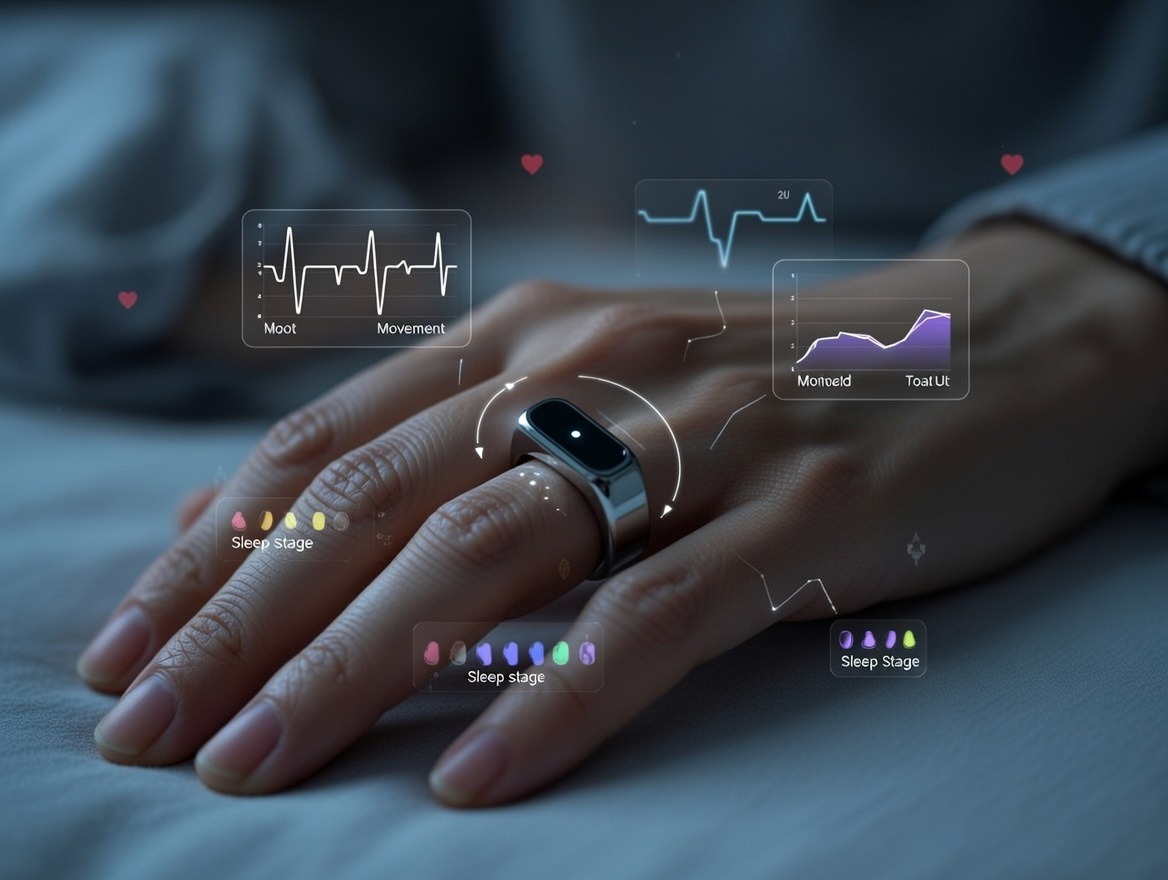
To appreciate how a smart ring can serve as an early warning system, we must first understand the sophisticated yet elegant technology packed into its slim form. This is not a simple pedometer; it is a miniaturized biophysics laboratory, leveraging the unique physiology of your finger to gather medical-grade insights.
Photoplethysmography (PPG): Reading Your Pulse with Light
The cornerstone of most health-tracking in smart rings is a technology called photoplethysmography (PPG). While the term is complex, the principle is beautifully simple. The ring contains tiny LED lights (often green, red, and infrared) that shine into the skin of your finger. A sensor opposite the lights measures how much of this light is absorbed.
Here is the key: your blood absorbs light differently than the surrounding tissue. With each heartbeat, a surge of blood pulses through the capillaries in your finger, temporarily increasing light absorption. Between beats, absorption decreases. The sensor captures these rapid, microscopic changes in reflected light hundreds of times per second, creating a waveform graph. The peaks of this wave correspond to individual heartbeats. By analyzing the timing between these peaks, the ring’s algorithms can calculate not just your heart rate, but also a wealth of other data:
Heart Rate (HR): The number of peaks per minute.
Heart Rate Variability (HRV): The subtle variations in time between each peak, a key indicator of nervous system balance and recovery status.
Blood Oxygen Saturation (SpO2): By comparing how much red vs. infrared light is absorbed, the ring can determine the proportion of oxygenated hemoglobin in your blood.
Respiratory Rate: Even your breathing causes subtle, rhythmic changes in blood flow, which advanced algorithms can extract from the PPG signal.
Why the Finger is the Perfect Window
You might wonder why a ring is more effective than the wrist-based sensors found in smartwatches. The finger offers distinct physiological and practical advantages that are critical for accurate, continuous monitoring.
Superior Blood Flow: The fingertips have a high density of capillaries close to the skin's surface. This results in a stronger, clearer pulsatile signal with a high signal-to-noise ratio, meaning the heart's signal is easier for the sensor to distinguish from background "noise" like minor movements.
A Stable, Sealed Environment: A properly fitted ring creates a consistent, light-blocking seal around the finger. This stabilizes the distance light must travel and prevents interference from ambient light—a common challenge for wrist devices where straps can loosen and create gaps.
Reduced Motion Artifact: During sleep, your fingers naturally move far less than your wrists. Since much of the most valuable health data (like deep sleep metrics and overnight HRV) is collected at night, the finger's relative stillness provides cleaner, more reliable data for analysis.
Beyond PPG: A Suite of Silent Sensors
While PPG is the workhorse, leading smart rings incorporate additional sensors to build a more complete health picture:
Skin Temperature Sensors: These measure minute changes in your peripheral body temperature, which can indicate the onset of illness, inflammatory responses, or, for women, different phases of the menstrual cycle.
3-Axis Accelerometers: This is the same motion-sensing technology found in phones. In a smart ring, it tracks movement to quantify activity, distinguish between sleep stages (by detecting micro-movements), and identify periods of rest.
The Brain Behind the Data: Algorithms and AI
The raw sensor data is just the beginning. The true magic happens in the ring’s onboard processor and its companion app, where advanced algorithms and, increasingly, artificial intelligence (AI) go to work. These systems perform several critical functions:
Filtering Noise: They separate the true physiological signal from artifacts caused by hand gestures, temporary poor fit, or environmental factors.
Establishing Your Baseline: Over an initial period of about 7-14 days, the system learns your personal norms for resting heart rate, HRV, temperature, and sleep patterns. All future insights are contextualized against this unique baseline.
Generating Actionable Insights: This is where data becomes wisdom. The AI doesn't just show you charts; it identifies patterns and correlations. It might notice that your resting heart rate is elevated and your sleep was restless for three nights in a row, then prompt you to consider whether you're fighting off an infection or experiencing elevated stress. As noted in fitness trends for 2026, this ability to detect early signs of imbalance through low HRV or poor sleep patterns is a game-changer for proactive health management.
It is this seamless, 24/7 operation—capturing high-fidelity data from an ideal location and processing it with intelligent software—that transforms the smart ring from a fitness gadget into a powerful tool for early health detection. As one reviewer of the Oxyzen Gen 2 put it, this represents "the next chapter of wellness tech: personal, non-intrusive, and designed for real life".
Beyond the Heartbeat: 360-Degree Continuous Health Monitoring
The true power of a smart ring lies in its omnipresence. It gathers data across all pillars of well-being—sleep, activity, stress, and recovery—weaving them into a holistic narrative of your health. This continuous, multi-dimensional tracking is what enables the detection of subtle, early-warning signs that would be invisible in a single metric or a sporadic check-up.
The Foundation: Unlocking the Secrets of Sleep
Sleep is not merely downtime; it is a critical, active state of physical repair and mental consolidation. Disrupted sleep is both a symptom and a cause of numerous health issues. A smart ring acts as a personal sleep lab, providing insights far beyond simple duration.
Sleep Architecture Analysis: By combining motion data (accelerometer) with heart rate and HRV trends, the ring estimates your time in light, deep, and REM (Rapid Eye Movement) sleep stages. Consistently low deep sleep can hinder physical recovery, while reduced REM may impact memory and mood.
Sleep Latency and Efficiency: How long it takes you to fall asleep and what percentage of your time in bed you're actually asleep are key indicators of sleep hygiene and potential disorders.
Detecting Sleep Disruptions: Perhaps most importantly, the ring can identify disturbances like sleep apnea. By monitoring for repeated, cyclical drops in blood oxygen levels (SpO2) and associated heart rate spikes, advanced rings can screen for this dangerous condition. For instance, the RingConn Gen 2 claims a 90.7% accuracy in sleep apnea detection. Early identification of sleep apnea is crucial, as it is a significant risk factor for hypertension, heart disease, and stroke.
A 2024 meta-analysis in Applied Sciences highlighted the growing research focus on smart rings for sleep monitoring, noting their promising, though evolving, role in tracking total sleep time and sleep architecture compared to clinical polysomnography.
The Activity Paradox: Tracking More Than Just Steps
While step counting is a basic function, the smart ring's value in activity tracking is in its context. It doesn't just measure output; it measures output in relation to your body's readiness.
Resting Heart Rate (RHR) Trends: Your RHR upon waking is a fundamental vital sign. A sustained elevation of 5-10 beats per minute above your personal baseline can be one of the earliest signs of overtraining, impending illness, or chronic stress.
Activity and Calorie Burn: By understanding your movement patterns and metabolic profile, the ring helps paint a picture of your overall energy expenditure, complementing dietary and fitness goals.
Recovery Metrics: This is where the ring excels. After a workout, it monitors how quickly your heart rate returns to baseline (heart rate recovery) and how your HRV responds. A slow recovery or a plummeting HRV are clear signals from your body that it needs more rest, helping you avoid the detrimental cycle of overtraining, which can suppress the immune system and lead to injury.
The Nervous System Barometer: Stress and Readiness
One of the most sophisticated features of modern smart rings is their ability to act as a barometer for your autonomic nervous system—the balance between your "fight-or-flight" (sympathetic) and "rest-and-digest" (parasympathetic) states.
Heart Rate Variability (HRV) as a Core Metric: As Wareable's 2026 guide explains, HRV is the tiny, beat-to-beat variation in your heart rhythm. A higher HRV generally indicates a resilient, adaptable nervous system that can handle stress and recover effectively. A downward trend in your HRV can be a pre-clinical sign of accumulated stress, fatigue, or poor recovery.
Readiness and Resilience Scores: Many ring apps synthesize data from sleep, activity, and HRV to generate a daily "Readiness" or "Recovery" score. This simple number is a powerful, AI-driven recommendation on how hard to push yourself that day. Honoring a low score with light activity or rest is a prime example of using data for preventive health—potentially stopping a minor strain from becoming a major setback.
The Early-Warning System: Body Temperature and Respiratory Rate
Basal Body Temperature: A continuous skin temperature sensor can detect a sustained rise in your baseline temperature, often one of the very first signs your body gives when fighting an infection, even before you feel symptoms.
Respiratory Rate: Your breathing rate at rest is a vital sign that clinicians monitor closely. An unexplained, gradual increase in your overnight respiratory rate can be an early indicator of cardiac or respiratory issues.
By integrating these diverse data streams, the smart ring creates a dynamic, living model of your health. It shifts the focus from isolated metrics to interconnected patterns. You’re no longer just asking, "How did I sleep?" but rather, "How did my sleep affect my recovery, and what does my recovery score tell me about how to approach my day?" This 360-degree view is the essential infrastructure for moving from generic health tips to truly personalized, preventive action. For more on how these insights translate into daily life, you can explore a range of user experiences and real-world applications on the Oxyzen blog.
Catching the Unseen: Early Detection of Cardiovascular and Respiratory Issues
The continuous, nuanced data collected by a smart ring positions it as a potentially life-saving tool for monitoring two of the body's most critical systems: the cardiovascular and respiratory systems. By establishing a detailed, personalized baseline, the ring can flag deviations that may signal the early stages of serious conditions, often long before traditional symptoms prompt a doctor's visit.
The Heart's Whispers: Atrial Fibrillation and Beyond
Cardiovascular disease remains a leading cause of death globally, and its stealthy onset is a major challenge. Smart rings, through constant heart rate monitoring, are uniquely equipped to catch arrhythmias—irregular heartbeats—that come and go.
Spotting Irregular Rhythms: While consumer smart rings are not yet cleared for explicit Atrial Fibrillation (AFib) detection like some smartwatches, their 24/7 PPG monitoring is adept at identifying episodes of tachycardia (abnormally high heart rate), bradycardia (abnormally low heart rate), and heart rate irregularity during rest. For example, a ring might detect unexplained spikes to 130 bpm while you're sitting quietly reading, or notice an unusually erratic rhythm during sleep. A 2024 meta-analysis confirmed that smart rings show "good accuracy" in measuring heart rate, with a mean bias of just -0.4 beats per minute compared to medical devices, establishing their reliability for spotting trends.
The Power of the Trendline: A single odd reading may be nothing. But a smart ring provides context. If it shows that your resting heart rate has been creeping upward over several weeks despite stable activity and good sleep, it provides you and your doctor with a powerful, data-driven clue. This trend could be related to conditions like anemia, thyroid dysfunction, or the early stages of heart failure.
Real-World Impact: The RingConn website shares a story of a user whose ring detected unusual heart rate fluctuations, leading to a doctor's visit and a diagnosis of atrial fibrillation. This story underscores the potential: the ring doesn't diagnose, but it provides the concrete, timely evidence that can lead to a diagnosis.
Blood Oxygen: A Vital Sign for Lungs and Heart
Blood oxygen saturation (SpO2) is a critical metric for both respiratory and cardiovascular health. A smart ring’s ability to monitor SpO2 continuously, especially overnight, opens a window into hidden problems.
Nocturnal Hypoxia: Many respiratory issues, including sleep apnea and COPD, can cause oxygen levels to dip primarily during sleep. A wristwatch worn only during the day would miss this entirely. A ring, worn continuously, can identify these overnight desaturations. As noted earlier, some rings have dedicated algorithms to screen for sleep apnea patterns with high accuracy.
Early Sign of Respiratory Infection: A gradual decline in your average SpO2, even within the normal range (e.g., from a baseline of 98% to 95%), can be an early indicator of a developing respiratory infection like pneumonia or a worsening of a chronic lung condition.
Circulatory Insights: SpO2 is also influenced by how effectively the heart pumps blood. Consistent low readings can sometimes point to circulatory problems.
Heart Rate Variability: The Canary in the Coal Mine
Perhaps no single metric from a smart ring is more predictive for overall cardiovascular and systemic health than Heart Rate Variability (HRV). Think of HRV as a measure of your heart's agility and your nervous system's balance.
A Drop in HRV: A pronounced or sustained drop in your HRV baseline is a significant red flag. Research indicates that low HRV is associated with an increased risk of future cardiac events and is a common feature in states of chronic inflammation, excessive stress, and overtraining.
The Predictive Pattern: The ring allows you to see what causes your HRV to drop. Was it a night of poor sleep? An intense week at work? A heavy week of training? By correlating lifestyle with this sensitive metric, you can identify the specific stressors that most impact your system and adjust before they lead to burnout or illness.
It is crucial to remember the appropriate context: a smart ring is a wellness device, not a medical device. Its role is not to diagnose atrial fibrillation, heart failure, or sleep apnea. Its role is to identify statistically significant deviations from your normal and present them to you as meaningful insights that warrant professional attention. It empowers you to walk into a healthcare provider's office not with vague complaints of "feeling tired," but with a report showing: "My resting heart rate has increased by 12 bpm over three weeks, and my overnight SpO2 has dropped below 90% on several occasions." This shifts the conversation and can dramatically accelerate the path to appropriate testing and early intervention. For those curious about how this technology integrates into a broader wellness philosophy, the story behind Oxyzen's mission offers deeper insight.
From Data to Doctor: Bridging Personal Monitoring and Professional Care
The most profound impact of smart ring technology may lie in its potential to forge a new, collaborative partnership between individuals and healthcare systems. By transforming subjective feelings into objective, longitudinal data, smart rings can bridge the gap between daily life and the clinical setting, enabling a more proactive, personalized, and efficient model of care known as remote patient monitoring (RPM).
The Rise of Remote Patient Monitoring (RPM)
The healthcare industry is increasingly shifting toward home-based and preventative care models. Remote Patient Monitoring involves using digital technologies to collect medical and health data from individuals in one location (like their home) and electronically transmit it to healthcare providers in a different location for assessment and recommendations. This is particularly valuable for managing chronic conditions, post-operative recovery, and caring for aging populations.
Smart rings are emerging as an ideal consumer-friendly device for RPM. Their comfort, continuous wearability, and rich data output make them superior for many use cases compared to bulkier, less comfortable medical monitors that patients might be reluctant to wear consistently. A 2025 qualitative study published in Health Expectations explored this very potential. Researchers interviewed older patients with a chronic neurological condition about using the Oura Ring for home monitoring. The findings were telling:
Patients as Active Contributors: Participants saw the ring as a tool to support self-tracking and proactive health management, positioning themselves as active contributors to their own care rather than passive patients.
Reassurance Through Connection: The idea of being monitored by healthcare professionals was viewed as reassuring, providing a sense of security and connection, especially in the context of reduced in-person clinical contact.
Importance of Early Involvement: The study strongly emphasized the need to involve patient perspectives early when designing digital health solutions to ensure they meet real needs and foster long-term engagement.
Practical Applications in Clinical Support
Imagine these scenarios made possible by smart ring data shared with a care team:
Chronic Disease Management: A patient with congestive heart failure could have their weight, resting heart rate, and HRV trends monitored. A steady rise in resting heart rate and a drop in HRV might indicate fluid retention and worsening heart function before severe shortness of breath occurs, allowing for early medication adjustment.
Post-Operative Recovery: Following surgery, a patient's activity levels, sleep quality, and temperature can be monitored from home. Poor sleep and rising temperature could signal an infection or excessive pain, prompting a timely check-in rather than an emergency room visit.
Mental Health Support: Therapists treating anxiety or depression could review objective data on sleep patterns, activity levels, and HRV trends—all indicators of mental state—to complement subjective patient reports and tailor treatment plans more effectively.
Preventive Cardiology: A primary care physician could review a patient's multi-month trends in RHR, HRV, and sleep data during an annual physical, using it as a dynamic, real-world complement to static cholesterol and blood pressure numbers to assess overall cardiovascular risk.
Navigating the Path Forward: Data, Privacy, and Integration
For this vision to become widespread reality, important challenges must be addressed:
Data Standardization and Integration: For ring data to be clinically useful, it must be presented in a clear, standardized format that can be efficiently reviewed by a busy clinician. Seamless integration into Electronic Health Records (EHRs) is a complex but necessary goal.
Privacy and Security: Health data is supremely sensitive. Manufacturers must employ enterprise-grade encryption and give users transparent control over what data is shared and with whom. Trust is paramount.
Clinical Validation: While studies like the 2024 meta-analysis show promise, more peer-reviewed clinical research is needed to validate the accuracy of specific ring-derived metrics for diagnosing particular conditions. The industry is moving in this direction, with companies investing in clinical trials.
The journey from data to doctor is about empowerment and partnership. The smart ring gives individuals a coherent, evidence-based language to describe their health to professionals. In turn, it gives clinicians a continuous stream of real-world data, transforming episodic snapshots into a flowing documentary of a patient's health. This collaborative loop—where individuals monitor daily and professionals interpret trends—has the potential to make healthcare more predictive, personalized, and powerful. For answers to common questions about how this technology fits into daily life, our comprehensive FAQ page provides clear guidance.
The Unobtrusive Guardian: Why Design and Comfort Are Critical for Early Detection
The most advanced sensor technology is useless if the device housing it is not worn consistently. This is the fundamental challenge of wearable tech for health monitoring: the trade-off between capability and comfort. The smart ring's greatest advantage in the quest for early detection may not be its sensors, but its revolutionary form factor. It succeeds where other devices fail by prioritizing seamless integration into everyday life.
The Psychology and Physiology of Continuous Wear
For a device to detect the earliest, subtlest signs of a health issue, it must be present to collect data during those critical, often unpredictable moments. A device that is removed for sleep, for the gym, for charging, or for comfort creates data gaps. These gaps are where early warnings can be missed—the night your breathing first becomes irregular, the morning your temperature begins to rise, the afternoon your heart shows its first erratic beats.
Sleep is Non-Negotiable: As discussed, much of the most valuable diagnostic data is collected during sleep. Wrist-based devices are often removed at night because they are bulky, have bright screens, or need daily charging. A 2026 industry guide from Wareable explicitly notes that smart rings have gained popularity precisely because they are "more comfortable to sleep with than smartwatches". The ring’s design eliminates this barrier.
The "Forgetability" Factor: The ideal health monitor is what the Oxyzen Gen 2 has been described as: technology you "wear and forget". It doesn't buzz with notifications, demand interaction, or create social distraction. This passive, quiet operation reduces user fatigue and increases the likelihood of long-term, 24/7 adoption. A device that feels like a tool is used when needed; a device that feels like a natural accessory is worn always.
Engineering for the Real World: Durability and Battery Life
A delicate piece of jewelry cannot survive the rigors of daily life, and a device that dies constantly cannot provide continuous insight. Leading smart rings are engineered to overcome these practical obstacles.
Rugged, Body-Safe Materials: Premium rings are crafted from lightweight, scratch-resistant titanium, which is both durable and hypoallergenic. They are typically rated for significant water resistance (often 5ATM or more), meaning they can withstand showers, swimming, and hand-washing without concern.
Extended Battery Life: This is a major differentiator from smartwatches. While a watch may last 1-2 days, smart rings like the RingConn Gen 2 boast battery life of up to 10-12 days on a single charge, with charging cases extending that to months. The Oura Ring and others offer similar multi-day longevity. This minimizes charging disruptions and ensures near-constant data collection.
A Secure and Comfortable Fit: Accurate PPG readings require consistent sensor-skin contact. Rings come with sizing kits to ensure a perfect, snug fit that doesn’t rotate excessively. A proper fit is crucial for data quality and for ensuring the ring stays on securely during all activities.
Discretion and Personal Expression
Health should not be a public display. For many, the aesthetic of a smartwatch can feel tech-centric or sporty, which may not align with personal style or professional environments. The smart ring offers a discreet alternative.
Minimalist Design: Most smart rings resemble a sleek, modern piece of jewelry—a polished band or a brushed metal ring. They don't shout "technology" or "medical device."
Compatibility with Personal Style: This discretion allows the ring to coexist with traditional watches, bracelets, and other personal adornments. You don't have to choose between a health tool and your style; they become one.
Reducing Stigma: For older adults or those managing chronic conditions, a ring can feel less stigmatizing than a obvious medical monitor, promoting greater acceptance and consistent use.
In essence, the smart ring’s design philosophy is its secret weapon for early detection. By solving the core usability problems of comfort, battery life, and discretion, it ensures the device is actually worn 24/7. The sensors can only listen to the body if they are present on the body. This relentless, unobtrusive presence turns the ring from a periodic health checker into a true guardian, always on duty, always listening for the faintest signals that something might be amiss. To see how this philosophy of quiet, integrated wellness is put into practice, you can learn more about Oxyzen's approach.
Choosing Your Silent Partner: A Guide to Selecting the Right Smart Ring
The smart ring market is burgeoning, with new entrants joining established leaders like Oura, Ultrahuman, RingConn, and Samsung. With options varying in price, features, design, and business models, selecting the right ring is a personal decision that hinges on aligning the device's capabilities with your specific health goals and lifestyle. This guide will help you navigate the key considerations.
Defining Your "Why": Aligning Features with Goals
Before comparing specs, clarify your primary objective. This will dictate which features are most important to you.
For the Early-Detection Focused User: Your priority is comprehensive, accurate health baselines and trend spotting. Prioritize rings with:
High-Fidelity PPG Sensors: Look for mentions of multi-wavelength (green, red, infrared) PPG for better SpO2 and overall accuracy.
Skin Temperature Tracking: A must-have for spotting illness and inflammation trends.
Advanced Sleep Analysis: Deep sleep, REM, and sleep disturbance (like apnea risk) indicators are key.
Detailed HRV Metrics: Not just a score, but access to raw HRV data (like RMSSD or SDNN) and overnight averages.
Long Battery Life: 7+ days is ideal to minimize data gaps from charging.
For the Fitness and Recovery Optimizer: You want to balance training loads with rest to avoid injury and plateauing. Look for:
Strong Activity and Recovery Scores: Rings that provide a clear "Readiness" or "Recovery" score based on multiple metrics.
Workout Tracking Modes: While rings are generally weaker than watches here, some offer basic sport mode recognition.
Integration with Fitness Apps: Check if the ring syncs with platforms like Apple Health, Google Fit, or Strava for a unified view.
For the Lifestyle and Wellness Enthusiast: You seek general awareness, stress management, and sleep improvement without data overload. Look for:
Intuitive, Actionable App: The app should translate data into simple, clear insights and recommendations.
Stress Tracking: Features that identify periods of high nervous system activation.
Discreet, Comfortable Design: Aesthetics and all-day comfort are high priorities.
Key Decision Factors: The Smart Ring Checklist
Subscription Model vs. One-Time Purchase: This is a critical financial and ethical consideration. The industry leader, Oura, requires a monthly subscription (e.g., $5.99/month) to access your full historical data and advanced insights. Many competitors, like Ultrahuman Ring Air, RingConn Gen 2, and the Samsung Galaxy Ring, offer all features with a one-time purchase. Decide if you prefer an upfront cost or an ongoing fee.
Sensor Suite and Accuracy:
Core Sensors: Ensure it has PPG (heart rate, SpO2), a 3-axis accelerometer, and a skin temperature sensor.
Claims vs. Reality: Look for mentions of clinical validation or third-party testing. The 2024 meta-analysis provides a scientific benchmark, showing rings have "good accuracy" for heart rate but more variability in sleep staging.
Battery Life and Charging: Aim for a minimum of 5-7 days. Longer life (10+ days) is a significant advantage for continuity. Note if it comes with a portable charging case for extended travel.
Design, Fit, and Durability:
Sizing: Never skip the sizing kit. A proper fit is essential for accuracy and comfort. Wear the test ring for a full day.
Material: Titanium is the standard for its strength and light weight.
Water Resistance: 5ATM (50 meters) is the sweet spot, allowing for swimming and showering.
App Experience and Data Ownership: Download the companion app if possible, or watch video reviews. Is the data presentation clear and insightful? Do you own and control your data? Review the company's privacy policy.
Ecosystem Compatibility: If you're deep in the Apple, Samsung, or Google ecosystem, check for integration perks. The Samsung Galaxy Ring, for instance, will likely offer deeper ties to Samsung Health and Galaxy devices.
The Top Contenders at a Glance (Based on 2026 Market Analysis)
Based on comprehensive reviews from sources like Wareable, here’s a snapshot of leading options:
Oura Ring (Gen 4): Considered the best overall for wellness tracking, with a polished app, excellent accuracy, and deep insights. The major drawback is its mandatory subscription fee and premium price.
Ultrahuman Ring Air: A top subscription-free alternative, praised for its focus on circadian rhythms, metabolic health, and recovery. It's lightweight and provides robust data without ongoing fees.
Samsung Galaxy Ring: The best integrated choice for Samsung users, expected to work seamlessly within the Samsung Health ecosystem. Details are still emerging, but it promises strong battery life and core tracking.
RingConn Gen 2: Notable for exceptional battery life (up to 12 days) and strong performance in heart rate and sleep apnea detection, all without a subscription.
Final Advice: Start with Your Baseline
Regardless of your choice, remember that the initial weeks are about learning, not diagnosing. Wear the ring consistently to let it establish your personal baselines. Resist the urge to over-interpret single data points. Focus instead on trends over weeks and months. This longitudinal view is where the true power for early detection lies.
Choosing a smart ring is choosing a long-term companion for your health journey. By carefully matching a device's strengths to your intentions, you can find a partner that empowers you with knowledge, supports your goals, and stands guard silently on your finger, ever-watchful for the subtle signs that matter most. For a deeper dive into user experiences and how different people incorporate this technology into their lives, exploring real customer testimonials can be invaluable.
Looking Ahead: The Future of Smart Rings in Proactive Healthcare
The smart ring we see today is merely the first chapter in a transformative story. As sensor technology miniaturizes, artificial intelligence becomes more sophisticated, and the demand for personalized health data grows, the role of the smart ring is poised to evolve from a wellness accessory to a central pillar in proactive healthcare ecosystems. Here’s a glimpse into the near future.
Next-Generation Sensors and Medical-Grade Capabilities
The sensor suite in smart rings will expand, pushing closer to—and in some cases achieving—medical device status.
Electrocardiogram (ECG): While challenging to implement on a ring due to the need for a second electrical contact point, we are already seeing the first rings with ECG capabilities enter the market. This would allow for on-demand, single-lead ECG readings to check for atrial fibrillation, a monumental leap for cardiovascular monitoring.
Non-Invasive Blood Pressure (NIBP) Monitoring: This is the "holy grail" for many wearable tech companies. Using advanced PPG and pulse wave analysis algorithms, future rings may be able to estimate blood pressure trends continuously, a vital metric for managing hypertension.
Continuous Glucose Monitoring (CGM) Integration: While direct glucose sensing from interstitial fluid in the finger is a massive technical hurdle, future rings will likely act as sleek data hubs, seamlessly integrating with discrete, stick-on CGMs to display glucose trends alongside sleep, activity, and stress data in a single app.
Enhanced Biomarker Detection: Research is exploring the use of spectroscopic sensors to non-invasively measure biomarkers like lactate, cortisol (stress hormone), and hemoglobin levels.
The AI Health Coach: Hyper-Personalized Predictive Insights
The future of the smart ring is not in collecting more data, but in generating smarter, more predictive, and more actionable insights.
Predictive Health Analytics: AI will move beyond describing your current state to predicting future risks. By analyzing millions of data points across a population, algorithms could identify subtle patterns that precede conditions like migraines, depressive episodes, or inflammatory flares for individuals with chronic illnesses, providing advance warning.
Truly Personalized Recommendations: Instead of generic advice like "get more sleep," your ring's AI coach will know you. It might say: "Based on your low HRV and elevated nighttime heart rate, your body is signaling high stress. Your calendar shows a big presentation tomorrow. I recommend a 20-minute meditation at 7 PM tonight and delaying your morning workout to after the presentation."
Longitudinal Health "Fingerprint": Over years, your ring will build an incomparable health biography. This will be invaluable for preventative care, allowing doctors to see how your body changed in the months leading up to a diagnosis, creating new models for early detection of everything from autoimmune diseases to certain cancers.
Deeper Integration: The Connected Health Ecosystem
The smart ring will not exist in isolation. Its true potential is unlocked as the central, passive data-gatherer within a connected web of health tools.
Seamless EHR Integration: As standards develop, anonymized or patient-approved ring data will flow directly into your Electronic Health Record, giving your doctor a dynamic dashboard of your health between visits.
Integration with Smart Home and IoT: Your ring could communicate with your environment. It might detect you are in deep sleep and signal your smart thermostat to lower the temperature slightly, or notice you are stressed and adjust the lighting and music when you arrive home.
Employer and Insurance Wellness Programs: With proper privacy safeguards, aggregated, anonymized data from corporate wellness programs using smart rings could help employers design healthier workplaces and could allow insurers to develop more personalized, incentive-based plans.
Ethical Considerations and the Path Forward
This exciting future is not without its challenges. As smart rings collect more sensitive data and make more profound inferences, critical issues must be front and center:
Privacy and Data Sovereignty: Users must have unambiguous ownership and control over their biometric data. Transparent policies on data use, sharing, and sale are non-negotiable.
Algorithmic Bias and Equity: AI models must be trained on diverse datasets to ensure recommendations are accurate and fair for all ethnicities, genders, and body types.
Regulatory Clarity: As devices take on more medical functions, clear regulatory pathways from agencies like the FDA and CE will be needed to ensure safety and efficacy while encouraging innovation.
The Doctor-Patient Relationship: Technology should augment, not replace, the human connection in healthcare. The role of the smart ring is to provide better information to fuel more meaningful conversations with healthcare professionals.
The trajectory is clear. The smart ring is evolving from a tool for health-conscious individuals into a foundational technology for a more predictive, preventive, and personalized healthcare system. It promises a future where illness is not something that suddenly happens to you, but a process that can be observed, understood, and often, intercepted before it takes hold. By staying on your finger, quietly listening, it aims to give you the most precious gift of all: the advantage of time. To be part of this ongoing conversation about the future of wellness technology, we invite you to connect with us and learn more.
Section 12: Women's Health and Hormonal Intelligence: A Unique Advantage
In the landscape of wearable technology, few areas have been as underserved as women's health. For years, devices designed with a "one-size-fits-all" approach have failed to account for the fundamental physiological rhythms that govern the female body. The smart ring, with its ability to measure subtle, internal biomarkers, is uniquely positioned to correct this oversight, offering women unprecedented insight into their cyclical health and empowering them to harness their hormonal intelligence.
Beyond the Cycle Tracker: The Power of Basal Body Temperature
While period-tracking apps have been a step forward, they largely rely on user-reported symptoms and dates. The smart ring introduces an objective, physiological layer to this tracking through the continuous monitoring of Basal Body Temperature (BBT).
How It Works: BBT is your body's temperature at complete rest. A woman's BBT naturally fluctuates throughout her menstrual cycle due to the influence of hormones like progesterone. After ovulation, progesterone causes BBT to rise slightly (by about 0.3 to 0.5 degrees Celsius or 0.5 to 1.0 degrees Fahrenheit) and remain elevated until just before menstruation.
The Ring's Advantage: Traditional BBT tracking requires taking your temperature with a specialized thermometer at the exact same time every morning, before you even sit up in bed. It's a fragile routine easily disrupted by poor sleep or a change in schedule. A smart ring automates this perfectly. Its nocturnal skin temperature sensor captures your true resting temperature every night, creating a flawless, hands-free chart.
Pinpointing Ovulation: This temperature shift is one of the most reliable retrospective indicators that ovulation has occurred. For women trying to conceive or simply understand their fertile window, this data is invaluable. It provides a concrete biological signal far more dependable than calendar estimates alone.
A Holistic View of the Monthly Cycle
The ring's value extends far beyond temperature. By correlating BBT with other metrics, it paints a comprehensive picture of how the menstrual cycle affects overall well-being.
Heart Rate and HRV Trends: Many women experience a measurable rise in resting heart rate during the luteal phase (the time between ovulation and menstruation). Similarly, Heart Rate Variability (HRV) often follows a cyclical pattern, typically lower in the luteal phase. Seeing these patterns normalized in your data can be profoundly validating, explaining why you might feel more fatigued, less resilient to stress, or why your workouts feel harder at certain times of the month.
Sleep Architecture Changes: Progesterone has a soporific effect. The ring can show how your sleep stages—particularly deep sleep—may shift across your cycle. You may find you sleep more deeply in the luteal phase, or conversely, that sleep is more disrupted in the days before your period.
Recovery and Readiness: A sophisticated smart ring app will integrate these cyclical biomarkers into its daily readiness score. Instead of being confused by a low score, a woman might see the insight: "Your readiness is lower today, which is common in this phase of your cycle. Consider lighter activity." This reframes the data from a sign of failure to a sign of intelligent, hormonal adaptation.
Lifelong Health Tracking: From Fertility to Menopause
The applications span a woman's entire reproductive life:
Fertility and Family Planning: As discussed, for conception efforts, the combined data on temperature, resting heart rate, and sleep provides a powerful, multi-parameter confirmation of ovulation and optimal timing.
Pregnancy and Postpartum: While not a medical device for pregnancy, the ring can offer expectant mothers fascinating insights into the massive physiological changes occurring. Tracking the steady rise in resting heart rate and changes in sleep patterns throughout pregnancy can be meaningful. Postpartum, it can be a crucial tool for monitoring recovery, signaling if rest is inadequate or if metrics are returning to baseline.
Perimenopause and Menopause Transition: This can be a time of confusing and erratic symptoms. The smart ring becomes an essential detective. It can document the gradual loss of the clear biphasic temperature pattern, confirming the irregular ovulation of perimenopause. It can also help correlate symptoms like night sweats (seen as temperature spikes) and sleep disruption with objective data, providing clarity and a basis for discussions with a healthcare provider about management strategies.
Section 18: The Ethical Frontier: Privacy, Data Ownership, and Responsible Innovation
As smart rings collect increasingly intimate and continuous streams of our physiological data—our heart's secrets, our sleep's architecture, our body's subtle stresses—they navigate a profound ethical frontier. The promise of early health detection is inextricably linked to critical questions of privacy, security, and commercial intent. For this technology to earn and maintain the deep trust required for widespread adoption, these issues must be addressed with transparency and unwavering principle.
The Sensitivity of Biometric Data: More Valuable Than a Password
The data collected by a smart ring is not akin to a step count or a music playlist. It is biometric data—a digital representation of your living, functioning body. This category of data is uniquely sensitive because:
It is Inherently Identifying: Like a fingerprint or retinal scan, your heart rate patterns, sleep cycles, and temperature rhythms can become a unique identifier.
It is Immutable: You can change a password or a credit card number, but you cannot change your fundamental physiological patterns.
It Reveals Intimate States: This data can infer your stress levels, predict illness, reveal sleep disorders, and for women, detail reproductive cycles. In the wrong hands, it could be used for discrimination, manipulation, or exploitation.
It Creates a Health Timeline: Longitudinal biometric data is a comprehensive diary of your health, potentially revealing conditions before you are even aware of them yourself.
The Core Ethical Principles: What to Demand from a Manufacturer
When evaluating a smart ring company, consumers must look beyond the hardware and app features to the company's data policies. Responsible manufacturers should adhere to the following principles:
Clear, Transparent Consent: The process for obtaining user consent must be explicit, granular, and easy to understand. You should know exactly what data is being collected, how it is processed, where it is stored, and who it might be shared with—not buried in a 50-page Terms of Service document.
Data Minimization: The company should collect only the data necessary to provide the promised service. "Collect everything just in case" is not an ethical stance.
User Ownership and Control: You must own your raw biometric data. The company should provide you with the ability to easily access, download, and permanently delete all your data upon request. You should have clear, simple toggles to control data sharing for research or third-party partnerships.
Anonymization and Aggregation: If data is used for research or to improve algorithms, it must be rigorously anonymized and aggregated so that it cannot be traced back to any individual.
Enterprise-Grade Security: Data must be encrypted both in transit (from the ring to the phone/cloud) and at rest (in storage). Security protocols should be independently audited and published.
Limits on Commercial Use: There must be strict, transparent limits on how data can be commercialized. Can your health data be used to target you with ads for medication or insurance? The default must be "no," and any alternative must require explicit, opt-in consent.
The Subscription Model and the "Health Data Tax"
The rise of the subscription model for smart rings (as pioneered by Oura) introduces a specific ethical dilemma. It effectively creates a "health data tax." Users must pay a monthly fee not just for app access, but to retain full historical access to their own physiological information.
The Argument For: Companies state subscriptions fund continuous software development, new feature rollouts, and cloud storage for vast datasets, enabling a better long-term product.
The Ethical Concern: This model risks creating a two-tier health system where continuous, proactive health insight is a luxury service. It also tightly binds users to a platform; leaving the service means losing access to the historical data that is most valuable for spotting long-term trends. As highlighted by industry analysts, this has spurred competition, with companies like Ultrahuman and RingConn promoting "no subscription" as a core ethical and competitive feature.
The Future of Data: Insurance, Employers, and Beyond
The potential for misuse extends beyond the manufacturer. Two of the most pressing concerns are:
Insurance and Underwriting: Could health insurers demand access to smart ring data for premium calculations? While this could theoretically incentivize healthy behavior, it poses a massive risk of discrimination against those with pre-existing conditions or naturally different physiological baselines. Robust legal frameworks (like the Genetic Information Nondiscrimination Act [GINA] in the US, which may need updating) are required to prevent this.
Workplace Wellness Programs: Employers may offer rings as part of corporate wellness initiatives. This must be strictly voluntary, with clear separation between aggregated, anonymized program insights and individual employee data. Data must never be used for performance evaluation or employment decisions.
Empowering the Informed User
As a user, your power lies in informed choice.
Read the Privacy Policy: Before buying, skim the company's privacy policy and data whitepapers. Look for clear language on ownership, deletion rights, and sharing.
Support Ethical Models: Vote with your wallet by supporting companies whose business models align with your values, whether that's a transparent subscription or a higher upfront cost.
Use Your Controls: Once you have a device, explore the app's privacy settings. Turn off any data sharing you are uncomfortable with. Regularly download your raw data archives to maintain your own independent records.
The ethical development of smart ring technology is not a sidebar issue; it is central to its success. The trust required for people to wear a device 24/7 and allow it to chronicle their inner workings is fragile. Companies that prioritize user privacy, data sovereignty, and transparent practices are not just being ethical—they are building the foundational trust that will allow this transformative technology to fulfill its promise of democratizing proactive health, without compromising our fundamental rights to bodily autonomy and privacy. To understand how one company approaches this balance, you can explore Oxyzen's mission and values.
Section 19: Beyond the Individual: Public Health, Research, and the Bigger Picture
While the personal benefits of smart rings are profound, their aggregated, anonymized data holds the potential to revolutionize public health, epidemiological research, and our collective understanding of human biology. When millions of individuals contribute their continuous physiological data to secure research pools, we move from studying health in snapshots to observing it as a dynamic, living system across populations.
Revolutionizing Epidemiological Research
Traditional public health studies rely on infrequent surveys, sporadic lab tests, and reported diagnoses—data that is often retrospective, subjective, and sparse.
Real-World, Continuous Data: Smart ring data provides a continuous, objective feed of how populations sleep, react to stress, and maintain cardiovascular health in their natural environments. This is a quantum leap from relying on self-reported "hours of sleep" or "stress levels."
Studying Disease Onset: Researchers could, with proper consent, identify anonymized individuals who were later diagnosed with a condition (e.g., atrial fibrillation, type 2 diabetes, clinical depression) and look backwards at their ring data from the months prior. What subtle physiological patterns (in HRV, sleep, temperature, activity) began to change weeks or months before diagnosis? This could lead to the discovery of entirely new pre-clinical signatures for disease.
Tracking the Impact of Environmental and Social Factors: How does a heatwave affect the sleep and resting heart rate of a city's population? Do major economic or social events create a measurable, collective stress response visible in HRV trends? Smart ring data could provide near real-time biosocial insights.
The Potential for Early Pandemic Detection
The concept of "digital epidemiology" gained attention during the COVID-19 pandemic. Some studies suggested that wearable data could detect infections before symptoms appeared.
The "Pre-Symptomatic" Signal: A combination of elevated resting heart rate, changes in heart rate variability, and a rise in skin temperature can form a pattern indicative of the body mounting an immune response. In a secure, privacy-preserving system, aggregated, anonymized alerts of these patterns rising in a specific geographic area could serve as an early warning signal for unusual disease spread, complementing traditional surveillance.
Monitoring Recovery and Long-Term Effects: For conditions like Long COVID, smart rings could provide invaluable objective data on the prolonged dysregulation of sleep, autonomic function (HRV), and energy levels, helping to define the syndrome and track recovery.
Driving Personalized Medicine and Drug Development
The pharmaceutical and clinical trial industry could be transformed.
Enhancing Clinical Trials: Instead of relying on periodic clinic visits, trial participants could be given smart rings to continuously monitor vital signs, sleep, and activity. This provides a vastly richer dataset to assess a drug's efficacy and side effects in the real world. Does a new heart medication actually improve 24/7 HRV and sleep quality, not just lower blood pressure in the clinic?
Creating Dynamic Baselines: In personalized medicine, the goal is to treat the individual, not the population average. A patient's multi-year smart ring data would provide the ultimate personal baseline, against which the effects of any intervention (drug, therapy, lifestyle change) could be precisely measured.
Building Healthier Communities and Cities
Aggregated, community-level data could inform urban planning and public policy.
Sleep and the Urban Environment: Could city-wide smart ring data reveal which neighborhoods have the most disrupted sleep, correlating with noise pollution, light pollution, or heat islands? This could drive targeted policy interventions.
Assessing Public Health Initiatives: Does the opening of a new public park lower community-level stress metrics? Does a workplace wellness program actually improve aggregate sleep scores? The data could move public health from good intentions to measurable outcomes.
Navigating the Crucial Caveats: Privacy and Bias
This optimistic vision is contingent on solving major challenges:
Privacy-Preserving Aggregation: The technical methods for aggregating data must be ironclad, ensuring true anonymity. Differential privacy and federated learning (where algorithms learn from data without it ever leaving the user's device) are promising approaches.
Informed, Dynamic Consent: Users must be able to opt into research projects with full understanding and have the right to withdraw their data at any time.
Avoiding Algorithmic Bias: If research datasets are not diverse—spanning age, ethnicity, gender, and socioeconomic backgrounds—the "pre-clinical signatures" discovered may only work for a subset of the population, exacerbating health inequalities. Intentional inclusion is mandatory.
The smart ring, in the hands of an individual, is a tool for empowerment. In the hands of ethical researchers and public health experts, with the full and informed consent of millions of individuals, it becomes a tool for societal transformation. It offers the possibility of moving from a healthcare system that waits for you to get sick, to one that understands the patterns of health and disease as they unfold in real-time across populations, enabling earlier, smarter, and more equitable interventions for all.
Section 20: Integrating the Smart Ring into Your Holistic Health Ecosystem
A smart ring is a powerful tool, but it is not a magic bullet for health. Its true potential is unlocked not in isolation, but as the central, data-gathering hub within a broader, intentional ecosystem of well-being. This final section provides a practical guide on how to thoughtfully integrate smart ring insights with other health practices, professional care, and daily habits to create a sustainable, proactive lifestyle.
The Pillars of Proactive Health: The Ring as Your Feedback Loop
Imagine your health being supported by four pillars: Nutrition, Movement, Recovery, and Mindset. The smart ring primarily provides unparalleled insight into Recovery (sleep, nervous system balance) and the physiological impact of the other three.
Nutrition + Ring: Experiment and observe. How does a high-sugar meal affect your overnight heart rate and sleep quality? Does intermittent fasting influence your morning HRV? The ring provides objective biofeedback, helping you tailor your diet to what makes your body feel and recover best.
Movement + Ring: This is the most direct application. Use your daily readiness score to autoregulate your training. Pair the ring with a GPS watch or fitness app for a comprehensive view: the watch tracks your external output (pace, distance, power), while the ring tracks your internal response (HR, HRV, recovery). This is the complete performance picture.
Recovery + Ring: The ring defines this pillar. It tells you when to prioritize sleep, meditation, gentle movement, or saying "no" to extra commitments. It turns recovery from a vague concept into a measurable, daily practice.
Mindset + Ring: Use the ring to practice biofeedback. See the direct, calming effect of a meditation session on your heart rate in real-time. Notice how a day of anxious rumination correlates with a low HRV. This reinforces the tangible mind-body connection and motivates consistent mental fitness practices.
Synergy with Other Tech and Professional Care
Integration with Health Apps: Ensure your ring syncs with a comprehensive health aggregator like Apple Health or Google Fit. This creates a unified dashboard where ring data sits alongside manual inputs (weight, nutrition), data from other devices (smart scale, blood pressure cuff, CGM), and menstrual cycle tracking.
The Role of Professional Guidance: Share meaningful trends with your:
Primary Care Physician: As discussed, for investigating sustained anomalies.
Therapist or Coach: For correlating emotional states with physiological stress data.
Nutritionist or Dietitian: To show how dietary changes impact sleep and energy.
Personal Trainer: To collaboratively design training programs that align with your recovery data, preventing overtraining.
Complementary Devices: The ring doesn't replace everything. It complements:
Smart Scale: For body composition trends.
Blood Pressure Monitor: For periodic checks (until rings can measure it continuously).
Continuous Glucose Monitor (CGM): For a deep dive into metabolic health (future integration will be key).
Building Sustainable Habits: From Data to Action
Data is only as good as the action it inspires. The goal is to move from being a passive observer to an active participant.
Start with One Insight: Don't try to optimize everything at once. The first month, focus solely on sleep consistency. Use the ring to hit your bedtime window and observe the effect on your readiness score.
Set Process-Based Goals, Not Outcome-Based Goals:
Outcome Goal: "Raise my HRV by 10 points." (This can create anxiety.)
Process Goal: "Practice 10 minutes of breathwork three nights a week before bed and observe the effect on my sleep graph." (This is actionable and observational.)
Create "If-Then" Rules: Use your data to create simple personal protocols.
"If my readiness score is below 70, then I will swap my intense workout for a walk or yoga."
"If I have alcohol with dinner, then I will expect my deep sleep to be lower and will not judge my readiness score the next day."
Schedule Regular Data Reviews: Once a week, spend 10 minutes looking at your weekly trends, not your daily scores. Look for the slow patterns. This is where early detection lives.
Avoiding Burnout: When to Step Back from the Data
The path of self-quantification must be walked with balance. Metrics are meant to serve you, not rule you.
Recognize Data Anxiety: If checking your app causes more stress than insight, it's time for a break. The data will be there when you return.
Embrace "Feel": Sometimes, just listen to your body. If you feel great but the score is low, honor the feeling. If you feel tired but the score is high, still consider resting. The data is a guide, not a dictator.
Periodic Detox: Consider taking the ring off for a weekend vacation or a special occasion. Disconnecting from quantification can be a valuable form of recovery in itself, reminding you that you are more than the sum of your data points.
Integrating a smart ring is the beginning of a more conscious, responsive relationship with your health. It provides the missing feedback loop that has always existed between your actions and your body's responses, but was previously invisible. By weaving its insights into the fabric of your life with intention and balance, you build a resilient, adaptable system of well-being—one where technology doesn't replace intuition, but amplifies it, empowering you to live with greater vitality, foresight, and peace of mind for years to come. For stories of how others have successfully navigated this integration, our collection of user testimonials offers real-world inspiration.
Section 21: Conclusion: The Quiet Revolution on Your Finger
We stand at the precipice of a fundamental shift in the human relationship with health. For centuries, we have been authors of our health narratives only in retrospect, piecing together the story of an illness after its plot was already in motion. The smart ring, this unassuming band of technology, offers us the chance to become editors in real-time—to observe the earliest drafts of our physiological story and make subtle, proactive changes before a problematic narrative takes hold.
The journey through these pages has revealed the multifaceted power of this device. It is, at once:
A Sentinel: Standing silent guard on your finger, detecting the faint, early-warning tremors of cardiovascular irregularities, respiratory disturbances, and systemic inflammation through the relentless monitoring of your heart, breath, and temperature.
A Translator: Decoding the cryptic language of your autonomic nervous system, making the invisible forces of stress and recovery visible through Heart Rate Variability, and offering a daily prescription for balance in the form of a readiness score.
A Champion for the Underserved: Providing women with objective, cyclical intelligence about their hormonal health and offering older adults a discreet tool for safety, independence, and connected care.
A Coach: Guiding the athlete toward peak performance and the everyday individual toward sustainable vitality by quantifying the critical, often-neglected pillar of recovery.
A Bridge: Spanning the chasm between daily life and clinical insight, empowering you to bring data-driven clarity to conversations with healthcare professionals and paving the way for a future of remote, preventive medicine.
This is not about chasing perfect scores or optimizing every minute of life. It is about cultivating awareness. It is about replacing anxiety with understanding, and guesswork with knowledge. The smart ring returns agency to the individual, providing the tools to listen—truly listen—to the wisdom of the body, which speaks not in words, but in rhythms, patterns, and trends.
The revolution it promises is not loud or disruptive. It is quiet, personal, and continuous. It happens in the background of a busy life, in the stillness of sleep, in the gentle nudge to take a rest day, and in the empowered conversation with a doctor that begins with, "My data has been showing something interesting..."
As this technology evolves—with more advanced sensors, more intelligent AI, and deeper integration into our healthcare systems—its core promise will remain: to grant us the most valuable asset in the pursuit of health. Time. Time to intervene, time to adjust, time to prevent.
The ultimate benefit of the smart ring that detects health issues early is not merely the avoidance of illness, but the positive cultivation of vitality. It invites us to participate in our well-being with curiosity and compassion, using the cold, hard facts of data to support the warm, human goal of living a longer, healthier, and more fully felt life. The future of health is proactive, personalized, and participatory. And it fits perfectly on your finger. To begin your own journey with this technology and explore how it can become part of your story, we invite you to discover more about Oxyzen.



%402x.svg)