


Smart Ring Benefits Mastery: Maximizing Your Wellness Ring Investment
How to get the maximum value from your investment in a wellness ring.
How to get the maximum value from your investment in a wellness ring.
%402x.svg)
You’ve made the leap. You’ve invested in a sleek, sophisticated piece of wearable technology—a smart ring that promises to unlock the deepest secrets of your health, sleep, and performance. It sits on your finger, a constant, discreet companion, gathering terabytes of data about your very being. But here’s the uncomfortable truth most companies won’t tell you: Owning a smart ring and mastering a smart ring are two entirely different things.
The market is flooded with devices that excel at data collection but fail spectacularly at delivering true insight. You’re presented with charts, graphs, and scores—a dashboard of your life—but left asking the most critical question: “What do I actually do with all this?” This gap between data and actionable wisdom is where your investment either multiplies in value or gathers digital dust. A smart ring isn’t a magic talisman; it’s a key. And this guide is the manual for the lock.
Mastery isn’t about obsessing over every heartbeat or sleep stage. It’s about strategic integration. It’s about transforming raw numbers into a personalized, dynamic blueprint for a better you—more energy, resilient stress, profound sleep, and optimized performance. It’s about moving from being a passive observer of your metrics to an active architect of your well-being.
This comprehensive exploration is designed for those who refuse to let their technology underperform. Whether you’re a biohacker pushing limits, a professional seeking sustainable energy, a parent juggling it all, or simply someone committed to aging vibrantly, the principles of mastery are the same. We will journey beyond the basics, into the nuanced interplay of data, behavior, and results. We’ll decode the science, dismantle the myths, and provide a clear, actionable framework. By the end, your smart ring will cease to be just a tracker; it will become your most trusted wellness consultant, whispering insights not just about your body, but for your life.
Let’s begin the transformation from data-rich to life-rich.
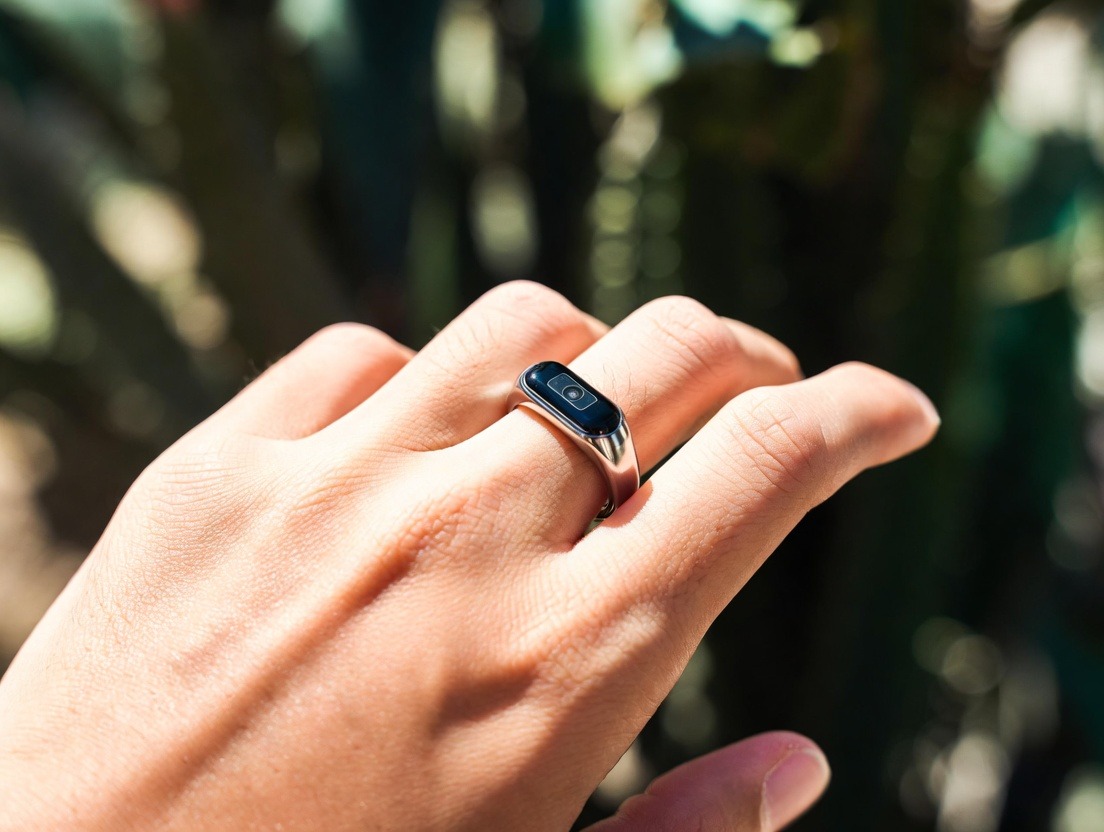
The journey of wearable health tech has been a noisy one. From clunky chest straps to wristbands that buzz with every notification, we’ve traded discomfort and distraction for glimpses of insight. The smart ring represents a paradigm shift—a move from the loud and obtrusive to the silent and seamless. This isn’t merely a miniaturization of a smartwatch; it’s a fundamental reimagining of what continuous, passive biometric monitoring should be.
The magic lies in the location. The finger, specifically the base of the finger, is a uniquely advantageous vascular site. It houses a dense network of capillaries close to the skin’s surface, allowing photoplethysmography (PPG) sensors—the technology that uses light to measure blood volume changes—to capture exceptionally clean signals for heart rate, heart rate variability (HRV), and blood oxygen saturation (SpO2). Compared to the wrist, which is bone-rich and prone to motion artifact from everyday movements, the finger provides a more stable and reliable data stream, especially critical during the stillness of sleep.
This biological advantage unlocks the core promise of the smart ring: unobtrusive, medical-grade insight. Unlike a watch you charge nightly or remove for certain activities, a smart ring is designed for 24/7 wear. It becomes a part of you, collecting data across the full spectrum of your life—during intense workouts, stressful meetings, deep work sessions, and all phases of sleep—without ever demanding your attention. This continuous data is the bedrock of true understanding. You’re not getting a snapshot; you’re getting a cinematic story of your physiology.
The evolution has been rapid. Early rings focused on activity and sleep tracking. Today’s advanced models, like those developed by pioneering brands such as Oxyzen, incorporate multi-wavelength PPG sensors, skin temperature monitoring, and sophisticated algorithms to infer everything from autonomic nervous system balance (stress/recovery) to potential illness onset and menstrual cycle phases. They are moving from simple tracking to genuine predictive and prescriptive analytics.
This silent revolution is democratizing health intelligence. You no longer need a lab coat or a scheduled doctor’s visit to understand your body’s fundamental rhythms. The data is on your finger, in real-time, empowering you with a self-knowledge that was previously inaccessible. As we delve deeper, remember that this seamless, continuous data collection is the non-negotiable foundation of all the benefits that follow. It’s the quiet power that makes mastery possible.
Your smart ring’s app is your mission control. But faced with a dashboard of numbers, acronyms, and colorful graphs, it’s easy to feel overwhelmed. Mastery begins with fluency—understanding not just what each metric is, but what story it’s telling about your body’s state. Let’s translate these key biomarkers from jargon into actionable intelligence.
Heart Rate Variability (HRV): The Master Metric of Resilience. HRV is arguably the most important and misunderstood metric your ring provides. It measures the subtle variations in time between each heartbeat. Contrary to intuition, a higher HRV (more variability) is typically better—it signals a robust, adaptable autonomic nervous system. Your body can smoothly shift between stress (sympathetic) and recovery (parasympathetic) modes. A consistently low or dropping HRV trend is a clear flag from your body: you are under-recovering, chronically stressed, or possibly fighting illness. It’s your inner scorecard for balance.
Resting Heart Rate (RHR): Your Metabolic Thermostat. Your RHR, taken first thing in the morning, is a beautifully simple indicator of cardiovascular fitness and overall recovery. A well-rested, fit body doesn’t have to work hard at rest, so RHR lowers. A sudden, unexplained increase of 5-10 beats per minute can be one of the earliest signs of overtraining, dehydration, or oncoming sickness. Tracking its trend is like having a daily check-in with your engine’s idle speed.
Sleep Stages & Efficiency: Beyond Just Hours in Bed. Modern smart rings break sleep into light, deep, and REM stages. Each is critical:
Skin Temperature & Blood Oxygen (SpO2). Nocturnal skin temperature trends can reveal menstrual cycle phases, poor metabolic health, or the body’s inflammatory response to an impending cold. SpO2 monitoring during sleep can alert you to breathing disturbances, a critical piece of the sleep health puzzle.
Activity & Readiness Scores: The Synthesis. Most platforms synthesize these raw metrics into proprietary scores—like a Readiness or Recovery Score. These are powerful tools for guidance, not gospel. A low score isn’t a failure; it’s an instruction to prioritize rest, hydrate, or take it easy. A high score is permission to push hard in your workout. The real skill is learning to interpret these scores in the context of your own life. For a deeper exploration of how these metrics interplay, our comprehensive resource library on the Oxyzen blog offers detailed guides and case studies.
Understanding these metrics in isolation is step one. The true magic—and the path to mastery—lies in observing the dynamic relationships between them. That’s where we turn next.

A single metric is a data point. Two related metrics form a correlation. But when you weave together HRV, RHR, sleep quality, and activity, you create a rich, contextual narrative—this is the art of data synthesis, the core skill of the smart ring master. Your body is a complex, interconnected system, and its signals must be read as a chorus, not a solo.
Let’s illustrate with a real-world story. Imagine your app shows a slightly elevated resting heart rate one morning. In isolation, it might be noise. But when you cross-reference and see it paired with a significantly depressed HRV and a chart showing restless, light sleep with low deep sleep percentage, a clear story emerges: your body is in a state of systemic stress and failed recovery. The cause? It could be the intense workout two days prior that you’re still adapting to, the stressful project deadline, the heavy meal and glass of wine before bed, or the early signs of a virus. The data narrows the suspects.
Now, contrast that with another scenario: Elevated RHR but stable or even slightly elevated HRV, coupled with excellent deep sleep scores. This tells a different tale—your body is actively recovering and adapting. The elevated RHR could simply be a sign of a revved metabolism repairing tissues after a beneficial training stimulus. The context from the other metrics completely changes the interpretation and, therefore, the action you take.
This is the practice of contextual biofeedback. You learn to ask:
The goal is to build your personal cause-and-effect database. Over weeks and months, you will identify your unique patterns:
This process transforms your ring from a reporter into a guide. It stops telling you what happened and starts helping you understand why it happened, empowering you to make informed adjustments. This foundational wisdom is what allows us to strategically apply the technology to the most impactful areas of life, beginning with the cornerstone of all health: sleep.
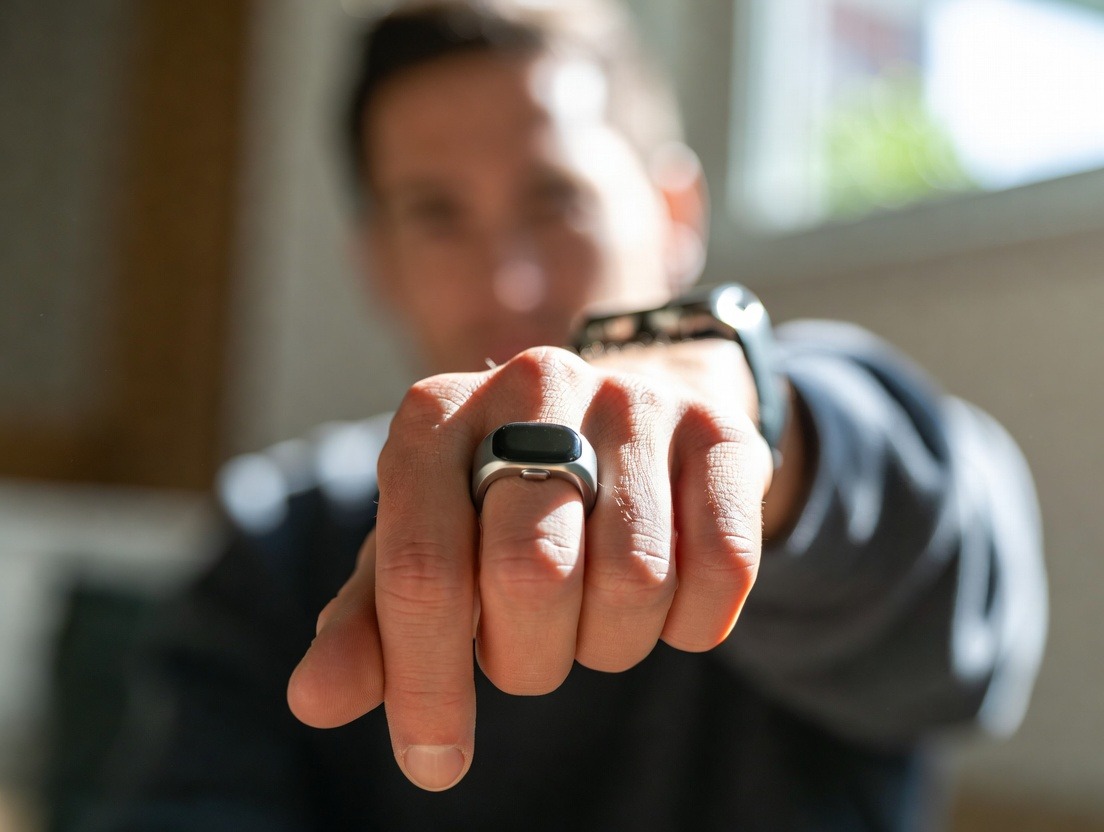
If you do only one thing with your smart ring, let it be this: reclaim your sleep. In our always-on culture, sleep is often the first sacrifice, yet it is the non-negotiable foundation upon which every other aspect of health—mental acuity, emotional stability, physical performance, and metabolic function—is built. Your smart ring is the most personal sleep lab imaginable, providing the objective feedback needed to move from guessing to optimizing.
The first step is establishing your personal sleep baseline. Use your ring consistently for two weeks without trying to "fix" anything. Just observe. What’s your natural sleep duration? What’s your typical deep/REM split? What’s your baseline resting heart rate and HRV upon waking? This is your neutral point of reference.
With this baseline, you can begin targeted experimentation, using the data to validate what works for your biology:
Pre-Sleep Ritual Validation: Try a "digital sunset" one week—no screens 90 minutes before bed. Does your sleep efficiency improve? Does your time to fall asleep (sleep latency) decrease? Next, test a mindfulness app or gentle stretching. Does it nudge your HRV upward in the first few hours of sleep, indicating a calmer nervous system entry into the night?
Nutrition & Substance Impact: The data doesn’t lie. Track the effects of evening alcohol. You’ll likely see it suppress REM sleep, increase nighttime heart rate, and spike skin temperature. Test an early, protein-rich dinner versus a late, carbohydrate-heavy meal. Observe the differences in sleep depth and morning resting heart rate. This turns abstract advice into personal, irrefutable truth.
Environmental Fine-Tuning: Your ring can help you optimize your sleep cave. Suspect your room is too warm? Monitor your nocturnal skin temperature trend. A cooler room should allow for a more natural temperature decline. Is street noise causing micro-awakenings? Look for correlated spikes in your nighttime heart rate graph.
The Power of Consistency: Perhaps the most profound insight your ring will offer is the sheer value of a consistent sleep schedule. When you go to bed and wake up at roughly the same time, even on weekends, you’ll see your sleep scores stabilize and improve. Your circadian rhythm strengthens, and your body learns when to secrete melatonin and when to ramp up cortisol. The ring makes this invisible rhythm visible and rewarding.
Mastering sleep with your ring isn’t about perfection. It’s about progress. It’s about swapping the anxiety of "I need 8 hours" for the empowered knowledge of "I need to protect my deep sleep, and here are the three things that work for me." This creates a virtuous cycle: better sleep leads to better recovery metrics (higher HRV, lower RHR), which leads to better daytime performance and decision-making, which further supports good sleep habits. It is the ultimate self-reinforcing loop. For those struggling with specific patterns or seeking advanced tips, our community often shares their success stories and strategies, which you can find alongside real customer reviews on our testimonials page.
In a world that glorifies "the grind," chronic stress has become a silent epidemic. But stress itself isn't the enemy—it's a necessary biological response. The enemy is a lack of recovery, leading to a state of perpetual, low-grade alarm known as sympathetic dominance. Your smart ring, through HRV and heart rate data, acts as a direct window into your autonomic nervous system (ANS), allowing you to navigate the tides of stress and recovery with unprecedented precision.
Your ANS has two primary branches: the sympathetic ("fight or flight") and the parasympathetic ("rest and digest"). HRV is the clearest indicator of their balance. High HRV suggests a responsive system that can engage sympathetically when needed and powerfully rebound to parasympathetic calm. Low HRV indicates a system that’s stuck—often in a stressed, fatigued state.
Identifying Your Unique Stress Signatures: Your ring helps you move from feeling "stressed" to identifying your physiological stress patterns. Does a difficult conversation with a colleague cause a heart rate spike that lingers for hours? Does looming deadline work suppress your HRV for days? By tagging events in your app, you build a map of your personal stressors, moving from vague anxiety to data-driven awareness.
Quantifying Recovery Activities: This is where mastery becomes proactive. Use your ring to test and validate recovery techniques. After a 20-minute meditation session, does your real-time heart rate drop and stabilize? Does a 30-minute walk in nature improve your afternoon HRV readings compared to staying indoors? Does a yoga session trigger a more pronounced parasympathetic rebound than a foam rolling session? You are no longer guessing; you are conducting personal science to discover what truly resets your system.
Strategic Daytime Micro-Breaks: The ring can cue you to intervene before stress accumulates. Many advanced users set gentle, silent alerts for elevated daytime heart rate during sedentary work. This isn't an alarm; it's a biofeedback prompt to take three deep breaths, stand up for a glass of water, or look out the window for two minutes. These micro-interruptions can prevent stress from becoming chronic.
The Readiness Score as a Daily Compass: Your morning readiness or recovery score is your ANS’s vote on the day’s plan. A high score after two good nights of sleep? It’s a green light for that intense workout or important presentation. A low score despite adequate sleep? Your body might be fighting something unseen, or you’re emotionally drained. It’s a signal to prioritize hydration, nutrient-dense food, gentle movement, and emotional buffers. It teaches you to respect your body’s condition, not just your calendar’s demands.
By leveraging your ring as an ANS biofeedback device, you stop being a victim of stress and become its manager. You learn the rhythm of your resilience—how long it takes you to recover from various stressors and exactly which levers to pull to accelerate that process. This intelligent management of your energy systems is the prerequisite for the next level: optimizing physical performance.

For the fitness enthusiast, athlete, or anyone who wants their workouts to yield maximum return on effort, the smart ring is a game-changing coach. It moves you beyond generic plans and rigid schedules into the realm of biologically-informed training. This is the principle of autoregulation: letting your body’s daily readiness dictate the intensity of your exertion, thereby optimizing gains, minimizing injury risk, and preventing overtraining.
The End of Overtraining: Overtraining isn’t just about sore muscles; it’s a systemic breakdown marked by hormonal imbalance, suppressed immunity, and nervous system fatigue. Your ring provides the early-warning system. A consistent downward trend in HRV, coupled with a creeping RHR and poor sleep scores, is the classic signature of unsustainable training load. Catching this early allows you to swap a planned high-intensity interval training (HIIT) session for a walk, yoga, or complete rest, turning a potential week of setback into a strategic recovery day.
Precision Load Management: Use your readiness score as your daily training prescription. Did you sleep poorly and wake with a low score? Make it a technique-focused, low-intensity session. Did you wake up with high readiness and strong metrics? That’s the day to attempt a personal record, complete a demanding workout, or add extra volume. This dynamic approach leads to better long-term progress than blindly following a calendar.
Intra-Workout Insight: While not a replacement for a chest-strap heart rate monitor for second-by-second data, the ring’s post-workout summary is invaluable. It tells you your average and peak heart rate, the cardiovascular load, and crucially, how long your heart rate remained elevated after the session (heart rate recovery). A faster return to baseline is a sign of good cardiovascular fitness. Monitoring this over time shows your fitness improving.
Recvery as Part of Training: The ring reinforces that performance is built not in the gym, but during recovery. It quantifies the effect of your post-workout habits. Does prioritizing post-workout protein and hydration lead to better sleep and a faster HRV rebound? Does neglecting to cool down or stretching impact your sleep latency? You begin to see your workout as a 24-hour cycle: preparation, execution, and recovery. All three are essential, and the ring provides feedback on each phase.
Fueling & Hydration Experiments: Performance is fueled by nutrition. Test how different pre-workout meals affect your performance heart rate and perceived exertion. Observe how dehydration from a previous day manifests as an elevated morning RHR and a harder time hitting your target zones. The ring turns nutrition from a theoretical science into a personal performance variable.
By engineering your performance with ring data, you stop working out harder and start working out smarter. You align your effort with your body’s capacity, leading to sustainable progress, fewer injuries, and a deeper connection to your physical self. This principle of alignment extends beyond the gym, into the very core of our long-term health and how we navigate the aging process.
A smart ring is more than a daily performance tool; it’s a long-term sentinel for your health. By tracking trends over months and years, it shifts the paradigm from reactive sick-care to proactive, preventative health-care. You are no longer waiting for symptoms to appear; you are monitoring the subtle, foundational biomarkers that indicate your systemic health and biological age.
Establishing Your Personal Health Baseline: This is your most valuable long-term asset. What is your normal resting heart rate range? What’s your typical HRV? What is your baseline nocturnal skin temperature and SpO2? Having this detailed fingerprint allows you and, potentially, your healthcare provider to detect meaningful deviations that may signal the earliest stages of metabolic shifts, inflammatory responses, or other health changes.
The Illness Prediction Advantage: One of the most remarkable features of continuous monitoring is its ability to often detect illness before symptoms are obvious. A sudden, unexplained dip in HRV, a spike in resting heart rate, and an elevation in skin temperature can be the body’s early immune response to a viral or bacterial invader—sometimes 24-48 hours before you feel a sore throat or fatigue. This "heads-up" allows you to proactively rest, hydrate, and support your immune system, potentially mitigating the severity or duration of the illness.
Metabolic Health & Temperature Trends: Nocturnal skin temperature is a window into metabolic and hormonal health. For women, it’s a core component of natural cycle tracking. For everyone, persistent elevated nighttime temperature trends can indicate poor metabolic flexibility or low-grade inflammation. Coupled with resting heart rate data, it can paint a picture of your metabolic engine's efficiency.
Sleep Breathing & SpO2: Consistent, mild drops in blood oxygen during sleep (even if you don’t snore loudly) can point to sleep-disordered breathing like UARS or mild sleep apnea, which has profound long-term implications for cardiovascular health, cognitive function, and daytime energy. Your ring can provide the data that prompts a conversation with a sleep specialist.
The Longitudinal View on Aging: How are your core biomarkers trending as you age? Is your resting heart rate gradually decreasing with improved fitness? Is your HRV holding stable or even improving, indicating a resilient nervous system? This longitudinal data is a powerful motivator, showing how lifestyle choices compound over time. It transforms health from an abstract concept into a tangible, trackable project. The mission and technology behind this long-term approach are central to our vision, which you can read more about in our company’s story.
Mastering the long game with your smart ring means shifting your perspective from daily scores to quarterly and yearly trends. It’s about playing chess with your health, not checkers. It provides the quiet confidence that comes from knowing you are actively listening to your body’s most subtle whispers, giving you the best chance to not just live longer, but to live with vitality and resilience throughout your lifespan.
For nearly half the population, a critical layer of physiological data has been historically ignored by mainstream wearables: the menstrual cycle. A smart ring, with its 24/7 wear and sensitive biometric capture, changes this narrative entirely. It isn't just another period tracker; it's a tool for hormonal intelligence, offering women unprecedented insight into the distinct, rhythmically shifting phases of their cycle and how those phases impact everything from sleep and recovery to athletic performance, cognitive function, and nutritional needs.
The traditional calendar-based method of tracking is a blunt instrument compared to the biometric symphony your ring can hear. The menstrual cycle is governed by a complex dance of hormones—estrogen, progesterone, follicle-stimulating hormone (FSH), and luteinizing hormone (LH)—which directly influence core autonomic nervous system functions. Your ring doesn't measure these hormones directly, but it captures their profound physiological effects with remarkable clarity.
Basal Body Temperature (BBT) Reimagined: For decades, women seeking natural fertility awareness relied on taking their oral BBT first thing every morning—a fussy, error-prone ritual. The smart ring automates this with superior accuracy by measuring nocturnal skin temperature continuously throughout the night. This provides a stable, reliable temperature trend line. The key signpost is the biphasic pattern: a subtle but sustained rise in baseline temperature (typically 0.3-0.5°C) after ovulation, driven by the thermogenic effect of progesterone. Tracking this shift allows for precise identification of ovulation and confirmation of the luteal phase, offering valuable data for both fertility planning and natural contraception methods (when used with proper instruction).
The HRV & RHR Cycle: Hormonal fluctuations create a predictable pattern in your nervous system metrics. Many women observe:
Cycle-Aware Performance & Nutrition: Mastery involves syncing your life with this rhythm, not fighting against it. Use your ring’s data to validate your body’s needs:
Beyond Fertility: A Lifelong Health Dashboard: This tracking is invaluable for more than family planning. It provides a long-term record of cycle regularity, which is a key vital sign for overall health. It can offer early clues to conditions like PCOS or hypothalamic amenorrhea (often indicated by anovulatory cycles with no temperature shift). It also provides a framework for understanding perimenopause, as cycle patterns and biometric signals begin to change. For anyone navigating these transitions, the objective data from a ring cuts through the confusion, providing a clear record to discuss with a healthcare provider.
By honoring this innate rhythm, women can move from feeling at the mercy of their cycle to working in harmony with it. The ring provides the objective data to make that partnership informed and empowered. For deeper dives into personal stories and advanced strategies for cycle-syncing, our community frequently shares their experiences, which you can explore in further detail on our blog.
We often treat mental and physical health as separate domains. Your smart ring shatters that illusion, providing real-time, objective proof of the mind-body connection. Every stressful thought, moment of frustration, spike of anxiety, or state of flow leaves a fingerprint on your physiology. By learning to read these fingerprints, you can create a powerful biofeedback loop for cultivating mindfulness, enhancing focus, and achieving greater emotional equilibrium.
Quantifying the Stress Response: You don't need to feel overwhelmingly stressed for your body to be in a stress state. A racing mind during a work problem, simmering frustration in traffic, or subconscious anxiety about an upcoming event can trigger sympathetic nervous system activation. Your ring catches this in real time with heart rate spikes and increased heart rate volatility, even if you're sitting still. This is the "oh wow" moment for many users: seeing a tangible graph of a mental state. It turns the abstract into the concrete.
Biofeedback-Driven Mindfulness Practice: This is where passive tracking becomes active intervention. Use your ring to measure the efficacy of your mindfulness or breathwork practices with scientific rigor.
Identifying Focus & Flow States: Conversely, your ring can help you identify the conditions for optimal cognitive performance. Deep focus and "flow states" are often associated with a specific physiological signature: a moderately elevated but highly steady heart rate, coupled with a calm, regulated nervous system (decent HRV). By tagging periods of deep work and reviewing the accompanying biometrics, you can reverse-engineer your ideal focus environment. Was it the morning after great sleep? Was it during a 90-minute block after a light meal? Did a 10-minute walk beforehand prime your system? The data helps you architect your days for mental performance.
Emotional Awareness & Regulation: Over time, you'll start to recognize your personal physiological patterns for different emotions. You might see that feelings of anger create a sharp, jagged heart rate spike, while sadness leads to a lower, flatter heart rate with depressed HRV. This awareness creates a crucial pause between stimulus and reaction. You can notice the physiological shift as it begins and employ a regulation technique before the emotion fully cascades. The ring becomes an early-warning system for emotional dysregulation.
Sleep & Emotional Processing: The link between REM sleep and emotional health is profound. REM is when the brain processes emotional memories. Consistently poor REM sleep, as shown in your ring data, can be a contributing factor to increased emotional reactivity and difficulty managing stress the following day. Protecting your sleep, therefore, isn't just about physical recovery; it's fundamental to your emotional resilience toolkit.
Mastering this mind-body feedback loop transforms your smart ring from a fitness device into a tool for cognitive and emotional optimization. It fosters a new kind of self-awareness—one rooted in data. You learn to trust the signals your body is sending and develop a personalized toolkit to navigate your inner world with more skill and grace. This holistic self-knowledge is the bedrock for making sustainable lifestyle changes, which is our next frontier.
Armed with a deep understanding of your metrics and their interconnections, you now hold the ultimate tool for personal discovery: the ability to run rigorous, n=1 experiments on your own lifestyle. This is the essence of biohacking—moving from following generic advice to using data to discover what works uniquely for you. Your smart ring is your lab instrument, your body is the experiment, and your daily life is the laboratory.
The Framework for a Clean Experiment: To gain reliable insights, structure your tests like a scientist.
Key Areas for Impactful Experimentation:
Embracing Negative Data: A result that shows "no change" or even a negative effect is not a failure; it is a priceless discovery. It tells you to stop wasting energy on that intervention and redirect your focus. Perhaps that trendy adaptogen does nothing for your stress metrics. Maybe that intense 5 AM workout class is degrading your sleep. This process cultivates discernment and saves you time, money, and effort.
By adopting this experimental mindset, you take full ownership of your well-being. You stop outsourcing your health to trends and gurus and start developing a personalized, data-validated operating manual for your own body. This journey of self-discovery is one we are deeply passionate about fostering, which is why we've built a resource hub full of ideas and community findings; you can discover more about this approach on our FAQ and support pages.
Data without action is merely trivia. The final step of mastery is the seamless, almost subconscious, integration of insights into the fabric of your daily life. The goal is to move from constantly checking the app to developing intuitive, data-informed habits that run on autopilot. This is achieved through strategic habit stacking and environmental design, using your ring's feedback as the reinforcement mechanism.
From Insight to Automatic Routine: Let's say your experimentation revealed that you are highly sensitive to evening blue light. The insight is: "Screen time after 10 PM reduces my REM sleep." The integrated habit looks like this:
Your ring reinforces this loop. After a week of this new routine, you see your REM sleep scores climb. That positive data is the reward that cements the habit. The ring provides the "why" that fuels the discipline until it becomes automatic.
Creating a Data-Informed Daily Framework: Build your ideal day around your biometric truths.
The "Why" Behind the Habit: James Clear, author of Atomic Habits, emphasizes that the most enduring habits are identity-based. Your smart ring helps forge a new self-concept. You are no longer someone who "should sleep more." You are "a person who prioritizes recovery because my data shows I perform best with 8 hours of quality sleep." You are not "trying to eat better." You are "someone who fuels my body with foods that optimize my inflammation markers and energy." The data provides the evidence for this new identity, making habits stick.
Avoiding Data Obsession: Ironically, mastery means sometimes ignoring the data. The goal is to build such robust, intelligent habits that you don't need to check your scores every day. You might check trends weekly for course correction. You learn to listen to your subjective feelings informed by your objective data, not replaced by it. You use the ring as a compass, not a cage. For those seeking balance in their tracking journey, our community and support resources at Oxyzen offer guidance on sustainable, healthy integration.
By mastering integration, you complete the loop. The smart ring ceases to be a separate device you "use" and becomes an embedded part of your consciousness—a silent partner in crafting a healthier, more intentional, and high-performing life. The journey from unboxing to unconscious integration is the path of true mastery, transforming an investment in technology into an investment in your most valuable asset: yourself.
Your smart ring is a powerhouse of data, but it is not an island. To truly unlock its transformative potential, it must become the central, integrative node in a broader Personal Health Ecosystem. Mastery at this level involves strategically connecting your ring’s biometric intelligence with other tools, apps, and professional insights to create a holistic, actionable, and closed-loop system for well-being. This is where isolated data points coalesce into a unified, powerful force for change.
The Power of API Integrations and Data Syncing: Modern smart rings offer open APIs or direct integrations with major health and fitness platforms like Apple Health, Google Fit, Strava, and TrainingPeaks. This is not just a convenience feature; it is a strategic multiplier.
Partnering with Professional Insight: The most profound application of your ring’s data may be in partnership with healthcare and wellness professionals.
Complementary Tech for a 360-Degree View: Your ring excels at autonomic and metabolic metrics, but other devices fill key gaps. Mastery involves knowing what to layer in.
Building Your Personal Command Center: The ultimate expression of this ecosystem is a personalized dashboard, using platforms like Notion, Google Sheets, or dedicated biohacking apps to visualize all your data streams in one place. Here, you can overlay sleep duration with daily step count, meditation sessions with weekly HRV average, and menstrual cycle phase with strength training performance. In this macro view, the hidden patterns and highest-leverage interventions become glaringly obvious.
By building this cohesive ecosystem, you elevate your smart ring from a tracker to a translator and unifier. It becomes the core interpreter of your body’s language, connecting disparate pieces of your health puzzle into a clear, coherent picture you—and your support team—can act upon with confidence. To see how this principle of integration is core to our philosophy, you can learn more about our mission and vision at Oxyzen.
The journey to wellness can feel solitary, but it doesn't have to be. One of the most underutilized yet powerful aspects of smart ring technology is its potential to foster connection, shared learning, and positive social accountability. Moving from private data silo to engaged community member can dramatically accelerate your mastery, provide motivation, and turn personal experimentation into collective wisdom.
The Power of Shared Data (With Consent): Opt-in, privacy-controlled sharing with trusted friends, family, or a coach creates a layer of gentle accountability and supportive insight.
Learning from the Collective: Community Wisdom & Benchmarking: While your personal trends are most important, understanding population-level data provides invaluable context. Many ring platforms offer anonymized, aggregate insights.
The Accountability Factor: Humans are social creatures motivated by connection. Sharing a goal within a community—"I'm focusing on improving my deep sleep percentage this month"—and then posting weekly updates creates positive social pressure. Celebrating each other's data-driven wins (e.g., "I finally got my resting heart rate below 50!") reinforces positive behavior. This transforms the sometimes-arduous path of behavior change into a more engaging, game-like, and supported experience.
Ethical Considerations and Privacy First: This social dimension must be navigated with intention and care. Mastery involves judiciously choosing what to share, with whom, and for what purpose. The most valuable communities are those built on trust, respect for individual variation, and a focus on sharing insights rather than competing over scores. The core principle is that you own your data and choose how it serves you, whether in private reflection or shared pursuit of growth.
By embracing the social dimension, you add a rich, human layer to the quantitative data. You gain support, inspiration, and a sense of shared purpose. This transforms the smart ring from a purely personal informant into a node in a network of collective well-being, proving that the journey to better health, while deeply personal, need not be lonely. For a glimpse into the experiences of others walking this path, you can explore real user stories and community highlights in our testimonials.
Purchasing a smart ring is an investment in your present well-being, but with a strategic mindset, it also becomes an investment in your future health and a contribution to the future of personalized medicine. Mastery involves looking beyond the current app features to understand the trajectory of the technology and the incalculable value of the longitudinal data asset you are building.
The Trajectory of Sensor and Algorithm Evolution: The hardware on your finger is just the beginning. Future iterations will see advancements in non-invasive biomarker sensing.
Your Long-Term Data Legacy: The Ultimate Personal Health Record: The most powerful feature of your ring may be its persistence. Wearing it consistently for years builds an asset that no single doctor's visit or lab test can match: your lifelong physiological narrative.
Maintaining Data Portability and Ownership: A key principle of mastery is ensuring you retain access to your raw data. Prioritize platforms that allow you to export your data (CSV, JSON files). Regularly back up this data to your own secure storage. This protects you from platform obsolescence, company changes, or app discontinuation. Your data legacy should be independent of any single company's fate.
Adapting to New Insights: The science of biometrics is young and evolving. What we prioritize today (e.g., HRV) may be supplemented by new, more nuanced metrics tomorrow. The master stays curious, continuously learning about new research and understanding how to integrate new insights from their device's evolving firmware and software updates. This is a living, learning relationship with technology.
By future-proofing your investment, you shift from being a consumer of a product to a curator of a priceless personal health archive. You are not just buying a ring for today's sleep score; you are laying the foundation for a century of self-knowledge, ensuring that the technology you adopt today continues to serve and protect your well-being for decades to come. This long-term vision is central to why we build technology that lasts; you can discover more about our commitment to this journey on our story page.
Your Trusted Sleep Advocate: Sleep Foundation — https://www.sleepfoundation.org
Discover a digital archive of scholarly articles: NIH — https://www.ncbi.nlm.nih.gov/
39 million citations for biomedical literature :PubMed — https://pubmed.ncbi.nlm.nih.gov/
Experts at Harvard Health Publishing covering a variety of health topics — https://www.health.harvard.edu/blog/
Every life deserves world class care :Cleveland Clinic - https://my.clevelandclinic.org/health
Wearable technology and the future of predictive health monitoring :MIT Technology Review — https://www.technologyreview.com/
Dedicated to the well-being of all people and guided by science :World Health Organization — https://www.who.int/news-room/
Psychological science and knowledge to benefit society and improve lives. :APA — https://www.apa.org/monitor/
Cutting-edge insights on human longevity and peak performance:
Lifespan Research — https://www.lifespan.io/
Global authority on exercise physiology, sports performance, and human recovery:
American College of Sports Medicine — https://www.acsm.org/
Neuroscience-driven guidance for better focus, sleep, and mental clarity:
Stanford Human Performance Lab — https://humanperformance.stanford.edu/
Evidence-based psychology and mind–body wellness resources:
Mayo Clinic — https://www.mayoclinic.org/healthy-lifestyle/
Data-backed research on emotional wellbeing, stress biology, and resilience:
American Institute of Stress — https://www.stress.org/


