Smart Ring Benefits for Seniors: Independent Health Monitoring
Benefits for older adults who want to monitor their health independently.
Smart Ring Benefits for Seniors: The Complete Guide to Independent Health Monitoring
For millions of seniors, the desire to maintain an active, independent life at home is not just a preference—it’s a deeply held value. Yet, this independence often comes with quiet concerns. Subtle changes in heart rhythm, the slow decline of sleep quality, or the increased risk of a fall can become the very things that threaten a cherished way of life. Traditional health monitoring, with its sporadic check-ups and clunky devices, often feels more like an intrusion than a solution.
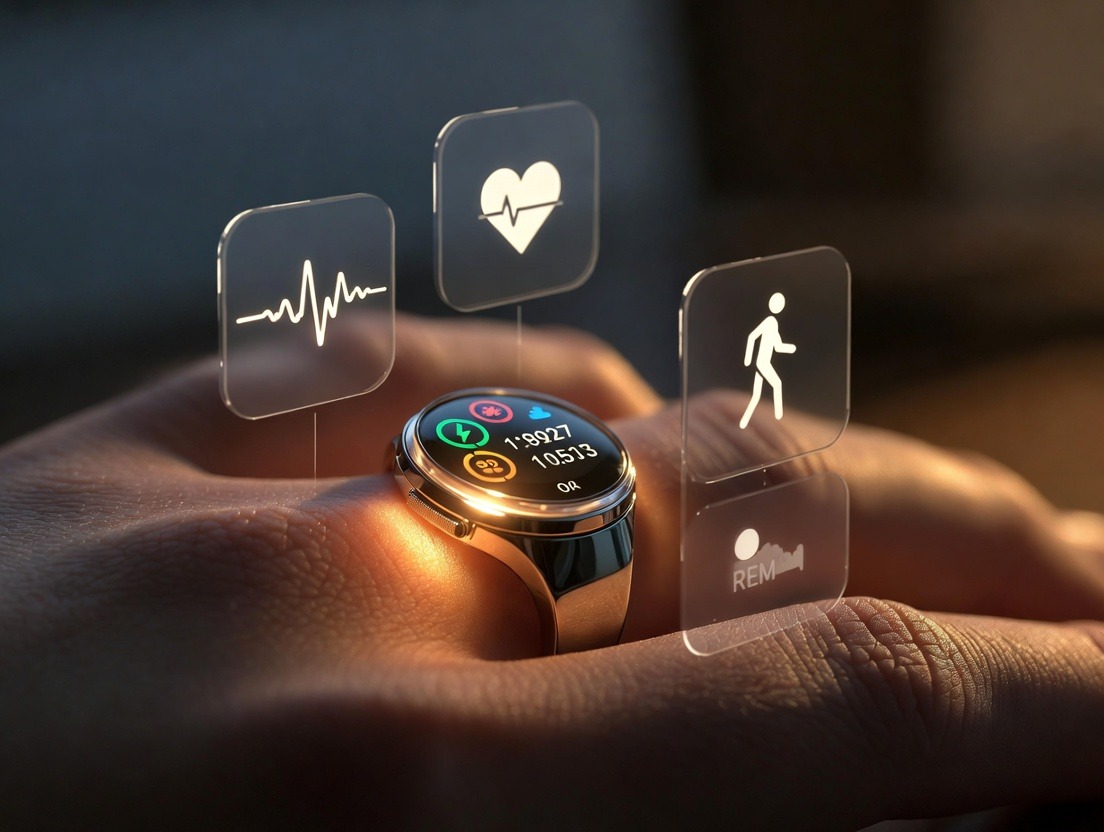
A quiet revolution is unfolding on the fingers of the health-conscious. Smart rings, once a niche gadget for biohackers, are emerging as a powerful, dignified tool for senior wellness. These unassuming bands of titanium and ceramic house sophisticated sensors that work continuously in the background, transforming the finger into a personal health command center. They offer a profound shift: from reactive healthcare, where you seek help after a problem arises, to proactive health awareness, where you are empowered with the data to manage your well-being every single day.
The core promise of the smart ring for seniors is continuous, unobtrusive monitoring. Unlike a smartwatch that must be charged nightly or a medical alert pendant that declares its purpose, a smart ring is designed to be forgotten—until you need its insights. It tracks the vital metrics that matter most with age: heart health, sleep quality, blood oxygen, activity, and temperature. More than just collecting data, it identifies trends. Is your resting heart rate creeping up over several weeks? Are you getting less deep sleep? The ring notices these slow shifts that a single doctor’s visit could easily miss, providing you and your family with invaluable, long-term health intelligence.
This article is your comprehensive guide to understanding how this elegant piece of technology can fortify independence. We will explore the specific health benefits, delve into the crucial features that make a ring senior-friendly, and address the real-world considerations of adoption. This is more than a product review; it is a roadmap to a more confident, connected, and health-empowered future.
Why Smart Rings Are Uniquely Suited for Senior Health
The wearable technology market is flooded with options, from wrist-worn fitness trackers to sophisticated smartwatches. For a senior adult, however, many of these devices present significant barriers. They can be complex to operate, uncomfortable to wear constantly, and aesthetically unappealing. The smart ring succeeds by elegantly solving these very problems, positioning itself not just as another gadget, but as a seamless extension of daily life that prioritizes simplicity, comfort, and discretion.
The Unmatched Advantage of Discreet, Continuous Wear
The most significant benefit of a smart ring is its ability to collect health data without disrupting life. Continuous wear is the cornerstone of accurate health monitoring, especially for tracking sleep patterns and circadian rhythms. A device that is taken off at night misses half the story. Smart rings, crafted from lightweight materials like titanium or stainless steel, are designed for 24/7 wear. Their small form factor means they don’t catch on clothing, feel heavy on the wrist, or become an irritant during sleep. Many users report forgetting they’re wearing the ring at all, which is the ultimate design goal: a silent guardian that works in the background.
This contrasts sharply with other wearables. A 2021 qualitative review of older adults’ experiences found that the physical comfort and ease of integration into daily routine were critical factors in whether a device was used long-term. Bulky watches can be uncomfortable for those with arthritis or sensitive skin. Medical alert pendants, while lifesaving, can carry a stigma and are often removed for showers or bedtime, creating dangerous gaps in coverage. A smart ring, with its IP68 waterproof rating, can be worn while washing hands, showering, and even swimming, ensuring there is never a gap in monitoring.
Simplifying Technology: Less Complexity, More Confidence
For many seniors, technology fatigue is real. Complicated apps, tiny touchscreens, and frequent notifications can lead to frustration and abandonment. Smart rings are inherently simpler. Their interaction model is primarily passive; they collect data automatically. There are typically no buttons to press or screens to navigate on the device itself. The user’s main interaction is through a companion smartphone app, which can be set up once by a family member or caregiver.
The best smart ring apps for seniors emphasize clarity. They use large fonts, simple graphics, and intuitive navigation to present health data not as overwhelming spreadsheets, but as easy-to-understand scores and trends. Instead of raw data, a senior might see a simple "Readiness Score" in the morning or a "Sleep Quality" percentage, giving them actionable feedback without technical jargon. This design philosophy aligns with research showing that older adults are more likely to embrace technology that serves a clear, valuable purpose and fits effortlessly into their existing habits.
Preserving Independence and Dignity
Perhaps the most profound advantage is psychological. Independence is deeply tied to self-image and dignity. A device that looks like a standard piece of jewelry, not a medical apparatus, supports a positive self-perception. A smart ring allows a senior to monitor their health proactively without feeling "monitored" or labeled as frail. They maintain control over their data and their narrative.
This discreet empowerment also extends to social situations. There’s no need to explain a medical device to friends or feel self-conscious about it. The ring is a private health tool. Furthermore, the ability to share key wellness data (like activity levels or sleep trends) with adult children or doctors can provide immense peace of mind for family members without requiring intrusive check-in calls or undermining the senior’s autonomy. It transforms worry into supportive, data-informed connection, strengthening the support network that is essential for successful aging in place.
Critical Health Metrics: What a Smart Ring Tracks and Why It Matters for Seniors
Beneath its sleek exterior, a modern smart ring is a marvel of miniaturized engineering. It packs an array of sensors—optical heart rate monitors, temperature sensors, accelerometers, and SpO2 sensors—into a space no larger than a traditional band. For seniors, this isn't about tracking marathon times or high-intensity workouts; it's about monitoring the fundamental biomarkers of wellness and resilience. The data it provides forms a continuous, personalized health baseline, making subtle deviations—the early warning signs—impossible to ignore.
Heart Health: Beyond the Simple Pulse
Continuous heart rate monitoring is one of the smart ring's most powerful features. For seniors, two specific metrics are far more insightful than the occasional pulse check:
Resting Heart Rate (RHR): This is your heart's efficiency rating. A stable or gradually declining RHR typically indicates improving cardiovascular fitness. Conversely, a gradual increase in RHR over weeks or months can be an early, silent signal of potential issues like dehydration, overtraining, or the onset of a cardiac condition. The ring tracks this trend passively, day after day.
Heart Rate Variability (HRV): HRV measures the subtle variations in time between each heartbeat. It's a key indicator of your autonomic nervous system's balance—specifically, your body's ability to manage stress and recover. A higher HRV generally suggests better resilience and cardiovascular health. For seniors, monitoring HRV trends can provide insight into overall stress load, recovery from illness, and the impact of daily activities, offering a window into the body's internal state that was once only accessible in a lab.
Sleep: Unlocking the Secrets of Nightly Recovery
Sleep patterns naturally change with age, but distinguishing normal changes from problematic ones is difficult. A smart ring acts as a personal sleep lab, providing objective data that cuts through guesswork. It breaks down the night into key stages:
Light, Deep, and REM Sleep: Understanding the architecture of your sleep is crucial. A decline in deep (restorative) sleep or REM sleep can impact memory consolidation, physical recovery, and mood.
Sleep Latency and Efficiency: How long does it take to fall asleep? How much of the night are you actually asleep versus lying awake? These metrics help identify insomnia patterns.
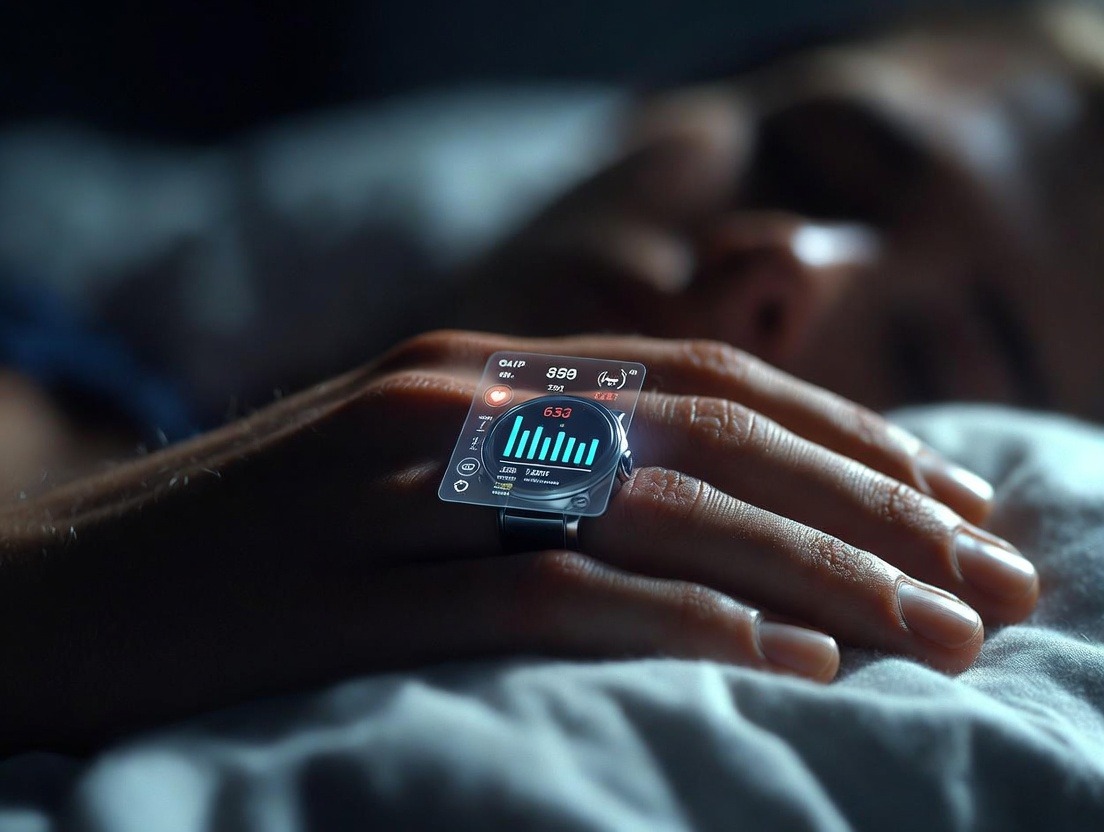
Nighttime Movement and Wake-Ups: Frequent, unconscious awakenings can severely fragment sleep without you ever remembering them. The ring detects these disturbances, which can be linked to pain, sleep apnea, or other disorders.
Most importantly, this isn't just a single night's report. The ring builds a long-term sleep profile. You can see how lifestyle changes, medications, or even the seasons affect your rest, empowering you and your doctor to make smarter decisions about sleep hygiene and health.
Blood Oxygen (SpO2) and Early Warning for Breathing Issues
The measurement of blood oxygen saturation (SpO2) is a vital sign, especially during sleep. A smart ring uses LED lights to estimate the oxygen level in your blood. Consistently low or dipping SpO2 levels at night are a primary indicator of sleep apnea, a condition where breathing repeatedly stops and starts.
Sleep apnea is notoriously underdiagnosed in older adults, yet it significantly increases the risk of hypertension, heart disease, stroke, and cognitive decline. The ring's ability to screen for potential sleep apnea by monitoring overnight SpO2 trends is a non-invasive and powerful preventative tool. It can provide the concrete evidence needed to seek a formal sleep study and treatment, potentially averting serious long-term complications.
Activity and Temperature: The Subtle Vital Signs
A smart ring reframes "activity" for a senior lifestyle. Instead of punishing step counts, it encourages consistent, gentle movement—the kind that sustains independence.
Activity Tracking: It acknowledges and credits all movement: walking, gardening, household chores, and stretching. The goal is to avoid prolonged sedentary periods. Many rings can be set to deliver gentle reminders to move after a certain period of inactivity, a simple nudge that supports joint health and circulation.
Body Temperature: A small, continuous skin temperature sensor can detect subtle shifts in your baseline. A sustained elevation, even a fraction of a degree, can be one of the very first signs of an oncoming infection, inflammation, or hormonal change, often before you feel any overt symptoms. For seniors, this early warning can be crucial for prompt intervention.
By weaving together these data streams—heart, sleep, oxygen, movement, and temperature—a smart ring creates a holistic and dynamic picture of health. It shifts the focus from treating illness to understanding and optimizing wellness, a proactive approach that is the very foundation of sustained independence.
Proactive Health Management: From Data to Actionable Insights
Collecting health data is only the first step. The true power of a smart ring for seniors lies in its ability to transform raw numbers into personalized, actionable intelligence. This moves healthcare from a generic, reactive model to a tailored, preventative partnership. The ring becomes not just a monitor, but a daily guide, helping to identify risks, motivate positive habits, and create a shared language for better communication with healthcare providers.
The Power of Long-Term Trend Analysis
A single data point is a snapshot; a trend is a story. This is where smart rings excel. While a blood pressure cuff gives you a moment-in-time reading, a ring shows how your resting heart rate has behaved over the last six months. This longitudinal view is invaluable.
Spotting Slow-Moving Changes: Many age-related health issues develop gradually. A creeping increase in resting heart rate, a slow decline in sleep efficiency, or a change in daily activity patterns can be early indicators of underlying conditions. These subtle shifts are easy to miss in day-to-day life but are starkly visible on a trend graph. Recognizing these patterns early allows for timely consultation with a doctor, potentially before a minor issue becomes a major crisis.
Understanding Personal Baselines: Every person's "normal" is different. A smart ring helps you establish your unique baselines for sleep, activity, and heart metrics. This personalized context makes deviations more meaningful. You're not comparing yourself to a generic population average; you're noticing when you deviate from your own healthy norm.
Personalized Alerts and Gentle Guidance
Modern smart rings can be configured to provide gentle, non-intrusive nudges that support daily wellness without causing alarm or data overload.
Sedentary Alerts: For seniors, staying mobile is key to maintaining strength and balance. A ring can be set to vibrate gently after a prolonged period of inactivity (e.g., 60 minutes of sitting), reminding you to get up, stretch, or take a short walk around the house.
Heart Rate Alerts: While not a medical diagnostic tool, you can set safe upper or lower limits for your heart rate. If your heart rate remains unusually high while at rest or spikes unexpectedly, the ring can alert you. This can be useful for those managing specific cardiac conditions or simply wanting to be more aware of their body's responses.
Sleep and Recovery Feedback: Many ring apps provide a daily "Readiness" or "Recovery" score based on your sleep data, heart rate, and HRV. A low score might be a signal from your body that it needs a lighter day, more rest, or better hydration. This biofeedback helps seniors pace themselves and listen to their bodies more effectively.
Bridging the Gap with Healthcare Providers
One of the most promising applications of smart ring data is in the doctor's office. Instead of relying on a patient's memory of how they've "been feeling lately," a physician can review weeks or months of objective data.
Enhanced Doctor Visits: Before an appointment, a senior or their caregiver can export a report showing trends in sleep, resting heart rate, and activity. This provides the doctor with a rich, continuous dataset that can inform diagnoses and treatment plans. For example, sleep data can substantiate complaints of fatigue, or heart rate trends can help tailor medication for hypertension.
Supporting Remote Patient Monitoring (RPM): The healthcare industry is increasingly adopting RPM, where patients are monitored at home. A 2025 study exploring older patients' expectations for using a smart ring (specifically the Oura Ring) for home-based monitoring found that participants were largely open to the idea, viewing it as a reassuring way to stay connected to their care team. The continuous, passive data stream from a ring is an ideal fit for such programs, allowing clinicians to monitor patients with chronic conditions more effectively and intervene earlier if data trends cause concern.
This proactive framework empowers seniors to be active participants in their health. The ring provides the evidence and the gentle guidance, enabling better daily decisions and more productive partnerships with family and medical professionals. It’s a tool that turns the abstract goal of "staying healthy" into a tangible, manageable daily practice. For a deeper look at how this technology is being integrated into holistic wellness, you can explore our blog for more insights on proactive health management.
Safety and Security: Emergency Features and Peace of Mind
While the primary function of a smart ring is preventative health monitoring, its potential as a safety device provides an additional, powerful layer of security for seniors living independently. This dual role—everyday wellness guardian and emergency sentinel—addresses two of the greatest concerns for older adults and their families: managing chronic health and being prepared for acute incidents. The integration of safety features transforms the ring from a informative tool into a potentially lifesaving one.
The Vital Role of Fall Detection and Emergency Calls
Falls are a leading cause of injury and loss of independence for seniors. The minutes after a fall are critical. Some advanced smart rings are incorporating accelerometers and AI algorithms designed to detect the sudden, specific impact and motion pattern associated with a hard fall.
How It Works: Upon detecting a potential fall, the ring can initiate a countdown (often 30-60 seconds) on the connected smartphone. If the user does not cancel the alert (indicating they are conscious and okay), the ring will automatically send an emergency distress message to pre-set contacts, such as family members or a monitoring center. This message can include the user's location if the paired phone has GPS enabled.
Manual SOS Function: Even more common than automatic fall detection is a manual SOS feature. By pressing and holding a button on the ring (if it has one) or triggering an alert through the app, the user can instantly call for help. This is invaluable in situations of sudden chest pain, dizziness, or any other emergency where reaching a phone is difficult.
A study by the National Council on Aging (NCOA) on medical alert watches underscores the importance of such features, noting that the most effective safety device is the one you wear consistently. A smart ring, due to its comfort and discreet design, promises very high wear-time, making its safety features more reliable than a pendant or watch that might be left on a nightstand.
Location Tracking for Wandering Prevention
For seniors experiencing cognitive changes or conditions like dementia, the risk of wandering is a profound safety concern. Some smart ring systems that pair with a smartphone can provide location-sharing capabilities. A family caregiver can discreetly check the approximate location of their loved one via a secure app, providing reassurance when they are out for a walk or running errands. In a true emergency, this can drastically reduce the time it takes to locate someone who has become lost or disoriented.
Data Privacy and Security: A Non-Negotiable Priority
With any device that collects sensitive health and location data, privacy is paramount. Seniors and their families rightly have concerns about who can access this information.
User-Controlled Sharing: Reputable smart ring companies build their systems with privacy by design. Data is typically encrypted both on the device and in transit. Crucially, the user (or their designated caregiver) maintains full control over what data is shared and with whom. You might choose to share activity trends with your daughter but keep your detailed sleep data private, or grant a doctor temporary access to a specific data report.
Transparency and Trust: Adopting this technology requires trust. Companies must be transparent about their data use policies. The 2025 study on older patients' expectations for remote monitoring highlighted that while participants were open to sharing data with healthcare professionals, clear boundaries and trust in data security were essential conditions. When choosing a ring, it’s critical to review the company’s privacy policy and ensure it aligns with your comfort level.
The convergence of health monitoring and safety features in a single, wearable device represents a significant leap forward for senior independence. It provides a tangible sense of security—for the senior wearing it and for the family members who care about them. This peace of mind, knowing that help can be summoned with a gesture or even automatically, is often the key that allows seniors to confidently continue living life on their own terms. If you have specific questions about how these features work in practice, our FAQ page offers detailed support and answers to common concerns.
Choosing the Right Smart Ring: A Senior-Focused Buyer’s Guide
The smart ring market is expanding, with options ranging from high-end, subscription-based models to more affordable, straightforward devices. For a senior user, the "best" ring isn't necessarily the one with the most features; it's the one that offers the right combination of comfort, simplicity, reliability, and value. Selecting the perfect ring requires careful consideration of several key factors that directly impact the user experience and long-term adoption.
Key Selection Criteria for Senior Users
Battery Life and Charging Ease: This is arguably the most practical consideration. A ring that needs charging every other day is a ring that will often be dead when you need it. Look for models that boast a week or more of battery life on a single charge. Just as important is the charging mechanism. A simple magnetic dock that the ring snaps onto is far easier to manage than fiddling with tiny USB ports or alignment pins. Some premium rings come with a charging case that can extend total battery life to weeks, minimizing charging frequency even further.
Comfort, Fit, and Sizing: A ring must be comfortable enough to wear 24/7. It should be lightweight (often under 5 grams) and have a smooth, low-profile design that won't catch on fabrics. Since finger size can fluctuate with temperature, time of day, and health conditions, the fit needs to be snug but not tight. Always order a sizing kit (usually provided for free) to find your perfect fit before purchasing the actual ring. A proper fit is also crucial for sensor accuracy.
App Usability and Interface: The companion smartphone app is your window into the data. For seniors, this interface must be senior-friendly. Prioritize apps that offer:
Large, clear text and icons.
Simple, logical navigation with minimal menus.
Actionable insights presented in plain language (e.g., "Your readiness is high today" or "You were less active yesterday") rather than just complex graphs.
The ability for a family member to help set up and customize the app's views.
Water Resistance and Durability: Daily life involves hand-washing, showers, and exposure to the elements. A minimum IP68 rating is essential, meaning the ring is fully dust-tight and can withstand immersion in water. This ensures the ring is truly a "wear and forget" device that doesn't need to be removed for basic activities.
Cost and Subscription Models: Pricing varies widely. Be aware of the total cost of ownership. Some leading rings have a high upfront cost (e.g., $300-$400) and then require a monthly subscription fee (e.g., $6-$10/month) to access the full analysis and insights in the app. Other models offer a lower upfront price and include all features with no ongoing fees. Determine which model aligns with your budget and whether you value premium analytics or prefer a one-time purchase.
Overview of Popular Models
Oura Ring: Often considered the gold standard for health tracking, the Oura Ring provides exceptionally detailed sleep, readiness, and activity scores. It's comfortable, accurate, and has a superb app. The major consideration is its required monthly subscription to unlock its full potential.
RingConn & Ultrahuman Ring Air: These are strong competitors that offer similar core tracking (sleep, HR, SpO2, temperature) in a subscription-free model. They are excellent choices for those seeking comprehensive data without an ongoing fee.
Samsung Galaxy Ring: A compelling option for seniors already in the Samsung ecosystem, as it integrates seamlessly with Samsung Health. It offers strong battery life and no subscription, but its features may be somewhat limited if paired with a non-Samsung phone.
Value-Oriented Models (e.g., OxiZen, Vital Health): Brands like OxiZen offer capable smart rings at a significantly lower price point. They track all the essential metrics (heart rate, SpO2, sleep, steps) and are often subscription-free. While their apps may be less polished and their sensors may not match the absolute accuracy of the premium tier, they represent a fantastic entry point to experience the benefits of smart ring technology.
The right choice depends on individual priorities: Is no-hassle charging most important? Is a simple, fee-free app the top priority? Taking the time to match these criteria to the user's lifestyle is the best way to ensure the ring becomes a beloved and useful companion, not a discarded gadget. For more personal perspectives on how different rings perform in daily life, you can read real customer reviews and experiences on our testimonials page.
Overcoming Barriers to Adoption: Making Technology Work for Seniors
Even the most elegantly designed technology can face resistance. For seniors, the decision to adopt a smart ring isn't just about features and price; it's about overcoming ingrained perceptions of technology, fears of complexity, and concerns about value. Successful adoption hinges on thoughtful introduction, empathetic support, and clearly demonstrating how the device solves a real problem or enhances daily life. Research consistently shows that for older adults, the perceived added value of a device is the strongest predictor of long-term use.
Addressing Common Concerns and Hesitations
"It's Too Complicated for Me": This is the most frequent barrier. The key is to frame the smart ring as a simple device. Emphasize its passive nature: "You just wear it. It does all the work. Your phone (or I) will show you the simple results." Hands-on demonstration is powerful. Have a family member or tech-savvy friend perform the initial unboxing, sizing, app pairing, and customization. Set up the app to show only one or two simple metrics at first, like a daily "Sleep Score" or step count, to avoid information overload.
Privacy and "Big Brother" Worries: Some seniors may be uneasy about constant monitoring. It's important to have an open conversation about data control. Explain that they own their data. Clarify that the information is for their own insight and can be shared with family or doctors only if they choose. Discussing the company's clear privacy policy can also build trust.
Perceived Lack of Value: A senior who feels generally healthy may wonder, "Why do I need this?" Here, focus on the preventative and empowering benefits. Frame it as a tool for maintaining their current independence, not just for managing illness. Talk about the peace of mind it offers by providing early hints about changes in sleep or energy. You might say, "It's like having a check-up every single day, just to make sure everything is running smoothly."
The Critical Role of Family and Caregiver Support
The support system around the user is often more important than the device itself. Family members and caregivers play a pivotal role as technology facilitators and coaches.
Initial Setup and Coaching: Take responsibility for the technical setup. Choose a quiet, stress-free time to do it together. Be patient and explain each step simply. Celebrate small successes, like a successful first sync.
Ongoing Engagement and Motivation: Make checking the ring's data a positive, shared activity. Instead of interrogating ("Why were you so inactive?"), use curiosity ("Your sleep score was great last night, you must feel rested!" or "The ring says you had a very active morning gardening—well done!"). This turns data review into a form of positive reinforcement and connection.
Interpreting and Acting on Data: Help translate the data into actionable steps. If the ring shows poor sleep, you could research gentle sleep hygiene tips together. If activity is low, you could suggest a short daily walk. The goal is to use the data as a springboard for supportive, collaborative health conversations.
Integration into Daily Routine and Lifestyle
For the device to stick, it must become as habitual as putting on glasses or a wristwatch.
Habit Stacking: Link putting on the ring to an existing daily habit, like taking morning medication or having breakfast. The charging routine should also be simple and tied to another habit, like placing it on its dock while reading before bed.
Focus on Comfort and Normalcy: Reassure them that it's okay if they forget to wear it occasionally. The goal is for it to feel normal, not like a chore. Highlight its discreet design that doesn't draw unwanted attention or look like a medical device.
By proactively addressing these human factors, families can dramatically increase the likelihood of successful, long-term adoption. The smart ring then ceases to be "technology" and simply becomes a helpful part of life—a silent partner in the mission to live fully, healthily, and independently. To understand the philosophy behind creating technology that seamlessly fits into life, you can learn more about our story and mission to empower wellness through thoughtful design.
The Future of Senior Care: Smart Rings and Integrated Health Ecosystems
The smart ring on a senior's finger today is just the beginning. We are on the cusp of a transformative era where discrete wearable devices will evolve into intelligent nodes within a larger, integrated health ecosystem. This future promises not just better data, but smarter care, more personalized interventions, and a fundamental shift in how we support aging populations. The potential extends far beyond the individual user, aiming to create a more responsive, efficient, and compassionate system for everyone.
Integration with Telehealth and Remote Patient Monitoring (RPM)
The COVID-19 pandemic accelerated the adoption of telehealth, and smart rings are the perfect continuous data source to make virtual care more effective. Imagine a future where:
Your smart ring data is securely integrated with your electronic health record (EHR). Before a telehealth visit, your doctor can review weeks of your heart rate variability, sleep patterns, and activity levels, gaining a comprehensive picture of your health between appointments.
For seniors with chronic conditions like heart failure, COPD, or diabetes, physicians can set up automated alerts based on ring data. A sustained increase in resting heart rate coupled with a drop in activity could trigger an alert for a nurse to call and check in, potentially preventing a hospitalization.
A 2025 study from Finland confirmed that older patients with chronic neurological conditions were open to using a smart ring for home-based remote monitoring, viewing it as a reassuring link to their care team. This patient acceptance is a critical step toward widespread clinical implementation.
Predictive Analytics and Early Intervention
As artificial intelligence and machine learning advance, the data from smart rings will move from descriptive ("what happened") to predictive ("what might happen").
Algorithmic Early Warning: By analyzing vast datasets, algorithms could learn to identify subtle, pre-symptomatic patterns that precede events like urinary tract infections, atrial fibrillation episodes, or even depressive episodes. The ring could then suggest, "Based on your elevated temperature and decreased HRV, consider contacting your doctor," enabling ultra-early intervention.
Personalized Health Nudges: The guidance will become hyper-personalized. Instead of a generic "move more," the system could learn that a 10-minute afternoon walk in the sun reliably improves your sleep score and suggest it on days when your data predicts poor sleep.
Creating a "Circle of Care" for Families
The future ecosystem will seamlessly connect the senior, their family, and their care team in a permission-based "Circle of Care."
A daughter could receive a weekly wellness digest showing her mom's activity and sleep trends, providing peace of mind without daily check-ins.
In an emergency, like a detected fall, the system could simultaneously alert emergency services, a nearby family member, and the primary care physician, sending along critical health data and location information.
This creates a supportive web, not a surveillance network, where technology amplifies human connection and care.
The Path Forward: Validation, Accessibility, and Design
For this future to be realized, important steps must be taken:
Clinical Validation: More peer-reviewed studies are needed to validate the accuracy of smart ring data for specific clinical applications and diverse senior populations. This validation is essential for healthcare providers to confidently integrate this data into care pathways.
Improving Accessibility: Cost remains a barrier. Wider insurance reimbursement or Medicare/Medicaid coverage for prescribed RPM devices, including smart rings for high-risk seniors, could democratize access. Designing truly intuitive interfaces for users with varying levels of tech literacy is also paramount.
Ethical Design: As systems become more predictive and connected, robust ethical frameworks for data privacy, consent, and algorithmic bias must be developed and maintained. The human must always remain at the center.
The journey of the smart ring in senior care is evolving from a novel fitness tracker to an indispensable pillar of proactive, independent living. It represents a powerful convergence of technology and empathy, offering a future where seniors are not just living longer, but living better—with confidence, connection, and control over their health destinies. To stay updated on these evolving trends and the latest in wellness technology, be sure to visit our blog for ongoing analysis and insights.
Practical Implementation: Setting Up and Using a Smart Ring Successfully
Owning a smart ring is one thing; integrating it seamlessly into daily life to reap its full benefits is another. For seniors, a smooth and stress-free start is crucial for long-term adoption. This practical guide breaks down the process into manageable steps, from the initial unboxing to establishing a sustainable routine. The goal is to transform the ring from a complex gadget into a trusted, effortless companion.
Step-by-Step Guide to Getting Started
Step 1: Unboxing and Initial Familiarization Begin by opening the package in a comfortable, well-lit space with a clear surface. Most smart ring packages include the ring itself, a charging dock or cable, and a sizing kit. Take your time to look at each component. Read the quick-start guide, which is often a simple, pictorial leaflet. The first step is not to rush to pair the device but to become comfortable with the physical object. Hold the ring, feel its weight, and note its design. This reduces the intimidation factor of new technology.
Step 2: The Critical Sizing Process Never skip the sizing step. Finger size fluctuates throughout the day and is affected by temperature and hydration. A proper fit ensures comfort and, more importantly, sensor accuracy.
Use the provided plastic sizing rings. Try them on different fingers—the index, middle, and ring fingers are often best.
Wear the sizing ring for a full 24-hour cycle, including during sleep and after a warm shower. The correct size should feel snug but not tight. You should be able to remove it with a gentle, steady pull. There should be no indentation or skin discoloration after wearing it.
Remember: your dominant hand often has slightly larger fingers. Choose the finger that is most comfortable for all activities.
Step 3: Charging and Powering On Before first use, fully charge the ring. Place it on its magnetic charging dock, which usually has an LED indicator. A full charge can take 60-90 minutes. Once charged, the ring will often power on automatically. Consult your specific model’s manual for the exact method to initiate pairing mode, which is typically done by placing it on the charger or tapping it.
Step 4: Downloading the App and Pairing This step is best done with the assistance of a family member or caregiver if you are not tech-confident.
On the paired smartphone (iOS or Android), go to the App Store (Apple) or Google Play Store (Android).
Search for the official app by the ring’s brand name (e.g., "Oura," "RingConn," "OxiZen").
Download and open the app. It will guide you through creating a secure account and then prompt you to pair via Bluetooth.
Hold the phone near the ring and follow the on-screen instructions. The process is usually as simple as confirming a number that appears on both the app and the ring.
Step 5: Initial App Setup and Personalization Once paired, the app will ask for basic personal information like birth date, height, and weight. This is not intrusive; it is essential for the algorithms to personalize your health baselines accurately. You will also set your daily activity goals. For seniors, it’s wise to start with conservative, achievable goals—like 5,000 steps or 30 minutes of active time—that can be increased gradually. This fosters a sense of accomplishment rather than frustration.
Building a Sustainable Daily and Weekly Routine
The magic of the smart ring happens when you forget it’s there. To achieve that, build simple habits around it.
The Daily Check-In (5 Minutes Max):
Morning: Upon waking, open the app. Review your Sleep Score and Readiness/Recovery Score. These are simple, digestible numbers (often out of 100). Don’t get bogged down in every graph. Just ask: "What is my body telling me today?" A low readiness score might mean prioritizing rest.
Daytime: Let the ring work passively. If you get a sedentary alert, view it as a friendly nudge, not a scolding. Stand up, stretch, or walk for a minute or two.
Evening: The app might give you a bedtime reminder based on your previous sleep patterns. This is guidance, not a command.
The Weekly Review (10-15 Minutes): Once a week, perhaps on a Sunday morning, take a slightly deeper look. The app will show you trends for the past week. Look at your average sleep duration, resting heart rate, and activity. Are they moving in a direction you like? This weekly reflection helps you connect your lifestyle choices (like an afternoon walk or a later bedtime) to tangible outcomes in your data.
Charming Made Simple: To avoid a dead battery, anchor charging to an existing habit. For example, place the ring on its charger every Sunday evening while you watch a favorite TV show, or every morning while you shower and have breakfast. Since most rings last 4-7 days, this routine ensures it’s always ready.
Troubleshooting Common Issues
Even the best technology has hiccups. Here’s how to solve the most common problems without frustration:
"The ring isn't syncing data."
Solution: First, ensure Bluetooth is enabled on your phone. Then, open the ring's app and manually initiate a sync. If that fails, try placing the ring on its charger, as this often activates a sync. As a last resort, restart both your smartphone and the ring (consult the manual for how to restart your specific model).
"The data looks wrong or inconsistent."
Solution: Confirm the ring is fitted snugly. A loose ring will produce poor heart rate and SpO2 data. Also, remember that the ring measures from the underside of your finger; hand movements during intense typing or gripping can temporarily affect readings. Look at trends, not individual minutes.
"The battery drains too quickly."
Solution: Check for app permissions. Ensure the ring's app is not being aggressively "optimized" or put to sleep by your phone's battery saver, as this forces the ring to work harder to maintain a connection. Also, reduce the frequency of SpO2 measurements if your app allows it, as this is a battery-intensive sensor.
"I find the app confusing."
Solution: Simplify your view. Most apps allow you to customize the home screen. Work with a family member to hide advanced metrics and display only the 2-3 scores or graphs you find most valuable, like Sleep Score and Daily Steps. The goal is clarity, not complexity.
Success with a smart ring is 80% about establishing a calm, simple routine and 20% about the technology itself. By following these steps, seniors can move from apprehension to confidence, turning data into a true ally for independent living. For additional help and step-by-step visual guides, you can always visit our comprehensive FAQ and support page.
Real-World Applications: How Seniors Are Using Smart Rings Today
Beyond the specifications and features, the true test of any technology is its impact on daily life. Across the globe, seniors and their families are integrating smart rings into their wellness routines, discovering applications that are both practical and profound. These real-world stories and case studies illustrate the tangible benefits, from managing chronic conditions to enhancing family connections. They move the conversation from theoretical potential to lived experience.
Case Study 1: Managing Hypertension and Medication Response
Scenario: Robert, a 72-year-old with managed hypertension, started wearing a smart ring at his daughter’s suggestion. He took his blood pressure medication daily but wondered about its round-the-clock effect.
Application: Robert and his cardiologist used the ring’s continuous heart rate and HRV data to observe patterns. They noticed that while Robert’s resting heart rate was stable, his HRV dipped significantly in the early afternoon, a potential sign of stress or a lull in medication efficacy.
Outcome: By sharing months of trend data with his doctor, they made a slight adjustment to his medication timing. The ring data subsequently showed a more stable HRV pattern throughout the day. Robert gained objective proof that his treatment was effective and felt more in control of his condition. "It’s like having a doctor in your pocket, giving you a quiet thumbs-up every day," he noted.
Case Study 2: Early Detection of Sleep Apnea
Scenario: Margaret, 68, often felt fatigued despite sleeping 8 hours. Her husband mentioned she snored, but she dismissed it as normal aging.
Application: Her new smart ring included nighttime blood oxygen (SpO2) tracking. After a week, the app showed recurring, significant dips in her oxygen levels throughout the night—a classic signature of sleep-disordered breathing.
Outcome: Armed with this concrete data, Margaret consulted her primary care physician, who referred her for a sleep study. She was diagnosed with moderate obstructive sleep apnea and prescribed a CPAP machine. Within weeks, her ring data showed normalized SpO2 levels and her Sleep Score improved dramatically. The daytime fatigue vanished. "The ring didn't diagnose me, but it gave me the evidence I needed to take my own health seriously," she said.
Case Study 3: Post-Surgery or Injury Recovery Monitoring
Scenario: After a knee replacement surgery, 75-year-old David was discharged with generic advice to "take it easy but keep moving." He struggled to gauge his own progress and often overexerted himself, leading to painful setbacks.
Application: David’s physical therapist suggested using his smart ring’s activity and Readiness Score as a guide. On days when his Readiness Score was low (indicating poor recovery from the previous day's exertion), he focused on gentle range-of-motion exercises. On high-score days, he cautiously increased his walking time.
Outcome: This biofeedback loop helped David pace his recovery more effectively than subjective feeling alone. He avoided major inflammatory flare-ups and had quantifiable proof of his improving activity tolerance. His therapist used the trend data to customize his rehabilitation plan. "It took the guesswork out of recovery," David shared. "The data was a neutral referee telling me when to push and when to rest."
Testimonials: Peace of Mind for Families
The impact often extends beyond the wearer. Linda, the daughter of an 82-year-old father living alone, shares: "The ‘Circle of Care’ feature on his ring app lets me see his basic activity and sleep trends. I don’t spy on the details, but seeing a green ‘All Well’ status each morning gives me incredible peace of mind. It’s replaced my daily anxious call with a cheerful check-in about his plans for the day. It gives him his independence and gives me my sanity."
Another user, Arthur, 78, found a social benefit: "My walking group all got interested in these rings. Now we compare our step counts and sleep scores in a friendly competition. It’s made health something we talk about and work on together, not just a private worry."
These stories underscore a common theme: the smart ring serves as an empowering translator, converting the silent language of the body into actionable information. It supports better conversations with doctors, provides structure during recovery, and builds bridges of reassurance with loved ones. For more inspiring stories of how technology enables independence, you can read real customer reviews and experiences on our testimonials page.
Financial Considerations and Value Proposition
Investing in a smart ring is an investment in long-term health and independence. However, with prices ranging from under $100 to over $400, plus potential subscription fees, it’s essential to evaluate the cost within a broader context. For seniors on fixed incomes and their families, understanding the total value proposition—weighed against potential savings and intangible benefits—is key to making a sound decision.
Breaking Down the Costs: Upfront vs. Ongoing
The financial model for smart rings typically falls into one of two categories:
Higher Upfront Cost + Monthly Subscription: This model is championed by brands like Oura. You pay a premium for the hardware ($300-$450), and then a monthly fee ($5.99-$11.99) to access the full analytics, personalized insights, and advanced trend analysis in the app. The value here is in the sophisticated software, regular algorithm updates, and in-depth health reports.
Moderate Upfront Cost + No Subscription: Brands like RingConn, Ultrahuman, and OxiZen often use this model. You pay for the ring ($150-$300), and all features and app updates are included for life. This model offers predictability and is often preferred by those who want a one-time purchase without worrying about recurring bills.
Additional costs to consider:
Potential Accessories: Extra charging docks for different locations (e.g., home and a weekend cabin) or protective sleeves.
Smartphone Requirement: The user must have a compatible smartphone (typically less than 5-7 years old) to pair the ring and view data. If not, this becomes an additional cost.
Insurance, HSA/FSA, and Potential Reimbursement
Currently, smart rings are generally not covered by standard health insurance, Medicare, or Medicaid as a prescribed medical device. However, the landscape is evolving with the growth of Remote Patient Monitoring (RPM).
Health Savings Accounts (HSA) and Flexible Spending Accounts (FSA): In some cases, if a smart ring is prescribed by a physician as part of a treatment plan for a specific medical condition (e.g., monitoring for atrial fibrillation or sleep apnea), it may be eligible for purchase using HSA/FSA funds. This requires a Letter of Medical Necessity (LMN) from your doctor. Always check with your HSA/FSA administrator and your physician before assuming eligibility.
The Future of Reimbursement: As clinical evidence for smart rings grows, some forward-thinking insurers and Medicare Advantage plans may begin to offer partial subsidies or discounts on these devices as part of wellness incentives or chronic disease management programs. It is always worth inquiring with your insurance provider.
Evaluating the Return on Investment (ROI)
The financial value of a smart ring should be measured against both avoided costs and gained quality of life.
Preventative Value: The ring’s core function is early detection and prevention. Could identifying a trend leading to a minor medication adjustment prevent a costly emergency room visit or hospital stay? For those with chronic conditions, effective daily management can reduce complications and associated costs.
Supporting Aging in Place: The safety features (fall detection, SOS) and health monitoring can directly support a senior’s ability to live independently for longer. Delaying or avoiding the move to an assisted living facility represents an enormous financial saving, not to mention a profound personal benefit.
Intangible ROI – Peace of Mind: This is perhaps the most significant value for families. Reducing anxiety about a loved one’s well-being is priceless. The ring facilitates a more relaxed, positive relationship between seniors and their adult children, shifting the dynamic from "checking up" to "checking in."
When considering purchase, ask: Is this a luxury gadget or a health tool? For a generally healthy senior wanting to stay that way, it’s a premium wellness investment. For someone managing a chronic condition or recovering from surgery, its value as a monitoring and communication tool can be substantial. The key is to align the device’s capabilities with the user’s specific needs and to choose a financial model that fits their budget long-term. To explore the specific value and features of our approach to this technology, you can learn more about our story and our mission to make health monitoring accessible.
Comparing Smart Rings to Other Senior Health Technologies
The senior health tech market offers a variety of solutions, each with strengths and weaknesses. Understanding where smart rings fit within this ecosystem is crucial for making an informed choice. This comparison isn't about declaring one device the universal winner, but about matching the right technology to the individual's priorities, lifestyle, and specific health needs.
Smart Rings vs. Medical Alert Systems (Pendants & Watches)
Medical Alert Systems (e.g., LifeAlert, Bay Alarm Medical):
Primary Function: Emergency response. They excel at one thing: connecting the user to a 24/7 monitoring center with the press of a button, often with optional fall detection.
Pros: Simple, dedicated emergency service; often includes two-way voice communication; some models have GPS for location tracking outside the home.
Cons: No proactive health monitoring; devices are often bulky, stigmatizing, and frequently removed (creating coverage gaps); typically involve a significant monthly fee ($30-$50).
Best For: Seniors whose primary concern is immediate emergency response after a fall or medical event, and who have minimal interest in daily health data.
Smart Rings:
Primary Function: Proactive health and wellness monitoring with integrated safety features.
Pros: Continuous, comprehensive health tracking (sleep, heart, activity); discreet, comfortable 24/7 wear; fall detection and SOS features are becoming common; focuses on prevention and long-term trends.
Cons: Emergency response may not be as instantaneous or directly connected to a dedicated call center; requires a charged smartphone nearby for full SOS functionality.
Best For: Seniors focused on health maintenance, managing chronic conditions, and wanting a discreet device that supports independence holistically.
Verdict: Choose a medical alert system for dedicated, simple emergency coverage. Choose a smart ring for a broader, preventative health strategy that includes emergency features.
Smart Rings vs. Smartwatches (Apple Watch, Fitbit)
Smartwatches (e.g., Apple Watch Series with fall detection and ECG):
Primary Function: Multi-purpose communication and fitness device with advanced health sensors.
Pros: Large, interactive screen for calls, texts, and apps; clinically validated features like ECG for atrial fibrillation detection and blood oxygen monitoring; robust app ecosystems.
Cons: Daily charging required; can be bulky, uncomfortable for sleep, and catch on sleeves; screen-based interface can be complex and distracting; higher risk of being taken off.
Best For: Tech-savvy seniors who are comfortable with smartphones, want a direct communication device on their wrist, and value specific clinical-grade features like ECG.
Smart Rings:
Primary Function: Focused, passive health and wellness tracking.
Pros: Superior battery life (4-7+ days); unmatched comfort for 24/7 wear, especially during sleep; simpler, less distracting user experience; often more accurate for sleep staging due to stable positioning on the finger.
Cons: No interactive screen; limited to notifications via smartphone; lacks some advanced clinical tools like ECG.
Best For: Seniors who prioritize comfort, simplicity, and uninterrupted wear to get the best longitudinal health data, particularly for sleep and recovery metrics.
Verdict: The smartwatch is a powerful mini-computer and communication hub with health features. The smart ring is a dedicated health biometric sensor designed for maximum wearability and minimal hassle.
Smart Rings vs. Dedicated Health Monitors (Blood Pressure Cuffs, Pulse Oximeters)
Dedicated Monitors:
Primary Function: Highly accurate, spot-check measurement of a single vital sign.
Pros: Clinical-grade accuracy for specific moments; often reimbursable by insurance; simple, single-purpose operation.
Cons: Provide only a single data point in time; require active use, so trends are manually recorded; no continuous monitoring or automatic alerting.
Smart Rings:
Primary Function: Continuous trend tracking and context.
Pros: Provides contextual trends (e.g., how heart rate behaves during sleep vs. activity); works automatically and passively; correlates different metrics (e.g., sleep quality with next-day heart rate).
Cons: May have slightly lower absolute accuracy than FDA-cleared medical devices for spot checks (though trends are highly reliable).
Best For: These are complementary, not competing, technologies. Use a blood pressure cuff for your daily morning reading as prescribed by your doctor. Use the smart ring to see how your resting heart rate and sleep patterns relate to your overall blood pressure management.
The Integrated System: The Ultimate Solution
For optimal senior care, the most powerful approach is a layered technology system:
Smart Ring: The foundational layer for continuous wellness and safety monitoring.
Medical Alert Pendant: For those at very high fall risk, as a dedicated, voice-connected emergency backup.
Smartphone/Tablet: The communication and app hub for video calls, medication reminders, and viewing ring data.
Dedicated Medical Devices: As prescribed by a physician for specific condition management.
The smart ring’s unique niche is its ability to fill the vast gap between sporadic doctor visits and emergency panic buttons. It provides the daily, actionable insights that can prevent a health issue from ever reaching crisis point, all while being the most wearable and least intrusive option available. For more comparisons and detailed analyses of different wellness technologies, you can explore our blog for related articles and guides.
Metabolic Health: Insights into Diabetes and Activity
While smart rings cannot measure blood glucose, they provide essential behavioral and physiological data crucial for metabolic management.
Activity as Medicine: Consistent, moderate activity is a cornerstone of diabetes management. A smart ring credits all movement, not just formal exercise. It can show a senior how daily activities like gardening, housework, or walking the dog contribute to their glycemic control goals. The sedentary alert function is particularly useful, as breaking up long sitting periods has been shown to improve insulin sensitivity.
Sleep’s Impact on Metabolism: Poor sleep, especially a lack of deep sleep, can increase insulin resistance. By ensuring sleep quality is optimized, a senior is indirectly supporting their metabolic health. The ring provides the feedback loop to see if improvements in sleep correlate with more stable daily energy levels, which can support better activity and dietary choices.
Stress and Recovery: Chronic stress elevates cortisol, which can raise blood glucose. HRV is an excellent indicator of stress and recovery status. A consistently low HRV may prompt a senior to incorporate more stress-reduction techniques like meditation or gentle walking, creating a positive feedback loop for overall metabolic wellness.
Mobility, Balance, and Fall Prevention
Falls are a devastating threat to independence. Smart rings contribute to fall prevention through both data and active features.
Activity and Strength Maintenance: The first line of defense against falls is maintaining leg strength and balance. The ring’s activity tracking motivates consistent daily movement, which is essential for preserving muscle mass and coordination. Seeing a weekly activity trend decline can be an early warning to ramp up prescribed physical therapy exercises or daily walks.
Sleep and Fall Risk: There is a well-established link between poor, fragmented sleep and an increased risk of falls during the day, likely due to delayed reaction times and impaired cognition. By improving sleep quality, the ring indirectly supports better daytime alertness and physical stability.
The Fall Detection Safety Net: For rings equipped with the feature, AI-powered fall detection provides a critical last line of defense. If a hard fall is detected and the user doesn’t cancel the alert, emergency contacts are automatically notified. This ensures help can arrive quickly even if the senior is unable to reach a phone, potentially reducing the severity of fall outcomes like prolonged lying on the floor (associated with complications like rhabdomyolysis and pneumonia).
By translating the abstract management of chronic conditions into concrete, daily data points, smart rings empower seniors. They shift the patient from a passive recipient of care to an active, informed participant who can have more productive conversations with their care team and make daily choices aligned with their long-term health goals. For more resources on managing specific health conditions with technology, explore our blog for related articles and deep dives.
The Role of Caregivers and Family: A Collaborative Support System
The successful integration of a smart ring into a senior's life is rarely a solitary endeavor. Family members, friends, and professional caregivers form a vital collaborative support system that can amplify the benefits of the technology while ensuring its ethical and supportive use. When implemented thoughtfully, the ring becomes a tool that strengthens relationships, builds trust, and redistributes the emotional labor of caregiving from constant worry to informed, connected support.
How Family Members Can Use Data to Offer Better Support
For adult children or relatives living at a distance, the constant low-grade anxiety about a parent's wellbeing can be draining. Smart ring data, when shared appropriately, transforms this dynamic.
From Anxious Checking to Informed Connecting: Instead of a daily phone call that feels like an interrogation ("How did you sleep? Did you take your walk?"), a family member can use the shared wellness data as a positive conversation starter. Seeing that a parent had a great sleep score allows for a congratulatory call: "I saw you slept really well last night, you must feel terrific today!" Noticing a drop in activity might lead to a gentle, curious inquiry: "I see you've been a bit less active this week, is everything okay, or has the weather been keeping you in?" This approach is supportive rather than surveillant.
Identifying Subtle Red Flags: Families are often the first to notice slow declines that a senior might dismiss as "just aging." Trend data provides objective evidence. A gradual but steady increase in resting heart rate over six weeks, or a slow decline in nightly sleep duration, is hard to argue with. This data allows a family member to lovingly but firmly suggest a doctor's visit, framing it as, "Let's just get this checked out to be safe and make sure you have everything you need to feel your best."
Facilitating Better Medical Appointments: Before a doctor's visit, a family caregiver can help compile a simple one-page report from the ring's data, highlighting concerning trends. This turns a 15-minute appointment from a vague discussion of symptoms into a focused, data-informed consultation, leading to more efficient and effective care.
Setting Healthy Boundaries and Avoiding Surveillance
This powerful tool must be used with great care to avoid undermining the senior's autonomy and dignity—the very independence the ring is meant to protect.
Permission and Control are Paramount: Data sharing must be explicitly opted into by the senior. The setup should be a collaborative conversation: "This feature could help me feel more connected and less worried. Would you be comfortable sharing just your basic activity and sleep scores with me?" The senior should retain full control in the app to adjust or revoke sharing permissions at any time.
Focus on Trends, Not Micromanagement: The caregiver's role is to look at the forest, not every tree. It is inappropriate to comment on every single night of poor sleep or a missed step goal. The value is in observing meaningful, sustained patterns over weeks. The goal is to support general wellbeing, not to police daily behavior.
Respect Privacy and Offline Time: Agree on boundaries. Perhaps data is only discussed during a weekly Sunday call, not in daily texts. The senior's life does not need to be an open book. The ring should feel like a reassuring safety net, not a leash.
The Caregiver's Toolkit: Using Features for Respite and Reassurance
For both family and professional caregivers, the ring offers practical tools to reduce burnout and improve care.
Verified Safety Checks: Instead of physically going to check on a loved one late at night or early in the morning, a caregiver can glance at the app to see if there has been recent movement or if the senior is in a sleep cycle. This provides reassurance without intrusion.
Objective Feedback on Care Plans: Is the new medication affecting sleep? Is the updated physical therapy routine improving daytime activity levels? The ring provides objective feedback on the effectiveness of care strategies, allowing caregivers to adjust and advocate more effectively.
Creating a Shared Language: The ring’s simple scores (Sleep, Readiness) create a neutral, shared vocabulary for discussing health. It depersonalizes sensitive issues; it's not the caregiver criticizing, it's "the data suggesting" that more rest might be needed.
Ultimately, the smart ring reframes the caregiver's role. It moves them from a position of anxious oversight to one of empowered partnership. It provides the tools to offer support that is timely, informed, and respectful, strengthening the bond of trust that is essential for navigating the challenges of aging together. To see how families are successfully navigating this balance, you can read real customer reviews and experiences on our testimonials page.
Looking Ahead: The Next 5 Years in Smart Ring Technology for Seniors
The current capabilities of smart rings are impressive, but they represent only the foundation of what is to come. Driven by advances in sensor miniaturization, artificial intelligence, and integrated healthcare, the next five years will see these devices evolve from sophisticated trackers into truly intelligent health companions. For seniors, this progress promises even greater support for independent living, earlier disease detection, and more seamless integration into formal healthcare systems. Here’s a glimpse at the horizon.
Non-Invasive Blood Pressure and Glucose Monitoring
The "holy grail" for wearable health tech is the ability to measure key biomarkers like blood pressure and blood glucose without needles or cuffs. Significant R&D is underway.
Continuous Blood Pressure (cNIBP): Several companies and research institutes are developing methods to estimate blood pressure using photoplethysmography (PPG)—the same optical sensor that reads heart rate. By analyzing the shape and timing of the blood pressure pulse wave at the finger, advanced algorithms may soon provide reliable, continuous trends. While not replacing clinical-grade arm cuffs for absolute accuracy, continuous trend data showing dips and surges throughout the day and night would revolutionize hypertension management.
Non-Invasive Glucose Sensing: Technologies like optical (using near-infrared or Raman spectroscopy) and electrochemical (using interstitial fluid) sensors are being miniaturized for wearables. A ring that could provide even qualitative trends (e.g., "glucose is rising" or "glucose is stable") would be a paradigm shift for diabetics, reducing the burden of finger-prick tests and providing constant feedback on dietary and activity choices. Regulatory approval for such devices is a high hurdle, but progress is being made.
Advanced Predictive Analytics and AI-Driven Health Coaches
With more data and smarter algorithms, the ring’s role will shift from reporting the past to predicting the future.
Predictive Health Alerts: AI will analyze your unique combination of heart rate, HRV, temperature, sleep, and activity to learn your personal baseline. It could then identify subtle, pre-symptomatic patterns that precede common issues. For example, it might detect the unique physiological signature that for you signals the onset of a urinary tract infection (UTI) or a migraine 24 hours before symptoms appear, allowing for preemptive action.
Personalized, Context-Aware Guidance: The ring's app will evolve into a true AI health coach. Instead of generic advice, it will learn what works for you. It might say: "Based on your current recovery data and calendar, a 20-minute walk at 3 PM today will optimize your sleep tonight," or "Your data suggests high stress; your most effective recovery activity is 10 minutes of deep breathing, which you haven't done this week."
Deeper Integration with Smart Home and IoT Ecosystems
The ring will become the authenticating and command center for a health-supportive smart home.
Environmental Optimization: Upon detecting you are in deep sleep, the ring could signal your smart thermostat to lower the temperature slightly for optimal rest. If it detects a fall in the bedroom, it could turn on the lights, unlock the front door for EMTs, and send an alert to your emergency contacts with your exact location and latest vital signs.
Medication and Routine Adherence: Paired with smart pill dispensers, the ring could confirm you are near the dispenser at medication time and log a successful dose. It could also gently remind you to take your pills if it detects you are awake and moving about but haven't approached the dispenser.
Seamless Emergency Response: Fall detection will become more sophisticated and integrated. The alert could automatically include a snapshot of your pre-fall heart rate and activity data to inform first responders. Integration with community-based safety networks or directly with 911 systems (where regulation allows) could cut response times further.
Mainstream Adoption in Clinical Care and Insurance Models
For this future to be fully realized, smart rings must move from the consumer wellness aisle into the clinician's toolkit.
Clinical Validation and FDA Clearance: We will see more rings and their specific algorithms seek FDA clearance as Class II medical devices for indications like atrial fibrillation detection or sleep apnea screening. This validation will give physicians the confidence to prescribe and rely on this data.
Insurance Reimbursement Pathways: With clinical validation, Medicare Advantage plans and private insurers will begin to cover smart rings for members with specific chronic conditions as a cost-effective Remote Patient Monitoring (RPM) tool. The business case is clear: preventing one hospitalization pays for hundreds of rings.
The "Digital Pillar" of Geriatric Care: Within five years, the smart ring may become as standard a piece of the geriatric assessment as the stethoscope, forming a continuous "digital pillar" of data alongside intermittent clinical visits. This will enable truly personalized, preventative medicine for the aging population.
The future of smart rings is not just about more sensors, but about more intelligence, more integration, and more care. The goal is a seamless, ambient technology that understands an individual's unique physiology so well that it can preserve health, prevent crises, and empower seniors to live fully on their own terms for as long as possible. To follow the latest developments in this rapidly evolving field, be sure to visit our blog for ongoing analysis and updates.
Conclusion of This Portion: Embracing a Future of Empowered Independence
As we have explored in depth, the smart ring represents far more than a piece of consumer electronics. For the senior seeking to maintain an active, self-directed life, it is a powerful enabler of independence. It elegantly solves the core dilemma of aging in place: the need for greater health awareness and safety without sacrificing dignity, comfort, or autonomy.
We have seen how its unique design—discreet, comfortable, and durable—makes it the most wearable health device available, ensuring the continuous data collection that is key to identifying trends. We’ve delved into the critical health metrics it tracks, from heart rate variability and sleep architecture to blood oxygen and temperature, translating complex physiology into understandable insights. These insights form the basis for proactive health management, allowing seniors and their care circles to move from reacting to problems to preventing them.
The journey through practical implementation, real-world applications, and financial considerations provides a realistic roadmap for adoption. We've addressed the crucial ethical framework, emphasizing privacy, avoiding over-reliance, and preserving the irreplaceable human element of care. The comparison with other technologies clarifies the smart ring's unique niche, and the look ahead sparks excitement for a future where these devices become even more intelligent and integrated into our healthcare system.
The overarching theme is one of empowerment. A smart ring empowers a senior with knowledge about their own body. It empowers families with reassurance and a better way to connect. It empowers healthcare providers with rich, longitudinal data. Ultimately, it empowers a lifestyle—one focused on vitality, prevention, and confidence.
Choosing to use a smart ring is a choice to engage proactively with your health. It is an investment in the data, awareness, and security that underpin a truly independent life. As technology continues to advance, this commitment to self-knowledge will only become more valuable, ensuring that the later chapters of life are not defined by limitation, but by continued growth, connection, and freedom.



%402x.svg)