


The Smart Ring Benefits That Support Mental Clarity and Focus
Benefits that support mental clarity and the ability to focus.
Benefits that support mental clarity and the ability to focus.
%402x.svg)
In the ceaseless hum of modern life, our most precious resource isn’t time—it’s attention. Mental clarity and deep focus have become the ultimate currencies of success, well-being, and peace. Yet, they feel perpetually just out of reach, drowned out by notifications, fragmented by multitasking, and eroded by exhaustion. We chase solutions in productivity apps, meditation gurus, and caffeine, often overlooking the most fundamental truth: the state of your mind is inextricably linked to the state of your body.
Your cognitive performance—your ability to think clearly, concentrate deeply, and make sound decisions—is not a software issue to be hacked. It’s a biological one, rooted in the intricate, real-time dance of your nervous system, sleep architecture, stress chemistry, and energy levels. For too long, we’ve been flying blind, guessing at the causes of our afternoon fog or restless anxiety. We lack objective, personalized data about the very foundation of our mental state.
Enter the smart ring: an unassuming, wearable device that is revolutionizing our understanding of personal wellness by moving from the wrist to the finger. This discreet piece of technology, worn 24/7, acts as a personal biometrist, translating the subtle whispers of your physiology into a coherent narrative about your readiness, resilience, and cognitive potential. It’s not just another tracker; it’s a gateway to self-knowledge, providing the missing link between how you live and how you think.
This article delves deep into the transformative smart ring benefits that directly support mental clarity and focus. We will move beyond generic step-counting and explore how continuous, nuanced physiological monitoring empowers you to architect your days, optimize your habits, and finally align your lifestyle with your cognitive ambitions. The journey to a sharper, calmer, more focused mind begins with understanding the body that hosts it.
Before we can harness technology, we must understand the biology. Mental clarity and focus are not default states; they are peaks on a landscape shaped by fundamental physiological pillars. Think of your brain as the CEO of a complex corporation. Its effectiveness depends entirely on the operational health of the entire organization—the body. If the energy department (metabolism) is faltering, the stress response team (autonomic nervous system) is in constant panic mode, or the restoration division (sleep) is underfunded, the CEO’s decisions will be flawed, reactionary, and overwhelmed.
The cornerstone of cognitive readiness is Physiological Balance, or homeostasis. Your body is constantly striving to maintain a stable internal environment. When this balance is disrupted—by poor sleep, chronic stress, illness, or poor recovery—your brain is the first to suffer. The prefrontal cortex, responsible for executive functions like focus, decision-making, and complex thought, is particularly vulnerable to physiological instability. It requires immense energy and a calm, regulated internal state to operate at its best.
This is where the smart ring’s primary advantage lies. By collecting data directly from the capillaries in your finger—a rich source of precise physiological signals—it provides an unparalleled, continuous read on your body’s quest for balance. Unlike episodic checks (like a single morning weigh-in or a weekly meditation), it offers a 24/7 stream of actionable intelligence.
Consider this: you wake up feeling "okay," but your smart ring’s Readiness Score—a composite metric derived from heart rate variability (HRV), resting heart rate (RHR), sleep quality, and body temperature—indicates you are at only 65% of your baseline capacity. This isn’t a judgment; it’s a forecast. It tells you that your biological systems are still in recovery mode. Pushing for a high-stakes, creative work session at 9 AM would be like revving a cold engine. The smart ring benefit here is proactive pacing. Instead of burning precious mental energy fighting through fog, you can adapt: schedule analytical tasks for later, incorporate more breaks, or prioritize a nutrient-dense lunch. You work with your physiology, not against it.
This foundational understanding transforms the ring from a gadget into a cognitive co-pilot. By establishing your unique biometric baseline, it answers the critical question: "Is my body biologically prepared to support a focused mind today?" As we’ll explore, this readiness metric is the launchpad for every other strategy aimed at enhancing mental clarity. For those curious about the science behind these measurements, Oxyzen’s blog features deep dives into the physiology of recovery.
Armed with the knowledge of your overall readiness, the next layer of optimization involves syncing your cognitive demands with your natural energy flows. The myth of the "eight-hour steady workday" is one of the most damaging to mental performance. Human energy does not flow like a constant current; it ebbs and flows in predictable waves.
First, there is your chronotype—your genetically predisposed preference for being a morning lark, a night owl, or something in between. Fighting your chronotype is a recipe for sustained brain fog. A smart ring helps you discover yours not through a quiz, but through data. It tracks when you naturally fall asleep most easily, when your body temperature reaches its nadir (a key circadian marker), and when your resting heart rate is lowest. Over time, a clear pattern emerges, revealing your true biological prime time for deep work.
More granular than the circadian rhythm are ultradian rhythms—90-120 minute cycles throughout the day during which your brain alternates between high alertness and lower focus. Pushing through these natural dips with caffeine or willpower leads to diminishing returns and mental fatigue.
Here, the smart ring’s continuous monitoring offers a revolutionary benefit: micro-scheduling. By observing trends in your heart rate variability and activity, you can identify your personal ultradian patterns. Imagine receiving a subtle vibration or seeing a notification suggesting a 10-minute break because your biometrics indicate a natural dip in alertness. Instead of scrolling social media, you could use that break for a true cognitive reset: a walk, deep breathing, or a glass of water. This practice, known as strategic disengagement, allows your brain to replenish neurotransmitters and return to the next cycle with renewed clarity.
Furthermore, the ring helps you quantify the impact of your energy management tactics. Did that 20-minute walk at 3 PM actually improve your subsequent focus, as measured by a steadier heart rate and increased activity levels? Did the heavy lunch cause a measurable crash in your energy signature? This feedback loop turns guesswork into a science, allowing you to craft a daily schedule that rides the waves of your natural energy, maximizing focus during peaks and honoring rest during troughs. It’s the end of the one-size-fits-all productivity plan and the beginning of a truly personalized cognitive blueprint.
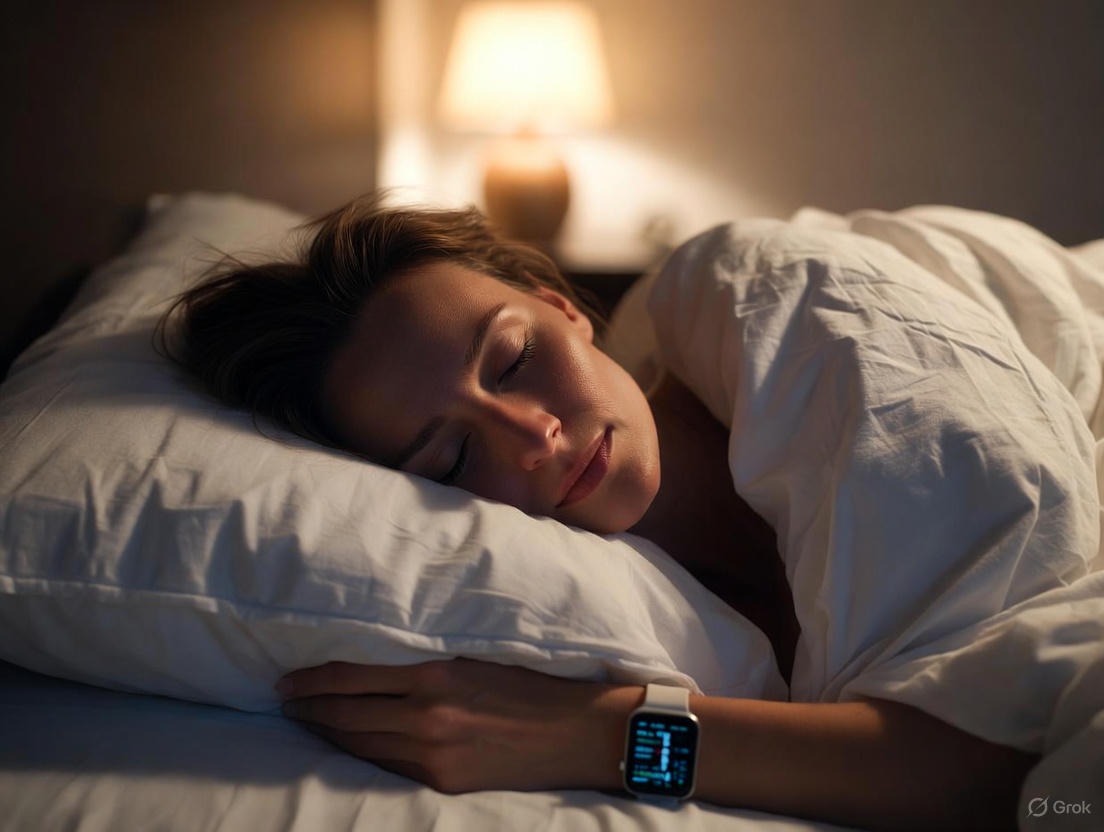
If readiness is the foundation and energy cycles are the schedule, then sleep is the non-negotiable construction material. The link between sleep and cognitive function is unequivocal. During sleep, particularly during deep (Slow-Wave) and REM stages, your brain engages in critical housekeeping: consolidating memories, clearing metabolic waste (like beta-amyloid plaques linked to cognitive decline), and regulating emotions. Skimping on sleep doesn’t just make you tired; it directly impairs attention, working memory, processing speed, and emotional regulation—the very pillars of mental clarity.
A smart ring moves sleep tracking far beyond simple duration. It provides a detailed analysis of your sleep architecture—the cyclical journey through light, deep, and REM sleep stages throughout the night. This is a game-changer. You can learn that while you’re in bed for 8 hours, you’re only obtaining 45 minutes of crucial deep sleep, perhaps due to late-night alcohol or a room that’s too warm.
The smart ring benefit here is actionable sleep intelligence. It answers the why behind poor sleep. Key metrics include:
By correlating your daily habits (evening exercise, caffeine timing, big meals, screen time) with your sleep quality scores, the ring empowers you to run experiments. Try a cooling mattress pad and see if your deep sleep percentage increases. Institute a digital sunset and track the change in your sleep latency. This data-driven approach transforms sleep from a passive state into an active pillar of cognitive performance.
Ultimately, the ring provides your Sleep Readiness score each morning. This isn't just about how you feel; it's a data-backed assessment of your brain's overnight maintenance. A high score means your brain has had its necessary tune-up and is primed for focus. A low score is a cue to prioritize lighter cognitive tasks and be extra vigilant about stress management throughout the day. For common questions on interpreting sleep data, our comprehensive FAQ provides clear, detailed answers.

Stress is the arch-nemesis of focus. In acute bursts, it can sharpen attention. But in the chronic, low-grade form that defines modern life, it becomes a cognitive suppressant. Chronic stress floods the system with cortisol, which can impair synaptic function, shrink the prefrontal cortex, and hijack attention towards anxiety and rumination. The challenge is that we often become numb to our own stress levels, only recognizing it when we’ve reached burnout.
The smart ring’s most potent metric for quantifying stress and resilience is Heart Rate Variability (HRV). Contrary to popular belief, a healthy heart does not beat with the monotonous regularity of a metronome. The tiny, millisecond variations between heartbeats are a direct window into your autonomic nervous system (ANS). A higher HRV generally indicates a strong, adaptable ANS with good balance between the stress-response (sympathetic) and rest-and-digest (parasympathetic) branches. It signifies resilience. A lower or declining HRV suggests your body is under strain, fighting inflammation, illness, or psychological stress.
This is where the ring transitions from a tracker to a resilience training tool. By monitoring your HRV trend—not just daily scores, but weekly and monthly baselines—you gain an objective measure of your stress load and recovery capacity.
The practical applications for mental clarity are profound:
By using HRV as a guide, you can build what experts call allostatic load management—the conscious regulation of your body’s stress adaptation systems. You learn to insert recovery before crisis. This builds a buffer of cognitive resilience, allowing you to face challenges with a clearer, more agile mind, rather than a reactive, overwhelmed one. The stories of how our users have transformed their relationship with stress are a testament to this power, and you can read their experiences in their own words here.
The brain is an energy hog, consuming roughly 20% of the body’s calories despite being only 2% of its weight. The quality and timing of that fuel are paramount. The post-lunch coma, the mid-morning slump, the sugar-induced anxiety spike—these are all direct evidence of metabolism dictating mental state. Optimizing cognitive function isn't just about what you think; it's about what you eat and when.
Smart rings are increasingly adept at providing insights into metabolic wellness, offering a unique benefit: understanding your body’s energy utilization patterns. Key metrics include:
While a ring won’t tell you the grams of carbs on your plate, it tells you how your body reacts to what’s on your plate. This fosters a powerful cycle of experimentation:
The goal is to move from dieting for aesthetics to fueling for function. By using your body’s biometric response as feedback, you can craft a nutritional pattern that provides steady, clean energy to the brain, minimizing the rollercoaster of spikes and crashes that devastate sustained focus. This metabolic awareness ensures your brain has the consistent, high-octane fuel it needs to perform at its peak.
We know exercise is good for the body, but its role as a cognitive enhancer is perhaps even more critical. Physical activity boosts blood flow to the brain, stimulates the release of Brain-Derived Neurotrophic Factor (BDNF, "miracle-gro" for the brain), and improves mood and stress resilience. However, more is not always better. The relationship between exercise and mental performance follows a Goldilocks principle: too little leaves you sluggish, but too much—or poorly timed—can create systemic fatigue that clouds thinking for days.
The smart ring elevates exercise from a logged activity to a precisely dosed component of your cognitive stack. It does this by measuring not just your workout, but its impact.
Key Benefits for Mental Clarity:
This data-driven approach ensures movement serves your mind. You learn to use activity not just to burn calories, but to strategically regulate your nervous system, boost neuroplasticity, and clear the mental palate for deep, uninterrupted work.
At its most fundamental level, brain function is a metabolic process fueled by oxygen and glucose. Every thought, every moment of focus, requires a constant, rich supply of oxygenated blood to neurons. Diminish that supply, even slightly, and cognitive performance stutters. Two silent, often overlooked factors that directly govern this supply are blood oxygen saturation (SpO2) and circulatory efficiency.
While wrist-based devices can estimate SpO2, the finger is the clinical gold standard for pulse oximetry. A smart ring, worn on the finger, is uniquely positioned to provide highly accurate, continuous insights into this vital metric, especially during the critical period of sleep.
How This Supports Mental Clarity:
By keeping a pulse on your oxygenation, the smart ring ensures you are addressing the most basic prerequisite for a clear mind: a well-oxygenated brain. It moves the conversation about focus from abstract concepts to fundamental physiology. When your brain cells are receiving optimal oxygen, they operate with greater efficiency, flexibility, and endurance. This foundational monitoring is a core part of Oxyzen's mission to provide holistic, clinically-grounded wellness insights.
In a culture that glorifies "the grind," recovery is often seen as passive, lazy, or lost time. Neuroscience and physiology reveal the opposite: strategic recovery is an active, generative process that is the very source of sustained cognitive performance. You cannot have peak focus without profound recovery. They are two sides of the same coin.
Recovery is when the magic happens: muscles repair, memories consolidate, stress hormones recalibrate, and the brain’s metabolic waste is cleared. The smart ring’s overarching benefit is that it quantifies and mandates recovery, turning it from an abstract good idea into a scheduled, non-negotiable component of your cognitive toolkit.
The ring provides multiple data streams that collectively define your recovery status:
The application for mental work is direct and profound. We can apply the athletic concept of periodization to cognition. Just as an athlete plans hard training days followed by easy recovery days, a knowledge worker can plan:
This approach prevents the common pitfall of spending your high-readiness mornings on low-value tasks (like email) and then trying to perform deep work in the afternoon when you’re biologically depleted. The ring enforces a discipline of aligning task difficulty with biological capacity. This sustainable model prevents burnout and ensures that when you sit down to focus, your brain is genuinely prepared to do its best work.

Your physiology does not exist in a vacuum. It is in a constant dialogue with your environment—the light, temperature, noise, and even the air quality of your surroundings. These external factors can subtly or significantly hijack your autonomic nervous system, pulling you away from a state conducive to focus. A smart ring, by reflecting your internal state, becomes a powerful tool for environmental auditing.
Your biometrics are the ultimate truth-teller about how your surroundings affect you. You can use the ring to run experiments and create a personalized focus oasis:
By treating your biometrics as feedback, you become an architect of your environment. You stop guessing what a "good workspace" is and start building one that is empirically proven, by your own body’s data, to support calm, focused attention. It’s a process of co-creating with your physiology, designing a world that allows your mind to flourish.
The ultimate, and perhaps most subtle, smart ring benefit for mental clarity is not in a metric, but in a shift in consciousness. The continuous, passive collection of data creates a powerful biofeedback loop that heightens your interoceptive awareness—your sense of the internal state of your body.
Most of us live disconnected from our physiology. We ignore signs of thirst, override feelings of fatigue with caffeine, and push through stress until we snap. The ring acts as a gentle, objective mirror. It translates vague feelings of "being off" or "scattered" into tangible data: "Your HRV is 15% below your baseline," or "Your resting heart rate is elevated today."
This feedback accomplishes two profound things:
This heightened awareness creates a virtuous cycle. You start to notice the physical sensations that precede mental distraction—a slight tension in your shoulders, a feeling of warmth, a quickening pulse. With this awareness, you can deploy a focused breathing technique (which you can then see reflected in a real-time HRV increase) or take a movement break before your focus fully derails.
The ring becomes a tool for mindfulness-in-action. It grounds you in the present moment of your physiology, which is the foundation of your cognitive moment. This cultivated connection between body and mind is the bedrock of sustained mental clarity, turning sporadic moments of focus into a default state of engaged, resilient presence. This journey of discovery—of connecting data to daily life—is at the heart of the Oxyzen story and our vision for empowered wellness.
With these ten pillars explored—from Readiness and Sleep to Environment and Awareness—the final step is synthesis. The true power of a smart ring is not in any one graph, but in the holistic story they tell together. The goal is to integrate these disparate data streams into a Personal Cognitive Blueprint: a dynamic, living understanding of what your body needs to support your mind’s best work.
This blueprint answers personalized questions:
Creating this blueprint is an iterative process of observation, experimentation, and refinement. It begins with simply wearing the ring consistently to establish a true baseline, free from judgment. Then, you make one small, testable change at a time—like altering your dinner time or trying a new morning routine—and observe the multi-day impact on your readiness, sleep, and stress scores.
The smart ring platform becomes the dashboard for this experiment of one. You are both the scientist and the subject, working to unlock your unique formula for mental clarity. This is not about achieving perfect scores every day; it’s about understanding your system so well that you can navigate imperfect days with grace and intelligence, making adjustments that keep you stable and focused even when life is demanding.
As you build this blueprint, you transition from being a passive recipient of your cognitive state to an active architect of it. The fog clears not by chance, but by design. To begin exploring the tools that can help you build this blueprint, the Oxyzen homepage is your starting point.
Having established the blueprint, the next critical phase is implementation. Knowledge of your physiology is inert without action. The true transformation occurs when you weave smart ring data into the very fabric of your daily rituals, creating an architecture for your day that systematically cultivates focus. This is where passive tracking becomes active living.
Think of your day not as a blank slate to be filled reactively, but as a structured sequence of Cognitive Rituals designed to support different modes of thinking. Your smart ring data provides the guidelines for designing these rituals. A morning ritual isn't just "wake up and work"; it's a carefully orchestrated sequence to elevate your readiness score into actionable energy. An evening ritual isn't just "relax"; it's a deliberate wind-down to optimize sleep architecture.
Morning Ritual (The Launch Sequence):
Your first hour sets the tone. Instead of reaching for your phone, you reach for your data. A glance at your ring’s Sleep Score and Readiness Score provides your launch parameters.
The ring’s benefit here is informed intention. You don’t just "have a morning routine"; you have a dynamic response protocol based on your body’s nightly repair work.
Work-Break Rituals (Sustaining Momentum):
The classic Pomodoro Technique (25 minutes of work, 5-minute break) is a good start, but it’s generic. Your smart ring helps you personalize this rhythm. Using activity and heart rate data, you can identify your natural focus span—it might be 50 minutes, not 25. More importantly, you learn what constitutes a truly restorative break.
By experimenting and observing the impact on your subsequent focus, you design break rituals that genuinely reset your nervous system, turning a fragmented day into a series of productive, sustainable sprints.
Evening Ritual (The Wind-Down Protocol):
The quality of your tomorrow is forged tonight. The evening ritual is a deliberate, data-informed process of lowering physiological arousal to invite restorative sleep. Your ring helps you identify your personal sleep disruptors.
Your wind-down ritual becomes a non-negotiable sanctuary. It might start 90 minutes before bed, involving dim lights, a body-temperature shower (to trigger the post-shower cooldown), reading fiction, and perhaps a gratitude journal. The ring validates this ritual’s effectiveness through improved sleep scores and a higher next-day readiness.
This architectural approach turns vague wellness advice into a personalized, dynamic operating system. Your day becomes a series of linked rituals, each informed by biometric feedback, all working in concert to create the stable internal environment where mental clarity can thrive.
We've discussed using HRV as a stress detector. Now, we advance to using the smart ring as a stress inoculation trainer. The goal shifts from merely observing stress to actively strengthening your nervous system’s resilience, much like lifting weights builds muscular strength. This is proactive cognitive defense.
The core principle is hormesis: a beneficial adaptive response to a mild, acute stressor. By intentionally and safely stressing your system in controlled ways, and then allowing full recovery, you build greater tolerance to the uncontrolled stresses of daily life. A smart ring is the perfect tool to guide this delicate dance, ensuring the stress is "just enough" and the recovery is complete.
Practical Inoculation Practices Guided by Biometrics:
By using the ring to guide these hormetic practices, you don’t just avoid stress; you become antifragile. Your cognitive capacity gains from disorder. Challenges that would have previously shattered your focus now become manageable. You’ve trained your system to bounce back faster and stronger, creating an unshakable foundation for mental performance. For a deeper exploration of these advanced practices, our blog is a constantly updated resource.
Mental clarity is not cultivated in a vacuum. It exists within a web of social connections that powerfully, and measurably, influence your physiology. The quality of your interactions—from a supportive conversation to a toxic argument—leaves a distinct signature on your autonomic nervous system. The smart ring, by capturing this physiological impact, brings a revolutionary level of awareness to the social determinants of cognitive performance.
Human beings are wired for connection. Positive, warm social interactions trigger the release of oxytocin, which dampens stress activity in the amygdala and can promote feelings of calm and safety—a perfect state for focused, creative thought. Conversely, social conflict, loneliness, or even interacting with a consistently draining individual activates the threat response, spiking cortisol and fragmenting attention.
How the Ring Reveals Social Biometrics:
This data empowers you to become the curator of your social ecosystem for the sake of your cognitive health.
Actionable Steps for Social Optimization:
By integrating social awareness into your cognitive blueprint, you acknowledge that focus is not just an individual pursuit. It is supported or undermined by the world of people around you. The smart ring helps you navigate that world with intelligence, protecting your inner calm so your mind can remain clear. This holistic view of wellness is central to the values that guide the Oxyzen mission.
The pursuit of mental clarity is not merely a daily or weekly endeavor; it is a lifelong project. The habits and patterns we establish today directly influence our cognitive health and resilience decades from now. This is where the smart ring transitions from a daily performance tool to a longitudinal health guardian. By tracking key biomarkers over months and years, it provides an unprecedented window into your cognitive aging trajectory and empowers you to influence it positively.
Cognitive decline is not an inevitable cliff. It is often the result of accumulated micro-insults to the brain: chronic inflammation, poor vascular health, sustained high stress, and disrupted sleep. These factors gradually erode neural connections and reduce neuroplasticity. The powerful insight from longitudinal ring data is that these processes are reflected in slow, trending changes in your baseline physiology.
Key Longitudinal Metrics for Brain Health:
The smart ring benefit is early detection and course correction. Instead of discovering a problem decades later, you can observe a negative trend in its infancy and intervene.
Proactive Interventions Guided by Trends:
This long-view transforms health from a snapshot to a movie. You become the author of your own cognitive aging story. The ring provides the data to write a story of resilience, adaptability, and preserved clarity. It fosters a mindset of preventative cognitive care, where daily choices are made not just for today’s focus, but for the clarity of your future self. For answers to common questions about long-term data tracking and privacy, our FAQ provides clear and transparent information.
The smart ring is a powerhouse of physiological data, but it exists within a broader ecosystem of technology that shapes our cognitive lives. Its true potential is unlocked when it acts as the central, biological hub in a network of other tools. By integrating its deep biometric insights with data from calendars, task managers, and even environmental sensors, you can create a unified, intelligent dashboard that proactively manages your cognitive load.
Think of it as your personal Chief of Staff for your brain. The ring provides the "how you are" data, while other apps provide the "what you need to do" data. When these streams converge, magic happens.
Practical Integration Scenarios:
The ring becomes the translator between your inner state and your outer world. It ensures that your technology stack—which often contributes to cognitive overload—now works in harmony to reduce it. Instead of fighting against a barrage of disconnected demands, you have a coordinated system designed to support your mind. This vision of seamless, human-centric technology is what drives innovation at Oxyzen, as detailed in our company journey.
With great data comes great responsibility. A potential pitfall on the journey to optimized focus is the shift from empowered awareness to anxious obsession. Checking your scores every hour, feeling defeated by a "red" recovery metric, or becoming a slave to the data undermines the very clarity you seek. The ultimate smart ring benefit is not perfection, but wisdom—the ability to use data as a guide, not a gospel, and to treat yourself with compassion through inevitable setbacks.
Your biometrics are not a report card on your worth. They are a weather report on your physiology. A stormy day (low readiness) is not a failure; it’s information. The goal is to build a resilient, adaptive system, not a perfectly static one.
Strategies for a Healthy Data Relationship:
The ring’s highest purpose is to foster a kinder, more informed relationship with yourself. It shows you how hard your body is working for you, even on "low" days. This cultivates self-compassion, which in itself reduces the stress that clouds thinking. When you approach your data with curiosity and care, you build not just a sharper mind, but a more peaceful one. The transformative experiences of users who have found this balance are powerfully captured in their personal testimonials.
We stand on the brink of the next evolution in cognitive wellness technology. The current model is largely descriptive (telling you what happened) and diagnostic (helping you understand why). The future, powered by advanced AI and machine learning acting on rich, continuous biometric streams, is predictive and prescriptive. The smart ring will evolve from a dashboard into a true cognitive guardian.
This future holds transformative possibilities for mental clarity:
Predictive Focus Forecasting:
Imagine your ring’s app providing a "Cognitive Forecast" for your week every Sunday. Based on your historical data, scheduled calendar events, sleep consistency, and even weather patterns, it could predict: "Tuesday afternoon is a high-risk period for mental fatigue based on your Monday late meeting and current sleep trend. Consider pre-emptively clearing your schedule for a 20-minute walk at 3 PM." This moves you from reactive recovery to proactive resilience management.
Personalized Micro-Nudges:
Instead of generic reminders to "stand up" or "breathe," the nudge will be biologically timed. The ring’s AI will learn your unique pre-fatigue signatures—perhaps a specific pattern of heart rate variability or skin temperature change that precedes your focus dropping by 30 minutes. It could then intervene at the perfect moment with a tailored suggestion: "Your body signals suggest diminishing focus. A 2-minute breathing exercise now could preserve your momentum for the next hour. Start?"
Integrated Wellness Prescriptions:
By correlating millions of data points across its user base (anonymously and ethically), the algorithms could identify highly specific intervention patterns. It might learn that for people with your specific chronotype and stress response profile, a combination of 7.5 hours of sleep with a core temperature of 68°F and a morning mobility routine of 15 minutes yields the highest reported focus scores. It would then guide you gently toward that personalized "prescription."
Long-Term Brain Health Projections:
Advanced modeling could use your longitudinal trends to project your cognitive health trajectory, identifying potential risk areas years in advance with startling accuracy. It could then recommend specific, evidence-based lifestyle or clinical interventions to alter that trajectory, making preventative neurology a personal, accessible reality.
This future is not about outsourcing your will to an algorithm. It is about augmenting your self-awareness with a level of pattern recognition and predictive power that the human brain alone cannot achieve. The smart ring becomes a deeply intuitive partner in your quest for a lifetime of clear thinking, offering guidance that is so personalized it feels like your own inner wisdom, amplified. To follow the development of these forward-looking features, staying connected to Oxyzen’s updates is key.
We have journeyed from the fundamental neuroscience of readiness to the horizon of predictive cognitive care. This exploration reveals that the smart ring is far more than a sleep tracker or a fitness device. It is a comprehensive biometric interpreter, a resilience trainer, an environmental auditor, and a longitudinal health guardian, all dedicated to one supreme goal: unlocking your innate capacity for mental clarity and sustained focus.
The core revelation is that focus is not a mental trick you perform in opposition to your body. It is a physiological state you cultivate through your body. By honoring the intricate links between sleep, stress, metabolism, movement, and recovery, you create the internal stability required for the prefrontal cortex to fire on all cylinders. The smart ring provides the objective, continuous, personalized data that makes this cultivation not a guessing game, but a science of the self.
We have covered how to:
The path to unwavering focus begins with this foundational understanding. It is a shift from fighting against your biology to partnering with it. The data from your finger becomes the compass for this partnership, guiding you toward daily choices that compound into a lifetime of clearer thinking, better decisions, and profound mental peace.
In the next portion of this guide, we will dive into the practical application of this foundation. We will build detailed, step-by-step protocols for common cognitive challenges: conquering procrastination, entering flow states, managing digital overload, enhancing creative thinking, and maintaining focus in high-stress professions. We will also conduct deep-dive comparisons of how different smart ring metrics specifically map to cognitive tasks, and explore advanced protocols for cognitive athletes. The journey from insight to mastery continues.
Having established the profound link between biometrics and mental state, we now transition from theory to practice. Knowledge of your readiness, sleep, and stress scores is powerful, but its true value is realized when it directly informs your actions. This section provides actionable, step-by-step protocols designed to leverage smart ring data to overcome common cognitive barriers and achieve peak performance. Think of this as your field manual for applied focus.
We will move beyond generic advice and into the realm of biometrically-informed tactics. The goal is to create a set of personal "if-then" rules: If my data shows "X," then I will implement strategy "Y." This transforms passive tracking into an active, dynamic system for cognitive excellence.
Waking up with brain fog can derail an entire day. Instead of relying on willpower and caffeine, use your smart ring data to execute a precise launch sequence tailored to your biological starting point.
Step 1: The Data Check (First 5 Minutes)
Step 2: Triage and Plan (Minutes 5-10)
Step 3: The First 90-Minute Work Block
This protocol ensures you are always working with your biology, not against it. It replaces guilt and frustration with strategy and self-compassion.
Deep work—the state of uninterrupted, high-concentration focus on a demanding task—is the engine of true productivity and mastery. Entering a flow state requires specific conditions that your smart ring can help you identify and create.
Pre-Sprint Preparation (The Day Before & Morning Of):
The Sprint Execution (Using Real-Time Bio-Feedback):
The Key Insight: Flow is not found by waiting for inspiration. It is engineered by creating the ideal internal (high readiness, low stress) and external (structured, distraction-free) conditions. The smart ring provides the internal diagnostics.
The post-lunch cognitive crash is a near-universal experience, driven by circadian dips and metabolic shifts. Instead of succumbing to it, use a biometrically-triggered rescue protocol.
Detection & Trigger:
The 15-Minute Rescue Sequence:
Choose one of the following, based on your environment and what your historical data shows is most effective for you:
Post-Rescue Analysis:
Note the time and method used. Later, review your stress and activity graphs. Did your focus and physiological stability improve in the hour following the rescue? This builds your personal library of effective crash interventions.
The transition from the cognitive demands of work to the restorative state required for sleep is a process, not an event. A haphazard wind-down sabotages sleep, which in turn sabotages tomorrow’s focus. This protocol uses evening biometrics to guide a seamless transition.
Phase 1: The Shutdown Ritual (60-90 Minutes Before Target Bedtime)
Phase 2: The Physiological Descent (The 60-Minute Pre-Bed Window)
Phase 3: In-Bed Optimization
By following this protocol, you are not just "going to bed." You are actively programming your nervous system for restoration, using the feedback from previous nights to refine the process continuously. For more personalized guidance on sleep challenges, our FAQ addresses many common scenarios.
Doctors, lawyers, executives, entrepreneurs, and first responders face unique cognitive demands: long hours, high stakes, emotional intensity, and unpredictable schedules. For them, focus is not a luxury; it’s a professional imperative. Standard wellness advice often fails. Here, a smart ring becomes a critical piece of operational equipment for resilience.
Tactical Application for High-Stress Roles:
In these professions, the cost of poor focus is immense. The smart ring provides an objective, non-judgmental "vital sign" for your cognitive and emotional capacity, allowing for smarter energy investment and sustainable performance under pressure. The stories of professionals who have used this data to transform their work sustainability are some of the most compelling you can discover in user testimonials.
Creative work and complex problem-solving rely less on sustained linear focus and more on making novel connections between ideas. This process is fostered by specific states of mind that can be cultivated through an understanding of your physiology. The smart ring can help you orchestrate the conditions for "Eureka!" moments.
The Creative Cycle & Biometric Correlates:
Creating a "Creative Day" Template:
Based on your data, design a day optimized for creativity:
The ring teaches you that creativity isn't about constant grinding. It's about the disciplined rhythm of focused effort and mindful release. By tracking which patterns of work and rest yield your greatest insights, you can systematize your creative process. For more on designing a life that fosters innovation, explore related themes on our blog.
Our digital devices are engineered to fragment attention. Regaining focus requires not just willpower, but smart systems. Your smart ring provides the "why" behind the need for boundaries, making them easier to enforce.
The Biometric Cost of Digital Fragmentation:
Every notification, context switch, and "quick check" triggers a micro-stress response—a release of cortisol and dopamine—and pulls your brain from a deep, linear state to a shallow, reactive one. This leaves a signature:
Data-Driven Boundary Setting:
By framing digital boundaries as essential for physiological stability—which they are—you move the argument from a moral one ("I should use my phone less") to a practical, health-based one ("My nervous system requires periods of uninterrupted calm to function optimally"). The data provides the unassailable evidence you need to defend your focus. This philosophy of intentional technology use is woven into the fabric of the Oxyzen brand story.
Let’s synthesize these protocols into a hypothetical week for "Alex," a knowledge worker, showing how the data influences daily and weekly planning.
Alex’s Baseline: Chronotype: Slight night owl. Average Readiness: 72. Target Sleep: 7.5 hours.
This sample week isn't about rigidity; it's about responsiveness. Alex doesn’t force the same template every day. The readiness score each morning is the compass, and the protocols are the map. This flexibility, grounded in data, leads to sustainable high performance without burnout.
The journey through these practical protocols demonstrates that the quest for mental clarity is an active, dynamic practice of self-leadership. The smart ring is the tool that illuminates the path. It replaces the frustration of unpredictable focus with the empowerment of understanding and influence.
You now have a framework to:
This is the art and science of cognitive self-mastery. It begins not with trying harder, but with listening more closely—to the data that flows from your very fingertips. By adopting these protocols, you stop fighting your nature and start channeling it. You move from being a victim of your energy levels to being the architect of your focus.
In the final section of this comprehensive guide, we will look ahead, exploring the cutting-edge frontiers of biometric technology, the ethics of self-quantification, and how to build a lasting lifestyle where peak cognitive function is not an occasional feat, but a consistent reality. The ultimate goal is a life of not just productivity, but of clarity, purpose, and profound mental peace.
Your Trusted Sleep Advocate: Sleep Foundation — https://www.sleepfoundation.org
Discover a digital archive of scholarly articles: NIH — https://www.ncbi.nlm.nih.gov/
39 million citations for biomedical literature :PubMed — https://pubmed.ncbi.nlm.nih.gov/
Experts at Harvard Health Publishing covering a variety of health topics — https://www.health.harvard.edu/blog/
Every life deserves world class care :Cleveland Clinic - https://my.clevelandclinic.org/health
Wearable technology and the future of predictive health monitoring :MIT Technology Review — https://www.technologyreview.com/
Dedicated to the well-being of all people and guided by science :World Health Organization — https://www.who.int/news-room/
Psychological science and knowledge to benefit society and improve lives. :APA — https://www.apa.org/monitor/
Cutting-edge insights on human longevity and peak performance:
Lifespan Research — https://www.lifespan.io/
Global authority on exercise physiology, sports performance, and human recovery:
American College of Sports Medicine — https://www.acsm.org/
Neuroscience-driven guidance for better focus, sleep, and mental clarity:
Stanford Human Performance Lab — https://humanperformance.stanford.edu/
Evidence-based psychology and mind–body wellness resources:
Mayo Clinic — https://www.mayoclinic.org/healthy-lifestyle/
Data-backed research on emotional wellbeing, stress biology, and resilience:
American Institute of Stress — https://www.stress.org/


