


The Smart Ring Benefits That Validate Your Wellness Efforts
Benefits that provide confirmation that your wellness efforts are effective.
Benefits that provide confirmation that your wellness efforts are effective.
%402x.svg)
In the quiet moments before the day begins, many of us make a silent promise: today, I will take care of myself. We pour the green smoothie, lace up the running shoes, or sit for five minutes of meditation, fueled by the belief that these efforts are building a healthier, more resilient version of ourselves. But then, life accelerates. The project deadline looms, the inbox refills, and the day blurs into a series of reactions. By evening, that morning’s intention feels distant, and the nagging question returns: Is any of this actually working?
For decades, the feedback loop on our personal wellness has been frustratingly slow and imprecise. We’ve relied on sporadic weigh-ins, how we “feel” in our jeans, or our general energy levels—data points that are easily skewed by a bad night’s sleep or a stressful day. This lack of tangible, immediate validation is why so many well-intentioned journeys fizzle out. Motivation, it turns out, thrives on evidence.
Enter the smart ring—a discreet, unassuming piece of wearable technology that is revolutionizing our relationship with our own well-being. Unlike wrist-worn devices that announce themselves, the smart ring operates with subtlety, gathering a continuous stream of physiological data from the body’s most reliable source: your finger. It’s not just another gadget; it’s a personal validation engine. It translates the invisible internal workings of your nervous system, your circulatory system, and your sleep architecture into a clear, actionable language.
This article is for the person who is tired of guessing. For the one who wants to know if that new bedtime routine is truly improving deep sleep, if those midday walks are lowering stress, or if that decision to cut back on evening screen time is paying dividends in morning alertness. We will explore how the core benefits of a smart ring—from unlocking the secrets of your sleep to providing a real-time window into your stress and recovery—turn abstract wellness efforts into validated, data-backed victories. This is about moving from hoping you’re healthier to knowing you are. Welcome to the future of quantified self-care.
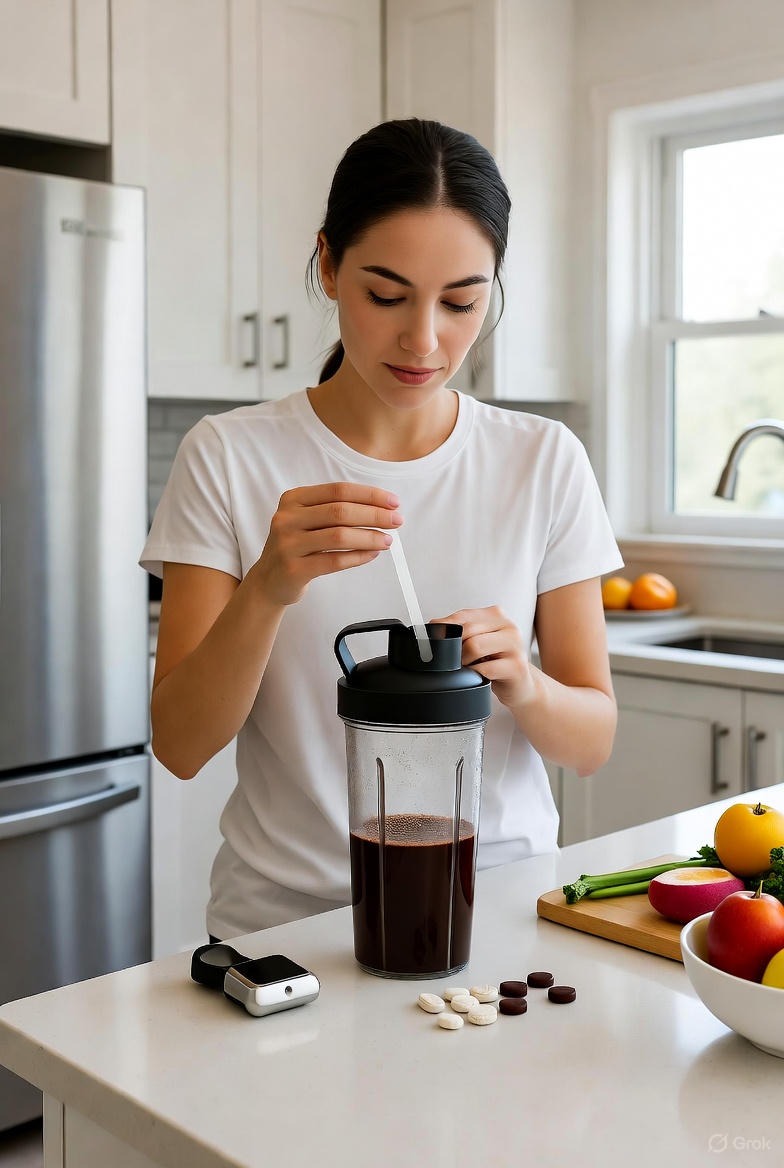
We live in an age of wellness obsession, yet paradoxically, one of profound personal data poverty. We follow expert advice, adopt trending routines, and invest in premium supplements, all based on a leap of faith. This "validation gap"—the chasm between our efforts and our ability to measure their true impact—is the single biggest drain on sustainable health motivation.
Consider the classic example: sleep. You diligently implement a "perfect" sleep hygiene ritual—cool room, no screens, consistent bedtime. A week later, you still feel groggy. Is the ritual failing? Or did work stress quietly hijack your sleep quality, making the ritual the only thing preventing a total crash? Without data, you’re left guessing, often leading you to abandon a beneficial practice prematurely.
Traditional metrics like weight or step counts are hopelessly one-dimensional. Weight fluctuates daily due to hydration and glycogen, offering no insight into body composition changes from your new strength regimen. Ten thousand steps say nothing about the physiological quality of that activity—was it a stressful, heart-pounding rush to a meeting, or a mindful, parasympathetic-boosting walk in nature? Your body experiences these two scenarios wildly differently.
This gap forces us to rely on lagging indicators. Feeling burnt out, getting sick, or hitting an energy wall are signals that came too late; the breakdown happened days or weeks prior. Wellness becomes reactive, a cycle of crash-and-repair, rather than a proactive, confident journey.
The human brain craves feedback. In virtually every other aspect of modern life, we have it. Fitness apps map our running routes, finance apps track our spending, and project management software visualizes our progress. Our personal health, the most important project of all, has remained stubbornly opaque. We are pilots flying a complex aircraft with only a foggy window and a fuel gauge, missing the entire dashboard of engine metrics, altitude, and system diagnostics.
Closing this validation gap requires a tool that moves beyond surface-level activity tracking to foundational physiological monitoring. It requires something that measures what your body is experiencing, not just what it is doing. This is the paradigm shift offered by advanced wearables like the smart ring. By continuously monitoring signals like heart rate variability (HRV), resting heart rate (RHR), skin temperature, and blood oxygen, it provides the missing dashboard. It turns the abstract concept of "recovery" into a tangible score. It shows you the direct line between your 8 PM yoga session and a calmer nervous system reading at 10 PM. It validates that the extra glass of water you’re drinking is improving your hydration markers.
This transformation from intuition to data doesn’t replace self-awareness; it enhances it. It provides the objective correlate to your subjective feelings. When you feel "off," you can check the data for a dip in readiness. When you feel great, you can see the corresponding high HRV and optimal sleep metrics, reinforcing the behaviors that got you there. This creates a powerful positive feedback loop. For a deep dive into how this technology works to decode your body’s signals, our blog features extensive resources on the science behind physiological tracking.
Bridging the validation gap is the first, most critical step in making wellness efforts stick. It replaces doubt with certainty and hope with strategy. The smart ring is the tool that finally builds that bridge, allowing you to see, in real time, the undeniable proof that your efforts are paying off.
In the quest for physiological truth, location matters. While the wrist has been the default home for wearables for years, it presents significant limitations for capturing the precise, nuanced data required for true wellness validation. The smart ring’s choice of the finger isn’t an aesthetic quirk; it’s a biomechanical and physiological masterstroke.
The wrist is a bustling hub of skeletal movement. Every twist of a doorknob, keystroke, and wave of your hand creates motion artifacts—noise that can obscure the delicate cardiac signals devices are trying to capture. This is why early sleep trackers on watches often confused reading a book in bed with "light sleep." The finger, particularly the base of the finger, is a far more stable platform. Its movements are generally less frequent and more coupled with the hand’s gross motor actions, which are easier for algorithms to identify and filter out. This inherent stability provides a cleaner signal from the get-go.
More importantly, the finger offers superior vascular access. The palmar digital arteries, which run along the sides of the fingers, are rich and close to the surface. This vascular richness, combined with the ring’s snug, consistent fit, allows photoplethysmography (PPG) sensors—which use light to measure blood volume changes—to operate with exceptional fidelity. They can detect the subtle pulse wave variations that are the gold standard for calculating Heart Rate Variability (HRV), a critical metric for nervous system balance. On the wrist, with its smaller capillaries and bony structure, capturing this level of detail is more challenging and prone to error.
This optimal positioning unlocks a suite of metrics that are foundational to wellness validation:
The form factor itself contributes to the data’s validity. A ring is comfortable to wear 24/7, including during sleep—when the most critical recovery data is gathered. Many people find a watch uncomfortable to sleep in, leading to data gaps. The ring’s discreet nature also reduces the "observer effect," where wearing a noticeable device might unconsciously change your behavior. It becomes a true unobtrusive observer, gathering data on your actual life, not a performance you put on because you’re being "tracked."
This combination of superior signal acquisition, physiological advantage, and seamless wearability makes the smart ring not just a convenient alternative to the smartwatch, but a fundamentally more accurate tool for the job of holistic wellness monitoring. It is designed not for intermittent notification checking, but for continuous, quiet listening to the body’s language. It’s this silent, precise observation from an ideal vantage point that forms the bedrock of trustworthy validation—a principle central to the design philosophy at Oxyzen, where our story is one of marrying medical-grade insight with everyday wearability.

For generations, the benchmark for a good night was simple: eight hours in bed. We’ve since learned that this monolithic view of sleep is as reductive as judging a symphony solely by its length. Two people can log identical time asleep and emerge with radically different experiences of restoration. One feels refreshed; the other feels foggy. The difference lies beneath the surface, in the complex architecture of sleep stages—architecture that a smart ring is uniquely equipped to map.
Smart rings use a combination of heart rate, HRV, body temperature, and movement data to construct a detailed hypnogram—a graph of your sleep stages throughout the night. This moves you from knowing how long you slept to understanding how well you slept across its critical phases:
But the ring’s insight goes beyond staging. It exposes the silent saboteurs of sleep quality:
This granular data transforms your relationship with sleep from passive to proactive. Imagine seeing a direct correlation on your app: on nights you avoided late meals and blue light, your deep sleep duration spiked. On nights after intense evening workouts, your sleep latency was longer and your resting heart rate elevated. This isn’t guesswork; it’s cause and effect, written in the language of your physiology.
Perhaps most powerfully, the ring validates interventions. That new memory foam pillow, the white noise machine, the magnesium supplement—do they move the needle? With sleep stage data, you have your answer. You can see if your deep sleep increases or your awakenings decrease. This turns sleep optimization from a shot in the dark into a precise science.
By decoding sleep into its constituent parts, the smart ring delivers the ultimate validation: it proves that your efforts to protect and prioritize sleep are not in vain. It shows you the tangible, neurological and physiological ROI of turning off the Netflix episode and going to bed. For anyone struggling with fatigue or seeking peak performance, this isn’t just data—it’s the foundational insight for a better life. To explore common questions on how this tracking works in practice, our FAQ section covers everything from accuracy to best practices for wear.
Stress is no longer just a feeling; it’s a measurable physiological state. The problem is, we often only recognize it in its extreme forms—the pounding heart, the tight shoulders, the sense of overwhelm. But long before we consciously register it, our autonomic nervous system (ANS) has already sounded the alarm, initiating the "fight-or-flight" (sympathetic) response. Chronic, low-grade sympathetic activation is the silent eroder of wellness, linked to inflammation, poor sleep, and a weakened immune response. A smart ring acts as a live dashboard for this hidden world, with Heart Rate Variability (HRV) as its most important gauge.
HRV is not your heart rate. It is the subtle, millisecond variation in the time interval between each heartbeat. A higher, more variable HRV generally indicates a resilient, adaptable nervous system with strong parasympathetic ("rest-and-digest") tone. A low, stagnant HRV suggests a system stuck in a state of stress, fatigue, or burnout. The smart ring, with its precise finger-based PPG sensor, tracks this metric continuously, offering two revolutionary perspectives:
1. Real-Time Stress Detection: By analyzing the pattern of your heartbeats in the moment, advanced algorithms can identify signatures of sympathetic nervous system activation. Your ring can gently alert you to a rising stress level during a tense work call or while sitting in traffic—often before your conscious mind has caught up. This is a game-changer. It creates a moment of mindfulness and agency. You can see the spike on your graph and think, "Ah, that email thread got to me," and then employ a breathing technique. Five minutes later, you can watch your HRV recover and your stress score fall. This immediate feedback validates the power of mindfulness practices in a way that feeling "a bit calmer" never could.
2. Baseline Recovery Tracking: Your nightly average HRV, taken during sleep when external stimuli are minimized, is one of the purest indicators of your overall recovery status. It’s your body’s report card on how well it’s coping with all life’s demands—physical, mental, and emotional. Tracking this trend over time is profoundly validating. You can see your baseline HRV climb as you incorporate regular meditation, nature walks, or better sleep hygiene. Conversely, you’ll see it dip during periods of overtraining, work deadlines, or emotional strife, serving as an objective cue to pull back and prioritize self-care.
Beyond HRV, the stress dashboard includes:
This dashboard demystifies your inner state. Instead of wondering, "Am I just lazy, or am I genuinely run down?" you can check your data. A consistently low HRV and elevated RHR provide the biological evidence you need to grant yourself permission to rest, without guilt. It validates the need for a "mental health day" with hard data.
Furthermore, it transforms stress management from a blanket prescription to a personalized experiment. Does a 10-minute meditation app session lower your real-time stress score more than a walk around the block? Does journaling before bed improve your overnight HRV? The ring gives you the answers, allowing you to build a stress-resilience toolkit that is proven to work for your unique physiology. Witnessing these cause-and-effect relationships is the most powerful motivator for maintaining healthy habits, turning the vague concept of "stress management" into a concrete, validated skill set. For real-world examples of how users have transformed their relationship with stress, the testimonials from our community are incredibly inspiring.
In a culture that glorifies "pushing through," the most transformative wellness metric might be the one that tells you to stop. Enter the Readiness or Recovery Score—a composite metric generated by smart rings that synthesizes data from your sleep, stress, activity, and physiological markers into a single, actionable number. This isn't a judgment; it's a strategic assessment of your body’s capacity to perform, adapt, and thrive on any given day.
Think of it as your body’s battery percentage for system-wide function, not just for moving, but for thinking, healing, and emoting. A high readiness score (often derived from excellent sleep, high HRV, low RHR, and stable temperature) indicates a fully charged system. It’s your green light to tackle that intense workout, pitch the big idea, or host the social gathering. A low score is a yellow or red light—a signal that your resources are depleted and your primary task should be recharge.
The power of this score lies in its validation of rest as a productive, essential component of wellness. For the athlete, it provides scientific backing for a deload day, preventing overtraining and injury. For the knowledge worker, it suggests today is for deep-focus tasks, not creative brainstorming. For the parent, it’s permission to order takeout and have a quiet evening instead of powering through a complicated meal prep.
This daily signal helps you align your actions with your actual biological state, creating a harmonious feedback loop:
Conversely, if you ignore a low score and push through with a brutal workout, the ring will likely show the consequences: poor sleep that night, a further depressed HRV, and an even lower score the next morning. This data provides a non-negotiable lesson in the cost of ignoring recovery. It teaches you to differentiate between genuine laziness and legitimate biological need.
The readiness score also validates the effectiveness of your recovery modalities. Does an Epsom salt bath after a hard day improve your next-morning score? Does a 20-minute nap have a measurable impact? Does a full rest day truly recharge you? The score gives you a clear, quantifiable answer, allowing you to optimize not just your work but your rest.
By providing a daily go/no-go signal, the smart ring fosters a more intelligent, sustainable, and respectful relationship with your body. It validates the intuition that sometimes, the most productive thing you can do is nothing at all. It turns recovery from a passive state into an active, measurable component of your wellness protocol, ensuring that your efforts are not just intense, but also intelligent. To learn more about how this holistic scoring system is developed and how to apply it to your life, our blog offers detailed guides and expert interpretations.
The fitness world has long been dominated by a simple, output-focused mantra: "burn more." Calories, steps, and active minutes have been the primary currencies. While these metrics have their place, they tell an incomplete story—one that can even be misleading. A smart ring reframes the purpose of activity through the lens of your entire wellness system. It asks not just "How much did you do?" but "How did what you do affect you?"
This shift is embodied in two key concepts the ring helps you balance: activity strain and physiological recovery.
The magic happens in the relationship between the two. The ring’s intelligence lies in showing you how today’s strain influences tonight’s recovery and tomorrow’s readiness.
Validation of Effective Training: Did that new HIIT routine actually provide a meaningful stimulus? You’ll see a corresponding, appropriate spike in your activity strain score and, ideally, a slight dip followed by a "supercompensation" rise in your HRV over the following days as you recover and adapt. This confirms the workout was challenging enough to trigger positive adaptation.
Prevention of Overreaching: Conversely, if you string together several high-strain days and see your HRV plummet, your RHR rise, and your readiness scores tank, you have an undeniable warning sign. The data validates the need for a lighter day before you develop full-blown fatigue, illness, or injury. It teaches you to periodize your training intuitively.
Recognition of Productive Rest: The ring elevates low-strain, restorative activities to their proper status. A gentle yoga session, a leisurely walk, or mobility work may not burn many calories, but if they result in a lower stress score, a calmer nervous system, and a positive impact on your sleep, the ring validates them as supremely productive for holistic wellness. It shows that movement’s value isn’t only in destruction (breaking down muscle) but in construction (promoting circulation, lowering cortisol, aiding lymphatic flow).
This holistic view also helps you match activity to your daily state. On a high-readiness day, it validates going for a PR. On a low-readiness day, it validates choosing a walk or stretching instead, framing it not as a skipped workout, but as the optimal workout for that day’s conditions.
By framing activity within the context of your body’s total recovery capacity, the smart ring promotes a smarter, more sustainable, and ultimately more effective approach to fitness. It validates that sometimes, less is more, and that the best training plan is the one that respects the feedback from your most important piece of equipment—your own body. This philosophy of intelligent, data-informed activity is core to our mission at Oxyzen, which you can learn more about on our about page.
For over 150 years, we’ve used body temperature as a blunt instrument: a fever means sickness, a normal reading means health. Smart ring technology has transformed this basic sign into a dynamic, continuous story about your metabolic health, circadian rhythm, and even your immune response. By tracking subtle, natural fluctuations in peripheral temperature from the finger, it opens a window into one of the body’s most fundamental cycles.
Your core body temperature isn’t static; it follows a precise circadian wave, orchestrated by your master biological clock in the brain:
A smart ring graphs this nightly curve. A robust, well-defined drop and rise indicate a strong, well-entrained circadian rhythm—the foundation of consistent energy, mood, and metabolism. Disruptions to this curve are profoundly validating (and often illuminating):
This data validates the importance of "circadian hygiene"—behaviors that synchronize your internal clock with the external day/night cycle. When you consistently get morning sunlight, you may see a sharper temperature rise. When you eat dinner earlier, you may see a deeper, more pronounced temperature drop. The ring provides the proof that these lifestyle tweaks aren't just trendy advice; they are actively reshaping your core physiology.
Understanding your temperature rhythm also helps explain subjective feelings. That persistent afternoon slump? It might align perfectly with your natural post-peak temperature decline. Feeling wide awake at bedtime? Check if your temperature drop is absent or delayed.
By making the invisible circadian rhythm visible, the smart ring validates efforts to live in sync with your biology. It turns abstract concepts like "good sleep hygiene" and "consistent routines" into a beautiful, measurable wave on a graph—a concrete sign that you are nurturing your body’s most ancient and vital programming.

We think of breathing as automatic and assured. Yet, for millions, the night holds silent, repeated interruptions in respiration that fragment sleep and drain daytime energy without ever being remembered. Nocturnal blood oxygen saturation (SpO2) monitoring, a key feature of advanced smart rings, shines a light into this darkness, providing critical validation for those who struggle with unexplained fatigue.
While you sleep, your body’s drive to breathe naturally decreases. For some, this leads to apneas (complete pauses in breathing) or hypopneas (shallow breathing), often caused by airway obstruction (Obstructive Sleep Apnea) or a neurological signal failure (Central Sleep Apnea). During these events, blood oxygen levels can drop.
A smart ring with an SpO2 sensor uses the same PPG technology to sample your oxygen levels throughout the night. It doesn’t diagnose sleep apnea—that requires a clinical sleep study—but it provides powerful, at-home screening and trend analysis by highlighting:
The validation here is immense. If you consistently wake up feeling unrefreshed despite "getting enough hours," and your ring shows significant oxygen variability, it provides a strong, data-driven reason to consult a sleep specialist. It moves the conversation from "I’m just tired" to "My data shows potential breathing disturbances at night."
Beyond sleep apnea screening, nocturnal SpO2 monitoring offers other insightful validations:
For the vast majority of users, the SpO2 graph will be a flat, stable line—a powerful validation that their breathing is supporting restorative sleep. For others, it becomes the first crucial piece of evidence in a journey to address a hidden health issue. In both cases, it provides peace of mind or a clear path to action, transforming a mysterious drain on energy into a measurable, addressable metric. It’s a perfect example of how the smart ring acts as a sentinel, guarding the quality of your most restorative state. For technical details on how this and other sensors work, our FAQ provides clear, accessible explanations.
Wellness culture is plagued by comparison. We see social media posts of someone’s "perfect" 90-minute deep sleep score or their soaring HRV and feel a pang of inadequacy. This is where the smart ring delivers its most psychologically liberating benefit: it ruthlessly eliminates comparison by teaching you that the only benchmark that matters is your own personalized baseline.
Unlike a scale that shows the same number for everyone or a step goal that’s arbitrarily set, the metrics from a smart ring are deeply individual. Your "good" is unique to you, shaped by your genetics, age, fitness level, lifestyle, and even your personality. The ring’s primary function is to establish your normal ranges over time and then detect meaningful deviations from them.
How It Works: During the first few weeks of wear, the ring’s algorithms are in a learning phase. They are not judging you; they are getting to know you. They are answering: What is your typical deep sleep percentage? What is your average nighttime HRV? What does your temperature curve look like? What is your normal resting heart rate?
Once this baseline is established, the real magic begins. The system stops showing you data in a vacuum and starts highlighting trends and deviations.
This focus on personal trends is profoundly validating and depersonalizing. A low score isn’t a failure; it’s information. It’s your body saying, "Hey, today I need something different." It shifts the mindset from "I need to hit a universal target" to "I need to understand what my body is telling me and support it accordingly."
It also allows for true, personal experimentation. You can see how a specific intervention—like cutting out caffeine after 2 PM, taking a cold shower, or trying a new sleep supplement—shifts your own metrics away from your own baseline. The data is uncontestable. It either works for you or it doesn’t.
By anchoring you to your personal baseline, the smart ring fosters self-compassion and intelligent self-management. It validates your unique journey. It proves that wellness is not about conquering someone else’s numbers, but about optimizing the complex, beautiful, and singular system that is you. This commitment to personalization over comparison is at the heart of our vision, detailed in our story of creating technology that adapts to the individual.
Daily and weekly data is invaluable for making immediate adjustments, but the true, soul-stirring validation of your wellness efforts often reveals itself in the long-term view. The smart ring’s ability to store and visualize months and years of data transforms it from a daily advisor into a personal historian, charting the undeniable arc of your health journey.
When you zoom out to the 90-day or annual view, the noise of daily fluctuations—a bad night’s sleep, a stressful day—fades into the background. What emerges are the powerful, sustained trends that tell the real story of your lifestyle’s impact. This macro perspective provides validation on a grand scale:
This long-term view is the ultimate antidote to discouragement. On a day when you feel you’ve made no progress, you can pull up your year-long HRV trend and see that, despite the ups and downs, the line is definitively pointing up. It confirms that the compound interest of daily healthy choices is paying off.
It also turns the ring into a powerful preventive health tool. A gradual, creeping elevation in resting heart rate or a slow decline in HRV over seasons could be an early indicator that your overall load is too high, prompting you to make changes before a health crisis occurs.
Witnessing your wellness journey unfold across a timeline provides a profound sense of agency and accomplishment. It’s the data-driven narrative of your commitment to yourself. It proves that you are not a static entity, but a dynamic system that responds—beautifully and measurably—to care and intention. For inspiration and to see how others have interpreted their long-term journeys, our blog is filled with user stories and analytical deep dives.
Data, in isolation, is just numbers. The transformational power of the smart ring lies in how it closes the loop, creating a virtuous cycle where information fuels insight, which inspires action, which generates new, validating data. This "Cycle of Validated Change" is the engine of sustainable habit formation.
The cycle operates in four reinforcing stages:
1. Awareness & Observation: This is the initial, passive stage. You wear the ring and it gathers data, making the invisible visible. You become aware of your actual sleep stages, your real-time stress responses, and your recovery metrics. You are simply learning the language of your body.
2. Insight & Correlation: Here, you move from "what" to "why." You start to connect the dots between your behaviors and your data. You notice that on days you have afternoon coffee, your sleep latency is longer. You see that your HRV is consistently higher on days following a yoga session. You observe that a late, heavy meal blunts your nightly temperature drop. The ring provides the objective evidence for these correlations, turning suspicions into knowledge.
3. Intentional Action & Experimentation: Armed with insight, you conduct personal experiments. You decide to cut off caffeine at 2 PM for two weeks. You add a 10-minute breathing exercise before bed. You try eating dinner three hours earlier. You are now an active scientist in your own life, testing hypotheses generated by your data.
4. Validation & Reinforcement: This is the payoff. After your experimental period, you check the data. Did your sleep latency improve? Did your overnight HRV increase? Did your readiness scores rise? When the answer is yes, the validation is incredibly powerful. It provides a dopamine hit of accomplishment that is far more effective than willpower alone. It proves that the change worked, reinforcing the new behavior and weaving it into your identity ("I’m someone who prioritizes sleep because I’ve seen the data on how good it makes me feel").
This positive feedback loop is self-perpetuating. Successful validation motivates you to seek more insights and run more experiments, continually optimizing your lifestyle. It turns wellness from a chore into a fascinating, personal discovery project.
The smart ring is the catalyst and the recorder for this entire cycle. It holds you accountable not through shame, but through curiosity and reward. It breaks the cycle of random, effortful actions followed by vague results, replacing it with a precise, evidence-based methodology for becoming the healthiest version of yourself. This journey from raw data to meaningful, validated behavior change is the core promise of wearable technology done right—a promise you can explore further through the experiences shared by our community of users.
A core tenet of true wellness is that everything is connected. Mental stress manifests as physical tension. Poor sleep erodes emotional resilience. Digestive health influences cognitive function. Yet, our approaches to self-care have often been siloed: a fitness app for workouts, a journal for mood, a scale for weight. The smart ring’s greatest power may be its role as an integrator. It sits at the nexus, providing the physiological common denominator that links disparate aspects of your life.
This integration allows you to see the full-system impact of any single input. It’s not just about how exercise affects your muscles, but how it affects your entire operating system. Let’s explore these interconnected validations:
The Mind-Gut-Performance Axis:
You decide to eliminate a suspected food intolerance (like gluten or dairy) to see if it improves your digestion. Beyond subjective gut feelings, the ring can provide objective validation. You might observe:
The Emotional-Physiological Feedback Loop:
You go through a period of relationship stress or work anxiety. Subjectively, you feel drained. The ring quantifies this drain:
The Lifestyle Synergy Effect:
The ring reveals how positive habits compound. Starting a morning walking routine might directly improve your activity score. But the integration shows the ripple effects: you get more morning sunlight, which helps regulate your circadian rhythm (seen in a cleaner temperature curve), leading to better sleep, which then boosts your next day’s readiness score for a more effective workout. You’re not just doing separate “healthy things”; you are creating a virtuous, self-reinforcing cycle, with each data point validating the contribution of the others.
By connecting these dots, the smart ring moves you from a reductionist view of health (focusing on one metric in isolation) to a truly holistic one. It answers the question, “How is my whole system responding?” This perspective is essential for sustainable change, as it highlights the downstream benefits of any single positive action, making it far more rewarding and meaningful. For deeper explorations of these interconnected wellness principles, our blog regularly features content on holistic health integration.
With great data comes great responsibility—the responsibility to interpret it wisely. To fully benefit from a smart ring, one must navigate past the allure of perfect scores and into a nuanced, realistic relationship with the data. Validation is not about achieving a flawless graph every day; it’s about understanding the story the data tells, even on the “bad” days.
Understanding Signal vs. Noise:
Not every dip is a disaster. A single night of poor sleep or a low HRV reading is often just “noise”—a normal variation within your body’s dynamic system, perhaps due to a single late night or an intense workout. The true “signal” lies in the trend. The ring’s value is in helping you distinguish between a harmless blip and a concerning pattern. A week of progressively declining readiness scores is a signal worth heeding. A one-off is just life.
Avoiding Orthosomnia: A critical pitfall in sleep tracking is “orthosomnia”—an unhealthy preoccupation with achieving perfect sleep data, which ironically creates anxiety that worsens sleep. The smart ring is a tool for insight, not a judge. Its purpose is to provide feedback that empowers you to make better choices, not to become a source of nightly performance anxiety. If you find yourself stressed over a low sleep score, it’s time to step back and use the data more loosely, focusing on weekly averages rather than nightly perfection.
The Limits of Consumer Technology:
It’s vital to remember that a consumer smart ring is not a medical device. While its sensors are sophisticated and its algorithms robust, it provides trends and indications, not diagnoses. An SpO2 sensor can show variability that suggests discussing sleep apnea with a doctor; it cannot diagnose it. A temperature sensor can show a sustained elevation that suggests illness; it cannot identify the pathogen. This realistic expectation preserves the tool’s immense value for lifestyle guidance while preventing inappropriate self-diagnosis.
The “Why” Behind the “What”:
The ring is exceptional at telling you what is happening, but the crucial work of determining why still belongs to you. It gives you the clues: “Your recovery is low.” Your job is to be the detective: “Was it the two glasses of wine? The hard workout yesterday? The difficult conversation with my boss? Or a combination?” This investigative process, guided by data, is where true self-knowledge grows. The ring validates which hypotheses are likely correct when you test changes.
Embracing these realistic expectations transforms the smart ring from a potential source of stress into a dependable, grounded partner in wellness. It becomes a lens for curious self-observation, not a scoreboard for self-judgment. This balanced approach is something we emphasize in our FAQ and user guidance, helping customers get the most from their data without the anxiety.
The ultimate validation of a wellness effort is not just measuring its current impact, but foreseeing and preventing future decline. This is the frontier where smart ring technology is rapidly advancing: shifting from descriptive analytics (telling you what happened) to predictive insights (suggesting what might happen next). By analyzing long-term trends and patterns, these devices are beginning to offer a proactive window into your health.
The Illness Alert:
One of the most powerful predictive applications is in early illness detection. By establishing your precise personal baselines for resting heart rate, HRV, and skin temperature, the ring’s algorithms can detect subtle, anomalous deviations that often precede noticeable symptoms. You might receive a notification that your “temperature is elevated compared to your personal baseline” or that your “resting heart rate is unusually high,” a full 24-48 hours before you feel a sore throat or fatigue. This isn’t a diagnosis of flu; it’s a prediction of systemic stress. This early warning provides a golden window to act: prioritize rest, hydrate aggressively, boost nutrition, and potentially mitigate the severity or duration of the incoming illness.
Fitness Plateau & Overtraining Forecasts:
For athletes and avid exercisers, predictive analytics can forecast stagnation or overtraining. By tracking how your body is responding to training load over time, algorithms can predict when you’re nearing a point of diminishing returns or increased injury risk. Instead of waiting to feel exhausted or see a performance drop, you might get a suggestion: “Your recovery metrics are not keeping pace with your recent activity strain. Consider a restorative day to maximize adaptation.” This allows you to periodize your training intuitively, based on your body’s real-time readiness to adapt.
Circadian Rhythm Forecasting:
As the ring learns your natural temperature rhythm and its sensitivity to light and schedule changes, it could begin to offer predictive advice. “Based on your schedule and recent sleep, you may have difficulty falling asleep tonight. Consider an earlier wind-down.” Or, “Your data suggests you’re primed for peak cognitive performance between 10 AM and 12 PM tomorrow.”
Long-Term Trend Projections:
Looking at months of data, the ring could highlight slow-moving trends with profound health implications. A gentle, persistent upward creep in resting heart rate over a year, for instance, could be an early indicator of increasing cardiovascular strain, prompting a conversation with a healthcare provider about lifestyle or other factors.
Moving into this predictive space represents the pinnacle of wellness validation. It means your device is no longer just reporting on past choices but is actively helping you make better future ones. It transforms the smart ring from a historian into a strategist, partnering with you to not just track your health, but to actively steward and protect it. This forward-looking, preventative approach is central to the vision behind advanced wearables, a vision you can learn more about in our story of developing technology for proactive health management.
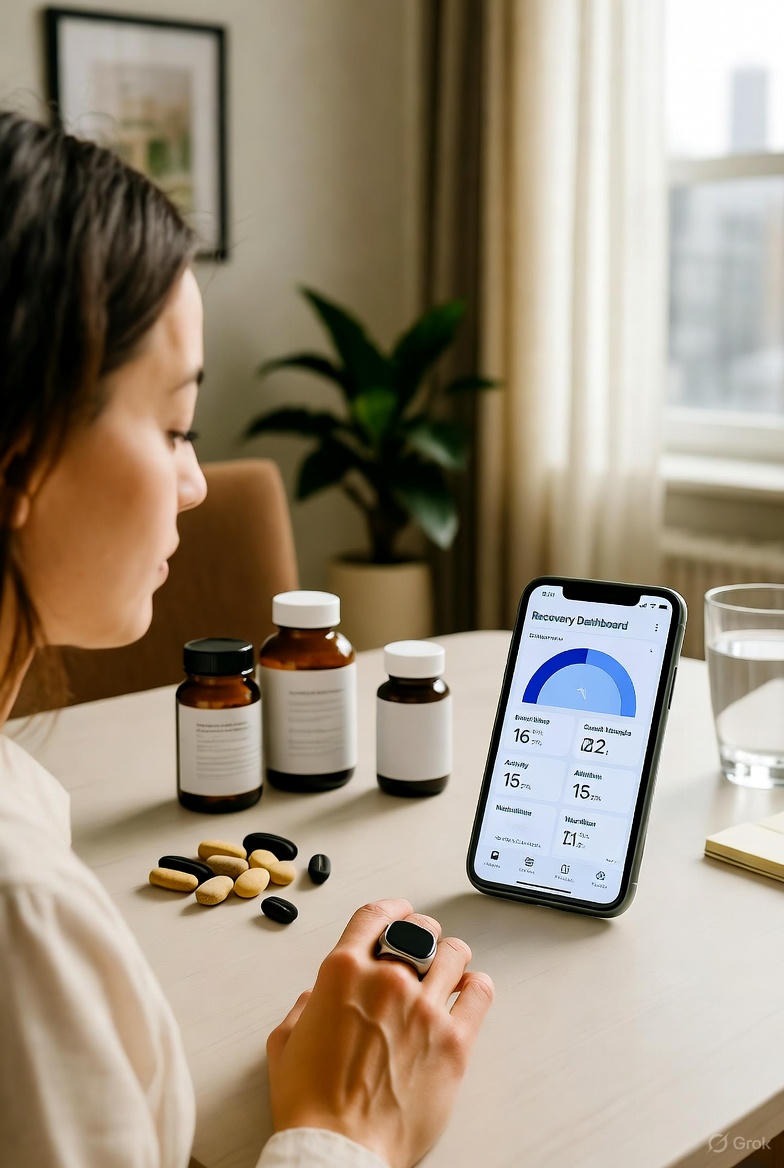
The data from a smart ring reaches its full potential when it escapes the confines of a single app and integrates into a Personalized Wellness Ecosystem. This ecosystem is the constellation of tools, professionals, and habits that you curate around your unique data, turning insights into actionable, coordinated life strategy.
Integration with Other Apps and Devices:
Modern smart rings often allow data to be shared with other platforms via Apple Health, Google Fit, or proprietary APIs. This creates powerful synergies:
Informing Professional Guidance:
Your aggregated ring data becomes an invaluable asset in conversations with health professionals:
Creating Your Own Protocols:
With enough personal data, you can establish your own, highly personalized rules and protocols:
This self-curated ecosystem puts you in the director’s chair of your health. The smart ring provides the central, reliable dataset, but you build the connections and make the decisions. It validates your role as the expert on your own body, arming you with the evidence needed to collaborate effectively with other experts and technologies. It’s the antithesis of one-size-fits-all health advice, enabling a truly bespoke approach to well-being. For examples of how users are building these personalized systems, the testimonials page showcases a variety of innovative approaches.
Wellness is often portrayed as a solitary pursuit, but human beings are inherently social creatures motivated by shared experience and support. The validation offered by a smart ring can extend beyond the individual, fostering connection, friendly accountability, and collective motivation in powerful ways.
Shared Metrics for Shared Goals:
Couples, friends, or fitness groups using compatible wearables can opt to share certain anonymized metrics. This transforms personal validation into a source of mutual support:
Normalizing the Journey:
In community forums or brand-sponsored groups (like those often found connected to a company’s social media or blog), users share their data stories. Seeing that others also experience low HRV during stressful periods, or that a “perfect” sleep score is the exception, not the rule, is profoundly normalizing. It reduces performance anxiety and fosters a sense of shared humanity. You learn that the goal is not perfection, but mindful management.
Crowdsourced Wisdom:
Communities become repositories of experiential knowledge. A user might post: “My SpO2 dips correlate with acid reflux. Has anyone else found this, and what helped?” This leads to crowdsourced experimentation and validation that goes beyond what any single algorithm can provide. You benefit from the collective n=1 experiments of thousands of others on a similar journey.
The Role of Brand Community:
A company that fosters a genuine community around its product, like Oxyzen, creates a space for this validation and support to flourish. It’s not just about selling a device; it’s about nurturing a group of people committed to understanding themselves better. This community becomes an extension of the product’s value, offering human insight, encouragement, and shared curiosity to complement the cold data. Engaging with others through shared platforms like the Oxyzen blog community can deepen your understanding and application of your own data.
This social layer adds a crucial dimension of warmth and connection to the high-tech, data-driven pursuit of wellness. It reminds us that while the metrics are personal, the journey doesn’t have to be lonely. Shared validation—celebrating each other’s high-readiness days and supporting through the low ones—makes the path more sustainable and far more enjoyable.
As we invite these devices deeper into our lives, recording our most intimate biological rhythms, a critical conversation must accompany the excitement: the ethics of our data. True validation cannot come at the cost of vulnerability. Trust in a wellness technology is not just about sensor accuracy; it’s about the integrity with which the resulting data—the digital map of you—is handled, stored, and used.
Data Sovereignty: Who Owns Your Rhythm?
The foundational ethical question is one of ownership. The heartbeat pattern, the sleep graph, the stress timeline—this is your biological intellectual property. A trustworthy provider will have clear, transparent policies stating that you own your data. You should have the ability to easily download it in a standardized, usable format (like CSV or via the Apple Health/Google Fit ecosystem), to delete it permanently from company servers, and to control exactly how it is used beyond providing you with the core service.
Privacy by Design:
Look for companies that implement “privacy by design.” This means:
The “Health Data for Advertising” Firewall:
An absolute non-negotiable ethical line is the use of personal health data for advertising or marketing segmentation. Your low sleep score should not result in targeted ads for sleep aids; your high activity strain should not trigger sports drink commercials. A company’s commitment to never monetize your health data in this way is a primary marker of its trustworthiness.
Informed Consent and Understanding:
Ethical companies ensure users understand what they’re consenting to. This means clear, jargon-free privacy policies and data use agreements that explain in plain language: what data is collected, how it is used to power your insights, who (if anyone) else might see it in an aggregated form, and how you can control it all.
Engaging with a smart ring is an act of profound trust. The validation it provides is only valuable if it comes from a platform you can believe in. As a user, your vigilance and choice to support companies with strong ethical stances shape the entire industry’s future. It ensures this powerful technology develops as a tool for empowerment, not exploitation. We are committed to this ethical approach, and you can read about our principles and policies directly on our about page, which details our commitment to user privacy and data sovereignty.
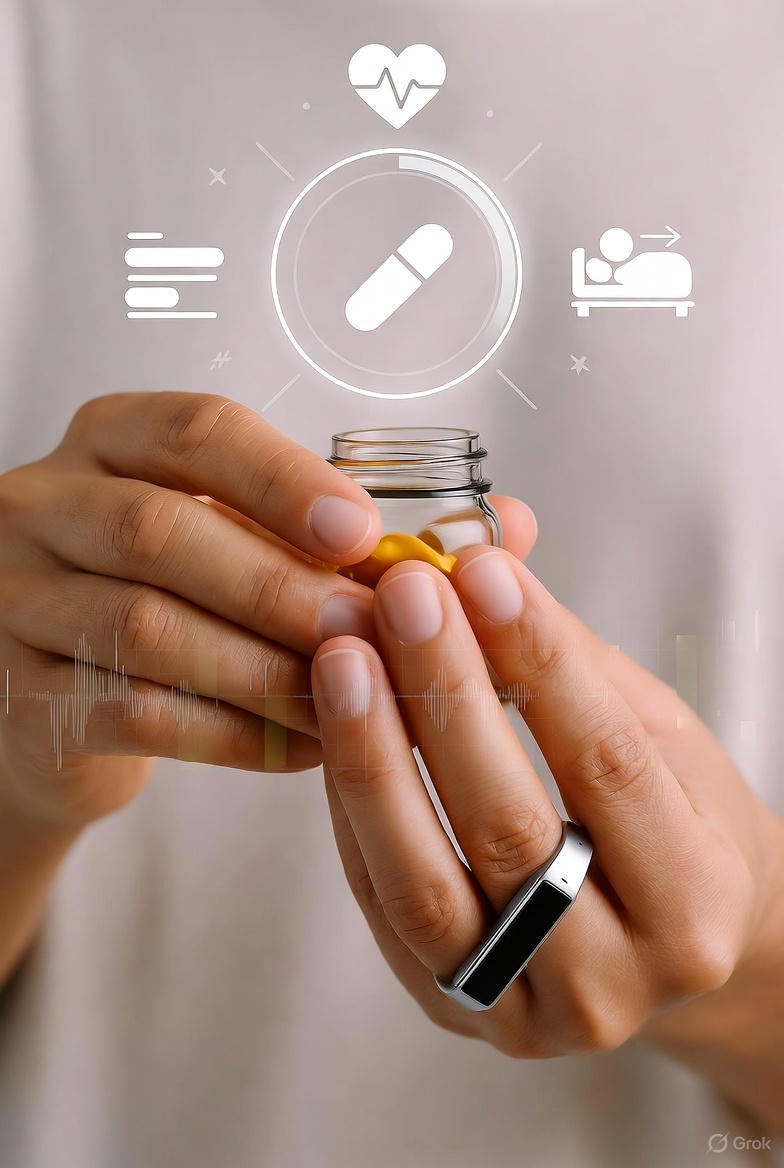
For wellness technology to be truly integrated into daily life, it must pass not only the functional test but also the aesthetic and comfort test. A device that is clunky, uncomfortable, or aesthetically jarring will inevitably be left in a drawer, breaking the continuous data stream that is its lifeblood. The smart ring succeeds by embracing minimalism and personal expression, transforming a health tool into a seamless accessory.
Discreet Design for Continuous Wear:
The ring form factor is inherently less obtrusive than a wrist-worn device. It doesn’t catch on sleeves, doesn’t require removal for certain activities (like typing or playing an instrument), and is generally more comfortable to sleep in. This discreetness is not a minor feature; it is central to its function. By being easy to forget you’re wearing, it ensures the data collection is passive and uninterrupted, reflecting your true, unaltered life.
Materials and Craftsmanship:
Leading smart rings are moving beyond plastic toy-like aesthetics to employ materials worthy of fine jewelry: titanium for strength and hypoallergenic properties, ceramic for scratch resistance and a premium feel, and even gold plating for personalization. The choice of material impacts durability, skin health, and the overall perception of the object as a valued personal item, not a disposable gadget.
Customization and Fit:
A proper fit is critical for both sensor accuracy and comfort. The best systems offer a range of sizes (often through printable or mailed sizers) to ensure a snug but not tight fit on the finger. Some are exploring customizable elements like interchangeable finishes or minimalist engravings, allowing the device to feel less like a uniform piece of tech and more like a personal talisman—a piece you choose to wear.
The Symbolic Shift:
There is a subtle but powerful psychology at play. Wearing a smart ring can serve as a personal reminder of your commitment to self-awareness and wellness. Unlike a smartwatch that buzzes with the world’s demands (notifications, emails, calls), the ring’s primary communication is inward. It is a quiet, constant symbol of your dedication to listening to your body. Its aesthetic allows it to occupy this symbolic space gracefully, without shouting “TECH!” in every social or professional setting.
By successfully merging advanced sensor technology with considered design, the smart ring validates that taking care of your health can and should be a graceful, integrated part of your identity. It proves that the tools of quantification don’t have to be utilitarian eyesores; they can be objects of simple beauty that you’re proud to wear, making the journey of wellness not just insightful, but also stylish. To see how this philosophy translates into a physical product, you can explore the design and craftsmanship on the Oxyzen homepage.
The current capabilities of smart rings—tracking sleep, stress, recovery, and activity—are just the beginning. The frontier of biometric sensing is rapidly expanding, promising even deeper, more nuanced layers of validation for our wellness efforts. The next generation of this technology will move us closer to a continuous, comprehensive health monitor on your finger.
Continuous Glucose Monitoring (CGM) Integration:
This is one of the most anticipated advancements. While current medical CGMs are separate wearable patches, non-invasive or minimally invasive optical sensors to estimate glucose trends are in active development. Integration into a ring would be revolutionary. It would allow you to see in real time how different foods, meal timings, and stress levels affect your metabolic stability. The validation would be immediate: that sugary snack causing a sharp spike and crash would be graphically evident, powerfully reinforcing better nutritional choices. You could learn your personal glycemic responses, optimizing energy and focus through diet.
Hydration and Electrolyte Balance:
Advanced bioimpedance sensors could potentially estimate hydration status by measuring how electrical signals pass through tissue. For athletes, those in hot climates, or anyone seeking optimal cognitive function, understanding real-time hydration needs beyond thirst would be a game-changer. It could validate the impact of your water intake on everything from workout performance to skin temperature regulation and sleep quality.
Blood Pressure Trends:
While measuring absolute blood pressure reliably from the finger is a significant challenge (and the domain of calibrated medical devices), tracking relative changes and trends in pulse wave velocity (a correlate of blood pressure) is an area of research. This could provide invaluable trend data on cardiovascular stress and recovery throughout the day and night, offering earlier insight into the impact of lifestyle on heart health.
Advanced Biomarkers and Hormonal Trends:
Further out on the horizon is the potential for spectroscopic sensors that could non-invasively track key biomarkers in interstitial fluid, such as cortisol (the stress hormone) trends, lactate, or even signs of inflammation (like CRP). This would provide a direct, hormonal validation of your stress management and recovery practices, moving beyond HRV as a proxy.
True AI-Personalized Coaching:
With these richer data streams, the role of artificial intelligence will evolve from pattern recognition to true personalized coaching. An AI, trained on your unique multi-year dataset, could move from saying “your recovery is low” to offering a nuanced prescription: “Based on your elevated cortisol trend, low HRV, and yesterday’s high-glycemic lunch, I recommend a 15-minute nature walk, a dinner high in protein and healthy fats, and a magnesium supplement tonight to improve sleep latency.”
These emerging technologies promise to close the remaining gaps in self-knowledge, offering validation so precise and comprehensive that personalized prevention becomes the cornerstone of everyday health. It’s an exciting future where the line between wellness technology and proactive healthcare continues to blur, all from a device that fits on your finger. To stay updated on these evolving technologies and what they mean for you, following resources like the Oxyzen blog is an excellent way to stay informed.
We began this exploration with a fundamental human dilemma: the gap between our wellness efforts and our ability to see their true effect. We’ve journeyed through how the smart ring, by turning the finger into a portal to our inner physiology, builds a bridge across that gap. It validates not through vague feelings, but through the unambiguous language of data—the architecture of our sleep, the rhythm of our heart, the quiet waves of our temperature, and the balance of our nervous system.
This validation is transformative. It changes wellness from a faith-based practice into an evidence-based journey. It replaces doubt with clarity, guesswork with strategy, and discouragement with motivated reinforcement. We move from hoping our habits work to knowing which ones work for us, personally and precisely.
The smart ring does not make us a slave to numbers; it makes us a student of ourselves. It fosters a curious, compassionate, and informed relationship with our own bodies. It validates the need for rest as powerfully as it validates the benefit of exertion. It turns recovery into a measurable skill and self-care into a quantifiable victory.
This is more than tracking; it is conscious embodiment. It is the process of reuniting our subjective experience with its objective biological correlates, creating a fuller, more integrated sense of self. The validated self is not a perfect self with flawless graphs. It is an aware self—a self that understands its rhythms, respects its limits, celebrates its progress, and navigates its challenges with intelligence and grace.
The journey continues. With this foundation of validation in place, we are poised to explore even deeper applications: how this technology integrates with medical care, shapes workplace well-being, and empowers us through every stage of life. The data is the map, but you are the traveler. And now, you have the tools to navigate with confidence.
Your Trusted Sleep Advocate: Sleep Foundation — https://www.sleepfoundation.org
Discover a digital archive of scholarly articles: NIH — https://www.ncbi.nlm.nih.gov/
39 million citations for biomedical literature :PubMed — https://pubmed.ncbi.nlm.nih.gov/
Experts at Harvard Health Publishing covering a variety of health topics — https://www.health.harvard.edu/blog/
Every life deserves world class care :Cleveland Clinic - https://my.clevelandclinic.org/health
Wearable technology and the future of predictive health monitoring :MIT Technology Review — https://www.technologyreview.com/
Dedicated to the well-being of all people and guided by science :World Health Organization — https://www.who.int/news-room/
Psychological science and knowledge to benefit society and improve lives. :APA — https://www.apa.org/monitor/
Cutting-edge insights on human longevity and peak performance:
Lifespan Research — https://www.lifespan.io/
Global authority on exercise physiology, sports performance, and human recovery:
American College of Sports Medicine — https://www.acsm.org/
Neuroscience-driven guidance for better focus, sleep, and mental clarity:
Stanford Human Performance Lab — https://humanperformance.stanford.edu/
Evidence-based psychology and mind–body wellness resources:
Mayo Clinic — https://www.mayoclinic.org/healthy-lifestyle/
Data-backed research on emotional wellbeing, stress biology, and resilience:
American Institute of Stress — https://www.stress.org/


