


Smart Ring Benefits for Women: Cycle Tracking and Hormonal Insights
Benefits for women, including menstrual cycle and hormonal insight tracking.
Benefits for women, including menstrual cycle and hormonal insight tracking.
%402x.svg)
For generations, women’s health has been shrouded in mystery, often relegated to hushed conversations and dismissed as “just hormones.” The intricate, powerful symphony of our cyclical biology was something to be endured, not understood—a black box of symptoms with little actionable data. We tracked our periods on paper calendars, guessed at our fertile windows, and powered through energy slumps and brain fog without connecting them to the elegant, predictable rhythms of our own bodies. But what if you could see that symphony? What if you had a front-row seat to the real-time data of your metabolic rate, nervous system, and physiological readiness, not through a bulky watch or invasive test, but through a piece of jewelry you never take off? This is the promise of the modern smart ring, a discrete, powerful tool that is fundamentally changing how women engage with their health. By moving beyond step counts and into the realm of hormonal insights and cycle-aware living, this technology isn't just tracking; it's translating. It’s turning the invisible into the intelligible, empowering women with the knowledge to optimize everything from fertility and fitness to sleep, stress, and long-term wellness. This is the dawn of a new era in personalized health, and it’s happening right on your finger.
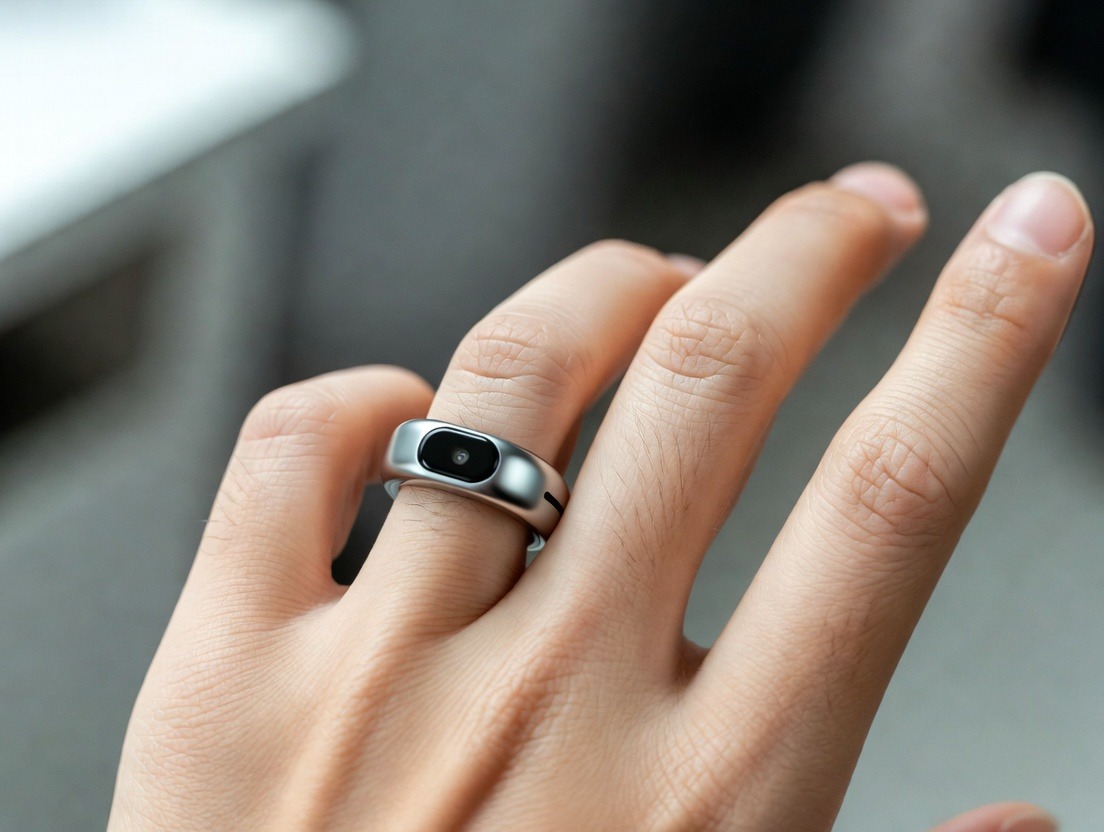
The journey to the smart ring began on the wrist. Fitness trackers and smartwatches brought health data to the masses, popularizing concepts like daily step goals, heart rate monitoring, and sleep stages. Yet, for all their utility, wrist-worn devices have inherent limitations for capturing the nuanced data required for true hormonal and metabolic insight. They are prone to motion artifacts, can be uncomfortable to wear at night (a critical time for recovery data), and their location on the wrist is less than ideal for measuring core physiological signals with clinical-grade consistency.
Enter the smart ring. By situating sensors on the finger—a part of the body rich in capillaries and with consistent blood flow—the device gains a direct, stable pathway to measure key biomarkers. This includes peripheral arterial temperature, a gold-standard proxy for core body temperature and ovulation tracking, and heart rate variability (HRV), a precise indicator of autonomic nervous system balance and stress. The ring form factor solves the comfort problem, enabling 24/7 wear without disruption, which is non-negotiable for capturing the continuous data streams needed to map a menstrual cycle or understand chronic stress patterns.
This isn't merely a shift in location; it's a paradigm shift in purpose. While wristwear often focuses on activity and notifications, the leading smart rings are designed as dedicated biomarker platforms. They prioritize the subtle, internal rhythms over the external outputs. Companies like Oura and Circular pioneered this space, but the innovation continues to accelerate. For a deeper look at the evolution of this technology, you can explore our blog for a comparative history of wellness wearables. The move to the finger represents a maturation of wearable tech: away from distraction and toward deep, actionable self-knowledge. It’s a silent revolution, quietly collecting the data that tells the most important story—your own.
For decades, cycle tracking meant circling dates on a calendar or, more recently, logging symptoms in an app. These methods are valuable for pattern recognition but are fundamentally retrospective and subjective. They rely on memory and perception, not objective physiological data. A smart ring introduces a third, powerful dimension: continuous, passive biometric tracking.
So, how does a piece of jewelry on your finger know where you are in your cycle? The magic lies in its ability to track two primary metrics with high fidelity: Resting Heart Rate (RHR) and Body Temperature. During the menstrual cycle, fluctuating levels of hormones like estrogen and progesterone directly influence your cardiovascular and thermoregulatory systems.
In the follicular phase (post-period, leading up to ovulation), estrogen rises. This hormone has a calming effect on the cardiovascular system, often leading to a gradual decrease in resting heart rate. Simultaneously, basal body temperature stays at a lower set point. At ovulation, a surge of luteinizing hormone triggers the release of an egg. Following ovulation, the corpus luteum begins secreting progesterone, which has a thermogenic effect. This causes a distinct, sustained shift in your biometrics: your waking body temperature rises by 0.3 to 0.5°C (0.5 to 1.0°F) and remains elevated throughout the luteal phase. Your resting heart rate also typically increases following ovulation due to progesterone's stimulating effect on the respiratory and cardiovascular centers.
A smart ring, worn continuously, detects these subtle shifts with precision. Advanced algorithms analyze the nightly temperature and RHR trends, pinpointing the ovulatory shift and mapping the phases of your cycle automatically. This is a leap beyond guessing or using imprecise methods like cervical fluid observation alone. It provides a data-driven confirmation of ovulation and a clear, visual timeline of your cycle's phases. This biometric foundation transforms your understanding from a simple "period tracker" to a true cycle interpreter, offering insights that are personalized, private, and profoundly more accurate.

At the heart of cycle tracking with a smart ring is the measurement of peripheral body temperature. Unlike a single under-the-tongue reading each morning, a smart ring takes thousands of measurements throughout the night, creating a stable, accurate average that closely mirrors your core body temperature. This rich temperature data is the cornerstone of female health tracking, with applications far beyond just finding a fertile window.
The post-ovulatory temperature rise is the most well-known application. For women trying to conceive or practicing natural family awareness, this biphasic pattern (lower temps pre-ovulation, higher temps post-ovulation) is the primary sign that ovulation has occurred. The smart ring automates this detection, removing user error and providing clear, chart-like visuals in its companion app. It can even predict the likely onset of your next period based on the length of your elevated temperature phase.
But the story of temperature doesn't end with reproduction. Your body temperature rhythm is a fundamental metabolic readout. A consistently low or dysregulated temperature curve can indicate issues with thyroid function, which governs metabolism. Poor sleep, high stress, and nutritional deficiencies can also blunt the normal temperature shift. Furthermore, researchers are exploring how temperature variability across the cycle correlates with symptoms like PMS severity, migraine timing, and inflammatory responses.
By establishing your unique temperature baseline, the smart ring becomes an early-warning system for deviations that may signal illness (like the onset of a fever), overtraining, or a metabolic slowdown. For example, if your luteal phase temperatures are unusually erratic or low for several cycles, it could be a prompt to discuss progesterone levels or metabolic health with your healthcare provider. This transforms the ring from a cycle tracker into a holistic metabolic health monitor, connecting the dots between your hormones, your energy production, and your overall vitality. To understand how this data is translated into insights, our FAQ details how the Oxyzen algorithm works.
If body temperature tells the story of your metabolism and cycle, Heart Rate Variability (HRV) narrates the state of your nervous system. HRV measures the subtle, millisecond variations in the time interval between consecutive heartbeats. Contrary to intuition, a higher HRV is generally better—it indicates a resilient, adaptable autonomic nervous system that can smoothly transition between stress (sympathetic "fight or flight") and recovery (parasympathetic "rest and digest") modes.
For women, HRV is intimately tied to hormonal fluctuations. Estrogen tends to support parasympathetic tone, which can lead to higher, more stable HRV in the follicular phase. Progesterone, while essential, has a stimulating effect and can slightly suppress HRV in the luteal phase, making the nervous system more susceptible to stress. A smart ring tracks your HRV nightly, establishing a personal baseline and revealing your unique cyclical pattern.
This is transformative for stress management. Instead of wondering why you feel more anxious or reactive in the week before your period, you can see the objective data: your HRV is lower, indicating your nervous system has less bandwidth for stress. This knowledge empowers you to proactively adjust your schedule. You might prioritize gentler yoga over high-intensity interval training, schedule important meetings for your high-HRV follicular phase, or double down on sleep hygiene and meditation in your luteal phase.
Furthermore, tracking HRV helps identify chronic stress patterns that are unrelated to your cycle. Consistently low HRV can be a sign of overtraining, burnout, poor sleep, or illness. The ring serves as a personal stress barometer, giving you quantifiable feedback on how your lifestyle choices—be it a difficult work project, a late night out, or a consistent meditation practice—are impacting your foundational resilience. It moves stress management from guesswork to a data-informed practice.

Raw biometrics are fascinating, but their true power is unlocked through intelligent interpretation. This is where the companion app of a high-quality smart ring becomes your personal health dashboard. By synthesizing temperature, HRV, RHR, and sleep data, the app transitions from simple tracking to predictive and explanatory insights.
Period Prediction: By analyzing the length of your luteal phase (the remarkably consistent time from ovulation to menstruation), the app can predict your next period start date with high accuracy, often adjusting the forecast as new nightly data arrives. This moves you from reactive to prepared.
Fertile Window Estimation: For those focused on conception or avoidance, identifying the fertile window is key. While the temperature shift confirms ovulation after it happens, many apps combine temperature trend data with physiological markers (like RHR rises that often precede ovulation) to estimate the upcoming fertile days. This provides a more complete picture than temperature alone.
Symptom Correlation: This is where the magic of personalization truly shines. You can log daily symptoms—energy levels, mood, cramps, headaches, skin breakouts, cravings, and more. Over time, the app's algorithm performs a powerful function: it correlates your subjective experiences with your objective biometric data. You might receive insights like: "Your reported fatigue tends to increase when your resting heart rate is elevated in the luteal phase," or "Your highest energy days consistently align with your peak HRV scores."
This creates a feedback loop of self-awareness. You’re no longer just experiencing bloating; you understand it's likely linked to a specific hormonal shift that your ring has detected. This knowledge is profoundly empowering. It validates your experience, reduces anxiety around "what's normal," and allows you to plan your life, workouts, and social engagements in harmony with your body’s natural rhythm. For a look at how real women use these insights, browse our testimonials page.
The cyclical hormonal symphony of the reproductive years eventually transitions into the distinct life stage of perimenopause and menopause. This transition, which can last for years, is often characterized by erratic hormone fluctuations leading to irregular cycles, sleep disturbances, hot flashes, mood swings, and changing metabolic patterns. It's a time when the old rules of 28-day cycles no longer apply, and women can feel unmoored from their own bodies. Here, the smart ring shifts from a cycle tracker to an essential transition navigator.
During perimenopause, ovulation becomes unpredictable. A smart ring provides objective data amidst the chaos. You can see when anovulatory cycles occur (indicated by the absence of a clear temperature shift), track the lengthening or shortening of your cycle, and monitor how symptoms correlate with these new, irregular patterns. The ring’s sleep and recovery data become critical, as declining estrogen often directly impacts sleep quality and thermoregulation, leading to night sweats.
Upon reaching menopause (12 consecutive months without a period), the ring’s focus fully pivots to metabolic, nervous system, and long-term health monitoring. The stabilization of a new, post-ovulatory hormonal baseline allows you to establish fresh benchmarks for your temperature, HRV, and RHR. Tracking these metrics becomes a powerful tool for assessing the impact of hormone replacement therapy (HRT), lifestyle interventions, or dietary changes.
For instance, improved sleep depth and higher HRV scores after starting a new supplement or exercise regimen provide tangible proof of benefit. Monitoring long-term temperature trends can offer clues about metabolic health and thyroid function, which are crucial areas of focus post-menopause. The ring becomes a constant companion, providing reassurance and data through a period of profound change, helping women build a new, informed relationship with their post-reproductive health.

The concept of "cycle-syncing"—aligning your diet, exercise, and work with your menstrual phases—has gained popularity. However, without data, it remains a generalized template. A smart ring transforms this from a generic idea into a personalized, dynamic strategy. Your own biometrics tell you exactly which phase you're in and how your body is responding, allowing you to tailor your fitness regimen in real-time.
Follicular Phase (Post-Period to Ovulation): As estrogen rises, biometrics typically show lower RHR, higher HRV, and better recovery scores. This is when your body is primed for higher intensity, strength, and trying new things. The data confirms you have the physiological resilience for heavy lifting, HIIT, sprints, or endurance training. Your perceived effort will often match your capability.
Ovulatory Window: With the estrogen peak, you may feel a surge of energy and strength. However, some data suggests a slight increase in ligament laxity due to hormonal effects. The ring’s readiness score (often a composite of HRV, RHR, and sleep) can guide you—if it's high, it's a great time for peak performance; but it's also a smart time to prioritize form over maxing out weight.
Luteal Phase (Post-Ovulation to Period): With progesterone dominant, your core temperature is up, RHR is elevated, and HRV may be lower. Your body is working harder just at rest. The data clearly signals a need for a strategic pivot. This is the ideal time for moderate, "feel-good" movement: steady-state cardio, Pilates, yoga, strength maintenance (not personal records), and mobility work. Pushing for high intensity here often leads to higher perceived exertion, poorer performance, and prolonged recovery—all of which your ring will quantifiably show you.
By following this data-driven approach, you work with your hormones, not against them. This leads to better performance outcomes, reduced injury risk, more consistent motivation, and a respectful, intuitive relationship with your body. It turns the female cycle from a perceived performance liability into a strategic athletic blueprint.
Sleep is the foundation of health, and for women, its quality is inextricably linked to hormonal status. Poor sleep exacerbates hormonal imbalances, and hormonal shifts disrupt sleep—a frustrating cycle. A smart ring breaks this cycle by providing a detailed, nightly analysis of your sleep architecture (light, deep, REM stages), disturbances, and overall quality, all viewed through the lens of your cycle phase.
You will begin to see clear patterns. Many women experience:
Armed with this knowledge, you can implement phase-specific sleep hygiene. In your luteal phase, you might:
Furthermore, the ring’s sleep data is integral to its overall "Readiness" or "Recovery" score. A low score after a night of poor sleep in your luteal phase is a clear signal from your body to take it easy. This objective feedback helps you override the societal pressure to "push through" and instead grants permission to honor your need for rest. Over time, you can experiment with interventions—like adjusting caffeine timing or trying different relaxation techniques—and see their direct impact on your sleep metrics across your cycle. This turns sleep from a passive state into an active, optimized component of your health strategy. For more science-backed strategies, our blog features numerous articles on sleep optimization.
Perhaps one of the most validating applications of smart ring data is in the realm of mental and emotional health. The frustration of feeling inexplicably anxious, irritable, or low, only to have it coincide with your period, is a near-universal female experience. Phrases like "it's just PMS" have minimized these very real neurochemical fluctuations. Smart ring data provides the physiological correlation that validates the emotional experience.
When you log "low mood" or "high anxiety" in your app and see it consistently cluster in your luteal phase alongside a lower HRV graph and elevated RHR, a powerful shift occurs. You realize, "This is not a character flaw or a weakness; this is a physiological response." That separation of self from symptom is profoundly liberating.
This data empowers you with predictive awareness. If you know days 22-28 of your cycle are typically when your biometrics indicate lower resilience, you can proactively schedule fewer social demands, incorporate more mindfulness or breathwork, and communicate your needs to partners or family. You're not caught off-guard by the emotional wave; you see it coming on the horizon and can prepare your surfboard.
For women with Premenstrual Dysphoric Disorder (PMDD) or significant mood-related PMS, this data can be a crucial tool for discussion with a healthcare provider, providing an objective record of symptom timing and severity linked to cycle phases. It moves the conversation from subjective description to patterned evidence, facilitating better treatment and support. The ring, in this context, becomes a tool for emotional intelligence and resilience-building, grounded in the unarguable language of physiology.
The ultimate power of continuous biometric monitoring is its role in longitudinal health surveillance. A smart ring isn't just for your 30s or 40s; it's a device that can provide a continuous stream of personalized health data across your lifespan. This creates a unique, rich personal dataset that is invaluable for proactive wellness and early detection.
During your reproductive years, it establishes your unique hormonal and metabolic fingerprint. This baseline becomes the reference point for everything that follows. Through pregnancy (a state of profound biometric change), postpartum recovery, and the perimenopausal transition, the ring tracks your body's adaptations, providing insights into recovery, nutrient needs, and stress load.
As you move beyond menopause, the focus shifts decisively toward longevity biomarkers. Consistently monitored, your trends in resting heart rate, heart rate variability, and sleep quality become early indicators of cardiovascular health, metabolic efficiency, and nervous system resilience. A gradual, sustained decline in HRV or a creeping rise in RHR could be an early prompt to assess lifestyle factors, stress, or cardiovascular risk—long before any clinical symptoms appear.
This turns healthcare from a reactive model (treating illness when it appears) to a proactive, participatory one. You become the expert on your body's trends, equipped with data to have informed conversations with your doctor. You can see the positive impact of lifestyle choices over months and years, not just days. This long-term perspective is the true promise of the technology: to empower women not just with monthly insights, but with a data-driven pathway to lifelong vitality and healthspan. This mission is at the core of Oxyzen's vision for the future of personal health.
With a growing market of smart rings, selecting the right one for deep hormonal and health insights requires careful consideration. It's not just about aesthetics or basic sleep tracking; it's about choosing a precise biomarker platform. Here are the non-negotiable features to prioritize:
1. Accurate Temperature Sensing: This is the cornerstone. Look for a ring that uses a medical-grade, factory-calibrated temperature sensor and takes frequent measurements throughout the night (not just a single spot reading). The algorithm's ability to create a stable, smoothed temperature curve is more important than the raw number itself.
2. Comprehensive Biomarker Suite: At minimum, the ring must measure Body Temperature, Resting Heart Rate (RHR), and Heart Rate Variability (HRV). Sleep tracking (with stages) and blood oxygen saturation (SpO2) are highly valuable additions for a complete picture of recovery and health.
3. A Powerful, Female-Health-Focused App: The hardware is only as good as its software. The companion app should:
* Automatically detect and chart your cycle phases from temperature/RHR data.
* Allow easy symptom and mood logging with robust correlation analysis.
* Provide clear, actionable insights, not just raw data graphs.
* Have a strong privacy policy—this is sensitive health data.
4. Comfort and Battery Life for 24/7 Wear: You cannot miss data. The ring must be comfortable enough to sleep in and have a battery life of at least 4-5 days to ensure you're only charging during low-data-importance moments (like a morning shower). A sleek, durable design is a plus.
5. Company Ethos and Scientific Validation: Research the company behind the ring. Do they collaborate with research institutions? Are their algorithms peer-reviewed or clinically validated? A company invested in women's health research, like Oxyzen, which you can learn more about here, is more likely to continuously improve its cycle-tracking features based on real science.
Investing in a smart ring is an investment in self-knowledge. By choosing a device with these core capabilities, you ensure you're getting a tool capable of delivering the profound, cycle-aware insights that can transform your relationship with your health.
The smart ring is a phenomenal data generator, but its insights reach their full potential when integrated into a broader ecosystem of health awareness. It is the central, objective hub in a network of subjective observations and external factors. Think of it not as a standalone oracle, but as the most reliable narrator in your personal health story. To build a truly holistic picture, you must weave its biometric threads with the other strands of your daily life.
This begins with conscientious logging within the ring’s companion app. Recording daily elements like:
Over weeks and months, powerful correlations emerge. You may discover that your HRV consistently plummets after nights of even moderate alcohol consumption, especially in your luteal phase. You might see that a high-sugar day leads to restless sleep and a higher waking temperature. Perhaps you find that your most energetic, focused days align perfectly with a specific combination of high HRV and being in the late follicular phase.
This integrated log becomes your personal health experimentation lab. You can test hypotheses: “If I stop caffeine after 12 PM, does my deep sleep increase in my luteal phase?” or *“Does a 10-minute meditation before bed improve my HRV recovery score?”* The ring provides the unambiguous, quantitative answer. This process moves you from passive tracking to active biohacking, where you become the scientist and your own body is the subject of discovery and optimization.
For the millions of women with irregular cycles, PCOS (Polycystic Ovary Syndrome), endometriosis, thyroid disorders, or other hormonal conditions, traditional cycle tracking can feel like a futile exercise in guesswork. The standard 28-day model doesn't apply, leading to frustration and a feeling of being disconnected from one's own biology. Here, the smart ring transitions from a convenience to a potentially transformative medical advocacy tool.
For women with PCOS, characterized by irregular or anovulatory cycles, the ring’s temperature data provides clarity. It can visually confirm when anovulation occurs (a monophasic, non-shifting temperature chart) or detect the occasional, often delayed, ovulation. This is empowering knowledge for both conception efforts and simply understanding one’s body. Furthermore, trends in resting heart rate and HRV can correlate with insulin resistance fluctuations or inflammatory states common in PCOS, offering clues for managing the condition holistically.
For those with conditions like endometriosis or adenomyosis, where pain and inflammation are not confined to menstruation, logging symptoms alongside biometric data can reveal hidden patterns. You might discover that your pain flares correspond not just with your period, but with specific points in your cycle, like ovulation or the late luteal phase, providing critical information for pain management strategies.
In cases of hypothalamic amenorrhea (loss of period due to stress, low energy availability, or over-exercise), the ring’s data is particularly telling. It often shows a consistently low, flat temperature curve, elevated resting heart rate, and very low HRV—a biometric signature of a body under severe metabolic and nervous system stress. This objective data can be a powerful motivator and guide for recovery, showing positive progress as metrics normalize with appropriate lifestyle changes.
When visiting a specialist, this compiled data is invaluable. Instead of vaguely describing “irregular cycles,” you can present a multi-month chart showing your temperature trends, cycle lengths, and correlated symptoms. This elevates the conversation, saving time and leading to more targeted diagnostics and treatment plans. The ring gives you a data-backed voice in your own healthcare journey.
As we welcome devices that collect our most intimate physiological data—our nightly temperature, the rhythm of our heart, the patterns of our fertility—questions of privacy, security, and ethical data use become paramount. This is not step-count data; this is a digital blueprint of your biological self. Trust is not a feature; it is the foundation.
A reputable smart ring company must treat your data with the highest level of security and transparency. When evaluating a device, scrutinize its privacy policy and data practices. Key questions to ask include:
The ethical use of female health data is a particularly sensitive frontier. Cycle and fertility data could be used in ways that impact insurance, employment, or even legal contexts in certain regions. A company’s stance on this should be clear and principled. They should advocate for your rights and design their systems with "privacy by design" principles.
Ultimately, the relationship with your smart ring is built on a covenant of trust. You provide it with your deepest biological truths; it must in return guard them with rigorous security and use them only to empower you. This is a core tenet of our mission at Oxyzen, which you can read about in our principles. As a user, your vigilance in choosing a trustworthy partner for this journey is the first and most important step in protecting your digital self.
The landscape of family planning has been dominated by two poles: artificial hormonal contraception and barrier methods. Fertility Awareness Methods (FAM) have existed in the middle, offering a hormone-free alternative but often burdened by complexity and a steep learning curve. The modern smart ring, equipped with continuous temperature sensing, is revolutionizing this space, bringing a new level of precision, simplicity, and confidence to hormone-free fertility awareness.
FAM is based on identifying the fertile window—the days in a cycle when pregnancy is possible. The most effective methods (Symptothermal Methods) require tracking two primary biomarkers: waking temperature (to confirm ovulation has passed) and cervical fluid (to predict when ovulation is approaching). This daily diligence can be daunting. The smart ring automates and enhances the temperature component. It eliminates the need for a basal body thermometer at the same exact time every morning, providing a more accurate, averaged nighttime temperature that is immune to user error or poor sleep.
For couples trying to conceive, this is a powerful aid. The ring’s algorithm can pinpoint the post-ovulatory shift with high accuracy, confirming that ovulation occurred. This helps time intercourse optimally and provides reassurance. Over several cycles, it can reveal patterns in cycle length and luteal phase health that are relevant for fertility.
For those avoiding pregnancy using FAM, the data is equally critical. The ring provides a clear, objective delineation of the post-ovulatory infertile phase. Once the sustained temperature shift is confirmed, the infertile period begins. This removes significant guesswork and anxiety from the method. It’s crucial to note that for pregnancy avoidance, FAM requires proper instruction from a certified educator. The smart ring is a tool that supports the method; it is not the method itself. It should be integrated with training on observing cervical fluid and other fertility signs.
This technological support makes FAM more accessible and manageable for modern women, offering a data-driven, empowering, and non-invasive path for achieving or avoiding pregnancy in alignment with one’s natural cycle. For more on navigating this journey, our FAQ covers common questions about using data for family planning.
Walking into a doctor’s office can often feel disempowering. You have 15 minutes to describe complex, cyclical symptoms, often receiving a generalized response or a quick prescription. The dynamic shifts dramatically when you arrive armed with months of personalized biometric data. You transition from a patient describing symptoms to a partner presenting evidence.
Imagine presenting these scenarios:
This data facilitates a more efficient, productive, and collaborative consultation. It saves the doctor time from having to deduce patterns from subjective history alone. It can help differentiate between conditions—for instance, the biometric signature of perimenopause versus thyroid dysfunction can have distinct patterns.
Furthermore, it empowers you to advocate for specific tests or to question blanket recommendations. If a treatment is suggested, you can use your ring data to monitor its physiological impact objectively. Did that new medication improve your sleep architecture? Did a dietary change help stabilize your resting heart rate?
This does not replace medical expertise; it enhances it. It fosters a model of participatory medicine, where you are the expert on your lived experience and daily data, and the doctor is the expert on clinical pathology and treatment. Together, you form a more effective team for your health. The ring, in this context, is the bridge that connects the inner world of your physiology to the outer world of clinical care.
While the cyclical hormonal narrative is a primary focus for women, the smart ring’s 24/7 monitoring provides a continuous, parallel stream of data on two other pillars of long-term health: cardiovascular and metabolic wellness. These insights are universal and critically important for disease prevention.
Cardiovascular Insights: Your resting heart rate (RHR) and heart rate variability (HRV) are two of the most accessible and powerful proxies for cardiovascular fitness and autonomic nervous system health. A trend of decreasing RHR over time can indicate improving cardiovascular efficiency. Conversely, a sustained, unexplained increase in RHR can be an early sign of overtraining, illness, or chronic stress. HRV is a direct window into your stress-recovery balance. Chronically low HRV is associated with an increased risk of cardiovascular events and is a marker of allostatic load—the cumulative wear and tear on the body from stress.
Metabolic & Respiratory Insights: Nocturnal blood oxygen saturation (SpO2) monitoring, available on many advanced rings, tracks the percentage of oxygen in your blood. Consistently low or highly variable SpO2 levels at night can be indicative of sleep apnea or other respiratory issues, which are significant risk factors for metabolic syndrome, hypertension, and cognitive decline. The ring’s temperature data, as discussed, also provides clues about metabolic rate and thyroid function.
For women, tracking these metrics across the lifespan is especially powerful. The hormonal transitions of perimenopause and menopause bring an increased risk of cardiovascular disease. Having a long-term baseline of your RHR and HRV from your earlier years provides a crucial comparison point. You can see in real-time how lifestyle interventions—like adopting a regular exercise routine, improving sleep, or managing stress—positively impact these foundational health numbers.
This turns the smart ring into a preventive health sentinel. It’s not waiting for a diagnosis; it’s providing the daily feedback that empowers you to make choices that build a resilient heart, a balanced nervous system, and a robust metabolism for decades to come.
Health journeys can feel isolating, especially when dealing with misunderstood conditions like PMDD, endometriosis, or the turbulent transition of perimenopause. One of the unexpected benefits of the rise of smart rings and biometric tracking has been the emergence of informed, data-literate communities where women share experiences not just anecdotally, but through the shared language of metrics.
Online forums, social media groups, and subreddits dedicated to specific ring brands or to female health tracking are bustling with conversations that were impossible a decade ago. Women post screenshots of their temperature charts asking, “Is this a triphasic pattern?” They compare how their HRV dips in the luteal phase. They crowdsource advice: “Has anyone seen their sleep score improve with magnesium glycinate?” or “My temperature shift is slow and gradual—does this look like low progesterone?”
This communal data literacy is revolutionary. It demystifies complex physiology and provides peer support grounded in objective observation. It helps women feel normal by seeing the vast range of “normal” in other people’s charts. It accelerates learning, as tips and interpretations are shared freely.
However, a crucial caveat accompanies this benefit: these communities are for support and discussion, not for medical diagnosis. The ring provides data trends, not clinical conclusions. The line between sharing insights and practicing armchair medicine is thin and must be respected. The ultimate goal of this social aspect is to empower women to walk into their doctor’s offices with more confidence and better questions, not to replace professional care.
This network turns personal data into a collective wisdom resource. It fosters a sense of solidarity, reminding every woman that she is not navigating her hormonal health in the dark, but as part of a growing, tech-enabled community seeking to understand the magnificent complexity of the female body. For stories of connection and discovery, our testimonials page shares user experiences.
The data from your smart ring creates a closed feedback loop for virtually every lifestyle choice you make. It answers the perennial question: “But is this actually working for me?” This is particularly powerful in two key areas: nutrition and mindfulness.
Nutrition as N=1 Experimentation: Generic nutrition advice fails because every body is different. Your ring enables personalized nutritional biohacking. You can conduct single-variable experiments:
Mindfulness and Stress Resilience Training: Practices like meditation, breathwork, and yoga are often recommended for stress, but their subjective benefits can be subtle at first. Your HRV provides immediate, objective feedback. A 10-minute guided meditation or a 5-minute box-breathing session can cause a measurable, acute increase in HRV, showing your nervous system shifting into recovery mode. Over time, a consistent practice leads to a higher HRV baseline. This turns an intangible practice into a quantifiable skill, reinforcing the habit with visible proof of its efficacy.
This synergy transforms your lifestyle from a set of rules to follow into a dynamic, responsive practice of self-care. You are no longer guessing; you are receiving direct communication from your body. The ring translates your body's signals into a language you can understand and act upon, creating a powerful, positive feedback loop where healthy choices are continuously reinforced by positive data.
The current capabilities of smart rings are impressive, but they represent just the beginning. The convergence of smaller, more powerful sensors, advanced AI, and a growing focus on female health research points to a future where the ring on your finger could become your primary, proactive health guardian. Several frontiers are rapidly advancing:
1. Non-Invasive Biomarker Expansion: Research is intensifying into using optical sensors to measure an array of biomarkers beyond heart rate and SpO2. Future rings may be able to track:
* Glucose Trends: Using spectrophotometry, rings could provide continuous, non-invasive glucose monitoring, revolutionizing metabolic health management for prediabetes, PCOS, and general wellness.
* Cortisol Levels: As a key stress hormone with a strong diurnal rhythm, tracking cortisol trends through sweat or interstitial fluid would provide a direct window into HPA axis function.
* Electrolyte & Hydration Status: This could be invaluable for athletes and for managing conditions like POTS (Postural Orthostatic Tachycardia Syndrome).
2. Predictive AI and Early Illness Detection: By establishing a deeply personalized multi-year baseline, AI algorithms will become exceptionally skilled at detecting subtle deviations that signal the onset of illness—like the early physiological changes that occur 24-48 hours before you feel flu symptoms. For women, this could extend to predicting migraines, severe PMS episodes, or inflammatory flares associated with autoimmune conditions.
3. Reproductive Health Advancements: The next generation of cycle tracking may move beyond confirmation to high-probability prediction of ovulation before it happens, synthesizing temperature, HRV, and perhaps new biomarkers like respiratory rate or skin perfusion. Research into tracking pregnancy health metrics and the postpartum recovery journey is also a major area of development.
4. Integration with Healthcare Systems: The future lies in seamless, secure data sharing with your healthcare provider’s electronic health record (EHR). Your doctor could see a dashboard of your key trends ahead of your appointment, and your ring could receive alerts or monitoring parameters based on your specific health profile.
These advancements promise a future where women’s health is no longer under-researched or overlooked, but is instead at the forefront of personalized, predictive, and participatory medicine. The smart ring is poised to be the discreet, powerful interface for this new era. To follow these developments as they unfold, our blog is regularly updated with the latest in wearable health tech.
The initial excitement of getting a new smart ring can fade, leaving even the most powerful device unused in a drawer. The key to unlocking its lifelong value is not in the technology itself, but in the human habits that surround it. Building a sustainable practice requires integrating it seamlessly into your life and focusing on insight over obsession.
1. Set Up for Frictionless Use:
* Create a Charging Ritual: Link charging to a daily, brief habit. Place the charger in the bathroom and put the ring on it while you shower and get ready in the morning. A 20-30 minute charge is often enough to maintain a multi-day battery.
* Wear It Consistently: The single most important rule is to wear it every night. Make putting it on part of your bedtime routine, like brushing your teeth.
2. Cultivate a Healthy Data Mindset:
* Look for Trends, Not Daily Numbers: Do not fixate on a single day’s lower HRV or poor sleep score. The power is in the multi-week and multi-month trends. A single data point is noise; a trend line is truth.
* Avoid Score Anxiety: Most apps provide a daily “Readiness” or “Sleep” score. Use this as a gentle guide, not a judgment. A low score is not a failure; it’s valuable information from your body requesting more rest.
* Connect Data to Feeling: Spend 2 minutes each morning reviewing your data. Ask yourself: “How do I feel today? Does my data reflect that?” This builds the mind-body-data connection.
3. Schedule Regular Reflection:
* Set a calendar reminder for once a month to look at your cycle overview and note any key patterns. Before a doctor’s appointment, take 10 minutes to review relevant trends.
* Use the data to set gentle, cycle-synced intentions for the upcoming week or phase.
4. Embrace Imperfection: You will forget to wear it. You will have a week of strange data because you were sick or traveling. That’s okay. The habit is resilient when you simply resume without self-criticism. The long-term dataset can handle gaps.
By approaching your smart ring as a compassionate guide rather than a punitive coach, you build a lasting partnership. It becomes less of a “tracker” and more of a silent advisor, providing the insights that allow you to live in deeper, more responsive harmony with the intelligent, cyclical, and remarkable system that is your body. This journey of discovery is at the heart of the Oxyzen story and our vision for empowered wellness.
Every woman’s body tells a distinct story, and the data from your smart ring is the first draft of that narrative in a language you can learn to read. Moving beyond the general patterns of the menstrual cycle, the real power lies in understanding your Unique Biometric Fingerprint—the specific ways your temperature, heart rate, and HRV dance together across your unique cycle. This fingerprint is influenced by a confluence of factors: your genetic predisposition, your current health status, your lifestyle, and even your age. Recognizing that your "normal" may look different from someone else’s is the first step toward truly personalized insight.
For instance, one woman may have a pronounced temperature shift of 0.5°C post-ovulation with a sharp, single-day spike, while another may experience a slow, gradual rise over three days totaling only 0.3°C. Both can be perfectly normal for them. One woman’s HRV might drop by 30% in her luteal phase, making her feel wired and anxious, while another’s might only dip by 10%, with her main symptom being fatigue. Your resting heart rate might climb 8 beats per minute after ovulation, or it might only increase by 3.
Establishing this fingerprint requires patience—typically 2-3 full cycles of consistent wear. During this time, focus on observation, not intervention. The goal is to see your body’s natural rhythm without the noise of experimentation. Once this baseline is established, deviations become meaningful. A luteal phase with a much smaller temperature rise than usual, or an HRV that fails to recover in the follicular phase, becomes a flagged event, a whisper from your body that something is off—be it stress, the onset of illness, nutritional deficiency, or overtraining. Your unique fingerprint is your most powerful diagnostic baseline; it turns the generic map of the female cycle into a custom-made atlas of your own terrain.
Even with a well-established baseline, cycles are not monotonously identical. Life happens. Stress intrudes. Viruses strike. Your smart ring data will reflect these perturbations, and learning to interpret these anomalies is key to responsive self-care. The data doesn't diagnose, but it powerfully highlights areas for your attention.
The "Stress Signature": This is one of the most common and telling anomalies. A signature of acute stress—a difficult work deadline, a family conflict, intense travel—often appears as a sudden, sharp drop in HRV coupled with a rise in resting heart rate, even if your sleep duration appears normal. Your temperature might also become more erratic. This pattern is your nervous system’s SOS signal. It’s a clear indicator to prioritize rest, breathwork, and nutrient-dense food, and to perhaps postpone that high-intensity workout.
The "Illness Onset" Pattern: Often, your ring will detect the physiological beginnings of an infection 24-48 hours before you feel outright symptoms. The tell-tale signs are an unexplained elevation in resting heart rate (especially noticeable in your nightly average) and a rise in your core body temperature that deviates from your cyclical pattern. Your HRV will typically plummet. Seeing this pattern is a cue to hydrate profusely, rest aggressively, and support your immune system, potentially mitigating the severity or duration of the illness.
The "Overtraining" or "Under-Recovering" Signal: For the active woman, distinguishing between productive training and harmful overreaching is critical. The data here is unambiguous: a sustained, progressive decline in HRV over several days/weeks, a chronically elevated resting heart rate, and often a disruption in sleep quality (less deep sleep, more awakenings) despite fatigue. Your readiness scores will be persistently low. This is your body’s request for a deload week, more emphasis on active recovery, and a review of your nutrition and sleep hygiene.
Cycle-Specific Anomalies: A much-smaller-than-usual temperature rise in your luteal phase can suggest an anovulatory cycle or weak ovulation with low progesterone production. An unusually short luteal phase (less than 10 days from temperature shift to menstruation) can also indicate progesterone issues. Conversely, spotting alongside a sustained high temperature could suggest a luteal phase defect. While these are not diagnostic, they provide powerful, timely clues to discuss with a healthcare provider, moving the conversation from "I think something's wrong" to "My data shows this pattern."
Your menstrual cycle is not an isolated biological event; it is a prime example of chronobiology—the natural, rhythmic cycles that govern all life. It interacts profoundly with other circadian and infradian rhythms, like the 24-hour sleep-wake cycle (circadian) and even, for some women, the roughly 29.5-day lunar cycle. The smart ring, by tracking your internal rhythms, can help you harmonize with these external cycles for enhanced well-being.
Circadian Rhythm Syncing: Your body temperature has a circadian rhythm, naturally dipping to its lowest point in the early morning hours and peaking in the late afternoon. Your menstrual cycle modifies this baseline. During the luteal phase, the entire temperature curve is elevated. The smart ring data can show you if your lifestyle is supporting or fighting these rhythms. For example, exposure to bright light first thing in the morning helps anchor your circadian clock, which can improve sleep and energy. The ring can show you the positive impact of this practice through improved sleep scores and more stable HRV. Conversely, late-night blue light exposure can disrupt melatonin production, leading to fragmented sleep—a disruption clearly visible in your sleep stage data.
The Lunar Connection (Anecdotal & Emerging): While not scientifically robust for all women, many report a synchronization or resonance between their menstrual cycle and the lunar phases—menstruating with the new moon and ovulating with the full moon, or vice versa. This is an ancient observation now finding some preliminary scientific curiosity regarding the effects of subtle light on the pineal gland. Whether or not you sync with the moon, tracking your cycle alongside lunar phases can be a poetic and grounding practice. Some women find that paying attention to this macro-rhythm helps them feel more connected to natural world cycles beyond their own. Your ring provides the precise start and end dates of your cycles, allowing you to observe any such patterns over time without relying on memory.
Seasonal Shifts: Just as animals have seasonal reproductive cycles (estrous), some women notice changes in their cycle length, symptoms, or energy with the seasons, possibly influenced by changes in daylight (photoperiod). You may naturally have slightly longer cycles in the winter or feel more energetic in the summer follicular phase. Your multi-year ring data becomes a fascinating log of these seasonal biometric variations, helping you anticipate and adapt your self-care with the turning of the year.
The connection between the gut and hormonal health is a burgeoning field of science, and your smart ring can serve as a personal laboratory for exploring this intimate relationship. The gut-hormone axis is a two-way street: gut microbiota influence estrogen metabolism through an enzyme called beta-glucuronidase, and sex hormones like estrogen and progesterone directly affect gut motility, permeability, and sensitivity.
Many women experience cyclical digestive symptoms: bloating and constipation in the luteal phase (due to progesterone’s slowing effect on smooth muscle), or looser stools with menstruation (as prostaglandins trigger uterine and intestinal contractions). By logging digestive symptoms alongside your ring data, you can move from simply experiencing these issues to understanding their predictable timing.
For example, you may see that your most severe bloating consistently occurs on days 22-24 of your cycle, coinciding with your peak progesterone levels (indicated by your highest temperature readings). This knowledge is empowering. It allows you to proactively adjust your diet during this window—perhaps by increasing magnesium-rich foods for motility, reducing fermentable carbohydrates (FODMAPs), or ensuring optimal fiber intake.
Furthermore, if you struggle with conditions like IBS, you may find your flares are tightly locked to specific hormonal transitions. The data provides evidence to bring to a gastroenterologist or nutritionist. You can also experiment with gut-supportive practices like probiotic or prebiotic supplementation and use your ring’s metrics—particularly inflammation-sensitive markers like resting heart rate and sleep quality—to gauge their effect. Does a specific probiotic strain reduce that luteal-phase RHR elevation? Does improving your gut health lead to less dramatic cyclical symptom swings? The ring helps you find your personal answers, making the gut-hormone axis less of a mysterious link and more of a manageable system.
Your skin and hair are exquisitely sensitive barometers of your internal hormonal milieu. Breakouts, oiliness, dryness, and even hair growth and shedding follow cyclical patterns driven by estrogen, progesterone, and androgens like testosterone. The smart ring, by pinpointing your exact cycle phase, helps you anticipate these changes and tailor your skincare and wellness routines proactively, transforming beauty care into a precise, cyclical ritual.
Follicular Phase (Post-Period to Ovulation): Rising estrogen promotes collagen synthesis, skin hydration, and wound healing. This is often when your skin looks its most plump, clear, and radiant. It’s an ideal time for skin treatments like chemical peels, laser therapies, or microneedling, as recovery is optimized. Your ring’s high HRV and good recovery scores confirm your body’s capacity for healing.
Ovulation: The estrogen peak can give a legendary "glow," but the concurrent testosterone surge can also stimulate sebum production, potentially leading to breakouts for some, especially around the chin and jawline. Knowing this window is coming allows you to be extra diligent with non-comedogenic products and perhaps incorporate a clarifying treatment.
Luteal Phase (Post-Ovulation to Period): As progesterone rises, it can also stimulate oil glands, while estrogen’s decline may lead to increased skin dryness and sensitivity—a confusing combination. This is the classic PMS phase for breakouts and inflammation. Furthermore, the pre-menstrual drop in both hormones can trigger inflammatory responses, leading to redness, eczema flares, or rosacea. This is the time to simplify your routine, focus on gentle, anti-inflammatory ingredients (like niacinamide, centella asiatica), and ensure impeccable hydration.
Menstruation: With hormones at their lowest, skin may be at its most sensitive and dry. Focus on soothing barrier repair.
By logging skin condition in your app, you create a powerful correlation. You might see that cystic acne consistently appears 5 days before your period, or that your hair feels oilier at ovulation. This turns frustrating, reactive skincare into a predictive, strategic practice. It also underscores that skin health is systemic health; improvements in sleep (shown by your ring) and stress management (via higher HRV) will often do more for your complexion than any topical product alone.
The concept of the "mom brain" or premenstrual brain fog is a common, yet poorly understood, experience. Hormones don't just shape our physical bodies; they are potent neuro-active agents that reshape our brains each month, influencing everything from memory and focus to creativity and verbal fluency. Your smart ring data can help you map your cognitive cycle, allowing you to strategically align your work and projects with your mental strengths.
Follicular & Ovulatory Phase: Rising estrogen is associated with enhanced verbal skills, fine motor coordination, and the ability to learn and retain new information. The prefrontal cortex—the seat of executive function, planning, and focus—is highly engaged. This is your analytical peak. It’s the ideal time for focused, detail-oriented work: writing reports, coding, analyzing data, learning a new skill, having important meetings, and tackling complex problems. Your ring’s high HRV and readiness scores reflect a brain primed for focused output.
Luteal Phase: As progesterone rises, it has a calming, sometimes sedating effect on the brain. The right hemisphere, associated with holistic thinking, intuition, and connection, may become more active. While sharp focus can wane, this can be a prime time for creative synthesis, big-picture strategy, and editing. It’s when disparate ideas can connect in novel ways. However, for some, the premenstrual hormone drop can lead to brain fog, forgetfulness, and mental fatigue. This is when the ring’s data is a permission slip: if your HRV is low and your RHR is high, recognize that demanding cognitive tasks will require more effort. Schedule brainstorming sessions, creative work, or administrative tasks that don't require peak sharpness.
By planning your workload around this mental rhythm, you stop fighting your brain and start flowing with its natural tides. You schedule your most demanding presentations for your follicular phase and save creative brainstorming or big-picture planning for your luteal phase. This reduces frustration, increases productivity, and leverages your cyclical neurology as a superpower, not a handicap.
For partners, the cyclical nature of a woman’s health can sometimes feel like a mystery, leading to misunderstandings and frustration. Phrases like "She’s just PMSing" can trivialize real physiological and emotional experiences. The smart ring, when shared with consent and context, can become a powerful tool for building empathy, fostering communication, and strengthening connection.
Sharing your cycle dashboard with a trusted partner is an act of vulnerability that invites them into your world. It provides an objective, visual explanation for subjective experiences. Instead of a partner wondering why you’re suddenly exhausted or emotionally sensitive, they can see the data: your temperature is elevated, your HRV is low, and your app indicates you’re in the late luteal phase. This reframes the situation from "She’s being difficult" to "Her body is working hard right now."
This shared understanding allows for proactive support. A partner, seeing that a difficult phase is approaching, might:
For couples trying to conceive, the shared data demystifies the process. Both partners can see the fertile window prediction and the confirmed ovulation shift, making it a collaborative journey rather than a pressure-filled secret. For those practicing FAM for avoidance, it builds shared responsibility and understanding of the method’s rhythms.
Crucially, this must be done with the wearer’s full agency and comfort. The data is a bridge for conversation, not a surveillance tool. When used with respect, it can dissolve resentment, replace guesswork with compassion, and help partners truly become a team, navigating the natural rhythms of life together with greater harmony and understanding. For stories of how this has worked for others, our testimonials include experiences from couples.
Travel is a significant stressor on the body’s systems, disrupting circadian rhythms (jet lag), altering routines, and imposing physical strain. For a woman, layering this atop her menstrual cycle can amplify symptoms. Your smart ring is an invaluable companion for navigating travel, helping you mitigate its impact and recover faster.
Jet Lag and Circadian Disruption: Crossing time zones desynchronizes your internal clock from the external environment. Your ring will capture this chaos vividly: sleep architecture becomes fragmented (very little deep or REM sleep), resting heart rate elevates, and HRV plummets. The data provides a clear measure of your allostatic load from travel. You can use this feedback to be extra gentle with yourself. It also allows you to test and see the efficacy of jet-lag mitigation strategies—like timed light exposure, melatonin supplementation, or fasting—by how quickly your biometrics return to baseline.
Cycle-Aware Travel Planning: Knowing your cycle phases can inform your travel choices. Planning a demanding, adventure-filled vacation? If possible, schedule it for your follicular phase when your energy, resilience (HRV), and sense of adventure are naturally higher. Heading into a high-stakes business trip? If it falls in your luteal phase, you can proactively pack supplements, plan for more downtime in the evenings, and ensure your sleep hygiene is impeccable to support your more vulnerable nervous system.
Managing "Travel Periods": Getting your period while traveling can be challenging. If your ring predicts your period will start during a trip, you can pack accordingly and perhaps even use cycle-syncing principles to ease symptoms—like ensuring you have magnesium supplements to combat travel-induced constipation and cramps.
The Recovery Benchmark: Upon returning home, your ring provides the objective metric for recovery. Don’t judge your return to "normal" by just feeling; look at the data. It might take 3-5 days for your HRV and sleep scores to fully rebound. Let the data guide you back into your workout routine and social calendar gently, preventing a post-travel crash. The ring turns travel from a blind stressor into a monitored event, empowering you to support your body through the disruption and reclaim balance with intelligence.
As smart rings and Femtech apps become central to women’s health, a critical examination of their underlying algorithms is not just important—it’s imperative. Algorithms are not neutral. They are built on data sets and assumptions that can perpetuate bias if not carefully designed. The industry faces a crucial responsibility to ensure these powerful tools serve all women equitably.
The Diversity Data Gap: Historically, medical and physiological research has overwhelmingly focused on male subjects. While this is changing, many early algorithms in wearable tech were trained on homogenous data sets (often young, healthy, Caucasian women). This risks algorithmic bias where the "normal" cycle template may not accurately reflect the biometric patterns of women of color, women with higher BMIs, or those with conditions like PCOS or endometriosis. An app might inaccurately flag a normal variation for a Black woman as an anomaly, or fail to detect ovulation in a woman with PCOS because her pattern doesn’t fit the standard model.
Inclusivity in Design and Marketing: Ethical Femtech must actively recruit diverse data sets for algorithm training and employ diverse teams in product development. It must also ensure its marketing and imagery reflect the full spectrum of womanhood—different ages, ethnicities, body types, and gender identities (acknowledging that not all who menstruate identify as women).
Socioeconomic Access: High-end smart rings are a significant financial investment. This creates a risk of a "health data divide," where only the affluent have access to these deep insights, potentially widening existing health disparities. Companies have a role to play in exploring inclusive pricing, partnerships, and ensuring that the knowledge generated from aggregated data benefits the wider community.
Transparency and User Agency: Users deserve to know the limitations of their device. How was the algorithm validated? On what population? What cycle patterns might it struggle with? Companies must be transparent and allow users to provide feedback on inaccuracies, creating a loop that improves the algorithm for everyone.
Choosing a smart ring from a company that is vocal about and invested in these ethical considerations is a way to vote for a more inclusive future in women’s health technology. It’s about supporting a vision where tech empowers all bodies, not just a privileged subset. You can learn about one company's approach to these values by reading Oxyzen's our story page.
We began this exploration by positioning the smart ring as a revolutionary tool. As we’ve delved into its applications across every facet of a woman’s life—from reproduction to cognition, from skin health to partnership—it becomes clear that it is evolving into something more fundamental. It is transitioning from a novel wearable to an essential pillar of the modern wellness toolkit.
In a world awash with health advice—often conflicting, generic, and prescriptive—the smart ring provides something radically different: unbiased, personalized truth. It cuts through the noise of "shoulds" and delivers the reality of what is for your unique body, in this unique moment of your life. It replaces dogma with data, and guilt with understanding.
It integrates the disparate strands of wellness:
The ring does not add more to your to-do list; instead, it brings profound clarity to the list you already have. It helps you prioritize what your body actually needs, not what a generic plan prescribes. It fosters a relationship with your body based on curiosity and collaboration rather than criticism and control.
This is the ultimate benefit: agency. In a society that has often medicalized, politicized, and mystified the female body, the smart ring hands the power of understanding back to the woman living within it. It is a compact symbol of a much larger movement: the reclaiming of bodily autonomy through knowledge. It is not just a piece of technology; it is a key that unlocks a deeper, more harmonious, and empowered way of living in sync with the profound and intelligent rhythm that is your life. For those ready to begin this journey, the first step is to explore what a modern smart ring can do.
Your Trusted Sleep Advocate: Sleep Foundation — https://www.sleepfoundation.org
Discover a digital archive of scholarly articles: NIH — https://www.ncbi.nlm.nih.gov/
39 million citations for biomedical literature :PubMed — https://pubmed.ncbi.nlm.nih.gov/
Experts at Harvard Health Publishing covering a variety of health topics — https://www.health.harvard.edu/blog/
Every life deserves world class care :Cleveland Clinic - https://my.clevelandclinic.org/health
Wearable technology and the future of predictive health monitoring :MIT Technology Review — https://www.technologyreview.com/
Dedicated to the well-being of all people and guided by science :World Health Organization — https://www.who.int/news-room/
Psychological science and knowledge to benefit society and improve lives. :APA — https://www.apa.org/monitor/
Cutting-edge insights on human longevity and peak performance:
Lifespan Research — https://www.lifespan.io/
Global authority on exercise physiology, sports performance, and human recovery:
American College of Sports Medicine — https://www.acsm.org/
Neuroscience-driven guidance for better focus, sleep, and mental clarity:
Stanford Human Performance Lab — https://humanperformance.stanford.edu/
Evidence-based psychology and mind–body wellness resources:
Mayo Clinic — https://www.mayoclinic.org/healthy-lifestyle/
Data-backed research on emotional wellbeing, stress biology, and resilience:
American Institute of Stress — https://www.stress.org/


