


How Smart Ring Data Reveals Your Personal Health Strengths
How smart ring data reveals your personal health strengths.
How smart ring data reveals your personal health strengths.
%402x.svg)
For decades, health data was a monologue delivered by your doctor during an annual check-up: a few numbers on a chart, a vague directive to "get more sleep," and a handshake on the way out. You were a passive recipient of generalized advice, not an active participant with a deep, intuitive understanding of your own body's unique rhythms. That era is over. Today, health insights are a continuous, rich dialogue happening 24/7 on a device so subtle you might forget you're wearing it—your smart ring.
Imagine a piece of jewelry that does more than complement your style. It's a sentinel on your finger, a biometric observatory quietly collecting the most intimate data of your existence: the pulse of your heart, the depth of your sleep, the ebb and flow of your energy, and the subtle stress whispers in your nervous system. This isn't just about tracking steps; it’s about translating your body's unique language. The true power of this data lies not in identifying what's wrong, but in illuminating what is profoundly right. It reveals your Personal Health Strengths—your innate physiological advantages, your unique recovery superpowers, and the hidden patterns that make you, you.
This journey of discovery begins with a simple ring. From brands pioneering this space, like Oxyzen, to industry leaders, the technology is reshaping personal wellness. By moving beyond the wrist, these devices capture more accurate, continuous data, free from the noise and positional inaccuracies of watches. They are unlocking a new dimension of self-knowledge. This article will guide you through the first layers of this revelation, showing you how the raw data from your smart ring transforms into a personalized blueprint for resilience, vitality, and optimized living. We’ll explore everything from the foundational science of HRV to the stories your sleep tells, building a comprehensive picture of your body's inherent strengths.
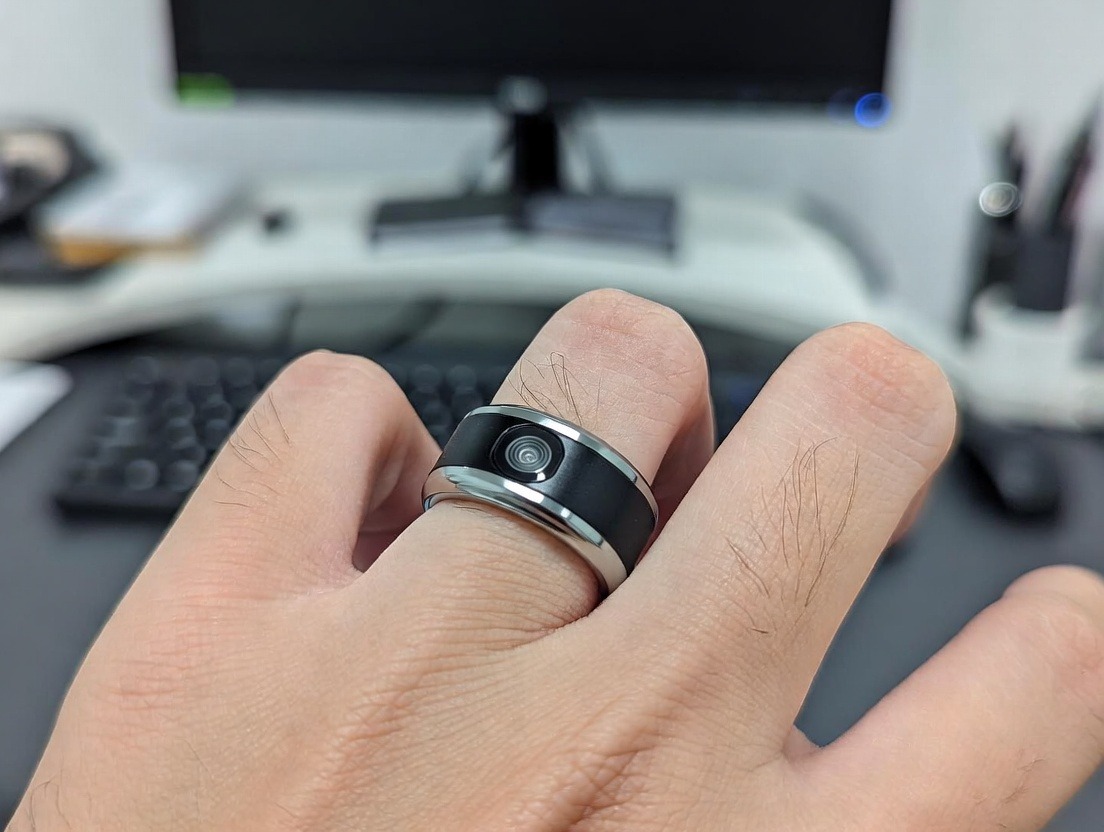
To trust the insights, you must first understand the messenger. A smart ring is an engineering marvel, a symphony of miniaturized sensors packed into a comfortable, water-resistant band of titanium or ceramic. Unlike bulkier wrist-worn devices, the finger provides a unique and advantageous window into your physiology. It’s rich with capillaries and has a strong, consistent pulse signal (the photoplethysmogram or PPG), and it's less prone to motion artifacts during sleep or typing.
At its core, the ring employs a green LED optical heart rate sensor. This light penetrates the skin, is absorbed by your blood, and reflects back to a photodetector. As your heart beats and blood volume in your capillaries changes, so does the light absorption. This creates a precise, continuous waveform of your heartbeats. From this single, elegant signal, a cascade of critical metrics is derived: heart rate, heart rate variability (HRV), respiratory rate, and even blood oxygen saturation (SpO2).
But the ring is more than just a light show. An accelerometer and gyroscope track your movement with precision, distinguishing between a restless night and a brisk walk, between typing at your desk and performing a set of squats. A skin temperature sensor monitors your peripheral temperature, a key metric that dips as you fall asleep and fluctuates with your circadian rhythm, illness, or hormonal cycles. Some advanced models also include electrodermal activity (EDA) sensors to measure tiny changes in skin sweat, a direct indicator of your nervous system's stress response.
All this data is processed locally on the ring and then synced, often via a low-energy Bluetooth connection, to a companion app on your smartphone. This is where the magic of interpretation happens. Sophisticated algorithms, informed by vast biomedical research, clean the data, identify patterns, and translate micro-signals into macro-understandings. The app isn't just a dashboard; it's your personal health intelligence portal. For a deeper dive into the specific technology and science powering these devices, you can always explore the detailed guides on our blog.
The result is a 24/7 biometric narrative that is startlingly comprehensive. It works while you work, sleeps while you sleep, and recovers while you recover. It doesn’t require charging every day, and its unobtrusive design ensures compliance—you simply wear it and live your life. This silent, continuous monitoring is the foundational superpower that makes the discovery of your personal health strengths possible, providing a data stream honest and detailed enough for you to truly listen to your body.
If you were to choose one single metric from your smart ring that offers the deepest, most nuanced insight into your overall health and resilience, it would be Heart Rate Variability. Most people believe a healthy heart beats like a metronome: steady, regular, unchanging. The truth is the exact opposite. A healthy, resilient heart is subtly irregular. Heart Rate Variability is the measure of the tiny, millisecond variations in the time intervals between your heartbeats.
Think of it as your body’s master control dashboard. HRV is governed by your autonomic nervous system (ANS), which has two primary branches: the sympathetic ("fight or flight") and the parasympathetic ("rest and digest"). When you're stressed, anxious, or exercising, your sympathetic nervous system dominates, speeding up your heart and reducing variability—creating a more rigid, predictable rhythm. When you are relaxed, recovering, or in a meditative state, your parasympathetic nervous system takes over, slowing the heart and increasing variability—creating a more fluid, adaptable rhythm.
A high HRV (higher variability) generally indicates strong parasympathetic tone, good cardiovascular fitness, and a body that is resilient, adaptable, and recovering well. It suggests your system can efficiently toggle between stress and recovery. A low HRV (low variability) can indicate dominant sympathetic stress, overtraining, poor recovery, illness, or chronic anxiety. Your body is stuck in a state of high alert, losing its flexibility.
Your smart ring tracks your HRV continuously, but it is most meaningful when measured during deep sleep, when external distractions are minimal. The app will typically provide a nightly average and a long-term trend line. This is where you begin to see your personal strengths emerge.
By observing how your HRV responds to different lifestyle inputs—a heavy training week, a period of meditation, a poor night's sleep, or even dietary changes—you gain an empirical understanding of your nervous system's unique profile. It moves you from guessing about "stress" to knowing your resilience score. This knowledge is a profound strength, allowing you to tailor your training, work, and rest for optimal performance. For those curious about how to interpret their own HRV data and apply it, a wealth of user experiences and case studies can be found in our customer testimonials.
Sleep is not a monolithic state of unconsciousness. It is a highly structured, architecturally complex process of restoration, memory consolidation, and physiological repair. Your smart ring acts as a personal sleep lab, dissecting your night into its core components: Light Sleep, Deep Sleep, REM Sleep, and periods of Awakenings.
Each phase serves a critical, non-negotiable function. Deep Sleep (Slow-Wave Sleep) is the physical restoration phase, where tissue growth and repair occur, energy is restored, and the immune system is bolstered. REM Sleep (Rapid Eye Movement) is the mental and emotional restoration phase, vital for memory processing, learning, and mood regulation. The cycling between these stages, typically in 90-minute intervals, is what constitutes healthy sleep architecture.
Your ring’s data reveals your personal sleep strengths. General guidelines suggest adults need 20-25% of their sleep in deep and REM each, but your unique biology dictates your ideal distribution.
Furthermore, the ring tracks your sleep latency (time to fall asleep) and restlessness. Seeing a short, consistent latency is a strength reflecting a calm nervous system at bedtime. Minimal restlessness indicates sound, uninterrupted sleep cycles.
By understanding your sleep architecture, you can stop chasing a generic "8 hours" and start optimizing for your personal restorative needs. If you're a Deep Sleep Dynamo, you know that protecting your sleep schedule is non-negotiable for physical performance. If you're a REM Maestro, you might prioritize sleep especially during periods of intense learning or creative work. This data transforms sleep from a mystery into a managed, optimized pillar of health.

One of the most underrated yet profoundly insightful metrics from your smart ring is peripheral skin temperature. While your core body temperature remains tightly regulated, the temperature of your fingers and toes is more variable and tells a vivid story about your internal state. It’s a direct reflection of blood flow and vascular activity, which are in turn controlled by your autonomic nervous system.
As you fall asleep, your body initiates a process called vasodilation—blood vessels near the skin's surface widen to release heat, causing a measurable drop in skin temperature that facilitates sleep onset. A clear, predictable nightly temperature drop is a sign of a robust circadian rhythm. Conversely, a blunted or absent drop can signal circadian disruption, often linked to poor sleep hygiene, late-night screen time, or shift work.
But the narrative continues throughout the night and day. For women, skin temperature data, when correlated with other metrics, can provide powerful insights into menstrual cycle phases and ovulation. A sustained rise in waking temperature is a classic sign of progesterone increase post-ovulation. This biological dashboard allows for natural cycle tracking without guesswork.
Perhaps the most immediate strength revealed is your body’s thermoregulatory efficiency.
Tracking skin temperature turns an abstract concept of "balance" into a tangible, nightly graph. It helps you validate lifestyle choices: see the effect of a hot bath before bed (it aids the temperature drop), or the negative impact of a late, heavy meal. It connects external behaviors to internal, physiological outcomes, making you the expert on your own thermal regulation. To understand how these individual metrics weave together into a complete picture, you can learn more about our holistic approach at Oxyzen.
While you consciously control your breathing during meditation or exercise, your resting respiratory rate (RRR)—the number of breaths you take per minute while at rest, especially during sleep—is an involuntary metric governed by your brainstem. It is a vital sign as important as heart rate or blood pressure, and your smart ring calculates it effortlessly by detecting the subtle, rhythmic variations in your heart rate signal caused by inhalation and exhalation (a phenomenon known as respiratory sinus arrhythmia).
For a healthy adult, a typical resting respiratory rate falls between 12 and 20 breaths per minute. During deep, restorative sleep, it often slows to its lowest, most efficient point. This metric is a window into the efficiency of your respiratory and cardiovascular systems.
Your personal strength may lie in your respiratory efficiency.
Monitoring this metric demystifies the feeling of being "winded" or anxious. You can see if a high-stress day led to a faster resting breath rate at night, confirming a physiological impact. Conversely, after a week of mindfulness practice, you might see your sleeping respiratory rate gently decline, confirming a deeper state of physical relaxation. It connects the intangible feeling of "calm" to a concrete, measurable outcome in your body's most fundamental rhythm.
Fitness trackers have long counted steps, but a smart ring reframes the entire narrative of activity. It doesn't just measure output; it measures output in the context of input. It creates a dynamic, living model of your activity-recovery balance. The ring tracks your active calorie burn, movement intensity, and duration, but its genius is in juxtaposing this against your recovery metrics like HRV, sleep quality, and resting heart rate.
This creates a powerful feedback loop. You don't just see that you ran 5 miles; you see *how that 5-mile run affected your body* over the subsequent 24-48 hours. This is where you discover your true workout profile and recovery strengths.
The smart ring helps you identify your personal "green zone" for productive training and your "red zone" for overreaching. It answers questions like: Did that extra set help or hinder? Is my body ready for a hard session today, or would it benefit more from active recovery? By preventing chronic overtraining and promoting strategic recovery, this balance is the secret to sustainable progress and injury prevention. It turns generic training plans into a personalized, biofeedback-driven protocol. For practical advice on applying these insights, our FAQ section addresses many common user questions on balancing activity and data.
Stress is not just a feeling; it's a quantifiable, physiological state. Modern smart rings, equipped with Electrodermal Activity (EDA) sensors, measure it directly. EDA detects microscopic changes in the sweat level on your skin—your skin's conductance. When your sympathetic nervous system ("fight or flight") is activated, even without physical sweat, your sweat glands fill slightly, changing the skin's electrical properties. It's a direct line to your subconscious arousal.
This, combined with stress algorithms that analyze heart rate, HRV, and temperature, gives you a composite stress score throughout the day and night. The goal isn't to eliminate stress—a physiological impossibility—but to understand your unique stress profile and nervous system resilience.
By tracking these patterns, you move from saying "I'm stressed" to knowing when, how much, and for how long. You can run experiments: does a 10-minute walk after lunch lower afternoon stress? Does reading fiction before bed create a calmer night than scrolling social media? The data provides impartial feedback, empowering you to become an expert navigator of your own nervous system, cultivating the strength of awareness and intentional response.

In a world of comparison—comparing step counts, sleep scores, and VO2 max estimates—the most revolutionary concept a smart ring teaches is this: Your only meaningful comparison is to yourself. The generic "normal ranges" on health charts are population averages, blurred amalgamations of millions of individual patterns. Your smart ring’s primary job is to help you establish, with exquisite precision, your personal, dynamic baseline.
Over the first few weeks of consistent wear, the algorithms learn you. They learn what a normal night looks like for your body. They learn your typical HRV range, your average resting heart rate, your standard sleep architecture, and your daily temperature rhythm. This baseline is not a fixed number; it's a healthy, living range unique to your physiology, age, fitness, and lifestyle.
This is the birthplace of true health strength: Self-Referential Awareness.
Embracing your personalized baseline liberates you from arbitrary score chasing. It fosters a compassionate, curious relationship with your body. You're not trying to hit an external target; you're trying to understand and support your own system's optimal functioning. This intrinsic focus is, perhaps, the greatest strength of all. To see how this philosophy is embedded in our product, you can discover the vision and values behind our story.
A single night of terrible sleep data is not a catastrophe; it's a story. A random spike in resting heart rate is not a diagnosis; it's a question. The true power of smart ring data is realized not in daily obsessions over individual numbers, but in the calm, curious observation of trends over time. This shift from point-in-time data to longitudinal insight is the journey from information to wisdom.
Your app’s trend lines—showing 7-day, 30-day, and 90-day averages—are where your health narrative unfolds. They smooth out the noise of daily life (a late dinner, a single stressful day) and reveal the underlying signal.
This interpretative skill—seeing the forest, not just the trees—transforms anxiety-inducing data into empowering insight. A bad score becomes, "Hmm, what happened yesterday that might have caused this?" A good score becomes, "What did I do right that I should reinforce?" This analytical, trend-based mindset is the cornerstone of using data for sustainable, long-term health optimization.
Until now, we’ve explored metrics in isolation. But your body is an ecosystem, not a collection of independent gauges. The final, and most profound, strength your smart ring data reveals is the interconnected symphony of your physiology. The metrics don't exist in a vacuum; they talk to each other, creating a coherent narrative.
A single event, like a hard workout, ripples through your entire system, and the ring captures this cascade:
Seeing this entire sequence is understanding your personal adaptation cycle. Conversely, a period of intense work stress tells its own story: elevated daytime stress scores, a higher resting heart rate, a suppressed HRV, more nighttime awakenings, and a blunted temperature drop.
The ring’s app often provides a "Readiness" or "Recovery" score—a composite algorithm that synthesizes these interconnected signals (sleep, HRV, RHR, temperature, activity) into a single, actionable number for the day. This score isn't arbitrary; it's the conclusion of the story your body told overnight.
Understanding these interconnections makes you the author of your health story. You learn which levers to pull: if sleep is suffering, you know it will impact tomorrow's HRV and readiness. If HRV is low, you know to prioritize gentle movement and stress management. This holistic view is the ultimate goal—a unified, real-time dashboard for the complex, beautiful system that is you. For a comprehensive look at how this holistic data approach benefits users, explore the real-world impacts shared in our testimonials section.
The prospect of so much data can be overwhelming. The key is to begin not with analysis, but with observation. Your first month with a smart ring should be a passive data-gathering phase. Simply wear it consistently (especially at night), live your normal life, and let the ring learn your baseline. Avoid the temptation to make drastic changes immediately.
Start by exploring just one or two metrics that resonate with you. Perhaps you begin with sleep duration and consistency. Focus on going to bed and waking up at roughly the same time for two weeks and watch what happens to your sleep scores and resting heart rate. Then, you might add HRV to your view, simply noticing how it moves in relation to your daily activities.
Set up simple notifications if your device supports them, like a bedtime reminder or an inactivity alert. Use the data as a mirror, not a hammer. It’s not about judging a "bad" score, but about asking, "What is my body communicating?"
As you grow more comfortable, you can begin gentle experiments. What happens if you finish eating 3 hours before bed instead of 2? What is the effect of a 20-minute evening walk? Does a mindfulness app session before sleep improve your sleep latency?
Remember, the goal is self-knowledge, not perfection. The ring is a tool for building a richer, more responsive relationship with your body. It’s here to reveal the strengths you already possess and guide you in cultivating new ones. Your journey to uncovering your unique health blueprint starts with a single, simple act: putting on the ring. To start this journey with a device built on these very principles, you can visit Oxyzen to learn more.
You’ve identified your recovery prowess or your stress resilience. Now, how do you systematically build upon it? The era of blind, pre-programmed training plans is fading, replaced by biofeedback-driven fitness. Your smart ring provides the two most critical pieces of information for any athlete or fitness enthusiast: 1) Is my body ready for a hard stimulus today? and 2) How did it respond to the stimulus I provided yesterday?
This creates a closed-loop system for strength building. The principle is simple yet revolutionary: Match your training intensity to your daily recovery status.
By aligning training with your internal state, you move from linear programming (weeks 1-4: increase weight) to adaptive cycling. This approach maximizes gains while minimizing burnout and injury, turning your innate recovery strengths into a perpetual engine for improvement. It answers the age-old question, "Am I overtraining?" with hard data, not guesswork. For more insights on tailoring fitness routines with biometric feedback, our blog features numerous user stories and guides.
Knowing you’re a "Deep Sleep Dynamo" is one thing; creating the conditions for that dynamo to thrive every night is another. Your sleep data is a nightly report card on your sleep hygiene. Each metric offers a clue for optimization.
The goal is to move from generic sleep tips to a personalized sleep protocol. Your data will clearly show what works for you. Perhaps your strength is that you respond dramatically to blackout curtains. Maybe you see that a 20-minute afternoon walk is more effective for your sleep quality than any supplement. This engineered approach transforms sleep from a passive activity into an active, optimized pillar of health performance.
Metabolic health—how efficiently your body converts food into energy and manages blood sugar—is often shrouded in mystery, reduced to vague feelings of "energy crashes" or "bloat." Your smart ring provides proxy metrics that illuminate this hidden landscape, revealing your metabolic strengths and sensitivities.
By connecting dietary choices and exercise patterns to these inner biomarkers, you cultivate the strength of metabolic awareness. You learn which foods truly fuel you versus those that cause invisible internal stress. You understand how different forms of exercise impact your metabolic engine. This turns nutrition and fitness from dogma ("carbs are bad," "you must do HIIT") into a personalized, data-informed experiment for sustained energy and vitality.
Your body doesn’t run on a single 24-hour clock; it operates a symphony of circadian rhythms governing everything from hormone release and cell repair to cognitive function and digestion. Your smart ring data, particularly skin temperature and resting heart rate rhythms, is a direct readout of your circadian health. Aligning your life with this code is perhaps the most profound strength you can cultivate.
Living in circadian alignment reduces internal friction. It means your body's processes are working in harmonious sequence, leading to better sleep, more stable energy, improved mood, and stronger metabolic function. Your ring data helps you tune your daily habits—light, food, movement, sleep—into this powerful rhythm, cultivating the strength of biological synergy. The vision behind Oxyzen’s technology is deeply rooted in empowering this kind of harmonious, data-informed living.
We identified stress as a measurable output. Now we focus on the input: building your capacity to handle stress, a practice we can call stress immunization. This isn't about avoiding stress, but about training your nervous system to respond more elegantly and recover more quickly—directly amplifying the "Quick Recoverer" strength.
Your smart ring’s stress score and EDA data are your benchmarks for this training. You can use them to test and validate resilience-building practices.
By systematically testing and implementing these practices, you aren't just managing stress; you are raising your resilience set-point. You are teaching your nervous system to default to a state of calm readiness. Over time, this shows up as a higher, more stable HRV baseline, lower resting heart rate, and reduced sympathetic activation during minor daily hassles. This is the ultimate strength: an adaptable, robust system that meets life's demands without being worn down by them.
The pursuit of health strengths isn't just about feeling good today or performing well this season. It's an investment in your future self—your healthspan. Excitingly, the biomarkers your smart ring tracks daily are not just performance indicators; they are powerful predictors of long-term health and longevity. Cultivating strength in these areas is a direct investment in your future.
Viewing your daily data through a longevity lens adds profound meaning to the numbers. That commitment to an earlier bedtime to boost deep sleep isn't just for recovery; it's a protective health behavior. The mindfulness practice that lifts your HRV is training for a resilient, aging nervous system. Your smart ring transforms from a fitness gadget into a longevity compass, providing daily feedback on whether your habits are steering you toward a vibrant, healthier future. For a deeper look at the philosophy of long-term wellness through technology, you can explore the vision behind our brand's journey.
Human beings are not isolated biological units; we are social creatures whose physiology is influenced by those around us. An emerging and fascinating area of exploration is how our biometric rhythms synchronize with our partners, family, or close friends. Wearing a smart ring can reveal these social synchrony strengths, adding a deeply relational dimension to your health data.
This perspective cultivates the strength of relational awareness. It moves health from a purely self-focused endeavor to a communal one. It provides concrete data that our wellbeing is intertwined, encouraging habits that nourish not just the individual, but the relationships that form the fabric of our lives. For support on using devices in shared contexts or common questions, our FAQ section offers helpful guidance.
No health journey is a straight, upward line. There will be illnesses, stressful periods, injuries, and frustrating plateaus. During these times, the smart ring shifts from an optimization tool to a compassionate diagnostic and pacing guide. It helps you navigate setbacks intelligently, preventing them from derailing your long-term progress.
In setbacks, the ring’s data combats catastrophizing and emotional reasoning. A week of poor scores isn't a failure; it's a coherent response to life events. This fosters a strength of perspective and patience. You learn to trust the process, listen to the data, and understand that health is a marathon of adaptive cycles, not a sprint to a perfect score.
The technology on your finger is just the beginning. The frontier of personal health strengths is expanding into even more personalized, predictive, and integrated realms. Understanding this future direction highlights the lasting value of engaging with your biometrics today.
Engaging with your smart ring data now builds your biometric literacy. You are learning the language of your body, preparing for a future where this knowledge will be even more powerful and seamlessly integrated into healthcare and daily decision-making. You are not just using a product; you are participating in the future of personalized wellness. To stay updated on these evolving trends and technologies, our blog is a continual resource.
We have journeyed from understanding individual metrics to seeing their interconnected symphony, from observing baselines to actively cultivating resilience, and from optimizing daily performance to investing in long-term healthspan. The ultimate goal is not to become a slave to data, but to use it to foster a deep, intuitive, and empowered relationship with your body.
The strength revealed by a smart ring culminates in a new kind of wisdom: Informed Intuition. You begin to "feel" a low HRV day in your energy levels before you check the app. You sense the connection between a poor night's sleep and a craving for sugary food. The data trains your inner sense, making you more attuned and responsive.
This journey fosters Self-Compassion. You see that your body's responses are logical, not flawed. A low score isn't a moral failing; it's communication. This leads to kinder, more effective self-care.
Finally, it builds Agency. You are no longer a passenger in your health journey, subject to generic advice and guesswork. You are the pilot, with a detailed, real-time dashboard. You have the evidence to make confident choices about how to sleep, move, eat, and manage stress in a way that is uniquely optimized for you.
You have learned to listen. Now, you know how to respond. The ring has provided the translation of your body's silent language into a story of strength—a story that is still being written with every heartbeat, every breath, and every night of restorative sleep. The next chapter involves diving even deeper into advanced interpretations, niche applications, and sustaining this practice for a lifetime of vitality. To begin applying these principles with a tool designed for this depth of insight, you can learn more about Oxyzen.
The journey into your personal health strengths has moved from discovery to cultivation. You’ve learned to interpret the language of your biomarkers and have begun to architect your lifestyle in harmony with your unique physiology. This final portion of our exploration ventures into the profound and specialized applications of this knowledge. Here, we transition from optimizing general wellness to fine-tuning specific facets of your life—cognition, creativity, hormonal balance, and healthy aging. We also confront the critical questions of data ethics and integration, ensuring that this powerful tool serves your long-term wellbeing with wisdom and integrity. This is where self-knowledge transforms into self-mastery.
Your brain is not an isolated command center; it is an organ deeply embedded in and influenced by your physiology. The state of your body dictates the state of your mind. Your smart ring data provides a real-time window into your neurophysical readiness, allowing you to strategically align demanding mental work with your biological peaks and protect your creative capacities.
By aligning your most demanding mental work—deep strategic thinking, writing, coding, or creative brainstorming—with your physiological prime times, and using movement and mindfulness as targeted tools, you cultivate the strength of cognitive efficiency. You work with your biology, not against it, to achieve more with less mental fatigue. For more strategies on leveraging biometrics for peak mental performance, explore the curated resources on our blog.
For women, the monthly menstrual cycle is not a bug in the system; it's a fundamental feature—a powerful, rhythmic hormonal symphony that influences every metric a smart ring tracks. Understanding this cycle through data is a revolutionary step toward honoring female biology and unlocking cycle-specific strengths. This moves beyond generic health advice into truly personalized, phase-based living.
Cycle syncing with data cultivates the profound strength of biological acceptance and strategic adaptation. It turns the cycle from a monthly inconvenience into a predictable, four-part rhythm of being, each phase with its own unique advantages and requirements. This is the ultimate personalization.
Aging is inevitable; decline is not. The science of healthspan focuses on compressing morbidity—living vibrantly for as long as possible. The biomarkers on your smart ring are not just snapshots of today; they are the leading indicators of your biological age trajectory. Proactively managing them is the most direct action you can take to ensure an active, independent, and vibrant later life.
Using your smart ring with a longevity mindset cultivates the strength of preventative agency. You are no longer waiting for age-related decline to manifest; you are actively building a physiological buffer against it, year after year. Each night of good sleep, each strength session well-recovered from, and each period of managed stress is an investment in your future vitality. The vision at Oxyzen is deeply aligned with this proactive, lifelong approach to wellness.
With great data comes great responsibility—both from the companies that collect it and from you, the user. Engaging deeply with your physiology necessitates a thoughtful conversation about ethics, privacy, and psychological balance. Cultivating a healthy relationship with your data is itself a critical strength.
Navigating these considerations builds the strength of informed discernment. You become a savvy consumer of technology, a guardian of your own privacy, and a balanced interpreter of your data. This ensures the tool remains a servant to your wellbeing, not a source of anxiety or a master of your behavior.
We have explored the components in depth. Now, we integrate them into a sustainable, dynamic framework: your Personal Health Operating System (PHOS). This is your bespoke playbook for life, informed by data and adaptable to change. It consists of core protocols, feedback loops, and regular reviews.
Creating and following your PHOS cultivates the ultimate strength: Sustainable Self-Governance. You move from reactive, scattered health efforts to a proactive, systematic, yet flexible approach to thriving. It turns empowerment into a repeatable, daily practice. For inspiration on how others have built their systems, real user journeys can be found in our testimonials.
The journey of uncovering your personal health strengths through smart ring data has no final destination. It is an unending, fascinating dialogue with the most complex and miraculous system you will ever know: your own body. We began by learning to listen to the silent language of heartbeats, breaths, and temperature waves. We progressed to interpreting that language, identifying our unique patterns of resilience, recovery, and rhythm. We then advanced to applying this knowledge, strategically cultivating our strengths in fitness, cognition, hormonal health, and longevity.
This path fosters a new paradigm of health, built on three pillars:
The smart ring is merely the translator, the bridge between your body's silent intelligence and your conscious mind. The real transformation happens within you. It is the growing trust in your body's signals, the compassion you develop for its needs, and the wisdom you gain in responding appropriately.
Remember, the data is a tool for insight, not an idol for worship. The greatest strength it can reveal is your ability to live a full, engaged, and vibrant life—sometimes with the ring on your finger, and sometimes, confidently, with it off, guided by the intuition it helped you hone.
As you move forward, let curiosity be your guide and compassion be your compass. Continue to explore, experiment, and learn. The story of your health is still being written, and now, you hold the pen.
Your Trusted Sleep Advocate: Sleep Foundation — https://www.sleepfoundation.org
Discover a digital archive of scholarly articles: NIH — https://www.ncbi.nlm.nih.gov/
39 million citations for biomedical literature :PubMed — https://pubmed.ncbi.nlm.nih.gov/
Experts at Harvard Health Publishing covering a variety of health topics — https://www.health.harvard.edu/blog/
Every life deserves world class care :Cleveland Clinic - https://my.clevelandclinic.org/health
Wearable technology and the future of predictive health monitoring :MIT Technology Review — https://www.technologyreview.com/
Dedicated to the well-being of all people and guided by science :World Health Organization — https://www.who.int/news-room/
Psychological science and knowledge to benefit society and improve lives. :APA — https://www.apa.org/monitor/
Cutting-edge insights on human longevity and peak performance:
Lifespan Research — https://www.lifespan.io/
Global authority on exercise physiology, sports performance, and human recovery:
American College of Sports Medicine — https://www.acsm.org/
Neuroscience-driven guidance for better focus, sleep, and mental clarity:
Stanford Human Performance Lab — https://humanperformance.stanford.edu/
Evidence-based psychology and mind–body wellness resources:
Mayo Clinic — https://www.mayoclinic.org/healthy-lifestyle/
Data-backed research on emotional wellbeing, stress biology, and resilience:
American Institute of Stress — https://www.stress.org/


