


How Smart Ring Features Compare to Medical-Grade Devices
Provides a realistic comparison of the ring's data accuracy against professional medical equipment.
Provides a realistic comparison of the ring's data accuracy against professional medical equipment.
%402x.svg)
The modern pursuit of health has undergone a profound transformation, shifting from the reactive paradigm of treating illness to the proactive, data-driven quest for optimal wellness. At the heart of this revolution lies a single, persistent challenge: access to meaningful, continuous, and accurate health data. For decades, the gold standard has been the clinical, medical-grade device—bulky, expensive, and confined to sterile environments or brief snapshots in time. These tools, while invaluable for diagnosis, created a chasm between the episodic insight of the doctor's office and the daily reality of our lived health.
Enter the smart ring: a discreet, elegant piece of wearable technology that promises to bridge this very gap. Sleek enough to be worn 24/7, these unassuming devices are packing an astonishing array of sensors, quietly collecting a torrent of physiological data as you sleep, work, and live. They claim to monitor everything from heart rate and blood oxygen to sleep stages, stress, and recovery. But as consumers and wellness enthusiasts, we are left with a critical, pressing question: Can the data from this comfortable, consumer-friendly ring truly hold a candle to the revered accuracy of a medical-grade device in a hospital?
This is not merely a question of gadgetry, but of empowerment. It speaks to the core of a new movement in personal health management, where individuals seek to understand their own bodies with a depth once reserved for clinicians. The implications are vast, touching on preventive care, chronic condition management, and the fundamental human desire for agency over one’s well-being. In this comprehensive exploration, we will delve beyond marketing claims and surface-level comparisons. We will dissect the technology, the science, and the practical realities of how today’s most advanced smart rings measure up against certified medical tools. We will explore where they excel, where they diverge, and crucially, how to intelligently integrate their insights into a holistic strategy for restful living and longevity. Prepare to look at your finger—and your health data—in an entirely new light.

The journey of health monitoring is a story of democratization. For most of medical history, understanding the inner workings of the body required a visit to a healer—a shaman, a physician, a clinic. The stethoscope, the blood pressure cuff, the electrocardiogram (ECG) machine: these were tools of the expert, gatekept by training, cost, and institutional setting. Data was a singular event, a data point in time, interpreted through the lens of population-wide averages and often captured in a state of acute stress (so-called "white coat syndrome").
The first seismic shift began with the advent of the home thermometer and blood glucose monitor, granting individuals with specific conditions a window into their health. But the true revolution arrived with the accelerometer and the optical heart rate sensor—technologies miniaturized and made affordable by the smartphone and fitness tracker boom. Suddenly, steps, crude heart rate, and basic activity were quantifiable 24 hours a day. This was the dawn of the quantified self, but it was only the prologue.
These wrist-worn devices, however, came with limitations. Positional inaccuracy during movement, frequent charging needs, and social disconnect (wearing a tech device visibly at all times) created barriers to continuous, seamless data collection. The smart ring emerged as an elegant solution to these very problems. The finger, particularly the base, offers a superior vasculature for optical sensing compared to the wrist. The form factor is socially invisible, comfortable for sleep, and its smaller battery is offset by less power-hungry components and designs optimized for multi-day life.
This evolution—from clinic to wrist to finger—mirrors a deeper philosophical shift. Health is no longer seen as merely the absence of disease, but as a dynamic, daily continuum of recovery, resilience, and readiness. The smart ring, worn constantly, is positioned as the perfect lens through which to view this continuum, providing the uninterrupted data stream needed to understand how lifestyle, from work stress to restful living through the seasons, truly impacts our physiology. It promises to turn the abstract concept of "wellness" into a tangible, personalized dataset.
Before we can compare, we must define our terms. "Medical-grade" is not a casual marketing label; it is a rigorous, legal, and scientific designation with profound implications. A medical-grade device is one that has received clearance or approval from a regulatory body like the U.S. Food and Drug Administration (FDA) or the European Union's CE marking as a medical device (Class II or higher). This process is arduous, expensive, and can take years.
The path to this certification involves several non-negotiable pillars:
The outcome is a tool a clinician can use to inform a diagnosis or treatment decision with a known and accepted margin of error. Its primary purpose is diagnostic or therapeutic.
Consumer wellness devices, including smart rings and fitness trackers, operate in a different realm. They are governed by general consumer electronics safety regulations. Their purpose is "general wellness" – to inform, motivate, and provide insights for a healthy population. Their algorithms are frequently updated, their claims are broader ("stress monitoring," "sleep score"), and their validation, while often impressive, is not held to the same multicenter clinical trial standard. Their power lies in trending and awareness.
The critical distinction, therefore, is not necessarily raw sensor quality, but context of use, validated purpose, and regulatory scrutiny. A smart ring might use a sensor very similar to a clinical pulse oximeter, but the latter is calibrated and validated for life-critical decisions in patients with respiratory conditions, while the former is designed to show you trends in your nightly SpO₂ as part of a broader restful living plan for structure and sustainability.
One of the most fundamental and compared metrics is heart rate and rhythm. Here, the technological approaches of smart rings and medical devices diverge sharply, defining their strengths and limitations.
Medical-Grade ECG (Electrocardiography): This is the undisputed gold standard for electrical heart activity. It measures the tiny electrical impulses that trigger each heartbeat via electrodes placed on the skin. A clinical 12-lead ECG gives a comprehensive, millisecond-precise view of the heart's electrical activity across different vectors, allowing for the diagnosis of arrhythmias (like atrial fibrillation), conduction abnormalities, and ischemic events. Its accuracy for rate and rhythm is near-perfect in a clinical setting. Wearable versions, like FDA-cleared patches (e.g., Zio Patch), provide continuous single-lead ECG for up to 14 days, offering a prolonged diagnostic window.
Smart Ring PPG (Photoplethysmography): Every mainstream smart ring uses this optical method. It works by shining LED light (usually green and red/infrared) into the skin and measuring the amount of light reflected back. Blood volume changes slightly with each heartbeat, modulating the light reflection. By tracking these modulations, the ring calculates heart rate and, through advanced algorithms, infers heart rate variability (HRV).
The comparison is a classic case of apples and oranges, but with insightful overlaps:
For the wellness user, the ring's PPG provides a phenomenal, continuous picture of cardiovascular trends: how your resting heart rate drops with consistent fitness, how your nighttime HRV reflects your recovery, and how stress spikes your heart rate during the day. It is a powerful tool for understanding your body's responses, a key component for high-achievers seeking performance through rest. For specific cardiac diagnoses, the medical-grade ECG remains essential.
Blood oxygen saturation (SpO₂) became a household term during the COVID-19 pandemic. It represents the percentage of hemoglobin in your blood that is carrying oxygen. The monitoring of this vital sign is another area where technology has leapt from the ICU to the bedroom.
Clinical Pulse Oximetry: Hospital-grade finger-clip pulse oximeters are FDA-cleared as Class II medical devices. They use a refined PPG method, typically with red and infrared LEDs, and are calibrated against arterial blood gas analysis (the true invasive gold standard). Their accuracy is critical, as they guide oxygen therapy for patients with COPD, pneumonia, and during surgery. They are validated to work accurately across a wide range of skin tones and in low-perfusion (cold, low blood flow) states.
Smart Ring SpO₂ Monitoring: Rings use the same fundamental optical principle but face significant engineering challenges. The ring form factor must maintain perfect sensor-skin contact throughout the night, despite finger size changes and tossing and turning. They are not intended to diagnose hypoxemia or guide treatment. Their value is almost entirely in the context of sleep health.
Here’s the critical insight: While absolute, real-time SpO₂ accuracy is paramount in a hospital, the smart ring's power lies in nocturnal trend analysis.
Thus, the smart ring acts as an unparalleled screening and awareness tool for sleep-related breathing, while the medical device remains the diagnostic and therapeutic tool. They function in a complementary sequence: the ring raises the question; the clinical test provides the definitive answer.

If there is one area where smart rings have captivated the wellness world, it is sleep analysis. They promise a detailed breakdown of light, deep, REM sleep, and awakenings—all from a device you barely feel. The medical counterpart is the polysomnogram (PSG), the comprehensive sleep study conducted in a lab.
Polysomnography (PSG): The Gold Standard. A PSG is a multi-parameter study. It involves:
Smart Ring Sleep Staging: The ring has none of these direct brain, eye, or muscle sensors. Instead, it uses a combination of:
The result is a remarkably accurate proxy for sleep architecture, especially for a consumer device.
For the purpose of optimizing sleep hygiene, tracking recovery, and understanding lifestyle impacts, the ring's sleep data is transformative and sufficiently accurate. It moves sleep from a subjective feeling ("I slept poorly") to an objective, trendable metric. For diagnostic purposes, the PSG remains irreplaceable.
The true differentiation of modern smart rings lies not in replicating single medical metrics, but in synthesizing multiple data streams into entirely new, holistic indices of well-being. This is where they leave the domain of traditional medicine and enter the frontier of proactive wellness.
Continuous Body Temperature: While a medical thermometer gives a precise spot check for fever, a smart ring measures nocturnal distal body temperature continuously. The absolute value is less important than the trend and variation. A sustained elevation in your baseline temperature can be the earliest sign of oncoming illness, inflammation, or, in women, a clear marker of ovulation and the menstrual cycle phases. This biological insight, available 24/7, was previously impossible without invasive methods. It allows you to anticipate needs for rest or adjust training loads preemptively.
Stress and ANS Monitoring: There is no "medical-grade stress monitor." Stress is a subjective experience with objective physiological correlates, primarily mediated by the autonomic nervous system (ANS). Smart rings use HRV—specifically the time-domain and frequency-domain analysis of the intervals between heartbeats—as a proxy for ANS balance. High sympathetic ("fight-or-flight") tone lowers HRV; high parasympathetic ("rest-and-digest") tone increases it.
By sampling HRV throughout the day and night, the ring can estimate moments of physiological stress (a dropped HRV) and recovery. This isn't about diagnosing anxiety, but about making the invisible visible. You can see the direct impact of a stressful meeting, a difficult conversation, or even digesting a heavy meal. It provides concrete feedback for establishing boundaries and protecting your energy, allowing you to identify and mitigate chronic stressors. Furthermore, understanding your daily stress patterns can directly improve your relationships and mood by helping you manage your physiological state.
Proprietary Readiness & Recovery Scores: This is the pinnacle of data synthesis. Brands like Oura, Ultrahuman, and Whoop combine sleep data (duration, stages, disturbances), heart rate metrics (resting HR, HRV), temperature, activity, and sometimes SpO₂ into a single daily score. This score aims to answer one simple, powerful question: Is my body ready to perform, or does it need rest?
A medical device would never give such a composite score; it's outside the diagnostic paradigm. But for an individual managing their energy, training, and life demands, it's a revolutionary guide. It turns complex physiology into an actionable insight: "My score is low today, so I'll swap my intense workout for yoga and focus on hydration." It is the ultimate tool for personalized, data-informed restful living, enabling you to align your actions with your body's actual state, not just your ambitions.
The most compelling argument for the smart ring's value in the health monitoring landscape is not necessarily superior accuracy in any single metric, but its unparalleled ability to provide continuous, longitudinal data due to its user-friendly design. This represents a paradigm shift in how we understand health metrics.
Medical Devices: The Snapshot Problem. Even the most accurate clinical device provides a snapshot. A blood pressure reading in a clinic is a single point in time, highly susceptible to context. A 48-hour Holter monitor for heart rhythm is a longer snapshot, but it's obtrusive, with sticky electrodes and wires, inevitably altering behavior and sleep. The data, while pristine, covers a limited, often unrepresentative period.
The Smart Ring: The Continuous Narrative. A smart ring is designed to be forgotten. Worn 24/7, it collects data across the full spectrum of human experience:
This continuous form factor turns health from a series of unrelated snapshots into a rich, personal documentary. You see the plotlines: the impact of poor sleep on next-day stress resilience, the physiological benefit of a restorative weekend, the slow improvement in cardiovascular fitness from consistent training. It provides the "why" behind the "how you feel," making abstract health concepts concretely visible and personally relevant. It is, in essence, a tool for conducting your own n-of-1 lifestyle experiment, with you as the sole subject.
In the world of health data, not all numbers are created equal. As consumers, we must become savvy interpreters of the data presented to us. The conversation around smart rings versus medical devices hinges on three key concepts: accuracy, precision, and the unique value of trending.
Accuracy vs. Precision:
A device can be precise but not accurate (consistently wrong by the same amount), or accurate but not precise (hits the truth on average but with wide variation). Medical devices strive for high levels of both.
The Smart Ring's Proposition: Leading smart rings are engineered for high precision and excellent relative accuracy. Their sensors and algorithms are tuned to be incredibly consistent. Night-to-night, your sleep stage percentages, resting heart rate, and HRV are precisely comparable. The absolute number for your deep sleep (e.g., 1 hour 12 minutes) might be off by +/- 10 minutes compared to a PSG, but the trend—whether you got 20% more or 30% less deep sleep than your average—is extremely reliable.
The Supreme Power of Trending: This is the core of the smart ring's utility for wellness. For proactive health, changes and patterns are more important than absolute values.
The ring excels at showing you these directional shifts. A downward trend in HRV coupled with a rising resting heart rate is a classic sign of accumulating fatigue or impending illness, regardless of whether your HRV is exactly 50ms or 55ms. This ability to see the vector of your physiology is what allows for truly personalized intervention, whether it's adjusting your training, doubling down on sleep hygiene, or practicing daily breathwork for restful living to boost parasympathetic recovery.
Therefore, when evaluating a smart ring, the question shifts from "Is it as accurate as a hospital machine?" to "Are its measurements precise enough to reveal true, actionable trends in my own body?" For the vast majority of wellness applications, the answer is a resounding yes.
This is the most critical conceptual boundary in the entire comparison. It defines the legal, ethical, and practical limits of what these devices can and should do. Confusing these two domains can lead to dangerous misuse of data or, conversely, undervaluing powerful insights.
Medical Diagnosis: The Domain of Certainty. Medical-grade devices are tools for identifying, monitoring, or treating disease. Their output is used within a clinical decision-making framework by a trained professional. The stakes are high: a missed diagnosis or false reading can lead to harm. Therefore, the standards for validation, specificity (correctly identifying negatives), and sensitivity (correctly identifying positives) are extremely stringent. The device provides a piece of evidence in a larger puzzle that includes patient history, physical exam, and other tests.
Wellness Guidance: The Domain of Awareness and Optimization. Smart rings and consumer wearables are tools for healthy individuals (or those managing known conditions in conjunction with a doctor) to learn about their bodies and make positive lifestyle choices. Their output is a guide for personal experimentation and awareness. The stakes are different: the risk is not acute harm, but potentially misguided effort or anxiety over normal variations.
Practical Examples of the Divide:
The smart ring's role is to empower you with knowledge about your physiology, turning intuition into observation. It can show you how adopting minimalism for restful living reduces your physiological stress load, or how your nervous system calms after eating foods from a diet designed for restful living. It gives you the "what" and the "when," so you can explore the "why" and experiment with solutions. It is a partner in health generation, not just a scanner for health problems.
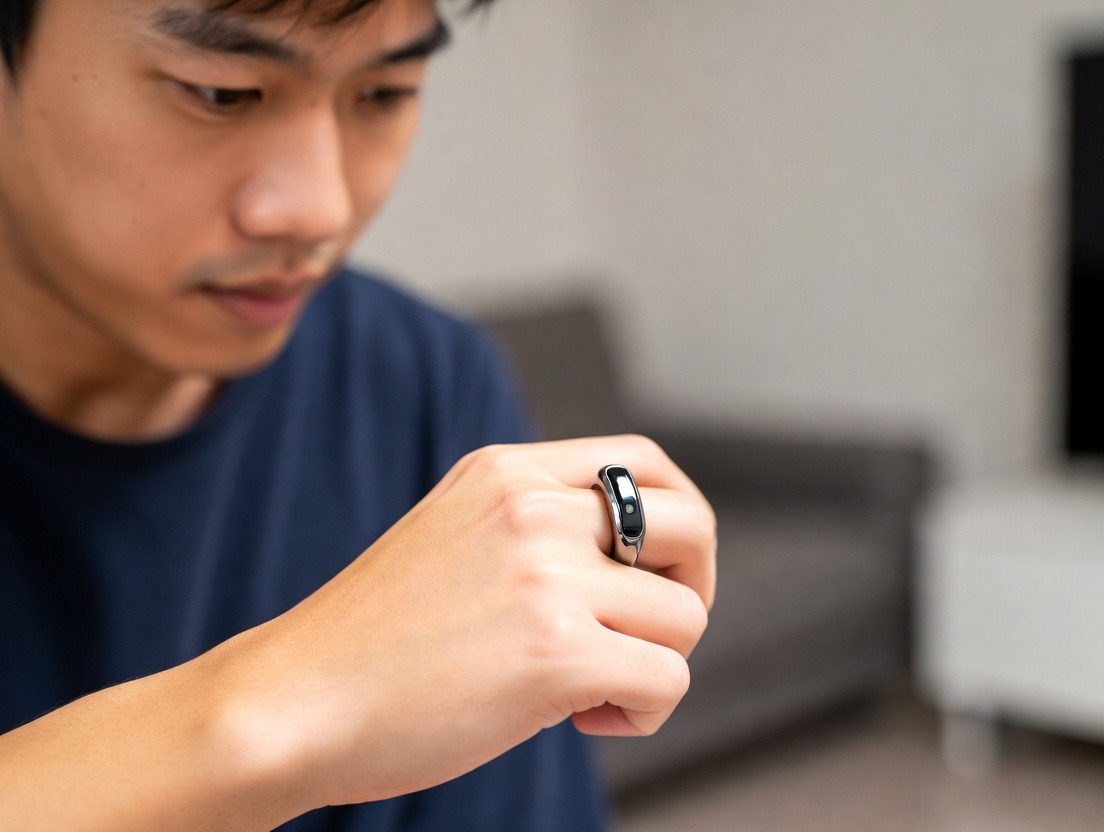
The theoretical comparison comes to life in practical, impactful applications. Across diverse fields, the continuous, multi-parameter data from smart rings is providing insights that were either impossible or impractical to obtain before.
For Athletes and Fitness Enthusiasts: This is the most mature application. Rings have moved beyond simple activity tracking to become central nervous system recovery monitors. Coaches and athletes use daily readiness scores to periodize training, avoiding overtraining and optimizing peak performance. The objective measure of recovery (HRV, resting HR) overrules the often misleading subjective feeling of being "pumped up," preventing injury and promoting sustainable progress.
For Sleep Optimization: Beyond just scoring, rings are being used to conduct personal sleep experiments. Users can test the effects of caffeine cutoff times, room temperature, bedding, wind-down routines from a weekly restful living plan, and supplements like magnesium. The data provides immediate, personal feedback, moving sleep advice from generic to hyper-personalized.
For Women's Health: The continuous temperature sensor is revolutionizing cycle tracking. It provides a clear, objective picture of the menstrual cycle, ovulation, and period prediction far superior to calendar-based methods or single morning temperatures. Women are using this data to understand their energy, cognitive performance, and recovery needs across their cycle, a concept known as cycle syncing. It also provides a window into perimenopausal transitions, tracking changes in cycle regularity and temperature patterns over time.
For Stress and Burnout Prevention: In high-stress professions, the ring acts as an early-warning system. By quantifying physiological stress (through HRV and heart rate), professionals can see when they are operating in a chronic sympathetic state. This data motivates the incorporation of mandatory recovery blocks, meditation, and boundary-setting. It provides hard evidence for the need to create calm in stressful jobs, enabling individuals and organizations to build more sustainable work cultures.
For Longevity and Healthspan: The ultimate application is the longitudinal tracking of biomarkers associated with healthspan. Trends in resting heart rate, HRV, sleep quality, and temperature variability over years may provide early indicators of declining resilience. While not diagnostic, this data can motivate mid-course lifestyle corrections—in diet, exercise, stress management, and sleep—long before clinical disease manifests. It turns the abstract goal of "healthy aging" into a monitored, data-informed journey.
In each case, the smart ring is not replacing the doctor, the coach, or the sleep specialist. It is empowering the individual with a continuous stream of personal data, making them an active, informed participant in their own well-being. It closes the feedback loop between action and physiological outcome, creating a new era of embodied self-knowledge.
Navigating the world of health technology claims requires understanding the alphabet soup of regulations that govern them. For consumers, terms like "FDA-cleared," "CE-marked," or "registered" are often used interchangeably, but they signify vastly different levels of scrutiny and intended use. This regulatory landscape creates a spectrum of legitimacy that directly impacts how we should interpret a device's data.
The FDA's Tiers of Regulation (U.S. Market):
The U.S. Food and Drug Administration classifies medical devices into three main classes based on risk:
When a smart ring feature, such as an atrial fibrillation detection algorithm, receives FDA 510(k) clearance, it's a significant milestone. It means that specific function has been reviewed as a Class II device and deemed accurate enough for its intended use—which is typically prescription use or as a screening tool that advises a clinical follow-up. It does not mean the entire ring is a medical device.
The CE Mark (European Market):
In the European Union, a CE mark for a medical device indicates it meets the health, safety, and environmental protection requirements of the Medical Device Regulation (MDR). Like the FDA, devices are classified I, IIa, IIb, and III based on risk. A CE mark as a medical device carries similar weight to FDA clearance. However, a product can also carry a CE mark simply for meeting general product safety directives, which is far less meaningful for health claims.
The "Wellness" and "General Fitness" Loophole:
This is where the majority of smart ring features reside. If a manufacturer makes no claims to diagnose, treat, cure, or prevent any disease or condition, the product can be marketed as a "general wellness" product. This category is largely exempt from pre-market review by the FDA. The company is responsible for ensuring safety and truth in advertising, but the burden of clinical validation is vastly lower.
This creates a dual reality for smart rings:
What This Means for You:
As a user, you must become a discerning interpreter of claims. Look for specifics:
Understanding this landscape empowers you to ask the right questions. It explains why a ring can feel like a medical device in some aspects but is legally and functionally a consumer wellness tool at its core. It’s a tool best used to gather data for structured, sustainable wellness plans, not to generate clinical diagnoses.
The magic of the smart ring isn't magic at all—it's the product of sophisticated, miniaturized hardware working in concert. To truly judge capability, we must look under the hood at the sensors that make continuous monitoring possible.
The Optical Photoplethysmography (PPG) Sensor Array:
This is the workhorse, typically comprising multiple LED wavelengths and photodiodes.
The Skin Temperature Sensor:
This is usually a negative temperature coefficient (NTC) thermistor, a highly sensitive resistor whose electrical resistance changes predictably with temperature. It's calibrated to measure the skin temperature at the finger (distal temperature), which, as mentioned, is a powerful proxy for core temperature trends and circadian rhythm. The absolute value is less critical than the change of 0.1°C, which requires exceptional sensor stability.
The 3D Accelerometer & Gyroscope:
These micro-electromechanical systems (MEMS) track motion and orientation. In a ring, their role is multifaceted:
The Battery & Power Management:
This is a silent hero. The constraint of a ring's tiny form factor drives innovation. Smart ring batteries are small (often 15-30mAh) but are paired with:
The Missing Sensor: Electrodes.
This is the key hardware difference from medical-grade ECG. Rings (currently) lack the dry electrodes needed to measure the heart's electrical activity directly. This hardware gap is why PPG-based rhythm detection is an algorithmic achievement—it's inferring electrical activity from optical blood flow patterns, a much trickier proposition.
The integration and calibration of these sensors, housed in a biocompatible chassis that maintains consistent skin contact, represent a monumental feat of biomedical engineering. It turns a piece of jewelry into a personal biophysical observatory.
Raw sensor data is just noise—a stream of electrical signals from photodiodes, thermistors, and accelerometers. The transformation of this noise into meaningful health insights is the domain of algorithms, the true proprietary crown jewels of any smart ring company. This is where the device earns its "smart" prefix and where the most significant differentiation between brands occurs.
From PPG Waveform to Health Metrics:
The journey of a heartbeat begins with the raw PPG optical signal. Sophisticated signal processing algorithms must:
Different algorithms can extract different insights from the same waveform, which is why HRV values can vary between devices even when the underlying heart rate is similar.
Sleep Staging Neural Networks:
This is a premier example of machine learning application. Companies train deep neural networks on massive datasets where both PSG (gold standard) and ring sensor data (PPG, accelerometer, temperature) were collected simultaneously. The algorithm learns to recognize the complex, multi-sensor patterns that correspond to Wake, Light, Deep, and REM sleep. The more diverse and high-quality the training data (spanning ages, genders, health conditions), the more robust and generalizable the final sleep staging model becomes.
Baseline Calculation and Personalization:
A one-size-fits-all approach is useless for wellness. Advanced algorithms dynamically establish a personal baseline for each user. Your "readiness" or "recovery" score isn't based on population norms but on your own historical data. The system learns what "normal" looks like for you: your typical temperature curve, your range of nightly HRV, your sleep architecture. This personalization is what makes the data actionable. It can tell you, "Your resting heart rate is 8 bpm above your baseline tonight," which is far more meaningful than, "Your resting heart rate is 65 bpm."
Predictive Analytics and Insights:
The frontier lies in predictive algorithms. By analyzing longitudinal trends, some platforms attempt to:
The sophistication of these algorithms is what you're ultimately paying for. It's the difference between a ring that gives you raw data and one that gives you actionable guidance for a restful living diet, work habits, and travel routines. The best algorithms act like a knowledgeable, 24/7 health coach who knows your body's unique language, translating complex physiology into simple, proactive recommendations.
A torrent of data is overwhelming; curated insight is empowering. The final, and perhaps most crucial, layer of the smart ring ecosystem is the user interface—the app and the way it translates complex biometrics into a language of daily choice and habit formation. This is where the rubber meets the road in terms of behavioral change and real-world health impact.
From Dashboard to Understanding:
A well-designed ring platform moves hierarchically:
The Pitfall of Data Anxiety:
A significant challenge, often called "orthosomnia," is the potential for excessive preoccupation with perfect scores, leading to anxiety that paradoxically worsens sleep and recovery. A quality platform actively designs against this by:
Integration into a Holistic System:
The smart ring is not a standalone oracle. Its value multiplies when its data is connected to other aspects of your life. The most advanced platforms allow for integration with:
The ultimate goal of the user experience is to create a positive, reinforcing feedback loop. The ring provides insight, the user makes a small, positive behavior change (e.g., going to bed 30 minutes earlier), the data reflects the improvement (higher sleep score), which motivates further positive action. It turns the abstract concept of "health" into a tangible, engaging, and personalized game of self-optimization, deeply aligned with the principles of building sustainable weekly plans for restful living.
The most exciting development in this space is not the competition between smart rings and medical devices, but their growing convergence and collaboration. Real-world pilot programs and clinical research are beginning to illustrate a new model of hybrid care, where continuous consumer data informs and enhances traditional clinical pathways.
Remote Patient Monitoring (RPM) and Chronic Disease Management:
Clinical trials are exploring the use of smart rings for RPM in conditions like:
Clinical Research and Drug Trials:
Smart rings are becoming powerful tools in pharmaceutical and academic research. Their ability to collect continuous, real-world data from participants outside the lab at a low cost is revolutionary.
The "Pre-Hab" Model in Corporate and Performance Wellness:
Forward-thinking organizations and sports teams are adopting rings not to diagnose, but to prevent.
These case studies demonstrate a fundamental shift. The smart ring is evolving from a purely consumer wellness gadget into a potential component of the "digital biomarker" toolkit—a source of passive, continuous data that can make healthcare more preventive, personalized, and participatory. It blurs the line, not by pretending to be a medical device, but by generating data so clinically relevant that the medical community is taking notice and finding novel ways to use it.
Amidst the promise and potential, a responsible examination requires a clear-eyed view of the limitations and the ethical dilemmas inherent in placing such intimate, continuous biometric monitoring on millions of fingers. Acknowledging these is not to diminish the technology's value, but to ensure its wise and safe adoption.
Technical and Physiological Limitations:
Data Privacy, Security, and Ownership:
This is the paramount ethical concern. A smart ring generates the most intimate dataset imaginable: a continuous log of your heartbeat, sleep, stress, and potential reproductive status.
Psychological and Behavioral Risks:
The Equity and Access Question:
High-end smart rings are expensive, often costing $300-$600. This creates a "biometric divide," where the benefits of deep self-knowledge and proactive health management are accessible primarily to the affluent. This risks exacerbating existing health disparities if these tools become gateways to premium health insights or care pathways.
Navigating these limitations requires a partnership between companies, regulators, and users. Companies must prioritize transparency, privacy, and ethical design. Users must cultivate digital literacy and a balanced, intuitive relationship with their data—using it as a guide, not a gospel. The goal is to harness the power of this technology to enhance our natural capacity for restful living and longevity, without letting it become a source of new stressors or inequalities.
The arrival of patient-generated health data (PGHD) from devices like smart rings is creating a quiet revolution in clinical waiting rooms and telehealth sessions. While the initial reaction from many healthcare providers was skepticism—and understandably so, given the variability in early wearable data—a growing number of forward-thinking clinicians are finding pragmatic, powerful ways to integrate this continuous stream of insight into patient care. This adoption is not about replacing the medical-grade device, but about enriching the narrative of a patient’s health.
From Episodic to Continuous: Filling the Blanks in the Patient Story.
Traditionally, a doctor’s understanding is built on a snapshot: blood pressure in the office, a fasting glucose test, a patient’s recollection of their sleep over the past month (“I sleep pretty well, I guess”). Smart ring data transforms this. A cardiologist can now review a 30-day trend of a patient’s resting heart rate and HRV, observing the physiological impact of a new beta-blocker medication not just at the 3 PM appointment, but at 3 AM. A sleep specialist can examine months of sleep stage and SpO₂ trend graphs before even ordering a PSG, identifying clear patterns that warrant further investigation. This longitudinal view turns a single data point into a story with context, showing the dynamics of a condition.
The New Clinical Conversation Starter.
For patients, walking into an appointment with charts and trends empowers them to be active participants. Instead of saying, “I’m tired all the time,” a patient can show their physician: “Look, my deep sleep has been below 10% for six weeks, and my readiness scores have been in the ‘low’ zone consistently.” This shifts the dialogue from vague symptoms to specific, objective patterns. It makes the subjective objective. Clinicians report this leads to more efficient, targeted appointments. It can also validate a patient’s experience, especially for conditions like fibromyalgia or long COVID, where invisible symptoms are often dismissed. This data-driven advocacy is a form of protecting your energy and boundaries within the healthcare system itself.
Guiding Lifestyle Medicine with Objective Feedback.
Perhaps the most fertile ground for adoption is in lifestyle and preventive medicine. A physician or health coach advising on stress management no longer has to rely on a patient’s subjective stress diary alone. They can correlate reported stressful events with physiological stress markers (dropping HRV, spiking heart rate) from the ring. They can then track the efficacy of prescribed interventions—like mindfulness, daily breathwork for restful living, or a diet focused on calming the nervous system—by watching the physiological metrics improve over subsequent weeks. It creates a closed feedback loop for behavioral therapy, providing tangible proof that lifestyle changes are creating measurable biological change.
The Rules of the Road for Clinical Use.
Cautious clinicians are establishing their own protocols for using this data:
This cautious integration represents the ideal middle path. The smart ring becomes a bridge between the 365-day-a-year reality of the patient and the limited hours of clinical contact. It provides the context that turns a clinical assessment from an educated guess into a highly informed judgment, ultimately leading to more personalized, preventive, and participatory care.
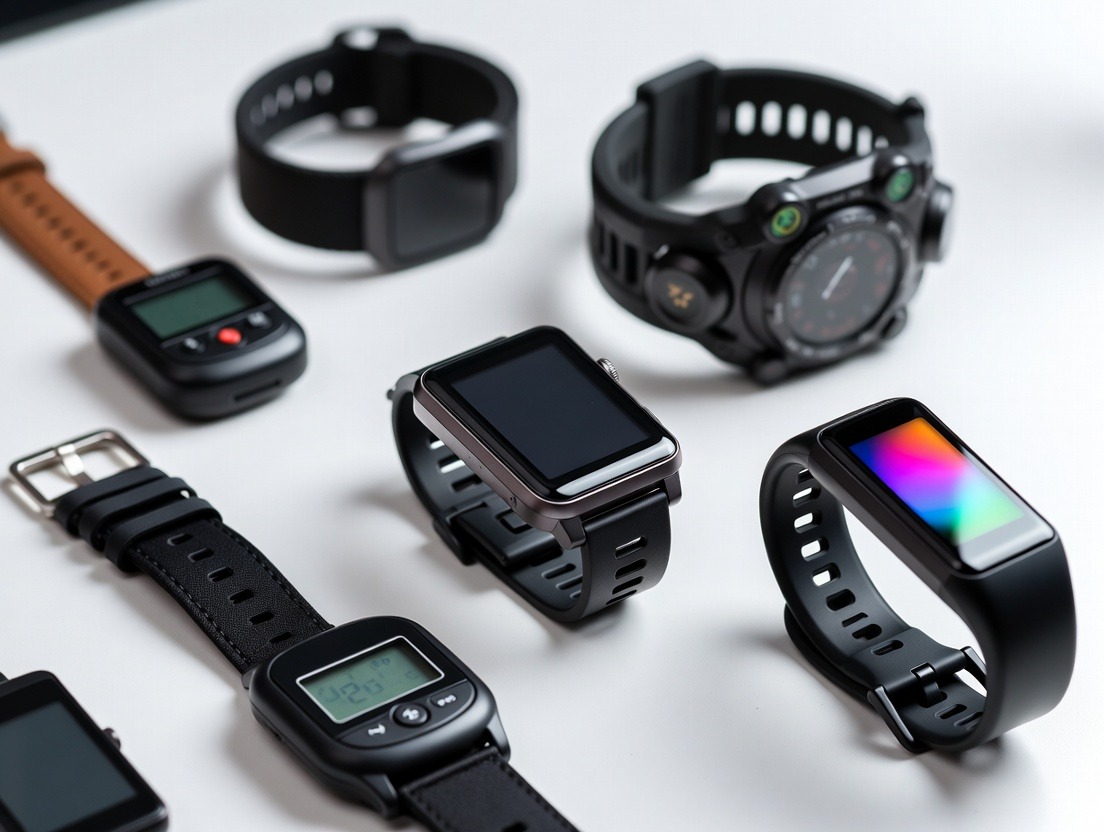
The current capabilities of smart rings are impressive, but they are merely the foundation. The trajectory of innovation points toward a future where the line between consumer wellness and clinical-grade monitoring will continue to blur, driven by advancements in sensor technology, algorithmic intelligence, and system integration. Here’s a glimpse at the horizon.
Next-Generation Biometric Sensing.
Research and patent filings hint at the sensors of tomorrow:
Advanced Algorithmic Horizons: Predictive and Prescriptive AI.
Beyond describing your current state, future algorithms will aim to predict your future state and prescribe actions.
Seamless Ecosystem Integration and the "Digital Twin."
The ring will cease to be a standalone device and become the primary biometric input for a personal "digital twin"—a comprehensive, dynamic software model of your health.
Regulatory and Clinical Validation Expansion.
The number of FDA-cleared or CE-marked features on smart rings will multiply. We can expect clearances for:
The future smart ring aims to be an always-on, AI-powered health guardian. Its goal is not to make us slaves to data, but to make health management so effortless, contextual, and predictive that it fades into the background, gently guiding us toward sustainable well-being and freeing up mental space for a more minimalist, restful, and intentional life.
With a crowded market of options—Oura, Ultrahuman, RingConn, Circular, and more—choosing a smart ring is no simple task. It’s a personal health tech investment. The “best” ring is not a universal answer; it’s the one whose strengths align perfectly with your primary wellness objectives and personal preferences. This guide will help you navigate the key decision points.
Step 1: Define Your "North Star" Metric.
What is the single most important insight you want?
Step 2: Scrutinize the App & Algorithm Ecosystem.
The hardware is similar; the software is where brands differentiate.
Step 3: Evaluate the Practicalities.
Step 4: Align with Your Tech Ecosystem.
The Final Filter: Your Intuition.
After the analysis, listen to your gut. Which company’s philosophy resonates with you? Is it a brand focused on performance through rest for high-achievers, or one with a gentler, more holistic wellness approach? The right device should feel like a supportive partner in your health journey, not a demanding overseer. It should empower your unique path to restful living, not dictate a rigid one.
A smart ring is a powerful tool, but it is not the philosophy itself. It is the compass, not the destination. The ultimate goal is not to achieve a perfect sleep score of 90 every night, but to use the data to cultivate a deeper, more intuitive, and sustainable approach to well-being—what we can call a Restful Living Philosophy. This philosophy uses data as feedback, not as a master, to inform choices across all domains of life.
The Data-Informed Feedback Loop.
The ring creates a powerful biological feedback mechanism:
Applying Insights Across Life Domains.
The ring’s data shouldn’t live in a health app silo. It should inform decisions in:
Transcending the Numbers: Cultivating Embodied Wisdom.
The final, most important stage is to use the ring to reconnect with your body’s innate signals, not to replace them. Over time, as you see how “feeling wired but tired” correlates with high stress and low HRV, you begin to recognize that feeling in your body without needing the app. The data trains your intuition.
In this holistic view, the smart ring is the training wheels for a more attuned, restful, and resilient life. It provides the objective evidence that rest is not idleness, but the fundamental ground from which all performance, creativity, and joy grow. It helps you design a life that doesn’t deplete you, but sustains and replenishes you, day after day, season after season.
Your Trusted Sleep Advocate: Sleep Foundation — https://www.sleepfoundation.org
Discover a digital archive of scholarly articles: NIH — https://www.ncbi.nlm.nih.gov/
39 million citations for biomedical literature :PubMed — https://pubmed.ncbi.nlm.nih.gov/
Experts at Harvard Health Publishing covering a variety of health topics — https://www.health.harvard.edu/blog/
Every life deserves world class care :Cleveland Clinic - https://my.clevelandclinic.org/health
Wearable technology and the future of predictive health monitoring :MIT Technology Review — https://www.technologyreview.com/
Dedicated to the well-being of all people and guided by science :World Health Organization — https://www.who.int/news-room/
Psychological science and knowledge to benefit society and improve lives. :APA — https://www.apa.org/monitor/
Cutting-edge insights on human longevity and peak performance:
Lifespan Research — https://www.lifespan.io/
Global authority on exercise physiology, sports performance, and human recovery:
American College of Sports Medicine — https://www.acsm.org/
Neuroscience-driven guidance for better focus, sleep, and mental clarity:
Stanford Human Performance Lab — https://humanperformance.stanford.edu/
Evidence-based psychology and mind–body wellness resources:
Mayo Clinic — https://www.mayoclinic.org/healthy-lifestyle/
Data-backed research on emotional wellbeing, stress biology, and resilience:
American Institute of Stress — https://www.stress.org/


