


Smart Ring Features Explained: Airplane Mode and Connectivity
Explains connectivity modes that can extend battery life or be used during air travel.
Explains connectivity modes that can extend battery life or be used during air travel.
%402x.svg)
In the quiet hum of a modern life, our quest for balance has become a central theme. We seek performance without burnout, connection without overload, and insight without intrusion. Enter the smart ring, an unassuming piece of technology worn on your finger that promises to be the ultimate companion in this journey. More discreet than a watch and more intimate than a phone, it is a persistent, gentle observer of your body’s rhythms—tracking sleep, stress, activity, and recovery. But to be a true partner in wellness, it must master two seemingly opposing forces: constant, insightful connectivity and the profound need for intentional disconnection. This is where two of its most critical, yet often misunderstood, features come into play: Airplane Mode and the suite of connectivity options.
At first glance, Airplane Mode on a ring might seem like a niche function for occasional flyers. Conversely, its Bluetooth or NFC connectivity might appear as just a simple data-transfer mechanism. This perception is a profound underestimation. In reality, these features are the yin and yang of the device’s philosophy. They are the gatekeepers of your data, the guardians of your battery, the protectors of your focus, and the silent enablers of a holistic health strategy. Connectivity brings the data to life, transforming raw biometrics into actionable wisdom on your phone. Airplane Mode, however, is an act of reclaiming space—for longer battery life, for uninterrupted sleep tracking away from electronic noise, or for a conscious digital pause.
This deep dive will unravel the layers of these essential features. We will explore not just the “how,” but the “why.” Why would you, in your pursuit of optimal health, actively choose to disconnect your most personal health device? How does the method of connection impact the fidelity of your health data? We’ll journey through the technical foundations, the practical applications in daily rituals, and the profound implications for a concept known as restful living. In a world of constant pings, mastering the on/off switch on your finger might just be the most modern form of self-care. It’s about leveraging technology to understand your body, then using that same technology’s off-ramp to give your mind the peace it craves. The ultimate smart ring doesn’t just connect you to your data; it thoughtfully disconnects you from the noise, enabling a more measured, intentional, and restful life.
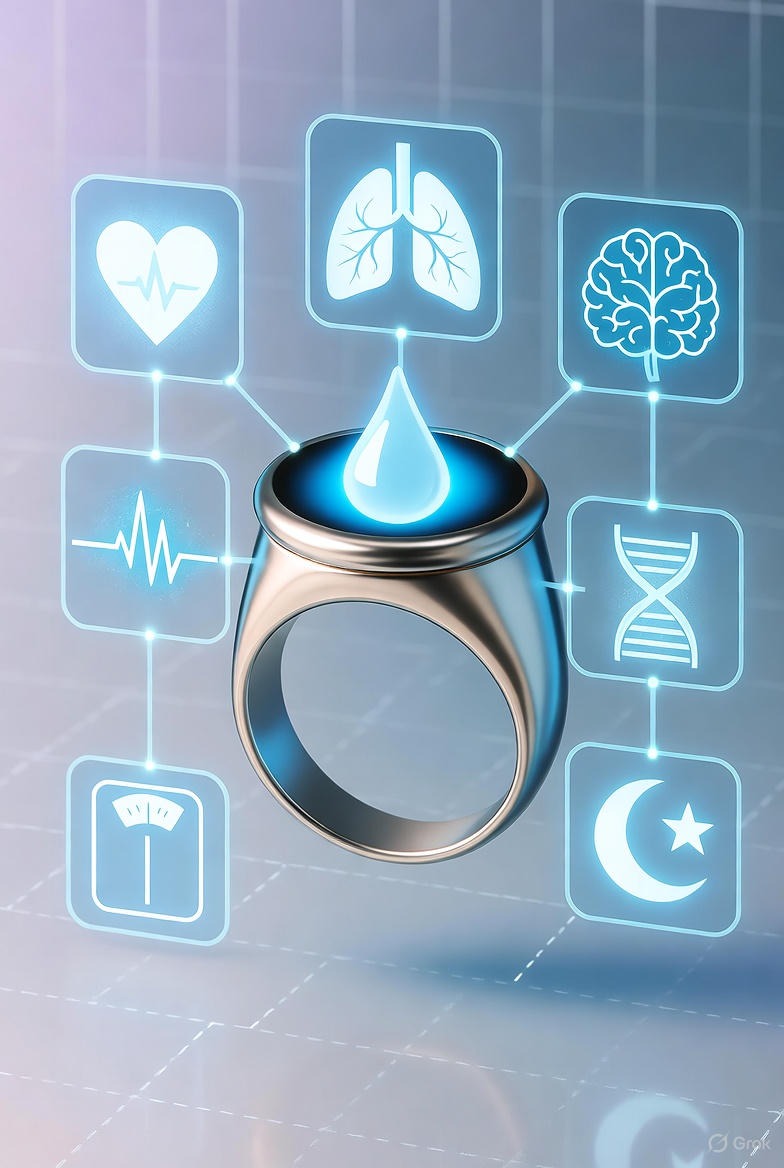
Before we can appreciate the power of disconnection, we must first understand the sophisticated symphony of connections that make a smart ring intelligent. It’s easy to see the ring as a solitary object, but it functions as the central node in a personal-area network, silently conducting data between your body and the digital world. This connectivity isn’t a single function; it’s a multi-layered system designed for efficiency, accuracy, and seamless integration into your life.
At its heart, the primary conduit is Bluetooth Low Energy (BLE). This is the workhorse, the unsung hero that differentiates modern wearables from their power-hungry predecessors. BLE is engineered to transmit small packets of data—like heart rate variability, skin temperature, and movement—using a fraction of the energy of classic Bluetooth. Think of it as a gentle, constant whisper between your ring and your smartphone, rather than a shouted conversation. This allows your ring to collect data 24/7 and sync it in the background when your phone is in range, all while preserving that crucial battery life for days or weeks on a single charge. Without BLE, the constant, non-intrusive monitoring that defines the smart ring experience would be impossible.
But connectivity goes beyond simple syncing. For many rings, Near-Field Communication (NFC) adds a layer of utility, transforming your jewelry into a digital key. This is the technology behind contactless payments (like Oxyzen’s upcoming secure payment feature) or programmable tags to launch routines. It’s a short-range, instant connection that adds a dimension of practical daily function. Furthermore, some advanced rings are exploring direct Wi-Fi connectivity or cellular links. These allow for independent data uploads when your phone isn’t nearby, ensuring a travel day or a forgotten phone doesn’t create a gap in your health timeline. This web of connections creates a robust infrastructure for your wellness data, ensuring it flows from sensor to insight without you ever having to think about it.
However, this constant state of potential connection requires careful management. The ring’s software is constantly making micro-decisions: Is the phone nearby? Should I sync now or batch this data for later? Is the signal strong enough for a stable transfer? This background management is what makes the user experience smooth. But it also consumes energy and creates a tiny, persistent electronic signature. Understanding this hidden world of data handshakes and silent communication is key to mastering your device. It allows you to make informed choices about when to let this symphony play and when to lower the conductor’s baton, ushering in silence through Airplane Mode for the sake of battery, privacy, or pure mental calm. In fact, managing this digital footprint is a core tenet of how digital detox enhances restful living, a practice that begins with controlling the devices closest to you.
The term “Airplane Mode” is a relic of aviation regulation, but on a smart ring, its utility soars far beyond the cabin. It is, in essence, a master switch for the ring’s radios—a single command that disables Bluetooth, NFC, and any other wireless transmission capabilities. While its original purpose was to prevent potential interference with aircraft systems, its modern application is a powerful tool for personal device management, energy conservation, and psychological space. Enabling it is a deliberate act of creating a digital bubble around your most personal wearable.
The most immediate and practical benefit is dramatic battery preservation. Every broadcast, every search for a paired phone, every handshake protocol consumes a small amount of power. Over 24 hours, this adds up. By switching to Airplane Mode, you suspend all these background processes. For example, during a long sleep session, turning on Airplane Mode can reduce the ring’s battery drain by 20-30%, easily extending its life by a full day or more. This is invaluable during travel, camping trips, or any situation where a charger isn’t accessible. You’re not just saving battery; you’re ensuring your health tracker remains operational for its core purpose—collecting data—even when it can’t immediately share it.
Secondly, Airplane Mode serves as a bastion of privacy and data control. In a world increasingly aware of digital footprints, the ability to halt all wireless emissions is comforting. While the data on your ring is encrypted and personal, some users prefer absolute certainty. Enabling Airplane Mode guarantees that no data is transmitted, and the ring becomes a purely offline data logger. This can be particularly relevant in sensitive environments or for those who practice stringent digital hygiene. It places you in complete control of when and where your biometric data leaves the device.
Finally, and perhaps most profoundly for holistic wellness, Airplane Mode is a tangible ritual for intentional disconnection. Just as you might leave your phone in another room to read a book, putting your smart ring into Airplane Mode is a conscious commitment to be present. It allows you to benefit from the ring’s passive sleep or activity tracking without the subconscious awareness that it is “talking” to another device. This physical action of disabling connectivity mirrors the mental action of setting a boundary, making it a practical tool for anyone building a restful living practice. It’s a small step toward reclaiming attention, reducing the invisible pull of the network, and creating space for genuine offline restoration, a concept deeply explored in our guide on restful living boundaries for protecting your energy.
The magic of the smart ring unfolds not on your finger, but on your smartphone’s screen. That transformation of raw physiological signals into elegant charts and actionable advice hinges on one critical process: the sync. This is the lifeline of your wellness journey, the bridge between isolated data points and meaningful, long-term trends. Understanding how this sync works—its triggers, its requirements, and its potential hiccups—empowers you to ensure a seamless flow of insight.
A sync is typically initiated automatically in the background when two conditions are met: the ring’s Bluetooth radio is active, and it is within range (usually about 10 meters or 30 feet) of your paired smartphone with its companion app open or running in the background. The ring, acting as a sophisticated data logger, stores hours or even days of compressed biometric information. When it senses your phone, it establishes a secure BLE connection and begins transferring this batched data in efficient packets. This process is designed to be silent and swift; a few seconds of proximity is often enough to sync hours of sleep data. Most apps also offer a manual “pull-to-sync” or “sync now” option within the app interface, giving you direct control if you want to see the latest data immediately.
The sync process does more than just move numbers. It is where the heavy computational lifting occurs. The raw photoplethysmogram (PPG) signal from the ring’s optical heart rate sensor, the accelerometer data for movement, and the readings from the temperature sensor are all processed by more powerful algorithms on your phone or in the cloud. This is where sleep stages (light, deep, REM) are identified, where stress scores are calculated from heart rate variability, and where recovery metrics are synthesized. The ring collects; the app interprets. This division of labor is key to the ring’s efficiency and battery life.
However, this lifeline can be fragile. Common sync issues often stem from Bluetooth interference (from crowded Wi-Fi routers, other devices, or physical obstacles), power-saving modes on the smartphone that aggressively kill background app activity, or simply having the phone out of range for an extended period. A best practice is to establish a daily sync ritual—perhaps when you’re charging your phone in the morning, you make a point of opening the wellness app to ensure a clean data transfer. This simple habit guarantees your dashboard is always up-to-date, providing a reliable foundation for the kind of structured, data-informed wellness planning discussed in the weekly restful living plan for sustainability. A consistent sync routine turns sporadic data points into a coherent, actionable health narrative.
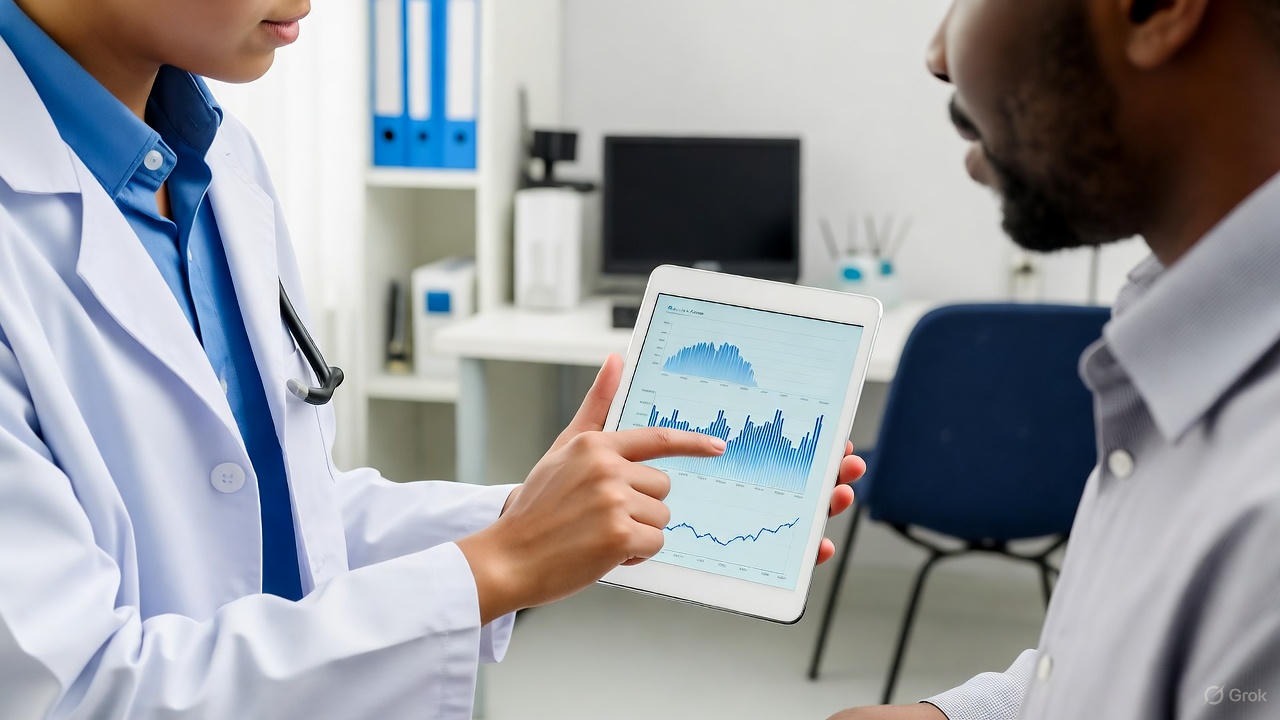
Battery anxiety plagues modern electronics, and a device as small as a smart ring faces the ultimate engineering challenge: packing maximum performance into minimal space with a tiny battery. This is where Airplane Mode transitions from a niche feature to a cornerstone of strategic device management. It is the single most effective user-controlled action for extending the operational life of your ring between charges, transforming it from a daily concern to a weekly or bi-weekly companion.
The power drain of constant connectivity is often underestimated. Even in its low-energy state, the Bluetooth radio must periodically “wake up,” broadcast a signal to check for its paired device, and maintain a link. This “listening” state, while efficient, is cumulative. In a typical 24-hour period with normal connectivity, this background activity can account for a significant portion of the ring’s total energy expenditure. By activating Airplane Mode, you are effectively telling the ring to stop listening and stop speaking. It can then devote nearly all its available power to its primary missions: running its sensors, collecting data, and storing it locally. In practical terms, this can turn a 5-day battery life into a 7-day battery life—a 40% extension from a single setting change.
The strategic application of this is key. Consider these scenarios:
This approach to energy management mirrors a broader philosophy of intentional resource allocation. Just as you manage your personal energy by saying no to non-essential tasks, you manage your device’s energy by disabling non-essential functions. It’s a practical lesson in conservation that aligns with the principles of how minimalism enables restful living—stripping away the superfluous to focus energy on what truly matters. Mastering your ring’s battery through Airplane Mode isn’t just about gadget upkeep; it’s a small, daily practice in mindful efficiency.
Sleep is the cornerstone of recovery, and the smart ring’s ability to provide detailed, unobtrusive sleep analysis is one of its most valued features. However, the very device tracking your quest for perfect sleep can be subtly compromised by the digital environment it operates in. This is where Airplane Mode becomes not just a battery-saver, but a potential enhancer of data purity and a guardian of your sleep sanctuary.
The primary benefit is the elimination of all RF (Radio Frequency) emissions right on your body. While the science is not conclusive on the health effects of low-level RF, a principle of precaution for something as sensitive as sleep is understandable. More tangibly, it prevents any possibility of a Bluetooth-related disruption. Though rare, a poor connection attempt or interference could theoretically cause a minute spike in the ring’s internal processes, which might be misinterpreted by its sensitive accelerometer as micro-movement. In the world of sleep staging, where algorithms differentiate between deep sleep and REM based on exquisite movement detail, removing any potential source of “noise” is a good practice. The goal is to record only your biology, not your ring’s electronics.
Furthermore, using Airplane Mode during sleep severs the last digital tether for many users. Your phone is likely on Do Not Disturb and charging across the room. By also disabling your ring’s connectivity, you create a truly offline perimeter around your rest. This psychological effect is non-trivial. The subconscious awareness of being “linked” can be a subtle stressor. The act of enabling Airplane Mode becomes a ritual, a final signal to your nervous system that you are entering a period of protected, disconnected rest. It’s a physical affirmation of your commitment to sleep hygiene, directly supporting the neurobiological calm needed for restorative sleep, which is a foundation of the connection between restful living and longevity.
Practically, the routine is simple. After putting on your ring for the night, open the companion app on your phone and tap “Enable Airplane Mode” on the ring’s control screen. In the morning, when you pick up your phone, disable Airplane Mode (often with a single tap in a notification or widget) to allow the night’s rich data to sync. This two-step habit ensures you get the most accurate, efficient, and psychologically clean sleep tracking possible, making your ring a more effective partner in your journey toward restful living through consistent, high-quality sleep.
In an era of fractured attention, the ability to focus is a superpower. We declutter our desks, use app blockers, and practice Pomodoro techniques, yet we often overlook the silent digital emissaries we wear. A connected smart ring, while passive, is part of your network’s ecosystem. Choosing to activate Airplane Mode during deep work or cherished offline time is a powerful, subtle cue to your brain, enhancing both productivity and the quality of your presence.
During a period of intense concentration—writing a report, analyzing data, coding, or creating art—every unnecessary notification or background process is a potential thief of cognitive bandwidth. While your ring won’t ping you, its active Bluetooth connection represents an open channel, a sub-threshold awareness that you are “linked” to the digital mesh. By switching it to Airplane Mode, you close that channel. This deliberate act of simplification reduces cognitive load. It’s one less variable, one less potential source of interruption (even if only in your mind). The ring reverts to a simple biomonitor, a silent observer that is not in conversation with the outside world. This creates a cleaner mental environment for flow state to emerge, a principle that high-performing individuals are increasingly adopting, as seen in strategies for restful living for high-achievers who leverage rest for performance.
The application extends beyond solitary work. Consider using Airplane Mode during:
This strategic disconnection isn’t about rejecting technology; it’s about harnessing it with precision. It allows the tool to serve your goal of deep focus without adding its own layer of potential interference. By mastering this toggle, you transform your smart ring from a mere tracker into a conscious ally in your pursuit of meaningful, uninterrupted engagement with the task—or person—at hand.
Travel disrupts routines, challenges sleep, and introduces a host of variables to your wellness metrics. In this context, your smart ring becomes an even more valuable companion, helping you understand jet lag, travel stress, and recovery. However, travel also presents unique challenges for a connected device: limited power access, frequent changes in environment, and the need for simplified management. This is where a masterful understanding of Airplane Mode and connectivity turns your ring into a resilient travel partner.
First, compliance and convenience during flights is the classic use case. While modern aircraft systems are largely immune to wearable signals, flight crew instructions are clear: all electronic devices must be in Airplane Mode during certain phases of flight. Having easy, app-based control to switch your ring into compliance is essential. But the real travel hack begins once you’re airborne. With your phone and ring both in Airplane Mode, the ring can track the physiological stress of the flight—changes in cabin pressure, dehydration, and immobility—with maximal battery efficiency. You’re collecting a valuable dataset on your body’s response to travel without draining power.
Upon landing, the strategy shifts. In unfamiliar cities, Bluetooth connectivity can be less reliable due to crowded RF environments. You may also be consciously trying to limit data roaming on your phone. Here, a practice of “scheduled syncing” is ideal. Keep your ring in Airplane Mode as you explore. When you return to your hotel or accommodation, connect your phone to Wi-Fi, disable Airplane Mode on your ring for 5-10 minutes to let it sync the day’s activity and stress data, then re-enable it. This ensures you maintain your health timeline without constant battery drain from your ring searching for a lost phone connection in a foreign subway.
Finally, travel is a profound test of restful living principles. The disruption to sleep, diet, and routine can be taxing. Your ring’s data becomes crucial feedback. By using Airplane Mode strategically to preserve battery, you guarantee it’s always tracking, providing you with objective insights into your sleep quality in a new time zone or your stress levels during a hectic itinerary. This data allows you to make adjustments, perhaps by prioritizing a wind-down routine or finding time for a calming walk. It turns your ring into the core tool for maintaining calm on the go, as outlined in the restful living travel guide, using disconnection to ensure it has the power to guide your reconnection to well-being throughout the journey.
In the digital age, data is currency, and biometric data is among the most personal currency there is. Your heart rate variability, sleep patterns, and stress profile form a unique physiological fingerprint. Smart ring users are rightly concerned with how this data is handled, transmitted, and stored. The connectivity features and Airplane Mode are, at their core, the user’s direct interface for controlling the flow of this intimate information, putting tangible power over privacy in your hands.
When your ring is in its normal connected state, data is encrypted and transmitted to your smartphone via BLE. From there, it is typically uploaded to secure cloud servers for long-term storage, advanced analysis, and backup. Reputable companies treat this data with stringent security protocols, anonymizing and aggregating it for service improvement. However, the principle of localized control is paramount. Airplane Mode is the ultimate expression of this principle. When enabled, it slams the door shut on transmission. No data—not a single heartbeat—leaves the ring. It remains stored locally on the device’s memory until you choose to re-open the connection and sync. This is crucial for individuals in high-security professions, those with specific privacy philosophies, or anyone wanting absolute certainty during sensitive times.
This control extends to social and personal contexts. You may not want your live stress score syncing during a difficult conversation, or your workout data uploading in real-time at the gym. Airplane Mode allows you to pause the external broadcast of your internal state. It lets the ring be a private journal of your body, only to be shared with your app when you’re ready. This aligns with a broader movement toward digital autonomy, where users dictate the terms of their engagement with connected technology.
Understanding this empowers you to use your device with confidence. You can enjoy the benefits of cloud-based insights and long-term trend analysis, knowing you have a physical off-switch for your data stream at any moment. This balance—between leveraging connected insights and asserting offline autonomy—is fundamental to a trusting relationship with your wearable. It ensures the technology serves you on your terms, protecting your personal biometric sanctuary and supporting a sense of safety that is essential for genuine restful living and improved relationships, as a secure sense of self extends to calmer interactions with others.
Even the most elegant technology can encounter hiccups. A failed sync or a lost Bluetooth pairing can fracture the continuity of your health data, causing frustration and gaps in your insight. Rather than being a sign of a flawed device, these are often simple issues with straightforward solutions. Understanding the common culprits and their fixes will make you a proficient user, ensuring your ring’s lifeline to your insights remains robust and reliable.
The most frequent issue is the “Ring Not Found” or “Unable to Sync” error. The diagnostic path usually starts with the basics:
If problems persist, you may need to repair the ring to your phone. This is done in your phone’s Bluetooth settings by “forgetting” the ring device, and then in the ring’s app by initiating a new pairing process. This establishes a fresh connection from the ground up. It’s also important to check your phone’s app-specific battery settings. Both Android and iOS have aggressive power management that can prevent the ring’s app from running in the background. You must explicitly set the app’s permissions to “Unrestricted” or “Allow Background Activity” to enable continuous syncing.
When troubleshooting, view the connection as a conversation between two devices. If the conversation is failing, you check if both parties are awake, speaking the same language, and free from loud noise. This systematic approach not only solves the immediate problem but also deepens your understanding of your device’s ecosystem. A reliable technical foundation is what allows the higher-order benefits of the ring—like managing travel stress or supporting work focus—to shine through. After all, a tool you can trust to work seamlessly becomes an invisible support system, freeing your mental energy for the practices that truly matter, such as exploring foods that calm your nervous system or other pillars of a restful living diet, rather than fussing with technology.

The current landscape of smart ring connectivity—centered on Bluetooth LE and punctuated by Airplane Mode—is merely the first chapter. As sensor technology miniaturizes and on-device processing power grows, the very nature of how rings connect and communicate is poised for a revolution. The future points toward greater autonomy, richer contextual awareness, and more seamless integration into our personal ecosystems, all while offering users more granular control over their data and digital presence.
A key direction is the move toward greater on-device processing and intelligence. Future rings will house more powerful microprocessors capable of performing preliminary health analysis directly on the ring. Instead of sending raw PPG data for cloud processing, the ring might send only summarized findings: “45 minutes of deep sleep,” “a 20-minute period of high stress at 3 PM,” or “detected atrial fibrillation episode.” This “edge computing” model enhances privacy (less raw data transmission), speeds up insights, and further reduces power consumption by minimizing the amount of data that needs to be broadcast.
Secondly, we will see the adoption of new, specialized wireless protocols. Technologies like Ultra-Wideband (UWB) could allow for precise spatial awareness, enabling your ring to act as a digital key for your car or smart home with pinpoint accuracy, or to automatically control devices as you move through rooms. Furthermore, direct Low-Power Wide-Area Network (LPWAN) connectivity, like LTE-M, could allow rings to transmit emergency health alerts or critical data independently of a smartphone, a vital feature for senior safety or remote adventurers.
Perhaps most importantly, the user interface for control will evolve. The binary toggle of Airplane Mode may give way to context-aware, automated connection profiles. Using machine learning, the ring could learn your routines: it might automatically disable non-essential radios during your known sleep window, enable secure payment NFC as you approach a grocery store, or boost sync priority after a workout. You would set overarching privacy and battery goals, and the ring would manage the details intelligently. This represents the ultimate maturation of these features: a shift from manual management to a collaborative partnership, where the ring handles the complexities of connectivity to support your uninterrupted restful living through the seasons, adapting seamlessly to your changing contexts and needs, all while protecting your energy and data as its core directives.
Understanding the technical mechanics of Airplane Mode and connectivity is one thing; weaving them intentionally into the fabric of your daily life is where their true power is unlocked. This is not about sporadically flipping a switch, but about cultivating a mindful relationship with technology where you, not the device, dictate the terms of engagement. The smart ring, in its ideal form, should oscillate between being a insightful sentinel and a silent stone—a tool that amplifies your awareness before gracefully receding into the background.
This conscious integration begins with recognizing your own rhythms. Your body and mind have natural cycles of engagement and disengagement, of focus and restoration. Your smart ring’s settings should dance to this same rhythm. By creating simple, personalized rituals around connectivity, you transform a technical feature into a behavioral keystone for modern wellness. It’s about using the ring’s capabilities to reinforce boundaries, protect your attention, and honor your need for undisturbed recovery. This practice moves beyond gadget management into the realm of self-care, where controlling your micro-electronics becomes a metaphor for managing your macro-energy. Let’s explore how to build these rituals, making the smart ring a dynamic partner in a balanced, intentional life.
A protocol is a set of rules designed to achieve optimal results. Just as an athlete follows a training and nutrition protocol, you can design a personal connectivity protocol for your smart ring. This isn’t about rigidity, but about creating a default framework that serves your goals, eliminating daily decision fatigue. Your protocol will answer the question: “When should my ring be connected, and when should it be offline?”
Start by auditing your daily and weekly routines. Map out the pillars of your day: sleep, deep work, focused activity, social time, travel, and restoration. Assign a connectivity status to each. For example:
Next, leverage your smartphone’s automation tools. Both iOS (Shortcuts) and Android (Bixby Routines, Tasker) allow you to create automated workflows. You can build a “Good Night” shortcut that, when tapped, not only sets your phone to Do Not Disturb but also sends a command to your ring’s app to enable Airplane Mode. Conversely, a “Good Morning” shortcut can disable it and trigger a sync. You can even set location or time-based automations: “When I arrive at the office, ensure ring connectivity is normal for syncing.” “At 10 PM, if the ring is on my finger, enable Airplane Mode.”
Finally, establish manual checkpoint rituals. Automation is fantastic, but a mindful manual action can be more powerful. The simple, conscious act of opening your wellness app and tapping “Airplane Mode” before bed is a potent signal to your brain. Make syncing a mindful ritual, too. Instead of letting it happen invisibly, perhaps once a day—while your morning coffee brews—open the app, watch the sync complete, and briefly review your readiness score or sleep data. This turns data into deliberate reflection, not passive consumption. This structured yet flexible approach to technology management is a practical application of building sustainable structure, a core idea within a weekly restful living plan.
Our wellness is not lived in a vacuum; it unfolds in offices, gyms, cafes, and homes shared with others. In these social contexts, the connectivity and privacy features of your smart ring take on an added layer of consideration. It’s about navigating the subtle etiquette of wearable tech—balancing your personal data journey with the shared environment and the perceptions of those around you.
In shared workspaces or meetings, the discretion of a smart ring is a major advantage over a smartwatch that can visibly light up or buzz. However, your own relationship to the data matters. If you’re in a high-stakes negotiation or a sensitive conversation, you might not want the ring to be actively syncing stress data, even if only you can see it. Engaging Airplane Mode in such settings ensures your private biometric reactions remain entirely private and aren’t even temporarily cached on a phone in your pocket. It’s a gesture of full presence, both technologically and psychologically. This aligns with the principle of using boundaries to foster better interactions, as discussed in the context of how restful living improves relationships and mood.
The gym or fitness studio presents a different scenario. Here, connectivity is often desirable. You might want your heart rate or workout intensity synced live to your phone on the treadmill display. In this case, normal connectivity is key. However, be aware of crowded Bluetooth environments where interference might occur. If you notice inconsistent data, it might be due to the dozens of other wearables and phones in the room. A post-workout manual sync initiation can often resolve any gaps.
Perhaps the most nuanced space is the home with family or a partner. If others are curious about your ring, it can be a wonderful conversation starter about health and technology. But it can also raise questions about data sharing. Does your partner wonder if you’re tracking their sleep when you share a bed? A simple, transparent conversation clarifies that these devices are calibrated for the wearer and the data is personal. Using Airplane Mode during intimate or relaxed family time, even if just as a personal ritual, can reinforce that the device is there to serve your shared value of presence, not to intrude upon it. Managing this social dimension thoughtfully ensures your wellness tool enhances your life without creating unintended friction in your connections.
The discipline of strategically using Airplane Mode on your smart ring is a microcosm of a much larger, more vital life skill: the conscious management of your entire digital ecosystem. Your ring is a training ground. The mindfulness you cultivate in deciding when it should listen and speak can—and should—ripple out to your smartphone, laptop, tablet, and smart home devices. This expands the feature from a simple toggle to a governing philosophy for living with technology in the 21st century.
Start by conducting a “radio audit” on your primary device: your smartphone. How many of its radios need to be on at all times? Beyond Bluetooth for your ring, consider Wi-Fi, Cellular Data, Location Services, and NFC. Just as your ring doesn’t need to broadcast during sleep, your phone likely doesn’t need precise location tracking overnight. Adopting a layered approach to disconnection is powerful. Your phone’s built-in “Focus” or “Do Not Disturb” modes are the first layer, silencing notifications. The next layer is disabling connectivity for specific apps. The final, deepest layer is the device-wide Airplane Mode, creating total radio silence. Practicing this with your phone, perhaps during a weekend morning or an evening wind-down, compounds the mental quiet you initiate with your ring.
Apply this philosophy to your environment. The “smart” in smart home shouldn’t mean “always listening and broadcasting.” Schedule your Wi-Fi router to turn off at night. Consider the necessity of that always-connected voice assistant in the bedroom. Create zones in your home—a bedroom, a reading nook—that are designated as low-EMF or digitally quiet spaces. Your ring, in Airplane Mode, becomes the perfect companion for these zones, tracking your calm without contributing to the electronic smog.
This holistic approach turns digital management from a chore into a curatorial practice. You are curating your informational and energetic intake. You decide what gets through, and when. This is the essence of a large-scale digital detox, which is proven to profoundly enhance restful living. By starting with the intentionality behind your ring’s Airplane Mode, you build the mental muscle and the practical habit to reclaim sovereignty over your entire attention economy, fostering a deeper, more sustained sense of peace.
In the pursuit of health insights, data is king. But not all data is created equal. The value lies in accurate, clean, and contextually relevant data. Paradoxically, one of the best ways to ensure the integrity of the data your smart ring collects is to periodically disconnect it from the network. Airplane Mode, by simplifying the ring’s operational state, can remove variables that might introduce “noise” or artifact into the sensitive biometric readings.
Consider the power management theory. When a device is managing multiple processes—sensor collection, internal processing, and wireless transmission—there is a finite pool of electrical power and processor attention. While engineered to prioritize sensor data, extreme scenarios like a low battery or a struggling Bluetooth connection could, in theory, force the device to make micro-compromises. By turning off the radios, you dedicate 100% of the device’s resources to its primary task: measurement. This is akin to closing all other applications on your computer before running a demanding, precise simulation. You get a cleaner run of the core function.
Furthermore, wireless interference is a real, though often subtle, phenomenon. The Bluetooth spectrum (2.4 GHz) is crowded, shared with Wi-Fi, microwaves, and other devices. While shielded and engineered against interference, a powerful or close-proximity RF source could theoretically induce minute electrical noise in the ring’s circuitry. For sensors measuring millivolt changes in your capillaries or minute temperature fluctuations, any reduction in potential electronic noise is a benefit. Airplane Mode creates a Faraday cage of sorts at the device level, isolating it from all RF input and output. This guarantees the signals it records are purely biological in origin.
This pursuit of clean data is not just for engineers; it has a direct user benefit. More accurate raw data leads to more reliable algorithm outputs. Your sleep staging, stress score, and recovery metrics become more trustworthy. This allows you to make better-informed lifestyle decisions. If you’re experimenting with a new diet aimed at calming your nervous system, you want to trust that improvements in your nightly HRV are reflections of your new restful living diet, not artifacts of a glitchy connection. By using Airplane Mode during key tracking periods (especially sleep), you are investing in the fidelity of your personal health dataset, ensuring the insights you rely on are built on the most solid foundation possible.
A connected smart ring is a conduit for information, and that flow isn’t just one-way (from your body to the app). For many devices, it can also be a channel for gentle, haptic notifications from your phone—calls, messages, or app alerts delivered as a subtle vibration on your finger. This feature sits at the crossroads of connectivity and mindfulness, offering both utility and a potential new frontier for distraction. Managing this aspect is crucial for ensuring the ring supports, rather than sabotages, your focus and calm.
First, evaluate the utility vs. intrusion ratio. A vibration alert for an incoming call when your phone is in your bag can be genuinely useful. An alert for every single email or social media notification, however, transforms your ring into a new, more intimate source of interruption. The goal is to leverage the connection for meaningful alerts, not to replicate the notification hell of your smartphone on your finger. Most companion apps allow you to customize which phone notifications are passed through to the ring. Be ruthless in this curation. Allow only high-priority contacts (family, key colleagues) and critical apps (calendar, maybe your mindfulness timer).
This leads to the concept of context-aware notification profiles. This is where your personal connectivity protocol integrates with alerts. You might create a “Focus” profile where the ring is connected for data syncing, but notification forwarding is completely disabled. Your “Sleep” profile (with Airplane Mode on) would, by definition, have all notifications silenced. Your “General” profile might allow calls and texts only. By thinking of notifications as a distinct layer of connectivity that can be filtered, you harness the ring’s ability to keep you minimally informed without constantly pulling at your attention.
Ultimately, this careful management turns your ring into a filter for your conscious attention. It becomes a gatekeeper, letting through only what is truly important and time-sensitive, while buffering you from the endless digital stream. This practice is a direct training ground for the mental discipline of setting boundaries to protect your energy. Every time you feel the ring vibrate with a curated, important alert, it reinforces the value of the filter. You’re training yourself to associate the sensation with significance, not with anxiety. This transforms the ring from a potential stressor into a tool for intentional engagement, ensuring its connection to your phone serves your priorities, not the other way around.
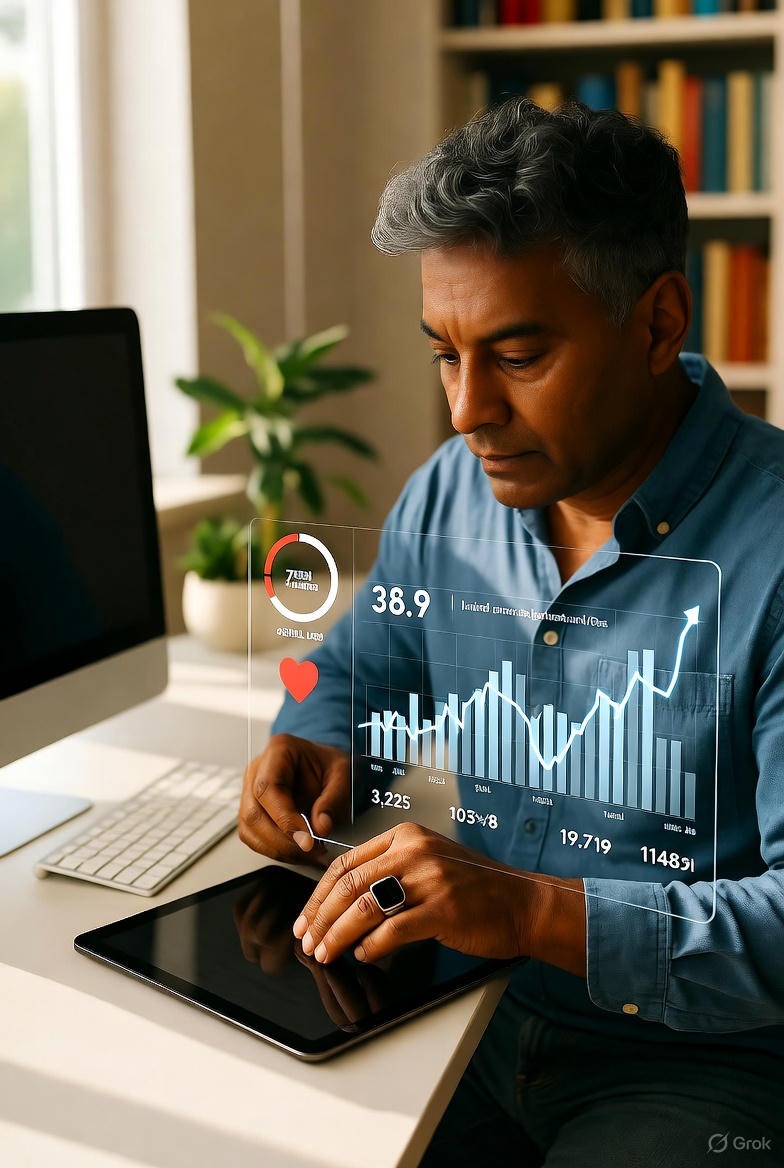
The true magic of a health wearable isn’t in the daily score, but in the long-term trend line. That marathon of data, spanning months and years, reveals the subtle story of your body—how it responds to aging, lifestyle changes, stress cycles, and recovery practices. The reliability of this decades-long narrative hinges entirely on the consistent, uninterrupted flow of data from your finger to your long-term storage. Connectivity, therefore, isn’t just a daily convenience; it’s the archivist of your lifelong health story, and Airplane Mode plays a supporting role in keeping that archivist powered and precise.
Consistent syncing is the non-negotiable foundation. Gaps in data create blind spots. If your ring fails to sync for a week due to travel or a forgotten phone, that week is lost to the trend analysis. Those might be the very days that showed your unique response to a vacation or an illness. Establishing a failsafe sync ritual—like syncing every morning as you charge your phone—ensures your life’s biometric diary has no missing pages. This consistent record allows advanced algorithms to establish your personal baselines with incredible accuracy, making deviations more meaningful and actionable.
Within this long-term stream, Airplane Mode serves as a quality-control marker. When you look back at your data a year from now, periods where you consistently used Airplane Mode for sleep (like a two-week experiment to improve sleep hygiene) will represent your “cleanest” sleep datasets. You’ll be able to compare those periods against times of normal connectivity with high confidence that any differences are biological, not technical. This allows for more meaningful personal experimentation. You can test whether a new wind-down routine, perhaps incorporating seasonal adaptations for restful living, actually moves the needle on your deep sleep percentage, trusting the data integrity.
This long-view perspective elevates the smart ring from a fitness gadget to a health stewardship tool. It provides an objective, longitudinal record that you can share with healthcare professionals, offering insights no annual checkup can capture. It shows how your nervous system calmed after you adopted a meditation practice, or how your resting heart rate trended downward over a year of consistent training. This empowering view of your own health trajectory is one of the most significant benefits of wearable technology. By mastering the daily dance of connection and disconnection, you are not just managing a device; you are faithfully curating the raw material of your own well-being story, a story that fundamentally supports the profound connection between a restful life and long-term vitality.
For the general user, smart ring connectivity is about balance and insight. For athletes, serious biohackers, and individuals with specialized health monitoring needs, these features become levers for extreme optimization and precise experimentation. In these hands, Airplane Mode and connectivity management are used with surgical precision to isolate variables, extend device utility in demanding conditions, and push the boundaries of personal data collection.
The endurance athlete provides a perfect case study. During an ultramarathon, a multi-day hike, or an expedition, access to power is nil. Battery life is paramount. Their protocol might involve keeping the ring in Airplane Mode for 23 hours a day to preserve every milliwatt of energy, only disabling it for a strict 5-minute window at camp to sync the day’s monumental dataset of heart rate, stress, and exertion. This “burst syncing” ensures the ring survives the entire journey, collecting a continuous physiological record of the feat. They might also use Airplane Mode during key sleep periods in noisy environments to ensure sleep staging isn’t thrown off by ambient vibrations in a tent or hut.
The biohacker or quantified-self enthusiast uses these features for rigorous n=1 experimentation. They are testing specific interventions: a new supplement, a cold therapy protocol, or a sleep manipulation technique. For them, data purity is everything. They will likely keep the ring in Airplane Mode during all tracking periods for the intervention and the control period to eliminate any technical variable. They will sync at identical, controlled times to ensure data processing latency is consistent. Their goal is to see the signal of their intervention through the noise, and a disciplined connectivity protocol is part of their lab methodology.
There are also specialized health monitoring scenarios. For someone tracking a specific condition (like POTS or Long COVID recovery), consistent, gap-free data is clinically valuable. They might use Airplane Mode during suspected symptom flare-ups to guarantee the ring isn’t wasting power searching for a lost signal, ensuring it captures the entire episode. They might then sync immediately afterward to review the data with their physician. For these users, the smart ring is more than a wellness device; it’s a medical-logging tool, and reliability—enabled by smart connectivity management—is critical. This advanced, intentional usage demonstrates that these features are not mere conveniences, but foundational controls for anyone using technology to explore the outermost limits of human performance and health understanding.
We’ve examined the practical and technical implications, but perhaps the most profound effect of your smart ring’s connectivity state is on your mind. Living with an “always-on” device—one that is perpetually linked to the network—carries a subtle psychological weight. Conversely, cultivating an “intentionally off” relationship with the same device can foster a sense of autonomy and calm. This is the meta-layer of using a smart ring: its impact on your relationship with technology itself.
An always-on wearable extends the sphere of your digital presence. Even if you’re not consciously thinking about it, there’s a background awareness that a part of you is broadcasting data, that a thread connects you to the cloud. This can subtly reinforce the modern anxiety of being perpetually “available” and “measured.” It can contribute to a mentality where every moment is potentially optimizable, turning rest into just another data point to be scored. The danger is that the tool designed to reduce stress could, through its constant connectedness, inadvertently become a symbol of the very performance-driven culture you might be trying to temper.
In contrast, an intentionally off wearable—one you regularly disconnect—becomes a statement of agency. The act of enabling Airplane Mode is a small but powerful declaration: “For this period, I am taking myself off the grid. I am choosing to be measured by no one, not even by my own algorithms.” This psychological shift is powerful. It allows the device to function as a true tool—used when needed, set aside when not. It prevents the formation of a dependency where you feel “naked” or anxious without its live connection. This practice builds the mental muscle of disconnection, making it easier to put down your phone, close your laptop, and simply be.
This psychological benefit is central to achieving genuine restful living for high-achievers. High performers are often wired for optimization, which can make true rest elusive. By deliberately disconnecting their most personal tracking device, they are practicing the art of non-optimization. They are allowing their body to just be without scoring it, and their mind to rest without the meta-awareness of being tracked. This creates a sacred space for restoration that is qualitative, not quantitative. In this way, mastering the Airplane Mode toggle on your ring can be a masterclass in reclaiming your psychological sovereignty from the digital world, one focused interval of disconnection at a time.
As the smart ring market grows, consumers are faced with an array of choices, each with different sensors, battery claims, and design aesthetics. Amidst this comparison, the implementation and user experience of connectivity and Airplane Mode should be elevated to a primary decision-making criterion. It’s not just about having these features; it’s about how they are executed. A clunky, buried, or unreliable connection system can undermine the entire experience of using what is meant to be a seamless wellness companion.
When evaluating a ring, investigate the ease and reliability of the connection process. Read reviews and user comments. Does pairing the ring with the phone take seconds, or is it a frustrating ordeal? Does the ring maintain a stable connection, or does it frequently drop and require re-pairing? The sync experience should be invisible. You shouldn’t have to think about it. Look for mentions of “seamless syncing” or, conversely, “constant disconnection issues” in professional and user reviews.
Crucially, assess the user interface for control. How easy is it to toggle Airplane Mode? The best implementations offer one-tap control from a widget on your phone’s home screen or a quick-toggle within the app. The worst require digging through multiple layers of settings. Some forward-thinking brands even allow control via a simple double-tap or gesture on the ring itself. This accessibility is key because if turning Airplane Mode on and off is a hassle, you simply won’t use it, missing out on all its benefits. Also, check if the app allows scheduling or automation integrations, as discussed earlier.
Finally, consider the company’s philosophy on data and privacy, which is directly expressed through these features. Does their documentation clearly explain what data is transmitted and when? Do they emphasize user control? A company that highlights easy Airplane Mode access and clear data policies is one that respects you as the owner of your biometric information. Choosing a device that makes both connection and disconnection effortless ensures the technology adapts to your life, not the other way around. It guarantees your ring will be a resilient, trustworthy partner in your long-term wellness journey, capable of supporting everything from your daily breathwork practice to your adaptation of restful living through every season of your life.
Having mastered the external dance of connection and disconnection, we now turn our attention inward, to the very core of what makes a smart ring intelligent: its ability to listen to the silent, continuous symphony of your physiology. This is where the abstract becomes astonishingly concrete. Through a combination of light, motion, and advanced algorithms, this band of metal or ceramic on your finger transforms into a stethoscope for the digital age, decoding the rhythmic language of your heart and the subtle whispers of your circulatory system.
The most personal metrics—heart rate, heart rate variability (HRV), and blood oxygen saturation (SpO2)—are no longer confined to clinical settings or bulky chest straps. They are now woven into the fabric of daily life, offering a real-time, intimate dialogue with your body’s autonomic nervous system. This isn't about generating more data for data's sake; it's about translating your body's innate signals into a comprehensible language of stress, recovery, readiness, and resilience. Understanding how your ring captures this data demystifies the numbers and empowers you to trust and act upon them. It reveals the smart ring not as a passive tracker, but as an active interpreter of your most vital rhythms, providing the foundational knowledge for everything from managing daily stress to pursuing long-term vitality.
At the heart of every health-focused smart ring lies a remarkable, yet deceptively simple, piece of technology: the Photoplethysmography (PPG) sensor. Pronounced “foto-pleth-iz-mog-ruh-fee,” this is the primary engine of biometric discovery. It is a non-invasive optical technique that uses light to detect blood volume changes in the microvascular bed of tissue—in this case, the capillaries just beneath the skin of your finger. Think of it as a tiny, intelligent lighthouse, shining light into your body and measuring what bounces back.
The basic setup is elegant. On the inner curvature of the ring, you’ll find a small LED light emitter (often green, sometimes red or infrared) positioned directly next to a photodetector. When you wear the ring, the LED shines light into the skin of your finger. This light penetrates the tissue and is absorbed by various components, most significantly by the hemoglobin in your red blood cells. The key principle is that blood absorbs light more effectively than the surrounding tissue. As your heart beats, it pumps a surge of blood through your arteries and into the capillaries, causing a momentary increase in blood volume in the fingertip. This results in greater light absorption during the pulse (systole) and less absorption between beats (diastole).
The photodetector’s job is to measure the intensity of the light that is not absorbed—the light that is reflected back or transmitted through. This signal creates a waveform, the PPG waveform, which looks like a repeating series of peaks and valleys. Each peak corresponds to a heartbeat. By counting these peaks over time, the ring calculates your heart rate (beats per minute). But the information contained in this wavy line goes far beyond simple pulse counting. The shape, amplitude, and timing of the waveform contain a wealth of data about blood flow, vessel stiffness, and, most importantly, the tiny variations in the time intervals between each heartbeat—the domain of Heart Rate Variability (HRV).
The choice of light color matters. Green light (~500-600nm) is most commonly used in wearables because it is well-absorbed by hemoglobin and less susceptible to motion artifact than red light, making it ideal for heart rate tracking during daily activity and sleep. Red and Infrared light are better at penetrating deeper tissue and are used specifically for measuring blood oxygen saturation (SpO2), as oxygenated and deoxygenated hemoglobin absorb these wavelengths differently. A ring may use a combination of LEDs to perform multiple duties. This silent, flashing lightshow against your skin is the foundational conversation between your body and your device, a conversation that unlocks the deeper narratives of your health.
If heart rate is the drumbeat of your life, then Heart Rate Variability is the complex, syncopated rhythm played around it. It is a critical, yet often misunderstood, metric that has become a cornerstone of modern wellness tracking. HRV does not measure how fast your heart beats, but rather the time variation between successive heartbeats, measured in milliseconds. Contrary to intuition, a healthy heart does not tick with the metronomic precision of a clock; it exhibits subtle, constant variation. This variation is governed not by the heart muscle itself, but by the continuous, push-pull dialogue between the two branches of your autonomic nervous system (ANS).
Your ANS is your body’s autopilot, regulating functions you don’t consciously control. It has two key players:
A high HRV indicates a robust, adaptable nervous system. It means your body can swiftly and efficiently switch between states of stress (SNS engagement) and recovery (PNS dominance). It’s a sign of resilience. A low HRV suggests your nervous system is under strain, often stuck in a sympathetically dominant state, leaving less capacity for recovery. It can be a warning sign of overtraining, chronic stress, illness, or poor sleep.
Your smart ring calculates HRV by analyzing the PPG signal to pinpoint the exact moment of each heartbeat (the R-peak in the waveform) and then measuring the precise intervals between them—a metric often called RR intervals. It then uses statistical methods (like RMSSD or SDNN) to quantify the variability. For wellness purposes, this is typically done during nighttime sleep, when motion is minimal and you are in a parasympathetic-dominant state, providing the cleanest, most consistent reading of your baseline recovery capacity.
HRV is your body’s most honest biofeedback. It drops before you feel sick, plummets after a night of poor sleep or heavy drinking, and can be suppressed by intense emotional stress. Conversely, it rises with consistent good sleep, proper nutrition, mindfulness practices like the breathwork that supports restful living, and effective stress management. Tracking HRV empowers you to make daily decisions based on your body’s readiness. A low HRV score in the morning might cue you to prioritize gentle movement and recovery, while a high score signals you are primed for a challenging workout or a demanding day. It transforms subjective feelings of “being rundown” into an objective, data-driven insight.
Blood oxygen saturation, or SpO2, is a measure of how much oxygen your red blood cells are carrying as a percentage of their maximum capacity. It is a vital sign, crucial for understanding how effectively your respiratory and circulatory systems are delivering oxygen—the fundamental fuel for cellular function—to the far reaches of your body. While traditionally monitored in hospitals with clip-on pulse oximeters, the integration of SpO2 sensing into smart rings has brought this critical metric into the realm of daily wellness and proactive health awareness.
The technology to measure SpO2 in a ring is an extension of PPG, but it requires a clever trick. It leverages the fact that oxygenated hemoglobin (HbO2) and deoxygenated hemoglobin (Hb) absorb red and infrared light differently. Oxygenated blood is brighter red and absorbs more infrared light, allowing more red light to pass through. Deoxygenated blood is darker and absorbs more red light, allowing more infrared light to pass through. A ring equipped with SpO2 sensing will use paired red and infrared LEDs. By comparing the ratios of absorbed red and infrared light in the pulsating (arterial) component of the blood, the device can calculate the percentage of hemoglobin that is oxygenated.
In a clinical setting, a healthy individual at sea level will typically have an SpO2 level between 95% and 100%. Consistently lower readings (below 94%) can be a sign of potential issues and should be discussed with a healthcare provider. For the wellness user, the value of SpO2 tracking lies in trend analysis and nocturnal monitoring.
The most significant application is screening for sleep-related breathing disturbances, like sleep apnea. During sleep, especially in the deeper stages, the muscles in the airway can relax and partially collapse, leading to brief drops in oxygen levels (called desaturations). These events strain the cardiovascular system and fragment sleep, preventing true restoration. A smart ring can track your SpO2 throughout the night, identifying patterns of periodic dips. While it is not a diagnostic medical device, a ring showing frequent, significant desaturations can provide powerful impetus to seek a professional sleep study. This makes it an invaluable tool for anyone concerned about their sleep quality and its connection to restful living and longevity.
Beyond sleep, tracking SpO2 can provide context for other data. A lower-than-normal SpO2 reading during the day, coupled with a high resting heart rate, could indicate your body is fighting an illness or struggling with altitude. It adds a crucial piece to the holistic puzzle of your well-being, helping you understand not just how hard your heart is working, but how effectively it and your lungs are fueling your entire system.
The raw PPG signal—a squiggly line of light intensity—is meaningless to a user. The transformation of this analog waveform into a clean heart rate number, a nuanced HRV score, and a reliable SpO2 percentage is an act of modern algorithmic alchemy. This happens not on the ring itself (which does initial signal processing) but primarily on your smartphone or in the cloud, where powerful processors can run complex mathematical models. This stage is where the true intelligence of the system resides.
The first and most critical challenge is noise filtration. The PPG signal from a finger is notoriously noisy. It is contaminated by:
Algorithms use a combination of techniques to combat this. The accelerometer inside the ring is paramount. Its data on movement is used to identify and filter out periods where the PPG signal is unreliable. Advanced algorithms, including machine learning models, are trained on vast datasets to recognize the distinctive shape of a true cardiac pulse amidst the chaos of motion. They can often reconstruct a usable signal even during moderate activity, though the gold standard for accuracy remains periods of stillness, like sleep.
Once a clean signal is isolated, peak detection algorithms scan the waveform to pinpoint each heartbeat with millisecond precision. From this sequence of peaks, a tachogram (a plot of RR intervals) is created. Statistical and frequency-domain analyses are then applied to this tachogram to extract HRV. For SpO2, the algorithm simultaneously analyzes the red and infrared light absorption ratios, specifically during the pulsatile portions of the signal, to isolate the arterial blood’s signature from the static background of veins and tissue.
Finally, these processed metrics are fed into higher-order wellness algorithms. Your nightly HRV, heart rate, respiratory rate, and sleep movement are synthesized to produce a “Readiness” or “Recovery” score. Your daytime heart rate and movement create an “Stress” index. This layered analysis—from raw light to a simple, actionable score—is the invisible genius of your device. It allows you to benefit from deep physiological insight without needing a degree in signal processing, turning complex biometrics into a guide for daily decisions that support a structured, sustainable approach to wellness.
Sleep is the single most important recovery activity, and the smart ring’s ability to analyze it in detail is a game-changer. Unlike basic trackers that only guess at total sleep time, advanced rings use the confluence of heart rate, HRV, movement, and temperature data to estimate sleep stages: Light, Deep, and REM (Rapid Eye Movement) sleep. Each stage serves a distinct purpose, and the balance between them is key to cognitive function, memory consolidation, and physical repair.
Here’s how your ring pieces together the puzzle of your night:
By fusing these data streams with validated sleep staging algorithms (often based on the gold-standard polysomnography), the ring constructs a hypnogram—a visual timeline of your night’s architecture. This report tells you not just how long you slept, but how well you slept. Did you get sufficient deep sleep for physical restoration? Did you cycle through enough REM sleep for memory processing and emotional regulation?
This granular view makes you an active participant in your sleep hygiene. You can see the tangible impact of evening habits: how alcohol fragments your deep sleep, how a late meal delays temperature drop, or how a period of evening digital detox leads to faster sleep onset. It provides objective feedback on interventions, allowing you to tailor your wind-down routine for the specific goal of improving sleep quality, a core pillar of any strategy aimed at restful living for high-achievers who depend on peak cognitive function.
While sleep reveals your recovery capacity, daytime tracking shows your system under load. One of the most practical applications of continuous PPG data is the derivation of a real-time Stress Index or Stress Score. This metric is not a measure of emotional feelings, but a physiological quantification of autonomic nervous system arousal—specifically, the activation of the sympathetic (fight-or-flight) branch.
The primary physiological proxy for this is Heart Rate Variability, analyzed in its frequency domains. While nighttime HRV (RMSSD) reflects recovery, daytime HRV can be broken down into different components. The balance between Low-Frequency (LF) and High-Frequency (HF) power in the HRV spectrum is associated with sympathetic and parasympathetic influence. During perceived stress—be it a tense meeting, a hard workout, or rushing through traffic—the sympathetic nervous system increases its tone. This causes a decrease in overall HRV and a shift in its spectral components. Your ring’s algorithms detect these subtle, moment-to-moment changes in heart rhythm and translate them into a simple, understandable score.
Seeing your stress visualized on a graph is enlightening. You might notice predictable spikes during your morning commute or afternoon meetings. You might also see a sustained elevated level on days with back-to-back obligations, confirming your feeling of being “wired.” This objective feedback is powerful for two reasons:
First, it promotes interoceptive awareness—the ability to perceive the internal state of your body. Often, we become so cognitively engrossed that we ignore the physical signs of stress (shallow breathing, tightened shoulders). A gentle notification or a glance at a high stress score on your app can serve as a biofeedback cue to pause, take a few deep breaths, and activate the parasympathetic response. This directly links to practices like how breathwork supports restful living by providing a trigger to use them.
Second, it allows for strategic recovery. You can look back at your day and identify the major stressors. Knowing that a certain task consistently elevates your physiology, you can schedule a buffer of calm afterward. You can experiment with interventions: does a 10-minute walk after a stressful call lower your score faster than scrolling through social media? This data-driven approach moves stress management from a vague concept to a tangible, optimizable part of your daily routine, empowering you to build more calm in stressful jobs and protect your long-term health.
The sophistication of a smart ring’s sensors allows it to extract bonus insights without needing dedicated hardware. Two of the most valuable are Respiratory Rate and Skin Temperature Trends, both of which are derived as secondary metrics from the primary PPG and thermal sensors.
Respiratory Rate (breaths per minute) is gleaned from the PPG signal through a phenomenon called Respiratory Sinus Arrhythmia (RSA). This is a natural, healthy variation in heart rate synchronized with breathing: your heart rate slightly increases as you inhale and decreases as you exhale. By analyzing the low-frequency oscillations in the heart rate or the PPG waveform itself, algorithms can accurately estimate your breathing rate, all without any effort from you. This is tracked continuously but is most accurate during sleep and rest. An elevated resting or sleeping respiratory rate can be an early, subtle sign of various issues, including respiratory infection, cardiac stress, or worsening anxiety. Tracking its baseline allows you to notice meaningful deviations.
Skin Temperature is measured by a dedicated, high-precision thermistor on the ring’s interior. While it doesn’t measure core body temperature directly (like an oral thermometer), it tracks the circadian rhythm of your peripheral temperature with high reliability. Your skin temperature drops as you prepare for sleep and reach its lowest point in the early morning, rising as you wake. This rhythm is a cornerstone of your circadian health. A disrupted temperature rhythm—a blunted drop at night, for instance—can signal circadian misalignment from jet lag, late-night screen time, or irregular sleep schedules.
Furthermore, relative changes in your nightly temperature baseline are highly informative. A sustained elevation of ~0.5-1°C above your personal norm often indicates your body is fighting an infection or is in a heightened state of inflammation, sometimes before you feel symptomatic. For women, tracking this temperature trend can also reveal the clear biphasic pattern of the menstrual cycle, with a post-ovulation rise sustained until menstruation.
Together, these metrics form a richer, more nuanced picture. A night showing a higher heart rate, elevated respiratory rate, and higher skin temperature paints a clear picture of your body working hard—perhaps fighting off a bug. This holistic view empowers proactive rest, allowing you to heed your body’s signals and prioritize recovery, effectively practicing a form of restful living through the seasons of your own physiological cycles, be they daily, monthly, or situational.
With great data comes great responsibility—both for the user and the manufacturer. It is crucial to understand the boundaries of this technology. A smart ring is a powerful wellness tool, but it is not a medical device. Recognizing its limitations prevents misinterpretation, undue anxiety, and ensures it is used as intended: for lifestyle insight and motivation, not for diagnosis or self-treatment.
First, accuracy has context. PPG sensors on the finger are highly accurate for resting heart rate and nighttime HRV when the ring is fitted properly. However, during high-intensity, dynamic exercise where hand motion is violent and blood is shunted to the large muscles, the finger can become a less reliable site for heart rate compared to a chest strap (which measures electrical activity). The data during such activities should be viewed as a good estimate, not a clinical-grade reading. Similarly, SpO2 readings from a ring, while generally good for trend spotting, may not have the absolute accuracy of a medical-grade finger clip oximeter, especially at very low saturation levels.
Second, data is not a diagnosis. A low HRV score is a flag for “investigate recovery,” not a diagnosis of “overtraining syndrome.” A pattern of low nocturnal SpO2 is a strong suggestion to “consult a sleep specialist,” not a diagnosis of “sleep apnea.” The ring provides clues and trends. It is up to you, ideally in partnership with a healthcare professional, to interpret these clues in the full context of your health, symptoms, and medical history.
Third, the algorithm is a model. Sleep staging, while sophisticated, is an algorithmic estimate. It should be used to track your personal trends over time (“my deep sleep percentage has increased since I started my new routine”) rather than obsessing over the absolute accuracy of a single night’s stage breakdown compared to a lab sleep study.
Embracing these nuances allows for a healthy relationship with the data. The goal is awareness, not anxiety. The ring is a mirror reflecting patterns, not a crystal ball foretelling doom. Used wisely, it empowers you to make positive changes, whether that’s adapting your diet to calm your nervous system after seeing the impact of certain foods on your sleep, or learning to set boundaries to protect your energy when your stress scores consistently spike. It is a guide for self-knowledge, not a replacement for professional medical counsel.
The most important numbers in your smart ring dashboard are not the ones you see on day one; they are the personal baselines that emerge over weeks and months of consistent wear. There is no universal “good” HRV number or “perfect” sleep duration. Your biology is unique. The immense value of this technology lies in its ability to define your normal, so you can detect your deviations.
The process begins with consistent wear. To establish reliable baselines for sleep, HRV, and temperature, you need to wear the ring nightly for at least two weeks, preferably a month. This captures your natural variation across different days (workdays, weekends) and begins to smooth out the noise to reveal your true signal. During this period, focus on wearing it rather than analyzing it. Let the data accumulate.
Once a baseline is established, you shift to trend spotting. The apps are designed to highlight this. Instead of asking “Is my HRV of 45 ms good?”, you learn to ask “Is my HRV of 45 ms higher or lower than my 30-day rolling average of 52 ms?” A drop of 20% below your baseline is a meaningful signal, regardless of whether someone else’s baseline is 30 or 80. This is how you personalize the insight. You learn that for you, a sleeping heart rate above 58 bpm (when your baseline is 54) correlates with feeling groggy. You learn that your deep sleep dips predictably on nights you have a glass of wine after 8 PM.
This personal knowledge turns data into empowered action. You can begin structured experimentation. For two weeks, you implement a strict 10 PM digital curfew and observe if your deep sleep trend line rises. You can try incorporating minimalist principles into your evening to reduce decision fatigue and see if it impacts your sleep-onset latency. The ring provides the objective feedback loop. This is the essence of a data-informed wellness practice: establishing your own norms, testing interventions, and observing the results in your unique physiology. It moves you from chasing generic health tips to crafting a personalized restful living plan built for your body and your life.
Biometric data in isolation is just numbers. Its transformative power is unlocked when it is woven into the broader tapestry of your lifestyle, mindset, and daily practices. Your heart rate, HRV, and SpO2 become the quantitative feedback for qualitative life choices. This integration is where the smart ring evolves from a fancy pedometer into the central nervous system of your personal wellness ecosystem.
Start by correlating metrics with behaviors. Use the journal feature in your ring’s app (or your own notebook) to log key events: intense workouts, stressful deadlines, social gatherings, alcohol consumption, late meals, meditation sessions. After a few weeks, review your data timeline alongside these logs. You will likely see clear patterns: the positive HRV boost 24 hours after a yoga class, the sleep temperature disruption from a late-night snack, the elevated daytime stress on days with poor sleep. This builds intuitive wisdom, helping you predict how choices will affect your physiology.
Next, let the data guide daily intention setting. Make it a morning ritual to check your readiness or recovery score alongside your sleep report. Let this objective input inform your day. A high recovery score might mean it’s a day to tackle that big project or go for a personal record in your workout. A low score is not a failure; it’s vital information. It’s a directive to prioritize recovery: choose a walking meeting over a stressful brainstorming session, opt for a gentle yoga flow instead of heavy weights, commit to an early bedtime. This practice cultivates body literacy and prevents the common trap of ignoring signals until you’re forced to crash.
Finally, use this integrated view to support larger life transitions and goals. If you’re working on managing a stressful job, your stress score and sleep data become the metrics for evaluating new strategies. If you’re focused on improving fitness, your resting heart rate trend and workout heart rate zones provide clear progress markers. If you’re navigating a busy travel period, you can use the data to manage jet lag and maintain energy, applying principles from the restful living travel guide. The ring becomes your companion in the journey, offering unbiased feedback and celebrating progress that isn’t always visible in the mirror, fostering a deeper sense of how restful living improves mood and relationships by first improving your relationship with yourself.
Your Trusted Sleep Advocate: Sleep Foundation — https://www.sleepfoundation.org
Discover a digital archive of scholarly articles: NIH — https://www.ncbi.nlm.nih.gov/
39 million citations for biomedical literature :PubMed — https://pubmed.ncbi.nlm.nih.gov/
Experts at Harvard Health Publishing covering a variety of health topics — https://www.health.harvard.edu/blog/
Every life deserves world class care :Cleveland Clinic - https://my.clevelandclinic.org/health
Wearable technology and the future of predictive health monitoring :MIT Technology Review — https://www.technologyreview.com/
Dedicated to the well-being of all people and guided by science :World Health Organization — https://www.who.int/news-room/
Psychological science and knowledge to benefit society and improve lives. :APA — https://www.apa.org/monitor/
Cutting-edge insights on human longevity and peak performance:
Lifespan Research — https://www.lifespan.io/
Global authority on exercise physiology, sports performance, and human recovery:
American College of Sports Medicine — https://www.acsm.org/
Neuroscience-driven guidance for better focus, sleep, and mental clarity:
Stanford Human Performance Lab — https://humanperformance.stanford.edu/
Evidence-based psychology and mind–body wellness resources:
Mayo Clinic — https://www.mayoclinic.org/healthy-lifestyle/
Data-backed research on emotional wellbeing, stress biology, and resilience:
American Institute of Stress — https://www.stress.org/


