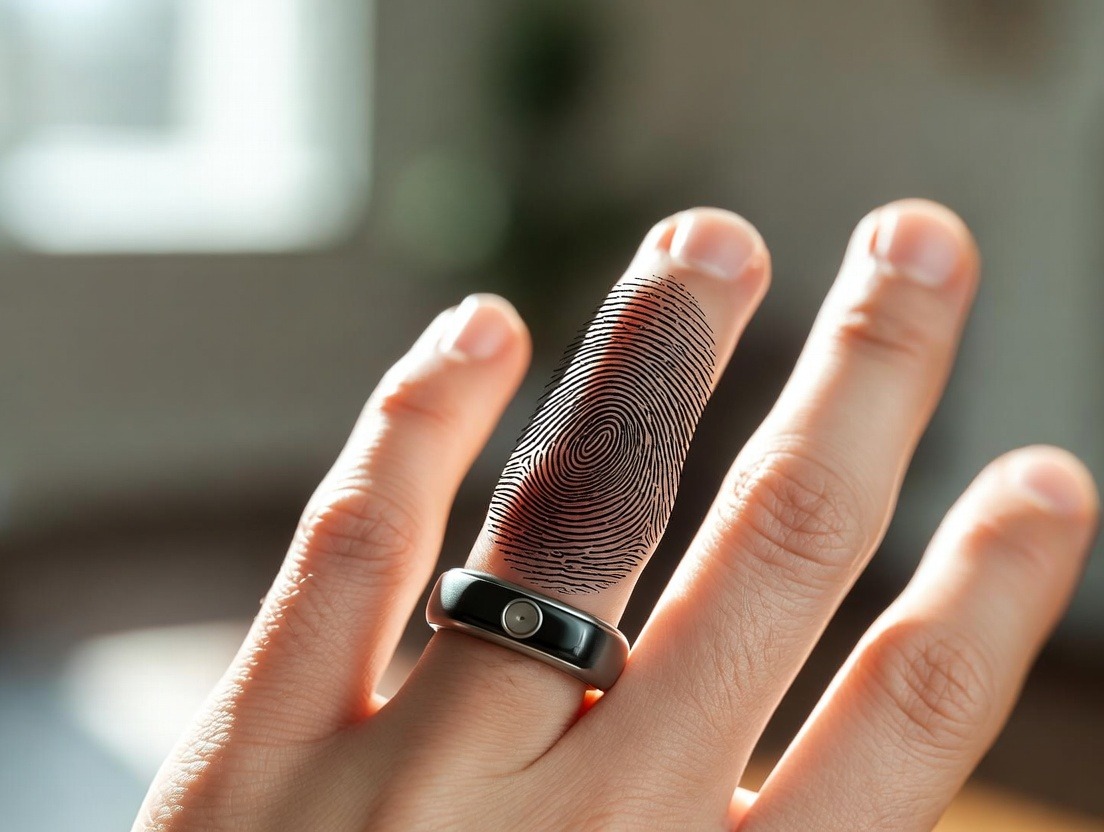
How Your Smart Ring Health Metrics Change With Age
How your smart ring metrics naturally change as you age.
How Your Smart Ring Health Metrics Change With Age: A Lifelong Guide to Personalized Wellness Tracking
From the moment we’re born, our bodies embark on a complex, lifelong journey of change. Our heart’s rhythm, the depth of our sleep, the pace of our recovery—these are not fixed numbers but a dynamic narrative of our health. For generations, understanding this narrative was limited to occasional doctor’s visits and vague feelings of being “in shape” or “run down.” Today, however, a technological revolution is putting the power of continuous, personalized health insight right on our fingers. The smart ring, a minimalist piece of wearable tech, has emerged as a powerful tool for decoding the subtle, daily language of our physiology.
This article is your definitive guide to understanding how your core health metrics naturally evolve across decades and how a smart ring, like those pioneered by Oxyzen, transforms this knowledge into actionable wisdom. This isn’t about chasing an idealized, ageless benchmark. It’s about learning to listen to your body’s unique story, establishing your personal baselines, and recognizing the meaningful deviations that signal when to act. Whether you’re in your 20s optimizing performance, in your 40s managing stress and sleep, or in your 60s and beyond focused on longevity and vitality, the data from your finger can illuminate the path forward. We will dive deep into the science of aging metrics, moving beyond generic averages to explore what your personal data truly means for your healthspan. Discover how technology is shifting healthcare from reactive to proactive, empowering you to live smarter and healthier at every age.
The Unseen Symphony: What Your Smart Ring Actually Measures
Before we can understand how metrics change, we must first appreciate the sophisticated physiological symphony a smart ring is conducting. Unlike a smartwatch that often prioritizes screen interactions and notifications, a smart ring’s design is inherently intimate and passive, designed for uninterrupted, 24/7 data collection. It leverages advanced photoplethysmography (PPG) sensors, which use tiny light-emitting diodes (LEDs) to measure blood volume changes in the capillaries of your finger—a remarkably vascular area. This core data stream is the foundation for a rich suite of metrics that paint a holistic picture of your health.
Core Vital Signs & Beyond:
Heart Rate (HR): Your continuous pulse, tracked at rest, during activity, and even while you sleep.
Heart Rate Variability (HRV): The millisecond variations in time between each heartbeat. Contrary to popular belief, a higher HRV typically indicates a more resilient, adaptable nervous system and better recovery. It’s a cornerstone metric for stress and fitness.
Resting Heart Rate (RHR): Your heart’s idle speed, a fundamental indicator of cardiovascular efficiency and fitness level.
Blood Oxygen Saturation (SpO2): The percentage of oxygen-carrying hemoglobin in your blood. Crucial for assessing respiratory health and sleep quality.
Skin Temperature: Continuous tracking of peripheral temperature trends, which can signal the onset of illness, stress, or hormonal changes.
Respiratory Rate: The number of breaths you take per minute, often derived from the PPG signal.
Derived Health Insights: From these raw signals, powerful algorithms generate insights into your daily and nightly patterns:
Sleep Architecture: Detailed breakdown of light, deep, and REM sleep stages, plus sleep latency and awakenings.
Readiness & Recovery Scores: Composite scores (like Oxyzen’s proprietary indexes) that synthesize HRV, RHR, sleep, and temperature data to tell you if your body is primed for stress or in need of rest.
Activity & Caloric Expenditure: Tracking of steps, active minutes, and estimated calories burned.
Period & Fertility Predictions: For female users, trends in skin temperature and resting heart rate can help predict menstrual cycles and ovulation windows.
Understanding this measurement suite is the first step. The real magic begins when you observe these data points not as isolated numbers, but as interconnected threads in the tapestry of your life, a tapestry that naturally shifts its pattern as you age. To dive deeper into the technology making this possible, you can explore the science behind Oxyzen’s sensors and algorithms.
The Golden Baseline: Understanding Your "Personal Normal"
In a world obsessed with comparison—to friends, to athletes, to population averages—the most powerful concept in personalized health tech is this: Your most important metric is your own baseline. A 55-year-old marathon runner and a 55-year-old yoga practitioner will have vastly different “normal” HRV readings. A woman’s resting heart rate naturally fluctuates with her menstrual cycle. Your deep sleep percentage in your 30s will not be the same as in your 60s. Chasing a generic “ideal” number is not only futile but can be demotivating and misleading.
This is where the continuous monitoring of a smart ring becomes invaluable. By wearing it consistently for weeks, it learns you. It establishes what is normal for your body across different contexts:
Your Daily Rhythm: What is your typical heart rate dip during deep sleep? What’s your normal afternoon HRV?
Your Contextual Responses: How does a hard workout impact your readiness score the next day? How does a stressful work meeting affect your skin temperature?
Your Cyclical Patterns: For women, how do metrics shift predictably across a cycle?
Why Baselines Matter More Than Benchmarks:
Early Detection: A significant deviation from your personal baseline is often the earliest sign of trouble—like an elevated resting heart rate or lower HRV before you feel the symptoms of a cold.
Personalized Optimization: Knowing your own recovery patterns allows you to tailor training, deciding between a high-intensity session or a recovery day based on your body’s signals, not a pre-set schedule.
Reduced Anxiety: Understanding that your numbers are unique to you prevents unnecessary worry about not hitting arbitrary, age-based targets.
Establishing this "golden baseline" is the critical foundation for all that follows. As we track through the decades, we’re not looking for your numbers to match a chart; we’re looking for meaningful deviations from your own established norm. This personalized approach is at the heart of modern wellness technology, a philosophy you can read more about in our story and mission.
The 20s & 30s: Peak Performance, High Stress, and Establishing Lifelong Habits
This life stage is often characterized by peak physical potential, but it’s equally marked by the establishment of career, relationships, and potentially erratic lifestyle habits. The body is resilient, but the patterns set here can echo for decades.
Typical Metric Profile:
Resting Heart Rate: Generally at its lifetime lowest, often between 50-70 bpm for healthy, active individuals. Cardiovascular efficiency is high.
HRV: Typically at its highest point, indicating a robust and agile autonomic nervous system that can switch swiftly between stress (sympathetic) and recovery (parasympathetic) states.
Sleep Architecture: Deep sleep (Slow-Wave Sleep) is plentiful, often making up 20-25% of sleep time. The body prioritizes physical restoration and muscle repair.
Recovery: Fast. The body bounces back quickly from sleep deprivation, intense exercise, and occasional indulgences.
Key Age-Related Shifts & Smart Ring Insights: The challenge in this decade isn’t decline; it’s management and foundation-building.
The Stress Paradox: While physiologically equipped to handle stress, the constant pressures of modern life can lead to chronically elevated cortisol, manifesting as a depressed HRV and a higher-than-baseline resting heart rate even in a fit individual. Your ring can pinpoint when work stress is becoming physical strain.
Inconsistent Rhythms: Social schedules, late nights, and travel disrupt circadian rhythms. The ring’s sleep staging and consistency score become crucial for understanding the true cost of that "all-nighter" on next-day recovery.
The Foundation of Fitness: This is the ideal time to establish fitness baselines. A smart ring helps optimize training by showing how different workout types (HIIT vs. steady-state) affect nocturnal HRV and readiness, preventing overtraining even when you feel invincible.
Actionable Takeaways for This Decade:
Use HRV as Your Stress Barometer: Let it guide your need for meditation, a walk in nature, or an early night instead of another intense workout.
Protect Your Sleep Quality: Even if duration is short, use deep sleep tracking to ensure the sleep you do get is maximally restorative.
Establish Your Data Foundation: The detailed trends you collect now will be an invaluable reference point for noticing changes in your 40s and beyond. For more on building these foundational habits, our blog features numerous guides for younger users.
The 40s: The Great Pivot – Metabolism, Recovery, and Hormonal Transitions
The 40s often represent a pivotal decade where the cumulative effects of lifestyle choices become more apparent, and the body begins its more noticeable transition. Metabolism slows, muscle mass can start to decline if not actively maintained (a process called sarcopenia), and for many, hormonal shifts begin.
Typical Metric Profile:
Resting Heart Rate: May begin a very gradual creep upward (1-2 bpm per decade on average) if cardiovascular fitness is not maintained.
HRV: A clear decline from the peaks of the 20s-30s often becomes evident. The nervous system may become less resilient to constant stress.
Sleep Architecture: The percentage of deep, restorative sleep often starts to decrease slightly. Sleep may become more fragmented, with more nocturnal awakenings.
Skin Temperature: For women approaching perimenopause, nighttime skin temperature trends can show significant variability and elevations, directly impacting sleep quality.
Key Age-Related Shifts & Smart Ring Insights:
The Recovery Slowdown: The most universal feedback from athletes in their 40s is that they “can’t recover like they used to.” The smart ring quantifies this. You may see that a workout of the same intensity as a decade ago now leads to a more pronounced dip in HRV and a higher next-day resting heart rate. Listening to your recovery score becomes non-negotiable.
Metabolic and Hormonal Signals: A gradual increase in average nighttime skin temperature can be an early biofeedback sign of hormonal changes. Fluctuations in resting heart rate may also correlate with menstrual cycle changes for women.
The Precision of Training: “Working harder” is often counterproductive. The data shifts the focus to working smarter. Your ring guides you to prioritize quality sleep for hormone regulation, incorporate more recovery days, and perhaps shift some training volume to lower-impact, strength-focused activities that protect joints and build metabolic-preserving muscle.
Actionable Takeaways for This Decade:
Embrace Recovery Metrics: Prioritize your readiness score. A low score is a directive for mobility work, walking, or rest—not a challenge to push through.
Monitor Sleep Changes Proactively: Use sleep stage data to experiment with sleep hygiene—cooler room temperature, earlier caffeine cut-off, winding-down routines—to defend your deep sleep.
Leverage Data for Health Dialogues: Objective data on sleep disruption or temperature trends can provide powerful, non-anecdotal information for discussions with healthcare providers about perimenopause or general wellness. Many users find sharing this data incredibly valuable, as echoed in some of our customer testimonials.
The 50s: Defending Deep Sleep, Managing Stress, and Focusing on Heart Health
This decade solidifies the trends of the 40s and brings cardiovascular health into sharper focus. The decline in deep sleep becomes more pronounced, and the body’s response to stress and inflammation requires more careful management.
Typical Metric Profile:
Resting Heart Rate: The gradual rise continues if cardiorespiratory fitness is not actively sustained.
HRV: Continues its gradual, age-related decline. The focus shifts from achieving high numbers to maintaining stability and avoiding large crashes.
Sleep Architecture: Deep sleep (SWS) may now constitute closer to 10-15% of total sleep time. Sleep efficiency (time asleep vs. time in bed) can decrease.
Blood Oxygen (SpO2): May become a more watched metric, as natural changes in respiratory muscle strength and lung elasticity can lead to slight nocturnal dips.
Key Age-Related Shifts & Smart Ring Insights:
The Battle for Deep Sleep: The reduction in deep sleep is one of the most significant age-related changes. This stage is critical for memory consolidation and physical repair. Your smart ring becomes your sleep coach, showing you how factors like evening alcohol (which notoriously suppresses REM and deep sleep) or late meals directly impact your sleep architecture.
Cardiovascular Baseline Monitoring: Trends in resting heart rate and HRV become excellent long-term indicators of cardiovascular fitness. A sustained, unexplained upward trend in RHR could be a prompt for a check-up. Conversely, seeing RHR lower and HRV stabilize in response to a new walking or meditation regimen provides powerful positive reinforcement.
Inflammation and Recovery: The body’s inflammatory response post-exercise or due to lifestyle factors can be more pronounced. Elevated nighttime skin temperature and poorer HRV can be indicators of this systemic inflammation.
Actionable Takeaways for This Decade:
Become a Sleep Scientist: Use your ring’s detailed data to run personal experiments: a consistent bedtime, magnesium supplementation, or a hot bath before bed. Observe what moves the needle on your deep sleep percentage.
Prioritize Consistency Over Intensity: For fitness, regular, moderate activity that you can recover from is far more beneficial than sporadic, intense bouts that wreck your metrics for days.
Use Trends, Not Daily Numbers: Avoid daily anxiety over a single low HRV reading. Instead, watch the weekly and monthly trends. Is your baseline gently declining, or is it stable? This long-view is key. For common questions on interpreting these long-term trends, our FAQ section offers detailed guidance.
The 60s and Beyond: Wisdom, Longevity, and the Metrics of Vitality
Entering the traditional retirement years is no longer about winding down, but about optimizing for healthspan—the number of years lived in good health. The goals shift definitively towards stability, injury prevention, cognitive health, and maintaining independence. Metrics become tools for sustaining vitality.
Typical Metric Profile:
Resting Heart Rate: May stabilize or even improve with dedicated, gentle cardio. The key is avoiding significant increases.
HRV: Continues its gradual decline but remains a vital sign of nervous system balance. High variability is less the goal than avoiding extremely low, flat-line HRV patterns.
Sleep Architecture: Sleep is often lighter and more fragmented. Deep sleep is reduced, and time in lighter sleep stages increases. Circadian rhythms may shift earlier.
Respiratory Rate & SpO2: These metrics gain importance for monitoring overall respiratory wellness, especially during sleep.
Key Age-Related Shifts & Smart Ring Insights:
Stability is the New High Score: Dramatic fluctuations in metrics are more taxing. A smart ring helps you find routines that promote homeostasis—steady RHR, stable HRV, consistent sleep. This stability is a hallmark of physiological resilience.
Early Warning System: The value of a known personal baseline is immense. An unusual, sustained elevation in resting heart rate or a drop in blood oxygen saturation can be one of the earliest signs of illness, often before subjective symptoms appear, allowing for prompt action.
The Mobility-Sleep Connection: Daytime activity levels have a direct and immediate impact on sleep quality. The ring clearly shows how a day with movement leads to better sleep architecture compared to a sedentary day, reinforcing the virtuous cycle of gentle activity.
Actionable Takeaways for This Decade:
Monitor for Meaningful Deviations: Pay close attention to sustained changes (48-72 hours) from your personal baseline in RHR, SpO2, or temperature. This is your body’s most direct communication.
Leverage Data for Holistic Health: Share long-term trend reports with your doctor. Showing a year of heart rate or sleep data provides context no single office visit can capture.
Focus on Rhythm and Routine: Use the ring to build and reinforce a consistent daily rhythm—light exposure in the morning, regular meal times, gentle afternoon movement, and a wind-down routine—all of which profoundly support circadian health and metric stability. This lifelong approach to wellness is central to who we are and what we build at Oxyzen.
Sleep Architecture: How Your Nightly Journey Transforms Over a Lifetime
Sleep is not a monolithic state but a meticulously orchestrated cycle of stages, each with a distinct purpose. Understanding how this architecture changes is perhaps the most profound insight a smart ring can provide, as sleep quality is a foundational pillar of aging well.
The Stages of Sleep (A Brief Refresher):
Light Sleep (Stages N1 & N2): The gateway to sleep and a period of mental and physical relaxation. It makes up the majority of total sleep time.
Deep Sleep (Slow-Wave Sleep, N3): The most physically restorative phase. Crucial for tissue repair, immune function, growth hormone release, and memory consolidation. This is the "non-negotiable" recovery phase.
REM Sleep: The stage of vivid dreams, essential for emotional processing, memory integration, and cognitive function.
The Lifelong Sleep Shift: A smart ring tracks the undeniable redistribution of these stages across decades.
Childhood/Young Adulthood: Deep sleep is abundant. The body is building, repairing, and growing.
Mid-Adulthood (30s-50s): The gradual decline of deep sleep begins. Total sleep time may decrease due to life demands. The proportion of light sleep increases.
Later Adulthood (60s+): Deep sleep can decrease significantly. Sleep becomes more fragmented with more awakenings. The circadian rhythm often shifts earlier ("phase advance"), leading to earlier bedtimes and wake times. Time spent in light sleep is highest.
What Your Ring Data Tells You:
Deep Sleep Defense: See the direct impact of behaviors—alcohol, late-night screen time, room temperature, evening exercise—on your precious deep sleep percentage. This data empowers you to defend it.
Fragmentation & Consistency: The "time awake" metric and sleep consistency score become critical. Are you getting solid blocks of sleep, or is it chopped up? Consistency in bedtime is a powerful tool for improving this.
The Latency Connection: Sleep latency (time to fall asleep) can increase with age. Tracking it helps refine your pre-sleep routine.
Actionable Insight: Don’t mourn the loss of deep sleep; optimize for what you can control. If your deep sleep is consistently low, use your ring to experiment. A cooler bedroom, a weighted blanket, or addressing potential sleep apnea (signaled by frequent SpO2 drops) can yield improvements. The goal is to maximize the quality of sleep within your age-typical architecture.
Heart Rate Variability (HRV): The Master Metric of Resilience and How It Declines
HRV is arguably the most insightful and misunderstood metric provided by a smart ring. It is not your heart rate; it is the variation in time between heartbeats, measured in milliseconds. Think of it not as a measure of heart strength, but of nervous system balance and adaptability.
Why a Higher HRV (Generally) Indicates Better Health: Your heart doesn't tick like a metronome. A healthy heart is constantly receiving signals from both the sympathetic ("fight or flight") and parasympathetic ("rest and digest") branches of your autonomic nervous system. High HRV indicates that your body can switch flexibly between these states—ramping up for a challenge and then calming down efficiently for recovery. Low HRV suggests a nervous system stuck in a stressed, inflexible state, which is linked to chronic inflammation, anxiety, and poorer recovery.
The Inevitable Decline: HRV has a strong inverse correlation with age. From its peak in your 20s-30s, it typically follows a gradual downward trajectory across the lifespan. This reflects the natural decrease in parasympathetic (rest-and-digest) tone and the reduced physiological flexibility that comes with aging.
Interpreting Your Personal HRV Trend:
Your Baseline is Everything: A 65-year-old with an HRV baseline of 30 ms might be exceptionally healthy, while a 25-year-old with a baseline of 25 ms may be chronically overstressed. Compare only to yourself.
Watch the Trend, Not the Daily Number: Day-to-day fluctuations are normal. Look at your weekly average. Is it stable? Is it gradually declining in line with age, or is it plummeting, which could indicate overtraining, illness, or chronic stress?
Context is King: Your ring shows you the cause and effect. A night of poor sleep = a lower morning HRV. A massive work deadline = a suppressed daily HRV. A relaxing weekend in nature = a rebound.
Actionable Insight: Use HRV as a guide for daily decisions. If your morning HRV is significantly below your baseline, it’s a clear signal to prioritize recovery: choose gentle movement, meditate, hydrate well, and get to bed early. Fighting against this signal often leads to diminished returns and increased injury risk. It is your body’s most honest biofeedback tool. For a deeper dive into managing stress and recovery through HRV, our blog features advanced guides on this topic.
Resting Heart Rate & Cardiovascular Fitness: The Lifelong Pulse of Your Health
Your resting heart rate is the easiest vital sign to understand, yet its trends over a lifetime tell a complex story of fitness, fatigue, and health. It is a powerful proxy for the efficiency of your cardiovascular system.
The Age-Related Trajectory:
Childhood to Young Adulthood: RHR decreases as the heart grows stronger and stroke volume (blood pumped per beat) increases.
Peak Adulthood (20s-40s): For active individuals, RHR stabilizes at its lowest point (often 50-70 bpm).
Mid-Life Onward (50s+): A very gradual increase of about 1 beat per minute per decade is considered normal, largely due to age-related stiffening of the heart muscle and blood vessels, and a decline in maximal heart rate. However, this increase is not inevitable and can be powerfully moderated by lifestyle.
What Your Smart Ring Reveals:
Fitness Gains: One of the most rewarding experiences is seeing your resting heart rate baseline drift downward after committing to a consistent cardio regimen, regardless of age.
The Fatigue & Illness Signal: A sustained elevation in RHR (5-10+ bpm above your baseline for several days) is one of the clearest early warnings your body sends. It can precede feelings of sickness, indicate overtraining, or signal dehydration or high stress.
Nocturnal Dip: A healthy heart should slow down significantly during sleep. Your ring tracks your sleeping heart rate, which is often 10-20 bpm lower than your daytime resting rate. A blunted nocturnal dip is associated with poorer cardiovascular health and stress.
Actionable Insight: Don’t just glance at your RHR. Observe its 24-hour pattern and its long-term trend. Celebrate when it lowers with improved fitness. Heed its warning when it rises inexplicably. It is a simple, profound number that connects your daily choices to the long-term health of your most vital organ. Sharing these long-term trends can provide invaluable context in preventative healthcare discussions.
Temperature & Respiratory Metrics: The Subtle Signals of Change
Beyond heart and sleep, smart rings track two other critical systems: thermal regulation and respiration. Their patterns provide subtle, early clues about hormonal shifts, immune response, and overall metabolic health.
Skin Temperature Trends: The ring measures relative changes in your peripheral temperature, not your core temperature like a medical thermometer.
Circadian Rhythm: Your temperature naturally dips at night to initiate sleep and rises in the morning to promote wakefulness. A clear, consistent diurnal pattern is a sign of a healthy circadian clock.
Hormonal Messenger: For women, a sustained rise in nocturnal skin temperature is a primary bio-signal of the shift into perimenopause and menopause, often correlating directly with sleep disruption.
Illness Indicator: A rising temperature trend, especially at night, can be the very first sign of an oncoming infection, often 24-48 hours before you feel unwell.
Stress Response: Acute stress can cause a sudden drop in peripheral finger temperature as blood is shunted to the core.
Respiratory Rate & Blood Oxygen (SpO2):
Respiratory Rate (RR): The number of breaths per minute. A resting RR between 12-20 is normal for adults. Increases can indicate physical exertion, anxiety, or, if persistent, potential respiratory or cardiac issues.
Blood Oxygen Saturation (SpO2): Measures how efficiently your body is oxygenating itself. While daytime SpO2 is consistently high (95-100%), nocturnal SpO2 is key. Brief, minor dips are normal. However, frequent or significant dips during sleep can be a sign of sleep apnea or other respiratory conditions, which become more prevalent with age and can severely impact cardiovascular health.
Actionable Insight: Enable these metrics and watch for deviations from your norm. A woman noticing a trend of warmer nights can use this data to discuss symptom management with her doctor. Anyone noticing frequent SpO2 dips below 90% during sleep should bring this objective data to a healthcare professional for evaluation. These subtle signals turn your ring into a 24/7 wellness sentinel. If you have questions about what these specific metrics mean for you, our support and FAQ page is a great resource.
From Data to Wisdom: Building Your Personalized Aging Action Plan
Collecting terabytes of biometric data is meaningless without a framework for action. This is the final and most crucial step: translating the insights from your smart ring into a sustainable, personalized plan that supports your healthspan. Your data should inform your choices, not dictate them with anxiety.
The Four Pillars of Your Action Plan: Use your ring’s trends to audit and optimize these core areas:
1. Recovery & Sleep Optimization:
Let Readiness Guide Your Day: If your score is low, swap the HIIT class for yoga, walking, or mobility work.
Defend Your Sleep Window: Use consistency scores to lock in a regular bedtime. Use sleep stage data to experiment with optimizations (e.g., if deep sleep is low, try a cooler room; if REM is low, assess alcohol intake or stress).
Wind Down with Data: Notice how late meals or screen time affect your sleep latency and heart rate drop. Create a pre-sleep ritual that your data confirms works.
2. Stress Management & Nervous System Balance:
Use HRV as Your Biofeedback Tool: Practice paced breathing or meditation when you see HRV is suppressed. Track how these practices improve your metrics over time.
Identify Stressors: See a pattern of elevated RHR and low HRV every Wednesday before your big meeting? That’s data-driven awareness you can act on with proactive stress-reduction techniques.
3. Intelligent Movement & Training:
Embrace Periodization: Plan deload weeks when your metrics show cumulative fatigue. Increase intensity only when recovery metrics support it.
Favor Consistency: Regular, moderate activity that you can recover from is superior for long-term health than sporadic, intense bouts.
Listen to Your Body (Now Quantified): That “niggling feeling” of needing a rest day is now confirmed by a low HRV and high RHR. Heed it.
4. Proactive Health Monitoring:
Establish and Know Your Baselines: This is your single most important task.
Watch for Sustained Deviations: Use the ring as an early warning system for illness or imbalance.
Become an Informed Partner: Bring your long-term trend reports to health appointments. “My resting heart rate has trended up 8 bpm over the last 6 months despite consistent exercise” is a powerful, objective starting point for a conversation.
Your smart ring is the compass; you are the navigator. It provides the map of your inner landscape, showing the hills, valleys, and potential obstacles on your lifelong journey. By understanding how this landscape naturally changes with age, you can choose the path that leads not just to a longer life, but to a more vibrant, healthy, and empowered one at every step. To see how others have successfully integrated this technology into their lives, you can read their personal stories and experiences.
Integrating Your Data: How to Collaborate with Healthcare Professionals
A wealth of data is only as powerful as the actions it inspires. One of the most transformative applications of smart ring metrics is in fostering a new, collaborative relationship with your healthcare providers. Moving beyond subjective descriptions like “I’m tired” or “I sleep poorly,” you can now bring objective, longitudinal evidence to your appointments, shifting conversations from guesswork to guided investigation.
From Anecdote to Evidence: Framing the Conversation The key is presentation. Rather than overwhelming your doctor with daily graphs, prepare a summary of meaningful trends.
Example 1: “Over the past three months, my smart ring data shows my resting heart rate has increased by an average of 7 beats per minute, and my deep sleep has decreased by 15%, despite no major changes in my lifestyle. This correlates with my feeling of persistent fatigue.”
Example 2: “I’ve been tracking my nocturnal heart rate and SpO2. The data shows recurrent episodes where my oxygen saturation drops below 90% for periods of 30 seconds or more, accompanied by a heart rate spike. This happens 10-15 times per hour. I’m concerned about potential sleep apnea.”
Example 3 (for women): “My wearable data shows a clear trend of elevated nighttime skin temperature and increased sleep fragmentation over the last year. This objective data aligns with my subjective experience of hot flashes and poor sleep, which we’ve discussed in the context of perimenopause.”
This data provides a concrete starting point for further tests, referrals (e.g., to a sleep specialist or cardiologist), or treatment adjustments.
What Data is Most Clinically Relevant? While all data has value, certain metrics have higher clinical utility:
Long-Term RHR & HRV Trends: Indicative of cardiovascular fitness, chronic stress load, and autonomic nervous system health.
Sleep Architecture & Consistency: Hard evidence of sleep disorders like insomnia or circadian rhythm disruption.
Nocturnal SpO2 & Respiratory Rate: Primary screening data for sleep-disordered breathing.
Skin Temperature Trends (for mid-life women): Objective confirmation of vasomotor symptoms.
Activity & Recovery Correlations: Demonstrates how lifestyle is impacting physiological recovery.
Becoming a Proactive Partner in Your Health This approach embodies the shift from reactive, sick-care to proactive, preventive healthcare. You are no longer just a patient reporting symptoms; you are a self-aware individual presenting a quantified log of your body’s behavior. It empowers your provider to make more precise recommendations and helps you both track the efficacy of interventions, whether it’s a new medication, a CPAP machine for sleep apnea, or a stress-reduction program. For more on how technology is shaping the future of personal health, our blog explores this partnership in detail.
Gender-Specific Aging: How Hormones Shape the Metric Story
While the overarching trends of aging apply to everyone, the hormonal journeys of men and women create distinct subplots in the data narrative. Understanding these differences is crucial for accurate interpretation and avoiding unnecessary alarm.
The Female Hormonal Landscape: A woman’s reproductive lifecycle—from menstrual cycles to perimenopause to menopause—creates a predictable, cyclical, and then transitional pattern in smart ring data.
Menstrual Cycle Tracking: During the follicular phase (post-period), HRV tends to be higher and RHR lower. After ovulation, in the luteal phase, rising progesterone increases body temperature and often leads to a slight increase in RHR and a decrease in HRV. The premenstrual period may show the lowest HRV and poorest sleep quality. A smart ring can beautifully visualize this monthly rhythm, helping women align activities with their energy levels.
The Perimenopause Transition (Often starting in 40s): This can be a period of significant metric volatility. The hallmark sign in ring data is increased nighttime skin temperature variability and sustained elevations, directly correlating with hot flashes and night sweats. This thermal disruption leads to fragmented sleep (more awakenings), which in turn suppresses HRV and can elevate next-day RHR. It’s a cascade effect with a clear origin point in the data.
Postmenopause: Hormones stabilize at a new low, and for many women, so do their metrics. The extreme temperature fluctuations subside, and sleep can become more stable, though the age-related decline in deep sleep continues. The focus often shifts to maintaining cardiovascular and bone health through activity, clearly reflected in RHR and recovery scores.
The Gut-Brain-Heart Axis: How Digestive Health Echoes in Your Biometric Data
An emerging frontier in personalized health is the profound connection between your gut microbiome, your nervous system, and your cardiovascular function—a connection your smart ring is uniquely positioned to illuminate. We often think of "gut feelings" as metaphorical, but they are deeply physiological. The state of your digestive health can directly influence core metrics like Heart Rate Variability (HRV), resting heart rate (RHR), and even sleep architecture, creating a feedback loop that either supports or undermines your vitality as you age.
The Vagus Nerve: The Information Superhighway The primary conduit for this conversation is the vagus nerve, the longest cranial nerve in your body. It acts as a two-way communication channel between your brain and your visceral organs, including your gut (often called the "enteric nervous system" or "second brain"). A healthy, toned vagus nerve is associated with:
Strong parasympathetic ("rest and digest") activity.
Higher HRV.
Efficient digestion and anti-inflammatory responses.
Better emotional regulation.
How Gut Health Manifests in Ring Data:
The Inflammatory Cascade: An imbalanced gut microbiome (dysbiosis) or intestinal permeability ("leaky gut") can lead to systemic low-grade inflammation. Chronic inflammation places a constant low-level stress on your body, which your smart ring quantifies as a depressed HRV baseline, a slightly elevated resting heart rate, and potentially higher nighttime skin temperature. You may feel fine, but your metrics tell a story of internal strain.
Postprandial Stress: The act of digestion itself is a parasympathetic process. However, eating foods that are inflammatory or difficult for you to digest can trigger a stress response. After such a meal, you might see a noticeable temporary increase in your heart rate and a dip in your HRV for several hours—a direct measure of the metabolic cost of processing that meal.
Sleep and the Gut: A significant portion of serotonin (a precursor to sleep-regulating melatonin) is produced in the gut. Dysbiosis can disrupt this production. Furthermore, digestive discomfort can directly fragment sleep. Your ring may show prolonged sleep latency, more awakenings, and reduced sleep efficiency linked to poor dietary choices or timing.
Recovery Impairment: If your body's resources are constantly diverted to managing gut inflammation and poor digestion, fewer resources are available for repair and recovery from exercise or daily stress. This manifests as poorer readiness scores and longer rebound times after exertion.
Actionable Insight: Use your smart ring as a biofeedback tool for dietary experiments. If you suspect certain foods don't agree with you, track your metrics after consuming them. Try an elimination diet (e.g., cutting gluten, dairy, or processed foods for 3-4 weeks) and observe the long-term trends in your HRV and RHR. You might find that "gluten-free" isn't just a trend for you if it correlates with a 10% increase in your weekly average HRV and deeper sleep. This objective data moves you beyond guesswork into personalized nutrition. For more on how daily habits impact your core physiology, our blog features deep dives into nutrition and recovery.
Nutritional Periodization: Eating for Your Metrics and Your Age
Just as athletes periodize their training, we can periodize our nutrition based on our body's signals and life stage. "Eating for your age" moves beyond calorie needs to focus on nutrients that support changing metabolic, hormonal, and recovery demands. Your smart ring provides the daily feedback to fine-tune this approach.
Macronutrient Focus Through the Decades:
20s & 30s – The Performance & Foundation Phase:
Goal: Support high activity levels, build lean muscle, and establish metabolic health.
Key Metrics to Watch: HRV response to carbohydrate intake, post-workout recovery scores.
Nutritional Strategy: Adequate high-quality protein for muscle synthesis. Sufficient complex carbohydrates to fuel intense training and cognitive demands. Use your ring to see if low-carb diets crash your energy and HRV or if they work for you.
40s & 50s – The Metabolic & Hormonal Harmony Phase:
Goal: Manage slowing metabolism, support hormonal transitions, defend muscle mass (sarcopenia prevention), and reduce inflammation.
Key Metrics to Watch: Resting heart rate (inflammatory foods can raise it), sleep quality (especially linked to evening meals), skin temperature trends (linked to dietary inflammation).
Nutritional Strategy: Protein intake becomes critical (aim for 1.6-2.2g/kg of body weight) to combat sarcopenia. Focus on high-fiber, nutrient-dense carbohydrates (vegetables, berries, legumes) to manage blood sugar. Increase anti-inflammatory fats (omega-3s from fish, olive oil). Time carbohydrates more around activity. Notice how a large dinner impacts your deep sleep and next-morning readiness score.
60s+ – The Anabolic & Vitality Preservation Phase:
Goal: Preserve muscle and bone mass, support cognitive function, maintain immune resilience, and promote cellular repair.
Key Metrics to Watch: Long-term RHR and HRV stability, recovery scores from daily activity (not just workouts).
Nutritional Strategy: Prioritize protein at every meal. Emphasize colorful phytonutrients from fruits and vegetables for antioxidant support. Ensure adequate calcium and vitamin D for bone health. Hydration is paramount, as thirst signals diminish with age—monitor RHR for signs of dehydration. Smaller, more frequent meals may be easier to digest and cause less metabolic stress, reflected in steadier heart rate data.
Micronutrients and "Metric Superfoods": Certain nutrients have a direct line to the metrics your ring tracks:
Magnesium: Crucial for muscle relaxation, nervous system calm, and sleep. Low levels can contribute to poor sleep scores and low HRV. Supplementing may improve these metrics.
Omega-3 Fatty Acids (EPA/DHA): Powerful anti-inflammatories. Consistent intake can help lower a chronically elevated RHR and improve HRV over time.
Electrolytes (Potassium, Sodium, Magnesium): Balance is key for hydration, nerve transmission, and heart rhythm. Imbalances can cause palpitations and affect HRV accuracy.
Intermittent Fasting and Time-Restricted Eating (TRE): This popular approach can have dramatic effects on metrics, but the response is highly individual and age-dependent.
Potential Benefits (if well-tolerated): Improved insulin sensitivity, cellular autophagy (clean-up), which may lead to a lower resting heart rate and improved HRV in some.
Potential Pitfalls (especially with age): Can be a stressor if not properly managed, leading to elevated cortisol, loss of lean muscle, and suppressed HRV and poor sleep. If you experiment with TRE, let your recovery score be your guide. A pattern of low readiness scores indicates the fasting window may be too long or intense for your current stress load.
Actionable Insight: Don't follow a diet because it's trendy. Follow your data. Use a two-week baseline period eating your normal diet, then introduce one change (e.g., adding 30g of protein to breakfast, shifting dinner 2 hours earlier, supplementing with magnesium glycinate before bed). Observe the changes in your weekly average HRV, RHR, and sleep score. This turns nutrition from dogma into a personalized, iterative science.
Advanced Recovery Protocols: From Passive Rest to Active Restoration
Recovery is not the absence of work; it is a positive, active process. As we age, the quality of recovery becomes more important than the volume of training. Your smart ring's readiness and HRV data allow you to graduate from generic "rest days" to precision recovery protocols tailored to your nervous system's specific needs.
Tiered Recovery Based on Data Readouts:
Green Zone (High Readiness / High HRV): Your body is primed for stress. This is the day for your most challenging workout, important mental work, or tackling demanding projects. Recovery here is about preparation—dynamic warm-ups, proper fueling.
Yellow Zone (Moderate Readiness / Slightly Depressed HRV): Your body is managing a mild load. This is the day for active recovery.
Protocol: Low-intensity steady-state (LISS) cardio (e.g., 30-45 min zone 2 heart rate walking, cycling), mobility flows, light yoga, or foam rolling. The goal is to promote blood flow without adding significant systemic stress. Your ring should show a stable or slightly improved HRV the next morning.
Red Zone (Low Readiness / Low HRV): Your body is signaling significant stress or fatigue. This is the day for passive or nervous-system-focused recovery.
Protocol: Complete rest, or maximal parasympathetic activation. This includes meditation, breathwork (e.g., box breathing, 4-7-8 breathing), gentle walking in nature, contrast hydrotherapy (hot/cold showers), or even a nap. The focus is on lowering cortisol and stimulating the vagus nerve. Force a workout on a red day, and you’ll likely see your metrics degrade further for 48-72 hours.
Evidence-Based Recovery Modalities and Their Metric Impact:
Cold Exposure (Cold Plunge/Shower): Can reduce inflammation and improve vagal tone. For many, a brief cold exposure in the morning leads to a noticeable increase in daytime HRV and a more robust heart rate drop at night. Caution: For some, it can be a significant stressor—let your individual data guide you.
Heat Exposure (Sauna): Promotes relaxation, improves circulation, and may support growth hormone release. Often leads to improved sleep depth and a lower resting heart rate on the night after use. Excellent for "yellow zone" days.
Vagus Nerve Stimulation (VNS): Techniques like humming, singing, gargling, and specific breathing exercises directly aim to increase parasympathetic activity. A consistent daily practice (e.g., 10 minutes of diaphragmatic breathing) can raise your HRV baseline over weeks and months.
Compression & Percussion Therapy: These modalities aim to reduce muscle soreness and improve circulation. Their success can be measured by how quickly your post-workout heart rate returns to baseline and how your sleep HRV responds after a hard training day.
The 24-Hour Recovery Cycle: True recovery isn't a single activity; it's the sum of your choices across the entire day. Your ring shows this interconnectivity:
A poor night's sleep (low deep sleep) → leads to a low morning HRV → leads to a poor training session → leads to higher evening cortisol → leads to poor sleep again. This is a negative spiral.
A good night's sleep → high morning HRV → effective, well-recovered workout → managed post-exercise stress → mindful evening wind-down → excellent sleep. This is the positive spiral.
Your recovery protocol starts the moment you wake up, with light exposure, hydration, and mindful movement, and ends with your sleep routine. The ring provides the feedback loop to keep you in the positive spiral. Seeing these connections firsthand can be transformative, as shared by many in our community of users.
Training Smarter, Not Harder: Autonomic Nervous System (ANS) Based Periodization
The old model of periodization was based on calendar weeks and arbitrary volume increases. The new model, enabled by wearable tech, is based on the state of your Autonomic Nervous System (ANS). This is the ultimate in personalized fitness: letting your body dictate the training plan in real-time.
Principles of ANS-Based Training:
The ANS as the Governor: Your sympathetic (SNS) and parasympathetic (PNS) nervous systems govern your ability to perform, recover, and adapt. Training should be applied when the PNS is dominant (high HRV, low RHR), signaling readiness. Training should be reduced or modified when the SNS is dominant (low HRV, high RHR), signaling stress.
Moving Beyond Fixed Schedules: Instead of a pre-written 12-week plan, you have a menu of workout types (high-intensity, strength, endurance, skill) that you select from based on your daily readiness score.
Building Your Dynamic Training Week:
Day Type A (Green Readiness): "Go Day." Schedule your hardest session: High-Intensity Interval Training (HIIT), heavy strength training, competitive sport. Your body is prepared to handle the load and will adapt positively.
Day Type B (Yellow Readiness): "Flow Day." Focus on skill work, technique drills, moderate steady-state cardio (Zone 2 heart rate), or hypertrophy-style strength training with moderate weight and volume. The goal is maintenance and blood flow, not breaking down new tissue.
Day Type C (Red Readiness): "Restore Day." Mandatory active or passive recovery, as outlined in the previous section. No formal training.
Long-Term Adaptation and Preventing Overtraining: By adhering to this system, you automatically create natural "deload" periods. When life stress (work, family, travel) accumulates, your readiness scores will stay in the yellow/red more often, naturally reducing your training frequency and intensity until you recover. This prevents the all-too-common pattern of pushing through fatigue into overtraining syndrome, which can take months to resolve and shows up starkly as a chronically flatlined HRV and elevated RHR.
Case Study: The Business Traveler
Old Model: Sticks to rigid plan. Works out hard Monday, travels Tuesday, is jet-lagged and dehydrated but forces a hotel gym session Wednesday because "it's on the plan." Feels awful, sleep is poor, performance suffers for days.
ANS Model: Works out hard Monday (Green day). Tuesday travel day, checks ring in the evening—HRV is dropping, RHR up (Yellow/Red shift). Wednesday morning, readiness score is low. Chooses a 20-minute mobility routine and a walk. Thursday, after a good night's sleep, readiness is back to Green, and has an effective workout. Net result: Better adaptation, less systemic stress, maintained consistency without injury.
Actionable Insight: For one month, abandon your rigid schedule. Each evening or morning, let your readiness score decide your activity for the next 24 hours. You will likely find you have fewer "bad" workouts, recover more quickly, and may even make better progress by aligning stress with capacity. This intelligent approach to fitness is a core part of modern wellness strategy, a topic we explore frequently to help our users maximize their healthspan.
The Psychology of Aging with Data: Avoiding Anxiety and Cultivating Acceptance
This deep dive into metrics presents a potential paradox: the very tool meant to reduce stress about health could become a source of it. Obsessive checking, catastrophizing daily fluctuations, and feeling enslaved by scores is counterproductive. The goal is data-informed empowerment, not data-driven anxiety. Cultivating the right psychological relationship with your biometrics is essential.
Common Psychological Pitfalls:
Metric Myopia: Focusing on a single day's "bad" HRV number and letting it ruin your mood, ignoring the overall positive monthly trend.
Comparison Syndrome: Comparing your deep sleep percentage at age 50 to a friend's at age 30 or an influencer's at age 25, leading to feelings of inadequacy.
The Control Fallacy: Believing you can and should perfectly control all your metrics, leading to frustration with normal biological variability and life's inevitable disruptions.
Performance Anxiety: Turning sleep or recovery into a "test" you must ace, which itself releases cortisol and worsens the very metrics you're trying to improve.
Strategies for a Healthy Data Mindset:
Embrace Trend Thinking: Train yourself to look at weekly and monthly averages. Zoom out on the graph. Is the general direction positive or stable? That's success. Daily dots are just noise.
Practice Contextualization: Always ask "why?" A low HRV day isn't a failure; it's information. Was it poor sleep? A hard workout? A difficult conversation? Context turns a "bad number" into a understandable piece of your life story.
Set Process Goals, Not Outcome Goals: Instead of "I will get my HRV to 70," set goals like "I will prioritize a 10-minute wind-down routine before bed for the next month and observe the trend." This puts the focus on controllable behaviors.
Schedule Data Reviews: Don't check your app compulsively. Designate specific times (e.g., morning coffee for sleep review, Sunday evening for weekly recap). This contains the data within a ritual, preventing it from intruding on your day.
Take Data Holidays: It's perfectly healthy to take the ring off for a weekend vacation or a special occasion and just live intuitively. Trust the habits you've built. The world will not end, and your baseline will not disappear.
The Wisdom of Acceptance: A core component of aging well is accepting the natural changes that occur. Your smart ring should help you gracefully adapt to these changes, not fight them futilely. Acceptance means:
Celebrating a stable RHR at 60 as a victory, not mourning it's not the 55 of your 40s.
Understanding that needing 8 hours of sleep instead of 6 is not a weakness, but your body's wise request for more repair time.
Using data to find the best version of your current self, not to recapture your 25-year-old self.
This balanced approach ensures your smart ring remains a tool for liberation—freeing you from ignorance and guesswork—rather than a source of new constraints. It's a partner in your journey, not a judge of your worth. For support on navigating this balance, our FAQ addresses common user concerns about data and mindset.
Building Your Longevity Protocol: Integrating Ring Data with Other Pillars of Health
Your smart ring is the central hub for tracking physiological outputs, but it exists within a broader ecosystem of health inputs. A truly robust longevity protocol weaves these threads together, using your biometric feedback to validate and adjust each pillar.
The Five Pillars of a Data-Informed Longevity Protocol:
1. Movement (Informed by Readiness & Recovery):
Input: A blend of resistance training (to combat sarcopenia), cardiovascular zone 2 training (for mitochondrial health), high-intensity intervals (for metabolic power), and mobility/flexibility work (for injury prevention).
Data Integration: Your daily readiness score dictates the type and intensity. Your weekly recovery trends inform when to introduce a deload week. Your sleep data shows if you're recovering from your current movement regimen.
2. Nutrition (Informed by HRV, RHR, & Sleep):
Input: A primarily whole-foods diet, emphasizing protein for muscle preservation, phytonutrients for cellular defense, and healthy fats for hormone and brain health. Strategic timing around activity.
Data Integration: Observe how different foods and meal timings affect your postprandial heart rate, overnight HRV, and sleep quality. Use data to personalize your macronutrient ratios and identify food sensitivities.
3. Recovery (Informed by HRV, Sleep, & Temperature):
Input: Prioritized sleep hygiene, stress management techniques (meditation, breathwork), purposeful relaxation (sauna, nature), and social connection.
Data Integration: This is the pillar most directly measured. Your ring quantifies the effectiveness of every recovery intervention. Did the sauna improve your deep sleep? Did the meditation raise your afternoon HRV? The data provides immediate feedback.
4. Mindset & Purpose (Informed by Consistency & Trends):
Input: Cultivating resilience, gratitude, and a sense of purpose. Engaging in lifelong learning and maintaining strong social bonds.
Data Integration: While harder to quantify directly, chronic stress from a negative mindset will depress your metrics. Conversely, seeing positive health trends can boost your sense of agency and well-being, creating a virtuous cycle. A stable, positive trendline is a reflection of a healthy mindset in action.
5. Medical Oversight & Supplementation (Informed by Long-Term Baselines):
Input: Regular check-ups, targeted blood work, and evidence-based supplementation (e.g., Vitamin D, Omega-3s, Magnesium) based on need.
Data Integration: Your long-term ring data provides context for your lab results. It can motivate you to get tested and provide a powerful tool for discussing prevention with your doctor. It also helps you gauge the efficacy of a new supplement or medication by monitoring relevant metrics.
The Synergistic Effect: The power is in the synergy. Good nutrition improves sleep. Quality sleep improves recovery and readiness for movement. Effective movement reduces stress and improves metabolic health. A positive mindset helps you adhere to the protocol. Your smart ring is the feedback mechanism that shows you how each pillar supports the others, allowing you to identify and strengthen your weakest link at any given time. This holistic integration is the essence of our philosophy, which you can learn more about in our company's vision.
The Future is Integrated: Smart Rings, AI, and the Personalized Health Ecosystem
We are moving toward a future where your smart ring is not a standalone device, but the primary biometric sensor in a seamless, intelligent health ecosystem. This ecosystem will use artificial intelligence to synthesize data from multiple sources, providing hyper-personalized guidance that evolves with you.
The Connected Ecosystem in Action: Imagine this scenario:
Your smart ring detects a slight, sustained elevation in your resting heart rate and a dip in HRV.
Your connected smart scale notes a recent change in body composition (increased body fat percentage).
Your food logging app (with AI analysis) flags a pattern of increased processed carbohydrate intake over the last two weeks.
Your sleep sensor (integrated into your ring or bed) confirms a reduction in deep sleep.
The AI Health Coach: An AI agent, with your permission, analyzes this aggregated data. It doesn't just show you graphs. It sends a contextualized insight: "I'm noticing signs of increased metabolic stress. This correlates with your diet log and sleep changes. To bring your metrics back to baseline, I suggest: 1) Try swapping your afternoon snack for a protein-based option this week. 2) Aim for a 15-minute walk after your two largest meals. 3) Let's shift your bedtime 20 minutes earlier to protect deep sleep. I'll monitor your readiness score and adjust."
Predictive and Preventative Healthcare: With decades of consented, anonymized user data, population-level AI could identify ultra-early warning patterns for chronic diseases long before clinical diagnosis.
A specific pattern of HRV decline coupled with subtle glucose trends (from a future non-invasive sensor) could predict pre-diabetes risk with high accuracy, triggering personalized lifestyle interventions years earlier.
Changes in voice tone (analyzed by your phone) combined with sleep fragmentation and resting heart rate data could provide insights into mental health fluctuations, prompting supportive resources.
Ethical Imperatives in an Integrated Future: This powerful future necessitates robust ethical frameworks:
Data Sovereignty: You must own and control your data, with clear, transparent opt-in consent for every use.
Algorithmic Transparency: Users deserve to understand the "why" behind AI suggestions, not just receive black-box recommendations.
Equity and Access: This technology must be developed and deployed in a way that reduces, rather than exacerbates, health disparities.
The Human-in-the-Loop: AI should be a tool that augments human judgment—from the individual to the clinician—not replaces it. The final decision must always rest with the informed person.
Your choice to wear a smart ring today is an investment in this future. You are contributing to a deeper understanding of human health and pioneering a model of care that is predictive, personalized, and participatory. This journey from data to wisdom to action is the most exciting development in personal health of our lifetime. To stay at the forefront of these developments, we invite you to follow our blog for ongoing analysis and insights.
Conclusion: Your Lifelong Journey of Informed Vitality
The journey through how your smart ring health metrics change with age is, ultimately, a journey back to yourself. It is a course in self-literacy, teaching you to read the most important text you will ever encounter: the living, breathing story of your own body. Across these chapters, we have seen that aging is not a single narrative of decline, but a multi-layered story of adaptation, resilience, and opportunity.
We began by learning the language—the meanings of HRV, RHR, SpO2, and sleep stages. We established the cardinal rule: your personal baseline is your truth. We then walked through the decades, observing the natural shifts in recovery, sleep architecture, and cardiovascular function, not as failures, but as expected plot twists. We explored how lifestyle—the food we eat, the stress we manage (or don't), the way we move—acts as the author, constantly editing the story for better or worse.
We dove deeper into the advanced applications: using data to collaborate with doctors, personalizing nutrition and training based on real-time feedback, and building a comprehensive longevity protocol. We addressed the crucial mindset needed to avoid anxiety and cultivate acceptance. Finally, we glimpsed a future where this continuous self-knowledge merges with AI to create a truly preventative, personalized health paradigm.
The Final Takeaway: A smart ring like Oxyzen is not a crystal ball predicting a fixed fate. It is a mirror reflecting the consequences of your daily choices and a compass pointing toward better ones. It empowers you to move from being a passive subject of aging to an active agent of your healthspan.
Your metrics will change. That is certain. But with understanding and the right tools, you have unprecedented power to influence how they change. You can choose the path of steep decline or the path of graceful, vital adaptation. You can trade anxiety about the unknown for confidence informed by data. You can stop chasing an impossible, ageless ideal and start cultivating the vibrant, resilient, and deeply healthy person you are meant to be at every stage of your life.
The ring on your finger is a reminder: you are the author. Let the data be your guide, but let your wisdom, your joy, and your purpose write the final draft. Here’s to a long, healthy, and deeply informed life.



%402x.svg)