
How Smart Ring Health Metrics Predict Future Health Outcomes

For decades, medicine has operated on a reactive model. We feel symptoms, we seek a diagnosis, and we receive treatment. It’s a system designed for illness, not health. But what if we could see the whispers of future disease long before they become shouts? What if your body was communicating its future needs and risks not in annual check-up snapshots, but in a continuous, real-time data stream?

This is no longer a futuristic fantasy. On your finger, a quiet revolution is underway. Smart rings, unassuming bands of titanium and sensors, are evolving from simple sleep trackers into powerful health sentinels. They are unlocking a profound new capability: predictive health analytics. By continuously monitoring a symphony of physiological signals—from the subtle dance of your heartbeats to the nocturnal rhythms of your body’s restoration—these devices are learning to translate present-day biometrics into forecasts of future well-being.

This article will journey deep into the science of how the metrics collected by modern smart rings, like the advanced models offered by Oxyzen, can serve as powerful predictors of your long-term health. We’ll move beyond counting steps and hours slept. We will explore how resting heart rate trends can whisper warnings about metabolic fate, how heart rate variability (HRV) charts the resilience of your nervous system, and how body temperature dynamics can signal inflammatory storms on the horizon.

This is the dawn of a new era in personal health management: proactive, personalized, and powered by data you can finally see and understand. It’s about shifting from wondering “What’s wrong with me?” to confidently asking “How can I optimize my future health?” To understand the full potential of this technology, you can discover how Oxyzen works by exploring its integrated approach to health monitoring.

The Predictive Power of Continuous Biometric Monitoring

The traditional annual physical provides a single, static data point. It’s like trying to predict the weather for the entire year based on one sunny afternoon. Our bodies, however, are dynamic ecosystems. Their signals fluctuate with stress, diet, activity, and circadian rhythms. The true story of our health is not in a single number, but in the trends, patterns, and deviations from our personal baseline.

This is where the smart ring’s form factor becomes its superpower. Worn 24/7, often during sleep when we are free from conscious movement and interference, it captures an unprecedented clean, continuous dataset. It’s measuring you in your most natural, unguarded state. This longitudinal data is the raw material for prediction.

Consider these core predictive advantages:

  • Establishing a Personal Baseline: Before you can detect something abnormal, you must define what is normal for you. Over weeks of wear, a smart ring learns your unique physiological fingerprint—your typical resting heart rate, your normal HRV range, your standard sleep architecture. Future deviations from this baseline are the first and most critical red flags.
  • Catching Subtle, Asymptomatic Shifts: Many serious health conditions begin with subtle, symptom-less physiological changes that go entirely unnoticed. A gradual, creeping increase in resting heart rate or a slow decline in HRV can precede a clinical diagnosis by months or even years. Continuous monitoring catches these drips before they become a flood.
  • Correlating Lifestyle with Physiology in Real-Time: The predictive model becomes truly powerful when biometrics are contextualized. Did your HRV plummet after three nights of poor sleep? Did your resting heart rate spike after a period of intense work stress and poor nutrition? By observing these cause-and-effect relationships, you gain predictive insight: If I continue this pattern of behavior X, I am likely to see negative health outcome Y.

The goal is no longer just to track, but to translate. It’s about moving from “I slept 7 hours” to “My deep sleep has decreased by 15% over the last month, which correlates with my rising stress levels and could impact my cognitive function and immune resilience if this trend continues.” This is the foundational shift that makes predicting future health outcomes not just possible, but increasingly precise. For a deeper look at the data and stories behind this technology, you can read real customer reviews and experiences from individuals who have seen these insights firsthand.

Heart Rate Variability (HRV): The Master Metric of Resilience and Future Risk

If you had to choose one metric from a smart ring that holds the most profound predictive power, Heart Rate Variability (HRV) would be a prime contender. Contrary to popular belief, a healthy heart does not beat with the monotonous regularity of a metronome. The tiny, millisecond variations in the time intervals between your heartbeats—your HRV—are a direct window into the state of your autonomic nervous system (ANS).

Your ANS has two primary branches: the sympathetic (“fight or flight”) and the parasympathetic (“rest and digest”). A high HRV generally indicates a strong, adaptable parasympathetic tone and a resilient system that can smoothly toggle between stress and recovery. A low, or declining, HRV suggests a nervous system stuck in a state of high sympathetic drive—chronically stressed, inflamed, and fatigued.

How HRV Predicts Future Health:

  • Cardiovascular Risk: Numerous longitudinal studies have consistently linked low HRV to a significantly increased risk of future cardiovascular events, including hypertension, arrhythmias, and heart attack. It is a stronger predictor of mortality after a heart attack than many traditional measures. A smart ring tracking a steady, unexplained decline in your HRV trendline is essentially tracking an increase in your cardiovascular risk profile.
  • Metabolic Health & Diabetes: Research shows that low HRV is associated with insulin resistance, metabolic syndrome, and the development of Type 2 diabetes. The chronic inflammation and sympathetic overdrive reflected in low HRV appear to directly impair the body’s ability to regulate glucose.
  • Mental Health & Burnout: Your nervous system doesn’t distinguish between physical and psychological stress. A persistently low HRV is a hallmark of anxiety, depression, and impending burnout. By monitoring HRV trends, individuals can predict their vulnerability to mental fatigue and take pre-emptive action—such as prioritizing sleep or meditation—before reaching a crisis point.
  • Immune Function & Resilience: The ANS directly communicates with the immune system. A high, robust HRV is correlated with a more responsive and effective immune defense. A declining HRV can predict a greater susceptibility to infections and slower recovery times.

The Smart Ring Advantage: While HRV can be measured with chest straps, the smart ring’s nightly measurement is gold standard for trend analysis. During sleep, external variables are minimized, providing a pure read of your recovery state. Seeing your HRV dip after a hard workout is normal (it shows stress); seeing it fail to rebound over subsequent nights is the predictive warning of insufficient recovery and accumulated fatigue.

Resting Heart Rate (RHR): The Silent Sentinel of Systemic Health

Resting Heart Rate is a deceptively simple metric. We’ve known for centuries that a lower RHR is generally better, but only with continuous monitoring do we see its true predictive narrative. Your RHR is the speed at which your heart must work to maintain basic bodily functions. When it trends upward outside of normal fitness fluctuations, it is often a sign that your system is under duress.

An elevated RHR means your heart is working harder. The causes can be multifactorial, which is what makes its trend so informative:

  • Predictor of Overtraining & Fatigue: In athletes and active individuals, a sustained increase of 7-10 beats per minute above personal baseline is a classic, early warning sign of overtraining syndrome—a state that, if ignored, predicts a high likelihood of injury, illness, and performance decline.
  • Early Indicator of Infection & Illness: One of the most common early signs your body gives before you feel sick is an elevated resting heart rate. Data from smart rings has famously been used to predict community flu outbreaks. For an individual, a sudden, unexplained spike in RHR can be a 24-48 hour advance warning to hydrate, rest, and support your immune system, potentially mitigating the severity of the coming illness.
  • Long-Term Cardiovascular & Mortality Risk: Large-scale epidemiological studies are clear: a high RHR is an independent risk factor for cardiovascular disease and all-cause mortality. A study in The Journal of the American Medical Association found that men with an RHR over 90 had a three-fold higher risk of death than those under 60. Tracking your RHR trend allows you to see this risk factor in real-time, not just at a yearly check-up.
  • Marker of Chronic Stress & Poor Recovery: Like HRV, RHR is exquisitely sensitive to stress. Chronic psychological stress, poor sleep, and unhealthy diets all contribute to a higher resting heart rate. A trending increase can predict future issues like burnout, anxiety, and metabolic dysfunction if lifestyle factors aren’t addressed.

The predictive power lies in the contextualized trend. Is your RHR up because you started a new, intense exercise program (a positive, adaptive stress)? Or is it up alongside a falling HRV and poor sleep scores, indicating a negative, systemic strain? The smart ring’s data fusion provides the answer.

Sleep Architecture: Decoding the Nightly Repair Cycle for Future Vitality

Sleep is not a monolithic state of unconsciousness. It is a meticulously orchestrated cycle of distinct stages—Light, Deep, and REM (Rapid Eye Movement) sleep. Each stage serves a unique, vital repair function. Disruptions in the architecture of your sleep are not just about feeling groggy tomorrow; they are predictive signals for chronic disease down the road.

Smart rings use a combination of heart rate, HRV, movement, and often temperature to accurately stage your sleep. This breakdown is where predictive insights are born.

Deep Sleep (Slow-Wave Sleep): The Physical Restoration Phase
This is when your body repairs tissues, builds bone and muscle, and strengthens the immune system. Growth hormone is released, and the brain’s glymphatic system performs a deep clean, flushing out metabolic waste products like beta-amyloid, a protein associated with Alzheimer’s disease.

  • Predictive Insight: A chronic deficit in deep sleep is linked to a higher future risk of:
    • Hypertension & Heart Disease: Poor sleep disrupts blood pressure dipping at night.
    • Compromised Immune Function: Increasing susceptibility to infections and potentially impacting cancer surveillance.
    • Metabolic Disorders: Linked to insulin resistance and weight gain.
    • Neurodegenerative Disease: Impaired clearance of neural waste.

REM Sleep: The Mental and Emotional Integration Phase
This is when the brain is highly active, processing emotions, consolidating memories, and facilitating learning. It’s crucial for mental and emotional health.

  • Predictive Insight: Suppressed or fragmented REM sleep is associated with:
    • Mood Disorders: Strong links to depression, anxiety, and emotional dysregulation.
    • Cognitive Decline: Impacts memory consolidation and problem-solving abilities.
    • Migraines and Headaches: Often preceded by altered REM sleep.

Sleep Consistency & Timing: Beyond stages, the when and how regular you sleep are powerful predictors. "Social jetlag" (large differences between weekday and weekend sleep schedules) and late chronotypes are linked to higher risks for obesity, diabetes, and depression.

By analyzing your sleep architecture over time, a smart ring can flag patterns predictive of future decline. Are you losing deep sleep as stress increases? Is your REM fragmented, hinting at emotional processing issues? This isn’t just about sleep hygiene; it’s about long-term neurological and systemic health forecasting.

Body Temperature Dynamics: The Metabolic and Hormonal Thermometer

While most people think of temperature in the context of fever, your body’s core temperature follows a delicate, circadian rhythm. This rhythm is a master regulator of metabolism, hormone release, sleep-wake cycles, and immune function. Even subtle deviations from your personal temperature curve hold predictive power.

Smart rings with continuous temperature sensors (like those using skin temperature monitoring) track this rhythm with incredible sensitivity. They can detect changes as small as 0.1°C, which is where the predictive insights emerge.

  • Predicting Ovulation & Hormonal Health: For women, a sustained biphasic temperature shift is a key indicator of ovulation. Tracking this can predict fertility windows. More broadly, disruptions in the circadian temperature rhythm can predict hormonal imbalances, such as those seen in polycystic ovary syndrome (PCOS) or perimenopause, long before major symptoms appear.
  • Early Infection Detection: Often, before you feel any symptoms or develop a clinical fever, your body will mount a "febrile response" detectable as a rise in your baseline temperature during sleep. A smart ring can provide an early, actionable warning to rest.
  • Metabolic Rate & Thyroid Function: A chronically low baseline body temperature can be a sign of a slowed metabolism, potentially linked to thyroid dysfunction (hypothyroidism). Conversely, patterns of elevated temperature may relate to an overactive metabolism or inflammation.
  • Sleep Quality & Circadian Alignment: Your temperature should naturally drop as you prepare for sleep and reach its nadir in the middle of the night. A blunted or delayed temperature drop is a strong predictor of difficulty falling asleep and poor sleep quality. It can also signal circadian rhythm disorders.
  • Chronic Inflammation: Low-grade, systemic inflammation can manifest as a slight but persistent elevation in baseline body temperature. Tracking this trend could be an early signal of inflammatory conditions before they are clinically diagnosed.

The predictive power of temperature is in its rhythm, not a single point. It turns the smart ring into a continuous metabolic and hormonal barometer, offering clues about everything from reproductive health to immune activity and metabolic efficiency.
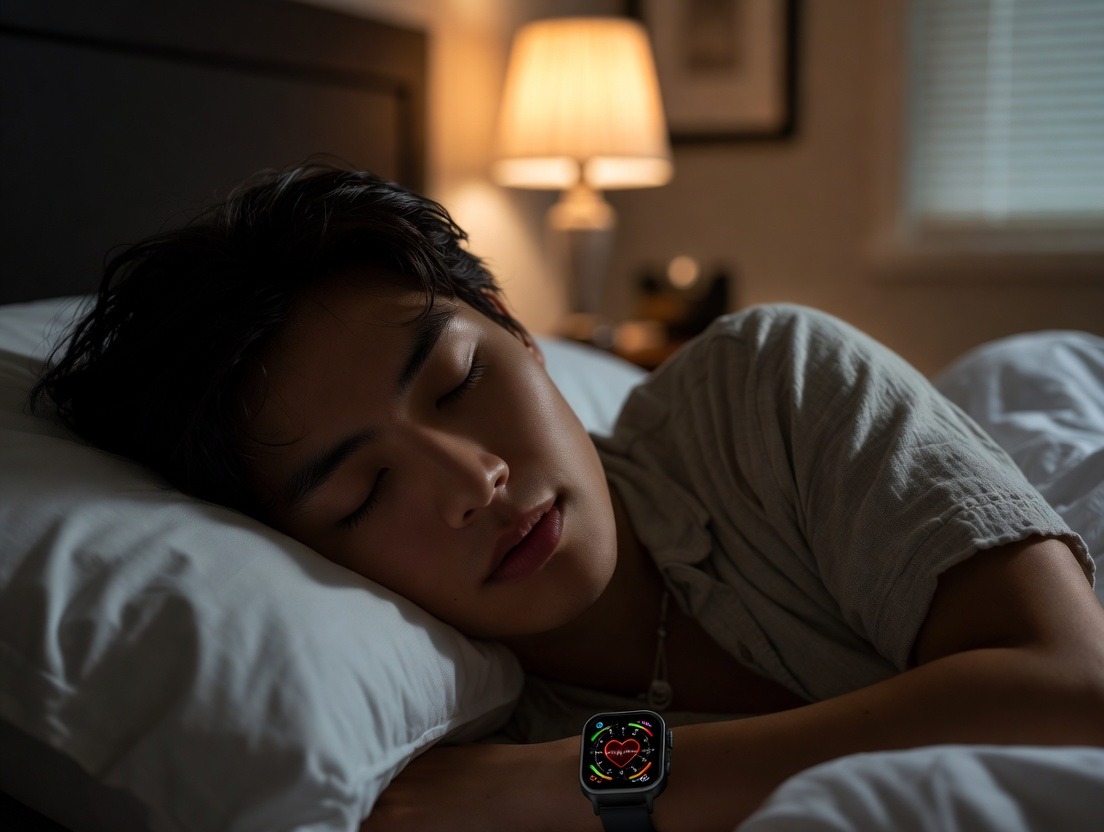
Blood Oxygen Saturation (SpO2) During Sleep: Unmasking Nocturnal Threats

Blood oxygen saturation (SpO2) measures the percentage of hemoglobin in your blood that is carrying oxygen. While a healthy, awake individual typically maintains 95-100%, this level can dip significantly during sleep, especially if breathing is disrupted. Nocturnal SpO2 monitoring is arguably one of the most direct, life-saving predictive features of advanced smart rings.

The primary predictive application is in screening for Sleep-Disordered Breathing, most notably Obstructive Sleep Apnea (OSA).

  • How It Predicts: During an apnea event, the airway collapses, breathing stops, and blood oxygen levels fall. The brain then jolts the body awake to restart breathing (often with a gasp or snort), fragmenting sleep. These "oxygen desaturations" are the hallmark of OSA. A smart ring tracking frequent, significant dips in your nightly SpO2 (e.g., drops below 90%) provides a powerful predictive screening tool for OSA.
  • The Future Health Risks of Undiagnosed OSA: This prediction is critical because untreated sleep apnea is not just about snoring and fatigue. It is a major independent risk factor for:
    • Hypertension and Resistant High Blood Pressure
    • Heart Failure, Atrial Fibrillation, and Stroke
    • Type 2 Diabetes due to increased insulin resistance
    • Cognitive Impairment and Dementia
    • Metabolic Syndrome

By identifying a pattern of nocturnal oxygen desaturations, a smart ring can predict a high likelihood of developing these severe cardiovascular and metabolic conditions, prompting users to seek formal diagnosis and treatment (like CPAP therapy) years earlier. This single metric can fundamentally alter a health trajectory. For more resources on understanding these metrics and their implications, you can always explore our blog for related articles and deep dives.

Respiratory Rate: The Overlooked Vital Sign with Profound Implications

Respiratory rate—the number of breaths you take per minute—is often called the "neglected vital sign" in clinical settings. Yet, it is exquisitely sensitive to physiological and psychological state. Smart rings can derive respiratory rate from subtle rhythmic variations in heart rate data (a phenomenon called Respiratory Sinus Arrhythmia) or via other advanced sensors.

  • Stress & Emotional State Predictor: Your breathing pattern is intimately tied to your autonomic nervous system. Anxiety, panic, and acute stress trigger rapid, shallow "chest breathing." A smart ring noticing a trend of increased resting respiratory rate, especially during the day or as you try to fall asleep, can predict rising stress levels and the risk of anxiety-related episodes.
  • Marker of Cardiorespiratory Fitness: A lower resting respiratory rate generally indicates more efficient lungs and a stronger cardiovascular system. An unexplained increase over time could signal deconditioning or the early stages of a pulmonary issue.
    • Predictive Insight: In medical research, an elevated respiratory rate is one of the earliest indicators of patient deterioration in hospitals. For the individual at home, a creeping rise could be an early sign of cardiac or pulmonary strain.
  • Sleep Apnea Correlation: Similar to SpO2, patterns in respiratory rate during sleep can indicate apnea events—periods of no breathing (apneas) followed by rapid recovery breaths. An erratic, saw-tooth pattern in nightly respiratory rate is a predictive signature of disrupted sleep breathing.

Tracking this quiet metric adds a crucial layer to the predictive model, connecting the dots between emotional well-being, metabolic recovery (through its link to HRV), and respiratory health.

Activity & Inactivity: The Two-Sided Coin of Metabolic Destiny

Smart rings track activity (steps, active minutes, calorie burn) and, just as importantly, inactivity. It’s the balance—and the patterns within each—that hold predictive power for long-term health outcomes. The science is unequivocal: prolonged sitting is an independent risk factor for mortality, even for those who exercise regularly.

  • Non-Exercise Activity Thermogenesis (NEAT): This is the calories you burn from everything that isn't sleeping, eating, or sports-like exercise. Fidgeting, standing, walking to your car—it all counts. A high NEAT is strongly protective against obesity. A smart ring that shows a trending decrease in your overall daily movement (a lowering NEAT) can predict future weight gain and metabolic slowdown.
  • Sedentary Behavior Patterns: It’s not just total sitting time, but how you break it up. Studies show that frequent, brief interruptions to sitting (standing or walking for 1-2 minutes every 30 minutes) dramatically improve glycemic control and triglyceride levels. A smart ring’s inactivity alerts and trend data can predict your risk for insulin resistance based on your daily "sedentary bout" patterns.
  • Recovery & Overtraining: In the context of fitness, a sudden, sharp drop in your normal activity level as tracked by the ring can be a sign of forced rest due to illness or overtraining. Conversely, maintaining high activity levels while other metrics (HRV, RHR, sleep) show poor recovery predicts a high likelihood of injury or burnout.

The predictive equation here is dynamic: Activity + Recovery = Sustainable Health. The ring quantifies both sides, allowing you to see if your current balance is predictive of future vitality or future breakdown.
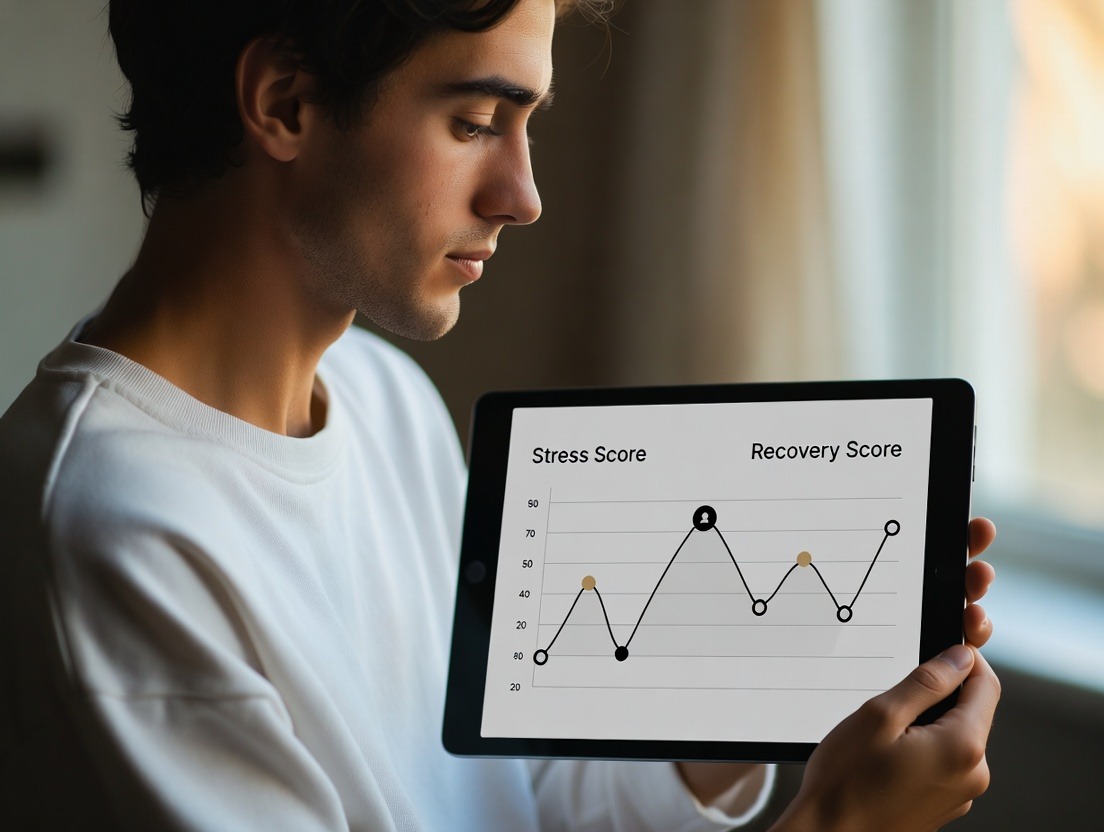
Stress & Recovery Scoring: The Integrated Forecast Model

The most advanced predictive insights don’t come from single metrics in isolation. They come from data fusion—the algorithmic synthesis of HRV, RHR, sleep quality, temperature, and activity into a unified "Stress" or "Recovery" score. This is where smart ring analytics truly shine as a predictive tool.

These scores aren’t just a grade for yesterday; they are a readiness forecast for tomorrow.

  • How It Predicts: A chronically low recovery score (or high stress score) indicates your system is under persistent, unresolved strain. This state, sometimes called "allostatic load," is the physiological price of chronic adaptation to stress.
  • The Predictive Link to Disease: High allostatic load is the proven biological pathway through which psychosocial and environmental stress "gets under the skin" to cause disease. A smart ring’s recovery score is a direct, quantifiable proxy for your allostatic load.
    • It predicts immune suppression and susceptibility to illness.
    • It predicts cognitive impairment like brain fog and poor decision-making.
    • It predicts emotional volatility and risk of mood disorders.
    • It predicts the acceleration of aging processes at a cellular level.

By providing a simple, integrated number, these scores answer the most predictive question of all: "Based on everything my body has endured and how it has recovered recently, how resilient am I to the challenges of tomorrow?" A low score is a clear forecast of higher vulnerability. For a broader understanding of the philosophy behind this integrated approach, you can learn about our company's mission and vision to empower proactive health.

The Predictive Frontier: From Data to Personalized Health Forecasts

We are now moving beyond descriptive analytics ("this happened") and even diagnostic insights ("this is why") into the realm of true predictive and prescriptive analytics. The future of smart ring technology lies in advanced algorithms and machine learning models that don't just show trends, but actively forecast health probabilities and suggest personalized interventions.

  • Longitudinal Risk Stratification: Imagine your ring’s app presenting a dashboard: "Based on your 18-month trend of gradually increasing RHR, declining deep sleep, and elevated sleeping heart rate, your 5-year predictive risk for developing hypertension has moved from 'Low' to 'Moderate.' Here are three personalized, evidence-based interventions to reverse this trend."
  • Illness Onset Prediction: As seen with early fever detection, algorithms are being trained to recognize the unique physiological "pre-illness" signature—a specific combination of rising RHR, lowering HRV, and temperature deviation—that predicts a cold or flu 24-48 hours before symptom onset. This allows for truly pre-emptive action.
  • Mental Health Forecasting: By correlating biometric markers (HRV, sleep fragmentation, respiratory rate) with self-reported mood logs, systems could learn to predict periods of high vulnerability to anxiety or depressive episodes, prompting digital therapy modules, meditation reminders, or social connection suggestions.
  • Personalized Intervention Feedback Loop: The ultimate predictive model is a closed-loop system. The ring suggests an intervention ("try a 20-minute meditation before bed this week"). You do it. The ring then measures the physiological impact on your sleep and recovery scores, refining its future predictions and recommendations for you. It learns what actually works for your unique biology.

This is the inevitable direction of travel: devices that act less like dashboards and more like AI-powered health co-pilots, navigating you away from predicted hazards and toward optimal well-being. The journey to this future is rooted in a powerful narrative, which you can explore in our brand's founding story and vision.

Limitations, Ethics, and the Path Forward

As we stand in awe of this predictive potential, it is crucial to temper excitement with responsibility. The path from biometric data to health predictions is fraught with limitations and ethical considerations that must guide the development and use of this technology.

  • Limitations:
    • Not a Medical Device: Smart rings are wellness devices. Their predictions are probabilistic indicators, not diagnoses. A predicted increase in cardiovascular risk is a prompt to see a doctor, not a conclusion.
    • Data Accuracy & Individual Variability: While excellent for trends, absolute accuracy can vary. More importantly, individual baselines are everything. An HRV of 40 might be dangerously low for one person and perfectly healthy for another.
    • The "Why" is Often Missing: The ring can predict that something is trending negatively, but it cannot always pinpoint the exact medical cause. Is the rising RHR due to dehydration, an underlying infection, or anxiety? The prediction prompts investigation; it does not replace it.
  • Ethical Imperatives:
    • Data Privacy & Security: This is perhaps the most critical issue. Predictive health data is incredibly sensitive. Who owns it? How is it stored? Could it be used by insurers or employers? Companies must implement and transparently communicate bank-level encryption and clear, user-centric data policies.
    • Algorithmic Bias & Accessibility: Predictive models trained on non-diverse datasets will fail for underrepresented populations. Ensuring equitable health benefits requires a commitment to inclusive research and development.
    • Preventing Anxiety & Cyberchondria: Constant monitoring and predictive warnings can, for some, induce health anxiety. Design must be empathetic, focusing on empowerment over fear, and always directing users to professional care for serious concerns. For common questions and concerns about using this technology responsibly, our FAQ and support page offers clear guidance.

The path forward is one of partnership—between user and device, between wellness technology and professional medicine. The smart ring’s role is to provide the early-warning predictive insights that empower you to have more informed, proactive conversations with your healthcare provider, shifting the entire paradigm from reactive sick-care to proactive health-care.

Predicting Cardiovascular Futures: From Heart Rate to Heart Health

The cardiovascular system is not a silent entity. It murmurs, speeds, slows, and fluctuates with every demand and stress placed upon it. For years, we listened to these murmurs with stethoscopes and captured snapshots with EKGs. Now, smart rings provide a continuous, intimate dialogue with our heart, translating its patterns into a forecast of its long-term health. The prediction of cardiovascular disease (CVD)—the world’s leading cause of death—is one of the most powerful applications of this technology.

The predictive model for CVD is built on a constellation of interlinked metrics, each a piece of the puzzle.

The Core Predictive Triad: RHR, HRV, and Sleep

As explored earlier, a chronically elevated Resting Heart Rate (RHR) is a direct, independent risk factor. Think of your heart as an engine. A baseline RPM that slowly creeps higher over months suggests the engine is working less efficiently, straining under systemic pressure (like arterial stiffness or increased sympathetic tone). A sustained increase of 5-7 bpm above your personal norm is a signal worth investigating.

Heart Rate Variability (HRV) provides the "why" behind the RHR. Low HRV indicates autonomic imbalance—a nervous system stuck in fight-or-flight mode. This state promotes inflammation, increases blood pressure, and damages the endothelial lining of arteries. A pronounced, persistent downward trend in HRV is one of the strongest known predictors of future adverse cardiac events, including arrhythmias and heart attack. It’s a measure of your heart’s resilience, and declining resilience predicts vulnerability.

Sleep, specifically deep sleep and nocturnal blood pressure dipping, is the third pillar. During deep sleep, your heart rate and blood pressure naturally lower, giving your cardiovascular system a critical rest period. Disrupted sleep, particularly from conditions like sleep apnea flagged by SpO2 desaturations, blunts or eliminates this dip. This "non-dipping" pattern forces your heart and vessels to work at high pressure 24/7, a powerful predictor of future hypertension and left ventricular hypertrophy (thickening of the heart wall).

The Emerging Predictive Power of Pulse Wave Velocity (PWV)
Some advanced smart rings are beginning to explore metrics related to arterial stiffness, a key precursor to hypertension and atherosclerosis. While not a direct measurement, proxies can be derived from the photoplethysmogram (PPG) signal. Stiffer arteries cause the heart’s pulse wave to travel faster. Tracking subtle changes in the PPG waveform over time could offer an unprecedented at-home window into vascular aging, predicting issues years before they manifest as high blood pressure on a cuff.

A Predictive Case Study: The Silent March to Hypertension
Imagine a 45-year-old user, Alex. Over 18 months, Alex’s smart ring data shows the following trend:

  • RHR: Gradually increased from 58 bpm to 66 bpm.
  • Nightly HRV: Slow, steady decline from a baseline of 55 ms to 42 ms.
  • Deep Sleep: Decreased from an average of 1.5 hours to just 50 minutes per night.
  • Sleeping HR & HRV: Shows less of a "calm valley" at night, indicating poor recovery.
  • Activity: Daily step count has trended downward by 20%.

Alex feels fine. His annual check-up blood pressure is "a little high, but borderline." His ring’s predictive narrative, however, is clear: *Autonomic balance is deteriorating (low HRV), systemic strain is increasing (high RHR), critical recovery is failing (poor deep sleep), and metabolic output is down (lower activity). The combined trajectory points to a high probability of developing clinical hypertension within the next 1-2 years.*

This prediction allows Alex to act pre-hypertensive. Interventions like targeted stress management (to improve HRV), sleep hygiene protocols (to protect deep sleep), and reintroducing daily walks (to lower RHR and improve metabolism) can be deployed with precision. The goal is to use the prediction to alter the predicted outcome—to reroute the trajectory before the diagnosis is set in stone. This is the essence of predictive health in action. For those seeking to understand the practical application of these insights, you can discover how Oxyzen works to integrate these data points into a coherent health narrative.

Forecasting Metabolic Health: The Diabetes & Obesity Early-Warning System

Metabolic health—the efficient processing and use of energy—is the bedrock of vitality and longevity. Its dysregulation, manifesting as insulin resistance, metabolic syndrome, Type 2 diabetes, and obesity, is a slow-burning crisis. The warning signs are not just in annual glucose readings, but in the daily and nightly rhythms captured by a smart ring. These devices are becoming essential tools for predicting metabolic fate.

The Sleep-Metabolism Connection: A Powerful Predictive Axis
The link is unequivocal: poor sleep predicts poor metabolic outcomes.

  • Deep Sleep Deprivation: Reduces insulin sensitivity. A smart ring showing a consistent deficit in deep sleep is essentially tracking a rising probability of glucose intolerance.
  • Sleep Timing & Consistency ("Social Jetlag"): Erratic sleep schedules confuse your circadian clock, which governs the release of insulin and hormones like cortisol and ghrelin (hunger hormone). A ring showing large variances in sleep timing on weekends vs. weekdays predicts a higher risk of weight gain and metabolic dysregulation.
  • Sleep Disruption from Apnea: The intermittent hypoxia (low SpO2) from sleep apnea is a direct driver of insulin resistance. Ring-identified nocturnal oxygen desaturations are therefore a strong predictive marker for future Type 2 diabetes, independent of body weight.

HRV: The Nervous System’s Metabolic Report Card
Low Heart Rate Variability, indicating sympathetic dominance and inflammation, is tightly correlated with insulin resistance. A nervous system in constant "stress mode" tells the liver to dump glucose into the bloodstream and makes cells resistant to insulin’s "open up for glucose" signal. A downward HRV trend is a leading indicator, often appearing before fasting glucose levels rise.

Resting Heart Rate & Activity: The Energy Balance Equation
An elevated RHR can signal a metabolism working inefficiently under inflammatory stress. More directly, the ring’s activity and inactivity metrics are predictive gold.

  • NEAT Decline: A drop in non-exercise activity thermogenesis (your all-day fidgeting and moving) predicts a decline in daily calorie burn, leading to slow, creeping weight gain.
  • Sedentary Pattern Analysis: Long, unbroken bouts of sitting (shown by the ring’s inactivity alerts) are proven to cause immediate, negative changes in post-meal triglyceride and glucose metabolism. A pattern of prolonged daily sedentariness predicts the development of insulin resistance.

Body Temperature Rhythms: The Metabolic Thermostat
A blunted or erratic circadian temperature rhythm can reflect a disrupted metabolism. The body’s temperature cycle is governed by the same master clock that regulates metabolic hormones. A consistently abnormal pattern may predict thyroid dysfunction or other metabolic inefficiencies.

Putting It Together: The Pre-Diabetic Profile
Consider Maya, a software developer with a family history of diabetes. Her smart ring data over a year reveals:

  • Sleep: Deep sleep has declined 25%. She has severe social jetlag, sleeping 2 hours later on weekends.
  • HRV: Has trended from the "good" to the "fair" range for her age.
  • Activity: Her daily movement has decreased since starting a remote job. The ring shows frequent 90+ minute sedentary bouts.
  • SpO2: Occasional, mild nocturnal dips are noted.

While her annual lab work shows her fasting glucose is now in the "pre-diabetic" range, her ring data predicted this shift over the preceding 12 months. The predictive insight wasn't a single glucose number, but the story of deteriorating sleep, rising stress physiology (low HRV), and a more sedentary lifestyle. This narrative allows for a targeted intervention far more effective than a generic "eat better, exercise more." It prescribes: *Prioritize deep sleep through a consistent schedule, break sedentary periods every 30 minutes, and employ stress-reduction techniques to improve HRV.* By addressing the predictors, Maya can change the predicted outcome of a diabetes diagnosis.

Anticipating Mental Health & Neurological Resilience

The brain is not an island. It is fed, cleansed, and deeply influenced by the state of the body. The metrics from a smart ring provide a surprisingly clear window into the brain's functional capacity and its vulnerability to mental health challenges and neurological decline. This moves mental health prediction from subjective feeling to observable physiology.

The Autonomic Nervous System as a Mood Barometer
Heart Rate Variability is the flagship predictive metric for mental health. As the direct readout of autonomic balance, it reflects emotional regulation capacity.

  • Depression & Anxiety: Consistently low HRV is a robust biomarker for major depressive disorder and anxiety disorders. It reflects a nervous system depleted and unable to adapt, stuck in a state of defensive rigidity. A smart ring tracking a persistent HRV decline, especially when correlated with self-reported low mood, can predict the slide into a depressive episode or a period of heightened anxiety.
  • Burnout & Emotional Exhaustion: The path to burnout is paved with unresolved stress. A ring will show the physiology of this journey: HRV slowly erodes, RHR becomes elevated, and sleep becomes shallow and fragmented. This triad predicts emotional depletion and cognitive weariness long before an individual admits they are burning out.

Sleep Architecture: The Nightly Therapy Session
REM sleep is crucial for processing emotional experiences and consolidating memories. Fragmented or suppressed REM sleep is a hallmark in PTSD, depression, and anxiety.

  • Predictive Insight: A ring showing chronically low REM sleep percentage or frequent awakenings during REM predicts difficulties with emotional regulation, heightened emotional reactivity, and a greater risk for mood disorders.
  • Deep Sleep & Brain Detoxification: The brain’s glymphatic system, which flushes out neurotoxic waste like beta-amyloid, is most active during deep sleep. A chronic deep sleep deficit, visible on a smart ring, doesn’t just predict daytime fatigue; it predicts a higher long-term risk for cognitive decline and neurodegenerative diseases like Alzheimer's.

Respiratory Rate: The Breath of Anxiety
An elevated resting respiratory rate, particularly during wakeful periods or as one tries to fall asleep, is a direct sign of a ramped-up sympathetic nervous system. It’s the physiology of worry. Tracking this can help predict moments of acute anxiety and provide a biofeedback tool for intervention (e.g., using paced breathing to lower the respiratory rate and calm the nervous system).

The Predictive Path to Cognitive Preservation
Beyond mood, the ring’s data points toward long-term brain health.

  • The Sleep-Apolipoprotein E (APOE) Connection: For individuals with a genetic risk for Alzheimer's (like the APOE ε4 allele), the quality of deep sleep is even more critical. A ring identifying poor deep sleep in such an individual provides a powerful, modifiable intervention point to potentially delay cognitive decline.
  • Cardiovascular & Metabolic Health: The same metrics that predict heart disease and diabetes (RHR, HRV, SpO2) also predict vascular dementia and general cognitive impairment. A healthy heart and vessels ensure a healthy blood supply to the brain.

Case Study: Predicting the Burnout Cliff
Sam is a dedicated project manager. Over six months, his ring data shows:

  • HRV: A stark, linear decline from his high baseline.
  • Sleep: His sleep scores become erratic, with frequent early morning awakenings (loss of late-night REM and deep sleep).
  • RHR: Up by 8 bpm, even on weekends.
  • Recovery Score: His weekly average has dropped from "Good" to "Pay Attention."

Sam says he's "just tired," but his physiology is screaming. The ring’s predictive analysis is clear: *If current stress and recovery patterns continue, Sam is on a high-probability path to clinical burnout, depression, or both within 3-6 months.* This early warning allows Sam and his support system to intervene with urgency—delegating tasks, starting therapy, taking a medical leave—to avert a full-blown crisis. This predictive capacity transforms mental health from reactive to preventive care. For more on how real people have used these insights, read real customer reviews and experiences with health tracking.

The Immune System Forecast: Predicting Susceptibility and Resilience

Your immune system’s strength is not static. It waxes and wanes with sleep, stress, recovery, and overall physiological balance. A smart ring, by monitoring the proxies of these states, can effectively predict windows of immune vulnerability and periods of robust defense. This turns the abstract concept of "immunity" into a forecastable metric.

Sleep: The Immune System’s Prime Time
Sleep is non-negotiable for immune function. Key immune cells like T-cells and cytokines are produced and regulated during sleep, especially deep sleep.

  • Predictive Power: A ring showing even two consecutive nights of poor deep sleep predicts a measurable dip in immune cell activity. A chronic deficit predicts a system that is under-prepared for pathogens, increasing the likelihood and severity of infections.
  • The Vaccination Response: Studies show that individuals who sleep well in the days before and after receiving a vaccine produce a stronger, more durable antibody response. Your ring’s sleep score can literally predict the efficacy of your immunizations.

HRV and RHR: The Stress-Immunity Link
Chronic stress, visible as low HRV and high RHR, suppresses the immune system via the release of cortisol. Cortisol inhibits the production of lymphocytes and the effectiveness of natural killer (NK) cells.

  • Predictive Insight: A period of sustained low recovery scores (driven by low HRV) predicts an "open window" of immune suppression. This is the time you are most likely to catch the cold going around the office.

Body Temperature: The Early-Warning Siren
This is one of the most direct predictive features. A rise in baseline body temperature, particularly your overnight temperature, is one of the earliest signs of your body mounting an innate immune response to a pathogen—often 24-48 hours before you feel a sore throat or fatigue.

  • Actionable Prediction: A smart ring that alerts you to a significant, unexplained rise in your nightly temperature is giving you a precious head start. This allows you to proactively hydrate, rest, reduce stress, and potentially mitigate the severity or duration of the coming illness.

The Cumulative Load Model: Predicting the "Last Straw"
The immune system often fails not from one massive hit, but from the cumulative load of multiple stressors. A smart ring’s integrated data can model this load.

  • Scenario: Your ring shows you’ve had poor sleep for three nights (low deep sleep scores), you’re in a high-stress work period (low HRV trend), and you just completed a very intense workout (high physiological strain). The algorithm can synthesize this into a prediction: "Your current allostatic load is high. Your immune resources are depleted. Your risk of infection in the next 48 hours is elevated. Prioritize rest and recovery."

This predictive capability is transformative. It allows you to see when you are running a "immune deficit" and need to behave more cautiously (e.g., avoid large crowds, double down on hygiene) and when you are in a state of "immune surplus" and can safely take on more physical or mental challenges.

Hormonal Harmony and Dysregulation: A Circadian Prediction

Hormones are the body’s messaging system, and they operate on strict circadian schedules. Disrupt the schedule, and you disrupt everything from metabolism and mood to reproduction and aging. A smart ring, by tracking the primary outputs of the circadian system—body temperature, sleep timing, and heart rate rhythms—can predict states of hormonal imbalance.

The Central Clock and Peripheral Clocks
Your master circadian clock is in the brain’s hypothalamus, but every organ has its own peripheral clock. Light exposure synchronizes the master clock, but behaviors like eating and sleeping synchronize the peripheral ones. The ring tracks the harmony (or discord) between them.

Predicting Reproductive Health
For women, the ring’s continuous temperature sensor is a game-changer. The post-ovulatory rise in basal body temperature (BBT) is a key sign of progesterone release.

  • Ovulation Prediction: By tracking the subtle biphasic shift, the ring can predict ovulation and identify fertile windows with high accuracy, far more reliably than calendar methods.
  • Hormonal Disorder Clues: Conditions like Polycystic Ovary Syndrome (PCOS) or luteal phase defects often show up as erratic, anovulatory, or shortened temperature curves. A ring identifying these patterns month after month provides early, objective data to bring to a healthcare provider, predicting or confirming a hormonal imbalance.
  • Perimenopause Transition: The often-turbulent transition into menopause is marked by increasingly erratic cycles and temperature patterns. A smart ring can track this transition objectively, predicting its progression and correlating symptoms (like night sweats from temperature spikes) with physiological data.

Cortisol and the Stress-Sleep Axis
Cortisol should follow a steep diurnal rhythm: high in the morning to wake you up, and low at night to allow for sleep and recovery. Chronic stress and poor sleep flatten this curve.

  • Prediction: A ring showing poor sleep quality (especially early morning awakenings) combined with a low, slow-to-rise morning HRV (indicating poor autonomic awakening) predicts a disrupted cortisol rhythm. This state predicts downstream effects like weight gain (particularly abdominal fat), insulin resistance, and anxiety.

Metabolic Hormones: Insulin, Ghrelin, and Leptin
As covered in the metabolic section, the disruption of sleep and circadian rhythms predicted by the ring (late sleep timing, social jetlag) directly disrupts the hormones that control hunger (ghrelin goes up) and satiety (leptin goes down), while making cells resistant to insulin. The ring’s sleep and timing data, therefore, is a predictor of this unfavorable hormonal shift that leads to overeating and fat storage.

The Predictive Power of Consistency
Ultimately, the ring predicts hormonal health by measuring circadian consistency. Going to bed and waking at wildly different times, eating at erratic hours, and exposing yourself to light at night all send conflicting signals to your hormonal system. The ring quantifies this inconsistency, and that quantification predicts a state of hormonal confusion and dysregulation with wide-ranging negative health consequences. To explore the science and personal stories behind circadian health, you can explore our blog for more wellness tips and research.

Athletic Performance and Overtraining: Predicting Peak and Breakdown

For the athlete or dedicated fitness enthusiast, the line between optimal training and destructive overtraining is notoriously thin. Pushing too hard leads to injury, illness, and prolonged performance plateaus. Not pushing hard enough leads to stagnation. Smart rings are becoming the essential tool for navigating this line, predicting both readiness for peak performance and the looming risk of overtraining syndrome (OTS).

The Predictive Paradigm Shift: From Load to Readiness
Traditional training plans are based on external load: miles run, weight lifted, hours trained. Smart rings introduce the critical variable of internal readiness: how well your body is recovering from and adapting to that load. This creates a true predictive model: If External Load > Internal Readiness for a sustained period, breakdown is predicted.

Key Predictive Metrics for the Athlete:

  1. Heart Rate Variability (HRV): The North Star of Recovery
    • Acute Prediction: A sharp drop in HRV the morning after a hard training session is normal (it indicates a high stress load). The predictive power lies in the rebound. If HRV fails to return to baseline within 1-2 days, it predicts incomplete recovery. Training hard again in this state predicts a compounding fatigue effect.
    • Chronic Prediction: A sustained, downward trend in weekly average HRV, despite adequate sleep, is one of the earliest and most reliable predictors of overtraining syndrome. It signals a nervous system that is chronically overwhelmed and failing to adapt.
  2. Resting Heart Rate (RHR): The Strain Gauge
    • A sustained elevation of 7+ bpm above your normal waking RHR is a classic, research-backed predictor of overreaching and impending OTS. It’s a sign your cardiovascular system is under prolonged stress.
  3. Sleep Quality & Architecture: The Repair Forecast
    • Deep Sleep Need: Intense training increases the need for deep sleep (physical repair). A ring showing a failure to achieve sufficient deep sleep on heavy training nights predicts poor muscle repair, suppressed immune function, and sub-optimal adaptation.
    • Sleep Latency & Efficiency: Taking much longer to fall asleep or waking frequently after hard training can predict a hyper-aroused nervous system, a key component of OTS.
  4. Body Temperature: The Inflammation Signal
    • A slight elevation in baseline temperature can indicate systemic inflammation from muscle micro-tears. If this elevation persists alongside other metrics, it predicts a body struggling with repair.

The Predictive Readiness Score
Advanced platforms synthesize these metrics into a single Readiness or Recovery Score. This is the ultimate predictive tool for an athlete:

  • Score: High (Green) = Your physiology predicts you are primed for a high-quality, productive training session. You can safely push.
  • Score: Moderate (Yellow) = Predicts you are in a maintenance state. Consider a lighter, technical, or recovery-focused session.
  • Score: Low (Red) = Your body is predicting a high risk of poor performance, injury, or regression if you train hard. Prescribes mandatory rest or very light activity.

Case Study: Predicting a Stress Fracture
Jenna, a marathon runner, is increasing her mileage. Her ring data shows:

  • Over 3 weeks, her weekly average HRV trends down despite more sleep.
  • Her morning RHR is up 5-8 bpm.
  • Her deep sleep is inconsistent.
  • Her readiness score is "Low" for 4 out of 7 days, but she pushes through her prescribed high-mileage runs anyway.

The ring’s prediction was clear: Jenna’s recovery capacity is insufficient for her training load. She is accumulating, not adapting, to stress. The likely outcomes predicted were illness, a major performance setback, or injury. Two weeks later, she develops shin pain that is diagnosed as a stress fracture. The ring didn’t diagnose the fracture, but it predicted the physiological state that made her bones vulnerable to it. Had she heeded the predictions and inserted a rest or deload week, she might have avoided the injury entirely. This is the power of physiological forecasting in sport.

Longevity Biomarkers: Predicting the Rate of Aging

Aging is not merely the passage of time; it is the accumulation of cellular and systemic damage, and the decline of repair processes. "Biological age" can differ dramatically from chronological age. Smart rings are beginning to track proxies of biological aging, offering a predictive glimpse into your rate of physiological decline and, by extension, your longevity potential.

The Hallmarks of Aging and Ring-Detectable Proxies
While rings can't measure telomere length directly, they can track the functional outputs of aging systems:

  1. Declining Resilience (Predicting All-Cause Mortality):
    • Low HRV is arguably one of the strongest functional biomarkers of aging. As we age, HRV naturally declines. However, an HRV that is lower than age-matched peers, or one that is declining at a steeper trajectory, predicts higher all-cause mortality. It’s a measure of the system's fading flexibility.
    • Elevated RHR carries a similar mortality risk prediction. A heart that must beat faster at rest is a heart under duress, reflecting a less efficient, more aged system.
  2. Circadian Rhythm Degradation:
    • A hallmark of aging is the dampening of circadian amplitude—the difference between your daily highs and lows. In ring data, this manifests as:
      • A blunted nighttime dip in body temperature and heart rate.
      • More fragmented sleep with less deep and REM sleep.
      • Less distinct daily rhythms in activity.
    • The strength of your circadian rhythms is intimately linked to longevity. A ring showing early degradation of these rhythms predicts accelerated biological aging in multiple systems.
  3. Sleep Architecture Shifts:
    • The natural, age-related decline in deep sleep is a key part of aging. However, tracking the rate of this decline is predictive. A 50-year-old with the deep sleep architecture of a typical 60-year-old is, in a functional sense, aging faster. This predicts a higher risk for the conditions of aging: cognitive decline, metabolic disease, and frailty.
  4. Vascular Aging (via Pulse Wave Analysis):
    • As mentioned, emerging PPG analysis may offer insights into arterial stiffness. Stiff arteries are a primary driver of organ damage and systemic aging. Tracking a proxy for this over time provides a direct window into the aging of your cardiovascular system.

The Predictive Composite: The Aging Dashboard
Imagine a future dashboard on your health app, derived from 12 months of ring data:

  • Biological Age Estimate: Based on your HRV, RHR, sleep architecture, and circadian strength compared to population data, your biological age is predicted to be 42 (your chronological age is 45). Prediction: You are aging slower than average.
  • Aging Trajectory: Your HRV decline over the past year is 0.5% per month, which is better than the expected 0.8% for your age group. Prediction: Your rate of autonomic decline is favorable.
  • Vulnerability Forecast: Your deep sleep has declined by 10% in the last year, a steeper drop than expected. Prediction: This area is a key vulnerability and a priority for intervention to slow overall aging.

This predictive model shifts the focus from treating diseases of aging to slowing the rate of aging itself. By identifying which of your systems (autonomic, circadian, vascular) is aging fastest, you can deploy targeted lifestyle interventions (e.g., time-restricted eating to strengthen circadian rhythms, specific training to improve HRV) to alter your predicted longevity trajectory. This embodies the mission of proactive wellness, which you can learn more about in our company's story.

From Prediction to Prevention: Building Your Personal Action Plan

The true value of a predictive insight lies not in knowing your fate, but in having the power to change it. A smart ring’s forecast of a future health risk is not a sentence; it is a map—a map that highlights the treacherous paths so you can choose a safer route. This section transforms the data and predictions into a concrete, personalized framework for prevention. Here is how to build your action plan.

Step 1: Establish Your Baselines and Identify Meaningful Deviations
Before you can act, you must understand your unique landscape. Dedicate a 4-6 week “observation phase” where you wear your ring consistently and live your typical life, without making major interventions. The goal is to let the algorithm learn your personal norms.

  • Key Baselines to Note: Your average RHR, your typical HRV range (e.g., 45-65 ms), your normal deep and REM sleep percentages, your consistent sleep/wake times.
  • Define “Significant Change”: Work with your ring’s app to understand what constitutes a meaningful deviation for you. Is a 5 bpm RHR increase significant? Is a 15% drop in HRV a red flag? This personalizes the alerts.

Step 2: Learn the Language of Your Body’s Signals
Correlate your data with your life.

  • Keep a Simple Log: For a few weeks, note daily: Stressful events, intense workouts, alcohol consumption, late meals, moments of high emotion.
  • Review Weekly: Every Sunday, review your ring’s weekly report alongside your log. Ask: What happened on the night my HRV crashed? Why was my deep sleep so high after that day off? This builds intuitive understanding. You begin to predict your own body’s responses: “If I have that difficult meeting at 4 PM, I know I’ll see a higher resting heart rate tonight unless I do a breathing exercise afterwards.”

Step 3: Create Tiered Responses to Predictive Alerts
Not all deviations are equal. Create a response protocol.

  • Tier 1: Minor, Short-Term Deviations (e.g., one night of poor recovery, a slight RHR bump)
    • Action: Practice mindfulness. Don’t panic. Implement gentle recovery: prioritize an early bedtime, hydrate well, choose light movement like walking, and consider a calming activity like meditation or gentle stretching.
    • Goal: Support your system to bounce back quickly.
  • Tier 2: Moderate, Multi-Day Trends (e.g., 3+ days of declining HRV, elevated RHR, poor sleep scores)
    • Action: This is a predictive warning of accumulating stress. Initiate a “Recovery Protocol.”
      • Sleep First: Protect your sleep window fiercely. No screens 90 minutes before bed. Ensure your room is cool, dark, and quiet.
      • Dial Back Training: Convert high-intensity workouts to moderate or restorative sessions (yoga, walking).
      • Nutritional Support: Focus on anti-inflammatory, whole foods. Minimize processed sugar, alcohol, and caffeine.
      • Stress Management: Double down on proven techniques—10 minutes of daily guided meditation, nature time, digital detoxes.
    • Goal: Reverse the negative trend and restore baseline.
  • Tier 3: Severe, Long-Term Trends (e.g., a month-long decline in a key metric like HRV or deep sleep, or a pattern suggesting sleep apnea)
    • Action: This level of prediction warrants external integration.
      • Consult a Professional: Bring your trend data to a healthcare provider. Say, “My wearable data shows a consistent pattern of [X] over the last month, and I’m concerned it might indicate [Y]. Can we explore this?”
      • Seek Specialized Testing: A predicted metabolic risk might prompt a request for an advanced lipid panel or fasting insulin test. A predicted sleep apnea pattern is grounds for a sleep study referral.
      • Consider Deeper Support: Engage a health coach, nutritionist, or therapist to build a structured, long-term plan around the predicted risk area.
    • Goal: Formal medical evaluation and a professional partnership to alter a serious health trajectory.

Step 4: Implement Proactive, Metric-Specific Interventions
Use predictions to target your efforts.

  • If the prediction is Low HRV / High Stress Load:
    • Intervention: Daily paced breathing exercises (e.g., 5-second inhale, 5-second exhale for 10 minutes). Regular nature immersion ("forest bathing"). Digital sunset (no work emails after a set time).
    • Validation: The ring should show improved HRV and lower sleeping heart rate within 1-2 weeks of consistent practice.
  • If the prediction is Poor Sleep Quality / Disrupted Architecture:
    • Intervention: Strict, consistent sleep-wake times (even weekends). 90-minute pre-bed no-screen buffer. Bedroom temperature at ~65°F (18°C). Investigate and address sources of nocturnal noise/light.
    • Validation: The ring should show improved sleep scores, more deep/REM sleep, and less nighttime wakefulness.
  • If the prediction is Metabolic Risk (from inactivity/sleep issues):
    • Intervention: Implement a "move every 30 minutes" rule during work. Introduce time-restricted eating (e.g., 12-hour eating window) to strengthen circadian metabolism. Swap refined carbs for fiber-rich vegetables and healthy fats.
    • Validation: The ring should show improved activity patterns, more stable energy levels, and potentially improved HRV and RHR.

The action plan turns passive prediction into active prevention. It’s a dynamic feedback loop: Data → Prediction → Targeted Action → New Data → Refined Prediction. You become the scientist and subject of your own long-term health experiment. For additional guidance and answers on implementing these plans, our FAQ and support page is a valuable resource.

The Role of AI and Professional Integration: The Future of the Doctor-Ring Partnership

The smart ring alone is a powerful tool, but its predictive potential is magnified exponentially when integrated with two key elements: sophisticated artificial intelligence and the human expertise of healthcare professionals. This triad is forging the future of personalized, preventive medicine.

Artificial Intelligence: From Pattern Recognition to Prescriptive Insight
Current rings excel at showing trends. Next-generation AI will provide context and prescription.

  • Predictive Modeling: AI will not just show that your HRV is low, but will analyze the confluence of data (sleep, activity, temperature, past trends) to predict the probability of specific outcomes: "There is a 73% likelihood your current trajectory, if unchanged, will lead to a diagnosis of hypertension within 24 months."
  • Personalized “N-of-1” Recommendations: Generic advice fails. AI will learn what works for you. It will correlate interventions with outcomes in your data: *"Based on 90 past instances, a 20-minute evening meditation improves your next-night deep sleep by an average of 12%. Your current recovery score suggests tonight is an optimal night for this intervention."*
  • Anomaly Detection at Scale: AI can compare your biometric patterns against anonymized, aggregated population data to flag anomalies that are statistically significant but personally subtle, predicting rare or complex conditions earlier.

The Clinician’s New Toolkit: From Subjective History to Objective Biometric History
The doctor-patient relationship is about to be supercharged. Imagine walking into your physician’s office not with vague complaints of "tiredness," but with a 12-month Biometric Health Report from your ring.

  • The “Stress Echocardiogram” of Daily Life: You can show the physiological impact of your life: "Doctor, here’s my heart rate variability trend. You can see the steep decline that started when I began this high-stress project at work three months ago, correlated with a loss of deep sleep. My body is showing me the cost."
  • Medication & Treatment Efficacy Monitoring: Did that new blood pressure medication actually improve your nocturnal blood pressure dipping? Is your CPAP therapy for sleep apnea effectively eliminating oxygen desaturations? The ring provides continuous, at-home efficacy data, moving treatment from trial-and-error to precision adjustment.
  • Pre-Consultation Triage: Healthcare systems could use aggregated, anonymized ring data to identify populations at high predictive risk for certain conditions, enabling proactive outreach and early screening programs.

The Integrated Care Loop of the Future:

  1. Continuous Monitoring: Your ring collects data, and its AI identifies a concerning, predictive trend (e.g., persistent nocturnal tachycardia).
  2. Patient Alert & Pre-Consultation: You are alerted and prompted to complete a symptom questionnaire in your patient portal.
  3. Professional Review: A nurse or doctor reviews the trend data and questionnaire, prioritizing your case.
  4. Targeted Consultation: The visit is focused and efficient. The doctor says, "I see the pattern your ring picked up. Let's order a specific monitor to confirm if this is atrial fibrillation, and in the meantime, here’s what we should do."
  5. Treatment & Follow-up Monitoring: Post-diagnosis, the ring monitors the impact of treatment in real-time, closing the loop.

This partnership demystifies the body for the patient and provides concrete, longitudinal data for the professional. It shifts medicine from episodic, reactive care to continuous, predictive health management. It empowers you to be an informed, data-literate partner in your own care.

Navigating the Data: Privacy, Accuracy, and Ethical Considerations

With great predictive power comes great responsibility. As we embrace this technology, we must navigate its challenges with clear eyes and ethical principles. The sustainability of this health revolution depends on trust.

The Paramount Issue: Data Privacy and Security
Your predictive health data is among the most sensitive information that exists. It can reveal not just current illnesses but future vulnerabilities.

  • Ownership and Control: You must own your data. Clear, transparent policies on data ownership, usage rights, and the ability to download or delete your data are non-negotiable. Companies must be guardians, not owners, of your biometric story.
  • Encryption and Anonymization: Data must be encrypted both in transit and at rest. For research and AI improvement, data should be rigorously anonymized and aggregated, stripping all personally identifiable information.
  • Third-Party Sharing: There must be explicit, opt-in consent for any sharing of identifiable data with third parties (including researchers or partners). The default should be maximal privacy.

Accuracy and the “Good Enough for Trends” Standard
Smart rings are wellness devices, not medical-grade diagnostic tools. This distinction is critical.

  • Absolute vs. Relative Accuracy: A ring may not give the exact same SpO2 reading as a hospital pulse oximeter every single time (absolute accuracy). However, for predictive purposes, its strength is in relative accuracy and consistency—reliably detecting a drop of 4% in your nightly SpO2 from your own baseline. That trend is the predictive signal.
  • The Role of Clinical Validation: Reputable companies invest in clinical validation studies and publish their methods. Look for rings whose algorithms are developed and tested in partnership with academic or medical institutions.
  • User Responsibility: The data is a guide, not a gospel. It is one piece of a larger health picture that includes symptoms, genetics, and professional evaluation.

The Risk of Anxiety and Health Obsession
For some, constant monitoring can lead to "orthosomnia" (an unhealthy obsession with perfect sleep data) or general health anxiety.

  • Design for Wellness, Not Fear: App design should focus on empowerment, positive reinforcement, and long-term trends rather than hyper-focusing on single-day scores. Notifications should be thoughtful, not alarming.
  • Promoting Data Literacy: Companies should educate users on how to interpret data calmly—understanding natural variability, the difference between acute and chronic trends, and when to seek help versus when to simply observe.
  • The “Off-Ramp” to Professionals: The technology must always point users toward human professionals for concerning predictions, never leaving them alone with alarming data.

Equity and the Digital Divide
Predictive health technology must not become a privilege that widens health disparities.

  • Algorithmic Bias: If AI models are trained primarily on data from homogeneous populations, their predictions will be less accurate—and potentially harmful—for people of different ethnicities, ages, or body types. A commitment to diverse training datasets is an ethical imperative.
  • Accessibility: Companies and healthcare systems must consider models to make this technology accessible to underserved communities where its predictive power could have the greatest impact on public health.

Navigating these considerations is not an obstacle to progress; it is the foundation for responsible, trustworthy progress. By demanding and supporting ethical practices, we ensure this technology fulfills its promise of democratizing and personalizing preventive health for all. The vision driving these ethical considerations is part of our brand's core journey and values.

The Future Vision: Predictive, Personalized, and Participatory Medicine

We stand at the precipice of a fundamental transformation in how we understand and manage human health. The smart ring, in concert with other biosensors, AI, and evolving medical practice, is ushering in an era that can be defined by three core principles: Predictive, Personalized, and Participatory.

1. A World of Predictive Medicine
The reactive "sick-care" model will be supplanted by a continuous, predictive health cloud. Your biometric data stream will feed into AI models that continuously assess your risk profiles for dozens of conditions.

  • Scenario 2030: Your health interface pings you: *"Your cardiometabolic risk score has increased to 'Moderate-High.' The primary driver is a 6-month trend of declining deep sleep efficiency and rising inflammatory markers (from temperature and HRV data). Your recommended action plan: 1) Schedule a sleep study, 2) Begin a 4-week anti-inflammatory nutrition protocol, 3) Increase low-intensity zone 2 cardio to 150 minutes/week. Projected outcome: 68% probability of returning to 'Low Risk' within 90 days."*
  • Population Health: On a macro scale, anonymized aggregate data could predict community-level health threats, like mental health crises following natural disasters or the early spread of infectious diseases, enabling proactive public health responses.

2. The Ultimate in Personalized Health
“Personalized medicine” will move beyond genomics to include your real-time physiome—the dynamic, functional expression of your genes in your daily life.

  • Dynamic Baseline Adjustment: Your "normal" will be a moving target that adapts with age, lifestyle changes, and seasons. Predictions will be based on you vs. you, not you vs. a population average.
  • Micro-Intervention Testing: The AI will become your personal health lab. It will suggest and test micro-interventions: "Try drinking tart cherry juice 2 hours before bed this week. In our user population with your phenotype, it increased deep sleep by an average of 9%. Let's see if it works for you." The subsequent data will confirm or reject the hypothesis for your unique biology.

3. The Fully Participatory Patient
You will transition from a passive recipient of care to the CEO of your own health, with a dashboard, a predictive analytics team (the AI), and specialist consultants (your doctors).

  • Informed Decision-Making: You will enter medical consultations with rich data, enabling shared decision-making. You and your doctor will discuss strategies based on a clear, predictive trajectory.
  • Preventive Behavior Driven by Immediate Feedback: The cause-effect loop between behavior and physiology will tighten. You will see the positive impact of a good night's sleep on your next-day stress resilience, or the negative impact of alcohol on your heart rate recovery. This tangible feedback is the most powerful motivator for lasting change.

The Converging Ecosystem
The smart ring will not operate in isolation. It will be the central, always-on hub in an ecosystem of connected health devices: smart scales that measure body composition, continuous glucose monitors, at-home blood pressure cuffs, and even smart clothing. AI will synthesize this multi-modal data into a unified, holistic health avatar—a digital twin of your physiology that can be used to simulate and predict the outcomes of different lifestyle or treatment choices.

This future is not about technology for technology's sake. It is about restoring agency, clarity, and hope. It’s about replacing the fear of the unknown with the power of foresight. It’s about turning the lifelong project of health from a confusing mystery into a navigable, optimizable journey. The goal is a longer healthspan, not just a longer lifespan—more years of vitality, predicted and protected by the intelligent, continuous conversation between you and your data.

Conclusion: Your Health, Foretold and Forged

We have journeyed from the fundamental metrics captured on your finger to the profound future they predict—from the risk of a heart attack to the resilience of your immune system, from the threat of burnout to the very rate at which you age. This exploration reveals a powerful truth: The story of your future health is being written in the silent language of your physiology every single day and night.

The smart ring is the decoder of that language. It translates the subtle rise of your resting heart rate, the quiet decline of your heart rate variability, the fragmented architecture of your sleep, and the rhythm of your temperature into a narrative of risk and resilience. This is not fortune-telling; it is science-based forecasting, turning the invisible visible and the implicit explicit.

The critical takeaway is that these predictions are not endpoints. They are starting lines. A prediction of metabolic risk is an invitation to reclaim your sleep and movement. A forecast of cardiovascular strain is a call to cultivate calm and strengthen your nervous system. An early warning of immune vulnerability is a chance to rest and fortify.

This technology empowers you to move from being a passenger in your health journey to becoming the navigator. You are no longer waiting for symptoms to tell you something is wrong. You are using data to understand what is becoming wrong, and intervening while change is still easy, while prevention is still possible.

The era of predictive health asks more of us. It asks for our engagement, our curiosity, and our commitment to acting on the insights we receive. It requires a partnership—between you and your device, between you and your healthcare providers, and between you and your own body’s wisdom.

Embrace this not as a burden of more data, but as a gift of more time—time to course-correct, time to optimize, time to prevent. Let the predictions from your finger guide you not toward anxiety, but toward action and, ultimately, toward a longer, healthier, and more vibrant life. The future of your health is not a fixed destination. It is a path being illuminated one data point at a time. Choose to walk it with eyes wide open.

Citations:

Your Trusted Sleep Advocate: Sleep Foundation — https://www.sleepfoundation.org

Discover a digital archive of scholarly articles: NIH — https://www.ncbi.nlm.nih.gov/

39 million citations for biomedical literature :PubMed — https://pubmed.ncbi.nlm.nih.gov/

Experts at Harvard Health Publishing covering a variety of health topics — https://www.health.harvard.edu/blog/  

Every life deserves world class care :Cleveland Clinic - https://my.clevelandclinic.org/health

Wearable technology and the future of predictive health monitoring :MIT Technology Review — https://www.technologyreview.com/

Dedicated to the well-being of all people and guided by science :World Health Organization — https://www.who.int/news-room/

Psychological science and knowledge to benefit society and improve lives. :APA — https://www.apa.org/monitor/

Cutting-edge insights on human longevity and peak performance:

 Lifespan Research — https://www.lifespan.io/

Global authority on exercise physiology, sports performance, and human recovery:

 American College of Sports Medicine — https://www.acsm.org/

Neuroscience-driven guidance for better focus, sleep, and mental clarity:

 Stanford Human Performance Lab — https://humanperformance.stanford.edu/

Evidence-based psychology and mind–body wellness resources:

 Mayo Clinic — https://www.mayoclinic.org/healthy-lifestyle/

Data-backed research on emotional wellbeing, stress biology, and resilience:

 American Institute of Stress — https://www.stress.org/
