


Smart Ring vs Smartwatch: Which Is Better for Travelers?
Which device is better for people who travel frequently.
Which device is better for people who travel frequently.
%402x.svg)
In the ever-evolving world of wearable technology, the modern traveler faces a new kind of packing dilemma. It's not about which shoes to bring or how to master the art of the capsule wardrobe anymore. Today's savvy, connected globetrotter must decide between two powerful allies: the ubiquitous smartwatch and the emerging, stealthy smart ring. Both promise to track your steps through ancient cobblestone streets, monitor your sleep across countless time zones, and keep you connected without constantly pulling out your phone. But which one truly earns its place in your carry-on?
This isn't just a minor tech preference; it's a choice that impacts your travel experience from security checkpoints to spontaneous swims, from bustling night markets to remote mountain trails. The smartwatch, a command center on your wrist, offers a universe of apps and instant notifications. The smart ring, like the sophisticated Oxyzen, operates as a silent, intelligent partner—gathering profound health and wellness data while remaining almost invisible. For the traveler who values unburdened exploration, seamless style, and deep, actionable insights into their well-being on the road, this decision is paramount.
As we embark on this detailed comparison, we’ll move beyond specs to explore real-world travel scenarios. We’ll dissect battery life during long-haul flights, security and convenience at borders, durability in tropical downpours, and the subtle art of staying informed without being interrupted. Whether you're a digital nomad, an adventure seeker, or a luxury度假者, the right wearable can transform from a simple gadget into an indispensable travel companion. Let's begin this journey.
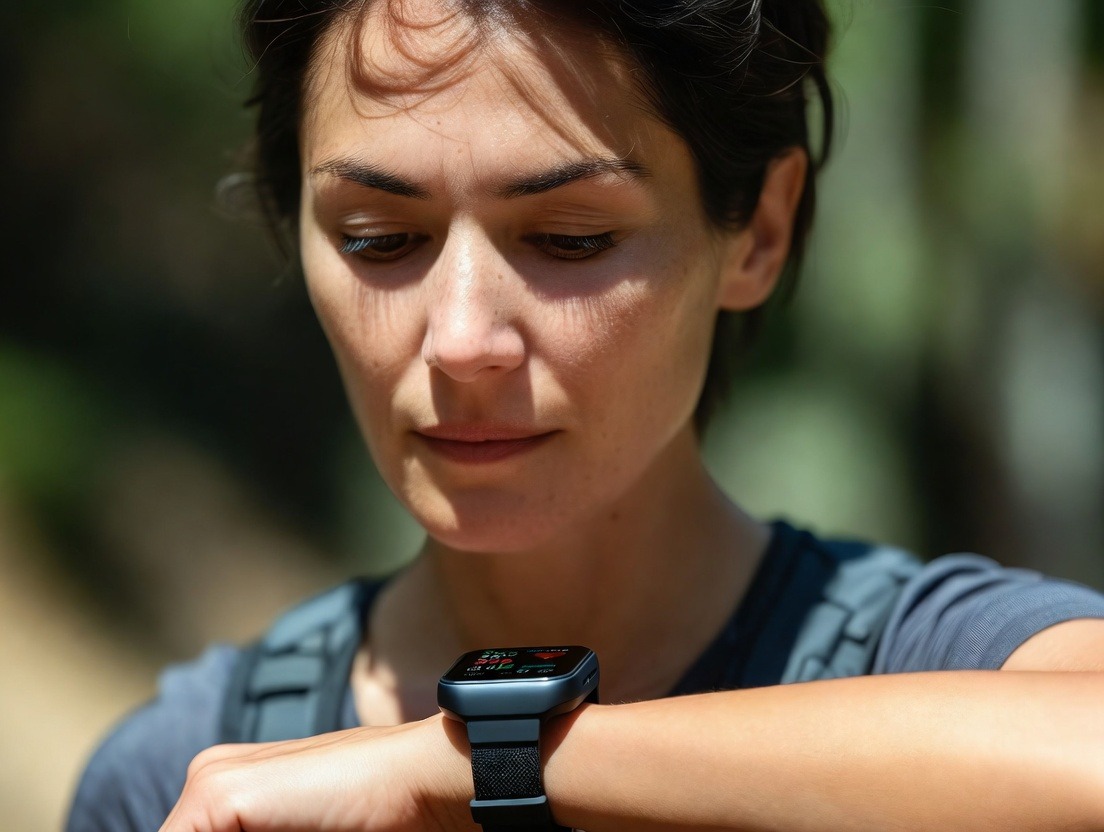
Before we compare features, we must understand the fundamental design philosophies that separate a smartwatch from a smart ring. They are not merely two forms of the same device; they represent divergent approaches to technology's role in our lives.
A smartwatch is, by design, an extension of your smartphone. It is a screen-centric, interactive device. Its primary mode of operation is active engagement. You look at it to tell time, tap it to start a workout, scroll through notifications, and speak to it for commands. It is a tool for doing. For a traveler, this means actively using it for navigation turn-by-turn, translating a quick phrase, or checking into a flight. Its value is in its immediacy and its capacity to replace frequent phone withdrawals—a significant benefit in crowded or unfamiliar places where fumbling with a phone can mark you as a distracted tourist.
Conversely, a smart ring embraces a philosophy of passive, ambient intelligence. Its design is centered on being and gathering. A device like the Oxyzen ring is engineered to collect a continuous, nuanced stream of biometric data—heart rate variability, skin temperature, blood oxygen saturation, and sleep cycles—with minimal required interaction. It doesn't have a screen to glance at; instead, it builds a comprehensive picture of your physiological state over time. Its value is revealed in patterns and insights: it can tell you how well you’ve acclimated to a new altitude, how much that 10-hour jet lag truly impacted your nervous system, or if your body is fighting off an illness before symptoms even appear.
This core difference dictates everything that follows. The smartwatch asks for your attention. The smart ring pays attention to you. For the traveler, this translates to a choice between a tool that helps you manage the external journey (the schedule, the directions, the connections) and a companion that monitors the internal journey (your body’s response to stress, new environments, and disrupted routines). The ideal choice depends on which of these narratives—external management or internal awareness—you prioritize for your adventures. Many travelers are now discovering that the profound wellness insights from a device like Oxyzen provide a layer of preparedness that a screen simply cannot match, as shared in the real user experiences on our testimonials page.
For any traveler, especially long-term nomads or those loyal to carry-on only, every cubic inch and every ounce matters. The battle for luggage real estate is fierce, and your wearable tech must justify its space not just functionally, but physically.
The Smartwatch Burden: A smartwatch is a single item, but it often brings baggage. It typically requires its own proprietary charging cable, which is different from your phone or laptop charger. For multi-day trips or expeditions off the grid, you might need to pack a portable charger or a second cable to ensure it doesn’t die. Furthermore, if you wish to dress up for a nice dinner, you might consider packing an alternative traditional watch or a different band, adding more items. While on the wrist, it’s always there—but its charging ecosystem and accessories have a packing footprint.
The Smart Ring Revolution: Here, the smart ring delivers a knockout punch in portability. A ring like Oxyzen is the ultimate minimalist travel tech. It weighs mere grams and occupies virtually zero space in your bag because it lives on your finger. Its charging case is often incredibly compact—many are no larger than a standard ring box—and can provide multiple full charges, lasting weeks on a single case charge. You don't pack it; you wear it. There’s no need for extra bands or accessories. Its form factor is constant, suitable for a hike or a haute cuisine restaurant. This seamless integration into your literal person means you never have to think about leaving it behind in a hotel room or making room for it in your dopp kit.
The packing advantage extends to peace of mind. A smartwatch left on a nightstand is an obvious, high-theft item. A smart ring, especially a stylish one, is far more discreet and less likely to be targeted or even recognized as a valuable tech device. For the traveler committed to lean, efficient packing and streamlined logistics, the ring offers a level of simplicity and integration that a wrist-bound device cannot touch. It embodies the "less is more" ethos perfectly, a principle that resonates deeply with the modern, intentional traveler. To see how this philosophy is woven into the fabric of the product, you can explore the brand's our story.
There are few modern anxieties as universal as the low-battery warning. When traveling, this anxiety is amplified. Lost chargers, incompatible outlets, long days with no access to power—these scenarios can render a smart device useless. Battery performance isn't just a spec; it's a critical factor in travel readiness.
Smartwatch: The Daily Ritual: For most full-featured smartwatches, daily charging is a non-negotiable ritual. Even models boasting "multi-day" battery life often see that lifespan crumble under heavy use—which traveling invariably is. Using GPS for navigation, playing stored music on a run, and receiving constant notifications will drain a watch battery swiftly. Forgetting to charge it one night means you might lose tracking for a big exploration day or miss important time-sensitive alerts. This ties you to a charging routine that can be inconvenient when dealing with unpredictable travel schedules, shared hostel rooms, or limited outlet access in older accommodations.
Smart Ring: The Set-and-Forget Champion: Smart rings are engineered for exceptional battery life, typically ranging from 5 to 7 days on a single charge, with some models pushing even further. The Oxyzen ring, for example, is designed for marathon endurance, not daily sprints. This is possible precisely because it lacks a power-hungry screen and focuses on efficient, passive sensor data collection. For a traveler, this is transformative. It means you can charge the ring fully at home, wear it on a week-long trip, and never think about a charger. Even for extended journeys, the compact charging case can provide multiple full charges, effectively offering weeks of power from a single outlet session.
This reliability changes your relationship with the device. Instead of being another item on your nightly "plug-in checklist," the ring becomes a truly constant companion. You can embark on a three-day trek, sleep in a different city every night, or endure long-haul flights without a shred of battery anxiety. The freedom to disconnect from the charger is a profound, yet underrated, luxury in travel. It allows you to be truly present, knowing your wellness tracking and core notifications are silently and reliably working in the background, without demanding your attention or a precious outlet by the bed.
Navigating unfamiliar environments requires a blend of awareness and subtlety. Flashy tech can draw unwanted attention, complicate security procedures, and even create cultural faux pas. How your wearable interacts with the world around you is a crucial, often overlooked, aspect of travel tech.
The Smartwatch Spotlight: A smartwatch is a conspicuous piece of technology. In many parts of the world, a high-end Apple Watch or Garmin is a recognizable status symbol, potentially marking you as a lucrative target for pickpockets or more serious crime. At airport security, it’s one more item you often have to remove and place in a bin, adding time and risk of loss in the chaotic security line scramble. In certain conservative cultures or sacred sites, a glowing screen on your wrist can be seen as disrespectful or distracting. Furthermore, constant glancing at notifications or taking calls on your wrist can make you appear disconnected from your surroundings or rude to local companions.
The Smart Ring Stealth: This is where the smart ring excels as the ultimate discreet travel tech. On your finger, a well-designed ring like Oxyzen is virtually indistinguishable from high-end jewelry. It doesn't glow, beep, or vibrate obtrusively. This allows you to blend in seamlessly, whether you're in a high-end Monte Carlo casino, a rural village market, or a meditation retreat in Bali. At security checkpoints, you rarely, if ever, need to remove it. It passes through metal detectors and body scanners without issue, streamlining your process.
The discretion also applies to data collection. You can monitor your stress levels during a hectic train change or track your sleep in a noisy hostel without a bright screen lighting up your bunk or drawing curious questions. It allows you to gather rich, personal health data without ever announcing that you're doing so. This "under the radar" functionality provides a sense of security and cultural sensitivity that is invaluable for the thoughtful traveler. It empowers you to engage fully with your environment while your wearable works invisibly in the background, safeguarding your data and your peace of mind. For more on how this technology integrates subtly into daily life, our blog offers deeper dives.

For the modern traveler, health is the ultimate currency. Jet lag, disrupted sleep, unfamiliar foods, dehydration, and the physical strain of exploration take a toll. A wearable that can provide deep, actionable insights into your body’s state is more than a tracker; it's a wellness guardian.
Smartwatch: The Fitness Powerhouse: Smartwatches are exceptional at tracking activity. They are unparalleled for mapped runs, swim laps with stroke detection, guided workouts, and high-intensity interval training. They provide real-time metrics like pace, distance, and heart rate zones on their screen. For the traveler focused on maintaining a specific fitness regimen or training for an event while on the road, this live feedback is powerful. However, their wellness tracking often begins and ends with basic sleep stages (awake, light, deep, REM) and a resting heart rate number. The data is broad and focused on output.
Smart Ring: The Biometric Intelligence Hub: This is the core domain of the smart ring. By virtue of its placement on the finger—a location rich with capillary blood flow—devices like Oxyzen can capture medical-grade data with remarkable accuracy. They go far beyond fitness to provide a holistic picture of readiness and recovery.
For a traveler, this depth is a game-changer. The ring can tell you, "You slept 8 hours, but your nervous system is still stressed from the flight; take it easy today." Or, "Your blood oxygen is lower than baseline; make sure to hydrate and avoid alcohol as you adjust to this elevation." This transforms the device from a passive logger to an active travel health advisor. It empowers you to make smarter decisions to sustain your energy and health throughout your journey, a topic frequently explored in resources found on our FAQ.
The double-edged sword of modern travel connectivity is the balance between convenient information and intrusive interruption. We want to know about gate changes and urgent messages, but we don't want our awe at a sunset or a conversation with a local to be shattered by a buzz about spam email.
Smartwatch: The Notification Hub: A smartwatch is designed to mirror your phone's alerts directly to your wrist. Every email, social media like, calendar reminder, and news headline can buzz and display on the small screen. For a traveler, this can be useful for time-sensitive, critical alerts: a boarding pass update, a message from your travel partner, or a navigation turn. You can quickly triage without unlocking your phone. However, the constant stream is a significant source of digital distraction. The temptation to "just check" pulls you out of the moment, a phenomenon known as "phubbing" (phone-snubbing) transferred to the wrist. It can increase travel stress and reduce the immersive quality of your experience.
Smart Ring: The Curated Nudge: Smart rings typically take a minimalist, intelligent approach to notifications. Instead of a screen for every alert, they use gentle vibrations (or colored LED lights on some models) for pre-configured, critical notifications. Think: alarm clocks for early morning tours, timer completions, incoming calls from designated VIP contacts, or smart-home triggers (e.g., your Airbnb door unlocks). The Oxyzen philosophy centers on reducing digital noise, not amplifying it.
Furthermore, the ring provides a different, more profound kind of "notification": biometric alerts. A sustained elevated heart rate while at rest, a significant drop in blood oxygen, or a spike in skin temperature could trigger a subtle alert, suggesting you check in with your body. This is connectivity to yourself, not just your inbox. It helps you stay present in your environment while being subtly aware of your physiological state. For the traveler seeking to minimize distractions and maximize immersion, the ring’s philosophy of curated, essential alerts supports a more mindful and present journey. If the goal is to disconnect from the digital chatter to reconnect with the world—and yourself—the ring’s approach is inherently more aligned.
Travel is unpredictable. Your wearable will face conditions it never encounters at home: saltwater, sand, dust, extreme humidity, impacts from luggage or activity, and dramatic temperature shifts. Its build quality determines whether it’s a fair-weather friend or a true adventure partner.
Smartwatch: The Screen Vulnerability: A smartwatch's greatest strength is also its greatest weakness: the screen. Even with sapphire crystal or toughened glass, a sharp impact against a rock, a scrape on a temple wall, or a drop on tile can crack or scratch it. Water resistance is common, but ratings vary, and saltwater corrosion is a constant threat to seals and microphones. Furthermore, the variety of buttons and digital crowns present additional points of failure for dust, mud, or sand ingress. While many are built for sport, the complexity of their design inherently introduces more potential failure points.
Smart Ring: The Monolithic Fortress: Smart rings are marvels of minimalist, rugged engineering. A high-quality ring like Oxyzen is typically crafted from a single, durable material like titanium, which is incredibly strong, lightweight, and hypoallergenic. There are no moving parts, no buttons, and no ports. The sensors are protected under a smooth, hard dome of ceramic or similar scratch-resistant material. This monolithic design makes it exceptionally robust against impacts, scratches, and environmental ingress.
It boasts a high water resistance rating (often 5ATM or more), meaning it's not just shower-proof but designed for sustained swimming, snorkeling, and exposure to the elements. You can wear it from a morning ocean swim to a dusty archaeological site to a fancy dinner without a second thought. There is no need to swap bands or protect a screen. For the adventure traveler—the one who kayaks, hikes, climbs, and dives—the ring offers a level of worry-free durability that a smartwatch, with its delicate interface, simply cannot match. It is designed to endure the journey as bravely as you are.

Travel often moves through varied social landscapes. The same day might involve a muddy morning market, an afternoon museum visit, and an evening at a restaurant with a dress code. Your wearable should complement your style, not clash with it.
Smartwatch: The Sporty Tech Statement: Even the most elegant smartwatches with interchangeable bands still fundamentally read as "tech." A glowing rectangle on your wrist is inherently casual and sporty. In formal settings—a religious service, a high-end restaurant, a business meeting, or a traditional ceremony—it can feel out of place, sometimes requiring you to take it off and leave it behind, thus breaking your data tracking. While bands can be swapped, the core tech module remains.
Smart Ring: The Invisible Tech, Visible Jewelry: A smart ring masters the art of dual identity. Technologically, it's a powerhouse sensor suite. Aesthetically, it is a sleek piece of modern jewelry. Crafted in finishes like brushed titanium, polished black, or gold-hued coatings, a ring like Oxyzen is designed to be stylish. It doesn't look like a gadget; it looks like a conscious fashion choice.
This allows it to transition effortlessly across all scenarios. It is appropriate for a workout, professional for a meeting, and elegant enough for black-tie optional. There is no social friction. You never have to choose between collecting your vital data and adhering to social or cultural norms. This seamless integration into your personal style is a significant but subtle benefit for the traveler who moves between worlds. It respects the context of your environment while performing its function flawlessly, embodying a design principle that prioritizes human-centered elegance over obvious tech. This commitment to seamless design is a core part of the brand's vision, which you can learn more about on our about us page.
The value of wearable data isn't in a single day's step count; it's in the long-term trends and patterns that reveal the story of your health and lifestyle. For a frequent traveler or digital nomad, this longitudinal data becomes a priceless logbook of how your body responds to the world.
Smartwatch: The App-Centric World: Smartwatch data lives within its manufacturer's ecosystem (Apple Health, Google Fit, Garmin Connect, etc.) and is often scattered across multiple third-party apps for specific functions like meditation or nutrition. The insights tend to be siloed: fitness data here, sleep data there. While these platforms are powerful, the narrative they build is often fragmented and requires active synthesis from the user. The focus is on daily closing of "rings" or hitting targets, which can be motivating but not always insightful on a macro scale.
Smart Ring: The Unified Health Narrative: Smart ring platforms are built from the ground up to synthesize multiple data streams into a coherent, daily story about your readiness. The companion app for a device like Oxyzen doesn't just show you graphs of heart rate and sleep; it provides a Readiness Score or Recovery Index that synthesizes sleep quality, HRV, resting heart rate, body temperature, and previous day's activity into a single, actionable number and explanation.
For a traveler, this is revolutionary. Over time, your app becomes a personalized travel health journal. You can look back and see:
This ecosystem provides not just data, but wisdom. It helps you plan future trips better, understand your personal stress triggers, and optimize your itineraries for sustained well-being. It turns the ephemeral experience of travel into a tangible, learnable dataset about your most important asset: your health. To delve deeper into how this data can be interpreted and used, our comprehensive resource library on the blog is an excellent next step.
The "better" device doesn't exist in a vacuum; it only exists in relation to the user. By now, the distinct profiles of the ideal smartwatch traveler and the ideal smart ring traveler have come into clear focus. Let's crystallize these personas to help you identify where you fit.
The Smartwatch Traveler is likely:
The Smart Ring Traveler (The Oxyzen Adventurer) is likely:
If your priority is external activity management and connected convenience, the smartwatch leads. If your priority is internal wellness intelligence, seamless integration, and mindful travel, the smart ring is your superior companion. Many are finding that the ring's unique value proposition solves problems they didn't even know they had as travelers.
As we reach this point in our exploration, a clear, compelling narrative has emerged. The choice between a smartwatch and a smart ring for travel is not a simple matter of features; it is a choice between two paradigms of engagement with technology and the world.
The smartwatch represents the established paradigm of augmented interaction. It is a tool of efficiency and extension, designed to make the logistics of travel smoother and your connection to the digital world more immediate. It excels in doing.
The smart ring, exemplified by devices like Oxyzen, represents an emerging paradigm of ambient intelligence. It is a companion of awareness and insight, designed to deepen your connection to your own body and well-being, allowing you to be more fully present in your physical journey. It excels in understanding.
For the traveler of the past decade, the smartwatch was the obvious, perhaps only, choice. But as travel evolves—with a greater focus on wellness, mindfulness, sustainability, and authentic experience—the smart ring's value proposition shines with remarkable relevance. Its strengths directly address the pain points of modern travel: battery anxiety, digital distraction, packing constraints, style limitations, and a superficial understanding of one's health on the road.
The ring doesn't seek to replace the smartphone; it seeks to complement it in a more humane way. It lets your phone handle the complex tasks of communication and navigation, while it assumes the vital, silent role of health guardian and readiness advisor. In doing so, it facilitates a travel experience that is less about managing the journey and more about truly experiencing it—with your body and mind operating at their best.
As we continue, we will delve even deeper into specific travel scenarios, cross-examine niche features, and project into the future of wearable travel tech. The journey to find your perfect travel companion is just getting started. To explore the full potential of this ambient intelligence for your next adventure, you can begin your discovery at Oxyzen.
Having established the philosophical and practical foundations, let’s immerse ourselves in concrete travel scenarios. How do these devices perform when the rubber meets the runway, the trail, or the tuk-tuk? This real-world testing ground reveals nuances that spec sheets can never capture.
The Long-Haul Flight & Jet Lag Battle:
This is the ultimate endurance test for both traveler and tech. A smartwatch can track the flight duration, nudge you to stand up hourly, and maybe even monitor noise levels. You can watch a movie downloaded to it or control your in-flight entertainment. But by hour eight, its battery warning is likely flashing, forcing you to fish for a charger in the seat-back pocket, competing for the one USB port with your phone. Post-flight, it tells you you’ve been sedentary for 12 hours—a fact you’re painfully aware of.
A smart ring operates on a different plane. For the entire flight and the disorienting days after, it works silently. It tracks the physiological cost of the journey. Post-flight analytics are profound: it shows your HRV cratering, your deep sleep fraction plummeting on the first night, and your core body temperature rhythm struggling to align with the new time zone. The Oxyzen ring’s app might provide a “Recovery Priority” alert, suggesting you prioritize light activity and sunlight exposure instead of intense sightseeing. It doesn’t just log the travel; it helps you scientifically combat its most debilitating effect: jet lag. This data-driven approach to recovery is a superpower for frequent flyers.
The Spontaneous Adventure Day:
Imagine a last-minute decision to go scuba diving in the morning, followed by an afternoon rock-climbing session, capped with a street food tour. A smartwatch thrives here. You can start a “Open Water Swim” workout, then switch to “Climbing,” using the GPS to map your route to the crag. The always-on screen lets you check the time or your heart rate mid-climb. It’s a dynamic logbook of your active day.
The smart ring tells the story of what that day took from you, and how well you prepared for it. It monitored your blood oxygen during the dive (via post-sync data trends), tracked the sustained cardiovascular load of the climb, and—most importantly—will use that night’s sleep data to quantify your recovery needs for tomorrow. It provides the crucial “so what?” after the activity log. Did that epic day push you into productive adaptation or detrimental stress? The ring answers that, helping you balance adventure with sustainability, preventing the crash that often follows an overzealous travel day.
The Urban Cultural Immersion:
Navigating a dense, ancient city like Istanbul or Kyoto involves a different rhythm. It’s a mix of museum queues, temple visits, crowded metro rides, and quiet tea ceremonies. Constantly raising your wrist to check a smartwatch for notifications or translations can feel intrusive, breaking the spell of immersion. The glow of the screen in a dimly lit temple or during a traditional performance can be disrespectful.
The smart ring is the perfect tool for this mode of travel. It remains invisible, collecting data on your stress levels as you navigate the chaotic bazaar and your calm during a garden meditation. You can set a gentle vibration alarm for your timed museum entry slot without pulling out any device. It allows you to be fully engaged with the sights, sounds, and smells, while still gathering a rich dataset on your well-being throughout the sensory overload. It facilitates connection, not distraction.
Investment is a key consideration for travel gear. We weigh cost against durability, utility, and longevity. Is this a disposable trend or a long-term companion?
Smartwatch: The Upgrade Cycle Trap: The smartwatch market, particularly the tech-giant segment (Apple, Samsung), is tied to a rapid upgrade cycle, often mimicking smartphones. New models with slightly better processors or sensors come out yearly. While the device itself can be expensive ($300-$800+), its perceived value can depreciate quickly as software updates slow and new features entice. For a traveler, this can feel like a recurring cost. Furthermore, physical damage—a cracked screen from a travel mishap—can be a costly repair, sometimes totaling half the price of a new device.
Smart Ring: The Long-Term Wellness Investment: A premium smart ring like Oxyzen sits at a similar, or sometimes higher, initial price point. However, its value proposition is different. You are not buying a mini-computer with a planned obsolescence curve; you are investing in a durable health sensor crafted from premium materials (titanium, ceramic) designed to last for years. There is no screen to crack. The upgrade cycle is slower, focused on sensor refinement and algorithm improvement, often delivered via software updates to your existing device.
More importantly, the value is measured in health capital. The insights it provides—helping you optimize sleep, manage stress, and avoid illness—can have tangible impacts on your travel enjoyment and overall long-term health. Preventing one serious case of travel burnout or catching an illness early can save thousands in ruined trips or medical costs. For the serious traveler, this shifts the calculation from a tech purchase to a health and travel insurance policy. The ring’s durability and focus on enduring biometric insight make it a "buy it for life" (or for many years) piece of functional jewelry, amortizing its cost over a much longer, more valuable period. The commitment to creating lasting value is central to the company's mission, as detailed about us.
A common desire is to find a single wearable that does everything perfectly. The reality is that specialization exists for a reason. Understanding the limitations of each device prevents disappointment and helps you align expectations.
Smartwatch Limitations:
Smart Ring Limitations:
The key is to recognize that the smart ring often works best as part of an ecosystem. Your smartphone remains the interactive command center. The ring becomes its intelligent, sensory partner—the device that gathers the deep, continuous physiological data your phone cannot. Accepting that it is not a screen liberates it to excel at what it does best: being an unobtrusive health guardian.
To choose a travel companion today, we must consider where the technology is heading tomorrow. Investing in a device aligned with future trends ensures it remains relevant.
Smartwatch Evolution: The trajectory for smartwatches seems focused on becoming more independent from the phone (with better LTE, more full-featured apps) and incorporating more medical-grade sensors (ECG, glucose monitoring). The form factor, however, is largely locked: a screen on the wrist. Future gains will be in sensor accuracy, battery life (slowly), and perhaps new materials like micro-LED for better visibility.
Smart Ring Potential: The future of the smart ring is explosive with possibility. Its small, discreet form factor is a blank canvas for ambient computing:
For the traveler, the ring’s future is one of even greater convenience and context-awareness. It aims to disappear completely while doing more, acting as a secure key to the physical world and a genius interpreter of your body in its environment. This path of ambient, contextual intelligence is widely seen as the next major wave in computing, making the smart ring a forward-looking choice. To stay updated on these emerging trends and applications, following our blog is a great resource.

Armed with knowledge, how do you finally decide? Follow this structured self-interrogation.
If after this, you find yourself valuing deep health insights, seamless wearability, and mindful travel above interactive features, the smart ring isn't just an alternative—it's the superior choice for your journey. The transition from wanting a screen to valuing silence is a hallmark of the intentional modern traveler.
The most empowered travelers don't rely on a single gadget. They build a synergistic, lightweight tech stack. Here’s how both wearables fit into a broader system.
The Smartwatch-Centric Stack:
The Smart Ring-Centric (Oxyzen) Stack:
Let’s confront the hesitations head-on.
The journey through this detailed comparison reveals more than a product shootout; it highlights a cultural shift in how we relate to technology while exploring the world. The smartwatch was born from a desire to make our digital lives more accessible. The smart ring, however, is born from a desire to make our physical and physiological lives more understandable, and to let our digital tools recede into the background.
For the archetypal traveler of the past—focused on ticking boxes and sharing moments in real-time—the smartwatch is a powerful tool. But for the emerging traveler—one who seeks depth over breadth, wellness over mere activity, and presence over perpetual connection—the smart ring offers a fundamentally more aligned experience.
It protects your attention, safeguards your health with profound insights, and adapts to every context without demanding a change of bands or a charging ritual. It empowers you with self-knowledge, allowing you to travel smarter, recover faster, and engage more deeply. In the contest for the traveler's wrist (or finger), the smart watch wins on interactive features, but the smart ring wins on intelligence and integration.
The question is no longer "Which has more features?" but "Which provides more value to the experience I want to have?" For a growing number of travelers, the answer is increasingly found not on the wrist, but on the finger, in the form of a sleek, silent ring that works as hard as they play, so they don't have to think about it at all. To discover how this philosophy translates into a specific, crafted product, you can begin your exploration at Oxyzen.
Having established the philosophical and practical high-level arguments, it's time to descend from theory into the tangible. The marketplace for both smartwatches and smart rings is vast and varied, with options tailored for every budget and travel specialty. Choosing the right specific model is as crucial as choosing the category. Let's dissect the landscape.
The Smartwatch Arena: A Spectrum of Specialists
For travelers, smartwatches broadly fall into three camps, each with a distinct travel persona.
The Smart Ring Landscape: The Rise of Discreet Intelligence
The smart ring market is newer but maturing rapidly, with clear leaders emerging, each with a slightly different flavor.
For the traveler whose priority is sustained energy, health optimization, and seamless integration into any itinerary, the holistic wellness ring—and specifically a purpose-built device like Oxyzen—offers the most profound and relevant feature set. Its sole job is to ensure you, the traveler, are operating at your peak.
When your health decisions are based on this data, accuracy isn't optional. How do these devices hold up under travel conditions?
Heart Rate & HRV: The Wrist vs. The Finger
Sleep Tracking: Beyond Guesswork
GPS & Navigation: The Ring's "Missing" Feature
This is the smartwatch's clear victory. Built-in GPS is essential for mapping a hike, tracking a open-water swim route, or getting turn-by-turn navigation without a phone. Most smart rings do not have GPS.
Let's apply everything to the most demanding traveler: the digital nomad. Meet Sofia, a freelance writer who spends 1-3 months in each location, from Lisbon to Bali to Chiang Mai. Her needs are complex: maintaining productivity, staying healthy amidst constant change, building a local routine, and having gear that doesn't hold her back.
Her Old Setup (Smartwatch-Centric):
Her New Setup (Oxyzen Ring-Centric):
The Transformation Over 30 Days in Bali:
Sofia’s story illustrates the paradigm shift. The smartwatch helped her do. The smart ring helps her understand and sustain. For a nomadic lifestyle where external stability is absent, this internal self-knowledge becomes the bedrock of success and enjoyment. Many nomads share similar transformations, as seen in the community stories on our testimonials page.
At the other end of the spectrum is Leo, a mountaineer and expedition guide. His travels involve remote, high-altitude environments where failure is not an option. His gear is mission-critical.
Non-Negotiables for Leo:
The Inescapable Smartwatch Win (For Now): In this specific, extreme use case, a high-end adventure smartwatch like a Garmin Fenix or Epix is still the undisputed champion. Its multi-week battery in expedition mode, built-in topo maps, pulse ox sensor for altitude acclimation tracking, and ABC (altimeter, barometer, compass) sensors are simply irreplaceable in the backcountry. A ring cannot compete on these specific, survival-oriented metrics.
The Emerging Synergy: However, Leo now wears his Garmin and an Oxyzen ring. Why? The Garmin tracks the external mission—the route, the ascent, the weather. The Oxyzen ring tracks the internal mission—his body's true physiological readiness, recovery status during limited sleep in base camps, and core temperature trends as an early sign of hypothermia or illness. Together, they provide the ultimate biophysical dashboard. The ring's data helps him make critical safety decisions: "My Garmin says we can summit, but my ring's HRV says my nervous system is too depleted from yesterday's climb. We turn back." This combination represents the frontier of adventure tech.
Travel composition changes priorities dramatically.
The Family Traveler's Priorities: Managing group logistics, keeping kids entertained, capturing memories, and squeezing in personal wellness.
The Solo Traveler's Priorities: Safety, self-reliance, immersion, and personal rhythm.
The business traveler's trip is a sprint of meetings, flights, and client dinners. Performance is measured in sharpness and stamina.
The Smartwatch as Productivity Power Tool:
The Smart Ring as Resilience Optimizer:
The conscious traveler considers the environmental and ethical impact of their gear.
Smartwatch Concerns: The rapid upgrade cycle generates significant e-waste. The complex assembly of screens, batteries, and chips involves intricate supply chains. Repair is often difficult or prohibitively expensive, leading to disposal.
Smart Ring Advantages: Built to last for many years with durable materials like titanium, their longevity is a core feature. The slower upgrade cycle and lack of a degradable screen contribute to a lower lifetime environmental footprint. The company behind Oxyzen, for instance, emphasizes a philosophy of creating lasting value and mindful consumption, which you can read about in our story. Choosing a durable, long-life device aligns with the values of sustainable, slow travel.
This is where the next battlefield lies. Raw data is useless without insight. Artificial Intelligence is the engine that turns biometrics into personalized travel advice.
Smartwatch AI: Currently focused on fitness coaching ("You're slowing down, pick up the pace!") and basic wellness nudges ("Time to stand up!").
Smart Ring AI Potential: This is where the deep, continuous dataset of a ring unlocks true intelligence. Imagine your ring's app, powered by advanced AI, learning your personal patterns and providing hyper-contextual travel advice:
This isn't science fiction; it's the logical endpoint of the ring's purpose. By choosing a device like Oxyzen, which is built on a foundation of sophisticated data interpretation, you are positioning yourself at the forefront of this AI-powered personal health revolution. It transforms the device from a reporter into a proactive travel coach.
We've dissected, compared, and scenario-tested. Now, let's synthesize a final, actionable protocol for choosing and using your travel wearable.
Step 1: Accept the Trinity.
Acknowledge that no single device does it all. The modern traveler's tech stack is a trinity:
Step 2: Assign the Primary Role.
Decide which of the two wearable roles is primary for your travel identity.
Step 3: Implement the "Oxyzen-Centric" Travel Protocol (For the Wellness-Focused Traveler):
The debate between smart ring and smartwatch is not a trivial one. It reflects a deeper evolution in our relationship with technology and travel. The smartwatch is a product of the connectivity era, designed to keep us linked to the digital hive. The smart ring is a product of the mindfulness and wellness era, designed to deepen our connection to ourselves so we can engage more authentically with the world.
For the traveler, this is the essential question: Do you want a device that helps you manage your journey, or one that helps you experience it more fully?
The evidence, from portability to battery life, from social discretion to health insight depth, builds a compelling case. For a significant and growing cohort of travelers—the wellness seeker, the digital nomad, the immersive cultural explorer, the mindful business professional—the smart ring is not just a competitive alternative. It is the superior tool.
It represents a choice to prioritize longevity over planned obsolescence, insight over interruption, and self-awareness over constant external awareness. It is the wearable for the traveler who understands that the greatest journey is not just across continents, but into their own capacity for health, resilience, and presence.
By choosing a device like the Oxyzen ring, you are not just selecting a piece of technology; you are choosing a philosophy of travel—one that values depth, durability, and the quiet intelligence that comes from truly knowing yourself, wherever you are in the world.
Your Trusted Sleep Advocate: Sleep Foundation — https://www.sleepfoundation.org
Discover a digital archive of scholarly articles: NIH — https://www.ncbi.nlm.nih.gov/
39 million citations for biomedical literature :PubMed — https://pubmed.ncbi.nlm.nih.gov/
Experts at Harvard Health Publishing covering a variety of health topics — https://www.health.harvard.edu/blog/
Every life deserves world class care :Cleveland Clinic - https://my.clevelandclinic.org/health
Wearable technology and the future of predictive health monitoring :MIT Technology Review — https://www.technologyreview.com/
Dedicated to the well-being of all people and guided by science :World Health Organization — https://www.who.int/news-room/
Psychological science and knowledge to benefit society and improve lives. :APA — https://www.apa.org/monitor/
Cutting-edge insights on human longevity and peak performance:
Lifespan Research — https://www.lifespan.io/
Global authority on exercise physiology, sports performance, and human recovery:
American College of Sports Medicine — https://www.acsm.org/
Neuroscience-driven guidance for better focus, sleep, and mental clarity:
Stanford Human Performance Lab — https://humanperformance.stanford.edu/
Evidence-based psychology and mind–body wellness resources:
Mayo Clinic — https://www.mayoclinic.org/healthy-lifestyle/
Data-backed research on emotional wellbeing, stress biology, and resilience:
American Institute of Stress — https://www.stress.org/


