


Smart Ring vs Smartwatch: The Verdict From Health Experts
The final verdict from health experts on the ring vs. watch debate.
The final verdict from health experts on the ring vs. watch debate.
%402x.svg)
For years, the smartwatch has reigned supreme on the wrists of the health-conscious. It’s become a ubiquitous symbol of modern wellness—a mini-computer flashing notifications, tracking runs, and monitoring heartbeats. But a quieter, more subtle revolution is unfolding on a different finger. The smart ring, a sleek band of titanium or ceramic, is emerging not just as an alternative, but as a fundamentally different approach to understanding our health. It promises insights not from the hustle of our daily movements, but from the silent, restorative depths of our sleep and the subtle rhythms of our nervous system.
This isn't merely a battle of form factors or features. It’s a clash of philosophies in personal health monitoring. One is loud, interactive, and designed for daytime engagement. The other is quiet, passive, and focused on the body’s foundational recovery processes. With so much conflicting information, how do you decide which device truly serves your wellness journey?
We’ve moved beyond the marketing hype to consult the experts: sleep scientists, cardiologists, sports physiologists, and behavioral psychologists. We’ve analyzed the data, the technology, and—most importantly—the real-world health outcomes each device can influence. This definitive guide synthesizes their verdicts, cutting through the noise to help you understand which device aligns with your goals, your lifestyle, and your body’s unique needs. Whether you’re a biohacker optimizing every metric, someone seeking better sleep and stress management, or an athlete chasing peak performance, the right choice starts with understanding the profound differences under the surface.

At the core of the smartwatch and smart ring dichotomy lies a fundamental difference in design philosophy. This isn't about which has a better sensor; it's about what each device believes is the optimal way to improve your health.
The smartwatch is built on a philosophy of active engagement. It is a coach on your wrist, a companion that prompts you to stand, breathe, exercise, and close your rings. Its interface demands interaction—taps, swipes, glances. This constant feedback loop can be incredibly motivating for building habits. "For many users, the immediate gratification of achieving a daily step goal or seeing a workout summary provides a powerful psychological reward that reinforces positive behavior," notes Dr. Anya Sharma, a behavioral health researcher. The smartwatch turns health into a game, and for the right personality, this gamification works.
Conversely, the smart ring is predicated on a philosophy of passive observation. Its ideal state is to be forgotten. It gathers data not from your conscious actions, but from your body’s involuntary signals—especially during sleep, when you are at your most authentic, unmediated state. "The ring's power is in its ability to collect clean, longitudinal data without requiring user input or causing interaction-based stress," explains Michael Torres, a biomedical engineer specializing in wearables. It operates on the premise that the most valuable health insights come from understanding your baseline, your recovery, and your autonomic nervous system balance, not just your activity bursts.
This philosophical fork creates a ripple effect through every other aspect of the devices. The smartwatch, by nature of being on your wrist and in your line of sight, is entangled with your digital life—calls, texts, emails. This can lead to "notification fatigue" and the paradoxical outcome of a health device potentially increasing stress. The smart ring, discreet and non-visual, avoids this entirely. It is purely a biomonitor.
The expert consensus emerging is that the most effective health monitoring strategy may not be an either/or proposition, but a question of priority. Is your primary need motivation and daytime activity coaching? Or is it deep, unbiased insight into your sleep quality, recovery status, and stress load? The former leans watch; the latter, decisively, leans ring. For those seeking a holistic view, some experts suggest the ring provides the foundational "read-only" baseline, upon which active, watch-driven interventions can be more intelligently applied. To understand how one company is navigating this philosophy with a focus on recovery, you can explore Oxyzen's unique approach to wellness technology.
"Accuracy" in wearables is not a single metric. It’s a spectrum that varies dramatically depending on the type of data being collected, the sensor used, and—critically—the device’s form factor and placement on the body. Health experts caution against viewing any consumer wearable as medical-grade, but they are increasingly validating their utility for trend analysis and lifestyle guidance.
Heart Rate Monitoring: A Tale of Two Signals
For daytime, continuous heart rate (HR) monitoring during steady-state activities like walking or running, modern smartwatches are generally excellent. Their tight fit against the wrist and advanced multi-sensor arrays provide reliable data. However, during high-intensity interval training (HIIT) or activities with significant wrist motion (e.g., weightlifting, tennis), watch optical sensors can struggle with "motion artifact," leading to cadence locking (reporting your step rate instead of heart rate).
Smart rings, positioned on the finger, often face fewer motion artifacts during hand-based exercises but can be susceptible to temperature changes and poor fit. Where the ring truly shines, according to a 2023 study in the Journal of Sleep Research, is in nocturnal heart rate and heart rate variability (HRV) measurement. The finger's vascular bed provides a strong, consistent signal during sleep's stillness. "For measuring nocturnal HRV—a key indicator of autonomic nervous system recovery—the finger is a superior site to the wrist. We see less signal noise and more reliable baseline readings night-to-night," states Dr. Evan Klein, a sleep cardiologist.
Sleep Staging: The Ring’s Crown Jewel
This is the most significant differentiator. Smartwatches have made strides in sleep tracking, but their fundamental design is at odds with sleep. A watch is bulky; you can feel it. Its screen can light up. Most problematically, its battery life often necessitates charging at night, precisely when you need it to track.
Smart rings are designed for sleep. They are comfortable, unobtrusive, and have batteries lasting 5-7 days. They use the superior nocturnal HR/HRV signal, combined with body temperature and movement data, to generate highly detailed sleep stage analysis (light, deep, REM). Experts agree that while no consumer device matches a clinical polysomnogram, the ring's consistency and comfort make it the better tool for tracking sleep trends over time. "If a patient's primary concern is sleep quality, I now often recommend a smart ring over a watch. The compliance is higher because they actually wear it all night, every night," says Dr. Klein.
Activity and Calorie Burn: The Watch’s Domain
For specific workout tracking, GPS mapping, and active calorie expenditure estimates, the smartwatch is undeniably more capable. Its accelerometers and gyroscopes are optimized for movement patterns, and built-in GPS provides precise pace and distance. Rings can track general activity and steps, but they lack the specificity for sport performance metrics.
The Verdict: Accuracy is use-case specific. For daytime activity, workout tracking, and GPS, the smartwatch is more robust. For sleep analysis, recovery metrics (HRV), and long-term resting physiological trend detection, the smart ring holds a decisive edge. The choice depends on which data you value as the cornerstone of your health picture. For a deeper dive into the science behind these metrics, our blog features ongoing analysis from wearables researchers.
In health monitoring, the most advanced sensor is useless if you don't wear the device. Compliance—consistent, 24/7 wear—is the single biggest factor determining the value of the data you collect. Here, design isn't just about aesthetics; it's a critical determinant of clinical utility.
The Smartwatch: An Interruption Engine
A smartwatch is, by design, an interruptive device. Notifications buzz, screens illuminate, and haptic alerts demand attention. This has a two-fold negative impact on compliance for holistic health tracking. First, it can disrupt sleep if worn at night (both physically and via notifications). Second, and less obviously, the constant engagement can subconsciously increase cognitive load and subtle stress, potentially skewing the very physiological metrics—like HRV—you're trying to measure. Many users also simply remove their watch at night to charge it, creating a massive data gap for the 8+ hours most critical to recovery assessment.
The Smart Ring: The Forgotten Sentinel
The smart ring’s genius is in its forgettability. Once on, it fades into the background of your sensory experience. It doesn't buzz, flash, or demand interaction. This passive design leads to exceptionally high compliance rates. Users wear it through sleep, showers, and daily activities without a second thought. "In our user studies, ring wear-time consistency often exceeds 95% over months, whereas watch wear-time, especially during sleep, frequently drops below 70%. That consistency is everything for detecting meaningful trends," reports Michael Torres.
Furthermore, the ring’s fixed position on the finger provides a more stable platform for certain sensors, particularly the skin temperature sensor. Temperature fluctuations at the wrist can be influenced by ambient air and watch band tightness, while the finger's core temperature is more stable and reflective of circadian rhythm shifts—a key biomarker for illness onset, ovulation tracking, and sleep quality.
The Psychological and Social Dimension
A watch is a visible statement. A ring can be a private tool. For some, the discretion of a smart ring removes the social pressure or constant questioning about their health data. It allows monitoring to be a personal, introspective practice rather than a public performance. This aligns with a more mindful approach to health.
Expert Take: Health psychologists emphasize that for long-term behavior change, reducing friction is key. The smart ring, by virtue of its unobtrusive nature, reduces the friction of continuous monitoring to near zero. If your goal is to gather a complete, uninterrupted picture of your physiological baseline—especially your sleep and recovery—the design advantage of the ring is overwhelming. The data it collects is simply more complete and less adulterated by the device's own presence. As you consider which device fits seamlessly into your life, reading real user testimonials can provide valuable perspective on long-term wearability.
The fitness era was defined by output: steps taken, calories burned, miles run. The modern wellness paradigm is shifting towards input: How well did you recover? Is your nervous system balanced? Are you physiologically ready for stress? This shift is where smart rings have carved out their essential niche, moving health tracking from a focus on exertion to a focus on restoration.
Heart Rate Variability (HRV): The North Star Metric
HRV—the subtle variation in time between heartbeats—has become the premier non-invasive indicator of autonomic nervous system (ANS) balance. A higher HRV (at rest) generally indicates greater parasympathetic ("rest-and-digest") tone and better resilience to stress. A downward trend can signal overtraining, poor recovery, or impending illness.
While some smartwatches now measure HRV, they typically do so in short, spot-check samples (e.g., a 30-second reading during a mindfulness session). Smart rings measure HRV continuously throughout the night, calculating a much more reliable, averaged nocturnal HRV. "The nightly average is the gold standard for consumer HRV tracking," explains Dr. Klein. "It removes the acute effects of daily events and gives you a pure look at your body's recovery state upon waking." This single metric forms the backbone of most rings' "Readiness" or "Recovery" scores.
Body Temperature: The Silent Alarm
Continuous nocturnal body temperature tracking is a feature almost exclusive to smart rings. Your core temperature follows a circadian rhythm, and deviations from your personal baseline are incredibly informative. A sustained elevation of even 0.5°C can be one of the earliest signs of infection, inflammation, or hormonal changes. For women, it’s the cornerstone of natural cycle tracking, offering insights into ovulation and menstrual phases that wrist-based temperature tracking (affected by external air) often misses.
The Composite "Readiness" Score
Leveraging HRV, temperature, sleep data, and activity, smart rings generate a daily readiness score. This isn't a vague "feel good" number; it's a data-driven suggestion for how much stress your body is prepared to handle that day. A low score might advise prioritizing light activity or rest, even if you feel energetic—helping to prevent overtraining and burnout.
The Watch’s Approach: Activity & Exertion
Smartwatches focus on "Active" metrics: closing exercise rings, monitoring workout intensity (VO2 Max estimates), and ensuring you move throughout the day. Their guidance is often about doing more. This is vital, but without the context of recovery, it can lead to pushing too hard on a day the body needs rest.
The Synthesis: Experts in sports medicine now advocate for a "train by the ring, track by the watch" approach. Use the ring’s readiness score to plan your day’s intensity, and use the watch to execute and monitor your specific workouts. The ring provides the strategic overview; the watch provides the tactical feedback. This balanced approach respects both the body's need for stress and its fundamental requirement for recovery. To see how these metrics are presented in a user-friendly dashboard, you can learn more about Oxyzen's integrated system.
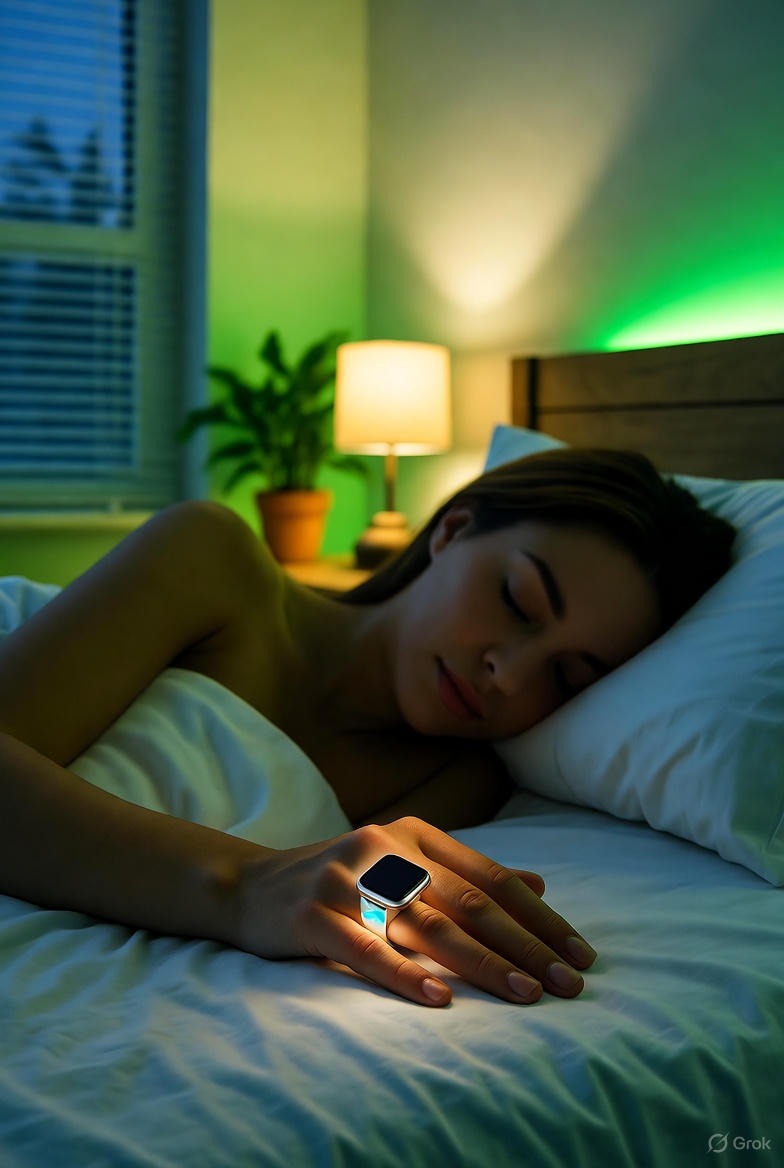
Sleep is not a passive state; it's an active, physiological process critical for memory consolidation, metabolic regulation, immune function, and emotional processing. Accurate sleep tracking is therefore one of the most valuable features a wearable can offer. The environment of sleep, however, creates a perfect-use case for the smart ring and a challenging one for the smartwatch.
Comfort and Consistency: The Non-Negotiables
Any device that causes discomfort or requires conscious thought will fail as a sleep tracker. A bulky watch can press against the wrist, cause sweat, or simply feel "wrong" in bed. The ring, especially a lightweight, rounded model, is far less obtrusive. This leads to higher compliance and more consecutive nights of data, which is essential for pattern recognition. "We see that users are more likely to wear a ring to bed consistently for months on end, whereas watch sleep tracking is often used sporadically," notes a sleep technologist from a leading wellness clinic.
Sensor Superiority in Stillness
During the dynamic movements of the day, the wrist's location can be an advantage. But in the relative stillness of sleep, the finger offers a cleaner vascular signal for optical heart rate and HRV sensors. Less motion artifact translates to more accurate sleep stage differentiation. The deep sleep and REM sleep stages are identified through a combination of heart rate patterns, HRV, and movement. A cleaner signal means more reliable staging.
The Critical Role of Temperature
Sleep architecture is tightly coupled with core body temperature. Our temperature naturally drops to initiate sleep and rises towards morning. Smart rings with continuous temperature sensors can track this circadian rhythm shift. Deviations, like a failure to drop adequately, can correlate with poor sleep efficiency. This data is simply not available from a standard smartwatch and adds a powerful layer to sleep analysis.
Beyond Staging: Sleep Biomarkers
Advanced smart rings are moving beyond simple "light/deep/REM" to report on specific biomarkers:
The Smartwatch’s Limitations at Night
Many smartwatches have excellent optical sensors, but they are hamstrung by poor battery life (requiring daytime charging) and disruptive notifications. Even in "Theater" or "Sleep Mode," the mere presence of a screen and the potential for haptic alerts can create anxiety for some users. Furthermore, wrist-based actigraphy (movement tracking) has limitations in distinguishing between being still while awake and being in a light sleep stage.
Expert Verdict: For anyone prioritizing sleep improvement—whether due to insomnia, optimization for performance, or general wellness—the smart ring is the unequivocal expert-recommended tool. Its design is inherently sleep-friendly, its data is more robust for nocturnal physiology, and its consistent wear provides the longitudinal view necessary to make meaningful lifestyle changes. If sleep is your primary health concern, the decision is clear. For more resources on interpreting your sleep data, our blog offers dedicated guides and expert tips.
Health technology must integrate into real lives, not just ideal scenarios. Professions, hobbies, social settings, and personal style all play a decisive role in whether a device becomes a trusted tool or a drawer-bound gadget. This is where the smart ring’s minimalist design translates into maximal practicality.
Professional and Occupational Constraints
Consider individuals in healthcare, food service, manufacturing, or any field requiring frequent hand-washing, glove-wearing, or concern about sanitation. A smartwatch can be a bacteria trap, get damaged under gloves, or simply violate dress codes. A slim, smooth smart ring is often far more compatible—it can be easily cleaned, worn under gloves, and is less likely to catch on equipment. Similarly, for musicians, artists, or anyone whose wrist is actively involved in their craft, a watch can be a physical impediment where a ring is not.
The Active Lifestyle Beyond the Gym
For sports like rock climbing, weightlifting, gymnastics, or golf, a watch on the wrist can interfere with grip, technique, or even safety. A ring, while not always perfect for all lifts (some prefer bare fingers), is generally less intrusive. For swimmers, the waterproofing of both devices is often comparable, but the ring’s lower profile can feel more natural.
Formal and Social Settings
While dress watches are accepted, a glowing smartwatch at a formal event or a business meeting can sometimes be perceived as informal or distracting. A smart ring, resembling a simple band of metal or ceramic, is discreet to the point of invisibility. This allows for continuous data collection without social compromise, ensuring you don't miss a night of data because you dressed up.
The "Always-On" Data Ideal
The ultimate goal of continuous health monitoring is a seamless, always-on stream. Anything that causes you to remove the device creates a data gap. Smartwatches often get removed for charging, specific activities, or comfort. Smart rings, due to their comfort and social discretion, are removed far less frequently. This results in a more complete data set, capturing your body's rhythms across all of life's contexts, not just during casual or workout hours.
User Testimony: A common refrain from ring users, as seen in collections of user experiences, is "I forget it's even there." This statement is the highest compliment for a health wearable. It signifies total integration into one's life, which is the prerequisite for meaningful, long-term data collection and insight.
The Bottom Line: If your daily life involves constraints where a wristwatch is impractical, uncomfortable, or socially awkward, the smart ring isn't just an alternative—it's the only viable path to 24/7 health monitoring. It democratizes access to advanced biometrics for people whose lifestyles have traditionally been incompatible with smartwatches.
Collecting terabytes of biometric data is meaningless without translation. The true value of a wearable lies in its software—the algorithms and user interface that transform raw numbers into understandable, actionable guidance. This is where the core philosophies of watches and rings again diverge, leading to different styles of user engagement.
The Smartwatch: Real-Time Alerts and Micro-Guides
Smartwatch apps are designed for glanceable, real-time feedback. They excel at:
The Smart Ring: The Morning Report and Longitudinal Trends
Ring platforms are designed for reflective, strategic insight. You typically engage once or twice a day—most importantly, in the morning—to review your Sleep Score and Readiness/Recovery Score. This isn't about interrupting your day; it's about planning it.
The Role of the Human Expert
Both platforms benefit from professional input. "A device can tell you what changed, but a coach or clinician can help you understand why and create a tailored plan," says Dr. Sharma. Rings, with their rich recovery data, are becoming popular tools in functional medicine and sports coaching clinics, as they provide objective baselines to track intervention outcomes.
Which is More "Actionable"?
It depends on your cognitive style. If you respond best to immediate, behavioral nudges, the watch's style is more actionable. If you are analytical and prefer to understand the root causes of your energy and mood states to make strategic lifestyle adjustments, the ring's in-depth reporting is profoundly actionable. The ring gives you the why behind your daily how do I feel?
For those who want to understand the full picture, platforms like Oxyzen are designed to make this data accessible. You can explore their FAQ to understand how they turn complex biomarkers into clear, personalized insights.
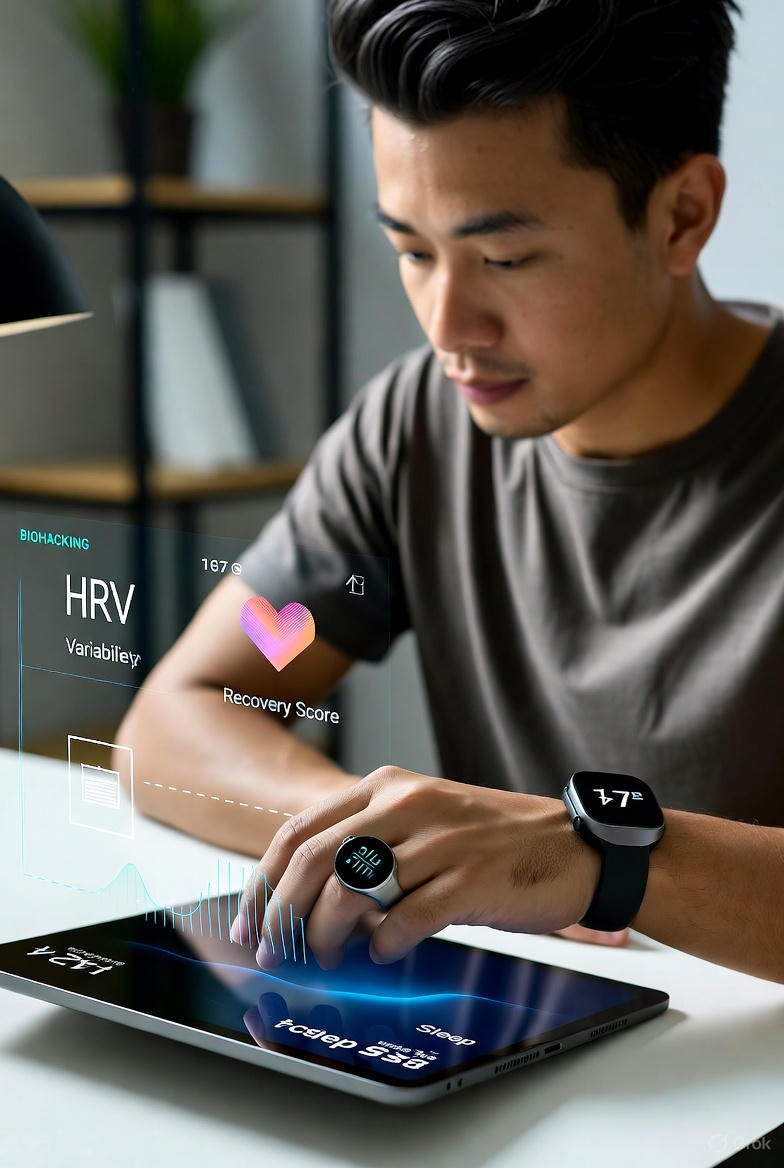
In the pursuit of 24/7 health monitoring, the most frequent point of failure isn't the sensor—it's the battery. The charging ritual creates an inevitable data gap, and the frequency of this ritual directly contradicts the goal of continuous data collection. This creates a fundamental paradox that smart rings are uniquely positioned to solve.
The Smartwatch Cycle: Daily or Biannual Interruptions
Most full-featured smartwatches require charging every 24-48 hours. This almost universally forces users to choose: charge at night (missing sleep and recovery data) or charge during the day (missing activity and stress data). Even with advanced power-saving modes, the gap remains. Some fitness-focused watches boast week-long battery life, but this often comes at the cost of the always-on display, smart notifications, and other features that define the "smart" experience.
The Smart Ring Advantage: Weekly Cadence
Modern smart rings achieve 5-7 days of battery life on a single charge. This is a game-changer for continuity. A user can establish a simple habit—charge the ring for 60-90 minutes while showering and getting ready on a Sunday morning, for instance. This results in a data loss of maybe 1-2 hours per week, compared to 1-2 hours per day with a watch. Over a month, that’s the difference between missing 30+ hours of data versus missing 4-8 hours.
Why Continuous Data Matters for Trends
Health insights are built on patterns, not single data points. A missed night of sleep data is a lost opportunity to understand your recovery cycle. A missed day of activity context means your elevated resting heart rate that evening might be misinterpreted as illness instead of a hard workout. Gaps create blind spots and can lead to misleading conclusions. "For metrics like body temperature and HRV, which follow subtle circadian and multi-day patterns, even a 24-hour gap can break the chain of observation for an important physiological event, like the onset of a minor infection or a menstrual cycle shift," explains Torres.
Psychological Impact of "Missing the Ring"
The burden of daily charging also has a psychological cost. It’s one more daily task. Forgetting to charge your watch means starting the next day with a dead device and a sense of failure in your tracking goals. The weekly, low-stakes charging of a ring feels less punitive and is easier to integrate into a routine, supporting long-term adherence.
Expert Opinion: From a data integrity standpoint, health researchers consistently favor devices with longer battery life. The ring’s weekly cycle aligns far better with the principles of longitudinal health monitoring. It respects the fact that our bodies don't operate on a 24-hour battery schedule; our health trends unfold over days, weeks, and seasons. A device that can nearly keep pace with those natural cycles provides a more truthful and useful picture.
At first glance, premium smart rings and high-end smartwatches occupy a similar price bracket, often ranging from $300 to $700 or more. A purely feature-by-feature comparison might seem to favor the watch, which packs a screen, GPS, and more sensors. However, a true cost analysis must consider value—what you are actually paying for in terms of health insight, device longevity, and ecosystem costs.
Initial Purchase: The Feature Mismatch
The Hidden Costs: Subscriptions and Upgrades
This is a critical differentiator. Many advanced smart rings include their detailed analytics, trend reports, and readiness scores within the purchase price. Their business model is the hardware.
Smartwatch platforms, while offering robust free features, often gate their most advanced health analytics, workout libraries, and wellness programs behind monthly subscriptions (e.g., Apple Fitness+, Whoop membership, Fitbit Premium). Over 2-3 years, this can add hundreds of dollars to the total cost of ownership.
Durability and Upgrade Cycles
Smartwatches, as consumer electronics, are subject to rapid iteration. New models with slightly better sensors or processors are released annually, encouraging a 2-3 year upgrade cycle driven by tech obsolescence and battery degradation.
Smart rings, by contrast, have slower development cycles. Their value is in the consistency of your multi-year data set. The hardware is designed to last, and because the core value is in the longitudinal trends (sleep, HRV, temperature), there is less pressure to upgrade annually. The ring becomes a durable good for health measurement.
The Value of Specialized Insight
Ultimately, the value question is: What insight are you buying?
If you value an all-in-one device for communication, music control, app integration, workout GPS tracking, and general health metrics, a smartwatch provides tremendous multifunctional value.
If you value deep, actionable insight into your recovery, sleep, and stress physiology above all else, and you want that data collected in the most consistent, unobtrusive way possible, a smart ring provides specialized value that a watch cannot match. It's the difference between buying a Swiss Army knife and a surgeon's scalpel—both are tools, but their purpose and precision are different.
The Verdict: Compare not just the devices, but the outcomes you seek. If your goal is holistic lifestyle integration with tech, a watch may be worth it. If your goal is to master your own physiology, particularly recovery and sleep, the ring's specialized focus and potential for longer-term use without subscription fees often make it the higher-value health investment. For a transparent look at what’s included, reviewing a company’s about page can clarify their model and mission.
The "best" device doesn't exist in a vacuum; it's entirely dependent on the user's goals, lifestyle, and psychology. Based on expert analysis and prevailing user patterns, clear audience profiles emerge for each form factor. Understanding these profiles is the fastest path to your personal verdict.
The Prime Candidate for a Smart Ring:
The Prime Candidate for a Smartwatch:
The Hybrid User & The Future:
A growing segment, often seen in high-performance circles, uses both. They wear a smart ring 24/7 for sleep, recovery, and readiness data. They then wear a smartwatch (or a dedicated fitness tracker like a Garmin) specifically during workouts for detailed activity tracking. This provides the most complete picture: the ring sets the strategic recovery plan, and the watch executes the tactical workout.
Final Guidance from Experts: Start by writing down your #1 health priority. If the answer is "sleep," "stress management," or "understanding my recovery," lean heavily towards a ring. If the answer is "be more active," "improve my running pace," or "stay connected without my phone," a watch is likely your tool. Your priority dictates the tool, not the other way around.
Purchasing a sophisticated health wearable is not the end goal; it is the starting pistol. The true challenge—and opportunity—lies in transforming streams of data into meaningful, sustainable behavior change. Without this translation, even the most accurate device becomes a costly novelty. The experts we consulted overwhelmingly emphasize that the device which best integrates into your existing rituals and provides emotionally intelligent feedback is the one that will deliver lasting value.
The Morning Ritual: The Ring’s Strategic Advantage
For smart ring users, the foundational habit is the Morning Review. This isn't a frantic glance while rushing out the door; it's a mindful 60-second pause to consult your recovery score and sleep data. This ritual accomplishes several things:
This ritual aligns with modern psychological frameworks like Acceptance and Commitment Therapy (ACT), which values mindful acceptance of one's state over forced positivity. "The ring's morning report is a form of non-judgmental biofeedback. It says, 'Here is your body's current state,' without attaching moral value to it. This reduces anxiety around performance and promotes smarter daily choices," observes Dr. Anya Sharma.
The Daily Nudge: The Watch’s Tactical Integration
Smartwatch habits are more distributed throughout the day: the stand reminder, the breathing prompt, the celebration of closing an activity ring. The key to sustainability here is customization. Turning off non-essential notifications to prevent alert fatigue is crucial. The goal is to have the watch serve you, not interrupt you.
The successful watch user leverages these micro-moments to break sedentary patterns and inject mindfulness. The ritual is one of consistent, small compliance. The danger is habituation—ignoring the reminders altogether—or developing an unhealthy, obsessive relationship with activity goals.
Avoiding Data Anxiety and Obsession
Both devices carry the risk of fostering orthosomnia—an unhealthy preoccupation with perfecting sleep data—or activity anxiety. Experts prescribe two key rules:
The Integration Habit: Journaling
To maximize either device, pair it with a simple digital or analog journal. Note down observations next to significant data shifts: "HRV dropped 15% — had a difficult work conversation before bed." or "Sleep score highest all month — finished dinner 4 hours before bedtime and read fiction instead of scrolling." Over time, you become your own expert, identifying your personal triggers and optimizers. Many find that sharing and discussing these patterns in community forums or with a coach, like those highlighted in Oxyzen's user community, deepens understanding.
The Sustainability Verdict: A sustainable practice is less about the device's features and more about how its feedback rhythm matches your cognitive style. If you prefer a strategic, once-daily planning session informed by deep physiology, the ring's ritual is more sustainable. If you thrive on frequent, tactical nudges that shape behavior in the moment, the watch's integrated prompts will likely be more effective. The "win" is consistent use without burnout, leading to genuine self-knowledge.
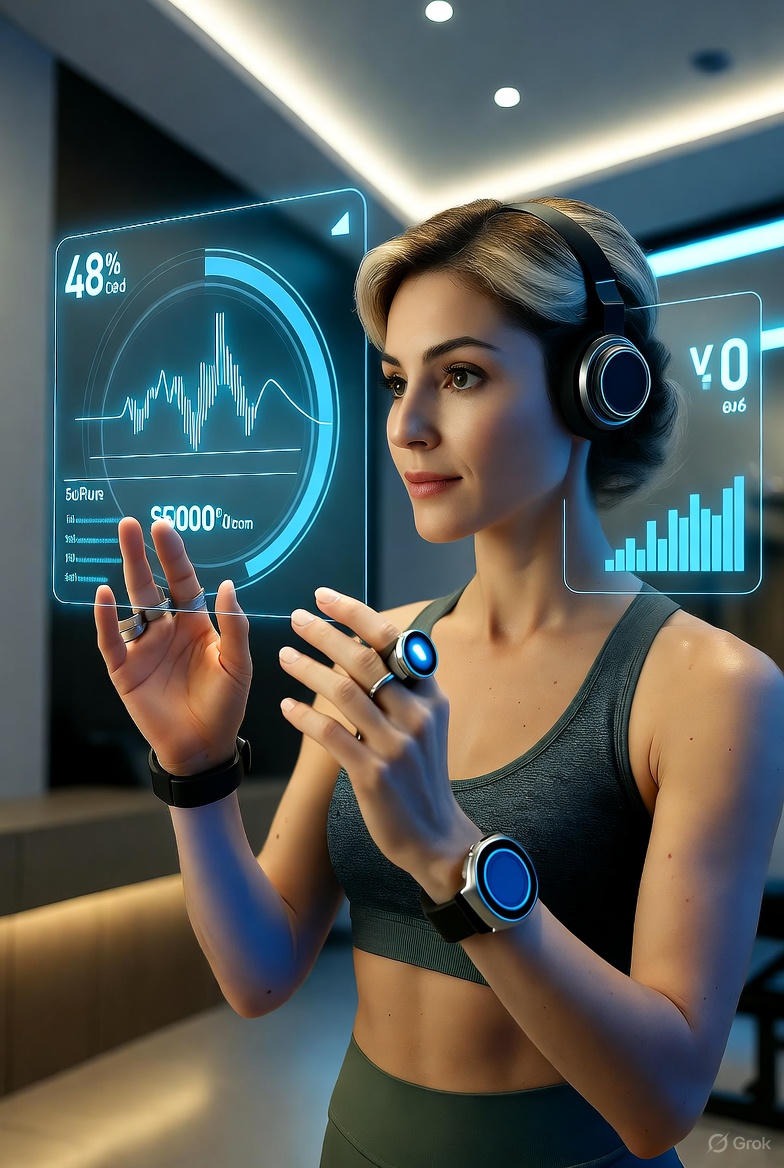
The current smart ring vs. smartwatch debate is a snapshot of a rapidly evolving field. The next generation of wearables won't be defined by their form factor alone, but by their ability to fuse data from multiple sensors and, crucially, move from descriptive analytics ("this happened") to predictive and prescriptive insights ("this is likely to happen, and here's what to do"). Health experts are particularly excited about this frontier, as it edges closer to truly preventative medicine.
Beyond HR and Temperature: The Next Wave of Sensors
Research and development is focusing on new non-invasive sensors that could integrate into both rings and watches:
The Power of Sensor Fusion
A single biomarker is a clue; multiple biomarkers woven together tell a story. The future lies in sensor fusion algorithms. Imagine a device that cross-references a rising nocturnal temperature, a slight dip in HRV, and an increase in resting heart rate. Instead of showing three separate graphs, it provides a single, high-probability alert: "Based on your physiological patterns, there's an 85% likelihood you are fighting off a viral infection. Recommended Action: Increase sleep by 90 minutes tonight and prioritize hydration."
This is predictive health. The ring, with its superior sleep data and continuous temperature, is poised to be a powerful platform for this kind of multisystem analysis.
Form Factor Evolution: The Invisible Wearable
The ultimate goal is complete invisibility. Engineers are working on wearables woven into fabric, embedded in earrings, or even as subdermal implants. For now, the ring represents the closest we have to an "invisible" device for 24/7 monitoring. Its evolution will likely be toward even smaller profiles, longer battery life via energy harvesting (body heat, motion), and more robust sensor suites.
The Clinical Gateway
This predictive, multisystem data has enormous potential as a clinical tool. "In the future, your wearable's longitudinal data could be securely shared with your physician, providing them with a rich, objective history far more revealing than 'how have you been feeling the last 6 months?'" says Dr. Evan Klein. It could enable remote patient monitoring for chronic conditions, post-operative recovery, and mental health treatment with unprecedented granularity. Companies focused on this future, like those with a mission to bridge consumer tech and clinical insight, are worth watching. You can learn about one such vision on Oxyzen's about page.
The Implication for Your Choice Today: When choosing a device now, consider its platform and update potential. Is the company actively investing in R&D and improving its algorithms via software updates? A device that gets smarter over time through sensor fusion and better AI is a more future-proof investment. The race is shifting from hardware specs to algorithmic intelligence.
Amidst the promises of optimized living, a responsible discussion must address the limitations, potential pitfalls, and ethical gray areas of pervasive self-tracking. Health experts urge cautious optimism, advocating for informed use that acknowledges the boundaries of this technology.
The "Not a Medical Device" Disclaimer
This is the most critical limitation. No consumer smart ring or watch is FDA-approved for diagnosis (aside from specific features like the ECG for AFib detection). They are wellness devices designed for trend analysis and general awareness.
Data Privacy and Ownership
You are generating a profoundly intimate dataset: your sleep patterns, stress levels, and location. Questions arise:
Psychological Risks: Anxiety, Obsession, and Reduced Self-Trust
For some individuals, constant tracking can be detrimental.
The Accessibility and Equity Gap
Advanced health wearables are luxury items. This creates a "biometric divide," where the wealthy have access to deep personal data to optimize their health, while others do not. This could exacerbate existing health disparities if these tools become gateways to premium health insights.
Guidance for Ethical Use:
The responsible companies in this space are transparent about these issues. For example, checking a company's FAQ can often reveal their stance on data handling, medical disclaimers, and user well-being.
We have dissected the technologies, philosophies, and nuances. Now, let's synthesize the expert consensus into clear, actionable recommendations for specific, common health and lifestyle objectives. This is where the verdict becomes personal.
Goal 1: "I want to dramatically improve my sleep and manage daily stress."
Goal 2: "I am a runner/cyclist/swimmer and want to improve my fitness and track my workouts with precision."
Goal 3: "I want to lose weight and be more active in my daily life."
Goal 4: "I am a biohacker who experiments with supplements, routines, and wants to see their direct impact on my physiology."
Goal 5: "I need a device for safety and immediate health alerts (fall detection, AFib, high HR)."
Goal 6: "I just want a general overview of my health without being bothered during the day."
Goal 7: "I want the best of both worlds and am willing to invest in two devices."
For those considering a smart ring as their primary or hybrid tool, exploring different brands and their approaches is key. You can discover more about how Oxyzen fits into this landscape.
Feeling overwhelmed by the final choice? Let's distill everything into a practical, step-by-step framework you can work through to arrive at your confident verdict.
Step 1: Define Your Primary "Why."
Take 60 seconds to complete this sentence: "The most important health change I want to make right now is ________________."
Step 2: Lifestyle Audit.
Answer these questions honestly:
Step 3: Data Interaction Preference.
Imagine your ideal health feedback:
Step 4: Budget & Value Assessment.
Look beyond the sticker price.
Step 5: The Synthesis & Final Check.
Map your answers to the expert recommendations from the previous section.
Final Gut Check: Which device feels more like a partner and less like a taskmaster in your envisioned use? Trust that intuition; long-term adherence depends on it.
The smart ring landscape is evolving rapidly, moving from niche prototypes to refined, consumer-ready devices. While features overlap, each leading ring has a distinct personality and technological focus. Here’s an expert-led breakdown of key contenders, highlighting what sets them apart in the pursuit of meaningful health data.
Oura Ring (Gen 3)
Circular Ring Slim & Pro
Ultrahuman Ring Air
Other Notable Entrants:
The Selection Principle: Your choice should mirror your primary goal. For sleep and recovery purity, Oura leads. For smart features in a ring, consider Circular. For metabolic and fitness integration, Ultrahuman stands out. Always prioritize the platform's analytical depth and app experience, as the hardware is merely a data collector.
The smartwatch market is vast, spanning fitness trackers to full-featured wrist computers. For health monitoring, we focus on devices that excel in sensor accuracy, health-specific features, and actionable software. Here’s how the top health-focused watches compare.
Apple Watch Series 9 / Ultra 2
Whoop Strap 4.0
Garmin Venu 3 / Fenix / Forerunner Series
Fitbit Sense 2 / Charge 6
Selection Principle: Are you an iPhone user wanting an all-in-one device? Apple Watch. A serious athlete optimizing performance? Garmin or Whoop. Someone seeking approachable sleep and stress insights? Fitbit. The watch market successfully segments by user lifestyle and ambition.
Theoretical advice is one thing; real-world application is another. Let’s examine how the hybrid strategy—using a smart ring for 24/7 recovery data and a smartwatch for workouts—plays out in the lives of different archetypes. These case studies illustrate the synergy experts advocate for.
Case Study 1: Mara, The Amateur Marathoner
Case Study 2: David, The Tech Founder Managing Stress
Case Study 3: Lena, The Nurse & Shift Worker
The Expert Takeaway: "These cases show the hybrid isn't about redundancy; it's about specialization," summarizes Dr. Evan Klein. "The ring owns the narrative of your body's internal state. The watch owns the narrative of your external output. Used together, they create a dialogue between recovery and exertion that is the essence of sustainable health." For more inspiration on how individuals integrate these tools, browse real user stories and experiences.
Navigating the world of health wearables requires fluency in a new language. This glossary defines the essential terms you’ll encounter, empowering you to understand your data and the marketing claims.
For further clarification on any of these terms or how they are applied, a good resource is often the FAQ section of a device manufacturer's website.
You’ve absorbed the analysis, understood the trade-offs, and seen the frameworks. Now, it’s time to act. Here is a practical, step-by-step guide to transitioning from reader to informed user.
1. Commit to a Trial Period (Mentally).
Before buying anything, commit to using your chosen device consistently for a minimum of 30 days. The first week is calibration; the following three weeks reveal trends. This mindset prevents early discouragement.
2. Order with Intent.
3. The Setup & Baseline Week.
When your device arrives:
4. Establish Your Core Ritual.
After the baseline period, establish your non-negotiable habit:
5. Start a Simple Journal.
In the notes app on your phone or a physical notebook, start logging alongside your data. Note:
6. Integrate, Don’t Isolate.
Share insights (not obsessively) with a partner, friend, or health coach. Consider if you want to share your data with your doctor during your next physical. Use the data to ask better questions, not to provide your own diagnoses.
7. Evaluate and Evolve.
After 30 days, ask yourself:
Your Trusted Sleep Advocate: Sleep Foundation — https://www.sleepfoundation.org
Discover a digital archive of scholarly articles: NIH — https://www.ncbi.nlm.nih.gov/
39 million citations for biomedical literature :PubMed — https://pubmed.ncbi.nlm.nih.gov/
Experts at Harvard Health Publishing covering a variety of health topics — https://www.health.harvard.edu/blog/
Every life deserves world class care :Cleveland Clinic - https://my.clevelandclinic.org/health
Wearable technology and the future of predictive health monitoring :MIT Technology Review — https://www.technologyreview.com/
Dedicated to the well-being of all people and guided by science :World Health Organization — https://www.who.int/news-room/
Psychological science and knowledge to benefit society and improve lives. :APA — https://www.apa.org/monitor/
Cutting-edge insights on human longevity and peak performance:
Lifespan Research — https://www.lifespan.io/
Global authority on exercise physiology, sports performance, and human recovery:
American College of Sports Medicine — https://www.acsm.org/
Neuroscience-driven guidance for better focus, sleep, and mental clarity:
Stanford Human Performance Lab — https://humanperformance.stanford.edu/
Evidence-based psychology and mind–body wellness resources:
Mayo Clinic — https://www.mayoclinic.org/healthy-lifestyle/
Data-backed research on emotional wellbeing, stress biology, and resilience:
American Institute of Stress — https://www.stress.org/


