Smart Ring vs Smartwatch for Women: Style and Functionality
Comparing style and functionality for women users.
Smart Ring vs Smartwatch for Women: The Ultimate Style and Functionality Showdown
In the ever-evolving landscape of wearable technology, women are faced with a powerful choice: the classic smartwatch or the emerging, elegant smart ring. This decision transcends mere gadgetry; it’s a statement about personal style, daily habits, and wellness priorities. For years, the smartwatch has dominated the wrist, offering a mini-computer with notifications, fitness tracking, and more. But now, a new contender promises the same sophisticated health insights without compromising on elegance—the smart ring.
This isn't just about tracking steps or monitoring sleep. It's about which device seamlessly integrates into your life, complements your wardrobe, and delivers the data you truly need without becoming a distraction. The modern woman is multidimensional—she’s a professional, a creator, a fitness enthusiast, a social connector, and a wellness advocate. Her wearable should reflect that complexity, not complicate it.
As we delve into this comprehensive comparison, we’ll explore not just the specs, but the experience. From boardroom presentations to yoga sessions, from a night out to a deep sleep analysis, we’ll examine how each device performs. The goal is to help you uncover which technology aligns with your aesthetic, your functional needs, and your journey toward a more mindful, data-informed life. Welcome to the definitive guide for the discerning woman choosing her ideal wearable companion.
The Evolution of Wearables: From Bulky Tech to Fashion-Forward Essentials
The journey of wearable technology is a fascinating tale of miniaturization and personalization. Not long ago, the concept of a "smart" device you could wear was synonymous with chunky, plastic wristbands that screamed "tech geek" rather than "style icon." Early iterations prioritized raw functionality over form, leaving a significant gap in the market for those who valued design. For women specifically, this often meant choosing between a useful tool that clashed with their personal style or forgoing the tech altogether.
The smartwatch changed the game by merging notification convenience with basic fitness tracking. Brands like Apple and Samsung made them status symbols, but even their most refined models maintain a certain technological bulk. They are, by nature, designed to be seen and interacted with—a screen on your wrist. This paradigm established the wrist as the primary real estate for wearable tech, setting a standard that went largely unchallenged for nearly a decade.
Enter the smart ring. This represents a philosophical shift in wearable design. The driving principle is unobtrusive, continuous sensing. Instead of a screen demanding attention, the ring works silently in the background, gathering a wealth of physiological data from the highly vascular finger—a location many argue provides more accurate metrics than the wrist. The evolution here is toward invisible technology—devices that empower you without interrupting you. Companies like Oura led the charge, proving there was massive demand for elegant, jewelry-grade devices packed with sensors.
This evolution mirrors a broader trend in wellness technology: a move from reactive tracking to proactive insight. Early wearables told you what you did (steps, calories). Modern devices, especially advanced smart rings, aim to tell you how your body is responding and recovering, offering a deeper layer of understanding about your readiness, stress, and sleep quality. You can learn more about this shift in wearable technology and its impact on personal health by exploring the insights shared on our Oxyzen.ai blog.
For women, this evolution is particularly liberating. It finally decouples advanced health monitoring from a specific, often limiting, aesthetic. The choice is no longer "function or fashion," but rather "which form of function suits your fashion?"
Defining the Contenders: What Exactly Are Smart Rings and Smartwatches?
Before we pit them against each other, let's establish a clear understanding of each device category. While both are wearables, their core design philosophies, primary interfaces, and intended user experiences are distinctly different.
The Smartwatch: Your Wrist-Bound Command Center
A smartwatch is, at its heart, a miniature smartphone for your wrist. Its defining feature is a touchscreen display that serves as the main interface for a wide array of functions.
Core Capabilities:
Notifications & Communication: Call, text, email, and app alerts are displayed prominently. You can often read, dismiss, or quick-reply directly from the watch.
Fitness & Activity Tracking: GPS for run mapping, heart rate monitoring, workout mode detection, and a vast library of third-party fitness apps.
Health Monitoring: Advanced models include ECG sensors, blood oxygen (SpO2) monitoring, and skin temperature sensing.
Apps & Ecosystem: Runs applications for everything from music streaming and podcasts to navigation and mobile payments.
Voice Assistants: Integrated access to Siri, Google Assistant, or Bixby for hands-free commands.
The smartwatch experience is interactive and notification-driven. It’s designed to keep you connected and informed, sometimes at the risk of constant digital nudges. For a deeper dive into the capabilities of modern wellness devices, you can discover how Oxyzen works on a similar principle of advanced sensing.
The Smart Ring: Your Silent Wellness Guardian
A smart ring is a compact, ring-form device packed with sensors. It lacks a screen entirely, which is its most defining—and for many, most appealing—characteristic.
Core Capabilities:
Continuous Health Sensing: Uses sensors like infrared photoplethysmography (PPG) for heart rate, heart rate variability (HRV), and blood oxygen, a 3D accelerometer for movement, and a skin temperature sensor. All data is collected passively in the background.
Advanced Sleep Analysis: Considered the gold standard for consumer sleep tracking due to the superior accuracy of finger-based pulse reading during stillness.
Recovery & Readiness Metrics: Synthesizes data (HRV, temperature, sleep, activity) to provide a daily "readiness" or "recovery" score, suggesting how prepared your body is for stress or exertion.
Activity Tracking: Automatically detects walks, runs, and other periods of activity, though with less GPS-specific detail than a watch.
Stealth and Simplicity: All data is viewed retroactively in a companion smartphone app. The ring itself offers no notifications, creating a distraction-free experience.
The smart ring experience is reflective and app-centric. You live your life uninterrupted, and later, you consult the app to gain insights into your body’s patterns. It’s a tool for mindfulness and physiological awareness, not real-time connectivity. To understand the philosophy behind this user-centric, minimalist design, you can explore the vision & values that guide companies creating these devices.
In essence, the smartwatch is an extension of your digital world, placed on your body. The smart ring is an extension of your body’s intelligence, presented in a digital format. This fundamental difference in purpose shapes every aspect of the comparison that follows.
The Style Quotient: How Each Device Complements a Woman’s Wardrobe
For many women, a wearable is not just a tool; it's an accessory. It must harmonize with personal style, transition effortlessly from day to night, and feel like a natural part of an outfit, not a techy interloper. This is where the debate moves beyond specs and into the deeply personal realm of aesthetics and self-expression.
The Smartwatch Aesthetic: Statement or Sacrifice?
Smartwatches are inherently visible. They occupy prime wrist real estate, which has historically been reserved for traditional watches or bracelets. The style approach falls into a few categories:
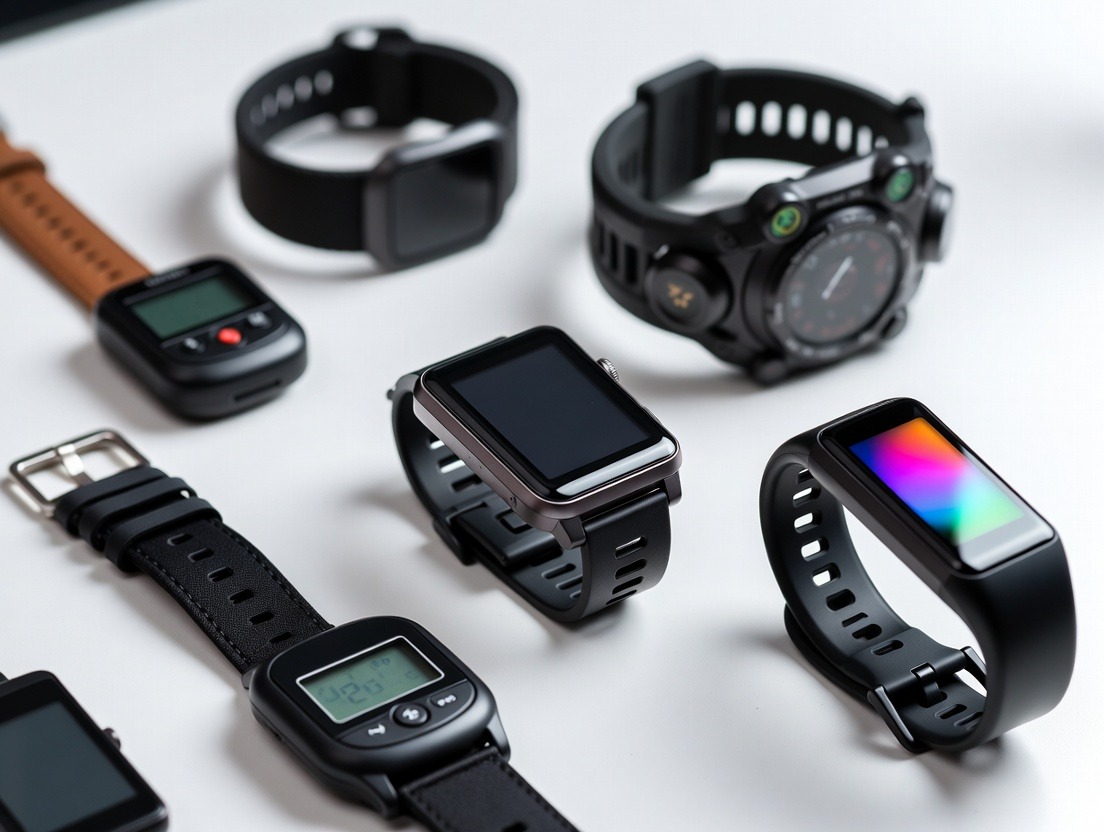
The Sporty Tech Look: This is the default for many fitness-focused brands (Garmin, Fitbit). It involves silicone bands, larger cases, and a utilitarian feel. While perfect for the gym, it can clash with professional or elegant attire.
The Refined Tech Look: Apple Watch and Samsung Galaxy Watch offer aluminum, stainless steel, and even titanium cases with interchangeable bands (leather, Milanese loop, nylon). This allows for significant customization. A woman can swap a sport band for a leather loop to go from a morning workout to an afternoon meeting. However, the screen and case size remain constant—it is always unmistakably a smartwatch.
The Luxury Hybrid: Brands like Withings and Garmin also offer hybrid watches that look like classic analog timepieces but hide activity-tracking guts. These offer the most seamless blend with formal wear but often sacrifice advanced smart features and screen interactivity.
The Challenge: Even the most elegant smartwatch requires styling consideration. It can interfere with bracelets, may not fit under certain shirt cuffs, and its glowing screen can be a distracting focal point in dimly lit, social settings. The style question becomes one of integration and compromise.
The Smart Ring Aesthetic: Invisible Technology
This is the smart ring’s most powerful advantage. Its design philosophy is subtlety.
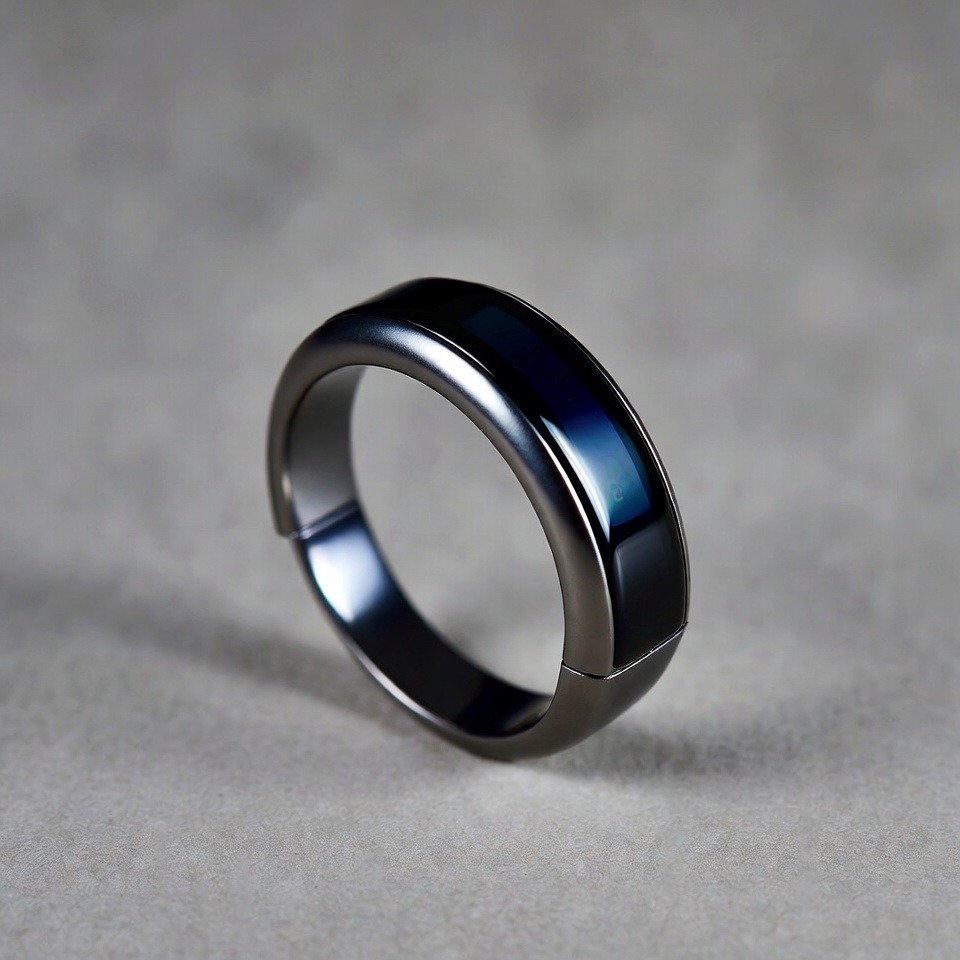
Jewelry-First Design: Leading smart rings are crafted from materials like titanium, ceramic, and gold-plated finishes. They are sleek, lightweight, and often resemble a modern, slightly thicker band ring. They are designed to be worn alongside your existing jewelry without conflict.
Unobtrusive Presence: A smart ring doesn’t command attention. It sits quietly on your finger, compatible with virtually any outfit—from a sleeveless yoga top to a silk evening gown to a professional blazer. It fits under gloves, doesn’t catch on sleeves, and never requires you to "dress around" your tech.
24/7 Wearability: Because it’s so comfortable and non-disruptive, the smart ring promotes true continuous wear, which is critical for its core function: gathering comprehensive, uninterrupted health data. You’re less likely to take it off for a special event, meaning your data baseline remains consistent.
The Style Verdict: If a smartwatch is an accessory you style, a smart ring is an accessory that styles with you. It empowers women to engage with cutting-edge biometric tracking without having to alter their personal aesthetic. It doesn’t compete with other jewelry; it complements it. For real-world examples of how this seamless integration works in daily life, browsing real customer reviews and testimonials can be incredibly insightful.
The ring transforms advanced health monitoring from a visible tech statement into a private, personal secret—a layer of self-knowledge worn with quiet confidence.
Functionality Face-Off: Health and Fitness Tracking Capabilities
Now we move to the core of the matter: what can each device actually do? While both track health and fitness, their methods, strengths, and specializations differ dramatically. Understanding these nuances is key to choosing the tool that matches your primary goals.
Smartwatch: The Active Fitness Coach
Smartwatches excel at guided, real-time activity tracking. They are your personal trainer on your wrist.
GPS Precision: For runners, cyclists, and hikers, built-in GPS is non-negotiable. Smartwatches provide detailed maps, pace data, elevation gain, and route tracking with high accuracy.
Workout Modes & On-Wrist Coaching: With a large library of pre-set workouts (from HIIT to swimming to yoga) and the ability to display real-time metrics (heart rate zones, intervals, rest timers) on their screen, they are ideal for structured exercise.
Heart Rate During Activity: Wrist-based optical heart rate monitors have improved significantly and are generally reliable during steady-state cardio. High-end models are quite accurate, though can struggle with rapid intervallic changes.
Broad Health Spot-Checks: Features like on-demand ECG, blood oxygen measurements, and stress tracking scans provide valuable snapshot data throughout the day.
The Limitation: The wrist is a suboptimal location for certain passive, continuous metrics, especially during sleep. Arm movement can introduce noise into heart rate and HRV data. For a holistic 24/7 picture of recovery, this can be a critical gap.
Smart Ring: The Holistic Health Biographer
Smart rings specialize in passive, continuous physiological monitoring. They are your sleep scientist and recovery advisor.
Sleep Tracking Supremacy: The finger is a superior location for nocturnal biometrics. With less movement and better blood flow (the palmar digital arteries), rings like the Oura and those developed by Oxyzen provide highly detailed sleep stage analysis (light, deep, REM), sleep latency, disturbances, and respiration rate. This data is considered the consumer benchmark.
Heart Rate Variability (HRV) Accuracy: HRV—the tiny variation in time between heartbeats—is a premier indicator of autonomic nervous system balance and recovery status. Finger-based optical sensors capture a cleaner, more medically relevant HRV signal than most wrist-based sensors, especially at rest.
Core Body Temperature Trends: Continuous skin temperature monitoring (not a single spot-check) can reveal subtle trends related to illness onset, menstrual cycle phases, and overall metabolic health. This is a unique, powerful feature of most advanced smart rings.
Recovery & Readiness Scoring: By synthesizing sleep, HRV, temperature, and activity data, rings generate a single, easy-to-interpret score. This tells you if your body is primed for a tough workout or needs a rest day, helping to prevent overtraining and burnout.
The Limitation: While rings automatically detect general activity (walking, running, cycling), they lack GPS for precise route mapping and are not designed for interactive, rep-by-rep workout guidance. You wouldn’t glance at your ring to check your pace mid-run.
The Functional Takeaway: Your priority dictates the champion.
Choose a Smartwatch if: Your focus is on performance training—logging specific workouts, following GPS routes, and receiving live feedback during exercise.
Choose a Smart Ring if: Your focus is on holistic wellness—optimizing sleep, understanding stress and recovery, and gaining deep, passive insight into your body’s rhythms without manual logging.
The Daily Experience: Notifications, Connectivity, and Digital Interaction
How a wearable integrates into your digital life is just as crucial as its health metrics. This is the domain of convenience, connectivity, and potential digital overload. The experiences offered by a smartwatch and a smart ring are polar opposites.
Smartwatch: The Constant Companion (For Better or Worse)
A smartwatch is designed to keep you connected. It vibrates with every text, calendar alert, and social media ping. You can preview emails, control your music playlist, use Apple Pay or Google Pay, and even take calls directly from your wrist.
The Benefits:
Ultimate Convenience: For busy professionals or parents, quickly triaging a notification without pulling out a phone can be a genuine time-saver.
Situational Freedom: Going for a run with just your watch and Bluetooth headphones, leaving your phone behind, while still being reachable in an emergency, is a liberating experience.
Quick-Action Tools: Setting a timer while cooking, using your wrist as a boarding pass, or remotely triggering your phone’s camera are wonderfully handy features.
The Downsides:
The Distraction Dilemma: This constant connectivity is a double-edged sword. The buzz on your wrist can fracture attention, increase stress, and pull you out of the present moment—during work, conversations, or precious downtime. It can digitally tether you to demands 24/7.
Battery Life Trade-off: All this functionality comes at a cost. Most full-featured smartwatches require daily or every-other-day charging, creating one more device to manage in your routine.
Smart Ring: The Digital Sanctuary
A smart ring offers a profound alternative: disconnection. It provides no notifications, no screens, no alerts. Your digital world remains on your phone, which you can choose to check intentionally.
The Benefits:
Mindful Presence: By removing the buzz from your body, the ring promotes uninterrupted focus. You engage in conversations, work, workouts, and relaxation without digital nudges. It’s a tool for digital minimalism.
True Psychological Recovery: Constant notifications can keep your nervous system in a state of low-grade alertness. By wearing a ring, you allow for deeper mental recovery, which its own sensors will likely measure as improved HRV and sleep scores.
"Set and Forget" Simplicity: You put it on and live your life. There’s no need to interact with it until you’re curious about your insights, which you view intentionally in a curated, summary-style app.
The Experience: Imagine finishing a busy day, putting your phone on silent, and spending the evening with family or a book. Your ring is quietly ensuring your body’s signals are being recorded for your future insight, but it never once interrupts the calm you’ve created. It’s a guardian, not a gatekeeper. For those with questions about how this passive tracking works in practice, our comprehensive FAQ page addresses many common curiosities.
The Daily Life Verdict: This choice reflects your desired relationship with technology.
Choose a Smartwatch if: You value seamless connectivity, need quick-glance information, and are disciplined about managing notification settings to avoid overload.
Choose a Smart Ring if: You seek to reduce digital distraction, crave more presence in your physical life, and prefer to engage with your data in a reflective, scheduled way rather than in real-time streams.
Battery Life and Maintenance: The Practicalities of Daily Wear
A wearable's utility is only as good as its uptime. Charging rituals and maintenance are the unglamorous, yet critical, factors that determine whether a device becomes a seamless part of your life or a frustrating burden.
The Smartwatch Charging Cycle
For most advanced smartwatches (Apple Watch, Samsung Galaxy Watch, Wear OS devices), daily charging is the norm. Battery life typically ranges from 18 to 36 hours under standard use. This means incorporating charging into your daily routine—often overnight.
The Consequence for Tracking: Since night is the prime time for sleep and recovery data collection, charging overnight creates a significant data gap. You must choose: charge at night and lose sleep insights, or find another time (like during your morning routine) to top up.
Fitness-Focused Exceptions: Brands like Garmin and Coros offer watches with dramatically longer battery life, often stretching 5-10 days or more in smartwatch mode, and weeks in battery-saver mode. These are standout choices for endurance athletes or those who despise frequent charging.
The "N+1" Problem: You now have your phone, laptop, headphones, and watch all competing for charger space and time. It’s one more item on your mental checklist.
The Smart Ring Efficiency
Smart rings, due to their lack of an energy-hungry screen and their optimized sensors, boast significantly longer battery life. Most models on the market offer between 4 to 7 days of use on a single charge.
The Strategic Advantage: This longer cycle allows for flexible charging. You can pop the ring on its compact charger during a one-hour shower or while you’re sitting at your desk working for a short period. It doesn’t require a dedicated overnight plug-in.
Continuous Data Integrity: Because you can easily charge during low-activity, awake hours, you can maintain 24/7 wear, ensuring no gaps in your sleep, recovery, or activity data. This consistency is vital for the ring’s algorithms to build an accurate personal baseline.
Low-Maintenance Mindset: The ring transitions from a "device to manage" to a "piece you wear." The charging becomes a brief, weekly pit stop rather than a daily chore.
Practical Considerations Beyond Battery:
Durability: Smartwatches with glass faces are susceptible to scratches and cracks from door frames, gym equipment, or simple accidents. Smart rings, made of tough titanium or ceramic, are generally more resilient to daily knocks, though the sensors on the inner band need to be kept clean.
Sizing & Fit: A ring requires a precise, snug fit for sensor accuracy. Most companies provide sizing kits. A watch band can be adjusted easily, but a ring cannot. Weight fluctuations or finger swelling can affect ring fit over time.
The Practicality Verdict: If you want to minimize charging logistics and maximize uninterrupted data collection, the smart ring has a clear edge. If you need a smartwatch with a screen, seeking a model with multi-day battery life (like certain Garmins) is the best compromise.
Accuracy and Data Insights: Which Tells the Truer Story?
When we trust a device with our health data, its accuracy isn't just a feature—it's a foundation. Both device types use similar sensor technology (optical PPG for heart rate), but their placement and purpose lead to different strengths in data fidelity. The ultimate goal isn't just raw data, but actionable, meaningful insights.
Sensor Science: Wrist vs. Finger
The battle for accuracy is largely a battle of anatomy and signal quality.
The Wrist (Smartwatch): The radial artery in the wrist is a good pulse point, but it's surrounded by bone and tendons. During movement, especially high-intensity or wrist-flexing exercise, the optical sensor can lose contact or pick up "noise" from muscle motion, leading to occasional heart rate spikes or drops (cadence lock). For sleep tracking, arm movement and the watch’s position can create less reliable data for subtle metrics like HRV and sleep stages.
The Finger (Smart Ring): The palmar digital arteries are rich and closer to the skin’s surface. The ring’s fit creates a naturally dark, stable environment for the sensors, minimizing motion artifact. This is particularly advantageous during sleep, when the body is still, allowing for a clinically comparable signal. Studies have shown finger-based PPG to be superior for heart rate and HRV accuracy at rest.
Key Metric Breakdown:
Sleep Stages: Rings are consistently rated higher by experts for differentiating between light, deep, and REM sleep due to superior signal quality.
Resting Heart Rate (RHR) & HRV: For 24/7 averages and nocturnal readings, rings typically provide more consistent and accurate baselines. Smartwatches provide good spot-check RHR.
Active Heart Rate: For steady-state cardio (running, cycling), modern smartwatches are excellent. For activities with erratic wrist movement (weightlifting, boxing), both device types can struggle, though a chest strap is the gold standard.
Temperature: Both can track relative changes. Rings have an advantage in continuous trend monitoring due to stable placement.
From Data to Wisdom: The Insight Engine
Collecting data is one thing; interpreting it is another.
Smartwatch Insights: App experiences are often activity-focused. You get detailed summaries of your workouts, trends in your active calories, and maybe a weekly activity summary. Health data is frequently presented as isolated graphs (heart rate, sleep hours). The onus is on the user to connect the dots.
Smart Ring Insights: The app experience is holistic and advisory. The magic lies in the synthesis. By combining sleep depth, HRV balance, temperature deviation, and activity load, the ring generates a narrative. It doesn't just say you slept 7 hours; it tells you your sleep was restless and your readiness is low, suggesting you prioritize a light day. It spots a subtle temperature rise and notes it could be due to cycle phase or illness onset. For a broader perspective on how this data synthesis empowers users, the stories and experiences shared in our about us section highlight this mission-driven approach.
The Insight Verdict: For granular workout metrics, the smartwatch wins. For a nuanced, holistic, and actionable picture of your overall health and recovery—the kind of insight that can genuinely change behavior—the smart ring’s accurate passive data and sophisticated analysis provide a more profound and truer story of your body’s state.
Comfort and 24/7 Wearability: The Unseen Factor in Consistent Data
A wearable can have all the features in the world, but if it’s not comfortable enough to wear consistently, its value plummets. The goal of these devices—especially for holistic health monitoring—is to build a complete, continuous data set. Gaps in wear create gaps in understanding. Comfort is not a luxury; it’s a prerequisite for accuracy.
Smartwatch on the Wrist: A Constant Presence
Weight and Bulk: Even the lightest smartwatches have a noticeable heft and profile. You are always aware of it on your wrist. For some, this becomes second nature; for others, it’s a persistent sensation, especially during sleep or while typing at a keyboard.
The Band Factor: Comfort can be tailored through band choice. A sport loop is soft for sleep, while a metal link bracelet may not be. However, the watch case itself remains a fixed, sometimes cumbersome, object. It can catch on long sleeves, bump against desks, and for side-sleepers, can be an uncomfortable pressure point on the wrist.
Skin Irritation: For those with sensitive skin, prolonged wear of certain materials (like nickel in some clasps) or trapped moisture under a silicone band during workouts can cause irritation or rash.
Situational Removal: Many women naturally remove their watch for certain activities: while showering, swimming (unless specifically rated for it), during a formal event where it clashes with attire, or simply to give their wrist a break. Each removal creates a data blackout.
Smart Ring on the Finger: The Forgettable Sensor
Minimalist Profile: A well-designed smart ring is remarkably lightweight (often 4-6 grams) and low-profile. After a brief adjustment period, most users report forgetting they’re wearing it entirely—the hallmark of true comfort.
All-Day, All-Night Viability: Its small size and smooth shape present no obstacle to sleep, typing, working out, or wearing gloves. It doesn’t snag on clothing. This promotes the 24/7 wear that is ideal for continuous baseline tracking.
Fit is Paramount: Discomfort with a ring usually stems from an improper fit. It needs to be snug enough for sensors to work but not so tight as to constrict. A proper sizing kit is essential. Finger size can change slightly throughout the day or month (due to temperature, hydration, or menstrual cycle), which is a consideration that doesn’t apply to an adjustable watch band.
Jewelry-Mindset Adoption: Because it feels and looks like jewelry, the psychological barrier to constant wear is lower. You’re less likely to remove a ring you love the look of for situational reasons, compared to a more utilitarian watch.
The Comfort Impact on Data: Consider sleep data, the crown jewel of recovery metrics. If a watch is uncomfortable and you take it off half the nights, your sleep trend data is based on a 50% sample size, rendering it far less meaningful. A comfortable ring worn continuously provides a 100% picture, making its insights about your sleep patterns, and consequently your readiness scores, exponentially more reliable and personal.
The Comfort Verdict: For fostering the consistent, uninterrupted wear required for truly insightful long-term health tracking, the smart ring’s minimalist, jewelry-like design offers a significant ergonomic and psychological advantage.
Target Audience Deep Dive: Which Woman Are You?
This isn't a one-size-fits-all decision. The "best" device crystallizes when viewed through the lens of your specific lifestyle, priorities, and personality. Let's profile some archetypal modern women and see which wearable aligns with her world.
The Performance-Oriented Athlete
Her Priority: Beating her personal best. Detailed workout metrics, GPS routes, training load analysis, and real-time pacing.
Her Daily Life: Structured training schedules, marathon prep, triathlon training, frequent gym sessions.
Her Best Fit: The Smartwatch. A Garmin, Coros, or high-end Apple Watch with GPS and advanced workout modes is her indispensable tool. She lives in the data during her activity. The ring’s post-workout recovery insight could be a valuable complement, but not a replacement for her primary training computer.
The Holistic Wellness Seeker
Her Priority: Balance, recovery, and understanding her body’s subtle signals. Managing stress, optimizing sleep, and aligning with her natural cycles.
Her Daily Life: A mix of yoga, Pilates, walking, and mindfulness practices. She is conscious of the mind-body connection and may track her menstrual cycle or meditation habits.
Her Best Fit: The Smart Ring. It provides the deep recovery and sleep data she craves without the digital noise of a screen. It helps her honor her body’s need for rest, not just track its output. The lack of notifications supports her mindfulness goals. The insights from her ring empower her to make daily choices that support sustainable wellness.
The Busy Professional & Multitasker
Her Priority: Efficiency, connectivity, and maintaining performance under pressure. Juggling meetings, communication, and personal well-being.
Her Daily Life: Back-to-back calendars, constant communication streams, business travel, and the need to switch contexts instantly.
Her Potential Conflict: She needs connectivity but is plagued by digital distraction. She needs health insights but has no time for manual logging.
Her Best Fit: A Strategic Choice.
If she must be on-call and values quick-glance efficiency: A smartwatch with disciplined notification filters (e.g., only allow calls and calendar alerts) is a powerful tool.
If she needs a sanctuary from the storm and wants to prevent burnout: A smart ring provides the disconnect and the crucial recovery data to guard her health. She can pair it with a simple analog watch for timekeeping.
The Style-Conscious Minimalist
Her Priority: Aesthetics, simplicity, and a curated lifestyle. She dislikes obvious tech clutter and values pieces that are both beautiful and functional.
Her Daily Life: Her wardrobe is intentional. She may work in a creative field, appreciate design, and choose items that stand the test of time.
Her Best Fit: The Smart Ring, overwhelmingly. It is the only device that disappears into her existing style paradigm. It functions as a piece of modern jewelry first, a tech device second. It provides the data she may want without forcing a change to her aesthetic or adding a screen to her visual field.
Understanding your primary archetype—and you may be a blend of several—is the quickest path to a satisfying choice. For more personalized perspectives, reading through the diverse user experiences and testimonials can help you see yourself in the stories of others.
The Price of Innovation: Cost Analysis and Value Proposition
Investing in a wearable is a decision that balances upfront cost with long-term value. Both smart rings and smartwatches occupy a similar premium price tier, but what you’re paying for differs significantly. Let’s break down the economics.
Smartwatch Pricing Spectrum
Smartwatch prices have a massive range, directly tied to brand, materials, and features.
Budget Tier ($100 - $250): Entry-level Fitbits, Amazfit, and older models. Offer basic activity and sleep tracking, limited smart features, and plastic builds. Good for beginners.
Mid-Range / Mainstream Tier ($250 - $500): The core Apple Watch SE or Series, standard Samsung Galaxy Watch, Google Pixel Watch. Offer full smart ecosystems, good fitness tracking, and aluminum cases. This is the sweet spot for most consumers.
Premium / Luxury Tier ($500 - $1,500+): Apple Watch Ultra or Hermès editions, Samsung Galaxy Watch in titanium, high-end Garmins (Fenix, Epix). Feature premium materials (titanium, sapphire crystal), advanced durability, and niche athletic features.
The Subscription Consideration: Many brands now lock advanced health insights and trend analysis behind monthly subscriptions (e.g., Fitbit Premium, Whoop membership). This turns a one-time device purchase into an ongoing expense.
Smart Ring Pricing Model
The smart ring market is currently more consolidated at the premium end, reflecting its focus on advanced sensor technology and jewelry-grade materials.
Standard Price Point ($300 - $450): This covers the flagship devices from major players like Oura (Heritage & Horizon models), Ultrahuman, and others. This includes the ring, a charger, and access to the core app with all health insights. Materials are typically titanium.
Lifetime vs. Subscription: This is a critical differentiator. Some brands include all data insights with the purchase. Others, most notably Oura, require a monthly membership fee to access the very insights that make the ring valuable (readiness, sleep, and activity scores). Always factor this recurring cost into your decision.
Value Proposition: You are paying for miniaturized, medical-grade sensor technology, advanced data synthesis algorithms, and a discreet, durable form factor. The value is in the quality and actionability of the insight, not in a screen or an app ecosystem.
Assessing Long-Term Value
Smartwatch Value: Is in versatility and connectivity. You’re buying a multi-tool: a fitness tracker, a notification hub, a watch, and a fashion accessory. Its value diminishes if you only use a fraction of its features.
Smart Ring Value: Is in specialized, profound health insight and digital peace. You’re buying a dedicated health biographer and a tool for mindfulness. Its value is realized if you engage with the insights to make tangible improvements to your sleep, stress management, and recovery.
The Investment Question: Ask yourself: "Am I looking for a versatile connected device, or am I investing specifically in a deeper understanding of my physiological health?" Your answer points directly to the device that will deliver the most value for you. For a transparent look at what one innovative brand in this space offers, you can explore the homepage of Oxyzen to see how they articulate their value proposition.
The Future of Wearables: Trends Shaping the Next Generation for Women
As we stand at the crossroads of choosing between a smart ring and smartwatch today, it’s insightful to look toward the horizon. The wearable technology landscape is not static; it’s accelerating, driven by miniaturization, AI, and a deeper focus on personalized, predictive health. For women, these trends promise devices that are even more integrated, intuitive, and aligned with their unique biological and lifestyle needs.
Hyper-Personalization Through AI and Biomarkers
The future is moving beyond generic step counts and sleep stages. The next generation of wearables will leverage artificial intelligence to provide truly personalized health narratives.
Context-Aware AI: Instead of just telling you your HRV is low, future devices will understand why. By cross-referencing data with your calendar (a big presentation), location (a red-eye flight), or even manually logged notes (“started new medication”), AI will provide contextualized insights. A smart ring might say: “Your recovery score is lower, likely due to the stress of your work deadline. Consider a 10-minute meditation tonight to support sleep.”
Feminine Health Integration: This is a massive, underserved frontier. Future wearables will move beyond simple cycle tracking. By correlating continuous temperature, HRV, and sleep data with hormonal phases, devices will offer predictions and insights for menstrual health, fertility windows, perimenopause transition, and how to tailor nutrition, exercise, and recovery to each phase of your cycle. This represents a profound shift from a one-size-fits-all health model to a female-centric one.
Multi-Biomarker Sensing: Research is actively pushing toward non-invasive monitoring of biomarkers like blood glucose trends, hydration levels, cortisol (stress hormone), and even lactate. Imagine a ring that could gently warn you of impending metabolic fatigue during a workout or suggest you hydrate based on real-time electrolyte levels.
Invisible and Integrated Design
The trend toward minimalism will intensify. The ultimate goal is effortless, invisible sensing.
Advanced Materials: We’ll see more use of ceramic, advanced composites, and even sustainable materials that are lighter, stronger, and hypoallergenic. Designs will become even more indistinguishable from fine jewelry, with options for customization and gemstone integration.
Multi-Device Ecosystems: The future isn’t about one device winning. It’s about a symphony of specialized sensors working together. Your smart ring will be the 24/7 physiological baseline monitor. Your smartwatch (or smart glasses) will handle real-time coaching and connectivity. Your smart clothing will measure muscle exertion and form. All this data will sync to a central AI health platform that paints a complete picture. You might learn more about this interconnected vision of wellness technology by following the developments discussed on the Oxyzen.ai blog.
Battery Breakthroughs: Expect to see improvements in energy efficiency and the adoption of new charging methods. Solar charging (already in some Garmin watches), kinetic energy, or even ultra-fast charging that powers a device for a week in minutes will become more common, reducing friction further.
Proactive and Preventative Healthcare
The shift from reactive tracking to proactive guidance will become the standard. Wearables will evolve into true early-warning health systems.
Predictive Alerts: By establishing a deeply understood personal baseline, devices will detect subtle, early deviations that could indicate illness (like the persistent elevated resting heart rate and temperature rise before COVID symptoms), high stress leading to burnout, or signs of atrial fibrillation. The prompt wouldn’t be an alarm, but a gentle, data-driven nudge to “consider resting” or “consult your doctor.”
Partnership with Healthcare: The future involves seamless, secure data sharing with your healthcare provider. Your continuous data becomes a powerful tool for your doctor, providing objective evidence between annual check-ups. This is part of a larger mission for many companies in this space, as seen in the forward-looking vision & values of pioneering brands.
Mental Wellness Quantification: Moving beyond stress scores, future sensors may integrate with voice analysis or subtle movement patterns to provide insights into mood and anxiety levels, suggesting targeted breathing exercises or mindfulness interventions through a connected app.
For the modern woman, these trends mean that her wearable will become less of a “device” and more of a conscious, caring partner in her health journey—one that understands her biology, respects her style, and empowers her with knowledge that is both profound and practical.
Making Your Choice: A Tailored Decision Framework
With all the information presented, the final decision can still feel personal and nuanced. This framework is designed to cut through the noise. Ask yourself these pivotal questions to guide your choice with confidence.
The Priority Question: What is Your #1 Goal?
This is the most important filter. Your primary objective will immediately point you in the right direction.
If your answer is: “To improve my fitness performance and track workouts in detail.”
Leans heavily toward: SMARTWATCH.
Why: You need GPS, a screen for real-time stats, and robust workout mode libraries. A smart ring cannot replace a running watch or a gym companion.
If your answer is: “To understand my sleep, manage stress, and optimize recovery and overall wellness.”
Leans heavily toward: SMART RING.
Why: You need the most accurate passive biometrics (HRV, temperature, sleep stages) and holistic scores that synthesize this data. The ring’s design is built for this purpose.
If your answer is: “To stay connected and manage notifications without constantly checking my phone.”
Leans heavily toward: SMARTWATCH.
Why: This is the core function of a smartwatch. It is an extension of your phone’s connectivity.
If your answer is: “To reduce digital distraction and be more present, while still getting health insights.”
Leans heavily toward: SMART RING.
Why: The ring provides deep health data without any notifications, supporting digital mindfulness.
The Lifestyle & Style Audit
Your daily reality and personal aesthetic are non-negotiable.
Your Professional Environment: Do you work in a formal setting where a tech watch on your wrist feels out of place? Does it bang on your laptop while typing? A smart ring is virtually invisible and conflict-free.
Your Activity Profile: Are you a dedicated runner, cyclist, or swimmer? A smartwatch with GPS and swim-proofing is likely essential. Do you prefer yoga, Pilates, walking, and functional training? A ring tracks this well and is less obtrusive during movement.
Your Jewelry Habits: Do you love stacking bracelets and watches? A smartwatch might integrate or clash. Do you prefer minimalist jewelry or already wear rings? A smart ring will feel like a natural addition.
Your Sleep Sensitivity: Are you a light sleeper sensitive to anything on your wrist? Many find a lightweight ring far less intrusive for sleeping, which is critical for its core function.
The Tech Personality Check
How do you prefer to interact with your technology?
The Engager: You love tinkering with apps, customizing watch faces, and using every feature. You don’t mind notifications. → SMARTWATCH
The Delegator: You want the device to do the thinking. You prefer a simple, curated summary of what’s important, delivered when you choose to look. You value “set and forget” technology. → SMART RING
The Budget & Commitment Consideration
Be realistic about total cost and ongoing commitments.
Upfront Cost: Both have similar entry points (~$300+). Are you willing to pay a premium for jewelry-grade materials and advanced sensors in a tiny form factor (ring), or for a versatile mini-computer (watch)?
Subscription Fees: This is crucial. Are you willing to pay a monthly fee to access the core insights of your device? Many smart rings and some watches have them. Factor this into your long-term cost. For transparency on what’s included, always check a company’s FAQ page.
Ecosystem: Are you deeply invested in Apple’s or Google’s ecosystem? A matching smartwatch offers seamless integration. Smart rings are generally platform-agnostic.
By walking through this framework, your ideal partner will come into clear focus. Remember, the best device is the one you’ll wear consistently and whose insights you’ll actually use to live better.
The Hybrid Approach: Could You Wear Both?
For some women, the preceding framework might lead to a frustrating conclusion: “I see compelling reasons for both.” If you are a performance-focused athlete who also craves deep recovery insights, or a professional who needs connectivity at work but values disconnection and sleep tracking at home, the hybrid approach is a legitimate—and for some, ideal—strategy.
The Philosophy of the "Dynamic Duo"
This approach treats each device as a specialist tool for a specific part of your life, rather than seeking a single compromise device that masters nothing.
The Typical Pairing: Smart Ring (24/7 Baseline) + Smartwatch (Activity & Connectivity).
How it works: You wear the smart ring all the time, day and night. It becomes your source of truth for sleep, recovery, readiness, and long-term health trends. You wear the smartwatch during waking hours when you want connectivity, for specific workouts where you need GPS and coaching, or as a fashion accessory/timepiece.
The Data Synergy: Some advanced health platforms are beginning to allow data from different devices to integrate. Imagine your ring’s “Readiness Score” automatically informing your watch’s workout suggestions for the day. While not fully seamless yet, this is the direction of the ecosystem future.
Who is the Hybrid Approach For?
The Serious Athlete: Uses a Garmin/Coros/Apple Watch Ultra for grueling training sessions and race metrics. Wears a smart ring to ensure she is recovered enough to train hard and to optimize sleep for performance. The ring provides the “why” behind the workout “what.”
The Tech-Executive: Wears an Apple Watch or Galaxy Watch during the workday to manage a frantic calendar, calls, and messages efficiently. Swaps to a smart ring after hours and on weekends to truly disconnect, while still tracking sleep and recovery from the workweek’s stress.
The Wellness Enthusiast with Varied Passions: Does yoga and values recovery (ring), but also goes on long weekend hikes where she wants GPS mapping and safety features (watch).
Practical Considerations of Going Hybrid
Cost: This is the most significant barrier. You are investing in two premium devices.
Management: You have two devices to charge, two apps to check (though you may prioritize one as your health hub). It requires a bit more logistical thought.
Overlap & Conflict: You’ll get duplicate data (like step count and active minutes). It’s best to designate one device (usually the ring) as your primary health profile and ignore the basic activity metrics from the other.
Is It Worth It? For those who can afford it and whose lifestyles have genuinely distinct modes (high-performance vs. deep recovery, hyper-connected vs. intentionally disconnected), the hybrid approach offers the ultimate flexibility and depth. It acknowledges that a single device may not yet fully encapsulate the complexity of a modern woman’s life. Reading about real customer experiences with different device combinations can offer valuable peer perspective.
Beyond the Device: The Critical Role of the App Experience
The wearable hardware is only half of the product. The companion smartphone app is the portal through which data becomes insight, and insight becomes action. A beautiful, intuitive, and motivating app is essential; a clunky, confusing one can render even the best hardware frustrating. Let’s compare the typical app philosophies.
The Smartwatch App: A Dashboard of Activity
Smartwatch apps (Apple Health, Samsung Health, Garmin Connect, Fitbit) are designed as comprehensive dashboards.
Interface: Often busy, with multiple tiles, graphs, and metrics vying for attention. You can see daily steps, heart rate, sleep, workouts, weight, nutrition (if logged), and more all on one scrollable screen.
Strengths: Comprehensiveness. If you want to drill down into a specific run’s elevation chart or heart rate zones, the data is there. Third-Party Integration. They often act as a hub, pulling in data from other apps (like MyFitnessPal for nutrition or Strava for cycling).
Weaknesses: Overwhelm. The sheer volume of data can be paralyzing. It’s often presented as isolated metrics without clear narrative synthesis. The “So What?” Factor. It shows you what happened, but rarely explains what it means or what you should do about it.
The Smart Ring App: A Curated Wellness Journal
Smart ring apps (Oura, Ultrahuman, Circular) are designed as guided journals.
Interface: Typically cleaner, more focused, and narrative-driven. The home screen often features one primary score (Readiness, Recovery) with a few supporting highlights (Sleep Score, Activity Balance). Tapping in reveals the “why” behind the score.
Strengths: Clarity and Curation. The app does the hard work of synthesizing complex data into simple, actionable scores and sentences. Action-Oriented Insights. It moves beyond data to guidance: “Your body is recovering; an intense workout is good today,” or “Focus on winding down earlier to protect your sleep.”
Weaknesses: Less Granular Control. You can’t always access the ultra-raw data streams that a data geek might want. A Closed Loop. The insights are based solely on its own sensor data, with less emphasis on pulling in external data sources.
What to Look for in a Great App:
Regardless of device, your app should:
Educate, Not Just Report: It should explain what HRV is, why temperature variation matters, and how to improve your scores.
Provide Positive Reinforcement: Celebrate consistency, not just perfection. A “Sleep Steak” or consistency graph can be more motivating than a single night’s poor score.
Be Visually Peaceful: The design should reduce anxiety, not contribute to it. Clean typography, thoughtful color schemes (not alarmist reds for every minor dip), and calm imagery matter.
Offer Personalization: Allow you to set your own goals (e.g., “improve deep sleep”) and tailor insights to what matters to you.
The app is where the magic of understanding happens. When evaluating a device, always download its app first and explore the demo or tutorial. Ask yourself: “Does this make me feel informed and empowered, or confused and anxious?” The right app will feel like a trusted coach. To see an example of a brand that prioritizes this user-centric experience, you can discover how Oxyzen works through its app philosophy.
Common Concerns and Myths Debunked
As with any emerging technology, misconceptions swirl around smart rings, and longstanding assumptions persist about smartwatches. Let’s separate fact from fiction to clear the path for an informed decision.
Smart Ring Myths
Myth 1: “The ring isn’t accurate because it’s so small.”
Reality: This is perhaps the biggest misconception. Size is a benefit. The finger provides a stronger, cleaner vascular signal for optical sensors than the wrist, especially at rest. For core metrics like sleep stages, resting heart rate, and HRV—the pillars of recovery—clinical validations often show rings to be superior. The miniaturization of medical-grade sensors is the core innovation.
Myth 2: “It will track my location or listen to me.”
Reality: Smart rings have no GPS, microphone, or speaker. They are simple, passive sensor hubs. They measure physiological signals (light, movement, temperature) from your body. They cannot track your location or record audio. Privacy is a fundamental design principle, as underscored in the core values of companies like those behind Oxyzen.
Myth 3: “It’s just for sleep; it doesn’t track activity well.”
Reality: While it’s true the ring excels at sleep, modern rings automatically detect a wide range of activities (walking, running, cycling, yoga, functional training) using their 3D accelerometer. They will accurately log duration, heart rate during the activity, and estimated calorie burn. What they don’t provide is GPS mapping or real-time pace/distance on a screen.
Myth 4: “One size will never fit my finger changes.”
Reality: Fingers do swell and shrink. Reputable companies provide detailed sizing guides and kits. The recommendation is to size for your finger when it’s at its warmest and largest (often afternoon/evening). A proper fit should be snug but comfortable, and account for these minor fluctuations. Some companies also offer a one-time free resize.
Smartwatch Misconceptions
Misconception 1: “More features always mean a better device.”
Reality: Feature bloat can lead to distraction and reduced battery life. A device with 50 sports modes you never use is less “powerful” for you than a device that perfectly executes the 5 modes you need. The best device is the one whose features align with your actual life.
Misconception 2: “The heart rate sensor is 100% accurate during all exercises.”
Reality: Wrist-based optical heart rate has improved vastly but can still be affected by “motion artifact”—especially during activities with rapid wrist movement (weightlifting, boxing, rowing) or at very high or low intensities. For rigorous heart rate training, a chest strap paired with the watch is still the gold standard.
Misconception 3: “All my health data is private and secure.”
Reality: This varies greatly by brand. It’s crucial to read the privacy policy. Understand who owns your data, how it is anonymized and aggregated, and whether it can be sold to third parties. Companies with a healthcare-oriented mission often have stricter, more transparent data policies.
Misconception 4: “I have to wear it all night to get sleep data, even if it’s uncomfortable.”
Reality: You do, but you shouldn’t sacrifice sleep comfort for sleep data. If the watch bothers you, you’ll sleep worse, making the data itself flawed. This is a fundamental conflict that doesn’t exist with a well-fitted ring for most users.
By dispelling these myths, you can evaluate each device category based on its true strengths and limitations, not on outdated or incorrect assumptions. For further clarification on how specific technologies address these points, a great resource is a company’s detailed FAQ page.
Final Recommendations: Matching Device to Lifestyle Archetype
Based on our comprehensive analysis, here are clear, actionable recommendations for the most common lifestyle archetypes of modern women. Use this as your final cheat sheet.
For the Fashion-Forward Professional
Priority: Style, professionalism, and discreet wellness insight.
Top Pick: Smart Ring.
Why: It seamlessly integrates with business and formal attire, looks like elegant jewelry, and provides the stress and recovery insights needed to navigate a high-pressure career without the distraction of a watch screen. It’s the ultimate tool for polished, mindful performance.
Recommended Pairing: A classic analog watch or bracelets on the other wrist, if desired.
For the Dedicated Runner or Triathlete
Priority: Detailed workout metrics, GPS accuracy, and training load management.
Top Pick: Smartwatch (Focused Fitness Brand).
Why: Devices from Garmin, Coros, or the Apple Watch Ultra are built for this. They offer advanced running dynamics, swim tracking, long battery life for endurance events, and precise mapping.
Bonus Consideration: Add a smart ring if you are serious about optimizing recovery to prevent injury and overtraining. The hybrid approach is powerful here.
For the Holistic Health & Mindfulness Seeker
Priority: Sleep optimization, stress management, and understanding body rhythms.
Top Pick: Smart Ring.
Why: This is the ring’s native environment. Its accurate sleep and recovery data, combined with a notification-free experience, directly support goals of deeper rest, mindfulness, and body awareness. It helps you tune in, not tune out.
Actionable Tip: Use the readiness score to guide your daily activity intensity—honor rest days when your body asks for them.
For the Busy Mom & Household Manager
Priority: Convenience, connectivity, and keeping up with her own health amidst chaos.
Top Pick: Smartwatch (Mainstream).
Why: The ability to see a notification from a child’s school or quickly reply to a partner’s text while her hands are full is invaluable. Fitness tracking can be integrated into daily life (tracking “mom workouts” like park walks). Look for durable models.
Alternative Consideration: If constant notifications add to stress, a smart ring paired with a simple phone routine (e.g., checking during nap times) can provide health insights while protecting mental space.
For the Tech Enthusiast & Early Adopter
Priority: Cutting-edge features, ecosystem integration, and customization.
Top Pick: Smartwatch (Apple Watch or Premium Android Watch).
Why: These devices offer the deepest app ecosystems, the latest voice assistant and payment tech, and seamless integration with a tech-heavy lifestyle. The ability to customize watch faces and complications is a key pleasure.
Future Watch: Keep an eye on the evolution of smart rings as they add more AI and biomarkers; this space will appeal to your love of innovation.
For the Hybrid Lifestyle Athlete (e.g., Yoga Teacher who also Hikes)
Priority: Versatility across different activity types and recovery focus.
Top Pick: Consider the Hybrid Approach.
Why: A smart ring for 24/7 recovery, sleep, and stress tracking that supports a mindful yoga practice. A capable smartwatch (not necessarily a giant sports watch) for weekend hikes with GPS and for daily time/notifications if desired.
Budget-Conscious Alternative: If one device is a must, choose a smartwatch with strong wellness features (like a Garmin Venu or Apple Watch) and use its mindfulness apps and recovery metrics, accepting it may be less elegant and its sleep data slightly less nuanced.
These archetypes are guides, not cages. Your unique life is a blend. By understanding the core strengths of each device, you can now make a choice that feels not just smart, but intuitively right for the woman you are and the life you lead. For inspiration from those who have made their choice, the testimonials and user stories can provide that final, relatable nudge.
Conclusion of This Analysis: Embracing Your Personalized Path
The journey through the intricate world of smart rings and smartwatches reveals a fundamental truth: there is no universal “best” wearable. There is only the best wearable for you. This decision is a reflection of personal priority, aesthetic alignment, and desired interaction with technology.
We’ve seen that the smartwatch reigns supreme as a versatile, connected command center. It is the tool for the woman who thrives on real-time data, needs seamless integration with her digital world, and whose fitness regimen demands detailed, GPS-guided feedback. It is an active partner in performance.
Conversely, the smart ring emerges as the champion of holistic, unobtrusive wellness. It is the tool for the woman who seeks deeper self-knowledge, prioritizes recovery and sleep, values minimalist style, and wishes to reduce digital intrusion. It is a silent guardian of well-being.
The evolution of wearables is bending toward a future where technology adapts to us—our bodies, our styles, our rhythms. Whether you choose the interactive canvas of the wrist or the elegant subtlety of the finger, you are embracing a powerful tool for self-empowerment.
The most important metric of all is not your step count or sleep score; it’s consistency. The right device is the one you’ll wear every day and night, the one whose insights you’ll trust and act upon. It should feel less like a piece of tech and more like a natural extension of your intent to live well.
So, listen to the priorities uncovered in this guide. Honor your style. And choose the companion that will walk with you—quietly or informatively—on your path to a healthier, more balanced, and more insightful life.
The Female Physiology Factor: How Each Device Tracks Women’s Unique Health
While much wearable tech is designed with a “one-size-fits-all” approach, women’s health requires a more nuanced understanding of cyclical rhythms and hormonal impacts. The true potential of a wearable lies in its ability to move beyond generic metrics and provide insights specific to the female body. Here, the passive, continuous nature of certain devices offers a distinct advantage.
Beyond Basic Cycle Tracking: The Power of Continuous Biomarkers
Most health apps, including those on smartwatches, offer a simple menstrual cycle log where you manually input start and end dates, symptoms, and moods. This is reactive logging. The next level is predictive and correlative insight, which is where advanced sensor data shines.
Basal Body Temperature (BBT) & Skin Temperature: For natural family planning or simply understanding their cycle, many women track BBT with a specialized thermometer each morning. A smart ring with continuous temperature sensing automates this. It detects the subtle post-ovulation temperature rise (about 0.5-1°F) with ease, as it’s measuring all night while you sleep, providing a more stable reading than a single morning check. This can help confirm ovulation and delineate cycle phases. A smartwatch may take occasional wrist temperature spot-checks, but the continuous trend from a ring is far more valuable for this purpose.
Heart Rate Variability (HRV) & Resting Heart Rate (RHR) Patterns: Hormonal fluctuations across the menstrual cycle directly affect the autonomic nervous system, which governs HRV and RHR. Progesterone (high in the luteal phase) can elevate resting heart rate and lower HRV. A device that tracks these metrics passively can reveal your personal pattern. Seeing a sustained RHR rise and HRV dip after suspected ovulation can be a clear physiological confirmation of your cycle phase.
Sleep Architecture Changes: Sleep quality and architecture often shift with hormonal changes. A woman might experience more restless sleep or wakefulness in the days leading up to her period. Advanced sleep tracking from a smart ring can quantify this, showing changes in deep sleep, REM, or wakefulness correlated to her cycle. This isn’t about blame, but about understanding: “My readiness is low today not because I did something wrong, but because my body is in a different hormonal phase.”
Menstrual Cycle Integration and Insights
Forward-thinking wearable platforms are now integrating this continuous biometric data with cycle logging.
Automated Phase Predictions: By correlating temperature, RHR, and HRV trends, the app can often predict ovulation and period start dates with high accuracy, moving beyond simple calendar calculations. This provides a powerful tool for fertility awareness or simply planning one’s schedule.
Symptom Correlation: When you log symptoms (cramps, fatigue, mood), the app can cross-reference them with your physiological data. It might reveal that your worst migraine days consistently coincide with a specific temperature shift, or that your best workouts statistically occur in your follicular phase. This turns subjective experience into objective, actionable knowledge.
Tailored Recommendations: This is the future. Imagine your wearable knowing your cycle phase and suggesting: “Your temperature indicates you’re in your luteal phase, where core temperature is naturally higher. Consider cooler sleep conditions tonight,” or “Your data suggests you’re approaching ovulation, a time of peak strength for many women. It’s a great day for that high-intensity workout.”
For women navigating perimenopause, these continuous biomarkers are even more critical. Tracking the gradual changes in cycle regularity, the onset of night sweats via temperature spikes, and long-term trends in sleep quality can provide invaluable data for conversations with a healthcare provider.
The Device Verdict for Women’s Health: While any device with a cycle log can be useful, the smart ring’s strength in continuous, accurate temperature and nocturnal HRV/RHR tracking makes it the more powerful tool for deep, automated female health insight. It transforms the cycle from a calendar event into a rich, data-informed biological rhythm. To explore how one brand approaches this integration of female-centric health data, you can discover how Oxyzen works with holistic physiology in mind.
The Social and Professional Sphere: Perceptions and Practicalities
How a wearable is perceived—and how it functions—in social and professional settings can significantly impact its utility and your comfort. This is where the line between a tech gadget and a personal accessory becomes most visible.
The Smartwatch in the Room
A smartwatch is a visible piece of technology. This visibility carries social weight.
Professional Meetings: A glowing screen on your wrist during a presentation or a one-on-one conversation can be perceived as distracting or, worse, as if you’re checking notifications. The subtle buzz of an incoming message, even if ignored, can break your focus and be noticed by others. In conservative industries like law, finance, or high-level academia, a traditional watch is still often the unspoken standard, making a smartwatch feel slightly out of place.
Social Gatherings: The constant glance at the wrist to check notifications can subtly communicate to friends or a date that you’re not fully present. In more formal social settings—a dinner party, a wedding, a theater performance—the illuminated face of a smartwatch can be a jarring, anachronistic light source.
The “Always-On” Pressure: Because it’s designed for connectivity, wearing a smartwatch can create an internal and external expectation that you are available. Taking it off in these settings feels like a deliberate disconnection, which can be positive but also an extra step.
The Smart Ring’s Social Stealth
A smart ring operates under a different paradigm: discreet intelligence.
Professional Invisibility: In a boardroom, during a client pitch, or at a conference, a smart ring is indistinguishable from a piece of fine jewelry. It doesn’t glow, buzz, or demand attention. It allows you to be fully engaged without a digital intermediary on your body. There is no social friction; it aligns with professional norms of dress.
Uninterrupted Social Presence: At a dinner or out with friends, the ring never pulls your focus. You can be completely in the moment. Yet, it’s still working for you, perhaps ensuring that the late night and glass of wine are factored into tomorrow’s recovery score—insight you’ll get later, not a notification you get now.
A Conversation Piece (On Your Terms): If someone does notice it and ask, it becomes a unique conversation starter about wellness and technology, but one you initiate and control. It’s not broadcasting its function to the world.
Practical Functionality in Social Scenarios
Mobile Payments: Both devices can often facilitate contactless payments (Apple Pay, Google Pay). A smartwatch requires you to raise and tilt your wrist to the terminal. A smart ring is even more seamless—a simple tap of your hand, often without even removing anything from your pocket.
Discreet Health Checks: Feeling flushed or your heart racing before a big presentation? A quick, silent heart rate check on a smartwatch is possible. With a ring, this data is being gathered continuously, but you’d need to check the app later. The ring prioritizes silent data collection over real-time spot checks in social situations.
The Social Verdict: If your professional and social life demands absolute presentational focus and minimal digital intrusion, the smart ring offers a significant advantage. It allows you to leverage technology without its social side effects. For those whose roles thrive on constant connectivity, the smartwatch’s visibility is a feature, not a bug. Reading about the real customer experiences of women in various professions can provide grounded examples of how these devices function in the wild.
Durability, Care, and Long-Term Ownership
A wearable is a daily companion, subject to bumps, moisture, cosmetics, and the general wear and tear of life. Understanding the resilience and maintenance needs of each device type is key to ensuring it lasts and performs for years, not just months.
Smartwatch: The Screen Dilemma
The smartwatch’s greatest asset—its screen—is also its greatest vulnerability.
Scratches and Cracks: Glass watch faces, even with sapphire crystal on premium models, can be scratched by keys, door frames, or gym equipment. A direct impact can crack the screen, often leading to costly repairs or replacement. Screen protectors are available but can detract from aesthetics and touch sensitivity.
Water Resistance: Most modern smartwatches are water-resistant (often 5ATM or 50 meters), making them safe for swimming and showering. However, this resistance can degrade over time, especially with exposure to soaps, shampoos, lotions, and salt water. It’s generally advised to rinse with fresh water after exposure.
Band Degradation: Silicone bands can degrade, crack, or discolor over time, especially with exposure to sunscreen, sweat, and perfume. Leather bands are susceptible to water and sweat damage. The good news is bands are replaceable, allowing for renewal and style changes.
Battery Lifespan: Like all lithium-ion batteries, a smartwatch battery will degrade, holding less charge over 2-3 years of daily charge cycles. Some models allow for battery replacement, but many do not, effectively setting the device’s functional lifespan.
Conclusion: Your Wrist, Your Finger, Your Choice
We have traversed the extensive landscape where technology meets personal style, where data meets intuition, and where a device becomes a companion. The “smart ring vs. smartwatch” debate isn’t a battle with one winner, but a presentation of two distinct philosophies for enhancing a woman’s life.
The Smartwatch is the extroverted multitool. It is for the woman who wants her technology to be a visible, active partner. She values its ability to connect, guide, and inform in real-time. It is a dashboard for her dynamic life, keeping her plugged into her digital world and pushing her towards her fitness goals with vibrant, on-wrist coaching. It makes a statement: “I am connected, I am active, and I leverage technology to power my day.”
The Smart Ring is the introverted biographer. It is for the woman who seeks knowledge from within. She values its silent, persistent intelligence, its reverence for her personal style, and its focus on restoration over constant stimulation. It is a private journal of her body’s language, offering reflective insights that empower her to make smarter choices about sleep, stress, and sustainability. It makes a statement: “I value mindfulness, I understand my body, and my wellness is a personal priority.”
In the end, the “right” choice emanates from your core priorities.
Let your primary health goal be your guide.
Let your personal aesthetic be your filter.
Let your tolerance for digital interaction be your boundary.
The future of wearables is bright and bending toward a more personalized, integrated, and feminine-aware future. Whether you choose the articulate presence of the wrist or the elegant whisper of the finger, you are taking a powerful step toward a more conscious, data-empowered life.
Your journey to deeper well-being is uniquely yours. Choose the tool that feels not like an addition, but an extension of yourself.



%402x.svg)