How to Support Colleagues Experiencing Workplace Stress
Protect creativity under pressure by scheduling protected creative time, using mindfulness to access flow, and reducing perfectionism.
The Silent SOS: A Modern Guide to Recognizing and Supporting Colleagues Under Pressure
You hear the quiet, frantic typing long after the official workday ends. You notice the once-vibrant colleague who now eats lunch alone at their desk, staring blankly at the screen. You’re in a meeting and see a teammate’s smile not quite reach their eyes, a subtle tremor in their hand as they present. Workplace stress isn’t always a dramatic breakdown; more often, it’s a silent, creeping tide that erodes well-being, productivity, and team spirit one wave at a time.
In today’s hyper-connected, always-on work culture, stress has become a pervasive pollutant in our professional ecosystems. The World Health Organization recognizes burnout as an occupational phenomenon, and the American Institute of Stress reports that 83% of US workers suffer from work-related stress. This isn't just an individual problem; it's a collective one. Toxic stress is contagious—it spreads through teams, dampening morale, sparking conflict, and leading to staggering costs in turnover, absenteeism, and lost innovation.
Yet, within this challenge lies a profound opportunity: the power of collegial support. We are not just co-workers sharing a spreadsheet; we are human beings sharing an environment for a significant portion of our lives. The simple, research-backed act of supportive connection can be a circuit breaker for stress, transforming a toxic spiral into a resilient network. This isn't about becoming a workplace therapist. It’s about cultivating empathetic awareness, mastering the art of subtle intervention, and building a culture where well-being is a shared responsibility.
This comprehensive guide is designed for the modern professional—the team member, the mentor, the manager, the leader who wants to move from passive observation to active support. We will delve deep into the neuroscience of stress, the art of recognition, the practical tools for conversation and action, and how emerging technology, like the advanced biometric tracking offered by Oxyzen smart rings, is giving us unprecedented, objective insights into our collective well-being. By the end, you will have a robust, actionable framework for being the ally your colleagues need, fostering a workplace where people don’t just survive, but thrive.
Let’s begin this critical journey.
The Anatomy of Workplace Stress: Beyond "Just Being Busy"
To effectively support a colleague, we must first understand what we’re dealing with. Workplace stress is a complex biological and psychological response, not merely a feeling of being overwhelmed.
The Stress Response System: Fight, Flight, or Freeze at Your Desk When a challenge arises, your body’s sympathetic nervous system activates, releasing cortisol and adrenaline. This is the "acute stress response"—designed for short-term survival. Your heart rate increases, blood flow redirects to muscles, and focus narrows. This is useful for hitting a tight deadline or delivering a big presentation. The problem in the modern workplace is chronic activation. When deadlines are perpetual, emails are incessant, and psychological safety is low, the stress response switch gets stuck in the "on" position.
Chronic cortisol exposure impairs the prefrontal cortex—the brain region responsible for executive function, decision-making, and emotional regulation. This is why a stressed colleague might seem forgetful, make uncharacteristic errors, or react emotionally to minor setbacks. They aren't "losing it"; their brain is literally being bathed in chemicals that hinder higher-order thinking.
The Six Modern Stressors While sources vary, contemporary work stress often clusters around these core domains:
Unmanageable Workload & Pace: The sheer volume of work and the unsustainable speed at which it’s expected. This is the "doing the work of two people" syndrome.
Lack of Control & Autonomy: Micromanagement, rigid processes, and having no say in how or when work is done. This erodes a fundamental human need for agency.
Insufficient Rewards & Recognition: Not just financial, but a lack of positive feedback, career growth opportunities, or a sense that one's contribution matters.
Broken Workplace Relationships: This includes conflict with colleagues or managers, toxic team dynamics, bullying, and a general lack of social support.
Mismatched Values & Ethics: Being asked to act in a way that conflicts with personal ethics or witnessing organizational decisions that feel unjust.
Poor Role Clarity & Uncertainty: Not understanding one's responsibilities, or working in a state of constant organizational change and job insecurity.
The insidious nature of chronic stress is that it often manifests in ways the sufferer doesn't immediately connect to work. They might blame themselves for being "weak" or attribute physical symptoms to unrelated causes. Understanding this hidden landscape is the first step in moving from judgment to empathy. For a deeper exploration of how the body signals chronic stress, our blog features several articles on biometric markers and recovery.
Recognizing the Red Flags: The Subtle and Not-So-Subtle Signs
A colleague rarely announces, "I am experiencing debilitating workplace stress." The communication is non-verbal, behavioral, and incremental. Becoming a skilled observer is your first tool for support.
Behavioral & Emotional Shifts
Withdrawal: The most common sign. They stop participating in casual chats, skip team lunches, withdraw from collaborative projects, or become silent in meetings they once contributed to.
Irritability & Emotional Volatility: Snapping over small inconveniences, cynical or negative comments that are out of character, or visible frustration where there was once patience.
Indecisiveness & Brain Fog: An otherwise competent person suddenly struggling to make simple decisions, missing obvious details, or asking for repeated clarifications.
Loss of Confidence: Phrases like "I can't do this," or "Nothing I do matters" begin to surface. They may excessively apologize or seek reassurance.
Physical & Performance Indicators
Changes in Appearance: Noticeable weight loss or gain, persistent tired eyes, a decline in personal grooming, or wearing the same clothes repeatedly can be signs of depleted energy for self-care.
Increased Absenteeism or Presenteeism: Calling in sick more often, or worse, showing up while ill (physically or mentally) and being utterly unproductive.
A Drop in Work Quality: Missed deadlines, an increase in careless errors, or work that lacks its usual creativity and thoroughness.
Erratic Communication: Long delays in responding to emails, disjointed messages, or, conversely, a barrage of after-hours communications indicating an inability to disconnect.
The Role of Objective Data in Recognition Here is where modern wellness technology adds a revolutionary layer. While behavioral cues are subjective and can be hidden, physiological data is objective and continuous. A device like the Oxyzen smart ring tracks key biomarkers 24/7:
Heart Rate Variability (HRV): Considered the gold standard for measuring nervous system balance. A consistently low or dropping HRV is a strong, quantifiable indicator of accumulated stress and poor recovery.
Resting Heart Rate (RHR): A elevated resting heart rate can signal physiological strain.
Sleep Architecture: Chronic stress devastates sleep. Tracking deep sleep, REM sleep, and disturbances provides a window into recovery failure that a colleague might simply dismiss as "just a bad night."
Body Temperature & Activity Trends: Subtle shifts can indicate the body fighting stress-induced inflammation or a complete lack of energy for movement.
Imagine noticing a colleague is withdrawn. You might wonder if it’s personal. But if you are part of a team that, with consent, shares aggregated wellness insights, you might have a broader context: the whole team's average HRV has plummeted this quarter, and sleep scores are down 30%. This isn't about surveillance; it's about collective awareness. It shifts the conversation from "What's wrong with Sarah?" to "What's happening in our work environment that's impacting our team's physiology?" This data-driven approach is at the heart of Oxyzen's mission to bring actionable health intelligence to organizations.
The Foundation: Cultivating Psychological Safety and Trust
You cannot support someone who does not feel safe with you. Before any conversation about stress, the ground must be fertile with trust and psychological safety—the shared belief that the team is safe for interpersonal risk-taking.
What is Psychological Safety? Coined by Harvard researcher Amy Edmondson, it’s a climate where people feel comfortable being themselves. They can admit mistakes, ask naive questions, voice half-formed ideas, and express concerns without fear of punishment, humiliation, or retaliation. In a psychologically safe environment, a stressed colleague is more likely to signal for help before they break.
Building Your "Safe Ally" Credentials
Practice Non-Judgmental Listening: When a colleague speaks, listen to understand, not to reply or fix. Suspend your own agenda. Your face and body language should convey, "I am here with you," not, "I am waiting for my turn to talk."
Demonstrate Consistent Vulnerability: As leadership expert Brené Brown champions, vulnerability begets vulnerability. Appropriately share your own challenges: "I found that deadline really tough too; I was so anxious my sleep suffered." This normalizes struggle.
Confidentiality is Sacred: Nothing destroys trust faster than gossip. If a colleague shares something with you in confidence, it stays with you. Your role is to be a container for their experience, not a broadcaster.
Follow Through Reliably: If you say you’ll do something—whether it’s covering a small task or just checking in next Tuesday—do it. Reliability in small things builds trust for bigger things.
Creating Micro-Moments of Safety This isn't about grand gestures. It’s about daily practice:
In meetings, explicitly ask for dissenting opinions: "Does anyone see a potential problem we haven't considered?"
Publicly thank people for admitting mistakes and frame them as learning opportunities.
Use inclusive language: "I could be wrong, but..." or "What am I missing here?"
Pay attention to who isn't speaking and gently invite them in: "Sam, you’ve worked on this client before—what’s your take?"
When you consistently act as a source of safety, you become a natural port in a storm for colleagues. They will intuitively know you are a person who can handle their truth without making it worse. For teams looking to build this culture from the ground up, understanding the values and vision that drive a human-centric approach can provide a foundational blueprint.
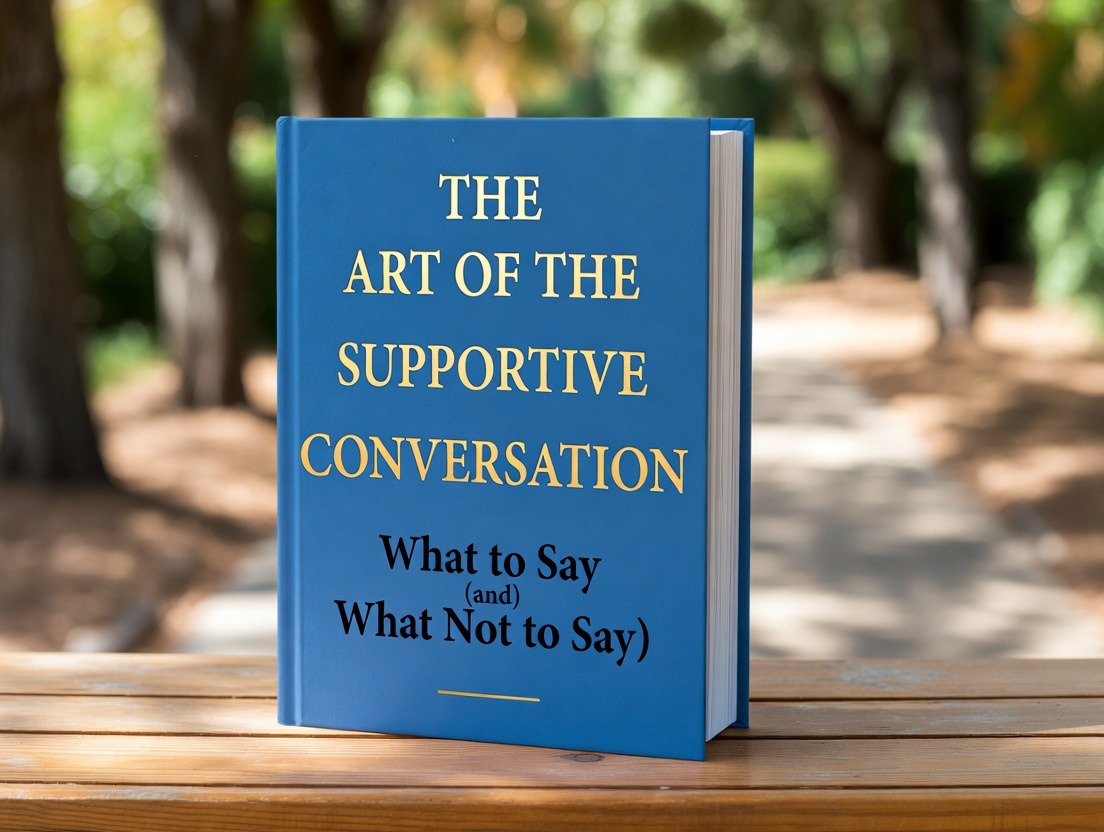
The Art of the Supportive Conversation: What to Say (and What Not to Say)
Initiation is often the hardest part. You’ve noticed the signs, you’ve built trust, but how do you start the conversation without being intrusive, awkward, or making things worse?
The Initiation: Low-Pressure, High-Empathy Openings Avoid the dramatic, "We need to talk," or the presumptuous, "You seem really stressed." Instead, opt for observational, open-ended, and low-stakes invitations.
"Hey, I've noticed you've been putting in some really long hours lately. How are you holding up with everything?"
"I wanted to check in. In our last few team meetings, you seemed a bit quieter than usual. Is everything okay on your end?"
"That was a tough client call. How are you feeling after that?"
"No pressure to talk, but my virtual door is always open if you ever want to bounce something off someone."
Mastering the Listening Stance Once they start speaking, your job is to listen. Practice active listening techniques:
Reflect and Paraphrase: "So, what I'm hearing is that the constant context-switching is making it impossible to feel like you're completing anything."
Validate, Don't Minimize: Instead of "Everyone's stressed," try "That sounds incredibly frustrating and overwhelming."
Ask Exploratory Questions: "What part of this feels most unmanageable right now?" or "If you could change one thing about the situation, what would it be?"
Embrace Silence: Allow pauses. Don't rush to fill them. Silence gives them space to process and often leads to deeper sharing.
The Landmine Phrases to Avoid
The Minimizer: "It could be worse." "At least you have a job." This invalidates their experience.
The Quick Fix: "Just prioritize better." "Have you tried meditating?" This implies the solution is simple and they are failing.
The Comparison: "You think you're busy? Let me tell you about my week..." This turns the focus to you.
The Dismissal: "That's just how it is here." This communicates hopelessness and entrenches the status quo.
The False Pep Talk: "I know you can handle it! You're so strong!" This can make them feel they can't admit weakness.
Focus on "Next Steps," Not Solutions Your role isn't to solve their problems (you likely can't). It's to help them find their own path forward. Ask empowering questions:
"What would need to happen for this to feel a bit more manageable?"
"What kind of support would be most helpful to you right now?"
"Is there a small piece of this I could temporarily take off your plate to create some breathing room?"
"Would it be useful to brainstorm some options for how to approach [the manager/the project]?"
This conversational framework turns a potentially fraught interaction into a collaborative problem-solving session, preserving the colleague's dignity and agency.
Practical, Actionable Support: From Empathy to Agency
Listening is crucial, but support often needs to move into the realm of action. Tangible help can reduce the immediate cognitive load and restore a sense of control.
Task-Based Support: Lightening the Immediate Load
The Specific Offer: Vague "Let me know if you need help" offers are rarely accepted. Be specific. "I have capacity this afternoon. Could I take over drafting the first pass of that report or handle the weekly status update for you?"
Barrier Removal: Identify and remove small obstacles. "I'll set up that meeting with the graphics team and get the brief to them, so you don't have to chase." "I've compiled the data from these three spreadsheets into one doc for you."
Temporary Coverage: "Why don't I monitor that chaotic project channel for the next two days and only loop you in for critical decisions? It might give you some focused time."
Resource & Advocacy Support
Signposting: Know your company's resources. "Have you spoken to our EAP (Employee Assistance Program)? They offer confidential counseling sessions." "HR has a great guide on flexible work arrangements—want me to send you the link?"
Quiet Advocacy: With their permission, you can act as a subtle amplifier. To a manager, you might say, "I think [Colleague] is doing brilliant work on X, but they're carrying a huge load on Y. Would it be possible to revisit the timeline or priorities?" This frames it as a project issue, not a personal failing.
Co-Brainstorming Solutions: Help them script a conversation with their manager. Role-play it. Help them draft an email to reprioritize tasks. This builds confidence for self-advocacy.
The Power of Micro-Gestures Never underestimate the impact of small, human acts:
Bringing them a coffee.
Sending a message that says, "No need to reply, but the work you did on that presentation was stellar. Really appreciated."
Deflecting an unreasonable last-minute request from another department by saying, "The team is at capacity on priorities right now. Can that be scheduled for next week?"
Publicly crediting their ideas in a meeting to bolster their sense of value.
These actions send a powerful message: "You are not alone. I see your struggle, and I am on your team." They combat the isolation that stress thrives on. Sometimes, the most valuable resource is simply knowing where to find support, which is why we maintain a comprehensive FAQ for common questions about integrating wellness into daily workflow.
Setting Boundaries: Supporting Without Enabling or Burning Out
This is the critical, often overlooked, component of sustainable support. You cannot pour from an empty cup. Well-intentioned support can veer into codependency or rescuing, which harms both parties.
The Difference Between Supporting and Enabling
Supporting empowers the other person. It helps them regain their footing and solve their own problems. It's collaborative and temporary.
Enabling disempowers. It involves taking on their responsibilities long-term, shielding them from natural consequences, or allowing their stress to dictate your workload and emotional state. It fosters dependency.
How to Set Healthy Boundaries
Be Clear on Your Limits: Know your own capacity. You have your own work and well-being to protect. It’s okay to say, "I can take that task off your hands this week, but I won't be able to own it ongoing."
Use "And" Statements: This avoids sounding accusatory. "I want to help you and I need to ensure my own project stays on track. Let's find a solution that works for both."
Redirect to Proper Channels: If the issue is systemic (e.g., chronic understaffing, a toxic manager), your support has a limit. "I hear how systemic this is, and it's unfair. My ability to help is limited here. I really encourage you to have that conversation with [HR/your manager/leadership]. I can support you in preparing for it."
Protect Your Own Well-being: If the interaction is consistently draining you, it's okay to create some space. You can be kind but firm. "I need to focus on this deep work for the next few hours, but let's reconnect this afternoon."
The "Oxygen Mask" Principle In airplane safety, you are instructed to put on your own oxygen mask before assisting others. The same applies here. Your supportive capacity is directly linked to your own resilience. This is where personal biometric tracking transcends being a cool gadget and becomes a essential self-management tool. By using a device like an Oxyzen ring, you can:
Objectively Monitor Your Own Stress Load: See if your HRV is dropping or sleep is suffering as you support a colleague, giving you a data-backed reason to step back and recalibrate.
Identify Your Recovery Needs: The data can tell you unequivocally that you need an early night, a walk, or a meditation session.
Model Healthy Behavior: By openly discussing your own use of data to set boundaries ("My recovery score was in the tank, so I'm blocking my calendar for focus time"), you normalize self-care as a professional skill, not a personal indulgence.
Support is a marathon, not a sprint. Setting boundaries isn't selfish; it's what allows you to be a dependable, healthy ally over the long term. Reading about real user experiences can illustrate how others have successfully integrated this balance.
Navigating Different Relationships: Peer, Manager, and Direct Report
The dynamics of support shift dramatically depending on your role. The core principles of empathy and listening remain, but the tactics and responsibilities differ.
Supporting a Peer
Your Superpower: Camaraderie and lack of formal authority. You can be a safe, non-judgmental sounding board in ways a manager cannot.
Key Tactics: Focus on listening, task-sharing, and moral support. You can co-vent (within healthy limits) and brainstorm peer-level solutions. Be mindful of gossip; keep the focus on solving, not complaining.
Limit: You cannot change their workload or role. Your goal is to empower them to have their own conversations with management, offering to back them up if appropriate.
Supporting as a Manager or Team Lead
Your Superpower & Responsibility: Formal authority to change conditions. You have a duty of care and directly impact their work environment.
Key Tactics: Your approach must be more structured. Schedule a dedicated, private check-in. Focus on work environment and resources: "What's getting in the way of you doing your best work?" "How can I better support you?" Follow up on agreed actions.
The Systemic Lens: A stressed direct report is often a symptom of a team or resource issue. Look for patterns. Is it just one person, or is the whole team showing signs of strain? Use this as data to advocate for your team upwards (e.g., for more headcount, realistic deadlines).
Formal Pathways: You must be knowledgeable about and ready to formally guide them to company resources like EAP, HR, or medical leave if needed.
Supporting a Manager (Upward Support)
The Challenge: Navigating power dynamics while expressing care.
Key Tactics: Frame support as enabling their leadership and the team's success. "I've noticed the leadership team has been under a lot of pressure with the merger. Our team wants to support you—would it be helpful if we took more ownership of X to free you up for Y?" Offer solutions, not just observations.
Micro-Gestures: A note of appreciation for their work can be powerful. Ensuring your own work is done well and proactively communicated reduces their cognitive load.
The Common Thread: Respect and Autonomy Across all relationships, the goal is never to take over, but to empower. Ask, "How would you like to be supported?" This simple question respects their autonomy and ensures your efforts are actually helpful, not just what you think is helpful.
When to Escalate: Recognizing Limits and Professional Boundaries
As a colleague, you are a peer supporter, not a healthcare professional. It is vital to recognize the red flags that indicate a situation is beyond your paygrade and requires professional intervention.
Signs You Need to Escalate
Disclosure of Mental Health Crisis: If they express thoughts of self-harm, suicide, or describe severe depression or anxiety that is debilitating.
Signs of a Serious Mental Health Condition: Hallucinations, extreme paranoia, or behavior that is completely detached from reality.
The Issue is Acute and Severe: Such as witnessing or experiencing harassment, assault, or discrimination.
Your Support Isn't Helping and They Are Deteriorating: Despite your efforts, their performance, health, and behavior continue to decline significantly.
You Feel Overwhelmed or Out of Your Depth: Your own mental health is being negatively impacted, or you simply don't know what to do.
How to Escalate with Care
Express Concern, Not Judgment: "I care about you, and what you're sharing concerns me deeply. I think it's important that you connect with someone who has more expertise to help you through this."
Recommend Professional Resources: Reiterate your company's EAP, suggest they contact a therapist or their primary care physician. You can even offer to help them find a number or make an appointment if they are overwhelmed.
In Extreme Cases: If there is an immediate risk of harm, you have a moral duty to break confidentiality. You can say, "Because I care about your safety, I need to let [HR/a trusted manager] know so we can get you the right help." This is a last resort for imminent danger.
Involve HR for Systemic Issues: If the stress is caused by harassment, discrimination, or illegal practices, encourage them to report it to HR, and offer to accompany them if they wish.
Knowing when to step back and hand off is a critical component of responsible support. It protects you, and more importantly, it ensures they get the level of help they truly need.
Leveraging Technology: Biometric Insights for Proactive Support
We are at the frontier of a new era in workplace well-being, where objective physiological data can inform both individual self-care and collective cultural health. This moves us from reactive support ("You seem burned out") to proactive and preventative care ("The data suggests our team's resilience is low; let's adjust before people crash").
From Subjective Feeling to Objective Metric Stress is not just a feeling; it's a physiological state. Tools like the Oxyzen smart ring measure this state continuously and passively:
HRV as a North Star: A high HRV indicates a resilient, adaptable nervous system. A low or declining trend is a clear, early warning sign of accumulated stress and poor recovery, often appearing before the individual consciously feels "burned out."
Sleep Data as a Diagnostic: Consistently low deep sleep or frequent night-time awakenings are hallmarks of a system under chronic stress. This data can start a concrete conversation: "The ring is telling me my sleep has been poor for weeks. I need to look at my evening work habits."
Activity & Readiness Scores: These can help individuals and teams pace themselves. A low "readiness" score might prompt someone to schedule lighter, administrative work instead of a high-stakes creative session.
Applications for the Supportive Colleague and Team
For Self-Management: You can use your own data to understand your stress triggers and recovery needs, making you a more grounded, less reactive supporter.
For Peer-to-Peer Support (with consent): Imagine a culture where colleagues can opt-in to share high-level wellness trends. You could say, "I noticed my recovery metrics took a hit after that project launch—how was it for you?" This creates a shared, objective language for well-being.
For Leaders: Aggregated, anonymized team data is transformative. It can answer questions like: Do team-wide HRV scores drop during certain project phases? Does implementing "no-meeting Fridays" improve sleep scores? This turns well-being from a vague value into a measurable outcome, allowing leaders to make data-informed decisions about workloads, deadlines, and policies.
Ethical Imperatives: Consent, Privacy, and Anonymity This power must be wielded with extreme care. The principles are non-negotiable:
Individual Ownership: The data belongs to the individual, full stop.
Opt-In Only: Any sharing, especially with an employer, must be voluntary, explicit, and can be revoked at any time.
Aggregation & Anonymization: Organizational insights should always come from aggregated, anonymized data. It is used to understand trends, not to monitor individuals.
A Tool for Empowerment, Not Surveillance: The goal is to give employees insights about themselves to self-advocate, and give organizations insights to create better environments. The moment it feels like a performance monitoring tool, trust is destroyed.
This technological layer doesn't replace human empathy; it enhances it. It provides an unbiased, shared reality that can depersonalize stress and focus problem-solving on the environment. To see how this philosophy is put into practice, you can learn more about Oxyzen's approach to ethical, user-centric wellness technology.
Building a Supportive Team Culture: From Individual Acts to Collective Resilience
Individual acts of kindness are vital, but they are a patch on a broken system if the overall culture is toxic. The ultimate goal is to weave support into the very fabric of how your team operates.
Leadership's Pivotal Role Culture is set from the top. Leaders must:
Model Vulnerability and Boundaries: Leaders who send emails at 2 AM create an implicit expectation. Leaders who say, "I'm taking a walk to clear my head," or "I was really stressed about X and here's what I did," give permission for others to do the same.
Measure and Reward the Right Things: If you only reward heroic efforts and last-minute saves, you are incentivizing burnout. Start recognizing and rewarding sustainable pace, collaboration, mentorship, and proactive communication of blockers.
Create Rituals of Connection: Institute regular, non-work check-ins at the start of team meetings. Celebrate small wins publicly. Host virtual or in-person social events with no agenda other than connection.
Team-Level Practices
Well-being Check-ins: Incorporate a simple well-being roundtable into weekly stand-ups. A quick "red, yellow, green" on capacity or energy level. This normalizes the conversation.
Blame-Free Post-Mortems: When projects go sideways, conduct reviews focused on systemic learnings ("What in our process failed?") not individual blame ("Who messed up?").
Peer Recognition Programs: Create simple systems for colleagues to shout out each other's support, not just their output. "Thanks to Sam for covering for me when I was unwell."
The Role of Technology in Cultural Change When a team adopts a tool like Oxyzen with a culture-first mindset, it can accelerate this shift. Shared, anonymized dashboards can show the collective impact of a "quiet week" or a particularly brutal quarter. It creates a neutral, third-party "pulse" of the team that can validate subjective feelings and drive change. Teams can set collective goals, like improving average sleep scores by 10% over a quarter, and brainstorm the work habit changes needed to achieve it.
Building this culture is the work of months and years, not days. It requires consistency, courage, and a commitment to valuing people as whole human beings, not just productivity units. The journey of building such a human-centric company is often rooted in a powerful origin story and set of core values.
Long-Term Strategies and Follow-Through: Making Support Sustainable
A single check-in is a band-aid. Real support is a sustained commitment to a colleague's well-being and professional growth over time.
The Follow-Up: The Magic is in the Second Conversation The day after your initial talk, send a brief, low-pressure message: "Just thinking about our conversation yesterday. Hope today feels a bit lighter." A week later, check in: "How did that conversation with [the manager] go?" This signals that you meant it, that you remember, and that their well-being matters to you beyond a momentary crisis.
Supporting Professional Development Often, chronic stress is tied to feeling stuck. Supporting a colleague's growth can be a powerful antidote.
Identify Strengths: Point out skills they excel at that they might take for granted. "You're so good at distilling complex information into clear slides. Have you ever thought about mentoring junior staff on that?"
Connect to Opportunities: Forward them a relevant conference, course, or article. Introduce them to someone in your network who does work they admire.
Advocate for Their Growth: Recommend them for stretch assignments or visibility projects when they are in a stable place.
Celebrating Progress, Not Just Resolution Stressful periods don't always have a neat ending. Celebrate the small victories along the way: them setting a boundary, having a difficult conversation, or simply taking a full lunch break. Acknowledge the effort, not just the outcome. "I saw you left on time today—awesome. That's a win."
Evolving with the Relationship As they recover or the situation changes, your role will evolve. From crisis supporter, you might become a accountability buddy for new habits, a thought partner on career moves, or simply a trusted colleague. Be attuned to this shift and don't pigeonhole them in the "stressed" category permanently.
Sustainable support is a dynamic process. It requires attentiveness, flexibility, and a genuine, long-term interest in the other person's success and health. It is the practice of being a true professional ally in the fullest sense of the word.
The Sustained Support System: From Recovery to Resilience
The journey of supporting a colleague through workplace stress does not end with a single conversation or a temporary lightening of their load. That initial intervention is the critical first response—the emergency brake. But what comes next determines whether they, and your team, simply return to a fragile status quo or build back stronger. Sustainable support is a strategic, long-term commitment to fostering resilience, both individually and collectively. It’s about transforming a moment of crisis into an opportunity for systemic growth.
This phase of support requires a different skill set: less about acute listening and more about strategic partnership; less about firefighting and more about fireproofing. It involves navigating the emotional labor of caregiving, understanding the profound impact of our physical and digital environments, and advocating for the structural changes that prevent stress from taking root in the first place. Here, we move beyond being a reactive ally to becoming an architect of a healthier workplace.
Managing Your Own Emotional Labor: The Supporter’s Well-being
To be a sustained source of support, you must first become a master of managing your own internal resources. Supporting others through distress is a form of emotional labor—the process of managing feelings and expressions to fulfill the emotional requirements of a job or relationship. If unmanaged, this labor leads to compassion fatigue, a state of emotional exhaustion and reduced empathy that can render you ineffective and burn you out.
Understanding Emotional Labor and Compassion Fatigue When you actively listen to a colleague’s struggles, regulate your own reactions to offer a calm presence, and absorb their anxiety, you are expending cognitive and emotional energy. Compassion fatigue sets in when this expenditure is chronic and unreciprocated, without adequate recovery. Signs include:
Dreading interactions with the person you're supporting.
Feeling cynical, numb, or irritable.
A sense of hopelessness about their situation or your ability to help.
Neglecting your own needs and responsibilities.
Physical symptoms like fatigue, headaches, or changes in sleep.
Self-Monitoring Strategies for the Supporter
The "Name It to Tame It" Technique: Regularly check in with yourself. Label your feelings: "I am feeling drained after that conversation," or "I am taking on their anxiety as my own." This metacognition creates distance and control.
Set Emotional Boundaries: Just as you set task boundaries, set psychic ones. Mentally delineate: "This is their challenge to carry; my role is to walk alongside, not carry it for them." Visualize putting their concerns in a metaphorical box after your conversation.
Schedule Recovery Time: After an intense supportive interaction, block 15 minutes on your calendar. Use it to decompress—take a walk, practice deep breathing, or simply stare out the window. This creates a ritual buffer.
Cultivate a "Compassion Portfolio": Balance your emotional investments. Ensure you have other relationships and activities that are nourishing, fun, and reciprocal. Don't let your identity become solely "the supporter."
Leveraging Biometric Feedback for Self-Care This is where personal wellness technology shifts from a luxury to an essential support tool. Your Oxyzen ring provides objective feedback on the cost of your emotional labor.
Post-Interaction HRV Dip: Notice if your HRV consistently drops after supportive conversations. This quantifies the physiological impact, telling you unequivocally that you need to prioritize recovery.
Sleep Impact: Are your deep sleep percentages lower on days filled with intense interpersonal work? The data doesn't lie and can compel you to create better evening wind-down routines.
Using Data to Justify Boundaries: It’s easier to honor your own limits when you have data backing you up. "My biometrics are showing I'm not recovering well; I need to protect my focus time this afternoon" is a powerful, non-negotiable statement.
Managing your emotional labor isn't selfish; it's the core competency of professional, sustainable support. It ensures you can show up consistently, with empathy intact, over the long haul. For more strategies on balancing empathy with energy, our blog features dedicated content on maintaining supporter resilience.
The Environment Matters: Physical and Digital Workspace Design
We often treat stress as a purely interpersonal or psychological issue, ignoring the powerful role of our physical and digital environments. These spaces are not neutral backdrops; they actively shape our nervous system states, cognitive load, and capacity for collaboration.
The Physical Workspace: Architecture of Calm or Chaos?
Noise & Acoustic Stress: Open-plan offices, while fostering collaboration, can be devastating for focus and stress. Constant low-level noise triggers a subconscious threat response, raising cortisol. The lack of acoustic privacy—the feeling that you can be overheard—inhibits psychological safety and prevents colleagues from having vulnerable, supportive conversations.
Lighting & Circadian Rhythm: Poor, flickering fluorescent lighting or a lack of natural light disrupts circadian rhythms, impairing sleep and mood. Access to daylight and quality lighting is a fundamental well-being need.
Ergonomics & Discomfort: Physical discomfort from poor chairs, desks, or screen placement creates a constant, low-grade stress signal that distracts from work and depletes mental reserves.
Spaces for Respite: Are there places to go that are not a desk or a meeting room? A quiet room, a comfortable breakout area, or even access to outdoors provides essential zones for mental recovery, confidential chats, or just a few minutes of disconnection.
The Digital Workspace: The Infinite Pile of Cognitive Load Our digital tools, intended to streamline work, have become primary stress vectors.
The Tyranny of Asynchronous Communication: Slack, Teams, and email create an "always-on" expectation and a relentless context-switching burden. The ping of a notification triggers a micro-dose of cortisol and dopamine, fracturing attention. The anxiety of an unseen backlog of messages is a major modern stressor.
Meeting Overload & "Zoom Fatigue": Back-to-back virtual meetings, especially with video on, are cognitively exhausting. The need to perform constant non-verbal feedback and process unstable video feeds is a significant drain.
Tool Sprawl & Digital Friction: Logging into a dozen different platforms, each with its own password and workflow, adds unnecessary cognitive friction to every task.
Advocating for Environmental Change As a supportive colleague, you can champion changes that benefit everyone:
Model and Propose "Focus Time": Advocate for team-wide "no meeting" blocks or "quiet hours" on communication channels. Use data: "When we had no-meeting Wednesdays last quarter, I noticed my deep work output increased by 40%."
Create Digital Hygiene Norms: Suggest team agreements: No after-hours pings unless critical, use of "Do Not Disturb" flags respectfully, bundling updates into single digestible messages instead of a stream of consciousness.
Champion the "Third Space": Petition for the creation of a proper quiet room or better breakout furniture. Even small changes, like providing noise-cancelling headphones, acknowledge the need for sensory regulation.
Link Environment to Data: Share (with consent) how environmental factors show up in wellness metrics. "I've tracked that my HRV recovery is significantly worse on days I have more than four hours of video calls" is a powerful argument for rethinking meeting culture.
Individual support and team-level practices can achieve a great deal, but their impact is capped by the policies, priorities, and behaviors set at the organizational level. Truly transformative support requires aligning individual actions with supportive structures from the top.
What Supportive Leadership Actually Looks Like Beyond the platitudes of "people are our greatest asset," supportive leadership is demonstrated through concrete, consistent actions:
Transparent Communication: Especially during times of change or uncertainty. Leaders who regularly share context, acknowledge challenges, and admit what they don't know reduce the anxiety of the unknown.
Resource Advocacy: Leaders must fight for the budget, headcount, and tools their teams need to do their work sustainably. Chronic under-resourcing is a leadership failure, not a team's lack of grit.
Psychological Safety as a Priority: They actively punish behaviors that destroy safety (like blaming, shaming, or gossip) and reward behaviors that build it (vulnerability, learning from failures, inclusive collaboration).
Modeling and Mandating Disconnection: Leaders who do not email on weekends, who take their vacation days fully offline, and who respect boundaries give implicit and explicit permission for the entire organization to do the same.
Policies That Materially Reduce Stress Organizations must move from offering wellness perks (like a meditation app subscription) to designing wellness infrastructure:
Flexible and Autonomy-Trusting Work Models: Rigid 9-5 in-office mandates ignore individual rhythms and life circumstances. Output-focused models, hybrid flexibility, and trust in employees to manage their time reduce massive amounts of friction and stress.
Adequate and Mandated Time Off: A culture that venerates "unlimited PTO" but where no one takes it is toxic. More progressive policies include mandatory minimum vacation, organization-wide shutdowns, and true sick leave that covers mental health days without stigma.
Robust, Accessible, and Promoted EAP/Mental Health Benefits: The benefits must be substantial (covering a meaningful number of therapy sessions), easy to access without HR gatekeeping, and constantly destigmatized through leadership communication.
Fair Workload Distribution and Realistic Planning: Implementing project management practices that include realistic capacity planning, buffer time, and explicit discussions about trade-offs when new projects are added.
Becoming an Advocate for Systemic Change You can support colleagues at scale by advocating for these policies:
Use Data, Not Just Anecdotes: Gather team feedback and, if possible, aggregate wellness data trends. Present to leadership: "Our team's survey shows 70% feel consistently overloaded, and our aggregate recovery metrics have declined during this project cycle. We request a review of our resourcing."
Frame it as a Strategic Advantage: Tie well-being to business outcomes. "Burnout is leading to a 15% attrition risk in this high-skill team, with a replacement cost of approximately $X. Investing in Y policy can mitigate this risk and improve innovation output."
Join or Form Employee Resource Groups (ERGs): ERGs focused on mental health, working parents, or general well-being are powerful collective voices for advocating policy change.
Supportive leadership and policy create the runway upon which individual acts of kindness can truly take flight and sustain. It’s the difference between building a single life raft and repairing the ship for everyone aboard.
Cross-Cultural and Neurodiverse Considerations in Stress Support
A one-size-fits-all approach to support can misfire, causing misunderstanding or even offense. Workplace stress is expressed, experienced, and ameliorated differently across cultures and neurotypes. Cultural intelligence (CQ) is a non-negotiable skill for the effective modern supporter.
Cultural Dimensions of Stress Expression
Individualism vs. Collectivism: In individualist cultures (e.g., U.S., Australia), stress might be framed as a personal challenge to overcome. In collectivist cultures (e.g., Japan, Mexico), stress may be more tied to group harmony, fear of letting the team down, or family obligations. Directly asking "How are you feeling?" might feel isolating; framing it as "How is this situation impacting the team?" might be more effective.
High-Context vs. Low-Context Communication: In high-context cultures (e.g., Korea, Saudi Arabia), communication is indirect, relying on nuance and reading between the lines. Signs of stress will be subtle. A direct, blunt offer of help ("You seem stressed, let me take this task") could be seen as rude or shaming. A more subtle, indirect offer ("This project seems to have many moving parts. Please let me know if there is any area where my team can provide assistance") respects the communication style.
Attitudes Toward Authority: In high power-distance cultures, a stressed employee may never complain to a manager directly for fear of disrespect. Support may need to come quietly from peers, or require a manager to proactively and privately check in with extreme sensitivity.
Supporting Neurodivergent Colleagues Neurodivergence (e.g., Autism, ADHD, Dyslexia) means brains process information, social cues, and sensory input differently. Common workplace stressors are often amplified.
Sensory Overload: Fluorescent lights, background chatter, or strong smells can be physically painful and rapidly deplete energy reserves, leading to meltdowns or shutdowns that may be misinterpreted as "unprofessional" stress reactions.
Social Communication & Unwritten Rules: The nuanced dance of office politics, sarcasm, and implied expectations is exhausting and anxiety-inducing. A neurodivergent person's direct communication or need for explicit instructions can be misread as bluntness or incompetence.
Executive Function Demands: Tasks involving organization, time management, and context-switching—the bread and butter of modern knowledge work—can be disproportionately draining.
Adapting Your Support Approach
Ask, Don't Assume: The most powerful question across all differences is: "What does support look like for you?" or "How do you prefer to receive feedback or help when things are overwhelming?"
Provide Explicit Structure: For many, especially neurodivergent colleagues, ambiguity is a stressor. Be clear: "I'd like to help. Here are three specific ways I could assist. Please let me know if any of these would be useful, or if you have another idea." This reduces the cognitive load of having to figure out what help they need.
Respect Communication Preferences: Some may prefer written communication (email/chat) over spontaneous verbal check-ins, as it allows for processing time. Honor that.
Champion Accommodations: Support can mean advocating for simple, reasonable accommodations: noise-cancelling headphones, a desk in a quieter area, written meeting agendas in advance, or the option to keep video off in meetings.
Culturally and neurologically intelligent support requires humility, curiosity, and a flexibility to tailor your approach. It communicates profound respect: "I see you as a unique individual, and I want to support you in the way that works for you." For organizations, embracing this diversity of experience is a core part of building a genuinely inclusive culture, a topic we explore in our about us section on company values.
Measuring the Impact: From Anecdotes to Analytics
To secure ongoing resources and buy-in for supportive practices, we must be able to demonstrate their value in terms the organization understands. Moving from "it feels like the right thing to do" to "here is the data on why it's the smart thing to do" is crucial.
What to Measure: A Balanced Scorecard Impact measurement should look at both human and business outcomes.
Human Metrics:
Employee Well-being Scores: Regular, anonymous pulse surveys measuring stress, burnout risk, psychological safety, and sense of support.
Biometric Trend Data (Aggregated & Anonymous): Track team or organization-wide trends in average HRV, sleep scores, and recovery metrics over time. Correlate these with specific initiatives (e.g., after implementing "Focus Fridays," did average HRV improve?).
Utilization Rates of Support Resources: Are EAP usage, therapy benefits, or wellness program participation increasing? Increased usage often indicates reduced stigma, not increased problems.
Business Metrics:
Retention & Turnover: Specifically, track voluntary turnover and conduct exit interviews to see if stress, workload, or lack of support is a cited reason.
Engagement & Productivity: Measure through surveys (e.g., eNPS) and, where possible, output metrics. Highly supported teams often show greater innovation and efficiency.
Absenteeism & Presenteeism: A reduction in both is a strong indicator of improved well-being and a more engaged workforce.
Healthcare & Disability Costs: While longer-term, organizations often see a decrease in stress-related health claims in supportive environments.
Conducting a "Support Audit" on Your Team You don't need an official mandate to start measuring. You can informally assess:
Social Network Mapping: Observe who collaborates with whom. Are there isolated individuals? Is support flowing in cliques or broadly across the team?
Meeting Temperature Checks: Note the emotional tone of meetings. Is there laughter and open debate, or silence and tension?
Backchannel Pulse: Have casual conversations. What's the general mood? What are people complaining about? This is qualitative data.
Presenting the Case for Support When you have data—even informal—package it into a compelling narrative for decision-makers.
The Story: "Over the past quarter, our team has been piloting X practice (e.g., protected focus time, weekly well-being check-ins)."
The Human Data: "Our anonymous pulse survey shows a 20% increase in people reporting they feel supported by colleagues."
The Business Data: "We've also seen a 15% reduction in project delivery delays, which the team attributes to fewer context switches and clearer communication."
The Ask: "To solidify and expand these gains, we're requesting a small budget for Y, or formal approval to implement Z policy team-wide."
By measuring impact, you transform support from a soft, nebulous concept into a demonstrable driver of team health and performance. This evidential approach is key to securing lasting change. For a look at how data-driven well-being translates into real-world outcomes, you can explore testimonials from teams using these principles.
When Colleagues Resist Support: Navigating Defensiveness and Denial
Not every offer of help will be welcomed with open arms. A colleague may react with defensiveness, denial, or even hostility. This is not a reflection of your failure, but often a manifestation of their fear, shame, or cultural conditioning.
Understanding the Roots of Resistance
Stigma and Shame: They may view struggling as a personal failure or professional weakness. Accepting help feels like an admission of inadequacy.
Fear of Consequences: They may worry that acknowledging stress will label them as "not a team player," hurt their chances for promotion, or even put their job at risk.
Cultural or Personal Pride: A strong "I can handle it myself" ethos, often tied to notions of self-reliance or professional competence.
Lack of Trust: They may not yet trust your intentions or doubt your ability to maintain confidentiality.
They Truly Don't See It: In some cases, particularly with burnout, individuals have been in a state of chronic stress for so long they've normalized it. They have no baseline for "well."
Strategies for Gentle Persistence
Don't Take It Personally: Detach your ego. Their reaction is about their internal world, not your offer.
Reframe the Offer: Move the focus away from their perceived deficit. Instead of "You seem overwhelmed," try:
Frame it as collaboration: "This project is a beast for everyone. I'm struggling with X part—how are you finding Y? Maybe we can problem-solve together."
Normalize and universalize: "I think anyone would be stretched thin with this workload. It's a lot."
Focus on the work, not the person: "That deliverable is really critical. What would make succeeding at it easier? Do we need to adjust scope or deadlines?"
The "Open Door" Technique: After a rejected offer, don't push. Simply reaffirm your availability without pressure. "No problem at all. Just know the offer stands, anytime, no questions asked." Then change the subject to a neutral topic.
Plant a Seed for Later: Sometimes, the initial offer just plants a seed that grows. They may circle back days or weeks later when they're ready. Your consistency in being a calm, non-judgmental presence is what waters that seed.
Respect the "No": Ultimately, you must respect their autonomy. Forcing support is invasive and counterproductive. Your role is to make help safe and available, not mandatory.
When to Be More Direct (With Care) If their resistance is causing serious harm to the team or projects, and you have a close relationship, you may need a more direct approach, always from a place of care and shared goals.
"I need to be honest with you because I value our working relationship. I've noticed [specific, observable behavior change], and it's starting to impact [specific project or team dynamic]. I'm saying this because I care about you and the success of our work. How can we partner to address this?"
Navigating resistance requires patience, emotional intelligence, and the humility to know that sometimes, the most supportive thing you can do is to step back and let someone know you're there when they're ready.
The Future of Workplace Support: Technology, Trends, and Human Connection
The landscape of workplace well-being and collegial support is evolving rapidly, driven by technological advances, generational shifts, and a post-pandemic reevaluation of work's role in our lives. Staying ahead of these trends allows you to future-proof your supportive skills.
Emerging Technological Enablers
Advanced Biometric Integration: The next generation of devices like smart rings will move beyond tracking to predictive insights. AI will analyze your HRV, sleep, and activity trends to predict burnout risk weeks in advance, prompting proactive, personalized recommendations—for you to share with a trusted colleague or manager, if you choose. Imagine a system that suggests: "Your data indicates high cumulative stress. Consider delegating Task A and scheduling a recovery period."
Passive Mood & Sentiment Analysis: With explicit consent and robust privacy controls, technology could analyze communication patterns (email tone, meeting participation frequency) to provide teams with aggregated mood metrics, flagging when collective sentiment is dipping for too long.
VR/AR for Empathy and Training: Virtual Reality simulations are being used to train managers in having difficult conversations, practice active listening, and literally "step into someone else's shoes" to understand different perspectives and stressors.
AI-Powered Workflow Assistants: True AI assistants that can proactively manage your calendar to protect focus time, draft routine communications, and prioritize your inbox based on your cognitive load metrics, reducing the administrative stress that bogs down creative work.
The Rise of the "Human-Centric" Workplace The future is not about technology replacing human connection, but about technology enabling deeper human connection.
Focus on Outcomes over Presence: The shift to output-based evaluation will continue, reducing the stress of performative busyness and allowing for greater flexibility.
Whole-Person Benefits: Benefits will expand to include not just mental health, but financial wellness coaching, caregiver support, and lifestyle spending accounts for fitness, nutrition, and hobbies.
The Manager as Coach: The command-and-control manager is becoming obsolete. The future manager is a coach, trained in psychological safety, growth-minded feedback, and supportive leadership—a role that requires the very skills outlined in this guide.
Preparing Yourself and Your Team
Cultivate Data Literacy: Understand the basics of biometrics and well-being metrics. Learn to interpret this data for yourself and discuss it constructively with others.
Champion Ethical Tech Use: Be a voice in your organization for implementing any monitoring or data-gathering technology with ironclad ethics: opt-in, user-owned, anonymized, and focused on empowerment, not control.
The most supportive workplaces of the future will be those that seamlessly blend high-tech insights with high-touch human care. They will use data to understand the organism of the organization, but never forget that it is made up of individuals with hopes, fears, and a fundamental need for connection.
Conclusion of This Portion: Integrating Support into Your Professional Identity
We have traversed a vast landscape—from recognizing the subtle signs of stress and initiating delicate conversations, to managing your own emotional labor, redesigning environments, advocating for policy, and navigating the complexities of culture and neurodiversity. This is not a checklist to be completed, but a mindset to be cultivated and a skill set to be continuously honed.
Supporting colleagues through workplace stress ceases to be an extra task and becomes integrated into your professional identity. It is the mark of a true collaborator, a modern leader, and a builder of resilient cultures. It is evident in how you run a meeting, how you write an email, how you notice the quiet person in the corner, and how you protect your own well-being to remain a dependable resource for others.
Remember, the goal is not to create a stress-free workplace—that is an impossibility. The goal is to create a stress-resilient workplace: an environment where stress is acknowledged as a part of the human experience, where support is woven into the fabric of daily operations, and where individuals have the tools, permission, and community to navigate challenges without sacrificing their health or passion.
This journey continues. In the final portion of this guide, we will delve into advanced implementation: creating personalized support plans, mediating conflicts rooted in stress, building organization-wide well-being task forces, and exploring the philosophical underpinnings of work, meaning, and mutual aid in the 21st century. The work of building truly supportive workplaces is the most important work we can do, for it makes all other work possible.
The Architecture of Resilience: Building a Culture of Sustained Support
We have moved from the foundational principles of recognizing stress and initiating supportive conversations to the strategic, long-term work of fostering resilience. Now, we arrive at the implementation phase—the practical, actionable architecture of embedding support into the very DNA of your team and organization. This final portion is about moving from individual acts of kindness to systemic, sustainable change. It's about creating an ecosystem where support is not an exception, but the rule; where well-being is not a program, but a core operating principle.
Here, we will tackle advanced scenarios: mediating conflict, designing formal support structures, and navigating the complex ethics of care in a professional setting. We will explore how to build from the ground up, creating a workplace where every member feels equipped, empowered, and expected to contribute to the collective psychological and emotional safety net. This is the work of transforming theory into a living, breathing culture.
Creating a Personalized Support Plan: A Collaborative Framework
While broad strategies are essential, the most effective support is personalized. A one-size-fits-all approach can miss the mark. Co-creating a Personalized Support Plan (PSP) with a colleague is a structured yet flexible way to move from vague offers of help to a concrete, actionable roadmap for recovery and resilience.
The Philosophy of the PSP A PSP is not a performance improvement plan (PIP). It is a confidential, collaborative document created with the colleague, not for them. Its purpose is empowerment, not evaluation. It shifts the dynamic from "How can I fix you?" to "How can we, as a team/system, better support you in doing your best work?"
Step-by-Step Co-Creation Process
The Invitation: "I've been thinking about our conversations. Would it be helpful if we spent 30 minutes brainstorming a simple plan to navigate the next few weeks? It would be just for us, to get clear on what kind of support feels right to you."
Identify the Core Stressors: Collaboratively list the top 2-3 specific, tangible stressors (e.g., "Unclear expectations from Project X," "Constant interruptions between 2-4 PM," "Difficulty saying no to last-minute requests").
Define Desired Outcomes: For each stressor, define what "better" looks like. Use their language. (e.g., "Clarity on the top two priorities for Project X," "Two hours of uninterrupted focus time each afternoon," "A script to defer non-urgent requests").
Brainstorm Support Actions: For each outcome, list actions from three categories:
What I (the colleague) can do: (e.g., "Block 'focus time' on my calendar," "Draft priority questions for my manager," "Use a 'stoplight' system on my chat status").
What you (the supporter) can do: (e.g., "Cover my chat during my focus block," "Join the priority-setting meeting with me for moral support," "Be my sounding board for the deferral script").
What the team/system needs to change: (e.g., "Advocate for a clearer project charter," "Propose a team-wide 'no-internal-meetings' block," "Clarify escalation paths for urgent requests").
Set a Review Date: Agree to check in informally in two weeks to see what's working and what needs adjusting. Emphasize the plan is fluid.
The Role of Data in a PSP With consent, biometric data from a device like an Oxyzen ring can inform and validate the PSP. For instance:
Identifying Patterns: "My data shows my stress load peaks every Thursday afternoon. Can we look at what's scheduled then and see if we can mitigate it?"
Measuring Impact of Interventions: "We implemented the focus block last week. My deep sleep score improved by 15%. Let's keep that."
Objective Communication: "My recovery metrics have been in the 'low' zone for three weeks, which confirms I need to act on this plan."
A PSP transforms support from reactive and emotional to proactive and operational. It provides a shared language and a tangible tool for partnership, reducing ambiguity and anxiety for both parties.
Advanced Scenario: Mediating Conflict Rooted in Stress
Chronic stress is a potent fuel for workplace conflict. It shortens fuses, impairs empathy, and leads to defensive, blame-oriented communication. A stressed colleague may lash out, become overly critical, or withdraw and create bottlenecks. As a supportive peer, you may find yourself needing to mediate or de-escalate tension between colleagues whose conflict is a symptom of underlying stress, not fundamental incompatibility.
Recognizing Stress-Driven Conflict
Disproportionate Reactions: A minor mistake or oversight triggers a major outburst or cold war.
"Us vs. Them" Language: Stress can lead to tribalism. Listen for sweeping generalizations: "Marketing always..." or "Engineering never..."
Breakdown in Process: Previously smooth collaborative processes (like handoffs or reviews) become fraught with friction and misunderstanding.
Personalization: Professional disagreements devolve into personal attacks or perceived slights.
The Supportive Mediator's Stance Your goal is not to determine who is "right," but to depersonalize the conflict and reconnect it to the stressful conditions that enabled it.
Private, Individual Conversations First: Speak to each person separately. Use your active listening skills. "I've sensed some tension between you and Sam during the stand-ups. I care about you both and the team's dynamic. Can you help me understand your perspective on what's happening?" Gather data, don't take sides.
Identify the Systemic Stressor: In each conversation, gently probe for the environmental factor. "When these disagreements happen, what's usually going on? Is it time pressure, unclear roles, or something else?"
Frame the Joint Conversation: Bring them together (if safe and appropriate). Set the ground rules: "My goal today is not to rehash past issues, but to see if we can identify what conditions are making it hard for you two to collaborate smoothly right now, and what we can do to change those conditions."
Facilitate a "Stress-to-System" Reframe: Guide the conversation away from "you did this" and toward "when the system is like X, it causes Y problem."
Instead of: "You never give me the specs on time!"
Guide to: "It seems like when the project timeline is compressed, the spec handoff phase gets rushed, leading to missing information. Is that fair?"
Co-create a Process Solution: Once the systemic stressor is identified, facilitate a problem-solving conversation on the process, not the people. "So, given that compressed timelines are a reality on this project, what's one small change we could make to the handoff checklist to prevent missed details, even when we're in a hurry?"
By acting as a mediator who focuses on the context, you support both individuals and the team's health. You model a crucial lesson: often, the person is not the problem; the problem is the problem.
Building an Organizational Support Task Force
For support to be truly systemic, it needs ownership and resources. A grassroots or official Well-being & Support Task Force can be the engine for organization-wide change, moving initiatives from ad-hoc to institutionalized.
Mission and Composition The Task Force's mission is to assess, advocate for, and implement practices that foster a supportive, resilient, and psychologically safe workplace.
Composition: It should be cross-functional (HR, individual contributors, managers, leadership), volunteer-based, and represent diverse perspectives. Having members who have openly navigated stress or burnout can be powerful, provided they are in a stable place.
Phased Action Plan for a Task Force Phase 1: Discovery & Assessment (Months 1-2)
Conduct anonymous surveys and focus groups to understand the unique stress profiles and support needs of the organization.
Audit existing policies (PTO, flexible work, parental leave, EAP) for utilization and gaps.
Review aggregated, anonymous biometric trends if available (e.g., through a voluntary corporate wellness program with Oxyzen rings) to get objective data on company-wide recovery patterns.
Phase 2: Prioritization & Pilot (Months 3-6)
Based on discovery, choose 2-3 high-impact, feasible initiatives to pilot in one or two volunteer departments. Examples:
"Right to Disconnect" Policy Pilot: Formalizing no after-hours communication expectations.
"Meeting Hygiene" Initiative: Implementing company-wide standards for shorter meetings, required agendas, and "no meeting" blocks.
"Supportive Leadership Training:" A mandatory workshop for managers on the skills covered in this guide.
"Peer Support Ambassador" Program: Training volunteers in each team in basic mental health first aid and supportive communication.
Measure the impact of pilots using the balanced scorecard approach (human and business metrics).
Refine the initiatives based on feedback and data.
Create a compelling business case with pilot results to secure budget and mandate for organization-wide rollout.
Develop a continuous communication plan to destigmatize support and celebrate wins.
The Task Force makes support a permanent, evolving function of the organization, ensuring it survives changes in leadership or economic cycles. It signals a deep, structural commitment to employee well-being. For inspiration on building such human-centric initiatives, you can explore the story behind companies founded on well-being principles.
The Ethics of Care: Navigating Dependency, Confidentiality, and Professional Limits
As you deepen your practice of support, you will inevitably encounter complex ethical gray areas. The line between being a supportive colleague and an unlicensed therapist, or between maintaining confidentiality and needing to escalate, can be thin. Navigating these requires a clear ethical framework.
The Dependency Dilemma Your goal is empowerment, not creating a dependent relationship. Warning signs of dependency include:
The colleague bypasses their manager or official channels to come to you for all problems.
You feel responsible for their emotional state.
They show no progress toward self-advocacy over time.
Ethical Response: Gently re-establish boundaries and redirect. "I'm glad I can be a sounding board. For this issue regarding your career path, it's really important you have this conversation directly with your manager. I can help you prepare, but the ownership needs to stay with you." Encourage them to diversify their support network.
Confidentiality vs. Duty of Care You must keep confidences, except when there is a clear, imminent risk of harm to self or others. This is a profound responsibility.
Clear Confidentiality: Work frustrations, interpersonal conflicts, feelings of inadequacy—these stay with you.
Duty to Escalate: Direct statements about suicide, plans to harm others, or disclosures of active harassment/assault require action. The ethical path is to be transparent: "What you've shared tells me you're in serious danger, and because I care, I cannot keep this confidential. I need to connect you with [EAP/HR/911] to ensure you get the help you need. I will support you through this process."
Maintaining Professionalism The support relationship exists within a professional context. Avoid:
Dual Relationships: Becoming a close friend or romantic partner with someone you are actively supporting in a professional capacity can cloud judgment.
Projecting Your Issues: Using their situation to work out your own unresolved stress or trauma.
Breaching Peer/Manager Boundaries: If you are a peer, avoid making promises or decisions that are a manager's purview. If you are a manager, the power dynamic means support must be even more careful, structured, and linked to formal resources.
An ethical approach is rooted in humility. Know the limits of your competency. Your mantra should be: "I am a colleague, not a counselor. I provide connection and practical support, not clinical intervention." For individuals and organizations, having clear guidelines on these boundaries is crucial, a topic often addressed in FAQs about implementing wellness programs.
The Final Hurdle: Sustaining Change and Preventing Initiative Fatigue
The greatest threat to building a supportive culture is not resistance, but initiative fatigue. The launch of a new well-being program is often met with enthusiasm, followed by a slow fade into oblivion as the "next big thing" comes along. Making support "stick" requires deliberate design against entropy.
Principles for Sustainable Integration
Bake It Into Existing Processes: Don't create new meetings; add a well-being check-in to the existing team stand-up. Don't create a new recognition platform; add a "support shout-out" section to the weekly email update. Integration trumps addition.
Leadership Ritualization: Leaders must consistently model and reference the supportive behaviors. If a leader starts every all-hands by thanking someone for an act of support (not just a business result), it ritualizes the value.
Keep It Simple and Gradual: Aim for one small, sustained change per quarter rather than five grand initiatives that collapse under their own weight. "This quarter, we are all focusing on protecting our lunch breaks." Next quarter, "We are all focusing on clearer meeting agendas."
Create Peer Accountability: Encourage teams to create their own simple norms. When support is peer-driven and peer-monitored, it has more staying power than top-down decrees.
The Role of Technology in Sustaining Change A well-integrated wellness technology platform acts as a persistent, gentle reminder and feedback loop.
Personal Nudges: An Oxyzen app might nudge an individual: "Your readiness score is low. Consider a light work day." This reinforces personal agency.
Team-Level Insights: A team dashboard that shows a positive trend in collective recovery after implementing a new policy provides reinforcing, positive feedback that the change is working.
Reducing the "Fade": Because the data is always there, it keeps the conversation about well-being and support alive in an objective, non-judgmental way.
Sustaining change is about moving from a project mindset to an operating system mindset. Support becomes part of how you "do work" here, as fundamental as using email or attending a meeting.
Conclusion: The Ripple Effect of a Supportive Culture
We began this journey with the image of a silent, stressed colleague—a single point of distress. We have expanded that view to encompass the individual skills of recognition and conversation, the strategic work of environmental and policy change, and finally, the architectural work of building sustainable, ethical systems. What becomes clear is that supporting colleagues through workplace stress is not a peripheral "soft skill." It is a core competitive advantage and a fundamental human imperative.
The ripple effects are profound:
For the Individual: They experience less suffering, greater engagement, and a restored sense of agency and value. They are more likely to innovate, collaborate, and stay.
For the Team: Trust deepens. Psychological safety enables risk-taking and honest dialogue. The collective intelligence of the group increases because all voices feel safe to contribute. Resilience becomes a team trait.
For the Organization: Attrition and absenteeism costs drop. Employer brand skyrockets, attracting top talent. Innovation flourishes in a safe, connected environment. The organization becomes anti-fragile—able to withstand and grow from shocks and stressors because its human foundation is strong.
This work is never truly finished. Cultures are living entities that require constant nurturing. New stressors will emerge. New colleagues will join. The landscape will shift. But by internalizing the principles in this guide—empathy as a practice, data as insight, support as a system, and humanity as the bottom line—you equip yourself to be a steadfast builder of workplaces where people don't just work, but belong, grow, and thrive.
You become the person who notices the quiet SOS. You become the architect of the life raft, and then the engineer who repairs the ship. You become the reason someone stays, heals, and rediscovers their purpose. In a world of increasing complexity and pressure, that is not just a nice thing to do. It is the most important work there is.



%402x.svg)