


The Surprising Smart Ring Benefits for Mental Health and Wellness
The unexpected benefits of smart rings for mental health and wellness.
The unexpected benefits of smart rings for mental health and wellness.
%402x.svg)
In a world that often feels like it’s spinning too fast, we clutch for anything that promises calm, clarity, and control over our own wellbeing. We download meditation apps, journal fervently, and seek the latest wellness trends, all in pursuit of that elusive state of balance. Yet, what if the most profound tool for mental health wasn’t another notification on your phone, but something silent, unobtrusive, and always with you? Enter the smart ring—a piece of technology so subtle it’s often forgotten, yet so intelligent it’s quietly revolutionizing our understanding of the mind-body connection.
For years, mental health was considered a purely subjective experience, locked away in thoughts and feelings. But groundbreaking science now reveals that our psychological state is intimately woven into our physiological rhythms: the steady cadence of our heart, the depth of our sleep, the silent ebb and flow of our nervous system. A smart ring, worn on your finger, acts as a continuous, personal biometrical lab, decoding these physical whispers into a coherent story about your mental and emotional landscape. This isn’t just about tracking steps; it’s about uncovering the hidden stressors, the unseen recovery, and the biological foundations of resilience.
From CEOs to athletes, therapists to students, people are discovering that this discreet wearable offers unparalleled insights. It moves beyond generic advice to deliver personalized, data-driven understanding of what your body needs to foster calm, focus, and emotional stability. Whether it’s catching the early signs of burnout before you crash, optimizing your sleep to combat anxiety, or finally understanding your unique stress triggers, the smart ring is becoming an essential companion for modern mental wellness.
As we delve into the surprising benefits of this technology, prepare to see your mind—and your approach to caring for it—in a completely new light. This journey explores how a simple ring can illuminate the path to a healthier, more resilient you.

We’ve long separated the mind and body in our language and even in our healthcare systems. We visit a doctor for physical ailments and a therapist for mental ones. Yet, this division is a relic of an outdated philosophy. Modern neuroscience and psychophysiology present an irrefutable truth: there is no meaningful distinction. Your brain is an organ, bathing in the same biochemical soup as the rest of your body. Every thought of anxiety, every flash of joy, every lingering sadness has a direct, measurable correlate in your physical state.
This is the core principle of the mind-body connection: our emotions and thoughts directly influence our biological functions, and vice versa. Chronic stress doesn’t just make you feel "worried"; it elevates cortisol, spikes your heart rate, disrupts digestion, and suppresses your immune system. Conversely, a night of poor, fragmented sleep doesn’t just leave you tired; it impairs prefrontal cortex function, making emotional regulation harder and amplifying negative thought patterns. The state of your body is not a backdrop to your mental life—it is the stage upon which the entire performance unfolds.
Until recently, accessing this data required lab visits with cumbersome equipment. Now, smart ring technology brings this lab to you. By continuously monitoring key physiological metrics—Heart Rate Variability (HRV), resting heart rate, skin temperature, and blood oxygen saturation—the ring provides a real-time, objective window into your autonomic nervous system. This system controls your "fight-or-flight" (sympathetic) and "rest-and-digest" (parasympathetic) responses. In essence, it shows whether your body is in a state of stress or recovery, of alarm or calm.
Understanding this connection is the first step toward empowered mental wellness. You cannot manage what you do not measure. By making the invisible visible, a smart ring like Oxyzen transforms vague feelings of "being off" or "overwhelmed" into specific, actionable data. It answers questions you may not have even known to ask: Is my body still stressed even though I feel relaxed? Am I truly recovering from my workout, or am I accumulating fatigue that will lead to irritability? How does that difficult work meeting actually affect my nervous system hours later?
For anyone on a journey to better mental health, this objective feedback is revolutionary. It moves you from guesswork to knowledge, from reacting to symptoms to understanding root causes. To dive deeper into the science behind this technology and how it interprets your body's signals, you can explore our detailed guides on biometric tracking.
Wearables are not new. The market is saturated with wrist-based devices that track activity and sleep. So, why is the form factor of a ring such a game-changer for mental health? The answer lies in a powerful combination of physiological accuracy, wearability, and psychological subtlety—a trifecta that wrist-worn devices and smartphones simply cannot match.
First, consider accuracy and sensor placement. The finger is a uniquely rich site for biometric measurement. It houses a dense network of capillaries, providing strong, clear signals for photoplethysmography (PPG)—the optical method used to measure heart rate, HRV, and blood oxygen. This often results in more consistent and reliable data for resting metrics, especially during sleep, compared to the wrist, which can be affected by motion and a less optimal blood flow signal. For mental wellness, where subtle shifts in resting heart rate and HRV are critical indicators, this accuracy is paramount. You’re not getting ballpark figures; you’re getting clinical-grade insights into your nervous system’s state.
Second, and perhaps most crucial, is continuous, unobtrusive wearability. A smart ring is lightweight, comfortable, and designed for 24/7 wear. You sleep, shower, and live your life with it on. This eliminates the "wearer’s gap"—the common phenomenon where people remove their smartwatch to charge it, during workouts, or simply because it’s bulky. Mental states and physiological rhythms don’t adhere to a schedule; they flow continuously. A device that is only worn part-time provides a fragmented, incomplete picture. The smart ring’s constant presence ensures a holistic, uninterrupted data stream, capturing your body’s true baseline and its responses to daily life.
Finally, there’s the psychological and social advantage. A smart ring looks like jewelry. It doesn’t scream "tracking device" or light up with distracting notifications. This subtlety has two profound benefits:
This unique blend makes the smart ring the ideal passive guardian of your mental wellness. It works in the background, gathering truth, while you focus on living your life. The insights it provides form the foundation for every benefit that follows. To see how this philosophy is embedded into our product's design, you can learn more about the Oxyzen approach and mission.
"Stress" is one of the most used—and most nebulous—words in the modern wellness lexicon. We say we're "stressed" when we're busy, anxious, overwhelmed, or tired. But this conflation masks a critical distinction: the difference between feeling stressed and being stressed. You can feel calm while your body is still humming with physiological tension from an earlier argument. Conversely, you can feel mentally agitated while your body’s metrics show strong resilience and recovery. A smart ring bridges this gap by objectifying stress through the language of your nervous system.
The primary metric for this is Heart Rate Variability (HRV). Despite its name, HRV is not about how much your heart rate changes during exercise. It is the subtle, millisecond variation in the time intervals between consecutive heartbeats. A higher, more variable HRV generally indicates a healthy, resilient autonomic nervous system—one that can adapt flexibly to challenge and then efficiently return to calm. A lower, less variable HRV suggests a nervous system that is stuck in a state of tension, fatigue, or overload, often correlated with chronic stress, anxiety, and burnout.
Your smart ring tracks HRV continuously, especially during sleep when external influences are minimal, to establish your personal baseline. Then, it observes daily deviations. Seeing a sustained dip in your HRV trend is one of the clearest early-warning signs your body can give you. It often appears days before you consciously feel drained or overwhelmed. This is predictive analytics for your mental wellbeing.
Beyond HRV, the ring paints a fuller picture by correlating multiple data points:
The power lies in pattern recognition. The ring doesn’t just say "you were stressed at 3 PM." Over time, it helps you identify your unique stress signatures. Maybe your HRV plummets after back-to-back video calls, or your RHR stays elevated for hours after consuming sugar. These are personalized, data-driven discoveries. They move you from a generic "I should reduce stress" to actionable insights: "For my biology, I need to schedule breaks between meetings," or "This food directly impacts my nervous system’s stability."
This transformation—from a vague feeling to a measurable, manageable metric—is foundational for taking control of your mental health. It empowers you to intervene proactively, not just react to a crisis. For practical strategies on managing stress based on your data, our resource hub offers a wealth of information. You can find actionable tips and deeper dives in our wellness blog.
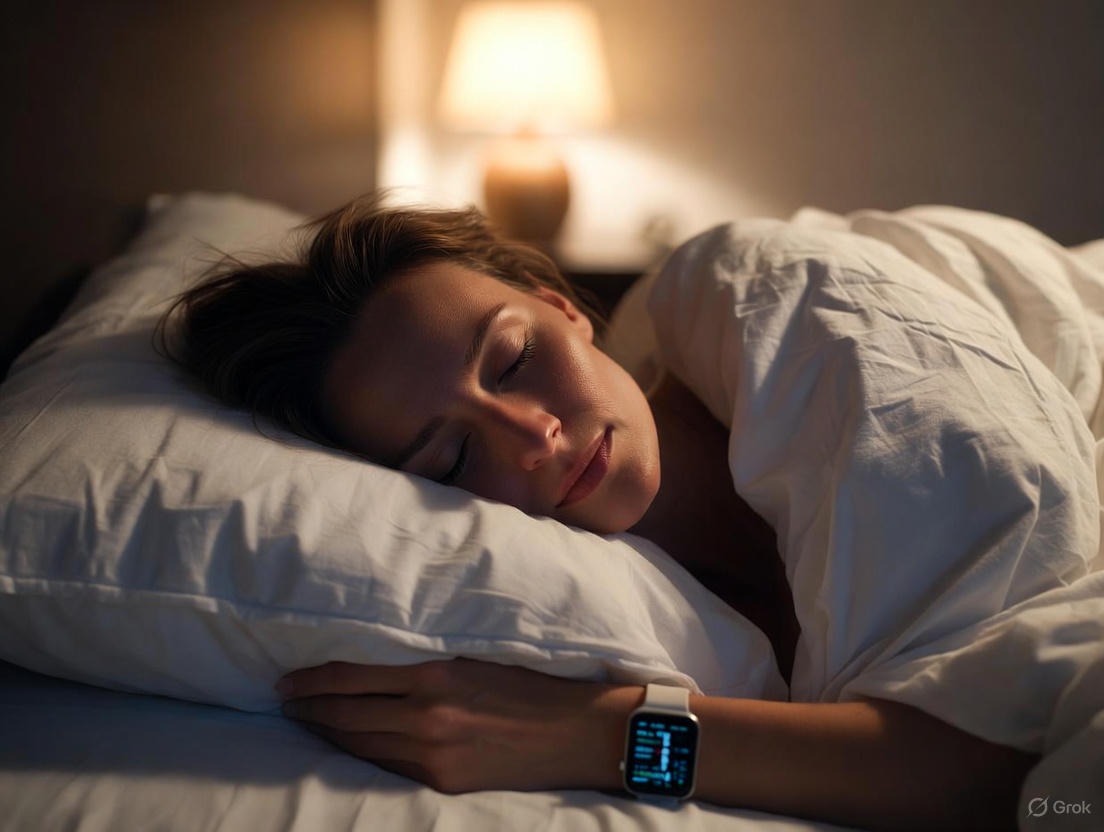
If mental health is a complex structure, sleep is its non-negotiable foundation. We’ve all experienced the emotional fragility that follows a bad night’s rest: petty annoyances become crises, willpower evaporates, and anxiety whispers louder. This isn’t just a subjective feeling; it’s neurobiological fact. During deep (slow-wave) sleep, the brain’s glymphatic system activates, clearing out metabolic waste products, including beta-amyloid proteins linked to stress and negative thinking. REM sleep, rich in dreaming, is crucial for emotional processing and memory consolidation, helping to strip difficult experiences of their raw emotional charge.
A smart ring moves far beyond simply counting hours in bed. It acts as a personal sleep archaeologist, uncovering the layers and quality of your rest. By analyzing movement, heart rate, and HRV patterns throughout the night, it provides insights into:
For mental wellness, this granularity is everything. You might be in bed for 8 hours but getting only 45 minutes of deep sleep, leaving your brain "dirty" and under-recovered. The ring reveals this. You might see that on nights after high-stress days, your REM sleep is truncated, meaning you’re missing out on crucial emotional processing. The ring shows this, too.
Perhaps the most powerful application is in identifying sleep disruptors. Your data becomes a detective’s log. Did that late-afternoon coffee delay your sleep onset? Did an evening argument suppress your deep sleep? Does alcohol, while seeming to help you fall asleep, cause a massive spike in nighttime heart rate and ruin your sleep quality after 3 AM? The smart ring provides clear, cause-and-effect evidence.
Armed with this knowledge, you can engineer your sleep for better mental health. You can:
By treating sleep as a measurable pillar of mental health, you gain a powerful, proactive lever for improving mood, anxiety, and cognitive function. It’s not about perfection; it’s about informed progress. Many of our users have shared how these insights transformed their relationship with rest, and you can read their personal stories and experiences in our testimonials.
The productivity culture sold us on the idea of managing every minute of our day. But what if we’re optimizing the wrong resource? You can schedule a task for 2 PM, but if your physical and mental energy is in a trough at that time, the result will be poor quality, frustration, and depletion. True effectiveness—and mental sustainability—comes from aligning your activities with your body’s natural energy rhythms, a concept known as circadian alignment or ultradian rhythm matching.
Your body doesn’t operate on a flat, 24-hour energy line. It runs in cycles. On a macro level, you have a circadian rhythm governing sleep and wakefulness. On a micro level, you experience 90-120 minute ultradian rhythms throughout the day, oscillating between periods of high alertness (peak) and physiological recovery (trough). Pushing through these natural troughs with caffeine or sheer willpower creates a stress response, accumulates fatigue, and leads to the dreaded afternoon crash and evening burnout.
A smart ring provides the personal data map for your energy landscape. By tracking your round-the-clock heart rate, HRV, and temperature, it helps you identify:
This shifts the paradigm from time management to energy stewardship. Instead of fighting your biology, you learn to flow with it. You can:
For mental health, this is liberating. It reduces the internal friction and guilt of "not being productive" all the time by honoring your body’s natural need for oscillation. It prevents the chronic, low-grade stress of constant pushing. By managing your energy wisely, you accomplish more with less perceived effort and protect your emotional reserves. This philosophy of working with your body, not against it, is central to our vision. You can discover more about our founding principles and vision for holistic health.
Mindfulness and meditation are proven pillars of mental wellness, reducing anxiety, improving focus, and enhancing emotional regulation. Yet, for many, the practice feels abstract or frustrating. "Am I doing this right?" "Is it actually working?" A smart ring introduces something revolutionary to this ancient practice: objective, real-time biofeedback.
Biofeedback is a clinical technique where individuals learn to influence bodily processes that are normally involuntary (like heart rate) by receiving real-time data about them. Smart rings bring a simplified, accessible form of this into daily life. You can use your ring’s data during or immediately after a mindfulness session to answer those nagging questions with hard evidence.
How it works in practice:
Over time, this feedback loop creates powerful learning. You discover which specific techniques work best for your nervous system. Perhaps box breathing (4-in, 4-hold, 4-out, 4-hold) dramatically lowers your heart rate, while a body scan meditation has a stronger effect on improving your HRV. This allows you to build a personalized "mental fitness toolkit." When you feel anxiety rising, you don’t have to guess what might help; you can reach for the technique your data has proven is most effective for you.
Furthermore, the ring can act as a gentle prompt for mindfulness. If you’ve set a stress threshold and the ring detects your physiological signs are trending toward it, it can deliver a subtle, private vibration—a nudge to pause, take three deep breaths, and step out of the stress spiral before it escalates. This is proactive mental healthcare, delivered in the moment.
This marriage of technology and tradition demystifies mindfulness, making it more accessible, rewarding, and scientifically tailored. It transforms it from a vague wellness concept into a precise skill you can hone and trust. For beginners looking to start this journey, we’ve compiled useful resources. You can often find answers to common questions about using technology for mindfulness in our FAQ.
Our emotional lives can sometimes feel like a mystery, even to ourselves. We react with irritation, sink into low moods, or feel sudden anxiety without a clear understanding of the "why." We might blame external circumstances, but often the triggers are subtler, woven into our biology, habits, and environment. A smart ring serves as an impartial emotional detective, correlating internal physiological states with external events to uncover patterns you would otherwise miss.
This process, often called data journaling or life-context logging, involves using your biometric data as a starting point for self-inquiry. The ring provides the "what" and "when," and you add the "why."
A practical example:
You review your daily report and notice a sharp, 30% drop in your afternoon HRV, accompanied by a spike in resting heart rate that lasted two hours. Subjectively, you might remember feeling "a bit off" but couldn't pinpoint it. With the data as your clue, you reflect: What happened before that dip? Was it the second cup of coffee? The difficult conversation with a colleague? The overwhelming inbox you tackled right after lunch? The lack of movement all day?
By consistently engaging in this practice, powerful themes emerge:
This builds profound emotional granularity—the ability to identify and name specific emotional states and their causes. Instead of "I'm stressed," you might learn, "My nervous system is showing signs of overload, which likely started after that project pivot and was compounded by poor sleep for two nights. I need to focus on recovery, not add more tasks."
This awareness is the bedrock of emotional intelligence and regulation. You move from being at the mercy of unseen forces to becoming an observer and, ultimately, an architect of your internal state. It empowers you to make lifestyle choices that support stability and avoid—or prepare for—the things that demonstrably destabilize you. Understanding these personal patterns is a journey, and connecting with others on a similar path can be insightful. You can see how other users have identified their unique triggers and found balance.
Burnout isn’t an event; it’s a slow, insidious process of erosion. It creeps in through weeks or months of inadequate recovery, where the demands on your energy consistently outpace your body’s ability to replenish it. The danger is that by the time you feel burned out—the exhaustion, cynicism, and lack of efficacy—you are already deep in a hole that can take months to climb out of. The key to preventing burnout is not coping better when you’re already in crisis; it’s recognizing the warning signs on the path toward it and changing course early.
This is where the predictive power of a smart ring shines. By establishing your personal baseline for recovery metrics like HRV, resting heart rate, and sleep quality, the ring’s algorithms can detect sustained negative trends that are the hallmark of accumulating stress and dwindling resilience.
What to watch for on your dashboard:
These are your body’s early-warning signals, often appearing long before your conscious mind acknowledges a problem. They are a call to audit your lifestyle and implement recovery protocols before performance drops or mood crashes.
Equipped with this foresight, you can shift from reactive to proactive self-care:
In the workplace or in high-performance environments, this is transformative. It allows for sustainable performance by making rest a data-driven part of the plan, not a sign of weakness or an afterthought. For leaders and teams, this understanding fosters a culture that values recovery as essential to long-term success and wellbeing. At Oxyzen, we believe in this proactive approach to health, and it’s woven into the very fabric of our product design. To understand the core of this mission, you can learn more about our company and guiding principles.

In a culture that glorifies "the grind," rest is often viewed as the enemy of productivity—time wasted that could be spent doing more. Neuroscience and performance physiology present the exact opposite case: Rest is not the opposite of work; it is the necessary process that makes quality work possible. For the mind, strategic recovery is when learning is consolidated, creativity is sparked, and emotional equilibrium is restored. A smart ring quantifies this process, turning the abstract concept of "rest" into a measurable, optimizable component of your mental fitness regimen.
Recovery happens on different timescales, and the smart ring provides insights into all of them:
1. Acute Recovery (Within Minutes to Hours):
This is your body’s ability to calm down after a stressor. After a tough workout or a stressful meeting, how quickly does your heart rate return to baseline? How robust is the "relaxation response"? Your ring’s recovery metrics post-activity show the resilience of your nervous system. Faster recovery means less cumulative stress burden throughout the day.
2. Daily Recovery (Overnight Sleep):
As covered, this is foundational. The ring’s sleep score and overnight HRV provide a daily report card on your primary recovery process. Did you get enough deep sleep to clear metabolic waste from your brain? Enough REM to process emotions? This data tells you if you’re "depositing" enough in your recovery account each night.
3. Systemic Recovery (Trends Over Days/Weeks):
This is the macro view—are your acute and daily recovery processes sufficient to keep your overall system in a state of balance or growth? The long-term trends in HRV, resting heart rate, and sleep quality answer this. A positive trend indicates you are well-recovered and building resilience (a state called supercompensation). A negative trend signals you are depleting your reserves.
The mental health implications are direct:
By tracking recovery, you learn to honor it as a productive, essential activity. You can schedule deliberate recovery blocks with the same seriousness as work meetings. The ring’s data validates this choice, showing you the tangible physiological and cognitive benefits of truly stepping away. For a deeper exploration of the science behind rest and performance, our blog library is a great resource. Explore our collection of articles on recovery science and practical tips.
Data alone is just numbers. Its power is unlocked through interpretation and integration into a coherent, actionable system. This is where the companion app for your smart ring becomes your Mental Fitness Command Center. It synthesizes the myriad data points—sleep, stress, activity, recovery—into a holistic dashboard that tells the integrated story of your wellbeing.
A well-designed dashboard does several critical things for your mental health journey:
1. It Provides a Single Source of Truth:
Instead of mental energy being scattered across a sleep app, a meditation app, and your own vague feelings, everything converges in one place. Your readiness score in the morning synthesizes your sleep data, previous day’s stress, and recovery metrics into one simple number—a go/no-go gauge for your day.
2. It Visualizes Correlations:
The most powerful feature is often a timeline view that layers different data streams. You can scroll through a day and see: "My stress spiked at 10 AM (meeting), my heart rate stayed elevated through lunch, and then my deep sleep was reduced that night." These visualized cause-and-effect chains are instructional and motivating.
3. It Encourages Positive Reinforcement:
When you see a direct, positive impact on your metrics from a new habit—like a higher HRV after a week of consistent evening walks—it provides powerful reinforcement. This positive feedback loop makes sustainable behavior change more likely than willpower alone.
4. It Facilitates Productive Conversations:
Whether with a therapist, coach, or doctor, having objective data bridges the communication gap. Instead of saying "I feel tired all the time," you can say, "My data shows my deep sleep is consistently below 10%, and my resting heart rate trend has increased by 8 beats per minute over the last month." This leads to more targeted and effective support.
To build your own effective dashboard practice:
Your dashboard becomes a mirror reflecting the relationship between your lifestyle and your inner state, empowering you to write a healthier story, one day at a time. We are constantly inspired by how our users engage with their data, and their journeys inform everything we do. To understand the human stories behind this technology, you can read about our community and their experiences.
The ultimate goal of all this tracking and analysis is not to become obsessed with data, but to reach a state of informed intuition. It’s about using the insights from your smart ring to rewire your habits and perceptions so deeply that you eventually internalize the wisdom. The ring becomes a teacher, and you become the master, applying the lessons seamlessly in your life.
Integration is the phase where data transforms into lasting lifestyle change. Here’s how to make that transition:
Phase 1: The Discovery Window (Months 1-3)
This is the data-gathering and pattern-identification phase we’ve detailed. Everything is new and insightful. Your main job is observation and gentle experimentation.
Phase 2: The Habit Formation Phase (Months 3-6)
Using your discoveries, you intentionally build rituals. You create a non-negotiable wind-down routine because you’ve seen it boost deep sleep. You schedule a daily walk because the data proves it lowers your afternoon stress. You learn to say no to late social events because you value your morning HRV. The data validates these choices, making them stick.
Phase 3: The Internalization Phase (6+ Months)
This is where the magic happens. You start to "feel" your HRV. You notice the bodily sensations of rising stress before the ring even vibrates. You intuitively crave movement or quiet based on what your system needs. The ring’s data becomes a periodic check-in—a confirmation of what you already sense—rather than a constant guide. You have built a sustainable wellness lifestyle rooted in self-knowledge.
The ring’s role evolves: From a primary source of guidance, it becomes a guardian and a check-in tool. You might wear it constantly for ongoing baselines, or you might wear it for focused periods (like during a high-stress project or when implementing a new training regimen) to ensure you stay on track.
This journey—from curiosity to insight to integration—is how technology truly serves our humanity. It doesn’t create dependency; it fosters autonomy. It gives you the keys to understanding your own complex system, so you can live with more vitality, calm, and purpose. The story of modern wellness is moving from generic advice to personalized wisdom, and the smart ring is a pivotal character in that narrative.
Your path to mental wellness is unique, and having the right tools and support is crucial. For any questions on starting or deepening this journey with your device, our comprehensive support hub is available. You can always find detailed answers and assistance in our FAQ section. And to explore the full potential of this technology for your life, the best place to begin is at the Oxyzen homepage.
Our digital devices are extensions of our minds, but at a significant cost. The constant barrage of notifications, the infinite scroll of social media, and the pressure to be perpetually "on" have created a new layer of environmental stress that is chronic, pervasive, and often subconscious. This digital overload directly impacts mental health, contributing to anxiety, attention fragmentation, sleep disruption, and a phenomenon known as "technostress." A smart ring provides the missing link: objective evidence of how our digital habits affect our physiology, enabling us to set intelligent, personalized boundaries.
The ring quantifies the physiological cost of connectivity. You can design simple experiments:
With this evidence in hand, digital wellness shifts from a good idea to a non-negotiable practice. The ring’s data empowers you to implement defensible, personalized boundaries:
Perhaps most importantly, this process reduces digital guilt. The internal voice saying "I should get off my phone" is replaced by a data-informed understanding: "My body shows signs of stress after 45 minutes of scrolling. I am choosing to stop now to protect my nervous system." This reframes boundary-setting as an act of self-care, not deprivation. For more strategies on creating a healthier relationship with technology, our blog is a constant source of research and practical advice. You can discover more articles on digital detox and mindful tech use.
Humans are wired for connection. Loneliness and social isolation are now recognized as significant risk factors for mental and physical health problems, comparable to smoking or obesity. Conversely, positive, secure relationships are a bedrock of resilience. What’s fascinating is that these social states leave clear fingerprints on our physiology. A smart ring can begin to measure the quality of our connections, turning abstract feelings of "loneliness" or "support" into observable biological trends.
Your ring’s data can reveal two sides of the social coin:
1. The Stress of Negative Social Interactions:
A difficult conversation with a partner, a conflict with a coworker, or even attending a large, overwhelming social gathering can trigger a measurable stress response. You might see:
This isn't about labeling interactions as "good" or "bad," but about understanding their cost to your system. It helps you identify which relationships or social contexts are inherently taxing, so you can better prepare for or recover from them.
2. The Recovery Power of Positive Connection:
On the flip side, moments of genuine connection, laughter, and support are potent recovery tools. Your data may show:
This biofeedback encourages you to prioritize nourishing connections. It provides scientific validation for the instinct to call a friend when you're down or to seek out community. You can start to "prescribe" social recovery with the same intentionality as you prescribe sleep.
Furthermore, for those navigating social anxiety, the ring offers a powerful tool. It can reveal that while a social event feels intensely stressful, the physiological spike is often shorter and less severe than anticipated. This disconnect between perception and physiology can be incredibly liberating, helping to rewire anxious responses over time. Seeing the data can provide the courage to stay in a challenging social situation a little longer, knowing your body is actually coping. The stories of our community often highlight this profound social-biological link, and you can read about real user experiences with connection and tracking.
The fitness world has long focused on external outputs: faster times, heavier lifts, body composition. However, exercise is one of the most powerful psychoactive interventions we have. It can be a profound antidepressant, anxiety reducer, and cognitive enhancer—or, if mismanaged, a significant source of physical stress that depletes mental resources. A smart ring allows you to optimize your fitness regimen not just for physical gains, but for mental and emotional resilience, ensuring your training supports your overall wellbeing.
This requires a shift from external performance metrics to internal load metrics. The ring provides the critical internal data:
By aligning your fitness with your mental wellness goals, you can create a truly sustainable practice. For example:
This approach fosters a healthier, more attuned relationship with your body. Exercise becomes a tool for self-care and empowerment, not another source of performance pressure. It’s a philosophy that honors the complete individual, which is central to our design ethos. To understand more about this holistic approach to health and performance, you can explore our company's foundational story and values.

One of the greatest obstacles to sustainable wellness is the harsh inner critic. We set rigid goals, miss them, and then berate ourselves with narratives of failure and lack of willpower. This cycle of judgment is not only demotivating but is itself a source of stress. Traditional goal-tracking can inadvertently fuel this critic. Smart ring data, when approached correctly, offers a path to motivation through self-compassion and curiosity, replacing judgment with understanding.
The key is to reframe the data from a scorecard to a storybook. The numbers are not verdicts on your worth; they are clues about your experience. This shift in perspective is transformative:
The ring’s holistic view also prevents the common pitfall of optimizing one metric at the expense of others. Obsessing over a higher step count might lead to overtraining and plummeting HRV. Obsessing over a lower resting heart rate might cause anxiety about every small fluctuation. A compassionate user sees the dashboard as an interconnected system. They ask: "How can I support my system as a whole today?" rather than "How can I hit this one target?"
This fosters intrinsic motivation—the desire to care for yourself because you understand and value your own wellbeing. The data becomes a collaborative tool for self-discovery, not a punitive overseer. It’s a journey we support every step of the way, and common questions about cultivating this mindset are addressed in our support resources. You can often find guidance on developing a healthy relationship with your wellness data in our FAQ.
The gut is often called the "second brain," and for good reason. The gut-brain axis is a complex, bidirectional communication network where digestive health directly influences mood, cognition, and stress levels. Symptoms like brain fog, anxiety, and low mood can frequently be traced to digestive issues. A smart ring can help uncover these hidden connections by tracking how different foods and eating patterns affect your nervous system and sleep.
While a ring cannot directly analyze food, it measures the physiological consequences of digestion and nutrition:
By logging meals and correlating them with your biometric data, you can move from generic diets to a personalized nutrition strategy for mental clarity and calm. You might discover:
This turns nutrition into a key lever for mental wellness. You're not just eating for your body; you're eating for a stable, resilient mind. The insights you gain empower you to make food choices that truly fuel your wellbeing, both physically and mentally. For more on optimizing lifestyle factors like nutrition, our blog provides ongoing research and user insights. Explore related content on holistic health practices.
For individuals managing specific mental health conditions like anxiety disorders, ADHD, or mood dysregulation, the subjective experience can be overwhelming and confusing. Smart ring data offers an objective anchor in the storm, providing concrete feedback that can demystify symptoms, identify triggers, and measure the effectiveness of interventions in a whole new way.
For Anxiety:
Anxiety often involves a heightened, persistent state of physiological arousal. The ring makes this visible.
For ADHD:
ADHD involves challenges with regulation—of attention, emotions, and energy. The ring’s data on energy rhythms and sleep is particularly valuable.
For Mood Regulation (e.g., Depression, Bipolar Disorder):
Long-term trends are key here. The ring can help identify prodromal signs—early warnings of a depressive or (hypo)manic episode.
It is vital to state that a smart ring is not a diagnostic tool. It is a management and insight tool. It provides invaluable context for conversations with mental health professionals, moving discussions from "I feel bad" to "Here is how my body has been responding." This collaborative, data-informed approach can lead to more personalized and effective care plans. The journey of managing mental health is personal, and hearing from others can be powerful. You can read testimonials from users who have integrated tracking into their mental health journeys.
The true potential of the smart ring is not as a standalone device, but as the central, passive sensor in a connected ecosystem of wellness. It is the always-on, always-collecting hub that provides the foundational physiological context for all other health and wellness data. As this ecosystem evolves, the integration of smart ring data with other apps and services is creating a new paradigm of holistic, proactive health management.
We are moving toward a future where your biometric data seamlessly interacts with other aspects of your digital life:
In this ecosystem, the smart ring is the quiet, truthful source of "what is." It removes the guesswork and self-reporting bias, allowing other services to build sophisticated, responsive layers of "what to do" on top of it. This is the move from reactive sick-care to proactive, truly personalized healthcare. It empowers individuals to be the CEOs of their own health, with a full dashboard of reliable information. At Oxyzen, we are committed to being at the forefront of this integrated future. To see how we view this evolving landscape, you can learn more about our vision and company mission.
With a constant stream of data on sleep, stress, recovery, and activity, it's easy to feel overwhelmed—a state ironically counterproductive to mental wellness. The goal is insight, not obsession. To avoid "analysis paralysis," it's essential to adopt a simple, cyclical framework that turns data into deliberate action without creating a new source of stress.
Follow this Observe, Inquire, Experiment, Integrate (OIEI) Cycle:
1. OBSERVE (The Neutral Noticing):
Start with one or two key metrics that align with your current wellness priority. If you're focused on stress, look at your daily stress graph and average HRV. If it's sleep, look at your sleep score and deep sleep percentage. Observe for a week without judgment. Just notice the patterns and daily fluctuations. The ring's weekly report email is perfect for this high-level observation.
2. INQUIRE (The Curious Question):
Based on your observation, ask a single, specific question. Not "Why is my sleep bad?" but "Why was my deep sleep 40% lower on Tuesday night compared to Monday?" or "What was happening in the 2 hours before my HRV dipped sharply on Wednesday afternoon?" Frame it as detective work, not a problem to be solved.
3. EXPERIMENT (The Gentle Test):
Design a small, manageable, one-variable experiment to test a hypothesis. For the deep sleep question, your experiment might be: "On Thursday, I will turn off all screens by 9:30 PM and read a book instead. I will keep everything else the same and see if my deep sleep improves Friday morning." Keep it simple and focused.
4. INTEGRATE (The Informed Choice):
Review the results. Did your deep sleep improve? If yes, you’ve discovered a valuable tool for your toolkit. You can now choose to integrate this screen curfew more regularly. If there was no change, that’s valuable too! It means you can stop worrying about that factor and inquire about something else. There is no failed experiment, only learning.
This framework prevents you from trying to change ten things at once. It creates a sustainable, low-pressure practice of self-experimentation. Over months, these small, integrated changes compound into a significantly different lifestyle and a much deeper understanding of your unique needs. Remember, the device is there to serve you, not the other way around. For anyone starting out, common questions about this process are gathered in a helpful resource. You can find answers to getting started and avoiding overwhelm in our FAQ section.
We have journeyed through the landscape of modern mental wellness, guided by the objective light of biometric data. From the foundational understanding of the mind-body connection to the specialized applications for digital boundaries, social health, fitness, nutrition, and specific mental health goals, a clear theme emerges: knowledge is empowerment, and personalization is key.
The smart ring is more than a piece of technology; it is a key that unlocks a deeper conversation with oneself. It translates the silent language of the nervous system—the heart's rhythms, the patterns of sleep, the tides of energy—into a narrative we can understand and engage with. This process moves mental health from the realm of the abstract and reactive into the domain of the tangible and proactive.
The ultimate benefit is not a perfect sleep score or a perpetually high HRV. Those are just numbers. The real benefits are the lived experiences they help create: waking up feeling truly restored, navigating a stressful day with a sense of resilience, understanding the source of a low mood and knowing how to address it, and having the confidence to set boundaries because you have evidence of their necessity. It fosters a compassionate, curious, and empowered relationship with your own wellbeing.
This marks the conclusion of the first major arc of our exploration. We have established the "why" and the "how"—the profound reasons smart rings matter for mental health and the practical ways to use their insights. In the next portion of this comprehensive guide, we will dive even deeper. We will explore the cutting-edge science behind the metrics, compare smart ring technology with other wearables in detail, provide advanced user case studies, and look at the ethical future of biometric data. The journey toward mastering your mental fitness is ongoing, and the tools and understanding at our disposal are more powerful than ever.
To continue exploring the full potential of this technology for your life and to see the complete ecosystem we are building to support it, the best place to begin is always the Oxyzen homepage. For continued learning and deeper dives into each topic we've covered, our resource library is constantly updated. You can find the latest research and articles on our blog.
Our journey through the landscape of smart rings and mental wellness has so far illuminated the transformative power of this technology. We've seen how it turns the abstract into the actionable, providing a personalized map of our inner state. We've explored its role in decoding stress, optimizing recovery, managing energy, and fostering self-compassion. We've witnessed its application in digital wellness, social health, fitness, and specific mental health goals. The foundation is firmly set: continuous, passive biometric monitoring empowers us to move from reactive coping to proactive thriving.
Now, we delve into the final and perhaps most critical phase of our exploration. We shift from the "what" and the "how" to the "so what" and the "what's next." This segment is dedicated to the nuances of long-term engagement, the science underpinning the metrics, the essential comparisons with other wearables, and the profound ethical considerations of this deeply personal data. We'll also explore advanced use cases and peer into the future, where this technology integrates seamlessly into a holistic vision of preventative healthcare.
This is where insight matures into wisdom, and where the user transitions from a passive recipient of data to an active, informed architect of their long-term wellbeing. We move beyond the dashboard to understand the deeper currents of our physiology, make informed choices about the tools we use, and navigate the responsibility that comes with self-knowledge. The story culminates in a vision of empowerment—where technology doesn't just track our lives but helps us design a life of greater resilience, purpose, and balance.
The true power of biometric data is unlocked not in daily snapshots, but in the long-term narrative. A day of low HRV is noise; a six-week declining trend is a signal. A smart ring, worn consistently over months and years, becomes a personal historian, documenting how your physiology interacts with the larger rhythms of your life—your menstrual cycle, the changing seasons, career transitions, and even the process of aging. This macro-view is invaluable for separating temporary fluctuations from meaningful shifts and for cultivating patience and self-acceptance.
Understanding Your Cyclical Nature:
For individuals who menstruate, the hormonal cycle is a dominant, predictable force affecting mood, energy, stress resilience, and sleep. Smart ring data makes this influence strikingly clear.
Seasonal and Environmental Influences:
Your body is not separate from the world around it. Long-term data often reveals:
Life Transitions and Chronic Stress:
A new job, moving house, caring for a newborn, or navigating a loss—these major life events create sustained physiological demands. The ring’s long-term trends provide an objective record of this "load."
This longitudinal perspective fosters a gentler, more rhythmic approach to life. You stop fighting your natural cycles and start flowing with them. You plan ambitious endeavors during your peaks of resilience and grant yourself grace during your inevitable troughs. It’s the ultimate antidote to the culture of constant, linear productivity, replacing it with a cyclical model of effort and recovery that is sustainable for a lifetime. To see how this philosophy of cyclical awareness is integrated into our approach, you can read about our foundational values and vision.
We've frequently mentioned Heart Rate Variability (HRV) as the cornerstone metric for mental wellness tracking. To move from simply watching a number to truly understanding its meaning, we must dive into the science. HRV is the statistical variance in the time intervals between consecutive heartbeats (measured in milliseconds). It is a direct, non-invasive window into the balance of your autonomic nervous system (ANS).
The ANS: Your Body's Autopilot
The ANS has two primary branches:
HRV as the Balance Indicator:
A high HRV indicates a healthy, responsive ANS. It means the PNS is strong and can efficiently apply the brakes after an SNS surge, allowing for quick adaptation to stress and rapid recovery. The heart can speed up and slow down with agility. A low HRV suggests the SNS is dominant or the PNS is weak—the system is stuck "on," in a state of chronic tension with poor recovery capacity. This is strongly associated with stress, anxiety, burnout, and poorer overall health outcomes.
RMSSD: The Key Parasympathetic Metric
There are many ways to calculate HRV. The one most commonly used by smart rings for wellness tracking is RMSSD (Root Mean Square of Successive Differences). RMSSD is particularly sensitive to the fast-acting, beat-to-beat influences of the parasympathetic nervous system (via the vagus nerve). Therefore, your RMSSD score, reported in milliseconds, is a direct proxy for your parasympathetic tone—your body's capacity for calm and recovery.
It is crucial to understand that HRV/RMSSD is highly individual. Comparing your number to someone else’s is meaningless. A value of 40 ms might be low for one person and excellent for another. What matters are your own trends and changes relative to your personal baseline.
Factors Influencing Your HRV:
Your daily RMSSD is a summary of everything your body is managing:
By focusing on RMSSD trends, you are essentially training your awareness on the most important lever for mental and physical recovery: your parasympathetic nervous system. This scientific understanding transforms the number from a vague score into a meaningful conversation with your own biology. For those eager to delve even deeper into the research behind these metrics, our blog regularly features expert insights. Explore our scientific deep-dives and research summaries.
With a plethora of wearables on the market, a critical question arises: How much can I trust this data, especially for something as important as my mental health? Understanding the positioning of a smart ring on the spectrum of accuracy—between consumer smartwatches and clinical medical devices—is key to setting appropriate expectations and maximizing its value.
The Consumer Wearable Arena: Smartwatches vs. Smart Rings
Both are consumer-grade, non-medical devices using optical PPG sensors. Their key differences lie in form factor and primary use case, which impact the data's utility for mental wellness.
Aspect
Smartwatch
Smart Ring
Advantage for Mental Wellness
Sensor Placement
Wrist. Can be affected by motion, bone density, and loose fit.
Finger. Denser capillary network, often tighter fit, less motion artifact during sleep/rest.
Ring. Better signal for resting metrics (sleep HR, HRV) due to optimal placement during inactivity.
Primary Focus
Activity, notifications, fitness tracking. Often gamified.
Wellness, recovery, sleep, and stress. Focused on passive, 24/7 biometrics.
Ring. Design philosophy aligns with continuous, non-intrusive monitoring of the autonomic nervous system.
Wearability & Data Gaps
Often removed for charging, during specific workouts, or at night.
Designed for 24/7 wear (water-resistant, long battery life, subtle).
Ring. Minimizes the "wearer's gap," providing a more complete, uninterrupted picture of daily and nightly rhythms.
Psychological Impact
Can be a source of distraction with notifications and constant goal reminders.
Discreet, silent, no notifications. Promotes awareness without performance pressure.
Ring. Reduces digital stress and supports a more mindful, less reactive relationship with data.
The Clinical Device Benchmark
It is vital to understand that neither smart rings nor smartwatches are diagnostic medical devices. A clinical-grade ECG (electrocardiogram) or a chest-strap HR monitor measures the heart's electrical activity directly, providing gold-standard accuracy for heart rate and HRV, especially during movement.
The Verdict for Mental Wellness:
For the specific goal of understanding your stress, recovery, and sleep patterns, a smart ring often provides superior actionable data compared to a smartwatch due to its better resting signal, continuous wearability, and wellness-centric design. It offers a compelling balance of clinical-grade insight for resting physiology and unparalleled convenience for lifelong tracking. The key is to use it for its intended purpose: as a trend-identification and behavior-change tool, not a medical diagnostic device. We are transparent about the capabilities and purpose of our technology, and you can find detailed information about device specifications and use cases in our FAQ.
Theory and data come alive through human stories. While individual results vary, certain archetypal success stories consistently emerge from the community of smart ring users. These case studies illustrate the profound, practical impact this technology can have across different lifestyles and challenges.
Case Study 1: The Recovering Burnout Executive
Case Study 2: The Athlete with Unexplained Anxiety
Case Study 3: The Individual Navigating ADHD and Sleep
These stories highlight a common thread: the smart ring provided objective truth that bypassed denial, guesswork, and societal "shoulds." It empowered each individual to become the expert on their own system. You can read more firsthand accounts of transformation in our user testimonials.
As we invite a device to collect our most intimate data—our heart's rhythms, our sleep, our stress—we must engage with the critical ethical questions this raises. The benefits are immense, but they come with a responsibility to understand and control how our data is used. Ethical companies and informed users must partner to ensure this powerful technology serves the individual's wellbeing without creating new vulnerabilities.
The Pillars of Ethical Biometric Tracking:
1. Transparency and User Consent:
2. Data Ownership and Portability:
3. Security by Design:
4. Mindful Tracking and User Autonomy:
This is the most personal ethical dimension. The company's design should promote healthy engagement.
A Note on Insurance and Employers:
Be exceedingly cautious about any program that incentivizes you to share biometric data with health insurers or employers for discounts or rewards. While sometimes framed as "wellness programs," they can lead to privacy erosion and potential discrimination. It is generally safest to keep your personal wellness data separate from these entities.
Choosing a company that aligns with your ethical values is paramount. At Oxyzen, we believe that trust is our most important product. We are committed to the highest standards of data privacy, security, and user empowerment. You can learn more about our specific commitments to data ethics and user privacy.
We stand at the cusp of a revolution in personal health. The convergence of continuous biometric sensing, artificial intelligence, and a growing understanding of psychophysiology is paving the way for a future where mental healthcare is predictive, hyper-personalized, and seamlessly integrated into daily life. The smart ring is poised to be the central hardware platform for this new paradigm.
1. Predictive Analytics and Early Warning Systems:
Future algorithms will move beyond describing your current state to predicting your future state. By analyzing long-term trends in HRV, sleep, activity, and temperature, AI could identify subtle patterns that precede a depressive episode, an anxiety spiral, or a burnout by days or even weeks. This would provide a critical window for proactive intervention—a personalized alert suggesting, "Your data patterns indicate high burnout risk in the coming week. Consider scheduling light days and prioritizing sleep."
2. Dynamic, Personalized Intervention Platforms:
Imagine an app that doesn't just show you data, but prescribes micro-interventions in real-time.
3. The Closed-Loop System for Chronic Condition Management:
For conditions like Generalized Anxiety Disorder or PTSD, future systems could create biofeedback-driven exposure therapy. A VR therapy session could adjust its intensity level in real-time based on the patient's live HRV, ensuring they remain in a "therapeutic window" of challenge without becoming overwhelmed.
4. Population Health and Research:
With proper anonymization and consent, aggregated data from millions of users could unlock unprecedented insights into human health. Researchers could study the physiological impact of global events (like a pandemic), the efficacy of different wellness strategies at scale, and discover new biomarkers for mental health conditions.
This future is not without its challenges—ethical concerns around AI, data privacy, and ensuring equitable access are paramount. However, the potential is staggering: a shift from a healthcare system that waits for you to break to one that helps you optimize and maintain your wellbeing continuously. We are building towards this future with intention, and you can explore our vision for this integrated health ecosystem.
Having absorbed the breadth of insights a smart ring can provide, the final step is synthesis: creating a sustainable, personal protocol that works for you. This is not a rigid set of rules, but a flexible framework informed by your data and tailored to your life. Follow these steps to build your protocol.
Step 1: The Baseline & Observation Phase (Weeks 1-4)
Step 2: Identify One Priority Area (Week 4)
Step 3: Design a Simple Experiment (Weeks 5-6)
Step 4: Analyze and Integrate (Week 7)
Step 5: Iterate and Expand (Ongoing)
Essential Components of Any Protocol:
This protocol turns you from a passive user into an active scientist and architect of your own wellbeing. For support and answers as you build your protocol, our comprehensive help center is always available. You can find detailed guidance and answers to common questions in our FAQ.
Our extensive exploration of smart rings and mental health brings us to a fundamental truth: this technology's greatest gift is the restoration of agency. In a world filled with external demands and internal uncertainties, the smart ring provides a steady stream of objective truth from within. It gives you back the authority over your own narrative of health and wellbeing.
We have moved from seeing the ring as a simple sleep tracker to understanding it as a biometric translator, decoding the whispers of our autonomic nervous system into a language we can comprehend and act upon. We've seen its power to replace guilt with curiosity, to transform overwhelming feelings into manageable metrics, and to reveal the deep, cyclical rhythms that make us human. It helps us set boundaries with evidence, nurture connections with intention, and train our bodies and minds for resilience rather than just performance.
The journey with a smart ring is ultimately a journey inward. It is a practice of mindful self-observation, facilitated by technology. It encourages a dialogue between how you feel and what your body knows, fostering a deeper, more compassionate relationship with yourself. The goal is not to achieve a perfect set of numbers, but to use those numbers to design a life that feels vibrant, balanced, and authentically yours—a life where you have the tools to navigate stress, prioritize recovery, and nurture your mental fitness with the same diligence as your physical health.
This technology is a bridge to a future where healthcare is proactive, personalized, and empowering. It places the tools for lifelong resilience literally at your fingertips. The path forward is one of informed choice, guided by your own unique data, leading to a state of being where you are not merely surviving the demands of modern life, but thriving within them.
To begin or deepen this journey of empowered self-knowledge, the first step is to explore the technology designed for this very purpose. Discover how Oxyzen integrates these principles into a seamless experience by visiting our homepage. For continued learning and to stay abreast of the latest in wellness technology, be sure to bookmark our blog for regular updates and insights.


