


The Architecture of Peace: Building Long-Term Systems for Sustained Serenity
Building systematic, long-term structures to maintain peace.
Building systematic, long-term structures to maintain peace.
%402x.svg)
We live in an age of relentless connectivity, yet profound disconnection. Our pockets buzz with notifications, our minds race with to-do lists, and our bodies often whisper—or shout—warnings of stress we’ve learned to ignore. The quest for peace has become a modern grail, often pursued in fleeting moments: a five-minute meditation, a weekend retreat, a deep breath before the next meeting. But what if peace isn't a destination to be visited, or a momentary state to be captured? What if, instead, it is a structure we inhabit—a home we build for our minds, bodies, and spirits, designed to withstand the storms of modern life?
This is the architecture of peace. It is not a quick fix but a foundational blueprint. It is the intentional design and construction of long-term systems—daily practices, environmental cues, and supportive technologies—that work in concert to cultivate a sustained state of serenity, resilience, and holistic wellness. This architecture doesn't promise a life without challenge. Instead, it provides a stable, well-engineered framework from which to meet those challenges without crumbling.
True, sustained peace is systemic. It requires examining and strengthening the pillars of our existence: our sleep, our stress response, our physical energy, our emotional regulation, and our environment. It moves beyond anecdotal wellness "hacks" to create interdependent, self-reinforcing habits. In this framework, every element supports the other. Quality sleep improves stress resilience. Managed stress leads to better sleep. Balanced energy enables mindful choices. It’s a virtuous cycle engineered for human flourishing.
Today, we have an unprecedented opportunity to become the architects of our own peace, using not only ancient wisdom but modern tools that provide the data and feedback necessary for intelligent design. This is where precision wellness technology, like the advanced smart rings from innovators such as Oxyzen, enters the narrative. By delivering profound, personalized insights into sleep architecture, stress load, recovery, and daily readiness, these devices provide the blueprint and the building materials. They allow us to move from guessing about our well-being to knowing, and from knowing to designing effective, personalized systems. To understand how this technology integrates into a holistic life design, you can explore the science behind Oxyzen's approach.
This article is your foundational guide. We will delve deep into the core components of this architecture, providing you with the principles, practices, and tools to construct a life of sustained serenity. Let's lay the first stone.
Peace is a notoriously elusive concept. We romanticize it as a silent mountaintop or a deserted beach, framing it as an escape from our lives rather than a quality within them. This externalization is the first design flaw in our modern approach to well-being. To build an architecture of peace, we must first pour a new foundation with a redefined understanding of what peace actually is.
Sustained serenity is not the absence of noise, conflict, or demand. It is the presence of a resilient inner capacity to navigate those elements with grace, clarity, and a fundamental sense of safety. Neuroscientist Dr. Stephen Porges calls this "neuroception"—our nervous system's subconscious ability to detect safety or danger. True peace is the state where our neuroception consistently signals "safety," allowing our body to enter "rest and digest" mode rather than perpetually hovering in "fight, flight, or freeze."
In our hyper-connected world, our neuroception is under constant assault. The ping of a late-night email signals social or professional threat. The endless scroll of news triggers existential dread. The passive comparison on social media activates status anxiety. Our primitive brain, brilliant as it is, cannot distinguish between a saber-toothed tiger and an angry email from a boss. The physiological cascade of cortisol and adrenaline is the same. We are, in effect, trying to build a temple of peace on the fault line of a perpetually activated stress response.
Therefore, the foundational principle of our architecture is Intentionality. We must move from being passive reactors to our environment to becoming active designers of it. This begins with a ruthless audit of our inputs:
Building on this foundation of intentionality requires data, not dogma. You cannot manage what you do not measure. This is the critical junction where self-awareness meets technology. By tracking objective biomarkers like Heart Rate Variability (HRV)—a key metric of your nervous system's resilience and flexibility—you gain a window into your internal state beyond subjective feeling. A device like the Oxyzen smart ring measures HRV, sleep stages, and body temperature continuously, providing a factual blueprint of your personal foundation. Are you truly recovering at night? Is your body in a state of stress, even when your mind says you're "fine"? You can dive deeper into how these metrics translate to daily peace with case studies and research.
Peace, therefore, begins as an internal state of regulated safety. It is the quiet hum of a nervous system that is resilient, adaptable, and strong. From this stable foundation, every other pillar of our architecture can be securely erected.
If the foundation of peace is a regulated nervous system, then sleep is its most vital restorative process. Sleep is not a passive state of inactivity; it is a highly active, architecturally complex period of critical repair, memory consolidation, metabolic regulation, and emotional processing. To neglect sleep is to build your entire structure on shifting sand.
The architecture of sleep itself is composed of cyclical stages—light sleep, deep sleep, and REM sleep—each with a specific function. Deep sleep is the physical restoration phase, where tissue growth and repair occur, and the brain's glymphatic system performs a "deep clean," flushing out neurotoxins. REM sleep is the mental and emotional integration phase, crucial for learning, memory, and processing the day's emotional experiences. Disrupt this architecture, and every aspect of your well-being suffers: cognition declines, emotional reactivity increases, and stress hormones rise.
Engineering a sanctuary for sleep is a multi-system design challenge:
The challenge with sleep is that we are notoriously bad judges of its quality. We might feel we "slept through the night" but miss the crucial deep or REM stages needed for true restoration. This is where objective tracking becomes your chief engineer's report. A device that tracks sleep stages, restlessness, and respiratory rate provides an undeniable picture of your sleep architecture's integrity. By reviewing this data, you can move from generic advice ("sleep more") to personalized engineering ("I need to lower my bedroom temperature and start my wind-down ritual 15 minutes earlier to increase my deep sleep").
For those seeking to master this pillar, understanding the detailed interplay between daily habits and sleep quality is essential. You can find a wealth of resources on optimizing your sleep sanctuary in our dedicated wellness library. The goal is to transform sleep from a nightly hope into a predictable, engineered outcome—a guaranteed source of daily renewal.
Stress is not the enemy of peace; mismanaged, chronic stress is. In our architectural model, stress is a natural force, like wind or gravity. A well-designed structure doesn't pretend these forces don't exist—it is engineered to withstand and even utilize them. Our goal is to move from a state of chronic survival stress (which breaks down the body) to a state of adaptive "thrival" stress (which builds resilience).
Acute, short-term stress (eustress) can be performance-enhancing—it sharpens focus before a presentation or fuels a burst of energy to meet a deadline. The problem arises when the stress response is activated continuously, without adequate recovery. This chronic state leads to sustained high cortisol, which impairs immune function, disrupts sleep, increases blood pressure, and shrinks key brain areas involved in memory and emotional regulation.
Mastering the stress spectrum involves three key architectural strategies:
1. Recognition and Measurement: You must first become aware of your stress load. Beyond feeling "busy" or "overwhelmed," what are your physiological tells? A racing heart, shallow breathing, jaw tension, or digestive upset? Technology provides an objective measure here. Heart Rate Variability (HRV) is your biological barometer for stress and recovery. A higher HRV generally indicates a resilient, adaptable nervous system (good recovery), while a lower, depressed HRV can signal chronic stress, overtraining, or illness. By monitoring your HRV trends—often most accurately measured during sleep by a wearable like a smart ring—you get a daily readout of your nervous system's balance. Seeing a dip in your HRV can be the prompt you need to schedule a lighter day, prioritize recovery, or practice more deliberate stress-management techniques. For a practical guide on interpreting these signals, our FAQ section addresses common questions on stress metrics.
2. Strategic Deployment of the "Brake": The sympathetic nervous system is the gas pedal (stress response). The parasympathetic nervous system is the brake (rest and digest). We must train our ability to consciously engage the brake. This is not about eliminating stress but about punctuating it with deliberate recovery. Techniques include:
3. Cognitive Reframing: The architecture of our thoughts directly influences our stress physiology. Practices like cognitive behavioral techniques or mindfulness help us identify "catastrophizing" thought patterns and reframe challenges as manageable or even opportunities for growth. This isn't positive thinking; it's accurate thinking that prevents our mind from amplifying threats unnecessarily.
By integrating recognition, braking techniques, and cognitive reframing, you design a system where stress becomes a wave you surf, not a flood that drowns you. You learn to dose stress and prioritize recovery with the same precision an athlete uses in training. The stories of individuals who have transformed their relationship with stress using data-informed approaches are powerful testaments to this system, many of which are shared in our collection of user testimonials.
Peace is not a low-energy state. Sustained serenity requires a consistent, renewable source of physical, mental, and emotional energy. Think of yourself as the CEO of your personal energy economy. You have a finite daily budget of resources. Every decision, interaction, and task is an expenditure. The architecture of peace requires you to move from a model of chronic deficit spending (burnout) to one of sustainable investment and renewal.
This pillar is about intelligent energy allocation. It asks: What are your energy deposits, and what are your energy withdrawals?
Common Energy Withdrawals (Drains):
Common Energy Deposits (Renewals):
The key to managing this economy is the concept of "Readiness" or "Daily Readiness Scores." Advanced wellness wearables are now moving beyond tracking what you do (steps, sleep) to assessing how ready you are to perform. By synthesizing data from sleep, HRV, resting heart rate, body temperature, and previous activity, these devices provide a personalized daily score. This score is your economic forecast. A high readiness score suggests you have a surplus; it's a good day to invest energy in challenging projects, intense workouts, or important conversations. A low readiness score is a warning of a potential deficit; it calls for a day of conservation—more recovery, lighter tasks, and extra self-care.
This transforms energy management from a guessing game into a strategic operation. Instead of pushing through fatigue because your calendar says you must, you have data suggesting that push might lead to a crash or illness. You learn to align your most demanding tasks with your biological peaks of readiness. You begin to see rest not as laziness, but as a strategic reinvestment in tomorrow's energy capital. To see how this philosophy is embedded into product design, you can learn more about Oxyzen's mission to empower precisely this kind of intelligent self-management.
A beautiful, well-engineered house is of little use if the occupant is never truly in it, lost instead in regrets about the past or anxieties about the future. The Fourth Pillar, the Mindfulness Infrastructure, is the interior design of our architectural peace—the systems that train us to inhabit the present moment, the only place where peace can actually be experienced.
Mindfulness is the non-judgmental awareness of the present moment. It is the mental muscle that allows you to observe your thoughts, feelings, and bodily sensations without being hijacked by them. It creates space between stimulus and response, which is the very space where choice and peace reside.
Building this infrastructure is less about sporadic meditation and more about embedding micro-practices into the architecture of your day:
The synergy between mindfulness and biometric data is profound. Mindfulness practices have been shown to improve HRV—a direct link to calming the nervous system. Conversely, seeing concrete data can deepen mindfulness. When you feel anxious and then see your elevated resting heart rate graph, it validates your internal experience without judgment. It becomes an object of observation—"Ah, my heart rate is elevated. I am experiencing anxiety."—rather than a state of pure identification—"I am anxious." This subtle shift is the essence of mindfulness in action.
Furthermore, mindfulness is the tool that allows you to wisely utilize the data from your other pillars. A low sleep score could trigger frustration ("I failed!"). A mindful approach allows you to see it with curiosity ("What might have contributed to this? How can I care for myself today given this information?"). This infrastructure turns raw data into wise, compassionate action. For those beginning this journey, our blog offers guided introductions to building a sustainable mindfulness practice.
We cannot build a peaceful mind with a body in biochemical chaos. The food we consume is the literal building material for our neurotransmitters, hormones, and cells. The Fifth Pillar addresses the Nutrition Framework: designing an eating pattern that fuels stability, reduces inflammation, and supports—rather than sabotages—every other system in our architecture of peace.
The goal of nutritional peace is glycemic and emotional stability. Blood sugar spikes and crashes are direct triggers of the stress response, causing irritability, anxiety, and energy fluctuations. Similarly, chronic, low-grade inflammation in the body (often driven by diet) is increasingly linked to anxiety, depression, and brain fog.
Key architectural principles for this framework include:
Technology can provide surprising insights here as well. While not a food tracker, a smart ring can show you the downstream effects of your nutrition choices. Did that late-night meal spike your nighttime resting heart rate and suppress your HRV? Did a day of poor hydration correlate with a drop in your readiness score? This biofeedback allows you to connect the dots between specific foods and your body's state of calm or distress in a personalized way, moving beyond generic diet rules. Questions about how lifestyle factors show up in your data are common, and we've compiled answers in our comprehensive FAQ.
The Nutrition Framework is not about restrictive dieting; it's about strategic nourishment. It's about choosing foods that build a calm, resilient biology, creating a stable internal environment from which peace can grow.
Movement is a cornerstone of human health, but in the context of peace, its role must be reframed. The Sixth Pillar, the Movement Philosophy, shifts the paradigm from exercise as a punishing calorie-burn or aesthetic pursuit to movement as a fundamental tool for nervous system regulation, energy modulation, and joyful expression.
Our bodies are designed to move, and when we don't, we see dysregulation—in mood, sleep, and stress. However, the wrong type or intensity of movement at the wrong time can become another stressor. The architecture of peace requires us to be biomechanical engineers, selecting the right movement "tool" for the desired physiological outcome.
The critical innovation here is movement by metrics. Your daily readiness score is your primary guide. A high readiness score is a green light for more demanding, hormetic stress like a HIIT session or heavy strength training. A low readiness score is a clear directive to choose restorative movement—a walk, gentle yoga, or even complete rest. Ignoring this data and pushing through with intense exercise on a low-recovery day is like forcing a construction crew to work through a hurricane: it causes damage and delays the overall project.
This philosophy turns movement from a scheduled obligation into a dynamic, responsive dialogue with your body. It ensures that your activity is always in service of your larger architectural goal: systemic balance and sustained serenity. Reading about real user experiences can illuminate how this data-informed approach to movement transforms one's relationship with fitness and energy.
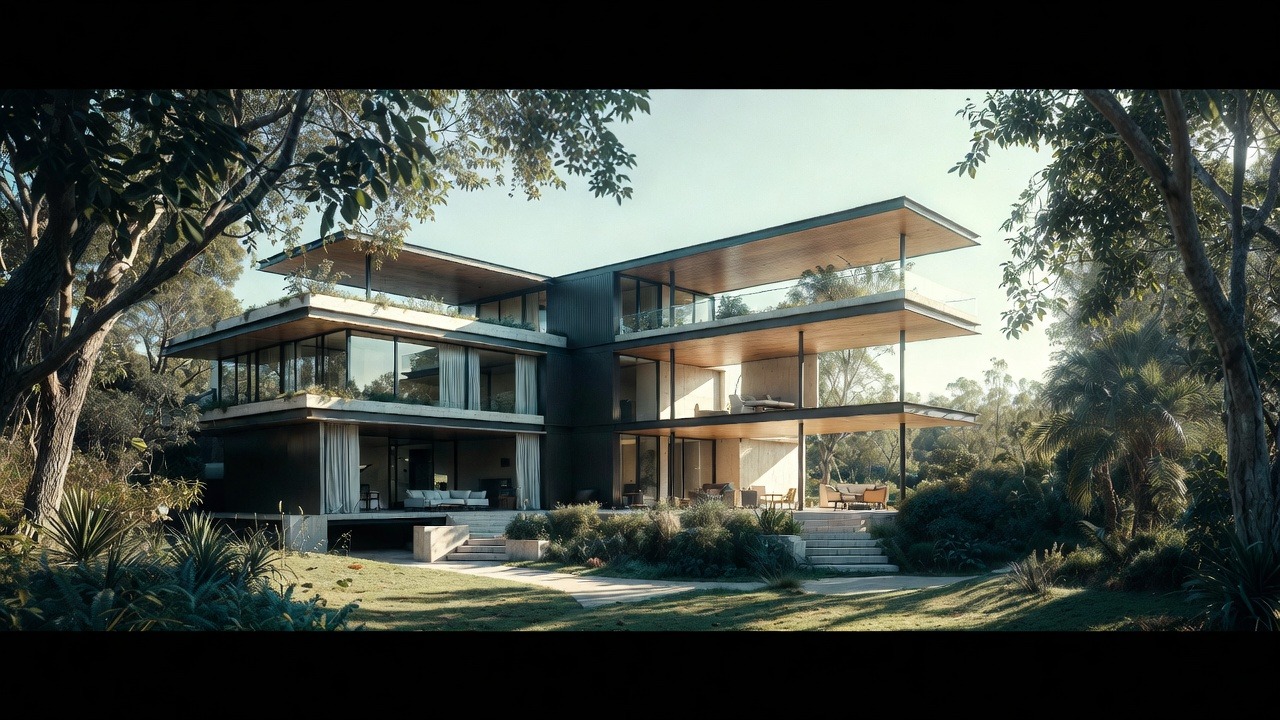
Our digital devices and online spaces are not neutral; they are environments we inhabit for hours each day. If our physical home is cluttered and chaotic, peace is elusive. The same is true for our digital home. The Seventh Pillar addresses the urgent need to architect our Digital Environment with the same intentionality we apply to our physical space. This is about designing for attention and intention, reclaiming our cognitive sovereignty from the forces engineered to exploit it.
The constant pull of notifications, the infinite scroll, and the context-switching demanded by our apps fracture our attention and keep our nervous system in a state of low-grade alert. This "continuous partial attention" is incredibly depleting and is the antithesis of the focused, calm presence required for peace.
Architecting your digital peace involves proactive design:
The data from your wellness tracker can serve as a powerful accountability partner in this pillar. You may notice that days with high "screen time after sunset" correlate directly with poorer sleep scores and lower next-day readiness. This objective feedback makes the abstract cost of digital clutter concretely visible, strengthening your resolve to maintain healthy boundaries. For more strategies on creating a tech-life balance that supports serenity, our blog features dedicated guides on digital wellness.
Designing your digital environment is an act of self-respect. It declares that your attention, your time, and your inner peace are sacred and non-negotiable.
Humans are inherently social beings. Our nervous systems are designed to co-regulate—to find calm in the presence of another safe, calm nervous system. The Eighth Pillar, Social Scaffolding, focuses on intentionally building and nurturing the relationships that provide external support, mirroring, and stability for our internal architecture of peace. These connections are the scaffolding that holds us up during renovation and repair.
Not all social interaction is equal. Some connections are draining (energy withdrawals), while others are restorative (energy deposits). The architecture of peace requires us to audit our social portfolio and invest strategically.
The link between social health and physiological health is robust. Loneliness and social isolation are associated with higher levels of inflammation, poorer sleep, and increased risk of mortality. Conversely, positive social connection boosts oxytocin (the "bonding hormone"), reduces cortisol, and improves immune function.
Interestingly, your biometric data can sometimes reveal social stress. You might see a dip in your HRV or a spike in resting heart rate after a conflict or a draining social obligation. This isn't to make you avoid all difficult conversations, but to highlight which types of social interactions are most taxing for your system, allowing you to better prepare and recover from them. Understanding these patterns is part of a holistic self-awareness, a journey we detail in our story of creating technology for holistic health.
Strong social scaffolding doesn't mean being surrounded by people at all times. It means having a reliable, high-quality network that provides a secure base from which you can engage with the world confidently and peacefully.
The final pillar in this foundational section is the glue that binds all others together: The Rhythm of Ritual. While systems provide structure, rituals provide meaning and cadence. They are the repeated, intentional practices—large and small—that signal safety to our ancient brain, create sacred pauses in mundane time, and transform habits from chores into ceremonies. Rituals are the circadian rhythms of the soul.
In a world of uncertainty, predictable rituals create pockets of certainty. They are autonomic anchors that reduce decision fatigue and provide comfort. A morning ritual sets the tone for the day. An evening ritual signals safety and closure. Weekly rituals mark the passage of time and provide renewal.
Examples of Architectural Rituals:
Rituals gain profound power when paired with the feedback loop of your wellness data. Your evening ritual is directly reflected in your sleep score. Your morning intention is tested against your daily readiness. This creates a tangible connection between your conscious actions and your subconscious state. You begin to see, in hard data, that the ritual of reading instead of scrolling before bed works. That the Saturday morning hike works. This evidence reinforces the ritual, turning it from a "should" into a non-negotiable pillar of your peace.
These nine pillars—from Foundation to Ritual—form the complete first-phase blueprint for the Architecture of Peace. They are interdependent, each supporting and strengthening the others. Implementing them requires not perfection, but consistent intention and the willingness to use both ancient wisdom and modern tools as your guides.
The journey to sustained serenity is the journey of becoming the master architect of your own life. It begins with a single, intentional decision to build something lasting. To continue exploring how to integrate these pillars with precision technology, we invite you to discover the full potential of a data-informed peaceful life. The next phase of this architectural guide will delve into advanced integration, troubleshooting systemic breakdowns, and designing for long-term adaptation through life's inevitable changes.
Having laid the foundation and erected the nine core pillars of our architecture—from sleep sanctuary to social scaffolding—we now turn to the essential work of integration, maintenance, and intelligent adaptation. A blueprint is only the beginning; the true art lies in the skillful construction and lifelong stewardship of a structure that must weather both calm seasons and unexpected storms.
This section moves from principles to sophisticated practice. We will explore how to create synergy between the pillars, what to do when the system shows cracks, and how to evolve your design through life’s inevitable transitions. This is where we transition from an architect to a master builder and, ultimately, a wise occupant of the peaceful life we have created.
A collection of excellent, standalone pillars does not make a cohesive, resilient structure. The true power of the Architecture of Peace is realized only when each component is intelligently linked to the others, creating a self-reinforcing ecosystem of well-being. This is the concept of synergy—where the combined effect of the system is greater than the sum of its individual parts.
Consider the following powerful synergies:
The role of integrated technology here is to be the system integrator. A comprehensive wellness platform doesn’t just show you separate graphs for sleep, activity, and stress. It shows you their interplay. You can see how yesterday’s workout affected last night’s deep sleep, and how that sleep quality influenced today’s stress resilience (HRV). This holistic dashboard view is what allows you to move from managing individual metrics to orchestrating a symphony of well-being.
For instance, you might notice a pattern: on days after you have a difficult work meeting (Social/Stress pillar), your readiness is low. The intelligent response isn’t just to "manage stress better." It’s to look at the entire system. On those days, you could proactively schedule a walk in nature (Movement), choose a protein-rich lunch to stabilize mood (Nutrition), and protect your evening wind-down ritual with extra vigilance (Sleep & Ritual). This is system-level thinking. For inspiration on how others have connected these dots, our blog features user stories on holistic habit integration.
The goal is to reach a point where your practices become interwoven and reflexive, each one naturally supporting and triggering the next, creating an upward spiral of serenity and resilience.
Even the most beautifully designed architecture will develop cracks. A period of intense work, a family crisis, an illness, or simple seasonal changes can destabilize your system. The goal is not to avoid these cracks—that’s impossible—but to develop a reliable process for diagnosing and repairing them. This transforms setbacks from failures into valuable feedback for a stronger design.
Step 1: Recognize the Early Warning Signals.
Long before you feel "burned out" or "anxious," your body sends signals. The key is to know your personal baseline and detect deviations. This is the primary value of consistent biometric tracking. Your data is an early-warning system.
Step 2: Conduct a Root-Cause Audit.
When you see these signals, don’t just blame "stress." Play detective. Use a simple journaling prompt to audit all pillars:
Often, the culprit is not one major event but the slow erosion of multiple small practices. The data narrows down the "when," and your audit reveals the "what."
Step 3: Apply Targeted, Gentle Repairs.
The instinct when we feel off-track is to overhaul everything at once—a radical new diet, a punishing workout regimen, a digital detox. This is a stressor in itself! Instead, apply the principle of minimum effective dose. Choose one pillar that seems most implicated and make a small, sustainable correction.
The objective data from your tracker then tells you if the repair is working. Did that extra 20 minutes in bed improve your deep sleep? Did swapping the workout help your HRV recover? This creates a closed feedback loop of intelligent self-care. For common questions on interpreting data during such times, our support FAQ is a helpful resource.
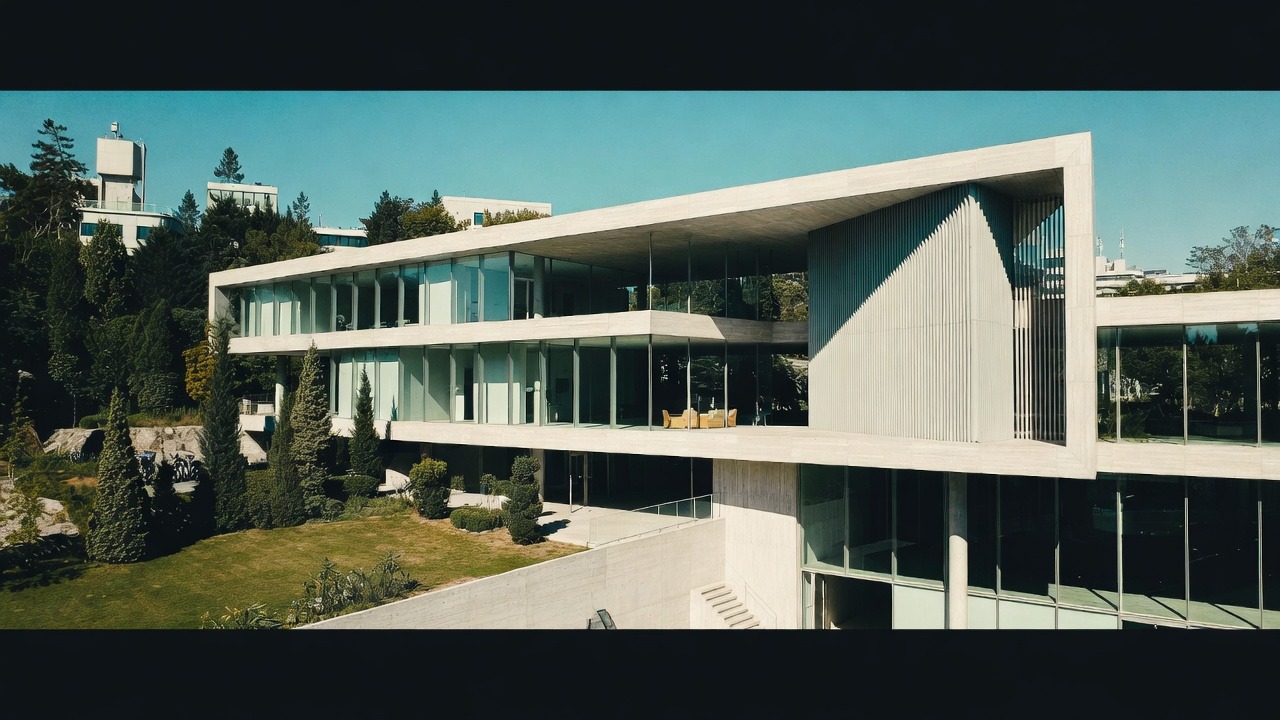
A structure built for a tropical climate will fail in the arctic. Similarly, an architecture of peace designed in your 30s will not serve you unchanged in your 50s, as a new parent, during a career shift, or after a personal loss. The final, and perhaps most crucial, skill is adaptive design—the willingness and ability to consciously renovate your blueprint to suit new life seasons.
Life transitions inherently disrupt our pillars. A new baby dismantles sleep. A demanding new project consumes energy and hijacks rituals. Menopause or andropause shifts physiological baselines. Grief can make all practices feel meaningless. The mistake is to cling stubbornly to an old design that no longer fits. The wise move is to accept the season and adapt.
Principles for Adaptive Renovation:
Technology serves as your compassionate, non-judgmental witness during these adaptations. It shows you the reality of your new physiology without criticism. It can help you identify when a "season" has become a permanent, unhealthy state, prompting a more significant redesign. Most importantly, it allows you to navigate change with data-driven self-compassion, not guesswork and guilt. The journey of our own company involved adapting to the real needs of our users, a story we share in our narrative of innovation and values.
By mastering integration, troubleshooting, and adaptation, you ensure your Architecture of Peace is not a static monument, but a dynamic, living home that can shelter you through all of life’s seasons.
To engineer any system effectively, one must understand the underlying mechanisms. Building peace is not a metaphorical endeavor; it is a biological and neurological process. This section delves into the hard science of serenity, explaining what is actually happening in your body and brain when your architecture is sound, and why the practices in each pillar have the effects they do.
The Nervous System: The Master Control Panel
Our entire experience of stress or peace is governed by the autonomic nervous system (ANS), which has two primary branches:
The key metric Heart Rate Variability (HRV) is a direct window into the ANS. High HRV indicates a healthy, responsive system that can smoothly accelerate and brake—a sign of resilience. Low HRV indicates a system that is either stuck on gas (chronic stress) or, less commonly, stuck on brake (depression, fatigue). Every pillar in our architecture is designed to improve the tone and balance of the ANS.
The Hormonal Symphony:
Peaceful states are characterized by a specific hormonal profile:
The Glymphatic System: The Brain’s Nightly Power Wash
This recently discovered system is most active during deep sleep. It uses cerebrospinal fluid to flush out metabolic waste products from the brain, including beta-amyloid proteins associated with Alzheimer's disease. This is the quintessential example of Pillar 1 (Sleep) serving a non-negotiable, physiological maintenance function. Poor sleep literally means a toxic, unfiltered brain.
Neuroplasticity: The Peaceful Brain Rewires Itself
The brain is not static. Through neuroplasticity, it rewires itself based on experience. Constant anxiety strengthens neural pathways for fear. Consistent mindfulness practice, however, physically thickens the prefrontal cortex (involved in executive control) and weakens the connection to the amygdala (the fear center). This means that by consistently engaging in the practices of our architecture, you are not just "feeling better"—you are literally constructing a more peaceful brain.
Understanding this science transforms wellness from a soft, optional pursuit into a hard, biological imperative. It explains why tracking something like HRV or sleep stages isn't trivial; you are monitoring the foundational systems of your health and peace. To see the technology that makes this science accessible, learn more about Oxyzen's precise tracking capabilities.
Our external environment is not a passive backdrop; it is an active participant in our nervous system's state. The spaces we inhabit—our homes, our offices, even the view from our window—send constant cues to our brain about safety and threat. This section expands on the principles hinted at in earlier pillars, providing a full framework for designing physical spaces that actively cultivate serenity.
The Principles of Biophilic Design:
This is the practice of connecting our built environments to nature. Because our brains evolved in natural settings, elements of nature inherently soothe us. Integration includes:
The Spatial Flow of Serenity:
Clutter is visual noise. It represents unfinished tasks and chaos, triggering low-grade stress. Designing for a peaceful flow involves:
The Technology Habitat:
Our devices are a dominant part of our environment. Design their presence intentionally.
Your wellness technology, like a smart ring, becomes part of this environmental feedback loop. You can experiment: after a weekend spent decluttering your living room, does your nighttime resting heart rate dip? After introducing an air purifier to your bedroom, do you see an improvement in your sleep score? This turns environmental design into an evidence-based practice. For real-world examples of how small environmental changes create big impacts, browse our collection of user testimonials.
Knowledge is not the barrier to peace. Consistency is. We all know we should sleep more, stress less, and move regularly. The chasm between knowing and doing is where most architectures crumble. This section addresses the psychology of habit formation and persistence, providing the cognitive tools to turn your beautiful blueprint into a lived reality.
The Myth of Willpower:
Willpower is a finite resource, easily depleted by stress, decision fatigue, and low energy. Relying on it is a flawed strategy. The genius of a well-built system is that it minimizes the need for willpower. It relies on design, not discipline.
The Power of Tiny Gains & the "2-Day Rule":
Aim for consistency, not perfection. A 1% improvement daily compounds dramatically. The most important rule for maintaining momentum is the "Never Miss Twice" rule. It’s okay to miss a meditation session, skip a workout, or have a poor night's sleep. Life happens. But do not let it happen two days in a row. The first miss is an accident; the second is the start of a new, unwanted habit. Get back on track immediately after a single lapse.
Reframing with Data, Not Drama:
When you lapse, avoid emotional self-flagellation ("I'm so lazy, my plan is ruined"). Instead, engage your inner scientist. Look at your biometric data. "Interesting. My HRV was low yesterday, and I didn't have the energy for my workout. Today my readiness is still low, so I’ll choose a walk instead. Let's see if protecting my sleep tonight helps reset things." This neutral, curious approach removes shame and keeps you engaged with the system.
The Role of Community and Accountability:
This is where your Social Scaffolding (Pillar 8) directly supports persistence. Sharing your goals with a supportive friend, joining a challenge with a community (like those often fostered by wellness brands), or even just having a device that provides objective feedback creates accountability. You're not just letting yourself down; you're breaking a streak or ignoring clear data. The community around Oxyzen users, for example, often shares tips and encouragement, turning a solo journey into a shared pursuit.
By understanding the psychology of habit, you stop fighting yourself and start designing for your human nature. You build an architecture so intuitive and supportive that living within it becomes, over time, the path of least resistance toward peace.

An architecture of peace, while profoundly personal, is never purely selfish. A regulated, resilient, and serene individual does not exist in a vacuum. They become a node of calm in their social network, a more effective contributor at work, and a more compassionate participant in the wider world. This section explores the beautiful, often overlooked, ripple effects of building sustained personal serenity.
The Contagion of Calm (Co-Regulation):
Our nervous systems are designed to synchronize with those around us—a process called co-regulation. A stressed parent can dysregulate a child. An anxious leader can spread fear through a team. Conversely, a calm, grounded presence has a palpable, soothing effect. By mastering your own stress response and cultivating inner peace, you become a source of stability for others. Your regulated state makes it safer for those around you to regulate their own. This is perhaps the most powerful social contribution you can make.
Enhanced Cognitive Empathy and Decision-Making:
Chronic stress and poor sleep shrink the prefrontal cortex and amplify the amygdala's reactivity. This leads to poor judgment, impulsive decisions, and a diminished capacity for empathy—you're in survival mode. When your architecture is sound, your brain functions optimally. You can think clearly, see perspectives beyond your own, and make decisions from a place of considered values rather than fear or reactivity. This makes you a better partner, parent, friend, and leader.
The Sustainability of Contribution:
Burnout is the enemy of sustained contribution. Many passionate people deplete themselves in service of a cause, a job, or a family, only to become resentful or unable to continue. Your architecture of peace is your sustainability plan. By systematically managing your energy economy, investing in recovery, and maintaining your pillars, you ensure that your capacity to give, create, and contribute is renewable. You move from a mindset of heroic sacrifice (which always ends) to one of consistent, dependable stewardship.
Modeling a New Paradigm:
In a culture that often glorifies busyness, burnout, and digital overload, choosing to architect a life of serenity is a quiet but radical act. It demonstrates that there is another way to live. By prioritizing sleep, setting digital boundaries, and speaking openly about managing energy, you give others implicit permission to do the same. You become a living case study for a healthier, more humane way of being.
Your journey, supported by the tools and data that guide you, can inspire others. Reading about the transformative experiences of others can provide not just proof of concept, but a vision of what is possible. Investing in your peace is, therefore, an investment in a calmer, more thoughtful, and more resilient community. It is the ultimate systems-thinking approach: fixing the foundational unit to improve the whole explore the complete suite of resources we offer.
We now arrive at the final stage of our architectural journey. Having mastered the principles of design, construction, and maintenance, we turn our focus to the specialized applications, the long-term vision, and the ultimate unification of this philosophy into a seamless way of being. This is where the architecture becomes not just a structure you inhabit, but the very essence of how you move through the world.
This final portion addresses how to apply these systems to high-demand scenarios, plan for a lifetime of serenity, and weave everything together into a practical, daily expression of profound inner calm.
The ultimate test of any system is its performance under strain. How does your Architecture of Peace hold up during a product launch, final exams, caring for a sick relative, or international travel? These high-pressure scenarios are not exceptions to the rule; they are critical use cases for which your system must be designed. This section provides specialized blueprints for maintaining serenity when the winds are strongest.
1. The Professional Sprint: Navigating High-Stakes Work Periods
A "crunch time" at work often leads to the sacrificial abandonment of all wellness practices, guaranteeing a crash on the other side. The intelligent approach is strategic prioritization and miniaturization.
2. Caregiving and Compassion Fatigue
Providing sustained care for another is one of the most depleting human experiences. The architecture here must be designed for endurance and self-compassion.
3. Disruption and Travel: Maintaining Rhythm in Chaos
Travel, especially across time zones, is a direct assault on your foundational pillars of sleep, circadian rhythm, and nutrition. The strategy is managed compromise and rapid reset.
In each scenario, the architecture does not collapse; it adapts. The pillars bend but do not break, because you have practiced their integration and understand their relative importance. This resilience is the hallmark of a masterfully built system.
True architecture thinks in generations, not just seasons. What does it mean to build for a lifetime of peace? This moves beyond daily management into the realm of legacy planning—designing a life and cultivating a mind that not only sustains you but leaves a imprint of calm for those who follow.
1. The Evolving Baseline: Peace Across Decades
Your biological metrics will change. The HRV of a healthy 60-year-old is different from that of a healthy 30-year-old. The goal is not to fight the aging process but to optimize within each decade. This requires:
2. Cultivating Wisdom: The Cognitive Architecture of Peace
Over time, the goal is to internalize the system so completely that it becomes wisdom—an almost automatic way of processing the world. This involves:
3. The Legacy of a Calm Presence
What you build within yourself inevitably spills over. Your legacy of peace may be:
This long-horizon view is embedded in the mission of companies that create wellness technology. It’s not about selling a device for a year, but about partnering in a user’s long-term health journey. You can read about the long-term vision that guides Oxyzen to see how this philosophy translates into product and purpose.
Building for the long horizon means your daily practice is not just for today’s peace, but for tomorrow’s wisdom, and for the calm that will outlive you.

Theory finds its truth in practice. Let’s synthesize all we’ve learned into a narrative—a single day lived within a fully realized Architecture of Peace. This is not a prescriptive schedule, but an illustrative tapestry showing how the pillars, integration, troubleshooting, and psychology weave together seamlessly.
5:45 AM – Waking with the Rhythm (Pillars: Sleep, Ritual, Chronobiology)
The alarm doesn’t jar. You wake naturally a few minutes before it, feeling the completion of a sleep cycle. You glance at your smart ring’s synced app. Your Sleep Score is 88, with strong deep and REM sleep. Your HRV is at your personal baseline, and your Readiness Score is a high 82. The data confirms you’re starting from a place of recovery. You begin the day with your non-negotiable grounding ritual: 5 minutes of silence, feeling your breath, setting a gentle intention for the day—clarity and compassion. No phone.
7:00 AM – Fueling the System (Pillars: Nutrition, Environment)
You prepare a breakfast aligned with your framework: eggs, avocado, and spinach. You eat at a sunlit table, not over a screen. The physical space is tidy, a visual calm. You check the calendar, noting a potentially challenging meeting at 2 PM. You mentally flag it as a point where stress management will be required.
9:00 AM – 12:00 PM – Deep Work Flow (Pillars: Digital Environment, Energy Economy, Mindfulness)
You begin a 90-minute focused work block. Your phone is in another room, all notifications silenced. You’re operating from your high readiness score, investing energy in complex tasks. When you feel a dip in focus, you don’t reach for your phone. Instead, you employ a micro-mindfulness break: stand up, stretch toward the ceiling, and take three deliberate physiological sighs. This 60-second ritual is a strategic energy deposit.
1:00 PM – Strategic Recovery & Connection (Pillars: Movement, Social Scaffolding)
Lunch is a salad with lean protein. Afterwards, instead of sliding back to the desk, you take a 20-minute walk outside. This is LISS movement for nervous system regulation and a dose of biophilic design. You call a friend during the walk, sharing a lighthearted story. This combination is a powerful recovery tool before the afternoon’s demands.
2:00 PM – The Planned Challenge (Pillars: Stress Mastery, Integration)
The tough meeting begins. You feel your shoulders tense. Remembering your morning flag, you consciously relax your jaw and place your feet flat on the floor—grounding your physiology. You listen actively, breathing before you respond. The meeting is difficult, but you are not hijacked by emotion. Afterward, you acknowledge the stressor and deliberately engage your brake: five minutes of diaphragmatic breathing at your desk.
4:30 PM – The Energy Audit & Adjustment (Pillars: Troubleshooting, Energy Economy)
You feel fatigued. You check your wellness app. Your stress metric shows an elevated level during the 2 PM hour (confirming your subjective sense), and your current body battery reading is dipping. Instead of pushing through on caffeine, you honor the data. You switch to lower-cognitive tasks: clearing email, organizing files. You drink a large glass of water. This is intelligent system management, not weakness.
6:30 PM – The Evening Transition (Pillars: Ritual, Digital Environment)
You close your laptop and perform a physical ritual—washing your hands and changing out of work clothes. This signals to your brain that work is done. You begin the digital sunset, switching your phone to grayscale and disabling work email.
7:30 PM – Nourishment and Connection (Pillars: Nutrition, Social Scaffolding)
You share a simple, home-cooked dinner with family or a housemate. The conversation is light. The focus is on connection and savoring the food, not on the day’s problems.
9:00 PM – The Sanctuary Wind-Down (Pillars: Sleep, Environment, Mindfulness)
You enter your optimized bedroom: cool, dark, and device-free. You spend 20 minutes reading a physical book. You then do a brief gratitude journaling practice, followed by a 10-minute gentle body-scan meditation. Your smart ring is already tracking your dipping heart rate and rising HRV—signs your parasympathetic system is engaging.
10:00 PM – Release into Restoration
Lights out. Your architecture has supported you through the day’s varied demands, providing stability, energy, and resilience. You drift into sleep, trusting the system you’ve built to guide you through the night’s restoration.
This day isn’t perfect. But it is intentional, responsive, and guided by a deep understanding of personal architecture. Every action is a brick placed with purpose.
The journey through the Architecture of Peace is a journey from passivity to agency, from fragmentation to wholeness, and from fleeting calm to sustained serenity. We have moved from laying the foundational understanding of peace as internal safety, through the construction of nine core pillars, into the advanced work of integration, troubleshooting, and lifelong adaptation.
We have seen that peace is not found in the absence of life, but built into the very fabric of how we live it. It is engineered through the quality of our sleep, the intentionality of our movements, the nourishment of our cells, the design of our environments, and the strength of our connections. It is a system, and like any robust system, it requires a blueprint, quality materials, regular maintenance, and the wisdom to adapt it over time.
The role of modern tools in this process cannot be overstated. Precision wellness technology, such as the Oxyzen smart ring, acts as the architect’s compass, level, and blueprint all in one. It transforms subjective feeling into objective insight, allowing you to build on a foundation of data rather than guesswork. It helps you identify which pillar needs shoring up, confirms when your repairs are working, and provides the feedback loop necessary for true learning and growth. To begin applying these principles with precision, you can explore the technology designed for this very purpose.
But the tool is not the architecture. You are. You are the visionary, the builder, and the occupant. The power lies in your consistent, daily choice to place one brick of intention after another: choosing the walk, prioritizing the sleep, breathing through the stress, connecting with kindness.
This is not a finish line to be crossed, but a home to be lived in—a home you are forever refining, expanding, and beautifying. Some days the windows will shine; other days, you’ll be repairing the roof in a storm. But the structure will hold. It will hold because you designed it to.
The invitation is now yours. Take the blueprint. Gather your tools. Begin the lifelong, rewarding work of building your own architecture of peace. Your sustained serenity—and the ripple of calm it sends out into the world—is the most profound creation of your life.
For further guidance, community support, and detailed explorations of each pillar, we invite you to dive into our continually updated library of resources. Your journey is unique, and we are here to support you in building a life of profound and lasting peace.
Your Trusted Sleep Advocate (Sleep Foundation — https://www.sleepfoundation.org/)
Discover a digital archive of scholarly articles (NIH — https://www.ncbi.nlm.nih.gov/
39 million citations for biomedical literature (PubMed — https://pubmed.ncbi.nlm.nih.gov/)
experts at Harvard Health Publishing covering a variety of health topics — https://www.health.harvard.edu/blog/)
Every life deserves world class care (Cleveland Clinic -
https://my.clevelandclinic.org/health)
Wearable technology and the future of predictive health monitoring. (MIT Technology Review — https://www.technologyreview.com/)
Dedicated to the well-being of all people and guided by science (World Health Organization — https://www.who.int/news-room/)
Psychological science and knowledge to benefit society and improve lives. (APA — https://www.apa.org/monitor/)
Cutting-edge insights on human longevity and peak performance
(Lifespan Research — https://www.lifespan.io/)
Global authority on exercise physiology, sports performance, and human recovery
(American College of Sports Medicine — https://www.acsm.org/)
Neuroscience-driven guidance for better focus, sleep, and mental clarity
(Stanford Human Performance Lab — https://humanperformance.stanford.edu/)
Evidence-based psychology and mind–body wellness resources
(Mayo Clinic — https://www.mayoclinic.org/healthy-lifestyle/)
Data-backed research on emotional wellbeing, stress biology, and resilience
(American Institute of Stress — https://www.stress.org/)


