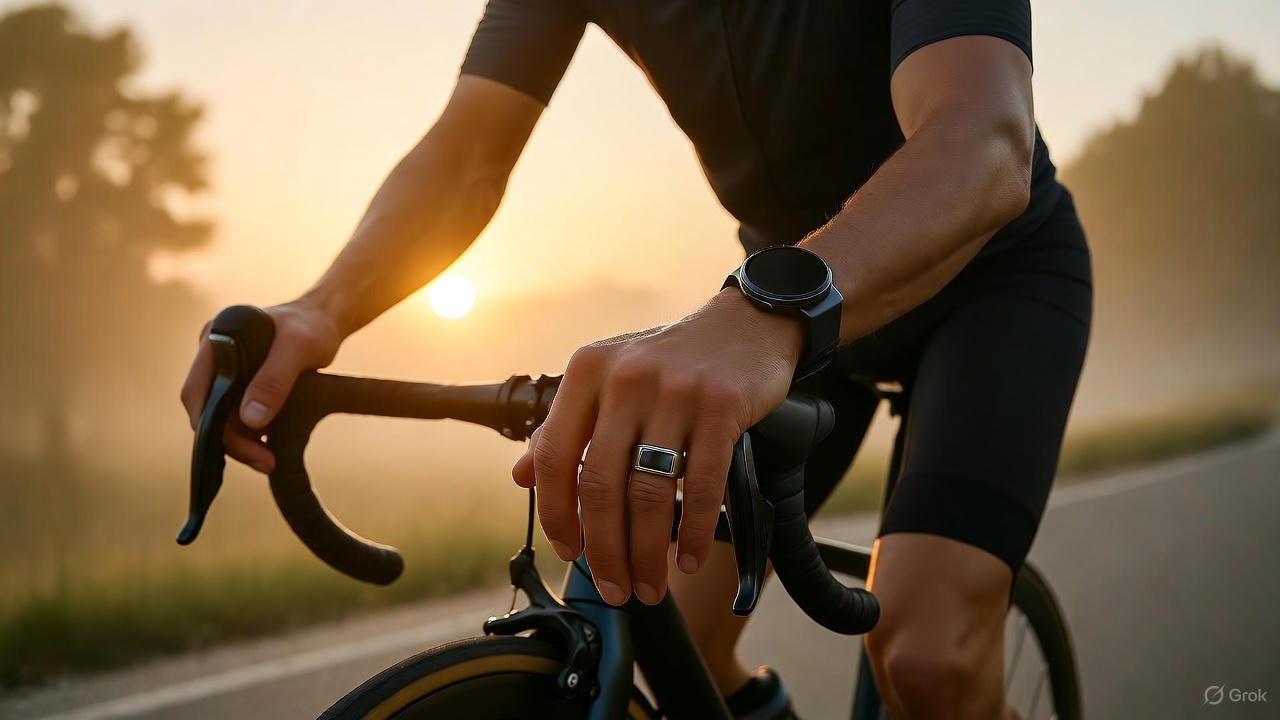
The Beginner-Friendly Explanation of How Smart Rings Measure HRV
A beginner-friendly explanation of how smart rings measure HRV.
The Silent Symphony: A Beginner's Guide to How Your Smart Ring Decodes Your Heart's Hidden Language (HRV)
Have you ever paused to listen to the rhythm of your own heart? Not just the steady thump-thump you feel during a scare, but the intricate, millisecond-by-millisecond dance happening beneath the surface. This isn't the plot of a medical drama; it's the reality of your body's most vital orchestra, conducting a complex symphony of recovery, resilience, and readiness every single moment. And until recently, understanding this symphony required a lab coat and an EKG machine.
Enter the smart ring—a sleek, unassuming piece of wearable technology that has democratized access to one of the most profound biomarkers of health: Heart Rate Variability, or HRV. Forget the clunky chest straps and fingertip sensors of the past. Today, the secret to understanding your nervous system, your stress resilience, and your recovery status literally rests on your finger.
But how can a ring, a piece of jewelry, possibly measure the subtle, lightning-fast variations between your heartbeats? If the concept seems like magic or science fiction, you're not alone. The journey from a flash of light on your skin to a profound insight about your wellbeing is a masterpiece of modern bio-sensing engineering and data science.
This guide is your all-access pass. We're going to demystify the entire process, translating the complex physics, biology, and algorithms into a beginner-friendly story. By the end, you won't just see a number on an app; you'll understand the silent symphony your body is playing and how devices like the Oxyzen smart ring act as its most attentive listener. Whether you're a biohacker, an athlete, someone navigating stress, or simply curious about your body, this knowledge empowers you to move from passive tracking to active understanding.
So, let's begin at the only place we can: with the heart itself.
What is HRV, and Why Should You Care? (It’s Not Just Another Number)
Before we explore how a smart ring measures HRV, we must first grasp what HRV actually is and why it has become the holy grail of personalized wellness metrics. This isn't another step-count or generic sleep score. HRV is a direct window into your autonomic nervous system (ANS), the autopilot that controls everything you don't consciously think about: digestion, breathing, and, crucially, your heart.
The Biggest Misconception: A "Perfect" Heartbeat is Not a Metronome.
If you picture a healthy heart beating with the robotic precision of a drum machine—beat...beat...beat...—you have it backwards. A healthy, resilient heart beats with the fluid, adaptive rhythm of a jazz drummer listening to the rest of the band. The time between successive heartbeats is constantly changing. This variation, measured in milliseconds, is your Heart Rate Variability.
Take a deep breath in right now. Feel your heart rate subtly increase? Now exhale slowly. Feel it slow down? That’s your HRV in action, a phenomenon called respiratory sinus arrhythmia, and it’s a good sign. It shows your heart is responsive to your body's needs.
The Two Sides of Your Nervous System: The Accelerator and The Brake
Your ANS has two primary branches:
The Sympathetic Nervous System (SNS): Your "gas pedal" or fight-or-flight system. It revs you up for action, increasing heart rate, blood pressure, and alertness. It's essential for getting out of bed, crushing a workout, or meeting a deadline.
The Parasympathetic Nervous System (PNS): Your "brake pedal" or rest-and-digest system. It slows things down, promoting recovery, digestion, and relaxation. It's what helps you unwind, sleep deeply, and heal.
HRV is the balance between these two forces. A higher HRV typically indicates a strong, dominant parasympathetic tone—meaning your body is good at applying the brakes, recovering from stress, and maintaining flexibility. A lower HRV can indicate a dominant sympathetic tone—your body is stuck in a state of high alert, with less capacity to recover.
Why This Matters for Your Daily Life: The Story HRV Tells
HRV isn't an abstract medical statistic. It translates to tangible realities:
Recovery & Fitness: For athletes, a rising HRV trend can signal readiness for an intense training session, while a sudden drop may warn of overtraining or insufficient recovery.
Stress Resilience: Your HRV reflects your body's total stress load—physical, mental, and emotional. A consistently depressed HRV can be a canary in the coal mine for chronic stress, long before you feel burnt out.
Sleep Quality: Deep, restorative sleep is parasympathetic territory. HRV patterns throughout the night reveal the architecture of your sleep, showing how truly restful it is.
Overall Health Trends: Research links higher HRV to better cardiovascular health, metabolic function, and even emotional regulation.
In essence, HRV is your body’s real-time report card on its ability to cope, adapt, and thrive. As you’ll discover on our blog, which delves deeper into interpreting HRV trends, learning to read this report card is the first step toward taking control of your wellbeing. It moves you from guessing about your energy levels to knowing, from assuming you're recovered to having data-backed insight.
Now that we understand the "why," the question becomes even more compelling: How does a device that fits on your finger capture this delicate, internal dance?
From Pulse to Light: The Physics of Photoplethysmography (PPG)
Here’s where the engineering magic begins. Smart rings, like the Oxyzen ring, don't directly "listen" to your heart. They see it. The core technology is called Photoplethysmography (PPG). Don't let the name intimidate you; the principle is elegantly simple.
Shining a Light on Your Blood Flow
At the bottom of your smart ring, you'll notice a small window housing tiny LED lights (usually green and often infrared or red as well). These lights shine directly onto the skin on the underside of your finger. This part of your finger is rich with capillaries—tiny, dense blood vessels.
Here’s the key: Blood absorbs light. Specifically, the hemoglobin in your red blood cells absorbs specific wavelengths of light. When your heart beats and pushes a pulse of blood through your arteries and into these capillaries, the volume of blood in that tissue momentarily increases. More blood means more light is absorbed. Between beats, blood volume decreases slightly, so more light is reflected back.
The Ring’s Photodetector: The Silent Observer
Sitting right next to the LEDs is a supremely sensitive light sensor called a photodetector. Its only job is to measure the intensity of light that bounces back from your skin. This creates a continuous, wavelike electrical signal: the wave peaks when light reflection is lowest (during a heartbeat, with more blood absorbing light), and it troughs when reflection is highest (between beats).
This raw, pulsating signal is your PPG waveform. It’s a direct optical representation of your blood flow with each cardiac cycle. You can think of it as the ring “watching” the subtle flushing and paling of your skin with every heartbeat, changes far too subtle for your eye to see.
Why the Finger? A Perfect Biological Vantage Point
You might wear a fitness tracker on your wrist, so why put this sensor on a finger? The finger—particularly the base where a ring sits—offers unique advantages:
Excellent Blood Perfusion: The capillaries in your finger pads are extremely dense, providing a strong, clear signal.
Reduced Motion Artifact: Compared to the wrist, which is highly mobile and involved in countless daily movements, the finger (especially the non-dominant hand's ring finger) is relatively still during sleep, typing, and relaxation. This minimizes signal noise from motion, which is critical for accurate HRV measurement.
Consistent Contact: A well-fitted ring maintains constant, snug skin contact, which is harder to achieve with a wristband that can slide.
This PPG signal is the foundational raw material. But a wavy line of light intensity is a long way from a precise HRV reading. The next step is where the real computational heavy lifting begins: finding the exact moment of each heartbeat within that noisy, living signal. For those interested in the technical journey of how we perfected this sensor fusion, you can read more about our story and mission of bringing lab-grade tech to your fingertips.
Beyond the Beat: What Factors Influence Your HRV Reading?
Your HRV is a final common pathway—a single number that reflects the sum total of all inputs acting on your autonomic nervous system. To interpret your trends accurately, you need to be a detective, aware of the key suspects that can move the needle. These factors fall into several categories:
1. Lifestyle & Behavior (Your Daily Choices)
Sleep: The #1 influencer. Sleep quality and quantity have a direct and massive impact. Deep, restorative sleep boosts parasympathetic activity (and HRV), while poor or short sleep suppresses it. The ring often measures HRV during sleep for this reason—it's the most controlled and revealing window.
Exercise & Recovery: Acute effect: A very intense workout will lower HRV for 24-72 hours as your body repairs itself—this is normal and desirable. Chronic effect: Consistent, balanced training over time raises your baseline HRV. Overtraining without adequate recovery chronically lowers it.
Nutrition & Hydration: Large, heavy meals (especially high in fat and sugar) can temporarily lower HRV as energy diverts to digestion. Dehydration is a significant stressor that reduces blood volume and lowers HRV. Alcohol reliably and dramatically suppresses HRV and sleep quality.
Caffeine & Stimulants: Can cause acute increases in heart rate and sympathetic activity, potentially lowering short-term HRV, though individual responses vary widely.
2. Psychological State (Your Mind-Body Connection)
Acute Stress: A stressful meeting, argument, or anxiety spike triggers sympathetic arousal, lowering HRV in the moment.
Chronic Stress: The insidious, ongoing pressure from work, finances, or relationships can keep your sympathetic system subtly engaged, leading to a suppressed HRV baseline.
Mindfulness & Relaxation: Practices like meditation, deep breathing (especially slow, exhale-focused breathing), and yoga directly stimulate the parasympathetic nervous system, often producing an immediate, measurable increase in HRV during the practice and contributing to a higher baseline over time.
3. Physiological State (Your Body's Internal Environment)
Illness & Infection: Your body mounts an immune response, which is a massive systemic stressor. HRV often drops dramatically in the days before you feel symptoms, acting as an early warning system.
Hormonal Fluctuations: The menstrual cycle influences HRV for many women, with patterns often showing variation across phases. Pregnancy also creates significant changes in cardiovascular and autonomic function.
Circadian Rhythm: Your HRV follows a daily cycle. It's typically highest during late-night sleep (particularly during deep and REM sleep) and lowest in the early afternoon. This is why time-of-day is critical when comparing readings.
4. Environmental & External Factors
Temperature: Extreme heat or cold stresses the body, affecting autonomic balance.
Altitude: Changes in oxygen availability impact cardiovascular function.
Time of Measurement: As mentioned, your HRV naturally fluctuates throughout the day. For consistent tracking, comparing like-to-like (e.g., nightly averages or morning readiness scores) is essential.
The Art of Interpretation
You won't—and shouldn't—try to control all these factors. The goal is awareness. When you see a drop in your HRV, you can run through this mental checklist: "Did I sleep poorly? Am I fighting off a cold? Was yesterday's workout brutal? Am I stressed about that deadline?" This contextualization is what turns a random data point into a powerful insight about your life's impact on your body. For more resources on managing these lifestyle factors, our blog offers a wealth of actionable guides.
Night vs. Day: Why Sleep is the Golden Hour for HRV Measurement
You might notice that your smart ring app emphasizes your nightly HRV average or a morning readiness score derived from overnight data. There's a profound reason for this. While you can take a spot HRV reading at any time, the period of sleep is the "controlled laboratory" for your autonomic nervous system. It provides the cleanest, most comparable, and most insightful data for tracking your baseline and recovery.
The Ideal Testing Conditions
Think about what happens when you sleep:
Minimal Motion: You are (mostly) still. This drastically reduces motion artifact, the primary source of noise in PPG signals, leading to cleaner, more accurate beat-to-beat data.
Fasting State: You haven't eaten for several hours, removing the metabolic variable of digestion.
Reduced Cognitive & Emotional Input: The external stressors of the day are offline. While dreams can cause fluctuations, the high-level psychological stress is diminished.
Parasympathetic Dominance: For most of the night, especially during deep sleep (N3), your body is firmly in "rest and digest" mode. This is when your recovery processes are most active and your HRV should naturally be at its highest.
Because these conditions are relatively consistent from night to night, comparing your HRV from Tuesday night to Wednesday night is a fair, apples-to-apples comparison. It isolates your body's intrinsic recovery capacity from the chaotic variables of the day.
The Architecture of Sleep in Your HRV
An advanced smart ring doesn't just give you an average for the whole night. It can show how your HRV ebbs and flows with different sleep stages, creating a rich recovery map:
Deep Sleep (N3): This is peak recovery. HRV is typically highest during deep sleep, as parasympathetic activity surges to facilitate physical repair, growth hormone release, and immune function.
REM Sleep: Characterized by brain activity similar to being awake, along with vivid dreams. HRV during REM can be more variable and often shows a lower RMSSD than deep sleep, as the brain's activity introduces more sympathetic interplay.
Light Sleep (N1 & N2): HRV during these stages sits in a middle ground, acting as transitional periods.
Seeing this architecture is powerful. You might get 8 hours of "sleep," but if your deep sleep is fragmented and low, your HRV graph will tell that story of poor-quality rest, even if the duration looks good on paper.
The Morning Readiness Score: Translating Night into Day
This is the killer app for many users. By analyzing the totality of your night—including HRV, resting heart rate, sleep stages, and body temperature—the ring's algorithm generates a single "Readiness" or "Recovery" score. This score is a direct recommendation from your body: "Based on how well I recovered last night, here's my capacity to handle stress today."
A high score suggests you're primed for a tough workout, a demanding workday, or social engagement. A low score is your body's recommendation to prioritize recovery: take it easy, maybe do light activity, hydrate, and get to bed early. It’s a data-driven replacement for guessing how you feel.
By leveraging the night, smart rings move HRV from an interesting snapshot to a foundational pillar of daily decision-making. To understand more about how this data is presented and used within a specific ecosystem, you can learn more about the Oxyzen platform.
Accuracy Unveiled: How Smart Rings Compare to Clinical ECG (The Gold Standard)
A fair and critical question arises: Can a ring on your finger really be as accurate as the sticky electrodes of a hospital-grade Electrocardiogram (ECG)? The short answer is: For measuring beat-to-beat intervals (R-R intervals) in controlled conditions, modern PPG in smart rings can be remarkably close. But it's crucial to understand the context and limitations.
ECG: The Undisputed Gold Standard
An ECG measures the heart's electrical activity directly via electrodes on the skin. It captures the precise moment of each heartbeat's electrical depolarization (the "R-spike") with incredible fidelity. For clinical diagnosis of arrhythmias and heart conditions, ECG is essential and unbeatable. It is the reference against which all other methods are judged.
PPG in Smart Rings: The Optical Challenger
As we've learned, PPG measures blood volume changes, not electricity. It detects the pulse arrival time to the capillaries in your finger, which occurs a fraction of a second after the electrical R-spike. This introduces a tiny, consistent delay, but that delay cancels out when calculating the intervals between beats, which is what HRV requires.
The Research Verdict:
Numerous validation studies have been conducted, pitting consumer wearables (chest straps, wristbands, rings) against ECG. The consensus for HRV measurement (RMSSD) is promising:
In Resting, Motionless Conditions: During controlled rest or sleep, high-quality PPG devices (especially those on the finger, which has a stronger signal than the wrist) can correlate with ECG-derived HRV very strongly (correlation coefficients often >0.95). The RMSSD values are often nearly indistinguishable in these ideal settings.
During Movement & Daily Life: This is where the gap widens. Intense or irregular motion can corrupt the PPG signal, causing missed beats or false detections. The advanced motion-cancelling algorithms in rings are designed to minimize this, but absolute accuracy will decrease during high-intensity exercise compared to an ECG chest strap, which is less susceptible to motion artifact.
Key Takeaways on Accuracy:
For Recovery & Baseline Tracking (the primary use case): The nightly, resting HRV data from a good smart ring is highly valid and extremely useful. The trends and deviations from your personal baseline are reliable indicators of your autonomic state.
For Absolute, Clinical-Grade Measurement: If you need millisecond-perfect intervals for advanced medical or research purposes, a clinical ECG is required.
The Ring's Superpower is Consistency & Context: The true advantage of a ring isn't beating an ECG in a lab. It's providing a good enough signal, with unmatched consistency and convenience, in the real-world context of your life—especially during sleep. This longitudinal, daily data is something a one-time ECG can never provide.
Choosing a Trustworthy Device: Look for companies that are transparent about their sensor technology, algorithms, and any validation studies they've conducted. The commitment to accuracy is foundational to providing real value. For details on how we approach this at Oxyzen, our About Us page shares our philosophy on data integrity and user trust.
The Data Journey: From Your Finger to Your Phone Screen
You now understand how your smart ring captures light, finds heartbeats, and calculates an HRV number. But how does that number get to you? The journey from raw biosignals on your finger to actionable insights on your smartphone is a sophisticated pipeline of on-device processing, wireless transmission, cloud computation, and elegant app design. Let's trace this digital voyage.
Step 1: On-Device Processing – The Ring's Brain
Modern smart rings are not dumb sensors; they contain a tiny, efficient microprocessor. Its first job is to manage power meticulously, as the ring's battery is small. The processor oversees the sensors, turning the PPG LEDs on and off in precise pulses to conserve energy while still capturing enough data.
The initial, heavy computation of peak detection and motion filtering often happens right here in the ring. By processing the raw PPG and accelerometer data locally, the ring doesn't need to constantly stream massive amounts of raw voltage data. Instead, it converts that data into a much more efficient package: a list of timestamped heartbeats and their corresponding intervals. This processed data packet is what gets transmitted, saving enormous amounts of battery life and bandwidth.
Step 2: Secure Wireless Transmission – The Silent Whisper
When you place your ring on its charger, or periodically when your phone is near (via Bluetooth Low Energy, or BLE), the ring wakes up and initiates a secure, encrypted handshake with your smartphone app. This isn't a continuous, battery-draining connection like a phone call. It's a quick, efficient burst of data transfer—a silent whisper of your physiological history from the last few hours.
BLE is the perfect protocol for this: it's designed for tiny, intermittent data transfers from peripherals like heart rate monitors and hearing aids, using a fraction of the power of classic Bluetooth.
Step 3: Cloud Computation – The Heavy Lifting
Your smartphone app acts as a conduit. Once it receives the data packet from the ring, it typically uploads it to a secure cloud server. This is where the most computationally intensive analysis often occurs, freeing up your phone's battery and processing power.
In the cloud, advanced algorithms perform tasks that are too complex for the ring's limited processor:
Long-Term Trend Analysis: Calculating your 30-day rolling baseline, identifying seasonal patterns, and correlating HRV trends with other logged data (like workout intensity or self-reported mood).
Sleep Stage Algorithm Refinement: While the ring does initial sleep staging, the cloud can run more complex models that integrate HRV, heart rate, temperature trends, and movement over the entire night to refine the sleep architecture analysis.
Readiness Score Synthesis: The proprietary "readiness" or "recovery" score is typically generated here. It's a multivariate calculation that weighs your nightly HRV average against your personal baseline, your resting heart rate, your sleep duration and quality, and your body temperature deviation. This synthesis creates a single, actionable insight.
Data Storage & Backup: All your historical data is stored securely, allowing you to view trends over months and years.
Step 4: App Presentation – The Insightful Interface
Finally, the processed results are sent back to your smartphone app, where they are presented in a clear, intuitive, and actionable format. This user experience is critical. Good app design doesn't just show you numbers; it tells you a story. You might see:
A Morning Report: Your readiness score front and center, with key supporting metrics (HRV, sleep hours, resting HR).
Trend Graphs: Clean, scrollable graphs showing your HRV and other metrics over days, weeks, and months.
Contextual Insights: Notifications or notes like: "Your HRV was 15% below your baseline last night. Consider a lighter day. This often happens after intense exercise."
Correlation Tools: Some apps let you tag days with notes ("hard workout," "drank alcohol," "stressed at work") and later show you how those tags correlate with your HRV trends.
This entire four-step journey—from analog biology to digital insight—happens automatically, seamlessly, and securely in the background. It transforms the ring from a simple sensor into a node in a powerful personal health intelligence system. For users who want to understand the full capabilities of this system, exploring the Oxyzen platform can provide a clear picture of how data becomes wisdom.
Beyond HRV: The Symphony of Multi-Sensor Fusion
While HRV is a star metric, its power is magnified exponentially when combined with other physiological signals. A modern smart ring is a multi-sensor platform, and the true magic happens in sensor fusion—the integration of these disparate data streams to create a holistic picture of your wellbeing that is greater than the sum of its parts.
The Core Sensor Suite:
Optical PPG Sensor: As discussed, for heart rate and HRV.
3-Axis Accelerometer: For motion (used for motion cancellation in HRV, basic activity like step counting, and detailed sleep movement analysis).
Skin Temperature Sensor: A tiny, precise thermometer pressed against your skin. This is a game-changer.
The Power of Combination: A Deeper Diagnostic Picture
Let's see how these sensors work together to tell a more accurate and nuanced story:
HRV + Resting Heart Rate (RHR): These are two sides of the same coin. A rising RHR and a falling HRV is a classic, strong double-signal of cumulative stress or impending illness. Seeing just one might be ambiguous; seeing both is a confident alert.
HRV + Sleep Staging: As mentioned, HRV varies by sleep stage. The accelerometer and heart rate data help classify sleep into light, deep, and REM. By fusing this, the ring can ask: "Was the HRV low because of poor recovery, or simply because the user had less deep sleep than usual?" This provides more targeted insight—the problem might be sleep quality, not just stress.
HRV + Skin Temperature: This is where it gets incredibly powerful. Your nocturnal distal body temperature (the temperature of your hands and feet) follows a distinct rhythm. It should drop when you fall asleep (as blood vessels dilate to release heat, a parasympathetic process) and rise toward morning.
Scenario: Your HRV is low. Is it stress or the start of a cold?
With Temperature: If your skin temperature is significantly elevated above your personal norm for that time of night, it strongly suggests your body is mounting an immune response—pointing toward illness. If temperature is normal, the low HRV is more likely due to training or psychological stress.
For Women's Health: This combination can help track the subtle temperature shifts associated with the menstrual cycle and ovulation, providing a complementary data stream for cycle awareness.
Activity + HRV: The accelerometer logs your daily activity. The app can then correlate days of high activity with subsequent nights' HRV and readiness scores, helping you personalize your understanding of your own recovery needs. It can answer: "How many steps or what intensity of workout is optimal for me to still see a positive HRV recovery?"
Creating a Composite Biomarker: The Readiness Score
The pinnacle of sensor fusion is the readiness or recovery score. It is not just an average. It's a weighted algorithm that might look something like this:
HRV vs. Baseline (Heavy Weight): The primary indicator of autonomic readiness.
Sleep Duration & Quality (Heavy Weight): Did you get enough restorative sleep to benefit from recovery?
Resting Heart Rate vs. Baseline (Medium Weight): Supporting evidence of physiological stress.
Temperature Deviation (Medium Weight): Evidence of physiological strain (illness, inflammation).
Previous Day's Activity (Light Weight): Context for why your body might be under strain.
By fusing these signals, the score moves from a one-dimensional metric (HRV) to a multi-dimensional assessment of your systemic readiness. This holistic view is what sets advanced smart rings apart from single-metric devices. For more detailed examples of how these data streams interact in real life, our blog features case studies and deep dives into multi-sensor analysis.
Practical Application: How to Use Your HRV Data in Daily Life
Understanding the science is one thing. Applying it to improve your health, performance, and wellbeing is the ultimate goal. This is where theory meets practice. Here’s a beginner-friendly guide to integrating HRV insights into your daily decisions.
1. The Morning Ritual: Check-In, Don't Obsess. Make it a habit to view your readiness score or nightly HRV graph with your morning coffee. Don't fixate on a single day's number. Look at the trend. Ask yourself: "Is my body generally trending upward, holding steady, or in a slump?"
Action for a High Score: You have the green light! Plan your most challenging task, schedule that intense workout, or take on a demanding social calendar. Your body is saying "I'm ready."
Action for a Low Score: This is not a failure; it's valuable intel. Your body is asking for support. This is a day to:
Prioritize Recovery: Choose a gentle walk, yoga, or stretching over intense training.
Manage Stress: Incorporate short meditation breaks, practice box breathing, or take a walk in nature.
Optimize Sleep Hygiene: Be diligent about a wind-down routine and an early bedtime.
Nourish Wisely: Focus on hydrating well and eating anti-inflammatory, nutrient-dense foods.
2. Training Smarter, Not Just Harder (For Athletes & Fitness Enthusiasts) HRV-guided training is a paradigm shift from fixed schedules to adaptive, body-informed plans.
The Rule of Thumb: If your HRV is within or above your normal baseline range, proceed with your planned workout. If it's significantly depressed (often a drop of 20% or more from your rolling average), consider a recovery-focused day.
Prevent Overtraining: Consistently pushing through low HRV readings is a fast track to overtraining syndrome, injury, and burnout. The data gives you permission to rest guilt-free.
Identify Fitness Gains: A gradual, long-term rise in your HRV baseline is one of the best objective indicators that your fitness and resilience are improving.
3. Navigating Stress and Mental Load Your HRV doesn't distinguish between physical and psychological stress. It measures the total load.
Biofeedback Training: Use the ring in real-time during a 5-minute breathing meditation. Watch how slow, deep breathing (especially with a long exhale) can increase your HRV on the spot. This tangible feedback reinforces the mind-body connection and teaches you how to self-regulate.
Post-Event Analysis: After a stressful day—a big presentation, a difficult conversation—check your data the next morning. Seeing the tangible impact can motivate you to develop better coping strategies or set boundaries.
Tracking Intervention Efficacy: Starting a mindfulness app, therapy, or a new relaxation practice? Your HRV trend over weeks can be objective proof that it's working on a physiological level.
4. The Early-Warning System for Illness One of the most valued features is HRV's predictive ability for illness.
The Pattern: A sudden, sharp drop in HRV (and often a spike in resting heart rate) 1-3 days before you feel symptoms like a sore throat or fatigue.
Proactive Response: At the first sign of this dip, double down on immune-supportive habits: extra sleep, hydration, vitamin C, zinc, and reducing other stressors. You might just avert a full-blown cold or shorten its duration significantly.
5. Long-Term Health Tracking Over years, your HRV data becomes a unique, longitudinal health journal. It can:
Show how major life changes (a new job, becoming a parent, moving) affect your resilience.
Document the positive impact of sustained lifestyle improvements.
Provide concrete data to discuss with a healthcare or wellness professional about your stress management and recovery status.
The key to successful application is flexible consistency. Be consistent in wearing the ring (especially at night) to get reliable data. But be flexible in your response to that data, using it as a guide, not a gospel. It's a conversation with your body. Learn its language, and you'll be empowered to make choices that truly support it. For a collection of real-world stories on how people have applied these principles, our testimonials page offers genuine user experiences.
Common Myths and Misconceptions About HRV and Smart Rings
As HRV enters the mainstream, it's accompanied by a fair share of confusion and misinformation. Let's debunk some of the most common myths to ensure you're building your practice on a solid foundation.
Myth 1: "A Higher HRV is Always Better." Reality: While a higher HRV relative to your own baseline is generally a sign of good recovery and resilience, context is everything. An abnormally, sharply high HRV can sometimes indicate issues. For example, in certain phases of overtraining, the body can become so fatigued that sympathetic drive fails, leading to a paradoxical rise in HRV alongside poor performance and exhaustion. Furthermore, some cardiac conditions can cause high variability. The goal is not to chase the highest possible number, but to seek optimal, stable variability within your healthy range.
Myth 2: "You Can Compare Your HRV to Others." Reality: This cannot be overstated. HRV is as individual as a fingerprint. A world-class athlete might have an RMSSD of 25, while a sedentary but relaxed person might have an RMSSD of 80. Age, genetics, and the specific measurement device all play massive roles. Comparing your number to a friend's or an online chart is meaningless and can be demotivating. Your only meaningful comparisons are you vs. you yesterday, and you vs. your own baseline.
Myth 3: "Smart Rings Are Medical Devices That Diagnose Conditions." Reality: Smart rings are consumer wellness devices. They are designed for lifestyle insight, trend analysis, and personal optimization. They are not FDA-approved for diagnosing, treating, or preventing any disease. While the data can be incredibly valuable and even provide early warnings, it should not be used to self-diagnose. Any concerning trends (like a persistently and inexplicably low HRV) should be discussed with a healthcare professional who can conduct appropriate clinical tests.
Myth 4: "The HRV Number You See is a Live, Instantaneous Reading." Reality: The HRV score in your app, especially your primary nightly score, is almost always an average or a summary statistic (like RMSSD) calculated over a period of time—typically a 5-minute window or averaged across the night. Your HRV changes second-by-second. The reported number is a useful simplification of a complex, dynamic process, giving you a stable metric to track over time.
Myth 5: "If I Feel Great, My HRV Should Be High." Reality: Perceived wellness and physiological readiness can sometimes be disconnected—this is the core value of objective data. You might "feel fine" pushing through fatigue, but your HRV can reveal an underlying strain. Conversely, after a brutally hard but effective workout, you might feel wrecked, but your HRV might dip and then super-compensate to a higher level after 48 hours of good recovery, indicating positive adaptation. The data adds an objective layer beyond subjective feeling.
Myth 6: "All Wearables Measure HRV the Same Way." Reality: There are significant differences in accuracy and reliability based on sensor placement, algorithm quality, and motion-handling capabilities.
Chest Strap (ECG): Most accurate for beat-to-beat intervals, especially during movement. Best for workout HRV.
Smart Ring (Finger PPG): Excellent for resting and sleep HRV due to reduced motion and good blood flow. The gold standard for recovery tracking.
Wrist-Based Watch/Tracker (Wrist PPG): Convenient but more prone to motion noise. Accuracy for HRV can vary greatly with fit and device quality, especially during sleep if the wrist moves.
Understanding these myths helps you set realistic expectations and use your device as the powerful tool it is—not a magic oracle or a medical device, but a sophisticated guide to your own unique physiology.
Limitations and Considerations: What Smart Rings Can't Do (Yet)
To be a truly informed user, it's as important to understand the boundaries of the technology as it is to understand its capabilities. Smart rings are remarkable, but they are not omnipotent. Here are the key limitations and considerations to keep in mind.
1. The Motion Problem Persists Despite advanced algorithms, high-intensity, dynamic movement is the Achilles' heel of PPG-based HRV measurement. During activities like running, weightlifting, or CrossFit, the violent motion can corrupt the optical signal to a point where accurate beat-to-beat detection becomes unreliable. For this reason:
HRV during exercise is generally not provided or should be viewed with extreme skepticism from a ring.
The primary use case remains resting measurements—during sleep, quiet sitting, or meditation.
For true workout HRV (which is a niche but valuable metric for athletes), a chest-strap ECG is still the recommended tool.
2. The Fit is Everything An optical sensor requires consistent, snug skin contact. A ring that is too loose will let in ambient light and lose signal quality. A ring that is too tight is uncomfortable and can even affect circulation. Most companies provide sizing kits for this exact reason. The data quality is directly tied to how well the ring fits your finger.
3. Not a Complete Health Monitor While multi-sensor fusion is powerful, smart rings have blind spots:
No Blood Pressure Measurement: They cannot measure blood pressure directly, though some research is exploring pulse wave velocity as a proxy.
No Blood Glucose Monitoring: This requires a separate, invasive sensor.
Limited Activity Identification: The accelerometer can tell you're moving, but it can't perfectly distinguish between typing, washing dishes, and lifting light weights without contextual clues from you.
4. The "Black Box" Algorithm Challenge The readiness scores and sleep stage algorithms are proprietary. While companies may explain the general factors involved (HRV, RHR, temp, movement), the exact weighting and logic are seldom disclosed. This means you are trusting the company's interpretation of your data. It's wise to use these composite scores as a general guide, but also learn to interpret the raw trends (HRV graph, temperature graph) for yourself.
5. Data Privacy and Security You are transmitting highly personal physiological data. It is crucial to choose a company that is transparent about its data practices. Key questions to consider:
Is data anonymized and aggregated for research?
Is it encrypted in transit and at rest?
Can you delete your data if you choose?
Will your data be sold to third parties? Responsible companies have clear privacy policies and often allow you to control your data sharing preferences. You can learn about one company's approach to these critical issues on the Oxyzen FAQ page.
6. The Need for Consistent Wear The power is in the trends, and trends require consistency. Forgetting to wear the ring for several nights breaks the data continuity and makes it harder for the algorithms to establish a reliable baseline. The technology requires a commitment to near-constant wear, especially during sleep, to deliver on its full promise.
Acknowledging these limitations isn't a critique; it's a mark of a sophisticated user. It allows you to leverage the technology for what it does brilliantly—providing unparalleled insights into recovery, sleep, and stress trends—while avoiding the pitfall of expecting it to be something it's not. This balanced understanding is the foundation of a successful, long-term partnership with your data.
The Future of HRV and Wearable Sensing: What's Next on the Horizon?
The field of personal physiological monitoring is advancing at a breathtaking pace. The smart ring and its measurement of HRV are not the end point, but a significant milestone on a journey toward truly personalized, predictive, and preventative health. Let's gaze into the near future to see what developments are on the cusp of transforming our understanding of ourselves.
1. Continuous, Non-Invasive Glucose Monitoring (cgGM) Integration This is the holy grail. Several companies are pioneering optical sensors that can estimate blood glucose trends non-invasively (without a skin prick). Imagine a ring that doesn't just tell you about your recovery, but also shows how your meals impact your metabolic health in real-time. Combining HRV (stress/recovery) with glucose responses (metabolic load) would provide a complete picture of energy management and could revolutionize nutrition personalization.
2. Advanced Biomarkers from PPG Waveform Analysis The raw PPG waveform is a treasure trove of information beyond just heartbeat timing. Researchers are extracting features related to:
Pulse Wave Velocity (PWV): A marker of arterial stiffness and cardiovascular aging.
Blood Oxygen Saturation (SpO2): Already present in many rings, but accuracy and continuous monitoring will improve.
Respiratory Rate: Already inferred from heart rate variability, but direct, more precise measurement from the waveform is evolving.
3. AI-Powered, Hyper-Personalized Insights Current algorithms use population-based models to guide you. The next generation will use personalized AI that learns your unique patterns over years.
It could predict your ideal bedtime based on your real-time physiology.
It could provide micro-recommendations: *"A 12-minute walk right now will improve your sleep quality tonight by 18%, based on your past 100 similar data points."*
It could identify subtle, early signs of deviation from your personal norm that might indicate a health issue long before you notice symptoms.
4. Better Integration with the Healthcare Ecosystem The future involves breaking down the wall between consumer wellness data and clinical care (with user consent).
Passive Patient Monitoring: Doctors could monitor post-operative recovery or chronic condition management (like hypertension or anxiety) remotely via data streams from a patient's ring.
Digital Biomarkers for Clinical Trials: Pharmaceutical companies could use aggregated, anonymized ring data to understand how new medications affect autonomic function and recovery in real-world settings.
Standardized Data Export: Tools to easily compile and share your long-term trends with your doctor as part of a proactive health conversation.
5. Emotional State Inference and Mental Health Support While highly sensitive and ethically fraught, research is exploring how combinations of HRV, skin temperature, and movement patterns might correlate with emotional states like anxiety, focus, or mood shifts. The goal wouldn't be to "read your mind," but to provide objective feedback on physiological arousal, helping users of cognitive behavioral therapy or mindfulness practices see the physical impact of their mental work.
6. Miniaturization and New Form Factors Sensors will continue to shrink and become more power-efficient. We'll see more seamless integration into jewelry, hearables (earbuds), and even clothing. The ring form factor will likely remain dominant for sleep and recovery, but a constellation of connected, specialized wearables will paint the fullest picture.
The trajectory is clear: from tracking to insight, from insight to prediction, and from prediction to personalized prevention. The smart ring measuring HRV today is the foundational platform for this future. It teaches us to listen to our bodies in a new language, preparing us for a world where technology doesn't just tell us how we slept, but helps us sleep better; doesn't just tell us we're stressed, but guides us out of it. To follow the latest developments in this exciting field, staying informed through resources like our blog can keep you at the forefront of what's possible.
Conclusion of This Section
We have journeyed from the basic biology of the heartbeat to the cutting-edge future of wearable sensing, all through the lens of a single, powerful metric: Heart Rate Variability. You now understand not just what your smart ring is showing you, but how it finds that data, why it matters, and how to use it to make better decisions for your health and performance.
The silent symphony of your heart is no longer a mystery. You have the score. You know the conductor—your autonomic nervous system. And you now hold the instrument—your smart ring—that allows you to listen in, measure the tempo, and ensure the music plays on, resilient and strong, for a long time to come.
This knowledge empowers you to move beyond being a passive consumer of data to becoming an active participant in your own wellbeing. The journey continues with every beat.
Advanced Interpretation: Decoding the Nuances of Your HRV Graph
You now have a solid grasp of the fundamentals. But mastery lies in the subtle details. Your HRV graph isn't just a line that goes up and down; it's a rich narrative with specific plot points, characters, and themes. Learning to read between the data points transforms you from a casual observer to a skilled interpreter of your body's story. Let's explore the advanced nuances.
Understanding the Different "Types" of HRV Data Points
A typical app will show several data points. Each serves a distinct purpose:
Nightly Average (The Chapter Summary): This is your primary recovery metric. It's the average of all valid HRV measurements (e.g., RMSSD calculated over 5-minute windows) across your entire sleep period. It gives you the overall verdict on your night.
Sleep Stage Averages (The Scene Analysis): More advanced platforms break down your HRV by sleep stage. As discussed, seeing a high HRV during deep sleep and a lower one during REM is normal. The key is to track the magnitude of these stage-specific averages over time. Is your deep sleep HRV gradually rising? That's a strong sign of improving recovery capacity.
Daytime Spot Measurements (The Snapshots): Some apps allow you to take a guided, 2-3 minute "HRV reading" while sitting calmly. This is useful for:
Biofeedback Training: Watching the number rise as you practice slow breathing.
Pre/Post-Event Analysis: Taking a reading before and after a meditation session, a stressful meeting, or a meal to see the direct impact.
Important: Never compare a daytime spot reading directly to your nightly average. They are different contexts. Compare daytime readings to other daytime readings taken under similar conditions (e.g., always upon waking, before coffee).
Analyzing the Shape of the Trend Line
Don't just look at dots; look at the line connecting them.
A Smooth, Gently Waving Line: This is often the sign of a stable, resilient system. Your body is responding adaptively to daily stressors and recovering well. Small dips after hard days are followed by returns to baseline.
A "Sawtooth" Pattern (Sharp Drops & Quick Recoveries): This is common in athletes or highly active individuals. It shows you're applying significant stress (training) and your body is responding with a clear stress-recovery cycle. The health of this pattern depends on the recovery: does the line bounce back to or above baseline?
A Gradual, Steady Downtrend: This is a yellow flag. If your line is consistently sloping downward over 1-2 weeks despite normal activity, it suggests accumulating, unrecovered stress. This could be from overtraining, work burnout, poor sleep hygiene, or an underlying low-grade illness. It's a signal to audit your lifestyle and prioritize recovery.
A Sudden, Steep Cliff: A dramatic, single-day drop is a strong signal. Cross-reference it with other data (temperature, RHR) and your life log. Did you get vaccinated? Start a new medication? Have an extreme emotional event? This is your body's unmistakable exclamation point.
A Flatlined, Low Variability Line: This is a red flag. It indicates your autonomic nervous system has lost its flexibility. It's stuck in a state of low responsiveness, which can be associated with chronic fatigue, burnout, or illness. Consulting a healthcare professional is advisable if this pattern persists.
The Interaction with Resting Heart Rate (RHR): The Dynamic Duo
HRV should never be analyzed in a vacuum. Its partner in crime is Resting Heart Rate.
Ideal Scenario: HRV is at or above baseline, RHR is at or below baseline. This is the "green light" pattern of full recovery.
Strong Stress/Illness Signal: HRV drops and RHR rises. This double confirmation is one of the most reliable signs of physiological strain, whether from infection, dehydration, or extreme fatigue.
Ambiguous Scenario: HRV drops, but RHR is stable. This could point more toward nervous system fatigue or specific neural stress without a full systemic inflammatory response.
Paradoxical Scenario (Less Common): HRV rises sharply while RHR is also elevated. This can sometimes be seen in the early, "alarm" phase of an immune response or in certain states of overreaching in training.
The Role of Heart Rate: The Contextual Backdrop
Beyond RHR, look at your sleeping heart rate graph. A healthy pattern shows a drop in heart rate as you fall asleep, a low, stable plateau during deep sleep, and variability during REM. A heart rate that is elevated throughout the night or shows frequent spikes can explain a depressed HRV, pointing toward poor sleep quality (e.g., sleep apnea, pain, environmental disturbances) rather than just poor recovery.
Putting It All Together: A Case Study in Interpretation
Imagine your graph shows:
Night 1: Hard workout. HRV drops 25%, RHR up 5 bpm. (Expected stress response).
Night 2: Good sleep. HRV returns to baseline, RHR normal. (Good recovery).
Night 3: No workout, but late night working. HRV drops 15%, RHR stable. (Mental/emotional stress signal).
Night 4: Great sleep, relaxed day. HRV rises 10% above baseline, RHR drops 2 bpm. (Supercompensation - the "green light" for peak performance).
This sequence tells a complete story of stress application, recovery, a different type of stress, and then superior adaptation. This level of insight is what turns data into actionable wisdom.
Mastering these nuances takes time and observation. Keep a simple journal note for significant deviations. Over months, you'll become fluent in the unique dialect of your own body, predicting how it will respond to different choices before you even make them. For ongoing learning and advanced analysis techniques, our blog is regularly updated with expert interpretations and user stories.
HRV for Specific Populations: Tailoring the Insights to Your Life
The principles of HRV are universal, but their application and interpretation can vary dramatically depending on your lifestyle, goals, and physiological circumstances. Here’s how to think about HRV if you fall into one of these specific groups.
For the Endurance Athlete & Strength Trainer
Primary Use: Guiding training load and preventing overtraining. This is HRV's most proven athletic application.
Key Pattern to Watch: The "sawtooth" recovery cycle. You should expect a dip after intense or long sessions (especially eccentric-focused training like heavy squats or marathon running). The critical question is: Does it rebound within 1-3 days?
Advanced Tactic – The Acute to Chronic Ratio: Some apps calculate this. It compares your short-term (e.g., 7-day) HRV average to your long-term (e.g., 30-day) average. A low ratio suggests you're currently under-recovered relative to your normal capacity. It's a more sensitive marker than a single day's score.
Warning Sign: A downward trend in your HRV baseline over a training block, coupled with a rising RHR trend, is a classic indicator of non-functional overreaching heading toward overtraining. It's a signal to incorporate a deload week.
Peaking: A consistently high or rising HRV baseline during a taper period is a great sign you are peaking for competition.
For the Corporate Professional & Knowledge Worker
Primary Use: Managing cognitive load, mental stress, and preventing burnout.
Key Pattern to Watch: The "Weekend Effect." Many see HRV climb on Friday and Saturday nights, then begin a gradual descent through the workweek. This visually quantifies work stress.
Application:
Meeting Preparation/Recovery: Take a 2-minute spot reading before a big presentation and after. See the impact. Use breathing techniques to modulate it.
Work-Life Boundary Setting: If your HRV consistently crashes on Sunday nights in anticipation of Monday, it's data-backed evidence to examine your relationship with work and perhaps strengthen boundaries.
Optimizing Focus: Some research suggests a moderate, stable HRV correlates with optimal cognitive performance. Use your data to find your personal "zone" for deep work.
The Sedentary Trap: Long hours sitting can negatively affect autonomic tone. Use your ring's inactivity alerts as a prompt to move, and observe how regular walking breaks affect your daily HRV trend.
For Women: Navigating Hormonal Cycles
Crucial Understanding: Your menstrual cycle is a powerful modulator of your autonomic nervous system. Ignoring this can lead to misinterpretation.
Typical Pattern (in a natural, ovulatory cycle):
Follicular Phase (Post-period to Ovulation): HRV often trends upward, potentially peaking around ovulation. Energy and stress resilience may feel higher.
Luteal Phase (Post-Ovulation to Period): HRV often trends downward, with a possible dip right before menstruation. Resting Heart Rate often increases slightly in this phase. This reflects the metabolic and thermogenic effects of progesterone.
Menstruation: HRV may begin to rebound as progesterone falls.
How to Use This:
Track Your Cycle: Log your cycle phases in your app. Many modern apps will overlay this on your HRV graph.
Personalize Training (Cycle Syncing): Plan higher-intensity work during the follicular phase when recovery may be more efficient. Schedule de-load weeks, strength maintenance, and focus on recovery during the luteal phase. Your low HRV reading in the luteal phase isn't "bad"; it's normal. Adjust your expectations.
Identify Anovulation or Imbalances: An unusually flat HRV pattern with no cyclical variation might indicate an anovulatory cycle or other hormonal imbalances, providing a reason to consult a healthcare provider.
For Those Managing Chronic Stress or Anxiety
Primary Use: Objective biofeedback and recovery tracking.
The Goal: Raise your HRV baseline, which correlates with increased parasympathetic (calming) tone and emotional regulation.
Practical Tools:
Direct Biofeedback: Use the ring's spot measurement feature while practicing diaphragmatic breathing. Aim for a slow rhythm (e.g., 4-second inhale, 6-second exhale). Watch the number rise in real-time. This proves you can directly influence your physiology.
Identify Stressors: The ring provides objective proof of which people, tasks, or situations cause the largest physiological stress responses, helping you manage or reframe them.
Track Therapy/Tool Efficacy: Is your new meditation app, therapy modality, or SSRI medication helping on a physiological level? Your HRV trend over 4-8 weeks can show objective improvement beyond subjective feeling.
Important Note: For individuals with certain anxiety disorders (e.g., PTSD), high HRV can sometimes be associated with dissociative states. Interpretation should be done cautiously and ideally in collaboration with a mental health professional familiar with psychophysiology.
For the Biohacker & Longevity Enthusiast
Primary Use: Quantifying the impact of interventions and tracking a key biomarker of aging.
Experimentation: Test everything. How does a 36-hour fast affect your HRV? A new supplement? A red light therapy session? A cold plunge? The ring provides the before-and-after data.
Long-Term Tracking: HRV generally declines with age, but the rate of decline is influenced by lifestyle. Maintaining a higher-than-average HRV for your age is a strong biomarker of "healthspan." Track your velocity.
Stacking Interventions: Observe how combining interventions (e.g., good sleep + magnesium + mindfulness) affects your baseline versus any single one alone.
Regardless of your category, the core principle remains: Your data is unique to you. These are common patterns, not rules. The most powerful insight comes from becoming the world's leading expert on your own personal graph. To see how different individuals from these populations use their data, the Oxyzen testimonials page offers a mosaic of real-world applications.
Troubleshooting Common Data Issues: When Your HRV Doesn't Make Sense
Even with the best technology, you'll encounter head-scratching moments. Your readiness score is low but you feel amazing. Your HRV is sky-high after a night of poor sleep. Before you dismiss the data, let's systematically troubleshoot. Often, the "error" is not in the tech, but in our interpretation or a hidden variable.
Issue 1: "My HRV is high, but I feel terrible / I'm sick."
Possible Explanations:
Parasympathetic Overdrive: In the initial stages of some illnesses, the body's primary response can be a massive parasympathetic surge (think fatigue, wanting to lie still). This can produce a high HRV while you feel awful. Check your Temperature and RHR. They are likely elevated, telling the true story of immune activation.
Device Error: Less likely, but a very loose ring or an odd sleeping position could create artifact that the algorithm misreads as high variability. Check the raw sleep graph for gaps or irregularities.
Issue 2: "My HRV is low, but I feel great and energetic."
Possible Explanations:
Sympathetic Arousal from Positive Excitement: You might be physiologically "aroused" in a good way—amped up for a vacation, a big positive event, or a passionate project. This sympathetic tone lowers HRV. The data is accurate; your body is in "go" mode, not "rest" mode.
Overreaching Before a Breakthrough: In training, sometimes a period of accumulated fatigue (low HRV) precedes a fitness breakthrough. This is the delicate edge of functional overreaching.
Caffeine/Alcohol Timing: A late afternoon coffee or a glass of wine with dinner can still be affecting your nervous system during early sleep, lowering your nightly average even if you woke feeling fine.
Inconsistent Ring Wear: If you didn't wear the ring for a few nights before, your "baseline" the app is using for comparison might be stale, making a normal reading look low.
Issue 3: "My data is all over the place with no rhyme or reason."
Checklist:
Fit: Is the ring consistently snug? Resize if necessary.
Battery: A very low battery can sometimes cause sensor irregularities.
Sleep Environment: Are you sharing a bed with a partner, pet, or child causing frequent disturbances? The ring is accurately capturing fragmented sleep.
Undiagnosed Sleep Disorder: Frequent apneas or limb movements cause constant micro-arousals, fragmenting sleep and destroying HRV. Consistently poor, erratic sleep HRV is a legitimate reason to discuss a sleep study with your doctor.
Alcohol: This is the most common cause of erratic data. It dramatically suppresses HRV and ruins sleep architecture, but the effect varies by dose and individual, creating unpredictable graphs.
Issue 4: "The app says I was 'awake' for an hour when I know I was asleep."
Understanding "Wake": In sleep staging, "Wake" doesn't mean you were conscious and reading a book. It means your physiology (movement, heart rate) was in a state indistinguishable from wakefulness. You were likely in a very light sleep stage or had a prolonged micro-arousal you don't remember. The ring is often more sensitive to these disruptions than your conscious memory.
Issue 5: "My readiness score is low, but all the individual metrics (HRV, RHR, sleep) look fine."
Understand the Algorithm: The score is a weighted composite. A small dip in several metrics simultaneously (e.g., HRV 5% down, RHR 3% up, sleep 10min less) might not alarm you individually, but the algorithm's multivariate model sees it as a coherent, low-grade stress signal, resulting in a slightly lowered score. It's detecting a pattern you might miss.
When to Suspect a Technical Problem:
Consistent Gaps in Data: The ring shows "No Data" for multiple nights in a row despite being worn and charged.
Physiologically Impossible Readings: Heart rate of 250 BPM, or an HRV (RMSSD) that is an order of magnitude higher than your normal range (e.g., jumping from 40 to 400).
Correlation is Zero: Your data shows absolutely no response to massive, known life events (e.g., running a marathon, having the flu).
The First Step in Troubleshooting: The Lifestyle Audit Before blaming the device, conduct a quick audit:
Sleep: Timing, duration, quality?
Diet: Large evening meal? Alcohol? Caffeine after 2 PM?
Stress: Emotional events you may be downplaying?
Training: More volume or intensity than you logged?
Health: Scratchy throat? Allergies acting up?
Nine times out of ten, the "nonsensical" data point has a clear explanation in your lifestyle. The ring is holding up a mirror. If you've audited everything and a technical issue seems likely, consult the manufacturer's support resources. A good starting point for common technical questions is often the FAQ section of the company's website.
Integrating HRV with Other Health Metrics: Building a Complete Dashboard
HRV is a powerful captain, but it commands a crew. To truly steer your health, you need to integrate it with other key metrics, both from your smart ring and from other sources. Think of this as building your personal health dashboard.
The Core Ring Dashboard: This is the non-negotiable foundation, all from one device:
HRV (RMSSD Trend): Your recovery and autonomic flexibility score.
Resting Heart Rate (Trend): Your metabolic and stress load indicator.
Sleep (Duration + Quality Score): Your primary recovery activity.
Skin Temperature (Deviation from Baseline): Your immune and inflammatory marker.
Activity/Steps (Trend): Your daily energy expenditure input.
The Integration Layer: Adding Context from Other Sources
Nutrition & Hydration (Manual Logging or Apps): Use a simple app or even a notes section to log:
Meal Timing: Are you eating close to bedtime?
Food Quality: Note days of high processed food vs. whole foods.
Alcohol & Caffeine: Log them. Their impact on HRV is so profound it must be accounted for.
Water Intake: Dehydration is a direct stressor.
Training Load (Fitness Apps/Devices): Sync data from Strava, Garmin, Apple Health, or Whoop.
Key Metric to Correlate: Training Strain/Exertion Score. Overlay this graph with your HRV graph. You should see an inverse relationship: high strain day -> HRV dip next night.
Heart Rate Zones: Time in zone 4/5 is particularly potent for HRV impact.
Subjective Metrics (The Human Element):
Energy (1-10): Rate your morning energy.
Mood (1-10): Rate your overall mood.
Stress (1-10): Rate your perceived stress.
Muscle Soreness (1-10): For athletes.
Menstrual Cycle Day: For women.
Advanced Health Metrics (From Labs or Clinics):
Bloodwork: Periodic markers like CRP (inflammation), fasting glucose, HbA1c, lipids, and hormones can be plotted alongside long-term HRV trends. Does an improved HRV baseline correlate with improved blood markers?
VO2 Max: A primary fitness metric that should positively correlate with HRV over the long term.
Blood Pressure: Tracked at home. While not in the ring, high stress (potentially low HRV) can contribute to elevated BP.
How to Correlate: The 90-Day Review
Once a quarter, take an hour to review.
Print or view side-by-side: Your 90-day HRV/RHR trend, your sleep graph, your training load calendar, and your simple subjective log.
Look for patterns:
Do your highest energy days consistently follow nights of high HRV + long deep sleep?
Does your mood dip 2 days after a significant alcohol intake (visible in HRV)?
Does a new training program initially crush your HRV, but then your baseline rises after 6 weeks (a positive adaptation)?
Do your highest stress weeks at work show a gradual descent in your HRV line?
Creating Personal Rules (If-Then Statements):
From these correlations, build your own personalized protocol:
"IF my HRV is >10% below baseline for 2 days AND my temperature is up, THEN I will prioritize sleep, hydration, and zinc, and postpone my hard workout."
"IF my HRV is high and my sleep score is >90, THEN I will attempt a personal record in my workout."
*"IF I have a critical work presentation, THEN I will do a 5-minute breathing exercise until my spot HRV reading rises by 20%.*
This integrated dashboard approach stops you from myopically focusing on one number. It reveals the interconnected system of your health. It turns a smart ring into the central hub of a truly personalized, data-informed wellness practice. For ideas on how to structure this kind of personal health audit, our blog offers templates and frameworks.
Getting Started: Your First 30 Days with a Smart Ring and HRV
You're convinced, you're educated, and you're ready to begin. The first month is a critical period of calibration, learning, and habit formation. Here’s a step-by-step guide to maximize your success and avoid common new-user pitfalls.
Phase 1: Days 1-7 – The Calibration Period (Silent Observation)
Goal: Let the ring establish a preliminary baseline. Do not make any changes based on data yet.
Action:
Wear Consistently: Wear the ring 24/7, only removing for charging (often 1 hour every 5-7 days) and high-impact sports if recommended.
Ensure Perfect Fit: It should be snug enough not to spin freely, but not so tight it leaves an imprint or is uncomfortable.
Live Normally: Don't try to "game" the system. Follow your normal routine—your usual sleep, exercise, diet, and stress.
Observe, Don't React: Look at the app daily, but view it as a science experiment where you are the subject. Be curious, not critical. Notice patterns like the post-workout dip.
Phase 2: Days 8-21 – The Learning & Correlation Period (Active Discovery)
Goal: Start connecting the data to your life.
Action:
Start a Simple Log: In the app's note feature or a journal, tag days with key events: "Hard Leg Day," "Late Night Work Dinner," "Drank 2 glasses of wine," "Felt great," "Felt run down."
Perform Mini-Experiments:
Caffeine: Take a spot HRV reading before and 30 minutes after your morning coffee.
Breathing: Do a 5-minute guided slow breathing session and watch the spot reading.
Sleep: Go to bed 30 minutes earlier for 3 nights in a row. What happens to your average?
Identify Your "Green Light" and "Red Light" Patterns: By now, you should see what a "good" score looks like for you and what a "stress" score looks like. What are the numerical thresholds?
Phase 3: Days 22-30 – The Integration Period (Informed Action)
Goal: Start using the data to make small, informed adjustments.
Action:
Implement One Change: Based on your observations, pick one lever to pull. The most common and effective first change is sleep hygiene. If your data shows poor sleep consistency, use the ring's data to enforce a more regular bedtime.
Respond to a Low Readiness Score: The first time you get a genuinely low score and you have no obvious explanation (like a hard workout), intentionally plan a recovery day. See how you feel by the end of it.
Review Your First Monthly Trend: At day 30, look at the whole month's graph. Can you see the story of your month? This is where the magic starts to become visible.
Essential New User Tips:
Charge Proactively: Set a recurring weekly alarm to charge the ring (e.g., Sunday during your shower). A dead ring collects no data.
Clean the Sensor: Gently wipe the inner sensor window with a soft, dry cloth weekly to remove oils and lotions that can interfere with the light.
Be Patient with Sleep Staging: The sleep stage algorithm often takes 2-3 weeks to "learn" your personal patterns and becomes more accurate over time.
Don't Ignore How You Feel: If your data says "10/10 Readiness" but you feel a migraine coming on, trust the migraine. The data is an advisor, not an oracle.
Common First-Month Questions Answered:
"Why is my score so low?" Your initial baseline is being set. It's not low; it's just your starting point.
"The ring says I slept poorly, but I slept great!" You may have slept deeply subjectively, but had many brief arousals you don't remember. Or, the algorithm is still calibrating.
"When will I see improvements?"* Physiological changes to your HRV baseline take minimum 4-6 weeks of consistent lifestyle intervention. Look for small weekly trends, not daily miracles.
By following this phased approach, you build a solid, experiential foundation. You move from being a passive recipient of data to an active partner in your own wellbeing journey. For ongoing support and answers to common starting questions, a comprehensive resource like our FAQ page can be invaluable.



%402x.svg)