The Beginner's Guide to HRV Apps and Wellness Ring Integration
A beginner's guide to HRV apps and how they integrate with wellness rings.
The Beginner's Guide to HRV Apps and Wellness Ring Integration
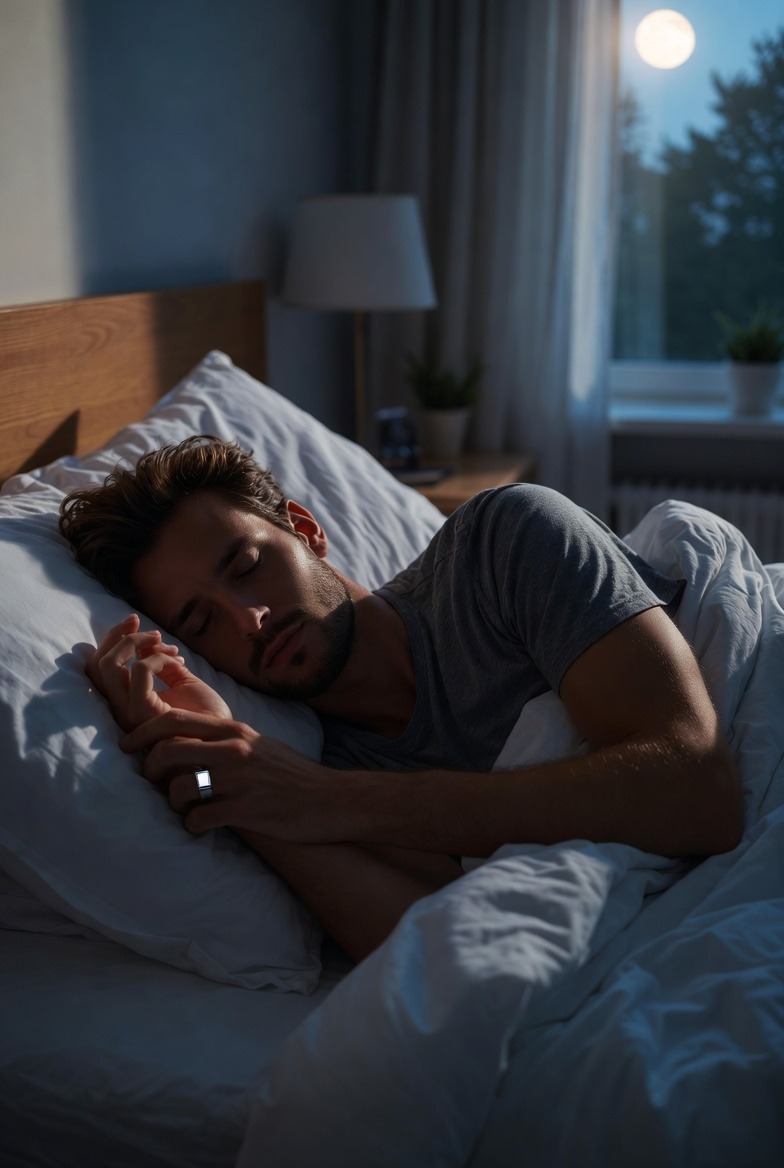
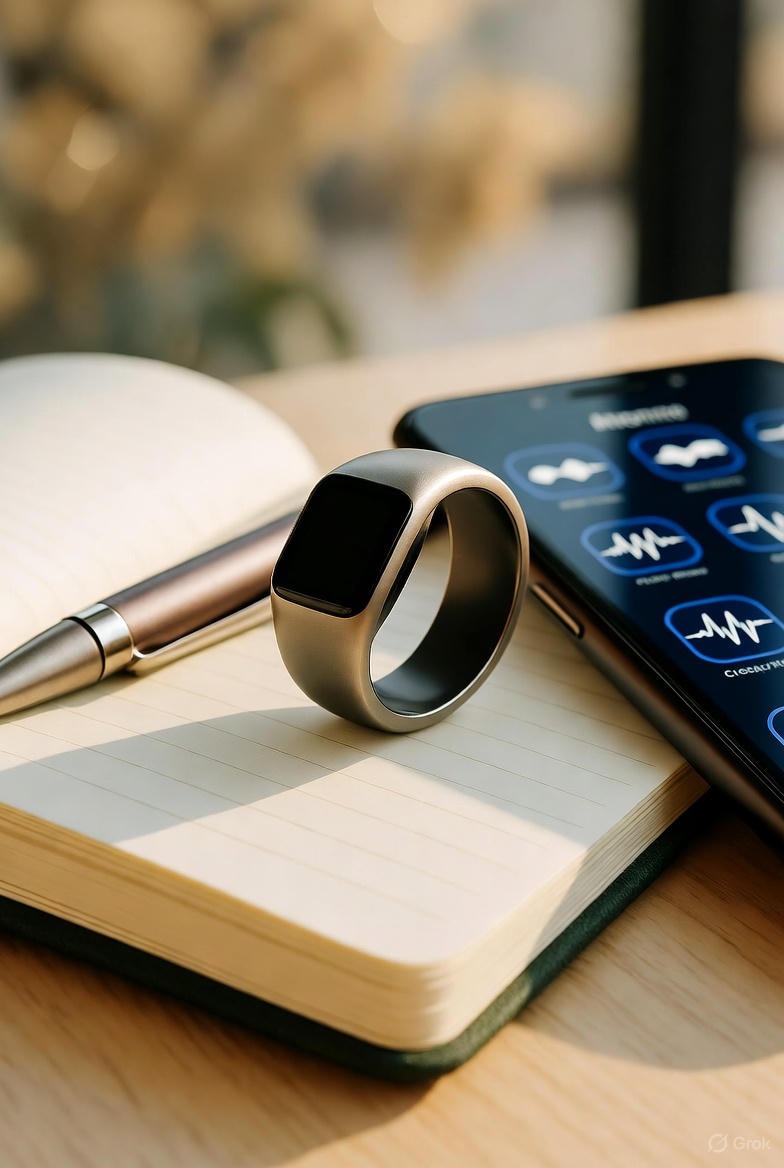
In the quiet moments before your day begins—perhaps as you sip your morning coffee—your body is already telling a story. A story of recovery, resilience, and readiness. For decades, elite athletes and biohackers held the keys to understanding this narrative, using complex, expensive gear to measure a powerful biomarker called Heart Rate Variability (HRV). Today, that story is accessible to anyone, written in the subtle rhythms of your own heartbeat and delivered to your smartphone through the elegant, silent sentinel on your finger: a wellness ring.
Welcome to the new frontier of personalized health. This guide is your map.
Gone are the days of guesswork and generalized health advice. We are entering an era of hyper-personalized, data-driven well-being, where the fusion of sophisticated biometric hardware and intelligent software creates a 24/7 health dashboard for your life. At the heart of this revolution is HRV—a profound indicator of your nervous system balance, stress resilience, and overall fitness. Paired with the seamless, unobtrusive tracking of a modern wellness ring, it becomes a practical tool for everyday life, not just a lab curiosity.
This isn't just about tracking; it's about translating. An app spitting out a raw HRV number is a locked diary. But when that app is deeply integrated with the rich, continuous data stream from a ring—tracking your sleep stages, skin temperature, blood oxygen, and activity—it becomes a fluent interpreter. It can tell you why your readiness is low (was it the late-night work stress, the poor sleep, or the intense workout?), and more importantly, what to do about it.
Whether you're a wellness novice curious about optimizing your energy, a fitness enthusiast aiming to train smarter, or simply someone seeking a scientific edge against modern stress, this integration is your starting point. In this comprehensive guide, we will demystify HRV, explore the ecosystem of apps designed to interpret it, and delve into how a device like the Oxyzen ring acts as the perfect, effortless data source. We'll cover how to choose your tools, set up your system, interpret your data, and, most crucially, take actionable steps to improve your health.
Ready to listen to what your body has been trying to tell you? Let's begin.
What is HRV? The Science of Your Body's Inner Rhythm
To understand why HRV is so revolutionary, we must first move beyond a common misconception: a healthy heart is not a metronome. We often think of a "steady" heartbeat as a sign of fitness, but the truth is far more fascinating. A robust, resilient heart beats with healthy irregularity—the time between successive heartbeats is constantly changing, measured in milliseconds. This is Heart Rate Variability.
Think of it as your body's most sophisticated conversation. Your heart is not just a pump; it's a listener, constantly receiving signals from two branches of your autonomic nervous system (ANS). The sympathetic nervous system (SNS) is your accelerator—the "fight or flight" system that speeds up your heart to prepare for action. The parasympathetic nervous system (PNS) is your brake—the "rest and digest" system that slows your heart to promote recovery and calm. HRV is the reflection of this ongoing tug-of-war.
A higher HRV generally indicates a stronger, more adaptable brake. It means your parasympathetic system is active and effective, allowing for fine-tuned control of your heart rate. This is associated with better stress resilience, faster recovery, strong cardiovascular health, and even improved emotional regulation. Your body is in a state where it can effectively manage challenges and restore itself.
A lower HRV suggests your accelerator is stuck, or your brake is weak. The sympathetic "fight or flight" tone is dominating, creating a state of chronic stress or fatigue. This is linked to burnout, anxiety, poor sleep, inflammation, and a higher risk of overtraining and illness.
How is HRV Measured and What Do the Numbers Mean?
HRV is calculated by analyzing the sequence of time intervals between heartbeats (known as R-R intervals) from an ECG or a accurate optical heart rate sensor. There are several mathematical methods, but two are most common in consumer apps:
RMSSD (Root Mean Square of Successive Differences): Excellent for capturing short-term, rapid changes influenced by the parasympathetic system. It's highly sensitive and commonly used for daily readiness scores.
SDNN (Standard Deviation of NN intervals): Better for assessing longer-term, overall ANS balance over 24 hours or more.
You won't need to calculate this yourself. Your app and ring will do it. What matters is understanding your trends. A single number is meaningless—it's the direction over days and weeks that tells your story. Is your baseline rising, indicating improved fitness and resilience? Is it suddenly dipping, signaling accumulating stress or the onset of illness?
This is where the magic of integration begins. A raw HRV score from a morning reading prompts a question: Why? To answer it, you need context. Was your deep sleep reduced? Did your skin temperature elevation indicate your body was fighting something? Did you have alcohol or a late meal? This contextual tapestry is what a wellness ring weaves overnight, turning a simple HRV metric into a profound insight into your daily readiness to perform, recover, and thrive.
The Rise of the Wellness Ring: Why Your Finger is the Perfect Health Monitor
The quest for perfect biometric tracking has wandered the body—wristbands, chest straps, smart clothing, and even ear buds. Each has trade-offs. Chest straps are accurate but intrusive. Wrist-based optical sensors are convenient but prone to motion artifacts, especially during sleep when your wrist is tucked under a pillow or bent. Enter the wellness ring: a form factor that seems almost obvious in retrospect.
The finger, specifically the base of the finger, hosts a rich vascular bed. It's a prime location for photoplethysmography (PPG)—the optical technology that measures blood volume changes with each heartbeat. Because the finger has less complex bone and muscle structure than the wrist and is less prone to drastic position changes during sleep, it can provide remarkably clean, clinical-grade data for heart rate, HRV, and blood oxygen (SpO2).
Beyond the Sensor: The Unmatched User Experience
The advantages of a ring go far beyond pure sensor accuracy:
Unobtrusive and Always-On: A ring becomes a part of you. You forget you're wearing it, which is the ultimate goal of any tracking device. This leads to superior compliance and consistent 24/7 data, crucial for establishing accurate baselines. Unlike a watch you charge nightly on a bedside table, a ring can track your entire sleep and be charged during a short morning routine.
Comprehensive Sleep Tracking: Sleep is the foundation of health and the most critical period for recovery. A ring excels here. It accurately captures sleep stages (light, deep, REM), restless movements, and key biomarkers like nighttime HRV, resting heart rate, and blood oxygen variations—all without the discomfort of a hard device on your wrist.
Rich Contextual Data: Modern rings like Oxyzen don't stop at heart metrics. They track skin temperature trends—a key early indicator of illness, menstrual cycle phases, and metabolic changes. They monitor activity and caloric expenditure without the need for a large screen. This creates a multi-layered health profile in one device.
Aesthetic and Practical: For many, a sleek ring is a preferable accessory to a chunky smartwatch. It’s waterproof, durable, and designed for life’s every moment, from the gym to the office to a formal event.
Understanding the App Ecosystem: HRV Dashboards, Coaches, and Platforms
With your ring silently collecting data, the next step is choosing the right application to give that data meaning. The app landscape can be divided into three broad categories, each serving a slightly different need. Your choice will depend on whether you crave deep analysis, guided coaching, or a unified wellness dashboard.
These apps are the purebreds of the HRV world. They are built by and for experts, focusing intensely on the accurate measurement and interpretation of HRV for performance and recovery.
Primary Use: Athletic performance, optimizing training load, preventing overtraining, and advanced biofeedback.
Typical Flow: You take a guided, consistent morning measurement (often 60 seconds) while sitting or lying still. The app provides a daily readiness or recovery score based primarily on your HRV and resting heart rate. They offer deep dives into data trends, correlation with training load, and sophisticated analysis tools.
Pros: Unmatched depth for HRV analysis, strong scientific grounding, excellent for athletes who want to align training with physiology.
Cons: Can be technical for beginners. Traditionally required manual morning measurements, though many now integrate with wearables for automatic overnight data.
These platforms use your biometric data (HRV, sleep, activity) as the foundation for personalized coaching and habit formation. The focus is less on raw data analysis and more on actionable recommendations.
Primary Use: General wellness, stress management, sleep improvement, and building healthier daily habits.
Typical Flow: The app provides a daily score (like Whoop's "Recovery" or a "Stress Management" score) and then offers specific behavioral advice: "Go to bed 30 minutes earlier tonight," "Today is a good day for a strenuous workout," or "Try a 10-minute meditation session to lower stress."
Pros: Excellent for users who want clear "what to do next" guidance. Reduces the cognitive load of interpreting data yourself.
Cons: Can feel prescriptive. The algorithms are "black boxes," and you may sometimes disagree with the advice based on how you feel.
3. The Unified Wellness Dashboards (Native Ring Apps & Apple Health/Google Fit)
This category includes the native companion app that comes with your wellness ring (like the Oxyzen app) and major health aggregators. Their strength is in synthesis—bringing all your health data into one coherent, visual story.
Primary Use: Holistic health monitoring, tracking long-term trends, and providing a single source of truth for all your biometrics.
Typical Flow: The app displays a comprehensive dashboard from last night's sleep (with HRV, SpO2, temp, stages) and your day's activity. It shows trends over time across all metrics, allowing you to see connections—like how your HRV dips after poor sleep or a stressful work period.
Pros: Provides the full context from your ring's sensor suite. Empowers you to find your own patterns and correlations. Serves as a central hub.
Cons: May not offer as much prescriptive coaching as Category 2 apps. Requires more active engagement from the user to derive insights.
The beauty of the modern ecosystem is that you are not limited to one. Many of these apps can talk to each other. Your Oxyzen ring can sync its rich sleep and recovery data to Apple Health or Google Fit, which can then be pulled into your dedicated HRV app for analysis, or into a meditation app for stress context. This interconnectedness is the true power of integration.
Choosing Your Wellness Ring: A Buyer’s Guide to Features, Fit, and Ecosystem
Selecting your wellness ring is a personal decision that blends technical specifications with lifestyle fit. It's a device you'll wear every day, so getting it right is crucial. Here are the key factors to consider beyond just price.
Core Biometric Sensors: The Non-Negotiables
Any serious wellness ring must accurately track these fundamentals:
Heart Rate & HRV (PPG Sensor): The core of the device. Look for medical-grade sensors and validated accuracy.
Blood Oxygen Saturation (SpO2): Essential for understanding sleep quality and respiratory health, especially insightful for those who snore or travel to altitude.
Skin Temperature: A relative, overnight trend is more valuable than a single absolute reading. Critical for spotting illness, understanding menstrual cycles, and gauging metabolic health.
Activity & Movement (3-Axis Accelerometer): For tracking steps, active calories, and periods of rest and motion.
The User Experience: Battery, App, and Comfort
Battery Life & Charging: Aim for a minimum of 5-7 days on a single charge. The charging solution matters—a compact charging case is far more convenient than a cable that requires precise alignment.
Fit, Sizing, and Design: This is paramount. A ring that’s too tight is uncomfortable and can affect circulation and sensor accuracy. One that’s too loose will spin, causing gaps in data. Most companies offer detailed sizing kits. Consider the ring’s profile—is it low-profile for comfort? Is the material (like titanium) durable and hypoallergenic?
Ecosystem and Privacy: Your Data's Home
Data Ownership and Privacy: Read the privacy policy. Who owns your biometric data? How is it used? Is it anonymized and aggregated for research, or could it be sold? Your health data is incredibly sensitive. Choose a company that is transparent and treats it with the utmost security and respect.
Integration (API & Health Platform Syncing): Can the ring send its data to other apps you use? Seamless integration with Apple Health Kit, Google Fit, and popular fitness platforms (Strava, TrainingPeaks) is a major advantage, allowing you to build your perfect tech stack.
Ultimately, the best ring is the one you'll wear consistently, whose app you'll engage with regularly, and whose company you trust to be a steward of your most personal information. Reading real user testimonials and experiences can provide invaluable insight into how these factors play out in daily life.
Setting Up Your System for Success: From Unboxing to First Insights
You have your ring and you've chosen your primary apps. Now, it's time to build a solid foundation. The first few weeks are less about immediate insights and more about establishing a reliable baseline—your body's personal "normal."
Step 1: The Perfect Fit and Initial Charging
When your sizing kit or final ring arrives, take your time. Follow the sizing instructions meticulously. The ring should slide over your knuckle with a firm but not forceful push, and sit snugly at the base of your finger without leaving deep indentations or feeling restrictive. Once sized, give the ring a full charge before first use. This ensures all systems are calibrated and ready.
Step 2: App Installation and Syncing
Download your ring's companion app (e.g., the Oxyzen app) and create your account. Follow the pairing process, which is typically as simple as bringing the ring near your phone via Bluetooth. Go through the app's settings:
Input your personal stats (age, height, weight, gender) for accurate calorie and health calculations.
Set your health goals (improve sleep, manage stress, boost fitness).
Enable notifications that will be helpful (e.g., "Your ring data has been synced," "Weekly report ready"), and disable any that might be intrusive.
Configure data sharing to Apple Health/Google Fit if desired.
Step 3: Establishing Your Biometric Baseline (The Crucial First 30 Days)
For the first month, your primary job is to wear the ring consistently and live your normal life. Don't try to "game" the system or make drastic changes yet. The algorithms need time to learn your unique patterns.
Sleep Consistency is Key: Wear the ring every night. This is where it collects its richest data.
Observe, Don't Judge: Look at your daily scores and data, but resist the urge to label a "bad" score as a failure. It's simply information. Notice how your body responds to your regular routine—your typical sleep duration, your normal workout schedule, your usual weekend habits.
Note Lifestyle Factors: Many apps allow you to add tags or journals. Briefly note obvious factors: "late work dinner," "drank alcohol," "intense leg day," "felt stressed about presentation." This will later help you connect dots between your lifestyle and your biometrics.
Step 4: Integrating with Your Chosen HRV/Wellness App
If you're using a third-party app like Elite HRV or a coaching platform:
Ensure your ring's data is flowing to Apple Health or Google Fit.
In your third-party app, grant it permission to read the relevant data categories (HRV, Sleep, Heart Rate) from the health platform.
Set up your morning measurement routine if the app requires it, or let it pull your overnight HRV average automatically.
Your system is now live. You are collecting a continuous stream of objective data about your body's state. The ring is the silent observer; the apps are the translators. In the next section, we'll learn their language.
Decoding Your Data: A Practical Guide to HRV, Readiness, and Sleep Metrics
The dashboard is populated, the graphs are drawing. Now, what does it all mean? Interpreting your data is about moving from numbers to narrative. Let's break down the key metrics you'll encounter and how to think about them.
Your Daily Readiness/Recovery Score: Your Body's Green Light
This is often the headline number. Whether it's called Readiness, Recovery, or a Stress Score, it's a composite index typically derived from:
Overnight HRV (vs. your baseline): The single biggest contributor. A higher-than-normal HRV boosts your score; a significant dip lowers it.
Resting Heart Rate (vs. your baseline): An elevated RHR often signals stress, fatigue, dehydration, or illness.
Sleep Quality & Duration: Did you get enough restorative sleep?
Skin Temperature: A significant deviation from your personal norm can indicate your body is working hard (e.g., fighting an infection).
How to Use It: View this score as a guide, not a command. A high score (e.g., in the green) suggests your body is resilient and primed for physical or mental challenge. It's a good day for a hard workout, a big meeting, or tackling a complex project. A low score (e.g., in the red) is your body's request for gentleness. It's a signal to prioritize recovery: choose light activity like walking or yoga, focus on hydration and nutrition, manage stress, and aim for an early bedtime. For a nuanced understanding of what impacts these scores, our FAQ section addresses many common user questions.
Deep Dive on Sleep Metrics: More Than Just Hours
Your ring provides a sleep breakdown far superior to simple duration.
Sleep Stages (Light, Deep, REM): Each is vital. Deep sleep is for physical restoration and immune function. REM sleep is for memory consolidation and emotional processing. Look for a balanced distribution. Consistent lack of deep sleep can hinder recovery; lack of REM can affect cognition and mood.
Restlessness & Wake-ups: The graph shows your movements. Frequent, prolonged wake-ups fragment sleep and reduce its quality, even if total time is long.
Sleep Latency: The time it takes you to fall asleep. Consistently long latency (e.g., >20-30 min) can point to evening stress or poor sleep hygiene.
Blood Oxygen (SpO2) Drops: Significant, repeated dips in your overnight SpO2 can be a sign of sleep-disordered breathing (like sleep apnea) and warrant discussion with a doctor.
The Power of Trends: Your Personal Health Timeline
Forget the daily number. Open the app and look at the weekly, monthly, or 90-day view. This is where the gold is.
Is your HRV baseline slowly climbing? This is a powerful indicator of improving fitness and resilience.
Do you see a weekly pattern? Many people see lower readiness on Mondays (the "stress of the week" effect) or higher readiness on days after rest days.
Can you pinpoint causes? Look back at a day with a terrible score. Can you correlate it with a night of poor sleep, a heavy drinking night, or an exceptionally stressful event? This reverse-engineering builds powerful self-awareness.
The goal is not to become a slave to the score, but to use it as an objective check-in—a way to have a data-informed conversation with yourself about how your lifestyle choices are affecting your biology.
From Insight to Action: How to Use Your Data to Improve Sleep, Stress, and Recovery
Data without action is just trivia. The true value of your HRV and ring integration lies in its ability to inform positive behavioral change. Here’s how to turn your insights into a concrete plan for improvement.
Action 1: Optimizing Your Sleep Architecture
Your sleep data gives you a blueprint for better rest.
If Sleep Latency is High: Establish a powerful "digital sunset" ritual 60 minutes before bed. Dim lights, avoid screens, and engage in calming activities like reading (a physical book), light stretching, or meditation. The ring can track how these changes affect your time-to-sleep over the following weeks.
If Deep Sleep is Lacking: Prioritize physical activity during the day, but avoid intense exercise within 3 hours of bedtime. Ensure your sleep environment is cool and dark. Deep sleep is also sensitive to alcohol, which may suppress it even if it makes you feel drowsy initially.
If Restlessness is High: Examine your evening consumption. Caffeine (even afternoon), heavy meals, and alcohol can disrupt sleep architecture. Also, ensure your mattress and pillows are supportive.
Action 2: Managing Stress and Elevating HRV
A low HRV trend is a call to strengthen your parasympathetic nervous system.
Practice Intentional Recovery: Schedule short breaks throughout your day for deep, diaphragmatic breathing (e.g., 5 minutes of 4-7-8 breathing). This directly stimulates the vagus nerve, your main parasympathetic pathway.
Incorporate Mindfulness: Regular meditation or mindfulness practice is proven to increase HRV over time. Use your low-readiness days as a trigger for a 10-minute guided session.
Navigate Your Week Intelligently: If your data consistently shows a Tuesday slump, don't schedule your most draining tasks or hardest workouts for that day. Use your high-readiness days for your peak efforts.
Action 3: Smart Training and Avoiding Overtraining
This is where dedicated HRV apps shine for athletes.
Follow the Score: Use your daily readiness score to modulate your workout intensity. Green = go for it. Yellow = proceed with caution, maybe modify the workout. Red = active recovery (walk, swim, gentle yoga) or complete rest.
Identify Chronic Strain: A consistently downward-trending HRV alongside a rising resting heart rate, despite adequate sleep, is a classic sign of overreaching or overtraining. This data gives you the objective evidence you need to schedule a deload week before you get injured or sick.
Test Recovery Strategies: Use the data to see what works for you. After a hard workout, does an ice bath, a foam rolling session, or a 20-minute nap produce a better readiness score the next morning? The ring and app become your personal biofeedback lab.
This process of measure -> interpret -> act -> re-measure creates a powerful feedback loop. You are no longer guessing; you are experimenting on yourself with data as your guide. To see how others have successfully implemented these strategies, you can read about their journeys and transformations.
Advanced Integration: Syncing Your Ring with Other Apps and Smart Home Devices
Once you've mastered the basics, you can explore the frontier of connected wellness—creating an automated ecosystem that responds to your body's signals. This is where your ring moves from a passive tracker to an active player in your daily environment.
Creating a Centralized Health Hub with Apple Health/Google Fit
Treat Apple Health (iOS) or Google Fit (Android) as your health data’s "brain." Configure your Oxyzen ring to write all its data here. Then, authorize your other trusted apps to read from it.
Your meditation app (e.g., Calm, Headspace) can see your high-stress scores and suggest a session.
Your fitness app (e.g., Strava, TrainingPeaks) can import your sleep and recovery data to provide more nuanced workout analysis.
Your nutrition app could, in theory, correlate dietary logs with changes in your skin temperature or resting heart rate.
This eliminates data silos and gives every app you use the full picture.
Smart Home and IFTTT Automations: Your Body-Responsive Environment
With platforms like IFTTT (If This Then That) or advanced smart home systems, you can create "wellness recipes."
"If my Oxyzen readiness score is below 30 (Red), Then turn my Philips Hue lights to a calming blue in the evening." A visual cue to take it easy.
"If my sleep data shows I woke up, Then gently start my morning light simulation 30 minutes before my alarm." Helping you wake more naturally.
"If my ring detects I've been sedentary for 90 minutes, Then send a notification to my phone to get up and stretch."
These automations externalize your internal state, making your environment an ally in your health goals.
The Future: Predictive Health and Proactive Insights
The most advanced integrations are moving toward prediction. By analyzing long-term trends in HRV, skin temperature, and resting heart rate, algorithms may one day be able to provide gentle, early warnings: "Your biometric patterns this week resemble those preceding past instances of illness. Consider prioritizing rest and hydration." This shifts the paradigm from reactive to truly proactive health management.
This level of integration represents the cutting edge of personalized wellness. It requires a device capable of collecting robust, multi-sensor data and a company committed to an open, integrated ecosystem. It's a glimpse into a future where technology doesn't just track our health, but actively helps us protect and enhance it.
The Science of HRV: A Deep Dive into the Research and Key Studies
To trust and effectively use HRV, it's essential to ground yourself in the science that validates it. This isn't a wellness fad; it's a rigorously studied physiological phenomenon with roots stretching back to the 18th century. Modern research has crystallized its significance across several critical domains.
The Foundation: HRV and Mortality Risk One of the most compelling bodies of research links low HRV to increased all-cause mortality. A seminal study published in Circulation, the journal of the American Heart Association, followed elderly participants and found that reduced HRV was a strong, independent predictor of death from all causes. The rationale is clear: HRV is a proxy for autonomic nervous system integrity, which governs the function of every organ. When that system loses its flexibility, the entire organism becomes more vulnerable.
HRV and Athletic Performance In the sports world, HRV has become a cornerstone of training optimization. The principle is known as periodization: balancing stress (training load) with recovery to achieve supercompensation (improved performance). HRV provides an objective measure of that recovery. Landmark work by researchers like Andrew Flatt and others has shown that tracking daily HRV can help athletes:
Avoid Overtraining: A sustained drop in HRV baseline often precedes the symptoms of overtraining syndrome.
Identify Optimal Training Days: A higher-than-normal morning HRV can indicate readiness for a high-intensity session.
Personalize Training Plans: Moving away from generic schedules to plans that adapt to an athlete's daily physiological state.
HRV, Stress, and Mental Health The connection between the mind and the heart is literal. The neurovisceral integration model posits that the same brain structures involved in regulating emotional and cognitive responses (like the prefrontal cortex) also regulate heart activity via the vagus nerve. Consequently, HRV is a powerful biomarker for mental state. Numerous studies have demonstrated:
Anxiety and Depression: Clinically diagnosed anxiety and depression are consistently associated with lower resting HRV.
Resilience and Emotional Regulation: Individuals with higher baseline HRV typically recover from psychological stressors more quickly and exhibit greater emotional control.
Intervention Tracking: Mindfulness meditation, cognitive behavioral therapy (CBT), and paced breathing exercises have all been shown to increase HRV, providing a quantitative way to track the efficacy of mental health interventions.
HRV and Sleep Quality Sleep is the ultimate parasympathetic, recovery-oriented state. Research shows a strong bidirectional relationship. High HRV promotes the onset of deep, restorative sleep (particularly NREM sleep). Conversely, a night of poor sleep or sleep deprivation will result in a suppressed HRV reading the following morning. This makes HRV an excellent tool for gauging not just sleep quantity, but sleep's true restorative quality.
Important Caveats and Individuality While the population-level trends are clear, the most crucial scientific principle for a beginner to grasp is individuality. There is no universally "good" or "bad" HRV number. A value of 50 ms might be dangerously low for one person and perfectly healthy for another. Factors like age (HRV generally declines), genetics, sex, and fitness level create vast individual baselines. Therefore, the most powerful use of HRV is not comparing yourself to others, but tracking your own trends over time. A 20% drop from your personal baseline is far more meaningful than whether your number is "above average." This personalized, longitudinal approach is at the heart of making HRV data actionable, a philosophy we explore in depth on our blog for more wellness tips and analysis.
Essential HRV Terminology: Your Glossary for Navigating the Data
As you delve into apps, research papers, and device metrics, you’ll encounter a suite of specific terms and acronyms. This glossary will arm you with the vocabulary to understand what you’re seeing and make informed decisions.
Time-Domain Metrics (Focusing on the intervals between beats)
RMSSD (Root Mean Square of Successive Differences): This is the gold standard for daily wellness tracking and the metric most consumer wearables report. It’s calculated by looking at the differences between consecutive heartbeats. It’s particularly sensitive to parasympathetic (rest-and-digest) nervous system activity and changes quickly in response to stress, recovery, and training. This is your go-to number for tracking day-to-day readiness.
SDNN (Standard Deviation of NN Intervals): Represents the overall variability in your heartbeat intervals over a recording period (e.g., 24 hours). It reflects both sympathetic and parasympathetic influence. A 24-hour SDNN is a strong indicator of overall cardiovascular health, while a 5-minute SDNN is more situational.
Frequency-Domain Metrics (Breaking down the signal into its frequency components)
LF (Low Frequency) Power: Energy in the 0.04-0.15 Hz range. Historically controversial, it was thought to represent sympathetic activity but is now understood to reflect a mix of both sympathetic and parasympathetic inputs, influenced by factors like baroreflex (blood pressure regulation).
HF (High Frequency) Power: Energy in the 0.15-0.40 Hz range. This is strongly tied to parasympathetic (vagal) activity and corresponds with the respiratory cycle. It’s a key marker of your body's capacity for relaxation.
LF/HF Ratio: Once (incorrectly) used as a simple "sympathetic vs. parasympathetic balance" score. Modern science views this ratio with caution, as the interplay is too complex for a simple ratio. It’s best interpreted by experts in specific clinical or research contexts, not for daily wellness.
Other Key Concepts
NN Interval or R-R Interval: The time (in milliseconds) between successive heartbeats. The raw data from which all HRV is derived.
Baseline/Personal Normal Range: Your individual, typical range of HRV values, established over weeks of consistent tracking (usually first thing in the morning). All meaningful interpretation starts here.
Acute Change: A short-term deviation from your baseline, often caused by a single night of poor sleep, a hard workout, illness, or emotional stress.
Chronic Trend: The direction your baseline is moving over weeks and months. An upward trend generally indicates improving fitness and resilience; a downward trend suggests accumulating stress or overtraining.
Measurement Protocol: The standardized conditions for taking an HRV reading (e.g., upon waking, while lying in bed, before coffee or phone use). Consistency is critical for comparable data.
Vagal Tone: A non-specific term often used to describe the activity level of the parasympathetic nervous system, mediated by the vagus nerve. Higher "vagal tone" is associated with higher HRV.
Putting It Together: As a beginner, focus your attention on RMSSD for your daily readiness score and the concept of your personal baseline. Let the other metrics become relevant as you deepen your knowledge. When choosing a wearable, ensure it provides clean, accessible RMSSD data. For common questions on how these metrics are captured and calculated by modern devices, our FAQ provides clear, detailed support.
Troubleshooting Your System: Common Issues and How to Solve Them
Even the most elegant technology can have hiccups. When your integrated system of ring and apps isn’t behaving as expected, it can be frustrating and break the valuable streak of consistent data. Before you worry that your low HRV score is due to a faulty device, let’s troubleshoot the most common issues. Most problems have simple fixes that get you back on track.
Problem 1: Inconsistent or Missing Data (The "Gap" in Your Graph)
You wake up and check your app, only to find no sleep data, or a heart rate graph full of holes. This is often the number one complaint.
Likely Causes & Solutions:
Poor Fit: This is the prime suspect. A ring that spins freely on your finger will lose contact with the skin, creating data gaps. Solution: Use the sizing kit again. The ring should be snug enough that it requires a bit of effort and some soapy water to remove, but should not cause discomfort or leave a deep indent.
Low Battery: If the battery dies overnight, you lose that entire night’s data. Solution: Establish a charging ritual. For instance, charge your ring for 20-30 minutes while you shower and get ready in the morning. This short top-up is often enough to maintain a consistent charge for weeks.
Bluetooth Sync Issues: The data is on the ring but hasn’t made it to your phone. Solution: 1) Ensure the ring’s companion app is allowed to run in the background on your phone. 2) Open the app and manually initiate a sync. 3) Restart your phone’s Bluetooth. 4) Keep your phone within a reasonable distance (same room) of where you sleep.
Sensor Blockage: Lotion, dirt, or sweat can build up on the sensor array (the small LED lights on the inner curve). Solution: Gently clean the inner ring surface with a soft, dry cloth or an alcohol wipe every few days.
Problem 2: Seemingly Inaccurate Readings (The "That Can't Be Right" Feeling)
Your readiness is in the red, but you feel fantastic. Or your deep sleep shows as minimal, yet you woke up refreshed.
Likely Causes & Solutions:
The "Physiological Dissonance" Effect: Sometimes, your subjective feeling and objective data don’t align. You may be in a state of sympathetic overdrive (low HRV) fueled by excitement or caffeine, which feels like energy but is physiologically stressful. Solution: Trust the trend, not a single point. See how you feel over the next 24 hours. The data may have been prescient, predicting a crash you hadn’t felt yet.
Confounding Lifestyle Factors: A single heavy meal, dehydration, or even a new medication can temporarily skew biometrics without ruining your subjective feeling. Solution: Use the journal or tagging feature in your app to note these factors. The correlation will become clear over time.
Device Placement: While less finicky than a wrist sensor, extreme hand positioning (e.g., sleeping with your hand clenched tightly under your pillow) can occasionally affect readings. Solution: Try to be aware of your sleep position, but don’t stress over it. The ring’s algorithms are designed to filter out some motion noise.
Problem 3: App Integration Failures (The "Why Aren't They Talking?" Problem)
Your Oxyzen app shows great data, but your favorite HRV platform shows "No Data Available" from Apple Health.
Likely Causes & Solutions:
Permission Roadblocks: Health data permissions are strict by design for your privacy. Solution: Go to your phone’s settings. For iOS: Settings > Privacy & Security > Health. For Android: Settings > Apps > [App Name] > Permissions. Ensure your ring app has permission to write data, and your other apps have permission to read the specific data types (HRV, Sleep, Heart Rate).
Data Format Mismatch: Some very specialized apps might look for data in a specific way (e.g., morning HRV from a guided test). If you’re only sending it overnight average HRV, it may not register. Solution: Check the support documentation for your specific apps. You may need to enable a specific setting, like “Write HRV Samples” in your ring app’s Health settings.
Syncing Delays: Data doesn’t always flow instantly. Solution: Force close and reopen both apps. Often, simply opening the "destination" app (like your HRV app) will trigger it to pull the latest data from Apple Health/Google Fit.
Building Your Long-Term Health Strategy: Beyond Daily Scores
The initial months with your integrated system are about discovery and acute adjustment. But what about the long game? The real transformation happens when you shift from reacting to daily scores to proactively managing your health trajectory over quarters and years. This is where you move from being a user of technology to an architect of your own well-being.
Establishing Your Personal Baselines and Zones
After 30-60 days of consistent wear, you have a statistically meaningful baseline. Now, redefine what "normal" means for you.
Personalize Your Ranges: Instead of comparing your 45 ms HRV to a friend’s 60 ms, understand that your "green zone" might be 40-55 ms. A drop to 30 ms is a significant 25% decrease for you, warranting attention, even if someone else’s baseline is higher.
Identify Seasonal Patterns: Does your HRV dip in the depth of winter? Does your sleep quality change with the seasons? Recognizing these macro-cycles helps you differentiate a normal seasonal fluctuation from an alarming trend.
Set Goal-Oriented Benchmarks: Tie your data to specific, non-scale victories. "I want to improve my average HRV by 10% before my hiking trip in 6 months," or "My goal is to increase my average deep sleep from 1.2 to 1.5 hours over the next quarter."
Using Data for Preventative Health and Early Detection
This is one of the most powerful applications of continuous monitoring.
The Illness Signature: Pay close attention to the combo of a rising resting heart rate, elevated skin temperature, and a plummeting HRV. This triad often appears 24-48 hours before you feel obvious cold or flu symptoms. Seeing this pattern can be your cue to cancel plans, hydrate aggressively, rest, and potentially lessen the severity or duration of the illness.
Tracking Long-Term Interventions: Starting a meditation practice, changing your diet, or beginning a new supplement regimen? Don’t just go by feel. Observe the objective impact on your biometric trends over 8-12 weeks. Does your new anti-inflammatory diet correlate with a steadier resting heart rate? This turns guesswork into evidence-based personal science.
Sharing with Professionals: A PDF report of your long-term sleep, HRV, and temperature trends can be an invaluable tool for your doctor, nutritionist, or therapist. It provides them with objective, quantifiable context about your life between appointments, leading to more personalized care.
Avoiding Data Obsession and Maintaining Balance
A critical warning: The goal of this technology is to enhance your life, not become your life. "Orthosomnia" – an unhealthy preoccupation with perfect sleep data – is a real risk.
Schedule Your Check-Ins: Don’t glance at your data incessantly. Designate a specific time (e.g., morning coffee) to review your previous night’s sleep and daily readiness. Then close the app.
Listen to Your Body First: Always prioritize how you feel. If you feel great but your score is low, use it as curious information, not a verdict. Your body’s subjective wisdom is the most important data point of all.
Take Breaks: It’s perfectly healthy to take the ring off for a weekend or a vacation if you find yourself overly focused on the metrics. Use the time to reconnect with your innate sense of well-being.
The long-term strategy is about empowerment, not dependency. The ring and app are tools that give you a clearer window into your own physiology, allowing you to make more informed choices for a healthier, more resilient life. For inspiration on how to build a sustainable practice, our blog features stories and strategies for long-term wellness integration.
The Ethical Dimension: Privacy, Data Security, and Your Biometric Future
As we welcome devices that measure our most intimate biological functions—our heart’s whisper, our sleep’s architecture, our stress signature—we must engage in a crucial conversation. Who owns this data? How is it used? What are the risks? Being an informed consumer in the wellness tech space is not just about features; it’s about understanding the ethical framework of the company you invite into your life.
Who Really Owns Your Sleep and Heart Data?
When you tap "Accept" on a lengthy Terms of Service, you are often granting specific licenses. It is vital to distinguish between:
Data for Service: The company needs to process your heart rate data on its servers to calculate your HRV and display it in your app. This is necessary for the product to function.
Data for Aggregation and Research: Many companies anonymize and aggregate user data to improve algorithms (e.g., "we found that for women aged 30-40, this sleep pattern correlates with that HRV trend") or to conduct population health research. This can be a force for good, advancing human health understanding.
Data for Commercialization: The red flag is the potential sale or licensing of your individual or identifiable biometric data to third parties, such as insurance companies, advertisers, or data brokers.
Potential Risks: From Insurance Premiums to Psychological Stress
The hypothetical risks, while often overstated, are worth considering:
Insurance and Employment Discrimination: While currently prohibited in many places by laws like GINA (Genetic Information Nondiscrimination Act) in the U.S., the landscape for biometric data is evolving. The ethical stance of your wearable company matters in how they would respond to requests for data.
Psychological Profiling and Manipulation: Could patterns in your stress and sleep data make you a target for advertisers selling sleep aids or vacation packages? Robust privacy policies are your first defense.
Data Breaches: Your fitness history might seem low-risk, but a breach containing detailed sleep, location, and activity patterns could be used for social engineering or blackmail.
Mitigation: Choose companies that employ end-to-end encryption, offer two-factor authentication, and have a public track record of prioritizing security. Store only what you need in the app (e.g., you may not need to enter your exact birthday, just your birth year for age-based calculations).
Advocating for a User-Centric Ethical Framework
As consumers, we have the power to demand better standards. Support companies that:
Practice Data Minimization: They only collect what is absolutely necessary for the service.
Ensure User Control: They provide clear, easy-to-use tools for you to download all your data, delete it permanently, or opt out of aggregation.
Champion Transparency: They publish transparency reports and explain their data practices in human language, not legalese.
Adhere to Privacy-by-Design: Security and privacy are not add-ons but foundational elements of their product architecture.
By making conscious choices, we vote for a future where technological advancement in personal health is built on a foundation of trust and individual rights. The story of your health should remain your story to tell.
The Future of Wearable Integration: What’s Next for HRV and Wellness Tech?
The integration of HRV apps and wellness rings we see today is just the opening chapter. The convergence of smaller sensors, smarter AI, and more proactive health systems is accelerating at a breathtaking pace. Let’s explore the horizon—the innovations that will define the next generation of personalized wellness.
Non-Invasive Blood Biomarkers and Continuous Glucose Monitoring (CGM)
The holy grail of wearables is moving beyond physiology (how the body is functioning) to biochemistry (what’s in the blood). The next leap will be non-invasive sensing of key biomarkers.
Glucose: Already, we see continuous glucose monitors (CGMs) moving from diabetic management to wellness optimization. Future rings or patches may incorporate optical or spectroscopic sensors to estimate glucose trends, helping users understand their metabolic responses to different foods, sleep, and stress without a single finger prick.
Lactate, Cortisol, and Hydration: Imagine a ring that could detect rising lactate thresholds during exercise, or spot abnormal cortisol patterns indicative of chronic stress. Hydration status, a key driver of performance and recovery, could be measured directly through the skin.
The "Digital Blood Panel": In a decade, an annual check-up might be supplemented by a continuous, AI-analyzed stream of non-invasive biomarker data, catching trends and deviations long before they become clinical problems.
Advanced AI and Predictive Personal Health Assistants
Current apps offer recommendations. Future systems will offer predictions and personalized, dynamic protocols.
Context-Aware AI: Your system won’t just see a low HRV. It will cross-reference it with your calendar (you have a big presentation tomorrow), your location (you’re traveling across time zones), and your recent activity (you just finished a hard training block) to provide a hyper-contextualized recommendation: *"Given your high stress load and travel fatigue, a 20-minute mindfulness session tonight is 85% predictive of improving your presentation performance tomorrow."*
Dynamic Training & Nutrition Plans: Your workout plan in your fitness app will auto-adjust based on your morning readiness score. Your nutrition app will suggest meals based on your current metabolic state (inferred from skin temperature, HRV, and potentially glucose).
Longitudinal Health Forecasting: By building a multi-year model of your unique biology, AI could identify subtle, long-term shifts that correlate with health risks, prompting early, preventative lifestyle interventions.
Deeper Ecosystem Integration: The Truly "Smart" Healthy Life
Integration will move beyond apps to encompass your entire environment.
Automated Recovery Environments: Your car’s seat massager activates on your commute home after a day your ring tagged as highly stressful. Your smart thermostat pre-conditions your bedroom to the ideal sleeping temperature based on your personal skin temperature trend.
Responsive Workspaces: Your office lighting and ambient sound system could subtly adjust throughout the day in response to real-time stress indicators from your wearable, promoting focus or calm as needed.
Connected Healthcare: With your explicit permission, your longitudinal wearable data could form a rich, continuous dataset shared securely with your healthcare provider, making annual physicals more informed and enabling remote patient monitoring with incredible depth.
This future is not without its challenges—ethical, regulatory, and technical. But the core promise is a shift from episodic, reactive healthcare to continuous, proactive well-being. The wellness ring and its integrated apps are the foundational platform upon which this future will be built. To see the vision that drives this innovation forward, you can explore the story and passion behind our own journey.
Protocol-Driven Wellness: Action Plans for Specific Goals
Data is powerful, but it’s directionless without a map. Now that you understand your biometrics and your integrated system, you can design targeted, data-driven protocols to achieve specific health and performance outcomes. Think of these as structured experiments you run on yourself, using your ring and apps to measure the results.
Protocol 1: The Stress Resilience Protocol (For the Chronically Wired)
Goal: To increase your average HRV (parasympathetic tone) and lower your resting heart rate, improving your ability to manage daily stress without burnout.
Duration: 90-Day Experiment
Tools: Ring (Oxyzen), HRV/Readiness App, Meditation App (integrated), Journal.
The Protocol:
Baseline Week: Live normally. Record your average HRV and resting heart rate (RHR). Use app tags to note high-stress days.
Intervention (Weeks 2-12):
Morning (5 min): Upon waking, before checking your phone, do a guided HRV biofeedback or coherent breathing session (e.g., 5 minutes of 5.5-second inhales, 5.5-second exhales). Apps like Elite HRV have built-in guides.
Daily (2x "Stress Breaks"): Set two calendar reminders. When they go off, stop and take 90 seconds for box breathing (4-in, 4-hold, 4-out, 4-hold).
Evening (10 min): Perform a body-scan meditation or gentle yoga nidra session via an app like Calm or Headspace. Sync this app with your health data to track correlations.
Weekly (1x): Engage in 45-60 minutes of non-competitive, parasympathetic-dominant activity: nature walk, gentle cycling, or restorative yoga. Note how these activities affect your next morning's readiness score.
Lifestyle Anchors:
Implement a strict digital sunset 60 minutes before bed.
Reduce or eliminate caffeine after 12 PM.
Measurement: At the end of each 30-day block, compare your 30-day average HRV and RHR to your baseline. Observe your readiness score volatility (are you having fewer extreme "red" days?). Subjectively rate your perceived stress on a weekly scale of 1-10.
Expected Outcome: A gradual, steady rise in your HRV baseline (e.g., from 45ms to 55ms) and a lowering of your RHR by 2-4 BPM. You should see fewer dramatic dips in readiness after mentally taxing days.
Protocol 2: The Sleep Performance Protocol (For the Restless Sleeper)
Goal: To increase average deep and REM sleep duration, reduce nighttime wake-ups, and improve sleep consistency.
Duration: 60-Day Experiment
Tools: Ring (for detailed sleep staging), Sleep Cycle/Environment Data, Journal.
The Protocol:
Baseline Week: Sleep as usual. Record your averages for deep sleep, REM sleep, total sleep time, and sleep latency (time to fall asleep).
Environmental Optimization (Week 2):
Temperature: Set your bedroom thermostat to drop to 65-68°F (18-20°C) at your bedtime.
Light: Install blackout curtains and eliminate all sources of blue/amber light (LEDs on chargers, etc.). Consider a sunrise-simulating alarm clock.
Sound: Use a white noise machine or app to mask disruptive noises. Your ring can help confirm if this reduces measured "restlessness."
Behavioral Intervention (Weeks 3-8):
Consistency: Set a fixed wake-up time every single day, even weekends. Let your bedtime naturally follow.
The 1-Hour Wind-Down: Create a non-negotiable ritual: dim lights, read a physical book, take a warm shower/bath (the post-cool-down aids sleep onset), practice 5 minutes of light stretching.
Food/Drink Curb: No large meals within 3 hours of bed. No alcohol within 4 hours of bed (note how alcohol, even small amounts, specifically suppresses your deep sleep on your ring's graph).
Measurement & Adjustment: Weekly, review your sleep stage breakdown. Is deep sleep increasing? Are you falling asleep faster? Use your ring’s skin temperature data—see if achieving a cooler room correlates with better sleep scores. For persistent issues, our community blog often shares advanced sleep optimization tips.
Expected Outcome: A 10-20% increase in deep sleep minutes, more stable REM cycles, a sleep latency under 20 minutes, and a higher, more consistent sleep score.
Protocol 3: The Fitness Optimization Protocol (For the Athlete)
Goal: To precisely match training load and recovery, maximize performance gains, and prevent overtraining.
Duration: Perpetual, reviewed in 12-week blocks.
Tools: Ring (for overnight recovery data), Dedicated HRV App (e.g., HRV4Training, Whoop), Training Log App (e.g., Strava, TrainingPeaks).
The Protocol:
Establish True Baselines: After a full recovery week (very light activity), record your HRV, RHR, and readiness score baselines. These are your "100% recovered" numbers.
Daily Decision Matrix: Let your morning readiness score dictate your day’s training.
Green (>75% of baseline): GO DAY. Execute high-intensity, high-volume, or heavy strength sessions as planned.
Yellow (50-75% of baseline): CAUTION DAY. Proceed with moderate sessions, technique work, or reduce volume/intensity by 30-50%. Listen intently to bodily signals.
Red (<50% of baseline): RECOVERY DAY. Active recovery only (walking, light mobility) or complete rest. Prioritize sleep, hydration, and nutrition.
Load Monitoring: Use your training app to track acute training load (fatigue from the last 7 days) and chronic load (fitness built over 42 days). Your ring data provides the physiological feedback on how well you’re absorbing that load.
Trend Analysis (Every 4 Weeks):
Ideal: Chronic load is gradually rising, acute load fluctuates, and your HRV baseline is stable or slowly rising. This is productive training.
Warning: Chronic load is flat or falling, acute load is high, and HRV trend is declining. This is stagnation or overreaching.
Danger: HRV and readiness are in a sustained downward trend with elevated RHR, despite reduced training. This is potential overtraining syndrome—requiring significant rest.
Expected Outcome: Fewer "mystery" days of poor performance, fewer injuries and illnesses, the ability to push harder when the body is truly ready, and quantifiable evidence of improved fitness via a higher HRV baseline at a given training load.
Building Your Support System: Communities, Coaches, and Professionals
While the technology provides the "what," human insight often provides the "why" and the "how." Integrating your quantitative data with qualitative wisdom accelerates your progress and provides crucial perspective.
Leveraging Online Communities and Forums
You are not alone in your experimentation. Niche communities are treasure troves of anecdotal experience.
Platforms: Subreddits (r/HRV, r/Biohackers, r/whoop, Oura ring forums), Discord servers, and dedicated Facebook groups.
What to Look For: Search for patterns. "Has anyone else seen HRV dip after starting creatine?" or "What behaviors have most improved your deep sleep score?" You'll find others who have run similar protocols and can share their data.
Caveat: Treat community advice as interesting anecdote, not clinical truth. Always cross-reference with reputable sources and your own experience.
When to Bring in a Coach or Professional
A qualified human can interpret your data within a broader context that an algorithm cannot.
A Biohacking or Wellness Coach: They can help you design and refine protocols like those above, providing accountability and helping you troubleshoot when results aren’t as expected. Share your data trends with them for personalized guidance.
A Sports Dietitian or Nutritionist: Show them your activity data, readiness trends, and any notes on energy levels. They can tailor your nutrition to support recovery on yellow/red days and fuel performance on green days.
A Therapist or Counselor: If your stress data (chronically low HRV, poor sleep) reveals persistent dysregulation, a professional can help you address the root psychological or emotional causes that the ring can only signal.
Your Primary Care Physician: Bringing a 90-day trend report of elevated resting heart rate or consistently low overnight SpO2 can provide objective evidence for further investigation, moving the conversation beyond "I feel tired."
The integration of objective biometrics with subjective professional guidance creates the most powerful model for change: a feedback loop where technology informs the human, and the human interprets the technology.
Your Personalized System: Putting It All Together
We’ve covered immense ground—from the science of HRV to the ethics of data, from troubleshooting to future-gazing. Now, let’s synthesize this into a practical, start-to-finish framework for building your personalized wellness intelligence system.
Step 1: The Foundation (Weeks 1-4)
Acquire Your Hardware: Choose and properly size your wellness ring based on sensor suite, comfort, and ethical alignment.
Establish Baselines: Wear it consistently. Live normally. Observe without judgment. Let the algorithms learn you.
Set Up Your Core App Stack: Install your ring’s native app and one primary interpreter app (a dedicated HRV platform or a coaching app). Configure permissions to sync data via Apple Health/Google Fit.
Step 2: The Learning Phase (Months 2-3)
Correlate and Journal: Actively look for connections. Note life events, diet, stress, and exercise. See how they paint a picture in your data 12-36 hours later.
Run Your First Mini-Experiment: Pick one small habit from the protocols above—perhaps a 5-minute breathing exercise before bed—and stick with it for 21 days. Watch its impact on your sleep graph or morning readiness.
Define Personal Metrics: Move beyond generic scores. What does a "good" day look like for you? It might be a specific sleep stage balance combined with an HRV within 10% of your personal best.
Implement Goal-Oriented Protocols: Choose one of the detailed protocols (Stress, Sleep, or Fitness) and commit to it for a full cycle. Use your data to rigidly adhere to or intelligently modify the plan.
Integrate and Automate: Explore connecting your data to other aspects of your life—your calendar, your smart home—to create an environment that supports your biometric goals.
Step 4: The Mastery & Contribution Phase (Ongoing)
Listen to Your Body First: Use the data as a confirmation or a curious outlier, not a master. Your lived experience is paramount.
Refine Your Philosophy: Develop your own principles for health based on what the data has consistently shown you works.
Share Your Insights: Your unique journey can help others. Whether it’s providing a testimonial, sharing your story to inspire the community, or simply helping a friend understand their own wearable, you become part of the ecosystem of knowledge.
Conclusion: The Empowered Path Forward
This journey began with a simple premise: your body is telling a story. For too long, that story was written in a language we couldn’t easily decipher. The integration of HRV apps and wellness rings has changed that. It has given us a lexicon and a translator.
You now hold the key to becoming the author of your own health narrative. No longer are you relying solely on generic advice or waiting for annual check-ups to reveal problems that have been brewing for years. You have a continuous, objective dialogue with your own physiology. You can see the direct impact of a late night, a stressful week, a new training regimen, or a consistent meditation practice. You can catch the earliest whispers of imbalance and act before they become shouts.
This is not about achieving a perfect score every day. That is an impossible and counterproductive goal. It is about cultivating awareness, understanding your unique patterns, and making incremental, informed choices that compound into a life of greater resilience, energy, and vitality. It’s about moving from a model of sick care to one of genuine, proactive well care.
The ring on your finger is more than a piece of technology. It is a commitment to listening. The apps on your phone are more than dashboards. They are guides. Together, they form a partnership—a system that gives you back the most valuable resource of all: agency over your own well-being.
Your story is unfolding with every heartbeat. Now, you have the tools to read it, understand it, and ultimately, to guide it toward its healthiest, most vibrant chapters. The journey is continuous, deeply personal, and profoundly empowering. Welcome to the new era of knowing yourself.
For any remaining questions on starting or refining your journey, remember that support and a wealth of shared knowledge are always available. You can find answers to common questions in our detailed FAQ, or reach out to our community to continue the conversation.



%402x.svg)