


The Circadian Rhythm Optimization Guide for Higher HRV
A guide to optimizing your daily body clock for higher HRV.
A guide to optimizing your daily body clock for higher HRV.
%402x.svg)
You wake up feeling groggy, despite a full night’s sleep. Your energy slumps in the afternoon, cravings for sugar hit hard, and your stress levels seem to spike at inconvenient times. You track your sleep with a wearable, but the number it gives you—Heart Rate Variability, or HRV—remains stubbornly low, a silent testament to a nervous system stuck in overdrive. You’re doing “all the right things”: eating clean, exercising, trying to meditate. Yet, that critical biomarker of recovery and resilience refuses to budge. What if the missing piece isn’t another supplement or workout, but a fundamental recalibration of your most ancient biological rhythm?
Welcome to the frontier of personalized wellness, where cutting-edge science meets ancestral biology. This guide isn’t about another quick biohack. It’s about a profound realignment with your circadian rhythm, the 24-hour master clock that governs every cell, hormone, and system in your body. When this rhythm is in harmony, the payoff is immense: soaring HRV, effortless energy, deep sleep, robust metabolism, and a formidable buffer against stress. This is the art and science of Circadian Rhythm Optimization (CRO), and it is the most powerful, underutilized lever you have to upgrade your health from the inside out.
For the first time in human history, we have the technology to move from guesswork to precision. Devices like the Oxyzen smart ring provide a continuous, nuanced stream of data—tracking not just sleep stages, but the subtle dance of your nighttime heart rate, core temperature trends, and, most importantly, your HRV. This data is the compass for your circadian journey, revealing the direct impact of your daily choices on your body’s most vital rhythms. By the end of this comprehensive guide, you will understand exactly how your lifestyle conducts your internal symphony, and how to become the master conductor, orchestrating a rhythm that leads to consistently higher HRV and unlocked vitality.
To optimize something, you must first understand it. Your circadian rhythm is not a singular entity but a hierarchical network of clocks. The suprachiasmatic nucleus (SCN), a tiny region in your brain’s hypothalamus, acts as the maestro, the central pacemaker. It receives direct input from specialized cells in your eyes that detect light, especially blue wavelengths. This light signal is its primary cue to synchronize itself—and by extension, your entire body—to the 24-hour solar day.
But here’s the critical part: nearly every organ and tissue has its own peripheral clock. Your liver, gut, pancreas, muscles, and fat cells all operate on their own circadian schedules. The SCN’s job is to keep all these peripheral clocks playing in harmony. Imagine an orchestra: the SCN is the conductor, and your organs are the sections. When the conductor’s cues are clear and consistent (strong light/dark signals), the orchestra plays a beautiful, coherent symphony. This state of internal synchrony is known as circadian alignment.
Heart Rate Variability is the ultimate biomarker of this symphony in action. HRV measures the millisecond variations between your heartbeats. It’s not about your average heart rate; it’s about the dynamic flexibility of your heart rhythm. A higher HRV indicates a healthy, responsive autonomic nervous system (ANS), where the “rest and digest” parasympathetic branch and the “fight or flight” sympathetic branch are in elegant balance, with the parasympathetic tone dominant during rest. Your circadian rhythm is the master regulator of this ANS balance.
Here’s the connection: Your SCN directly influences the ANS. As evening approaches and light fades, a well-tuned SCN prompts a rise in the sleep hormone melatonin and a shift toward parasympathetic dominance, lowering heart rate and increasing HRV to facilitate recovery. In the morning, cortisol naturally rises, sympathetic tone gently increases to help you awaken and engage with the day. This daily oscillation is healthy and necessary. However, when your circadian rhythm is disrupted—by mistimed light, food, or activity—the SCN’s signals become garbled. The orchestra falls into dissonance. The sympathetic nervous system may remain inappropriately elevated at night, crushing your HRV and sabotaging recovery. Conversely, you may lack healthy sympathetic activation in the morning, leading to fatigue.
Modern life is a cacophony of circadian disruptors: smartphones at bedtime, late-night snacks, erratic work schedules, and indoor living devoid of natural light. We are living in a state of circadian mismatch, and our HRV scores are telling the story. The path to higher HRV, therefore, begins not with directly manipulating your heart, but with conducting the maestro—your SCN—with the powerful, natural cues it evolved to expect. To see how this data-driven approach works in practice, you can explore real user experiences with circadian tracking.

Before we dive into the levers of circadian optimization, let’s establish why HRV deserves such a central seat at the table. For decades, it was a metric confined to cardiology labs and elite athletic training facilities. Today, thanks to wearable technology like advanced smart rings, it’s accessible to anyone seeking a deeper understanding of their body’s internal state.
At its core, HRV is a measure of neurocardiac function. It reflects the heart’s response to the constant, nuanced signals from your brain via the vagus nerve—the main highway of your parasympathetic nervous system. A high HRV doesn’t mean your heart is erratic; it means it’s adaptable, resilient, and ready to respond efficiently to any demand, physical or mental. It is a proxy for your biological age, recovery capacity, and stress resilience.
For the purpose of circadian optimization, HRV acts as your nightly report card. While sleep duration and depth are important, a high HRV during sleep is the true signature of quality restoration. It confirms that your body has successfully made the shift into the deep, reparative, parasympathetic-dominant state. By tracking HRV alongside other metrics (like sleep stages and body temperature), you can move beyond assumptions and see the direct impact of your evening routine, meal timing, or morning sunlight exposure. This objective feedback loop is what makes modern optimization possible. For a deeper dive into the science of biomarkers like HRV, our blog features ongoing research and analysis.
If you take only one action from this entire guide, let it be mastering your light environment. Light is the most potent zeitgeber (German for “time-giver”) for your SCN. It is the conductor’s baton. The timing, intensity, and spectral quality of the light you expose yourself to dictate the tempo and tune of your entire circadian orchestra.
Morning Sunlight: The Non-Negotiable Foundation
Viewing bright, outdoor light within 30-60 minutes of waking is the single most effective circadian reset. It does several critical things:
Aim for 10-30 minutes of exposure (without sunglasses, but never look directly at the sun). On overcast days, it still works—the intensity is vastly higher than any indoor light.
Daytime Light: Fuel for Daytime Vigor
Throughout the day, seek bright, ideally natural, light. This reinforces the “day” signal, supports alertness, mood, and metabolism. Working near a window is beneficial. If you’re in a dim office, consider a bright light therapy lamp (10,000 lux) for a few hours.
The Evening Dim-Down: Protecting Melatonin
As sunset approaches, your body expects a drop in light intensity. This is the signal to begin the gradual production of melatonin. Artificial light, especially the blue-rich light from LEDs and screens, mimics midday sun and brutally disrupts this process.
The data from a device like the Oxyzen ring can powerfully illustrate this. You’ll see how nights after poor light hygiene correlate with a higher resting heart rate and lower HRV, showing a nervous system that never fully downshifted. Mastering light is the cornerstone upon which all other circadian practices are built. To understand the technology that helps decode these light-related patterns, you can learn more about Oxyzen’s precise tracking capabilities.
While light is the primary signal for the timing of your rhythm, temperature is the primary driver of the depth and quality of your sleep. Your core body temperature isn’t constant; it follows a beautiful circadian wave.
During the day, your core temperature is higher, promoting alertness and metabolism. In the evening, as melatonin rises, your body initiates a core temperature drop of about 1-2 degrees Fahrenheit (0.5-1 degree Celsius). This drop is not a passive event; it’s an active process facilitated by increased blood flow to your extremities (hands and feet) to radiate heat away from your core. This drop is a critical signal for sleep onset and is intimately linked to the increase in HRV.
Optimizing Your Temperature Rhythm:
Disruption of this cycle—such as sleeping in a hot room, exercising too late (which raises core temperature for hours), or even eating a large meal late (the thermic effect of digestion raises temperature)—can blunt the temperature drop, leading to restless sleep and lower HRV. Tracking your nocturnal temperature trend with a wearable provides direct insight into this process, showing you if your routine effectively supports this vital rhythm.
Your liver, pancreas, and gut have their own powerful circadian clocks. When you eat is almost as important as what you eat. Time-Restricted Eating (TRE), also called circadian fasting, is the practice of consolidating all daily calorie consumption within a consistent 8-12 hour window, aligning with your body’s metabolic day.
Here’s why it’s a game-changer for circadian alignment and HRV:
Practical Application for Higher HRV:
By aligning your feeding window with daylight hours, you synchronize your peripheral organ clocks with your central SCN clock. This metabolic harmony reduces systemic stress, a key factor reflected in a rising HRV trend. For questions on how to adapt these principles to your specific lifestyle, our FAQ section offers detailed guidance.
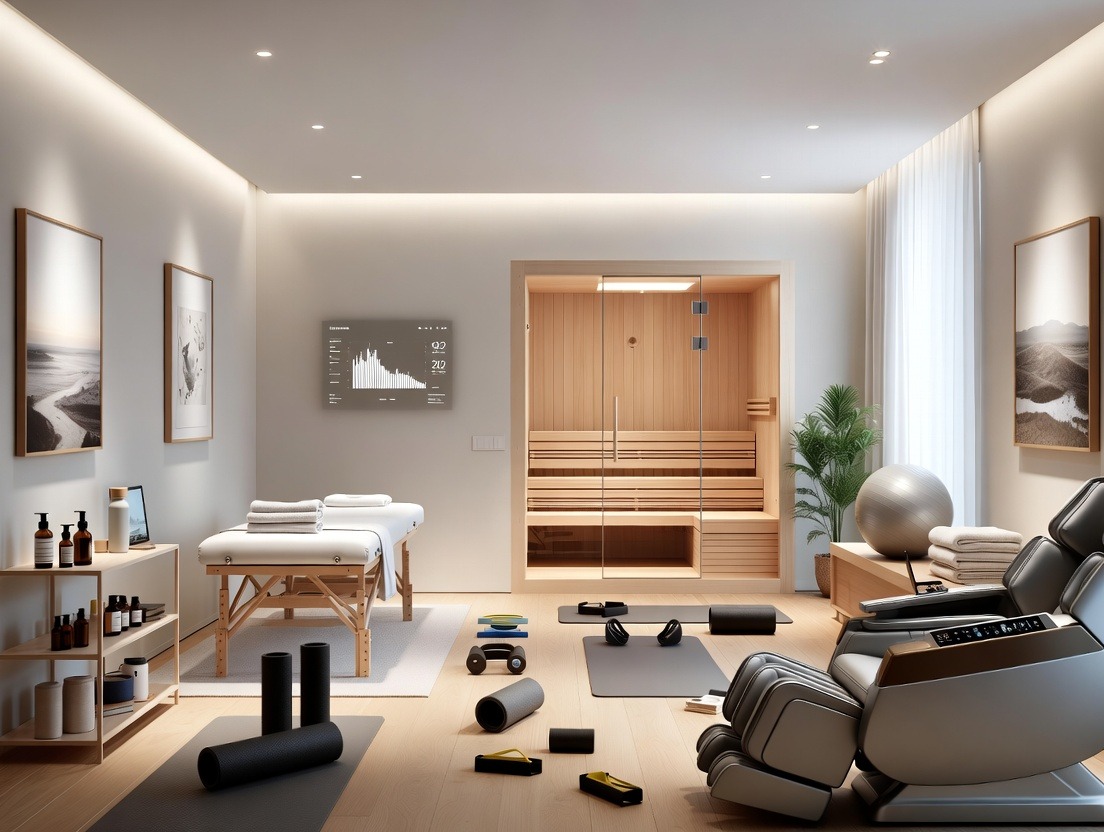
Physical activity is a powerful secondary zeitgeber. It sends strong signals to your peripheral clocks, especially in your muscles, and influences your core temperature rhythm. However, timing is crucial, as exercise can be stimulating or relaxing depending on when you do it.
The goal is to use exercise to amplify your circadian rhythm, not fight it. By scheduling intense sessions earlier and reserving the evening for gentle recovery, you create a powerful daily rhythm of stress and recovery that trains your nervous system for resilience, reflected in a higher HRV.
Your brain has a circadian rhythm too. The constant cognitive engagement, information overload, and emotional stimuli from our digital devices represent a profound and novel form of circadian disruption. It’s not just the blue light; it’s the cognitive and emotional light.
The hyper-connectivity of the modern world keeps our minds in a state of sympathetic arousal long after the sun has set. Checking work email, engaging in stressful social media debates, or even watching an intense thriller triggers the release of cortisol and adrenaline, directly opposing the physiological wind-down process.
Implementing a Digital Sunset:
This practice reduces cognitive “rumination”—the repetitive, anxious thinking that is a major killer of sleep onset and HRV. By giving your brain a predictable period of low stimulation, you signal to your SCN and ANS that it is safe to transition into the restorative state. The calm mind is a prerequisite for a calm nervous system, and a calm nervous system is the engine of high HRV. For more strategies on creating a holistic wellness routine, our blog is a repository of practical tips and insights.
Cortisol has been villainized, but it is an essential, life-sustaining hormone with a perfect circadian rhythm of its own. Ideally, it peaks 30-60 minutes after waking (the Cortisol Awakening Response, CAR), providing natural energy, then gradually declines throughout the day, reaching its lowest point around midnight.
The problem in modern life is not cortisol itself, but cortisol dysregulation: a flattened rhythm where the morning peak is blunted (leaving you fatigued) and the evening decline is insufficient (keeping you wired). Chronic stress, poor sleep, and circadian misalignment all contribute to this dysregulation. Since cortisol is the primary “alerting” hormone of the sympathetic nervous system, a dysregulated rhythm directly suppresses HRV.
Strategies to Reshape Your Cortisol Rhythm:
By viewing cortisol through a circadian lens, you stop fighting it and start working with its natural rhythm. You support its healthy peaks and valleys, creating the ideal hormonal environment for your nervous system to display the flexibility and resilience that is high HRV. This philosophy of working with your biology is central to our mission, which you can read more about in our story.
Humans are social creatures, and our interactions have circadian influences. “Social jet lag” is the mismatch between your biological clock (when your body wants to sleep) and your social clock (when work or social obligations force you to be awake). It’s most starkly seen in weekend behavior: staying up late and sleeping in on Friday and Saturday nights, then struggling with early wake-ups on Monday. This is the equivalent of flying across time zones every weekend, and it wreaks havoc on circadian alignment and HRV.
Similarly, shift work is one of the most extreme and damaging circadian challenges, associated with significant health risks and chronically low HRV.
Strategies for Consistency:
The more regular your sleep/wake times, the stronger and more stable your circadian rhythm becomes. This stability translates directly into a more stable and elevated HRV, as your nervous system can predict and prepare for periods of rest and activity with efficient precision. This journey of synchronization is a personal one, and seeing the data can be transformative, as shared by many in our community of users who detail their stories of finding rhythm.
Building on the foundational pillars of light, temperature, food, movement, and stress management, we now move into the realm of personalization and advanced strategy. The universal principles are just the beginning; true optimization comes from interpreting your body’s unique feedback and crafting a protocol that aligns with your individual biology and lifestyle. This is where the journey from theory to transformation truly begins.
You’ve been applying the principles—morning light, consistent meals, a digital sunset. But are they working? Is your 7 AM light exposure more potent than 8 AM? Does your 7 PM yoga class help or hinder your sleep? This is where a sophisticated wellness tracker, like a smart ring, transitions from a simple sleep logger to your personal circadian biofeedback lab. The data tells the story your conscious mind can’t perceive.
To optimize, you must learn to interpret the key metrics in concert:
1. Heart Rate Variability (HRV): The North Star
As established, HRV is your primary outcome metric for recovery and nervous system balance. Don’t obsess over daily fluctuations; focus on the trend over weeks and months. Look for these patterns:
2. Resting Heart Rate (RHR) & Sleep Heart Rate
Your heart rate during deep sleep should be your lowest of the 24-hour cycle. A rising nocturnal RHR, especially when paired with low HRV, is a classic sign of sympathetic nervous system activation during sleep. This can be caused by late eating, alcohol, an overly warm room, or untreated sleep apnea. Watch for correlations.
3. Skin Temperature & Temperature Deviation
This is a direct window into your core temperature rhythm. A good wearable tracks distal (wrist or finger) temperature throughout the night.
4. Sleep Stages: The Architecture of Recovery
While total sleep time matters, the architecture is crucial for circadian health.
The Art of Correlation: The magic happens when you correlate these metrics. For example: *“On nights after I ate dinner after 8 PM, my sleep-onset heart rate was 5 bpm higher, my HRV was 12% lower, and my deep sleep duration decreased by 15 minutes.”* This objective feedback makes your protocol non-negotiable. It moves you from “I should eat earlier” to “When I eat late, my recovery is objectively worse.” For a more detailed look at interpreting this complex data, our blog features expert guides and case studies.
Armed with principles and data, it’s time to build your unique CRO plan. This isn’t about perfection overnight; it’s about strategic, incremental changes that compound. Follow this framework, focusing on one cue at a time for at least a week while monitoring your data.
Phase 1: Foundation & Observation (Weeks 1-2)
Phase 2: Mastering the Master Cue – Light (Weeks 3-4)
Phase 3: Synchronizing Metabolism – Food Timing (Weeks 5-6)
Phase 4: Optimizing Activity & Recovery (Weeks 7-8)
Phase 5: Refinement & Personalization (Ongoing)
Now you’re no longer following a generic plan. You’re conducting your own experiment. Your data will reveal your personal sensitivities.
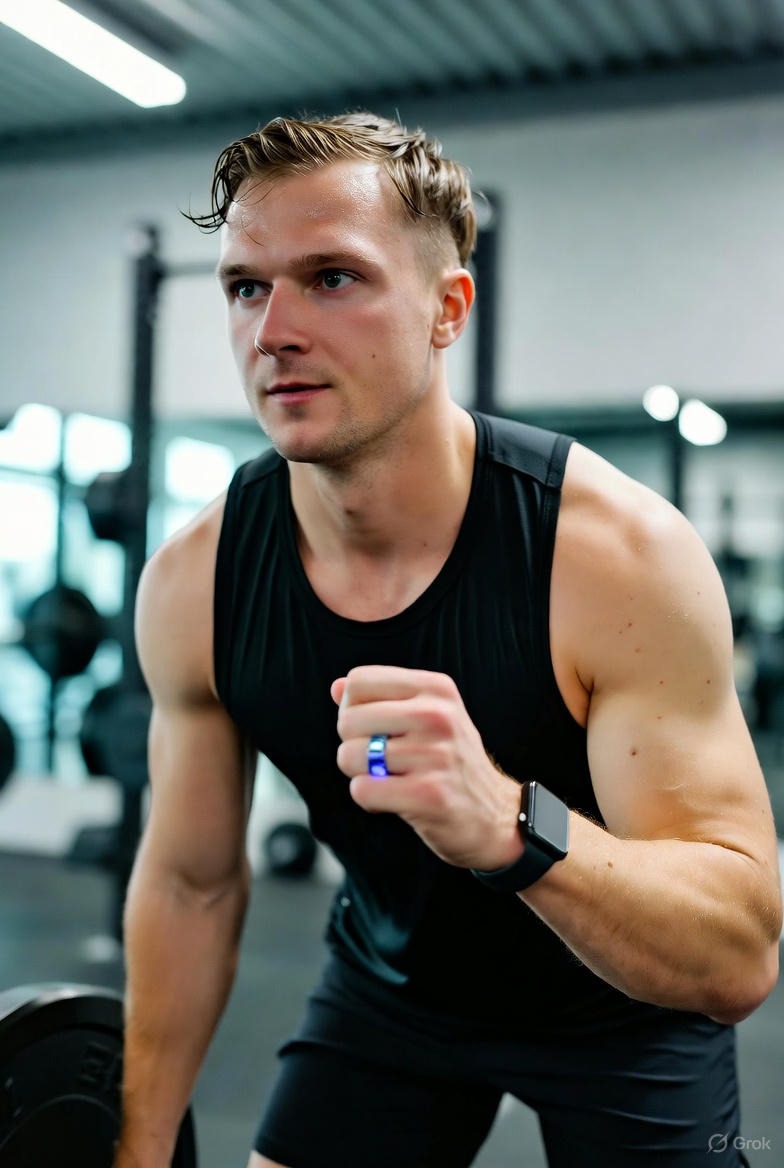
Despite your best efforts, your HRV may hit a plateau or dip. Instead of guessing, use a systematic, circadian-based diagnostic approach. Low HRV is a symptom; your job is to find the root cause.
Scenario 1: Consistently Low HRV with Poor Sleep Quality
Scenario 2: Sudden, Sharp Drop in HRV
Scenario 3: Gradual, Chronic Decline in HRV Trend
Scenario 4: High HRV but Still Feeling Fatigued
Not all circadian rhythms are set to the same clock. Your chronotype is your genetically influenced predisposition for sleep and activity times. The classic spectrum ranges from the early-rising “Lark” to the late-to-bed, late-to-rise “Night Owl.” Forcing a night owl into a 5 AM routine can be as misaligned as forcing a lark to work a night shift.
Key Insights:
Optimization by Chronotype:
Your wearable data can help identify your natural tendency. Do your best HRV scores come on weekends when you sleep later? Does your body temperature reliably drop after midnight? Honor your blueprint while using environmental cues to gently nudge it toward a sustainable, healthy alignment. Many users find that understanding this personal rhythm is the key to making other wellness tools work, as echoed in the experiences shared by our community.
While light, timing, and behavior are the primary drivers, certain nutrients and compounds can act as supportive players—fine-tuning the machinery or providing the raw materials your circadian system needs to function optimally. Think of these as adjuvant therapies, not replacements for the core cues.
1. Foundation: The Micronutrient Orchestra
2. Direct Sleep and Rhythm Support
3. Timing is Everything (Again)
The circadian principle extends to supplementation. Take stimulating supplements (B-vitamins, vitamin D, adaptogens like rhodiola) in the morning. Take calming, sleep-supportive supplements (magnesium, glycine, L-theanine) in the evening. Never blindly take a supplement; always consider its effect on your arousal state and whether it aligns with your circadian goal at that time.
Important Note: These are supportive tools. The most powerful “supplement” is still morning sunlight, and the most powerful “sleep aid” is a dark, cool room. Use nutrition to fill gaps and supplements strategically, not as a crutch for poor circadian hygiene. For more research-backed insights on nutrition and circadian science, our blog is continually updated with the latest findings.
Life is not a controlled lab. The true test of your circadian resilience and the utility of your knowledge comes when life throws you curveballs: a red-eye flight, a month of night shifts, or a holiday season of parties.
Strategy 1: Mastering Jet Lag
Jet lag is pure circadian misalignment. Your internal clock is in one time zone, your body is in another.
Strategy 2: Surviving and Thriving on Shift Work
This is an extreme circadian challenge, but harm can be mitigated.
Strategy 3: Navigating Social Evenings
You don’t have to become a hermit. Be strategic.
In all these scenarios, your wearable is your compass. It will show you the real cost of the disruption and guide you back to baseline faster. This practical application of principles is what turns knowledge into lasting resilience, a core part of the vision you can read about in our mission.
You have the principles, the personalization strategies, and the troubleshooting tools. Now, we bring it all together into a sustainable, lifelong practice. This final section is about moving from optimization as a project to circadian alignment as a lifestyle—a foundational element of your identity that pays dividends far beyond a number on a screen. We’ll solidify your plan, bust pervasive myths, and look at the profound, long-term horizon of what it truly means to live in sync.
Theory is vital, but execution is everything. This 30-day plan is designed to systematically install the core habits of circadian health, building momentum and allowing you to witness the compounding benefits. Use your wearable data as your objective success metric.
Week 1: The Light Foundation (Days 1-7)
Week 2: Synchronize Your Fuel (Days 8-14)
Week 3: Optimize Movement & Recovery (Days 15-21)
Week 4: Integration & Personalization (Days 22-30)
By Day 30, these actions will have moved from conscious effort toward automatic routine. You will have a clear, data-backed understanding of what your body needs to thrive. This process of self-experimentation is central to modern wellness, and you can discover how others have navigated their own 30-day resets.
While HRV is our precise guiding metric, the benefits of circadian alignment cascade into every corner of your health and life. Think of high HRV as the smoke from a well-tended fire; the fire itself is vibrant health.
1. Metabolic Mastery & Weight Management
A synchronized circadian system optimizes insulin sensitivity, glucose metabolism, and fat oxidation. Your body becomes efficient at using food for energy during the day and repairing itself at night. Late-night eating, which disrupts this rhythm, is strongly linked to weight gain and metabolic syndrome, independent of calories. Alignment promotes a healthy body composition naturally.
2. Cognitive Clarity & Emotional Resilience
Your brain’s cleanup crew, the glymphatic system, is most active during deep sleep, clearing metabolic waste like beta-amyloid (associated with Alzheimer’s). A stable circadian rhythm enhances memory consolidation, creativity, and focus. Emotionally, it regulates the HPA axis and neurotransmitters like serotonin, providing a stable buffer against anxiety and depression. You don’t just sleep better; you think and feel better.
3. Immune System Fortification
Your immune cells have circadian rhythms. Their surveillance, alert, and attack functions are timed for optimal efficiency. Shift work and chronic jet lag are associated with significantly higher rates of infection, chronic inflammation, and even certain cancers. A robust circadian rhythm ensures your immune defenses are fully mustered at the right times.
4. Longevity & Disease Prevention
At its core, circadian disruption is a form of chronic, low-grade stress that accelerates aging at the cellular level. It damages DNA repair mechanisms, shortens telomeres, and promotes systemic inflammation—the hallmark of almost every age-related disease. Alignment, conversely, is a pillar of longevity. It’s not just about adding years to your life, but adding life to your years: sustained vitality, strength, and mental acuity.
5. The Intangible: Flow and Synchronicity
There is a profound, subjective benefit to living in rhythm with the natural world. Waking with the dawn, having energy when you need it, winding down as the world grows quiet—this creates a sense of flow and reduces the friction of daily life. It fosters a deeper connection to your own biology and the environment, reducing the feeling of being at war with your own body. This philosophical approach to integrated health is what drives our vision, which you can explore in our founding story.

As circadian health gains popularity, misinformation spreads. Let’s clarify common misconceptions.
Myth 1: “I’m a night owl, so I’m doomed to poor health.”
Truth: Your chronotype is a predisposition, not a destiny. While night owls may face more challenges in a 9-5 world, they can achieve superb circadian alignment and high HRV by being consistent with a later schedule (e.g., 12 AM-8 AM) and using light aggressively to manage phase. The health risk comes from social jet lag—the constant shift between weekday and weekend schedules.
Myth 2: “I can catch up on sleep on the weekends.”
Truth: You cannot bank or repay sleep debt in a lump sum. While extra weekend sleep can alleviate acute fatigue, it does not reverse the metabolic, cognitive, and cardiovascular disruptions caused by chronic weekday sleep deprivation. It also creates the damaging jet lag effect. Consistency is infinitely more powerful than compensation.
Myth 3: “Blue light blockers are all I need for sleep.”
Truth: Blue blockers are a helpful tool, but they are a band-aid, not a cure. They address only one aspect of screen use: the light. They do nothing for the cognitive and emotional arousal from scrolling, working, or gaming. A digital sunset—physically disengaging from stimulating content—is non-negotiable. The glasses are an adjunct, not a replacement.
Myth 4: “If I track my sleep, I don’t need to worry about timing of other things.”
Truth: Tracking without action is just expensive astrology. The data is only as valuable as the behavioral changes it inspires. Seeing a low HRV is meaningless if you don’t use it to diagnose and adjust your light, food, or stress. The wearable is the compass; you still have to steer the ship.
Myth 5: “Circadian routines are too rigid for a fun, spontaneous life.”
Truth: Optimization provides resilience, not rigidity. When your foundation is strong (80-90% of the time), you have a massive buffer to enjoy spontaneity—a late concert, a vacation, a festive dinner—without catastrophic health effects. Your body will bounce back quickly because it is resilient. The routine isn’t a cage; it’s the armor that lets you safely engage in the battle of modern life. For more nuanced discussions on balancing structure and spontaneity, our community often shares their insights.
Human beings are wired for connection. Our nervous systems are not isolated units; they are social organs that constantly co-regulate with those around us through a process called "limbic resonance." This means the quality of your relationships—and your skill in navigating them (your emotional intelligence)—has a direct, measurable impact on your Heart Rate Variability. Positive, secure connections can be a powerful source of parasympathetic activation and HRV elevation. Toxic, conflict-ridden, or lonely relationships are a relentless drain on your physiological resilience.
Co-regulation vs. Dysregulation: The Physiology of Connection
When you share a safe, positive moment with someone—a deep conversation, shared laughter, a comforting hug—your nervous systems can literally synchronize. Heart rates and breathing patterns can align, and through the mechanisms of the vagus nerve (specifically its ventral vagal branch, associated with social engagement), you can help each other downregulate stress. This is co-regulation, and it's a biological imperative.
Conversely, social threat—criticism, rejection, conflict, or even perceived exclusion—is processed in the brain similarly to physical threat. It triggers the same sympathetic fight-or-flight cascade, releasing cortisol and suppressing vagal tone. A hostile work environment, a strained marriage, or chronic loneliness creates a background of social stress that is one of the most potent suppressors of HRV.
Emotional Intelligence as an HRV Skill Set: Emotional Intelligence (EQ) is the ability to identify, understand, and manage your own emotions and the emotions of others. Developing EQ is not just "soft skill" development; it's training for your nervous system to navigate the social world with less friction and greater resilience.
Actionable Steps to Build HRV-Supportive Social Habits:
By investing in the quality of your connections and your emotional skills, you build a social safety net that supports your nervous system. You create an external environment that is less threatening and more nourishing. In this context, high HRV isn't just an individual achievement; it's a relational one, reflecting a life rich in secure, supportive bonds. This holistic view of well-being is central to our philosophy; you can read more about our vision and values in our story.
The final step is ensuring this isn’t a 30-day challenge that fades, but a permanent upgrade to your operating system.
1. Adopt a Seasons Mindset
Your circadian rhythm interacts with the seasons. In summer, you may naturally have a later bedtime and thrive on more activity. In winter, you may need to embrace more sleep and be vigilant about morning light. Listen to these natural shifts. Don’t fight for the same 5 AM wake-up in December if you have no sunlight until 8 AM; consider a later, more aligned schedule or the strategic use of a therapy lamp.
2. Practice Minimum Viable Alignment (MVA)
On chaotic days—travel, family emergencies, crunch periods at work—drop back to your non-negotiables. What is the bare minimum to keep your rhythm intact? Usually, it’s:
3. Cultivate Circadian Rituals, Not Rules
Reframe your habits from restrictive “rules” to nurturing “rituals.” Your morning sunlight isn’t a chore; it’s your daily connection to the sun and a moment of peace. Your evening tea and book aren’t a restriction; they’re a cherished decompression. This psychological shift is key for long-term adherence.
4. Regularly Recalibrate with Data
Every 3-6 months, do a dedicated review week. Go back to “Phase 1: Observation” with fresh eyes. Have any slow declines crept in? Has a new habit become outdated? Your needs will change with age, fitness level, and life circumstances. Your protocol should evolve with you.
5. Share the Journey
Community is powerful. Share your learnings with a partner, family, or friends. When those around you understand why you prioritize morning light or an early dinner, they become allies, not obstacles. Living in a socially synchronized environment (even loosely) magnifies the benefits. This journey of shared discovery is part of the community we’ve built, and you can learn more about the people behind it here.
You began this guide perhaps seeing HRV as a mysterious number and your daily energy and sleep as disconnected events. You now possess the map to see the profound, interconnected system at play: your circadian rhythm, conducting the symphony of your biology.
The pursuit of higher HRV through Circadian Rhythm Optimization is not a niche biohack. It is a return to fundamental biological truth. It is the process of removing the modern-world static that drowns out your body’s innate wisdom. When you align with your rhythm, you are not just optimizing; you are allowing your body to function as it was designed to—with resilience, vitality, and grace.
The tools have never been better. With a sophisticated wearable like the Oxyzen ring, you have a continuous feedback loop, transforming abstract principles into concrete, personal insight. You can see the direct line between your evening walk and a spike in deep sleep, between your consistent bedtime and a soaring HRV trend.
This is the future of personalized health: not generic advice, but a deep, data-informed partnership with your own body. Start with light. Anchor with timing. Refine with data. Be consistent, not perfect. The path to higher HRV—and all the health, clarity, and energy it represents—is a rhythm, not a race. Listen to your body’s music, and conduct it with intention.
Your internal clock is waiting to keep perfect time. It’s time to synchronize.
Your Trusted Sleep Advocate (Sleep Foundation — https://www.sleepfoundation.org/)
Discover a digital archive of scholarly articles (NIH — https://www.ncbi.nlm.nih.gov/
39 million citations for biomedical literature (PubMed — https://pubmed.ncbi.nlm.nih.gov/)
experts at Harvard Health Publishing covering a variety of health topics — https://www.health.harvard.edu/blog/)
Every life deserves world class care (Cleveland Clinic -
https://my.clevelandclinic.org/health)
Wearable technology and the future of predictive health monitoring. (MIT Technology Review — https://www.technologyreview.com/)
Dedicated to the well-being of all people and guided by science (World Health Organization — https://www.who.int/news-room/)
Psychological science and knowledge to benefit society and improve lives. (APA — https://www.apa.org/monitor/)
Cutting-edge insights on human longevity and peak performance
(Lifespan Research — https://www.lifespan.io/)
Global authority on exercise physiology, sports performance, and human recovery
(American College of Sports Medicine — https://www.acsm.org/)
Neuroscience-driven guidance for better focus, sleep, and mental clarity
(Stanford Human Performance Lab — https://humanperformance.stanford.edu/)
Evidence-based psychology and mind–body wellness resources
(Mayo Clinic — https://www.mayoclinic.org/healthy-lifestyle/)
Data-backed research on emotional wellbeing, stress biology, and resilience
(American Institute of Stress — https://www.stress.org/)


