The Connection Between Restful Living and Longevity
Reducing chronic stress through restful living is linked to lower disease risk and increased lifespan.
The Silent Power of Rest: How Restful Living is Your Unfair Advantage for a Longer, Healthier Life
In the relentless pursuit of a life well-lived, we often chase the loud and visible: intense workouts, superfoods, productivity hacks, and life-extending bio-technologies. We fill our days with motion, our minds with information, and our calendars with obligations, believing that more activity equates to more achievement, and thus, a more meaningful existence. Yet, in this noisy orchestra of striving, we have systematically silenced the most profound, scientifically-validated conductor of health, vitality, and longevity: restful living.
This is not an article advocating for laziness or disengagement. This is a deep, evidence-based exploration into the radical, transformative power of true restoration. It's about understanding that longevity is not simply the absence of disease, but the presence of resilient, well-maintained cellular function—a process that occurs predominantly when we are at rest. The data is no longer whisper-quiet; it is a clarion call from the frontiers of neuroscience, chronobiology, and gerontology. Studies consistently show that individuals who prioritize high-quality sleep, manage stress effectively, and cultivate daily rhythms of recovery don't just feel better—they live longer, with sharper minds and more robust bodies.
Think of your biology not as a machine that never stops, but as a sophisticated, self-repairing organism with a mandatory maintenance schedule. Every night, during deep sleep, your brain power-washes itself of neurotoxic waste. Your immune system rehearses its defenses, your hormones rebalance, and memories solidify. During moments of daytime calm, your nervous system downshifts from survival mode, allowing inflammation to subside and digestion to optimize. This is not downtime. This is the production time for your future self.
In the following sections, we will dismantle the cultural myth that rest is the enemy of productivity and reveal it as the very foundation of sustained human performance and lifespan extension. We'll journey into the science of sleep, the physiology of stress, the art of recovery, and finally, examine how modern technology—like the sophisticated, non-intrusive biometric tracking offered by smart rings from innovators like Oxyzen—is providing us with an unprecedented, personalized roadmap to a more restful, and therefore, longer life. The connection between rest and longevity is the most important health story you're not fully hearing. It's time to listen.
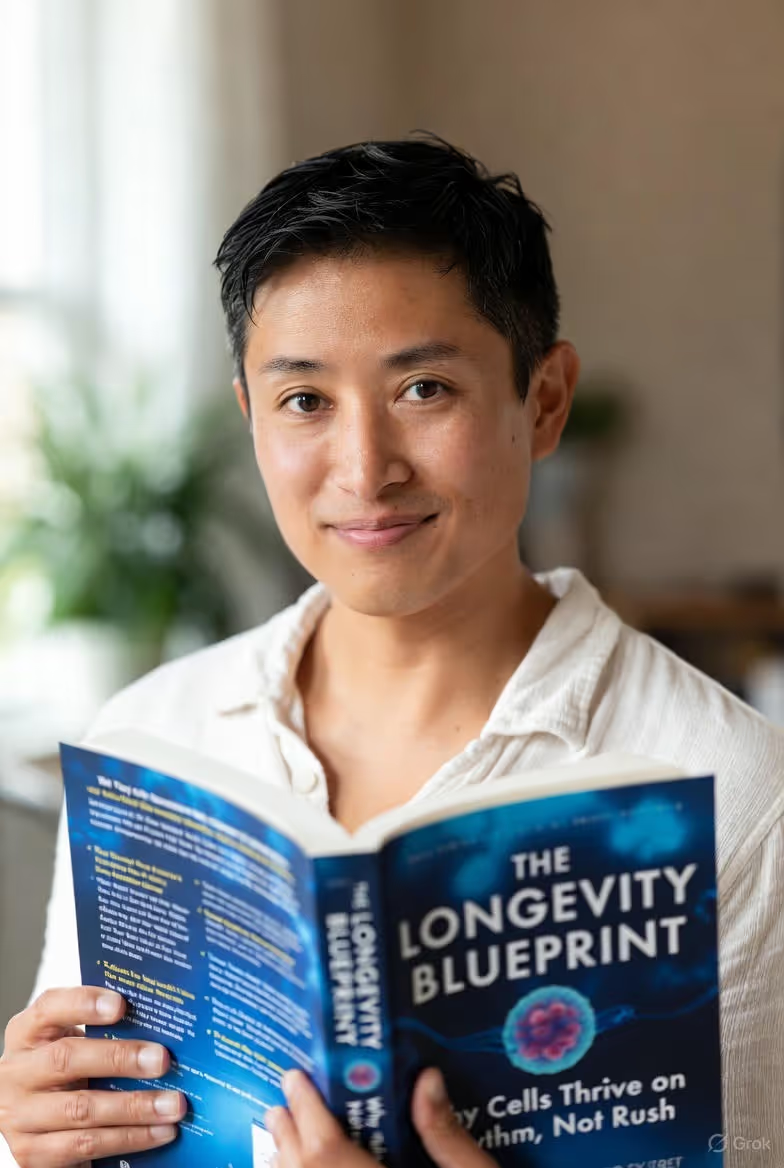
The Longevity Blueprint: Why Cells Thrive on Rhythm, Not Rush
The quest for longevity has evolved from a mystical search for a fountain of youth to a rigorous scientific discipline. Today, researchers aren't just looking at how long we live, but at healthspan—the number of years we live in good health. The central discovery of this new era is that our cellular health, and thus our healthspan, is inextricably linked to biological rhythms and cycles of activity and rest.
At the most fundamental level, our bodies operate on circadian rhythms, roughly 24-hour cycles governed by a master clock in the brain and subsidiary clocks in virtually every organ and cell. These clocks regulate everything from hormone release and body temperature to gene expression and cell repair. When we live in sync with these rhythms—awake and active in daylight, resting and sleeping in darkness—our cells function optimally. They efficiently produce energy, repair DNA damage, and clear out metabolic waste. This synchronicity is a cornerstone of longevity.
Conversely, chronic disruption of these rhythms—through irregular sleep, night-shift work, or constant exposure to artificial light at night—creates a state of internal desynchrony, often called "circadian misalignment." The consequences are profound:
Metabolic Chaos: Insulin sensitivity drops, hunger hormones like ghrelin rise, and the body becomes prone to storing fat, setting the stage for diabetes and obesity.
Compromised Repair: The nightly surge of human growth hormone, critical for tissue repair and muscle growth, is blunted.
Cellular Aging: Telomeres, the protective caps on the ends of our chromosomes that shorten with age, degrade faster under conditions of chronic stress and poor sleep.
Cognitive Decline: The brain's glymphatic system, which flushes out amyloid-beta and other toxic proteins linked to Alzheimer's disease, is most active during deep sleep. Disrupted sleep means a less effective clean-up.
The pioneering Framingham Heart Study and other longitudinal research have provided hard data. For instance, one study found that men who slept less than six hours a night had a 4x increased risk of dying from any cause over a 14-year period compared to those sleeping seven to eight hours. This isn't about a single bad night; it's about the cumulative, erosive effect of a life out of rhythm.
Restful living, therefore, is the practice of honoring these biological imperatives. It is the conscious design of a life that provides consistent, high-quality windows for the body to perform its essential, life-extending maintenance. It moves us from a state of constant breakdown (catabolism) to one of repair and rebuilding (anabolism). In this state, our cells aren't just surviving the daily grind; they are thriving, resisting the wear and tear that defines aging. To dive deeper into the biology of stress and recovery, our resource hub offers a wealth of information on understanding your body's signals for better health.
Sleep: The Non-Negotiable Pillar of Cellular Rejuvenation
If restful living is the cathedral of longevity, then sleep is its central pillar. We've moved far beyond viewing sleep as a passive state of unconsciousness. Modern science reveals it as a highly active, orchestrated period of biological restoration that is utterly non-negotiable for a long, healthy life. To compromise on sleep is to compromise on your body's most critical repair cycle.
Sleep architecture is composed of cycles, each containing stages of light sleep, deep sleep (Slow-Wave Sleep), and REM (Rapid Eye Movement) sleep. Each stage plays a unique, vital role:
Deep Sleep (SWS): This is the physical restoration phase. Blood pressure drops, breathing slows, and the body releases a pulse of growth hormone. This is when tissue growth and repair occur, energy is restored, and the immune system is fortified. It's the body's prime time for fixing the microscopic damage of the day.
REM Sleep: This is the mental and emotional restoration phase. The brain is almost as active as when awake, consolidating memories, processing emotions, and facilitating learning and creativity. It's a mental reset that is crucial for cognitive longevity and emotional resilience.
The consequences of sleep deprivation are a direct assault on longevity pathways:
The Brain's Nightly Detox: During deep sleep, the space between brain cells expands by about 60%, allowing cerebrospinal fluid to flush through like a gentle tide, carrying away metabolic debris like amyloid-beta. Chronic short sleep means this janitorial service is consistently cut short, allowing toxins to accumulate—a primary risk factor for neurodegenerative diseases.
Metabolic Mayhem: Sleep loss throws key hormones into disarray. Leptin (the "I'm full" hormone) decreases, while ghrelin (the "I'm hungry" hormone) increases, driving cravings for high-calorie, sugary foods. Simultaneously, cells become resistant to insulin. This one-two punch is a direct driver of weight gain and Type 2 diabetes.
Cardiovascular Strain: During normal sleep, blood pressure and heart rate dip. Without this nocturnal respite, the cardiovascular system remains under constant pressure. Studies link chronic short sleep to hypertension, stroke, and coronary heart disease.
Immune System Suppression: Sleep is when your immune system releases proteins called cytokines, some of which help fight infection and inflammation. Skimping on sleep reduces production of these protective cytokines, leaving you more vulnerable to illnesses and chronic inflammation, a key driver of aging.
The evidence is unequivocal. A landmark review published in the journal Sleep concluded that both short (7 hours) sleep duration are associated with a higher risk of mortality. The "sweet spot" for most adults is consistently 7-9 hours of quality, uninterrupted sleep. This isn't a luxury; it's a fundamental, irreplaceable maintenance session for the human body. For those curious about how technology can provide insights into these vital sleep stages, learning more about advanced sleep tracking can be a transformative first step.
The Stress-Longevity Paradox: How Chronic Alertness Shortens Your Lifespan
Stress, in its acute form, is a brilliant, life-saving biological adaptation. The "fight-or-flight" response, mediated by the sympathetic nervous system and hormones like cortisol and adrenaline, sharpens our senses, mobilizes energy, and prepares us to face immediate threats. Our ancestors relied on it to survive predators. The problem for modern humans is not stress itself, but its unrelenting, chronic nature. We have replaced the occasional sabertooth tiger with a constant barrage of psychological and social threats: looming deadlines, financial worries, social media comparisons, and the 24/7 ping of digital connectivity.
When the stress response is perpetually activated, the very systems designed to save us begin to erode our health and accelerate aging. This is the stress-longevity paradox: a short-term survival mechanism becomes a long-term death sentence.
The physiology is clear. Chronic stress leads to:
Dysregulated Cortisol: Instead of a healthy, sharp peak in the morning that tapers off, chronic stress can lead to either consistently high cortisol levels or a flattened rhythm. High cortisol suppresses the immune system, increases blood sugar, and promotes the storage of visceral fat around organs. It also inhibits the anabolic, repair-focused functions of the body.
Sympathetic Overdrive: The nervous system gets stuck in "go" mode. Heart rate variability (HRV)—a key marker of nervous system resilience and recovery—plummets. High resting heart rate and low HRV are strong predictors of cardiovascular events and all-cause mortality.
Telomere Erosion: Some of the most compelling evidence linking stress to accelerated aging comes from telomere research. Telomeres are like the plastic tips on shoelaces, preventing our chromosomal DNA from fraying. Each time a cell divides, they shorten. The enzyme telomerase can rebuild them, but chronic stress and the associated inflammation inhibit telomerase activity. Pioneering work by Nobel laureate Elizabeth Blackburn and health psychologist Elissa Epel showed that women with the highest perceived psychological stress had telomeres shorter by the equivalent of at least one decade of additional aging compared to low-stress women.
Inflammatory Fire: Chronic stress fuels a state of low-grade, systemic inflammation ("inflammaging"). Stress hormones like cortisol initially suppress inflammation, but with chronic exposure, the body becomes resistant, and inflammation runs rampant. This fire damages tissues, contributes to atherosclerosis, and is implicated in almost every age-related disease from arthritis to dementia.
Restful living, therefore, requires actively engaging the antidote to the stress response: the rest-and-digest system, or the parasympathetic nervous system. This is the state of "calm and connection," where heart rate slows, digestion improves, and repair processes are prioritized. Cultivating this state is not about eliminating stress—an impossible task—but about building resilience through intentional recovery. It’s the daily practice of signaling safety to your nervous system, convincing your biology that the war is over, and it’s safe to begin repairs. For practical strategies on managing daily stressors, our community often shares their experiences and tips in our real user testimonials.
The Art of Active Recovery: Moving Your Way to Deeper Rest
A common misconception is that restful living means stillness at the expense of movement. In reality, the relationship between activity and recovery is symbiotic, not antagonistic. Strategic, mindful movement is one of the most powerful tools we have to enhance the quality of our rest and, by extension, our longevity. This is the domain of active recovery—the intentional use of low-intensity, non-straining activity to promote physiological restoration and prepare the body for deeper rest.
The goal of active recovery is not to create additional strain or achieve a training effect. It is to stimulate circulation without significant metabolic cost, helping to clear metabolic byproducts (like lactate), deliver nutrients to muscles and joints, and gently engage the parasympathetic nervous system. Examples include:
Walking in Nature: A gentle walk, especially in a green space, combines light cardiovascular activity with the proven stress-reducing benefits of nature immersion (a concept known as "forest bathing" or Shinrin-yoku).
Yoga and Tai Chi: These ancient practices blend gentle movement with breath awareness and mindfulness, directly down-regulating the stress response and improving flexibility and balance—key for longevity and fall prevention in later life.
Mobility Work and Gentle Stretching: This helps release muscular tension, improve joint health, and maintain the functional range of motion critical for independent living as we age.
Low-Intensity Steady-State (LISS) Cardio: A leisurely bike ride or a slow swim.
The physiological benefits are profound for longevity:
Enhanced Glymphatic & Lymphatic Flow: While the brain's glymphatic system is most active during sleep, gentle movement can support the body's lymphatic system, which relies on muscle contraction to circulate lymph fluid and remove cellular waste and toxins. A sluggish lymphatic system contributes to inflammation and edema.
Improved Sleep Architecture: Regular, moderate exercise is one of the most reliable non-pharmacological ways to improve sleep quality and increase deep sleep. However, timing is key. Exercise too close to bedtime can be stimulating for some, while morning or afternoon activity helps solidify circadian rhythms.
Mitochondrial Biogenesis: Mitochondria are the power plants of our cells. Their health and efficiency are central to aging. Gentle, consistent activity signals the body to create new, healthy mitochondria (biogenesis), improving cellular energy production and reducing oxidative stress.
Stress Buffer: Active recovery practices, particularly mindful ones, act as a buffer against the psychological effects of stress. They provide a moving meditation, breaking the cycle of ruminative thought and physically discharging nervous energy.
Integrating active recovery is about listening to your body. It’s the walk you take when you're feeling stiff from sitting, the gentle stretch session before bed, or the restorative yoga class. It acknowledges that movement is not always about pushing limits; often, it's about nurturing the system so it can rest, repair, and endure for the long journey. Understanding your own body's response to different activities is key, a process greatly illuminated by personalized data. To see how others have integrated this data into their wellness journey, you can read about their transformative experiences.
Digital Downtime: Reclaiming Your Nervous System from the 24/7 World
Our environment has evolved faster than our biology. While our ancestors' stressors were episodic and physical, ours are psychological and perpetual, delivered through a device we carry in our pockets. The constant connectivity of the digital age represents perhaps the greatest modern antagonist to restful living. The blue light, the endless notifications, the social comparison, and the information overload create a state of chronic, low-grade alertness that directly sabotages our physiological need for deep rest.
The impact on our longevity pathways is significant and multi-faceted:
Circadian Disruption: The blue light emitted by screens suppresses melatonin production, the hormone that cues sleepiness. Using devices in the evening tricks the brain into thinking it's still daytime, delaying sleep onset and compromising sleep quality. This weakens the foundation of cellular repair.
Cognitive Overload & Attentional Fragmentation: The modern digital diet of rapid-fire information and constant task-switching exhausts the prefrontal cortex, the brain's executive center. This leads to mental fatigue, reduced willpower, and increased perceived stress. A tired brain is less capable of making healthy choices and more prone to anxiety.
The "Always-On" Stress Response: The ping of a notification can trigger a micro-surge of cortisol and dopamine. Over the course of a day, this creates a rollercoaster of stress and reward, keeping the sympathetic nervous system subtly engaged. There is no true "off" switch, preventing the nervous system from entering the sustained parasympathetic state required for repair.
Erosion of Real-World Connection: While digitally "connected," we often sacrifice deep, in-person social interactions, which are a bedrock of emotional resilience and longevity. Loneliness and social isolation are as potent a mortality risk factor as smoking 15 cigarettes a day.
Cultivating digital downtime, therefore, is not a Luddite rejection of technology, but a strategic, health-preserving practice. It is the creation of tech-free zones and times to allow your biology to reset. Effective strategies include:
Implementing a Digital Sunset: Ceasing all screen use at least 60-90 minutes before bedtime. Replace with reading a physical book, gentle conversation, or meditation.
Creating Tech-Free Sanctuaries: Making the bedroom a device-free zone. The bed should be for sleep and intimacy only, not for scrolling or answering emails.
Batching Notifications: Turning off non-essential notifications and designating specific times to check email and social media, rather than responding to every interruptive ping.
Practicing Single-Tasking: Consciously dedicating blocks of time to one focused activity without switching tabs or checking your phone.
This intentional disconnection creates the space for your nervous system to remember its natural, restful state. It lowers the ambient stress volume of your life, making way for deeper sleep, clearer thinking, and more meaningful connection—all pillars of a long, vibrant life. For more insights on creating a balanced relationship with technology for wellness, our blog explores this topic in depth.
Nutrition for Rest: How What You Eat (and When) Orchestrates Sleep and Repair
We are familiar with the concept of "you are what you eat" for physical composition, but a more profound truth is "you rest how you eat." Nutrition is a powerful dial we can turn to directly influence sleep quality, stress resilience, and the overnight repair processes that underpin longevity. It’s not just about the nutrients themselves, but their timing and their impact on our circadian biology and nervous system.
Certain foods and eating patterns act as precursors or co-factors for the neurotransmitters and hormones that govern rest and wakefulness:
The Tryptophan to Melatonin Pathway: The sleep hormone melatonin is synthesized from the neurotransmitter serotonin, which in turn is made from the amino acid tryptophan. Consuming tryptophan-rich foods (turkey, pumpkin seeds, milk, eggs) as part of a balanced meal with carbohydrates can facilitate its entry into the brain. Key co-factors in this conversion are magnesium, vitamin B6, and zinc.
Magnesium: The Relaxation Mineral: Magnesium plays a critical role in calming the nervous system by regulating neurotransmitters and supporting the function of GABA, the brain's primary inhibitory (calming) neurotransmitter. Magnesium deficiency is linked to insomnia, anxiety, and muscle cramps. Leafy greens, nuts, seeds, and avocados are excellent sources.
Glycogen and Sleep Maintenance: A small, complex-carbohydrate snack before bed (like a few whole-grain crackers) can help maintain stable blood sugar levels through the night, preventing a hypoglycemic dip that might trigger a cortisol awakening and disrupt sleep.
The Anti-Inflammatory Effect: Chronic inflammation disrupts sleep and stresses the body. A diet rich in antioxidants (berries, dark leafy greens) and omega-3 fatty acids (fatty fish, walnuts) helps quell this inflammatory fire, creating a more conducive internal environment for rest.
Conversely, dietary choices can be profoundly disruptive:
Caffeine & Stimulants: Caffeine has a half-life of 5-6 hours. That afternoon coffee can still be blocking adenosine (a sleep-promoting neurotransmitter) receptors at 10 PM. It also can elevate cortisol, compounding stress.
Heavy, Late-Night Meals: Digesting a large, rich meal requires significant energy and raises core body temperature. Since a natural drop in core temperature is a key signal for sleep onset, this can delay and fragment sleep.
Alcohol: While it may induce initial drowsiness, alcohol is a sedative that suppresses REM sleep—the crucial stage for memory and emotional processing. It also leads to fragmented sleep in the second half of the night as the body metabolizes it.
High-Glycemic Meals Before Bed: Sugary foods cause a rapid spike and subsequent crash in blood sugar, which can trigger wakefulness.
The timing of meals also speaks to our circadian biology. Emerging research on time-restricted eating (TRE), such as confining all eating to an 8-12 hour window each day, suggests it can improve sleep quality, enhance metabolic health, and promote cellular autophagy—a "self-cleaning" process where cells recycle damaged components. Aligning your eating window with daylight hours generally supports your natural cortisol and melatonin rhythms. For those navigating the complexities of diet and sleep data, our comprehensive FAQ section addresses many common questions on integrating these insights.
The Mind-Rest Connection: Meditation, Mindfulness, and the Science of Calm
If stress is the accelerant of aging, then a calm mind is its most potent firebreak. The practices of meditation and mindfulness represent the most direct, intentional training we can undertake to cultivate the state of physiological rest while awake. They are not esoteric spiritual exercises but proven, neurological workouts that reshape the brain and down-regulate the body's stress response, with direct implications for longevity.
Neuroimaging studies show that regular meditation can lead to:
Increased Gray Matter Density in brain regions associated with learning, memory, and emotional regulation (the prefrontal cortex and hippocampus).
Decreased Amygdala Size: The amygdala is the brain's fear and threat center. A smaller, less reactive amygdala means a lower baseline of perceived stress and a faster recovery from stressful events.
Strengthened Default Mode Network (DMN) Connectivity: The DMN is active when we are at rest and not focused on the outside world—often associated with mind-wandering and self-referential thought. A balanced DMN is linked to less ruminative anxiety and depression.
The physiological "relaxation response," first described by Dr. Herbert Benson, is the direct antithesis of the fight-or-flight response. Elicited through practices like meditation, deep breathing, or prayer, it yields:
Reduced Metabolic Rate: Lower oxygen consumption and carbon dioxide elimination.
Decreased Heart Rate and Blood Pressure
Slower, Deeper Breathing
Increased Heart Rate Variability (HRV): A higher HRV indicates a flexible, resilient autonomic nervous system capable of smoothly transitioning between stress and recovery states. It is one of the strongest biomarkers for cardiovascular health and longevity.
The mechanisms through which mindfulness promotes longevity are tangible:
Telomere Maintenance: Several studies have found that long-term meditators have longer telomeres than age-matched controls. Mindfulness appears to reduce the psychological stress and inflammation that shorten telomeres.
Epigenetic Regulation: Practices like meditation may influence gene expression, down-regulating pro-inflammatory genes and up-regulating genes involved in DNA repair and immune function.
Reduced Inflammation: By lowering stress hormones, mindfulness directly reduces the production of inflammatory cytokines like NF-kB, a master regulator of inflammation.
Incorporating mindfulness doesn't require an hour of silent sitting. It can be as simple as a 5-minute daily breath-awareness practice, a mindful walk where you fully engage your senses, or a brief body scan before sleep. The goal is to repeatedly practice disengaging from the chatter of the mind and returning to the present moment, training the nervous system to find calm amidst chaos. This skill becomes a portable sanctuary, a way to access restful states throughout the day, continuously signaling to your body that it is safe to repair and renew.
Environmental Design: Crafting Your Sanctuary for Optimal Recovery
Our physiology is in a constant, silent conversation with our environment. The spaces where we live, work, and sleep send powerful cues to our nervous and circadian systems. Restful living, therefore, extends beyond personal habits into the deliberate design of our surroundings to support, rather than sabotage, our need for recovery. By optimizing key environmental factors, we can create sanctuaries that passively promote longevity-enhancing rest.
Light: The Master Zeitgeber Light is the most powerful cue for our central circadian clock. Harnessing its natural cycle is paramount.
Morning Light Exposure: Getting bright, ideally natural, light within 30-60 minutes of waking sharply halts melatonin production, boosts cortisol (healthily), and sets your internal clock for the day. This leads to better energy and a more robust melatonin release later that night.
Evening Light Management: As sunset approaches, we must minimize exposure to blue-wavelength light. This means using dim, warm-toned lighting, activating "night shift" modes on devices, and ideally, wearing blue-light-blocking glasses if screen use is necessary. The goal is to mimic the natural progression into darkness.
Sleep in Darkness: Total darkness in the bedroom is non-negotiable. Even small amounts of light from LEDs or streetlights can penetrate the eyelids and disrupt sleep architecture. Blackout curtains and masking any electronic lights are essential investments.
Temperature: The Sleep Switch Core body temperature must drop to initiate and maintain sleep. Your bedroom environment should facilitate this.
The Cool Bedroom: Most sleep experts recommend a bedroom temperature between 60-67°F (15.5-19.5°C). A cool room aids the natural thermoregulatory drop. Consider a cooling mattress pad or breathable, natural-fiber bedding.
The Warm-Up Trick: Taking a warm bath or shower 1-2 hours before bed seems counterintuitive, but it works. As you exit the warm water, your blood vessels dilate at the surface, radiating heat and causing a rapid drop in core temperature, which signals sleep readiness.
Sound & Chaos: Minimizing Sleep Fragmentation Unexpected noises, even if they don't fully wake you, can cause micro-arousals, pulling you out of deep sleep stages.
White Noise & Sound Masking: A consistent, low-volume white noise machine or fan can mask disruptive sounds like traffic, snoring, or household creaks, creating an acoustic blanket for more continuous sleep.
Decluttering the Visual Space: A cluttered, chaotic bedroom can subconsciously contribute to a cluttered, anxious mind. A clean, serene sleep environment promotes mental calm.
The Holistic Sanctuary Ultimately, your bedroom should be a sacred space dedicated solely to sleep and intimacy. Remove work materials, exercise equipment, and electronics. This creates a powerful psychological association: entering this room cues your brain and body that it is time to power down. This environmental design is a form of passive, automatic support for your longevity goals, working for you 8-9 hours every night without any conscious effort. Creating such a personalized sanctuary is part of a larger philosophy, one you can learn more about through our company's mission.
Biometric Feedback: Using Data to Personalize Your Path to Restful Longevity
In the journey toward restful living, intention is the compass, but data is the map. For centuries, we've had to guess at the inner workings of our stress, sleep, and recovery. We relied on subjective feelings of fatigue, which can be misleading. Today, wearable technology—particularly the sleek, always-on form factor of the smart ring—has democratized access to precise, personalized biometric data, transforming guesswork into guided practice. This is the frontier of personalized longevity medicine.
Devices like the Oxyzen smart ring act as a continuous, non-intrusive window into your autonomic nervous system and circadian health, providing objective metrics that are directly tied to rest and recovery quality:
Resting Heart Rate (RHR): A foundational metric. A lower RHR generally indicates better cardiovascular fitness and efficient autonomic function. A sustained, unexplained elevation in your RHR can be an early warning sign of illness, overtraining, or chronic stress.
Heart Rate Variability (HRV): The gold-standard, non-invasive metric for assessing autonomic nervous system balance and recovery status. HRV measures the subtle variations in time between each heartbeat. A higher HRV indicates greater parasympathetic (rest-and-digest) activity and resilience—your body's readiness to handle stress and repair itself. A downward trend in HRV can signal accumulated fatigue, poor recovery, or impending illness, allowing you to proactively adjust your training, workload, or sleep habits.
Sleep Staging & Quality: Beyond just duration, advanced algorithms use movement, heart rate, and HRV patterns to estimate time spent in Light, Deep, and REM sleep. This reveals if you're getting the architecture of sleep you need for physical repair and cognitive consolidation. Seeing the impact of a late meal, an evening workout, or alcohol on your deep sleep percentage is powerfully instructive.
Blood Oxygen Saturation (SpO2) & Respiratory Rate: Monitoring these metrics overnight can reveal disturbances like sleep apnea—a condition of fragmented sleep and oxygen deprivation that is a major risk factor for hypertension, heart disease, and cognitive decline.
Body Temperature Trends: Continuous wrist or finger temperature sensing can identify subtle shifts, which may correlate with menstrual cycle phases, the onset of illness, or circadian rhythm disruptions.
The true power of this data lies not in obsessing over daily numbers, but in observing trends and patterns over weeks and months. This feedback loop enables truly personalized optimization:
You learn your unique baselines. What's a "good" HRV for you? How much deep sleep do you typically get?
You identify personal disruptors. Does your data show that coffee after 2 PM ruins your deep sleep? Does a stressful work meeting crater your HRV for hours? The ring reveals your unique reactivity.
You can experiment and validate. If you start a new meditation practice, can you see a corresponding rise in your nightly HRV? If you implement a digital sunset, does your time to fall asleep decrease? This turns wellness from a belief into an evidence-based practice.
This biometric self-awareness is the ultimate tool for the modern individual seeking longevity. It moves us from generic health advice ("get 8 hours of sleep") to a personalized prescription based on our unique physiology. It provides the motivation and accountability to maintain restful habits, because you can see them working on a cellular level. It transforms the abstract concept of "restful living" into a tangible, data-driven path toward a longer, healthier life. To begin exploring how this technology can illuminate your own path, discover the story behind our approach to wellness innovation.
The Social Fabric of Rest: Community, Connection, and Collective Resilience
As we journey deeper into the science of restful living, we encounter a profound paradox: the most intimate, personal act of restoration is inextricably woven into the fabric of our social world. Human beings are not designed for solitary restoration; we are a profoundly social species whose nervous systems are wired for co-regulation. The quality of our relationships and our sense of community don't just make life enjoyable—they directly calibrate our stress response, influence our sleep, and ultimately, shape our biological aging. This section explores the powerful and often overlooked connection between social wellness and the physiology of restful longevity.
The landmark Harvard Study of Adult Development, which has tracked the lives of hundreds of men (and now their families) for over 85 years, offers perhaps the most compelling longitudinal evidence. Its clear, consistent finding is that the quality of our close relationships is the single strongest predictor of long-term health, happiness, and longevity. It's not cholesterol levels or genetic markers that take the top spot—it's the warmth and security of our human connections.
The biological mechanisms underlying this connection are now well-understood:
Co-regulation of the Nervous System: When we are in the presence of a safe, trusted person—a partner, close friend, or family member—our nervous systems engage in a subtle dance. Through eye contact, vocal tone, and even synchronized breathing, we can help regulate each other's physiological states. A calming presence can literally lower another's heart rate and cortisol levels, activating the parasympathetic "rest-and-digest" system.
The Stress-Buffering Effect: Social support doesn't necessarily eliminate stressors, but it dramatically alters our physiological and psychological response to them. Knowing you have people to rely on reduces the perceived threat of a challenge. Studies show that when facing a stressor, individuals with strong social support exhibit a lower cortisol spike and a faster return to baseline compared to those who feel isolated.
The Loneliness Epidemic: Conversely, chronic loneliness and social isolation are potent biological stressors. Feeling socially threatened activates the same primal neural pathways as physical danger, keeping the sympathetic nervous system engaged. Loneliness has been associated with increased inflammation (elevated levels of C-reactive protein), elevated blood pressure, impaired immune function, and fragmented sleep. The mortality risk is staggering: it's comparable to smoking 15 cigarettes a day and exceeds that of obesity.
Sleeping in Sync: The security felt in a shared bed with a trusted partner can promote better sleep quality for many. (Though sleep disorders like snoring can have the opposite effect, highlighting the need for mutual respect and sometimes creative solutions like separate bedding). The key is the feeling of safety, not merely physical proximity.
Cultivating restful longevity, therefore, demands that we intentionally invest in our social architecture. This means:
Prioritizing Depth Over Breadth: A few secure, authentic relationships are more restorative than dozens of superficial connections. Invest time in face-to-face interactions where vulnerability and mutual support are possible.
Creating Rituals of Connection: Regular, low-pressure rituals—a weekly family dinner, a monthly walk with a friend, a daily check-in with a partner—create predictable touchpoints of safety and belonging.
Seeking Collective Rest: Some of the most profound experiences of rest occur in shared, low-demand activities: watching a sunset with a loved one, sitting quietly together reading, or sharing a leisurely meal without devices. These are acts of social synchrony that down-regulate collective stress.
Addressing Loneliness Proactively: If you feel isolated, view it as a critical health risk to be addressed. Join groups aligned with your interests (book clubs, hiking groups, volunteer organizations), where connection forms around shared activity.
In our hyper-individualistic culture, prioritizing social connection can feel like a luxury. The science insists it is a biological necessity. Restful living is not a solo retreat from the world; it is often found in the calm harbor of meaningful relationships. A life of longevity is, fundamentally, a life woven into a supportive community. For individuals navigating the balance of social health and personal wellness, hearing how others have found their balance can be inspiring; a collection of such journeys is available in our user testimonials section.
The Longevity Mindset: Cultivating Psychological Attitudes That Promote Rest
Beyond our behaviors and environments, the very lens through which we view life—our mindset—exerts a powerful influence on our capacity for rest and, by extension, our longevity. Two individuals can experience the same objective event (a missed promotion, a traffic jam, a child's tantrum) and have diametrically opposed physiological responses based on their interpretation. Cultivating a "longevity mindset" is the practice of shaping these interpretations toward attitudes that promote resilience, recovery, and calm.
1. From Rigidity to Adaptability (Psychological Flexibility) Longevity is not about avoiding all stress, but about navigating life's inevitable changes and setbacks with grace. Psychological flexibility—the ability to adapt our thoughts and behaviors to align with our values in the face of changing circumstances—is a cornerstone. Its opposite, rigid perfectionism or chronic worry, is a state of perpetual cognitive stress that inhibits rest.
Practice: Notice when you're holding onto a "should" ("My sleep should be perfect," "I should never feel stressed"). Practice self-compassion and a more flexible, curious stance: "I'm doing my best with the circumstances tonight," or "This stress is uncomfortable, but it will pass."
2. From Scarcity to Sufficiency (The Abundance of Rest) The hustle culture mindset is rooted in scarcity: "There's not enough time, not enough success, not enough me to go around." This fuels a frantic, never-finished energy that despises rest as wasteful. The longevity mindset embraces sufficiency and views rest as a productive, generative investment.
Practice: Reframe rest. Instead of "I need to stop working," try "I am investing in my clarity and energy for tomorrow." See sleep not as lost time, but as the shift where your body does its most vital work. This subtle shift can reduce the guilt associated with necessary recovery.
3. From Outcome-Obsession to Process-Appreciation A focus solely on distant outcomes (living to 100, achieving a certain body composition) can make the daily practices feel like a chore. A process-oriented mindset finds intrinsic value and even joy in the activities that support longevity—the savoring of a nutritious meal, the feeling of calm after meditation, the comfort of crisp sheets in a dark room.
Practice: During your wellness activities, engage your senses fully. When walking, feel the air, notice the colors. When eating, savor the flavors. This anchors you in the present, a key component of mindfulness that reduces stress.
4. Cultivating Awe and Gratitude Research by Dacher Keltner and others shows that experiences of awe—the feeling of being in the presence of something vast that transcends our current understanding—have remarkable health benefits. Awe can lower inflammatory cytokines, increase positive mood, and make us feel we have more time available. Similarly, a consistent gratitude practice (journaling, mental acknowledgments) has been shown to improve sleep, reduce stress, and increase optimism.
Practice: Seek mini-doses of awe weekly: gaze at the night sky, watch a powerful documentary on nature, stand beneath a large tree. Keep a gratitude journal by your bed, writing down three things you were grateful for each day before sleep.
5. Purpose and Meaning A strong sense of purpose—having overarching goals and values that guide your life—is a well-documented longevity enhancer. The famous "Ikigai" concept from Japan encapsulates this. Purpose provides a buffer against stress; challenges are reframed as meaningful obstacles rather than arbitrary suffering. It also encourages healthier behaviors and stronger social ties.
Practice: Reflect on what gives your life meaning beyond daily tasks. It doesn't have to be grand; it could be nurturing your family, contributing to your community, creating beauty, or learning continually. Connect your daily habits of rest to this larger purpose: "I care for my sleep so I have the energy to be present for my children," or "I manage my stress so I can contribute creatively to my work."
By consciously nurturing these attitudes, we do more than change our thoughts—we change our biology. A mind oriented toward flexibility, sufficiency, and gratitude naturally directs the nervous system toward states of rest and repair more often, weaving a psychological foundation for a longer, healthier life. For further exploration of the principles that guide our approach to this holistic view of wellness, you can learn more about our foundational philosophy.
Chronobiology in Practice: Aligning Your Daily Life with Your Body's Natural Rhythms
Understanding circadian science is one thing; living by it is another. Chronobiology isn't just an academic field—it's a practical operating manual for the human body. When we align our daily habits with our innate biological rhythms, we reduce internal friction. Every system, from digestion to cognition, works more efficiently, requiring less energy and creating less metabolic waste. This alignment is the essence of effortless, sustainable restful living. Let's translate the theory into a practical, idealized daily template—a "circadian protocol" for longevity.
The Morning (5:00 AM - 9:00 AM): Light, Movement, and Fuel for the Day
Wake with (or before) the Sun: If possible, wake at a consistent time, even on weekends. This is the most powerful cue to set your master clock.
Seek Bright Light Immediately: Within 30 minutes of waking, get 10-30 minutes of natural morning light in your eyes (without sunglasses). This suppresses melatonin, boosts cortisol appropriately, and sets your clock for the day. On dark mornings, a bright light therapy lamp can help.
Gentle Activation: Engage in light movement—stretching, walking, yoga—to gently raise body temperature and signal wakefulness. Save intense exercise for later in the morning or afternoon when body temperature and hormone levels are more optimal for performance.
Hydrate and Nourish: Drink a large glass of water. Have a protein-rich breakfast to stabilize blood sugar and provide sustained energy. Avoid sugary cereals or pastries that will lead to a mid-morning crash.
The Midday (9:00 AM - 3:00 PM): Peak Performance and Strategic Recovery
Cognitive Prime Time: For most, the late morning (10 AM - 12 PM) is when core body temperature, cortisol, and alertness peak. Schedule your most demanding mental work here.
Post-Lunch Dip Management: The natural circadian dip in alertness occurs in the early afternoon (often 1-3 PM). Instead of fighting it with caffeine, use it strategically.
Take a short, 20-minute walk outside for light and movement.
Consider a "non-sleep deep rest" (NSDR) protocol like a 10-20 minute guided meditation or yoga nidra. This can provide profound mental restoration without sleep inertia.
Social and Collaborative Work: The early afternoon can be a good time for meetings or collaborative tasks that require less solo, deep focus.
The Afternoon & Evening (3:00 PM - 9:00 PM): The Wind-Down Initiation
Last Caffeine Cut-off: Cease caffeine intake at least 8-10 hours before your target bedtime.
Ideal Exercise Window: For many, the late afternoon (3 PM - 6 PM) is the physiological sweet spot for exercise: body temperature and muscle strength are high, reaction time is quick, and the exercise-induced rise in body temperature will have time to fall, aiding sleep later.
The Digital Sunset Begins: Start dimming lights in your home around sunset. Use lamps instead of overhead lights. Activate blue-light filters on all devices.
Evening Meal: Have dinner at least 2-3 hours before bed. Make it balanced but not overly heavy, emphasizing protein, healthy fats, and fiber to promote satiety and stable blood sugar overnight.
Transition Rituals: Engage in calming activities: light reading (physical books), conversation, gentle stretching, listening to music, or a warm bath/shower.
The Night (9:00 PM - 5:00 AM): Sacred Restoration
Device Disconnection: All screens off 60-90 minutes before bed. Charge phones outside the bedroom.
Final Environment Check: Ensure the bedroom is cool (65-68°F), pitch dark, and quiet. White noise if needed.
Consistent Bedtime: Aim to get into bed at the same time each night, allowing for a 7-9 hour sleep window.
The Sleep Itself: Trust the process. You've set the stage. During this period, glymphatic clearance, memory consolidation, hormonal rebalancing, and tissue repair will occur.
Adapting to Real Life This template is an ideal, not a rigid prison. Shift work, social obligations, and family needs will create variations. The principle is consistency and intention. The more days you can approximate this rhythm, the stronger and more resilient your circadian system becomes, allowing for better adaptation on the days you can't. Your body thrives on predictable cues. By providing them, you make restful living your default state, not a constant battle. For those troubleshooting specific challenges in establishing these rhythms, our FAQ section offers practical guidance.
Beyond the Basics: Advanced Recovery Modalities and Their Evidence
Once the fundamentals of sleep, nutrition, stress management, and circadian alignment are in place, individuals interested in optimizing recovery and longevity often explore advanced modalities. The wellness landscape is filled with tools and techniques promising enhanced restoration. Let's examine some of the most popular through the lens of scientific evidence and practicality, separating hype from genuine physiological benefit.
1. Heat Exposure (Sauna) Regular sauna use, particularly Finnish-style dry sauna, has impressive epidemiological support for longevity. A major study in JAMA Internal Medicine found that men who used a sauna 4-7 times per week had a nearly 50% lower risk of fatal cardiovascular events compared to those who used it once a week.
Proposed Mechanisms: It induces a mild hyperthermic stress, leading to adaptations like increased heart rate (similar to moderate exercise), improved endothelial function, increased production of heat shock proteins (which help repair misfolded proteins), and a profound post-sauna relaxation response.
Protocol for Recovery: Sessions of 15-20 minutes at 175-195°F, followed by a cool shower. Stay well-hydrated. Avoid too close to bedtime, as the core temperature rise can delay sleep onset for some.
2. Cold Exposure (Cold Plunge/Cryotherapy) Cold exposure has surged in popularity, championed for its effects on reducing inflammation, boosting mood, and enhancing resilience.
Proposed Mechanisms: The acute cold shock stimulates the sympathetic nervous system and releases norepinephrine, leading to increased alertness and focus. It also activates brown adipose tissue (BAT), which burns calories to generate heat. The anti-inflammatory effect is likely due to reduced circulation and the release of anti-inflammatory cytokines. The mental challenge also builds stress resilience.
Considerations: It's a potent stressor. Timing is critical—morning exposure can be energizing, while for some, it may be too stimulating late in the day. It should not replace sleep or other fundamentals. A common protocol is 2-3 minutes in water at 50-59°F. Always consult a doctor if you have cardiovascular concerns.
3. Photobiomodulation (Red Light Therapy) This involves exposing the body to low-wavelength red or near-infrared light. It's a modality moving from fringe to increasingly validated.
Proposed Mechanisms: The light photons are absorbed by mitochondria, potentially boosting adenosine triphosphate (ATP) production (cellular energy). This is thought to enhance cellular repair, reduce inflammation, and improve skin health. Some early studies suggest it may improve sleep quality and reduce daytime fatigue.
Practical Use: At-home panels are available. Typical use involves short, daily exposures (5-10 minutes) to the torso or face. More research is needed to solidify optimal protocols, but it appears low-risk.
4. Floatation (REST - Restricted Environmental Stimulation Therapy) Floating in a soundproof, lightproof tank saturated with Epsom salt (magnesium sulfate) creates an environment of minimal sensory input.
Proposed Mechanisms: By removing gravity, sound, light, and temperature fluctuations, the brain and nervous system can achieve a state of deep theta-wave relaxation. This dramatically lowers cortisol, reduces muscle tension, and can provide profound mental clarity. The transdermal magnesium may also aid muscle recovery.
Evidence: Studies show significant reductions in stress, anxiety, and pain, along with improvements in sleep quality and creativity. It's a powerful tool for "resetting" an overstimulated nervous system.
5. Neurotechnology (Brain Entrainment) Devices using sound (binaural beats) or light (photic stimulation) aim to guide the brain into specific wave states (e.g., theta for relaxation, delta for sleep).
The Verdict: The evidence is mixed but promising for specific applications. Binaural beats may help some people relax or focus, but they are not a magic bullet. They should be seen as an adjunct tool, not a replacement for foundational sleep hygiene. Personal experimentation is key.
The Guiding Principle: Foundation First These advanced tools can be powerful adjuvants, but they are not substitutes for the core pillars: consistent, high-quality sleep, a nutrient-dense diet, managed stress, and regular movement. Think of them as "boosters" or "accelerators" for a system that is already fundamentally sound. If you are sleeping 5 hours a night and living on fast food, a cold plunge will not confer longevity. Start with the bedrock of restful living, and then consider integrating one advanced modality at a time to see how your body—and your biometric data—responds. For a deeper analysis of integrating technology and advanced recovery methods, our blog features ongoing research and discussions.
Navigating Life Stages: How Restful Living Evolves from Your 20s to Your 80s and Beyond
The need for rest is a constant, but its expression and the specific challenges to achieving it change dramatically across the lifespan. A one-size-fits-all approach to restful longevity is destined to fail. Understanding the shifting biological and social landscapes of each decade allows us to adapt our strategies, ensuring that our practices evolve alongside us, providing appropriate support at every age.
The 20s & 30s: Building the Foundation Amidst the Hustle
The Challenge: This period is often marked by building a career, establishing relationships, and potentially starting a family. Social pressures are high, and the biological resilience of youth can mask the accumulating debt of poor sleep and chronic stress ("I can handle it").
The Priority: Habit Formation. This is the most critical time to establish the non-negotiable rituals of sleep hygiene, stress management, and regular movement. The habits formed here set the trajectory for midlife health. Focus on consistency, even amidst a variable schedule. Leverage high energy for exercise, but learn to wind down.
Special Note: For new parents, rest is fragmented. The strategy shifts to sleep efficiency and partner teamwork. Prioritize sleep whenever possible, share nighttime duties, and employ power naps. This is a season of survival; perfection is impossible. The goal is to protect the foundation.
The 40s & 50s: The Metabolic Crossroads and Caregiving Squeeze
The Challenge: Metabolism begins to shift, hormonal changes perimenopause/menopause and andropause emerge, and recovery from stress and exercise may slow. This is also the "sandwich generation" peak, often involving caring for children and aging parents simultaneously, creating immense time and emotional pressure.
The Priority: Precision and Protection. It's time to move from general habits to more precise optimization. This is where biometric data becomes incredibly valuable—tracking HRV and sleep to understand your unique stress tolerance. Prioritize strength training to combat sarcopenia (muscle loss) and protect metabolic health. Stress management is non-negotiable; meditation and mindfulness become crucial tools to navigate multiple responsibilities. Sleep quality must be fiercely defended.
The 60s & 70s: Retirement, Rhythms, and Reinvention
The Challenge: The structure of work vanishes, which can disrupt circadian rhythms and social connections. Sleep architecture naturally changes: lighter sleep, more frequent awakenings, and earlier wake times. Chronic health conditions may become more prevalent.
The Priority: Rhythm and Purpose. Create a new, consistent daily structure to replace the workday. Morning light exposure and scheduled activities are vital. Double down on sleep hygiene to maximize the quality of sleep available. Social connection becomes a primary health intervention—combat isolation through community groups, volunteering, or regular family interaction. Focus on functional fitness—balance, mobility, and strength to maintain independence. View rest as an active part of the daily schedule, not idleness.
The 80s and Beyond: Conservation, Comfort, and Connection
The Challenge: Frailty risk increases. The body's homeostatic reserves are lower, making recovery from any stressor (an illness, a poor night's sleep) slower and more difficult. Sensory decline (hearing, vision) can increase social isolation.
The Priority: Gentle Consistency and Comfort. The rhythm of the day should be gentle but predictable. Naps are often necessary and should be embraced, but timed early in the afternoon to protect nighttime sleep. The sleep environment should be optimized for comfort and safety (e.g., nightlights to prevent falls). Nutrition focuses on maintaining muscle mass (adequate protein) and hydration. The most powerful "interventions" are often social: regular visits, phone calls, and touch. Rest is fully integrated into the fabric of the day, with activities paced to conserve energy for what brings joy and connection.
Throughout all stages, the core principles of restful living remain—honoring rhythm, seeking quality sleep, managing stress, and nurturing connection. But the tactics adapt. Listening to your body's changing needs with compassion and curiosity is the ultimate skill for a lifetime of restorative health. For individuals and families supporting loved ones through these stages, finding resources and community is key; our platform aims to be part of that support system, a fact you can learn more about in our company mission.
The Oxyzen Approach: Integrating Knowledge, Data, and Personalized Action
We have journeyed through the vast and interconnected landscape of restful living: from cellular repair in deep sleep to the stress-buffering power of community, from the master clock of our circadian rhythms to the mindset that frames our days. This knowledge is powerful, but it can also feel overwhelming. How does one seamlessly integrate the science of chronobiology, the practice of mindfulness, the discipline of nutrition, and the insight of biometrics into a sustainable, personalized life practice? This is where a coherent system and intelligent tools become not just helpful, but essential.
The Oxyzen philosophy is built on the principle that restful longevity is achieved through the synergy of three core elements: Education, Measurement, and Personalization.
1. Education: Building Your Foundational Knowledge Understanding the "why" is the first step to lasting change. This article itself is a testament to that belief. Knowing that deep sleep clears neurotoxins linked to Alzheimer's makes prioritizing an 8-hour window more compelling than a vague notion that "sleep is good." Learning that HRV reflects your nervous system's resilience turns a abstract number into a direct conversation with your body's recovery status. We are committed to providing this depth of knowledge, not as isolated facts, but as a coherent narrative—a story of how your body works and how you can work with it. Our resource center is designed for this ongoing education, offering deeper dives into each topic we've covered; you can explore our full library of wellness insights here.
2. Measurement: Illuminating Your Unique Biology Subjective feeling is an unreliable guide. You may "feel fine" on six hours of sleep while your HRV trends downward, signaling accumulating strain. You may think a late dinner doesn't affect you, while your sleep data shows reduced deep sleep. The Oxyzen smart ring is designed for continuous, unobtrusive measurement of the key biomarkers of rest and recovery: HRV, resting heart rate, sleep stages, blood oxygen, temperature trends, and activity.
This data transforms you from a passive recipient of health advice to an active investigator of your own physiology.
It provides objective feedback, showing you the direct impact of your choices.
It highlights patterns and trends invisible to the conscious mind, revealing your personal strengths and vulnerabilities.
3. Personalization: From Generic Advice to Your Custom Protocol This is the crucial final step. Generic advice fails because we are all unique. The perfect bedtime, the ideal exercise time, the most restorative type of break—these vary from person to person. The Oxyzen system uses your unique biometric data to help you build a personalized recovery protocol.
Identify Your Baselines: What's normal for you? The app establishes your personal ranges for HRV, sleep duration, etc.
Discover Your Triggers & Boosters: Through correlation, you can see which behaviors (e.g., alcohol, late caffeine, intense evening workouts) negatively impact your scores, and which (e.g., morning walks, meditation, an earlier dinner) improve them.
Receive Intelligent Guidance: The system doesn't just show data; it interprets it in the context of your goals. It can suggest when you might need an easier day based on poor recovery, or congratulate you on maintaining high consistency.
Track Your Evolution: Over weeks and months, you can see the impact of your lifestyle changes not just on a daily score, but on the trajectory of your healthspan.
Bringing It All Together: A Day in the Life, Informed Imagine a day where you wake up and check not just the time, but your Readiness Score—a composite of your sleep and recovery data. It's low. Instead of forcing a high-intensity workout, you choose a gentle yoga session or a walk, respecting your body's need for recovery. You see that your deep sleep was low, and recall you had a glass of wine with dinner; you make a mental note to experiment with cutting out evening alcohol. Your app reminds you of your wind-down time. You follow your circadian-friendly evening routine and get to bed at your consistent time. The next morning, your Readiness Score has improved. You’ve engaged in a closed-loop system: learn, measure, personalize, act, repeat.
This is the modern path to restful longevity. It is empowered, precise, and deeply personal. It moves us beyond folklore and fads, grounding our daily choices in the undeniable language of our own biology. It is the integration of ancient wisdom—the need for rhythm, community, and calm—with cutting-edge technology that makes that wisdom actionable for our modern lives.
The Implementation Blueprint: Building Your Sustainable Restful Living Practice
Knowledge is only potential energy. The true transformation—the lengthening of your healthspan, the deepening of your daily vitality—occurs when that knowledge is converted into consistent, sustainable action. This section is your practical blueprint. We move from the “what” and “why” of restful living to the decisive “how.” The challenge is not a lack of information, but the art of integration: weaving these powerful habits into the existing, often messy, tapestry of your real life without creating a sense of overwhelm or deprivation.
The key lies in systems over willpower, and evolution over revolution. We will build a practice that is resilient, adaptable, and uniquely yours.
Phase 1: The Foundation Audit & One-Cornerstone Habit (Weeks 1-2) Do not attempt to change everything at once. Start with a compassionate assessment and a single, powerful keystone habit.
Conduct a Rest Audit: For three days, do nothing but observe. Use a notepad or your phone to track, without judgment:
Sleep: What time do you get in bed? When do you actually attempt to sleep? When do you wake? How do you feel upon waking?
Energy & Mood: Note your energy levels at 10 AM, 2 PM, and 8 PM.
Stress Peaks: When do you feel most stressed or anxious? What triggers it?
Evening Routine: What do you actually do in the 90 minutes before bed? This audit isn’t to shame you, but to establish a truthful baseline from which to grow.
Choose Your One-Cornerstone Habit: Select the one habit that you believe will have the greatest ripple effect on your rest. Based on your audit, this will vary. Common powerful starters include:
Setting a Consistent Bedtime: Pick a bedtime that allows for 8 hours in bed and stick to it within a 30-minute window, even on weekends.
Implementing a Digital Sunset: All screens off 60 minutes before your new bedtime. Charge your phone outside the bedroom.
Morning Light Exposure: Commit to 15 minutes of outdoor light within 30 minutes of waking (coffee on the porch, a short walk).
A 10-Minute Wind-Down Ritual: Reading a physical book, gentle stretching, or a gratitude journal. The rule: For two weeks, focus all your change energy on this one thing. Do it relentlessly. Let everything else be messy. This builds the muscle of consistency.
Phase 2: Layering & The Power of Pairing (Weeks 3-6) Once your cornerstone habit feels automatic (it takes about 21 days on average), you add a second layer using habit pairing.
Example 1: Your cornerstone is a digital sunset. Now, pair it with preparing a caffeine-free herbal tea the moment you put your phone away. The new habit (tea) rides the coattails of the established one.
Example 2: Your cornerstone is morning light. Now, pair it with leaving your workout clothes by the door and doing 5 minutes of stretching or a brisk walk immediately after your light exposure.
Example 3: Your cornerstone is a consistent bedtime. Now, pair it with setting your bedroom thermostat to 66°F one hour before that time.
The goal here is progressive overload for your wellness, not your stress. Add only one new paired habit per week, ensuring the previous pairing is solid.
Phase 3: Data Integration & Personal Refinement (Ongoing) This is where technology like the Oxyzen smart ring shifts from a tracker to a coach. As you layer habits, your biometric data tells you what’s actually working for your biology.
Validate: Did your consistent bedtime actually increase your deep sleep percentage and HRV? The data will show you.
Experiment: "I wonder if cutting off caffeine at 2 PM instead of 4 PM will improve my sleep?" Try it for a week and let the sleep staging and resting heart rate data be your judge.
Troubleshoot: "I'm doing everything 'right,' but my HRV is still low." This data prompts deeper investigation—is it an undetected infection, latent emotional stress, or overtraining?
Motivate: Seeing a positive trend in your Recovery Score or a new personal best in deep sleep duration provides powerful positive reinforcement, far more effective than willpower.
This phase turns your practice into a living, responsive system. You are no longer following a generic plan, but co-creating a personalized longevity protocol with your own body. For those ready to begin this data-informed journey, the first step is to discover the technology designed for this precise purpose.
Overcoming the Obstacles: Real-World Solutions for Common Rest Blockers
Even with the best blueprint, you will encounter obstacles. Life is not a controlled lab environment. Anticipating these challenges and having pre-written "if-then" plans is the mark of a resilient practice. Let’s problem-solve the most common rest blockers.
Obstacle 1: "I'm a Night Owl / My Partner is a Morning Lark."
Solution: Focus on consistency within your chronotype, not fighting it. A true night owl may never easily sleep at 10 PM, but they can religiously sleep from 1 AM to 9 AM. The key is the regularity of the 8-hour window. For couples with mismatched types, negotiate "quiet hours." The early riser uses dim lights and headphones in the morning; the night owl commits to coming to bed quietly and using a sleep mask. Separate blankets can also work wonders.
Obstacle 2: "I Have Young Children / A Newborn."
Solution: Abandon the ideal of 8 hours of unbroken sleep. Embrace the strategy of sleep consolidation and partner shifts.
Split the Night: Divide the night into shifts (e.g., 9 PM-2 AM and 2 AM-7 AM) so each partner gets a guaranteed block of uninterrupted sleep.
Sleep When the Baby Sleeps: The old advice is gold for a reason. Let the dishes wait.
Protect Your Wind-Down: Even if sleep will be fragmented, the 30-minute ritual before your bedtime is non-negotiable. It cues your nervous system to grab every minute of quality sleep possible.
Outsource or Accept Help: If a family member can take the baby for a 2-hour walk so you can nap, say yes.
Obstacle 3: "My Job is High-Stress and Unpredictable."
Solution: Build micro-restorations and stress containers.
The 3-Minute Reset: Practice box breathing (4-second inhale, 4-second hold, 4-second exhale, 4-second hold) for just three minutes between meetings or after a stressful call. This directly stimulates the vagus nerve and parasympathetic system.
Schedule Recovery: Literally block "Do Not Disturb" time on your calendar for a 20-minute walk or an NSDR session. Treat this appointment with the same importance as a client call.
Create a Shutdown Ritual: At the end of your workday, have a 10-minute ritual to close the loop: tidy your desk, write down tomorrow's top three tasks, and say a phrase like "My workday is complete." This creates a psychological boundary, preventing work stress from infiltrating your evening.
**Obstacle 4: "I Travel Frequently (Jet Lag / Time Zones)."
Solution: Become a circadian strategist.
Pre-Travel: In the days before an eastward flight, try to go to bed and wake up 30-60 minutes earlier each day. For westward travel, shift later.
On the Plane: Set your watch to the destination time immediately. Use sleep masks, noise-canceling headphones, and consider short-acting melatonin (consult your doctor) timed to induce sleep at the destination's bedtime.
Upon Arrival: Get bright morning light exposure at your destination as soon as possible. This is the single most powerful reset for your master clock. Avoid heavy meals and alcohol on the first night.
Obstacle 5: "I Just Can't Quiet My Mind at Night."
Solution: Externalize the worry and physically relax the body.
The "Brain Dump" Journal: Keep a notebook by your bed. Write down every thought, worry, or to-do item swirling in your mind. The act of putting it on paper signals to your brain it can let go for the night.
Progressive Muscle Relaxation (PMR): Starting at your toes, tense each muscle group for 5 seconds, then release for 30 seconds, working up to your face. This forces physical relaxation that the mind often follows.
The "4-7-8" Breathing Technique: Inhale quietly through your nose for 4 seconds, hold your breath for 7 seconds, exhale forcefully through your mouth for 8 seconds. Repeat 4 times. This is a natural tranquilizer for the nervous system.
Remember, the goal is not perfect adherence, but resilient adaptation. When you miss a night or your routine is shattered, the practice is not a failure. The practice is in the graceful return. The next meal, the next evening, the next opportunity to choose rest is always available. For a community of people navigating these same real-world challenges, you can find solidarity and shared solutions by reading our collection of user stories and testimonials.
The Future of Rest: Emerging Science and the Longevity Horizon
As we stand at the confluence of neuroscience, biotechnology, and data science, the future of restful living is not static. It is a horizon expanding with remarkable possibilities. The next decade will likely transform our understanding and capacity for restoration from a passive state to an actively optimized domain of health. Here is a glimpse at the emerging frontiers that will shape the longevity landscape.
1. Precision Sleep Medicine & Pharmacogenomics The era of one-size-fits-all sleep aids is ending. Future interventions will be tailored to your specific sleep architecture deficit and your unique genome.
Gene-Based Prescriptions: Understanding your genetic profile for enzymes that metabolize drugs like caffeine or sleeping pills will allow for precise dosing and medication choice, minimizing side effects.
Targeted Neurochemical Modulation: Instead of general sedatives, drugs that specifically enhance deep sleep (slow-wave sleep) or REM sleep, based on an individual’s diagnosed deficiency, are in development. These could be powerful tools for cognitive protection and emotional processing.
Sleep Biomarker Diagnostics: A simple blood test may one day reveal your "sleep need" genetic profile or diagnose specific sleep disorders based on inflammatory markers or metabolites tied to poor sleep.
2. Closed-Loop Sleep & Recovery Environments The "smart bedroom" will evolve into an adaptive bioreactor for restoration.
Dynamic Temperature Regulation: Beds and pillows that actively cool or warm in sync with your circadian temperature cycle, responding to real-time biometrics from your wearable.
Responsive Sound & Light Environments: Rooms that use gradual, simulated dawn light to wake you at the optimal point in your sleep cycle and employ sound frequencies proven to enhance deep sleep, all controlled by your sleep stage data.
Aromatherapy & Air Quality Optimization: Systems that release sleep-promoting scents like lavender or cedarwood during wind-down and maintain optimal CO2 and oxygen levels for brain function throughout the night.
3. Neurostimulation & Brain Entrainment 2.0 Non-invasive brain stimulation techniques are moving from labs to living rooms.
tACS (Transcranial Alternating Current Stimulation): Wearing a simple headband that delivers gentle, specific electrical frequencies to the brain to enhance slow-wave sleep or promote relaxation. Early studies show promise for improving sleep quality and cognitive function.
Real-Time HRV Biofeedback: Wearables and apps that don't just measure HRV, but actively guide you through breathing exercises to raise it in real-time, providing immediate stress inoculation training.
4. The Gut-Brain-Sleep Axis Exploration The microbiome is increasingly seen as a key regulator of brain health and sleep.
Psychobiotics: Specific probiotic strains are being identified that produce neurotransmitters (GABA, serotonin) or metabolites that directly influence sleep quality and stress resilience. Personalized probiotic regimens for sleep may become commonplace.
Dietary Prescriptions for Sleep: Nutrigenomics will combine with microbiome analysis to recommend specific foods and meal timings not just for metabolic health, but to optimize the production of sleep-regulating chemicals by your gut bacteria.
5. Longitudinal Biomarker Mapping & AI-Driven Life Coaching This is where platforms like Oxyzen are poised to evolve. The future lies in predictive and prescriptive analytics.
Predicting Illness Onset: AI algorithms analyzing long-term trends in HRV, resting heart rate, temperature, and sleep could identify subtle deviations that signal the onset of infection, chronic disease, or mental health episodes days before symptoms appear.
Hyper-Personalized Life Scheduling: Your calendar could be informed by your biometric rhythm. An AI coach might suggest: "Schedule your most important creative work for 10:42 AM tomorrow, as your cognitive data predicts a peak then," or "Based on your low recovery score, I've blocked a 25-minute NSDR session at 3 PM and recommend a lighter dinner."
Integrated Longevity Dashboard: A single platform that synthesizes data from your ring, continuous glucose monitor, microbiome tests, and genetic reports to give you a unified "Biological Age" and "Healthspan Forecast," with daily, actionable steps to improve it.
The Human Core Remains Amidst this dazzling technological future, the ancient, human core of restful living will remain unchanged. The need for safety, for meaningful connection, for a sense of purpose, and for rhythms aligned with the natural world will persist. The technology will not replace these; it will serve them. It will give us more precise tools to listen to our bodies, protect our time for connection, and design lives that don't just last longer, but are filled with more days of profound vitality and peace. To follow the development of these integrative technologies and philosophies, we invite you to stay connected with our ongoing story and vision.
Conclusion: Rest as Revolution—Claiming Your Birthright to a Long, Vibrant Life
We have traversed a vast terrain, from the microscopic cleansing of the glymphatic system to the macroscopic rhythms of a life well-lived across decades. The throughline is unequivocal: Rest is not the opposite of a life fully lived; it is the very mechanism that makes such a life possible, sustainable, and extended.
In a culture that glorifies burnout as a badge of honor and sleep deprivation as a necessary sacrifice for success, choosing restful living is a quiet but profound rebellion. It is a revolution rooted in self-respect and a deeper understanding of human biology. It is the recognition that our time on Earth is not a sprint to be finished breathlessly, but a marathon to be run with wisdom, requiring strategic pits tops for refueling, repair, and reflection.
This journey invites you to reframe rest from a state of doing nothing to the ultimate state of productive being. In rest, you are:
A Custodian of Your Brain, washing away the toxins of the day.
An Architect of Your Immunity, rehearsing defenses and quelling inflammation.
A Sculptor of Your Memories, solidifying learning and emotional wisdom.
A Gardener of Your Cells, pruning damage and lengthening telomeres.
A Weaver of Connection, strengthening the bonds that buffer life’s storms.
The path forward is not about adding more to your to-do list, but about courageous subtraction and intelligent design. It is about subtracting the unnecessary stressors, the digital intrusions, the late-night distractions. It is about designing your days with rhythmic intention, your environments for calm, and your mindset for resilience.
Begin not with everything, but with one thing. Protect your sleep window. Take a five-minute breath break. Walk in the morning light. Put your phone away after dinner. Let that one cornerstone habit be the seed from which a forest of well-being grows.
And as you walk this path, remember that you are not guessing in the dark. You have at your fingertips the most sophisticated laboratory ever conceived: your own living body. With mindful attention and tools like advanced biometric wearables, you can move from following generic advice to engaging in a personalized dialogue with your physiology. You can learn its language—the rising HRV, the deepening sleep, the steady resting heart rate—and respond with the care it deserves.
The connection between restful living and longevity is the great open secret of human health. It is not reserved for ascetics on mountaintops. It is accessible to you, tonight, in the choices you make as evening falls. It is the decision to honor the profound wisdom of your biology, to close the day not with exhaustion, but with intention, and to greet the dawn not with fatigue, but with the resilient vitality of a system that has been given what it needs to thrive—not just for today, but for decades to come.



%402x.svg)