


The First Sleep Stage: Transitioning From Wake to Sleep
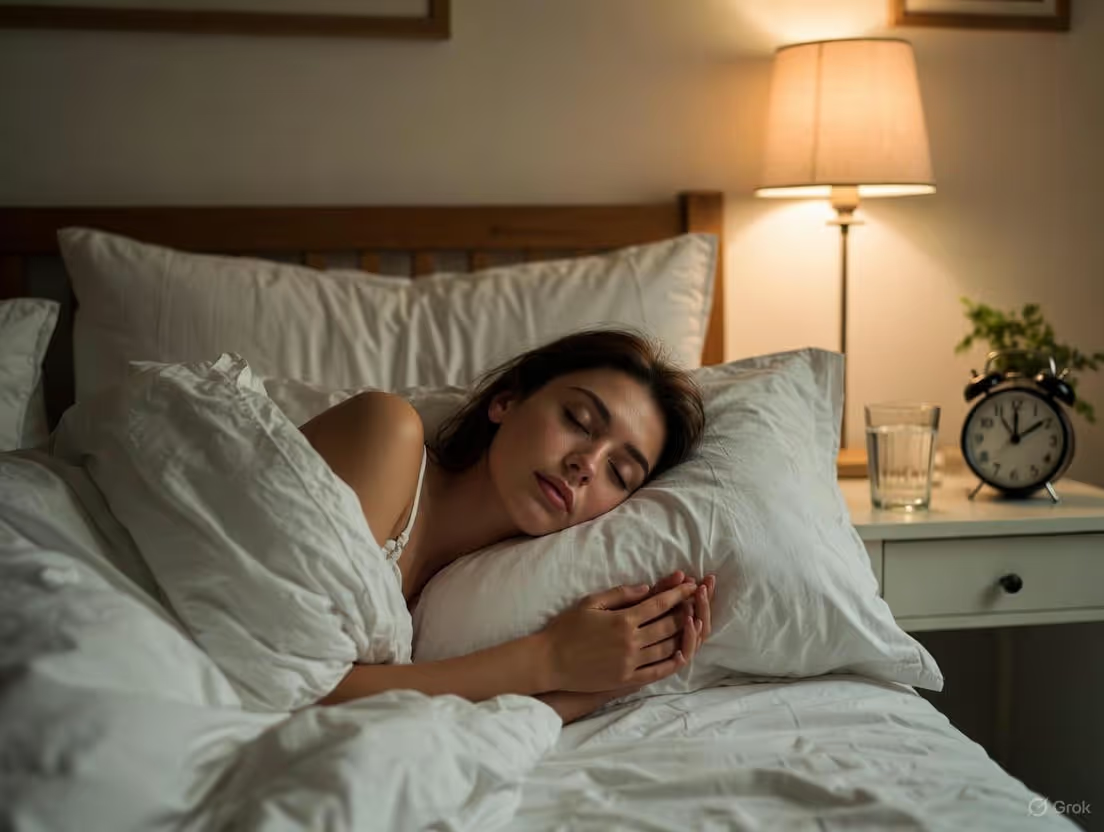
The first stage is light N1 sleep, a brief transition period from wakefulness into sleep.
The first stage is light N1 sleep, a brief transition period from wakefulness into sleep.
%402x.svg)
Have you ever been jolted awake just as you were drifting off, your body twitching as if you were falling? Or found yourself in that strange, liminal space where reality bends, thoughts fragment into nonsensical dreamlets, and you’re not quite sure if you’re awake or asleep? This mysterious threshold is not a flaw in your system—it’s a sophisticated, critical biological process. Welcome to Stage N1 sleep, the gateway of the night, the brain’s elegant ballet of disconnecting from consciousness to embark on its essential nocturnal journey.
For centuries, this transitional phase was dismissed as mere "drowsiness." Today, cutting-edge neuroscience reveals it as one of the most complex and vital neurological events we experience nightly. It’s a high-stakes tightrope walk where the brain must carefully dismantle its waking architecture—shutting down logical processing, moderating awareness, and initiating profound physiological changes—all while maintaining just enough connectivity to be roused if danger threatens. This is where sleep begins, and understanding this fragile commencement holds the key to addressing modern epidemics of insomnia, sleep-onset anxiety, and chronic fatigue.
The importance of this first stage extends far beyond simply “falling asleep.” It sets the tone for everything that follows: the depth of your slow-wave sleep, the consolidation of memories, the regulation of hormones, and even your emotional resilience the next day. A disrupted transition can ripple through your entire sleep architecture, leaving you feeling unrefreshed despite hours in bed. In our hyper-connected, always-on world, mastering this transition has become both more difficult and more crucial than ever before.
This is where technology, specifically the nuanced biometric tracking of devices like the Oxyzen smart ring, becomes revolutionary. By moving beyond simple motion detection to measuring heart rate variability, skin temperature, blood oxygen saturation, and subtle movements, we can now visualize this delicate transition with stunning clarity. We can see the exact moment your nervous system begins its shift from sympathetic to parasympathetic dominance, track the drop in core body temperature that signals sleep readiness, and identify the invisible barriers—stress, environment, timing—that might be holding you back from a seamless descent into rest. For a deeper look at how this technology transforms sleep understanding, you can explore the science behind Oxyzen’s tracking capabilities.
In this exploration, we will dissect the fascinating science of sleep onset. We’ll journey from the neurochemical cascade that quiets the conscious mind to the paradoxical muscle twitches that accompany it. We’ll examine how factors like light, routine, and anxiety hijack this process, and provide actionable strategies to cultivate the perfect conditions for a smooth transition. Think of this not just as a guide to falling asleep, but as a blueprint for mastering the first, most critical step in reclaiming your night—and by extension, your day.

The moment you close your eyes with intention to sleep, a silent but fierce battle begins in your brain. It’s not a simple flip of an “off” switch. Instead, it’s a gradual, region-by-region power-down, orchestrated by a delicate dance of neurotransmitters and governed by a tiny, master-clock structure deep within your hypothalamus.
At the heart of this transition is the struggle between two opposing systems: the Ascending Reticular Activating System (ARAS) and the sleep-promoting centers of the brain. The ARAS is your brain’s alarm system and ignition. A network of neurons running through your brainstem, it projects upwards, flooding your cortex with neurotransmitters like acetylcholine, norepinephrine, and histamine—the chemical signatures of wakefulness, alertness, and attention. To fall asleep, this system must be subdued.
The quieting of the ARAS is initiated by a buildup of sleep pressure, primarily in the form of a molecule called adenosine. As you spend your day thinking, moving, and being awake, adenosine accumulates in the extracellular spaces of your brain, particularly in the basal forebrain. Think of it as a natural “sleep debt” meter ticking upward. High adenosine levels gradually inhibit the arousal centers of the ARAS. This process is famously (and temporarily) blocked by caffeine, which mimics adenosine’s structure and occupies its receptors, preventing you from feeling the sleep pressure.
Simultaneously, as daylight fades, your suprachiasmatic nucleus (SCN)—the master circadian clock—receives signals from your eyes about the absence of blue light. The SCN then directs the pineal gland to begin secreting melatonin, the “hormone of darkness.” Melatonin doesn’t knock you out; rather, it broadcasts a hormonal signal throughout your body that it is time to sleep. It lowers core body temperature and primes the sleep-promoting system, effectively opening the “sleep gate.”
As the wakefulness chemicals recede and melatonin’s signal strengthens, a cluster of neurons in the ventrolateral preoptic nucleus (VLPO) of the hypothalamus swings into action. The VLPO is often called the brain’s “sleep switch.” When activated, it releases the inhibitory neurotransmitter GABA (gamma-aminobutyric acid), which directly targets and silences the arousal centers of the hypothalamus and brainstem. This is the point of no return in the transition. The VLPO’s inhibition of the arousal centers creates a self-reinforcing loop: more sleep leads to more VLPO activity, which leads to more sleep. It’s a brilliant, stable biological switch.
This neurochemical tug-of-war manifests subjectively as the sensations of N1 sleep. The reduction in norepinephrine quietens your focus; the shift in acetylcholine patterns begins to foster the dream-like imagery of hypnagogia. The process is fragile. A sudden sound, a worried thought, or a flash of light can reactivate the ARAS, flooding the system with norepinephrine and pulling you abruptly back to full wakefulness. This vulnerability explains why the first stage of sleep is so easily disrupted—the brain’s braking system is still engaging, and the accelerator is still highly sensitive.
Understanding this biology is the first step to respecting the process. You cannot force this switch; you can only create the ideal conditions for it to occur naturally. This is the core philosophy behind using data from a device like the Oxyzen ring—it helps you identify your personal, nightly rhythm of this switch, so you can align your habits with your biology. For more insights on aligning your routine with your body's natural signals, our blog features numerous expert guides.
If the neurochemical shift is the engine of sleep onset, hypnagogia is its breathtaking and bizarre dashboard display. Named after Hypnos, the Greek god of sleep, this is the unique state of consciousness that occupies the twilight zone between wakefulness and sleep. It is in N1 sleep that hypnagogic phenomena flourish, offering a direct window into the brain’s dismantling of reality construction.
During wakefulness, your brain is a masterful editor. It takes a torrent of sensory data, discards the irrelevant, and stitches the remainder into a coherent, linear narrative we experience as reality. As you enter N1, this editorial function begins to break down. The thalamus—the brain’s sensory relay station—starts to restrict the flow of external sensory information to the cortex. But the cortex, not yet fully asleep, remains active. Deprived of its usual external input, it begins to generate its own content from memory fragments, internal noise, and residual thoughts. The result is hypnagogia.
The manifestations are diverse and deeply personal:
Hypnagogia is more than a curiosity; it’s a functional state. This loosening of cognitive control and linear thinking is believed to facilitate creative problem-solving and memory consolidation. It represents a shift from focused, convergent thinking to diffuse, divergent thinking. The brain is making novel connections between disparate ideas, which is the bedrock of creativity.
For those struggling with sleep onset, hypnagogia can become a source of anxiety. The strange sensations or hallucinations can be misinterpreted or frightening, triggering a surge of adrenaline that pulls the brain back to full alertness. Learning to recognize these phenomena as normal, even fascinating, signposts of the sleep journey can disarm that fear. Instead of fighting the swirling colors or random thoughts, one can learn to observe them with detached curiosity—a practice that often accelerates the transition deeper into sleep.
This state also highlights the precision of modern sleep tracking. Older devices might simply mark “sleep” when you stop moving. But a sophisticated device that measures heart rate variability can detect the subtle shift in autonomic nervous system balance that coincides with hypnagogia, pinpointing the true beginning of your sleep journey far more accurately. Reading about real user experiences with Oxyzen reveals how many people gain profound insights from seeing this transition mapped on their nightly graphs.
While your brain is navigating hypnagogic hallucinations and switching its neurotransmitter cocktail, your body is undergoing an equally profound metamorphosis. The transition from wake to sleep is a whole-organism event, marked by distinct, measurable changes in nearly every major system. These physiological shifts are the clearest biometric signs that sleep has begun, and they form the foundational data points tracked by advanced wearable technology.
The Cardiovascular System: As you relax into N1, your heart begins its nightly descent. Your heart rate starts to decrease from its daytime resting rate. More significantly, a change occurs in Heart Rate Variability (HRV). HRV is the measure of the variation in time between each heartbeat, and it’s a powerful indicator of autonomic nervous system (ANS) balance. During active wakefulness, the sympathetic (“fight-or-flight”) branch dominates, leading to a lower, more rigid HRV. As you enter N1, the parasympathetic (“rest-and-digest”) branch begins to gain influence, increasing HRV. This shift is a key marker of physiological relaxation and the initiation of sleep. A smooth, timely increase in HRV at sleep onset is correlated with better sleep quality overall.
The Muscular System: One of the defining physiological features of N1 sleep is a gradual loss of muscle tone, or hypotonia. The conscious, voluntary control over your skeletal muscles fades. However, this relaxation is not yet complete. You may still shift positions, and as noted, sudden muscle twitches (hypnic jerks) are common. This period of fluctuating tone is why you can be easily awakened by a disruption. As you move into deeper stages, muscle tone will drop dramatically, effectively paralyzing you during REM sleep to prevent you from acting out your dreams.
The Respiratory System: Breathing patterns change noticeably. Wakeful breathing is often irregular, influenced by speech, posture, and conscious control. In N1, breathing becomes slower, deeper, and more regular as it comes under the automatic control of the brainstem. However, brief pauses or changes in rhythm can still occur, especially if the transition is unstable.
The Thermoregulatory System: A drop in core body temperature is not just a prerequisite for sleep; it continues through the onset. As melatonin levels rise and blood flow is redirected away from the core to the extremities (like your hands and feet), your core temperature falls by about 1-2 degrees Fahrenheit. This is why a cool room is conducive to sleep—it assists this natural thermoregulatory process. Interestingly, the warming of the extremities, which can be tracked via skin temperature sensors, is a reliable physiological signal of sleep readiness.
The Brainwaves: The EEG Signature: The gold standard for identifying sleep stages is the electroencephalogram (EEG). In relaxed wakefulness with eyes closed, the brain produces prominent alpha waves (8-12 Hz)—rhythmic, smooth oscillations indicating a calm, idle state. As N1 begins, alpha waves start to “break up,” disappearing for more than 50% of a 30-second epoch. They are replaced by lower-amplitude, mixed-frequency waves, primarily in the theta range (4-7 Hz). Theta waves are associated with deep relaxation, meditation, and the threshold of consciousness. The presence of theta activity, alongside slow, rolling eye movements that can be detected by an electrooculogram (EOG), is the definitive polysomnographic marker of Stage N1 sleep.
These physiological markers are not just academic; they are the vital signs of your sleep health. A prolonged or turbulent physiological transition (e.g., a heart rate that refuses to drop, erratic breathing) is a red flag. By using a device that monitors HRV, skin temperature, and movement—like a smart ring worn on the finger, a location rich with capillary blood flow for accurate readings—you move from guessing about your sleep to knowing. You can see if your body is truly achieving the state of physiological quiescence required for restorative sleep, or if something is blocking it. If you have questions about how these metrics are captured and interpreted, our FAQ section provides detailed explanations.
In an ideal world, our biology would seamlessly carry us from wakefulness into sleep every night. Yet, for millions, the transition through N1 is a battleground. They lie in bed, body tired but mind racing, trapped in a frustrating limbo. This “sleep-onset insomnia” is often a direct result of modern life sabotaging the delicate biological processes we’ve just outlined. Identifying these enemies is the first step to defeating them.
1. The Hyper-Alert Mind (Cognitive Hyperarousal): This is the most common saboteur. It’s the “monkey mind”—an endless loop of rumination about the day’s events, tomorrow’s to-do list, or chronic worries. From a neurobiological standpoint, this ruminative state keeps the prefrontal cortex engaged and the ARAS flooded with norepinephrine. It strengthens the wakefulness signal, directly opposing the VLPO’s attempts to initiate sleep. Anxiety about not sleeping creates a vicious cycle: worry activates the sympathetic nervous system, which further delays the heart rate drop and HRV increase needed for sleep, which leads to more anxiety.
2. The Blue Light Assault: Our circadian rhythm evolved to respond to the sun. The blue wavelength spectrum in sunlight suppresses melatonin during the day, keeping us alert. The screens of our phones, laptops, and TVs emit concentrated blue light, tricking the SCN into believing it’s still daytime. Evening exposure delays the melatonin surge, pushing the “sleep gate” later and making the initial transition shallower and more fragmented. It’s a direct chemical blockade of the timekeeping signal for sleep.
3. The Temperature Trap: As discussed, a drop in core temperature is essential. A bedroom that’s too warm prevents this dissipation of heat, confusing the body’s thermoregulatory signals. Similarly, intense exercise too close to bedtime raises core temperature significantly, and while it will eventually fall, the timing may be off, delaying sleep onset.
4. The Chemical Culprits:
* Caffeine: With a half-life of 5-6 hours, an afternoon coffee can mean significant adenosine receptor blockade at 10 PM, muting the critical sleep-pressure signal.
* Alcohol: While it may induce feelings of drowsiness initially (as a sedative), alcohol severely disrupts sleep architecture. It suppresses REM sleep early in the night and leads to rebound arousal and fragmented sleep in the latter half, often causing awakenings during the fragile N1 and N2 stages.
* Nicotine: A potent stimulant that activates the sympathetic nervous system, increasing heart rate and alertness.
5. The Erratic Schedule (Social Jetlag): Inconsistent bedtimes and wake times, especially between weekdays and weekends, confuse the SCN. Without a predictable light-dark and activity-rest cycle, the master clock cannot reliably time the release of melatonin and the initiation of the sleep cascade. The body never knows when to expect the transition to begin.
6. The Environment of Alertness: Noise, light pollution from streetlights, or an uncomfortable mattress are all perceived as potential threats by the brain. Even if you don’t fully wake, they can cause micro-arousals—brief shifts back into a lighter stage of sleep or N1—disrupting the smooth progression into deeper, restorative stages. Your brain remains partially on guard, inhibiting full relaxation.
7. Poor Sleep Drive: Simply put, you might not be tired enough. Spending all day sedentary, lacking physical or mental exertion, results in insufficient adenosine buildup and inadequate “sleep pressure.” The neurochemical switch lacks the necessary force to flip.
These enemies often work in concert. A stressful day (hyper-arousal) leads to late-night scrolling (blue light), accompanied by a glass of wine (alcohol), in a stuffy room (temperature trap). The result is a brain and body receiving profoundly mixed signals, leaving the individual stranded at the threshold of sleep. Understanding these factors is empowering—each one represents a point of intervention. For a holistic approach to overcoming these barriers, rooted in both science and our founding principles, you can learn more about our mission and methodology.

Knowing the enemies of transition equips us with the knowledge to build a fortress against them. The goal is to design a behavioral “cocoon” that orchestrates the perfect internal and external conditions for your brain to execute its sleep-onset sequence without interference. This is the practice of Sleep Hygiene, refined with modern neuroscience.
1. Master the Wind-Down Ritual (The 60-Minute Pre-Sleep Buffer): Your brain needs time to decelerate. Create a consistent, screen-free ritual for the last hour before bed. This signals to your SCN and stress systems that safety is assured and sleep is imminent. Effective components include:
* Dim, Warm Light: Use lamps with warm-white bulbs (under 2700K). Consider using blue-light blocking glasses if any screen use is unavoidable.
* Calming Activities: Read a physical book (non-stimulating content), listen to soft music or a sleep story, practice gentle stretching or restorative yoga, or engage in a mindful hobby like knitting or coloring.
* The “Brain Dump”: To combat cognitive hyperarousal, keep a notebook by your bed. 10-15 minutes before bed, write down everything on your mind—tasks, worries, ideas. This act externalizes and contains the thoughts, telling your prefrontal cortex it can stand down.
2. Optimize Your Sleep Environment (The Cave Principle): Your bedroom should be a sanctuary designed for sleep, and nothing else. Apply the principles of a cave: Cool, Dark, and Quiet.
* Cool: Aim for a room temperature between 60-67°F (15.5-19.5°C). Use breathable, natural-fiber bedding.
* Dark: Invest in blackout curtains or a high-quality sleep mask. Eliminate all electronic indicator lights.
* Quiet: Use earplugs or a white noise machine to mask disruptive sounds. The constant, monotonous sound of white or pink noise helps prevent the brain from being startled by irregular noises.
3. Harness the Power of Light (Chronobiology in Action):
* Morning & Day: Seek bright, natural light exposure within 30 minutes of waking and throughout the day. This strongly anchors your circadian rhythm, making the evening melatonin release more robust and timely.
* Evening: As part of your wind-down, consciously reduce light exposure. This is the non-negotiable foundation for a smooth N1 transition.
4. Mindful Movement & Fuel Timing:
* Exercise: Regular daily exercise is one of the best promoters of deep sleep. However, finish vigorous workouts at least 3 hours before bedtime. Gentle evening movement like walking or yoga is beneficial.
* Food & Drink: Finish large meals 2-3 hours before bed. Avoid caffeine after 2 PM. Be mindful of alcohol—while it may seem to help you “fall asleep,” it ruins the quality of the sleep that follows. Stay hydrated, but reduce liquid intake in the last hour to minimize nighttime bathroom trips.
5. Cognitive & Relaxation Techniques:
* The 4-7-8 Breathing Technique: Inhale quietly through your nose for 4 seconds, hold your breath for 7 seconds, and exhale forcefully through your mouth for 8 seconds. This directly stimulates the parasympathetic nervous system, lowering heart rate and promoting relaxation.
* Progressive Muscle Relaxation (PMR): Systematically tense and then relax each muscle group in your body, from toes to head. This teaches the body the contrast between tension and the deep relaxation required for N1.
* Mindfulness & Body Scan Meditations: These practices train the brain to observe thoughts and sensations without engaging with them—the exact skill needed to peacefully navigate hypnagogia without being startled back to alertness.
These strategies are not one-size-fits-all; they are a toolkit. The key is consistency and personalization. This is where data becomes your ally. By tracking your sleep, you can experiment with these strategies and see, objectively, which ones lead to a faster, calmer sleep onset and a more stable night. You move from throwing strategies at the wall to seeing what sticks, based on your unique biology. For a continuous stream of research-backed tips and personalization strategies, be sure to explore our curated wellness blog.

Paradoxically, the very technology that often disrupts our sleep—through blue light and mental stimulation—now holds the potential to become its greatest guardian. The rise of sophisticated, user-friendly biometric wearables represents a paradigm shift in personal sleep management. We are transitioning from subjective guesswork (“I think I slept okay”) to objective, actionable insight (“My sleep onset latency averaged 25 minutes this week, and my resting heart rate was elevated on nights I worked late”).
The Evolution of Sleep Tracking:
First-generation trackers relied almost exclusively on accelerometers (movement). While useful for distinguishing broad periods of sleep and wake, they are notoriously poor at identifying specific sleep stages, especially the subtle, low-movement state of N1. They often miss the transition period entirely, labeling it as “awake” or “restless.”
Modern advanced devices, like the Oxyzen smart ring, incorporate a suite of clinical-grade sensors:
By fusing these data streams with advanced algorithms, these devices can create a much more accurate picture of your sleep architecture, including the often-elusive N1 stage. They can show you how long it truly takes you to transition from lights-out to sleep, and how stable that initial stage is.
How This Data Empowers You:
Technology, in this context, doesn’t add more noise; it helps you tune into your body’s signal. It transforms the opaque process of sleep onset into a visible, manageable one. It provides the feedback loop necessary to make the behavioral strategies outlined earlier truly effective. By understanding the story behind Oxyzen, you’ll see how this vision of technology as a facilitator of deeper self-understanding is at the core of our development.
Instead of viewing the strange state of hypnagogia as a bizarre byproduct or an obstacle, what if we could learn to embrace it and even harness its unique properties? Throughout history, artists, inventors, and scientists have intentionally tapped into this threshold state to solve problems and inspire creativity. Thomas Edison, Salvador Dalí, and Mary Shelley all used techniques to hover at the edge of sleep to capture novel ideas. We can adopt modern versions of these practices to ease the transition.
1. The Dali-Edison Method (The Nap with a Key): Both legends used a version of this. They would sit in a chair holding a heavy object (like a metal key or a spoon) over a plate or metal tray. As they drifted into N1 sleep, their muscles would relax, the object would clatter down, waking them up. In that moment of arousal, they would capture the hypnagogic imagery or ideas that were floating in their mind. You can practice a gentler version: as you lie in bed, allow yourself to drift while holding a soft, light object. When it slips from your fingers, gently note the thoughts or images present. This builds familiarity and reduces fear of the state.
2. Hypnagogic Visualization & Intention Setting: Before bed, as you are deeply relaxed, pose a gentle, open-ended question to your mind. It could be related to a creative project, a personal dilemma, or simply “What should I focus on tomorrow?” Then, as you drift off, observe the hypnagogic imagery without forcing it. You’re not looking for a literal answer, but for symbolic or associative insights. The next morning, journal anything you remember. This practice can yield surprising creative connections and also serves as a form of mindfulness that anchors you in the present moment of the transition.
3. “Falling” Asleep on Purpose: The hypnic jerk, often accompanied by a falling sensation, can be startling. You can reframe it. As you feel sleep approaching, instead of resisting the sensation of “letting go,” imagine it as a gentle, controlled descent. Visualize yourself floating down a soft ramp, sinking into a cloud, or drifting down in a slow elevator. This conscious narrative can align your mind with the physiological process, making the surrender to sleep feel safe and intentional.
4. Listening to Theta Wave Binaural Beats or Guided Sleep Meditations: Audio tracks designed to entrain the brain to theta frequencies (4-7 Hz) can gently guide your brainwaves into the N1 state. Similarly, guided meditations that talk you through body relaxation and peaceful imagery provide a “rail” for your conscious mind to follow into unconsciousness, preventing it from spiraling into anxiety.
These techniques do more than just foster creativity; they actively reduce sleep-onset anxiety by changing your relationship with the process. The transition becomes a state of interest and potential, rather than a performance test you might fail. When you are no longer afraid of the strange sensations of N1, you stop fighting them, and in that cessation of struggle, sleep often arrives effortlessly. For those curious about the broader wellness philosophy that embraces such mind-body techniques, our about page details our integrated approach.
For some, a difficult transition isn’t an occasional nuisance but a chronic, debilitating condition. When behavioral and environmental optimizations provide little relief, it may indicate an underlying clinical sleep disorder centered on the sleep-wake transition. Recognizing the signs is crucial for seeking appropriate professional help.
1. Psychophysiological Insomnia: This is the classic “learned” insomnia. It begins with a period of situational sleep difficulty (due to stress, etc.). The individual then develops intense anxiety about sleep itself and excessive focus on its consequences. The bed and bedtime rituals, instead of being cues for relaxation, become triggers for anxiety and hyperarousal. They may fall asleep easily on the couch or when not trying, but as soon as they get into bed “to sleep,” the mental alarm bells ring, trapping them in a prolonged and agonizing N1 state or preventing it altogether.
2. Delayed Sleep-Wake Phase Disorder (DSWPD): This is a profound misalignment of the circadian rhythm. An individual’s biological night is significantly shifted later (e.g., 3 AM to 11 AM). When they attempt to sleep at a “normal” time (11 PM), their SCN is not yet ready—melatonin levels are low, core temperature is high. They lie in bed for hours, unable to transition into sleep until their delayed biological window opens. This is not laziness; it’s a neurological timing disorder.
3. Restless Legs Syndrome (RLS): RLS creates an almost unbearable urge to move the legs, accompanied by uncomfortable creeping, crawling, or itching sensations deep within the limbs. These sensations are exclusively present at rest and are worse in the evening and night. Just as an individual relaxes into N1, the sensations erupt, forcing movement and completely aborting the transition. It is a direct, physical sabotage of the sleep-onset process.
4. Anxiety & Mood Disorders: Generalized Anxiety Disorder, PTSD, and depression are frequently comorbid with sleep-onset insomnia. The physiological hyperarousal and ruminative thought patterns are antithetical to the state of quiescence required for N1. Sleep disturbance is often a core symptom of these conditions.
5. Inadequate Sleep Hygiene (Disorder): This is a clinical diagnosis for when poor sleep habits are severe, chronic, and the primary cause of insomnia. It represents the institutionalization of all the “enemies of transition” we discussed earlier.
Seeking Help:
If you consistently experience:
Understanding that your struggle may have a clinical name can be validating and the first step toward effective treatment. A smart ring’s data can be an invaluable tool in this process, providing objective logs to show your doctor, far more reliable than memory-based estimates. If you're navigating these challenges and looking for supportive resources and community, you can find solace and shared experiences by reading stories from others on a similar journey.
The significance of mastering the N1 transition extends far beyond simply avoiding a frustrating hour in the dark. A smooth, stable descent into sleep is the foundational stone upon which the entire edifice of restorative sleep is built. Chronic disruption at this first gate has cascading consequences for nearly every aspect of physical and mental health.
1. Sleep Architecture Fragmentation: A turbulent or prolonged N1 stage often leads to a night of shallow, unstable sleep. The brain, struggling to maintain the transition, has more frequent micro-arousals and is less likely to achieve and sustain the deep, restorative slow-wave (N3) sleep and the emotionally integrative REM sleep. You may technically be in bed for 8 hours, but the quality of that sleep is poor—a condition known as low sleep efficiency.
2. Hormonal & Metabolic Dysregulation: Deep sleep is when the body releases growth hormone (critical for tissue repair and muscle growth) and regulates hormones like leptin (satiety) and ghrelin (hunger). Disrupted sleep onset and architecture lead to decreased leptin, increased ghrelin, and insulin resistance. This creates a perfect storm for weight gain, increased cravings for high-calorie foods, and a higher risk of Type 2 diabetes.
3. Cardiovascular Strain: The failure to achieve proper parasympathetic dominance at night means the heart and vascular system miss their essential daily period of reduced workload. Chronic sympathetic activation at night is linked to sustained elevated blood pressure (nocturnal hypertension), increased inflammation, and a significantly higher risk of cardiovascular events like heart attack and stroke.
4. Cognitive & Memory Impairment: Sleep onset and the following stages are crucial for memory consolidation—the process of transferring short-term memories from the hippocampus to the long-term storage of the neocortex. A fragmented transition disrupts this “filing” process, leading to poorer learning, forgetfulness, and reduced cognitive sharpness. The prefrontal cortex, fatigued from a lack of deep restoration, is less effective at executive functions: focus, decision-making, and emotional regulation.
5. Emotional & Mental Health Vulnerabilities: The amygdala, the brain’s emotional center, is heavily modulated by sleep, particularly REM. A night that starts with struggle often results in an amygdala that is hyper-reactive the next day. This manifests as increased irritability, reduced stress resilience, a more negative emotional bias, and a significantly higher risk for the development and exacerbation of mood disorders like anxiety and depression. In essence, a bad start to the night primes the brain for a bad start to the day.
6. Immune System Suppression: Deep, consolidated sleep boosts the production of cytokines, proteins that target infection and inflammation. Chronic sleep-onset problems and the resulting shallow sleep leave the immune system weakened. You become more susceptible to common illnesses like colds and flu, and the body’s inflammatory response (linked to almost every chronic disease) remains elevated.
In short, the nightly transition is not a minor preamble; it is the launch sequence. A flawed launch rarely leads to a successful mission. Investing in the quality of your sleep onset is one of the highest-yield investments you can make in your long-term healthspan and quality of life. It is the proactive, foundational work that prevents a host of reactive health problems down the line. To continue your education on building a comprehensive, health-spanning wellness practice, we invite you to discover more resources on our main platform.
In the journey through the science, challenges, and strategies of the first sleep stage, a central theme emerges: individual variability. Your perfect transition is as unique as your fingerprint. What calms one person’s nervous system may not work for another. Your ideal bedtime, your sensitivity to caffeine, your propensity for hypnic jerks—all are personal. This is the fundamental limitation of generic sleep advice and the revolutionary promise of personalized biometric data.
This is where the philosophy behind a tool like the Oxyzen smart ring converges with the science of sleep onset. The goal is not to create a dependency on technology, but to use technology as a mirror and a guide. It provides the objective feedback necessary to move from blind experimentation to informed self-mastery.
How Data Informs the Personal Path:
Empowerment Over Anxiety: For those with psychophysiological insomnia, the bed becomes a site of performance anxiety. “How long will it take tonight? Am I failing?” Data can disarm this. By observing your metrics, you shift from being a worried participant to a curious observer of your own physiology. The focus moves from “I must sleep” to “My body is cooling down, my heart rate is dropping—the process is underway.” This is a profound psychological shift.
Ultimately, understanding and optimizing the first sleep stage is the cornerstone of what we at Oxyzen call Conscious Recovery. It’s the practice of moving from being a passive victim of your sleep patterns to an active architect of your restoration. It begins with respecting the complexity of the transition from wake to sleep, continues with systematically removing the barriers we’ve placed in its way, and is perfected by listening to the subtle language of our own bodies, translated into actionable data.
The threshold of sleep is not a boundary to be crossed thoughtlessly, but a sacred space to be honored. It is the daily moment where we surrender conscious control and trust in the ancient, intelligent processes of restoration. By learning its language, we don’t just fall asleep faster; we reclaim our nights and revitalize our days. We begin to sleep not just longer, but wiser. To start your own journey of discovery and see how your unique transition unfolds, the first step is learning more about how this technology can work for you.
Having successfully navigated the twilight gateway of N1 sleep, the brain embarks on the most physically restorative phase of the night. If the transition stage is about letting go, the next stage is about descending. This is the realm of Stage N2 and N3 sleep, often collectively thought of as "deep sleep," though they serve distinct and crucial roles. Here, the brain's electrical symphony shifts to a slower, more powerful rhythm, the body plunges into profound physiological quiescence, and the foundational work of cellular repair and memory processing begins in earnest.
Imagine your sleep architecture as a series of deepening valleys. N1 is the sloping path down from the peak of wakefulness. N2 is the first substantial basin—a stabilized state of light sleep that occupies nearly 50% of an adult's total sleep time. It acts as the crucial bridge and guardian, ushering you into the deepest valley of all: N3, or slow-wave sleep (SWS), the most restorative and hardest to awaken from. This portion of the night is not about dreaming in vivid narratives, but about a kind of cerebral and somatic housekeeping so vital that without it, our health rapidly deteriorates.
The journey through these stages is not a one-time event. Throughout the night, you will cycle between N2, N3, and REM sleep approximately every 90 minutes. However, the composition of these cycles is not static. The first half of the night is dominated by deep N3 sleep. As the night progresses, N3 periods shorten, and REM sleep periods lengthen. This elegant design suggests a priority: the body attends to its most critical physical restoration first, before dedicating more time to the psychological and emotional processing of REM.
For the modern individual, this deep sleep phase is under constant threat. Stress, alcohol, inconsistent schedules, and even the natural aging process can erode both the quantity and quality of these vital stages. The consequence is waking up feeling unrefreshed despite adequate time in bed—a phenomenon known as non-restorative sleep. Understanding the distinct signatures and functions of N2 and N3 sleep is therefore not an academic exercise; it is essential knowledge for anyone seeking to optimize their energy, health, and cognitive sharpness.
In this section, we will descend into these foundational stages. We will decode the unique brainwave patterns that define them—from the protective "sleep spindles" of N2 to the slow, rolling delta waves of N3. We will explore the dramatic physiological changes that occur, including the peak release of growth hormone and the activation of the brain's glymphatic system. Finally, we will examine the tangible impacts of deep sleep on memory, metabolism, and immune function, and provide strategies to protect and enhance this precious, non-negotiable component of human health.
Stage N2 is the workhorse of the night. Accounting for the largest portion of your sleep, it serves as the stable platform from which you descend into deep sleep and later ascend into REM. While not as dramatically deep as N3, its role is absolutely critical for sleep stability and memory consolidation. Think of N2 as a vigilant sentry; its unique features are designed to protect the fragile sleep state from being disrupted by external stimuli, allowing you to stay asleep.
The Electroencephalographic (EEG) Hallmarks:
The defining features of N2 are not a continuous brainwave pattern, but rather two distinctive, transient electrical events that appear against a background of mixed-frequency, low-amplitude activity: Sleep Spindles and K-Complexes.
Physiology and Fragility:
During N2, the physiological changes that began in N1 become more pronounced. Heart rate and breathing become slower and very regular. Body temperature continues to drop. Muscle tone is further reduced, though you can still change position. While you are genuinely asleep, N2 is considered a light sleep stage. Arousal thresholds are higher than in N1 but lower than in N3. You can still be awakened relatively easily by a significant stimulus.
This stage's role as a bridge is crucial. It is the gateway to deep sleep and the return path from REM. The prevalence of N2 sleep increases with age, often as a partial compensation for the reduction in deep N3 sleep. Monitoring the stability and quality of your N2 sleep—indicated by frequent spindles and K-complexes—is a key metric for understanding sleep continuity. A night with fragmented N2 sleep, full of arousals, will prevent you from accessing the deeper, restorative stages effectively. This is a metric that advanced sleep tracking can hint at through patterns of movement and heart rate stability, even if it can't directly measure spindles. For a deeper dive into the metrics behind sleep stages, our FAQ section offers detailed explanations.
If N2 is the vigilant sentry, Stage N3 is the inner sanctum. This is deep sleep, slow-wave sleep (SWS), or delta sleep. It is the most physically restorative phase of the human sleep cycle and the stage most resistant to awakening. When you are in N3, being roused requires a significant stimulus—a loud noise, a vigorous shake—and you will likely wake up groggy, disoriented, and cognitively impaired, a state known as sleep inertia. This grogginess is a testament to the profound depth of the neurological and physiological processes occurring.
The EEG Signature: The Reign of Delta Waves
The definitive marker of N3 is the presence of high-amplitude, low-frequency delta waves (0.5–4 Hz). For a 30-second epoch of sleep to be classified as N3, these slow, rolling delta waves must occupy at least 20% of the recording. The sheer amplitude of these waves reflects the fact that vast populations of neurons across the cortex are firing in synchronized unison, a stark contrast to the fast, desynchronized activity of wakefulness. This synchronous pulsing is thought to be crucial for its restorative functions.
The Physiology of Deep Renewal:
The body undergoes dramatic changes during N3:
The Cognitive Functions: Memory and Metabolization
Deep sleep is fundamental for declarative memory consolidation—the process of transferring and strengthening factual and episodic memories (like what you learned in a lecture or the events of your day) from the short-term storage of the hippocampus to the long-term storage of the neocortex. The slow, synchronized oscillations of delta waves are believed to facilitate this transfer by orchestrating a dialogue between these two brain regions.
Furthermore, N3 is involved in synaptic homeostasis. The waking brain is a period of intense learning and synaptic strengthening (potentiation). This cannot continue unchecked, as it would be energetically unsustainable and lead to neural overload. Slow-wave sleep is thought to implement a global "downscaling" of synaptic strength, preserving the most important connections (those related to the day's learning) while weakening the less significant ones. This process restores neural efficiency and prepares the brain for new learning the next day.
The Vulnerability of Deep Sleep:
Despite its power, N3 is fragile. It is highly susceptible to:
Protecting and maximizing deep sleep is therefore a primary goal for long-term health. Because N3 is concentrated in the first half of the night, prioritizing a consistent, early-enough bedtime is non-negotiable. Skimping on sleep in the first half of the night robs you disproportionately of this critical restorative phase. Seeing your "deep sleep" duration on a tracker like the Oxyzen ring provides a powerful incentive to guard that early-night sleep window. For real-world examples of how prioritizing this has changed lives, you can read testimonials from our community.
Sleep is not a linear descent into unconsciousness and a linear ascent back to wakefulness. It is a dynamic, cyclical journey. A sleep cycle is the progression through the stages of N1 → N2 → N3 → N2 → REM sleep. This entire sequence typically lasts 90 to 110 minutes in adults and repeats itself four to six times across a full night.
The architecture—the structure and composition of these cycles—follows a predictable and intelligent pattern, often visualized in a hypnogram.
The Evolution of a Typical Night:
This architectural design reveals the body's priorities:
The Role of N2 as the Framework:
Throughout this cycling, N2 sleep forms the structural framework. It bookends N3 and REM, acting as the transitional tissue between stages. It also becomes the dominant stage in the later cycles and with age. A healthy sleep architecture shows clear, stable cycles with smooth transitions. Disrupted architecture—characterized by frequent awakenings, insufficient deep sleep, or cycles that are too short or chaotic—is a hallmark of poor sleep quality and many sleep disorders.
Personal Architecture and Tracking:
Your personal sleep architecture is influenced by age, genetics, lifestyle, and even the previous day's activities. An intense day of physical exertion or learning can increase your "need" for deep and REM sleep, respectively. A sleep tracker that estimates your sleep stages provides a rough hypnogram of your night. While not as precise as a clinical EEG, it can show you the macro-architecture: Do you see a clear block of deep sleep early in the night? Do your later sleep periods show longer stretches of likely REM? Is your sleep fragmented with many awakenings? This visual feedback is invaluable for understanding the structure of your rest. To learn more about how we developed this technology to map your personal architecture, you can explore our company's story and mission.
Given its profound importance, the plunder of deep sleep by modern habits represents a silent public health crisis. Many factors that we accept as normal parts of life are, in fact, direct antagonists of N3 sleep. Recognizing these saboteurs is the first step to reclaiming your restorative night.
1. Chronically Elevated Stress & Cortisol: The stress hormone cortisol naturally follows a circadian rhythm, being lowest at sleep onset and highest in the early morning. Chronic stress or poor sleep hygiene can flatten this rhythm, causing elevated cortisol levels in the evening. High cortisol is chemically antagonistic to the state of deep sleep; it keeps the nervous system in a state of sympathetic alertness, directly opposing the parasympathetic dominance required for N3. It also suppresses growth hormone release.
2. Alcohol Consumption: This is one of the most pervasive and misunderstood saboteurs. Alcohol is a sedative, not a sleep aid. It may help you fall asleep faster (by depressing the nervous system), but it wreaks havoc on sleep architecture. It suppresses REM sleep in the first half of the night and causes rebound arousal and sleep fragmentation in the second half. Crucially, it also significantly reduces deep N3 sleep. The sleep you get after drinking is shallow, unstable, and non-restorative.
3. Sleep Apnea & Breathing Disorders: Obstructive Sleep Apnea (OSA) causes repeated, momentary collapses of the airway, leading to drops in blood oxygen (hypoxia) and brief cortical arousals to restart breathing. These micro-arousals, which the sleeper is often unaware of, constantly interrupt the progression into and maintenance of deep sleep. The result is severe fragmentation, with the brain never allowed to settle into sustained, restorative N3.
4. Inconsistent Sleep Schedules (Social Jetlag): Going to bed and waking up at wildly different times confuses your circadian rhythm. The SCN cannot optimize the timing and amplitude of the sleep-wake drive. This leads to shallow, inefficient sleep with reduced deep sleep, as the body's internal systems are not synchronized for optimal restoration.
5. Nighttime Environment: A room that is too warm disrupts the core temperature drop needed to initiate and maintain deep sleep. Noise pollution (even low-level traffic noise) can cause micro-arousals via K-complexes, preventing sustained deep sleep. Even a small amount of light can pass through closed eyelids and subtly alert the brain.
6. Aging: This natural process is perhaps the most intractable saboteur. The steep decline in deep sleep quantity is one of the most dramatic age-related changes in sleep. The reasons are multifactorial, including changes in brain structure, circadian rhythm dampening, and increased prevalence of health conditions and medications.
7. Medications & Substances: Many common prescription drugs, including some antidepressants, beta-blockers, and corticosteroids, can suppress deep sleep. Stimulants like nicotine and caffeine, especially if consumed later in the day, can delay sleep onset and reduce sleep depth.
8. Electronic Devices & Blue Light: Beyond delaying sleep onset, evening blue light exposure can reduce the overall quality of sleep, making it lighter and more fragmented, with less time spent in the deeper, more restorative stages.
The insidious nature of these saboteurs is that their effects are often cumulative and delayed. You might not feel the impact of one night of poor deep sleep, but chronic deprivation builds a "restoration debt" that manifests as systemic inflammation, cognitive fog, emotional volatility, and increased disease risk. Using a sleep tracker can help you identify patterns—like noticing significantly less deep sleep on nights you have a drink, or after a highly stressful day—providing the objective proof needed to motivate change. For ongoing support and strategies to combat these saboteurs, our wellness blog is a dedicated resource.
While we cannot stop the aging process, we have immense power to optimize our sleep environment and habits to protect and even enhance our deep sleep. The strategies focus on strengthening the sleep drive, synchronizing the circadian rhythm, and eliminating the barriers to deep, uninterrupted sleep.
1. Prioritize Sleep Timing & Consistency (The Non-Negotiable):
This is the single most effective strategy. Deep sleep is most abundant in the first half of your sleep period, during your circadian "night." Going to bed late systematically truncates your deep sleep opportunity. Aim for a 7-9 hour sleep window, with bedtime before midnight for most adults. Be fanatically consistent with your wake-up time, even on weekends. This regularity powerfully stabilizes your circadian rhythm, making deep sleep more robust.
2. Strategic Exercise:
Regular aerobic exercise (e.g., brisk walking, running, cycling) is one of the best evidence-based ways to increase deep sleep. It builds greater sleep pressure (adenosine) and promotes the temperature drop needed for sleep onset. The key is timing: finish intense workouts at least 3 hours before bedtime. Gentle evening movement like yoga or stretching can be beneficial for relaxation.
3. Temperature Optimization:
Engineer your environment for the drop. A cool bedroom (65–68°F or 18–20°C) is ideal. Take a hot bath or shower 1-2 hours before bed. This might seem counterintuitive, but it raises your core temperature temporarily, leading to a more pronounced compensatory drop as you get into bed, which facilitates deeper sleep.
4. Nutritional Tactics:
5. Stress Deactivation & Nervous System Training:
Since stress is a prime saboteur, active relaxation is a direct antidote.
6. Environmental Perfection:
Treat your bedroom like a sleep laboratory.
7. Smart Use of Data:
Use your sleep tracker not as a scorecard, but as a discovery tool. Look for correlations:
This evidence allows you to personalize the general strategies above into a protocol that works uniquely for you. The goal is to become an expert on your own sleep. For those curious about the technology that enables this kind of personal discovery, you can learn more about the Oxyzen smart ring and its capabilities.
One of the most exciting discoveries in neuroscience over the past decade has been the detailed understanding of how deep sleep serves as the brain's essential maintenance window. The glymphatic system, a recently characterized waste-clearance network, operates primarily during deep N3 sleep, performing a function as critical as the lymphatic system does for the rest of the body.
The Glymphatic Process:
During wakefulness, neurons are highly active, producing metabolic waste products like beta-amyloid and tau proteins. These proteins, in excess, are associated with neurodegenerative diseases like Alzheimer's. The brain's interstitial spaces (the gaps between cells) become crowded with this debris. During deep sleep, something remarkable happens:
Think of it as the brain's nightly power-wash. Without sufficient deep sleep, this cleansing process is impaired, allowing toxic proteins to accumulate. This provides a direct mechanistic link between chronic sleep deprivation and increased long-term risk for cognitive decline and dementia.
Cognitive Benefits of Deep Sleep:
The benefits of this deep restoration extend to next-day brain function in tangible ways:
In essence, deep sleep is not passive oblivion. It is a period of intense, organized activity where the brain cleans its hardware, organizes its software, and prepares itself for a new day of learning, creating, and feeling. Prioritizing deep sleep is the ultimate act of cognitive and neurological self-care. Sharing this knowledge is part of our core mission; to understand the vision that drives us to promote this understanding, you can read more about our founding principles.
Sometimes, the struggle for deep sleep is not due to lifestyle but to intrinsic disorders that disrupt its very fabric. These conditions often manifest in the deep sleep stages and can have severe consequences for health and safety.
1. Sleep-Disordered Breathing (Obstructive Sleep Apnea - OSA):
As mentioned, OSA is a profound thief of deep sleep. The repeated apneas (pauses in breathing) and hypopneas (shallow breathing) cause hypoxia (low oxygen) and hypercapnia (high carbon dioxide), triggering a surge of sympathetic nervous system activity and a cortical arousal to reopen the airway. These arousals are often so brief the person doesn't remember waking, but they constantly reset the sleep stage back to N1 or N2, preventing sustained N3. The result is severe sleep fragmentation, excessive daytime sleepiness, and a massively increased risk for hypertension, heart disease, and stroke. Loud, chronic snoring, witnessed apneas, and waking up gasping are key red flags.
2. Disorders of Arousal (NREM Parasomnias):
These fascinating and sometimes frightening events emerge from the depths of N3 sleep. Because the brain is in a state of deep sleep while parts of the motor system can be activated, the individual appears to be partially awake but is cognitively impaired and usually has no memory of the event. Common disorders include:
These are more common in children (whose deep sleep is very robust) but can persist into adulthood. They are often triggered by sleep deprivation, fever, stress, or anything that deepens N3 sleep or causes sudden arousals from it (like a noise).
3. Restless Legs Syndrome (RLS) and Periodic Limb Movement Disorder (PLMD):
While RLS primarily affects sleep onset, the related Periodic Limb Movement Disorder (PLMD) involves repetitive, involuntary leg (and sometimes arm) jerks or twitches during sleep, typically every 20-40 seconds. These movements often occur during N1 and N2 sleep and can cause micro-arousals, fragmenting sleep and reducing its depth and restorative quality. The bed partner is often more aware of these movements than the sleeper.
Seeking Diagnosis and Treatment:
If you suspect a sleep disorder:
Treatment can be life-changing. For OSA, Continuous Positive Airway Pressure (CPAP) therapy is highly effective, delivering gentle air pressure to keep the airway open, allowing uninterrupted deep sleep for the first time in years. Addressing these disorders isn't just about stopping snoring or weird behaviors; it's about reclaiming the restorative power of deep sleep to protect long-term health. If you're navigating a sleep disorder and looking for supportive resources, our FAQ and support pages can provide guidance.
The impact of deep sleep does not end when you open your eyes. The quality of your N3 sleep sets the stage for your physical, cognitive, and emotional performance throughout the following day. It’s a powerful two-way street: your waking activities influence your deep sleep, and your deep sleep determines the quality of your wakefulness.
Physical Performance & Recovery:
For athletes and anyone engaged in physical training, deep sleep is non-negotiable. The pulse of growth hormone released during N3 directly stimulates muscle repair, protein synthesis, and bone remodeling. This is when the micro-tears in muscle fibers caused by exercise are healed and strengthened—the very mechanism of training adaptation. Studies show that athletes who are sleep-deprived or have restricted deep sleep exhibit:
Furthermore, deep sleep supports the immune system. A night of robust N3 sleep enhances the production of cytokines, proteins that help fight infection and regulate inflammation. This is why you often feel the need to sleep more when you’re sick—your body is craving deep sleep to fuel the immune response.
Cognitive & Creative Output:
The brain that has been “cleaned” and “reorganized” during deep sleep is a more efficient machine. The benefits manifest as:
Emotional Equilibrium:
The amygdala, the brain’s emotional alarm bell, is highly sensitive to sleep deprivation. A lack of deep sleep leaves the amygdala hyper-reactive while weakening the prefrontal cortex’s ability to regulate it. This creates a perfect storm for:
In short, deep sleep is the foundation upon which a productive, healthy, and balanced day is built. It turns the raw materials of your waking life—physical exertion, learning, experiences—into lasting strength, wisdom, and resilience. Investing in deep sleep is the ultimate performance-enhancing strategy, with zero side effects and benefits that compound over a lifetime. To see how others have transformed their days by focusing on their nights, browse through real user testimonials.
Our understanding of deep sleep continues to evolve, pushing beyond the established paradigms into fascinating new territories. These advanced concepts hint at a future where we may be able to more precisely monitor, protect, and even enhance this critical sleep stage.
1. The Concept of "Sleep Intensity":
Not all deep sleep is created equal. Researchers are looking beyond simple duration to measure the intensity of slow-wave sleep, often quantified by the spectral power in the delta frequency band (0.5–4 Hz). A night with high-amplitude, synchronous delta waves is considered more intense and likely more restorative than a night with the same duration of lower-amplitude, fragmented slow-wave activity. This intensity is what naturally declines with age and is eroded by disorders like sleep apnea. Future personal tracking may move beyond "90 minutes of deep sleep" to "X units of slow-wave activity power," giving a much finer-grained picture of restorative quality.
2. Slow-Wave Activity (SWA) as a Homeostatic Marker:
SWA is believed to be the direct EEG expression of the homeostatic sleep drive (Process S). Its level at the beginning of the night reflects the sleep pressure accumulated during wakefulness. It then dissipates across the night. Monitoring this dissipation rate could provide a personalized measure of sleep need and recovery. Someone recovering from sleep debt might show a much slower dissipation of SWA across the night.
3. Acoustic & Sensory Stimulation to Enhance Deep Sleep:
One of the most promising areas of research involves using precisely timed auditory or sensory stimulation to boost deep sleep. Techniques like acoustic closed-loop stimulation deliver gentle clicking sounds or tones that are synchronized to the up-phase of the slow oscillation. This has been shown to increase the amplitude and duration of slow waves, enhance sleep-dependent memory consolidation, and even improve next-day cognitive performance. This non-pharmacological intervention could become a tool for combating age-related or illness-related deep sleep loss.
4. The Gut-Brain-Sleep Axis:
Emerging research highlights a powerful connection between the gut microbiome and sleep architecture. Certain gut bacteria produce metabolites (like short-chain fatty acids and neurotransmitters) that can influence sleep-wake regulation and inflammation. An imbalanced gut microbiome (dysbiosis) has been linked to poorer sleep quality and reduced deep sleep. This opens the door for nutritional and probiotic interventions aimed at improving sleep via gut health.
5. Personalized Chronotherapy:
As we better understand individual genetic variations in circadian clocks (chronotypes) and sleep homeostasis, interventions can become hyper-personalized. Rather than generic "go to bed at 10 PM" advice, future guidance may be based on your genetic profile, daily activity data, and real-time physiological markers to recommend your ideal sleep window, light exposure schedule, and even meal timing to optimize your unique sleep architecture, particularly your deep sleep.
These frontiers underscore that sleep science is a rapidly advancing field. The goal of technology like the Oxyzen ring is not just to report static numbers, but to integrate into this evolving landscape—providing the rich, longitudinal biometric data that will fuel these personalized insights of tomorrow. The journey to understand and master our sleep is just beginning. To stay at the forefront of this evolving science and its practical applications, we encourage you to follow our ongoing research and insights on the blog.
Your Trusted Sleep Advocate: Sleep Foundation — https://www.sleepfoundation.org
Discover a digital archive of scholarly articles: NIH — https://www.ncbi.nlm.nih.gov/
39 million citations for biomedical literature :PubMed — https://pubmed.ncbi.nlm.nih.gov/
Experts at Harvard Health Publishing covering a variety of health topics — https://www.health.harvard.edu/blog/
Every life deserves world class care :Cleveland Clinic - https://my.clevelandclinic.org/health
Wearable technology and the future of predictive health monitoring :MIT Technology Review — https://www.technologyreview.com/
Dedicated to the well-being of all people and guided by science :World Health Organization — https://www.who.int/news-room/
Psychological science and knowledge to benefit society and improve lives. :APA — https://www.apa.org/monitor/
Cutting-edge insights on human longevity and peak performance:
Lifespan Research — https://www.lifespan.io/
Global authority on exercise physiology, sports performance, and human recovery:
American College of Sports Medicine — https://www.acsm.org/
Neuroscience-driven guidance for better focus, sleep, and mental clarity:
Stanford Human Performance Lab — https://humanperformance.stanford.edu/
Evidence-based psychology and mind–body wellness resources:
Mayo Clinic — https://www.mayoclinic.org/healthy-lifestyle/
Data-backed research on emotional wellbeing, stress biology, and resilience:
American Institute of Stress — https://www.stress.org/


