


The Hormone Release Schedule During Nightly Recovery
Hormones follow a nightly schedule: growth hormone peaks during deep sleep, while cortisol begins to rise toward morning.
Hormones follow a nightly schedule: growth hormone peaks during deep sleep, while cortisol begins to rise toward morning.
%402x.svg)
You slip into bed, close your eyes, and surrender to the quiet of the night. To the conscious mind, this is a period of inactivity, a pause in the narrative of your day. But within the hidden architecture of your body, a different story unfolds—one of intense, orchestrated activity. While you dream, a sophisticated biochemical symphony commences, conducted by an intricate timer you cannot see: your hormone release schedule.
This isn't merely about "getting rest." It’s about a mandatory maintenance window where growth hormone floods your system to repair muscle, cortisol retreats to lower inflammation, and melatonin does far more than just make you sleepy. It's a nightly recovery protocol so vital that consistently interrupting it doesn't just leave you groggy—it can recalibrate your metabolism, compromise your immune system, and rewire your stress response.
Modern life, with its artificial light, digital distractions, and erratic schedules, actively wages war on this delicate timetable. We wear the effects of this disruption in our fatigued minds, slower recovery, and persistent brain fog. But what if you could finally see the score of this nightly symphony? What if you could move from guessing about your sleep quality to understanding the precise hormonal rhythms that define true recovery?
This article unveils the complete hormone release schedule during your nightly recovery. We will journey through the night, from the first drowsy minutes to the final moments before dawn, exploring the cast of hormonal characters, their cues, and their critical functions. This knowledge is the foundation. The application—using technology like the Oxyzen smart ring to track and align your life with these rhythms—is how you transition from being a passive participant in your health to an active conductor of your own recovery.

Before we can map the hormonal events of the night, we must meet the director of the entire production: your circadian rhythm. This is not a metaphor for "sleepiness." It is a literal, biological clock—a cluster of about 20,000 neurons in your brain's hypothalamus called the suprachiasmatic nucleus (SCN). This master timekeeper runs on a roughly 24-hour cycle, synchronizing virtually every physiological process in your body with the Earth's rotation.
Think of your SCN as the conductor of an orchestra. It doesn't play an instrument itself, but it cues every section—the strings (hormones), the woodwinds (body temperature), the percussion (sleep-wake cycles)—to enter at the right time and at the correct intensity. It receives its primary tuning signal from light, specifically blue-wavelength light detected by specialized cells in your eyes. At dawn, light signals the SCN to suppress melatonin and ramp up cortisol, initiating the wake-up sequence. At dusk, decreasing light prompts the SCN to trigger melatonin release, beginning the wind-down for sleep.
This circadian regulation is the bedrock of the nightly hormone release schedule. Hormones are not released in a random or constant trickle. They are pulsatile, meaning they come in precisely timed bursts and ebbs that create a dynamic, changing landscape throughout the night. Disrupt the conductor's cues (with late-night screen time, irregular bedtimes, or exposure to light during sleep), and the entire orchestra falls into dissonance. Cortisol may spike when it should be low, sabotaging deep sleep. Growth hormone release can be blunted, leaving tissue repair unfinished. The result is sleep that feels long but is physiologically shallow and ineffective.
Understanding this master clock is the first step to optimizing your recovery. It explains why "catching up on sleep" on weekends is a flawed concept—it's like trying to reset a precisely tuned clock by randomly twisting the hands. True recovery comes from consistency, from aligning your habits with this innate rhythm. Tools that provide insight into this alignment, like the detailed biometric tracking from a smart ring, move you from intuition to data. You can see how your heart rate variability and temperature—key proxies for circadian phase and stress—respond to your daily choices, allowing you to make informed adjustments. For a deeper dive into how technology deciphers these biological signals, our blog features ongoing research and insights into circadian health.
The night ahead is not a blank slate. It is a meticulously scheduled series of regenerative events, all governed by the unerring pace of your internal clock. Let's now walk through that schedule, phase by critical phase.
The hormonal ballet of nightly recovery begins not when your head hits the pillow, but as evening settles in. This 90-minute pre-sleep window is a crucial transitional period where your body shifts from a state of alertness and activity to one of rest and receptivity. Two key hormones perform a delicate dance during this prelude: melatonin rises as cortisol falls.
Melatonin, often called the "hormone of darkness," is secreted by the pineal gland in response to signals from the SCN that light is fading. Its primary role is not to make you sleep, but to signal to your body that it is time to sleep. It acts as a powerful chronobiological cue, lowering core body temperature, promoting feelings of drowsiness, and setting the stage for sleep onset. Think of it as the stage manager dimming the lights and quieting the audience before the main performance.
Simultaneously, cortisol—your primary stress and alertness hormone—should be on a steep downward trajectory from its morning peak. Cortisol is catabolic (breaking down) in nature, essential for daytime energy mobilization. For recovery to begin, its levels must diminish. The ideal pre-sleep state is one of high melatonin and low cortisol. This hormonal environment creates a neurochemical landscape conducive to falling asleep quickly and transitioning smoothly into the deeper, more restorative stages of sleep.
However, modern life frequently hijacks this prelude. The blue light from phones, tablets, and computers directly inhibits melatonin production, tricking your SCN into thinking it's still daytime. Evening stress, whether from work emails or anxious thoughts, can keep cortisol elevated. This creates a toxic hormonal cocktail: low melatonin (so you can't initiate sleep) and high cortisol (so your body remains in a state of alert). You lie in bed, physically tired but mentally wired, because the fundamental hormonal signal to begin recovery has been scrambled.
Protecting this pre-sleep window is therefore non-negotiable for optimal nightly recovery. Strategies include:
This prelude sets the tone for everything that follows. A disrupted start often leads to a fragmented night of sleep, short-circuiting the intricate hormonal sequences yet to come. At Oxyzen, we believe in starting recovery before sleep begins. Our story is rooted in the mission to give people the data they need to honor these critical biological transitions, turning the pre-sleep window from a time of distraction into a deliberate launchpad for deep restoration.

If the pre-sleep window is the overture, the first 90 minutes after you fall asleep is the opening act where the headliner takes the stage. This period typically contains your longest and most profound period of slow-wave sleep (SWS), also known as deep sleep. And the star performer here is human growth hormone (HGH).
HGH is the body's master repair and anabolic (building) hormone. During deep sleep, it is released in powerful, pulsatile bursts, with the most significant surge occurring in this first sleep cycle. Its effects are comprehensive and vital for recovery:
This is not a subtle process. Up to 75% of your daily HGH secretion can occur during these early phases of sleep. The brain essentially prioritizes physical restoration first. It's a "fix the foundation" approach. To achieve this, your brainwaves slow to a synchronized, rhythmic crawl (delta waves), your breathing becomes deep and regular, and you become very difficult to awaken. This state provides the perfect, low-energy-consumption platform for HGH to do its systemic repair work.
Disrupting this first deep sleep cycle—with alcohol, caffeine too late in the day, a stressful mind, or environmental disturbances like noise—has outsized consequences. You miss the most potent HGH window of the night. The body will attempt to compensate later, but the schedule is thrown off. The repair work is incomplete. You may wake up feeling unrefreshed, with muscles that feel stiff or sore from incomplete recovery, even after eight hours in bed.
Protecting this prime recovery window is critical. Consistency in bedtime is key, as the SCN primes this HGH release at a predictable time based on your habitual sleep onset. Creating an environment free from interruptions is equally vital. For athletes, shift workers, or anyone focused on physical performance and body composition, this phase of sleep is arguably the most important part of their training regimen. Tracking biometrics like heart rate and heart rate variability (HRV) overnight can show you the quality of your autonomic nervous system's shift into this restorative state, offering a clear window into whether you’re truly accessing this deep, hormone-rich sleep. You can learn more about how Oxyzen tracks these critical metrics to give you a true picture of your recovery landscape.
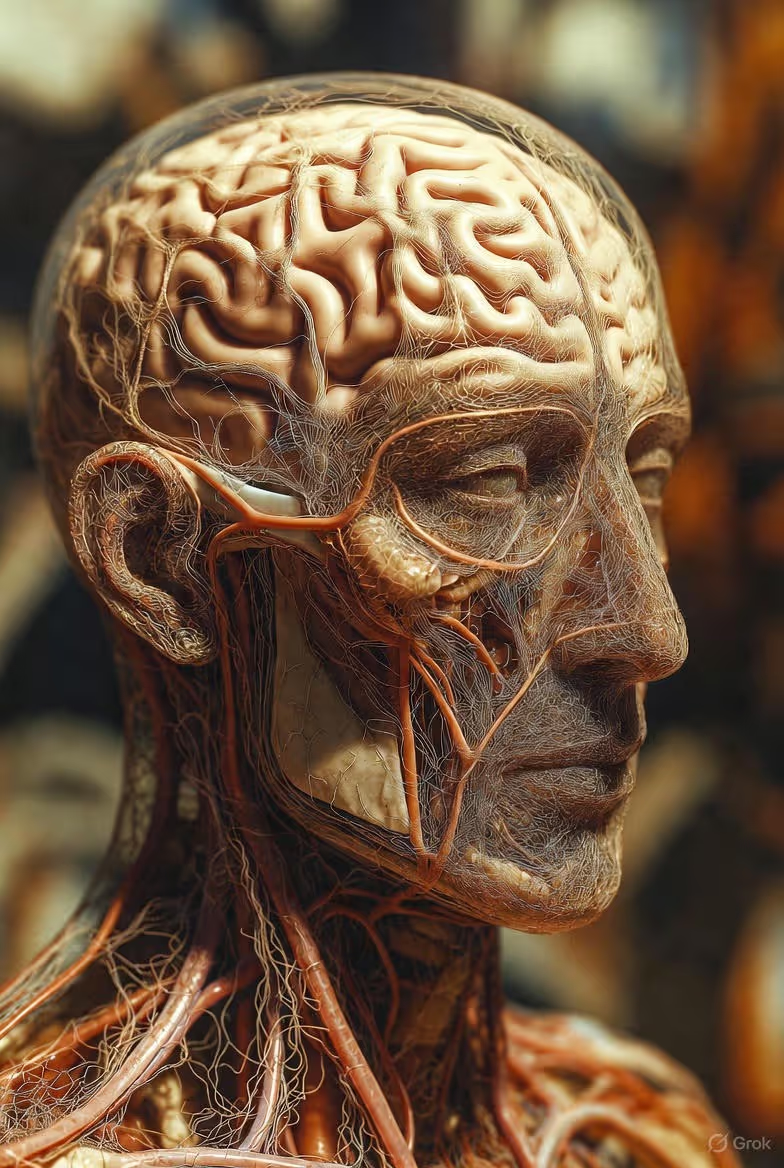
While growth hormone is busy with the body, the sleeping brain is engaged in its own critical housekeeping and information processing. This work happens not just in one stage, but across the architecture of sleep, with unique processes linked to specific brainwave patterns.
During the lighter stages of non-REM (NREM) sleep, particularly Stage 2, your brain produces brief, powerful bursts of rhythmic activity called sleep spindles. These spindles, generated by the thalamus, are believed to act as a gatekeeper, shielding the sleeping brain from external stimuli that might cause awakening. More importantly, they are crucial for memory consolidation—the process of transferring short-term memories from the hippocampus (the brain's temporary storage) to the neocortex (the brain's long-term hard drive). This is how skills learned and facts absorbed during the day become solidified and integrated into your permanent knowledge base. A night rich in sleep spindles is a night of efficient learning and motor skill enhancement.
Perhaps even more profound is the brain's cleansing ritual, which peaks during deep sleep. Recent neuroscience has uncovered the glymphatic system, a waste-clearance network in the brain that becomes dramatically more active during sleep. Cerebrospinal fluid (CSF) pulses through the brain's tissues, flushing away metabolic debris that accumulates during waking hours. One of the key toxins cleared is beta-amyloid, a protein implicated in the development of Alzheimer's disease.
Think of it this way: while you're awake, your brain is a bustling, vibrant city generating waste. During deep sleep, the streets widen, and a powerful cleansing flood flows through, washing away the day's metabolic trash. This process is energetically expensive and inefficient while the brain is actively processing sensory information, so it's deferred to the quiet, offline state of deep sleep.
This neural maintenance is hormonally influenced. The drop in cortisol and norepinephrine (noradrenaline) during deep sleep is thought to be a key signal that allows the glymphatic system to activate. Furthermore, the stable, low-energy state of deep sleep provides the ideal conditions for this fluid exchange. Disrupted or insufficient deep sleep means this nightly detox is cut short, allowing potentially harmful proteins to accumulate over time.
This underscores a crucial point: nightly recovery is not monolithic. It has specialized phases for physical repair (HGH surge in deep sleep) and brain maintenance (glymphatic flow in deep sleep, memory consolidation in lighter NREM). Missing one compromises the other. The feeling of "brain fog" after a bad night's sleep is a direct result of incomplete neural housekeeping and poor memory consolidation. For knowledge workers, students, and anyone concerned with long-term cognitive health, this phase of sleep is non-negotiable. If you’re curious about how different lifestyle factors impact this cognitive recovery, our FAQ section addresses common questions about sleep quality and cognitive performance.
After the physical repair of deep sleep, the brain shifts into a dramatically different state: Rapid Eye Movement (REM) sleep. This is the stage most associated with vivid dreams, and it serves a profound function in our emotional and psychological recovery. While the body is mostly paralyzed (a safety mechanism to prevent acting out dreams), the brain is as active as it is during waking hours. The key hormonal signature of REM sleep is the continued suppression of stress hormones like cortisol and norepinephrine, coupled with activity in brain regions tied to emotion and memory, such as the amygdala and hippocampus.
REM sleep acts as a form of nocturnal therapy. During this stage, the brain processes emotional experiences from the day. It's believed that in this neurochemically safe environment—low in stress chemicals—the brain can "replay" emotional memories and strip away the raw, visceral intensity from them. The memory of the event is consolidated, but the sharp, painful emotional charge is dialed down. This is how we "sleep on" a difficult problem and often wake with a new perspective or reduced emotional reactivity.
The regulation of stress hormones during this phase is critical. Cortisol levels typically reach their 24-hour nadir in the middle of the night, often during the later cycles of REM sleep. This prolonged period of low cortisol is essential for resetting the body's stress response system (the HPA axis). It allows the system to regain sensitivity, so it can respond appropriately to stressors the next day. Without this reset, you can enter a state of "HPA axis dysregulation," where baseline cortisol stays elevated, and the system becomes sluggish or overreactive—a hallmark of chronic stress and burnout.
Disrupting REM sleep—through alcohol (which severely suppresses early REM), certain medications, or sleep apnea (which often causes arousals as REM begins)—compromises this emotional reset. You may wake feeling anxious, irritable, or emotionally fragile. Over time, a chronic REM deficit is linked to increased emotional reactivity, difficulty with emotional regulation, and a higher risk for mood disorders.
This emotional processing is as vital to recovery as physical repair. In a world of constant stimulation and stress, the brain's ability to offline-process and neutralize emotional experiences is a cornerstone of resilience. The balance between deep sleep (for physical/cognitive repair) and REM sleep (for emotional repair) is what defines truly restorative sleep. Understanding your own personal architecture—how much deep and REM sleep you typically get—is a powerful step toward holistic well-being. Many users of the Oxyzen ring find that by tracking their sleep stages, they can correlate nights with higher REM duration with better emotional balance the following day, providing tangible evidence of this nightly reset. You can read testimonials from users who have gained these kinds of insights into their emotional and physical health.

Your body's relationship with energy fundamentally changes as you sleep. After the last meal of the day is digested, the body transitions from a fed state (relying on glucose from food) to a fasted state (relying on stored energy). This overnight fast is a crucial metabolic reset button, governed by a carefully timed hormonal dance.
A key player in this shift is insulin sensitivity. Insulin is the hormone that shuttles glucose from your bloodstream into cells for energy. During the early part of the night, particularly during deep sleep, your body's sensitivity to insulin improves. Cells become more receptive to insulin's signal, which helps maintain stable, low blood glucose levels. This period of enhanced insulin sensitivity is a critical part of metabolic health. It gives your pancreas a rest and helps prevent the insulin resistance that can lead to type 2 diabetes.
As the night progresses and the body prepares for waking, a counter-regulatory process begins. In the early morning hours, typically between 3:00 a.m. and 8:00 a.m., the body naturally secretes a cocktail of hormones—including cortisol, growth hormone, glucagon, and epinephrine—to raise blood glucose levels in anticipation of the day's energy demands. This is known as the dawn phenomenon. It's a normal, healthy physiological response. A small, controlled rise in blood sugar provides the energy needed to wake up, get out of bed, and start your day.
However, this delicate balance is easily thrown off. Poor sleep quality, particularly a lack of deep sleep, can blunt the overnight improvement in insulin sensitivity. Furthermore, if the dawn hormone surge is too pronounced—often due to factors like chronic stress (elevating cortisol), sleep apnea (causing stress responses), or inconsistent sleep schedules—it can lead to an exaggerated spike in morning blood sugar. For individuals with pre-diabetes or diabetes, this can make morning glucose management very challenging.
The takeaway is that your sleep directly programs your metabolism for the next day. A night of poor, fragmented sleep can leave you in a state of relative insulin resistance upon waking, driving carb cravings, energy crashes, and weight management difficulties. Prioritizing deep, consistent sleep is a powerful, non-pharmaceutical strategy for supporting metabolic health and stable energy. It ensures the overnight fast is a therapeutic reset, not a metabolic stressor. For those using lifestyle to manage metabolic health, tracking overnight biometrics can reveal how your sleep patterns correlate with your morning energy and cravings, creating a powerful feedback loop. Discover how Oxyzen works to provide this kind of actionable, metabolic insight.
While you are lost in sleep, your immune system is working at peak capacity. Nightly recovery is the prime time for immune function, a period when the body dedicates significant resources to surveillance, defense, and repair. This activity is tightly choreographed by the hormonal environment of sleep.
During deep sleep, there is a notable increase in the production and release of certain pro-inflammatory cytokines, such as interleukin-1 (IL-1) and tumor necrosis factor-alpha (TNF-α). This might sound counterintuitive—isn't inflammation bad? In acute, controlled bursts, it is a vital healing signal. These cytokines promote sleep itself (they are sleep-inducing), and they orchestrate the immune system's response. They help activate and direct immune cells, stimulate the production of new immune cells in the bone marrow, and enhance the body's ability to fight infection.
Simultaneously, anti-inflammatory processes are also at work. The stress hormone cortisol, which has potent anti-inflammatory effects, is at its lowest point. This may seem paradoxical, but it allows the necessary pro-inflammatory healing response to proceed without suppression. Growth hormone and prolactin, which are elevated during sleep, also have immunostimulatory effects, supporting the function of T-cells and other immune defenders.
This is why you instinctively crave sleep when you're sick. The body is pulling all resources toward the immune battle, and the hormonal milieu of sleep is the most supportive environment for that fight. Deprive yourself of sleep, and you cripple this coordinated response. Research consistently shows that even a single night of short sleep can reduce the activity of natural killer cells—your body's first line of defense against viruses and cancer cells.
Chronic sleep disruption leads to a dysfunctional immune state: it can blunt the beneficial, acute inflammatory response needed for healing while paradoxically contributing to a low-grade, systemic inflammation that is at the root of many chronic diseases, from heart disease to diabetes. Your nightly recovery, therefore, is your most powerful daily immune booster. It's when your body produces its internal medicine, repairs cellular damage, and fortifies its defenses. Ensuring you cycle properly through deep sleep stages is akin to giving your immune system its mandated training and maintenance time. To understand more about the company focused on quantifying this vital recovery, you can learn about our mission and values.
Beyond the headline acts of melatonin, cortisol, HGH, and insulin, a chorus of other hormones performs vital supporting roles in the nightly recovery schedule. Their subtle interactions govern appetite, satiety, and even reproductive health, making them essential to overall well-being.
Prolactin, best known for its role in lactation, follows a distinct circadian rhythm with a significant peak during sleep, especially during REM stages. While its functions are diverse, this nocturnal rise is thought to contribute to immune regulation and may play a role in the deep, restorative quality of sleep itself.
More directly impactful for daily life are the two hormones controlling hunger and fullness: leptin and ghrelin. Leptin (the "satiety hormone") is produced by fat cells and signals to the brain that you have sufficient energy stores. Its levels typically rise during sleep, helping to suppress hunger through the night. Ghrelin (the "hunger hormone") is produced in the stomach and stimulates appetite. Its levels generally fall during the early part of sleep.
Sleep deprivation spectacularly disrupts this delicate balance. Even partial sleep loss causes:
This hormonal double-whammy is a recipe for increased caloric intake and poor food choices the following day. It’s a physiological drive, not a lack of willpower. Furthermore, the insulin resistance caused by poor sleep (as discussed earlier) means the body is less efficient at processing these extra calories, favoring fat storage. This creates a vicious cycle where poor sleep drives weight gain, and factors associated with weight gain (like sleep apnea) further degrade sleep.
The message is clear: if you are managing your weight or simply seeking stable energy, prioritizing sleep is as important as diet and exercise. It's the foundation that regulates the hormones governing your appetite and metabolism. By tracking your sleep, you gain insight into a potential root cause of dietary challenges, moving beyond simplistic "calories in, calories out" models to a more nuanced understanding of your body's hormonal environment.
We have mapped the intricate, timed release of hormones that constitute nightly recovery. Now, we must confront the single greatest modern antagonist to this natural schedule: artificial light, specifically blue-wavelength light.
As established, your SCN uses light, perceived through specialized cells in your eyes (ipRGCs), as its primary zeitgeber (time-giver). Blue light, abundant in daylight, is the most potent signal for suppressing melatonin and promoting alertness. This is perfectly adaptive during the day. The problem is that our environments are now flooded with blue light long after the sun has set, emanating from LEDs, smartphones, computers, and televisions.
When you expose your eyes to blue light in the evening, you send a direct, false signal to your SCN: "It is still daytime." The SCN responds by:
This single action scrambles the entire hormonal schedule that follows. The prelude to sleep is canceled. With melatonin suppressed, the signal to lower body temperature and induce drowsiness is weakened. With cortisol potentially lingering, the body remains in a state of higher alertness. Falling asleep becomes harder, and the descent into the first, crucial period of deep sleep—the prime time for growth hormone release—is delayed and often shallower.
The impact isn't limited to the evening. Light exposure during the night—from a streetlamp outside your window, a blinking electronic device, or a trip to a brightly lit bathroom—can fragment sleep and cause mini-suppressions of melatonin, interrupting the continuity of sleep stages and their associated hormonal releases.
Protecting your circadian rhythm from light pollution is not a wellness luxury; it is a biological necessity for accessing the full recovery protocol. This means:
In essence, you must become the steward of your light environment. It is the most powerful lever you have to pull to ensure your internal clock runs on time and your nightly hormonal symphony plays as intended. For more practical tips on creating a sleep-optimized environment and lifestyle, our blog is a dedicated resource for evidence-based strategies.
Understanding the theoretical schedule is one thing. Knowing your own body's unique rhythm is another. We are not identical clocks. Genetic factors, age, lifestyle, stress levels, and even chronotype (whether you're a natural "night owl" or "early bird") mean your personal hormonal peaks and valleys may shift in timing and amplitude.
This is where the leap from passive patient to active participant in your health occurs. For decades, measuring these internal rhythms required invasive tests in sleep labs. Today, wearable technology like the Oxyzen smart ring provides a continuous, non-invasive window into the proxies of your hormonal and nervous system state throughout the night.
Key biomarkers tracked by advanced sensors offer powerful insights:
By analyzing these data streams together, a smart ring doesn't tell you your growth hormone level directly, but it tells you if your body was in the optimal physiological state for growth hormone to be released. It shows you if you achieved prolonged periods of deep, stable sleep (the state for HGH and glymphatic flow) and sufficient REM sleep (the state for emotional processing).
This transforms recovery from a mystery into a manageable variable. You can run experiments:
With data, you move from generic advice ("get more sleep") to personalized, actionable insight ("prioritize consistency on weeknights to deepen your first sleep cycle"). This is the future of proactive wellness—using technology to align your daily habits with your innate biological design for optimal recovery and performance. Explore how Oxyzen provides this comprehensive view of your body's nightly recovery narrative.
We have laid the foundation, exploring the intricate hormonal symphony that plays out from dusk until the early morning hours. You now understand the critical roles of your circadian rhythm, the prime-time release of growth hormone, the brain’s detox, the emotional reset of REM sleep, and the metabolic and immune shifts that define true restoration. We’ve also confronted the modern disruptors, like blue light, that scramble this delicate schedule.
But knowledge alone isn't power—applied knowledge is. This next portion of our journey moves from understanding what happens to mastering how to influence it. We will dive deep into actionable strategies, explore the specific challenges of different lifestyles, and understand how to use modern tools not just to track, but to truly optimize this non-negotiable biological process. Here, we transition from spectator to active conductor of your nightly recovery protocol.
Not everyone’s hormonal schedule runs on an identical clock. The concept of chronotype explains your natural predisposition for sleep and wake times—your body’s inherent tendency to be a morning lark, a night owl, or something in between. This isn’t a preference or a personality quirk; it’s a genetically influenced expression of your circadian rhythm, dictating the precise timing of your melatonin onset, cortisol awakening response, and core body temperature cycle.
Forcing a night owl to adhere to a 5 a.m. workout and 9 p.m. bedtime is a form of biological jet lag, a constant misalignment between your social clock and your internal clock, known as social jetlag. This chronic misalignment has serious consequences:
The goal of optimal recovery is not to force yourself into an arbitrary early-riser mold, but to align your lifestyle with your chronotype as much as possible. This means:
Respecting your chronotype reduces internal friction. When you sleep within your biological window, sleep efficiency improves—you fall asleep faster, cycle through stages more robustly, and wake more refreshed. The hormonal releases of melatonin, cortisol, and growth hormone occur at their biologically ordained times, maximizing their effectiveness. For those whose work (e.g., shift work) makes alignment impossible, compensatory strategies become paramount, a topic we will address later. The first step to mastering your recovery is to stop fighting your own biology and start collaborating with it. For personalized insights into how your daily patterns align with your physiology, the data from a wearable like Oxyzen can be revelatory, showing you your true "biological night" based on heart rate and temperature trends.
Your nightly hormonal schedule is not created in a vacuum during the 8 hours you’re in bed. It is orchestrated by the inputs of the preceding 16 hours. Three daytime pillars—nutrition, movement, and stress modulation—act as direct levers on the quality of your recovery.
Nutrition’s Direct Line to Sleep Chemistry:
What and when you eat sends powerful signals to your circadian system and sleep-regulating hormones.
Movement as a Hormonal Regulator:
Regular physical activity is one of the most potent evidence-based interventions for improving sleep quality and depth.
Stress Modulation: The Cortisol Culprit:
Unmanaged daytime stress leads to elevated evening cortisol, the arch-nemesis of the sleep-onset sequence.
Mastering nightly recovery, therefore, is a 24-hour endeavor. It requires viewing your day as a coherent preparation for the regenerative work of the night. Each meal, each workout, and each moment of mindful pause is programming your hormonal schedule for the evening to come. This holistic view is central to the philosophy at Oxyzen, which is why our platform looks at trends across activity, readiness, and sleep to give you a complete picture of your recovery ecosystem. You can read more about our integrated approach to wellness tracking.
You can perfect your daytime habits, but if your sleep environment is working against you, your recovery will be compromised. Your bedroom must be engineered to support, not sabotage, the hormonal cascade of the night. This goes far beyond a comfortable mattress.
The Non-Negotiables: Dark, Cool, and Quiet:
Advanced Environmental Tweaks:
By intentionally designing your sleep cave, you remove external obstacles that force your nervous system to remain on guard. You create a habitat where the parasympathetic nervous system can fully take over, where melatonin can flow unimpeded, and where the pulsatile releases of growth hormone and the cleansing flow of the glymphatic system can proceed without interruption. This is the physical staging ground for your hormonal symphony. For more tips and community discussions on crafting the perfect sleep environment, our blog offers a wealth of user-shared ideas and expert advice.
For many, the ideal of a consistent 10 p.m.-6 a.m. sleep in a perfectly engineered sanctuary feels like a distant fantasy. Life’s realities—non-traditional work hours, travel across time zones, or the demands of caring for a newborn—actively disrupt the very circadian rhythms we’ve detailed. The goal here shifts from perfect alignment to strategic mitigation.
Conquering Shift Work:
Shift work, especially overnight shifts, is a direct assault on circadian biology. The strategies are about damage control and careful resetting.
Resetting from Jet Lag:
Jet lag is the physical manifestation of your internal clock being out of sync with your local environment. You can proactively reset it.
The Survival Phase of New Parenthood:
The fragmented sleep of a newborn’s first months is a unique, temporary, yet extreme disruptor. Survival and partnership are key.
In all these scenarios, the fundamentals still apply but require adaptation. The focus is on maximizing sleep quality in the windows you have, fiercely protecting your sleep environment, and using light with surgical precision to guide your confused circadian clock. Data from a wearable becomes especially valuable here, as it can objectively show you if your mitigation strategies are working—are you getting any deep sleep during your daytime sleep block? Is your HRV beginning to recover after a series of night shifts? This feedback is crucial for resilience. For support and answers to common questions about tracking sleep in non-standard situations, you can always visit our comprehensive FAQ page.
Owning a device that tracks your sleep is common. Knowing how to interpret that data to make meaningful changes is the superpower. A smart ring like Oxyzen provides a dashboard of your nocturnal physiology; understanding the key metrics transforms it from a sleep reporter into a true biofeedback tool for optimizing your hormonal recovery.
Decoding the Core Metrics:
From Data to Action: The Experimentation Loop:
This is where you become a scientist of your own sleep.
By engaging in this loop, you move beyond generic advice. You discover that for you, an evening shower improves sleep onset temperature drop, or that even two glasses of wine devastates your REM sleep. This personalized feedback is the key to mastering your unique hormonal schedule. It turns abstract concepts about cortisol and HGH into tangible, manageable daily choices. The journey of discovery is ongoing, and our community at Oxyzen often shares their insights and experiments; you can explore their stories and experiences to see this process in action.
When foundational strategies of light, environment, and stress aren’t enough, many turn to supplements or over-the-counter aids. It’s crucial to approach this arena not as a first-line solution, but as a targeted, temporary tool to support the natural processes, with a clear understanding of how they interact with your hormonal schedule.
Supporting the Natural Pathways:
Navigating the Minefield of Sedatives:
The Golden Rule: Use supplements to augment healthy habits, not replace them. They should be the smallest piece of the puzzle. The most powerful "supplement" for your nightly hormone release is a consistent sleep schedule, a dark room, and a managed stress response. Before adding anything new, consult with a healthcare professional, especially if you have underlying health conditions or take other medications. The goal is always to support your body’s innate ability to follow its own exquisite recovery protocol.
We’ve focused on the nightly and daily cycles, but the true power of honoring your hormonal release schedule is revealed over decades. The cumulative effect of nightly recovery—or the lack thereof—is a primary determinant of your healthspan, your risk for chronic disease, and even the rate at which you age.
Sleep as a Pillar of Aging Biology:
The Cumulative Tally:
Think of each night of high-quality, hormonally-aligned sleep as a deposit in your health savings account. Each night of poor, fragmented sleep is a withdrawal. The withdrawals add up far faster than the deposits. You may "feel fine" on chronic sleep restriction, but you are silently accruing biological debt that manifests later as accelerated aging, chronic illness, or cognitive decline.
This long-term perspective makes the daily discipline of sleep hygiene not an act of self-indulgence, but one of the most profound forms of preventative medicine available. It is an investment in the future version of yourself. By using tools to understand and optimize this process now, you are not just improving your tomorrow—you are actively building a foundation for a longer, healthier, and more vibrant life. This vision of empowered, long-term health is at the very core of our mission and story at Oxyzen.
We have traversed the science, the strategies, the challenges, and the tools. Now, we synthesize it all into a practical, actionable framework—your Personalized Nightly Recovery Protocol. This is not a rigid set of rules, but a flexible template you can adapt to your chronotype, lifestyle, and goals.
Step 1: The Assessment Phase (Week 1-2)
Step 2: Foundational Intervention (The Non-Negotiables)
Start here, regardless of your specific issue. These provide the baseline for all other interventions to work.
Step 3: Targeted Tuning (Based on Your Data)
Step 4: The Integration and Iteration Loop
This protocol turns the complex science of nightly hormonal recovery into a manageable, personal operating system. It empowers you to stop chasing trends and start building sustainable habits rooted in your own biology. The journey toward mastering your sleep is the ultimate act of self-knowledge and self-care, with dividends that pay out every single day and for all the years to come. For ongoing support, ideas, and to see how others are building their protocols, the Oxyzen blog community is a constantly evolving resource.
We have journeyed from the fundamental biology of the nightly hormone symphony to the practical mastery of aligning your life with its rhythm. You now possess a deep understanding of the key players—from melatonin's curtain call to growth hormone's repair work, from the brain's glymphatic cleanse to the immune system's night shift. You've explored strategies to engineer your environment, align with your chronotype, and interpret your body's data. We've built a framework for a personalized protocol.
Now, we look forward. What does the future hold for optimizing this essential process? And how do you solidify this knowledge into a permanent, transformative foundation for your health? This final section explores the emerging frontiers of sleep science, consolidates the wisdom into a master blueprint, and empowers you to become the lifelong guardian of your own recovery and vitality.
The future of nightly recovery is moving beyond generic "8-hour" advice and one-size-fits-all trackers. It is accelerating toward hyper-personalized chronotherapy—the use of timing as a precise medical and wellness intervention, guided by continuous, multi-omic biomarker integration.
Genetic and Molecular Personalization:
Advanced Environmental Integration:
AI-Powered Predictive Intervention:
This is where the true power of data from devices like the Oxyzen ring will be unleashed. Future platforms won't just report what happened last night; they will predict and prescribe.
The goal is a seamless, proactive recovery ecosystem that surrounds you, understands you, and guides you with unparalleled precision. This future is not about replacing human intuition but augmenting it with deep, objective biological insight. It represents the culmination of our journey—from observing the hormonal schedule, to influencing it, to having a co-pilot that helps you navigate it perfectly. Learn more about how Oxyzen is working towards this future of personalized health intelligence.
We've discussed how daytime stress affects cortisol. But the relationship between our waking mental life and our nightly recovery is even more profound and bidirectional. Our thoughts, beliefs, and emotional patterns cast a long shadow into the night, directly influencing hormonal release through psychoneuroendocrine pathways.
Anxiety and the Hyper-Vigilant Brain:
Chronic worry or anxiety keeps the brain's fear center (the amygdala) and the stress response network primed. Even when you fall asleep, this neurological "guard" remains partially on standby. This:
Depression and Sleep Architecture:
The link between depression and disrupted sleep is well-established, but it's often a vicious cycle. Depression frequently alters the very structure of sleep:
Cultivating a Recovery Mindset:
The flip side is that cultivating positive psychological states can actively promote better hormonal recovery.
Mastering nightly recovery, therefore, requires tending to the garden of the mind as diligently as we tend to the bedroom environment. Cognitive Behavioral Therapy for Insomnia (CBT-I) is the gold-standard psychological intervention because it directly targets these maladaptive thoughts and behaviors. It teaches you that your relationship with sleep is as important as sleep itself. For support on building a healthier psychological approach to rest, our blog features resources on mindfulness and sleep mindset.
Let’s consolidate some of the most common and critical questions that arise when diving this deep into the science of nightly recovery.
Q: I can only get 6 hours of sleep due to my schedule. How can I maximize the hormonal benefit?
A: While 7-9 hours is ideal, focus fiercely on quality and consistency.
Q: Does "sleep debt" actually get "repaid" on the weekends?
A: This is a crucial nuance. You can recover from acute, short-term sleep debt, but you cannot reverse the chronic physiological effects.
Q: My smart ring says I get plenty of deep sleep, but I still wake up exhausted. Why?
A: This points to factors beyond sleep architecture. Consider:
If exhaustion persists despite good sleep data, it is a strong signal to consult a healthcare professional for further investigation.
Q: Are there specific foods I should absolutely eat or avoid for optimal hormonal sleep?
A: Focus on patterns, not magic bullets.
For more detailed answers to technical and practical questions, our dedicated FAQ page is always being updated with the latest insights from our team and community.
Let us now synthesize everything into a single, cohesive Lifetime Recovery Blueprint. This is your manifesto, your touchstone. Return to it whenever life pulls you off course.
The Core Philosophy:
Nightly recovery is not a passive state. It is an active, physiological process—the most important work your body does. Honor it with the same respect you give to nutrition and exercise. It is the foundation upon which all other health is built.
The Non-Negotiable Daily Practices (The Pillars):
The Personalized Optimization Cycle (The Practice):
The Mindset Shifts (The Psychology):
This blueprint is not a strict regimen but a set of principles and a process for continuous, self-directed improvement. It empowers you to be the expert on your own body. For inspiration and to see this blueprint in action, you can explore real user testimonials and stories of transformation.
We have reached the end of our exploration, but this is where your true work—and your true freedom—begins. You are no longer in the dark about what happens in the dark. You hold the map to your body's most vital regenerative process.
This knowledge comes with a responsibility and an opportunity. The responsibility is to stop viewing sleep as optional, negotiable, or a waste of time. It is to recognize that every late-night scroll, every poorly timed meal, every unmanaged stressor is a direct intervention in your endocrine system, with consequences for your health, your performance, and your joy.
The opportunity is profound. By taking stewardship of your nightly hormone release schedule, you gain a level of agency over your health that few ever achieve. You can:
This is not hyperbole; it is the documented outcome of aligning with your innate biology.
Start tonight. Not with a complete overhaul, but with a single, deliberate action from the blueprint. Perhaps it is charging your phone outside the bedroom. Maybe it is getting into bed 15 minutes earlier to read a book. Or simply taking 5 deep, diaphragmatic breaths before turning out the light.
Use the tools available to you. Let data be your guide, not your judge. Discover how a tool like Oxyzen can provide the clarity and feedback to make this journey insightful and effective.
Your nightly recovery is your birthright—a third of your life dedicated to repair, growth, and renewal. It is time to claim it, protect it, and optimize it. The symphony is playing. You now have the score. It is time to conduct.
Your Trusted Sleep Advocate: Sleep Foundation — https://www.sleepfoundation.org
Discover a digital archive of scholarly articles: NIH — https://www.ncbi.nlm.nih.gov/
39 million citations for biomedical literature :PubMed — https://pubmed.ncbi.nlm.nih.gov/
Experts at Harvard Health Publishing covering a variety of health topics — https://www.health.harvard.edu/blog/
Every life deserves world class care :Cleveland Clinic - https://my.clevelandclinic.org/health
Wearable technology and the future of predictive health monitoring :MIT Technology Review — https://www.technologyreview.com/
Dedicated to the well-being of all people and guided by science :World Health Organization — https://www.who.int/news-room/
Psychological science and knowledge to benefit society and improve lives. :APA — https://www.apa.org/monitor/
Cutting-edge insights on human longevity and peak performance:
Lifespan Research — https://www.lifespan.io/
Global authority on exercise physiology, sports performance, and human recovery:
American College of Sports Medicine — https://www.acsm.org/
Neuroscience-driven guidance for better focus, sleep, and mental clarity:
Stanford Human Performance Lab — https://humanperformance.stanford.edu/
Evidence-based psychology and mind–body wellness resources:
Mayo Clinic — https://www.mayoclinic.org/healthy-lifestyle/
Data-backed research on emotional wellbeing, stress biology, and resilience:
American Institute of Stress — https://www.stress.org/


