


The Nature Connection in Peaceful Living: Outdoor Peace Practices
Using time in nature as a practice for peaceful living.
Using time in nature as a practice for peaceful living.
%402x.svg)
In the quiet hum of our hyper-connected world, a deep, almost primal longing is stirring. It’s a longing not for another notification, another streaming series, or a faster download speed, but for something profoundly simple and ancient: peace. Not merely the absence of noise, but a palpable, grounding sense of tranquility that seems to have been designed into the very fabric of the natural world. As our lives become increasingly digitized and indoor-bound—a reality quantified by the step counts and stress metrics on our own wearables—we are experiencing a collective “nature deficit disorder” that manifests as anxiety, mental fog, and a pervasive sense of disquiet.
Yet, the remedy is as old as life itself. It lies not in a prescription, but in a reconnection. The emerging science of ecotherapy and forest bathing (Shinrin-yoku) provides compelling, data-backed evidence for what our intuition has always whispered: immersion in nature lowers cortisol, boosts immune function, enhances creativity, and cultivates a lasting inner calm. This isn't just about a weekend hike; it's about integrating the rhythms, the silence, and the wisdom of the outdoors into the daily pattern of our lives. It’s about transforming our relationship with nature from one of passive scenery to active sanctuary.
This journey explores how we can intentionally bridge that gap. We’ll move beyond the theory and into the practice of forging a life-affirming bond with the natural world. We’ll discover how modern tools, like the advanced biometric tracking of a smart ring from Oxyzen, can serve not as distractions, but as insightful guides, helping us measure, understand, and deepen our nature-based peace. This is the beginning of a manual for modern peaceful living, where the forest path, the mountain vista, and the quiet garden become the most vital components of our personal wellness architecture. Welcome to the practice of finding your peace, outdoors.
We often speak of nature being "good for us" in a vague, sentimental way. But what if the effect is not just poetic, but physiological? Modern neuroscience and environmental psychology are now mapping the precise pathways through which natural environments act as a direct antidote to the stresses of modern life, fundamentally altering our brain chemistry and structure to foster peace.
The mechanism begins with our senses. Urban environments are typically characterized by "hard" attention demands—jagged lines, sudden noises (sirens, horns), and constant decision-making (navigating traffic, crowds). This demands our directed, or voluntary, attention, which is a limited cognitive resource that becomes depleted, leading to mental fatigue, irritability, and anxiety. Nature, in contrast, engages our senses differently. The soft shapes of foliage, the repetitive sound of water or wind, the fractal patterns in leaves and clouds—these capture our involuntary attention in a gentle, effortless way. This process, identified by psychologists Rachel and Stephen Kaplan as "Attention Restoration Theory," allows the brain’s directed attention circuits to rest and replenish. The result is not just feeling relaxed, but cognitively restored, with improved focus and mental clarity when we return to our tasks.
On a biochemical level, the evidence is striking. Studies on Shinrin-yoku (forest bathing), pioneered in Japan, show measurable decreases in the stress hormone cortisol, lowered heart rate and blood pressure, and a reduction in sympathetic nerve activity (the "fight-or-flight" system). Concurrently, exposure to phytoncides—aromatic antimicrobial compounds released by trees—boosts the activity and number of our body’s natural killer (NK) cells, a crucial part of the immune system. This isn't merely relaxation; it's a full-body tune-up.
Furthermore, time in natural light regulates our circadian rhythms, stabilizing sleep patterns—a cornerstone of emotional resilience. Physical activity in green spaces amplifies these benefits, triggering the release of endorphins and brain-derived neurotrophic factor (BDNF), which supports neuronal health. The combination is potent: nature doesn't just mask stress symptoms; it promotes a systemic shift toward homeostasis and calm. For those curious about quantifying these internal shifts, biometric wearables offer a fascinating window. By tracking heart rate variability (HRV), sleep quality, and stress indicators, devices like the Oxyzen ring can provide personal, concrete data on how a walk in the park literally changes your biology, a topic we explore in depth on our blog.
In essence, nature acts as a non-pharmaceutical regulator for our overloaded nervous systems. It switches the channel from the frantic, jagged symphony of modern life to a slower, more rhythmic, and harmonious tune. Understanding this science is the first step in moving from casual enjoyment to intentional, therapeutic practice.
A significant barrier many face in cultivating a nature connection is the belief that it requires a dramatic wilderness expedition—a week in the backcountry or a trip to a national park. This "all-or-nothing" mindset can make peace feel inaccessible, reserved only for vacation time. The truth, and the foundation of a sustainable practice, is that nature is a spectrum, not a destination. Peaceful connection can be cultivated anywhere along that spectrum, from a vast forest to a single potted plant on a windowsill.
The first step is a perceptual shift: broadening our definition of "nature engagement." It’s not solely about vigorous activity or covering distance. It can be:
The key is intentionality. A "nature connection" is forged not by the grandeur of the scenery, but by the quality of your attention. It’s the difference between walking through a park while scrolling on your phone and walking through that same park while consciously feeling the breeze, smelling the damp earth after rain, and observing the play of light through the leaves. The latter, even for ten minutes, constitutes a powerful peace practice.
This is where the concept of "nearby nature" becomes revolutionary. Research shows that even views of nature from a window can lower stress and increase job satisfaction. Access to a local park, a tree-lined street, or a community garden can provide nearly all the psychological benefits of a deep-forest immersion, especially when visited regularly. The goal is to identify and claim your personal "peace nodes" within your daily geography. Map your neighborhood for pockets of green and blue. Find your sit-spot—a place you can return to daily or weekly to observe the slow, subtle changes of the natural world.
For the urbanite, this practice becomes an act of subtle rebellion against concrete fatigue. It’s a reminder that life persists, grows, and finds a way everywhere. By redefining nature as a quality of attention and a presence we can seek anywhere, we dismantle the biggest obstacle to peaceful living: the idea that it’s somewhere else. It begins right outside your door.
Knowing that nature is beneficial is one thing. Knowing how to actively receive those benefits is another. Our minds are often elsewhere—replaying conversations, planning tomorrow, worrying about yesterday. To truly connect and receive peace, we must move from being in nature to being with nature. This requires gently guiding our awareness from the internal chatter to the present-moment sensory reality. Here are foundational, practical techniques for "sensory anchoring."
1. The Five Senses Scan: This is the cornerstone practice. Find a comfortable place to sit or stand. For one to two minutes each, guide your attention through your senses in this order:
This scan acts as a hard reset for your nervous system, pulling you firmly into the "here and now."
2. Sit-Spot Practice: Choose one accessible, safe location in nature—a backyard bench, a park under a particular tree, a riverbank. Visit this same spot regularly, at different times of day and in different seasons. The goal isn't exploration, but deep observation. Over time, you'll begin to notice the micro-dramas: which birds visit at dawn, how the light shifts, which plants bloom and fade. This cultivates a profound sense of place, patience, and belonging. The changes you witness become a mirror for accepting impermanence and flow in your own life.
3. Phytoncide Breathing: Specifically in a wooded area, practice deep, slow diaphragmatic breathing. As you inhale, consciously acknowledge you are breathing in the phytoncides released by the trees. Visualize these compounds as a cleansing, calming mist entering your lungs and circulating through your body, lowering your stress with each breath. This combines the physiological benefits with a potent mindfulness intention.
4. Barefoot Grounding (Earthing): Where safe, take off your shoes and socks and stand or walk on natural surfaces like grass, sand, or soil. The theory of earthing suggests direct physical contact with the Earth's surface electrons can produce positive effects on physiology, including reduced inflammation and improved sleep. Anecdotally, it is an instant and powerful tactile connection that feels inherently peaceful and stabilizing.
These techniques are not passive; they are active skills of reception. They turn a simple outdoor excursion into a rich, therapeutic session. As you practice, you may notice your body's responses—a slowed heart rate, a release of tension in the shoulders. For a deeper dive into how technology can help you track these physiological shifts and build a more data-informed practice, our FAQ page addresses how modern wearables complement ancient wellness wisdom.
We carry the primary disruptor of peace in our pockets: our smartphones. The instinct, then, might be to declare a total ban on technology during nature time. But for many, this feels unrealistic and can become another barrier to practice. A more nuanced and sustainable approach is intentional use. Technology, when applied with purpose, can actually facilitate a deeper nature connection rather than detract from it. The principle is to make it a tool for focus, not a source of distraction.
First, the Detox Phase: Begin any extended nature session with a deliberate disconnection. Upon arriving at your chosen spot, activate airplane mode or, even better, fully power down your device. Set a tangible timer if you need to (like a kitchen timer) for the duration of your intended stay—even if it's just 20 minutes. This creates a sacred container of uninterrupted time. The initial few minutes may be accompanied by "phantom limb" anxiety, but this typically passes, giving way to a deeper level of sensory awareness.
Then, Selective Re-engagement for Enhancement: Once you’ve established your own grounded presence, technology can be used judiciously as a digital field guide or creative tool:
The golden rule is primacy of experience. The technology should serve to deepen your immersion in the real, sensory world, not pull you into a virtual one. It’s about leveraging our tools to become more present, more knowledgeable, and more appreciative of the analog world that sustains us.
Human beings are not separate from the natural cycles that govern all life on Earth, yet modern living in climate-controlled environments often insulates us from them. This disconnection can lead to a sense of being untethered and out of sync. A powerful way to rebuild the nature connection is to consciously align our peace practices with the rhythmic, predictable cadence of the seasons. This isn't about rigid rules, but about observing and adapting our outdoor routines to the changing energy and offering of each season, creating a living dialogue with the world around us.
Spring: The Practice of Renewal & Reawakening
Spring’s energy is upward, expansive, and tender. Your peace practice can mirror this.
Summer: The Practice of Abundance & Fullness
Summer is about peak energy, warmth, and vibrant expression.
Autumn: The Practice of Release & Letting Go
Autumn teaches the graceful art of surrender and the beauty of impermanence.
Winter: The Practice of Stillness & Deep Rest
Winter is for turning inward, for quiet, and for conserving energy.
By tuning into these cycles, our peace practice becomes dynamic and responsive. It teaches us that peace is not a static state to be achieved, but a flowing, changing experience—sometimes vibrant and social, sometimes quiet and solitary. This alignment fosters resilience and a profound sense of being part of a larger, intelligent system. For more on how our own journey mirrors this cycle of growth and intention, you can read our story.
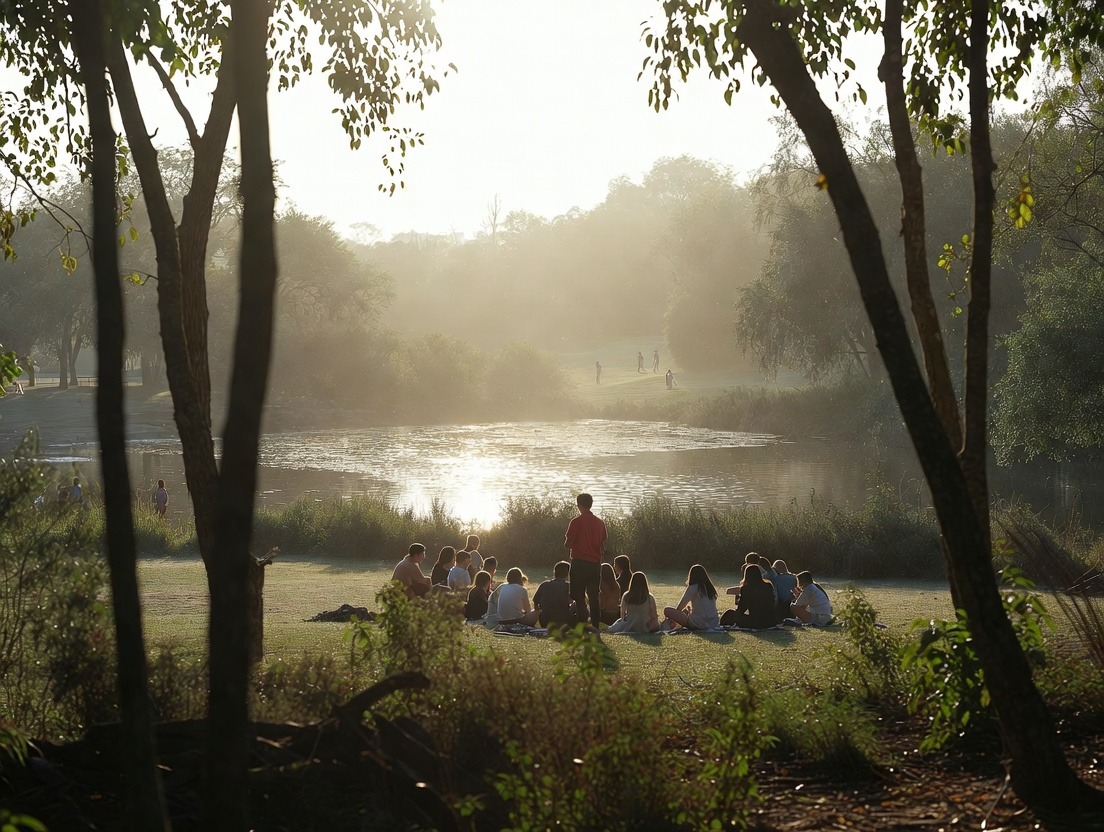
While much of the deep, restorative work of nature connection happens in solitude, humans are inherently social beings. There is a unique and potent form of peace found in sharing natural experiences with others—not through chatter, but through a shared, mindful presence. Moving from solitary practice to communal practice expands the circle of peace and can deepen our individual experience through shared energy and silent fellowship.
The Power of Shared Silence: Organizing or joining a "silent nature walk" is a profound practice. A group agrees to walk a trail or sit in a natural space together for a set period without speaking. The agreement removes social pressure and allows each person to sink into their own sensory experience, yet there is a palpable, supportive energy in the shared intention. It’s a powerful reminder that we are not alone in our quest for peace.
Community Stewardship as a Practice: Active care for natural spaces is one of the deepest forms of connection. Participating in a local park clean-up, a tree-planting initiative, or a community garden transforms you from a passive consumer of nature's peace to an active partner in its preservation. This "reciprocal restoration"—where you give care to the land that cares for you—fosters a profound sense of purpose, belonging, and interconnected peace. The act of pulling an invasive weed or planting a native flower is a tangible, hopeful meditation.
Nature-Based Rituals and Celebrations: Marking seasonal transitions (solstices, equinoxes) or personal milestones with simple, nature-based rituals in a group setting can be deeply meaningful. This could be a gratitude circle in an autumn forest, a shared sunrise meditation on the summer solstice, or a quiet fire-side gathering in winter. These create anchors of shared memory and meaning tied to the natural world.
Teaching and Mentoring: Once you feel grounded in your own practice, guide someone else—a child, a friend who feels disconnected, or a family member. Teaching the Five Senses Scan or sharing your sit-spot philosophy not only reinforces your own understanding but spreads the ripple of peace. Seeing nature’s wonder through another’s eyes can reawaken your own sense of awe.
This communal aspect addresses the loneliness that often underlies modern anxiety. It builds what psychologist Michele K. Lewis calls an "ecology of belonging." We realize our peace is intertwined with the peace of our community and the health of our shared environment. The data and experiences gathered from individuals in these communities can be powerful; reading testimonials from others on their wellness journeys often highlights this shared, supportive aspect of growth.
Fair-weather peace is easy. The true test—and often the most profound lessons—come when we learn to find connection and calm in nature’s so-called "bad" weather: the cold rain, the biting wind, the oppressive heat, or the thick fog. Learning to be with nature in all its moods, not just the postcard-perfect ones, builds immense psychological resilience and reframes our relationship with discomfort. It teaches us that peace is not dependent on external conditions being "just right."
Reframing the "Bad": The first step is linguistic and perceptual. There is no "bad" weather, only different types of weather and inadequate preparation. Each condition offers a unique sensory and metaphorical gift:
Practical Practices for Inclement Conditions:
By intentionally seeking out nature in its full range of expression, we practice equanimity. We learn that we can be peaceful amidst discomfort, not just in its absence. This resilience, forged in the wind and rain, translates directly to emotional resilience in life's metaphorical storms. It’s a masterclass in accepting what is, adapting, and finding beauty in the raw and the real.
In our quest for peace, subjective feeling is paramount. But what if you could also see the objective, physiological story of that peace? This is where modern biometric technology creates a fascinating feedback loop, turning intuitive practice into informed self-knowledge. By using a device like a smart ring that tracks key vitals, you can move from feeling calmer after a forest walk to knowing how your nervous system responded, with concrete data to guide and motivate your practice.
Key Metrics for the Nature Connection:
Creating a Personal Feedback Loop:
This approach demystifies wellness. It turns "nature is good for you" into "a 25-minute forest walk in the afternoon increases my night's deep sleep by 12% and improves my morning HRV by 8%." That kind of personalized insight is transformative. It helps you become the author of your own peace protocol. For those interested in the technology that makes this possible and its underlying mission to provide such clarity, you can explore more about us and our approach to personalized well-being.
The data is not the goal; the peace is. But the data is a compassionate, objective mirror, showing you the tangible impact of your efforts and guiding you toward what works best for your unique biology. It marries the ancient wisdom of nature with the modern science of self-quantification.
The ultimate goal of this exploration is not to create an elaborate, weekend-only ritual, but to weave threads of nature connection into the very fabric of your daily life. Peace becomes sustainable when it is integrated, not added on. This is about identifying and committing to "micro-practices"—small, almost effortless actions that serve as constant touchpoints with the natural world, keeping you anchored and replenished even amid a busy urban or work life.
The Morning Anchor: Start your day by aligning with the natural world before you align with your inbox.
The Daily Commute Re-frame: Transform travel time into connection time.
The Workday Reset: Combat afternoon slumps and digital fatigue with nature micro-breaks.
The Evening Unwind: Use nature to signal to your body and mind that the day is done.
The Weekly Rhythm: Establish one non-negotiable, slightly longer practice.
These micro-practices are the glue. They prevent the nature connection from becoming a distant, "someday" idea and make it a lived, daily reality. They remind you that peace is accessible in the gaps, in the in-between moments. It is a quality of attention you can bring to the slice of sky between two buildings, the sound of rain on the roof, or the feel of a cool breeze through a car window. This is how peaceful living moves from concept to constant companion. For a continuous stream of ideas and inspiration on integrating these micro-practices into a modern lifestyle, our blog is regularly updated with research and user experiences.
We have been culturally conditioned for speed. Productivity hacks, instant gratification, and the relentless pursuit of "more" define the ethos of modern hustle culture. Yet, the natural world operates on an entirely different timescale—one of gradual growth, cyclical change, and inherent patience. This fundamental mismatch is a primary source of our inner discord. To find true peace outdoors, we must learn to adopt what geologist and philosopher Marble Davis calls "deep time thinking," or at the very least, the pace of a tree. This section explores practices designed to recalibrate our internal clock to nature’s rhythm, offering a direct antidote to the anxiety of urgency.
The Physiology of Hurry vs. The Physiology of Slow: When we are in "hurry mode," our bodies are in a sympathetic-dominant state: cortisol and adrenaline flow, heart rate and blood pressure rise, and digestion and repair functions are deprioritized. This is meant for short bursts, not as a permanent residence. In contrast, moving slowly in nature—ambling without a destination, sitting in observation—activates the parasympathetic nervous system. This triggers the relaxation response, lowering stress hormones, improving digestion, and allowing for mental integration and creativity. Slowing down is not a luxury; it is a biological necessity for health and peace.
Practical Practices for Cultivating Natural Pacing:
This embrace of slowness is a radical act of self-preservation. It creates a buffer against the world’s demands. As you practice, you may notice a decrease in that background hum of urgency. Tasks may still need doing, but they are approached from a place of centered capability rather than frantic reactivity. The peace found in nature’s pacing is the peace of knowing you are part of a process far larger and more enduring than today’s to-do list. It’s the deep breath the modern soul desperately needs.
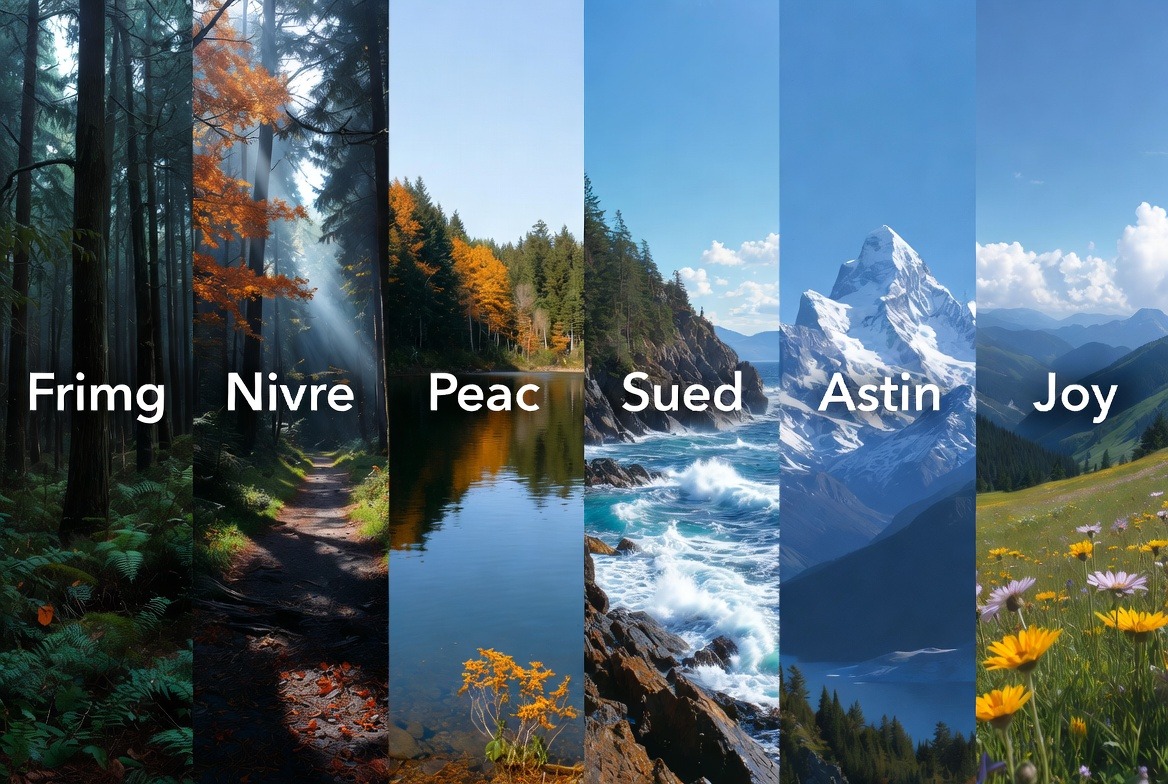
Not all peace is created equal. A calm beach, a dense forest, a wide-open prairie, and a rugged mountain peak each evoke distinct emotional and psychological responses. Understanding this "language of landscapes" allows us to become more intentional in our nature therapy, choosing an environment that directly addresses our current inner need. Just as we might choose music to match our mood, we can select a natural setting to help shift or support our state of being.
Forests & Woods: The Embrace of Enclosure
Bodies of Water (Lakes, Rivers, Oceans): The Flow of Emotion
Mountains & High Vistas: The Clarity of Perspective
Grasslands & Meadows: The Openness of Possibility
Gardens & Cultivated Spaces: The Collaboration of Order and Wildness
By listening to what each landscape "says," we can conduct a more targeted form of self-care. Feeling emotionally raw? Seek the soothing, non-judgmental flow of a river. Need a creative breakthrough? The expansive vista of a mountain might hold the key. This nuanced approach moves beyond "getting outside" to engaging in a conscious dialogue with the terrain of the Earth and the terrain of your own heart.
The nature connection can sometimes risk becoming a passive, observational, or even consumptive experience—we take the scenic view, the peaceful feeling, and leave. The practice of mindful foraging—the ethical and sustainable harvesting of wild foods, medicines, and materials—transforms this dynamic into one of active, reciprocal relationship. It turns a walk in the woods into a conversation with the landscape, rooted in deep gratitude, respect, and practical knowledge. This is peace found not just in being, but in respectful taking and giving back.
The Ethic of Reciprocity: Before the first berry is picked, the foundational principle is reciprocity, inspired by indigenous land wisdom. This means:
The Practice of Attentive Looking: Foraging forces you into a state of hyper-focused mindfulness. You are no longer looking at a "green blur." You are scanning for specific shapes, colors, and patterns. You notice the difference between blackberry and raspberry canes, the lobed leaves of a dandelion versus the lance-shaped leaves of plantain. This focused attention is a powerful form of meditation that completely absorbs the mind, crowding out anxiety and worry. Your entire being is engaged in the hunt for nourishment, a primal act that feels deeply satisfying and peaceful.
Common Beginner-Friendly Finds & Their Peaceful Practices:
The peace in foraging comes from this engaged reciprocity. It’s the understanding that you are part of a system of giving and receiving. It fosters a profound sense of belonging and responsibility. You are not a tourist in nature; you are a participant. This practice roots you, both literally and metaphorically, in the reality that your well-being is intertwined with the well-being of the land. For those interested in a deeper exploration of how intentional living and technology can intersect, our blog often features stories on integrating ancient practices like foraging into a modern, measured life.
Our nature connection is overwhelmingly diurnal. Yet, half of our planet's life exists in the realm of darkness, and there is a unique, profound peace to be found there. Engaging with the night outdoors—nyctophilia—quiets the visual-dominated mind and amplifies our other senses, offering a completely different, often more introspective, palette of calm. It confronts primal fears and transforms them into awe, teaching us to find comfort in the vast unknown.
Re-synchronizing with the Dark: Artificial light pollution has severed our evolutionary link to natural night cycles, disrupting sleep and circadian rhythms. Intentional time in true darkness helps re-establish this rhythm. The first step is allowing your eyes to adjust—dark adaptation can take 20-30 minutes. This forced patience is itself a peace practice.
Nocturnal Sensory Practices:
Confronting and Calming Night Fear: For many, fear is the initial barrier. Start small: sit on a dark porch before venturing further. Acknowledge the fear without judgment—it's an ancient, protective instinct. Then, engage your curiosity. What made that sound? Is it an owl, a raccoon, the wind? Using a red-light flashlight (which preserves night vision) to investigate can turn fear into fascination. Each time you safely experience the night, you rewrite your neural pathways, associating darkness with curiosity and peace instead of threat.
The peace of the night is the peace of the mysterious, the quiet, and the vast. It reminds us that the world continues its beautiful, intricate processes even when we are not looking. It offers a respite from the visual overload of the day and invites us into a softer, more intuitive way of being. In the stillness of a truly dark night, the mind can find a silence so deep it becomes a source of strength.
True peace is not the absence of storms, but the confidence that you can weather them. Nature provides the ultimate masterclass in this through its seasonal adversities: the drought, the hurricane, the blizzard, the wildfire. By observing and, in a safe way, experiencing these forces, we can reframe our own personal challenges and build profound emotional and spiritual resilience. This is the practice of finding peace within the storm, not just after it.
Learning from Natural Adaptations: Every ecosystem is filled with examples of resilience.
Practical "Weathering" Practices:
The psychological alchemy here is in the reframing. A personal crisis becomes your "forest fire"—painful, but potentially clearing space for new growth. A period of forced stillness becomes your "winter dormancy"—a time for essential, invisible inner work. A sudden change becomes the "wind," and you practice being the willow, not the oak. By aligning our personal narratives with these natural cycles of adversity and renewal, we normalize our struggles and inoculate ourselves against despair. We see ourselves as part of a world that is constantly being broken down and rebuilt, and we find peace in that cyclical, resilient process. This journey of resilience through nature’s lessons is core to our philosophy at Oxyzen; you can read more about this perspective in our about us section.
A deep, personal connection to nature for peace inevitably leads to a crossroads. The serenity you find in a forest, by a stream, or in a meadow is contingent upon the health of those places. This realization transforms personal practice into a catalyst for purposeful action. The peace you cultivate becomes not an escape from the world’s problems, but a source of calm, resilient energy to engage with them. This is the evolution from nature connection to nature protection—where inner peace fuels outer stewardship, creating a virtuous cycle that benefits both the individual and the Earth.
The Inevitable Shift: As you spend more time in mindful relationship with a particular place, you begin to notice threats: litter, invasive species, signs of pollution, development pressures, or the subtle changes of climate change (earlier blooms, drier streams). The peace you felt is now intertwined with concern. This concern, born of love rather than guilt, is a powerful and sustainable motivator for action.
Stewardship as a Peace Practice: Action itself can be a form of meditation and a profound source of meaning, which are core components of peace.
This journey creates a powerful feedback loop: The more you care for nature, the more it sustains your peace. The more peace you derive from it, the more energy and clarity you have to care for it. You move from being a consumer of scenic beauty to a partner in ecological health. This brings a profound, unshakeable peace—the peace that comes from knowing your life is in alignment with your values and that you are contributing, in however small a way, to the healing of the world. It answers the existential anxiety of our age with purposeful, grounded action. For stories of how others have integrated mindful stewardship into their wellness journey, our collection of user experiences often highlights this beautiful synergy.
We have explored the practices, the science, the landscapes, and the ethics. Now, we arrive at the synthesis: How do we move from practicing nature connection to living a nature-connected life? This is about architecture—not of buildings, but of days, weeks, seasons, and ultimately, a life philosophy. It’s about making choices, both large and small, that keep the rhythms, wisdom, and peace of the natural world at the center of our existence, rather than at the periphery as an occasional hobby.
Designing Your Personal Habitat:
Scheduling by Natural Time:
Cultivating a Nature-Informed Mindset:
Community and Legacy:
An integrated nature-connected life is not about moving to a remote cabin (though it could be). It’s about weaving a green thread through every aspect of your modern existence. It means your source of peace is not contingent on external circumstances but is built into the very structure of how you live. It is the ultimate peace practice—a lifelong, loving dialogue with the living world that sustains, teaches, and constantly renews you. This vision of integrated wellness is at the heart of our mission, and you can explore its origins in our story. The journey begins with a single step outside, but it leads to the transformation of your entire inner landscape.
For the deeply nature-connected individual, the state of the planet is not an abstract news headline; it is a personal source of pain. Witnessing the bleaching of a beloved coral reef, the silence where bird songs once thrived, or the skeletal remains of a forest ravaged by wildfire can trigger a profound, often unspoken, sorrow known as eco-grief or ecological anxiety. This is not a pathology, but a sane, empathetic response to loss and threat. To maintain a peaceful connection with nature, we must learn to acknowledge, process, and hold this grief, transforming it from a paralyzing force into a wellspring of compassionate action and resilient love. Denying it only creates a fracture between our love for the world and our lived reality.
Understanding and Validating Eco-Grief: Eco-grief manifests in many ways: a deep sadness for lost species (solastalgia), anxiety about the future, anger at inaction, or even numbness and disconnection as a protective mechanism. The first step in peace is to name and validate these feelings. Just as we would not tell someone to stop grieving a loved one, we must not bypass our grief for the living world. It is evidence of our bond. Creating space to feel this pain—through journaling, talking with like-minded others, or simply sitting with it in a natural setting—is a critical peace practice. It allows the emotion to move through us rather than fester within.
Rituals for Mourning and Honoring:
Finding Agency in Action: Grief unexpressed can become despair. Grief channeled becomes purpose. The most potent medicine for eco-grief is meaningful action. The stewardship practices outlined earlier—clean-ups, citizen science, advocacy—are not just good for the planet; they are essential for the eco-griever's psyche. They transform the passive pain of witnessing into the active love of protecting. Joining a community conservation group connects you to others who share your grief and your hope, building collective resilience.
The Practice of "Active Hope": Philosopher Joanna Macy’s concept of "Active Hope" is crucial here. It involves a clear-eyed view of the challenges, but then choosing to nourish a vision of a healed world and taking steps to move toward it. Your peace practice becomes rooted in this duality: holding the grief for what is wounded while fiercely tending to what is still whole and working for its repair. This is a mature, grounded peace—one that can look uncertainty in the face and still choose love and action. It is the peace of the gardener who plants a tree knowing storms may come, but plants it anyway.
By making space for eco-grief within our nature connection, we move beyond a fair-weather relationship. We love the world not only in its sunshine but in its wounds. This deepens our peace from a fragile state dependent on everything being "okay," to a resilient stance that can endure heartbreak and still find reason to nurture, protect, and rejoice. This complex emotional landscape is something we consider deeply in our holistic approach to well-being, as explored in resources on our blog.
The ultimate test of a practiced nature connection is its portability. Can you access the peace of the forest in a stressful airport, the calm of a river in a hectic office, or the grounding of a mountain in a cramped apartment? The goal is to internalize the connection so fully that you carry an inner ecosystem of calm with you, one you can tap into through micro-practices and sensory anchors. This turns peace from a location-dependent experience into an accessible inner resource.
Building Your Sensory Toolkit: This is a curated collection of practices that leverage memory, imagination, and subtle senses to evoke a full-body memory of nature’s peace.
Biophilic Micro-Adjustments in Built Environments: Actively reshape your immediate surroundings to include natural elements.
The Internal Landscape of Metaphor: When you cannot change your external environment, change your internal narrative using nature’s wisdom.
By developing this portable toolkit, you ensure your nature connection is unbreakable. You are never truly disconnected. The peace of the wild becomes a well you can draw from at any time, transforming mundane or stressful environments into opportunities for recentering. This skill is the culmination of practice, making you resilient in the face of modern life's inevitable disconnections. For those utilizing technology as part of their wellness journey, devices like the Oxyzen ring can provide subtle biofeedback, like a gentle vibration for a breathing prompt, helping to initiate these portable resets—learn more about these integrative features on our main site.
A practice that ends with us is a fragile one. The peace we cultivate through nature connection finds its deepest meaning and longevity when it is shared, especially with the next generation. In an age of screen saturation and "nature deficit disorder," giving children the tools and the love for the natural world is one of the greatest gifts—and a critical act of hope for the planet's future. This is not about formal teaching, but about modeling wonder, facilitating experiences, and creating family rituals that root a child’s sense of self in the wider, living world.
Modeling, Not Mandating: Children absorb values through observation. Let them see you finding joy and peace in nature. Let them witness you stopping to watch a spider, smelling a flower, or sitting quietly to listen to birds. Your authentic engagement is the most powerful lesson. Share your own curiosity aloud: "I wonder where this ant is going?" or "Feel how smooth this rock is from the river."
Facilitating Sensory Adventures: Move beyond the generic "walk in the park." Create mini-missions that focus on specific senses or skills, turning an outing into a gentle adventure.
Creating Family Nature Rituals: Rituals build tradition and anticipation, weaving nature into the family story.
Fostering Safe Risk and Resilience: Allow children to engage with nature on its own terms—to get muddy, to climb a manageable tree (with spotting), to balance on a fallen log, to experience a little rain. These "safe risks" build confidence, physical competence, and a sense of belonging. It teaches them that they are capable within the natural world, not separate or afraid of it. This early resilience is a cornerstone of lifelong emotional peace.
Handing Over the Toolkit: As children grow, gradually introduce them to the adult practices: the Five Senses Scan, the concept of a sitspot, basic ethical foraging principles, and how to use a guidebook or identification app. Empower them to be the guide on a family walk. This transition from facilitated experience to personal practice ensures the connection becomes their own.
By building this generational bridge, we do more than create peaceful children; we cultivate future stewards. A child who has joyful, peaceful memories tied to a creek will fight to protect it as an adult. The peace we pass on becomes a legacy of care, ensuring that the sanctuary of the natural world is loved, protected, and accessible for generations to come. This vision of legacy and interconnected well-being is central to our story and mission.
To deepen our peace, we must expand our perception of what "nature" and "connection" truly mean. Beyond the visible beauty of landscapes lies an intricate, intelligent, and mostly hidden world: the fungal network of mycelium. Often called "Earth's internet," mycelium is the vast, thread-like vegetative part of fungi that connects forest roots, facilitates nutrient exchange, and allows trees to "communicate." Engaging with this concept—the mycelial paradigm—offers a profound metaphorical and practical framework for peace, teaching us about interdependence, resilience, decentralized intelligence, and the unseen support that sustains all life.
The Metaphor of Interconnectedness: The mycelial network illustrates that no tree, plant, or organism is an isolated island. Through symbiotic relationships (mycorrhizae), trees share resources with their own species and even with different species. A strong "mother tree" can nourish a shaded seedling. A diseased tree can send warning signals to others. This mirrors a fundamental truth of human peace: our well-being is interconnected. Our personal peace contributes to the health of our family, community, and environment. Conversely, recognizing we are part of a supportive network can alleviate the anxiety of feeling alone in our struggles. We are all nodes in a living web of mutual aid.
Practices Rooted in Mycelial Wisdom:
Learning from Fungal Resilience: Mycelium is incredibly resilient. It can navigate around obstacles, reclaim damaged landscapes, and even thrive in dark places. It suggests that peace is not about avoiding darkness or obstacles, but about having the adaptive intelligence to move through them, find resources, and persist. When facing a personal challenge, ask: "How would the mycelium navigate this?" The answer often involves patience, seeking connection, and drawing on the strength of the wider network.
Embracing the mycelial paradigm moves our nature connection from the purely scenic to the deeply systemic. It offers a radical model of peace based on cooperation, symbiosis, and the understanding that our individual flourishing is inseparable from the flourishing of the whole. This perspective can alleviate the pressure of hyper-individualism and root us in a timeless, biological truth of interconnection. For those exploring the intersection of technology and holistic health, considering how devices can connect us to our own bodily data and to community insights aligns with this very concept—a topic we delve into in our FAQ.
Our journey through outdoor peace practices is not linear; it is a spiral. We leave, we connect, we return to our daily lives, and we leave again, each time at a slightly deeper level of understanding. The final, integrative practice is the Practice of Return—the conscious act of weaving the threads of your nature experiences into a cohesive personal narrative. This narrative becomes your inner compass, a story you tell yourself about who you are in relation to the living world, solidifying the connection as a core part of your identity and a constant source of meaning.
Cultivating Your Nature Journal: This is more than a log of activities; it is a chronicle of your relationship. Use it to:
Creating a "Peace Portfolio": Assemble a physical or digital collection that represents your nature connection journey. This could include:
Articulating Your Personal "Land Ethic": Inspired by conservationist Aldo Leopold, consciously define your own evolving ethic. What are your principles for interacting with the natural world? This might include commitments like "I will always practice Leave No Trace," "I will learn the names of the native species in my area," or "I will dedicate 1% of my income or time to conservation." Writing this down makes your values explicit and actionable.
Storytelling as Integration: Share your experiences and insights with others. Tell the story of the fox you saw at dawn, or the lesson from the weathering stone. Teaching or storytelling forces you to synthesize your experiences and articulate their meaning. It also invites others into the conversation, potentially inspiring their own connection.
This Practice of Return ensures your nature connection is not a series of disjointed escapes, but a continuous, evolving story—the story of your peaceful life. It allows you to see patterns: which practices bring you the most peace, which landscapes heal you, how your relationship with the Earth has matured. In a fragmented world, this narrative becomes a source of coherence and identity. You are no longer just someone who "likes hiking." You are someone in an ongoing, reciprocal dialogue with the living world. You are a student of trees, a listener to rivers, a steward of a small patch of earth, and a bearer of a particular, hard-won peace. This is the ultimate goal: to live a life where the boundary between "you" and "nature" softens, and peace becomes the default state of being in your place within the whole.
The pursuit of peace through nature is not a destination with a final pin on a map. It is a path that winds, climbs, and occasionally loops back on itself through every season of a life. Some days the path is sun-dappled and clear; other days it is shrouded in fog or blocked by a fallen tree. The practice is to keep walking, to keep listening, to keep returning.
This journey asks us to become humble apprentices to the wind, the water, the stone, and the soil. It asks us to trade clock time for tree time, to measure our worth not in output but in depth of connection, and to find strength not in independence but in interbeing. The peace we seek is not a static commodity to be acquired, but a dynamic relationship to be tended—a conversation with the world that began the moment we took our first breath and will continue as long as we have senses to perceive and a heart to feel.
In this ongoing conversation, tools like mindful practice, community, and even thoughtful technology like that offered by Oxyzen serve a single purpose: to help us listen more closely to the wisdom our bodies and the Earth are already whispering. They help us translate the rustle of leaves into a calmer nervous system, the vastness of a night sky into a more humble perspective, and the resilience of a seed into greater personal courage.
So, step outside. Breathe. Feel your feet on the ground. You are not leaving the world behind; you are returning to the larger, older, wiser world that has been waiting for you all along. Your peace is here, in the great, green, breathing sanctuary that has never truly been separate from you. The path continues. Walk on.
For further exploration of these themes, ongoing research, and community stories about integrating wellness and nature, we invite you to visit our comprehensive blog.
Your Trusted Sleep Advocate (Sleep Foundation — https://www.sleepfoundation.org/)
Discover a digital archive of scholarly articles (NIH — https://www.ncbi.nlm.nih.gov/
39 million citations for biomedical literature (PubMed — https://pubmed.ncbi.nlm.nih.gov/)
experts at Harvard Health Publishing covering a variety of health topics — https://www.health.harvard.edu/blog/)
Every life deserves world class care (Cleveland Clinic -
https://my.clevelandclinic.org/health)
Wearable technology and the future of predictive health monitoring. (MIT Technology Review — https://www.technologyreview.com/)
Dedicated to the well-being of all people and guided by science (World Health Organization — https://www.who.int/news-room/)
Psychological science and knowledge to benefit society and improve lives. (APA — https://www.apa.org/monitor/)
Cutting-edge insights on human longevity and peak performance
(Lifespan Research — https://www.lifespan.io/)
Global authority on exercise physiology, sports performance, and human recovery
(American College of Sports Medicine — https://www.acsm.org/)
Neuroscience-driven guidance for better focus, sleep, and mental clarity
(Stanford Human Performance Lab — https://humanperformance.stanford.edu/)
Evidence-based psychology and mind–body wellness resources
(Mayo Clinic — https://www.mayoclinic.org/healthy-lifestyle/)
Data-backed research on emotional wellbeing, stress biology, and resilience
(American Institute of Stress — https://www.stress.org/)


