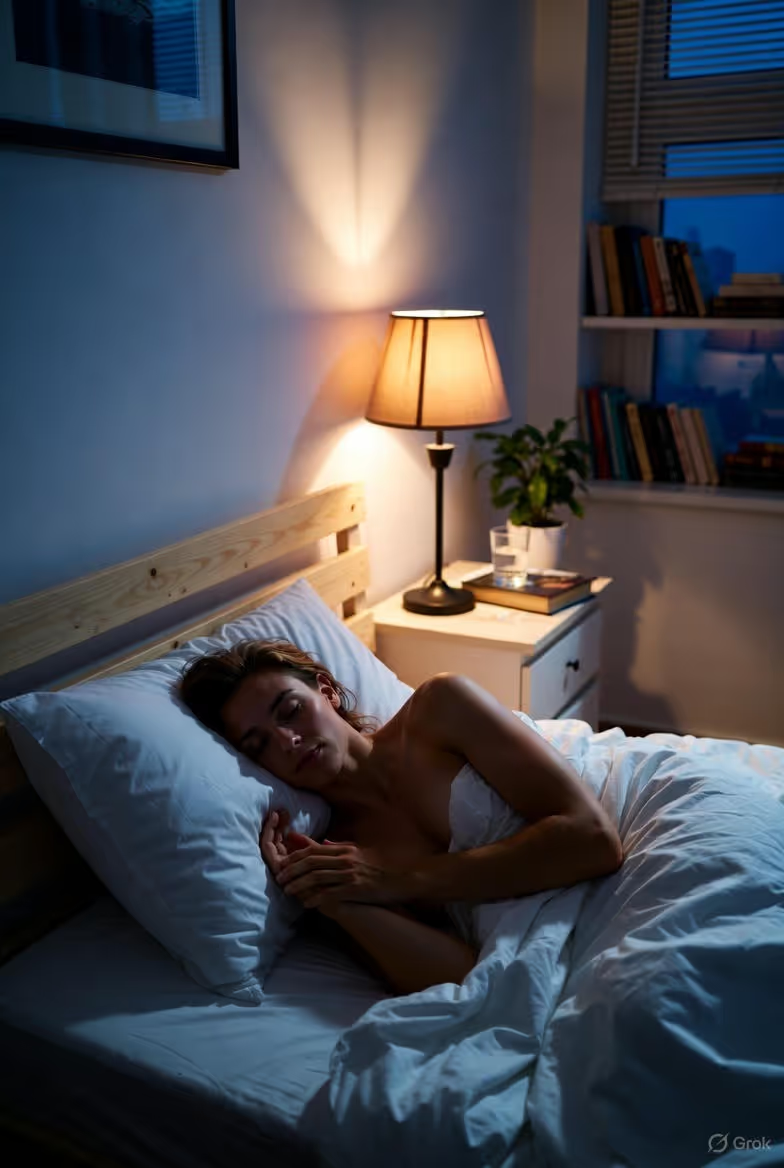
For anxious minds, incorporate practices like a worry journal, body scan meditation, or focusing on the senses to quiet racing thoughts.
The Nighttime Wellness Routine for Anxious Minds
The day’s final thought is rarely a calm one. It’s a replay of a tense conversation, a worry about tomorrow’s meeting, a vague, gnawing sense of dread about things you can’t quite name. As the world darkens outside, the internal world of an anxious mind brightens with a frantic, flickering intensity. You know you need sleep, but sleep feels like a distant country you can no longer visit, your passport stamped with “what if” and “should have.”
This struggle is the silent epidemic of our age. We spend billions on productivity hacks, fitness trackers, and morning routines, yet we surrender our nights to a churning mental vortex. We treat sleep as a passive endpoint, something that happens to us if we’re lucky, rather than the most critical, active wellness practice we can cultivate. For the anxious mind, a haphazard approach to the evening guarantees a restless night and a depleted tomorrow.
But what if we reframed the entire concept? What if, instead of trying to fall asleep, we focused on preparing to restore? This is not about quick fixes or miracle cures. It’s about building a deliberate, compassionate, and evidence-based bridge from the anxiety of the day to the deep restoration of the night. It’s about creating a sanctuary in your own evening—a ritual that doesn’t just quiet the mind, but actively signals to your nervous system that it is finally, unequivocally safe to power down.
The modern solution lies at the intersection of ancient wisdom and cutting-edge technology. For centuries, rituals have guided humans through transitions. Today, we can augment these rituals with precise, personalized data, transforming guesswork into insight. This is where a holistic nighttime wellness routine, supported by intelligent tools like a smart ring, becomes revolutionary. Imagine closing your day not with frantic scrolling, but with a gentle sequence of practices informed by what your body actually needs—cooling down your physiology, disentangling your thoughts, and setting the stage for sleep that genuinely repairs.
This guide is the first deep dive into constructing that bridge. It’s a comprehensive roadmap for the anxious mind seeking reclaim the night. We’ll move beyond generic “sleep hygiene” tips and into a nuanced, layered practice that addresses the physiological, cognitive, and environmental roots of nighttime anxiety. From the science of the body’s natural wind-down sequence to the art of creating a cognitive closure ritual, we will build your routine piece by piece.
And we’ll explore how technology, specifically the discreet, continuous biometric tracking of a device like the Oxyzen smart ring, can become your most trusted guide. It’s the missing feedback loop, showing you which practices truly lower your nighttime heart rate, improve your heart rate variability (HRV), and lead to more restorative sleep stages—data that turns anxiety management from an abstract concept into a tangible, observable process.
Your journey to peaceful nights begins not when you close your eyes, but hours before. Let’s begin building your new nighttime sanctuary.
The Science of Sundown: Why Anxiety Peaks at Night and How to Intercept It
To conquer nighttime anxiety, we must first understand its roots. Why does the quiet of the bedroom often become the loudest arena for our worries? The answer is a potent cocktail of biology, psychology, and environment.
Biologically, we are fighting an ancient system. Our circadian rhythm, the internal 24-hour clock governed by the suprachiasmatic nucleus in the brain, orchestrates the ebb and flow of hormones. As daylight fades, this master clock should trigger the release of melatonin, the “sleep hormone.” However, in a state of chronic stress or anxiety, our cortisol rhythm—the pattern of our primary stress hormone—is often dysregulated. Instead of peaking in the morning and tapering to its lowest point at night, cortisol can remain elevated into the evening. This creates a biological standoff: melatonin is whispering “sleep,” while cortisol is shouting “alert!” This hormonal tug-of-war is the physiological bedrock of lying awake, feeling exhausted but wired.
Psychologically, night removes our primary distraction: busyness. The meetings, the chores, the constant stream of external stimuli finally cease. In that sudden vacuum, all the thoughts we successfully suppressed come rushing to the forefront with nowhere else to go. This phenomenon, often called “bedtime rumination,” is where the mind, lacking an external focus, turns inward and begins to loop on problems, social interactions, and future uncertainties. The lack of distraction isn’t the problem; it’s our lack of a positive internal focus to replace it.
Neurologically, an anxious brain is often characterized by an overactive default mode network (DMN). This network is active when we are not focused on the outside world—precisely the state we enter when we lie down in a dark, quiet room. In healthy brains, the DMN allows for gentle mind-wandering and consolidation of memories. In anxious brains, it becomes a hyperactive circuit for self-referential worry and catastrophic thinking. Our nighttime routine must therefore include practices that gently guide the DMN away from threat detection and toward states of safety and neutrality.
Environmentally, we are bombarding our circadian systems with the exact wrong signals. The blue-rich light from phones, laptops, and TVs directly inhibits melatonin production, tricking the brain into thinking it’s still daytime. Furthermore, the content we consume—news cycles, work emails, social media comparisons—is often stress-inducing, pouring cognitive fuel on the anxious fire right before we attempt to extinguish it.
The goal of a scientific nighttime routine is to systematically intercept these triggers. We must:
Lower Physiological Arousal: Actively downshift the nervous system from “fight-or-flight” (sympathetic) to “rest-and-digest” (parasympathetic) dominance.
Provide Cognitive Closure: Create a deliberate end to the day’s mental processing, parking worries in a trusted system.
Optimize the Environment: Manipulate light, temperature, and sound to send unambiguous “sleep time” signals to the brain.
Introduce Positive Cues: Replace rumination with calming, repetitive mental or physical anchors.
This is not a passive process. It’s an active, skillful interception of outdated biological programs and unhelpful thought patterns. The practices outlined in the following sections are your toolkit for this interception. And to know which tools are working best for you, objective data is key. By tracking biometrics like heart rate, HRV, and sleep stages with a device like the Oxyzen smart ring, you move from guesswork to precision, learning exactly how your unique physiology responds to each element of your new routine. You can discover how Oxyzen works to provide this crucial feedback on our technology page.
The 90-Minute Wind-Down: Redefining Your Pre-Sleep Horizon
The single most transformative concept you can adopt is this: sleep begins 90 minutes before you intend to be unconscious. This 90-minute window is your “wind-down horizon”—a non-negotiable transition zone from day-person to sleep-person. Trying to jump directly from high stimulation to deep sleep is like slamming a car from 70mph into reverse; the result is a jarring, destructive grind. The wind-down is your gradual, smooth deceleration.
This 90-minute framework is rooted in human sleep architecture. It takes time for core body temperature to drop (a key sleep signal), for melatonin levels to rise, and for the nervous system to shift gears. For the anxious mind, this period is not a luxury; it’s a critical buffer that absorbs the momentum of the day so you can arrive at your pillow with stillness.
Phase 1: The Shutdown Signal (T-90 to T-60 minutes) This is the official “end of day” ceremony. Your goal is to create a decisive cognitive break.
Digital Sunset: This is your most powerful tool. Set a strict alarm for 90 minutes before bed. When it sounds, it is your signal to begin the shutdown sequence for all non-essential electronics. Check your final email, send your last message, and then begin to power down. The blue light cessation alone is a massive signal to your pineal gland.
The “Brain Dump”: With a notebook or a dedicated app (not your phone’s notes app!), spend 10-15 minutes downloading everything from your mind. This isn’t journaling in a narrative sense. It’s a raw data transfer: tomorrow’s to-dos, unresolved worries, random ideas, lingering irritations. The act of externalizing these thoughts gets them out of the cyclical DMN and onto a page, where they can be dealt with tomorrow. It’s the cognitive equivalent of closing all your browser tabs.
Setting the Environment: Begin adjusting your physical space. Dim the overhead lights. If you use smart bulbs, set them to a warm, amber hue (under 2200 Kelvin). Start lowering the thermostat to between 65-68°F (18-20°C)—a cool room is essential for core body temperature drop.
Phase 2: The Physiological Descent (T-60 to T-30 minutes) Now, shift focus from your mind to your body.
The Warm Ritual: Paradoxically, a warm bath or shower 60-90 minutes before bed aids sleep. As you exit the warm water, your blood vessels dilate at the extremities, radiating heat and causing a rapid drop in core body temperature—a direct trigger for sleepiness. This is one of the most effective, research-backed sleep aids available.
Herbal Allies: This is the time for a warm, non-caffeinated tea. Chamomile, passionflower, valerian root, or magnolia bark are traditional nervines that support relaxation. The ritual of preparing and sipping a warm drink is inherently calming.
Gentle Movement: If you feel physically tense, engage in 10-15 minutes of very gentle, restorative movement. Think Yin yoga poses held for several minutes, slow tai chi, or simple supine stretches on the floor. The goal is release, not exertion. Avoid anything that raises your heart rate significantly.
Phase 3: The Final Approach (T-30 minutes to Bedtime) Enter the realm of deep calm. Light should be very low, and stimulation minimal.
Tactile Grounding: Engage in a simple, repetitive tactile activity. This could be applying lotion slowly and mindfully, brushing your hair, or gentle self-massage. The repetitive sensation grounds you in your body and the present moment.
Conscious Breathing Initiation: Begin to gently deepen and slow your breath. Don’t force it; just guide it towards a more rhythmic, abdominal pattern. A simple 4-7-8 breath (inhale for 4, hold for 7, exhale for 8) for a few cycles can be profoundly effective.
The Final Cue: Create one simple, repeatable action that is always your final act before getting into bed. It could be spraying a calming pillow mist, saying a short gratitude phrase, or placing a glass of water on your nightstand. This becomes a powerful Pavlovian cue, training your brain that sleep is imminent.
Adopting this 90-minute structure transforms chaos into ceremony. It provides the anxious mind with a predictable, reassuring container for the transition. For more ideas on structuring your evening, you can explore our blog for more wellness tips and rituals tailored for high-stress lives.
Digital Sunset & Cognitive Closure: Draining the Swamp of the Mind
For the modern anxious mind, the digital world is both a cause and an amplifier of nighttime unrest. The “Digital Sunset” mentioned in the previous section is so critical it deserves its own deep exploration. This isn’t just about blue light; it’s about cognitive and emotional pollution.
The Multifaceted Harm of Evening Screens:
Melatonin Suppression: Blue light wavelengths (especially in the 460-480 nm range) are proven to suppress melatonin production more powerfully than any other light. A two-hour exposure can suppress it by over 20%. For an already dysregulated system, this is catastrophic.
Cognitive Hyper-Alertness: Scrolling through social media, news, or even work documents engages the brain’s seeking and evaluating circuits. You’re triggering dopamine loops (what’s next?), social comparison (how do I measure up?), and problem-solving (how do I fix this?)—all states diametrically opposed to sleep.
Emotional Contagion: The content itself is often anxiety-inducing. Doomscrolling through news, engaging in heated comment sections, or seeing curated highlight reels of others’ lives primes the brain for threat, insecurity, and arousal.
Implementing a true Digital Sunset requires strategy, not just willpower.
Tech Boundaries: Use device settings to your advantage. Enable “Night Shift” or “Blue Light Filter” at least 3 hours before bed, but know this is a weak solution. Better yet, use app limiters or “Downtime” modes that lock you out of specific apps (social media, news, email) after your sunset time.
The Phone’s New Bedroom Role: If you use your phone as an alarm, charge it outside the bedroom. This removes the temptation completely and breaks the association between your bed and stimulation. Invest in a traditional alarm clock. If you must have it nearby for safety, place it in a drawer or face down across the room.
Replace, Don’t Just Remove: The vacuum left by putting your phone down must be filled with a more desirable, relaxing activity. This is where your wind-down ritual (reading, tea, stretching) becomes essential.
Cognitive Closure: The Art of Putting the Day to Bed Anxiety is often unresolved mental processing. Cognitive closure is the practice of consciously and systematically “closing the files” for the day.
The “Worry Parking Lot”: During your brain dump, create a specific section titled “Parking Lot.” Here, you explicitly write down worries that are real but unsolvable tonight (e.g., “Worry about Mom’s doctor appointment next week”). The act of naming and parking them assigns them a place to exist outside your head, with a “review time” scheduled for tomorrow.
The Completion Ritual: Verbally or mentally state, “The work of the day is complete.” If you have a planner, close it. Shut down your computer and close the lid. Perform a small symbolic act that represents finality.
Gratitude Reframe: End your writing with a brief list of 3-5 specific, small things you are grateful for from the day. This isn’t toxic positivity; it’s a deliberate neurological redirect. It forces the DMN to scan the past 24 hours for safety and goodness, ending the day’s mental review on a note of resource, rather than threat. Research shows this practice can significantly improve sleep quality and duration.
This combination—aggressively protecting your mind from digital intrusion and then actively tidying up your mental landscape—drains the swamp where anxiety breeds. It creates cognitive clarity, making space for sleep to move in. For many, this is the most challenging but most rewarding part of the routine. If you’re struggling with the “how,” our community has shared their powerful techniques; you can read real customer reviews and user experiences on our testimonials page to see how others have mastered this skill.
The Physiology of Calm: Breathing, Temperature, and Heart Rate Mastery
When anxiety strikes, it’s a full-body experience: a racing heart, shallow breath, and a feeling of heat or tension. Your nighttime routine must directly address this physiology, using the body as a lever to calm the mind. This is bottom-up regulation, and it’s remarkably effective.
Breath: The Remote Control for Your Nervous System Your breath is the only autonomic function you can easily consciously control, making it a direct line to your stress response.
The Science: Slow, diaphragmatic breathing stimulates the vagus nerve, the main conduit of the parasympathetic (rest-and-digest) nervous system. It increases Heart Rate Variability (HRV), a key biomarker of resilience and recovery. Low HRV is strongly correlated with anxiety and poor sleep.
Practical Application: During your wind-down, dedicate 5-10 minutes to breathwork. Don’t do this in bed while trying to sleep; practice it earlier as an active relaxation technique.
Box Breathing (4-4-4-4): Inhale for a count of 4, hold for 4, exhale for 4, hold for 4. Repeat. This is excellent for creating immediate focus and calm.
Extended Exhale Breathing (4-6 or 4-7-8): Make your exhale longer than your inhale. This is a potent vagus nerve stimulator. The 4-7-8 technique (inhale 4, hold 7, exhale 8) is a classic for a reason.
Coherent Breathing (5-5): Simply inhale for 5 seconds, exhale for 5 seconds. Aim for 5-10 minutes. This rhythm has been shown to optimally synchronize heart rate and breathing, maximizing HRV.
Thermoregulation: The Sleep Switch Your core body temperature must drop by about 1-2 degrees Fahrenheit to initiate and maintain sleep. You can hack this process.
The Warm Bath Paradox (Revisited): The science is clear: a bath or shower of about 104°F (40°C), taken 1-2 hours before bed, can improve sleep quality by enhancing the temperature drop afterward. The warm water brings blood to the skin’s surface; when you step out, heat radiates away, accelerating the core cooling process.
Bedroom Climate: The optimal room temperature for sleep is between 65-68°F (18-20°C). A cool room facilitates this necessary heat loss. Use breathable, moisture-wicking bedding (like cotton or linen) to avoid overheating during the night.
The Cold Extremity Trick: If you have trouble falling asleep because your feet are cold (which can happen as blood pulls away from the extremities during the temperature drop), wearing socks to bed can actually help by dilating blood vessels in the feet, aiding the overall heat redistribution process.
Heart Rate & HRV: The Metrics of Recovery This is where biometric tracking moves from interesting to indispensable. You cannot feel subtle shifts in your autonomic nervous system, but a device like the Oxyzen smart ring can measure them.
Resting Heart Rate (RHR): Tracking your RHR throughout the night and its trend over time gives you a baseline. A sudden spike in nighttime RHR can indicate your body is still processing stress, even if you’re asleep.
Heart Rate Variability (HRV): This is the gold standard for measuring your nervous system’s flexibility and recovery capacity. A higher HRV generally indicates a stronger parasympathetic tone and better resilience to stress. By tracking your HRV, you can see the direct impact of your wind-down routine. Did your 10-minute meditation raise your HRV? Did that difficult conversation lower it? This data allows you to double down on what works.
Using the Data: Don’t just collect numbers; use them for insight. If you see a pattern of low nighttime HRV or elevated RHR, you can audit your evening: Was my digital sunset later? Did I have a hard conversation right before bed? Did I skip my breathing practice? This turns your routine into a personalized experiment in wellness optimization.
Mastering these physiological levers gives you tangible control. When you feel anxiety rising, you have a toolkit: breathe slowly to stimulate the vagus nerve, cool your environment, and trust the data that shows your body is capable of calm. This practical mastery is at the core of the Oxyzen philosophy; you can learn more about our mission to empower this kind of data-driven self-awareness on our about page.
Sanctuary Building: Crafting the Optimal Sleep Environment
Your bedroom should be a sensory cocoon designed for one purpose only: sleep and intimacy. For the anxious mind, an environment full of subtle triggers—noise, light, clutter, discomfort—can be the difference between rest and restlessness. This is about environmental engineering for sleep.
The Pillar of Darkness: Light is the primary driver of your circadian rhythm. Even small amounts of ambient light can fragment sleep and suppress melatonin.
Absolute Blackout: Invest in high-quality blackout curtains or shades. Test them by standing in the room during the day; if you can see your hand in front of your face, light is leaking in. Consider blackout blinds that seal to the wall.
Eliminate Electronic Glow: Cover or remove every LED light. Use black electrical tape for power strips, chargers, smoke detectors, and air purifiers. Turn digital clocks away from the bed.
The Midnight Bathroom Rule: Use dim red or amber nightlights if you need to navigate at night. Red light has the least impact on melatonin and night vision.
The Soundscape of Silence (or Serenity): Unexpected noises trigger micro-arousals, pulling you out of deep sleep even if you don’t fully wake.
White Noise & Sound Machines: A consistent, monotonous sound like white noise, pink noise (deeper, more balanced), or brown noise (even deeper, like a waterfall) acts as an “acoustic mask,” drowning out irregular disruptions like traffic, snoring, or plumbing. It provides a predictable auditory blanket for the brain.
Earplugs: For some, high-fidelity earplugs designed for sleep are a simpler, more effective solution. Brands like Loop or molded silicone plugs can dramatically reduce sound without complete isolation.
Calming Soundtracks: If silence itself feels unnerving, very low-volume, non-rhythmic nature sounds (distant ocean waves, steady rain) can be soothing.
The Tactile & Olfactory Domain: Engage your sense of touch and smell to reinforce safety.
The Bedding Investment: This is non-negotiable. Prioritize a comfortable mattress and pillow that support your preferred sleeping position. Choose natural, breathable fabrics for sheets and blankets. The tactile sensation of high-quality linens is a direct signal of comfort and care.
Weighted Blankets: For many with anxiety, the deep pressure touch provided by a weighted blanket (typically 10% of your body weight) can increase feelings of security and reduce cortisol. It’s like a constant, gentle hug that can quiet the nervous system.
Aromatherapy: Scents like lavender, chamomile, sandalwood, and cedarwood have demonstrated relaxing properties in studies. Use a high-quality essential oil diffuser (with a timer) in your wind-down period, or apply a diluted oil to your temples or wrists. A light spritz of linen spray on your pillow can become a powerful sleep cue.
The Psychology of Space:
Declutter Visually: A cluttered room leads to a cluttered mind. Make your bedroom a minimalist sanctuary. Put away clothes, clear nightstands, and create a sense of visual order and peace. The sight of undone work (a laundry basket, a laptop) can subconsciously trigger stress.
Reserve the Bed: Strictly enforce the rule that the bed is for sleep and intimacy only. No work, no eating, no doomscrolling. This builds a powerful association between your bed and relaxation, weakening its link to anxiety and alertness.
Crafting this sanctuary is an act of self-respect. It tells your nervous system, “This space is safe, predictable, and designed for your restoration.” Every element you optimize is one less obstacle between you and deep, healing sleep. For inspiration on creating your own perfect sleep haven, you can find more resources and community ideas on our blog for additional resources.
The Ritual of Release: From Gentle Movement to Mindfulness
With your environment set, it’s time to guide your body and mind into a state of receptive stillness. This is where ritual transcends routine. It’s about embodying the transition through deliberate, mindful practices that release physical tension and quiet mental chatter.
Somatic Release: Letting Go Through the Body Physical tension is anxiety stored in the muscles. Gentle movement helps to metabolize and release it.
Restorative Yoga: This is the antithesis of a vigorous flow. Poses are fully supported by props (bolsters, blankets, blocks) and held for 5-10 minutes each. Poses like ‘Legs-Up-The-Wall’ (Viparita Karani), Supported Child’s Pose, and Supine Spinal Twist encourage the nervous system to downshift by promoting a sense of safety and surrender. The focus is on sensation and release, not stretching.
Progressive Muscle Relaxation (PMR): A classic and profoundly effective technique for anxiety. Systematically tense (about 75% strength) and then fully relax each major muscle group in sequence, from your toes to your forehead. This practice teaches your body the direct contrast between tension and relaxation, making you more aware of and able to release held stress.
Slow, Intentional Stretching: Simple, fluid stretches without a performance goal. Cat-Cow stretches for the spine, gentle neck rolls, and hip openers like a reclined pigeon pose can release areas where we commonly hold stress (jaw, shoulders, hips).
Mindful Transition: Anchoring in the Present The goal is to move attention away from the narrative of the mind (past/future worries) and into the direct experience of the present moment—a state where anxiety cannot easily exist.
Body Scan Meditation: Lie down in bed or on your yoga mat. Starting at your toes, bring gentle, non-judgmental awareness to each part of your body. Notice sensations—tingling, warmth, pressure, the touch of fabric. The moment your mind wanders (and it will), gently guide it back to the body part you were scanning. This is training in present-moment focus and radical acceptance of your physical state.
Mindful Tea Drinking: Turn your evening tea into a meditation. Feel the warmth of the cup in your hands. Watch the steam rise. Smell the aroma before you sip. Taste each mouthful with full attention. This simple practice anchors you in your senses.
Gratitude as a Sensory Experience: Instead of just listing things, feel into a gratitude. Don’t just think “I’m grateful for my friend.” Recall a specific moment: the sound of their laugh, the feeling of a hug, the warmth of the connection. Embodying gratitude makes it a somatic experience, not just a cognitive one.
The Power of Repetition & Cues: The efficacy of these practices is magnified by consistency. Performing the same sequence of stretches, the same PMR script, or the same body scan each night creates powerful Pavlovian cues. Your body begins to associate these specific actions with the impending state of sleep, triggering physiological relaxation more quickly over time.
This ritual of release bridges the gap between doing and being. It allows the anxious “doer” mind to finally clock out, handing over control to the more receptive, restful parts of your being. It’s the essential pivot from external engagement to internal restoration.
The Technology Paradox: Using Your Smart Ring as a Guide, Not a Gadget
In a routine designed to disconnect from digital overload, the idea of incorporating a piece of technology might seem contradictory. This is the Technology Paradox: the very tools that can disrupt sleep can also, when used intentionally, become our greatest allies in understanding and optimizing it. The key is to shift from consumptive tech use (scrolling, reacting) to insightful tech use (observing, learning). A smart ring like Oxyzen exists in this second category—it’s a biofeedback tool, not an entertainment device.
From Guesswork to Guided Insight: For the anxious mind, perception is often not reality. You might feel like you had a terrible night’s sleep, but the data may show you achieved solid deep sleep cycles. Conversely, you might think you slept “okay,” but your HRV data reveals your nervous system was under significant strain all night. This objective feedback is invaluable. It:
Validates or Corrects Your Perception: Data removes the emotional guesswork. It shows you what’s actually happening in your body, separating the feeling of anxiety from the physiology of recovery.
Reveals Hidden Triggers: By correlating your daily log (e.g., “late dinner,” “intense argument,” “90-minute wind-down”) with your nightly biometrics (HRV, RHR, sleep stages), you begin to see cause-and-effect relationships that were previously invisible. You learn that caffeine after 2 PM does impact your deep sleep, or that your 10-minute meditation does raise your HRV.
Tracks Progress Over Time: Anxiety often makes progress feel invisible. Seeing a graph of your average HRV gradually rise over weeks or months, or your time-to-sleep slowly decrease, provides tangible, motivating proof that your routine is working. It turns an abstract goal (“sleep better”) into a measurable journey.
Key Biometrics for the Anxious Sleeper:
Heart Rate Variability (HRV): Your north star for nervous system balance. A higher HRV trend indicates improved stress resilience. Watching your nightly HRV score can tell you if your wind-down was effective before you even fall asleep.
Resting Heart Rate (RHR): Your nighttime RHR and its dip pattern are indicators of recovery quality. A lower, stable RHR during sleep is ideal.
Sleep Stages: Understanding the architecture of your sleep—the balance of light, deep, and REM sleep—helps you see past just “hours in bed.” You might be getting 8 hours but very little deep sleep, explaining persistent fatigue.
Sleep Latency: The time it takes you to fall asleep. This metric directly reflects the efficacy of your wind-down routine. A decreasing latency is a clear win.
How to Use Your Ring Wisely (Avoiding Data Anxiety): The goal is insight, not obsession. Follow these guidelines:
Review in the Morning, Not at Night: Never check your live data while in bed trying to sleep. Make your morning review part of your wake-up routine, using it to reflect on what supported or hindered your rest.
Look for Trends, Not Daily Scores: Don’t fixate on a single night’s “poor” HRV. Look at your 7-day and 30-day averages. The trend is what matters.
Let it Guide, Not Dictate: Use the data to inform gentle adjustments to your routine. If you see a pattern, experiment with a change for 1-2 weeks and observe the trend. It’s a tool for self-experimentation, not a judgmental scorekeeper.
Used this way, the smart ring becomes the compassionate, objective coach you never had. It helps you build self-trust by showing you the direct connection between your choices and your body’s state. To see how this looks in practice and understand the technology behind it, you can visit our FAQ for support and questions.
The Nutrition of Night: How Evening Fuel and Hydration Shape Your Sleep
What you consume in the hours before bed acts as a direct chemical instruction manual for your body. For the anxious system, mismanaged evening nutrition can amplify restlessness, while strategic choices can support the wind-down process.
The Caffeine & Alcohol Illusion:
Caffeine’s Long Shadow: Caffeine has a half-life of 5-6 hours. That means if you have a coffee at 3 PM, at 9 PM, 50% of that caffeine is still active in your system, antagonizing adenosine (the sleep-pressure chemical) and potentially raising cortisol. For the anxiety-prone, a strict “caffeine curfew” of noon is a wise experiment. Be mindful of hidden sources: tea, chocolate, soda, and some medications.
Alcohol: The Seductive Saboteur: Alcohol is a sedative, not a sleep aid. It may help you fall asleep faster, but it devastates sleep architecture. It suppresses REM sleep (critical for emotional processing and memory) and leads to fragmented, non-restorative sleep in the second half of the night. For the anxious mind, this REM disruption can leave emotions unprocessed and heighten next-day anxiety—a vicious cycle known as “hangxiety.”
The Macronutrient Balance:
Heavy, Rich Meals: A large, high-fat meal close to bedtime forces your digestive system to work overtime, raising core body temperature and potentially causing discomfort or acid reflux. Aim to finish your last major meal at least 3 hours before bed.
The Strategic Snack: Going to bed overly hungry can also disrupt sleep by causing a drop in blood sugar, potentially triggering a cortisol release. If you need a snack in the 60-90 minute window before bed, choose a combination that supports sleep biochemistry:
Complex Carb + Tryptophan: Tryptophan is an amino acid precursor to serotonin and melatonin. Carbs help shuttle tryptophan into the brain. Think: a small bowl of oatmeal, a slice of whole-grain toast with a thin layer of almond butter, or a banana.
Magnesium-Rich Foods: Magnesium is a natural muscle relaxant and nervous system calmer. A handful of almonds, a few squares of dark magnesium-rich chocolate (85%+), or a magnesium supplement like magnesium glycinate can be helpful.
Hydration Balance: Dehydration can cause nighttime waking (for water or due to leg cramps), but drinking too much fluid right before bed guarantees disruptive bathroom trips. Front-load your hydration during the day. Taper off liquids 60 minutes before bed, having just a small sip if needed.
Herbal & Supplemental Support (With Caution):
Teas: Chamomile, passionflower, lemon balm, and valerian root teas are well-researched for their mild anxiolytic and sleep-promoting properties. The ritual itself is part of the benefit.
Supplements: Always consult a healthcare provider before starting any new supplement.
Magnesium Glycinate: Highly bioavailable and less likely to cause digestive issues than other forms. Excellent for muscle relaxation and calming.
L-Theanine: An amino acid found in green tea that promotes alpha brain waves (associated with relaxed alertness) without sedation.
Apigenin: A compound found in chamomile that binds to GABA receptors, similar to some anti-anxiety medications, but in a much milder, natural way.
The evening nutrition strategy is about becoming a mindful chemist for your own body. You are choosing molecules that support cooling, relaxation, and stable blood sugar, while avoiding those that promote alertness, inflammation, or biochemical disruption. It’s a powerful, often overlooked layer of the sleep foundation. For more detailed explorations on sleep-supportive nutrition, our blog offers related articles diving deeper into this science.
When the Mind Still Races: Advanced Techniques for Persistent Nighttime Anxiety
Even with a flawless routine, there will be nights when anxiety surges with a force that seems to override all your preparations. This is not a failure; it’s a reality of living with an active mind. For these moments, you need a dedicated “emergency toolkit” of cognitive and somatic techniques designed to handle high-intensity worry.
Cognitive Defusion: Stepping Back from Your Thoughts Anxiety often involves fusion—you are your thoughts (“I am a failure”). Defusion is the practice of creating space between you and the mental chatter, observing thoughts as passing events, not truths.
“I’m having the thought that...”: When a catastrophic thought arises (“I’m going to embarrass myself in that presentation”), prefix it with this phrase: “I’m having the thought that I’m going to embarrass myself.” This simple linguistic trick externalizes the thought, framing it as a transient brain event, not a fact.
The Anxious Thought as a Passing Train: Visualize your mind as a train station and each anxious thought as a noisy train car rushing through. Your job is not to stop the train or get on board; it’s simply to stand on the platform and watch it pass by, noticing its sound and speed, but remaining separate from its journey.
Sing Your Thoughts Silly: Try singing your repetitive worry to a ridiculous tune (like “Happy Birthday” or a cartoon theme song). This breaks the thought’s emotional gravity and highlights its arbitrary nature.
Sensory Overload & Grounding Techniques: When thoughts are too loud, pull your attention fiercely into the physical present using the 5-4-3-2-1 method:
Name 5 things you can see (the pattern on the curtain, the texture of the wall).
Name 4 things you can feel (the weight of the blanket, the cool pillowcase).
Name 3 things you can hear (the white noise, your own breath, a distant car).
Name 2 things you can smell (the clean linen, the faint scent of lavender).
Name 1 thing you can taste (the lingering mint from toothpaste).
This is a cognitive “circuit breaker” that demands full sensory engagement, leaving little processing power for worry.
The Paradoxical Approach: Embracing Wakefulness Sleep effort is a common trap. The harder you try to sleep, the more anxious and awake you become.
The “Get Out of Bed” Rule: If you’ve been lying in bed awake for more than 20 minutes (don’t watch the clock, estimate), get up. Go to your pre-prepared dimly lit space and do a quiet, boring, non-screen activity: read a dull book (nothing thrilling), listen to a calm podcast on low volume, or do a simple puzzle. The goal is not to sleep, but to be calmly awake. Return to bed only when you feel drowsy. This preserves the bed-as-sleep association.
Paradoxical Intention: Verbally give yourself permission to stay awake. Tell yourself, “I’m just going to rest here with my eyes closed. I don’t need to sleep. I’m just going to enjoy being cozy in bed.” Removing the pressure to sleep can often disarm the performance anxiety that is keeping you awake.
Pre-Sleep Journaling Variations:
The “Worst-Case Scenario” Exercise: If a specific worry is looping, write it down. Then, methodically write out: 1) The worst possible outcome. 2) The likelihood of that happening (%). 3) How you would cope if it did happen (list your resources). 4) The best possible outcome. 5) The most likely outcome. This transforms a nebulous fear into a manageable set of possibilities.
Stream-of-Consciousness Writing: Set a timer for 5 minutes and write without stopping, editing, or judging. Let whatever is in your mind flow onto the page, even if it’s “I can’t think of anything to write this is stupid I’m so tired.” This is a pressure valve for mental congestion.
These are your specialized tools for the stormy nights. Having them at the ready empowers you. It means that even high anxiety does not have the power to ruin your entire night; it simply means you move to Plan B, your emergency protocol. This builds tremendous resilience and self-trust over time. The development of these tools is part of our story and vision—to provide not just data, but the practical strategies to use it effectively.
Building Consistency: The Compound Interest of Sleep and How to Stay on Track
Knowledge is not power; applied knowledge is power. The most beautifully crafted routine is useless without consistency. For the anxious mind, which thrives on unpredictability, the predictable rhythm of a consistent routine is itself a treatment. This is where we address the “how” of sticking with it, transforming effortful practice into automatic habit.
The Power of the Non-Negotiable Anchor Habit: Don’t try to change everything at once. You will burn out. Start by identifying one non-negotiable anchor habit from the routine above. This should be the easiest, most impactful lever you can pull. For most, this is the Digital Sunset. Commit to putting all screens away 90 minutes before bed for just one week. Use an alarm. That’s it. No other changes required. The success of mastering this one habit builds momentum and self-efficacy.
Habit Stacking: The Secret to Seamless Routines Once your anchor is solid, use “habit stacking”—a concept popularized by James Clear—to build out the rest. Tag a new, desired behavior onto an existing one.
“After I plug my phone in outside the bedroom (anchor), I will immediately write my brain dump for 5 minutes.”
“After I finish my brain dump, I will brew my cup of herbal tea.”
“After I drink my tea, I will do my 5-minute box breathing.”
This creates a cognitive chain, removing the need for decision-making and willpower each step of the way. The routine starts to run on autopilot.
The Role of Tracking and Gentle Accountability:
Simple Tracking: Use a habit tracker in your journal or a basic app. The visual satisfaction of marking off “Digital Sunset: ✅” and “Wind-Down Complete: ✅” is surprisingly motivating. It provides a clear record of your commitment.
Data as Reinforcement: This is where your smart ring shines. Seeing a positive correlation between completing your routine and an improved HRV score or faster sleep latency is powerful positive reinforcement. The data becomes a co-pilot, showing you the tangible reward for your consistency. You can see how this long-term tracking fosters change by reading about our brand journey and founding story.
The “Never Zero” Rule: Missed your routine? Did you scroll in bed until 1 AM? Forgive yourself immediately. The rule is: never let two consecutive nights be “zeros.” If you fall off track, the very next night you commit to just your anchor habit. Perfection is the enemy of consistency. Progress over perfection, always.
Reframing the Goal: From Sleep to Restoration Shift your primary success metric. Instead of “I must sleep 8 hours,” make your goal “I will complete my 90-minute wind-down ritual with presence.” This puts the focus on the process, which is within your control, rather than the outcome (sleep), which is not fully within your control. A night where you lovingly completed your ritual but still had some wakefulness is still a profound success—you showed up for your own well-being.
The Weekly Review: Once a week (Sunday evening works well), spend 10 minutes reviewing your habit tracker and your biometric trends from your ring. Ask: What worked brilliantly? Where did I struggle? What one tiny adjustment can I make next week? This turns your routine into a living, evolving practice that adapts to your life.
Consistency is not about rigidity; it’s about returning, again and again, to the practices that serve you. It’s the compound interest of wellness: small, daily investments in your nervous system yield massive long-term returns in calm, resilience, and deep, restorative sleep. Each night you complete your routine, you are not just earning sleep; you are strengthening the neural pathways of self-care and rewriting your relationship with the night itself.
Building Upon Your Foundation: Deepening Practice and Expanding Insight
You have laid the cornerstone. The 90-minute wind-down is no longer a foreign concept but a familiar pathway. You understand the science of sundown and have begun to craft your personal sanctuary. You possess tools for physiological calm and cognitive release. This is where the journey transforms from construction to mastery, from following a map to knowing the terrain intimately. The true power of a wellness routine isn't just in its execution, but in its evolution—its ability to adapt, deepen, and provide ever-greater insight into your unique mind-body system.
The next phase is about integration and expansion. We move from establishing core practices to exploring how they interact with the broader rhythms of your life. We will examine the critical morning-after period, where you harvest the data and sensations from the night to inform your day. We'll delve into the concept of sleep cycles and chronotypes, personalizing your schedule to your biological blueprint. We'll address common disruptors—from travel to life stressors—and build resilience so your routine can bend without breaking.
Furthermore, we will elevate the role of your biometric data from informative to prescriptive. How do you move from noticing a low HRV to designing a day that actively supports its recovery? This is the art of becoming your own best sleep scientist, using objective feedback to make nuanced adjustments that compound over time.
This section is for the practitioner who is ready to go deeper. You are not just seeking to fall asleep; you are seeking to understand the architecture of your own restoration and optimize every pillar. Let's continue building your unshakeable foundation for nighttime peace.
The Morning After: How Your Wake-Up Routine Sets the Stage for Tonight's Sleep
The most overlooked truth in sleep optimization is this: your day begins the moment you wake up. The choices you make in the first 60 minutes of your morning send powerful signals that cascade through your circadian rhythm, ultimately influencing your ability to wind down 16 hours later. For the anxious mind, a chaotic, stressful morning primes the nervous system for a repeat performance at night. A calm, intentional morning, however, builds a reservoir of circadian stability that you can draw from when evening arrives.
The Critical Chrono-Signal: Light at Dawn Light is the most powerful zeitgeber (time-giver) for your internal clock. Exposure to bright light, especially sunlight, within 30-60 minutes of waking is non-negotiable for sleep health.
The Science: Morning light exposure suppresses lingering melatonin, provides a clear "day start" signal to the suprachiasmatic nucleus (SCN), and helps set the timing for the evening melatonin release. It also boosts cortisol in its healthy, alerting morning pattern, reinforcing a robust circadian rhythm.
Practical Application: Get outside for 10-15 minutes. Don't wear sunglasses during this time if safely possible. Look toward the sky (not directly at the sun). If you wake before sunrise, use a bright light therapy lamp (10,000 lux) for 20-30 minutes during your morning routine. This simple practice is arguably more impactful for nighttime sleep quality than any evening supplement.
Movement as a Circadian Anchor: Gentle movement upon waking further reinforces the wake-up signal.
Not a Workout: This isn't about intensity. It's about circulation and mind-body connection. A short walk outside (combining light and movement), 5-10 minutes of gentle yoga or stretching, or even some simple breathwork (like 30 deep belly breaths) helps metabolize any residual sleep hormones and energizes the body appropriately.
Avoiding the Cortisol Spike Trap: For the highly anxious, intense early-morning workouts can sometimes create a cortisol spike that leads to an afternoon crash and evening dysregulation. Listen to your body. If you feel wired and tired after morning HIIT, consider shifting intense exercise to later in the day or focusing on gentler movement upon waking.
The Mindful Morning Review: Data with Compassion This is where you close the feedback loop from your nighttime routine. Use the first 30 minutes of your day (after light exposure) to calmly review.
Check Your Biometrics: Open your Oxyzen app. Look at your sleep score, HRV, and RHR. Don't judge—observe. "My HRV was lower last night. I had that difficult conversation before dinner. That's useful information." Connect the dots between yesterday's events and last night's data.
Reflect on Subjective Feelings: Before you see the data, ask yourself: "How do I feel? Rested? Fragmented? Anxious?" Then compare with the objective data. This builds your intuitive sense of your body's signals.
Set an Intention for the Evening: Based on your review, set one simple intention for your upcoming wind-down. "Tonight, I will start my digital sunset 10 minutes earlier," or "I will incorporate a 5-minute body scan."
This morning practice transforms you from a passive recipient of sleep (or lack thereof) to an active participant in a 24-hour wellness cycle. It builds a narrative of self-awareness, where last night informs today, and today's choices prepare for tonight.
Understanding Your Unique Rhythm: Sleep Cycles, Chronotypes, and Personalizing Your Schedule
The dogma of "8 hours, 10 PM to 6 AM" is not only simplistic but can be actively harmful if it doesn't align with your biological design. Personalizing your sleep schedule is one of the most profound acts of self-respect for an anxious mind. Fighting your natural rhythm creates internal friction and stress; flowing with it creates ease.
Demystifying Sleep Architecture: Sleep is not a monolithic state. It's a series of 90-120 minute cycles, each containing stages:
N1 & N2 (Light Sleep): The transition into and through light sleep. This is where you spend about 50% of the night.
N3 (Deep Sleep): The physically restorative "power wash" stage. Crucial for tissue repair, immune function, and clearing metabolic waste from the brain. It dominates the first half of the night.
REM Sleep: The mentally restorative stage. Associated with dreaming, memory consolidation, and emotional processing. REM periods lengthen in the second half of the night.
For anxiety, deep sleep is critical for physiological recovery, while REM sleep is essential for processing the emotional charges of the day. Disrupting either (with alcohol, inconsistent timing, or sleep disorders) leaves you physically un-repaired and emotionally "un-digested."
Discovering Your Chronotype: Are You a Bear, Wolf, Lion, or Dolphin? The concept of the "early bird" and "night owl" is real and genetically influenced. Dr. Michael Breus's chronotype model is a helpful framework:
Lions (Morning Types): Wake naturally early, peak in the morning, need an early bedtime.
Bears (Mid Types): Follow the sun, peak mid-morning, do best with a fairly standard 11PM-7AM schedule.
Wolves (Evening Types): Struggle to wake early, peak in the evening, are most creative at night, naturally prefer a later schedule.
Dolphins (Light/Anxious Sleepers): Often light sleepers, wake easily, have irregular sleep patterns, may identify with anxiety.
Your Action Plan:
Identify Your Tendency: When would you naturally go to bed and wake up with no alarms or obligations? Your Oxyzen data can help here—look at your natural sleep onset and wake times on free days (weekends/vacation).
Respect Your Design: A Wolf forcing a 5 AM gym session is fighting biology. Can you negotiate a later start time? Can you schedule creative work for your peak evening hours? A Lion trying to socialize late into the night will pay a price. Align your life as much as possible with your rhythm.
Calculate Your Ideal Wake-Up Time: Aim to wake at the end of a sleep cycle, in light sleep, not in deep sleep. Since cycles are ~90 minutes, work backwards in 90-minute increments from your desired wake time. If you need to be up at 7 AM, target sleep onset at 9:30 PM (5 cycles) or 11:00 PM (4 cycles). Waking naturally at the cycle's end leads to less grogginess.
Consistency is King, Even for Wolves: Regardless of chronotype, going to bed and waking up at roughly the same time every day (even weekends, within an hour) is the single best way to strengthen your circadian rhythm and reduce sleep-related anxiety. It makes your body's predictions accurate, creating a sense of safety.
Personalizing your schedule isn't about self-indulgence; it's about strategic alignment. It reduces the internal conflict that feeds anxiety and allows your natural restorative processes to operate at peak efficiency. For a deeper dive into personalizing your health metrics, our blog offers related articles on chronobiology and performance.
Navigating Disruptors: Travel, Stress, and Life Events Without Derailing Your Progress
No routine exists in a vacuum. Business trips, family stress, illness, or even positive life changes can throw a wrench into the most well-oiled machine. The goal is not to avoid disruption—that's impossible—but to build a routine that is resilient. Think of it as a flexible tree that bends in the storm rather than a rigid pole that snaps.
The Travel Protocol: Conquering Jet Lag and Unfamiliar Rooms Travel is a perfect storm for anxiety: disrupted schedule, unfamiliar environment, pressure to perform or enjoy.
Before You Go:
Gradually Shift: If crossing multiple time zones, gradually shift your bedtime and wake time by 15-30 minutes per day in the direction of travel for a few days beforehand.
The Travel Sanctuary Kit: Pack a small kit: a silk eye mask, high-quality earplugs, a portable white noise machine or app (download sounds), a small vial of lavender oil, and a familiar sleep item (a pillowcase, a small blanket).
During Travel:
Light Strategy is Everything: Upon arrival, use light exposure to aggressively reset your clock. If you've traveled east, get morning light. If you've traveled west, seek afternoon/evening light. Avoid light at times that would reinforce your old time zone.
Hydrate, But Time It: Stay extra hydrated, but taper fluids 90 minutes before your target bedtime in the new zone to minimize disruptions.
Recreate Your Wind-Down: However abbreviated, do your core ritual in the hotel room. A 5-minute body scan, 4-7-8 breathing, and your eye mask can signal "home" to your nervous system anywhere in the world.
Managing Stress Spikes and Life Events: When emotional turmoil hits, sleep is often the first casualty. Have a "Stress Spike Protocol" ready.
Scale Down, Don't Cancel: On a terrible day, your 90-minute routine might feel impossible. Scale it to the "minimum viable dose." This is your anchor habit, plus one calming practice. Maybe it's just a 20-minute digital sunset and 5 minutes of PMR. The act of maintaining any part of the ritual maintains the neural pathway and provides comfort.
Increase Somatic Practices: When the mind is in overdrive, cognitive techniques can fail. Double down on body-based tools: longer yoga nidra sessions, extended breathing (10-15 minutes of coherent breathing), or a weighted blanket. Soothe the body to quiet the mind.
Temporarily Adjust Expectations: During acute stress, your sleep metrics will dip. Your HRV may drop. Give yourself radical permission for this. The goal is not perfect sleep; the goal is to use your routine as a lifeline, a tether to stability amidst the storm. View your data during these times not as a report card, but as a reflection of your system's load. It's valuable information, not a failure.
The "Reset Day" Concept: If you've had a week of disruption (late nights, travel, poor sleep), designate a weekend day as a gentle reset. Sleep in a bit if needed, but prioritize your morning light, gentle movement, and a perfectly executed wind-down that night. Don't try to "force" sleep to make up for lost time; simply return diligently to your foundation. Consistency after disruption is what rebuilds resilience.
By planning for disruptors, you remove their power to unravel your progress. You have a plan B, C, and D. This preparedness itself reduces anxiety about potential sleep disruption, creating a virtuous cycle of confidence.
The Biometric Deep Dive: Interpreting Your Data to Make Smarter Adjustments
You now have a stream of data: HRV, RHR, sleep stages, sleep latency, readiness scores. Moving from passive observation to active interpretation is where this data transforms your routine from static to dynamic. Let's become data detectives.
HRV: Your Ultimate Feedback Loop Think of HRV not as a "score," but as a conversation with your nervous system.
The Trend is Your Friend: A single low reading is noise. A 7-day rolling average that is trending downward is a signal. Ask: What has changed in the last 7-10 days? (Training intensity, work stress, dietary changes, relationship dynamics?)
The Nightly Dip: Observe the pattern of your HRV during sleep. A healthy pattern shows a significant rise as you enter deep sleep, indicating strong parasympathetic engagement. A flat or erratic line during sleep suggests your system is still "on guard."
Actionable Insights:
If HRV is trending down: First, look for lifestyle load. Then, consider adding a recovery-focused practice to your wind-down (e.g., extend your meditation by 5 minutes, add a yoga nidra session, take an Epsom salt bath).
If HRV is stable or rising: This confirms your routine is working. You might experiment with refining other areas (sleep timing, nutrition) or simply stay the course.
Resting Heart Rate (RHR) & Its Nocturnal Dip:
Your Sleeping RHR Baseline: Establish your personal baseline (e.g., 52 BPM). A sustained increase of 5-7 BPM above baseline can indicate your body is fighting something: impending illness, overtraining, or chronic stress.
The Dip Pattern: A healthy sleep shows a distinct dip in RHR, often reaching its lowest point in the middle of the night during deep sleep. A blunted dip suggests poor recovery quality.
Actionable Insights: A rising RHR trend is a red flag to prioritize recovery. Scale back intense exercise, double-check your sleep environment, and be meticulous with your wind-down. It's a sign to be gentle with yourself.
Sleep Stage Analysis: Beyond Just "Deep Sleep"
Deep Sleep (N3) Focus: Are you getting a reasonable amount (typically 15-25% of total sleep)? If it's consistently low, prioritize factors that boost deep sleep: absolute consistency in bedtime, ensuring your room is very cool, avoiding alcohol entirely, and getting adequate physical activity during the day.
REM Sleep Focus: If REM is low or fragmented, focus on emotional wind-down. Journaling, therapy, mindfulness, and protecting the later morning hours (when REM is predominant) from abrupt alarms can help. Also, review any medications (like SSRIs) with your doctor, as some can suppress REM.
Wakefulness (WASO): Frequent, prolonged wake-after-sleep-onset periods point to environmental or physiological disruptions. Check: room darkness, noise, pain, caffeine/alcohol timing, or sleep apnea (if snoring or gasping is reported).
Creating Your Own Correlation Experiments: Become a scientist of yourself. For one week, add a new element (e.g., 10 minutes of legs-up-the-wall pose before bed). Hold all else constant. Observe the impact on your sleep latency and HRV. Did it help? Keep it. No change? Tweak it or discard it.
This deep dive empowers you to move beyond generic advice. You are no longer guessing what "relaxation" means for you; you have a quantifiable measure of it. This process of inquiry and adjustment is central to our vision and values—empowering individuals with the knowledge to take charge of their own well-being.
Beyond the Basics: Advanced Biohacking and Nootropic Considerations
Once your foundational routine is solid and you are fluent in your biometric data, you may explore more advanced tools to enhance sleep quality and nervous system resilience. A critical warning: These are advanced supplements and interventions. They are not substitutes for the foundational work. Always consult with a qualified healthcare professional before introducing any new supplement, especially if you have pre-existing conditions or are on medication.
Targeted Supplementation (The "Second Layer"):
Glycine (3-5 grams before bed): A calming amino acid that has been shown to improve subjective sleep quality, reduce daytime sleepiness, and lower core body temperature. It’s gentle and well-tolerated.
L-Theanine (100-400 mg): As mentioned, promotes alpha waves. Can be useful both in the evening for calm and during the day to take the edge off anxiety without sedation.
Phosphatidylserine (100-300 mg): Can help blunt excessive cortisol output, particularly useful if you have high evening cortisol confirmed by testing or suggested by consistent late-night alertness.
Adaptogenic Herbs: Substances like Ashwagandha (KSM-66 or Sensoril extracts) and Rhodiola Rosea can help modulate the body's stress response over time, potentially raising baseline HRV. These are taken daily, not just at night, and require cycles (e.g., 6 weeks on, 1-2 weeks off).
Technology-Assisted Biofeedback:
Heart Rate Variability Biofeedback (HRVB): Using a device (like your Oxyzen ring or a chest strap) with a dedicated app that guides you to breathe at your personal resonant frequency—the breath pace that maximizes your HRV amplitude. This is a potent training tool for your vagus nerve and emotional regulation.
Temperature Biofeedback: Learning to warm your hands (a sign of parasympathetic activation) through breathing and visualization can be a direct route to calming anxiety.
The Gut-Brain Axis: Emerging research underscores the profound link between gut health, inflammation, and anxiety/sleep.
Probiotics & Prebiotics: Specific strains like Lactobacillus helveticus and Bifidobacterium longum have shown promise in reducing anxiety and improving sleep in studies. A high-quality, diverse probiotic or fermented foods (kefir, kimchi, sauerkraut) may support this axis.
Anti-Inflammatory Diet: Chronic low-grade inflammation can disrupt sleep architecture and heighten anxiety. Ensuring your diet is rich in omega-3s (fatty fish), antioxidants (berries, colorful vegetables), and fiber, while low in processed sugars and industrial seed oils, supports both gut and brain health.
Advanced Environmental Tweaks:
Earth Grounding (Earthing): The theory that direct skin contact with the Earth's surface electrons has anti-inflammatory and calming effects. While research is evolving, simple practices like walking barefoot on grass or soil for 20-30 minutes during the day is a harmless, potentially beneficial addition to a grounding routine.
EMF Considerations: While the science is far from settled, some sensitive individuals anecdotally report better sleep by reducing electromagnetic field exposure at night. This can be as simple as putting your phone on airplane mode and keeping it away from the bed, or using a battery-powered alarm clock.
Remember, biohacking is not about adding complexity for its own sake. It is about using targeted, evidence-informed tools to enhance a system that is already fundamentally sound. The goal is optimization, not overwhelming substitution. For specific questions on how certain interventions might interact with your wellness plan, our FAQ page offers a resource for support and questions.
The Long Game: How Consistent Sleep Routines Rewire the Anxious Brain
This is the profound, hopeful frontier of your journey: neuroplasticity. Your nightly routine is not just a series of tasks to achieve sleep; it is a repeated, deliberate practice that, over time, physically alters the structure and function of your brain. For the anxious mind, you are not just managing symptoms; you are rehabilitating a system that has learned to default to threat. You are teaching it a new default: safety.
The Amygdala and the Prefrontal Cortex: A Rebalancing Act Chronic anxiety is associated with an overactive amygdala (the brain's fear center) and diminished regulatory control from the prefrontal cortex (PFC), the area responsible for executive function, reasoning, and calming fear responses.
How Sleep Deprivation Fuels Anxiety: Lack of sleep, particularly deep and REM sleep, directly weakens the PFC's connection to the amygdala. The amygdala becomes more reactive, and the "brakes" fail. This creates a vicious cycle: anxiety disrupts sleep, and poor sleep worsens anxiety.
How Your Routine Reverses It: Every element of your wind-down is a workout for your PFC and a calming balm for your amygdala.
Mindfulness & Meditation: Proven to increase gray matter density in the PFC and shrink the amygdala.
Consistent Sleep Schedule: Strengthens overall circadian function, which regulates the hormonal environment that influences both structures.
Deep & REM Sleep: These stages are when the brain performs essential "clean-up" and integration, solidifying the gains from your waking practices and pruning unhelpful neural connections.
Creating New Neural Pathways: The Habit of Calm Each time you choose your breathing exercise over scrolling, your body scan over rumination, you are forging a new neural pathway. Initially, this path is a faint trail—it requires effort and conscious choice. But with nightly repetition, it becomes a well-worn superhighway. The anxious default path starts to grow over from disuse. The feeling of "this is just who I am" begins to shift to "this is a state I can navigate out of."
The Role of Data in Building Self-Efficacy and Trust: This is perhaps the most underrated benefit of biometric tracking. Anxiety often comes with a deep distrust of one's own body and mind ("I can't control my thoughts," "My body is betraying me"). Seeing objective proof on your Oxyzen app that your HRV is rising, that your sleep is stabilizing, that your wind-down practices objectively work, rebuilds that trust. It provides incontrovertible evidence that you are capable of influencing your own state. This growing self-efficacy is a direct antidote to the helplessness that fuels anxiety.
Patience and the Compound Effect: Neuroplastic change is measured in months and years, not days. You will have setbacks. The key is to view them as data points, not defeats. The "long game" mindset focuses on the trend line, not the daily fluctuations. Celebrate the small wins: the night you caught yourself ruminating and chose to do a 4-7-8 breath instead; the week your sleep latency averaged under 15 minutes; the month your average HRV climbed by 3 points. These are the real victories.
This long-term perspective transforms the routine from a chore into an investment—the most important investment you can make in your mental and physical capital. You are literally rebuilding your brain for calm. For stories of others on this same transformative journey, you can read real customer reviews and user experiences that highlight this long-term shift.
Integrating with Professional Care: When to Seek Therapy and Medical Support
No wellness routine, no matter how sophisticated, is a substitute for professional healthcare. It is a powerful complement, a foundation upon which other interventions can work more effectively. Knowing when and how to integrate professional support is a sign of wisdom and strength, not failure.
The Role of Therapy: Addressing the Root Narrative Your nighttime routine manages the symptoms and physiology of anxiety. Therapy addresses the content and patterns.
Cognitive Behavioral Therapy for Insomnia (CBT-I): This is the gold-standard, first-line treatment for chronic insomnia, which often co-exists with anxiety. CBT-I goes beyond "sleep hygiene" to address the cognitive distortions ("I'll never sleep") and behavioral patterns (excessive time in bed, clock-watching) that perpetuate sleep problems. It is highly effective and can be perfectly paired with your biometric tracking.
General Psychotherapy (ACT, DBT, etc.): Therapies like Acceptance and Commitment Therapy (ACT) or Dialectical Behavior Therapy (DBT) provide tools for emotional regulation, distress tolerance, and values-based living that directly reduce the fuel for nighttime anxiety. The "cognitive defusion" techniques mentioned earlier are rooted in ACT.
Signs It's Time to Seek a Therapist:
Your anxiety feels overwhelming and unmanageable despite consistent self-care.
Your sleep problems are severe and chronic (persisting over 3 months).
Your anxiety or sleep struggles are significantly impacting your work, relationships, or daily functioning.
You are using unhealthy coping mechanisms (excessive alcohol, etc.).
The Role of Medical Evaluation: Ruling Out Physiological Causes Certain medical conditions can masquerade as or exacerbate anxiety and sleep disorders.
Sleep Disorders: Sleep apnea (loud snoring, gasping, daytime fatigue) directly fragments sleep and stresses the cardiovascular system. Restless Legs Syndrome (RLS) can make falling asleep agony. A sleep study (polysomnography) can diagnose these.
Hormonal Imbalances: Thyroid disorders, sex hormone imbalances, and adrenal dysfunction (HPA axis dysregulation) can all cause anxiety and sleep disruption. Blood tests can check these.
Nutritional Deficiencies: Deficiencies in Magnesium, Vitamin D, B12, or Iron can contribute to anxiety and poor sleep.
Medication Side Effects: Review all medications (prescription and over-the-counter) with your doctor or pharmacist.
Creating a Collaborative Care Team: Imagine your wellness ecosystem: You are the CEO, implementing your daily routine and tracking data. Your therapist is your strategist, helping you rewrite mental patterns. Your doctor is your chief medical officer, ruling out biological issues. Your data (from your Oxyzen ring) is your dashboard, providing objective reports to share with your team.
Bringing your biometric trends to a doctor or therapist can provide invaluable context. Saying, "My HRV has been trending down for a month and my sleep latency has doubled," is far more specific and actionable than, "I'm tired and stressed."
Seeking help is not an admission that your routine has failed. It is the ultimate step in optimizing it, ensuring you are addressing all layers of the issue. You can learn more about our mission to support holistic health journeys that include both self-care and professional partnership on our about page.
Cultivating a Mindset of Curiosity and Self-Compassion
Ultimately, the most sophisticated tool in your arsenal is not a ring, a supplement, or a breathing technique—it is your mindset. An anxious mind often operates from a place of fear, judgment, and pressure ("I must sleep or tomorrow will be ruined"). The mindset that will carry you to lasting peace is one of curiosity and self-compassion.
The Curious Observer vs. The Anxious Participant: When you wake up at 3 AM, you have a choice. The Anxious Participant engages: "Oh no, here we go again. I'm never going to get back to sleep. I'm going to be a wreck." This fuels the cycle. The Curious Observer notices: "Hmm. I'm awake. My mind is on that work project. I notice my heart rate is a bit elevated. I wonder what gentle practice might help me shift back toward sleep?" This creates distance and opens up possibilities.
Self-Compassion as a Neurological Intervention: Research by Dr. Kristin Neff shows that self-compassion activates the brain's caregiving and soothing system (linked to the release of oxytocin and opiates), directly down-regulating the threat-defense system. When you have a "bad" night, speaking to yourself with kindness ("This is hard right now. It's okay. I'm doing my best") has a measurable, calming physiological effect. It is the opposite of the harsh inner critic that anxiety breeds.
Reframing "Success": Release the binary of "good sleep/bad sleep." Expand your definition of success:
Success is completing my wind-down with presence.
Success is noticing an anxious thought and practicing defusion.
Success is getting out of bed after 20 minutes of wakefulness instead of ruminating.
Success is reviewing my data without judgment.
Success is being gentle with myself after a disrupted night.
This mindset ensures that your journey is sustainable and kind. It prevents the routine from becoming another source of performance anxiety. It allows you to learn from every night, regardless of the number of hours slept.
Your nighttime wellness routine is, therefore, a practice in rebuilding your relationship with yourself. It is a daily ritual of saying, "My peace matters. My restoration matters. I am worth this careful, consistent attention." Night by night, you are not just chasing sleep; you are cultivating a life of greater calm, resilience, and presence. This is the true promise of the journey—a promise that unfolds one compassionate, curious night at a time.



%402x.svg)