


The Relationship Between Deep Sleep and Recovery Quality
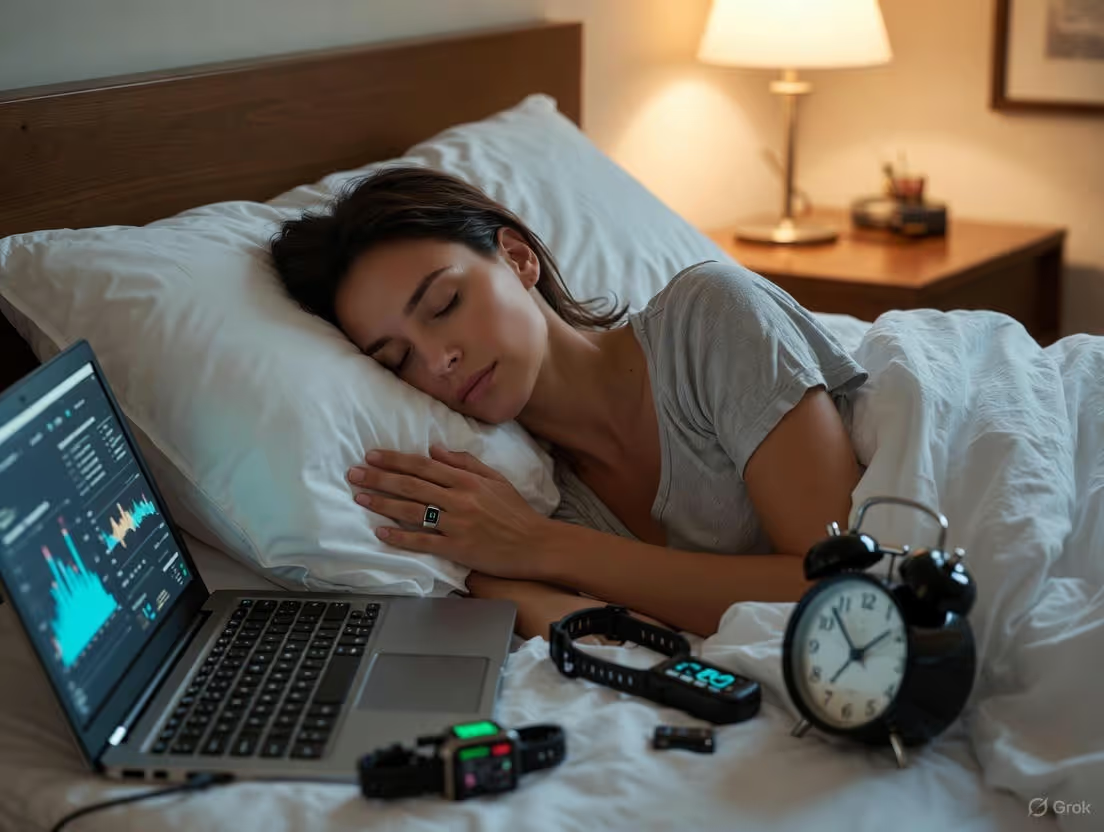
The quality of deep sleep is strongly correlated with physical recovery and next-day physical readiness.
The quality of deep sleep is strongly correlated with physical recovery and next-day physical readiness.
%402x.svg)
Have you ever woken up after a solid eight hours of sleep, only to feel like you’ve been hit by a truck? Conversely, have you emerged from a shorter night feeling razor-sharp, energized, and ready to conquer the world? The difference between these two scenarios often boils down to one critical, yet invisible, factor: the quality of your deep sleep.
In our relentless pursuit of optimal health, we obsess over macros, step counts, and mindfulness apps. We track our workouts to the decimal point, but for decades, the most potent recovery tool we possess—sleep—remained a mysterious black box. We knew it was important, but we lacked the means to measure its architecture. The advent of consumer sleep technology, particularly advanced devices like the smart ring from Oxyzen, has changed everything. For the first time, we can move beyond simple duration and peer into the intricate layers of our slumber, focusing on the most crucial phase: deep sleep.
Deep sleep, or slow-wave sleep, is not merely a state of unconsciousness. It is a period of intense biological activity. Imagine a nightly renovation crew entering your body and brain. They are repairing microscopic muscle tears from your workout, flushing metabolic waste from your brain, consolidating memories, and recalibrating your hormonal orchestra. This isn't passive rest; it's active, non-negotiable recovery. The quality of this deep sleep phase directly dictates your physical readiness, cognitive clarity, emotional resilience, and long-term health.
Yet, in our modern world, deep sleep is under siege. Blue light emission, chronic stress, erratic schedules, and even room temperature act as silent thieves, robbing us of this precious resource. The consequence is a society that is sleeping but not recovering, leading to a hidden epidemic of underperformance and burnout.
This article is a deep dive into the profound, symbiotic relationship between deep sleep and recovery quality. We will dissect the neuroscience and physiology of this sacred phase, explore the tangible markers of recovery it influences, and uncover the modern culprits that disrupt it. Furthermore, we will translate this science into actionable strategies, demonstrating how leveraging precise data from a wearable like the Oxyzen ring can transform your sleep from a guessing game into a finely tuned recovery protocol. This isn't just about feeling less tired; it’s about unlocking a higher state of function, health, and vitality. Your journey to mastering recovery starts here, in the deepest hours of the night.
To appreciate the majesty of deep sleep, we must first understand the theater in which it performs: the sleep cycle. Sleep is not a monolithic state of uniform depth. Instead, it’s a dynamically structured journey through distinct, repeating stages, each with its own unique brainwave patterns and physiological purpose. A full cycle typically lasts about 90 to 120 minutes, and a healthy adult will journey through four to six of these cycles each night.
The voyage begins with NREM Stage 1 (N1), the twilight zone between wakefulness and sleep. Lasting just a few minutes, this light sleep stage features slow eye movements and relaxed muscles. It’s easy to be awakened from N1, and you might experience sudden muscle jerks or the sensation of falling.
We then descend into NREM Stage 2 (N2), which constitutes nearly half of an adult’s total sleep time. Here, the body goes into full relaxation: heart rate slows, body temperature drops, and eye movement ceases. The brain produces brief bursts of rapid activity called sleep spindles and large waves called K-complexes, which are believed to play a role in memory consolidation and sensory shielding—keeping you asleep despite minor environmental noises.
Then, we arrive at the cornerstone of physical restoration: NREM Stage 3 (N3), or deep sleep. This is characterized by the slowest brain waves, called delta waves. It is exceedingly difficult to wake someone from this stage; if you are roused, you’ll likely experience “sleep inertia”—that groggy, disoriented feeling. During N3, the body initiates its most critical repair work. Blood flow is directed toward muscles, tissue growth and repair accelerate, and energy stores are replenished. The pituitary gland releases a pulse of human growth hormone (HGH), which is essential for muscle development, bone building, and cellular regeneration. It’s the body’s prime time for physical recovery.
Finally, we ascend into REM (Rapid Eye Movement) Sleep, the stage most associated with vivid dreams. Brain activity surges to near-waking levels, but the body experiences a temporary paralysis of major muscle groups (atonia), preventing you from acting out your dreams. REM sleep is the stage for cognitive and emotional recovery. It’s crucial for memory processing, learning, creativity, and emotional regulation. As the night progresses, the proportion of time spent in REM sleep increases with each successive cycle.
The cyclical nature of this architecture is non-negotiable for quality recovery. Disrupting a cycle—especially by waking during deep sleep—is like stopping a factory assembly line mid-shift. The work is left incomplete. The brain and body rely on the predictable, sequential progression through these stages to accomplish their respective nightly tasks. Understanding this architecture is the first step toward optimizing it. With tools like the Oxyzen smart ring, which uses advanced sensors to track heart rate variability (HRV) and movement, you can now visualize these cycles, seeing not just how long you slept, but how well you cycled through each essential stage. For a deeper look at the science behind sleep tracking, you can explore our blog for more insights on sleep architecture.
Deep sleep is so much more than just "really sound sleep." It is a state of profound physiological transformation, a period where the body shifts its priorities from interaction with the external world to intensive internal maintenance. Let’s pull back the curtain on what happens during this critical phase.
The Brain’s Cleansing Ritual: One of the most groundbreaking discoveries in neuroscience is the glymphatic system. Think of it as the brain’s dedicated waste-management crew, and it works primarily during deep sleep. During this stage, glial cells in the brain shrink by up to 60%, creating wider channels for cerebrospinal fluid (CSF) to flush through the neural tissue. This nightly power wash clears away metabolic debris, including toxic proteins like beta-amyloid, which is associated with Alzheimer’s disease. Poor deep sleep means an inefficient cleaning cycle, allowing cognitive "garbage" to accumulate.
The Hormonal Powerhouse: Deep sleep orchestrates a vital hormonal symphony. As mentioned, it triggers the primary release of Human Growth Hormone (HGH). For athletes and anyone engaged in physical training, this is the master key to recovery. HGH stimulates protein synthesis, facilitates the use of fat for fuel, and aids in the repair of bones and tissues. Simultaneously, levels of the stress hormone cortisol reach their lowest point. This reciprocal relationship—high HGH, low cortisol—creates the perfect anabolic (building-up) environment for the body to mend itself.
Physical Repair and Immune Fortification: While your conscious mind is offline, your body is a hive of cellular activity. Blood flow to muscles increases, delivering oxygen and nutrients while carting away metabolic byproducts like lactic acid. Protein synthesis peaks, repairing the micro-tears in muscle fibers caused by daily activity and exercise. This is why a night of good deep sleep can make sore muscles feel remarkably better. Furthermore, the immune system releases cytokines—proteins that help fight infection and inflammation. During deep sleep, your body produces infection-fighting antibodies and cells. Consistently skimping on deep sleep makes you more susceptible to illnesses and can slow healing.
Metabolic and Cardiovascular Reset: Deep sleep plays a crucial role in glucose metabolism. It enhances the body’s sensitivity to insulin, the hormone that regulates blood sugar. Disrupted deep sleep is linked to insulin resistance, a precursor to type 2 diabetes. Your cardiovascular system also gets a break. Heart rate and blood pressure drop significantly, giving your heart and blood vessels a period of sustained rest and recovery. This nocturnal "dip" is a critical marker of cardiovascular health.
In essence, deep sleep is not a luxury; it is a biological imperative. It is the period when the body shifts from energy expenditure to energy restoration and architectural repair. Without sufficient, high-quality deep sleep, these processes are truncated or incomplete, leading to a recovery deficit that compounds over time. Recognizing the tangible, physiological events of this phase reframes it from a passive state to an active pillar of health—one that can be measured and optimized. At Oxyzen, we built our technology to give you a window into this very process, because understanding the "why" is the first step to mastering the "how." To learn more about our mission to make this physiology accessible, discover the story behind our technology.
You don’t need a lab coat to sense the effects of deep sleep; your body provides a daily report card. The quality of your deep sleep directly manifests in concrete, measurable markers of recovery that influence your performance, mood, and health from the moment you wake. By learning to read these signals—and augmenting your perception with precise data—you can create a direct feedback loop between your nights and your days.
Heart Rate Variability (HRV): The Gold Standard of Recovery Readiness: HRV measures the subtle variations in time between each heartbeat. Contrary to intuition, a higher HRV is generally better—it indicates a resilient, adaptable autonomic nervous system (ANS). Your ANS has two main branches: the sympathetic (fight-or-flight) and the parasympathetic (rest-and-digest). Deep sleep is dominated by parasympathetic activity, which promotes recovery. A night rich in deep sleep typically leads to a higher morning HRV, signaling that your body is recovered, resilient, and ready for stress. Conversely, a low morning HRV often follows a night of poor or insufficient deep sleep, serving as a clear warning that your system is fatigued and may need a lighter day. The Oxyzen ring tracks your HRV continuously, providing an objective, numerical snapshot of your recovery status each morning.
Resting Heart Rate (RHR): The Baseline of Stress: Your resting heart rate is exactly what it sounds like—your heart rate when you are fully at rest, best measured during sleep or immediately upon waking. Consistent, high-quality deep sleep helps maintain a lower, healthier RHR. A sustained elevation in your RHR (typically by 5-7 beats per minute or more above your baseline) can be a key indicator of incomplete recovery, underlying stress, illness, or overtraining. It’s your body working harder to maintain baseline function.
Muscle Soreness and Physical Performance: This is the most direct feedback for athletes and fitness enthusiasts. The muscle repair and protein synthesis that occur in deep sleep directly reduce delayed onset muscle soreness (DOMS). Quality deep sleep leads to faster strength recovery, better power output in subsequent workouts, and improved coordination. A lack of it results in persistent soreness, feelings of "heavy" legs, decreased endurance, and a higher perceived effort for the same workload.
Cognitive and Emotional Metrics: Deep sleep’s role in brain cleansing and memory consolidation translates to sharper mental acuity. A good night of deep sleep manifests as improved focus, faster reaction times, better problem-solving skills, and enhanced learning capacity. Emotionally, it provides stability. Deep sleep helps process emotional experiences from the day, reducing the reactivity of the brain’s amygdala (the fear center). After a night of poor deep sleep, you’re more likely to experience brain fog, forgetfulness, irritability, anxiety, and a reduced ability to manage stress.
Subjective Morning Feelings: Never ignore your own intuition. How do you feel upon waking? The concept of "sleep inertia"—that groggy, disoriented feeling—is prolonged and intensified if you are awakened from deep sleep. Waking naturally after a complete cycle, especially from lighter sleep, leads to a feeling of alertness. Feelings of unrefreshing sleep, heavy eyelids, and a lack of motivation are often your subjective brain telling you what the data confirms: your deep sleep was inadequate.
By correlating these tangible daytime markers with your nightly sleep data from a device like the Oxyzen ring, you move from guesswork to precision. You can answer questions like: "Was my poor workout due to my training plan, or did I simply not recover last night?" or "Is my irritability due to work stress, or is it rooted in poor sleep?" This empowers you to make intelligent, proactive adjustments to your training, schedule, and sleep hygiene.

In a natural environment, our sleep architecture would follow the rhythm of the sun, largely undisturbed. But our modern world is a minefield of deep sleep disruptors. These enemies are often silent, habitual, and woven into the fabric of our daily lives. Identifying them is the first step in reclaiming your recovery.
1. Blue Light and Digital Overload: The single most pervasive thief of deep sleep is likely in your hand right now. Blue light wavelengths emitted by smartphones, tablets, computers, and LEDs are exceptionally effective at suppressing melatonin production, the hormone that signals sleep onset. Evening exposure shifts your circadian rhythm later, delaying the onset of sleep and, crucially, compressing the early sleep cycles where deep sleep is most prevalent and prolonged. The stimulating content—endless scrolling, stressful emails, thrilling shows—further activates the brain, making the descent into deep, restorative sleep far more difficult.
2. Chronic Stress and an Overactive Mind: Psychological stress activates the sympathetic nervous system, flooding your body with cortisol and adrenaline—hormones designed for alertness and survival. When you go to bed with a racing mind, worrying about deadlines or replaying social interactions, you are essentially bringing the "daytime fight-or-flight chemistry" into your sleep sanctuary. This elevated physiological arousal directly antagonizes the state of parasympathetic dominance required to initiate and maintain deep sleep.
3. Irregular Sleep Schedules: Your circadian rhythm thrives on consistency. When you go to bed and wake up at wildly different times—a late night on Saturday, an early wake-up on Monday—you confuse your internal clock (the suprachiasmatic nucleus). This inconsistency fragments sleep architecture, reduces sleep efficiency, and can significantly slash the amount of deep sleep you obtain. It’s akin to giving your body's renovation crew an unpredictable work schedule; they never get a solid, uninterrupted block of time to do their best work.
4. Diet and Substance Use:
* Alcohol: While it may induce sleepiness, alcohol is a profound disruptor of sleep architecture. It suppresses REM sleep early in the night and, as it is metabolized, causes rebounds in arousal and lighter sleep later on, severely fragmenting deep sleep.
* Caffeine: With a half-life of 5-6 hours, an afternoon coffee can still have significant stimulating effects at bedtime, making it harder to fall asleep and reducing deep sleep quality.
* Heavy, Late-Night Meals: Digesting a large meal requires energy and raises core body temperature. Since a natural drop in core temperature is a key signal for sleep initiation, eating too late can delay sleep onset and disrupt sleep quality.
5. Environmental Factors: Your bedroom should be a temple for sleep, but often it’s not optimized.
* Temperature: The ideal temperature for sleep is around 65°F (18.3°C). A room that’s too warm prevents the necessary thermoregulatory drop for deep sleep.
* Noise and Light: Intermittent noises (sirens, a partner snoring) or light pollution can cause micro-arousals, pulling you out of deeper stages of sleep without you ever becoming consciously awake.
* Poor Air Quality: Stuffy, low-oxygen environments can disrupt breathing and sleep quality.
6. Certain Medications and Medical Conditions: Some prescription drugs (like certain antidepressants, beta-blockers, and corticosteroids) can interfere with sleep stages. Underlying conditions like sleep apnea are arguably the most destructive enemy of deep sleep. Apnea events—pauses in breathing—cause repeated oxygen drops and micro-awakenings, making sustained deep sleep virtually impossible. If you consistently get "enough" sleep but never feel rested, this is a critical possibility to explore with a doctor.
Understanding these enemies allows you to mount a strategic defense. The data from a wellness tracker is invaluable here; you might notice that your deep sleep percentage plummets on nights after you have a late dinner or a glass of wine, or when your stress levels are high. This objective feedback turns abstract advice into personal, irrefutable truth, motivating sustainable change. For practical tips on combating these disruptors, our FAQ page offers science-backed strategies.
For generations, accurately measuring sleep required an expensive and invasive overnight stay in a sleep lab, hooked up to an array of sensors—a polysomnogram (PSG). While this remains the clinical gold standard, the rise of consumer wearable technology has democratized sleep tracking, bringing lab-grade insights into our daily lives. Among these devices, the smart ring has emerged as a uniquely powerful form factor for this purpose. But how does a small ring on your finger translate raw biometrics into a detailed analysis of your deep sleep and recovery?
The Sensor Suite: More Than Just Movement: Early sleep trackers relied heavily on accelerometers (movement sensors) to infer sleep vs. wake states—a method called actigraphy. Modern smart rings like Oxyzen incorporate a sophisticated array of physiological sensors:
From Biometrics to Sleep Stages: The Algorithmic Brain: The raw data from these sensors is a continuous stream of numbers. The magic lies in the proprietary algorithms developed by companies like Oxyzen. These machine-learning models are trained on massive datasets that correlate specific physiological patterns with clinically confirmed sleep stages (from PSG studies).
Here’s what the algorithm looks for:
The Recovery Score: Synthesizing the Data: A top-tier device doesn’t just spit out sleep stages. It synthesizes all this data—sleep duration, efficiency, time in each stage, HRV trends, resting heart rate, and body temperature—into a comprehensive Recovery Score or Readiness Score. This single, easy-to-understand metric is the ultimate translation of your night’s work. It answers the question: "How recovered am I, and what is my capacity for stress today?"
A high score indicates successful deep sleep cycles, a strong parasympathetic rebound, and a body ready for challenge. A low score flags disrupted sleep, high physiological stress, and a need for caution or active recovery. This is where personalization is key. The Oxyzen ring establishes your unique baselines over time, so your score reflects your body’s status relative to itself, not a generic population average.
This technological leap transforms sleep from a subjective experience into an objective, data-driven pillar of health. It provides the feedback necessary to validate what works, identify what doesn’t, and ultimately, take control of your most powerful recovery tool. To see how real people have used this data to transform their recovery, browse through our user testimonials.
The most persistent and damaging myth about sleep is the cult of the "8-hour rule." We fixate on the clock, believing that if we simply log the time, we’ve checked the box for health. This is a profound oversimplification. While duration matters, the quality of sleep—specifically, the integrity of its architecture and the sufficiency of deep sleep—is the true determinant of recovery. You can be in bed for nine hours and still wake up functionally exhausted if your sleep quality is poor.
The Case of the "Long but Light" Sleeper: Imagine two individuals. Person A sleeps for 6.5 hours but has excellent sleep hygiene: a dark, cool room, no alcohol, and a consistent schedule. Their sleep cycles are efficient, with robust periods of deep sleep in the first half of the night and ample REM in the second half. Person B sleeps for 8.5 hours but does so in a warm room, after several drinks, with a phone by the pillow. Their sleep is fragmented, with frequent micro-awakenings, suppressed deep sleep, and a rebound of light, restless sleep later on. Despite a two-hour duration advantage, Person B will almost certainly wake feeling less restored, with worse cognitive function and poorer metabolic markers than Person A. Duration without quality is an empty metric.
Sleep Efficiency: The Ratio That Matters: This concept is captured by Sleep Efficiency: the percentage of time in bed actually spent asleep. If you spend 9 hours in bed but it takes you 90 minutes to fall asleep and you wake frequently, your sleep efficiency might be a poor 75%. A highly efficient sleeper might achieve 95%+ efficiency in less total time. High efficiency is a hallmark of strong sleep architecture and is more closely linked to feeling rested than total time in bed alone.
The Non-Linear Benefits of Deep Sleep: The benefits of sleep, particularly deep sleep, are not linear. The first few cycles of deep sleep are the most potent for physical restoration. There is a law of diminishing returns. Much of the essential repair and brain cleansing happens in the initial, long deep-sleep periods. After a certain point, additional sleep consists primarily of lighter sleep and REM. This is why a highly efficient, shorter sleep with protected deep sleep can be more restorative than a long, fragmented one. It’s about securing those critical, uninterrupted blocks of deep NREM sleep.
The Health Risks of Poor Quality Sleep: Research consistently shows that poor sleep quality is a stronger predictor of negative health outcomes than sleep duration alone. Fragmented sleep with low deep sleep is linked to:
Shifting the Mindset: The goal, therefore, is not to blindly chase more hours in bed. The goal is to protect and optimize the quality of the hours you get. This means creating the conditions for rapid sleep onset, minimal disruptions, and maximal time in the restorative stages. It’s a shift from being a passive participant in sleep to an active architect of your recovery environment. By using a device that measures quality (like deep sleep percentage, HRV, and recovery scores), you focus on the outcomes that truly matter, not just the input. This is the core philosophy behind the Oxyzen ring—to provide the insights that move you beyond the clock and into the deeper layers of restorative rest. For a comprehensive guide on improving sleep quality, our blog is a dedicated resource.

Deep sleep and recovery are not merely connected; they are engaged in a continuous, self-reinforcing feedback loop. High-quality deep sleep leads to superior physical and mental recovery. This enhanced recovery state, in turn, creates the ideal internal conditions for the next night of high-quality deep sleep. Conversely, when this cycle is broken, it can spiral into a vicious cycle of poor sleep and chronic under-recovery. Let’s explore this powerful symbiosis.
The Forward Loop: Deep Sleep → Enhanced Recovery → Better Sleep.
This is the virtuous cycle of recovery. Each good night sets the stage for a resilient day, which then sets the stage for another good night. It’s the state where athletes see consistent performance gains, where professionals maintain steady cognitive output, and where individuals experience stable mood and energy.
The Downward Spiral: Disrupted Deep Sleep → Poor Recovery → Worse Sleep.
Breaking this downward spiral requires conscious intervention, and this is where data becomes empowerment. Seeing your low recovery score is not a judgment; it’s a diagnostic tool. It tells you, "Your system is stressed. Tonight, prioritize recovery, not strain." This might mean swapping an intense workout for gentle yoga or a long walk, practicing meditation, or being fanatical about your sleep hygiene. By making these data-informed adjustments, you can stop the spiral and gently guide yourself back into the virtuous cycle.
This symbiotic relationship underscores that sleep is not an isolated event. It is the central pillar in a 24-hour rhythm of stress and recovery. Optimizing your deep sleep is the most powerful lever you have to positively influence that entire rhythm. At Oxyzen, we see our role as providing the clarity to see your position in this cycle, empowering you to make the choices that keep you in the virtuous loop. Learn more about our holistic approach to wellness tracking.

You cannot force your brain into deep sleep, but you can absolutely create an environment and a physiology that invites it. By pulling strategic lifestyle levers throughout your day, you signal to your body that a period of deep, restorative recovery is not only safe but expected. These habits work synergistically to lower the barriers to high-quality deep sleep.
1. Strategic Light Exposure: Resetting Your Master Clock.
2. The Daytime Movement Equation: Physical activity is one of the most reliable deep sleep promoters, but timing and intensity matter.
3. Nutrition as a Sleep Supplement:
4. The Wind-Down Ritual: From Sympathetic to Parasympathetic. You cannot go from 100 mph to 0. Create a 60-minute buffer zone before bed dedicated to lowering physiological arousal.
5. Stress Management is Sleep Management: Since stress is a primary deep sleep blocker, daily practices to downregulate the nervous system are direct sleep investments.
The power of these levers is that they are cumulative and compound over time. By integrating them gradually and observing their impact on your deep sleep and recovery score in your Oxyzen app, you engage in a process of biofeedback. You learn what your body responds to best, allowing you to create a personalized, non-negotiable sleep protocol that consistently delivers the deep, restorative rest you need. For answers to common questions on implementing these habits, our FAQ section provides detailed guidance.
In the quest for better sleep, generic advice can only take you so far. We are all unique biochemical individuals with different stress loads, routines, and physiological responses. What disrupts one person's sleep may not affect another's. This is where modern wearable technology transitions from a simple tracker to an essential biofeedback tool, enabling a truly personalized recovery protocol.
From Guessing to Knowing: The Power of the Baseline. The first fundamental insight a device like the Oxyzen ring provides is your personal baseline. Over a few weeks of consistent wear, it learns your normal ranges for deep sleep percentage, HRV, RHR, and respiratory rate. This is revolutionary. You are no longer comparing yourself to a population average (which is often meaningless); you are comparing yourself to you. A "good" HRV for you might be 60ms, while for someone else it's 90ms. The trend relative to your own baseline is what contains the actionable information.
Identifying Personal Triggers and Solutions: This is where the detective work begins. With detailed daily logging (often integrated into the app), you can correlate lifestyle choices with your sleep and recovery data.
Informing Daily Decisions: The Readiness Score as a Guide. Your morning recovery or readiness score is your daily prescription. It answers the critical question: "What is my body's capacity for stress today?"
Long-Term Trend Analysis for Health Insights: Over months and years, this data becomes a longitudinal health diary. You can see how your sleep architecture and recovery metrics change with seasons, life events, training cycles, and age. A gradual, sustained decline in deep sleep or HRV might be an early indicator that something is off—long before symptoms appear—prompting a proactive conversation with your healthcare provider.
Technology, when used correctly, removes the dogma and guesswork from wellness. The Oxyzen ring isn't meant to create anxiety over numbers; it's designed to provide compassionate, objective feedback. It turns your body's whispers into clear data points, empowering you to become the expert on your own recovery and to build a lifestyle that systematically supports deep, restorative sleep. This is the future of personalized health: informed, intuitive, and data-empowered. To begin your journey with this technology, explore what Oxyzen has to offer.
We have journeyed deep into the nocturnal world where recovery is forged. We've moved beyond the superficial metric of sleep duration to explore the complex architecture of sleep, with deep sleep (N3) standing as its foundational pillar for physical and cerebral restoration. We've demystified the physiology—the glymphatic brain wash, the hormonal symphony, the cellular repair—that makes this phase non-negotiable for health and performance.
We’ve identified the tangible daytime markers, from HRV and RHR to cognitive clarity and emotional balance, that serve as a report card on our previous night's deep sleep. We've also confronted the modern enemies that relentlessly attack this fragile state, from the blue glow in our hands to the stress in our minds.
Most importantly, we have outlined a path forward. By understanding the symbiotic relationship between deep sleep and daily recovery, we can leverage lifestyle levers—light, movement, nutrition, and ritual—to create a virtuous cycle of restoration. And now, with advanced technology like the Oxyzen smart ring, we are no longer flying blind. We can measure the unseeable, establish personal baselines, identify unique triggers, and use objective readiness scores to guide our daily choices intelligently.
This knowledge integration is transformative. It shifts sleep from a passive, hoped-for occurrence to an active, optimized pillar of a high-performance life. It reframes recovery from something that happens to you into a process you can deliberately manage and enhance.
Mastering the relationship between deep sleep and recovery quality is not about achieving perfection every night. It is about building awareness, creating consistency, and possessing the tools to course-correct when life inevitably disrupts your rhythm. It is about granting your body the uninterrupted time and ideal conditions it needs to perform its most vital work.
In the next portion of this exploration, we will delve even deeper. We will examine the cutting-edge science of sleep manipulation, explore the connection between deep sleep and specific long-term health outcomes, provide advanced protocols for athletes and shift workers, and take a detailed look at how to build the ultimate sleep sanctuary. The journey to mastering your recovery has just begun.
We’ve established that deep sleep is a state of intense physical repair, but its impact on the brain is arguably even more profound. This phase acts as a master system administrator for your mind, performing critical offline maintenance that dictates your cognitive capabilities, emotional stability, and long-term neurological health. To understand recovery quality, we must look inside the sleeping brain.
Memory Consolidation: From Temporary Storage to Permanent Knowledge. Throughout the day, experiences and information are initially held in the hippocampus, a brain region akin to a temporary, high-speed cache. This cache has limited space. During deep sleep, a remarkable transfer occurs. The synchronized slow waves of deep sleep act as a replay signal, facilitating the transfer of memories from the hippocampus to the neocortex—the brain's larger, long-term storage hard drive. This process, known as memory consolidation, transforms fragile, recent memories into stable, integrated knowledge. It’s why "sleeping on a problem" often yields a solution and why studying followed by quality sleep is far more effective than an all-nighter. Deep sleep doesn't just preserve memories; it curates and connects them, weaving new information into your existing web of knowledge and even extracting overarching rules and gist from learned experiences.
Synaptic Pruning: The Art of Cognitive Decluttering. If memory consolidation is about saving important files, synaptic pruning is about deleting temporary ones and defragmenting the system. During waking hours, your brain forms countless synaptic connections (neural pathways). Not all are useful. Deep sleep is when the brain thoughtfully weakens or "prunes" the less important connections, streamlining neural networks for greater efficiency. This pruning, driven by the slow waves of deep sleep, is essential for learning, focus, and cognitive clarity. It prevents neural overload, ensuring that the strongest, most relevant pathways are preserved and strengthened. This is particularly crucial during development but remains a vital housekeeping function throughout adulthood.
Emotional Recalibration: Processing the Day's Feelings. The amygdala, the brain's emotional alarm center, is highly active during REM sleep. But deep sleep plays a crucial preparatory role in emotional recovery. During this phase, the prefrontal cortex—the rational, executive-control center of the brain—re-establishes its connections with the amygdala. Think of deep sleep as rebooting the communication lines between your emotional reactions and your logical oversight. A night rich in deep sleep strengthens the prefrontal cortex's ability to moderate the amygdala's responses. This is why after a good night's sleep, yesterday's frustrations often feel manageable, while sleep deprivation makes us emotionally reactive, irritable, and prone to anxiety. Deep sleep essentially recalibrates your emotional thermostat.
The Glymphatic System Revisited: Detoxifying the Mind. As introduced earlier, the brain's glymphatic system is most active during deep sleep. The expansion of interstitial spaces by up to 60% allows cerebrospinal fluid to rush through and flush out metabolic waste products like beta-amyloid and tau proteins. This is not just maintenance; it is preventative neurology. The accumulation of these proteins is a hallmark of Alzheimer's disease. By optimizing deep sleep, you are actively supporting your brain's self-cleaning mechanism, potentially reducing the risk of cognitive decline. It is, quite literally, a nightly deep-clean for your mind.
Cognitive Performance Outcomes: The culmination of these processes is seen in clear, measurable daytime benefits:
Neglecting deep sleep, therefore, isn't just about physical tiredness. It leads to a cluttered, inefficient, and toxic neural environment. By prioritizing this phase, you are not merely resting your brain; you are upgrading its software, clearing its storage, and fortifying its architecture for peak daytime performance. This level of neural restoration is the true cornerstone of cognitive recovery, a concept we explore in various contexts on our blog dedicated to performance science.
While your conscious self rests, your endocrine system is conducting a precise, time-sensitive orchestral performance. The balance of key hormones during sleep—particularly the ebb of cortisol and the flow of Human Growth Hormone (HGH)—is conducted by the maestro of deep sleep. Disrupting this phase throws the entire hormonal symphony out of tune, with cascading effects on recovery, metabolism, and health.
The Cortisol Curve: The Essential Dip. Cortisol, your primary stress hormone, follows a natural diurnal rhythm. It should peak in the early morning to help you wake up (the cortisol awakening response) and gradually decline throughout the day, reaching its lowest point during the first half of the night, coinciding with your deepest sleep. This nocturnal dip is non-negotiable for recovery. It allows the anabolic (building) systems of the body to take center stage without the catabolic (breaking-down) influence of cortisol. When deep sleep is fragmented or insufficient, this dip is blunted. Cortisol levels remain elevated at night, creating a state of chronic, low-grade physiological stress that inhibits repair, promotes inflammation, and tells the body to store fat, particularly visceral fat.
Human Growth Hormone: The Master Repair Signal. The most significant pulse of HGH secretion occurs approximately an hour after sleep onset, tightly coupled with the first and longest period of deep NREM sleep. HGH is the cornerstone of physical restoration. Its nightly release stimulates:
Without robust deep sleep, this vital pulse is diminished. You lose the prime window for daily physical renewal. For athletes, this means slower adaptation to training. For everyone, it means a gradual erosion of metabolic health and tissue integrity.
The Insulin Sensitivity Connection. Deep sleep profoundly influences metabolic hormones. During this phase, the body's sensitivity to insulin improves. Insulin is the key that allows cells to take in glucose from the bloodstream for energy. When deep sleep is poor, the body becomes more insulin resistant—the key starts to stick. Cells don't respond as well, so the pancreas must pump out more insulin to manage blood sugar. This nocturnal insulin resistance is a direct pathway to weight gain, increased type 2 diabetes risk, and metabolic syndrome. A single night of poor sleep can induce a state of temporary insulin resistance in an otherwise healthy person.
Leptin and Ghrelin: The Hunger Hormone Disruption. Deep sleep also regulates the hormones that control appetite. Leptin (the "satiety hormone") signals fullness to the brain, while ghrelin (the "hunger hormone") stimulates appetite. Deep sleep helps maintain healthy leptin levels and suppress ghrelin. When sleep is short or shallow, leptin levels drop, and ghrelin levels rise. This hormonal shift creates a powerful biological drive to eat more, particularly high-calorie, carbohydrate-rich foods. It’s not a lack of willpower; it’s a hijacked hormonal system screaming for energy to combat fatigue.
Creating Hormonal Harmony: The takeaway is powerful: Deep sleep is a hormonal regulator. By protecting it, you:
This hormonal rebalancing is a silent, nightly therapy. Tracking your sleep with a device like the Oxyzen ring provides indirect insight into this process. A high recovery score and elevated HRV suggest a successful cortisol dip and parasympathetic state. Feeling consistently satiated and having stable energy levels are signs of well-regulated metabolic hormones. By optimizing the conductor—deep sleep—you ensure the entire hormonal orchestra plays in perfect harmony for your health. For more on how our technology is designed to support this holistic view, learn about our company's mission and values.
The need for deep sleep is a constant throughout life, but its role, duration, and vulnerability shift dramatically from infancy to old age. Understanding these changes allows us to appreciate its lifelong importance and adapt our strategies to protect it at every stage.
Childhood and Adolescence: The Foundation of Growth. This is the golden age of deep sleep. Children spend up to 40% of their sleep in deep NREM stages, compared to about 13-23% for healthy young adults. This abundance is critical for:
Disrupting deep sleep in children and teens through irregular schedules, excessive screen time, or early school start times can have long-lasting consequences on academic performance, emotional regulation, and physical health.
Early to Mid-Adulthood: The Pillar of Performance and Maintenance. As we enter our 20s and 30s, the percentage of deep sleep begins a very gradual decline. Its primary role shifts from massive construction to daily maintenance and performance optimization. This is the phase where the recovery benefits we’ve detailed—muscle repair, cognitive sharpness, metabolic regulation, and emotional resilience—are most directly tied to daily functioning, career success, and fitness goals. The enemies of deep sleep (stress, alcohol, technology) become most prevalent here, making conscious protection vital. The data from a wellness tracker becomes an essential tool for navigating this demanding life stage, helping to preserve this critical resource.
Middle Age: The Defensive Phase. From the 40s through the 60s, the decline in deep sleep percentage becomes more noticeable. The brain may produce fewer of the pristine, high-amplitude delta waves that characterize youthful deep sleep. This natural change makes the quality of the deep sleep you do get even more crucial. This is a defensive phase where protecting deep sleep becomes a primary health strategy to combat age-related declines:
Older Adulthood: Preserving Quality and Architecture. In later years (70s+), deep sleep can become significantly reduced and more fragmented. The sleep architecture often becomes "lighter," with more time in N1 and N2, and more frequent awakenings. However, this is not an inevitable fate. Lifestyle factors play a enormous role. The principles of sleep hygiene—consistent schedules, ideal environment, light management—are arguably more important now than ever. Furthermore, the apparent decrease in deep sleep may sometimes be an issue of measurement, not absence. The slow waves may become lower in amplitude, making them harder to detect with standard methods, even as the brain continues to engage in restorative processes.
The Lifespan Imperative: The central truth is that while the quantity of deep sleep may change, its non-negotiable quality as the core of recovery does not. At every age, fostering the conditions for the deepest, most uninterrupted sleep possible is a direct investment in current vitality and future health. It is the single most consistent modifiable factor for healthy aging. Whether you are a parent safeguarding your child's sleep, an athlete optimizing for performance, or an individual seeking healthy longevity, the principles of protecting deep sleep remain your constant guide. For stories of how individuals across different life stages have used tracking to improve their rest, our testimonials page offers real-world insights.
You are not just what you eat; you sleep how you eat. The timing, composition, and quantity of your food and drink act as powerful modulators of your sleep physiology, directly influencing your ability to attain and sustain deep, restorative sleep. Navigating this relationship is a key skill in the recovery toolkit.
The Timing Dilemma: When to Eat for Optimal Sleep. Your digestive system and circadian rhythm are intimately linked. Eating too close to bedtime forces your body to prioritize digestion when it should be winding down. This can lead to:
Macronutrient Composition: The Building Blocks of Sleep Chemistry.
Key Micronutrients: The Sleep Vitamins and Minerals.
Hydration: A Delicate Balance. Chronic dehydration strains the body and can disrupt sleep. However, drinking large volumes of fluid right before bed guarantees fragmented sleep due to nocturia (nighttime bathroom trips). Strategy: Hydrate consistently throughout the day and begin tapering intake 1-2 hours before bed. Monitor the color of your urine as a simple gauge.
The Worst Offenders: Substances That Sabotage Deep Sleep.
Personalized Nutrition for Sleep: The effects of food are highly individual. Some people sleep poorly after spicy foods (due to temperature or reflux), while others are unaffected. This is where a tracking device shines. You can log your evening meals and observe correlations with your deep sleep percentage and recovery score in the Oxyzen app. This biofeedback allows you to create a personalized "sleep-friendly nutrition protocol" that works for your unique physiology, turning diet into a precise tool for enhancing nightly recovery. For more FAQs on nutrition and sleep synergy, our support section has detailed answers.
Physical activity and deep sleep are engaged in a virtuous, reciprocal relationship. Proper exercise is one of the most potent deep sleep enhancers known, and in turn, high-quality deep sleep is essential for recovering from and adapting to that exercise. Optimizing this loop is the secret to sustainable progress in any fitness endeavor.
How Exercise Promotes Deep Sleep: The Mechanisms.
Timing and Intensity: The Fine Print. While exercise is beneficial, its timing relative to sleep matters.
The Recovery Side of the Loop: Deep Sleep as the Adaption Engine. This is where deep sleep pays the exercise bill. The physiological stress of a workout creates a "recovery debt" in the form of micro-tears, depleted glycogen, and metabolic waste.
Overtraining and the Broken Loop: When the balance tips—too much stress without adequate recovery—the loop breaks. Overtraining syndrome is characterized by:
In this state, more exercise is counterproductive. The solution is to prioritize recovery as actively as training, with deep sleep as the centerpiece. This might mean scheduling a "sleep-focused" deload week, where training volume drops and sleep hygiene is perfected.
Strategic Application: For the athlete or fitness enthusiast, tracking this relationship is game-changing. You can answer: "Did my hard workout last night lead to more deep sleep and a great recovery score, or did it overwhelm my system?" This allows for intelligent periodization—aligning intense training blocks with periods where you can prioritize sleep, and scheduling deloads when life stress is high. Exercise and deep sleep are the ultimate training partners; one creates the adaptive stimulus, and the other executes the adaptation. For deeper dives into training and recovery science, our blog features expert-contributed content.
The relationship between stress and deep sleep is a classic "chicken and egg" dilemma that often spirals into a vicious cycle. Psychological stress is arguably the most potent and common inhibitor of deep sleep in the modern world, and conversely, a lack of deep sleep profoundly reduces our resilience to stress. Breaking this cycle is fundamental to improving recovery quality.
How Stress and Anxiety Physically Block Deep Sleep:
How Poor Deep Sleep Fuels More Stress:
Breaking the Cycle: Evidence-Based Strategies. Escaping this loop requires interventions that target both the mind and the body's physiology.
The Role of Data in Stress Management: Your Oxyzen ring provides objective biomarkers of this cycle. A consistently low HRV and high RHR are quantifiable signs of a stressed nervous system, even if you feel you're "managing okay." Seeing a correlation between a stressful day and a poor recovery score the next morning provides undeniable motivation to prioritize stress-reduction techniques. Furthermore, observing how practices like meditation improve your HRV baseline over weeks offers positive reinforcement.
The goal is not to eliminate stress—that's impossible—but to manage its impact and prevent it from stealing your deep sleep. By protecting your sleep, you build a stronger, more resilient system that can handle stress without collapsing into a cycle of anxiety and exhaustion. It’s about building a fortress of recovery that daily stresses cannot easily breach. For support on implementing these techniques, our FAQ section provides practical steps.
You can follow every behavioral protocol, but if your sleep environment is working against you, your efforts will be undermined. Your bedroom should be engineered as a sanctuary—a habitat scientifically designed for one purpose: to facilitate the rapid onset and undisturbed progression of deep sleep. This is low-hanging fruit with an extraordinarily high return on investment.
1. The Paramount Factor: Darkness. Light is the primary Zeitgeber (time-giver) for your circadian rhythm. Even minute amounts of light exposure during sleep, especially blue spectrum light, can suppress melatonin and fragment sleep.
2. The Thermal Sweet Spot: Coolness. Your core body temperature must drop by about 1-2°F to initiate and maintain sleep. A cool room facilitates this.
3. The Sound of Silence (or Consistency). Noise is a major cause of sleep fragmentation, causing micro-arousals that pull you out of deeper sleep stages without full awakening.
4. Air Quality and Humidity: The Invisible Essentials.
5. The Bed and Bedding: Your Recovery Platform.
6. Aesthetic and Psychological Cues: Your sanctuary should feel calm and inviting.
Engineering your sanctuary is a one-time setup with perpetual benefits. It removes environmental friction from the sleep process, allowing your natural sleep drive and circadian rhythm to operate unimpeded. Every element is a layer of defense against the modern world's sleep disruptors, paving the way for uninterrupted journeys into deep, restorative sleep. To see how attention to detail shapes our product philosophy, you can read about our story and design principles.
Modern sleep trackers like the Oxyzen ring provide a dashboard of physiological metrics that go far beyond simple sleep staging. To truly personalize your recovery protocol, you must learn to interpret the nuanced stories told by Heart Rate Variability (HRV), skin temperature, and respiratory rate. These are the vital signs of your recovery system.
Heart Rate Variability (HRV): The North Star of Recovery. We've discussed HRV as a marker, but its trends are where the deepest insights lie.
Skin Temperature: The Circadian Rhythm Gauge. Your distal (limb) skin temperature follows a clear circadian pattern, rising as you prepare for sleep (as core heat dissipates) and falling toward morning.
Respiratory Rate: The Silent Stress Meter. The number of breaths you take per minute during sleep is remarkably stable for a healthy individual, typically between 12-20.
Synthesizing the Dashboard: The Story of a Night. The power is in the combination:
By moving beyond just "hours slept" and learning to read this physiological dashboard, you become an expert on your own body. You can differentiate between fatigue from training and fatigue from an impending cold. You can see the tangible benefit of a meditation practice in your rising HRV baseline. This is the pinnacle of personalized health: using objective data to make subjective life better. For more resources on understanding these metrics, our blog features in-depth guides and research summaries.
We have now ventured deep into the multifaceted world of deep sleep and recovery. We've explored the brain's nightly restoration and hormonal rebalancing act. We've seen how the need for deep sleep evolves across a lifetime and how it is intimately shaped by what we eat, how we move, and how we manage stress. We've provided a blueprint for engineering the ideal sleep environment and a guide to interpreting the advanced physiological data that reveals our inner state.
The synthesis of this knowledge is where transformation occurs. It is the intersection of:
This triad creates a closed-loop system for self-optimization. The science informs your actions, the technology provides unbiased feedback on those actions, and you use that feedback to refine your lifestyle choices. This moves you from generic health advice to a Personalized Recovery Protocol.
For example: You learn that magnesium aids sleep (science). You start taking a magnesium supplement and using blue-light blockers. Your Oxyzen ring shows a 15% increase in deep sleep and a rising HRV trend over the next two weeks (technology/data). This positive reinforcement motivates you to make the habit permanent and explore other science-backed optimizations, like perfecting your bedroom temperature (lifestyle).
This portion has equipped you with the advanced knowledge to not only seek more sleep but to architect better sleep. You now understand that recovery is not a passive state but an active process you can influence at every level—from your brainwaves to your bedroom.
In the final portion of this comprehensive guide, we will tackle specialized applications and the future of sleep optimization. We will examine protocols for athletes and shift workers, investigate the connection between deep sleep and specific long-term diseases, explore the frontier of sleep supplementation, and envision the future of personalized sleep medicine. The journey to mastering your recovery, armed with data and deep understanding, continues.
Your Trusted Sleep Advocate: Sleep Foundation — https://www.sleepfoundation.org
Discover a digital archive of scholarly articles: NIH — https://www.ncbi.nlm.nih.gov/
39 million citations for biomedical literature :PubMed — https://pubmed.ncbi.nlm.nih.gov/
Experts at Harvard Health Publishing covering a variety of health topics — https://www.health.harvard.edu/blog/
Every life deserves world class care :Cleveland Clinic - https://my.clevelandclinic.org/health
Wearable technology and the future of predictive health monitoring :MIT Technology Review — https://www.technologyreview.com/
Dedicated to the well-being of all people and guided by science :World Health Organization — https://www.who.int/news-room/
Psychological science and knowledge to benefit society and improve lives. :APA — https://www.apa.org/monitor/
Cutting-edge insights on human longevity and peak performance:
Lifespan Research — https://www.lifespan.io/
Global authority on exercise physiology, sports performance, and human recovery:
American College of Sports Medicine — https://www.acsm.org/
Neuroscience-driven guidance for better focus, sleep, and mental clarity:
Stanford Human Performance Lab — https://humanperformance.stanford.edu/
Evidence-based psychology and mind–body wellness resources:
Mayo Clinic — https://www.mayoclinic.org/healthy-lifestyle/
Data-backed research on emotional wellbeing, stress biology, and resilience:
American Institute of Stress — https://www.stress.org/


