


The Relationship Between HRV and Nightly Recovery
A higher Heart Rate Variability (HRV) during sleep generally indicates better recovery and a more resilient nervous system.
A higher Heart Rate Variability (HRV) during sleep generally indicates better recovery and a more resilient nervous system.
%402x.svg)
The Invisible Symphony: How Your Heart's Hidden Rhythm Unlocks True Nightly Recovery
You wake up after eight full hours in bed. The sleep tracker says you got your "optimal" rest, complete with the prescribed cycles of deep and REM sleep. Yet, as you drag yourself into the morning, a stubborn fog clings to your mind. Your body feels heavy, not refreshed. The coffee calls your name, not out of ritual, but sheer necessity. What gives?
The answer lies not in the quantity of your sleep, but in its foundational quality—a quality measured not just by brainwaves, but by the subtle, sophisticated conversation between your heart and brain. This conversation is conducted in the language of Heart Rate Variability (HRV), and it is the single most powerful, yet most overlooked, biomarker for understanding what true recovery actually feels like.
For decades, recovery was a black box. We counted hours. We chased elusive "deep sleep." But a revolution is underway, moving us from simply tracking sleep to engineering genuine restoration. At the forefront is HRV, a metric that reveals the dynamic, beat-to-beat changes in your heart rate. Far from being a metronome, a healthy heart is a jazz musician—responsive, adaptable, and constantly in dialogue with your nervous system. Your nightly HRV, especially during sleep, is the ultimate readout of your body’s repair processes, stress reservoir, and readiness for the day ahead.
This is not just another wellness trend. It’s a paradigm shift from passive tracking to active recovery optimization. By understanding the profound relationship between HRV and nightly recovery, you gain the master key to unlocking sustained energy, resilient performance, and long-term health. This knowledge, once confined to elite athletic labs and clinical studies, is now accessible on your finger through advanced wearable technology like the Oxyzen smart ring. As we peel back the layers of this complex relationship, you’ll discover that true recovery is a symphony, and HRV is its conductor.

To appreciate why HRV is so crucial for recovery, we must first move beyond the simplistic "beats per minute" view of our hearts. Your heart rate is not a steady drumbeat. If you were to measure the precise milliseconds between each heartbeat—a technology known as R-R interval analysis—you would find a constant, subtle variation. This is Heart Rate Variability.
At its core, HRV is a proxy for your autonomic nervous system (ANS) function. The ANS is your body’s autopilot, controlling everything you don’t consciously think about: digestion, respiration, and, critically, your heart rate. It has two primary branches engaged in a constant, elegant tug-of-war:
A high HRV indicates a strong, resilient ANS—a system that can fluidly switch between activation and relaxation. It means your body has ample "braking" power (parasympathetic tone) to down-regulate stress and initiate deep repair. A low HRV suggests a dominant, overworked sympathetic state—your foot is perpetually on the gas, leaving little capacity for recovery. Think of HRV as your body’s "recovery bandwidth." A high bandwidth means you can download (recover from) large files of stress efficiently. A low bandwidth means even small files cause buffering and system strain.
The science behind this is rooted in the heart-brain axis. Your heart has its own intrinsic nervous system, often called the "heart brain," which contains over 40,000 neurons. It communicates bidirectionally with the brain in your head via the vagus nerve—the superhighway of the parasympathetic system. During deep, restorative states, vagal tone is high, sending signals that slow the heart and create the variable, flexible rhythm we see as high HRV. This state is the physiological prerequisite for cellular repair, memory consolidation, and hormonal rebalancing that defines true recovery.
For a deeper dive into the technology that measures this intricate signal, you can explore how Oxyzen’s advanced sensors work.

While you can measure HRV throughout the day, the nocturnal period is the most telling. Sleep is the one time your body can fully direct its resources inward, away from the external demands of movement, digestion, and conscious thought. It’s during these quiet hours that the relationship between HRV and recovery unfolds in a predictable, illuminating pattern.
In a healthy individual, HRV follows a distinct circadian rhythm tied to sleep architecture. As you transition from wakefulness into light sleep (N1/N2), your sympathetic drive begins to decrease, and parasympathetic activity rises, causing a noticeable increase in HRV. This climb peaks during deep sleep (N3 or slow-wave sleep), the most physically restorative phase. Here, growth hormone is released, tissue repair accelerates, and the immune system is fortified. The high HRV during this stage is a direct reflection of maximal parasympathetic dominance—the body is in its ultimate repair state.
Conversely, during REM sleep, the stage associated with dreaming and memory processing, the story changes. The brain becomes highly active, and the body experiences muscle atonia (paralysis). Autonomic activity becomes more variable and can resemble wakefulness, with sympathetic bursts leading to a temporary dip in HRV. This cyclical dance—HRV rising with deep sleep and modulating with REM—creates a nightly waveform that is a fingerprint of your recovery quality.
When this pattern is disrupted, it’s a major red flag. Consistently low nocturnal HRV, or a failure of HRV to rise during sleep, indicates that your nervous system cannot disengage from a state of high alert. It's like trying to repair a complex engine while it’s still running. Causes can range from psychological stress and overtraining to underlying health conditions, poor sleep hygiene, or even sleeping in an uncomfortable environment.
Understanding this connection transforms sleep from a passive state into an active recovery session you can measure and optimize. It answers the question of why you can sleep for 9 hours and still feel wrecked: your sleep architecture may have been fragmented, preventing the deep, parasympathetic-dominant states where HRV soars and genuine repair occurs.
One of the most common mistakes in the wearable data world is obsessing over a single day’s number. With HRV, context is everything. Your absolute HRV score—whether it's 50, 80, or 120 milliseconds—is largely personal. It’s influenced by age, genetics, fitness level, and even gender. Comparing your HRV to someone else’s is meaningless and often counterproductive.
The true power of HRV for recovery lies in trend analysis. You are looking for meaningful deviations from your own personal baseline. Think of it as listening for a change in the melody of your heart’s symphony, not judging the volume of one single note.
The most advanced personal analytics, like those provided by platforms linked to the Oxyzen smart ring, don’t just show you a number. They use algorithms to establish your unique baseline and then visually flag significant deviations, helping you distinguish meaningful signals from daily noise. This trend-based approach empowers you to make proactive, informed decisions—perhaps swapping an intense workout for gentle mobility on a low-HRV day, or committing to an early bedtime.
For real-world examples of how people use this trend data to transform their health, our testimonials page shares powerful user experiences.

Your nightly HRV is the final common pathway for a multitude of inputs. It’s the ultimate integrator of your lifestyle. By understanding what dials this number up or down, you move from being a passive observer to an active recovery engineer.
Understanding these drivers is the first step. The next is learning how to measure and track this critical metric with precision, which is where modern wearable technology has changed the game entirely. To see how we’ve built technology to serve this precise need, you can learn more about our story and mission.
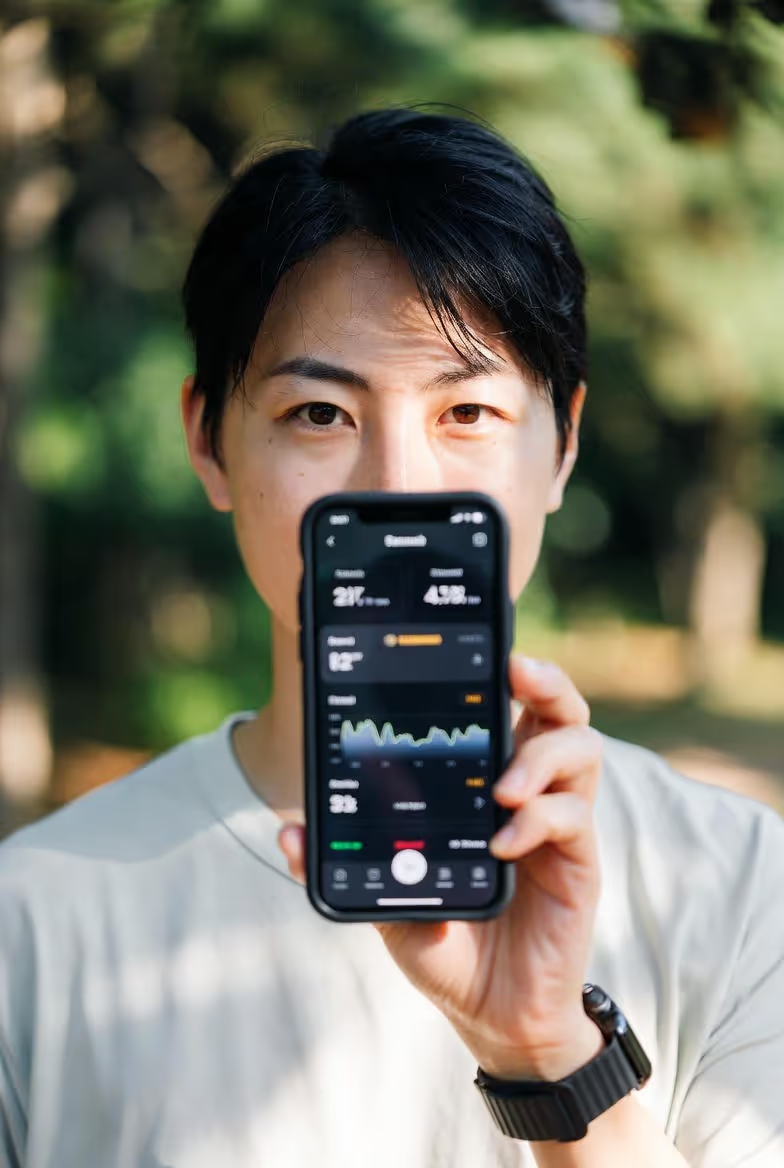
The journey of HRV from an obscure research metric to a cornerstone of personal health optimization is a story of technological convergence. For years, capturing accurate HRV required cumbersome lab equipment like electrocardiograms (ECGs). The advent of photoplethysmography (PPG) sensors in consumer wearables changed everything, but not all PPG is created equal.
PPG works by shining a light (often green LED light) onto the skin and measuring the subtle changes in blood volume with each heartbeat. The challenge has always been motion artifact—the signal becomes noisy with movement. This is why nighttime measurement is the gold standard for recovery-focused HRV. While you’re still, the device can capture a clean, clinical-grade signal that accurately reflects autonomic tone.
This is where the form factor of a device becomes critical. While wrist-worn devices have popularized HRV, they have limitations for nocturnal measurement. Sleeping with a watch can be uncomfortable, and wrist position during sleep can sometimes occlude blood flow, corrupting the data. The smart ring, worn on the finger, presents a superior form factor for sleep and recovery tracking. The finger has excellent blood perfusion for a strong PPG signal, and the ring is unobtrusive, ensuring compliance and comfort for all-night, every-night wear. This consistent, high-fidelity data is what allows for the precise trend analysis that makes HRV so actionable.
Modern systems don’t just collect raw R-R intervals. They process this data using validated algorithms (like the RMSSD or SDNN methods favored for shorter recordings) to generate your HRV score. The most useful platforms then contextualize this score. They compare it to your personal baseline, often combining it with other data like resting heart rate, sleep duration, and respiratory rate to generate a holistic "readiness" or "recovery" score. This synthesized insight tells you not just what your HRV is, but what it means for your day ahead.
Should you train hard? Take it easy? Prioritize sleep? Your nocturnal HRV provides the evidence-based answer, moving you away from guesswork and towards personalized, intelligent recovery planning. For a comprehensive look at the questions this technology often raises, our FAQ provides detailed answers.
We touched earlier on the broad strokes—HRV rises in deep sleep. But the full picture is more nuanced and beautiful. Advanced wearables that track sleep stages can now map HRV dynamics onto your specific sleep architecture in near real-time, creating a detailed report of your autonomic journey through the night.
Let’s walk through a typical, healthy night:
This granular view is transformative. It allows you to connect lifestyle choices to specific sleep outcomes. Did that late espresso not just reduce total sleep, but specifically truncate deep sleep and blunt your HRV peak? Did a calming bedtime meditation extend your first deep sleep cycle? This level of insight turns abstract advice into concrete, personalized feedback. For more on the science of sleep and recovery, our blog features ongoing deep dives.
Knowledge is power, but only if it leads to action. Once you are tracking your nightly HRV, you enter a powerful feedback loop. You can systematically test interventions and see their direct impact on your recovery physiology. Here are the most potent, evidence-based levers to pull.
1. The Sleep Environment & Routine Elite:
Your pre-sleep ritual should be a deliberate wind-down, not a crash. Aim for a 60-90 minute buffer. Dim lights, eliminate screens (or use rigorous blue light filters), and engage in calming activities like reading, light stretching, or conversation. Ensure your bedroom is pitch dark, cool (around 65-68°F or 18-20°C), and quiet. This isn't just about comfort; it's about sending unambiguous signals to your hypothalamus and suprachiasmatic nucleus (your brain's clock) that it's time to trigger parasympathetic dominance.
2. Nutritional Timing & Composition for Recovery:
Avoid large meals within 3 hours of bedtime. Digestion is a sympathetic process. Focus on a balanced dinner with complex carbohydrates (which can aid serotonin production), quality protein (for repair), and healthy fats. Be mindful of stimulants (caffeine has a half-life of 5-6 hours) and depressants. While alcohol may induce sleep onset, it is a proven wrecker of deep sleep and nocturnal HRV. Hydrate well throughout the day, but taper fluids 1-2 hours before bed to minimize disruptions.
3. Strategic Exercise & Movement:
Exercise is a paradoxical stressor—it acutely lowers HRV, but chronic training, with adequate recovery, raises your baseline HRV. The key is alignment. Use your HRV trend to guide intensity. On days your HRV is high and rising, it’s likely safe to push. On days it’s low, prioritize active recovery: walking, gentle yoga, or mobility work. This "autoregulated" training prevents the dig-yourself-into-a-hole pattern of overtraining.
4. Direct Nervous System Hacks:
You can directly stimulate your vagus nerve and parasympathetic system.
5. Consistency as the Ultimate Lever:
Your nervous system thrives on predictability. A consistent sleep-wake time, even on weekends, is perhaps the single most powerful habit for stabilizing and elevating your nocturnal HRV rhythm. It solidifies your circadian architecture, making every other lever more effective.
In our high-performance culture, pushing through fatigue is often worn as a badge of honor. HRV provides the biological truth that cuts through this harmful narrative. It is a non-negotiable, objective early warning system for two of modernity’s greatest plagues: overtraining and burnout.
Overtraining Syndrome (OTS) is not just being tired after a hard workout. It’s a systemic maladaptation characterized by a prolonged performance decline, mood disturbances, hormonal imbalance, and increased injury/illness risk. Research has consistently shown that HRV is one of the earliest and most sensitive markers of OTS. An athlete heading into overtraining will see a sustained suppression of their resting and nocturnal HRV, often weeks before performance plummets. This is the body screaming for rest. Ignoring it leads not to breakthroughs, but to breakdowns.
Similarly, in the context of psychological burnout (often from work or chronic life stress), HRV acts as a canary in the coal mine. Burnout is characterized by emotional exhaustion, cynicism, and reduced professional efficacy. Underlying this is a state of autonomic dysregulation—a depleted, low-HRV state where the sympathetic system is exhausted yet unable to cede control to the restorative parasympathetic system. Monitoring HRV can provide the tangible data needed to justify a needed break or a change in workload before reaching a crisis point.
The pattern is universal: a downward trend in HRV signals that your stress load (physical, mental, or emotional) is exceeding your recovery capacity. It is a mandate to audit your life: Are you sleeping enough? Is your training volume too high? Are you dealing with unresolved emotional stress? By heeding this warning, you can pull back, incorporate deload periods, prioritize sleep, and employ stress-modulation techniques to reverse the trend. This proactive approach is the essence of sustainable high performance and long-term health. To understand how we built a company around this principle of sustainable wellness, you can read about our mission and values.

While nightly HRV is your daily recovery report card, the long-term trend is your autobiography of resilience. It tells a story about your biological age, disease risk, and overall vitality that goes far beyond any single night’s sleep.
Epidemiological research has established a powerful link between low HRV and increased risk for a host of chronic conditions, including:
Therefore, working to elevate your baseline HRV isn't just about waking up feeling fresher tomorrow. It’s a foundational investment in your long-term health capital. The lifestyle practices that boost nocturnal HRV—quality sleep, regular exercise, stress management, healthy eating—are the very same pillars of chronic disease prevention.
Over months and years of consistent tracking, you can see the impact of major life changes. Perhaps starting a mindfulness practice slowly elevates your baseline. Maybe a period of chronic work stress suppresses it for a quarter, followed by a rebound after a vacation or job change. This longitudinal view transforms HRV from a recovery metric into a holistic Vitality Index, providing unparalleled insight into the direction of your overall health. It empowers you to make life choices not just based on immediate desires, but on their projected impact on your biological resilience.
Theory is essential, but implementation is king. The final step is to synthesize all this knowledge into a simple, sustainable personal protocol. This is not about achieving a perfect score every night, but about building resilience and responsiveness to your body’s signals.
Step 1: Establish Your Baseline.
Wear your tracking device (like the Oxyzen ring) consistently for at least 2-4 weeks without making drastic changes. Observe your natural rhythm. What’s your average nightly HRV? What’s your typical range? When are your highs and lows? This creates your personal benchmark.
Step 2: Create Your Morning Check-In Ritual.
Make it a habit to check your recovery score (which should be based primarily on your nocturnal HRV trend) each morning. Don’t just glance at the number; interpret it in the context of your trend and how you feel.
Step 3: Implement One Change at a Time.
Based on your data and goals, choose ONE lever to test for 2-3 weeks. For example: "I will be in bed with lights out by 10:30 PM every weeknight." Or, "I will do 10 minutes of guided breathing before bed." Observe the impact on your HRV trend. Did it nudge your baseline up? Reduce variability? This methodical approach builds self-efficacy and provides clear cause-and-effect learning.
Step 4: Embrace the Cycle, Not Perfection.
Life is not linear. Sickness, deadlines, travel, and celebrations will all depress your HRV. That’s normal. The goal is not to maintain a record-high line on a graph, but to cultivate a system that allows for rapid rebound. Resilience is not the absence of stress, but the speed and efficiency of recovery from it. Your protocol should be flexible, kind, and focused on supporting the rebound.
We've established the "what" and the "why"—the nocturnal HRV rhythm is the ultimate biomarker of recovery. Now, we delve into the "how." How does this elegant variability in your heartbeat translate into tangible, cellular-level repair? How does it influence the hormonal symphony that dictates muscle growth, fat metabolism, and cognitive clarity? This section of our exploration moves deeper into the physiological machinery, revealing HRV not as a mere reporter, but as an active architect of your nightly renewal.
Sleep is often called "anabolic," meaning a state of building up. This anabolic state is governed by a precise hormonal cascade, and the conductor of this orchestra is your autonomic nervous system, with HRV as its baton.
Growth Hormone (GH) and Deep Sleep: The most potent release of growth hormone—critical for muscle repair, bone density, and cellular regeneration—occurs during the first slow-wave sleep episode of the night. This release is exquisitely tied to parasympathetic dominance. High HRV during this window indicates an optimal physiological environment for this GH surge. When stress (low HRV) intrudes, it suppresses GH secretion. You can be in bed for eight hours, but if your deep sleep is shallow or fragmented (reflected in a blunted HRV rise), you miss this critical repair window.
Cortisol, the Diurnal Rhythm, and HRV: Cortisol, your primary stress hormone, should follow a steep diurnal curve: high in the morning to help you wake up (the "cortisol awakening response"), gradually declining throughout the day, and reaching its lowest point around midnight. This nocturnal cortisol dip is essential for recovery. Elevated evening cortisol, a hallmark of chronic stress, is a direct antagonist to parasympathetic activity—it suppresses HRV. Conversely, a low-HRV state (sympathetic dominance) can dysregulate the hypothalamic-pituitary-adrenal (HPA) axis, leading to a flattened or reversed cortisol rhythm. This creates a vicious cycle: stress lowers HRV, which disrupts cortisol, which further inhibits recovery and keeps HRV low. Breaking this cycle often starts with interventions that boost nocturnal HRV, like mindfulness, which have been shown to normalize cortisol rhythms.
Testosterone and Metabolic Health: For both men and women, testosterone plays a key role in recovery, muscle maintenance, and vitality. Sleep, particularly deep sleep, is a major regulator of testosterone production. Studies indicate that low HRV is associated with lower testosterone levels, likely through the shared pathway of chronic stress and HPA axis dysfunction. Furthermore, HRV is intimately linked to insulin sensitivity. High parasympathetic tone (high HRV) promotes glycogen storage and improves glucose metabolism. Low HRV is a predictor of insulin resistance and metabolic syndrome, as a perpetually stressed system shunts energy towards immediate survival needs rather than long-term storage and metabolic efficiency.
This hormonal interplay reveals that a high nocturnal HRV isn't just a sign of good recovery; it actively creates the endocrine environment where repair hormones flourish and catabolic (breaking-down) stress hormones recede. It’s the difference between your body spending the night in a state of renewal versus a state of alert.
Zooming in from hormones to cells, the impact of a parasympathetic-dominant night is profound. High HRV during sleep signifies a state of "physiological safety" that permits resources to be diverted from vigilance to maintenance.
The Glymphatic System: The Brain's Nightly Power Wash: Discovered relatively recently, the glymphatic system is the brain's waste-clearance system. It becomes dramatically more active during deep sleep, flushing out metabolic debris like beta-amyloid proteins (associated with Alzheimer's disease). This process is driven by slow, synchronized neural oscillations—the same brainwaves that characterize deep sleep and coincide with peak HRV. While research is still directly connecting HRV to glymphatic flow, the link is clear: the high parasympathetic tone of deep, high-HRV sleep creates the optimal neural environment for this essential detoxification. A low-HRV, fragmented sleep likely impairs this cleansing, allowing neurotoxic waste to accumulate.
Inflammatory Regulation: Chronic, low-grade inflammation is a root cause of nearly every modern disease. The autonomic nervous system directly modulates the immune response. The parasympathetic system, via the vagus nerve, exerts an anti-inflammatory effect through what’s called the "cholinergic anti-inflammatory pathway." High nocturnal HRV indicates strong vagal tone, which helps keep pro-inflammatory cytokines in check. Conversely, low HRV (sympathetic dominance) permits a heightened inflammatory state. This is why poor sleep and high stress make you feel achy and increase susceptibility to illness—they are pro-inflammatory states reflected in your HRV.
Muscle Protein Synthesis and Tissue Repair: The actual repair of micro-tears in muscle tissue from exercise occurs during rest, primarily sleep. This requires adequate blood flow, nutrient delivery, and the hormonal signals discussed above. The vasodilation (widening of blood vessels) promoted by parasympathetic activity supports this delivery. A high-HRV state ensures efficient circulation to repair tissues, while a stressed, low-HRV state with higher sympathetic tone can constrict blood flow to non-essential areas, slowing the repair process.
In essence, a night of high HRV switches your body's operational mode from "defense and output" to "maintenance and renewal" at the most fundamental cellular levels.
Recovery is not merely physical. The cognitive and emotional restitution that occurs during sleep is perhaps even more critical for daily functioning, and HRV is a central player here as well.
Memory Consolidation and Synaptic Pruning: Sleep, particularly REM and slow-wave sleep, is when the brain consolidates memories, moving them from short-term hippocampal storage to long-term cortical networks. It also engages in "synaptic pruning," strengthening important neural connections and weakening less used ones, which is essential for learning and cognitive efficiency. Autonomic balance supports this process. The variability in HRV across different sleep stages mirrors the shifting brain states required for different types of memory processing. Chronic low HRV, indicating a dysregulated ANS, is associated with poorer sleep-dependent memory consolidation and reduced cognitive flexibility.
Emotional Regulation and Amygdala Reactivity: The amygdala, your brain's threat detector, is highly influenced by the vagus nerve. High vagal tone (high HRV) is associated with better prefrontal cortex inhibition of the amygdala. This means you are less reactive to stress and better able to regulate emotional responses. After a night of high-HRV sleep, you are more likely to approach challenges with equanimity. After a night of low-HRV sleep, the amygdala can become hyper-reactive, making you more prone to anxiety, irritability, and perceiving neutral events as threats. This creates a feedback loop: stress lowers HRV and sleep quality, which increases emotional reactivity, which creates more stress.
Psychological Detachment and Next-Day Resources: Recovery psychology emphasizes the importance of "psychological detachment" from work stress during off-hours. True detachment allows the nervous system to down-regulate. Nocturnal HRV serves as an objective measure of whether this detachment has been successful. A high HRV score in the morning suggests you effectively disengaged, allowing for mental and emotional replenishment. A low score may indicate you are "sleeping with your problems," with rumination preventing full autonomic recovery, depleting your psychological resources for the coming day.
Understanding this mind-body loop is empowering. It means that practices which improve HRV—like heart coherence training or gratitude journaling before bed—do more than just change a number on an app. They directly enhance your brain's capacity for emotional stability and cognitive performance.
To become truly fluent in the language of HRV, it helps to understand some of the key terms and methods used to calculate it, especially in the context of sleep.
Time-Domain vs. Frequency-Domain: Consumer wearables primarily use time-domain measures, which analyze the sequence of time intervals between heartbeats.
The Importance of the Nightly Average: Because your heart rate and HRV fluctuate dramatically with movement, posture, and activity, a daytime spot-check can be misleading. The average HRV (typically RMSSD) across your entire sleep period is the most reliable, standardized metric for tracking your recovery baseline. It controls for posture (you're lying down) and activity (you're still), giving a pure read of your autonomic function in its intended restorative state.
Deep Dive on Dynamics: The Nocturnal Curve: Beyond the average, the shape of your HRV throughout the night is informative. A healthy curve shows a steep rise after sleep onset, maintaining high plateaus during deep sleep phases, with gentle dips during REM. An unhealthy curve might be:
Advanced platforms may start to provide insights into these dynamics, moving from a single number to a richer story about your sleep architecture's quality.
A critical step in avoiding data anxiety is understanding what "normal" is for you. HRV is not a one-size-fits-all metric, and two primary factors create wide natural variation.
The Age Factor: HRV has a well-documented, non-linear relationship with age. It is generally highest in young children and adolescents, peaks in early adulthood, and then begins a gradual, natural decline with each passing decade. This decline reflects the natural decrease in parasympathetic tone and the reduced elasticity of the cardiovascular system. Therefore, a 25-year-old athlete with an average nightly RMSSD of 100 ms and a 55-year-old executive with an average of 40 ms may both be equally healthy for their age. The key is tracking your personal trend relative to your own baseline, not comparing to others. Some research suggests that a higher HRV for one's age is a marker of exceptional "biological youth."
Gender Differences: On average, pre-menopausal women tend to have higher HRV than men of the same age. This is influenced by sex hormones, particularly estrogen, which appears to have a modulating effect on autonomic function. However, the menstrual cycle adds a layer of complexity. Many women observe a clear pattern: HRV often rises during the follicular phase (post-menstruation) and may dip during the luteal phase (pre-menstruation), particularly if PMS symptoms are present. This dip is linked to progesterone's influence and potential increases in sympathetic tone. Post-menopause, the average HRV difference between genders diminishes. For women, tracking HRV alongside their cycle can provide powerful insights into how their body handles stress and recovery at different hormonal phases, allowing for more nuanced training and recovery planning.
The Genetic and Fitness Baseline: Beyond age and gender, genetics play a role in setting your inherent range. Furthermore, aerobic fitness is one of the strongest modifiable boosters of HRV. A well-trained endurance athlete will typically have a significantly higher HRV than a sedentary individual of the same age and gender. This is because consistent aerobic training enhances vagal tone and heart efficiency. When you start a fitness program, seeing your HRV baseline gradually rise over months is one of the best objective confirmations that you are improving your underlying physiological resilience, not just your fitness.
The takeaway is profound: Your only meaningful comparison is with yourself. The goal is to understand your unique rhythm and work to optimize it within your own biological context.
While we champion high HRV as a recovery ideal, there are important and healthy situations where HRV will dip. Understanding these contexts prevents misinterpreting your data and helps you differentiate between a problematic downward trend and a normal, adaptive response.
The Acute Training Effect: A hard workout, especially high-intensity interval training (HIIT) or heavy strength training, is a controlled, purposeful stressor. It’s normal and expected to see a dip in that night’s or the following morning’s HRV. This is a sign that your body has recognized the stimulus and is allocating resources to repair and adapt. The critical sign of good recovery is that it rebounds within 24-72 hours. If it stays suppressed for many days after a single session, it may indicate your overall stress load is too high or your recovery habits are insufficient.
Vaccinations and Immune Response: When your immune system is activated—whether by a vaccine, fighting off a mild pathogen, or even a seasonal allergy flare-up—it creates an inflammatory response. This is perceived as a physiological stress, and HRV will often drop. This is a normal sign that your body is diverting energy to defense. It’s a cue to support your immune system with extra rest, not to push through with intense training.
Positive Stress (Eustress) and Cognitive Load: Not all stress is distress. An exciting life event, a challenging but engaging project, or a stimulating social gathering can also cause a short-term dip in HRV. The key differentiator from negative stress is often the rebound speed and your subjective feeling. You might feel "wired but tired" after a great event, with a slightly lower HRV, but also feel positive and engaged.
Menstrual Cycle (as mentioned): For many women, the pre-menstrual dip is a normal, cyclical pattern, not a sign of failing health.
The Difference Between Strain and Distress: This is the core of intelligent HRV interpretation. A strain signal (acute, explainable dip with a clear cause) is part of a healthy, adaptive life. Distress is a chronic, unexplained suppression of HRV that doesn’t rebound, indicating your system is overloaded and losing its resilience. Your tracking app’s trend line and your own notes on "cause" are essential for telling the difference.
HRV is a powerful metric, but it is not omniscient. It reaches its maximum utility when combined with other data points to create a multi-dimensional picture of your recovery status. Think of it as the lead instrument in a band—essential, but sounds best in harmony with others.
The Vital Triad: HRV, Resting Heart Rate (RHR), and Sleep Duration:
Respiratory Rate: The Silent Partner: Nocturnal respiratory rate is an emerging critical biomarker. It is remarkably stable in healthy adults during sleep (typically 12-16 breaths per minute). A elevated night-time respiratory rate can be an even earlier sign of impending illness, metabolic stress, or sleep-disordered breathing than HRV. When HRV is low and respiratory rate is elevated, it strongly confirms a stressed physiological state.
Body Temperature and HRV: Core body temperature drops to initiate sleep. The precision of this circadian drop is linked to autonomic regulation. Some advanced wearables track distal body temperature (like on the finger). A failure of temperature to drop adequately at night often correlates with low HRV and poor sleep onset, both pointing to a dysregulated circadian rhythm.
Subjective Feelings: The Ultimate Validator: Never ignore the "qualia"—how you actually feel. Your subjective sense of energy, mood, and muscle soreness is data. The goal of quantitative tracking is to objectify and anticipate these subjective feelings. If your HRV is high but you feel terrible, it could mean you’re fighting off a bug your immune system hasn’t fully flagged yet, or there’s an emotional factor not captured by the sensor. Always use the numbers to inform, not override, your lived experience. This holistic approach is central to our philosophy at Oxyzen, which you can read more about in our story.
Let’s translate theory into practice with hypothetical, but very common, scenarios.
Case Study 1: The Stressed Executive (Chronic Sympathetic Overload)
Case Study 2: The Overtrained Endurance Athlete
Case Study 3: The Inconsistent Sleeper (Circadian Disruption)
These cases illustrate that while the core science is universal, the application is deeply personal. HRV provides the objective feedback to make personalized, effective changes.
We are standing at the frontier of a new era in personalized health, and HRV is at its center. The future moves beyond tracking and into predictive, adaptive guidance.
HRV-Guided Training (Autoregulation): This is already in use by elite teams. Instead of following a pre-set, rigid training plan, daily workout intensity and volume are modulated based on that morning’s HRV-derived recovery score. If HRV is down 20% from baseline, the day’s session becomes a light recovery session. If it’s high, you’re cleared to go hard. This autoregulation maximizes positive adaptation while minimizing injury and overtraining risk. Consumer apps are beginning to offer this functionality, integrating with training platforms to suggest daily workouts.
Artificial Intelligence and Pattern Recognition: As datasets grow, AI will become adept at identifying complex, individualized patterns. It could learn that for you, two consecutive days of back-to-back meetings combined with poor sleep predict a significant HRV drop on the third day, and preemptively suggest stress-mitigation strategies. It could correlate subtle HRV dynamics with specific food intolerances or identify the earliest signature of an oncoming respiratory infection days before symptoms appear.
Integration with Broader Health Ecosystems: The future smart ring or wearable won’t be a siloed device. Its HRV and recovery data will seamlessly integrate with electronic health records, allowing your physician to see objective, long-term trends in your autonomic health. It could inform more precise treatment plans for conditions like hypertension, anxiety, or insomnia. For example, a doctor could prescribe a meditation app and track its efficacy through changes in the patient’s nocturnal HRV trend.
The Quantified Self 2.0: This future shifts the focus from self-tracking to self-knowing. The goal isn’t to drown in data but to arrive at a profound, intuitive understanding of your body’s unique language. HRV is a primary dialect in that language. By learning it, you gain agency over your health, transitioning from a passive patient to an active participant in your own well-being. This journey of discovery is one we are passionate about supporting, and you can explore our full vision and approach here.
We have journeyed through the foundational science of Heart Rate Variability (HRV) and its intimate dance with nightly recovery. We’ve seen it as a biomarker, an early warning system, and a conductor of hormonal and cellular repair. Now, we ascend to the strategic summit: How do we leverage this profound understanding not just to recover from yesterday, but to proactively build a more resilient, vibrant, and high-performing tomorrow? This section moves from principles to precision, exploring the advanced, practical applications of HRV across nutrition, chronic condition management, biohacking, and the very cutting edge of longevity science.
Food is more than fuel; it is information that directly signals your nervous system. Every meal creates a postprandial autonomic response, and your nocturnal HRV is the aggregated report card of these daily inputs. By understanding the biochemical pathways, you can eat to support your recovery bandwidth.
The Macronutrient Autonomic Response:
Micronutrients: The Cofactors of Calm.
Practical Nutritional Protocol for HRV Optimization:
The clinical world is increasingly recognizing HRV not just as a wellness metric, but as a serious diagnostic and management tool for chronic diseases. Low HRV is both a consequence and a contributor to many pathological states.
HRV and Cardiovascular Health: This is the most established clinical link. A low HRV is a stronger predictor of mortality after a heart attack than many traditional risk factors. It indicates poor autonomic control of the heart, leaving it vulnerable to arrhythmias. Interventions like cardiac rehabilitation, which combine exercise and stress management, explicitly aim to increase HRV. For those with hypertension, biofeedback techniques that raise HRV (like slow-paced breathing) can be an effective adjunct therapy to lower blood pressure by enhancing baroreflex sensitivity.
HRV as a Barometer for Metabolic Syndrome: Metabolic syndrome—a cluster of high blood pressure, high blood sugar, excess abdominal fat, and abnormal cholesterol—is a state of chronic inflammation and insulin resistance. HRV is consistently lower in individuals with metabolic syndrome. The exciting implication is that improving HRV through lifestyle intervention may improve metabolic parameters. Studies show that exercise and diet programs that raise HRV also improve insulin sensitivity. It becomes a positive feedback loop: better metabolic health improves autonomic function, and better autonomic function (higher HRV) supports further metabolic improvement.
The Brain-Gut-Vagus Axis and HRV: Irritable Bowel Syndrome (IBS) and other functional gut disorders are classic examples of brain-body connection dysregulation. The vagus nerve is the primary communication highway between the brain and the digestive system. In many with IBS, vagal tone is low (reflected in low HRV). Techniques to stimulate the vagus nerve—such as deep diaphragmatic breathing, humming, or even cold exposure—can improve gut motility, reduce inflammation, and increase HRV. This provides a tangible, measurable target for managing gut health beyond just diet alone.
HRV in Mental Health: Depression, Anxiety, and PTSD: The link between low HRV and mood disorders is robust. Depression and anxiety are not just "in your head"; they are states of physiological dysregulation characterized by a shifted autonomic balance toward sympathetic dominance. Low HRV in these conditions is associated with reduced emotional flexibility, increased rumination, and impaired social engagement. Conversely, therapies that are effective for depression and anxiety—like SSRIs (in some cases), cognitive behavioral therapy (CBT), and mindfulness-based stress reduction (MBSR)—have been shown to increase HRV. This makes HRV a potential objective measure of treatment efficacy. For someone managing anxiety, seeing their nocturnal HRV rise as they maintain a meditation practice provides powerful positive reinforcement that they are healing at a physiological level.
This application transforms HRV from a performance tool into a health resilience metric. It empowers individuals with chronic conditions to see the direct impact of their daily choices on their underlying physiological state, fostering a sense of agency and hope. For more on the holistic approach to health technology, our mission page details this philosophy.
The "biohacking" community has embraced HRV as the ultimate scorecard, leading to the exploration and systematization of powerful, rapid-intervention techniques to boost vagal tone and autonomic resilience.
1. Respiration Hacking: The Most Immediate Lever.
Breathing is the only autonomic function we can easily consciously control, making it a direct gateway to influencing HRV.
2. Thermal Stress: Cold Exposure.
Acute cold exposure (cold showers, ice baths) triggers the "diving reflex," stimulating the vagus nerve and causing a rapid shift toward parasympathetic dominance after the initial shock. This leads to a significant post-exposure increase in HRV.
3. Technology-Augmented Vagus Nerve Stimulation (VNS).
Beyond wearables, new non-invasive tech is emerging:
4. Social and Emotional Hacking:
The Biohacking Mindset: The key is to adopt a "scientist of the self" approach. Introduce one hack at a time (e.g., 10 minutes of coherent breathing daily) and monitor its effect on your nocturnal HRV average over 2-3 weeks. This moves biohacking from anecdote to evidence-based self-experimentation. For discussions on the latest in recovery technology and techniques, our blog is a continually updated resource.
Perhaps the most profound implication of HRV lies in its connection to the fundamental process of aging. While chronological age is fixed, biological age—the functional age of your cells and systems—is malleable. HRV is increasingly seen as a premier biomarker of biological age and a predictor of healthspan (the period of life spent in good health).
The Telomere and HRV Link: Telomeres are protective caps on the ends of chromosomes that shorten with each cell division; shorter telomeres are associated with aging and age-related diseases. Chronic stress accelerates telomere shortening. Fascinating research has found a correlation between higher HRV and longer telomere length. The proposed mechanism is that high vagal tone (high HRV) reduces systemic inflammation and oxidative stress—the very forces that erode telomeres. In this way, the practices that boost HRV may literally help slow cellular aging.
HRV and All-Cause Mortality: Large-scale epidemiological studies have consistently shown that low HRV is an independent risk factor for all-cause mortality. This means that after accounting for other factors like age, smoking, and cholesterol, individuals with lower HRV have a higher risk of dying from any cause over a given period. It is a global measure of systemic integrity and resilience.
The "Vagal Tank" Concept for Longevity: Think of your vagal tone as a "tank" that you fill with restorative practices (sleep, meditation, connection) and drain with stressors. A deep, full tank (high HRV) means you have resilience reserves to handle life's challenges without triggering damaging inflammatory cascades. Over decades, maintaining a "full vagal tank" through lifestyle is hypothesized to be a primary driver of decelerated aging. It’s not about avoiding stress, but about having the capacity to recover from it efficiently, minimizing the cumulative wear and tear on the body.
This shifts the goal of HRV optimization from purely performance-oriented ("train harder tomorrow") to longevity-oriented ("live vibrantly for decades to come"). It makes the daily choice to meditate, to breathe, to connect, and to sleep well an investment in your future self’s vitality. For stories of individuals focusing on long-term health, our testimonials often reflect this journey.
The principles of HRV and recovery apply to everyone, but certain life circumstances present unique autonomic challenges that make HRV tracking particularly invaluable.
For the Competitive and Master Athlete:
For the Shift Worker (The Ultimate Circadian Challenge):
Shift work is an autonomic nightmare, forcibly decoupling sleep from the natural light-dark cycle. This chronically suppresses HRV and increases disease risk.
For New Parents (Surviving on Sleep Fragmentation):
The newborn phase is a natural experiment in chronic sleep disruption. HRV plummets, reflecting the massive physiological and emotional load.
For these groups, HRV is less about optimization and more about intelligent navigation—using objective data to make the least-worst choices in challenging circumstances and to recognize the earliest signs that their resilience bank account needs a deposit.
As with any powerful tool, there are pitfalls. An unhealthy relationship with HRV data can itself become a source of stress, paradoxically lowering your score. Here’s how to stay balanced.
1. Obsessing Over the Single-Day Number.
This is the cardinal sin. Your daily HRV is a noisy signal. The trend over 7-14 days is the true signal. Never make drastic life changes based on one low reading. View it as a weather report, not a permanent climate verdict.
2. Chasing an Arbitrary "High" Score.
Your friend’s HRV of 120 ms is irrelevant to your biology. Comparing creates anxiety. Focus exclusively on moving your own baseline in a positive direction through healthy habits. Progress, not perfection, is measured against your personal past.
3. Ignoring Context and Subjectivity.
If you feel fantastic but your HRV is "low," trust your feeling. The device may have had a poor reading (low battery, loose fit), or you may be in a positive, engaging stress state. Conversely, if you feel terrible but your HRV is "high," you may be fighting off an illness your immune system hasn’t fully flagged. The numbers inform; you decide.
4. Letting the Data Dictate Unhealthy Behavior.
"My HRV is high, so I can drink tonight and skip sleep." This misses the point. The goal is to build sustainable habits that create resilience, not to game the metric. Using a high score as license for poor choices will inevitably crash the trend.
5. Data Collection Errors.
For ring-based devices like Oxyzen, a proper fit is essential. A ring that is too tight or too loose can corrupt the PPG signal. Ensure it’s snug but comfortable. Low battery can also lead to inaccurate readings. Consistency in wear (every night) is more important than perfection.
Cultivating a Healthy Data Relationship: Set a specific, limited time to check your data (e.g., morning coffee). Look at the weekly trend, note any significant deviations, and then close the app. Let the insight inform your day’s intention, not dominate your thoughts. Remember, the goal is to eventually internalize the feelings associated with high and low recovery states, using the device as a periodic check-in rather than a crutch. For support on using your data effectively, our FAQ addresses common questions.
Knowledge culminates in action. This 90-day plan provides a structured framework to integrate HRV wisdom into your life, creating lasting change.
Phase 1: Foundation & Observation (Days 1-30)
Phase 2: Targeted Intervention (Days 31-60)
Phase 3: Stacking & Refinement (Days 61-90)
Beyond 90 Days: The Mastery Phase
Now you operate from a place of self-knowledge. You:
This process turns abstract health advice into a personalized, data-driven journey. It’s the embodiment of the modern, proactive approach to well-being. To see how a device like the Oxyzen ring supports this long-term journey, you can explore its features and design.
As this technology becomes more powerful and integrated into our lives, important questions and exciting possibilities emerge.
Data Privacy and Ownership: Your HRV data is among the most intimate biometric information—a direct window into your nervous system state. It is imperative to choose platforms and companies that are transparent about data usage, offer robust encryption, and give you clear ownership and control over your information. The ethical stance is that this data is yours, and its primary use should be to empower you, not just to monetize you.
AI-Powered Personalized Health Coaches: The next step beyond tracking is an AI that knows your patterns better than you do. It could nudge you: "Your HRV suggests you’re fighting something. Consider an extra hour of sleep tonight." Or, "Based on your cycle and recent training load, today is ideal for a strength session." This moves from descriptive analytics to prescriptive, truly personalized guidance.
Integration with Decentralized Healthcare: Imagine sharing a 12-month HRV trend graph with your doctor during your annual physical, providing objective evidence of your stress management or the impact of a new medication. Or, having your therapist track the physiological impact of different therapeutic interventions via your nocturnal HRV. This bridges the gap between subjective reporting and objective physiology.
The Democratization of Elite Health Insights: The most profound impact may be in making this level of physiological self-awareness accessible to all. What was once a tool for astronauts and elite athletes is now on the finger of anyone seeking to understand their health more deeply. This has the potential to shift the global conversation from treating disease to fostering sustained resilience.
The journey through the world of HRV and nightly recovery reveals a simple, profound truth: The path to peak performance, lasting health, and emotional balance is not found in pushing harder, but in recovering smarter. By listening to the subtle symphony of your heartbeat, you gain the master key to unlocking your body’s innate, powerful capacity for renewal. This is not the end of the exploration, but a new beginning—an invitation to partner with your own biology to craft a life of sustained vitality.
Your Trusted Sleep Advocate: Sleep Foundation — https://www.sleepfoundation.org
Discover a digital archive of scholarly articles: NIH — https://www.ncbi.nlm.nih.gov/
39 million citations for biomedical literature :PubMed — https://pubmed.ncbi.nlm.nih.gov/
Experts at Harvard Health Publishing covering a variety of health topics — https://www.health.harvard.edu/blog/
Every life deserves world class care :Cleveland Clinic - https://my.clevelandclinic.org/health
Wearable technology and the future of predictive health monitoring :MIT Technology Review — https://www.technologyreview.com/
Dedicated to the well-being of all people and guided by science :World Health Organization — https://www.who.int/news-room/
Psychological science and knowledge to benefit society and improve lives. :APA — https://www.apa.org/monitor/
Cutting-edge insights on human longevity and peak performance:
Lifespan Research — https://www.lifespan.io/
Global authority on exercise physiology, sports performance, and human recovery:
American College of Sports Medicine — https://www.acsm.org/
Neuroscience-driven guidance for better focus, sleep, and mental clarity:
Stanford Human Performance Lab — https://humanperformance.stanford.edu/
Evidence-based psychology and mind–body wellness resources:
Mayo Clinic — https://www.mayoclinic.org/healthy-lifestyle/
Data-backed research on emotional wellbeing, stress biology, and resilience:
American Institute of Stress — https://www.stress.org/


