


The Relationship Between Sleep Health and Chronic Disease
Poor sleep health is a risk factor for heart disease, stroke, diabetes, obesity, and depression.
Poor sleep health is a risk factor for heart disease, stroke, diabetes, obesity, and depression.
%402x.svg)
We live in a world that venerates busyness, often wearing sleeplessness as a badge of honor. The narrative of thriving on four hours of sleep, burning the midnight oil, and waking before dawn is deeply embedded in our culture of productivity. Yet, beneath this celebrated hustle lies a silent, gathering storm—a public health crisis of monumental proportions. Mounting scientific evidence reveals a truth our bodies have whispered for millennia: sleep is not a luxury, it is a non-negotiable biological imperative. More critically, the erosion of this foundational pillar is now understood to be a primary driver, not merely a companion, of the chronic diseases that define modern life.
Cardiovascular disease, type 2 diabetes, obesity, neurodegenerative disorders like Alzheimer’s, and mental health conditions—these are not isolated ailments. They are interconnected, often stemming from common roots of metabolic dysregulation, systemic inflammation, and cellular dysfunction. At the heart of this pathogenic web sits poor sleep health. This is not about the occasional restless night. This is about chronic sleep deprivation, fragmented sleep, and circadian rhythm disruption, which collectively act as a slow-burning fuse on our long-term health.
But here is the empowering counterpoint: sleep health is a modifiable risk factor. Understanding the profound, bidirectional relationship between how we sleep and the diseases we develop is the first, critical step toward prevention and intervention. It transforms sleep from a passive state into an active, therapeutic tool. In this exploration, we will dismantle the intricate mechanisms linking sleep to chronic illness, moving from the cellular level to systemic bodily functions. We will explore how modern technology, particularly accessible biometric tracking through devices like smart rings from innovators such as Oxyzen, is revolutionizing our ability to monitor and master our sleep. This knowledge is power—the power to reclaim rest and, in doing so, forge a stronger defense against the chronic diseases of our time.
To comprehend how poor sleep wreaks havoc, we must first appreciate the elegant complexity of sleep itself. Sleep is not a monolithic state of unconsciousness. It is a dynamically active, highly organized physiological process composed of distinct cycles, each with a specialized function critical to maintaining our physical and mental equilibrium.
Sleep architecture is divided into two primary types: Non-Rapid Eye Movement (NREM) sleep and Rapid Eye Movement (REM) sleep. Over a typical night, we cycle through these stages every 90 to 120 minutes, with the composition of each cycle shifting as the night progresses.
NREM Sleep is further broken down into three stages, each deepening in restorative power:
REM Sleep is the stage most associated with vivid dreaming. The brain becomes highly active, nearly to the level of wakefulness, while voluntary muscles are paralyzed (a state known as atonia). This stage is fundamental for cognitive functions: it consolidates memories, processes emotions, and fosters learning and creativity. Early in the night, REM periods are short; they lengthen progressively toward morning.
The symphony of these cycles is what constitutes true restorative sleep. Disrupting this architecture—whether by shortening sleep duration, experiencing frequent awakenings that prevent deep sleep, or conditions like sleep apnea that constantly pull the brain out of deep stages—means the body cannot complete its essential overnight work. It’s like a construction crew being constantly kicked off the site before the foundation is poured. The long-term consequences of this unfinished biological business are where the path to chronic disease begins. Understanding your personal sleep architecture is no longer confined to a clinical sleep lab; with advanced, user-friendly technology, you can gain insights into your own cycles. For a deeper dive into how modern devices track these metrics, you can explore our blog on understanding your sleep data.
One of the most direct and well-established pathways from poor sleep to chronic disease runs through our metabolism. When we chronically short-change sleep, we effectively throw our metabolic regulation into chaos, setting the stage for insulin resistance, weight gain, and ultimately, type 2 diabetes.
The mechanisms are multifaceted and devastatingly efficient. First, sleep deprivation directly impairs glucose metabolism. After just a few nights of restricted sleep, healthy individuals show a significant decrease in insulin sensitivity—meaning their cells become less responsive to insulin’s signal to absorb glucose from the bloodstream. The pancreas must then produce more insulin to achieve the same effect, leading to hyperinsulinemia. Over time, this exhausted system can fail, resulting in elevated blood sugar and a diagnosis of type 2 diabetes.
Second, sleep loss sabotages the hormonal orchestra that regulates appetite. Two key hormones, leptin and ghrelin, are profoundly affected:
The result is a potent one-two punch: you feel less satisfied after eating and are physiologically hungrier, especially for calorie-dense, high-carbohydrate foods. This isn't merely a lack of willpower; it's a biological drive hijacked by sleep loss.
Furthermore, the sleep-deprived brain shows altered activity in reward centers when presented with unhealthy food. In essence, junk food becomes more appealing, and the impulse control to resist it is weakened. This combination of increased caloric intake, driven by hormonal shifts and hedonic eating, and decreased insulin sensitivity creates a perfect storm for weight gain and metabolic dysfunction. The evidence is stark: consistently sleeping less than six hours per night is associated with a markedly increased risk of developing obesity and type 2 diabetes. This metabolic dysregulation is a cornerstone for numerous other chronic conditions, making sleep a critical leverage point for prevention. At Oxyzen, our mission is built on empowering individuals with the data to spot these patterns in their own lives before they become diagnosable conditions.
If metabolism is one major pathway, inflammation is the other—and the two are intimately linked. Chronic, low-grade systemic inflammation is now recognized as a common soil from which many chronic diseases grow, including atherosclerosis, arthritis, depression, and even cancer. Sleep is one of the body's primary regulators of the immune and inflammatory response. Disrupt it, and you effectively remove the lid from a simmering pot.
During deep, restorative NREM sleep, particularly slow-wave sleep, the body down-regulates the production of pro-inflammatory cytokines (signaling proteins like interleukin-6 and tumor necrosis factor-alpha) while boosting the activity of anti-inflammatory processes. It's a nightly tune-up for the immune system. When sleep is truncated or fragmented, this regulation fails. Pro-inflammatory cytokine levels remain elevated, creating a state of persistent, body-wide inflammation.
This inflammation is insidious. It damages the endothelial lining of blood vessels, making them more susceptible to plaque buildup—a direct step toward hypertension and heart disease. It exacerbates insulin resistance, feeding into the metabolic syndrome cycle. It can also contribute to neuroinflammation in the brain, which is implicated in depression and neurodegenerative diseases.
Think of it as a silent alarm that never turns off. The body is in a constant, low-level state of alert, which over years and decades, accelerates tissue damage and organ system decline. Poor sleep doesn't just make you feel tired; it literally inflames your entire system. Monitoring subtle physiological markers that can correlate with inflammatory states, such as overnight heart rate variability and resting heart rate trends, is a powerful feature of modern health technology, providing an early warning system long before symptoms appear.
The cardiovascular system pays a heavy price for chronic sleep deprivation. The relationship is so strong that major health organizations now recognize sleep disorders, particularly sleep apnea, as significant risk factors for cardiovascular disease, on par with smoking and hypertension. The assault on the heart and blood vessels is multipronged, stemming from the metabolic and inflammatory pathways already discussed and adding several more direct hits.
Hypertension (High Blood Pressure): During normal sleep, blood pressure dips by about 10-20%—a phenomenon known as "nocturnal dipping." This gives the cardiovascular system a crucial respite. Sleep deprivation and disorders like sleep apnea blunt or eliminate this dip, leading to 24-hour elevated blood pressure. Furthermore, the stress of repeated awakenings and oxygen desaturations in apnea activates the sympathetic nervous system (the "fight or flight" system), causing vasoconstriction and increased heart rate, further straining the system.
Atherosclerosis and Heart Attack: The chronic inflammation fueled by poor sleep directly promotes the development of atherosclerotic plaques in the arteries. Elevated inflammatory markers damage the endothelium, the inner lining of blood vessels, creating sites where cholesterol and other substances can accumulate. This narrows arteries and increases the risk of a clot blocking blood flow to the heart (heart attack) or brain (stroke).
Heart Failure and Arrhythmia: The constant strain of high blood pressure and the structural changes from conditions like apnea (which can enlarge the heart's left atrium) increase the risk of heart failure. Additionally, sleep deprivation can disrupt the electrical activity of the heart, potentially leading to arrhythmias like atrial fibrillation.
The evidence is overwhelming. Habitual short sleep is consistently associated with a higher incidence of coronary heart disease and stroke, independent of other risk factors. Protecting your heart health is inextricably linked to protecting your sleep, a connection that demands more attention in both personal wellness and clinical practice. For those curious about how everyday wearables can provide insights into cardiovascular metrics during sleep, our FAQ page addresses common questions on accuracy and application.
Perhaps no relationship is more terrifying than the one between poor sleep and the health of our brain. Sleep is fundamentally a cognitive process. It is when the brain cleanses itself, consolidates memories, and purges metabolic waste. Disrupt this delicate maintenance schedule, and the long-term consequences can be dire, accelerating the path toward cognitive decline and neurodegenerative diseases like Alzheimer's.
A key player in this story is the glymphatic system, the brain's unique waste-clearance system discovered relatively recently. This system becomes highly active during deep NREM sleep, using cerebrospinal fluid to flush away toxic metabolic byproducts that accumulate between brain cells during waking hours. One of these byproducts is beta-amyloid, a protein that clumps together to form the sticky plaques that are a hallmark of Alzheimer's disease.
Chronic sleep deprivation essentially slows down the brain's nightly power wash, allowing beta-amyloid and other toxins like tau protein (which forms neurofibrillary tangles) to accumulate. Studies show that even one night of poor sleep leads to a measurable increase in beta-amyloid in the brain. Over decades, this accumulation is believed to contribute significantly to the disease pathology.
Beyond this clearance failure, sleep loss directly impairs cognitive function. It erodes attention, working memory, executive function (like decision-making and impulse control), and long-term memory consolidation. The sleep-deprived brain also shows increased reactivity in the amygdala (the emotional center) and decreased connectivity with the prefrontal cortex (the rational regulator), leading to heightened emotional volatility and reduced stress resilience—factors linked to anxiety and depression.
In essence, chronic poor sleep doesn't just make you forgetful; it may be actively poisoning the very organ that defines who you are. Prioritizing deep, restorative sleep is one of the most potent preventative neuroprotective strategies we have. Understanding your personal sleep patterns is the first step, a journey many have begun by reading the testimonials of others who took control of their sleep health.
Our bodies operate on a finely tuned 24-hour internal clock known as the circadian rhythm. This rhythm, governed by a master clock in the brain's suprachiasmatic nucleus, regulates not only sleep and wakefulness but also the timing of nearly every hormonal secretion in the body. When our sleep patterns are erratic or we force our bodies to be awake at biologically inappropriate times (as in shift work or severe social jet lag), we create circadian misalignment—a state where our internal rhythm is out of sync with our behavior and the external light-dark cycle. This misalignment causes widespread endocrine disruption.
Cortisol, the primary stress hormone, follows a distinct diurnal pattern: it peaks in the early morning to help us wake up and gradually declines throughout the day to its lowest point at night. Poor sleep or irregular sleep schedules can flatten this rhythm, leading to elevated cortisol at night (interfering with sleep onset) and lower levels in the morning (making it hard to feel alert). Chronically elevated cortisol contributes to hypertension, insulin resistance, and immune suppression.
Growth Hormone (GH) is predominantly secreted during deep NREM sleep, especially in the first half of the night. This hormone is vital for tissue repair, muscle growth, bone density, and metabolism. Fragmented sleep that reduces deep sleep directly curtails GH release, hampering physical recovery and cellular repair.
Melatonin, the "darkness hormone," signals sleep onset and has potent antioxidant and anti-cancer properties. Exposure to light at night—especially blue light from screens—suppresses melatonin production, delaying sleep and depriving the body of its regenerative benefits. Shift work, associated with circadian disruption, is classified as a probable carcinogen by the WHO, partly due to melatonin suppression.
Reproductive hormones like testosterone and estrogen are also influenced by sleep. In men, testosterone levels are replenished during sleep; sleep restriction can significantly lower testosterone, impacting libido, energy, and muscle mass. In women, circadian disruption can affect menstrual cycle regularity and fertility.
This hormonal chaos underscores that sleep is the conductor of the endocrine orchestra. Disrupt the conductor, and the entire hormonal symphony falls into dissonance, with far-reaching effects on health and disease risk.

A frontier in sleep science is the exploration of the bidirectional relationship between sleep and the gut microbiome—the vast ecosystem of trillions of bacteria residing in our intestines. This "gut-sleep axis" reveals that the quality of our sleep can shape our microbial inhabitants, and in turn, these microbes produce metabolites that significantly influence our sleep architecture and circadian rhythms.
How Sleep Affects the Gut: Sleep deprivation and circadian disruption can alter the composition and diversity of the gut microbiome. Studies show that sleep loss can lead to a decrease in beneficial bacteria and an increase in pro-inflammatory bacterial strains. This dysbiosis (an imbalanced microbiome) further exacerbates systemic inflammation and may impair gut barrier function, potentially leading to a "leaky gut" that allows inflammatory compounds into the bloodstream.
How the Gut Affects Sleep: The gut microbiome is a prolific chemical factory. It produces a myriad of neuroactive metabolites that communicate directly with the brain via the vagus nerve and bloodstream. Key players include:
This creates a vicious cycle: poor sleep disrupts the microbiome, and a disrupted microbiome promotes inflammation and neurochemical imbalance that further degrades sleep. Nurturing gut health through diet and probiotics, while protecting sleep, becomes a synergistic strategy for overall wellness, a holistic approach that resonates with the vision and values behind comprehensive wellness tracking.
The link between sleep disturbances and mental illness is among the strongest in all of psychiatry. It is not simply that depression causes insomnia or anxiety causes restless nights; it is a bidirectional, self-reinforcing loop where each exacerbates the other. Understanding this loop is critical for breaking it.
Sleep Disturbance as a Precursor and Perpetuator: Insomnia is not just a symptom of depression and anxiety; it is a major risk factor for their development. Individuals with chronic insomnia are at a significantly higher risk of developing a major depressive disorder or an anxiety disorder. The reasons are physiological: the same sleep loss that elevates inflammation and cortisol also impairs the brain's emotional regulation. The amygdala becomes hyper-reactive, the prefrontal cortex's inhibitory control weakens, and negative emotional stimuli are processed more intensely while positive ones are blunted. This creates a neurobiological state primed for rumination, worry, and low mood.
REM Sleep Dysregulation: In depression, REM sleep is often altered—it occurs earlier in the night (REM latency is shortened) and is more intense. Since REM is involved in emotional processing, this dysregulation may reflect or contribute to the difficulty in processing emotional experiences seen in depression.
The Vicious Cycle: Once established, the cycle is relentless. Anxiety about not being able to sleep (psychophysiological insomnia) fuels more wakefulness. Fatigue from depression leads to unhelpful behaviors like daytime napping or inactivity, which further disrupts nocturnal sleep. The restorative functions of deep sleep and the emotional processing of REM sleep are lost, preventing natural recovery.
Treating sleep disturbances is now considered a core component of treating mood and anxiety disorders. Improving sleep can significantly improve mood outcomes and, in some cases, prevent the onset of a full-blown psychiatric episode. This underscores sleep not as a secondary concern in mental health, but as a primary therapeutic target.
The folk wisdom that you'll "catch a cold" if you don't get enough sleep is profoundly accurate. Sleep and the immune system exist in a reciprocal relationship. Sleep bolsters immune defense, and an active immune response alters sleep patterns (often promoting more sleep to aid recovery). Chronic sleep deprivation leads to a state of both immunodeficiency and inappropriate inflammation, making the body more vulnerable to infections and less responsive to vaccines.
Innate and Adaptive Immunity: Sleep enhances the function of both arms of the immune system. During sleep, particularly deep sleep, the body produces and distributes key immune cells like T-cells (which target infected cells), cytokines (immune signaling proteins), and antibodies. Natural killer (NK) cells, which are crucial for attacking virus-infected cells and some cancer cells, show reduced activity under conditions of sleep loss.
The Vaccine Response: Real-world evidence of sleep's immunocompetence is seen in vaccine studies. Research has shown that individuals who are sleep-deprived in the days surrounding a vaccination (e.g., against hepatitis B or influenza) produce a significantly weaker antibody response. Their bodies fail to mount a robust, long-lasting immune memory, rendering the vaccine less effective.
The Double-Edged Sword: Recall that poor sleep also increases pro-inflammatory cytokines. So, the immune system is paradoxically both underactive and overactive: it's less effective at fighting specific pathogens (immunodeficiency) while simultaneously stuck in a state of non-specific, body-wide inflammation. This creates an internal environment ripe for both frequent infections and the progression of inflammatory diseases.
In a world of persistent pathogens, from seasonal flu to novel viruses, maintaining robust immune function is paramount. Prioritizing sleep is one of the most accessible and powerful ways to "vaccinate" yourself with better innate defense, a principle that guides our approach to holistic health data at Oxyzen.
Pain and sleep share another cruel, bidirectional relationship that can trap individuals in a debilitating cycle. Pain, whether acute or chronic, makes it difficult to fall asleep and stay asleep. It fragments sleep architecture, reducing the precious deep and REM stages. But, in a vicious feedback loop, the resulting sleep deprivation then lowers the pain threshold, amplifying the perception of pain.
Sleep Deprivation as a Pain Sensitizer: Studies using functional MRI scans reveal that after a night of poor sleep, the brain's somatosensory cortex (which processes pain signals) shows heightened activity in response to painful stimuli, while activity decreases in areas that modulate pain, like the nucleus accumbens and insula. In simple terms, the brain's pain alarm becomes louder, and its pain-killing systems become weaker. Research demonstrates that losing just a few hours of sleep can lower pain tolerance by a clinically significant margin.
The Chronic Pain Trap: For the millions suffering from conditions like fibromyalgia, arthritis, or lower back pain, this cycle can be imprisoning. Pain disrupts sleep, leading to lighter, less restorative sleep. This sleep deprivation increases sensitivity, making the existing pain feel worse, which further disrupts sleep. Breaking this cycle is a central challenge in pain management.
Sleep as an Analgesic: Conversely, improving sleep quality can have a direct analgesic effect. Restorative sleep helps normalize pain perception pathways in the brain and reduces systemic inflammation, a key driver of many chronic pain conditions. Therefore, non-pharmacological sleep interventions are increasingly seen as a cornerstone of integrative pain management strategies. Understanding your own sleep patterns can be a critical piece of managing chronic pain, offering insights into triggers and the effectiveness of interventions.
We have explored the physiological havoc wrought by poor sleep. But to address the crisis, we must confront its root causes in our modern environment. Our biology, evolved over millennia, is ill-equipped for the constant demands of a 24/7, digitally saturated world. Several key saboteurs stand out.
Blue Light and Circadian Disruption: The most potent environmental cue for our circadian clock is light. Specifically, blue wavelength light (abundant in sunlight) during the day promotes alertness and suppresses melatonin. Our smartphones, tablets, computers, and LED lights emit this same blue light. Evening and nighttime exposure tricks the brain into thinking it's still daytime, delaying melatonin release by hours, pushing back sleep onset, and reducing sleep quality. This constant "photic pollution" resets our biological night.
Psychological Hyperarousal and the 24/7 Mind: Technology doesn't just emit light; it delivers an unending stream of information, work emails, social comparisons, and entertainment. This keeps the mind in a state of cognitive and emotional hyperarousal, making it difficult to wind down. The boundary between work and rest, public life and private life, has been erased, leaving little psychological space for the transition into sleep.
Irregular Schedules and Social Jet Lag: Inconsistent sleep and wake times—sleeping in late on weekends after a week of early rises—create a form of internal jet lag. The body's clock never settles into a stable rhythm, impairing sleep quality and metabolic health. Shift work, which forces wakefulness during the biological night, is the most extreme and harmful form of this, carrying significant health risks.
Environmental Noise and Comfort: Chronic low-level noise pollution from traffic, appliances, or partners can cause micro-awakenings that fragment sleep, even if we don't fully remember them. Temperature, mattress quality, and ambient light also play crucial roles that are often overlooked.
Combating these saboteurs requires deliberate strategy and, often, the help of technology to understand our personal baselines. It's about creating a personal sanctuary for sleep in a world designed to keep us awake. For practical strategies and deeper discussions on building better sleep hygiene, our blog is a continually updated resource. The first step to reclaiming your sleep—and by extension, your long-term health—is awareness. From there, informed, personalized action becomes possible.
For generations, our understanding of personal sleep was limited to subjective feelings of grogginess or refreshment. We knew we were tired, but we didn't know why. Was it a lack of deep sleep? Frequent, unnoticed awakenings? A disrupted circadian rhythm? The advent of accessible, sophisticated biometric tracking has fundamentally changed this landscape, ushering in the era of the "quantified self" in sleep health. This isn't about obsession with data; it's about cultivating informed awareness.
Advanced wearable technology, like the smart ring from Oxyzen, moves far beyond simple step counting. By leveraging sensors to track physiological signals such as heart rate, heart rate variability (HRV), body temperature, and blood oxygen saturation (SpO2), these devices construct a detailed, night-long picture of your sleep architecture. They can estimate time spent in light, deep, and REM sleep stages, identify periods of wakefulness, and detect potential disturbances like sleep apnea events through blood oxygen dips and heart rate spikes.
Why does this data matter? Because it provides objective feedback, turning the abstract concept of "poor sleep" into specific, addressable issues.
This data empowers you to become a scientist of your own sleep. You can run gentle experiments: Does a 60-minute digital curfew increase your deep sleep percentage? Does a 7:00 AM consistent wake time stabilize your sleep scores? Does magnesium supplementation improve your sleep latency? The ring provides the objective results. This process of measurement, intervention, and reassessment is the core of personalized sleep optimization, moving you from guessing to knowing. For those beginning this journey, our FAQ page offers clear guidance on how to interpret and use this data effectively.
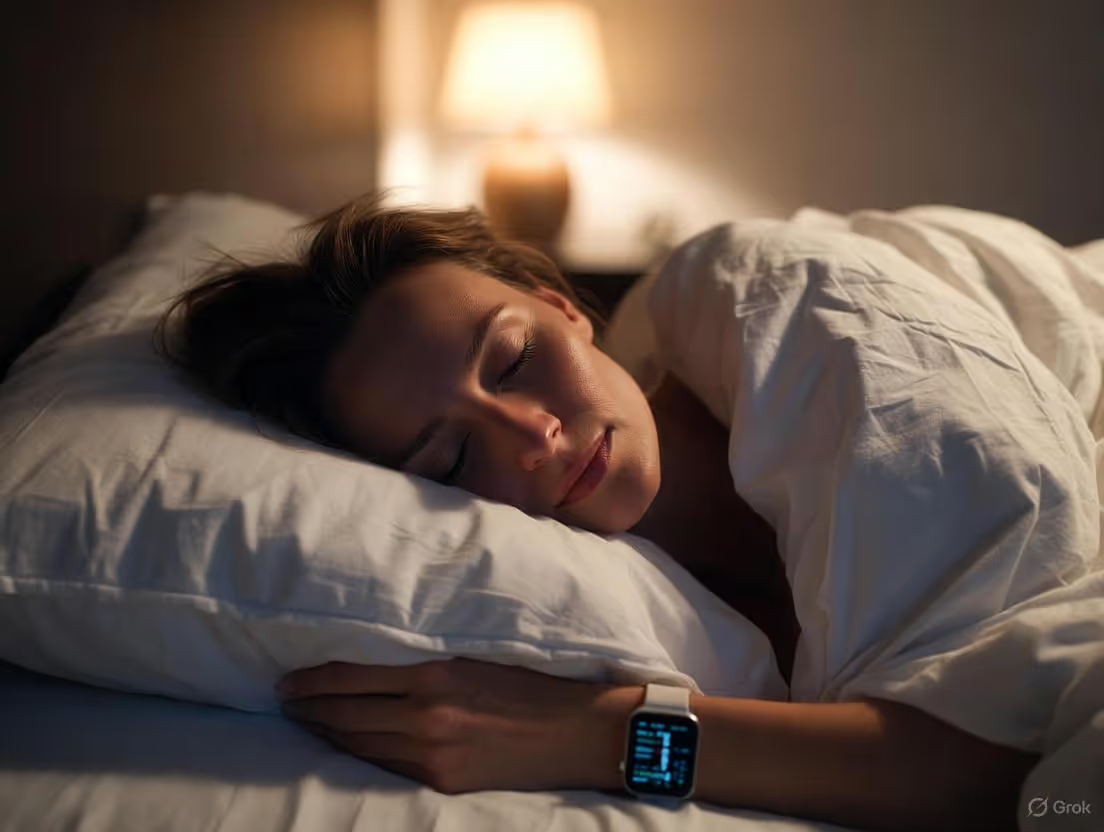
Sleep is not an isolated event; it is the natural culmination of a day well-lived. The choices we make from the moment we wake set the stage for the sleep we will get 16 hours later. Optimizing sleep, therefore, requires a holistic view of the entire 24-hour cycle. Key daytime pillars directly support nocturnal restoration:
Light Exposure: Resetting Your Master Clock
Circadian rhythm is set by light. Strategic light exposure is the most powerful tool for sleep-wake regulation.
Nutrition & Hydration: Fueling for Sleep
What and when you eat profoundly influences sleep quality.
Movement & Exercise: The Body's Need for Recovery
Physical activity is one of the most evidence-based promoters of sleep quality, but timing matters.
These daytime practices are the bedrock. They build the sleep pressure and align the circadian rhythm so that when your head hits the pillow, your biology is primed and ready for rest, not fighting against a day of mismatched cues.
If daytime habits set the stage, the 60-90 minutes before bed—the wind-down ritual—is the curtain call that transitions your nervous system from the sympathetic-driven "doing" state to the parasympathetic "being" state required for sleep. This ritual is not a luxury; it is a non-negotiable neurological commute from wakefulness to rest. An effective wind-down ritual is personal, consistent, and sensory.
The Digital Sunset: This is the single most effective wind-down intervention. Emit a self-imposed curfew on all screens (phones, tablets, TVs, laptops) at least 60 minutes before bed. The combination of blue light suppression and cognitive/emotional disengagement from the digital world is transformative. If you must use a device, employ strict blue light filters and brightness minimization, but better yet, charge your phone outside the bedroom. The constant connectivity monitored by devices like the Oxyzen ring provides all the sleep data you need without the temptation of a screen.
Environmental Engineering: The Sleep Sanctuary
Your bedroom should be a cave: cool, dark, and quiet.
Activating the Parasympathetic Nervous System
This is the core of the ritual—activities that signal safety and rest.
The power of the ritual lies in its consistency. Performing the same sequence of calming activities each night creates a powerful conditioned response. Your brain learns to associate these behaviors with the impending state of sleep, making the transition faster and more effortless over time.
While lifestyle optimization is powerful, it is not a panacea for clinical sleep disorders. Recognizing when your sleep struggles cross the line from poor sleep hygiene to a potential medical condition is critical. Persistent, unrefreshing sleep despite good habits warrants professional evaluation. Two of the most common and consequential disorders are Obstructive Sleep Apnea (OSA) and Chronic Insomnia.
Obstructive Sleep Apnea (OSA): The Silent Choking
OSA is characterized by repeated episodes of partial or complete upper airway collapse during sleep, leading to breathing pauses (apneas) or shallow breaths (hypopneas). Each event causes a micro-arousal to restart breathing, fragmenting sleep and causing oxygen desaturations.
Chronic Insomnia Disorder: The Hyperaroused Brain
Insomnia is defined as persistent difficulty with sleep initiation, duration, consolidation, or quality, despite adequate opportunity for sleep, leading to daytime impairment.
If you are struggling with symptoms suggestive of a sleep disorder, do not delay in seeking help. Effective treatments exist and can be life-changing, not just for your sleep but for your long-term disease risk. The data from your wearable can be an invaluable conversation starter with your healthcare provider, offering objective evidence of your sleep challenges. You can read more about how others have used their data to start these crucial conversations in our testimonials.
Sleep is not static; its architecture, duration, and challenges evolve significantly across the human lifespan. Understanding these normative changes helps contextualize our own sleep and avoid misinterpreting natural shifts as pathologies.
Childhood & Adolescence: The Foundation and The Shift
Adulthood (20s-50s): The Erosion Under Pressure
This period often sees the greatest conflict between biological need and societal/ professional demands. Sleep duration typically declines. Deep sleep begins a very gradual decrease. The primary threats are voluntary sleep restriction ("I'll sleep when I'm dead"), stress-induced insomnia, and the emergence of sleep disorders like OSA, particularly with weight gain. This is the critical window where protecting sleep has the highest payoff for preventing midlife chronic disease onset.
Older Adulthood (65+): Fragmentation and Advanced Timing
Common changes include:
Across all ages, the principle remains: listen to your body's needs within the context of your life stage, and defend your sleep as the non-negotiable health asset it is. The story of Oxyzen is rooted in the belief that understanding these personal, lifelong biometric patterns is key to aging with resilience and vitality.
The consequences of the sleep loss epidemic extend far beyond individual suffering; they ripple outwards, imposing staggering costs on our healthcare systems, economies, and collective safety. Framing sleep solely as a personal responsibility ignores the powerful structural and cultural factors that undermine it. Addressing sleep health requires a societal-scale shift in perspective.
The Economic Toll: Billions in Lost Productivity and Healthcare Costs
The Cultural Reckoning: Redefining "Productivity" and "Success"
Our culture often glorifies sleeplessness as a marker of dedication and ambition. This "hustle culture" needs a fundamental reframe. True productivity, creativity, and sustainable success are built on a foundation of cognitive sharpness, emotional resilience, and physical health—all of which are eroded by sleep loss. Leaders and organizations that champion well-being, including sleep, are not being soft; they are being strategic, investing in their most valuable asset: human capital.
Policy and Structural Interventions
Meaningful change requires systemic action:
When we view sleep not as lost time but as invested time—the single most effective performance-enhancing, health-building, life-extending activity we can engage in—we begin to change the narrative. This is a vision that requires individual action supported by a societal framework that values rest. For insights on building a lifestyle that supports this vision, our blog offers ongoing research and practical advice.
You now possess the knowledge of the profound risks of poor sleep and the multifaceted strategies to improve it. The final step is synthesis: creating a sustainable, personalized, and dynamic long-term strategy. This is not a rigid set of rules, but a flexible framework informed by your own biometric feedback and life circumstances. Think of it as curating your sleep health portfolio.
Step 1: Establish Your Biometric Baseline
You cannot manage what you do not measure. Use a reliable wearable for at least two weeks without making major changes. Observe your natural patterns: What is your average sleep duration? Deep/REM sleep percentages? Sleep latency (time to fall asleep)? Resting heart rate and HRV trends? This is your baseline data.
Step 2: Implement One Change at a Time (The "N of 1" Experiment)
Based on your goals (e.g., "I want to feel more refreshed" or "I want to increase deep sleep"), choose ONE intervention. Examples:
This method prevents overwhelm and gives you clear, personal evidence of what works for your biology.
Step 3: Develop a Tiered Response Plan
Life happens. Stress, travel, illness, and social events will disrupt sleep. Have a plan for different scenarios:
Step 4: Schedule Regular "Sleep Health Check-Ins"
Every month or quarter, review your data trends. Has your sleep score been drifting down? Is your resting heart rate creeping up? Use this as a prompt to revisit your habits, check for new stressors, or consider if you need a professional consultation. Your sleep health strategy should evolve as you do.
Step 5: Connect to Your "Why"
Anchor your efforts to your deepest motivations. Is your "why" to be present and patient with your children? To perform at your peak in your career? To prevent the heart disease that runs in your family? To preserve your memory as you age? When the habit feels difficult, reconnect to this deeper purpose. This journey, supported by the insights from tools like the Oxyzen ring, is about more than sleep; it's about investing in the quality and longevity of your entire life. To see how this integrated approach comes together in a product designed for this very purpose, you can learn more about Oxyzen's holistic model here.
The relationship between sleep health and chronic disease is undeniable and formidable. But so too is the power of informed, consistent action. You have the science. You have the strategies. You have the technology to guide you. The path forward is not about achieving perfection, but about cultivating awareness and making sleep a respected priority in the daily rhythm of your life. By doing so, you are not just closing your eyes each night; you are opening the door to a healthier, more vibrant future.
Knowledge is fleeting without habit. The grandest sleep optimization plan is worthless if abandoned after a week. The true challenge—and the true victory—lies in weaving sleep-supportive behaviors into the unbreakable fabric of daily life. This is less about sheer willpower and more about intelligent behavioral design. It’s the art of making the right choice the easy choice, and the healthy routine the automatic one.
Habit Stacking: The Power of “After I…”
One of the most effective techniques for building new habits is “stacking” them onto existing ones. The formula is simple: After I [CURRENT HABIT], I will [NEW SLEEP HABIT].
By anchoring new behaviors to established routines, you leverage existing neural pathways, making the new action more automatic and less reliant on remembering or decision-making.
Environmental Design: Engineering for Success
Willpower is a finite resource. A far more robust strategy is to design your environment to make good sleep inevitable and poor sleep difficult.
The 80/20 Rule and Self-Compassion
Aim for consistency, not perfection. If you execute your sleep-supportive habits 80% of the time, you are winning. The 20% allows for life: the late-night celebration, the emergency work deadline, the travel across time zones. When you miss a night or have a poor stretch, respond with curious self-compassion, not harsh self-criticism. Ask, “What knocked me off track?” instead of “Why am I so bad at this?” The former is a diagnostic question that leads to learning; the latter is a judgment that leads to shame and abandonment of the effort. Remember, the goal is long-term trajectory, not a flawless daily score. The data from your wellness tracker should be a guide, not a grade. For support in interpreting life’s ups and downs through your data, our community shares their experiences and strategies in our testimonials.
The market is flooded with devices, apps, and gadgets promising perfect sleep. It’s crucial to navigate this landscape with a discerning eye, separating marketing claims from genuine, actionable utility. Not all sleep data is created equal, and more data is not always better data.
Understanding the Metrics: What Matters Most
The Pitfall of Orthosomnia
A legitimate concern in the age of sleep tracking is “orthosomnia” – an unhealthy preoccupation with perfect sleep data. If checking your sleep score creates morning anxiety, if you are losing more sleep worrying about your sleep metrics than you would from the poor sleep itself, it’s time to step back. The tool is meant to serve you, not to become a source of stress. Consider a “data detox” for a week, focusing solely on how you feel. Use the device as a periodic check-in, not a daily report card.
Choosing Your Tool: Rings, Watches, and Mats
The best device is the one you’ll wear consistently without anxiety. The goal is to gain enough insight to make informed changes, then to live your life, using the data for occasional tune-ups. For a detailed comparison of how different technologies approach wellness tracking, our blog offers unbiased breakdowns and guidance.
While we touched on nutrition earlier, the role of specific nutrients and the controversial world of sleep supplements deserve a closer, evidence-based examination. Can we truly eat our way to better sleep? The answer is nuanced.
Food as a Precursor: Building Blocks for Sleep Neurotransmitters
Certain foods provide the raw materials your body needs to produce sleep-regulating chemicals.
The Supplement Landscape: Evidence vs. Hype
The Golden Rule: Food First, Supplement Second, Timing Always
Prioritize a nutrient-dense diet. Consider targeted supplementation only after consulting with a healthcare provider, especially if you have medical conditions or take medications. And never underestimate timing: a large, heavy, or spicy meal too close to bed will almost certainly trump any benefit from a supplement.
We are not all wired the same. The concept of chronotype—your innate, genetically influenced propensity for sleep and wake times—explains why some people are vibrant at 5 AM (“larks”) while others hit their stride at 10 PM (“owls”). Forcing an owl onto a lark’s schedule (or vice versa) creates chronic social jet lag, with all its associated health risks. The key to sustainable sleep health is to honor your chronotype as much as life permits.
Identifying Your Chronotype
Beyond the simple “morning person/evening person” dichotomy, tools like the Morningness-Eveningness Questionnaire (MEQ) or the simplified “Bear, Wolf, Lion, Dolphin” model can provide insight.
Life Hacks for Your Chronotype
Social and Relationship Harmony
Chronotype mismatch is a common source of couple conflict. Open communication is vital. The early bird might enjoy quiet morning time alone, while the night owl gets dedicated evening hours for their pursuits. Compromise on shared wind-down routines (the lark might read in bed while the owl does a quiet activity nearby before joining later). Respecting each other’s biological wiring, rather than moralizing it as “laziness” or “rigidity,” is crucial for harmony. Understanding your own patterns through data can foster this empathy. The story of Oxyzen is rooted in this personalization, acknowledging that one size does not fit all in health.
For high performers in any field—athletics, business, the arts—sleep is the ultimate legal performance-enhancing “drug.” It is where the work of training, learning, and creating is physically cemented. The return on investment for prioritizing sleep is quantifiable and dramatic.
Athletic Performance: The Ultimate Recovery Tool
Cognitive and Executive Performance: Sharpening the Mind
The Bottom Line: In any performance context, sacrificing sleep to gain more waking hours is a catastrophic trade-off. You are trading sharp, efficient, creative, and resilient hours for dull, error-prone, sluggish ones. The highest performers are increasingly those who recognize that the podium, the boardroom, and the studio are won in bed.
Even with the best-laid plans, life will disrupt your sleep. Travel across time zones, mandatory shift work, new parenthood, or periods of high stress will occur. The goal shifts from perfect optimization to intelligent damage control and rapid recovery.
Managing Jet Lag: A Proactive Protocol
Jet lag is the quintessential example of circadian misalignment. You can minimize it by strategically manipulating light exposure, your most powerful zeitgeber.
Surviving and Thriving with Shift Work
Shift work, especially night shifts, is an extreme physiological challenge. Mitigation is critical:
Navigating Life’s Temporary Storms
For stress-induced sleeplessness or periods like new parenthood:
For specific, tailored strategies during disruptive periods, our community-driven FAQ is a resource for real-world solutions.
We stand at the frontier of a revolution in sleep science. The future moves beyond generic advice (“get 8 hours”) toward hyper-personalized, predictive, and integrated medicine. The convergence of biometrics, genomics, and artificial intelligence is set to transform how we understand and treat sleep.
Genomics and Chronotype: We are beginning to identify the specific gene variants associated with being a “morning person” or an “evening person.” In the future, a simple genetic test could provide a blueprint for your ideal sleep-wake schedule, guiding personalized work and lifestyle planning from a young age.
The Gut Microbiome as a Therapeutic Target: As research into the gut-sleep axis matures, we may see targeted probiotic formulations or dietary prescriptions designed to produce sleep-promoting metabolites (like butyrate) and optimize the microbiome for better sleep architecture and circadian signaling.
Advanced Biomarker Integration: Future wearables won’t just track sleep; they will integrate with continuous glucose monitors (to see how blood sugar fluctuations affect sleep), cortisol saliva tests, and inflammatory marker panels. This will create a holistic “sleep health dashboard” that identifies your unique primary disruptors—is it glucose dysregulation, hidden inflammation, or HPA-axis dysfunction?
AI-Powered Sleep Coaching: Imagine an AI that analyzes your sleep data, daily activity, calendar, and even weather patterns to provide bespoke, real-time recommendations: “*Based on your elevated HRV, you have good recovery capacity today. Consider a harder workout. However, you have a late dinner meeting scheduled. To protect your sleep, here’s a suggested lighter lunch and a 20-minute afternoon nap blueprint.*” This moves from tracking to true dynamic guidance.
Closed-Loop Environmental Systems: Your wearable could communicate directly with your smart home. As you drift into deep sleep, it could signal the thermostat to drop another degree. If it detects restless sleep, it could subtly adjust the white noise frequency or initiate a calming scent diffusion.
This future is not about technology for its own sake; it’s about creating a seamless, supportive ecosystem that removes friction from healthy sleep, much like the vision that drives innovation at companies like Oxyzen. The goal is to make the healthiest choice the easiest, most automatic one, guided by a deep understanding of your unique biology.
We have traversed a vast landscape, from the microscopic clearing of beta-amyloid in the sleeping brain to the macroeconomic costs of sleep loss. The evidence is no longer whispering; it is shouting. The relationship between sleep health and chronic disease is one of the most consequential public health findings of our time. But this is not a story of doom. It is a story of profound agency.
You now hold the map. You understand that sleep is the central pillar of a healthy metabolism, a calm immune system, a resilient heart, a sharp mind, and a stable mood. You have seen how poor sleep acts as a universal accelerant for disease. But you have also been equipped with the strategies: the power of light, the necessity of rhythm, the design of environment, the utility of data, and the grace of self-compassion.
The call to action is both personal and collective.
Personally, it begins with a decision to stop viewing sleep as negotiable downtime and to start honoring it as non-negotiable uptime for your body’s essential maintenance. It means conducting your own “N of 1” experiments, using tools not as objects of anxiety but as lenses for self-understanding. It means defending your wind-down ritual and your sleep sanctuary with the same fervor you defend other critical appointments. Start not with everything, but with one thing. Anchor a new habit. Engineer one change in your environment. Track your progress not to judge, but to learn.
Collectively, we must shift the culture. We need to champion policies that respect human biology, from later school start times to workplace well-being initiatives. We must reframe success not by hours burned but by wisdom and energy generated. We must speak openly about sleep, destigmatize sleep disorders, and integrate sleep education into every level of healthcare.
The journey to better sleep is the single most effective step most people can take to improve their immediate well-being and their long-term health destiny. It requires no prescription, is available to everyone, and its side effects are improved mood, sharper cognition, and greater vitality. In a world pulling us toward constant wakefulness, choosing rest becomes a radical, revolutionary act of self-care and future-proofing.
Your health is not just built in the gym or the kitchen. It is forged in the quiet, healing darkness of the night. Listen to that need. Honor that process. Reclaim your rest. Your future self will thank you for every single hour of it. To begin your own personalized journey of discovery, you can learn more about how modern tools are designed to support this exact path.
Your Trusted Sleep Advocate: Sleep Foundation — https://www.sleepfoundation.org
Discover a digital archive of scholarly articles: NIH — https://www.ncbi.nlm.nih.gov/
39 million citations for biomedical literature :PubMed — https://pubmed.ncbi.nlm.nih.gov/
Experts at Harvard Health Publishing covering a variety of health topics — https://www.health.harvard.edu/blog/
Every life deserves world class care :Cleveland Clinic - https://my.clevelandclinic.org/health
Wearable technology and the future of predictive health monitoring :MIT Technology Review — https://www.technologyreview.com/
Dedicated to the well-being of all people and guided by science :World Health Organization — https://www.who.int/news-room/
Psychological science and knowledge to benefit society and improve lives. :APA — https://www.apa.org/monitor/
Cutting-edge insights on human longevity and peak performance:
Lifespan Research — https://www.lifespan.io/
Global authority on exercise physiology, sports performance, and human recovery:
American College of Sports Medicine — https://www.acsm.org/
Neuroscience-driven guidance for better focus, sleep, and mental clarity:
Stanford Human Performance Lab — https://humanperformance.stanford.edu/
Evidence-based psychology and mind–body wellness resources:
Mayo Clinic — https://www.mayoclinic.org/healthy-lifestyle/
Data-backed research on emotional wellbeing, stress biology, and resilience:
American Institute of Stress — https://www.stress.org/


