The Science of HRV Made Accessible: No Medical Degree Required
Makes the science of HRV accessible without needing a medical background.
The Science of HRV Made Accessible: No Medical Degree Required
You’ve probably heard the term buzzing around fitness podcasts, wellness blogs, and the latest health tech forums: Heart Rate Variability, or HRV. It sounds complex, clinical, and perhaps a bit intimidating. It’s the kind of metric that, until recently, was confined to cardiologists’ offices and elite athletes’ training labs, shrouded in graphs and jargon that seem to require a medical degree to decipher.
But what if you could understand this powerful signal from your own body? What if this number, more than just your resting heart rate or daily step count, could tell you if you’re recovering well, managing stress effectively, or on the verge of burnout or illness? The truth is, HRV is one of the most profound and personal windows into your overall well-being, and the science behind it is not only fascinating but also entirely accessible.
This is the story of your autonomic nervous system—the silent, unconscious control center running your life. It’s about the timeless tug-of-war between stress and rest, between "go" and "grow." And now, thanks to advancements in consumer technology like the smart ring you can wear to bed, this deep physiological insight is no longer locked away. It’s on your finger, ready to guide you toward a more balanced, resilient, and healthier life. This article is your decoder ring. We’ll strip away the complexity, translate the science into actionable wisdom, and show you exactly how to listen to what your heart is already telling you.
What is HRV? Beyond the Beats Per Minute
Let’s start by dismantling a common misconception. When you check your heart rate, you likely see a single number: 60 beats per minute (BPM). It’s easy to imagine a perfectly metronomic tick-tick-tick, like a flawlessly tuned clock. But your heart is not a clock. It’s a living, responsive, dynamic organ, and the time between each of its beats is constantly changing. If your heart rate is 60 BPM, the intervals between beats are not exactly 1.000 second each. They might be 1.023 seconds, then 0.989 seconds, then 1.012 seconds. This subtle, millisecond-scale variation is your Heart Rate Variability.
In simple terms: HRV is a measure of the subtle variations in time between each heartbeat.
A higher HRV generally indicates greater variation between beats, which, paradoxically to the novice, is a sign of good health, resilience, and fitness. A lower HRV suggests less variation and can be a sign of stress, fatigue, overtraining, or illness. Think of it not as the speed of your engine, but the flexibility of its response systems. A race car’s engine (a healthy body) can rev high and idle low with smooth, rapid transitions. An engine in poor condition is rigid and sluggish in its responses.
The Two Systems Behind the Rhythm
To truly grasp HRV, you need to meet the two branches of your autonomic nervous system (ANS), the involuntary control panel for your body:
The Sympathetic Nervous System (SNS): Your "gas pedal" or "fight-or-flight" system. It mobilizes you for action. When activated, it increases heart rate, blood pressure, and alertness to deal with a perceived threat—be it a looming deadline, a hard workout, or an actual physical danger.
The Parasympathetic Nervous System (PNS): Your "brake pedal" or "rest-and-digest" system. It promotes recovery, conservation, and restoration. When activated, it slows the heart rate, stimulates digestion, and supports immune function and healing.
These two systems are always active, engaged in a continuous, delicate dance. HRV is the real-time readout of this dance. When you are relaxed, recovered, and resilient, your parasympathetic "brake" has strong influence, creating more variability between beats—the heart can slow down and speed up with ease. When you are chronically stressed, anxious, sick, or poorly recovered, the sympathetic "gas pedal" is pressed too hard for too long, creating a more rigid, monotonous heart rhythm with less variability.
From Hospital to Your Wrist (and Finger)
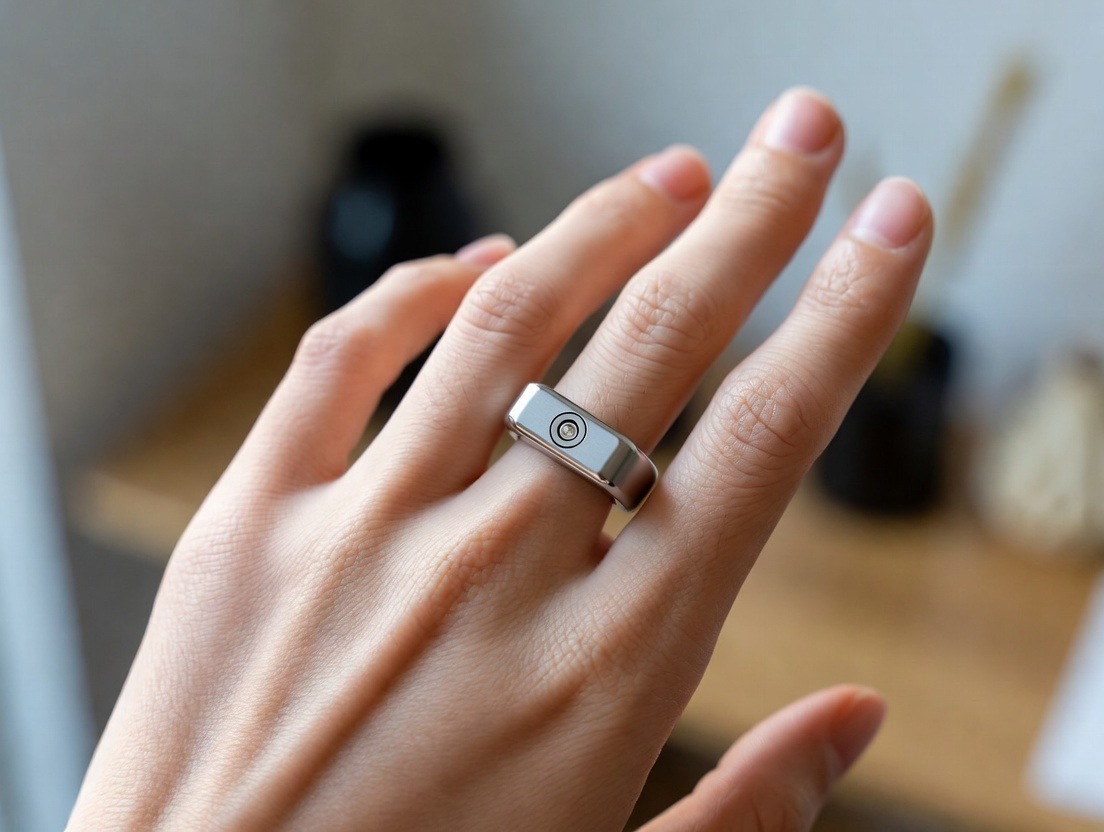
Historically, measuring HRV required an electrocardiogram (ECG) in a clinical setting. Today, photoplethysmography (PPG) technology—using light to detect blood volume changes in your capillaries—has democratized this metric. It’s built into many fitness wearables. However, for HRV, especially its most insightful marker known as RMSSD (the Root Mean Square of Successive Differences), consistency and timing are everything. This is where the form factor of a device like the Oxyzen smart ring becomes a game-changer. Worn on your finger, it can track this crucial metric seamlessly through the night, providing a stable, motion-free, and highly accurate baseline reading of your recovery status each morning. You can discover how Oxyzen works to capture this data effortlessly while you sleep.
Understanding HRV is the first step. Next, we’ll dive into the specific, science-backed reasons why this single number has become a north star for health optimization.
Why HRV is Your Ultimate Biofeedback Metric
If you could only track one number to gauge your body’s internal state, HRV would be a top contender. It’s not just another data point; it’s a composite signal, a holistic summary report from your nervous system. Here’s why it’s so powerful, moving beyond theory into tangible impacts on your daily life.
A Window into Stress and Resilience
HRV is the most direct, non-invasive window into your stress load and your capacity to handle it—your resilience. Unlike subjective feelings of being "stressed," which can be hard to quantify, HRV provides an objective physiological measure.
Acute Stress: A tough workout, a difficult conversation, or a poor night's sleep will typically cause a temporary dip in your HRV the following morning. This is normal and expected—it’s your body signaling it’s allocating resources to repair and recover.
Chronic Stress: The real value of HRV shines in detecting sustained patterns. A consistently low or trending-downward HRV over days or weeks is a bright red flag. It’s your body’s early warning system, telling you that your sympathetic nervous system is in overdrive and you’re depleting your reserves long before you might consciously feel "burned out." It’s the metric that can tell you to slow down before you break down.
Predicting Performance and Overtraining
For athletes and fitness enthusiasts, HRV is a revolutionary tool. The old model of prescribed rest days or blindly following a program is being replaced by personalized, biofeedback-driven training.
Green Light (High or Stable HRV): Your body is recovered and resilient. It’s signaling that it’s ready to handle a strenuous workout, a heavy load, or a high-intensity session. This is when you can push for a personal record.
Yellow/Red Light (Low or Dropping HRV): Your body is stressed and not fully recovered. Pushing hard today risks poor performance, increased injury likelihood, and digging a deeper recovery hole. This is the day to swap the heavy lift for light movement, yoga, or complete rest.
This approach, often called "autoregulation," turns training from a guessing game into a dialogue with your body. By checking your HRV trend each morning, you can adjust your day’s plan to match your actual readiness, not a predetermined schedule. For more on applying this principle, you can explore our blog for more wellness tips on recovery-focused training.
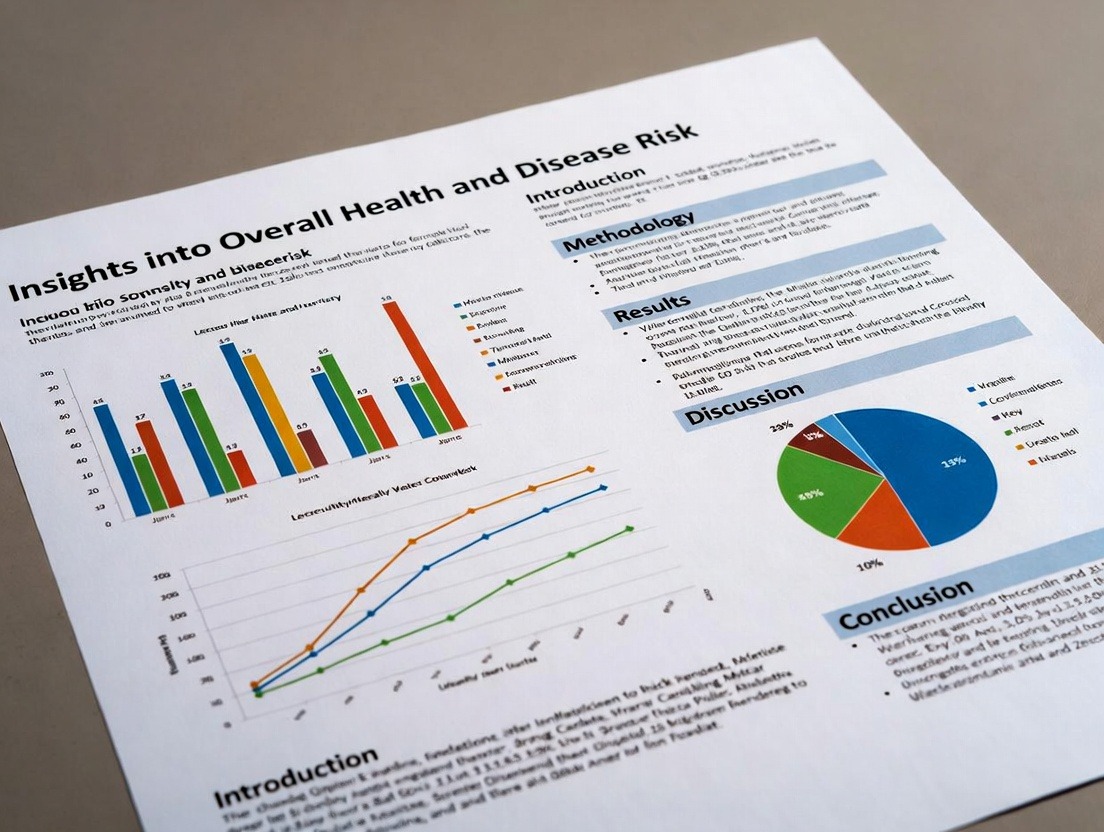
Insights into Overall Health and Disease Risk
The implications of HRV extend far beyond the gym. A substantial body of research links low HRV to a higher risk of various health issues, making it a significant prognostic marker.
Cardiovascular Health: Low HRV is a known predictor of future heart problems, including arrhythmias and hypertension. It indicates an autonomic nervous system that is out of balance and under strain.
Mental and Emotional Health: Clinically, low HRV is strongly associated with anxiety, depression, and PTSD. Interventions that improve HRV, like certain breathing techniques and meditation, are proven to alleviate symptoms of these conditions. Your heart rhythm is intimately connected to your emotional state.
Metabolic and Immune Function: The nervous system regulates inflammation and glucose metabolism. A dysregulated ANS (signaled by low HRV) can contribute to chronic inflammation, poor immune response, and metabolic disorders like diabetes.
In essence, a high HRV is a biomarker of a system that is well-regulated, adaptable, and healthy. It reflects a body that can efficiently switch between spending energy and recovering it. To see how real people are using this data to transform their health, consider browsing some real customer reviews and user experiences.
Decoding the Data: What Your HRV Number Actually Means
So, you’ve got your HRV number—perhaps from your new smart ring. You wake up, check the app, and see it: 65 ms. Or 42 ms. Or 105 ms. The immediate question is: "Is this good or bad?" This is where context is king, and simplistic good/bad labels fail. Understanding your HRV is a personal journey of trend-watching, not a daily competition.
Individuality is Everything: The Pitfall of Comparison
The most critical rule of HRV: Never compare your absolute number to someone else’s.
HRV is highly individual. It is influenced by a constellation of factors:
Genetics: Some people naturally have higher or lower baselines.
Age: HRV generally declines with age.
Fitness: Aerobic fitness tends to increase HRV over time.
Sex: Biological sex can influence typical ranges.
A person with a baseline of 40 might be perfectly healthy, while another with a baseline of 100 might be showing signs of strain if their personal norm is 120. Your focus must be on your baseline and your trends.
Establishing Your Personal Baseline
Your first mission is to establish your normal. This requires consistent tracking for at least 2-4 weeks without trying to aggressively "optimize" anything. Just live your life and let the device collect data. The goal is to find your average range.
Most apps will calculate this for you, giving you a rolling average or a "baseline" line on a chart. This line is your physiological "home." Once established, you can start to interpret the daily deviations.
Interpreting the Trends: The Direction Tells the Story
Forget the single number. Focus on the direction and magnitude of change relative to your baseline.
Above Baseline (Green Zone): This is a sign of positive adaptation. Your body is handling its stress load well and is in a state of good recovery. It often correlates with feeling energized, focused, and resilient.
Near Baseline (Yellow Zone): You’re in a maintenance state. You’re managing, not thriving, but also not deteriorating. It’s a signal that your current lifestyle inputs (sleep, stress, training) are in equilibrium with your recovery capacity.
Below Baseline (Red Zone): This is your body’s request for attention. A significant drop (often 10-20% or more below your rolling average) indicates your system is under strain. The cause could be physical (hard training, illness onset), emotional (high stress, anxiety), or lifestyle-based (poor sleep, alcohol, dehydration).
The Powerful Context of "The Morning Readiness Score"
In isolation, an HRV number has limited meaning. Its power is unlocked when combined with other metrics. This is the philosophy behind holistic "readiness" or "recovery" scores offered by devices like the Oxyzen ring. Your HRV is woven together with data from:
Resting Heart Rate (RHR): Did it spike upward, another sign of stress or incomplete recovery?
Sleep Quality & Duration: Did you get enough deep and REM sleep to facilitate nervous system repair?
Body Temperature: A subtle elevated nighttime temperature can be the earliest sign of illness or inflammation.
Respiratory Rate: Changes can indicate stress or metabolic strain.
When your HRV is low and your RHR is high and your sleep was poor, the confidence that you genuinely need a recovery day is very high. This multi-metric approach prevents you from misinterpreting a single odd data point. For a deeper dive into how these metrics interact, our FAQ section on data interpretation can be a valuable resource.
The Nightly Symphony: Why Sleep is Non-Negotiable for HRV
If you want to improve your HRV, you must start with sleep. It’s not just one piece of the puzzle; it’s the foundation upon which all recovery and nervous system balance is built. The relationship is symbiotic: good sleep begets high HRV, and a healthy nervous system (high HRV) promotes deeper, more restorative sleep. Your nocturnal HRV pattern is a masterpiece of biological orchestration.
The Architecture of Sleep and HRV
During sleep, your body cycles through different stages, and your HRV tells the story of each one.
Light Sleep (Stages N1 & N2): As you drift off, sympathetic activity begins to decrease, and parasympathetic influence rises. You might see your heart rate begin to dip and HRV start to increase.
Deep Sleep (Slow-Wave Sleep): This is the peak of physical restoration. The parasympathetic nervous system is dominantly in charge. Your heart rate is at its lowest, and HRV typically reaches its nightly peak. This is when crucial repair, tissue growth, and immune strengthening occur. Disrupt deep sleep, and you blunt one of your biggest daily opportunities for HRV recovery.
REM Sleep: This stage is for cognitive and emotional processing. Interestingly, it comes with a more variable heart rate and sympathetic bursts (similar to waking states), which is why HRV can be more variable during REM. Balance between REM and deep sleep is key.
A healthy sleep cycle shows a beautiful, wave-like pattern in heart rate and HRV throughout the night. A fragmented, restless night shows a chaotic, flattened pattern.
How Poor Sleep Sabotages Your Nervous System
Sympathetic Overdrive: Sleep deprivation, even partial, keeps your stress-response system activated. Cortisol (a stress hormone) patterns become dysregulated, and your body remains in a heightened state of alert. This directly suppresses HRV.
Impaired Glymphatic Clearance: Deep sleep is when your brain’s "sewage system" clears out metabolic waste products, including toxins linked to neurodegenerative diseases. Poor sleep means a foggy brain and a stressed system.
Hormonal Chaos: Sleep regulates hormones like growth hormone (for repair) and leptin/ghrelin (for appetite). Disrupting this cascade creates systemic stress that reflects in a low HRV.
Practical Tips for Sleep that Boosts HRV
Optimizing sleep is the single most effective lever for improving your HRV. It’s not just about duration, but quality and consistency.
Embrace Consistency: Go to bed and wake up at the same time every day, even on weekends. This regulates your circadian rhythm, your body’s master clock that governs ANS balance.
Craft a "Power-Down" Hour: The hour before bed is non-negotiable sanctuary time. Dim the lights, shut off screens (or use strict blue light filters), and engage in calming activities like reading, gentle stretching, or meditation. This allows the natural melatonin rise that cues the parasympathetic system.
Optimize Your Environment:
Cool: Aim for a bedroom temperature around 65-68°F (18-20°C). A drop in core temperature is a key signal to initiate sleep.
Dark: Use blackout curtains. Even small amounts of light can disrupt sleep architecture.
Quiet: Use white noise or earplugs to mask disruptive sounds.
Leverage Your Data: Use your wearable not just as a tracker, but as a guide. Notice how late meals, alcohol, or evening workouts affect your measured sleep quality and next-morning HRV. Let the objective data inform your habits. The journey of Oxyzen began with a focus on unlocking the power of this nocturnal data, a mission you can read about in our brand journey and vision.
The Breath: Your Instant HRV Remote Control
If sleep is the long-term foundation for a healthy HRV, then breath is the instant-access tool. You carry with you, at all times, the most powerful technology for influencing your autonomic nervous system: your lungs. The connection between breathing and heart rate is called respiratory sinus arrhythmia (RSA), and it’s the direct lever you can pull to boost HRV in real-time.
The Physiology of the Breath-Heart Connection
Here’s the simple, magical mechanism:
When you INHALE, you subtly activate the sympathetic nervous system, causing your heart rate to speed up slightly.
When you EXHALE, you activate the parasympathetic nervous system (via the vagus nerve), causing your heart rate to slow down.
This is RSA in action—a natural, healthy increase in heart rate with inhalation and decrease with exhalation. The deeper and more rhythmical your breath, the greater this oscillation, and the higher your immediate HRV becomes. By consciously controlling your breath, you are essentially "hacking" this reflex to calm your nervous system.
Breathing Techniques to Boost HRV
These are not just relaxation tips; they are physiological exercises for your vagus nerve, the main conduit of your parasympathetic system.
1. Coherent Breathing (or Resonant Frequency Breathing)
This is arguably the most evidence-based breathing method for maximizing HRV. The goal is to breathe at a rate that creates the greatest harmony between your heart rate, blood pressure, and breathing cycles—typically around 5-6 breaths per minute.
How to do it: Inhale softly through your nose for a count of 5 seconds. Exhale gently through your nose for a count of 5 seconds. Repeat for 5-10 minutes.
Why it works: This specific pace (0.1 Hz frequency) appears to resonate with the body’s natural baroreflex system, creating optimal synchronization and maximizing HRV amplitude. It’s a direct signal to your body that all is well, shifting it into a recovery state.
2. Extended Exhalation Breathing
Since the exhale is linked to the "brake" (parasympathetic) system, lengthening it relative to the inhale is a potent calmative.
How to do it: Use a ratio like 4-6-2. Inhale for 4 seconds, hold for 6 seconds, exhale slowly for 7 seconds. Or simply aim for an exhale that is twice as long as your inhale (e.g., inhale 4 sec, exhale 8 sec).
Why it works: It prolongs the parasympathetic activation and helps quiet mental chatter, making it excellent for stress and anxiety reduction.
3. Box Breathing (Tactical Breathing)
Used by Navy SEALs for performance under pressure, this technique promotes focus and calm by creating equal, controlled phases.
How to do it: Inhale for 4 seconds, hold for 4 seconds, exhale for 4 seconds, hold for 4 seconds. Repeat.
Why it works: The equal holds and controlled pace regulate the breath completely, preventing the shallow, chaotic breathing of stress and forcing the nervous system into balance.
Making It a Practice
Don’t wait for a crisis. Practice these techniques for 5-10 minutes daily, perhaps in the morning to set the tone for the day, or in the evening to power down. Use biofeedback from your smart ring to see the effect in real-time—watch your heart rate drop and your HRV climb during a session. This turns an abstract practice into a tangible, rewarding experience. For structured guidance and further techniques, our blog offers additional resources and related articles on breathwork and nervous system regulation.
Fueling Variability: Nutrition’s Role in HRV
You are what you eat, and your nervous system is profoundly affected by your dietary choices. The food you consume can either be a source of oxidative stress and inflammation that batters your ANS, or it can provide the building blocks for neurotransmitters, reduce inflammation, and support the gut-brain axis—a major highway of nervous system communication. Optimizing nutrition for HRV is about reducing stressors and providing supportive nutrients.
The HRV Disruptors: Foods & Habits That Lower Your Score
Inflammatory Foods: The modern diet high in refined sugars, processed seed oils (high in omega-6 fatty acids), and refined carbohydrates drives systemic inflammation. Inflammation is a massive stressor on the body, directly activating the sympathetic nervous system and lowering HRV.
Alcohol: Perhaps the most reliable HRV suppressor. Alcohol disrupts sleep architecture (robbing you of restorative deep sleep), is a direct toxin the body must process, dehydrates you, and increases heart rate. Even one drink can be seen in your data the next morning as a depressed HRV.
Overeating & Late-Night Meals: A large meal, especially close to bedtime, diverts significant energy to digestion, raises core temperature, and can disrupt sleep. This creates a combined physical stress that lowers nocturnal and next-morning HRV.
Dehydration: Your blood volume drops when dehydrated. Your heart has to work harder (increased heart rate) to maintain blood pressure, putting strain on the system and reducing HRV.
Caffeine (Timing Matters): While caffeine itself may not be inherently bad for HRV for all, its timing is crucial. Consuming it too late in the day can impair sleep quality, which then secondarily crushes HRV.
The HRV Enhancers: Nutritional Supports for Your Nervous System
Omega-3 Fatty Acids (EPA & DHA): Found in fatty fish (salmon, mackerel, sardines), algae, and high-quality supplements. Omega-3s are incorporated into nerve cell membranes, reduce inflammation, and multiple studies have shown they directly increase HRV. They are foundational.
Polyphenols & Antioxidants: These compounds, found in colorful fruits, vegetables, tea, coffee (in moderation), and dark chocolate, combat oxidative stress—a key driver of ANS dysfunction. They help protect the entire system.
Electrolytes: Magnesium & Potassium: These minerals are critical for nerve transmission and muscle function, including the heart muscle. Magnesium, in particular, is a natural nervous system relaxant and is often deficient. Leafy greens, nuts, seeds, and avocados are excellent sources.
Probiotics & Fermented Foods: The gut-brain axis is real. A healthy gut microbiome, supported by foods like yogurt, kefir, sauerkraut, and kimchi, can reduce systemic inflammation and produce neurotransmitters (like GABA) that promote calm, positively influencing HRV.
Consistent, Balanced Meals: Avoiding blood sugar roller coasters is key. Pairing quality protein, healthy fats, and fiber-rich carbohydrates at each meal provides steady energy and prevents the sympathetic spike that comes with a blood sugar crash.
A Practical Approach: The HRV-Friendly Eating Pattern
Think Mediterranean or anti-inflammatory diet: plenty of vegetables, fruits, fatty fish, olive oil, nuts, seeds, and legumes. Limit processed foods, sugars, and excessive alcohol. Stay hydrated with water throughout the day. Finish your last substantial meal 2-3 hours before bed. Observe how your body responds—track a week of clean eating versus a week of poor choices and see the story your HRV tells. It’s one of the most honest feedback systems you have. If you have specific questions on how lifestyle factors affect your data, our support and questions FAQ is designed to help.
Moving with Intention: How Exercise Influences HRV
The relationship between exercise and HRV is a perfect example of the hormesis principle: a beneficial adaptive response to a mild stressor. The right kind of movement, in the right dose, is one of the most powerful long-term boosters of HRV. The wrong kind, or too much of it, is a primary suppressor. This section will help you navigate that balance.
The Acute Effect: The DIP
This is non-negotiable and must be understood: After a challenging workout, your HRV will very likely drop the next morning. This is not bad. This is the signal of a positive stressor (exercise) that has created a "recovery debt." Your body is allocating resources—inflammation for repair, sympathetic tone for adaptation—to rebuild stronger. This acute dip should be followed by a rebound to or above your baseline within 24-48 hours as you recover.
A Good Pattern: Hard training day → HRV dips next morning → You take appropriate recovery (good sleep, nutrition, maybe light activity) → HRV rebounds to baseline or higher by the following day.
A Problem Pattern: Hard training day → HRV dips and stays low for multiple days, or continues to trend downward over weeks. This is a clear sign of non-functional overreaching or overtraining. You are digging a hole faster than you can fill it.
The Chronic Effect: The ADAPTATION
When you train consistently and recover adequately, your baseline HRV should gradually increase over weeks and months. This is the sign of improved fitness and autonomic nervous system resilience. Your body becomes better at handling stress and returning to balance quickly. This is the ultimate goal.
Exercise Type Matters: What Boosts vs. What Stresses HRV
Not all exercise is created equal in the eyes of your ANS.
Aerobic/Endurance Training (The Long-Term Booster): Consistent, moderate aerobic exercise (e.g., brisk walking, jogging, cycling, swimming) at a conversational pace (often called Zone 2) is superb for increasing HRV over time. It enhances parasympathetic tone and improves the efficiency of your cardiovascular system. Think of it as building a deep, resilient foundation.
High-Intensity Interval Training (HIIT) & Heavy Strength Training (The Potent Stimulus): These are powerful tools for adaptation but are major stressors. They produce significant acute dips in HRV. Their benefit to your baseline HRV is contingent on exceptional recovery. They should be used sparingly (e.g., 1-3 times per week) and spaced out with easy days and rest.
Movement & Low-Intensity Steady State (LISS): Activities like walking, gentle yoga, tai chi, and light cycling on recovery days are not just "doing nothing." They actively promote recovery by stimulating blood flow, aiding lymphatic drainage, and supporting parasympathetic activity without adding significant stress. They are medicine for a low HRV.
Overtraining & Chronic Cardio: Excessive volume of exercise, especially without variety, is a surefire way to crush your HRV and your health. It creates a state of chronic sympathetic dominance and systemic inflammation.
Practical Guidance: Training with HRV
Use Your Morning HRV as a Guide: This is the core of autoregulation. If your HRV is at or above baseline, you’re likely good for a moderate-to-hard session. If it’s significantly depressed, make it a true recovery day: walk, do gentle yoga, or rest completely.
Prioritize Consistency Over Intensity: More days of moderate, enjoyable movement is far better for long-term HRV and health than sporadic, crushing workouts followed by burnout.
Embrace the Recovery Day: Understand that the adaptation happens during recovery, not the workout. The low-intensity day is not lost time; it’s when you earn the gains from your hard work.
Listen to the Trend, Not the Day: A single low HRV reading might be a fluke. A week-long downtrend is a command to de-load, reduce intensity, and focus on sleep and nutrition.
By aligning your movement with your body’s readiness, you stop fighting your physiology and start collaborating with it. This philosophy is central to the mission and vision behind Oxyzen—to provide the clarity needed to make these intelligent daily choices.
The Mind-Body Bridge: Psychological Stress and HRV
Your thoughts, emotions, and perceived stress are not separate from your physiology—they are direct inputs into your autonomic nervous system. A stressful thought can trigger the same cascade of hormones and neural signals as a physical threat. This is why psychological well-being is not a "soft" metric; it’s a hard physiological determinant of your HRV and overall health.
How Mental States Directly Wire into Your Heart Rhythm
Anxiety & Worry: Chronic anxiety is a state of persistent, low-grade sympathetic activation. The "what if" center of your brain (the amygdala) is on high alert, constantly signaling danger. This directly suppresses vagal tone (parasympathetic activity) and keeps HRV low.
Anger & Frustration: These intense emotions are potent sympathetic activators, causing immediate spikes in heart rate and blood pressure and drops in HRV.
Rumination: The repetitive, negative thought pattern of dwelling on past events is like a cognitive stressor on loop. It maintains a background level of cortisol and sympathetic activity, preventing the nervous system from settling into a restorative state.
Mindfulness & Contentment: In contrast, states of present-moment awareness, gratitude, and calm are associated with increased parasympathetic activity and higher HRV. They signal safety to the brain.
Practices to Build Psychological Resilience for HRV
The goal isn’t to eliminate stress—that’s impossible—but to change your relationship to it and build resilience. These practices train your nervous system to return to balance more quickly after a stressor, which is the very definition of high HRV.
1. Mindfulness & Meditation
This is formal training for your attention and your nervous system. By repeatedly gently bringing your focus back to the present (often via the breath), you strengthen the prefrontal cortex—the part of your brain that regulates the amygdala's fear response.
The HRV Link: Regular meditation, especially styles that focus on compassion or the body, has been proven to increase vagal tone and HRV. It teaches the system to disengage from the stress loop.
Getting Started: Just 10 minutes a day using an app like Calm, Headspace, or simply focusing on the sensations of your breath can yield measurable changes over time.
2. Gratitude Practice
This isn't just positive thinking; it's a neurological intervention. Consciously focusing on things you are grateful for shifts brain activity away from threat networks and toward reward and connection networks.
The HRV Link: Studies show that gratitude journaling is associated with improved heart rate variability. It fosters a physiological state of safety and abundance.
Getting Started: Each night, write down three specific things you were grateful for that day. Be as concrete as possible.
3. Nature Immersion ("Forest Bathing")
Time in nature, without digital distractions, has a profound dampening effect on sympathetic activity. The sights, sounds, and smells of natural environments trigger innate relaxation responses.
The HRV Link: Research on Shinrin-yoku (Japanese forest bathing) consistently shows reductions in cortisol, blood pressure, and increases in HRV after spending time in wooded areas.
Getting Started: A 20-30 minute walk in a park or green space, consciously engaging your senses, can act as a powerful nervous system reset.
4. Digital Detox & Setting Boundaries
The constant ping of notifications, the endless scroll of social media, and the blue light from screens are a chronic, low-grade stressor on the brain. They promote comparison, fragmentation of attention, and disrupt circadian biology.
The HRV Link: Setting boundaries (e.g., no phones in the bedroom, designated "offline" hours) reduces cognitive load and allows the prefrontal cortex to recover, supporting better nervous system regulation.
Getting Started: Implement one rule, like "no screens 60 minutes before bed," and observe the effect on your sleep and morning HRV.
Your mind is the software running on the hardware of your body. You cannot hack your HRV with perfect sleep and nutrition while ignoring a mind flooded with stress and anxiety. This holistic view is what separates a data tracker from a true wellness companion, a principle embedded in the vision and values of our story.
The Modern Saboteurs: Lifestyle Factors Crushing Your HRV
Even with good sleep, nutrition, and exercise, unseen modern lifestyle factors can act as silent thieves, steadily draining your HRV. Bringing these into your awareness is the first step to mitigating their impact.
1. Blue Light & Circadian Disruption
Your eyes contain intrinsically photosensitive retinal ganglion cells (ipRGCs) that don't help you see, but detect light to set your master body clock. Blue light wavelengths (emitted abundantly by LEDs, phones, computers, and TVs) are their primary signal.
The Impact: Exposure to blue light after sunset powerfully suppresses melatonin production, delaying sleep onset, fragmenting sleep quality, and misaligning your circadian rhythm. A misaligned circadian rhythm is a state of internal physiological stress, leading to consistently lower HRV.
The Fix: Use blue light blocking glasses after dark. Enable "Night Shift" or "Reduced Blue Light" modes on all devices. Make your bedroom a cave—completely dark. Prioritize getting bright natural light in your eyes first thing in the morning to anchor your rhythm.
2. Chronic Dehydration
As mentioned briefly, this deserves its own spotlight. Many people operate in a perpetually under-hydrated state.
The Impact: Reduced blood volume increases heart rate and reduces stroke volume (the amount of blood pumped per beat). This forces the heart to work harder, increasing sympathetic tone and reducing the flexibility measured by HRV. It also impairs every cellular process, including nerve function.
The Fix: Drink water consistently throughout the day, not just when thirsty. Monitor your urine color (aim for pale straw). A good baseline is to consume half your body weight (in pounds) in ounces of water daily, more if you are active or in a hot climate.
3. Social Jet Lag & Inconsistent Schedules
"Social jet lag" is the mismatch between your biological clock (wanting to sleep/wake at consistent times) and your social clock (staying up late on weekends, sleeping in).
The Impact: This weekly shift is like flying across a time zone and back every weekend. It creates circadian misalignment, poor sleep, and metabolic confusion. The resulting stress reliably lowers HRV.
The Fix: Protect your sleep schedule as sacred. Keep your wake-up time within 60-90 minutes every single day of the week, even if you went to bed later. This is more powerful for rhythm regulation than a consistent bedtime.
4. Environmental Toxins & Pollution
An emerging area of research points to the impact of environmental stressors on autonomic function.
The Impact: Air pollution (particulate matter) has been linked to reduced HRV, likely through inflammatory pathways. Endocrine disruptors in plastics and personal care products can also interfere with hormonal systems that interact with the ANS.
The Fix: Use air purifiers in your home, especially in the bedroom. Be mindful of plastic use (avoid heating food in plastic). Choose natural cleaning and personal care products when possible.
5. The "Always-On" Work Culture & Lack of True Downtime
The inability to mentally disconnect from work or responsibilities means your sympathetic nervous system never gets a full break. The brain's "default mode network," active during restful states and crucial for creativity and emotional processing, is constantly interrupted.
The Impact: This creates a background hum of low-grade stress and anticipatory anxiety, keeping cortisol slightly elevated and HRV suppressed.
The Fix: Schedule and defend true downtime. This means periods where you are not productive, not consuming information, and not planning. It could be staring out a window, doodling, or simply sitting quietly. It feels unproductive but is physiologically essential.
By auditing your life for these modern saboteurs, you move from merely tracking your HRV to actively defending it. This creates a fortress of habits that support a resilient, adaptable nervous system capable of thriving in the 21st century. For ongoing support and discussions on navigating these challenges, our community and blog resources are always available.
The Overtraining Paradox: When More Exercise Means Less Health
We live in a culture that glorifies "more." More miles, heavier weights, higher intensity, faster times. The fitness industry often sells the narrative that progress is linear and that pushing past limits is the only path to improvement. Yet, your heart rate variability tells a different, more nuanced story—one where the line between peak performance and breakdown is thinner than you think. This is the overtraining paradox: the point where the very activity meant to strengthen you becomes the primary source of systemic stress, crushing your HRV and undermining your health.
Recognizing the Spectrum: From Acute Fatigue to Overtraining Syndrome
It's crucial to understand that overtraining isn't a simple on/off switch. It’s a spectrum of maladaptation.
Acute Fatigue (Normal): The tiredness after a hard workout. HRV dips for a day or two, then rebounds. This is functional overreaching—the necessary stimulus for growth.
Non-Functional Overreaching (NFO): This is when you haven't allowed sufficient recovery between intense training sessions. The fatigue accumulates. Your performance plateaus or declines, motivation wanes, irritability increases, and your HRV shows a sustained downward trend over 1-3 weeks, failing to bounce back to baseline. At this stage, a dedicated period of reduced training and focused recovery (a "deload" week) can usually resolve the issue within a couple of weeks.
Overtraining Syndrome (OTS): This is the severe, chronic end of the spectrum. It's a state of prolonged dysregulation of multiple bodily systems (neurological, hormonal, immune, musculoskeletal). Recovery from OTS can take months or even years. Key signs include:
A persistent, significant decline in performance despite rest.
Profound fatigue, depression, and apathy.
Frequent illnesses and injuries.
A chronically suppressed HRV that does not recover even with extended rest (multiple weeks). The nervous system is essentially stuck in "fight-or-flight."
For the average health-conscious individual, non-functional overreaching is the most common and relevant risk. This is where HRV monitoring becomes an invaluable early-warning system, long before injury or illness forces you to stop.
How HRV Reveals the Imbalance
Your HRV data provides the objective evidence your subjective feelings might ignore.
The Warning Trend: The most telling sign is not a single low score, but a progressive downward slope in your rolling 7-day average HRV. It’s your body’s line on a graph, saying, "The stress is accumulating faster than I can repair."
Loss of Diurnal Rhythm: A healthy nervous system shows a predictable pattern: lower HRV during the busy day, rising in the evening, and peaking during deep sleep. Overtraining flattens this rhythm. Your nocturnal HRV fails to climb, indicating your parasympathetic system is too exhausted to engage fully even at rest.
Decoupling from Other Metrics: You might still be hitting personal records in the gym (a final flare of performance before the crash), but your HRV is plummeting. This decoupling is a major red flag. Conversely, you might "feel fine" subjectively, but your HRV is signaling deep fatigue. The data doesn't lie.
The Smart Training Strategy: Using HRV to Autoregulate
The antidote to overtraining isn't random rest; it's intelligent, responsive training guided by biofeedback. This is called autoregulation.
Establish Your Baseline: As covered earlier, know your normal, stable range.
Make Daily Decisions:
Green Light (HRV ≥ Baseline): Proceed with your planned moderate or hard session. Your body is ready.
Yellow Light (HRV Moderately Below Baseline, e.g., -10% to -20%): This is a call for caution. Modify your session: reduce volume (fewer sets/reps/miles) or intensity (lighter weight, slower pace). Consider turning it into a technique-focused or active recovery day.
Red Light (HRV Significantly Below Baseline, e.g., > -20% or consistent downtrend): This is a mandate for rest. Do not train. Engage in parasympathetic-promoting activities: gentle walking, meditation, foam rolling, or complete rest. Your goal is to help your nervous system recover, not add to its debt.
Plan Deload Weeks Proactively: Don't wait for a red light. Every 4-8 weeks (depending on your training age and intensity), schedule a "deload" week where you reduce training volume by 40-60% while maintaining frequency. This planned recovery allows for supercompensation—the rebound where your HRV and performance soar above previous levels.
By letting your HRV guide your intensity, you train with your body, not against it. You turn a blind, pre-programmed schedule into a dynamic conversation. This approach maximizes long-term progress while minimizing injury and burnout risk. For athletes and dedicated fitness enthusiasts looking to optimize this balance, exploring our blog for more wellness tips on periodization and recovery can provide deeper strategies.
Beyond Fitness: HRV as a Lifelong Health Vital Sign
While the fitness world has enthusiastically adopted HRV, its profound implications extend to every facet of long-term health and longevity. Framing HRV merely as a "recovery score" is reductive. It is, more accurately, a vital sign of systemic resilience and biological age. It reflects your body's capacity to withstand, adapt to, and recover from the myriad stressors of life.
HRV and Cardiovascular Health: The Gold Standard Connection
The link between HRV and heart health is one of the most robust in medical literature. Low HRV is a well-established, independent predictor of:
Increased risk of sudden cardiac death after a heart attack.
Development of hypertension (high blood pressure).
Increased incidence of arrhythmias.
Overall mortality from cardiovascular causes.
Why? Because low HRV indicates an autonomic nervous system that is out of balance—too much sympathetic drive, not enough parasympathetic restraint. This imbalance leads to constant vasoconstriction, inflammation, and electrical instability in the heart muscle. Improving your HRV through lifestyle is, in essence, a powerful form of cardiovascular prevention. It's training your nervous system to keep your heart calm and stable.
The Gut-Brain-Heart Axis: Your Second Brain’s Influence
Your gastrointestinal tract is lined with over 100 million nerve cells—the enteric nervous system, often called the "second brain." This system is in constant, bidirectional communication with your central nervous system via the vagus nerve.
The Pathway: Gut inflammation (from poor diet, food sensitivities, or dysbiosis) → Sends inflammatory signals up the vagus nerve → Activates stress pathways in the brain → Increases systemic sympathetic tone → Lowers HRV.
The Feedback Loop: Conversely, chronic stress (low HRV) → Impairs digestive function and gut barrier integrity → Worsens gut health → Further exacerbates inflammation and lowers HRV.
This is why individuals with irritable bowel syndrome (IBS) or inflammatory bowel disease (IBD) often have significantly lower HRV. Optimizing gut health through a diverse, fiber-rich, anti-inflammatory diet and managing stress is a direct strategy for improving autonomic balance.
HRV, Aging, and Longevity
HRV has a well-documented, non-linear decline with age. However, the rate of this decline is perhaps more important than the decline itself. It's a marker of your biological age versus your chronological age.
A person with a higher-than-average HRV for their age likely has habits and genetics that promote system-wide resilience and slower biological aging.
A person with a lower-than-average HRV for their age may be experiencing accelerated wear and tear on their systems.
Interventions known to promote longevity—caloric restriction, regular exercise, stress management, and strong social connections—all positively impact HRV. Therefore, tracking your HRV trend over years can be a powerful motivator and feedback tool for lifestyle choices that truly promote healthspan.
Mental Health: From Anxiety to Emotional Regulation
The connection between HRV and psychological state is a two-way street. As discussed, anxiety lowers HRV. But critically, low HRV also impairs emotional regulation.
The prefrontal cortex (PFC)—responsible for executive function, decision-making, and regulating emotional responses—requires a calm, well-regulated physiological state to function optimally. A body in sympathetic overdrive (low HRV) "hijacks" the PFC, making you more reactive, impulsive, and vulnerable to negative emotions.
This creates a vicious cycle: Stress → Low HRV → Impaired PFC function → Poorer stress management and emotional reactivity → More stress.
Breaking this cycle is where HRV biofeedback training shows tremendous clinical promise. By using breathing techniques to directly raise HRV in real-time (as seen on a screen), individuals learn to consciously gain control over their physiological state, which then improves their emotional and cognitive state. It’s a tangible tool for managing anxiety, depression, and PTSD. For those on a journey to better mental well-being, understanding this mind-body link is crucial, a topic we often explore in our community resources and articles.
The Technology of Trust: How Smart Rings Capture the Signal
To trust and act on your HRV data, you need to understand—at least fundamentally—how it’s captured. Not all wearables are created equal, and the form factor plays a surprisingly critical role in data accuracy, especially for nocturnal HRV measurement.
PPG vs. ECG: Understanding the Methods
There are two primary ways to measure the intervals between heartbeats (RR intervals):
Electrocardiogram (ECG): The clinical gold standard. It measures the electrical activity of the heart via electrodes placed on the skin. It is extremely accurate for detecting each heartbeat. Consumer devices with ECG capabilities (like some smartwatches with metal contacts) can provide clinical-grade HRV readings—but only during a intentional, static reading, not continuously throughout the day and night.
Photoplethysmography (PPG): The technology used in most optical heart rate sensors. It works by shining a light (typically green LED light) onto the skin and measuring the amount of light reflected back. With each heartbeat, blood volume in the capillaries increases slightly, absorbing more light. The sensor detects these pulsatile changes to determine heart rate and, with advanced algorithms, inter-beat intervals.
Key Point: While ECG is more "direct," modern, high-quality PPG sensors, when placed on a stable, well-perfused part of the body with minimal motion, can provide HRV data that is highly correlated with ECG for trend analysis and daily readiness assessment. The absolute numbers may differ slightly from an ECG, but the trends and changes are extremely reliable.
Why the Finger? The Case for the Smart Ring
This is where the Oxyzen smart ring or others like it have a distinct advantage for HRV and recovery tracking:
Optimal Vasculature: The finger contains dense capillary beds and arteries close to the surface, providing a strong, clean PPG signal.
Reduced Motion Artifact: During sleep, your fingers are among the least mobile parts of your body. Compared to a wrist-based device, which can move significantly with sleep position changes, a ring experiences far less disruptive motion, leading to cleaner data with fewer gaps or errors.
Consistent Wear: People are more likely to sleep with a comfortable ring than a bulky watch. Consistency of data is paramount for trend analysis. Missing nights create blind spots.
Night-First Focus: Nocturnal HRV, particularly the average during deep sleep, is considered a pristine, baseline measurement. It’s free from the acute influences of posture, activity, caffeine, and mental stress that affect daytime readings. A ring is uniquely positioned to capture this golden standard of data night after night.
From Raw Light to Your Morning Score: The Data Pipeline
The journey from photons to personalized insight is complex:
Raw Signal Capture: The ring's sensors take hundreds of readings per second, creating a waveform of blood volume changes.
Algorithmic Processing: Sophisticated algorithms filter out noise (like minor movements), identify individual heartbeats, and calculate the millisecond intervals between them (the RR intervals).
HRV Metric Calculation: A specific time-domain metric, most commonly RMSSD, is calculated from these intervals. RMSSD is favored for consumer wearables as it is less affected by breathing and is a good proxy for parasympathetic (vagal) activity.
Contextual Fusion: This RMSSD value is not presented in isolation. It is fused with other simultaneous nocturnal metrics: resting heart rate, sleep stage durations, body temperature deviation, and respiratory rate.
The Readiness Score: A proprietary algorithm weighs these factors to generate a single, easy-to-interpret "Readiness" or "Recovery" score. Your HRV is the star player, but it works within a team of metrics. This multi-parameter approach prevents you from being misled by one anomalous data point.
Understanding this pipeline builds confidence. You're not looking at a guess; you're looking at a distilled summary of millions of data points processed through validated physiological models. To learn more about the specific technology and science behind this process, you can discover how Oxyzen works in detail.
Your Personalized HRV Playbook: Protocols for Specific Goals
Now that you understand the "why" and the "how," let's focus on the "what." How do you actively improve your HRV or use it to achieve specific health and performance outcomes? Here are targeted protocols, moving beyond general advice.
Protocol 1: The HRV Foundation Builder (For Chronically Low Scores)
If your baseline HRV is consistently low and you feel perpetually wired and tired, you need a foundational reset. This is a 4-6 week protocol focusing on parasympathetic restoration.
Sleep Non-Negotiable: Aim for 8+ hours in bed, with a strict, consistent schedule. This is your #1 priority.
Exercise Shift: Stop all high-intensity training (HIIT, heavy lifting, competitive sports). For 4 weeks, your only movement should be:
Walking: 30-60 minutes daily at a very comfortable pace.
Gentle Yoga or Tai Chi: Focus on restorative, Yin, or slow-flow styles that emphasize long holds and breath.
Light Cycling or Swimming: Without any focus on speed or distance.
Daily Breathwork: Perform 10 minutes of coherent breathing (5.5 sec in/5.5 sec out) twice per day—upon waking and before bed.
Nutritional Anti-Inflammation: Eliminate processed foods, sugars, and alcohol entirely. Emphasize omega-3s (fatty fish 3x/week), colorful vegetables at every meal, and probiotics (sauerkraut, kefir).
Digital Sunset: No screens after 8 PM. Use blue light blockers if absolutely necessary.
Expected Result: Do not expect your HRV to skyrocket immediately. The goal is first to stop the decline, then see a slow, steady upward trend in your rolling average as nervous system tension eases.
Protocol 2: The Performance Optimizer (For Athletes)
Designed for those with an established fitness base looking to maximize adaptation and avoid overtraining.
HRV-Guided Autoregulation: This is the core. Each morning, let your readiness score dictate the day:
High Readiness: Execute your planned key, high-intensity session.
Medium Readiness: Execute the session but reduce planned volume by ~20%.
Low Readiness: Switch to a Zone 2 (easy, conversational pace) session or complete rest.
Strategic Recovery Boosts: On evenings after hard training, engage in a 15-minute parasympathetic protocol: 5 mins of light foam rolling + 5 mins of extended exhalation breathing (4 sec in, 7 sec out) + 5 mins of legs-up-the-wall pose.
Sleep Quality over Quantity: While duration is key, focus on depth. Ensure your sleep environment is cool (65-68°F) and pitch black. Your ring’s sleep stage data is your guide here.
Fuel for Repair: Time your post-workout nutrition strategically. Consume a mix of protein and carbohydrates within 45 minutes of a hard session to blunt cortisol and jumpstart repair.
Expected Result: Reduced frequency of illness/injury, breaking through performance plateaus, and a higher, more stable HRV baseline over a training cycle.
Protocol 3: The Stress Resilience Protocol (For High-Pressure Careers)
Aimed at managing psychological stress load and preventing burnout.
Micro-Moments of Recovery: Schedule three 5-minute "HRV boost" breaks into your calendar daily (e.g., 11 AM, 3 PM, 8 PM). During each break: step away from all devices, and do 5 minutes of box breathing (4-4-4-4).
The Commute Transition: Use your commute (whether driving or on transit) as a nervous system buffer. Listen to calming music, an audiobook, or silence—not news or work calls. Create a ritual to psychologically leave work.
Gratitude Anchor: Pair your evening breathwork with your gratitude journal. The combination physiologically reinforces a state of safety.
Weekend Digital Detox: From Saturday morning until Sunday evening, keep your phone on Do Not Disturb and in another room for set periods. Re-engage with analog hobbies.
Non-Sleep Deep Rest (NSDR): Incorporate a 10-20 minute guided NSDR or Yoga Nidra session in the early afternoon or after work. This has been shown to rapidly improve HRV and cognitive recovery.
Expected Result: Better maintenance of HRV during stressful periods, improved focus during work hours, less evening anxiety, and prevention of the cumulative drain that leads to weekend exhaustion.
Remember, these are templates. The most powerful tool you have is your own data. Try a protocol for 3-4 weeks, observe the trend in your app, and adjust based on what your body is telling you. For personalized questions on implementing these strategies, our support and FAQ section is a great place to start.
Navigating the Nuances: Common HRV Questions and Confusions
Even with a solid understanding, HRV data can sometimes be puzzling. Let's clarify some of the most frequent points of confusion to help you become a more confident interpreter of your own physiology.
"My HRV is high, but I feel terrible. Why?"
This is a classic case of context. While rare, it can happen and often points to specific scenarios:
Onset of Illness: Sometimes, in the very early, prodromal phase of an infection (before symptoms appear), the body's immune response can create a transient, paradoxical increase in HRV. This is often followed by a sharp crash as the illness takes hold.
Adrenal Fatigue/ HPA Axis Dysregulation: In states of extreme chronic fatigue, the body's stress response system can become so exhausted that it cannot mount an appropriate sympathetic response. This can manifest as an unnaturally high, but flat and non-reactive, HRV. It's a sign of pathology, not health.
Data Artifact: Always rule out a poor reading. Was the ring loose? Did you have an unusually restless night? Look at the nightly HRV graph; a single spike might be an error.
Action: Never look at HRV in isolation. Cross-reference with other symptoms (scratchy throat, fatigue), resting heart rate (is it elevated?), and sleep quality (was it fragmented?). If you feel unwell, trust your subjective feelings over a single high number.
"My HRV is low, but I feel great and performed well!"
This is more common and usually less concerning.
Positive Training Stress: You successfully challenged your system with a hard workout or long endurance event. The dip is expected and functional. The key is that you feel strong during the activity.
Emotional Stress Without Physical Perception: You may have handled a stressful workday cognitively, but your body still registered it physiologically. The disconnect between mind and body is normal.
Hormonal Fluctuations: For women, HRV can naturally dip during certain phases of the menstrual cycle (e.g., the luteal phase) due to progesterone's influence, regardless of how one feels.
Action: Observe the recovery. If your HRV rebounds within 1-2 days and you continue to feel good, it was likely a normal adaptive response. If the low HRV persists for days after you've rested, then it's a signal to investigate further.
"How do I know if it's my lifestyle or just a bad night of sleep?"
This is the daily interpretation challenge. Isolate the variables:
Check Your Sleep Score/Data: Was your deep sleep severely reduced? Was there a long awake period? Did your nighttime heart rate run high? If yes, the culprit is likely the sleep itself.
Review the Past 48 Hours: Did you drink alcohol? Eat a huge late meal? Have an intense emotional day? Dehydrate? Travel? Any of these can directly cause poor sleep and lower HRV.
Look for Patterns: Is this a one-off low score amidst a sea of greens? Probably just a bad night. Is it the third low score in a row, despite good sleep hygiene? Then a broader lifestyle stressor (overtraining, work pressure, hidden inflammation) is likely at play.
"How long does it take to see real changes in my baseline HRV?"
Manage your expectations. HRV reflects the state of your autonomic nervous system, which changes slowly.
Acute Effects (Minutes to Hours): Breathing, meditation, or a calm walk can raise HRV temporarily.
Short-Term Trends (Days to Weeks): A weekend of drinking and poor sleep will lower your weekly average. A dedicated recovery week will raise it.
Baseline Shifts (Months to Years): Improving your foundational baseline—through consistent aerobic fitness, sustained stress management, and excellent sleep over many months—is a slow but profoundly meaningful process. Don't look for day-to-day changes in your baseline; look for the slope of the line over quarters and years.
This journey of understanding and patience is at the heart of what we do. For more insights on interpreting your personal data patterns, you can read real customer reviews and user experiences to see how others have navigated similar questions.
The Future of Personalized Health: Where HRV and Technology Are Headed
We are standing at the frontier of a new era in health management—one that is predictive, personalized, and participatory. HRV, as a central biomarker of system-wide resilience, is poised to be the cornerstone of this revolution. The future is not about more data, but about smarter, more actionable insights woven seamlessly into our lives.
Predictive Analytics and Early Disease Detection
The true power of continuous physiological monitoring lies in pattern recognition over time. Future algorithms won't just tell you you're tired today; they will predict that you are likely to get sick in 2-3 days based on the combined trajectory of your HRV, resting heart rate, skin temperature, and respiratory rate.
The Vision: Your wearable notices a subtle, sustained rise in nighttime temperature coupled with a declining HRV trend. It sends you a gentle alert: "Your body is fighting something. Prioritize sleep, hydration, and reduce stress. Consider taking Vitamin C and Zinc." This shifts healthcare from reactive to pre-emptive.
Closed-Loop Systems and Real-Time Biofeedback
Imagine your devices not just reporting data, but responding to it.
Smart Environment Integration: Your ring detects high-stress levels (low HRV, high heart rate) during your workday. It signals your smart lights to subtly shift to a calmer hue and your speaker to play focus-enhancing or calming soundscapes.
Personalized Meditation & Breathwork: An app linked to your HRV data could automatically launch a 5-minute breathing guide tailored to your current physiological state (e.g., "Your nervous system is agitated, let's do a lengthened exhale practice").
Dynamic Fitness Programming: Your workout app automatically adjusts your planned training load based on your morning readiness score, creating a truly adaptive fitness plan in real-time.
HRV and the Quantified Self 2.0: Multi-Omics Integration
The next leap will be correlating your physiological data stream (HRV, sleep, activity) with deeper layers of your biology.
Combining with Epigenetics: How do your lifestyle choices (reflected in HRV) actually affect gene expression related to stress, inflammation, and longevity?
Linking with Gut Microbiome Data: Seeing the direct correlation between a specific probiotic strain, improved gut diversity, and a rise in your HRV baseline.
Glucose & Metabolic Integration: Using continuous glucose monitors (CGM) alongside HRV to see how different foods affect not just blood sugar, but also your nervous system stress response hours later.
This creates a holistic, multi-system dashboard for your health, with HRV as the key integrator of overall system load and resilience.
Democratizing Deep Health: Making Elite Insights Accessible
This is the core mission of companies like ours. Technology that was once only available in sports science labs—all-night HRV and core temperature monitoring—is now accessible to anyone seeking better health. The future is about democratizing self-knowledge.
It’s about empowering you with the same insights an Olympic athlete uses to peak for competition, so you can peak for your life—for a critical presentation, for your child’s graduation, for your own long-term vitality. It turns abstract health goals into a daily, guided practice. This vision of accessible, personalized health intelligence is what drives our team every day, a journey you can learn more about in our company mission.
Integrating HRV Wisdom: Making It a Sustainable Part of Your Life
The final, and most important, step is moving from fascination to integration. How do you make HRV awareness a sustainable, non-obsessive part of a healthier life? The goal is to use the data as a compassionate guide, not a punitive judge.
Avoiding Analysis Paralysis and Data Anxiety
The biggest pitfall of self-tracking is that it can become a source of stress itself—the opposite of the intended effect.
Don't Worship the Number: Your daily score is a data point, not a scorecard of your worth. A red recovery day is not a "failure"; it's valuable information that your body needs care.
Focus on Trends, Not Drops: Zoom out on your app. Look at the weekly or monthly view. Is the general direction positive? That’s success. Ignore the occasional canyon on the chart.
Schedule Your Check-Ins: Don't look at your data compulsively throughout the day. Make your morning check-in a brief, ritualized moment of reflection—a chance to set an intention for the day based on your body's signal—then put your phone away.
Creating Your Personal HRV-Informed Rituals
Weave small, HRV-supportive actions into the fabric of your day until they become automatic.
The Morning Anchor: Upon waking, before checking your phone, take 5 deep breaths. Then check your readiness score. Let it inform, not dictate, your day.
The Evening Wind-Down: Start your "power-down hour" by charging your ring. This physical act is a cue to your brain that the day's tracking is over, and it's time for restoration.
The Weekly Review: Every Sunday, spend 5 minutes looking at your weekly data. What was your average sleep score? Did your HRV trend up or down? What life events correlate? This is your weekly meeting with your physiology.
The Role of Community and Shared Knowledge
Health journeys are richer and more sustainable when shared.
Learn from Others: Seeing how others interpret their data or work through slumps can be incredibly educational and reassuring. Platforms and communities built around these technologies provide this shared wisdom.
Share Your Story: Teaching a friend or family member about HRV deepens your own understanding. It also helps build a supportive environment where your new habits are understood.
The Ultimate Goal: From External Data to Internal Wisdom
The highest purpose of tracking HRV is not to become dependent on a device, but to cultivate a deeper, more trustworthy connection with your own body. Over time, as you see how certain choices affect your data, you begin to develop interoceptive awareness—the ability to perceive the internal state of your body.
You start to feel the subtle signs of sympathetic overload before you check your ring. You learn to recognize the bodily sensation of true recovery. The wearable becomes a training tool for your own innate biofeedback system. Eventually, you may find you need to check the data less frequently because you’ve learned the language of your own nervous system.
This journey—from data to insight to embodied wisdom—is the real promise of making the science of HRV accessible. It’s about becoming the expert on the one subject that matters most: you. For continued learning and to be part of a community on this journey, we invite you to explore our blog for more wellness tips and stories.
Case Studies in HRV: Real-World Stories of Transformation
The science of HRV can feel abstract until you see it in action, woven into the fabric of real lives. These composite case studies, inspired by countless user experiences, illustrate how HRV data moves from a curious number to a transformative tool. These are not miracles; they are stories of applied awareness and intelligent response.
Case Study 1: The Burnt-Out Executive (Michael, 48)
The Profile: Michael was a high-performing VP in a tech firm. His life was a cycle of 12-hour workdays, constant international travel, late-night emails, and "stress management" in the form of weekend wine and poor sleep. He considered himself "tough," but chronic heartburn, stubborn weight gain, and rising blood pressure told a different story. He started wearing a smart ring out of a general interest in biohacking.
The Data Pattern: His initial HRV baseline was remarkably low for his age and apparent fitness (he did sporadic, intense CrossFit sessions). His nightly HRV graph was flat, showing almost no parasympathetic peak during sleep. His resting heart rate was consistently above 70, even at night. His readiness scores were red or yellow 80% of the time.
The Turning Point: After a particularly brutal travel month, his ring flagged a consistent 5-day downtrend in HRV alongside a rising nighttime temperature. Two days later, he came down with a severe flu that knocked him out for a week—his first major illness in years. The data had given him a 48-hour warning he hadn’t heeded.
The HRV-Informed Intervention:
Reframed Recovery: Michael stopped viewing rest as laziness. He scheduled "recovery blocks" in his calendar as unmissable meetings.
Travel Protocol: He now uses travel days as mandatory recovery. He wears blue light blockers on flights, hydrates aggressively, and never schedules meetings on arrival day. He uses his ring’s data to see how different flight times and routines affect his system.
Exercise Shift: He replaced erratic CrossFit with a structured program: three days of strength training (autoregulated based on morning readiness) and two days of mandatory Zone 2 cardio (brisk walking or cycling). The intense workouts became strategic, not punitive.
Evening Ritual: A strict 9 PM digital curfew replaced late-night work.
The Outcome: Over six months, Michael’s average HRV increased by over 35%. His resting heart rate dropped to the mid-50s. His physician noted improved blood pressure. Subjectively, he reports clearer thinking, better emotional regulation at work, and the disappearance of his heartburn. "The data didn't change my life," he says. "It gave me the permission and the roadmap to change it myself."
Case Study 2: The Frustrated Athlete (Sofia, 29)
The Profile: Sofia was a dedicated amateur marathoner. She followed her training plan to the letter, often adding extra miles because "more must be better." Despite her diligence, she constantly battled niggling injuries (shin splints, IT band tightness), experienced volatile energy levels, and had plateaued in her race times. She felt she was working harder for diminishing returns.
The Data Pattern: Sofia’s HRV was highly reactive—it would plunge after hard workouts or long runs and struggle to rebound before the next key session. Her weekly graph looked like a rollercoaster of deep valleys and shallow peaks. Her sleep was often fragmented, with low deep sleep scores following high-mileage days.
The Turning Point: During a peak training week for a marathon, her HRV entered a sustained, multi-week decline despite her feeling "okay." Her ring’s recovery score urged rest for three consecutive days before her planned 20-mile run. Reluctantly, she swapped it for two easy walks. On the fourth day, with her HRV finally rebounding, she completed the run feeling stronger and smoother than any long run in months.
The HRV-Informed Intervention:
Embracing Autoregulation: She abandoned the rigid plan. Her key weekly workouts (intervals, tempo, long run) were now conditional on a green or yellow readiness score. If red, she deferred or converted to easy miles.
Prioritizing Sleep as Training: She began treating sleep with the same discipline as her runs. She used her ring’s sleep stage data to optimize her bedtime, aiming to maximize deep sleep, which directly correlated with her next-day HRV rebound.
Strategic Deloads: She proactively inserted a "deload" week every fourth week, reducing mileage by 40%, which allowed her HRV baseline to actually climb over the training cycle.
Focus on Easy Being Easy: She used heart rate data to ensure her recovery runs were truly in Zone 2, keeping her sympathetic nervous system quiet.
The Outcome: Sofia broke her marathon personal record by 12 minutes in her next race, injury-free. More importantly, she reported enjoying the training process more, free from the constant fear of injury and fatigue. "I stopped fighting my body and started coaching it," she says. Her HRV rollercoaster smoothed into a wave-like pattern with clear, predictable recovery. For athletes like Sofia, the journey is about more than data—it's about a new philosophy, something we delve into in our brand journey and vision.
Case Study 3: The Perimenopausal Professional (Linda, 52)
The Profile: Linda entered perimenopause and felt her body had become a mystery. Her sleep was suddenly erratic, her stress felt unmanageable, and she experienced unexplained weight fluctuations. Doctor visits yielded vague advice. She felt dismissed. She turned to a smart ring to gather her own data and find patterns.
The Data Pattern: Linda’s data revealed clear cyclical patterns that correlated with her menstrual cycle, even as it became irregular. She saw predictable dips in HRV and peaks in resting heart rate during her luteal phase. She also discovered her sleep was most fragmented in the nights following days of high work stress, a connection she hadn't clearly made before.
The Turning Point: By tracking her data for three months, she was able to show her doctor clear, objective graphs of her physiological upheaval. More importantly, she could see what helped: on months she prioritized magnesium supplementation and evening meditation, her luteal-phase HRV dip was less severe and her sleep was better preserved.
The HRV-Informed Intervention:
Cycle-Syncing Awareness: She stopped fighting her physiology. She now schedules important presentations and high-focus work during her follicular phase (when her HRV was naturally higher) and blocks out more time for recovery, gentle yoga, and administrative tasks during her luteal phase.
Targeted Supplementation: Using her data as a feedback loop, she found that magnesium glycinate in the evening reliably improved her deep sleep score and next-morning HRV.
Stress-Buffering Rituals: She identified that her nervous system was more vulnerable to stress during hormonal shifts. She doubled down on her coherent breathing practice during these weeks.
Advocacy Through Data: She used her personalized charts to have more productive conversations with healthcare providers, moving the discussion from vague symptoms to specific physiological patterns.
The Outcome: Linda regained a sense of agency and understanding over a confusing life transition. While she couldn't stop perimenopause, she could navigate it with far more grace and less suffering. Her HRV data became her compass through the fog, reducing anxiety and allowing her to make empowered, supportive choices month to month. Her story is a powerful testament to how personalized data can fill gaps in traditional care, a topic of great importance to us as we learn more about our mission.
HRV Demystified: Busting Common Myths and Misconceptions
As HRV enters the mainstream, misinformation inevitably follows. Let's dismantle some of the most persistent myths to ensure your understanding is built on a solid foundation.
Myth 1: "A Higher HRV is Always Better."
The Reality: While a higher HRV trend over time is generally a sign of improving health and fitness, an abnormally high HRV can be pathological. As mentioned, in states of extreme adrenal exhaustion or certain cardiac conditions, the nervous system can lose its regulatory capacity, resulting in a flat, unresponsive high HRV. Context is everything. The goal is not a maximized number, but an optimal, responsive range for your individual physiology.
Myth 2: "You Can't Improve Your HRV; It's All Genetics."
The Reality: Genetics set your potential range, but lifestyle dictates where you live within that range. Think of it like height: genetics determine your maximum potential, but nutrition and environment determine if you reach it. A person with a genetic predisposition for lower HRV can still double their score through dedicated training, sleep, and stress management, moving from the bottom to the top of their potential range. The science is clear: HRV is highly plastic and responsive to intervention.
Myth 3: "HRV is Just a Fancy Sleep Score."
The Reality: Sleep is the most powerful influencer of HRV, but they are not the same. HRV is the outcome; sleep is one of the primary inputs. You can have a night of decent sleep duration but poor quality (little deep sleep) and still wake with a low HRV because your nervous system didn't get the restorative parasympathetic boost it needed. Conversely, you can have a slightly shorter night but one rich in deep sleep and see a strong HRV. HRV integrates the quality of your recovery, of which sleep is the most critical component.
Myth 4: "If My HRV is Low, I Must Skip My Workout."
The Reality: This is an oversimplification of autoregulation. A low HRV doesn't always mean "don't move." It often means "don't stress your system." The intelligent response is to modify, not necessarily eliminate. Swap the heavy leg day for a leisurely walk, a mobility session, or gentle yoga. These activities can actually promote parasympathetic activity and aid recovery. Complete rest is for extreme lows or signs of illness. The principle is to match the stress of the activity to your body's current capacity to absorb it.
Myth 5: "All HRV Measurements Are Created Equal."
The Reality: The method, timing, and conditions of measurement dramatically affect the reading.
ECG vs. PPG: As discussed, these methods can yield different absolute numbers. Compare trends from the same device.
Time of Day: Nocturnal HRV (especially during deep sleep) is the gold standard for a baseline. Daytime HRV is highly variable and influenced by posture, food, activity, and mental state. Never compare a morning score from your ring to a midday score from your watch.
Body Position: HRV is higher when lying down than when standing. Consistent measurement posture (first thing in the morning, before getting out of bed) is key for reliable trend analysis.
Understanding these nuances prevents frustration and misinterpretation. For further clarification on how to get the most accurate readings, our support and questions FAQ provides detailed guidance.
HRV for Specific Populations: Tailoring the Insights
The core principles of HRV are universal, but their application and interpretation can vary meaningfully for different groups. A one-size-fits-all approach misses critical nuances.
Women and the Menstrual Cycle
For anyone who menstruates, ignoring hormonal cycles is ignoring a primary driver of autonomic function. The key hormones—estrogen and progesterone—have direct effects on the nervous system, heart, and blood vessels.
Follicular Phase (Post-period to Ovulation): Estrogen rises. This phase is generally associated with higher energy, better stress resilience, and higher, more stable HRV. It's an ideal time for higher-intensity training and taking on new challenges.
Luteal Phase (Post-Ovulation to Period): Progesterone dominates. Progesterone can increase resting heart rate, body temperature, and sympathetic tone while blunting the parasympathetic response. This often leads to a natural dip in HRV, increased perceived stress, and poorer heat tolerance. Training may feel harder, and recovery needs are greater.
Actionable Insight: Track your cycle alongside your HRV. Don't panic at the luteal dip—it's normal. Use this awareness to plan your month. Schedule demanding workouts and important life events during your follicular phase. Be extra diligent with sleep, hydration, and stress management during your luteal phase. This isn't limiting; it's optimizing within your natural rhythm.
Older Adults and Age-Related Decline
The well-documented decline in HRV with age is not a life sentence. It's a call to action. While some decline is inevitable, the rate is malleable.
Why It Declines: Age-related reductions in vagal tone, increased arterial stiffness, and a natural loss of sinus node (the heart's pacemaker) flexibility all contribute.
The Power of Intervention: For older adults, improving HRV is one of the most potent anti-aging strategies available. It directly supports cardiovascular health, cognitive function, and metabolic regulation.
Optimal Modalities: Low-impact, consistent aerobic exercise (walking, swimming, cycling) is exceptionally effective. Strength training is crucial for maintaining muscle mass, which supports metabolic health. Breathwork and meditation have profound effects and are accessible at any age or fitness level.
Actionable Insight: Focus on consistency over intensity. A daily 30-minute walk may do more for an older adult's HRV and overall health than sporadic, intense workouts. Celebrate small, sustained improvements in your baseline. The goal is to have a higher HRV than others your age—to be biologically younger.
Chronic Health Conditions
For individuals managing conditions like hypertension, diabetes, anxiety disorders, or long COVID, HRV monitoring shifts from an optimization tool to a crucial management tool.
Hypertension & Heart Disease: HRV biofeedback is a recognized clinical intervention. Learning to raise your HRV through breathing directly lowers blood pressure and improves cardiac autonomic control.
Diabetes: Low HRV is a common complication and a predictor of cardiovascular risk in diabetics. Improving HRV through exercise and diet can improve glucose metabolism and reduce diabetic neuropathy symptoms.
Anxiety/Depression: HRV is a tangible treatment target. Therapies like HRV biofeedback teach individuals to self-regulate their nervous system, reducing symptoms. Seeing your HRV rise with a breathing practice provides concrete evidence of progress that "feeling a little better" sometimes cannot.
Long COVID: Many long COVID symptoms (fatigue, palpitations, dysautonomia) are rooted in autonomic nervous system dysfunction. Tracking HRV can help patients identify their personal triggers, pace their activity to avoid post-exertional malaise (PEM), and objectively demonstrate the impact of rehabilitation strategies to their care team.
Actionable Insight: If you have a chronic condition, involve your healthcare provider. Show them your data. Use HRV not to self-diagnose, but to self-manage and provide your care team with objective longitudinal data they would otherwise never see. It can transform a passive patient role into an active partnership. Reading about others navigating health journeys can be inspiring; you can find such stories in real customer reviews and user experiences.
The Ethical Dimension: Data Privacy, Obsession, and the Human Behind the Numbers
As we embrace this powerful self-knowledge, we must also navigate its ethical and psychological implications with wisdom. Technology is a tool, and like all tools, its value depends on how we wield it.
Data Privacy and Sovereignty
Your physiological data—your heart rhythm, sleep patterns, temperature—is among the most intimate information that exists. It’s the story of your inner life.
Key Questions to Ask: Who owns this data? Where is it stored? How is it encrypted? Is it anonymized and aggregated for research (a potential benefit), or could it be sold to third parties? What are the company's transparency policies?
The Principle of Data Sovereignty: You should have clear, easy-to-use controls over your data. You should be able to download it, delete it, and understand exactly how it is used. A trustworthy company will be completely transparent about this, viewing your data as a sacred trust, not a commodity. This commitment to user trust and transparency is central to our values and our story.
Avoiding Orthosomnia: When Tracking Harms Sleep
A new phenomenon has emerged with sleep tracking: orthosomnia – an unhealthy preoccupation with achieving perfect sleep data. Individuals become so anxious about their sleep scores that the anxiety itself prevents sleep, creating a vicious cycle.
The Signs: Constantly checking the app during the night, feeling intense distress over a "poor" score, changing behavior rigidly and fearfully based solely on data without listening to the body.
The Antidote: Remember the device is an estimator, not an oracle. Its scores are based on algorithms, not absolute truth. If you slept poorly but feel refreshed, trust your feeling. If the data is causing anxiety, take a break from viewing it for a week, or only look at the weekly average. Use the ring to collect data passively and review it periodically for trends, not to grade each night.
The Danger of Reductionism: You Are Not a Number
The greatest risk of the quantified self movement is reductionism—the belief that the map (the data) is the territory (the rich, complex, subjective experience of being you).
HRV cannot measure: joy, connection, love, creativity, meaning, or purpose. A person with a moderate HRV who spends their day in meaningful work and loving relationships is arguably healthier than a hermit with a superb HRV.
Use data as a guide, not a gospel. It should inform your choices, not dictate them. Sometimes, staying up late talking with an old friend, despite the hit to your sleep score, is the healthier choice for your whole being. The data can tell you the cost, but only you can decide if the experience was worth it.
Cultivating a Balanced Relationship with Biofeedback
The goal is a respectful partnership.
Be a Scientist, Not a Fanatic: Observe patterns with curiosity. "When I do X, my HRV tends to do Y." Experiment, don't obey.
Prioritize Subjective Feeling: Always check in with yourself. How do you feel? The data should explain your feelings, not contradict them. If there's a disconnect, investigate—the data might be wrong, or you might be misinterpreting a bodily signal.
Embrace the Journey: Health is not a destination with a perfect HRV score. It's a lifelong process of learning, adapting, and growing. Some days you will be in perfect harmony, others you will be in recovery. Both are part of the beautiful, variable rhythm of a life fully lived.
This balanced, human-centric approach is what transforms a tech gadget into a true wellness companion. For ongoing discussions on cultivating this healthy relationship with technology, our blog offers additional resources and perspectives.
Building Your HRV Toolbox: Resources and Next Steps
You are now armed with a deep understanding of the science, its applications, and its nuances. This final section is your launchpad. Here’s how to consolidate this knowledge and take purposeful action.
Your Starter Toolkit: Essentials for the Journey
A Reliable Tracking Device: Choose a device that fits your life and priorities. For foundational HRV and recovery tracking, a smart ring like Oxyzen offers superior nocturnal data. For daytime HRV snapshots and workout HR, a quality chest strap or PPG-based watch can complement.
A Journal (Digital or Analog): Data needs context. Use a journal to note subjective feelings, major life events, diet changes, menstrual cycle phases, and training notes. This qualitative log is the key to unlocking the "why" behind your quantitative trends.
A Breathwork App: Consider an app like Insight Timer, Breathwrk, or Othership to guide your breathing practice, especially when starting. Timers and visual guides can help you maintain coherent rhythms.
Educational Resources: Bookmark trusted sources for ongoing learning. The Oxyzen blog is dedicated to making this science accessible. Other resources include the work of researchers like Dr. Stephen Porges (Polyvagal Theory) and Dr. Inigo San Millan (metabolic health).
Creating Your Personal HRV Action Plan
Don't try to change everything at once. Sustainable change is incremental.
Week 1-2: The Audit Phase. Simply wear your device and live normally. Establish your baseline. No judgments, just observation.
Week 3-4: Master One Pillar. Choose the biggest lever from your audit. Is it sleep? Start by fixing your bedtime and creating a power-down ritual. Is it stress? Implement a 5-minute morning breathing practice. Do nothing else.
Month 2: Add a Second Lever. Once your first habit is solid, add a second. If you fixed sleep, now look at nutrition—perhaps just by adding an omega-3 rich meal three times a week.
Month 3: Introduce Autoregulation. Start using your morning readiness score to gently modify one type of activity—perhaps your workouts or your social calendar.
Ongoing: The Quarterly Review. Every 3 months, look at your HRV trend line. Is it sloping upward, holding steady, or declining? This macro-view tells you if your lifestyle is sustainable and supporting resilience.
When to Seek Professional Guidance
HRV is a powerful self-management tool, but it is not a substitute for professional medical advice.
Consult a Doctor if: You see a sudden, dramatic, and unexplained persistent drop in HRV; you have symptoms like chest pain, dizziness, or palpitations alongside abnormal data; or you are using HRV to manage a diagnosed chronic condition.
Consider a Coach or Therapist: A sports scientist or health coach trained in HRV can help you design an optimized training/nutrition plan. A therapist skilled in biofeedback can be invaluable for treating anxiety, PTSD, or insomnia using HRV data.
Use Data as a Communication Tool: Your charts can be a powerful way to bridge the communication gap with healthcare providers, moving conversations from "I feel tired" to "Here is a three-month trend showing my autonomic function is depressed."
The Invitation: Join a Community of Learners
You are not alone on this path. Thousands of others are learning to speak the language of their nervous systems.
Engage: Join forums or communities centered around your device or holistic health. Share your puzzles and your "aha!" moments.
Share Your Story: As you learn, teach others. Explaining HRV to a friend will solidify your own understanding and potentially help someone you care about.
Contribute to the Science: Consider opting into anonymized research with your device manufacturer. Your aggregated data can help scientists discover new patterns and advance human health for everyone.
The path to mastering your HRV is the path to mastering your resilience. It is a journey back to listening to the ancient, intelligent rhythms of your own body, using modern tools to amplify a signal that was always there. It is the ultimate empowerment: the knowledge that within the variability of your own heartbeat lies the roadmap to a more vibrant, adaptable, and healthy life.
We are honored to be a part of your journey. For any questions, support, or to simply learn more about the intersection of technology and human well-being, we invite you to discover more about Oxyzen and our mission. The conversation continues, and we are here for it.



%402x.svg)