


The Sleep Stage That Regulates Your Hormones
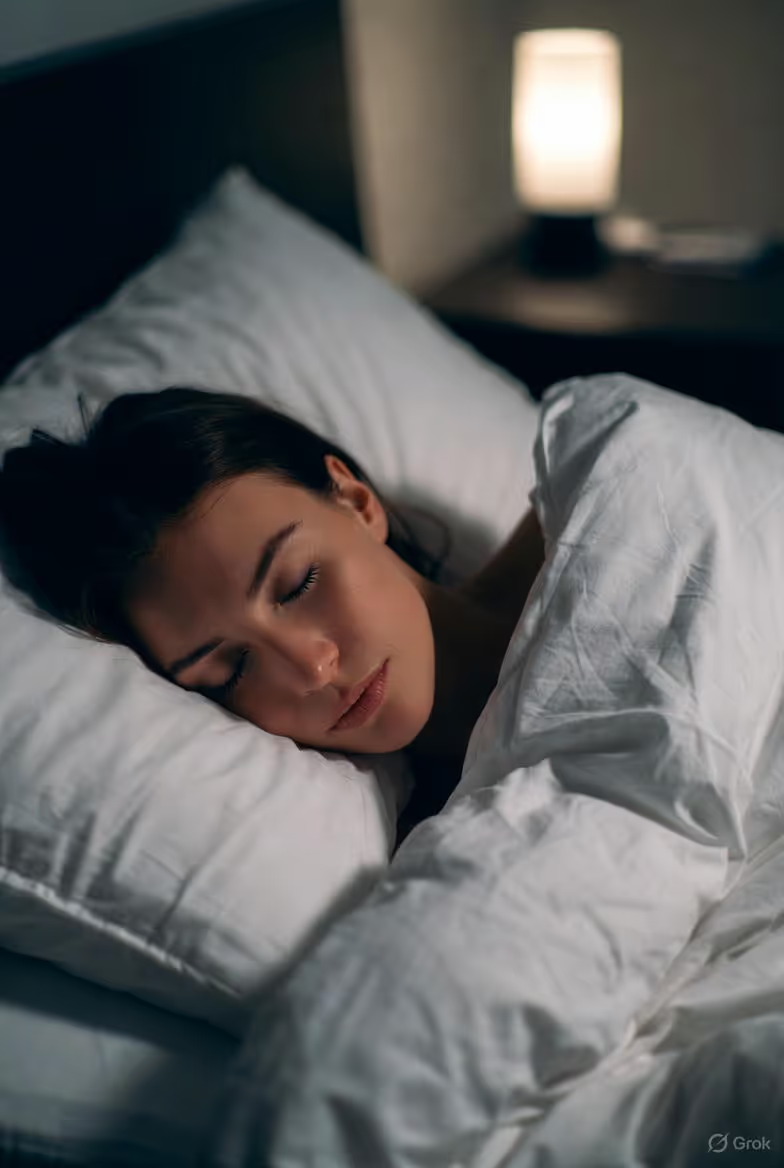
Deep sleep regulates the release of key hormones like growth hormone, which is vital for repair and metabolism.
Deep sleep regulates the release of key hormones like growth hormone, which is vital for repair and metabolism.
%402x.svg)
You know that deep, satisfying, almost impossible-to-wake-from sleep? The kind you crave after an exhausting day? That isn’t just a luxury—it’s a biological command center. While you’re lost in that profound stillness, your body is in a state of frenetic, vital activity. This phase, known as slow-wave sleep (SWS) or deep sleep, is the master regulator of your endocrine system, the complex network of glands that produce the hormones governing everything from your stress levels and metabolism to your growth, reproduction, and mood.
Modern life, with its endless blue light, constant stress, and irregular schedules, is waging a silent war on this critical sleep stage. We track steps and calories with precision, yet we remain largely blind to the quality of our sleep architecture—the very foundation upon which hormonal balance is built. The consequence is a hidden epidemic of hormonal dysfunction masked as daily fatigue, stubborn weight gain, brain fog, and a creeping sense of burnout.
But what if you could move from being a passive victim of sleep disruption to an active architect of your hormonal health? Emerging technology, like advanced wellness wearables, is pulling back the curtain. By understanding and optimizing your deep sleep, you’re not just improving rest; you’re directly tuning the rhythms of cortisol, growth hormone, leptin, ghrelin, and insulin. This is the ultimate biohack: leveraging your body’s innate, nighttime repair protocol to unlock sustained energy, mental clarity, and long-term vitality.
This exploration delves into the hidden world of slow-wave sleep, your hormonal symphony conductor. We’ll uncover the science of how specific brainwaves trigger hormonal release, examine the devastating cascade effects of deep sleep deprivation, and provide a actionable framework for nurturing this foundational pillar of health. The journey to hormonal harmony begins not with a pill, but with the profound power of deep, restorative sleep.
Sleep is not a monolithic state of unconsciousness. It is a highly structured, cyclical process orchestrated by the brain with the precision of a symphony. Understanding this architecture is the first step to appreciating why one particular phase holds such immense power over your hormonal health. Each night, you journey through four distinct stages, which together form a complete sleep cycle lasting approximately 90 to 110 minutes. A well-rested individual will ideally experience four to six of these cycles per night.
The journey begins with NREM Stage 1, the lightest phase of sleep, often described as the transition from wakefulness to sleep. Lasting only a few minutes, it’s a twilight zone where muscle activity slows, and you can be easily awakened. This is followed by NREM Stage 2, which constitutes about 50% of an adult’s total sleep time. During this stage, your heart rate slows, body temperature drops, and the brain produces bursts of rapid rhythmic activity called sleep spindles and K-complexes, which are crucial for memory consolidation and sensory processing.
Then, you descend into the crown jewel of physiological restoration: NREM Stage 3, or Slow-Wave Sleep (SWS). This is deep sleep. Characterized by slow, high-amplitude brain waves called delta waves, this stage is the period of maximal physical repair. It is notoriously difficult to be awakened from; if you are, you’ll likely feel disoriented and groggy—a state known as sleep inertia. The body uses this time for tissue growth and repair, bone and muscle building, and strengthening the immune system. But most critically for our discussion, it is the primary period for the secretion of several key hormones.
Finally, the cycle culminates in REM (Rapid Eye Movement) Sleep, the stage most associated with vivid dreaming. During REM, your brain is almost as active as when you’re awake, but your voluntary muscles are temporarily paralyzed (a state known as atonia). This stage is essential for cognitive functions like learning, memory processing, and emotional regulation.
The proportion of each stage changes throughout the night. The first half of your sleep is dominated by deep, slow-wave sleep, while REM periods become longer and more prominent in the second half toward morning. This architecture isn’t random; it’s an evolutionary blueprint for survival and optimization. Disrupting this cycle—through poor sleep hygiene, alcohol, sleep disorders, or erratic schedules—doesn’t just make you tired. It dismantles the carefully timed release of your body’s chemical messengers, setting the stage for systemic imbalance. For a deeper dive into how technology can help you visualize and understand your own sleep cycles, our resource hub offers extensive insights at the Oxyzen.ai blog.
To understand why slow-wave sleep is so potent, we must look at the brain’s electrical landscape. When you are in deep sleep, your cerebral cortex—the part of the brain responsible for thought, memory, and perception—fires in a slow, synchronized pattern of high-voltage electrical activity. These are delta waves, oscillating between 0.5 and 4 Hz. This shift from the fast, chaotic brainwaves of wakefulness to the slow, rhythmic pulses of delta sleep is not just a change in state; it’s a change in function.
This synchronized delta activity acts as a global command signal to the rest of the body. It tells the pituitary gland, the body’s “master gland” located at the base of the brain, that the conditions are optimal for hormonal release. The calm, restorative environment of SWS, free from the demands of wakefulness, allows the endocrine system to reset and replenish. Think of delta waves as the conductor’s baton, setting the tempo for the hormonal orchestra to play its most restorative symphony.
Furthermore, this stage is characterized by significant changes in overall brain metabolism and blood flow. The brain’s consumption of glucose decreases, and cerebrospinal fluid flows more vigorously through the brain, acting like a nightly “power wash” to clear out metabolic waste products, including beta-amyloid proteins associated with Alzheimer’s disease. This cleansing process, known as the glymphatic system, is most active during slow-wave sleep, highlighting its role not just in hormonal regulation, but in long-term brain health and neuroprotection.
The depth and quality of your SWS are influenced by several factors. It is homeostatically regulated, meaning that after a period of sleep deprivation, your body will prioritize and increase the amount of deep sleep during the next rest opportunity—a phenomenon known as “slow-wave sleep rebound.” Age is another critical factor; the percentage of time spent in deep sleep peaks in childhood and declines progressively throughout adulthood, which may be linked to age-related hormonal changes. Protecting and maximizing this precious brain state becomes increasingly vital as we age. For those interested in the technology that tracks these subtle brain-state indicators through physiological proxies, you can learn more about smart ring technology and its applications.
Of all the hormonal releases timed to slow-wave sleep, the secretion of Human Growth Hormone (HGH) is perhaps the most dramatic and well-established. The majority of your daily output of this potent anabolic hormone—some studies suggest up to 75%—is released in pulsatile bursts during the first period of SWS, typically occurring about an hour after you fall asleep.
Growth hormone is often dubbed the “fountain of youth” hormone for good reason. Its functions are comprehensive and foundational to vitality:
When deep sleep is fragmented or shortened, this essential pulse of HGH is significantly blunted or disrupted. The consequence is a body deprived of its primary repair and renewal signal. Over time, this can manifest as decreased muscle mass, increased abdominal fat (even with exercise), slower recovery from injury or workouts, thinning skin, and a weakened immune response. You might be diligently working out and eating well, but without sufficient deep sleep, you are essentially robbing your body of the hormonal signal to put those raw materials to use.
The relationship is so direct that researchers can often predict the amplitude of a growth hormone pulse by analyzing the intensity and duration of delta wave activity that precedes it. This isn’t a loose correlation; it’s a cause-and-effect dialogue between the sleeping brain and the pituitary gland. Prioritizing deep sleep is, therefore, a non-negotiable component of any anti-aging, fitness, or wellness regimen. It’s the time when your body truly does its most important building work.
If growth hormone is the builder, cortisol—often labeled the “stress hormone”—is the manager of energy and alertness. Produced by the adrenal glands, cortisol follows a strong diurnal rhythm. It should peak in the early morning (around 6-8 AM), helping you feel alert and ready for the day, and then gradually decline throughout the afternoon and evening, reaching its lowest point in the middle of the night during your deepest sleep.
This nightly trough in cortisol is not an accident; it is a biological necessity. Slow-wave sleep provides a sacred sanctuary of low stress-hormone activity. This quiet period allows systems chronically stimulated by cortisol—like the immune system and certain brain regions—to recover. It also allows the Hypothalamic-Pituitary-Adrenal (HPA) axis, the body’s central stress response system, to reset and regain sensitivity.
Here is where the destructive cycle of poor sleep begins:
The result is a state of chronic, low-grade stress at a hormonal level. You may wake up feeling tired despite a full night in bed (because your cortisol morning peak is blunted) and crave stimulants like caffeine, only to feel wired and anxious by afternoon, yet too stressed to sleep deeply again at night. This dysregulation is linked to weight gain (particularly visceral fat), insulin resistance, anxiety, burnout, and a suppressed immune system. Breaking this cycle requires creating the conditions for robust deep sleep, which in turn tames the HPA axis and restores a healthy cortisol rhythm. Understanding your own daily stress and recovery patterns is key, a topic explored in user experiences shared at Oxyzen.ai testimonials.

The hormones controlling hunger and satiety are exquisitely sensitive to sleep, particularly deep sleep. Two key players—leptin and ghrelin—operate in a careful balance that is easily upended by poor sleep architecture.
Under normal conditions, leptin levels are higher during sleep, helping to suppress hunger through the night. Ghrelin levels typically decrease after a meal and remain lower during sleep. However, research has consistently shown that sleep deprivation, and specifically a reduction in restorative sleep stages, wreaks havoc on this balance:
The combination is a biochemical double-whammy: you feel hungrier (high ghrelin) and less satisfied after eating (low leptin). Crucially, the cravings triggered by this hormonal shift are not for leafy greens and lean protein. Sleep loss amplifies desire for high-calorie, carbohydrate-rich, and sugary foods—precisely the foods that can further disrupt sleep quality.
This isn’t merely about willpower; it’s a primal survival response orchestrated by the brain. When deprived of the restorative benefits of deep sleep, the brain perceives an energy crisis and triggers behaviors to secure quick-energy fuel. Furthermore, the prefrontal cortex—the brain region responsible for impulse control and decision-making—is impaired by sleep loss, making you even more likely to act on those cravings.
Therefore, prioritizing deep sleep is one of the most powerful, yet overlooked, strategies for maintaining a healthy weight and balanced diet. It ensures your appetite hormones send accurate signals, not emergency alarms. For more on how holistic tracking can reveal these connections between sleep, stress, and diet, explore our blog for more wellness tips.
The relationship between sleep and blood sugar regulation is profound, with deep sleep playing a starring role. Insulin is the hormone produced by the pancreas that allows your cells to take in glucose from the bloodstream for energy. Insulin sensitivity refers to how responsive your cells are to insulin’s signal. High sensitivity is good—it means your body needs to produce only a small amount of insulin to manage blood sugar. Insulin resistance, its opposite, is a precursor to Type 2 diabetes and metabolic syndrome.
Slow-wave sleep is a critical period for maintaining insulin sensitivity. During SWS, the brain’s energy consumption is lower, and overall metabolic rate is reduced. This stable, low-demand state allows the body to efficiently manage glucose without requiring large amounts of insulin.
When deep sleep is disrupted or deficient, the following occurs:
The result is a bloodstream with higher glucose levels and a body that requires more insulin to process it. Over time, this forces the pancreas to work overtime, leading to exhaustion of insulin-producing beta cells and potentially irreversible insulin resistance. This is why chronic sleep problems are such a strong independent risk factor for the development of Type 2 diabetes, irrespective of diet or exercise.
By safeguarding your deep sleep, you are effectively protecting your metabolic health. You are giving your body a nightly period of metabolic recalibration, ensuring your cells remain receptive to insulin’s vital signal. This foundational aspect of health is core to our vision of holistic wellness tracking, which you can read about in our founding story.
While not exclusively released during deep sleep, the hormone melatonin is the essential key that unlocks the door to it. Often called the “hormone of darkness,” melatonin is secreted by the pineal gland in response to diminishing light. It doesn’t put you to sleep directly but signals to your brain and body that it is time to prepare for sleep, triggering feelings of drowsiness and helping to lower core body temperature—a prerequisite for entering deep sleep.
Melatonin’s primary role is as the conductor of your circadian rhythm, your internal 24-hour biological clock. This clock regulates the timing of all hormonal releases, including the cascade that promotes slow-wave sleep. A robust, well-timed melatonin surge in the evening helps synchronize this clock, ensuring that the transition into deep, restorative sleep stages happens smoothly and at the right time.
However, modern environments are hostile to melatonin. Blue light exposure from screens (phones, computers, TVs) in the evening is the most common disruptor. This light mimics daylight, tricking the pineal gland into suppressing melatonin production. The result is a delayed or weakened melatonin signal, which translates to:
Protecting natural melatonin rhythm is therefore the first and most critical step in securing high-quality deep sleep. This involves circadian hygiene: managing light exposure, maintaining consistent sleep and wake times, and creating a dark, cool sleep environment. When your melatonin rhythm is strong, it effectively opens the “circadian gate” for sustained, uninterrupted periods of slow-wave sleep, where the critical hormonal repairs we’ve discussed can take place. For practical support on creating an optimal sleep environment and routine, our FAQ page addresses common user questions.
The production and regulation of sex hormones are intimately tied to sleep quality, with deep sleep again being a major player. For both men and women, the majority of testosterone release occurs during sleep, with the sharpest rise associated with the first episode of REM and the subsequent periods of deep NREM sleep.
In men, research shows that sleeping only 5-6 hours per night can lead to a 15% reduction in testosterone levels, a deficit equivalent to aging 10-15 years. Testosterone is not just about libido; it is crucial for maintaining muscle mass, bone density, red blood cell production, and overall energy and well-being. Disrupted deep sleep fragments the pulses of luteinizing hormone (LH) from the pituitary that stimulate testosterone production, leading to a significant hormonal shortfall.
For women, the relationship between sleep and hormones is complex and bidirectional across the menstrual cycle and life stages. However, deep sleep is vital for the regulation of the hypothalamic-pituitary-gonadal (HPG) axis, which governs estrogen and progesterone production. Poor sleep and disrupted SWS can exacerbate symptoms of PMS (Premenstrual Syndrome) and menopause, including mood swings, fatigue, and hot flashes. Furthermore, estrogen itself influences sleep architecture; declining estrogen levels during perimenopause can directly contribute to more frequent awakenings and reduced slow-wave sleep, creating a challenging feedback loop.
In both sexes, chronic sleep deprivation lowers levels of sex hormone-binding globulin (SHBG), which can alter the amount of active, free hormone in the bloodstream. The takeaway is clear: robust, deep sleep is a non-negotiable pillar of reproductive endocrine health. It provides the stable, low-stress environment necessary for the precise and pulsatile release of these powerful hormones.
By now, a disturbing but clear feedback loop has emerged. It’s not simply that poor sleep causes hormonal imbalance. The resulting hormonal imbalance actively perpetuates poor sleep, creating a self-sustaining cycle that can be difficult to break.
This cycle explains why someone can feel “stuck” in a pattern of poor sleep and declining health. Intervening requires a holistic approach that simultaneously addresses sleep behavior and the hormonal environment. Simply trying to force more hours in bed is often insufficient if the underlying hormonal signals are telling the brain to stay alert or wake frequently. Breaking the cycle requires targeted strategies to promote deep sleep, thereby resetting the hormonal foundation, which in turn stabilizes sleep—a virtuous circle. Tracking your progress in establishing this circle can be motivating; see how others have done it by reading real customer reviews.
For centuries, the landscape of sleep was a mystery, accessible only through subjective feeling. Today, technology allows us to move from anecdote to data. While professional polysomnography (a sleep study) is the clinical gold standard, advanced consumer wearables, particularly smart rings, have brought sophisticated sleep staging into the daily life of the wellness-conscious individual.
These devices use a combination of sensors—such as optical photoplethysmography (PPG) for heart rate and heart rate variability (HRV), 3-axis accelerometers for movement, and skin temperature sensors—to estimate sleep stages through validated algorithms. By monitoring physiological signals that correlate strongly with nervous system state, they can provide a detailed breakdown of your night, including estimates of light, deep (slow-wave), and REM sleep.
The value of this data is transformative:
It’s important to understand that these devices are estimators, not medical devices. However, their precision for tracking trends over time is exceptionally powerful. They shine a light on the previously unseen architecture of your night, allowing you to become an active participant in optimizing the sleep stage that regulates your hormones. To discover how Oxyzen works to provide this kind of insightful data, we invite you to explore the technology behind the metrics.
We live in a world brilliantly engineered for productivity, connectivity, and convenience, yet tragically hostile to deep, restorative sleep. The decline of our collective deep sleep isn't a mystery of fate; it's a direct consequence of specific, pervasive environmental and lifestyle factors. These "deep sleep saboteurs" don't just rob you of energy—they systematically dismantle the hormonal balance we’ve just detailed. Understanding these thieves is the first step to reclaiming your night.
1. The Blue Light Epidemic: Our circadian rhythm evolved to be cued by the sun. The evening glow of a fire or candlelight prompted melatonin release. Now, the relentless emission of blue spectrum light from LEDs, smartphones, laptops, and TVs after sunset acts as a potent "circadian disruptor." It suppresses melatonin production by up to 50% or more, delaying sleep onset and, critically, fracturing the architecture of the first sleep cycles where deep sleep should be most abundant. The result is a shallow, delayed sleep with a truncated deep sleep phase.
2. Chronic Psychological Stress: The "always-on" culture, financial pressures, and information overload keep the sympathetic nervous system engaged and cortisol elevated well into the night. High evening cortisol is like trying to fall into a deep, restorative sleep while being chased by a tiger—biologically impossible. It directly antagonizes the transition into the synchronized delta waves of slow-wave sleep, leaving you in a state of light, vigilant, and unrefreshing rest.
3. Inconsistent Sleep Schedules: The body’s master clock thrives on predictability. When you go to bed and wake up at wildly different times on weekdays versus weekends—a phenomenon known as "social jet lag"—you desynchronize your internal rhythms. This confusion impacts the timing of all hormone releases, including the delicate trigger for deep sleep. The brain doesn't know when to initiate the most restorative phases, leading to fragmented and inefficient sleep architecture.
4. Diet and Substance Use:
5. Environmental Noise and Temperature: Intermittent noises (sirens, a partner snoring, traffic) even at low volumes can cause micro-arousals—brief shifts to lighter sleep—that slice through deep sleep periods without you ever remembering waking up. Similarly, a sleep environment that’s too warm disrupts the body’s natural thermoregulation process, a core component of descending into deep sleep. The body needs to drop its core temperature by about 1-2 degrees Fahrenheit to initiate and maintain sleep, especially SWS.
6. Sedentary Lifestyle and Lack of Natural Light Exposure: Regular physical activity, particularly when done earlier in the day, is one of the most reliable promoters of deep sleep. Conversely, a sedentary life weakens the homeostatic sleep drive. Furthermore, insufficient bright light exposure during the morning fails to properly anchor the circadian rhythm, making it weaker and more susceptible to disruption by evening light, thereby compromising the depth of sleep.
Each of these factors doesn't operate in isolation; they combine in a cumulative assault on your sleep architecture. The good news? They are all addressable. By systematically auditing your life for these saboteurs, you can begin to rebuild the conditions necessary for hormonal harmony. For a personalized look at how your daily habits might be impacting your recovery, the data from a holistic wearable can be illuminating, as many users share on our testimonials page.
Optimizing for deep sleep isn't about a single magic trick; it's about building a fortress of consistent, supportive habits—often called sleep hygiene. This protocol creates the external and internal conditions necessary for your brain to confidently descend into prolonged, uninterrupted periods of slow-wave sleep. Think of it as cultivating the perfect soil for a precious plant to thrive.
The Wind-Down Ritual (The 60-90 Minute Pre-Sleep Sanctuary):
Your body cannot transition from "go" to "deep restorative sleep" instantly. It requires a buffer zone. Dedicate the last hour before bed to low-stimulation, calming activities that signal safety and rest to the nervous system.
The Sleep Environment (Engineering Your Cave):
Your bedroom must be a temple dedicated to sleep. Optimize these three core factors:
Consistency is King:
Go to bed and wake up at the same time every day, even on weekends. This is the single most powerful tool for strengthening your circadian rhythm. A regular schedule trains your brain to initiate the sleep process—including the release of melatonin and the descent into deep sleep—more efficiently and predictably.
Dietary and Substance Timing:
This protocol isn't about perfection; it's about progressive optimization. Start with one or two changes, track their impact, and build from there. For more detailed guidance and answers to common implementation questions, our comprehensive FAQ is an excellent resource.
The quality of your sleep is largely determined long before your head hits the pillow. Your daytime habits are the levers you can pull to directly increase your "sleep pressure" (homeostatic drive) and strengthen your circadian rhythm, creating a powerful, natural pull into deep sleep.
Morning Light: The Circadian Anchor
Within 30-60 minutes of waking, get at least 15-30 minutes of bright, outdoor light exposure (without sunglasses if safe). Morning sunlight, even on a cloudy day, is far brighter than indoor lighting. This light exposure does two critical things: it sharply suppresses any lingering melatonin, clearing sleepiness, and, more importantly, it resets your master clock for the day. A strong morning signal leads to a stronger, well-timed melatonin release in the evening, which in turn promotes more robust deep sleep.
Strategic Exercise: The Deep Sleep Promoter
Regular physical activity is one of the most evidence-based ways to increase slow-wave sleep. Exercise increases body temperature, and the subsequent drop hours later promotes sleepiness. It also depletes energy stores and creates cellular repair needs that the body addresses during deep sleep.
Stress Management: Lowering the Nighttime Cortician Ceiling
You cannot completely eliminate stress, but you can prevent it from accumulating and spilling over into the night.
Nutritional Support for Sleep Architecture:
While no food is a magic bullet, certain nutrients play supportive roles:
By viewing your entire 24-hour cycle as an integrated system, you empower yourself to make daytime choices that pay dividends in deep, hormone-regulating sleep at night. To explore more about the interconnected science of daily habits and nightly recovery, explore our blog for more wellness tips.

Despite impeccable sleep hygiene and optimal daytime habits, some individuals still struggle to achieve restorative sleep. This is a critical red flag that may point to an underlying sleep disorder, a medical condition that actively prevents deep sleep and requires professional diagnosis and treatment. Ignoring these signs means fighting a biological battle with behavioral tools alone.
Sleep Apnea: The Silent Fragmenter
Obstructive Sleep Apnea (OSA) is characterized by repeated pauses in breathing during sleep due to airway collapse. Each apnea event ends with a micro-arousal (a brain awakening to restart breathing), often so brief the sleeper is unaware. However, these events can occur hundreds of times a night, utterly fragmenting sleep architecture and making sustained deep sleep impossible.
Insomnia Disorder: The Hyperarousal State
Chronic insomnia is more than "having trouble sleeping." It is a state of hyperarousal of the nervous system, both day and night. The brain and body are stuck in a high-alert mode, with elevated heart rate, metabolism, and cortisol, making the descent into deep sleep physiologically challenging.
Restless Legs Syndrome (RLS) and Periodic Limb Movement Disorder (PLMD):
RLS causes an irresistible urge to move the legs, often accompanied by uncomfortable sensations, that worsens at rest and in the evening. PLMD involves involuntary, rhythmic limb jerking during sleep. Both conditions cause frequent awakenings and prevent the consolidation of deep sleep.
If you suspect a sleep disorder, consulting a healthcare provider or a sleep specialist is non-negotiable. Treatment (like CPAP for apnea, or CBT-I for insomnia) can be life-changing, restoring not only sleep but fundamental hormonal health. Using a consumer wearable can sometimes provide clues (e.g., consistently high nighttime heart rate, frequent long awakenings), but it is not a diagnostic tool. For understanding how personal data can inform conversations with healthcare professionals, you can learn more about smart ring technology and its role in personal health awareness.
In the quest for better deep sleep, intuition and subjective feeling are often misleading. You might "feel" you slept eight hours, but have no idea if it was restorative. This is where the quantitative power of modern wellness technology provides a revolutionary advantage. Devices like advanced smart rings move you from guessing about your sleep to knowing with data.
What Advanced Wearables Actually Measure:
By combining multiple sensors, these devices create a rich physiological picture of your night:
From Raw Data to Insightful Trends:
The magic isn't in a single night's data point, which can be noisy. It's in the longitudinal trends. Over weeks and months, you can see undeniable patterns:
This objective feedback loop is empowering. It turns abstract advice ("reduce stress," "avoid alcohol") into personalized, validated insights. You learn what your body responds to, making behavioral change more motivated and sustainable. It transforms sleep from a passive state you hope happens to an active domain of health you can optimize. To discover how Oxyzen works to provide these insights through elegant, continuous tracking, we invite you to explore the technology.
Our sleep architecture, and the primacy of deep sleep within it, is not static. It undergoes profound changes from childhood through old age. Understanding these shifts allows for realistic expectations and age-appropriate optimization strategies.
Childhood and Adolescence: The Deep Sleep Powerhouse
This is the golden age of slow-wave sleep. Children spend up to 40% of their sleep in deep SWS, which is essential for the massive amounts of neural development, learning consolidation, and physical growth (powered by huge pulses of growth hormone) occurring at this stage. Disrupted deep sleep in children can impact cognitive development, emotional regulation, and growth. Key saboteurs here are inconsistent bedtimes and, crucially, screens in the bedroom.
Adulthood (20s-50s): The Gradual Decline and Modern Assault
Deep sleep begins a slow, natural decline in our 20s. By middle age, we may only spend 10-20% of the night in deep sleep. This natural reduction is compounded exponentially by the lifestyle saboteurs of modern adulthood: career stress, parenting, blue light, and poor sleep habits. This is the life stage where the gap between potential and actual deep sleep is often largest, and where the hormonal consequences—weight gain, metabolic issues, burnout—become clinically apparent. The strategies outlined in this article are most critical here to defend against an accelerated decline.
The Menopausal Transition: A Perfect Storm
For women, perimenopause and menopause often bring a dramatic and distressing shift in sleep. Fluctuating and declining estrogen levels contribute to:
Later Adulthood (65+): Consolidation and Fragmentation
The deep sleep percentage continues to decline, and sleep naturally becomes more fragmented with more frequent awakenings. However, the need for restorative sleep does not diminish. The focus often shifts from maximizing deep sleep duration to protecting sleep continuity and circadian strength. Strong daytime light exposure, regular physical activity, and meticulous sleep environment management are vital to combat the tendency toward earlier, shallower sleep.
Recognizing that your deep sleep needs and capabilities evolve allows for self-compassion and targeted action. The goal at every age is to nurture the best possible sleep architecture for your current biology. The company mission at Oxyzen.ai about us is rooted in supporting this kind of personalized, lifelong wellness journey.
Viewing deep sleep solely through the lens of next-day fatigue dramatically undersells its importance. The consistent, nightly deficit of this restorative stage is a primary driver in the development of chronic diseases through persistent hormonal dysregulation. This is the long-term cost of the modern sleep crisis.
Metabolic Syndrome and Type 2 Diabetes:
As detailed, deep sleep is essential for insulin sensitivity. Chronic deprivation leads to:
Cardiovascular Disease:
The cardiovascular system gets a reprieve during deep sleep: blood pressure drops, heart rate slows, and stress hormones are low. Chronic deep sleep loss removes this vital daily recovery period, leading to:
Neurodegeneration and Cognitive Decline:
The brain's glymphatic cleansing system, most active during deep sleep, is crucial for clearing metabolic waste like beta-amyloid. Chronic deep sleep impairment means:
Immune Dysfunction and Cancer Risk:
Deep sleep is when the immune system releases cytokines, repairs cells, and forms immunological memory. Chronic deprivation leads to:
In essence, prioritizing deep sleep is one of the most powerful preventative health measures you can take. It is foundational medicine, protecting your metabolic, cardiovascular, neurological, and immune systems in a way no single drug or supplement ever could. For further reading on the science of longevity and recovery, our blog regularly covers these vital connections.
Knowledge is only power when applied. This 30-day plan is designed to systematically reintroduce your nervous system to deep, restorative sleep by layering in the strategies discussed. It’s not about perfection, but consistent progression.
Week 1: Foundation and Awareness
Week 2: Optimize the Environment
Week 3: Refine Daytime Inputs
Week 4: Integrate and Personalize
Throughout this process, be patient. The nervous system and hormonal axes take time to recalibrate. You are not just changing a habit; you are resetting a fundamental biological rhythm. For support and to see how others have navigated this journey, the community experiences shared in our testimonials can be a source of motivation and insight.
Once the foundational pillars of sleep hygiene are firmly in place, you can explore advanced, evidence-based strategies to further enhance the quality and quantity of your slow-wave sleep. These approaches work synergistically with the basics, fine-tuning your body's internal environment for maximal hormonal restoration.
Thermoregulation Hacking:
The drop in core body temperature is a non-negotiable signal for sleep initiation and deep sleep maintenance. You can proactively facilitate this.
Acoustic and Sensory Engineering:
Beyond blocking bad noise, you can introduce "good" sound and sensory cues.
Nutritional Timing and Supplementation (with Caution):
While food is not a substitute for habits, strategic nutritional support can play a role.
Mindset and Cognitive Reframing:
For many, the anxiety about not sleeping becomes the very thing that prevents sleep. This "sleep performance anxiety" activates the stress response.
These advanced tactics are most effective on the solid ground of consistent sleep hygiene. They are the fine-tuning knobs, not the power switch. To delve deeper into the research behind such biohacks and personalized wellness strategies, our resource library at the Oxyzen.ai blog offers continuous updates.

Your thoughts and emotional state are not separate from your physiology; they are direct drivers of it. Chronic worry, rumination, and unresolved emotional stress create a hormonal milieu—high cortisol, adrenaline, inflammatory cytokines—that is fundamentally incompatible with deep sleep. Optimizing your mind is therefore as critical as optimizing your bedroom.
Cognitive Behavioral Therapy for Insomnia (CBT-I): The Gold Standard
CBT-I is a structured, evidence-based program that targets the thoughts and behaviors that perpetuate poor sleep. It's more effective long-term than sleep medication and directly addresses the hyperarousal state. Key components applicable to everyone include:
Mindfulness and Meditation: Calming the Cortician Chatter
Regular mindfulness practice changes the brain. It increases activity in the prefrontal cortex (for regulation) and decreases activity in the amygdala (the fear center). This translates directly to the night:
Gratitude and Positive Emotional Archaeology:
Ending the day by consciously focusing on positive experiences or things you are grateful for—either through journaling or quiet reflection—shifts the neurochemical balance. It promotes the release of serotonin and dopamine while damping down stress circuitry. This creates a more benevolent internal environment as you transition into sleep, one less likely to be hijacked by anxiety that fragments deep sleep.
Digital Emotional Hygiene: The constant influx of distressing news, social comparison, and argumentative content on digital platforms is a potent source of chronic, low-grade psychological stress. Implementing a "digital curfew" for content as well as light is essential. The last hour before bed should be a no-conflict, no-doomscrolling zone.
By tending to your mental garden, you pull the deepest roots of hormonal dysregulation. You are not just managing symptoms; you are addressing a core cause of sleep disruption. This holistic view of wellness—integrating mind, body, and data—is at the heart of our story and mission.
While the principles of deep sleep optimization are universal, their application must be tailored to specific life circumstances and challenges.
For the Shift Worker:
Shift work is a direct assault on circadian biology. The goal shifts from perfect alignment to strategic management.
For the New Parent:
The sleep fragmentation of early parenthood is biologically driven and temporary, but its effects are real.
For the High-Performance Athlete:
For athletes, deep sleep is the primary anabolic recovery window. It's when human growth hormone repairs muscle tissue and restores energy systems.
For Those with Chronic Pain or Illness:
Pain and sleep have a bidirectional, vicious relationship. Pain disrupts sleep, and poor sleep lowers pain thresholds and increases inflammation.
Recognizing your unique context allows for compassionate and effective adaptation of the core principles. For support and community with others navigating similar challenges, our community and FAQ resources can provide additional guidance.
We are on the cusp of a revolution in sleep health, moving from generic advice to truly personalized, predictive, and dynamic optimization. This future is being shaped by converging advances in several fields.
Precision Sleep Medicine:
The future of diagnosing sleep disorders lies in sophisticated, at-home testing that rivals in-lab studies. We'll see more advanced wearable EEG headbands and under-mattress sensors that provide detailed, multi-night sleep architecture data in a natural environment. This will allow for more accurate diagnosis of conditions like UARS (Upper Airway Resistance Syndrome) that fragment sleep without full apneas.
Closed-Loop Sleep Enhancement Systems:
Imagine a device that listens to your real-time brainwaves and delivers precisely timed auditory or gentle tactile stimuli (like pink noise pulses) to reinforce and extend your natural slow-wave oscillations. Early research on acoustic closed-loop stimulation shows promise in boosting deep sleep duration and next-day memory in both young and older adults. This isn't science fiction; it's an emerging therapeutic modality.
Circadian-Friendly Smart Environments:
The homes and offices of the future will actively support our biology. Lighting systems will automatically shift spectrum and intensity throughout the day, blasting cool, bright light in the morning and transitioning to warm, dim light in the evening. Smart windows may adjust tinting. This "human-centric lighting" will be seamlessly integrated, constantly reinforcing a healthy circadian rhythm without requiring conscious effort.
AI-Powered Personal Sleep Coaches:
The next generation of wellness wearables will move beyond tracking to prescribing. By integrating data from sleep, activity, heart rate variability, nutrition logs, and even calendar stress, an AI coach will be able to provide hyper-personalized, contextual recommendations: *"Based on your elevated resting heart rate and low HRV, your recovery is poor tonight. I recommend skipping your morning workout and prioritizing a 20-minute meditation instead. Also, consider having dinner 30 minutes earlier."* This moves us from retrospective insight to proactive guidance.
Pharmacological Precision:
Future sleep aids will likely move beyond blanket sedatives. Research is targeting specific receptors involved in sleep-wake regulation (like orexin antagonists) to induce sleep without disrupting its natural architecture. The goal is pharmaceuticals that work with your biology to facilitate normal sleep, not chemically obliterate consciousness.
This exciting future positions technology not as a disruptor of sleep, but as its ultimate guardian. It aligns with our vision at Oxyzen to not just provide data, but to be part of an intelligent ecosystem that fosters genuine, science-backed well-being. You can learn more about our approach to this future on our main platform.
The deep sleep crisis is not merely an individual failing; it is a societal one. Glorifying burnout, the 24/7 economy, and constant connectivity have created a culture that is fundamentally at odds with human biology. Creating lasting change requires a shift at the systemic level.
The Economic Case for Sleep:
Business leaders are starting to recognize that a sleep-deprived workforce is a less creative, more error-prone, sicker, and more expensive workforce. The costs of presenteeism (being at work but not fully functional) dwarf those of absenteeism. Forward-thinking companies are:
Educational Reform:
School start times, particularly for adolescents, are a public health disaster. Teen circadian rhythms naturally shift later, yet they are forced to wake at dawn, losing the tail end of their sleep where REM is abundant. Later start times have been proven to improve academic performance, mental health, and even reduce car accidents. Advocacy for biologically-aligned school schedules is a critical front in the sleep health movement.
Urban Planning and Policy:
Cities can be designed for better sleep. This includes:
Changing the Narrative:
We must collectively shift from bragging about how little sleep we get on ("I'll sleep when I'm dead") to valuing and discussing sleep as a non-negotiable component of high performance and health, akin to nutrition and exercise. When leaders, celebrities, and influencers openly prioritize sleep, it destigmatizes rest and redefines it as a strength, not a weakness.
This cultural renaissance of sleep recognizes that by honoring our biological need for deep, restorative rest, we aren't becoming less ambitious or productive. We are becoming more human, more healthy, and ultimately, more capable of sustained excellence and well-being. It’s a transformation we are deeply committed to supporting, as detailed in our company's vision and values.

We began this exploration by unveiling a hidden world: the profound, hormone-regulating power of slow-wave sleep. We've journeyed through the intricate science of delta waves triggering pulses of growth hormone, the careful cortisol reset, the precise balance of leptin and ghrelin, and the metabolic recalibration of insulin sensitivity. We've identified the modern thieves of this precious state and provided a comprehensive blueprint—from foundational hygiene to advanced hacks and mental training—to reclaim it.
The central, unifying truth is this: Deep sleep is not a passive state of absence. It is an active, essential, and non-negotiable physiological process. It is the time when your body conducts its most critical maintenance, repair, and regulatory work. To neglect it is to fundamentally neglect your endocrine system, the very master control system of your health, vitality, and longevity.
The path forward is one of empowered awareness. You are no longer at the mercy of vague fatigue. You understand the architecture of your night. You can identify the saboteurs in your life. You possess the tools to engineer your environment and habits to support, rather than fight, your biology. Technology, when used wisely, illuminates this path, turning subjective feeling into objective insight and guiding your personalized journey.
This is not about achieving a perfect score on a sleep tracker every night. Life, with its stressors, joys, and unpredictability, will always intervene. It is about building resilience—a sleep foundation so strong that occasional disruptions don't lead to a systemic collapse. It's about trending toward balance, listening to your body's signals, and knowing that by protecting your deep sleep, you are engaging in the most profound form of preventative medicine and performance enhancement available.
Your hormonal symphony is played every night. You now hold the conductor's baton. You have the knowledge to set the stage, cue the players, and orchestrate a masterpiece of restoration. The benefits—vibrant energy, stable mood, resilient metabolism, sharp cognition, and long-term health—are the harmonious music that will score your days.
We invite you to begin. Start with one fixed wake time. Add morning light. Strengthen your wind-down ritual. Observe, adjust, and persist. Your body, in its innate wisdom, will respond. For continued support, inspiration from others on this journey, and the latest insights into integrated wellness, we are here as a resource at the Oxyzen.ai blog and through our complete platform. The journey to mastering the sleep stage that regulates your hormones starts with your very next night.
Your Trusted Sleep Advocate: Sleep Foundation — https://www.sleepfoundation.org
Discover a digital archive of scholarly articles: NIH — https://www.ncbi.nlm.nih.gov/
39 million citations for biomedical literature :PubMed — https://pubmed.ncbi.nlm.nih.gov/
Experts at Harvard Health Publishing covering a variety of health topics — https://www.health.harvard.edu/blog/
Every life deserves world class care :Cleveland Clinic - https://my.clevelandclinic.org/health
Wearable technology and the future of predictive health monitoring :MIT Technology Review — https://www.technologyreview.com/
Dedicated to the well-being of all people and guided by science :World Health Organization — https://www.who.int/news-room/
Psychological science and knowledge to benefit society and improve lives. :APA — https://www.apa.org/monitor/
Cutting-edge insights on human longevity and peak performance:
Lifespan Research — https://www.lifespan.io/
Global authority on exercise physiology, sports performance, and human recovery:
American College of Sports Medicine — https://www.acsm.org/
Neuroscience-driven guidance for better focus, sleep, and mental clarity:
Stanford Human Performance Lab — https://humanperformance.stanford.edu/
Evidence-based psychology and mind–body wellness resources:
Mayo Clinic — https://www.mayoclinic.org/healthy-lifestyle/
Data-backed research on emotional wellbeing, stress biology, and resilience:
American Institute of Stress — https://www.stress.org/


