


The Smart Ring Approach to Cardiovascular Wellness Tracking
The smart ring's approach to tracking cardiovascular wellness.
The smart ring's approach to tracking cardiovascular wellness.
%402x.svg)
For generations, the rhythm of our heart has been a mystery, its secrets locked behind brief clinical snapshots. We’ve relied on the annual physical, the fleeting moment of a blood pressure cuff, or the stress test conducted in an artificial environment. These are checkpoints—valuable, but inherently blind to the story unfolding in the other 8,759 hours of the year. Your heart doesn’t live in 15-minute increments. It tells a continuous, dynamic story of stress, sleep, exertion, and recovery, a narrative that has remained largely unwritten—until now.
Welcome to a paradigm shift in personal health intelligence: the smart ring approach to cardiovascular wellness tracking. This is not merely a step forward from the wrist; it is a leap into a more intimate, precise, and holistic understanding of the body's most vital engine. Imagine a device so seamless it disappears into your daily life, yet so perceptive it deciphers the subtle whispers of your autonomic nervous system, the ebb and flow of blood oxygen, the true quality of your restorative sleep, and the silent strain of daily stress on your cardiovascular system. This is the promise of the smart ring.
We stand at the intersection of biomedical engineering, data science, and proactive wellness. No longer is advanced cardiac insight confined to clinical settings or bulky, obtrusive monitors. The evolution has moved from the pocket (smartphones) to the wrist (watches) and has now found its perfect, biologically optimal home: the finger. The vasculature-rich finger provides a superior signal for photoplethysmography (PPG), the core technology behind optical heart rate and blood oxygen tracking, offering a more accurate and consistent window into your cardiovascular state than the wrist ever could.
This article is your definitive guide to this quiet revolution. We will deconstruct the science that makes a ring a superior health guardian, explore the specific cardiovascular metrics you can now monitor with unprecedented continuity, and illustrate how this constant, passive data stream empowers you to make tangible, life-affirming changes. This is about moving from reactive healthcare to proactive heart-care, from anxiety about the unknown to empowerment through knowledge. The journey to understanding your heart’s true language begins here.
To appreciate the monumental shift the smart ring represents, we must first understand the limitations of what came before and the unique biological advantage of the finger. The journey of wearable health tech began with step counting, evolved into wrist-based heart rate monitoring, and has now reached a critical juncture where form factor and signal fidelity are paramount.
The Wrist: A Noisy Neighborhood for Vital Signals
Wrist-worn devices have democratized health tracking, but they operate in a suboptimal location. The wrist is a hub of tendon movement, with bones and structures that can impede clear optical sensor readings. The radial artery, while present, is deeper and smaller compared to the vascular structures in the finger. Furthermore, watch-style devices are prone to motion artifacts—the data noise created by everyday gestures, typing, or even loose fitting. This can lead to gaps in data, especially during sleep when the hand’s position can easily break sensor contact with the skin. As noted in a 2019 study published in NPJ Digital Medicine, wrist-based PPG signals are significantly more susceptible to motion noise, requiring complex algorithms to filter out false readings, a process that can sometimes discard valuable physiological information.
The Finger: A Direct Line to Your Circulatory System
The finger, particularly the base of the finger, is a biometric sensor’s ideal habitat. It hosts a dense network of capillary beds, providing a rich, voluminous blood flow directly beneath the skin. This allows optical sensors (LEDs and photodiodes) to capture a stronger, cleaner PPG signal with less power and less susceptibility to motion. The ring form factor, when properly fitted, maintains consistent sensor contact, as the finger’s proximal phalanx has less soft tissue movement than the wrist. This consistency is the holy grail for continuous monitoring—it’s what enables medical-grade pulse oximeters to use the finger as their standard.
Beyond Location: The Unobtrusive Advantage
The revolution isn't just physiological; it's psychological and practical. A smart ring eliminates the "tracking burden." There’s no screen to distract you, no need to charge it daily, and it fits seamlessly into any lifestyle—from sleeping and swimming to formal events. This 24/7 wearability is crucial for cardiovascular insights, as the most telling data often comes from periods of rest and recovery, not just workouts. The ring becomes a silent partner in health, gathering data without demanding interaction, creating a comprehensive picture rather than a series of fragments.
Brands pioneering this space, like Oxyzen, have leveraged this anatomical advantage to build devices focused on clinical-grade readiness and profound wellness insights rather than digital distraction. By choosing the optimal sensing location, the smart ring approach transforms raw data into reliable, actionable intelligence about your heart’s performance around the clock. To understand how this data is translated into insights, you can explore the underlying technology on our blog.
With a superior sensing platform established, what exactly can a smart ring tell you about your cardiovascular system? The metrics move far beyond a simple heart rate number, painting a multidimensional picture of heart health, efficiency, and resilience. This is where data transforms into understanding.
1. Heart Rate (HR) & Heart Rate Variability (HRV): The Dynamic Duo
2. Blood Oxygen Saturation (SpO2): The Oxygen Delivery Gauge
SpO2 measures the percentage of oxygen-saturated hemoglobin in your blood. While traditionally a spot-check metric for lung health, continuous nocturnal SpO2 monitoring unlocks critical insights. It can help identify episodes of breathing dysregulation during sleep, such as those associated with sleep apnea, which places immense strain on the cardiovascular system by causing repeated blood oxygen drops and blood pressure spikes throughout the night.
3. Respiratory Rate: The Silent Stress & Recovery Indicator
The number of breaths you take per minute, especially during sleep, is a remarkably stable vital sign. A smart ring can derive this effortlessly from the PPG signal. An elevated nighttime respiratory rate can be a subtle indicator of physiological stress, such as from an underlying infection, heart failure, or anxiety, often before you consciously feel unwell.
4. Skin Temperature Trends: The Metabolic & Inflammatory Beacon
Basal body temperature variation is a key metabolic and circulatory signal. By tracking distal skin temperature at the finger (a sensitive proxy for core temperature trends), a ring can identify the onset of fever, predict menstrual cycle phases, and even highlight periods of poor circulation or inflammatory responses. A consistently low temperature trend in the extremities may point to circulatory issues worth discussing with a healthcare provider.
5. Activity & Recovery: The Strain and Sustain Balance
By integrating accelerometer data with cardiovascular metrics, smart rings provide a nuanced view of activity. They don’t just count steps; they assess the cardiovascular cost of your day. This allows for sophisticated Readiness Scores—composite metrics that synthesize your sleep data, HRV, RHR, and temperature to advise whether your body is primed for strain or in need of restorative recovery. This prevents the common pitfall of chronic, undermanaged stress on the heart.
Together, these metrics form a continuous dialogue with your body. They answer not just "what" your heart rate is, but "why" it might be that way, contextualizing it with sleep, stress, and recovery. For a deeper dive into how to interpret your specific HRV or SpO2 data, our comprehensive FAQ page is an invaluable resource.
The single greatest power of the smart ring is continuity. It closes the massive data gap between sporadic clinical measurements and the lived reality of your life. This transforms health from a report card into a real-time documentary.
The Illusion of the "Normal" Checkup
A blood pressure reading of 120/80 in a doctor’s office is a data point in a potentially high-stress environment (a phenomenon known as "white coat hypertension"). It tells you nothing about your blood pressure during a work deadline, after a salty meal, or, most importantly, during the critical restoration phase of deep sleep. Cardiovascular events are rarely caused by a single moment; they are the culmination of patterns—patterns invisible without continuous tracking.
Identifying Patterns, Not Just Events
Smart rings excel at revealing these patterns:
From Reactive to Proactive Management
This continuous narrative empowers proactive interventions. Instead of waiting for a diagnosis, you can see the impact of lifestyle choices in near real-time. You can run personal experiments: *Does my 7-hour sleep target truly yield a better recovery score than 6.5 hours? Does my HRV improve after I start meditating? Does that evening glass of wine disrupt my nocturnal heart rate?* The ring provides objective feedback, turning abstract wellness advice into personalized, validated behavior change.
The mission at the heart of companies like Oxyzen is to make this profound, continuous insight accessible and actionable, moving us from a healthcare system focused on treating sickness to one that empowers sustained wellness. You can learn more about our vision for continuous health on our about page.
If continuous tracking is the canvas, then sleep is the masterpiece. For cardiovascular wellness, sleep is not passive rest; it is an active, essential repair and regulatory process. The smart ring, as the ideal sleep tracker, provides an unparalleled view into this critical period.
The Cardiovascular Events of Sleep
During deep (slow-wave) sleep, your heart rate and blood pressure naturally dip, giving your cardiovascular system a period of relative rest. Growth hormone is released, facilitating tissue repair. The glymphatic system, the brain's waste-clearance system, becomes highly active. Disrupt this process, and the consequences are direct and severe.
How Smart Rings Decode Sleep Quality:
Actionable Insights for Cardiac-Healthy Sleep
The data moves beyond fascination to prescription. Seeing a correlation between late-night eating and disrupted deep sleep can motivate you to change your meal timing. Observing that your SpO2 drops when you sleep on your back might encourage positional therapy. Noticing that your readiness score plummets after nights with less than 7 hours of sleep provides the hard evidence needed to prioritize sleep as non-negotiable cardiac care.
Understanding this intimate connection between sleep and heart health is foundational. For stories of how users have transformed their sleep and, in turn, their daytime vitality, the real-world experiences shared in our testimonials are powerfully illustrative.
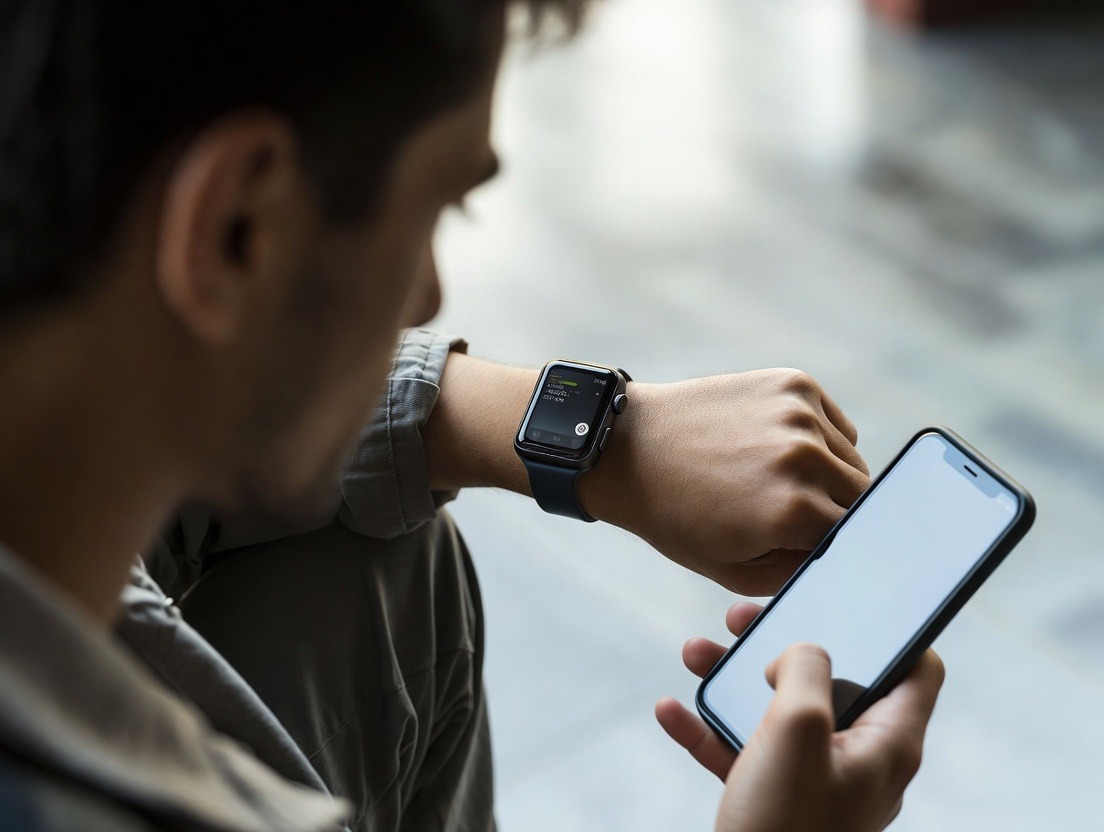
Stress is not a feeling; it is a measurable physiological cascade with direct cardiovascular consequences. Chronic stress elevates cortisol and adrenaline, leading to increased heart rate, blood pressure, inflammation, and ultimately, a heightened risk for atherosclerosis and hypertension. The smart ring makes this invisible load visible and manageable.
The Physiology of Measured Stress
Smart rings use a combination of metrics—most notably HRV, resting heart rate, and respiratory rate—to provide a continuous stress index throughout the day. When your sympathetic nervous system is activated, HRV drops, your heart rate rises, and your breathing becomes quicker and more shallow. The ring detects these shifts, even if you are mentally accustomed to the stress and no longer "feel" it consciously.
Differentiating Between Good Stress and Bad Strain
Not all stress is harmful. A hard workout causes a acute, purposeful stress response followed by a recovery period—this is eustress. The problem is chronic, unmanaged strain: the constant drip of work anxiety, financial worry, or relational tension that never allows your nervous system to fully return to baseline. The ring’s 24/7 data shows this clearly: a flatlining low HRV throughout the day and night, with no recovery peak.
Interrupting the Feedback Loop
This is where awareness becomes intervention. You can use your ring’s data to:
By externalizing your internal stress state, the smart ring gives you agency. It breaks the cycle of chronic strain by providing the objective signal that it’s time to pause, breathe, and recover, thereby protecting your heart from the insidious damage of perpetual alert. For practical techniques on managing stress guided by your biometric data, our blog features numerous expert-guided strategies.
The fitness world has long been dominated by a "more is better" and "no pain, no gain" mentality. For cardiovascular health, this can be dangerously simplistic. Overtraining syndrome presents a significant cardiac risk, characterized by elevated resting heart rate, suppressed HRV, hormonal imbalance, and increased systemic inflammation. The smart ring introduces the critical concept of readiness, ensuring your activity supports your heart, rather than attacks it.
What is a Readiness Score?
A readiness score (sometimes called a recovery score) is a composite index generated each morning. It synthesizes the data from your previous night’s sleep (duration, quality, disruptions) and your physiological recovery markers (HRV, RHR, temperature). A high score indicates your body has recovered well and is prepared for physical or mental strain. A low score is a clear recommendation to prioritize recovery through light activity, stretching, or rest.
The Cardiovascular Wisdom of Listening to Readiness
Ignoring a low readiness score and pushing through a high-intensity workout is like driving a car with the red engine light on. You’re adding significant strain to a system already signaling distress. This can lead to:
Training Smarter, Not Just Harder
With a smart ring, your activity becomes a dialogue:
This intelligence transforms fitness from a rigid schedule to a flexible, responsive practice that respects your body’s current state. It ensures that your efforts are building a stronger, more resilient heart, not grinding it down. This philosophy of intelligent, data-informed wellness is core to the journey and values that shaped Oxyzen.
Information alone is powerless. The magic happens when data sparks insight, insight motivates action, and action generates positive feedback, creating a self-reinforcing cycle of improvement—the Personalized Health Flywheel. The smart ring is the perfect engine for this flywheel.
The Stages of the Flywheel:
Breaking the Cycle of Frustration
Traditional, generic health advice often fails because it lacks this feedback loop. "Sleep more" is abstract. Seeing your readiness score hit 90% after a week of prioritizing 8-hour sleeps is concrete. "Stress less" is nebulous. Watching your real-time stress index fall during a breathing exercise is empowering. The ring provides the closed-loop system necessary for sustainable change.
The Compound Interest of Wellness
Each small, validated change compounds. Better sleep lowers stress. Lower stress improves HRV. Better HRV enhances sleep quality and exercise recovery. Improved recovery allows for more effective workouts, which further boost cardiovascular fitness. The flywheel builds momentum, driving you toward a higher baseline of health and resilience without relying on unsustainable willpower.
This transformative process is what modern wellness technology is truly about. To see how others have embarked on and sustained their own flywheel journey, the personal stories shared by our community offer powerful inspiration and proof of concept.
The current suite of metrics is just the beginning. The rich, continuous PPG signal from the finger, combined with advanced algorithmic processing, is opening doors to proxy measurements and insights once thought impossible outside a clinic. These emerging frontiers hint at a future where the smart ring is a true first line of defense in cardiovascular health.
Pulse Wave Analysis & Arterial Stiffness:
Advanced algorithms can analyze the shape of the PPG pulse wave itself. The speed and contour of the wave can provide estimates of Pulse Wave Velocity (PWV), a gold-standard marker for arterial stiffness. Arterial stiffness is a major independent predictor of hypertension, heart attack, and stroke. Tracking relative changes in PWV over time could give users an early warning of developing vascular aging.
Atrial Fibrillation (AFib) Detection:
Irregular heart rhythm detection is a major application. By continuously monitoring heart rhythm patterns, smart rings can identify episodes of irregularity suggestive of AFib—a condition that often goes undetected but significantly increases stroke risk. While not a diagnostic device, a ring can prompt a user to seek a formal medical evaluation based on its findings, potentially catching a serious condition early.
Blood Pressure Trends (Cuffless Estimation):
While not yet providing clinically accurate systolic/diastolic numbers, research into cuffless blood pressure estimation via PPG is advancing rapidly. The goal is reliable trending of relative blood pressure changes throughout the day and night, which is arguably more valuable for daily management than a single-point measurement. Seeing your BP trend rise after certain meals or during specific stressors would be a revolutionary tool for personalized hypertension management.
Metabolic Health Markers:
The PPG signal contains information related to blood flow and vessel behavior that researchers are linking to metabolic health. Correlations with glucose dynamics and overall metabolic flexibility are being explored. Given the intimate link between metabolic syndrome (insulin resistance) and cardiovascular disease, this could provide a holistic view of cardiometabolic risk.
These innovations underscore that the smart ring platform is not static. Its potential as a preventive health sentinel is vast, evolving with every software update and research breakthrough. To stay abreast of these cutting-edge developments and what they mean for your health, following our blog for the latest research updates is essential. The journey we've begun, from basic tracking to profound cardiac insight, is only just unfolding.
The true test of any health technology is not the sophistication of its data, but its ability to harmoniously integrate into your life and inspire meaningful action. The smart ring’s greatest design achievement may be its invisibility, but the goal of the data it provides is profound visibility—visibility into choices, patterns, and ultimately, your health trajectory. This chapter moves from interpretation to implementation, exploring how to translate ringside insights into a lifestyle that actively nourishes your cardiovascular system.
The Seamless Integration Principle
Unlike a wristwatch that buzzes with notifications or a phone that demands constant engagement, the smart ring operates on a principle of passive, patient observation. It does not fragment your attention; it protects it. This creates a unique user relationship: you are not a “user” in the constant sense, but a partner who checks in periodically for a comprehensive briefing. Integration means:
Contextualizing the Numbers: Your Life as the Control Group
Raw numbers are meaningless without context. The ring’s app becomes your health journal, but you provide the narrative. The most powerful feature you can use is tagging or note-taking. Did you have a stressful work presentation? Tag that day “Major Work Stress.” Did you try a new meditation app? Tag it “Started Meditation.” Consumed alcohol or had a late meal? Note it. Over weeks, you will stop asking, “What is my HRV?” and start asking, “What happens to my HRV after X?” You become the principal investigator in your own N-of-1 study, with the ring as your objective lab instrument.
Lifestyle Levers You Can Now Pull with Confidence
With your personalized feedback loop established, you can engage in targeted experiments:
This process of integration demystifies wellness. It moves you from following generic prescriptions to crafting a personal, dynamic operating manual for your own body. For those curious about how others have successfully integrated this data into busy lives, our blog is filled with user-centric guides and case studies.
To trust the data, it helps to understand the elegant, non-invasive science that gathers it. The smart ring is a marvel of miniaturization, packing clinical-grade sensing principles into a sleek, durable band. Let’s pull back the curtain on the core technologies that make continuous cardiovascular monitoring possible.
Photoplethysmography (PPG): The Heart of the Matter
This is the foundational technology. PPG uses tiny light-emitting diodes (LEDs) to shine light (typically green and infrared) into the skin of your finger. A photodetector opposite measures the amount of light that is reflected back. Why does this matter for your heart?
The Accelerometer & Gyroscope: Understanding Motion Context
The motion sensors serve a dual, critical purpose:
Thermopile Sensor: Sensing from a Distance
Some advanced rings incorporate a miniature infrared thermopile sensor. This is a contactless temperature sensor that measures the infrared radiation emitted from your skin. It provides a highly accurate reading of your skin temperature trends, crucial for tracking circadian rhythms, illness onset, and menstrual cycle phases, all of which influence cardiovascular load.
The Brain: Advanced Proprietary Algorithms
The hardware collects raw signals, but the software algorithms are the genius. They perform the herculean task of:
This fusion of biomedical sensing and data science is what transforms a piece of wearable hardware into a daily health advisor. It’s a field that is advancing at a breathtaking pace, and you can explore the latest technical breakthroughs and what they mean for you on our dedicated FAQ page.
The market is evolving rapidly, with new entrants promising a range of features. Choosing the right smart ring is not about finding the one with the most specs, but the one that best aligns with your health philosophy, lifestyle, and need for reliable data. Here are the crucial factors to consider, framed around cardiovascular wellness.
1. Sensor Suite & Biometric Accuracy (The Non-Negotiables)
For cardiovascular tracking, prioritize proven, medical-grade sensor principles.
2. Battery Life & Charging Ecosystem
A ring that needs daily charging defeats the purpose of continuous monitoring, especially for tracking sleep.
3. App Experience & Health Intelligence
The hardware is only half the product. The app is your portal to understanding.
4. Design, Fit, and Comfort
You must want to wear it always.
5. Privacy and Data Philosophy
Your biometric data is deeply personal. Investigate the company’s stance.
Brands that prioritize clinical readiness and user-centric design, like Oxyzen, are built from the ground up on these principles. The goal is to provide a tool that earns your trust through accuracy, reliability, and a respectful approach to your personal health journey. To understand the core mission and engineering ethos behind such a device, you can learn more about our story and values.
This is perhaps the most transformative frontier: using your continuous personal data to forge a more collaborative, informed, and proactive relationship with your healthcare providers. You are no longer a patient arriving with symptoms and a vague history; you become a partner bringing a logbook of objective, physiological observations.
Preparing for the Appointment: From Anecdote to Evidence
Imagine going to your doctor concerned about fatigue or mild anxiety. Instead of saying, “I feel tired,” you can say:
*“Over the past three months, my wearable data shows my resting heart rate has trended up by 8 bpm, my heart rate variability has declined by 20%, and my sleep efficiency is consistently below 80%. I’ve tagged high-stress work weeks, and the correlation is clear. I’ve tried improving sleep hygiene, which helped slightly, but the core trend persists.”*
This shifts the conversation from subjective to objective, giving your doctor concrete signals to investigate—perhaps leading to checks for thyroid function, sleep apnea, or underlying inflammatory conditions much earlier.
Specific Use Cases for Clinical Collaboration:
A Note on Responsibility: The Ring as a Tool, Not a Doctor
This empowerment comes with responsibility. A smart ring is a ** wellness and screening tool**, not a diagnostic device.
By approaching your ring data as a collaborative tool, you elevate your role in your own health journey. You become an engaged, informed advocate, equipped with a continuous stream of personal evidence. For many, this shift in agency is the most profound benefit of all, a sentiment echoed in the shared experiences of our user community.
As we stand at the current pinnacle of consumer cardiovascular tracking, it’s thrilling to look toward the horizon. The convergence of better sensors, more powerful AI, and a growing understanding of human physiology points to a future where the smart ring could become the central hub of our predictive, preventative health ecosystem.
Near-Term Evolution (1-3 Years):
Mid-Term Vision (3-7 Years):
Long-Term Aspiration (7+ Years):
This future is not science fiction; it is the logical extension of the path we are already on. It is a future built on the foundational principle that the best healthcare is invisible, proactive, and deeply personal—a principle that guides innovators in this space. To follow the development of these technologies and understand their ethical implementation, staying informed through resources like the Oxyzen blog will be key.
You now have the dashboard—a steady stream of heart rate, HRV, SpO2, and readiness scores. The initial phase of awareness is complete. The next stage, mastery, involves moving beyond the surface-level numbers to understand their profound interplay, their nuanced meanings, and the personal baselines that make this data uniquely yours. This is where the journey from passive tracking to active cardiovascular stewardship truly begins.
Establishing Your Personal Baseline: You Are Your Own Control
The most critical number in your health tracking is not a universal ideal; it is your own normal. A resting heart rate of 55 might be stellar for one person and a concerning spike for another. The first 30 days with a smart ring should be treated as a calibration period. The goal is not to judge the numbers, but to observe them to establish your personal ranges.
Understanding the Signal vs. Noise: When to Worry and When to Wait
A single night of poor sleep or a one-day HRV dip is noise—a normal fluctuation. A trend is a signal. The art of interpretation lies in distinguishing between the two.
The Interplay of Metrics: The story in the Synthesis
No single metric tells the full story. The power emerges from their correlation.
Context is King: The External Log
Your ring measures internal physiology. You must provide the external context. Diligently using the tagging or journal feature in your app is non-negotiable for advanced interpretation. Tag:
This deep, personal understanding transforms data from something you have to something you use. It’s the foundation for the highly personalized applications we will explore next. For those seeking to master this interpretive skill, our blog offers deep-dive articles on correlating specific lifestyle factors with biometric feedback.

For the athlete—from the dedicated weekend warrior to the elite competitor—the smart ring is not a wellness gadget; it is an essential piece of performance technology. It shifts training from a plan based on calendar dates to one dynamically responsive to the body’s readiness, maximizing adaptation while ruthlessly minimizing the risk of overtraining and injury.
Beyond Heart Rate Zones: The Centrality of HRV
While heart rate zones guide workout intensity, HRV guides workout timing. It is the premier objective measure of autonomic balance and recovery status.
Quantifying the Training Load – Recovery Balance
The smart ring’s Readiness Score is an athlete’s daily decision-making tool.
Sleep as the Ultimate Performance Enhancer
Athletes live by the mantra: “You don’t get stronger during the workout; you get stronger during the recovery.” The smart ring provides irrefutable proof of recovery quality.
Case in Point: The Marathon Training Cycle
An athlete training for a marathon can use ring data to:
This data-driven approach demystifies the art of coaching and self-coaching, bringing a laboratory level of precision to everyday training. It embodies the principle of working with your body, not just on it. The journey of Oxyzen is deeply intertwined with supporting athletes in this precise, intelligent pursuit of performance.
For individuals over 50, cardiovascular wellness tracking shifts from performance optimization to vital, proactive surveillance. The smart ring becomes a guardian, offering early warnings of subtle changes that could indicate emerging issues, allowing for early intervention—the single most powerful factor in managing age-related health.
Monitoring for Arterial Stiffness and Hypertension Clues
While direct blood pressure measurement isn’t standard yet, smart rings can provide powerful proxy data.
Sleep Apnea: A Critical Cardiovascular Risk Factor
Obstructive sleep apnea (OSA) is notoriously under-diagnosed and is a major driver of hypertension, atrial fibrillation, and stroke. The smart ring is a powerful screening tool.
Atrial Fibrillation (AFib) Surveillance
AFib risk increases significantly with age. While smart rings are not diagnostic, their continuous rhythm monitoring can detect irregular episodes that might otherwise go unnoticed (AFib is often asymptomatic).
Building Resilience Through Data
Beyond disease screening, the ring empowers proactive health building.
For this demographic, the smart ring transcends wellness—it becomes a partner in longevity, offering both peace of mind through monitoring and a tool for engaging in evidence-based health preservation. To see how this technology is making a difference in the lives of older adults, the testimonials from our community provide powerful, real-world validation.
For the millions living with managed chronic conditions like hypertension (HTN), type 2 diabetes (T2D), or anxiety disorders, the smart ring offers something revolutionary: a continuous, at-home window into how their body is responding to treatment and lifestyle. It fills the vast data void between quarterly doctor’s appointments.
Hypertension Management: Beyond the Cuff
The limitation of the blood pressure cuff is its infrequency. The smart ring provides the context around those readings.
Diabetes and Cardiometabolic Health
T2D is fundamentally a cardiovascular disease. The ring tracks key downstream effects.
Anxiety & Mental Health: Grounding in Physiology
For anxiety disorders, the disconnect between perceived and physiological state can be vast. The ring acts as a biofeedback device, making the invisible visible.
In all these cases, the smart ring transforms the patient from a passive recipient of care into an active, informed collaborator. It provides the continuous data stream needed for truly personalized, dynamic management of chronic health. For answers to common questions about using wearables in conjunction with chronic condition management, our comprehensive FAQ is an excellent resource.

With a clear understanding of the smart ring’s capabilities, a critical question remains: how does it stack up against the dominant wearable form factor—the smartwatch—and other specialized devices? This is not a declaration of a winner, but an analysis of trade-offs to identify the right tool for the primary goal of continuous, nuanced cardiovascular insight.
The Smartwatch: The Jack-of-All-Trades, Master of Distraction
The Chest Strap (ECG): The Gold Standard for Workout Intensity
The Smart Ring: The Specialist in Continuous, Passive Physiology
The Verdict: Choosing Your Tool
For many, the ideal setup is a combination: a smart ring for continuous 24/7 health and recovery monitoring, paired with a simple GPS watch or a chest strap for dedicated workout tracking. This hybrid approach covers all bases without compromise. To explore how different users have configured their ideal health-tech stack, our community stories offer a wealth of practical examples.
You have the ring, the app is installed, and the future of your heart health is at your fingertips—literally. But where to begin? This 30-day protocol is designed to guide you from unboxing to meaningful insight, establishing healthy habits and avoiding data overload.
Days 1-7: The Observation Phase – “Just Wear It”
Days 8-14: The Introduction Phase – “Meet Your Metrics”
Days 15-21: The Correlation Phase – “Ask ‘Why?’”
Days 22-30: The Integration Phase – “Form a Hypothesis”
This protocol builds competence and confidence gradually, ensuring the technology serves you, not overwhelms you. For additional support and answers during this critical onboarding period, our dedicated FAQ section is always available.
The first few months are exciting, as correlations become clear and positive feedback rolls in. But what happens when the novelty fades, or you hit a data plateau? Sustaining this practice long-term requires shifting from motivation to ritual, and from goals to systems.
The Plateau Paradox: When Data Becomes Routine
It’s normal for the initial dramatic improvements to level off as your body reaches a new, healthier baseline. A rising HRV trend will eventually stabilize. This is success, not failure.
Building Rituals, Not Relying on Willpower
Willpower is exhaustible; rituals are automatic.
Navigating Life’s Disruptions: Travel, Illness, and Stress
The true value of a monitoring tool is revealed not when life is perfect, but when it is not.
The Long Game: A Lifetime of Informed Choices
Ultimately, the smart ring approach is about cultivating a new relationship with your body—one based on curiosity, evidence, and respect. It’s about moving from a reactive “fix-it” model to a proactive “tune-it” model. The data becomes a lifelong companion, a silent witness to your choices, and a gentle guide toward sustained vitality. This philosophy of long-term, informed self-care is at the core of the mission behind brands like Oxyzen.
We have journeyed from the biological rationale of the finger to the advanced interpretation of data; from the athlete’s quest for peak performance to the older adult’s vigilant protection of longevity; from managing chronic conditions to comparing the tools of the trade. We’ve provided a roadmap to begin and sustain this practice.
You now understand that the smart ring is more than a piece of technology. It is a paradigm: a shift from episodic, guesswork-based health to continuous, evidence-based wellness. It returns agency to the individual, providing the language to understand the heart’s continuous our story.
In the final portion of this comprehensive guide, we will tackle the broader implications. We will explore the ethical landscape of biometric data, the future of AI-driven health coaching, and present a compelling vision for a society that embraces continuous, preventative self-care. We will also provide a definitive resource guide, glossary, and answers to the most pressing, nuanced questions that arise on this journey. The path to mastering your cardiovascular wellness is now clearly marked. The next steps await.
Your Trusted Sleep Advocate (Sleep Foundation — https://www.sleepfoundation.org/)
Discover a digital archive of scholarly articles (NIH — https://www.ncbi.nlm.nih.gov/
39 million citations for biomedical literature (PubMed — https://pubmed.ncbi.nlm.nih.gov/)
experts at Harvard Health Publishing covering a variety of health topics — https://www.health.harvard.edu/blog/)
Every life deserves world class care (Cleveland Clinic -
https://my.clevelandclinic.org/health)
Wearable technology and the future of predictive health monitoring. (MIT Technology Review — https://www.technologyreview.com/)
Dedicated to the well-being of all people and guided by science (World Health Organization — https://www.who.int/news-room/)
Psychological science and knowledge to benefit society and improve lives. (APA — https://www.apa.org/monitor/)
Cutting-edge insights on human longevity and peak performance
(Lifespan Research — https://www.lifespan.io/)
Global authority on exercise physiology, sports performance, and human recovery
(American College of Sports Medicine — https://www.acsm.org/)
Neuroscience-driven guidance for better focus, sleep, and mental clarity
(Stanford Human Performance Lab — https://humanperformance.stanford.edu/)
Evidence-based psychology and mind–body wellness resources
(Mayo Clinic — https://www.mayoclinic.org/healthy-lifestyle/)
Data-backed research on emotional wellbeing, stress biology, and resilience
(American Institute of Stress — https://www.stress.org/)


