


The Smart Ring Metrics That Predict Heart Health Outcomes
The smart ring metrics that can predict future heart health outcomes.
The smart ring metrics that can predict future heart health outcomes.
%402x.svg)
For centuries, the pulse at the wrist was the singular, tactile sign of life—a steady, reassuring rhythm against a physician’s fingertips. Today, that simple pulse has evolved into a torrent of continuous, invisible data, flowing not from a doctor's touch, but from a sleek band of titanium or ceramic on your finger. The smart ring, once a niche gadget for sleep enthusiasts, has quietly become one of the most potent and personal health monitoring devices ever conceived. Its 24/7 proximity to the rich vascular network in your finger grants it an almost oracular power: the ability to detect subtle physiological whispers long before they become symptomatic shouts.
This is not about counting steps or tracking sleep stages in isolation. We stand at the precipice of a predictive health revolution, where the metrics gathered by these unassuming rings—your heart rate variability (HRV), resting heart rate (RHR), blood oxygen saturation (SpO₂), skin temperature, and activity levels—are being woven together by sophisticated algorithms to form a dynamic, early-warning system for your cardiovascular system. Research is increasingly validating that these passive, continuous data streams can predict significant heart health outcomes, from identifying the risk of atrial fibrillation and hypertension to signaling autonomic nervous system dysfunction and systemic inflammation.
The promise is profound: a future where your own wearable data empowers you and your healthcare provider to take proactive, preventative action, shifting the paradigm from sick care to true health care. This article will be your deep dive into that future. We will demystify the key metrics your smart ring collects, explore the robust scientific evidence linking them to specific cardiovascular conditions, and provide a practical framework for interpreting your own data. This is more than a guide; it’s an invitation to become an active participant in the longevity of your most vital organ. The crystal ball is on your finger. Let’s learn to read it.
Before we can harness the predictive power of a smart ring, we must first understand what it's actually measuring and why these specific signals matter. Traditional medicine has long relied on snapshots—your blood pressure in a doctor’s office, a cholesterol panel from an annual physical. These are critical, but they are singular moments in time, easily influenced by "white coat syndrome," a bad night's sleep, or recent meals. The genius of continuous biometric monitoring via a smart ring lies in its ability to establish your unique, personalized baseline and then detect meaningful deviations from that norm.
Think of your body as a complex, humming engine. The smart ring acts as a sophisticated array of sensors listening to that hum. It’s not just listening for the obvious clunk of a broken part (a major cardiac event); it’s attuned to the slight changes in pitch, vibration, and temperature that suggest a component is under stress or beginning to wear. These subtle changes are your predictive biomarkers.
The primary metrics fall into two categories: direct cardiovascular signals and contextual physiological signals. The direct signals include Heart Rate (HR) and its more insightful cousin, Heart Rate Variability (HRV)—the beat-to-beat variation in time between heartbeats. Then there’s Blood Oxygen Saturation (SpO₂), a measure of how efficiently your heart and lungs are oxygenating your blood. The contextual signals include Skin Temperature, a proxy for metabolic and inflammatory activity, and detailed Sleep Architecture data, as sleep is the primary period of physiological repair for the cardiovascular system.
Together, this data creates a multi-dimensional portrait of your autonomic nervous system (ANS)—the unconscious control center that regulates your heartbeat, breathing, and digestion. The ANS has two main branches: the sympathetic ("fight-or-flight") and the parasympathetic ("rest-and-digest"). The balance between these two branches, reflected vividly in metrics like HRV, is a master indicator of stress, resilience, and overall cardiovascular health. A smart ring tracking these metrics over time doesn't just tell you what is happening; it gives clues as to why.
For those new to this world of continuous data, it can feel overwhelming. A great starting point is to explore foundational resources that explain the technology. You can learn more about smart ring technology and its core metrics to build a solid base of knowledge. This foundational understanding is crucial, because as we proceed, we will see how deviations in these everyday metrics are anything but mundane—they are the earliest dispatches from the front lines of your health.
Individually, each smart ring metric is a compelling story. But their true predictive power is unleashed when they are woven together. The interplay between HRV, RHR, SpO₂, temperature, and sleep creates a multidimensional narrative that no single metric can tell alone. This is where advanced algorithms and personal baselines transform raw data into true insight. Let’s walk through a hypothetical, but very common, case study.
The Scenario: "John's Unexplained Fatigue"
John, 48, has worn his smart ring for six months. He knows his baselines: Nightly HRV ~55ms, RHR 58 bpm, Deep Sleep ~75 minutes, average SpO₂ 96%. Over the past three weeks, he’s felt increasingly fatigued but attributes it to work stress.
The Isolated Data Points:
The Synergistic Diagnosis (The "Aha!" Moment):
Looking at each metric alone raises mild concerns. But viewed together, a clear, alarming pattern emerges:
The Predictive Outcome: This combined picture is a classic prelude to several potential outcomes: a significant illness (like a viral infection), a diagnosis of mild sleep apnea, or the manifestation of unchecked stress as hypertension or metabolic dysfunction. For John, armed with this consolidated data, a visit to his doctor is no longer based on a vague feeling of tiredness. He presents a report showing multi-system dysregulation. The doctor, impressed by the detailed trends, orders a sleep study and blood work, which reveals mild obstructive sleep apnea and elevated inflammatory markers. Early intervention with lifestyle changes and sleep apnea management is initiated, potentially averting the development of full-blown hypertension or atrial fibrillation years down the line.
This is the future of preventative health—not a single alarm bell, but a chorus of data points singing in harmony to tell the story of your body’s status. Learning to interpret this chorus is key, and support is available. You can always visit our FAQ for support and detailed questions on data interpretation to help you on your journey.
The true magic of a smart ring lies not in its measurement of isolated metrics, but in its unique ability to provide a real-time, 24/7 readout of your autonomic nervous system (ANS). The ANS is the autopilot of your body, regulating everything you don't consciously think about: heart rate, digestion, respiratory rate, and pupillary response. It's divided into two primary branches: the sympathetic nervous system (SNS), your "fight-or-flight" accelerator, and the parasympathetic nervous system (PNS), your "rest-and-digest" brake. Cardiovascular health is profoundly a story of ANS balance. Chronic SNS dominance is a known, powerful driver of inflammation, hypertension, and cardiac risk.
Your smart ring transforms into an ANS Dashboard by synthesizing three core metrics: Heart Rate Variability (HRV), Resting Heart Rate (RHR), and the body's response to stress. HRV is the most direct measure of ANS balance—high variability indicates strong PNS tone and adaptability, while low variability suggests SNS overdrive. RHR is the downstream result: a heart under SNS influence beats faster, even at rest. The ring adds a crucial third dimension: physiological stress detection, often measured through the combination of elevated heart rate, reduced HRV, and increased skin temperature outside of exercise or illness contexts.
Imagine a typical day monitored by your ring:
The Predictive Heart Health Link: Research solidly connects ANS imbalance to cardiovascular disease pathogenesis. Chronic SNS overdrive:
By tracking your ANS dashboard daily, you can identify a trend toward SNS dominance long before a doctor's blood pressure cuff reads "hypertension." It allows for early, lifestyle-driven interventions—like prioritizing sleep, incorporating mindfulness, or adjusting exercise intensity—to recalibrate the system. It shifts stress management from a subjective feeling ("I'm stressed") to an objective, measurable physiological state you can act upon. For those curious about the technology that makes this possible, you can discover how Oxyzen works to decode your nervous system's signals.

Your heart does not operate at a constant state all day. It follows a powerful, innate 24-hour rhythm known as the circadian rhythm, governed by a master clock in your brain and peripheral clocks in nearly every organ, including the heart itself. This rhythm dictates the natural ebb and flow of blood pressure, heart rate, hormone secretion, and metabolic activity. Disruption of this rhythm—through poor sleep, erratic eating, or nighttime light exposure—is an independent and significant risk factor for cardiovascular disease. Your smart ring is a premier tool for assessing the integrity of your personal circadian rhythm.
The Healthy Cardiac Rhythm: In a perfectly synchronized system:
How the Ring Measures Circadian Health: The ring doesn't measure cortisol directly, but it captures powerful proxies:
The Danger of "Non-Dipping" and Rhythm Disruption: One of the most significant predictive findings from continuous monitoring is the identification of "non-dippers" or even "reverse dippers." These are individuals whose blood pressure and heart rate do not drop sufficiently at night (non-dippers) or actually rise (reverse dippers). This pattern is strongly associated with a much higher risk of stroke, heart attack, and heart failure. While rings don't measure BP directly, a persistently high nighttime RHR and low HRV are excellent surrogate markers for a non-dipping pattern.
Furthermore, shift workers and those with severe social jet lag have been shown to have higher rates of obesity, metabolic syndrome, and coronary artery disease. The smart ring makes this invisible disruption visible. By showing you if your body's rhythms are strong and synchronized or weak and chaotic, it provides a clear target for intervention. Prioritizing consistent sleep/wake times, morning light exposure, and avoiding late-night eating—all guided by your ring's data—can strengthen your circadian rhythm, which is a foundational pillar of long-term heart health. The story of health is often a story of rhythm, much like the story and vision behind creating tools for better living.
While heart rate and SpO₂ get most of the attention, your Respiratory Rate (RR)—the number of breaths you take per minute—is a fundamental vital sign with profound implications for heart health. Often called the "forgotten vital sign" in clinical settings, it is anything but forgotten by your smart ring. By analyzing the subtle variations in the PPG signal caused by breathing, advanced rings can accurately track your RR, both at rest and during sleep, unveiling patterns that are powerful predictors of cardiac strain and failure.
The Cardiorespiratory Couple: Breathing and heart rate are intimately linked through a process called respiratory sinus arrhythmia (RSA). When you inhale, your heart rate naturally increases slightly; when you exhale, it decreases. This is a sign of healthy PNS function and is a major component of your HRV. The strength of this coupling is itself a marker of cardiovascular health.
Key Predictive Patterns from Respiratory Data:
Actionable, Life-Saving Insights: For the general population, tracking RR provides another layer of holistic health awareness. For individuals with known or suspected heart conditions, it can be a non-invasive, early-warning sentinel. A gradual, creeping rise in average nightly respiratory rate, particularly when paired with a rising RHR and falling HRV, creates a triad of data strongly suggestive of decompensating heart function. This allows for proactive contact with a healthcare provider, potentially preventing an acute hospitalization. It turns the smart ring from a wellness device into a serious health management tool, exemplifying the mission to empower users with actionable health intelligence.
Inflammation is the common, smoldering fire underlying most chronic diseases, and cardiovascular disease is the prime example. Atherosclerosis—the buildup of plaque in arteries—is fundamentally an inflammatory process. While smart rings cannot measure inflammatory markers like C-reactive protein (CRP) directly, they provide a compelling and continuous physiological proxy for systemic inflammation by connecting the dots between skin temperature, resting heart rate, and heart rate variability.
The Physiology of the Inflammatory Triad: When your body is fighting an infection or dealing with chronic low-grade inflammation (from poor diet, stress, or autoimmune issues), it initiates a coordinated response:
Thus, a sustained state of low-grade inflammation can manifest as a persistent trio: Elevated Skin Temperature + Elevated RHR + Depressed HRV.
Tracking the "Silent" Inflammation: This is where long-term smart ring data becomes revolutionary for preventive cardiology. You may feel perfectly fine, but your biometrics could tell a different story:
From Proxy to Prevention: By making inflammation "visible," the smart ring empowers you to conduct personal experiments. You can see, in near real-time, how anti-inflammatory interventions—like adopting a Mediterranean diet, incorporating omega-3s, practicing regular moderate exercise, and improving sleep—calm the physiological proxy metrics. This creates a powerful feedback loop for sustainable heart-healthy living. It moves the concept of an "anti-inflammatory lifestyle" from a vague wellness trope to a data-driven personal strategy. For inspiration and shared experiences on making these lifestyle shifts, you can read real customer reviews and journeys.
This is the single most important concept for harnessing the predictive power of your smart ring: Your data is only meaningful in the context of you. Population averages (e.g., "a good HRV for a 40-year-old male is X") are nearly useless and can be misleading or discouraging. One person's "low" HRV of 30ms might be their healthy, stable baseline, while another's "high" of 80ms crashing to 50ms could indicate a severe problem. The predictive magic lies in detecting deviations from your own personal norm.
How Your Ring Establishes Your Baseline: A sophisticated smart ring doesn't judge you against strangers; it learns about you. Over an initial period (typically 2-4 weeks of consistent wear), it builds a multifaceted baseline profile:
This personalized dashboard becomes your health fingerprint.
Why This Matters for Prediction: A diagnostic test in a hospital looks for values outside a population-derived normal range. Predictive health looks for values outside your personal normal range. This allows for far earlier detection.
Taking Action from Personal Trends: This shifts your focus from chasing arbitrary scores to observing trend lines and acute changes. The questions become: Is my HRV trend sloping downward over two weeks? Is my RHR consistently higher this week than last? Did my temperature not drop as expected last night? These personalized deviations are the true early-warning signals. They empower you to have more informed conversations with doctors, providing concrete evidence: "My data shows a sustained autonomic imbalance over the last month, despite my lifestyle being stable." This level of personalization is the cornerstone of modern, proactive wellness, and you can visit our FAQ for more on understanding your personal baselines.
The wealth of data from a smart ring is only as valuable as the action it inspires. The critical bridge between personal biometrics and clinical outcomes is an informed dialogue with a healthcare professional. However, walking into a doctor's office with six months of raw graphs can be overwhelming for both parties. The key is to translate data into a concise, actionable Health Data Narrative.
Creating Your Health Data Narrative: Before an appointment, prepare a summary. Do not present 90 days of raw data. Instead, identify and document:
This approach frames you as an engaged, self-aware partner in your health, providing objective evidence to supplement your subjective symptoms ("I've been more fatigued").
What the Data Can and Cannot Do: It's crucial to set realistic expectations.
The Evolving Clinical Landscape: The medical field is gradually embracing this data. Cardiologists and sleep specialists are increasingly familiar with consumer wearable data. Presenting clear trends, as described above, can be invaluable. Some platforms even offer tools to generate PDF health reports designed for sharing with clinicians. By acting as a responsible steward of your own data—interpreting trends, not over-interpreting single data points—you become a powerful force in your own preventative care journey. This partnership between user and provider is central to the vision of companies pioneering this space; you can learn more about our commitment to this responsible health ecosystem.
Data without action is merely trivia. The culmination of understanding your smart ring metrics is the creation of a personalized, dynamic Heart-Health Action Plan. This is not a rigid set of rules, but a flexible framework that uses your live biometric feedback to guide daily and weekly choices for optimizing cardiovascular resilience.
The Action Plan Framework: Build your plan around the key predictive metrics, using them as guideposts.
The Dynamic Feedback Loop: This is where the plan comes alive. You implement actions (e.g., "This week, I'll be in bed by 10:30 PM and meditate daily"). You then observe the biometric response over the subsequent 3-7 days. Did your HRV trend begin to recover? Did your deep sleep increase? This feedback loop turns your life into a continuous, self-optimizing experiment. It cultivates body literacy—the ability to understand and respond to your body's signals.
Beyond the Self: Sharing the Journey: This holistic approach to health is often more sustainable and enjoyable when integrated into your lifestyle and shared with a community. For ongoing ideas, inspiration, and advanced strategies, you can always explore our blog for more wellness tips and integrative guides. The goal is to move from being a passive patient to an active architect of your own heart health, using the crystal ball on your finger not to see a fixed future, but to build a better one.
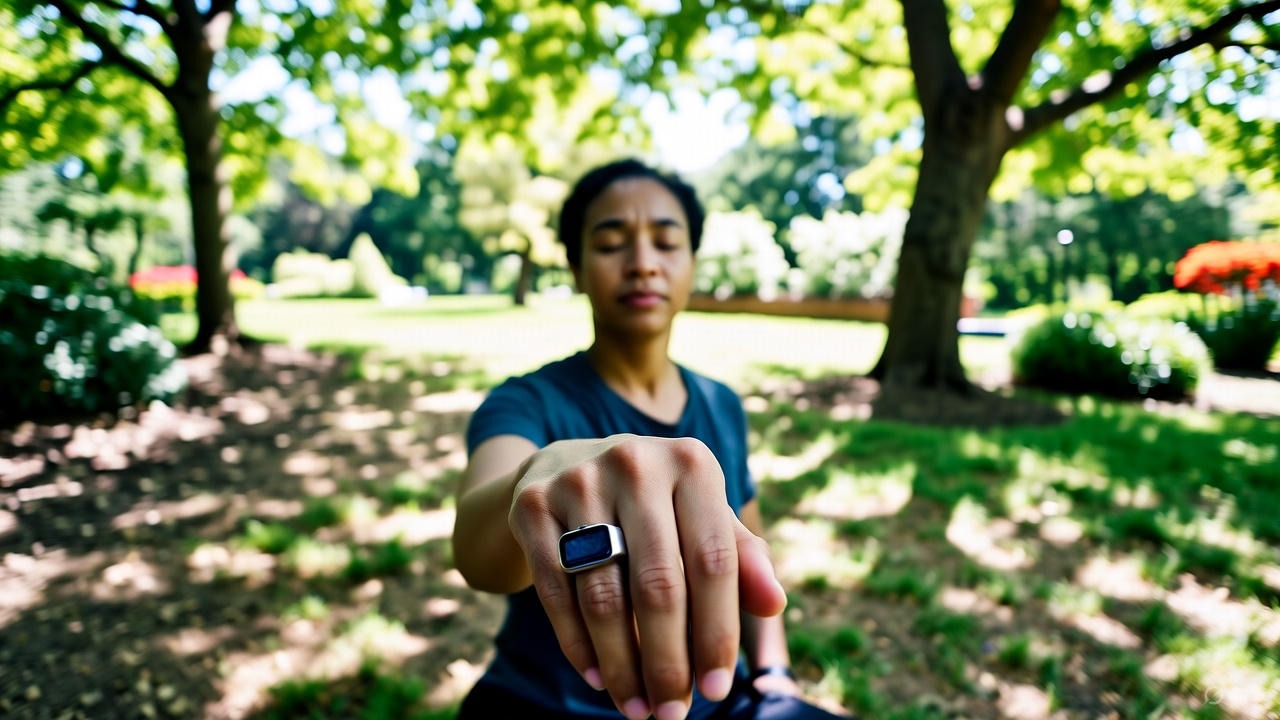
The smart ring on your finger today is the vanguard of a much larger revolution. We are transitioning from reactive observation to true physiological forecasting. This next frontier is powered by two converging forces: Advanced Artificial Intelligence (AI) / Machine Learning (ML) and the aggregation of anonymous, longitudinal population health data. Together, they are creating predictive models of heart health with an accuracy and personalization previously unimaginable.
AI as the Predictive Pattern Recognizer: Current devices are excellent at showing you trends. The next generation of algorithms will predict them. By analyzing your multi-year data stream—HRV, RHR, SpO₂, activity, sleep—against known health outcomes, AI can identify subtle, complex patterns that precede specific events.
The Power of the Anonymous Crowd: Your single data stream is powerful. Millions of anonymized data streams are transformative. When users (with explicit consent) contribute their de-identified data to research pools, a phenomenal resource is created. Researchers can ask: "What did the biometric data of 5,000 people who later developed heart failure look like in the two years before their diagnosis? How did it differ from the data of 50,000 people who didn't?"
This enables the discovery of entirely new predictive signatures—combinations of metrics we don't yet know to look for. It moves prediction from single-biomarker thresholds ("HRV below 20 is bad") to multifactorial risk scores based on real-world outcomes. Your personal risk assessment will no longer be based on generic factors like age and smoking status, but on how your unique physiology compares to millions of others with similar longitudinal patterns. This is the core of a precision prevention model.
Ethical Forecasting and the Role of the User: This future raises critical questions. How do we deliver predictive risk information without causing anxiety? The answer lies in context and actionability. A sophisticated system won't just flash a warning; it will provide a personalized "risk mitigation plan." The forecast might be: "Our model indicates a heightened 12-month cardiovascular risk profile. The primary modifiable drivers in your data are sleep-related oxygen dips and elevated inflammatory markers. Priority Action 1: Discuss sleep apnea screening with your doctor. Priority Action 2: Implement a 4-week anti-inflammatory nutrition protocol. Let's track the response."
This transforms prediction from a source of fear into a roadmap for empowerment. The technology becomes a true partner in health stewardship. To understand how this data-driven, user-centric philosophy is built into the foundation of modern wellness tools, you can learn more about our mission and approach.
Your smart ring is a powerful sentinel, but it is not an island. Its predictive warnings gain immense power when corroborated by other evidence and acted upon within the appropriate medical framework. The most sophisticated health strategy uses the ring as the first line of awareness, prompting you to gather secondary data and seek professional guidance.
Building a Corroborative Case: When your ring shows a sustained, concerning trend (e.g., 3-week decline in HRV, rising RHR, new SpO₂ dips), it's time to become an investigator.
This multi-source evidence pack transforms your doctor's visit from "My gadget says something's off" to "I have objective data from multiple sources showing a trend of autonomic imbalance, potential sleep-disordered breathing, and now confirmed elevated home blood pressure readings."
Clear "When to Seek Care" Triggers: Use your ring data to define action thresholds. Seek prompt medical consultation if you observe:
The Partnership Paradigm: Your role is to monitor, gather data, and observe trends. Your healthcare provider's role is to diagnose, interpret clinical tests, and prescribe treatment. The ring bridges this gap, enabling a collaborative, data-informed partnership. It allows you to be proactive, not passive, about your heart health. For support in understanding your data and deciding on next steps, our FAQ and support resources are designed to help guide you.
Knowledge of your metrics is futile without the power to change them. The true value of predictive data is that it illuminates which specific "lifestyle levers" to pull to directly improve your cardiovascular resilience. Each key metric is influenced by modifiable behaviors, creating a clear feedback loop: Action → Biometric Response → Adjusted Action.
Lever 1: Improving Heart Rate Variability (HRV)
HRV is the benchmark of recovery and autonomic balance. To elevate it:
Lever 2: Optimizing Resting Heart Rate (RHR)
A lower RHR indicates efficiency. To positively influence it:
Lever 3: Ensuring Healthy Oxygen Saturation (SpO₂)
Lever 4: Regulating Skin Temperature & Inflammation
The Iterative Process: The goal is to use your ring to run personal experiments. For two weeks, implement a new lever (e.g., daily breathing exercises and no alcohol). Observe the impact on your HRV and RHR trends. This evidence-based feedback is the most powerful motivator for sustainable change. For a community of people engaging in similar experiments and sharing results, reading real customer reviews and testimonials can provide both inspiration and practical ideas.
Let's crystallize everything we've discussed into a single, powerful narrative. Meet "Elena," a 52-year-old knowledge worker. Her smart ring has been worn consistently for 8 months, establishing rock-solid baselines. Over a 12-week period, she notices the following trend, confirmed by her weekly review:
Elena feels "off"—more tired, vaguely anxious, but attributes it to a busy project. Her ring data, however, paints a classic picture of developing autonomic imbalance with a likely pre-hypertensive and pre-sleep apnea profile. This is the predictive window for action.
Phase 1: Investigation & Corroboration
Instead of worrying, Elena uses her data as a catalyst. She:
Phase 2: The Targeted Action Plan
Elena creates a 90-day intervention plan focused on her ring's specific red flags:
Phase 3: Tracking the Turnaround
Elena monitors her ring data weekly. The feedback is compelling:
The Takeaway: Elena's story is not about a ring diagnosing her. It's about the ring giving her the predictive insight and motivational feedback to identify a looming health issue and implement targeted, effective lifestyle medicine to reverse it, likely averting a lifetime of medication. This is the paradigm shift—from treating disease to sustaining health. For more stories of transformation and data-driven health journeys, you can explore our community's experiences.
We have journeyed from the fundamental physiology of a single heartbeat to the vast, AI-augmented future of population health forecasting. The through-line is empowerment. The smart ring is the tool that democratizes access to the deep, predictive language of your own body. It transforms abstract concepts like "stress," "recovery," and "inflammation" into tangible, trackable waveforms and trends.
The metrics we've explored—HRV, RHR, SpO₂, skin temperature, respiratory rate, and their intricate interplay—are more than just numbers on a screen. They are the vital signs of tomorrow. They form an early-warning network, capable of signaling cardiovascular risk years, even decades, before traditional medicine might sound the alarm. This is not about fostering hypochondria; it is about fostering agency.
The path forward is clear:
You are no longer a passenger in your health journey. You are the pilot, with a sophisticated dashboard now at your fingertips. The goal is not to achieve perfect scores, but to cultivate a resilient, adaptable system—a heart that can weather life's stresses and thrive. This is the promise of predictive biometrics: a longer, healthier, more vibrant life, built on the foundation of your own data.
While Heart Rate Variability and Resting Heart Rate form the cornerstone of predictive cardiac monitoring, the frontier of smart ring technology is rapidly expanding. Emerging research and more sophisticated sensor arrays are beginning to unlock a deeper layer of physiological data—advanced metrics that provide an even clearer window into vascular health, cardiac workload, and metabolic efficiency. These signals move us from observing the heart's rhythm to assessing its function and the health of the entire circulatory system.
Pulse Arrival Time (PAT) & Pulse Wave Velocity (PWV): The Arterial Stiffness Proxies
One of the most promising advanced metrics is the time it takes for a pulse wave to travel from the heart to the peripheral capillary bed in your finger. This Pulse Arrival Time (PAT) is inversely related to Pulse Wave Velocity (PWV), the gold-standard clinical measure of arterial stiffness. Stiffer arteries (a hallmark of atherosclerosis and aging) transmit the pulse wave faster, resulting in a shorter PAT.
Heart Rate Recovery (HRR) After Exertion: The Ultimate Fitness & Risk Marker
We touched on HRR, but it deserves its own spotlight as an advanced, dynamic metric. HRR is typically measured as the drop in heart rate one or two minutes after peak exertion. A faster drop (e.g., >20 bpm in the first minute) indicates robust parasympathetic reactivation and excellent cardiovascular fitness. A slow recovery is a red flag.
PPG Waveform Analysis: The Shape of Your Pulse
The photoplethysmogram (PPG) signal that gives heart rate is not just a series of spikes; its waveform morphology contains a wealth of information. Advanced signal processing can analyze the shape, amplitude, and secondary characteristics of the PPG wave.
Integrating the Advanced Dashboard: Imagine a future dashboard that includes not just HRV (autonomic health) and RHR (efficiency), but also a PAT trend (arterial health) and a daily HRR score (functional resilience). This quartet would provide a breathtakingly comprehensive picture of cardiovascular system health—from the nervous system's commands, to the heart's pump function, to the elasticity of the arteries, to the system's ability to handle and recover from stress. For those intrigued by the technological frontier of these measurements, you can discover how Oxyzen is pioneering in this advanced sensor space.

The night is when the mask comes off. Free from the conscious influences of posture, movement, caffeine, and acute mental stress, your body’s true physiological baseline is revealed. For this reason, nocturnal data from a smart ring is the most valuable, predictive, and clinically relevant information it collects. While daytime metrics show how you react, nighttime metrics show how you recover and the underlying state of your system.
Why Sleep is the Diagnostic Window:
During the day, your cardiovascular system is in a state of dynamic response. At night, during non-REM sleep (particularly deep sleep), the parasympathetic nervous system takes the helm. Blood pressure and heart rate should dip significantly. This is the period for repair, clearance of metabolic waste, and hormonal rebalancing. Any failure of this process is a core predictor of pathology.
Key Nocturnal Predictive Patterns:
Actionable Nocturnal Insights:
The predictive power here is immense. A smart ring can effectively screen for sleep apnea with high probability. It can identify non-dipping hypertension patterns. It can pinpoint sleep-related arrhythmias. This turns the ring into a powerful triage tool: the data can be the direct reason a user seeks a formal sleep study or 24-hour blood pressure monitoring (ambulatory BP monitor), leading to diagnoses that are otherwise massively under-identified.
Prioritizing and optimizing sleep based on this nocturnal data is the single most effective lever for improving almost every other cardiac metric. By making the invisible processes of the night visible, the ring empowers you to defend this critical recovery period. For a deeper exploration of the science of sleep and heart health, our blog features ongoing analysis and tips.
Cardiovascular disease is not a monolith, and its presentation, progression, and predictive signs differ significantly between men and women. A one-size-fits-all approach to biometric data can be misleading. Advanced smart ring analysis must account for these differences to provide truly personalized and accurate risk insights.
Hormonal Rhythms and the Female Physiology:
The menstrual cycle creates a powerful, predictable hormonal rhythm that directly impacts core metrics. A woman’s biometric baseline is not a flat line; it’s a wave.
Differences in Disease Presentation & Metric Response:
The Menopause Transition: A Critical Predictive Window:
The perimenopausal and menopausal transition is a period of dramatically increased cardiovascular risk for women, as the protective effect of estrogen declines. This is a prime time for predictive monitoring.
Personalized, Gender-Aware Analytics: The future of smart ring software will not show a woman her HRV is "low" compared to a male-dominated population average. It will say: "Your HRV is within your normal luteal phase range," or flag, "Your RHR remains elevated into your follicular phase, which is a deviation from your pattern." This level of nuance is essential for accurate prediction and prevents unnecessary anxiety. Understanding the user as a whole person is key to our mission and values in health technology.
Your cardiovascular system and its ideal metrics are not static from age 20 to 80. What constitutes a "healthy" or "warning" signal evolves dramatically across the decades. Predictive monitoring with a smart ring must therefore be age-aware, focusing on the rate of change relative to age-expected norms and personal history.
The Third Decade (20s-30s): Establishing the Prime Baseline
This is the period to establish a robust, resilient baseline. Metrics are typically at their most favorable: high HRV, low RHR, strong circadian rhythms. The predictive focus here is on lifestyle insurance. The ring can show the direct, negative impact of poor sleep, excessive alcohol, or chronic stress on an otherwise peak-performance system. It teaches body awareness and reinforces healthy habits that will pay dividends for decades. A decline in metrics during this period is almost exclusively lifestyle-related and highly reversible.
The Fourth and Fifth Decades (40s-50s): The Early Warning Window
This is the critical predictive window where early signs of future cardiovascular disease often begin to manifest subtly.
The Sixth Decade and Beyond (60s+): Monitoring Stability and Managing Risk
By this stage, baselines will naturally be lower (HRV decreases with age). The predictive power shifts from preventing onset to managing stability and preventing acute events.
The Universal Predictive Principle: Rate of Change
Regardless of age, the most predictive factor is the rate of change of your metrics relative to your personal baseline. A 70-year-old whose HRV has held steady at 25ms for five years is likely in better cardiovascular shape than a 40-year-old whose HRV has plummeted from 60ms to 35ms in two years. The ring excels at visualizing this personal trajectory, making it the ultimate tool for "biological age" monitoring and personalized longevity planning. For users of all ages looking to understand their personal trajectory, our FAQ offers guidance on interpreting long-term trends.

For the fitness-focused user, smart ring data is indispensable, but it also presents a unique interpretive challenge: distinguishing the profound physiological adaptations of a well-trained athlete’s heart from early signs of pathological cardiac conditions. Both can manifest with similar metrics—like very low resting heart rates and high heart rate variability—yet one is a marker of health, the other of potential disease.
Characteristics of the Athlete’s Heart (A Benignant Adaptation):
This is a suite of positive adaptations to chronic endurance or strength training:
Red Flags: When "Fit" Metrics May Signal Pathology
Certain patterns should prompt an athlete to look deeper, as they can mimic or hide disease:
The Predictive Edge for Athletes:
For athletes, the ring is a recovery coach and an injury/illness preventer. It provides objective data to:
The mantra for the athlete is: Respect the data. The ring helps balance the drive for performance with the physiological necessity of recovery, ensuring that the athlete’s heart remains a symbol of health, not a ticking time bomb. Athletes' detailed experiences with balancing these extremes can be found in real customer reviews and testimonials.
Your cardiovascular metrics are not generated in a vacuum. They are a real-time reflection of your internal state interacting with a multitude of external factors. To accurately interpret predictive trends, you must become a detective of these modulators. A concerning shift in data is not always a sign of underlying disease; it can be a clear response to your environment and choices.
Common Modulators and Their Biometric Signatures:
The Importance of Context Tagging:
This is why leading apps allow you to tag your days (e.g., "Alcohol," "Late Meal," "Travel," "Sick"). Over time, you build a personal database of how these modulators affect you. This allows you to:
By accounting for these modulators, you move from asking "Is my data bad?" to asking "Why is my data different today?" This contextual awareness is the final layer of sophistication in personal predictive health, turning raw data into intelligent, actionable self-knowledge. For more insights on optimizing lifestyle factors based on data, explore our blog for practical guides.
Now that we understand the metrics, their interplay, and the factors that influence them, it’s time to construct a practical, personal system. This framework will transform you from a passive data observer into an active health forecaster, capable of making informed decisions to steer your cardiovascular future.
Phase 1: The Establishment Period (Weeks 1-4)
Phase 2: The Observation & Correlation Period (Months 2-3)
Phase 3: The Predictive Intervention Period (Ongoing)
This is where you actively use data to guide decisions.
Phase 4: The Long-Term Tracking & Celebration Period (Years)
This framework turns anxiety-inducing data into a empowering personal operating system. It’s the practical application of everything we’ve learned, placing you firmly in the driver’s seat of your heart health journey. For support in building and maintaining this framework, our comprehensive FAQ is a great resource.
We have traversed the landscape of predictive cardiology through the lens of a device small enough to fit on your smallest finger. From the millisecond fluctuations of heart rate variability to the grand, age-defying trends of a lifetime of data, the smart ring emerges not as a mere gadget, but as a profound companion in the quest for a long and vibrant life.
Its power does not lie in diagnosing disease—that remains the sacred realm of medical professionals armed with clinical tools. Its power lies in its predictive, participatory, and preventive capabilities. It gives you a language to understand the silent conversations of your autonomic nervous system, the nocturnal repair processes, and the inflammatory whispers within. It transforms intuition into evidence, and guesswork into guided action.
The ultimate prediction it enables is not of a specific heart attack on a specific date, but of risk and resilience. It answers the most important questions: Is my body becoming more or less resilient to stress? Is my cardiovascular system aging faster or slower than my chronological years? Am I recovering from today’s challenges in time to meet tomorrow’s?
This journey with a smart ring is a commitment to curiosity and self-care. It’s about learning that a low HRV score isn’t a "bad grade," but an invitation to rest. It’s about discovering that a perfect night of deep sleep feels as good in the data as it does in your body. It’s about building a partnership with your doctor where you bring not just symptoms, but solutions written in the data of your own life.
The heart that beats in your chest is the drum of your existence. Now, you have a conductor’s score—a continuous, data-rich readout of its rhythm, efficiency, and strength. Listen to it. Learn from it. And let it guide you toward a future of not just longer life, but of greater healthspan, vitality, and empowerment. The first step on that path is understanding, and you now hold a master key. Wear it wisely.
Your Trusted Sleep Advocate (Sleep Foundation — https://www.sleepfoundation.org/)
Discover a digital archive of scholarly articles (NIH — https://www.ncbi.nlm.nih.gov/
39 million citations for biomedical literature (PubMed — https://pubmed.ncbi.nlm.nih.gov/)
experts at Harvard Health Publishing covering a variety of health topics — https://www.health.harvard.edu/blog/)
Every life deserves world class care (Cleveland Clinic -
https://my.clevelandclinic.org/health)
Wearable technology and the future of predictive health monitoring. (MIT Technology Review — https://www.technologyreview.com/)
Dedicated to the well-being of all people and guided by science (World Health Organization — https://www.who.int/news-room/)
Psychological science and knowledge to benefit society and improve lives. (APA — https://www.apa.org/monitor/)
Cutting-edge insights on human longevity and peak performance
(Lifespan Research — https://www.lifespan.io/)
Global authority on exercise physiology, sports performance, and human recovery
(American College of Sports Medicine — https://www.acsm.org/)
Neuroscience-driven guidance for better focus, sleep, and mental clarity
(Stanford Human Performance Lab — https://humanperformance.stanford.edu/)
Evidence-based psychology and mind–body wellness resources
(Mayo Clinic — https://www.mayoclinic.org/healthy-lifestyle/)
Data-backed research on emotional wellbeing, stress biology, and resilience
(American Institute of Stress — https://www.stress.org/)


