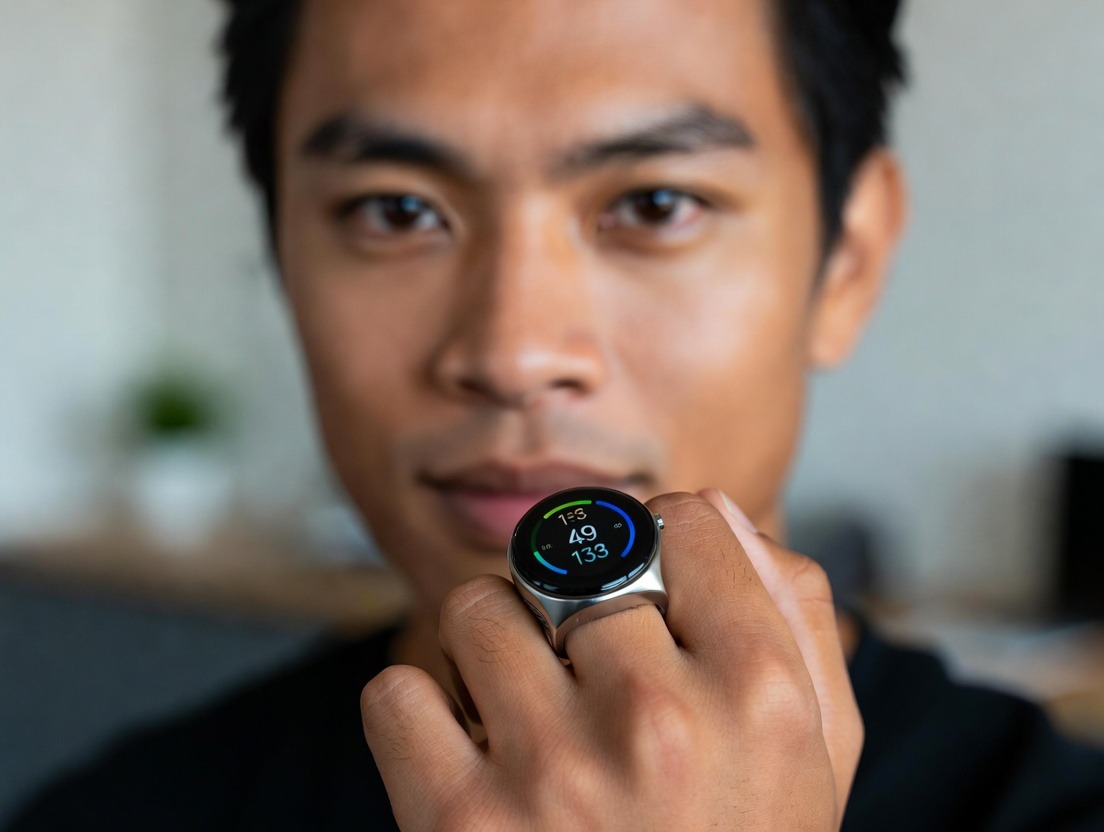
The Ultimate Beginner's Breakdown of Smart Ring HRV Monitoring
The ultimate beginner-friendly breakdown of smart ring HRV monitoring.
The Ultimate Beginner's Breakdown of Smart Ring HRV Monitoring
Your heart beats with a steady, reassuring rhythm. Lub-dub. Lub-dub. Lub-dub. It’s the timeless soundtrack of being alive. But what if I told you that this rhythm is not the mechanical, perfect metronome we imagine? Between each of those beats lies a hidden universe of information—a subtle, millisecond-level variation that is one of the most powerful, yet overlooked, biomarkers of your overall health, resilience, and nervous system balance.
This is your Heart Rate Variability, or HRV.
For decades, measuring HRV accurately required clunky medical-grade equipment in a clinical setting. It was a metric reserved for elite athletes and cardiac patients. Today, that profound insight is accessible 24/7, woven seamlessly into your daily life through an elegant piece of wearable technology: the smart ring.
This guide is your definitive entry point into the world of HRV monitoring via smart rings. We will demystify the complex science, translate the data into actionable wisdom, and show you how this unassuming piece of jewelry can become your most trusted personal health advisor. Whether you’re a biohacker looking to optimize performance, someone managing stress, or simply curious about your body’s inner workings, understanding HRV is your first step. This journey begins by listening to the nuanced language of your own heart.
What Is HRV? Decoding Your Body's Most Honest Metric
Let’s start with a fundamental truth: a healthy heart is not a clock. If your heart beat exactly every 0.8 seconds, it would be a sign of rigidity, stress, and poor adaptability. Instead, a healthy heart is more like a skilled jazz drummer—responsive, dynamic, and subtly irregular within the framework of a steady tempo.
Heart Rate Variability is the measure of the time variation between successive heartbeats, measured in milliseconds. This variation is controlled by your autonomic nervous system (ANS), the unconscious pilot of your body’s core functions. The ANS has two primary branches engaged in a constant, delicate tug-of-war:
The Sympathetic Nervous System (SNS): Your "gas pedal" or "fight-or-flight" system. It mobilizes energy, increases heart rate, and prepares you for action and stress.
The Parasympathetic Nervous System (PNS): Your "brake pedal" or "rest-and-digest" system. It conserves energy, slows the heart, and promotes recovery, digestion, and relaxation.
HRV is the real-time readout of this conversation. A higher HRV generally indicates a stronger parasympathetic influence and greater adaptability. It means your body can smoothly shift gears between effort and recovery. A lower HRV suggests sympathetic dominance—your system is under strain, perhaps from physical overtraining, chronic stress, illness, or poor sleep, and has less capacity to respond to new challenges.
“Think of HRV as your body’s ‘readiness score.’ A high HRV doesn’t just mean you’re relaxed; it means you are resilient, prepared, and have the physiological bandwidth to perform, learn, and thrive.”
Why HRV Trumps Simple Heart Rate
While your heart rate (beats per minute) tells you how fast your heart is beating, HRV tells you how well it’s responding to life. Two people can have an identical resting heart rate of 60 BPM, but their health and stress states could be worlds apart based on their HRV.
For example, during inhalation, your SNS slightly increases your heart rate. During exhalation, your PNS slows it down. This is called respiratory sinus arrhythmia, and it’s a primary source of healthy HRV. The greater this oscillation, the more “toned” and responsive your vagus nerve—the main superhighway of the PNS—is considered to be. A smart ring, by capturing this nuance continuously, provides a window into this autonomic tone that a simple heart rate monitor cannot.
This is where modern wellness technology bridges a critical gap. Platforms like Oxyzen are built to make this complex data not just accessible, but profoundly useful. By synthesizing HRV with other metrics, they move beyond simple tracking into the realm of personalized insight, helping you understand what your unique rhythms are telling you. To see how this data translates into real-world stories of change, you can explore genuine user experiences on the Oxyzen testimonials page.
From Hospital to Finger: A Brief History of HRV Monitoring
The story of HRV is a journey from arcane medical halls to the palm of your hand. Its significance was first noted by ancient physicians who felt the pulse, but the scientific chapter began in the 18th century with the invention of the physician Stephen Hales’ first “pulse watch.” The true explosion of understanding, however, arrived in the latter half of the 20th century.
In the 1960s and 70s, with the advent of digital electrocardiograms (ECGs), researchers could finally measure inter-beat intervals with precision. They discovered powerful correlations between low HRV and poor outcomes following heart attacks. HRV became a respected, if niche, prognostic tool in cardiology.
The 1990s saw the athletic world catch on. Sports scientists and coaches of elite endurance athletes began using cumbersome, chest-strap monitors to gauge recovery and optimize training loads. The principle was simple: if an athlete’s HRV was suppressed in the morning, it was a sign they hadn’t fully recovered from previous exertion, signaling a need for a lighter day. This was a revolution in personalized training, but the tech was still prohibitive for the general public.
The wearable revolution of the 2010s changed everything. First, optical heart rate sensors (PPG) in wristbands became commonplace. While convenient for heart rate, early wrist-based PPG struggled with the accuracy needed for precise HRV measurement due to motion artifact and poorer blood flow compared to the fingertips.
Enter the smart ring. The finger hosts a dense network of capillaries, providing a strong PPG signal with less interference from movement, especially during sleep—the ideal time for baseline HRV measurement. The form factor also solves a critical user-experience problem: it’s comfortable to wear 24/7, ensuring consistent, uninterrupted data collection. This evolution—from hospital ECG to chest strap to overnight finger-based monitoring—has democratized one of physiology’s most potent signals. For a deeper look at the technology and philosophy powering this shift, consider exploring Oxyzen's story and the vision behind this new wave of health monitoring.
Why a Smart Ring? The Unbeatable Advantage for 24/7 HRV
You might be wondering: with smartwatches and fitness bands already on my wrist, why add a ring? The answer lies in the unique confluence of biology, physics, and psychology that makes the finger the optimal location for continuous, medical-grade health sensing.
The Biological & Physical Superiority
Optimal Vascular Access: The fingertips have among the highest concentration of capillaries in the body. This provides a stronger, cleaner photoplethysmography (PPG) signal—the optical method used to detect blood volume changes with each heartbeat. A stronger signal means more accurate detection of each pulse wave, which is the absolute foundation of reliable HRV calculation.
Reduced Motion Noise: Unlike a wrist, which is in constant motion throughout the day (typing, gesturing, lifting), your fingers move less during key measurement periods, particularly sleep. A ring on your finger is also less prone to the rapid accelerations and rotations that can corrupt PPG data on a wrist. This results in cleaner data, especially for nighttime recovery metrics.
Consistent Skin Contact: A properly fitted ring maintains consistent sensor contact and pressure with the skin. Watches and bands can slide, become too tight or too loose, and their sensors are often obstructed by wrist bones. This consistency is non-negotiable for longitudinal tracking where subtle trends matter more than any single data point.
The Psychological & Practical Win
Unobtrusive 24/7 Wearability: Compliance is the biggest hurdle in any health tracking regimen. A smart ring is lightweight, has no screen to distract you, and doesn’t need to be removed to charge every day (most last 4-7 days on a single charge). You can wear it while sleeping, swimming, and working out without a second thought. This leads to complete, gap-free datasets.
The Nighttime Goldmine: The most valuable HRV reading for establishing your baseline is taken during deep sleep, when external stressors are minimized. A comfortable ring is far less likely to disrupt sleep than a bulky watch, and it captures this critical window perfectly. It becomes your dedicated sleep and recovery lab, every single night.
Discreet Design: For many, a smart ring is simply a piece of jewelry. It doesn’t broadcast “tracking device” in the way a tech-laden watch face might. This subtlety aligns with a philosophy of passive, background insight that doesn’t intrude on your life but quietly informs it.
In essence, the smart ring isn’t just another gadget; it’s a purpose-built tool optimized for the single most important task in physiological monitoring: collecting high-fidelity, continuous data without asking you to change your behavior. This foundational data integrity is what allows platforms, including Oxyzen.ai, to deliver insights you can truly trust and build upon.
The Nuts and Bolts: How a Smart Ring Actually Measures HRV
It feels like magic—a sleek ring understands the micro-variations of your heartbeat. But the science behind it is a marvel of modern engineering. Let’s pull back the curtain on the process, from raw light to insightful number.
Step 1: Sensing the Pulse with Photoplethysmography (PPG)
At the core of every health smart ring are miniature LEDs (usually green and sometimes infrared or red) and a photodetector. This is the PPG sensor. Here’s how it works:
The LEDs shine light into the skin of your finger.
Hemoglobin in your blood absorbs this light. Importantly, oxygenated and deoxygenated blood absorb light slightly differently.
With each heartbeat, a pulse wave of blood surges through your capillaries, momentarily increasing blood volume in the tissue.
The photodetector measures the amount of light reflected back. When blood volume is higher (during a pulse), more light is absorbed, so less is reflected.
This creates a waveform—a repeating pattern of peaks and valleys—where each peak corresponds to a heartbeat.
Step 2: From Waveform to Inter-Beat Intervals (IBIs)
Advanced algorithms then analyze this PPG waveform in real-time. They must accurately identify the precise moment of each pulse peak, a task complicated by motion, poor perfusion, or signal noise. Once the peaks are identified, the ring calculates the time difference between consecutive peaks. This is the Inter-Beat Interval (IBI), measured in milliseconds.
For example, your IBI sequence might look like this: 856ms, 902ms, 843ms, 878ms, 915ms... This inherent irregularity is the raw material of HRV.
A string of IBIs over a period (e.g., a 5-minute window or an entire night’s sleep) is then processed using statistical methods to produce an HRV value. The most common metric used by consumer devices, especially for shorter-term and recovery-focused readings, is RMSSD (Root Mean Square of Successive Differences).
RMSSD: Calculates the root mean square of the differences between adjacent IBIs. It is particularly sensitive to the rapid changes mediated by the parasympathetic nervous system (your vagus nerve) and is considered an excellent metric for short-term recovery and stress status.
SDNN (Standard Deviation of NN intervals): The standard deviation of all your IBIs over a recording period. This reflects overall variability and is influenced by both sympathetic and parasympathetic activity. It’s more commonly used for longer-term (24-hour) assessments.
Your smart ring’s companion app does this heavy lifting, taking the stream of IBIs from the ring, cleaning the data (removing artifacts from movement), and calculating your nightly average HRV (typically RMSSD) as your primary recovery score.
“The ring is the data collector; the app and its algorithms are the translator. One gathers the raw whispers of your nervous system; the other turns them into a clear, actionable language you can understand.”
This intricate process highlights why sensor quality and algorithmic sophistication are paramount. It’s not just about having a light and a sensor; it’s about the proprietary science that faithfully interprets the signal. For those curious about the technical specifics or with common questions about how this all works in practice, a great resource is the comprehensive Oxyzen FAQ section.
Your First Week of Data: Setting Baselines and Managing Expectations
You’ve unboxed your sleek new ring, paired it with the app, and worn it to bed. You wake up excited to see your first HRV number… and then the confusion sets in. “Is 42 good? My friend says theirs is 65. Why did it drop last night? What does this even mean?”
This is the most critical phase: the calibration period. Here’s how to navigate it without falling into the comparison trap or data anxiety.
The Individuality Imperative
Your HRV is your HRV. Comparing your number to anyone else’s is as meaningless as comparing your shoe size. HRV is influenced by a vast array of factors:
Genetics: Some people naturally run higher or lower.
Age: HRV generally declines with age.
Fitness: Aerobic fitness tends to increase HRV over time.
Sex: Biological sex plays a role in typical ranges.
Therefore, the absolute number is far less important than the trend and changes in your own baseline over time. A person with a baseline of 30 who improves to 35 has made a significant 16% gain in resilience, which is far more meaningful than someone with a static baseline of 80.
Establishing Your Personal Baseline
Your first 1-2 weeks of data, particularly your nightly average HRV, should be used to establish a baseline. The goal is not to judge these numbers but to observe them. The app will likely calculate a rolling average or a range for you. During this time, try to maintain your normal routine. This gives the algorithm a “typical you” to use as a reference point.
What to Look For Initially:
Consistency vs. Volatility: Does your number swing wildly from night to night, or is it relatively stable? High volatility can itself be a sign of instability in routine, stress, or recovery.
The Morning Readiness Score: Most apps synthesize your HRV, resting heart rate, sleep data, and sometimes body temperature into a single “Readiness” or “Recovery” score. Pay attention to this composite metric—it’s often more user-friendly and actionable than the raw HRV number alone.
Managing the "Why Did It Drop?!" Panic
You’ll inevitably have a night where your HRV plunges. Before you assume you’re ill or overtraining, run through this mental checklist of common culprits:
Alcohol: Even one or two drinks is one of the most reliable HRV suppressants, as it disrupts nervous system balance and sleep architecture.
Late/Eating: A large meal close to bedtime diverts energy to digestion, impacting sleep quality and recovery.
Intense Evening Exercise: A hard workout too close to sleep can leave your sympathetic nervous system revved up.
Poor Sleep Quality: Short sleep, frequent awakenings, or low deep sleep will directly lower your HRV.
Psychological Stress: A difficult day at work, an argument, or anxiety can create a physiological hangover measured in your nighttime HRV.
Dehydration or Illness: Your body is fighting something, even if it’s just the early stages of a cold.
The power of the ring is in revealing these connections. Instead of just feeling “off,” you have a quantifiable metric that prompts you to ask, “What did I do differently yesterday?” This turns data into self-knowledge. To dive deeper into interpreting these patterns and for articles on optimizing recovery, you can always find expanding resources on the Oxyzen blog.
HRV and Sleep: Your Nightly Nervous System Report Card
Sleep is not merely downtime; it is an active state of repair, memory consolidation, and nervous system reset. For HRV, the sleep period is the controlled environment where external stimuli are minimized, providing the cleanest possible snapshot of your autonomic nervous system’s recovery status. This is why your nightly average HRV is the cornerstone metric.
The HRV Sleep Architecture
Throughout the night, your HRV doesn’t stay static. It dances in sync with your sleep stages, telling a detailed story of your restorative journey:
Wake & Light Sleep (N1/N2): HRV is generally lower and more variable as your body transitions and is easily aroused.
Deep Sleep (N3 or Slow-Wave Sleep): This is the peak of physical restoration. Here, the parasympathetic nervous system is strongly dominant. Your HRV typically reaches its highest peaks during deep sleep phases, as your body focuses on tissue repair, growth hormone release, and immune function. The ring’s ability to track this rise is a direct measure of how deeply you’re recovering.
REM Sleep: Characterized by brain activity similar to waking, along with dreaming and memory processing. HRV during REM is often more variable and can show a mix of sympathetic and parasympathetic activity, sometimes dipping lower than in deep sleep.
A healthy sleep cycle shows a rhythmic, cyclical pattern of HRV rising and falling with these stages. A flattened HRV trace throughout the night can be a red flag, indicating a lack of deep sleep or an underlying stressor preventing full parasympathetic engagement.
How to Use Nightly HRV for Better Sleep Hygiene
Your ring becomes a biofeedback tool for sleep optimization. By correlating your morning HRV with specific behaviors, you can build a personalized sleep protocol.
Actionable Insights from Your Data:
Ideal Bedtime: Notice if HRV is higher on nights you go to bed at 10:30 pm vs. 11:45 pm. Your data will pinpoint your chronobiological sweet spot.
The Impact of Routines: Compare nights after you used a wind-down routine (e.g., reading, meditation, light stretching) versus nights you scrolled on your phone until lights out.
Environmental Factors: See the effect of room temperature, a new mattress, or using blackout curtains. Even subtle changes can show up in your HRV and sleep score.
Caffeine & Alcohol Curfews: Quantify how a 2 PM vs. 4 PM coffee, or that glass of wine with dinner, impacts your deep sleep and recovery metrics.
This process transforms sleep from a vague concept of “getting 8 hours” into a precision-engineered pillar of health. You’re no longer guessing; you’re experimenting and receiving clear, physiological feedback on what works for your unique biology. Understanding this holistic approach to wellness is central to the philosophy at Oxyzen, where sleep quality is seen as the foundation of daily readiness.
HRV and Stress: The Quantifiable Link Between Mind and Body
We often speak of stress as a feeling—“I’m stressed.” But stress is, first and foremost, a measurable physiological state. It’s the activation of the hypothalamic-pituitary-adrenal (HPA) axis and a shift toward sympathetic nervous system dominance. HRV is one of the clearest, real-time mirrors of this internal state.
HRV as Your Stress Barometer
When a stressor—whether a looming deadline, a traffic jam, or an emotional conflict—triggers a sympathetic response, your body prioritizes immediate action over long-term maintenance. One of the first casualties is the fine, adaptive modulation of your heart rate. The nervous system reduces parasympathetic “braking” to allow for a faster, more uniform heart rate ready for exertion. The result: a decrease in HRV.
The revolutionary aspect of a smart ring is its potential to catch this not just during obvious stressful events, but as a background level of strain. A chronically lower-than-baseline HRV can be an objective signal of burnout or allostatic load (the cumulative burden of chronic stress), even if you’ve become accustomed to the feeling subjectively.
From Awareness to Management: Using HRV for Stress Resilience
This is where passive monitoring becomes an active tool for mental fitness. You can use your HRV data in two powerful ways:
1. As a Tripwire for Stress Buildup: If you notice a multi-day downtrend in your nightly HRV without an obvious physical cause (like intense training), it’s a strong indicator of accumulating psychological or emotional stress. This objective data can prompt you to proactively deploy stress-management techniques before you reach a breaking point.
2. As Biofeedback for Relaxation Techniques: You can use real-time HRV tracking (a feature in some advanced apps) during practices like meditation, deep breathing, or mindful walking.
Coherent or Resonant Breathing: This technique involves breathing at a specific, slow pace (often 5-6 breaths per minute). When practiced, it synchronizes your heart rate and breathing, maximizing HRV. Watching your real-time HRV rise during this practice provides immediate positive reinforcement.
Meditation: Similar to breathing, a calming meditation should, over time, increase parasympathetic tone. Seeing a higher HRV reading post-session validates the practice on a biological level.
“HRV bridges the mind-body gap. It turns the subjective experience of ‘calm’ into an objective, measurable physiological state. This feedback loop is incredibly empowering—it proves that your mental practices are changing your biology.”
By linking internal states to hard data, you cultivate a more attuned and resilient relationship with stress. You learn which activities truly recharge you and which deplete you, building a lifestyle informed not by generic advice, but by your body’s own clear signals. For more on building a lifestyle around this kind of data-driven resilience, the team behind the mission shares their core principles on the Oxyzen about us page.
HRV and Fitness: Optimizing Your Workouts and Recovery
For the fitness enthusiast or athlete, HRV monitoring via a smart ring is like gaining a direct line to your body’s recovery department. It moves you beyond rigid, pre-programmed workout schedules into the realm of autoregulated training—adjusting effort based on your body’s daily readiness. This is a game-changer for preventing overtraining, breaking through plateaus, and maximizing gains.
The Training-Recovery Feedback Loop
Exercise, especially intense training, is a controlled stressor. It breaks down muscle tissue and depletes energy stores, creating a sympathetic shift and lowering HRV in the immediate aftermath. This is normal and desired. The magic happens during recovery: with proper rest, nutrition, and sleep, your body supercompensates, rebuilding stronger. This rebound is marked by a return to or even a supernormal elevation of your HRV baseline.
Problems arise when you apply another stressor (hard workout) before this rebound is complete. This leads to a cumulative drain, a downward spiral in HRV, and eventually, the state of overtraining syndrome, characterized by fatigue, performance decline, and heightened injury risk.
How to Apply HRV Data to Your Training Regimen
The modern HRV-guided training protocol is beautifully simple:
Take a Consistent Morning Measurement: Your ring automatically provides this via your nightly data. The key metric is your HRV trend relative to your personal baseline.
Interpret the Signal:
HRV AT OR ABOVE BASELINE: "Green Light." Your body has recovered and is ready for another challenging session. Go ahead with your planned intense workout.
HRV MODERATELY BELOW BASELINE (e.g., a slight dip): "Yellow Light." Proceed with caution. Consider modifying the session—reduce volume or intensity, or switch to a technique-focused or recovery-based workout (like light cardio or mobility).
HRV SIGNIFICANTLY BELOW BASELINE (a large, sustained drop): "Red Light." Your system is stressed. This is a day for mandatory rest, gentle walking, or complete recovery. Forcing a workout here is counterproductive and risky.
Observe Long-Term Trends: Beyond daily decisions, your HRV trend over weeks and months tells a macro-story. A gradually rising baseline indicates improved fitness and resilience. A stagnating or declining trend suggests your current training load may be too high, or other life stressors are interfering with adaptation.
The Smart Ring Advantage for Athletes
For athletes, the ring’s 24/7 wearability is crucial. It captures:
The full nocturnal recovery curve, not just a single-point morning measurement.
The impact of non-training stressors (travel, work stress, poor sleep) on recovery, which a coach might otherwise miss.
Baseline data during taper periods before competition, ensuring you peak at the right time.
This data-driven approach fosters a more intelligent, sustainable, and ultimately more successful relationship with fitness. It teaches you to work with your body, not just on it. For a community of users applying these principles and sharing their results, the experiences documented in Oxyzen testimonials can provide real-world context and inspiration.
HRV and Nutrition: How What You Eat Directly Affects Your Resilience
If you think of your body as a high-performance vehicle, then HRV is the engine's smoothness and responsiveness. Nutrition is the fuel. And just as premium fuel can optimize engine performance, the foods you eat have a direct, measurable impact on your autonomic nervous system and, consequently, your Heart Rate Variability. A smart ring turns this relationship from a vague concept into a clear, cause-and-effect dashboard.
The Gut-Brain-Heart Axis: Where Food Meets Your Nervous System
The connection between your digestive system and your nervous system is intimate and rapid, mediated by the vagus nerve—the very same nerve that powerfully influences HRV. What you eat doesn't just sit in your stomach; it sends chemical and neural signals that can either promote a calm, parasympathetic state or trigger a stress-like, sympathetic response.
Foods and Patterns That Can Depress HRV:
High Glycemic Load Meals & Refined Sugars: A large influx of simple carbohydrates causes a rapid spike and subsequent crash in blood glucose. This rollercoaster triggers a stress hormone response (like cortisol release) to stabilize blood sugar, leading to sympathetic activation and a lower HRV.
Excessive Saturated and Trans Fats: Diets high in unhealthy fats are linked to systemic inflammation. Inflammation is a physiological stressor that the body interprets as a threat, again pushing the nervous system toward a sympathetic state.
Late-Night Eating: Consuming a large meal within 2-3 hours of bedtime forces your digestive system to work hard when it should be winding down. This diverts energy and blood flow, increases core temperature, and disrupts the parasympathetic dominance required for deep, restorative sleep—all of which is reflected in a lower nighttime HRV.
Dehydration: Even mild dehydration increases heart rate and reduces blood volume, making the heart work harder and reducing its variability. Your HRV is a sensitive marker of hydration status.
Food Intolerances: For some, foods like gluten or dairy (if intolerant) can cause low-grade gut inflammation and a stress response, creating a chronic drain on HRV that only becomes clear when the food is eliminated.
Foods and Patterns That Can Support HRV:
Omega-3 Fatty Acids: Found in fatty fish, walnuts, and flaxseeds, these are potent anti-inflammatories and have been shown in studies to directly increase HRV by supporting nervous system health and cell membrane fluidity.
Magnesium-Rich Foods: Magnesium (in leafy greens, nuts, seeds, and avocado) is a natural nervous system relaxant and cofactor in hundreds of enzymatic processes. It supports parasympathetic tone and can improve sleep quality, boosting HRV.
Polyphenols & Antioxidants: Colorful fruits, vegetables, dark chocolate, and green tea are rich in these compounds. They combat oxidative stress, a key contributor to cellular aging and autonomic dysfunction.
Consistent Meal Timing: Eating at regular times helps regulate your circadian rhythms, which in turn stabilizes your autonomic nervous system. Erratic eating patterns can be a subtle but chronic stressor.
Adequate Hydration: Maintaining steady hydration supports optimal blood volume and cardiovascular function, providing a stable foundation for a high HRV.
Using Your Smart Ring as a Nutritional Biofeedback Tool
This is where the experiment becomes personal and powerful. You can move beyond generic diet advice to create a personalized nutrition plan.
The Process:
Establish a Baseline: For a week, eat as you normally do and note your stable HRV average.
Introduce a Single Change: For example, add a serving of fatty fish three times a week, or stop eating after 8 PM.
Observe the Trend: Don't focus on one day. Look at your weekly average HRV and Readiness score after 2-3 weeks of the new habit. Has it improved?
Test Elimination: If you suspect a food sensitivity, try a strict 3-week elimination of a common trigger (like gluten or dairy), then reintroduce it while closely watching your HRV and other metrics like resting heart rate and sleep quality for a negative reaction.
“Your HRV data cuts through the noise of fad diets. It answers the only question that matters for your body: ‘Is this way of eating helping me become more resilient or less?’ It provides objective proof that your salad wasn’t just ‘virtuous’—it was physiologically fortifying.”
By paying attention to how your nightly recovery metrics shift with your dietary choices, you cultivate a profound sense of body literacy. You learn which foods are truly fuel for your unique system and which are silent stressors. For more insights on integrating nutrition with holistic wellness tracking, a wealth of continually updated information can be found on the Oxyzen blog.
Beyond the Number: Integrating HRV with Other Key Biomarkers
A single metric, no matter how powerful, only tells part of the story. The true genius of a sophisticated smart ring and its platform lies in data synthesis—weaving HRV together with other continuous biomarkers to create a multidimensional, holistic picture of your health. Think of HRV as the lead violin; its melody is made infinitely richer by the harmony of the full orchestra.
The Core Quartet: HRV, Resting Heart Rate, Sleep, and Body Temperature
Resting Heart Rate (RHR): This is HRV’s closest partner. Typically, as HRV rises (better recovery), RHR decreases (the heart is efficient and calm). A simultaneous increase in RHR and decrease in HRV is one of the strongest possible signals of physiological stress, whether from illness, overtraining, or psychological strain. Tracking both together gives you confidence in the interpretation.
Sleep Metrics (Duration, Stages, Quality): HRV is the quality of your recovery; sleep data provides the context. You can have a decent HRV reading after a short night, but it might be masking a deficit. Conversely, a slight dip in HRV after 9 hours of sleep with ample deep and REM may be less concerning. The integration is key. For instance, the platform might show: "Your HRV was slightly low last night, but you achieved 1.8 hours of deep sleep—suggesting your body prioritized physical repair. Your readiness remains good."
Skin Temperature (Circadian Rhythm & Illness): Continuous wrist or finger temperature tracking is a game-changer. Your body temperature follows a circadian rhythm, dipping at night and rising before you wake. A significant elevation in your nighttime temperature deviation often signals that your body is fighting an infection or inflammation, sometimes 1-2 days before you feel symptoms. When you see this spike coincide with a plummeting HRV and elevated RHR, it’s a near-certain sign to take a rest day—a powerful tool for early illness detection.
The Composite Score: Your Daily North Star
Most advanced platforms don’t leave you to juggle these data streams. They synthesize them into a single, easy-to-understand Readiness or Recovery Score. This score is the ultimate output of the system.
How it's Created: Algorithms weigh the changes in your key metrics (HRV, RHR, sleep, temperature) against your personal baselines. A significant positive deviation (higher HRV, lower RHR, great sleep) boosts your score. Negative deviations lower it.
How to Use It: This score is your daily guide. It answers the question, “What is my body capable of today?”
High Score: Your body is resilient and primed. It’s a day for challenging workouts, important meetings, creative work, or social engagements.
Low Score: Your resources are depleted. It’s a day for rest, gentle movement, saying no to extra commitments, and prioritizing hydration and nutrition.
This integrated approach prevents the myopia of focusing on just one number. It’s the difference between a weather report that only mentions temperature and one that includes humidity, wind, and barometric pressure to give you the true “feels like” and storm forecast. This philosophy of integrated, human-centric health is at the core of the mission detailed at Oxyzen about us.
Common HRV Pitfalls and How to Avoid Them
As you embark on your HRV journey, it’s easy to fall into certain traps that can lead to frustration, anxiety, or misinterpretation of your data. Awareness is your first defense. Here are the most common pitfalls and strategies to navigate them skillfully.
Pitfall 1: Obsessive Day-to-Day Comparison
The Trap: Checking your HRV number every morning and fretting over every millisecond up or down, treating daily fluctuations as definitive judgments of your health. The Reality: HRV is inherently variable. Daily fluctuations of 5-15% are completely normal. The signal is in the trend over weeks and months, not the daily noise. The Solution: Use your app’s trend view (often a weekly or monthly graph). Look at your rolling average. Ask: “Is my baseline over the last 30 days higher than it was 3 months ago?” That’s the meaningful question.
Pitfall 2: Comparing Your Number to Others
The Trap: Bragging about a high HRV or feeling discouraged because a friend’s number is higher. The Reality: HRV is profoundly individual. Genetics, age, and fitness background create wildly different baselines. A 25-year-old endurance athlete will naturally have a much higher HRV than a healthy 55-year-old. The Solution: Let go of absolute comparison. Your journey is about optimizing you. Focus on percent changes from your own baseline. A 10% improvement for you is a monumental success, regardless of the starting point.
Pitfall 3: Misattributing a Single Low Reading
The Trap: Seeing a low HRV one morning and immediately assuming you’re getting sick or have ruined your fitness. The Reality: A single low reading is just a data point. It could be due to a single bad night’s sleep, a single stressful day, a single night of drinking, or even a minor measurement artifact. The Solution: Practice the “3-Day Rule.” If you see a low score, don’t panic. Look at the next two days. If your scores rebound quickly, it was likely an isolated event. Only be concerned if you see a sustained downturn over 3-5 days without an obvious cause. Then, use it as a detective tool, not a verdict.
Pitfall 4: Ignoring the "Why" Behind the Data
The Trap: Becoming a passive data collector, just noting the numbers without connecting them to your life context. The Reality: The data is useless without context. The ring measures what happened; you provide the why. The Solution: Use journaling features. Most good apps have a place to log tags like “late dinner,” “hard workout,” “stressful day,” “drank alcohol,” or “felt great.” After a few weeks, you can run reports to see, indisputably, which behaviors lift your scores and which drain them. This turns data into self-knowledge.
Pitfall 5: Letting the Data Rule You, Not Guide You
The Trap: Becoming a slave to the score, avoiding social events, enjoyable meals, or hard workouts for fear of “ruining” your data. The Reality: The goal of tracking HRV is to live a fuller, more resilient life—not to live in a bubble. Life is meant to be lived, and stress (in the right doses) is what leads to growth (hormesis). The Solution: Use the data strategically, not dogmatically. Plan your challenging efforts for high-readiness days. On low-readiness days, give yourself grace and prioritize recovery. The data should empower you to make smarter choices, not paralyze you with perfect choices. It’s a tool for freedom, not another source of anxiety.
By steering clear of these common mistakes, you position yourself to have a healthy, productive, and enlightening relationship with your biometric data. It becomes a trusted advisor, not a harsh critic. For answers to specific technical or interpretive questions that arise, the Oxyzen FAQ is designed as a ongoing resource for users navigating this exact journey.
Advanced Insights: HRV Trends, Long-Term Health, and the Big Picture
Once you’ve mastered the daily and weekly rhythms of your HRV, a wider, more profound vista opens up: the long-term trend. This is where HRV transitions from a recovery tool to a potential longevity and healthspan biomarker. The data you collect every night is quietly building a unique longitudinal health record that speaks volumes about your overall physiological resilience and aging process.
HRV as a Marker of Biological Age
Chronological age is the number of birthdays you’ve had. Biological age is a measure of how well your systems are functioning relative to your chronological peers. A key hallmark of aging is a decline in the function of the autonomic nervous system—a loss of “vagal tone” and adaptability. Since HRV is a direct measure of this, a higher-than-average HRV for your age group is strongly associated with a younger biological age.
Studies have shown that individuals with higher HRV tend to have:
Better cardiovascular health and lower inflammation.
Improved glycemic control and metabolic health.
Enhanced cognitive function and emotional regulation.
Greater overall resilience to physical and psychological stressors.
By consistently working to maintain or improve your HRV baseline, you are effectively engaging in a practice that may slow one key aspect of biological aging.
Interpreting Long-Term Trends: What Your 6-Month Graph Is Telling You
Your yearly trend line is a powerful narrative. Here’s how to read it:
A Gradually Rising Baseline: This is the gold standard. It indicates that your lifestyle—your training, nutrition, sleep, and stress management—is positively impacting your autonomic resilience. You are, in a real physiological sense, getting “fitter” at a nervous system level. Celebrate this trend; it’s the ultimate sign of effective wellness practices.
A Stable, Healthy Baseline: Consistency is a major victory. Maintaining a strong HRV in the face of life’s inevitable stressors is a sign of robust health and good habits.
A Gradually Declining Baseline: This is a crucial early warning signal. A slow, sustained downward drift over months can indicate chronic, unaddressed stress (allostatic load), an underlying health issue, overtraining without adequate recovery, or the gradual erosion of healthy habits. It’s a call to audit your lifestyle and perhaps consult a healthcare professional.
Seasonal Variations: It’s normal to see dips in winter (less daylight, potential for seasonal affective disorder, more illness) or during periods of high work stress. The key is that your baseline recovers when the season or project passes.
From Personal Insight to Proactive Health
This long-view capability transforms the smart ring from a fitness device into a preventive health monitoring tool. For example:
You might notice a subtle, weeks-long decline in your HRV trend that precedes a diagnosed condition, giving you a head start to seek care.
You can objectively measure the impact of a major life change—a new job, a move, a meditation retreat—on your fundamental physiology.
You can track how specific interventions, like a new supplement protocol (under a doctor’s guidance) or a sustained change in diet, affect your resilience over time.
“Nightly HRV tracking is like taking a daily, non-invasive blood sample that reveals your nervous system’s balance. Over years, this creates a personalized map of your health trajectory, highlighting detours and confirming you’re on the right path long before traditional symptoms might appear.”
This big-picture perspective is what makes the commitment to consistent monitoring so valuable. It’s not about today’s score; it’s about investing in the clarity of your future health narrative. To understand the vision behind creating technology that supports this kind of long-term wellness partnership, you can delve into Oxyzen's story.
Choosing Your Smart Ring: Key Features for Accurate HRV Monitoring
The market for smart rings is growing, and not all are created equal—especially when your goal is serious, reliable HRV and health tracking. A fashion ring with a basic step counter won’t suffice. You need a purpose-built health device. Here are the critical features to evaluate, moving beyond marketing buzzwords to the engineering essentials.
1. Sensor Technology and Accuracy
This is the foundation. The quality of the raw data determines everything.
Multi-LED PPG Sensor: Look for rings that use multiple LED wavelengths (typically green for optimal blood flow detection, and sometimes red or infrared for deeper tissue or SpO2). Multiple LEDs help compensate for different skin tones and improve signal reliability.
Medical-Grade Components: While no consumer ring is a “medical device,” some use sensor components from reputable medical technology suppliers. This is a strong indicator of a commitment to accuracy.
Independent Validation: Has the ring’s sensor accuracy been validated in third-party studies or against medical-grade equipment (like an ECG)? Look for white papers or published research, not just marketing claims.
2. Battery Life and Charging Solution
HRV’s power is in continuous, gap-free data, especially during sleep. A ring that dies frequently defeats the purpose.
Minimum 5-7 Day Battery Life: This allows for consistent multi-night tracking without daily charging anxiety. The best rings achieve this while still collecting data continuously or at very frequent intervals.
Practical Charging: Is the charging case portable? Does it allow for a quick top-up, or does the ring need to be left on a dock for hours? A small, travel-friendly charging case is a significant usability plus.
3. The Companion App and Algorithmic Intelligence
The ring is the hardware; the app is the brain. This is where data becomes insight.
Clean, Intuitive Data Presentation: Can you easily see your trends, readiness score, and sleep data? Is it overwhelming or enlightening?
Personalized Baselines: Does the app establish a personal baseline for you, or does it compare you to population averages? The former is essential.
Actionable Insights: Does it just show numbers, or does it provide context and suggestions? For example: “Your resting heart rate is elevated and HRV is low. Consider a recovery day.”
Data Export & Integration: Can you export your raw or processed data (e.g., as a CSV file)? Can it integrate with other health platforms like Apple Health, Google Fit, or Strava? This is crucial for users who want to do deep analysis or combine data streams.
4. Form, Fit, and Comfort for 24/7 Wear
If it’s not comfortable, you won’t wear it. If you don’t wear it, it’s useless.
Sizing Precision: A proper fit is critical for sensor contact. Do they offer a detailed sizing kit (multiple plastic sizers) or just a cardboard cutout? Precise sizing is non-negotiable.
Weight and Profile: It should be light enough to forget you’re wearing it and have a low enough profile that it doesn’t catch on gloves, pockets, or while sleeping.
Build Quality and Materials: Is it made from durable, hypoallergenic materials like titanium, ceramic, or medical-grade resin? It will be exposed to water, sweat, and daily wear.
5. Privacy and Data Security
You are entrusting the device with your most intimate health data. Its stewardship matters.
Transparent Privacy Policy: Who owns your data? How is it used? Is it anonymized and aggregated for research? Can you delete it?
Data Encryption: Is data encrypted both in transit (to the app) and at rest (on their servers)?
Company Philosophy: Does the company seem to view your data as a commodity to be sold, or as a private asset held in trust? The latter should be the only acceptable answer.
Choosing the right ring is an investment in a long-term health partnership. It’s worth doing the homework to find a device that aligns with your goals for accuracy, insight, and integrity. To see how one company approaches these pillars of technology, design, and user trust, you can learn more at the Oxyzen homepage.
Designing Your Day: Practical Protocols Based on Your Daily HRV Score
You’ve checked your app. Your Readiness Score is staring back at you—a definitive number summarizing your body’s overnight report. Now what? This is where theory meets practice. Your score isn’t just information; it’s an actionable prescription for the next 24 hours. Let’s translate your green, yellow, and red lights into concrete daily blueprints.
The "Green Light" Day (High Readiness)
Physiological State: Your autonomic nervous system is balanced with strong parasympathetic tone. Resources are plentiful, recovery is complete, and your body is signaling readiness for challenge and growth.
Your Daily Protocol:
Training: Go for peak performance. Schedule your most intense workout of the week—high-intensity interval training (HIIT), heavy strength sessions, long endurance efforts, or skill-based practice where focus is paramount. This is when you can safely push your limits and expect optimal adaptation. Your body is primed to handle the stress and supercompensate.
Nutrition: Fuel for performance and repair. This is a day to ensure you’re meeting caloric needs with quality nutrients. Prioritize protein for muscle synthesis and complex carbohydrates to replenish glycogen stores. It’s also an ideal day to time nutrition strategically around your workout (pre- and post-fueling).
Cognitive Work: Tackle your most demanding tasks. Schedule important presentations, deep creative work, strategic planning, or complex problem-solving. Your brain, supported by a resilient nervous system, will have greater focus, clarity, and stress tolerance.
Social & Emotional: Engage and connect. Plan social engagements, important conversations, or networking events. Your emotional resilience is high, making you better able to handle social dynamics and enjoy connection.
Mindset: Embrace challenge. View obstacles as opportunities. Your physiological state supports a growth mindset.
The "Yellow Light" Day (Moderate Readiness)
Physiological State: Your system is somewhat taxed. Recovery may be incomplete, or a low-grade stressor (poor sleep, mild dehydration, lingering workout fatigue, life stress) is present. Your body is asking for a moderated approach.
Your Daily Protocol:
Training: Switch to skill, mobility, or moderate steady-state. This is not a day to beat personal records. Opt for:
Technique-focused work (e.g., practicing form with light weights).
Mobility flows, yoga, or dynamic stretching.
Low-intensity steady-state (LISS) cardio like a brisk walk, easy cycling, or gentle swimming.
The goal is to promote blood flow and recovery without adding significant systemic stress.
Nutrition: Focus on hydration, micronutrients, and gut health. Drink plenty of water and herbal teas. Emphasize anti-inflammatory foods: leafy greens, colorful vegetables, berries, and omega-3s. Consider probiotic-rich foods like yogurt or kimchi to support gut health, which is closely tied to nervous system function.
Cognitive Work: Execute, don’t innovate. Handle administrative tasks, emails, routine coding, or organizing. Save the high-stakes, creative brainstorming for a Green day. Break tasks into smaller, manageable chunks.
Social & Emotional: Choose low-demand settings. Casual coffee with a friend or a small family dinner is better than a large party. Practice setting gentle boundaries. It’s a good day for listening and supportive conversation rather than emotionally draining conflict resolution.
Mindset: Practice self-compassion and awareness. Be gentle with yourself. Use the day to check in: “What might have contributed to this yellow score?” It’s a day for observation and nurturing.
The "Red Light" Day (Low Readiness)
Physiological State: Your body is signaling significant stress or resource depletion. This can be due to intense prior exertion, the onset of illness, severe sleep deprivation, or high emotional strain. The priority is restoration above all else.
Your Daily Protocol:
Training: Mandatory rest or absolute minimum movement. Do not work out. The only permissible movement is genuine "non-exercise" activity: gentle walking (e.g., a 10-15 minute stroll in nature), restorative yoga (focusing on supported poses and breathing), or light stretching. The motto is: “If it raises my heart rate or requires effort, don’t do it.”
Nutrition: Nourish and hydrate simply. Focus on easy-to-digest, nutrient-dense foods: broths, soups, steamed vegetables, simple proteins. Prioritize hydration with water and electrolytes. Avoid any dietary irritants like alcohol, caffeine, or very heavy, fatty meals.
Cognitive Work: Minimize decision-making and input. This is a mental health day if possible. If you must work, defer complex decisions. Use tools like the “Pomodoro Technique” with very short work intervals (e.g., 20 minutes) and long breaks. Avoid multitasking.
Social & Emotional: Protect your energy. It’s perfectly acceptable to cancel non-essential plans. Communicate your need for space. This is a day for solitude, quiet hobbies (reading, listening to music), or spending calm, undemanding time with a partner or pet.
Mindset: Surrender to recovery. View this not as a “wasted day” but as the most productive day for your long-term health. Investing in deep recovery today prevents burnout and injury tomorrow. It is a strategic retreat.
“The most advanced training program in the world is useless if you’re executing a Green Day protocol on a Red Day body. Autoregulation—letting your physiology dictate your actions—is the ultimate form of biohacking intelligence.”
By adopting this flexible, responsive framework, you stop fighting your body and start collaborating with it. This dramatically reduces the risk of overtraining, burnout, and illness while maximizing performance and well-being when you are truly ready. For more detailed examples of how users integrate these protocols into diverse lifestyles, the real-world stories shared in Oxyzen testimonials can be a valuable resource.
Breathing, Meditation, and Biofeedback: Actively Training Your HRV
While your smart ring provides passive monitoring, its true potential is unlocked when used as an active biofeedback tool. You can directly engage in practices that are proven to increase HRV and parasympathetic tone, watching the real-time impact on your physiology. This creates a powerful feedback loop that accelerates your mastery over your own nervous system.
The Gateway Practice: Coherent or Resonant Breathing
This is the single most direct and evidence-based method to acutely increase HRV. The goal is to breathe at a rate that creates “heart rate resonance,” where your heart rate, breathing, and blood pressure waves synchronize, maximizing variability.
The Protocol:
Find Your Pace: The ideal resonant frequency for most adults is between 4.5 and 6.5 breaths per minute (typically 5-6 bpm). This often translates to a 5-second inhale and a 5-second exhale.
Get Comfortable: Sit or lie in a relaxed position.
Use a Guide: Use a free app (like “Breathing Zone” or “Resonate”) or a simple metronome set to 5-6 beats per minute to pace your breaths initially.
Practice Daily: Aim for 10-20 minutes daily, or use it as a 5-minute “reset” during stressful moments.
How Your Ring Provides Feedback: Some advanced apps offer a real-time HRV or pulse wave visualization during breathing sessions. As you settle into the rhythm, you can literally watch your heart rhythm become more variable and coherent. Post-session, note how your acute HRV reading and subjective sense of calm have improved. This tangible proof reinforces the practice.
Meditation and Mindfulness
While the effects can be more subtle and long-term, consistent meditation practice is strongly associated with increased baseline HRV. It enhances vagal tone by training the brain to disengage from stress-provoking thought patterns and cultivate a present-moment, non-reactive awareness.
Tips for HRV-Focused Practice:
Body Scan Meditations: These directly encourage interoceptive awareness (feeling sensations within the body), which is linked to parasympathetic activation.
Loving-Kindness (Metta) Meditation: Cultivating feelings of compassion has been shown to produce measurable increases in HRV.
Consistency Over Duration: A daily 10-minute practice is far more effective for building nervous system resilience than an hour once a week.
Track the Trend: Don’t expect an immediate spike from a single session. Instead, look for a gradual rise in your nightly HRV baseline over 4-8 weeks of consistent practice. This confirms you are inducing a durable, positive change in your autonomic function.
Cold Exposure and HRV
The “stress” of deliberate cold exposure (e.g., cold showers, ice baths) is a potent hormetic stimulus. The key is the recovery phase. After the initial sympathetic shock, the body initiates a powerful parasympathetic rebound to restore homeostasis.
How to Use It Safely with HRV:
Monitor Your Response: Use your ring to track the impact. Do you see a boost in your HRV the night after a cold exposure session? If so, it’s a positive adaptogen for you.
Watch for Overload: If your HRV plummets after cold exposure, it may be too intense, too long, or ill-timed (e.g., too close to bedtime for some). Your data will tell you.
Synergy with Breathing: Combining cold exposure with controlled breathing (like the Wim Hof Method) can help manage the initial stress response and may amplify the parasympathetic rebound.
The Biofeedback Loop: From Passive to Active
This is the paradigm shift. Instead of just receiving a morning score, you can now:
Test: Perform a 10-minute coherent breathing session.
Measure: See your real-time HRV increase during the session.
Learn: The positive feedback teaches your brain and body that this state is accessible and desirable.
Apply: Use the technique in real-time during a stressful work call or before sleep, confident in its physiological effect.
This active engagement transforms your smart ring from a reporter into a coach. It empowers you to become an active participant in shaping your nervous system health. To explore a wider range of techniques and the science behind nervous system training, the curated content on the Oxyzen blog offers ongoing education.
HRV for Specific Populations: Beyond the General User
While the principles of HRV are universal, the application and interpretation can vary significantly depending on your life circumstances, goals, and physiology. Let’s explore how different groups can tailor their approach to HRV monitoring for maximum benefit.
For the Corporate Executive & Knowledge Worker
Primary Challenges: Mental/emotional stress, sedentary behavior, poor sleep due to overwork and travel, decision fatigue. HRV Application:
Stress Inoculation Scheduling: Use Green days for back-to-back meetings, crucial negotiations, and high-stakes presentations. Protect Red days for deep work, strategic thinking (in a calm state), or as mandatory “no-meeting” recovery blocks.
Travel Optimization: The ring is invaluable for managing jet lag and travel stress. It can identify your least resilient days post-travel, guiding you to schedule lightly. Use it to test recovery strategies like timed light exposure, hydration, and melatonin.
Preventing Burnout: A consistently declining HRV trend over a quarter is a non-negotiable red flag for burnout risk. It provides objective data to justify taking vacation, delegating work, or changing unsustainable work patterns before health crashes.
For Parents & Caregivers
Primary Challenges: Sleep disruption, constant low-grade stress, unpredictable schedules, and putting others’ needs before their own. HRV Application:
Realistic Recovery Expectations: Accept that with a newborn or young children, your HRV baseline may be lower. The goal shifts from “optimizing” to “supporting.” Focus on the trend: are you slowly climbing back as sleep stabilizes, or are you in a chronic drain?
Micro-Recovery Validation: A 20-minute nap while the baby sleeps, a 5-minute breathing exercise, or a short walk might not feel like “real recovery,” but if they boost your afternoon HRV reading or improve your next night’s score, they are validated as powerful tools. The data helps you identify which small acts are most restorative for you.
Illness Prediction: For parents, getting sick is a major disruption. An early warning temperature spike and HRV drop can prompt you to double down on rest, hydration, and vitamins, potentially shortening an illness or avoiding it altogether.
For Women Tracking Hormonal Cycles
Physiological Reality: Hormones like estrogen and progesterone have a direct influence on the autonomic nervous system and HRV. Ignoring this cycle leads to misinterpretation. HRV Application:
Cycle Syncing: It’s common to see a natural dip in HRV during the luteal phase (after ovulation, before menstruation) as progesterone rises and the body’s set point for temperature increases. This is normal and not a sign of poor health. Conversely, HRV often rises during the follicular phase (post-menstruation).
Informed Training: A woman might find she has her best strength and recovery (Green days) in the late follicular phase, while needing more rest and moderate movement (Yellow days) in the luteal phase. Her HRV data provides personal confirmation of this pattern, allowing for truly personalized periodization.
Identifying Deviations: If HRV plummets abnormally at a certain cycle point or fails to rebound, it could indicate issues like hypothalamic amenorrhea, PMDD, or other hormonal imbalances, providing a clue to discuss with a healthcare provider.
For The "Aging Well" Population (50+)
Primary Goal: Maintaining resilience, mobility, and healthspan; monitoring for early signs of decline. HRV Application:
A Key Vital Sign: HRV should be viewed with the same importance as blood pressure. A stable or gently rising HRV trend is a fantastic indicator of healthy aging.
Recovery Priority: The need for recovery increases. HRV data powerfully advocates for incorporating more Yellow and Red day protocols, ensuring that fitness efforts don’t outpace recovery capacity.
Early Detection Tool: As noted earlier, a sustained, unexplained decline in HRV can be a very early sign of subclinical issues, from cardiovascular changes to chronic inflammation, allowing for proactive medical consultation.
In each case, the smart ring moves from a generic tracker to a personalized context machine. It doesn’t just give you a number; it helps you understand what that number means for you, in your unique life situation. Understanding the diverse needs of these populations is integral to the user-focused design philosophy you can learn about in the Oxyzen story.
Troubleshooting: When Your HRV Data Doesn’t Make Sense
Even with the best technology, you’ll encounter head-scratching moments. Your data might seem contradictory, erratic, or just plain wrong. Before dismissing the reading or losing trust in the tool, work through this systematic troubleshooting guide.
Issue 1: Erratic, Spiky Data or Missing Readings
Possible Causes & Solutions:
Poor Fit: This is the #1 culprit. If the ring is too loose, the sensor loses contact. If it’s too tight, it can restrict blood flow. Solution: Re-evaluate your fit. Your ring should be snug but not constricting, and should not spin easily. Use the manufacturer’s sizing guide carefully.
Low Battery: As the battery depletes, the ring may reduce measurement frequency or quality. Solution: Maintain a regular charging routine. Don’t let it die completely.
Cold Hands: Peripheral vasoconstriction (narrowing of blood vessels) in cold fingers can severely weaken the PPG signal. Solution: Ensure your hands are warm before relying on a spot reading. For nighttime data, this is usually less of an issue once you’re under blankets.
Excessive Movement During Sleep: Tossing and turning can create motion artifacts. Solution: While you can’t stop moving, know that the algorithms are designed to filter this out. Consistently poor sleep quality itself will lower HRV, so the signal may be accurate.
Issue 2: HRV is Consistently Low Despite a "Healthy" Lifestyle
Possible Causes & Solutions:
Undiagnosed Health Conditions: Low-grade infections (like dental issues or gut dysbiosis), sleep apnea, anemia, or thyroid disorders can chronically suppress HRV. Solution: If lifestyle optimization doesn’t move the needle, consider a check-up with your doctor and mention your persistent low HRV data.
Overtraining/Under-recovering: You might be exercising too frequently or intensely without adequate sleep, nutrition, or rest days. Solution: Implement a deliberate deload week, reduce training volume by 30-50%, and see if your HRV rebounds. This is often diagnostic.
Chronic Psychological Stress: You may be internally carrying more stress than you realize. Solution: Incorporate daily HRV-boosting practices (breathing, meditation) and consider tools like therapy or journaling. Look for correlations between stressful periods at work/home and your data dips.
Genetic Set Point: You may simply have a genetically lower baseline. Solution: Focus on trends and percent changes, not the absolute number. Can you improve your baseline by 10%? That’s success.
Issue 3: HRV Seems Inversely Correlated (High on Bad Days, Low on Good Days)
Possible Causes & Solutions:
The "Last Straw" Phenomenon: Sometimes, the body holds on until a stressor passes, then crashes. You might have high HRV during a stressful project (sympathetic drive can be high-variability in some contexts), then see a plunge on your first day of vacation as your body finally enters a recovery state. Solution: Look at longer trends. The vacation crash should be followed by a steady rise.
Misaligned Interpretation: Your definition of a “good” day (socially busy, productive) might be physiologically taxing. Your “bad” day (quiet, restful) might be precisely what your nervous system needed. Solution: Let the data redefine your assumptions about what is truly restorative for your biology.
Issue 4: My Ring and My Chest Strap Give Different Numbers
This is common and often explained:
Different Metrics: Devices often report different HRV metrics (e.g., RMSSD vs. SDNN). Ensure you are comparing the same metric.
Different Measurement Windows: A spot check with a chest strap is a 2-minute reading. Your ring’s nightly average is a 7-hour average. They will differ.
Different Times: Comparing a morning chest strap reading to a nightly average is comparing apples to oranges.
Algorithmic Processing: Different companies use different proprietary algorithms to clean and calculate the data.
Solution: Look for correlation, not identity. Do they move in the same direction? If your chest strap says HRV is low and your ring’s readiness score is low, they agree qualitatively. Consistency with yourself on a single device is more important than absolute agreement between devices.
When in doubt, use common sense. The data is a guide, not an oracle. If you feel fantastic but your score is low, don’t ignore the feeling. Use it as a prompt to investigate potential measurement issues or hidden stressors. For persistent technical questions, a reliable source for answers is always the official Oxyzen FAQ page.
The Future of HRV: From Wellness Gadget to Clinical Tool
We are standing at the frontier of a major shift. The smart ring and its continuous HRV monitoring are poised to evolve from lifestyle accessories into integral components of predictive, preventive, and personalized healthcare. The foundation being laid today—vast datasets of longitudinal, real-world physiology—is set to transform how we understand and manage health.
Predictive Health and Early Disease Detection
The long-term trends discussed earlier are the key. By establishing an individual’s unique “physiological fingerprint,” deviations from this norm become highly significant.
Subclinical Detection: Research is ongoing into how patterns in HRV, heart rate, and temperature can predict the onset of conditions like atrial fibrillation, hypertension, metabolic syndrome, and even infectious diseases like COVID-19, often days before overt symptoms.
Mental Health Monitoring: Patterns in sleep and HRV are strongly linked to episodes of depression, anxiety, and PTSD. Continuous monitoring could provide objective relapse warnings for patients and clinicians, enabling timely intervention.
The “Digital Twin” Concept: In the future, your years of ring data could create a “digital twin” – a computer model of your physiology. Doctors could simulate how you might respond to a new medication or treatment plan before prescribing it.
Remote Patient Monitoring and Chronic Disease Management
For patients with chronic conditions like heart failure, diabetes, or hypertension, continuous monitoring is a game-changer.
Heart Failure: A sudden, sustained drop in HRV coupled with weight gain (from fluid retention) and elevated resting heart rate is a classic sign of impending acute heart failure. A smart ring could alert the patient and their care team to seek intervention before an emergency hospitalization is required.
Diabetes Management: HRV is linked to diabetic neuropathy (nerve damage) and cardiovascular risk. Tracking it alongside glucose data (via future integrations) could provide a more holistic picture of metabolic health.
Post-Operative Recovery: After surgery, monitoring a patient’s HRV and vital signs at home could ensure they are recovering properly and flag potential complications like infections earlier than standard follow-up appointments.
Personalized Medicine and Dose-Response Tracking
HRV provides a real-time readout of how your body is responding to any intervention.
Medication Response: Does a new blood pressure medication improve your HRV? Does an antidepressant? Your ring data could provide objective feedback to your doctor to optimize dosage or choice of drug.
Supplement & Lifestyle Efficacy: Are those omega-3s actually reducing inflammation? Is that new meditation app working? The proof will be in your longitudinal HRV trend, moving beyond anecdote to evidence.
Challenges and Responsibilities on the Horizon
This future is not without its hurdles:
Regulatory Pathways: For rings to be used in clinical decision-making, they will need to undergo rigorous FDA or equivalent clearance as medical devices, a process some companies are already pursuing.
Data Privacy & Security: As data becomes more clinically sensitive, the standards for encryption, ownership, and consent must be ironclad. The relationship must be one of sacred trust.
Clinical Integration: How does this data flow into a doctor’s Electronic Health Record (EHR) in a usable way? New platforms and interfaces will need to be developed.
Health Equity: Ensuring this technology does not widen health disparities but is accessible and beneficial to diverse populations is a critical ethical consideration.
The smart ring on your finger is the vanguard of this revolution. It represents a move from reactive, symptom-based care to proactive, data-driven health optimization. The journey that began with a curiosity about your sleep score is part of a larger story about reclaiming agency over your health narrative. To see a vision of technology that embraces this responsible, human-centric future, you can explore the principles guiding Oxyzen.



%402x.svg)