


The Wearable Health Tech Guide to Accuracy and Reliability
A guide to the accuracy and reliability of different wearables.
A guide to the accuracy and reliability of different wearables.
%402x.svg)
When you strap a fitness tracker to your wrist or slip a smart ring onto your finger, you're placing a bet. You're betting that the numbers flashing on your screen—your nightly heart rate, your sleep score, your readiness for the day—are more than just digital noise. You're trusting that this sleek piece of technology is telling you the truth about your body.
But is it?
In the bustling world of wearable health technology, accuracy isn't just a feature; it's the foundation of trust. Every morning, millions of people glance at their devices to gauge their recovery, assess their stress, or validate their sleep. These tiny gadgets have evolved from simple step counters into sophisticated health monitors, promising insights once reserved for clinical settings. From understanding your nervous system through Heart Rate Variability (HRV) to detecting subtle shifts in blood oxygen, modern wearables like the Oxyzen wellness ring offer a continuous stream of personal biometrics.
However, not all data is created equal. The difference between a useful health insight and a misleading number can come down to sensor placement, algorithm design, or the very physics of how light travels through your skin. This guide isn't about bashing technology—it's about empowering you to become an informed interpreter of your own data. We'll peel back the layers of marketing to explore the science (and the limitations) behind the metrics you rely on. By understanding how your device works and what truly affects its reliability, you transform from a passive data consumer into an active participant in your wellness journey.
As we navigate this landscape, we'll see how companies like Oxyzen are approaching these challenges, building devices not just to collect data, but to deliver meaningful, actionable understanding grounded in both technology and human-centric design.
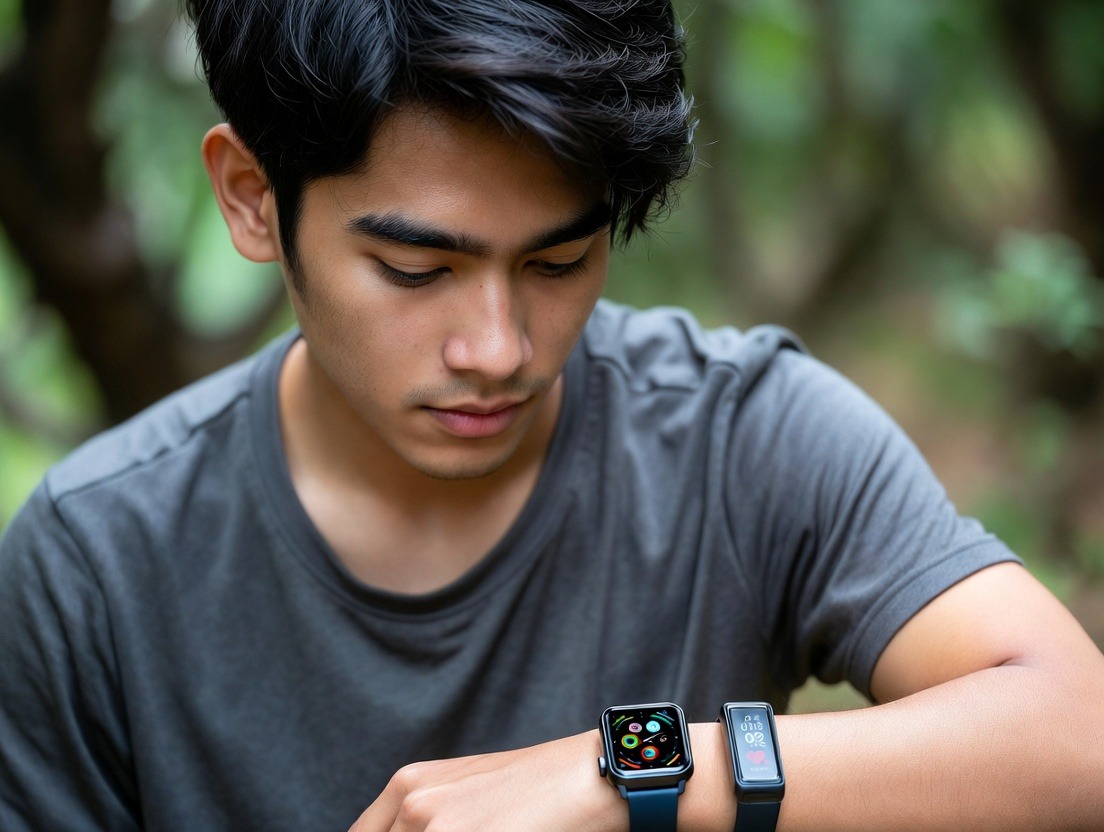
Before we dive into sensors and algorithms, we need to define our terms. In the context of wearable health tech, accuracy and reliability are related but distinct concepts.
Accuracy refers to how close a measurement is to the true, gold-standard value. For example, if your smart ring says your resting heart rate is 58 beats per minute (BPM), and a simultaneous medical-grade ECG confirms it's 58 BPM, the device is accurate. This is often validated in controlled studies against clinical equipment.
Reliability (or precision), on the other hand, refers to consistency. A reliable device gives you the same reading under the same conditions, time after time. It might not hit the bullseye every time, but its results are clustered tightly together, allowing you to track trends with confidence. For personal wellness, reliability is often more critical than absolute, clinical-grade accuracy. You care less that your HRV is exactly 45 milliseconds and more that you can see it consistently drop after poor sleep or spike after a period of effective recovery.
Most consumer wearables, including leading smart rings, prioritize trend accuracy over spot-on accuracy. Their true power lies in revealing patterns over days, weeks, and months. A slightly inflated sleep score is less important than the clear trend showing your deep sleep increases when you avoid screens after 10 PM. This longitudinal, personal baseline is where wearables provide unique value that even a one-off doctor's visit cannot.
However, this doesn't give manufacturers a free pass. Key metrics must be accurate enough to be meaningful. For instance, blood oxygen (SpO₂) readings that are consistently 5% off could prevent someone from identifying a legitimate health concern. The balance lies in managing user expectations: these are wellness guides, not diagnostic tools. As noted on the Oxyzen blog, their device "provides fitness-related heart rate and wellness measurements only. It is not intended for the diagnosis, treatment, prevention, or cure of any disease." This is a crucial disclaimer for all consumer health tech.
Understanding this framework allows you to ask better questions: Does this device help me see meaningful changes in my body? Are its patterns consistent with how I feel? The answers to these questions are the true markers of a valuable wearable.
At the core of every health wearable is its sensor array. These are the components that interact directly with your body, converting biological signals into digital data. For smart rings and wristbands, the workhorse is almost always the Photoplethysmography (PPG) sensor.
How PPG Works: Reading Your Pulse with Light
A PPG sensor uses tiny light-emitting diodes (LEDs) to shine light (usually green and/or red) into your skin. A photodetector then measures the amount of light that bounces back. With each heartbeat, blood volume in your capillaries changes slightly. More blood absorbs more light, so the reflected light signal has a small, rhythmic fluctuation—your pulse wave. By analyzing this wave, the device can calculate your heart rate, and with advanced processing, derive heart rate variability (HRV) and even estimate blood oxygen levels.
This is where the ring form factor offers a potential advantage. The arteries in your finger are generally more accessible and less obstructed by bone and tendon than those in your wrist. This can lead to a stronger, cleaner PPG signal. Oxyzen's development story highlights this insight, noting that the "breakthrough came when the team revisited medical science: Finger blood flow is more stable than the wrist. It’s why hospitals use finger pulse oximeters."
Beyond PPG, advanced wearables incorporate other sensors:
The magic—and the challenge—lies in sensor fusion. A device doesn't rely on one sensor in isolation. It combines the PPG heart rate data with accelerometer data to determine if a high heart rate is from exercise or stress. It layers nighttime temperature trends with sleep movement to gauge recovery quality. The sophistication of this multi-sensor data fusion is a major differentiator between basic and advanced devices.
Heart rate is the most familiar metric, but even here, nuances in accuracy matter. Resting Heart Rate (RHR) is a cornerstone of fitness and recovery tracking. A reliable device should capture your true resting rate, typically measured during sleep or periods of profound calm. Inaccuracies often creep in during high-intensity movement, where arm or hand motion can overwhelm the PPG signal—a phenomenon known as "cadence lock," where the device mistakenly locks onto your stride rate instead of your heart rate.
The more sophisticated metric, and one central to the promise of modern wearables, is Heart Rate Variability (HRV). HRV measures the tiny, millisecond variations in the time intervals between consecutive heartbeats. Contrary to intuition, a higher, stable HRV at rest typically indicates a healthier, more resilient autonomic nervous system—better at balancing stress (sympathetic) and recovery (parasympathetic) responses.
As explained in Oxyzen's FAQ, "HRV reflects the tiny time differences between heartbeats and is a window into how your autonomic nervous system balances stress and recovery." It's a powerful predictor of your body's readiness to perform.
Factors Influencing HRV Accuracy:
For users, this means the daily HRV number is less important than its direction and context over time. A sustained downward trend, especially when paired with a rising RHR and poor sleep, is a reliable signal from your body to prioritize recovery.

Sleep is where many wearables spend the most time collecting data, and it's a domain rife with complexity. Modern devices claim to break your night into light, deep, and REM sleep stages. But how do they do this without hooking you up to wires in a lab?
The process is a sophisticated estimation based on sensor fusion:
It's crucial to understand that consumer wearables are not performing medical polysomnography (PSG). They are making highly educated guesses based on these physiological proxies. Their accuracy for specific stage timing (e.g., "you got 72 minutes of REM") can be debatable, but their ability to identify macro patterns is strong and incredibly useful.
They excel at telling you:
These patterns are the levers you can pull. User testimonials for Oxyzen highlight this practical application: "The nightly sleep report is like a personal sleep coach. This ring nudged me into a consistent bedtime and I feel the difference." By showing the tangible connection between a 1 AM bedtime and a poor recovery score, the device motivates behavioral change far more effectively than vague advice to "sleep more."
The inclusion of pulse oximetry (SpO₂) in wearables brought a hospital metric into daily life. SpO₂ measures the percentage of oxygen-saturated hemoglobin in your blood. During sleep, periodic dips (usually brief and minor) can be normal. However, frequent or significant desaturations can be a sign of sleep-disordered breathing.
Wearable SpO₂ uses red and infrared LEDs within the PPG sensor. Oxygenated and deoxygenated blood absorb these wavelengths differently, allowing the device to calculate the saturation percentage.
Key Considerations for Accuracy:
Some advanced devices also derive respiratory rate from the subtle chest movements reflected in the PPG signal or via the accelerometer. A elevated nighttime respiratory rate can be another early indicator of illness or excessive strain.
This is where raw data transforms into insight. Stress scores and readiness/recovery scores are composite metrics—the final product of the sensor suite and the manufacturer's proprietary algorithm.
A stress score typically analyzes short-term HRV, heart rate patterns, and sometimes movement to estimate your nervous system's sympathetic (fight-or-flight) activation throughout the day. It's not measuring psychological stress directly, but the physiological response that often accompanies it.
The readiness or recovery score is a holistic morning-grade of your body's capacity to take on strain. As Oxyzen's FAQ describes, it "usually blends last night’s sleep, recent HRV and resting heart rate patterns, activity load, and sometimes temperature trends compared to your baseline." It answers the question: "Based on your body's signals, how prepared are you for today's challenges?"
These scores are powerful because they simplify complexity. However, you must understand what they represent:
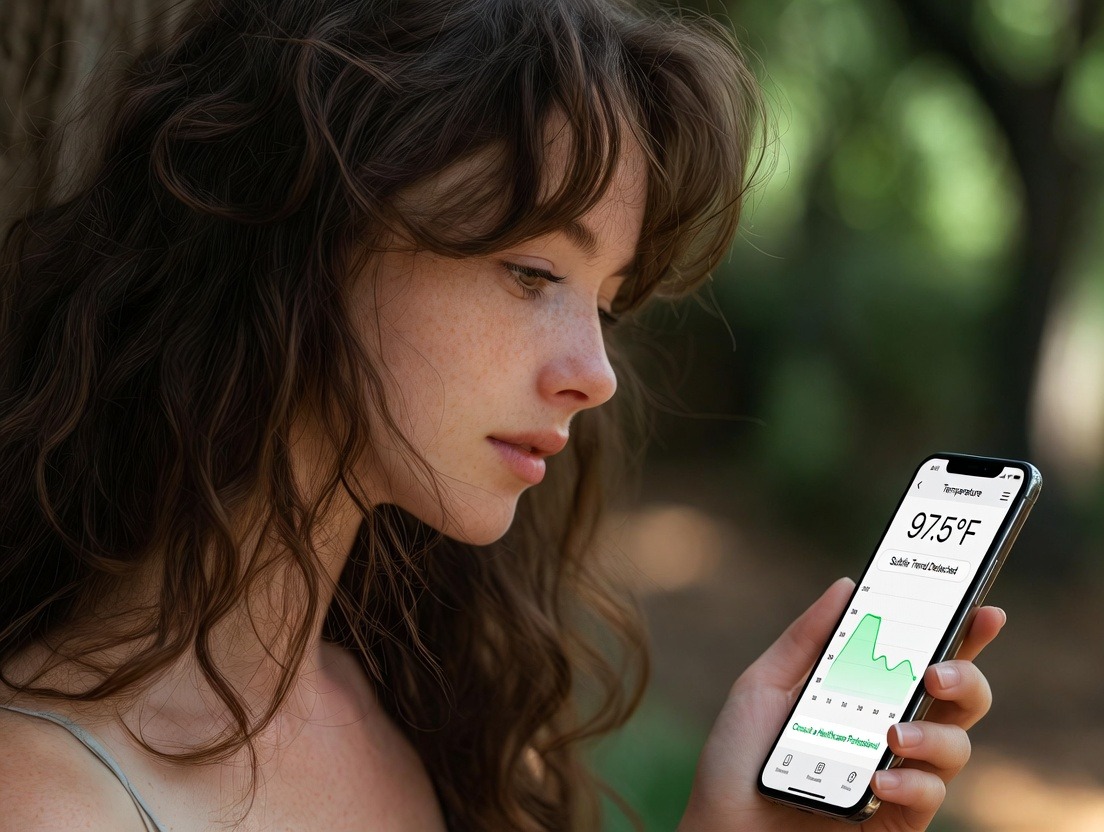
While a single body temperature reading is of limited use, tracking circadian temperature rhythms and deviations from your personal baseline is incredibly insightful. Wearables measure peripheral skin temperature on the wrist or finger, which is lower and more variable than core body temperature.
This tracking shines in two areas:
The accuracy here depends entirely on consistent wear, especially at night, to establish a reliable baseline. Small changes of a few tenths of a degree are meaningful in this context, requiring stable, high-quality sensors.
The most advanced sensor is useless if the device isn't worn correctly. Fit is the foundation of accuracy.
Consistent wear is equally important. You cannot get an accurate resting heart rate or recovery score if you only put the device on when you're awake. The most valuable physiological patterns—nightly recovery, sleep architecture, circadian rhythm—require 24/7 wear, only removing the device for charging.
Furthermore, your lifestyle choices directly feed into the algorithm's interpretation. Most companion apps allow you to log behaviors like caffeine intake, alcohol consumption, late meals, and specific workout types. When you tag that you had two glasses of wine, and the next morning your HRV is down 20% and your readiness score is low, you're not just seeing data; you're learning about your unique physiology. This turns the device into a powerful biofeedback tool. The Oxyzen FAQ directly addresses this: "Research and user data consistently show that late nights, alcohol close to bedtime, and heavy, late meals tend to raise resting heart rate, lower HRV, and fragment sleep."
The raw sensor data is just the beginning. The algorithms—the software that processes the signal—are the secret sauce that separates a gadget from a guide. This is where machine learning comes in, trained on vast datasets to better distinguish deep sleep from quiet wakefulness, or exercise heart rate from stress-induced tachycardia.
A key process for any new wearable is the initial calibration period. When you first start using a device, it needs time (usually 1-2 weeks) to learn your personal baselines. Is your normal resting heart rate 55 or 65? What does a typical sleep pattern look like for you? Until it establishes this personalized framework, its scores and recommendations will be less accurate. During this period, focus on consistent wear and pay more attention to how you feel than to the scores.
It's also worth considering the philosophy behind the algorithms. Some platforms bombard you with data, while others aim for curated insight. Oxyzen's philosophy, as shared in their story, emphasizes balance: "Oura counts data. OxyZen restores balance. Oura shows metrics. OxyZen shows meaning." This intent shapes how data is presented and what the software prioritizes, moving beyond mere tracking toward actionable understanding.
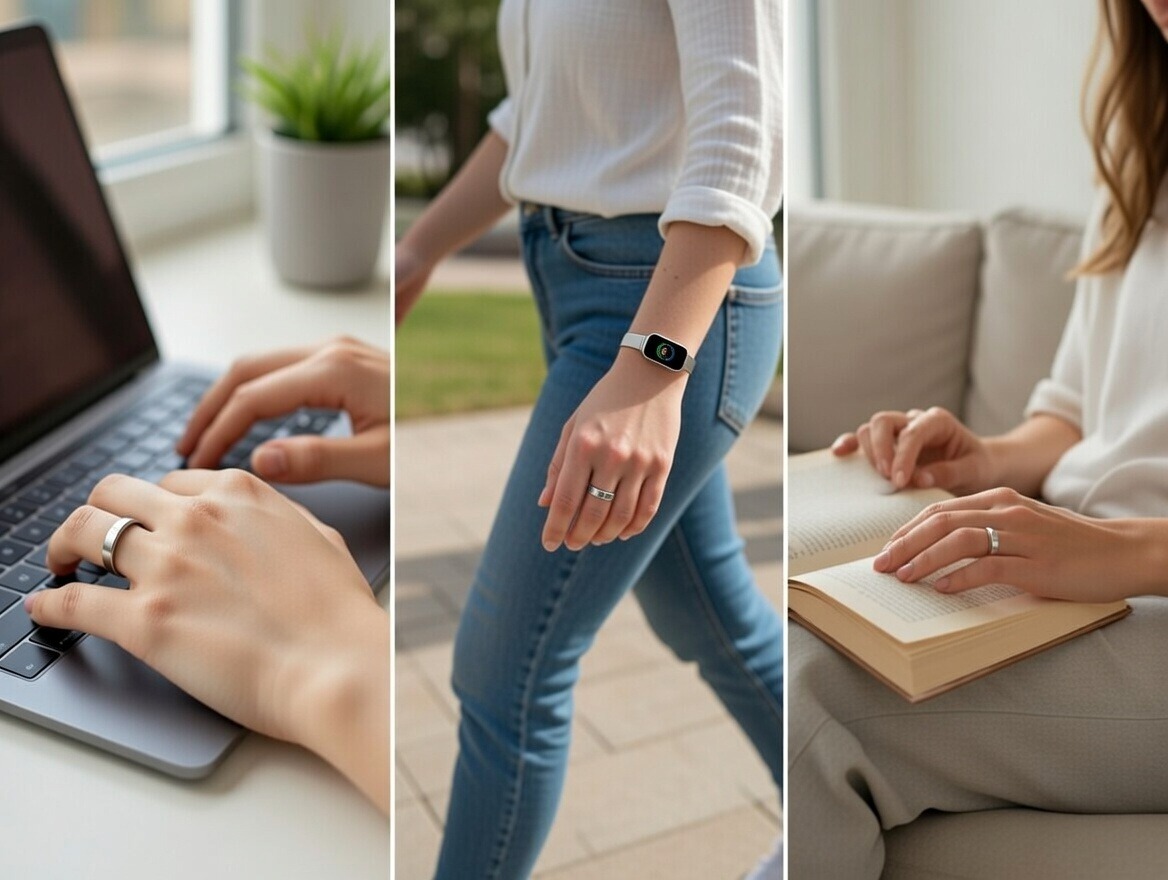
No device is perfect for every metric. Understanding the strengths of each form factor helps set realistic expectations.
The trend for serious wellness enthusiasts is strategic stacking—using a ring for continuous recovery and sleep insight and a watch or chest strap for high-intensity workout accuracy. This combination provides the most complete picture.
Ultimately, the most accurate device is the one you use to make positive, sustainable changes. Here’s how to build a smart, trusting relationship with your wearable data:
The journey with wearable health tech is a partnership. You bring self-awareness and a willingness to act; the device brings continuous monitoring and pattern recognition. By understanding the principles of accuracy and reliability, you empower yourself to use this technology not as an oracle, but as a insightful companion on your path to better health. For a deeper dive into specific wellness topics and user experiences, you can explore further insights on the Oxyzen blog.
Practical Application: Turning Accurate Data into Actionable Sleep Plans
Knowing you slept poorly is one thing. Knowing why and what specifically to do about it is where accuracy pays dividends. Let's break down how to use your device's sleep metrics to engineer better rest.
Step 1: Identify Your Baseline & Key Levers
First, establish what "normal" looks like for you over a 2-4 week period of consistent wear. Pay attention to:
Sleep Consistency: Your bedtime and wake time variance.
Sleep Architecture: Your average percentages of deep and REM sleep.
Restlessness: Your number of awakenings or periods of "light sleep" after initially dropping off.
Step 2: Diagnose Common Patterns
Correlate your subjective feeling ("I woke up groggy") with objective data. Common patterns include:
High Resting Heart Rate + Low HRV + Low Deep Sleep: A classic sign of overtraining or systemic stress. Your body is too aroused to dive into restorative deep sleep. Action: Prioritize rest days, gentle yoga, or meditation before bed instead of intense evening workouts.
Fragmented Sleep After 3-4 AM + Elevated Nighttime Temperature: Could indicate digestive strain or blood sugar dysregulation. Action: Experiment with an earlier dinner time (3+ hours before bed) and avoid high-glycemic snacks in the evening.
Long Sleep Latency (time to fall asleep) + Suppressed REM: Often linked to excessive blue light exposure and mental activation. Action: Implement a strict digital sunset 60-90 minutes before bed. Use the 15 minutes before sleep for reading (physical book) or gentle breathing exercises.
A user testimonial for Oxyzen highlights this diagnostic power: "I’ve struggled with restless nights for years. The Oxyzen sleep tracking ring helped me identify patterns and talk to my doctor with real data." Your wearable provides the evidence for informed conversations and targeted experiments.
Step 3: Implement Micro-Changes & Validate
Wearables excel at biofeedback. Don't overhaul your life overnight. Pick one lever to pull for 1-2 weeks:
Experiment: Move your caffeine cutoff time from 3 PM to 12 PM.
Measure: Watch your deep sleep percentage and sleep latency in your weekly trends.
Assess: Do you see a measurable improvement? Do you feel better?
Iterate: Keep the change if it works, then test another variable, like room temperature.
This method turns sleep improvement from a vague goal into a data-driven personal science project. For more structured guidance on such experiments, resources like the Oxyzen blog often provide research-backed frameworks for testing different wellness interventions.
Practical Application: Using Biomarkers for Stress Management and Resilience
Modern stress is chronic and insidious. Your wearable's stress score and HRV data act as an objective mirror to your nervous system, often revealing strain before your conscious mind acknowledges it.
From Reactive to Proactive Stress Management:
Identify Your Stress Signature: Use the day-long stress graph. Do you see predictable spikes?
Morning Spikes: Could be cortisol awakening response gone awry, or anxiety about the day.
Afternoon Slump (High Stress Reading): Often a combination of blood sugar drop, dehydration, and cognitive fatigue.
Evening Persistence: Inability to "turn off" after work, often tied to screen time and rumination.
Deploy Targeted Interventions: Match the solution to the pattern.
For Morning Spikes: Try 5 minutes of box breathing (4-sec inhale, 4-sec hold, 6-sec exhale) before checking your phone. Observe if the stress graph shows a lower, more stable baseline.
For the Afternoon Slump: A 10-minute brisk walk outside (activity tracked) often lowers a physiological stress score more effectively than another cup of coffee.
For Evening Persistence: A "shutdown ritual"—like 5 minutes of journaling to download worries, followed by a tech-free period—can help the nervous system transition to recovery mode.
Building Long-Term Resilience with HRV Trends:
HRV is your resilience capacitor. A higher, stable baseline means you can handle more stress without breaking down. To build it:
Aerobic Conditioning: Regular, moderate cardio (like zone 2 training) is one of the most reliable ways to increase baseline HRV over months.
Parasympathetic Activation: Daily practices like meditation, sauna (followed by cool-down), and deep, diaphragmatic breathing directly stimulate the vagus nerve, improving HRV.
Recovery Respect: Honor your device's readiness score. On low days, swap high-intensity training for mobility work or true rest. This prevents the downward spiral of overtraining, which crushes HRV. As noted in the Oxyzen FAQ, "Many people use high-readiness days for harder workouts... and reserve low-readiness days for technique work, easy movement, or full rest."
The goal is to create a feedback loop: you act, the device shows you the physiological impact, and you learn. One user shared this powerful insight: "Seeing stress patterns in the app helped me negotiate better boundaries at work. I can literally see my calm days."
Practical Application: Optimizing Fitness and Preventing Overtraining
This is perhaps the most transformative application of accurate wearables for athletes and fitness enthusiasts. The paradigm shifts from "more is better" to "optimal is best."
The Readiness Score as Your Daily Coach:
Your morning readiness or recovery score is your permission slip—or caution flag—for the day's exertion.
Green Zone (High Readiness): This is the day to go for a PR, schedule a crucial presentation, or tackle a demanding project. Your body is primed for peak performance.
Yellow Zone (Moderate Readiness): Proceed with caution. Stick to your planned, moderate workout or maintain a normal workday. It's not a day to add extra volume or intensity.
Red Zone (Low Readiness): This is a mandatory adaptation day. The focus is on recovery: gentle walking, foam rolling, hydration, sleep hygiene, and nutrition. Training through red scores is the fastest path to injury, illness, and performance plateaus.
Identifying Overtraining Syndrome (OTS) Before It's Catastrophic:
OTS isn't just feeling tired; it's a systemic neuroendocrine disruption. Wearables can spot the early warning signs that often precede your own awareness:
Resting Heart Rate (RHR): A sustained increase of 5-10 BPM above your normal baseline upon waking.
HRV: A persistent, downward trend over 7-10 days, despite rest.
Sleep Quality: Consistently fragmented sleep, even when exhausted.
Recovery Score: Chronically low scores that refuse to bounce back after easy days.
The Oxyzen FAQ directly addresses this: "If you see a pattern of persistent low readiness, falling HRV, rising resting heart rate, and poor sleep after very hard training blocks, it may indicate you’re not recovering fully." This early warning system allows you to deload training by 30-50% for a week, potentially saving months of lost progress.
Periodization Based on Personal Data:
Instead of following a generic 4-week training block, use your data to guide your cycles. End a "build" phase when your readiness scores start a clear downward trend. Insert a "deload" week not because the calendar says so, but because your biomarkers demand it. This is the pinnacle of personalized fitness.
The Long-Term View: Accuracy for Health Span and Longevity Tracking
Beyond daily performance, wearables are becoming powerful tools for longitudinal health monitoring. Tracking subtle trends over years can provide insights into your overall health span—the period of life spent in good health.
Key Long-Term Biomarkers to Watch:
Baseline Resting Heart Rate Trend: While it naturally increases slightly with age, a more pronounced upward creep over years can be a general indicator of declining cardiovascular fitness.
HRV Resilience: Your ability for HRV to rebound after stressors (like a hard workout or a stressful week) may be a marker of biological aging. Maintaining a higher HRV baseline is associated with longevity.
Sleep Architecture Changes: A natural, age-related decline in deep sleep is expected. However, a rapid or severe drop could warrant a closer look at lifestyle or health factors.
Circadian Rhythm Stability: The consistency of your daily temperature and activity rhythms is linked to metabolic health. Greater instability over time can be a warning sign.
The power here is in owning your health timeline. You can walk into a doctor's appointment not with a vague description of symptoms, but with a graph showing your sleeping heart rate has been trending up for 6 months. This shifts the conversation from reactive sick care to proactive health optimization. The mission at the heart of Oxyzen's story reflects this ambition: "to help millions of people... live longer" by providing the tools for sustained self-awareness.
Ethical Considerations and Data Privacy in Wearable Tech
As these devices collect our most intimate biological data—our sleep patterns, stress responses, menstrual cycles—questions of ethics and privacy become paramount. Accuracy is useless if it comes at the cost of security.
Key Questions to Ask About Any Wearable Company:
Where is my data stored and how is it encrypted? Is it on your phone, their servers, or both? Is it encrypted both in transit and at rest?
Who owns my data? The terms of service should clearly state that you own your raw biometric data. Can you export it in a standard format (like CSV)?
How is my data used? Is it anonymized and aggregated for research (which can be valuable)? Is it used to train AI models? Is it ever sold to third parties, such as advertisers or insurance companies?
What are the data retention policies? Can I delete all my data from their servers if I choose to stop using the device?
The Subscription Model vs. Data Ownership Dilemma:
Many companies lock advanced analytics or even your own historical data behind a monthly subscription paywall. This creates an ethical tension: you've purchased the hardware, but your access to the insights from your own body is rented. Companies like Oxyzen have taken a stance against this model, as highlighted in their "Our Story" page, emphasizing "Your health. Your data. Your freedom" as a core principle from the beginning. This philosophy of user empowerment and transparency is a crucial differentiator in an era of data commodification.
As a user, your most ethical action is to be informed. Read the privacy policy. Choose companies whose data practices align with your values. Your biometric data is a profound reflection of you—it deserves at least as much protection as your financial information.
The Future of Accuracy: AI, Machine Learning, and Personalized Baselines
The next leap in wearable accuracy won't come from a better LED; it will come from smarter software. Artificial Intelligence (AI) and Machine Learning (ML) are set to revolutionize what our devices can tell us.
From Generic to Hyper-Personalized Algorithms:
Current algorithms are often trained on large, aggregated datasets to determine "normal" sleep stages. Future AI models will be continuously trained on you. They will learn what a "high stress" heart rate pattern looks like specifically for you, or how your unique REM sleep signature differs from the population average. This will drastically improve the personal relevance and accuracy of every metric.
Predictive Analytics and Early Warning Systems:
Instead of telling you you're stressed now, AI-powered wearables will predict when you're likely to become stressed or ill. By analyzing millions of data points, they could identify subtle precursor patterns. For example, specific shifts in nighttime HRV combined with a slight temperature elevation might predict the onset of a cold 24-48 hours before symptoms appear, allowing you to rest and hydrate proactively.
Oxyzen's vision for the future, noted in their story, points toward this: "AI-Powered Health Intelligence... where advanced AI models analyze millions of biometric patterns to deliver predictions, not just readings." They envision a "Personal Health Twin"—a digital model of your unique physiology that provides real-time, adaptive guidance.
Multimodal Data Integration:
The future wearable won't exist in isolation. It will seamlessly integrate data from other sources:
Continuous Glucose Monitors (CGM): Correlating blood glucose spikes with sleep quality and stress responses.
Smart Kitchen Scales & Food Loggers: Connecting nutritional intake directly with recovery metrics.
Environmental Sensors: Understanding how air quality, noise, and light in your home affect your biometrics.
This ecosystem approach will provide a causal understanding of your health that is impossible with a single device, moving from correlation ("my sleep was bad") to causation ("my sleep was bad because my blood sugar spiked at 2 AM due to my late dinner").
Conclusion of Part Two: Becoming an Empowered, Discerning User
We've journeyed from the physics of PPG sensors to the ethics of data ownership, from nightly sleep scores to multi-year health trends. The overarching theme is empowerment. An accurate wearable is not a boss that issues commands; it is a sophisticated tool that provides a clearer window into your own body's language.
The path forward is to be a discerning partner with your technology:
Trust Trends, Not Dots: Make decisions based on weekly graphs, not daily numbers.
Seek Correlation with Sensation: Your subjective feeling is a vital data point. The device should explain your experience, not contradict it without cause.
Use Data for Curiosity, Not Judgment: Let your scores inspire experiments ("What happens if I try this?") rather than self-criticism ("My score is bad, therefore I am bad").
Choose Platforms That Align with Your Values: Support companies that are transparent about their science, respectful of your privacy, and focused on providing meaningful insight over addictive engagement.
The ultimate accuracy check is your life: are you sleeping better, managing stress more effectively, performing stronger, and feeling more in tune with your body? When a device helps you answer "yes" to those questions, it has achieved its highest purpose. As you continue your wellness journey, remember that the most important system to understand is your own, and the most reliable guide is the one that helps you listen to it. For stories of how others have applied these principles, you can find real-world examples and user experiences on the Oxyzen testimonials page.
Knowing you slept poorly is one thing. Knowing why and what specifically to do about it is where accuracy pays dividends. Let's break down how to use your device's sleep metrics to engineer better rest.
Step 1: Identify Your Baseline & Key Levers
First, establish what "normal" looks like for you over a 2-4 week period of consistent wear. Pay attention to:
Step 2: Diagnose Common Patterns
Correlate your subjective feeling ("I woke up groggy") with objective data. Common patterns include:
A user testimonial for Oxyzen highlights this diagnostic power: "I’ve struggled with restless nights for years. The Oxyzen sleep tracking ring helped me identify patterns and talk to my doctor with real data." Your wearable provides the evidence for informed conversations and targeted experiments.
Step 3: Implement Micro-Changes & Validate
Wearables excel at biofeedback. Don't overhaul your life overnight. Pick one lever to pull for 1-2 weeks:
This method turns sleep improvement from a vague goal into a data-driven personal science project. For more structured guidance on such experiments, resources like the Oxyzen blog often provide research-backed frameworks for testing different wellness interventions.
Modern stress is chronic and insidious. Your wearable's stress score and HRV data act as an objective mirror to your nervous system, often revealing strain before your conscious mind acknowledges it.
From Reactive to Proactive Stress Management:
Building Long-Term Resilience with HRV Trends:
HRV is your resilience capacitor. A higher, stable baseline means you can handle more stress without breaking down. To build it:
The goal is to create a feedback loop: you act, the device shows you the physiological impact, and you learn. One user shared this powerful insight: "Seeing stress patterns in the app helped me negotiate better boundaries at work. I can literally see my calm days."
This is perhaps the most transformative application of accurate wearables for athletes and fitness enthusiasts. The paradigm shifts from "more is better" to "optimal is best."
The Readiness Score as Your Daily Coach:
Your morning readiness or recovery score is your permission slip—or caution flag—for the day's exertion.
Identifying Overtraining Syndrome (OTS) Before It's Catastrophic:
OTS isn't just feeling tired; it's a systemic neuroendocrine disruption. Wearables can spot the early warning signs that often precede your own awareness:
The Oxyzen FAQ directly addresses this: "If you see a pattern of persistent low readiness, falling HRV, rising resting heart rate, and poor sleep after very hard training blocks, it may indicate you’re not recovering fully." This early warning system allows you to deload training by 30-50% for a week, potentially saving months of lost progress.
Periodization Based on Personal Data:
Instead of following a generic 4-week training block, use your data to guide your cycles. End a "build" phase when your readiness scores start a clear downward trend. Insert a "deload" week not because the calendar says so, but because your biomarkers demand it. This is the pinnacle of personalized fitness.
Beyond daily performance, wearables are becoming powerful tools for longitudinal health monitoring. Tracking subtle trends over years can provide insights into your overall health span—the period of life spent in good health.
Key Long-Term Biomarkers to Watch:
The power here is in owning your health timeline. You can walk into a doctor's appointment not with a vague description of symptoms, but with a graph showing your sleeping heart rate has been trending up for 6 months. This shifts the conversation from reactive sick care to proactive health optimization. The mission at the heart of Oxyzen's story reflects this ambition: "to help millions of people... live longer" by providing the tools for sustained self-awareness.
As these devices collect our most intimate biological data—our sleep patterns, stress responses, menstrual cycles—questions of ethics and privacy become paramount. Accuracy is useless if it comes at the cost of security.
Key Questions to Ask About Any Wearable Company:
The Subscription Model vs. Data Ownership Dilemma:
Many companies lock advanced analytics or even your own historical data behind a monthly subscription paywall. This creates an ethical tension: you've purchased the hardware, but your access to the insights from your own body is rented. Companies like Oxyzen have taken a stance against this model, as highlighted in their "Our Story" page, emphasizing "Your health. Your data. Your freedom" as a core principle from the beginning. This philosophy of user empowerment and transparency is a crucial differentiator in an era of data commodification.
As a user, your most ethical action is to be informed. Read the privacy policy. Choose companies whose data practices align with your values. Your biometric data is a profound reflection of you—it deserves at least as much protection as your financial information.
The next leap in wearable accuracy won't come from a better LED; it will come from smarter software. Artificial Intelligence (AI) and Machine Learning (ML) are set to revolutionize what our devices can tell us.
From Generic to Hyper-Personalized Algorithms:
Current algorithms are often trained on large, aggregated datasets to determine "normal" sleep stages. Future AI models will be continuously trained on you. They will learn what a "high stress" heart rate pattern looks like specifically for you, or how your unique REM sleep signature differs from the population average. This will drastically improve the personal relevance and accuracy of every metric.
Predictive Analytics and Early Warning Systems:
Instead of telling you you're stressed now, AI-powered wearables will predict when you're likely to become stressed or ill. By analyzing millions of data points, they could identify subtle precursor patterns. For example, specific shifts in nighttime HRV combined with a slight temperature elevation might predict the onset of a cold 24-48 hours before symptoms appear, allowing you to rest and hydrate proactively.
Oxyzen's vision for the future, noted in their story, points toward this: "AI-Powered Health Intelligence... where advanced AI models analyze millions of biometric patterns to deliver predictions, not just readings." They envision a "Personal Health Twin"—a digital model of your unique physiology that provides real-time, adaptive guidance.
Multimodal Data Integration:
The future wearable won't exist in isolation. It will seamlessly integrate data from other sources:
This ecosystem approach will provide a causal understanding of your health that is impossible with a single device, moving from correlation ("my sleep was bad") to causation ("my sleep was bad because my blood sugar spiked at 2 AM due to my late dinner").
You don't need a laboratory to sanity-check your device. Here are practical ways to gauge the reliability of your wearable's core metrics.
1. The Heart Rate Spot-Check (The "Manual Pulse Test")
This is the simplest and most direct test.
2. The "Sit-to-Stand" Heart Rate Response Test
This assesses the device's ability to track dynamic changes, which is crucial for workout accuracy.
3. The Sleep Log Correlation Test
Validate your sleep stage estimates against your subjective experience.
4. The Recovery Score Intuition Check
Test the predictive validity of your readiness/recovery score.
With dozens of options, how do you choose? Move beyond marketing and use this decision framework based on the principles of accuracy and utility.
Step 1: Define Your Primary Use Case (The "Why")
Step 2: Evaluate Key Technical & Design Factors (The "How")
Step 3: Assess the "Intelligence" Layer (The "So What")
Not all "medical-grade" claims are equal. Understanding regulatory classifications helps you interpret marketing language.
Practical Takeaway: When a company says its sensor is "medical-grade," ask: "For what specific purpose and under which regulatory framework?" A "medical-grade PPG sensor" is a component; it doesn't mean the device's interpretation of that data (like a sleep stage or stress score) is medically validated. This isn't to discredit devices but to foster precise understanding.
Your wearable is one powerful instrument in your health orchestra. For the fullest picture, conduct the symphony.
1. Create a Unified Health Dashboard:
Use apps like Apple Health or Google Fit as a central hub to pull in data from your wearable, your smart scale, your nutrition app, and even manual entries (like mood or period tracking). Seeing all your metrics in one place can reveal powerful cross-correlations that individual apps miss.
2. Partner with Professionals:
Bring your long-term trends to check-ups. A graph showing a 6-month upward trend in your resting heart rate is more valuable to a doctor than saying "I feel more tired." Some forward-thinking functional medicine doctors, nutritionists, and coaches are beginning to integrate this data into their practices. Share your data proactively, as suggested by a Oxyzen user: "I showed my doctor the long-term oxygen and heart trends. She said, ‘This is better than most clinic snapshots.’"
3. Practice Periodic Digital Detoxes & Sense-Checking:
To avoid data obsession or losing touch with your innate body sense, schedule regular breaks. Go on a weekend trip without your device. Practice checking in with yourself: "How do I feel?" before looking at your readiness score. The device should enhance your intuition, not replace it.
The journey through the world of wearable accuracy brings us to a final, nuanced destination: informed trust.
Trust is not blind faith in a device's every number. It is the confidence built on understanding its strengths, acknowledging its limitations, and skillfully interpreting its signals within the context of your unique life. It is knowing that your ring is exceptionally good at showing your relative recovery trend, but you wouldn't use it to diagnose a heart arrhythmia. It is appreciating that its sleep staging is an educated estimate that becomes profoundly valuable when tracking your experiment with earlier bedtimes.
The most accurate wearable for you is the one that fades into the background of your life while providing foreground clarity to your choices. It supports your goals—whether that's racing a marathon, managing anxiety, or simply waking up feeling refreshed—with data that feels relevant and actionable.
As this field accelerates with AI and deeper sensor integration, your role as a critical, empowered user becomes ever more important. You have the right to transparent information about how your data is collected, used, and protected. You have the right to insights that serve you, not a subscription revenue target.
Let the story of this technology inspire you. From a doctor's moment of frustration at 40,000 feet to the sleek ring on your finger today, it is a story of making the invisible visible, of giving individuals agency over their own well-being. Your body speaks a complex, beautiful language of rhythms and signals. A trustworthy wearable is a skilled translator. Your job is to be an engaged listener, using that translation to write a healthier, more balanced story for yourself.
Your Actionable Checklist:
The pursuit of accuracy is ultimately a pursuit of self-knowledge. With the tools and understanding you now possess, you are well-equipped to navigate this exciting frontier, not as a spectator, but as a pioneer of your own health.
Your Trusted Sleep Advocate: Sleep Foundation — https://www.sleepfoundation.org
Discover a digital archive of scholarly articles: NIH — https://www.ncbi.nlm.nih.gov/
39 million citations for biomedical literature :PubMed — https://pubmed.ncbi.nlm.nih.gov/
Experts at Harvard Health Publishing covering a variety of health topics — https://www.health.harvard.edu/blog/
Every life deserves world class care :Cleveland Clinic - https://my.clevelandclinic.org/health
Wearable technology and the future of predictive health monitoring :MIT Technology Review — https://www.technologyreview.com/
Dedicated to the well-being of all people and guided by science :World Health Organization — https://www.who.int/news-room/
Psychological science and knowledge to benefit society and improve lives. :APA — https://www.apa.org/monitor/
Cutting-edge insights on human longevity and peak performance:
Lifespan Research — https://www.lifespan.io/
Global authority on exercise physiology, sports performance, and human recovery:
American College of Sports Medicine — https://www.acsm.org/
Neuroscience-driven guidance for better focus, sleep, and mental clarity:
Stanford Human Performance Lab — https://humanperformance.stanford.edu/
Evidence-based psychology and mind–body wellness resources:
Mayo Clinic — https://www.mayoclinic.org/healthy-lifestyle/
Data-backed research on emotional wellbeing, stress biology, and resilience:
American Institute of Stress — https://www.stress.org/


