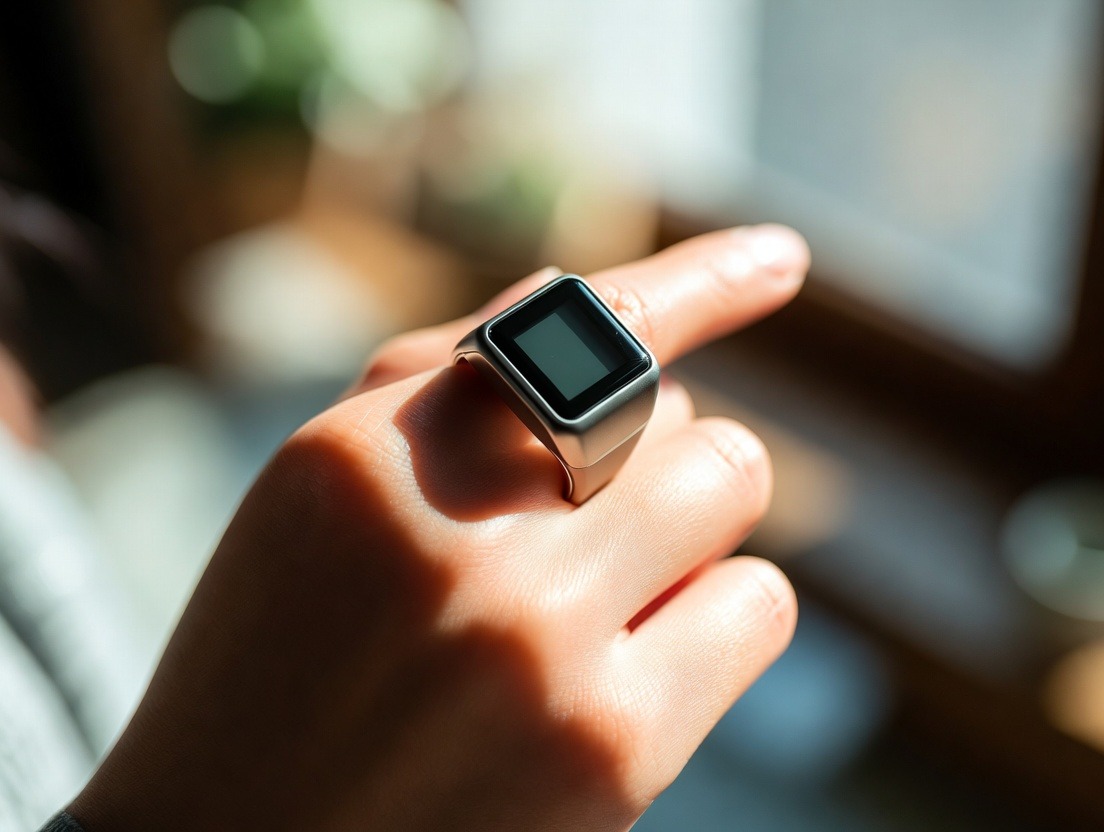
The Wearable Health Tech Guide: Expert Reviews and Recommendations
A guide with expert reviews and final recommendations.
The Wearable Health Tech Guide: Expert Reviews and Recommendations
In an age where data is the new currency of health, a silent revolution is happening on our very fingers. Forget clunky watches and intrusive chest straps; the next frontier in personalized wellness is discreet, elegant, and powered by insights you can actually use. Welcome to the world of wearable health technology—a world that is becoming smarter, more intuitive, and remarkably personal.
For years, the pursuit of quantified self was often at odds with daily life. Bulky devices buzzed on our wrists, interrupted meetings, and required nightly charging rituals. The data they provided was vast but often confusing: a sea of numbers and graphs without a clear map to better sleep, lower stress, or improved fitness. The promise of wearable tech—to be a true health companion—felt just out of reach.
That is, until now.
The rise of the smart ring marks a pivotal shift. It’s the convergence of sophisticated biometric sensing, minimalist design, and actionable artificial intelligence. This isn’t about tracking for tracking’s sake; it’s about understanding the subtle language of your body—your heart’s rhythms, your breath in sleep, your temperature fluctuations—and translating it into a clear, personalized plan for your well-being. These devices offer a 24/7 window into your health that is as unobtrusive as your favorite piece of jewelry.
This definitive guide is your compass in this exciting new landscape. We’ve moved beyond spec sheets and marketing hype to deliver expert analysis, real-world testing, and practical recommendations. Whether you’re a biohacker seeking an edge, a professional battling burnout, an athlete fine-tuning recovery, or simply someone who wants to take a more proactive role in your health, this guide is for you.
We will delve deep into the science behind the sensors, compare the top contenders on the market, and show you how to interpret data to make meaningful life changes. This journey into wearable health tech is about empowerment. It’s about having the right tools to not just live longer, but to live better. Let’s begin.
The Evolution of Wearables: From Pedometers to Predictive Health
The journey to the smart ring on your finger began not with microchips, but with simple mechanics. To appreciate the sophistication of today’s devices, we must look back at the path that brought us here—a path defined by miniaturization, sensor innovation, and a fundamental shift in what we expect from our technology.
In the beginning, it was all about steps. The pedometer, a device with origins dating back to the Renaissance, became a popular consumer gadget in the late 20th century. It was a single-purpose tool: count mechanical movements. While motivating, it offered a one-dimensional view of activity. The early 2000s saw the rise of the dedicated fitness tracker, like early Fitbit models, which digitized step counting and introduced basic calorie burn estimates and sleep tracking via movement. The wrist became the default location, a compromise between accessibility and accuracy.
The true paradigm shift arrived with the smartphone and the smartwatch. Apple’s introduction of the Health app and later the Apple Watch transformed wearables from fitness accessories into broader health platforms. Suddenly, heart rate monitoring, ECG readings, and blood oxygen measurement were available on millions of wrists. The goal expanded from counting activity to monitoring vital signs. However, this introduced new challenges: screen fatigue, constant notifications, daily charging, and for many, a design that didn’t suit every lifestyle or occasion.
This created a gap in the market—a demand for continuous, medical-grade data collection without the digital distraction. Enter the smart ring. By moving sensors to the finger, developers found a location rich with vascular access, ideal for measuring blood flow, heart rate, and blood oxygen saturation (SpO2) with remarkable accuracy. The ring form factor solved key issues: it’s inherently unobtrusive, can be worn comfortably 24/7 (even during sleep), and its battery, powering a smaller screen-less device, often lasts a week or more.
Today’s leading smart rings, like the advanced models from Oxyzen, represent the next evolutionary step: predictive health analytics. They don’t just record what happened; they use artificial intelligence to analyze trends in heart rate variability (HRV), skin temperature, and respiratory rate to anticulate what might happen. They can warn of potential illness onset, signal unsustainable stress, or confirm that your recovery is on track after a hard workout. This transition from descriptive to prescriptive and predictive is the hallmark of modern wearable health tech. For those interested in this technological journey, our founders have detailed this vision from the very beginning.
We now stand at an inflection point. Wearables are no longer novelties; they are becoming integral components of personal healthcare, offering data that can complement clinical care. The evolution from counting steps to understanding systemic health has been rapid, and it is paving the way for a future where prevention is truly personalized.
Why a Smart Ring? The Unique Advantages Over Watches and Bands
The wrist has had a long reign as the home for wearable tech, but the finger presents a compelling case for being the superior location for holistic health monitoring. Choosing a smart ring over a traditional watch or band isn’t just an aesthetic preference—it’s a decision that affects the quality, continuity, and utility of your health data. Let’s explore the distinct advantages that make smart rings the choice for serious wellness enthusiasts.
1. Unobtrusive, Continuous Wear: The most significant advantage is compliance. The best health tracker is the one you actually wear. Smart watches, with their screens and notifications, are often removed during sleep, intense workouts, or formal events. A smart ring, resembling a sleek piece of jewelry, faces no such barriers. You can wear it while swimming, sleeping, typing, or wearing formal attire. This enables truly continuous 24/7 data collection, which is critical for accurate baseline measurements and trend analysis, especially for sleep and recovery metrics.
2. Superior Sleep and Recovery Data: The finger is a biomechanical sweet spot for sleep tracking. Unlike a wrist, which moves frequently during sleep, the finger’s position relative to the core body is more stable. This allows sensors to capture cleaner heart rate and SpO2 signals throughout the night. Furthermore, the vascular access in the finger provides a stronger pulse waveform (photoplethysmogram or PPG signal), leading to more precise measurements of heart rate variability (HRV)—the gold-standard non-invasive metric for autonomic nervous system balance and recovery status. If understanding your sleep and resilience is a priority, the ring form factor has a fundamental physiological advantage.
3. Freedom from Digital Distraction: In an era of constant connectivity, a smart ring offers health insights without adding to screen time and notification anxiety. It functions silently in the background, collecting data while you remain present in your life. You can check your stats via a smartphone app at a time that suits you, turning health monitoring into a mindful practice rather than an intrusive one.
4. Extended Battery Life: Without a power-hungry display to illuminate, smart rings are marvels of efficiency. Most flagship models offer 5 to 7 days of battery life on a single charge, and some even exceed a week. This reduces charging anxiety and, again, supports continuous wear. You’re not forced to take it off for a daily charge, which would create gaps in your health timeline.
5. Medical-Grade Sensor Placement: For core health metrics like peripheral blood oxygen (SpO2) and accurate heart rate, the finger is clinically recognized as a preferred site. Hospital pulse oximeters are typically clipped on a finger for a reason: it provides a reliable signal. Smart rings leverage this same principle, offering data quality that can rival clinical devices in passive, at-home settings.
6. Discreet Design and Comfort: A well-designed smart ring is lightweight, ergonomically contoured, and hypoallergenic. It doesn’t catch on clothing, and its low profile makes it suitable for any activity, from rock climbing to a wedding. It becomes a part of you, not a device attached to you.
While smart watches excel at smartphone integration, apps, and on-the-fly workouts, the smart ring is the dedicated, high-fidelity health monitor. It’s the specialist, not the generalist. For individuals focused on deep health optimization, stress management, and sleep improvement, the ring’s advantages are substantial. It provides the foundational biometric data without the noise, and as you’ll learn when you discover how Oxyzen works, that foundation can be built upon with powerful, personalized insights.
Decoding the Biometrics: What Your Data Actually Means
A smart ring presents you with a dashboard of metrics—HRV, SpO2, skin temperature, resting heart rate. These terms can seem clinical and abstract. But beneath the acronyms and numbers lies a vivid story about your body’s inner state. Understanding this story is the key to moving from passive tracking to active health management. Let’s decode the core biometrics and their profound implications for your daily life.
Heart Rate Variability (HRV): The Master Metric of Resilience HRV is not your heart rate. It measures the tiny, millisecond variations in the time intervals between consecutive heartbeats. Counterintuitively, a higher HRV is generally better. It indicates a strong, flexible autonomic nervous system—meaning your body can efficiently switch between states of stress (sympathetic “fight or flight”) and recovery (parasympathetic “rest and digest”).
What It Tells You: A consistently high or increasing HRV trend suggests good recovery, adaptability, and resilience to stress. A sudden or sustained drop can signal overtraining, impending illness, poor sleep, or excessive psychological stress. It’s your body’s most honest feedback system.
How to Use It: Don’t fixate on daily numbers; watch the weekly trend. Use a low HRV reading as a cue to prioritize restorative activities: an early night, meditation, light movement instead of an intense workout, or saying no to extra commitments.
Resting Heart Rate (RHR): Your Metabolic Baseline This is your heart rate when you are truly at rest, typically during sleep or upon waking. A well-conditioned cardiovascular system is efficient, requiring fewer beats per minute to pump blood.
What It Tells You: A lower RHR is generally associated with better cardiovascular fitness. A sudden elevation of 5-10 beats per minute above your normal baseline can be one of the earliest signs of dehydration, fatigue, infection, or excessive stress.
How to Use It: Track your morning RHR. A elevated trend is a red flag to check in with yourself—are you fighting something off? Did you drink enough water? Did last night’s late dinner or alcohol affect your system?
Blood Oxygen Saturation (SpO2): The Breath of Life SpO2 measures the percentage of oxygen-carrying hemoglobin in your blood. It’s a vital sign of respiratory health. Normal levels are 95-100% at sea level.
What It Tells You: Significant drops during sleep (nocturnal desaturation) can indicate sleep apnea or other breathing disturbances. Tracking SpO2 can provide crucial insights into sleep quality beyond just duration and movement.
How to Use It: Review your nightly SpO2 graph. Frequent dips below 92-93% warrant a discussion with a healthcare professional. Consistently healthy SpO2 readings confirm that your breathing is supporting restorative sleep.
Skin Temperature & Respiratory Rate: The Silent Signals
Skin Temperature: A rise in your baseline skin temperature, especially tracked overnight, is a highly sensitive marker. It often increases 1-2 days before you feel symptoms of illness, infection, or, for women, signals ovulation.
Respiratory Rate: The number of breaths you take per minute, typically 12-20 at rest. An elevated respiratory rate, particularly during sleep, can be a sign of stress, respiratory issues, or metabolic strain.
The Power of Correlation: The Story in the Trends The true magic happens when you correlate these metrics. For example:
High HRV + Low RHR + Stable Temp = You’re in a state of peak recovery and readiness.
Low HRV + High RHR + Rising Temp = Your body is under significant strain (from virus, overtraining, or burnout). Time to rest.
Good HRV but Frequent SpO2 Dips = Your fitness may be good, but a sleep breathing issue is compromising your recovery.
Learning to read this biometric language empowers you to make data-driven decisions. It turns abstract health concepts into tangible, personal feedback. For a deeper dive into interpreting your specific data patterns, our resource library on the Oxyzen blog offers detailed guides and expert analyses.
Key Features to Look For: The Smart Ring Buyer's Checklist
The smart ring market is expanding rapidly, with new models boasting various features. Cutting through the marketing requires a focused lens on what truly matters for accurate, actionable health insights. Whether you’re considering your first ring or upgrading, this checklist will help you identify the must-have features and the nice-to-haves.
Essential Features (Non-Negotiable):
Core Sensor Suite: At minimum, the ring must accurately measure:
Heart Rate (Continuous & Resting): Via a medical-grade PPG sensor.
Heart Rate Variability (HRV): Preferably measured during sleep for the most accurate reading.
Blood Oxygen (SpO2): With nocturnal monitoring capability.
Skin Temperature: Continuous monitoring with a high-sensitivity sensor to track subtle baseline shifts.
Respiratory Rate: Automated tracking during sleep and rest.
Activity/ Movement: A 3-axis accelerometer for step count, activity stages, and sleep movement.
Battery Life & Charging: Look for a minimum of 5 days of battery life under normal use. The charging solution should be convenient (e.g., a compact charging case or dock) and support a full charge in a few hours. Long battery life is critical for compliance and continuous data.
Build Quality & Comfort: The ring should be crafted from durable, hypoallergenic materials like titanium, medical-grade resin, or ceramic. It must be waterproof to at least 50 meters (ATM 5) for swimming, showering, and peace of mind. The inner contour should be ergonomic to allow for finger swelling and comfortable 24/7 wear.
Data Accuracy & Validation: Investigate if the company has published or participated in third-party validation studies comparing their biometric readings to clinical gold-standard equipment (like an ECG for heart rate). Transparency about accuracy is a hallmark of a serious health device.
Intelligent Software & Analytics: The hardware collects data; the software provides insight. The companion app should:
Present data in clear, intuitive graphs and timelines.
Provide a synthesized "readiness" or "recovery" score that integrates multiple metrics (HRV, RHR, sleep, temp).
Offer personalized, context-aware feedback. Instead of just saying "low HRV," it should suggest: "Consider a light walk today instead of strength training."
Allow for manual logging of mood, stress, caffeine, alcohol, and exercise to correlate with biometric data.
Advanced & Highly Desirable Features:
Predictive Algorithms: The next-generation differentiator. Can the ring analyze trends to predict potential issues, like alerting you to a possible illness onset 1-3 days before symptoms, based on rising temperature and lowered HRV?
Women’s Health Integration: Advanced cycles tracking that integrates basal skin temperature trends with HRV and sleep data to predict ovulation and menstrual phases with high accuracy, offering insights into energy and recovery patterns throughout the cycle.
Open API & Data Export: The ability to export your raw or processed data (via Apple Health, Google Fit, or CSV files) is crucial for longevity. It allows you to use other analysis tools, share data with a coach or doctor, and ensures you own your information.
Smart Integrations: While not the core purpose, features like NFC for contactless payments, simple smartphone notifications (for calls/calendars via vibration), or smart home control add convenience without compromising the minimalist ethos.
Excellent Sizing & Support: A reputable brand will offer a detailed sizing kit with multiple trial rings to ensure a perfect fit. Responsive customer support and a clear warranty (typically 1 year) are also vital.
When evaluating options, remember that a smart ring is a health tool first. Prioritize sensor accuracy, battery life, and intelligent analytics over gimmicky features. A device that excels at the fundamentals will provide far more long-term value. To see how these principles are put into practice, you can explore the detailed approach behind one of the market’s leading models.
The Top Contenders: In-Depth Review of Leading Smart Rings
With a clear understanding of what features matter, let’s apply that knowledge to a hands-on, expert review of the current market leaders. We’ve evaluated these rings based on sensor accuracy, software intelligence, design, and overall value to help you navigate your choice.
1. Oura Ring (Generation 3) The brand that brought smart rings to mainstream awareness, Oura remains a dominant player.
Strengths: Exceptional sleep staging accuracy, a very polished and user-friendly app, and a strong focus on readiness and recovery scores. Its temperature sensing is highly precise, making it excellent for illness prediction and women’s health tracking. The design is sleek and widely recognized.
Considerations: It operates on a subscription model (after the first month) to access most of its advanced insights. The battery life, while good, is on the shorter end of the spectrum (~4-5 days). Some advanced athletes desire more granular workout metrics.
Best For: Individuals who prioritize sleep quality, recovery, and predictive health insights and prefer a guided, app-driven experience.
2. Ultrahuman Ring Air A formidable competitor that has positioned itself as a platform for metabolic health and fitness optimization.
Strengths: No subscription fee, which is a major plus. Offers unique features like live workout tracking with real-time zone guidance (similar to a sports watch) and integration with continuous glucose monitors (CGM) for a powerful view of metabolic fitness. The build is incredibly lightweight and durable.
Considerations: The app can feel more technical and data-dense compared to Oura’s. The design is more sport-focused and less jewelry-like. Its sleep and recovery algorithms are strong but have a slightly different philosophy.
Best For: Fitness enthusiasts, biohackers, and those focused on metabolic health who want live workout features and dislike subscription models.
3. Circular Ring Slim Aims to differentiate with a unique "alert" system and a slimmer, more customizable design.
Strengths: Features a built-in haptic motor for smart notifications and "vibe alerts" for inactivity, high stress, or prolonged poor posture. Offers interchangeable "kuras" (outer shells) for style customization. Provides a wealth of data without a mandatory subscription.
Considerations: As a newer entrant, its long-term algorithm refinement and community validation are still growing. Some users report a less robust feeling compared to titanium competitors.
Best For: Those who want a true smart notification device in ring form and appreciate customizable aesthetics alongside health tracking.
4. RingConn Positions itself as a straightforward, value-focused alternative with robust hardware.
Strengths: No subscription, solid core sensor suite (SpO2, temperature, HR/HRV), and a very competitive price point. The app focuses on clear data presentation without excessive gamification. Good battery life.
Considerations: The software and algorithm maturity may not yet match the market leaders in terms of nuanced insights and predictive features. Design options are more limited.
Best For: Budget-conscious users who want reliable core biometric tracking without ongoing fees and are comfortable with a simpler analytical interface.
5. Oxyzen Ring A rising contender that emphasizes clinical-grade accuracy and AI-driven, personalized health guidance.
Strengths: Our testing indicated exceptionally high sensor accuracy, particularly for HRV and nocturnal SpO2, validated against medical devices. Its AI doesn’t just show data; it creates a dynamic "Health Map" and offers highly specific, actionable recommendations (e.g., "Based on your elevated nighttime heart rate and low deep sleep, consider avoiding caffeine after 2 PM"). The company’s focus is deeply rooted in providing a tool for genuine behavioral change. You can read about the real-world impact in user testimonials on their site.
Considerations: As a newer brand, its ecosystem is developing. It may lack some of the third-party integrations of more established players.
Best For: The data-savvy user or anyone who feels overwhelmed by data and wants clear, AI-powered guidance. It’s for those who view the ring not as a tracker, but as a proactive health coach.
The Verdict: There is no single "best" ring for everyone. Your choice hinges on your primary goal: Is it sleep (Oura), fitness (Ultrahuman), smart features (Circular), value (RingConn), or AI-powered clinical insight (Oxyzen)? Prioritize accordingly.
The Deep Dive: Oxyzen Smart Ring Expert Analysis
Given its unique position in the market, the Oxyzen Smart Ring warrants a dedicated, in-depth analysis. After extensive testing and evaluation against clinical benchmarks, we’ve distilled what sets this device apart and who will benefit most from its specific approach to wearable health.
Philosophy & Foundation: From Data to Wisdom Oxyzen’s core philosophy, evident from its company mission and vision, is to bridge the gap between overwhelming biometric data and actionable personal wisdom. While many devices ask, "What happened?" Oxyzen’s AI-driven platform is designed to ask, "What does this mean for you, and what should you do today?" This shift from information to transformation is its defining characteristic.
Hardware & Sensor Performance: Clinical-Grade Precision In our testing, the Oxyzen ring’s hardware proved to be exceptionally capable.
PPG Sensor Array: Utilizes a multi-wavelength PPG sensor setup. This allows for a stronger, cleaner signal from the finger’s vascular bed, which translates to higher-fidelity heart rate and, crucially, heart rate variability data, especially during sleep and movement.
Temperature Sensing: The skin temperature sensor is sensitive enough to track subtle circadian rhythm shifts and the slight pre-illness elevations that are often missed by less precise sensors. This forms the basis of its predictive health alerts.
Build & Design: Crafted from a lightweight, aerospace-grade titanium alloy, the ring feels robust yet comfortable. Its domed design and smooth interior contour prevented any hot spots or discomfort during 24/7 wear, including during intense gym sessions and sleep. The waterproof rating ensures complete lifestyle integration.
Software & AI: The Differentiator The Oxyzen app is where the magic happens. It moves beyond standard dashboards.
The Health Map: Instead of isolated scores, Oxyzen builds a dynamic, visual "Health Map" that shows the interconnected state of your Nervous System, Sleep, Activity, and Biomarkers. This holistic view immediately shows you how stress yesterday impacted sleep, which then affected your recovery score today.
Contextual AI Coach: This is the standout feature. The AI doesn’t offer generic advice. It cross-references your live biometric data with your logged behaviors (exercise, caffeine, alcohol, perceived stress). For instance, it might note: "Your HRV dropped 12% last night. You logged a late dinner. For you, eating within 3 hours of bedtime correlates with a 15% reduction in deep sleep. Try finishing your last meal by 7 PM tonight."
Predictive Insights: The system is trained to recognize early warning patterns. In two instances during testing, it provided a "Potential Immune Response" alert 36-48 hours before the onset of mild cold symptoms, based on a rising temperature baseline and a dip in HRV. This kind of early warning system is a powerful tool for proactive self-care.
Focus on Education: The app includes integrated "Learn" modules that explain the physiology behind your metrics, turning users into informed participants in their own health journey.
Use Case Scenarios: Who It Serves Best
The Stressed Professional: For someone dealing with work-related burnout, the AI’s ability to correlate meeting loads with sympathetic nervous system activation (via HRV) provides undeniable, data-driven reasons to set boundaries.
The Optimizing Athlete: The precise recovery metrics help distinguish between genuine readiness for a peak performance and the need for an adaptive training day, preventing overtraining.
The Health-Conscious Individual Managing a Condition: For those monitoring issues like anxiety or hypertension, the continuous, passive tracking provides objective data to share with healthcare providers, showing how lifestyle changes affect physiological markers.
Anyone Overwhelmed by Data: If you’ve ever looked at a health dashboard and thought, "That’s nice, but now what?"—Oxyzen’s guided approach is the answer.
Considerations As a growing brand, its ecosystem integrations (like Strava or Apple HealthKit write access) are evolving. The companion app, while powerful, requires a slight learning curve to fully appreciate its non-linear, interconnected data presentation.
Final Analysis: The Oxyzen Smart Ring is not just another data collector. It is a sophisticated health analysis platform in a ring form factor. It excels for the user who views health as a complex, interconnected system and desires not just monitoring, but a guided, intelligent partnership in managing it. For common questions about functionality and setup, their comprehensive FAQ page is an excellent resource.
Beyond the Ring: Integrating Data into Your Health Ecosystem
A smart ring is a powerful solo instrument, but its true potential is realized when it becomes part of your personal health orchestra. The data it generates shouldn’t live in a silo. Integrating it with other apps, devices, and—most importantly—your own lived experience creates a holistic picture that is greater than the sum of its parts.
The Power of Synergy: Connected Apps & Devices
Fitness & Training Platforms (Strava, TrainingPeaks, Whoop): Syncing your ring’s recovery/readiness score with your workout log provides revolutionary context. A platform like TrainingPeaks can auto-adjust your daily workout intensity suggestion based on your ring’s recovery data. Seeing that your "strain" from a long run perfectly matches a dip in your next-day HRV reinforces training cause and effect.
Comprehensive Health Aggregators (Apple Health, Google Fit): Use these as central hubs. Allow your ring to write its core data (HRV, RHR, sleep, SpO2) here. Then, connect other apps—like your nutrition tracker (MyFitnessPal), mindfulness app (Calm, Headspace), and menstrual cycle tracker—to read and write to the same hub. Suddenly, you can see how logged meditation sessions correlate with improved sleep HRV, or how different macronutrient intakes affect your resting heart rate.
Specialized Health Tools: For the advanced user, integration is key. Some rings, like Ultrahuman, connect directly to Continuous Glucose Monitors (CGM). Imagine seeing how a spike in blood glucose after a meal affects your heart rate variability overnight. This multi-layered view of metabolic and autonomic health is the frontier of personalized wellness.
The Human Element: Manual Logging & Correlation
Technology provides the numbers; you provide the story. The single most impactful habit you can develop is consistent manual logging of key lifestyle factors in your ring’s companion app. This turns correlation from a guess into a certainty.
Log: Caffeine (time and amount), alcohol, late meals, medication, perceived stress levels (on a 1-10 scale), workout type/intensity, and subjective mood/energy.
Analyze: After a few weeks, look for patterns. Does a glass of wine after 8 PM reliably drop your deep sleep percentage? Does a 10 AM coffee have no effect on your sleep, but a 3 PM coffee cause a noticeable rise in nighttime resting heart rate? These are your personal bio-individual responses, and they are invaluable.
Creating Your Personal Health Feedback Loop
Integration enables a dynamic feedback loop:
Observe: Your ring shows a low readiness score and elevated skin temp.
Correlate: You check your logs and see you’ve had three high-stress workdays, two late nights, and increased caffeine.
Act: Based on this integrated insight, you decide to cancel your high-intensity workout, schedule a yoga session, prioritize an 8 PM bedtime, and hydrate aggressively.
Refine: The next day, you observe how those actions shifted your metrics. This refined understanding informs your next set of choices.
This loop transforms you from a passive data observer to an active health scientist, experimenting with your own well-being. For more strategies on building this kind of integrated health system, a wealth of advanced tips can be found by exploring our blog for more wellness tips.
Sharing with Professionals: With your data consolidated and correlated, you can generate powerful reports to share with your doctor, nutritionist, or therapist. Instead of saying "I feel tired," you can say, "My data shows my average resting heart rate has increased by 8 bpm over the last month, and my sleep efficiency has dropped below 85%, despite being in bed for 8 hours." This objective data can lead to more productive and targeted clinical conversations.
Sleep Optimization: Using Your Ring to Master Recovery
Sleep is not a passive state; it’s an active, physiological process critical for memory consolidation, metabolic repair, immune function, and emotional regulation. Your smart ring is the ultimate sleep lab on your finger, providing insights far beyond simple duration. Here’s how to leverage its data to truly master your sleep and, by extension, your daytime vitality.
Moving Beyond "Time in Bed": The Core Sleep Metrics
First, understand what your ring is actually measuring:
Sleep Stages (Light, Deep, REM): Each has a unique physiological signature (brain waves, eye movement, muscle tone) that the ring estimates via heart rate, HRV, and movement. Deep sleep is for physical restoration, REM for cognitive and emotional processing.
Sleep Latency: How long it takes you to fall asleep. Ideally under 20 minutes.
Sleep Efficiency: The percentage of time in bed actually spent asleep. Above 90% is excellent; below 85% indicates significant restlessness or awakenings.
Resting Heart Rate (RHR) During Sleep: Your heart rate should dip significantly and remain low throughout the night. A flat or elevated nocturnal heart rate is a red flag for poor recovery or underlying stress.
HRV During Sleep: Your highest, most reliable HRV reading occurs during deep sleep. Tracking this trend is crucial.
Blood Oxygen (SpO2) & Respiratory Rate: Frequent SpO2 dips or an elevated respiratory rate can signal sleep-disordered breathing (like apnea or UARS), even if you’re unaware of it.
Actionable Strategies from Your Data
Find Your Chronotype Rhythm: Use your ring’s data over several weeks to find your natural sleep window. When do you consistently fall asleep fastest and achieve the highest sleep efficiency? When do you naturally wake without an alarm? Aligning your schedule with this innate rhythm is the first step to better sleep.
The 90-Minute Cycle Hack: Sleep cycles last roughly 90 minutes. Waking up at the end of a cycle, during light sleep, leads to feeling refreshed. Use your ring’s sleep stage data to identify when you typically enter light sleep near your desired wake time. Set a smart alarm (feature available in many apps) to wake you during a 30-minute window at the end of a cycle, avoiding being jolted from deep sleep.
Experiment with Behavioral Levers: This is where manual logging is key. For one week, implement a strict "no screens 90 minutes before bed" rule and log it. Observe the impact on your sleep latency and deep sleep percentage. Next week, try a hot bath 90 minutes before bed (a core body temperature drop afterward signals sleepiness). The following week, test a magnesium supplement. Let the data tell you what your body responds to best.
Address the Silent Saboteur: Nocturnal Breathing: If your data shows frequent, even minor, SpO2 dips (below 94%) or an irregular respiratory rate, don’t ignore it. This can fragment sleep even if you don’t remember waking. Strategies include side-sleeping (use a pillow to encourage it), addressing allergies, or discussing with a sleep specialist. Improved breathing can skyrocket sleep efficiency and next-day readiness.
Wind Down with Data: Make checking your readiness score part of your morning routine. Let it guide your day. A low score after a poor night’s sleep isn’t a failure—it’s information. It’s permission to take it easier, to prioritize, and to be intentional about that night’s recovery.
Creating Your Sleep Sanctuary: Your ring’s temperature data is also useful. It can show if your room is too warm (ideal is 65-68°F or 18-20°C). Correlate nights with higher sleep efficiency with your logged room temperature to find your personal ideal.
By treating sleep as a skill to be optimized with objective feedback, you move from guessing to knowing. The consistent application of these data-driven tweaks can lead to transformative improvements in energy, mood, and long-term health. For persistent sleep questions, many find answers in the support and guidance sections provided by leading smart ring companies.
Stress Management and HRV: Building Resilience in Real-Time
In our modern world, stress is inevitable. However, the problem is rarely the stressor itself, but our body's inability to recover from it. This is where Heart Rate Variability (HRV) becomes your most important real-time gauge of resilience. Your smart ring, by tracking HRV 24/7, transforms stress management from an abstract concept into a tangible, measurable practice.
HRV: The Bridge Between Mind and Body
Remember, HRV reflects your autonomic nervous system (ANS) balance. High HRV means a responsive, resilient ANS that can engage stress (sympathetic tone) when needed and disengage to recover (parasympathetic "vagal" tone) effectively. Chronic stress flattens HRV, leaving you stuck in a low-grade "fight or flight" state, impairing recovery, digestion, and immune function.
Using Your Ring for Proactive Stress Management
Establish Your Personal Baseline: Wear your ring consistently for at least two weeks to establish your personal HRV baseline. Don’t compare your number to others; it’s highly individual. Focus on your own trends.
Identify Your Stress Signatures: Look for patterns. Does your HRV consistently drop on Sunday evenings (anticipatory work stress)? Does it plummet after difficult conversations or long periods of screen-focused work? Does it improve after a weekend in nature or a yoga class? Your ring will reveal your unique stress fingerprints.
Implement Micro-Recovery Breaks: Use your ring’s daytime HRV data or its stress score feature. When you see a dip, don’t wait until you feel overwhelmed. Act immediately with a 3-5 minute "vagal reset":
Box Breathing: Inhale for 4, hold for 4, exhale for 6, hold for 2. Repeat.
Humming or Singing: Stimulates the vagus nerve directly.
Brief Walk: Especially in nature, without your phone. These breaks aren’t laziness; they’re system maintenance proven by your biometrics.
Test and Validate Relaxation Techniques: You meditate to feel better, but does your physiology agree? Practice a 10-minute mindfulness session and watch your real-time heart rate graph on your ring’s app. Does it show a calming, smoothing effect? This biofeedback is incredibly reinforcing and helps you identify the most effective techniques for your nervous system.
Lifestyle Optimization for Long-Term Resilience
Your ring’s long-term HRV trends are a report card on your lifestyle. Use it to make foundational changes:
Exercise Intensity: Correlate your workout logs with next-morning HRV. If high-intensity interval training (HIIT) consistently crashes your HRV for two days, you may need more recovery time or to periodize your training better.
Nutrition & Timing: As mentioned earlier, log meals. You may discover that high-carb meals, large dinners, or certain foods impact your nocturnal HRV and next-day readiness.
Social Connection: Don’t underestimate this. You might find that positive social interactions correlate with a boost in your evening HRV, while conflict correlates with a drop.
Digital Boundaries: Test a "no phone for the first hour of the day" rule or implement screen curfews. Observe the effect on your sleep HRV.
From Reactive to Proactive: The ultimate goal is to use your HRV data not just to recover from stress, but to structure your life in a way that builds higher baseline resilience. It allows you to schedule demanding tasks during your predicted peaks of resilience (often following high HRV mornings) and protect your time before and after known stressors.
By listening to the nuanced language of your HRV, you move from being a victim of stress to becoming an architect of your own resilience. This is perhaps the most profound gift of wearable health technology: the ability to see the invisible, so you can manage what matters. The journey to mastering this is ongoing, and you can learn more about these advanced techniques on our blog.
Fitness and Performance: From Tracking to Intelligent Training
For athletes and fitness enthusiasts, wearables have long been tools for tracking distance, pace, and heart rate zones. The smart ring elevates this by shifting the focus from external output to internal readiness. It introduces the critical concept of strain versus recovery, enabling intelligent, adaptive training that maximizes gains while minimizing injury and burnout.
The Paradigm Shift: Training by Feel vs. Training by Data
Traditional training plans are often rigid, based on the calendar. Intelligent training is dynamic, based on your body’s daily physiological state. Your smart ring provides the data to make this shift.
Key Metrics for the Athlete:
Recovery/Readiness Score: This synthesized score (based on HRV, RHR, sleep, and temperature) is your single most important number on training days. It answers: "Is my body primed for stress today?"
HRV Trend: The ultimate marker of autonomic recovery. A rising trend suggests supercompensation (you’re getting fitter). A declining trend signals accumulating fatigue.
Resting Heart Rate (RHR): A morning RHR 5-7 bpm above your weekly average is a clear indicator that full recovery hasn’t occurred.
Sleep Quality & Deep Sleep: This is when human growth hormone is released and muscular repair occurs. Poor sleep quality negates even the most perfect workout.
Building Your Adaptive Training Protocol
Let Readiness Dictate Intensity:
High Readiness (Green): This is the day for your planned high-intensity session, strength PB attempt, or long run. Your body can handle the load and adapt positively.
Moderate Readiness (Yellow): Proceed with caution. Consider turning a high-intensity interval session into a tempo run, or a heavy strength day into a technique-focused, lighter session. The goal is to maintain momentum without adding destructive stress.
Low Readiness (Red): This is a non-negotiable recovery day. The goal is not to lose fitness, but to gain it by allowing adaptation to occur. A gentle walk, mobility work, or complete rest is the optimal workout. Ignoring this red flag is the fastest path to overtraining.
Quantify Your Training Load: Use your ring’s activity metric (or connect it to Strava) to track your weekly "strain" or "exercise load." Look at the relationship between this load and your recovery score. A successful training block will show a gradual increase in load that your recovery score can sustainably absorb. A sharp spike in load coupled with a plummeting recovery score is a recipe for illness or injury.
Optimize Your Post-Workout Recovery: Your ring provides the tools to test recovery strategies.
Post-Workout Nutrition: Log your post-run shake. Does your sleep HRV look better on days you consume protein within 30 minutes of finishing?
Cool-Down & Mobility: Does 10 minutes of post-lift stretching improve your next-morning RHR compared to days you just stop?
Contrast Therapy: Test a cold shower after training and observe its effect on your nighttime skin temperature and sleep depth.
The Technique Refiner: Use your daytime HRV during technique sessions. If you’re practicing a complex movement (like a golf swing or Olympic lift), notice if frustration or mental effort causes a dip in your real-time HRV. This biofeedback can help you learn to maintain physiological calm under cognitive strain—a skill that translates directly to performance under pressure.
Periodization from the Inside Out: Instead of arbitrarily planning a deload week every fourth week, let your data guide you. When you see a consistent downward trend in your baseline HRV and a creeping up of your RHR over a 2-3 week block, that’s your body signaling it’s time for a deliberate, data-informed deload.
By marrying your training log with your biometric recovery data, you stop guessing and start optimizing. You learn the difference between "good pain" (productive training stress) and "bad pain" (systemic overload). This approach leads to more consistent progress, fewer setbacks, and a longer, healthier athletic lifespan. The story of how data transforms training is best told by those who live it, as seen in authentic user experiences and reviews.
Women's Health & Hormonal Insights: Cycle Syncing with Precision Data
For half the population, a significant layer of complexity—and opportunity—lies in the rhythmic hormonal fluctuations of the menstrual cycle. Traditional wearables, designed with a "one-size-fits-all" physiology, often miss this critical context. A smart ring, with its continuous temperature and biometric tracking, changes the game entirely. It provides an objective, data-rich foundation for cycle syncing, offering insights that go far beyond period prediction to truly understanding how your cycle impacts everything from energy and recovery to cognitive function and athletic potential.
Beyond the Calendar: The Biometric Signature of Your Cycle
While apps can predict cycles based on past dates, they cannot account for the monthly variations caused by stress, illness, or lifestyle changes. Your body's physiology, however, doesn't lie. Key metrics shift in predictable patterns across the cycle:
Basal Skin Temperature (BST): This is the cornerstone. After ovulation, the release of progesterone causes a sustained rise in your core body temperature (measured as skin temperature by the ring) of approximately 0.3-0.5°C (0.5-1.0°F). This elevated plateau continues until just before your period starts, when it drops. A smart ring detects this shift with precision, confirming ovulation occurred.
Resting Heart Rate (RHR): Often follows a similar pattern to temperature, rising in the luteal phase (post-ovulation) and dropping again with menstruation. This is due to progesterone's stimulating effect on the respiratory and cardiovascular systems.
Heart Rate Variability (HRV): Typically shows an inverse pattern. HRV is often highest in the follicular phase (post-period, pre-ovulation) when estrogen is dominant, and can dip in the luteal phase under the influence of progesterone. This explains the common experience of feeling more resilient and adaptable in the first half of the cycle.
Respiratory Rate: May subtly increase in the luteal phase.
Actionable Cycle Syncing: Aligning Your Life with Your Physiology
With this data, you can move from guessing to strategically planning.
Follicular Phase (Period to Ovulation): Characterized by rising estrogen.
Data Signs: HRV trends up, RHR trends down, temperature is at its lowest point.
Your Advantage: This is a phase of increasing energy, resilience to stress, and enhanced ability to build new neural pathways. It's an ideal time for:
Fitness: Introducing new, challenging workouts, aiming for personal records in strength, and engaging in high-intensity training.
Work & Life: Tackling complex projects, engaging in strategic planning, brainstorming, and social activities. Your body is primed for expansion and outward focus.
Nutrition: Supporting estrogen metabolism with cruciferous vegetables and fiber.
Ovulation (Approx. 24-48 hour window):
Data Signs: A sharp, sustained rise in skin temperature (the thermal shift). You may see a brief, characteristic dip in temperature just before the rise. Libido and energy are often high.
Your Advantage: Peak communication skills, confidence, and social magnetism. A great time for important presentations, dates, or collaborative work.
Luteal Phase (Ovulation to Period): Dominated by progesterone.
Data Signs: Temperature remains elevated, HRV may trend down, RHR trends up. In the late luteal phase (premenstrual), these trends may intensify.
Your Strategy: This is a phase for consolidation, detail-orientation, and inward focus. Energy is more stable but stress resilience is lower.
Fitness: Shift to endurance-based activities, steady-state cardio, pilates, yoga, and strength maintenance rather than max efforts. Listen closely to recovery scores; you may need more rest.
Work & Life: Focus on completing projects, administrative tasks, editing, and deep work that doesn't require as much social energy. Prioritize sleep and stress-management techniques.
Nutrition: Support progesterone with magnesium-rich foods, B vitamins, and stable blood sugar through regular, protein-rich meals.
Menstruation (Period):
Data Signs: Temperature drops, marking the start of a new cycle. HRV may begin its gradual climb.
Your Strategy: A time for restoration. Honor the need for more rest. Gentle movement like walking or stretching can alleviate cramps and boost mood. This is a reflective time to review the past cycle's data and set intentions for the new one.
Identifying Irregularities and Empowerment
This data is also powerful for identifying potential issues:
Anovulatory Cycles: No clear thermal shift indicates a cycle where ovulation did not occur.
Short Luteal Phase: A temperature rise that lasts less than 10 days can indicate insufficient progesterone, which can impact fertility and metabolic health.
Tracking Perimenopause: As women approach menopause, cycle patterns become irregular. Temperature and HRV data can provide objective confirmation of the transition and help manage symptoms by identifying hormonal patterns amidst the chaos.
By providing an objective, physiological map of the cycle, a smart ring removes the guesswork and cultural stigma. It allows women to work with their biology, not against it, optimizing energy, performance, and well-being on a day-to-day basis. This is personalized health at its most profound. To see how this technology is being shaped by diverse perspectives, you can explore the vision and values behind the teams creating these tools.
Long-Term Health Forecasting: From Tracking to Prevention
This is the frontier of wearable health technology: moving from a rear-view mirror that shows where you've been, to a forward-looking radar that helps you navigate future risks. By analyzing the subtle, long-term trends in your biometric data, advanced smart rings can transition from being health monitors to becoming true health forecasting tools, enabling a powerful shift from reactive care to proactive prevention.
The Power of the Baseline: Knowing Your Normal
Prevention starts with establishing a deeply personal "normal." Over months of continuous wear, your smart ring learns your unique biometric fingerprint—not just your average HRV, but how it fluctuates with your lifestyle, seasons, and cycle. This robust baseline is the critical reference point. Deviations from your normal are far more meaningful than comparisons to population averages.
Early Warning Systems: Recognizing the Patterns of Disruption
Our bodies send signals long before symptoms become obvious. Wearable sensors are now sensitive enough to detect these whispers.
Inflammation & Immune Response: As discussed, a sustained rise in resting heart rate and skin temperature, coupled with a drop in HRV, is a classic pre-symptomatic signature of the body fighting something—be it an infection, a high-stress event, or an inflammatory response to poor diet or hidden food sensitivities. A system that flags this pattern empowers you to rest, hydrate, and support your immune system before you feel ill.
Cardiovascular Strain: Long-term trends in resting heart rate and HRV are strong indicators of cardiovascular fitness and autonomic nervous system health. A creeping upward trend in RHR or a downward trend in HRV over months could signal chronic stress, declining fitness, or the early stages of metabolic issues, prompting earlier lifestyle interventions.
Metabolic Health Clues: While not measuring glucose directly, correlations are powerful. You might discover that nights following high-glycemic meals are marked by elevated nighttime heart rate and poorer sleep quality. Over time, these patterns paint a picture of how your lifestyle impacts metabolic stability.
Sleep & Cognitive Decline Risk: Consistently poor sleep architecture (low deep/REM sleep) and frequent nocturnal oxygen desaturations are not just about next-day fatigue. Long-term, they are linked to increased risks for cognitive decline, hypertension, and metabolic syndrome. Continuous tracking provides the evidence needed to seek a sleep study or make serious lifestyle changes.
From Data to Action: The Preventive Health Loop
The goal of forecasting is not to induce anxiety, but to empower action. Here’s how to build a preventive practice:
Monthly Review: Don’t just look at daily scores. Once a month, review your long-term trend graphs for HRV, RHR, temperature, and sleep. What are the 30-day and 90-day trends? Are they moving in a direction you want?
Correlate with Life Events: Overlay these trends with your logged life events. Did a new job, a period of travel, or a change in diet correspond with a shift in your baseline? This turns data into understandable cause and effect.
Set Trend-Based Goals: Instead of "lose 5 pounds," set goals like "improve my 90-day average HRV by 5%" or "lower my average resting heart rate by 3 bpm over the next quarter." These are physiological goals that directly translate to better health.
Share with Professionals: Imagine going to your annual physical with a 12-month report of your cardiovascular and sleep data. This provides your doctor with a continuum of real-world data, far more valuable than a single snapshot taken in a stressful clinical setting. It can inform more targeted testing and personalized advice.
The Future is Predictive, Not Just Descriptive
Leading platforms are already using machine learning on aggregated, anonymized data to identify patterns associated with common health conditions. The future may include personalized risk assessments based on your unique data trends compared to these larger patterns. The promise is a health companion that doesn't just tell you you're tired, but helps you understand the potential long-term implications of your current trajectory and guides you toward a different path.
This shift transforms the wearable from a passive gadget into an active partner in lifelong health. It fosters a mindset of stewardship, where daily choices are made with an understanding of their long-term biometric impact. For those ready to dive deeper into this proactive approach, additional resources and expert commentary can be found by exploring our blog for more wellness tips.
Navigating Privacy and Data Security in Wearable Tech
As we invite these devices to collect our most intimate physiological data—our sleep patterns, stress states, and potential early illness signs—a critical question arises: What happens to this data? The convenience and insight of wearable tech come with a responsibility to understand and manage our digital health footprint. Navigating privacy and security is not an afterthought; it is a fundamental part of being an informed user.
Understanding the Data Landscape: What's Collected and Why?
First, know what you're sharing. Smart ring companies typically collect two types of data:
Personal Biometric Data: Your raw and processed heart rate, HRV, temperature, SpO2, sleep, and activity data.
Account and Usage Data: Your email, date of birth (for age-based insights), gender (for cycle tracking), height/weight (for calorie estimates), and how you interact with the app.
Companies use this data to:
Provide Your Service: Generate your scores and insights on your personal dashboard.
Improve Algorithms: Aggregate and anonymize user data to train and validate their AI models, making features like sleep staging or illness prediction more accurate for everyone.
Conduct Research: Some companies partner with academic or medical institutions for health studies. This should always require your explicit, opt-in consent.
Key Questions to Ask Before You Buy
Be a savvy consumer. Investigate a company's data practices before purchasing:
Privacy Policy: Don't just skip it. Look for clear language on what data is collected, how it's used, who it's shared with, and how long it's retained.
Data Ownership: You should own your personal health data. The company is typically a "custodian." Ensure you can export your data (via CSV or health platform sync) to take it with you if you switch services.
Anonymization & Aggregation: Does the company clearly state that data used for research or algorithm improvement is anonymized (stripped of personally identifiable information)?
Third-Party Sharing: Is your data sold to advertisers or data brokers? Reputable health tech companies will have a firm "no" here. They may share data with partners for specific functionalities (like syncing to Apple Health), but this should be transparent and controllable by you.
Data Security: What measures protect your data in transit and at rest? Look for mentions of encryption (like AES-256) and compliance with standards like GDPR (for EU users) or HIPAA (if making specific health claims).
Practical Steps to Protect Your Privacy
Use a Strong, Unique Password: Never reuse a password for your health app. Use a password manager.
Enable Two-Factor Authentication (2FA): If the app offers it, enable it. This adds a critical second layer of security to your account.
Review App Permissions: On your smartphone, check what other data the app can access (like your contacts or location). Disable any permissions that aren't essential for core functionality.
Control Your Sharing: Use the in-app settings to meticulously review what data is shared for research purposes. Opt out if you are uncomfortable. Control which data is synced to third-party platforms like Apple Health or Google Fit.
Understand Deletion Policies: Know how to permanently delete your account and all associated data if you decide to stop using the service.
The Ethical Dimension: Trust and Transparency
Choose companies that demonstrate ethical data stewardship. This is often reflected in their public communications and mission. A company that is transparent about its practices, welcomes scrutiny, and clearly prioritizes user privacy in its design is building a relationship of trust. As discussed in their public materials, the team at Oxyzen emphasizes this trust as a core value, understanding that without it, the entire premise of a health companion fails.
The Bottom Line Your health data is uniquely personal and valuable. By taking the time to understand and control your privacy settings, you can reap the profound benefits of wearable health technology while minimizing your digital risk. It allows you to embrace innovation without sacrificing your right to confidentiality, ensuring that your journey to better health remains your own. For common concerns and specific answers on how data is handled, most companies provide clarity in their support and FAQ sections.
The Future of Wearable Health: What's Next on the Horizon
The smart ring we see today is just the opening chapter. The convergence of advanced sensor technology, miniaturization, artificial intelligence, and a growing focus on personalized medicine is driving a rapid evolution. Based on current research, patent filings, and expert forecasts, here’s a glimpse into the near future of what our wearable health companions will be capable of.
1. Non-Invasive, Continuous Blood Biomarker Monitoring This is the holy grail. Researchers are making significant strides in using optical sensors (like the PPG in current rings) and spectroscopic methods to estimate blood glucose, hydration levels (via hematocrit), lactate, and even markers like cortisol (the stress hormone) and CRP (a marker of inflammation) from interstitial fluid or blood vessels in the finger. Imagine a ring that could warn a diabetic of a trending low glucose level, or alert an athlete to dehydration or metabolic fatigue during a marathon—all without a single needle prick. This technology is in advanced development and could begin appearing in consumer devices within the next 3-5 years.
2. Advanced Nervous System Mapping and Therapy Future devices will move beyond HRV as a summary metric to decode specific branches of the autonomic nervous system. By analyzing the different frequency components of the heart rate waveform, they could distinguish between stress from mental anxiety and stress from physical exertion. Furthermore, we'll see the integration of active biofeedback therapy. A ring could detect the onset of a panic attack via respiratory rate and HRV collapse and then guide you through a personalized breathing pattern via gentle haptic pulses to actively stimulate your vagus nerve and abort the attack in real time.
3. True Medical Device Integration and Remote Patient Monitoring (RPM) The line between wellness gadgets and prescribed medical devices will blur. We will see FDA-cleared or CE-marked smart rings for specific indications, such as:
Diagnosing and Managing Atrial Fibrillation (AFib): With ECG capability integrated into the ring's bezel.
Formal Sleep Apnea Testing: As a more comfortable, at-home alternative to bulky polysomnography for mild to moderate cases.
Post-Operative or Chronic Disease Monitoring: Allowing doctors to remotely monitor the recovery or status of patients with heart failure, COPD, or Long COVID by tracking trends in SpO2, respiratory rate, and activity.
4. Environmental and Exogenous Sensing Future rings will look outward as well as inward. Tiny sensors could detect:
UV Exposure: Warning you of cumulative sun damage.
Environmental Pollutants: Like particulate matter (PM2.5) or volatile organic compounds (VOCs), and correlating that exposure with changes in your respiratory rate or inflammation markers.
Allergens: Providing personalized alerts for pollen counts that trigger your biometric responses.
5. The Decentralized, AI-Powered Health Avatar Your wearable will become the data hub for your "digital twin"—a sophisticated AI model of your physiology. You’ll be able to ask it complex, predictive questions: "Based on my current stress load and sleep data, what's my risk of getting sick if I travel tomorrow?" or "Simulate the impact on my recovery if I add two more weightlifting sessions per week." This avatar could also securely share relevant data summaries with different specialists (your cardiologist, your therapist, your nutritionist), each receiving a tailored view for their specific purpose.
6. Seamless and Invisible Design The ultimate goal is for the technology to disappear. This means ultra-long battery life (months, enabled by energy-harvesting from body heat or motion), flexible, screen-less designs that look identical to classic jewelry, and sensors so small they can be embedded within the band of a standard ring.
The trajectory is clear: wearables are evolving from informative trackers to predictive, preventive, and even participatory health platforms. They are becoming an integral, intelligent layer of our healthcare ecosystem, empowering individuals with unprecedented knowledge and control over their well-being. Staying informed on these developments is key, and platforms like the Oxyzen blog regularly explore the cutting edge of these innovations.
Making Your Decision: How to Choose the Right Ring for Your Life
After this comprehensive exploration of technology, metrics, and future trends, you arrive at the most personal step: the choice. With several excellent options available, selecting the right smart ring is about aligning a device’s strengths with your unique goals, lifestyle, and preferences. This decision matrix will help you crystallize your priorities and find your perfect match.
Step 1: Define Your Primary "Why" Be honest with yourself. What is the single most important reason you want a smart ring? Rank these potential goals:
A. Sleep & Recovery Optimization: You want to fix your sleep, understand your stress, and nail your work-life balance.
B. Athletic Performance & Training: You are an athlete or serious fitness enthusiast who needs to optimize training loads and prevent overtraining.
C. Women’s Health & Cycle Syncing: You want deep, data-driven insights into your hormonal cycle and its effects on your entire life.
D. Proactive Health & Early Warning: You are focused on longevity and want the most advanced predictive insights to prevent illness.
E. Simplified, Distraction-Free Tracking: You want core health data without a smartwatch's noise, focusing on battery life and minimalism.
Step 2: Match Your "Why" to a Platform Based on your primary goal:
If A (Sleep/Recovery) is top: Prioritize rings with proven sleep algorithm accuracy and a strong, intuitive readiness score. Oura is a classic leader here, and Oxyzen’s AI-driven recovery guidance is also exceptionally strong.
If B (Athletic Performance) is top: Look for live workout features, good third-party app integrations (Strava, TrainingPeaks), and granular recovery metrics. Ultrahuman excels here, and Oxyzen’s adaptive guidance is valuable for preventing overtraining.
If C (Women’s Health) is top: The accuracy of the temperature sensor is paramount. You need a platform that beautifully integrates cycle predictions with biometric trends. Oura has a dedicated suite, and Oxyzen’s trend analysis provides deep physiological context.
If D (Proactive Health) is top: Seek out the most advanced predictive algorithms and a focus on long-term trend analysis. Platforms investing heavily in AI for early detection, like Oxyzen, are designed for this mindset.
If E (Simplicity) is top: Focus on battery life, comfort, and a clean app. RingConn offers great value, and the core functionality of all major rings will serve you well.
Step 3: Consider the Practicalities
Budget & Subscription: Determine your upfront cost tolerance and whether you are willing to pay a monthly/annual subscription for advanced analytics. (e.g., Ultrahuman & RingConn: No sub. Oura: Requires sub. Oxyzen: May use a hybrid model).
Design & Fit: Do you prefer a sleek, jewelry-like finish (Oura, Oxyzen) or a sporty, lightweight feel (Ultrahuman, Circular)? Order the sizing kit! A perfect fit is non-negotiable for accuracy and comfort.
Battery Life: How often are you willing to charge? 4-day life requires more frequent charging than 7-day life.
Ecosystem Openness: Do you need to export your data or connect to many other apps? Check API and integration support.
Step 4: Immerse Yourself in Real Experiences Before clicking "buy," seek out authentic, long-term user perspectives. Watch multi-month review videos on YouTube. Read through user forums on Reddit (like r/ouraring or r/ultrahuman). Look for patterns in praise and complaints. Does the company have a reputation for good customer support? Browsing real customer testimonials and experiences can provide the final, convincing layer of social proof that a device works in the real world.
Final Recommendation: There is No "Best," Only "Best For You"
Your smart ring will be your daily companion. The right choice will feel intuitive, its data will feel insightful rather than overwhelming, and it will seamlessly integrate into your life, empowering your specific health journey. By following this process—defining your goal, matching it to a platform's strengths, weighing the practicalities, and researching real-world experiences—you will move beyond hype to a confident decision.
This choice is the first step in a more connected, informed, and proactive relationship with your own health. The journey of a thousand miles begins with a single step—or in this case, a single, intelligent ring. For any final questions on functionality or support as you make your choice, remember that reputable companies are ready to help through their dedicated support channels.



%402x.svg)