


Wearable Health Tech Guide: Smart Rings vs Smartwatches Detailed
A detailed comparison between smart rings and smartwatches.
A detailed comparison between smart rings and smartwatches.
%402x.svg)
In the quiet moments before dawn, your body is already speaking. It’s whispering about the sleep you thought was restorative, humming a tune about your stress levels from yesterday’s meeting, and quietly calculating the reserves it has for the day ahead. For most of human history, this intricate biological dialogue has been a mystery, locked behind a veil of subjective feeling. We’ve relied on crude metrics—how tired we feel, how stressed we think we are—to navigate our well-being. But what if you could listen in? What if you had a constant, precise, and deeply personal translation of your body’s most vital signals?
Enter the era of the smart ring. This isn't just another wearable; it's a fundamental shift from the wrist to the finger, from the noisy periphery to a quiet vascular highway. While smartwatches clamor for attention with notifications and screens, a smart ring engages in a subtler, more intimate form of conversation. It leverages the unique advantages of the finger—excellent blood flow, minimal motion artifact, and a consistent fit—to gather high-fidelity data on your physiological core: heart rate, heart rate variability (HRV), blood oxygen, skin temperature, and sleep architecture.
This is the promise of a new generation of wellness technology, embodied by devices like the Oxyzen smart ring. It moves beyond counting steps and monitoring workouts. It seeks to answer the profound questions: How resilient is my nervous system? How recovered is my body? How efficiently is my fuel being burned? This isn't about gamifying health; it's about providing a foundational layer of objective biometric intelligence that empowers you to make smarter, more personalized decisions about everything from your training schedule to your bedtime routine.
We stand at the precipice of moving from reactive healthcare to proactive, participatory wellness. The smart ring is the key that unlocks this door, offering a continuous, unobtrusive window into our autonomic nervous system—the automatic control center for recovery, stress, and vitality. This article is your definitive guide to that invisible revolution. We will explore the science that makes it possible, decode the metrics that matter, and illustrate how this silent companion on your finger can become the most trusted advisor for your health and performance. The journey to understanding your body’s hidden language begins here.

The leap from the smartwatch to the smart ring is not merely one of miniaturization or convenience. It is a strategic relocation based on fundamental human anatomy and the physics of signal acquisition. To understand why the finger is the superior vantage point for core wellness metrics, we must first examine the limitations of the wrist.
Smartwatches and fitness bands have done commendable work in popularizing health tracking. However, the wrist is a biomechanically noisy location. It is a nexus of tendons, with relatively complex bone structure and thinner, more variable blood flow compared to the finger. During the day, wrist-based optical sensors must contend with significant motion artifact—the "noise" generated by hand and arm movements, which can obscure the clean physiological "signal" of your pulse. This often leads to less accurate daytime heart rate readings, especially during high-motion activities like typing or weight training. At night, while movement is reduced, the wrist’s position is still less than ideal. We toss and turn, and a watch can shift, lose contact with the skin, or even press against the pillow, temporarily disrupting data collection during critical sleep stages.
Now, consider the finger. The distal phalanges (your fingertips) are rich with capillary beds—dense, tiny blood vessels very close to the surface of the skin. This provides a strong, clear signal for photoplethysmography (PPG), the optical technology used to measure blood volume changes. The fit of a ring is also inherently more consistent and secure than a watch band. It doesn’t need to be uncomfortably tight to maintain sensor contact; it naturally sits on a part of the body with less soft tissue variation and a more consistent cross-section. This results in a more stable platform for 24/7 monitoring.
Most importantly, the finger provides direct access to a pulsatile artery. While the wrist has the radial artery, it is deeper and often harder for consumer-grade optical sensors to probe consistently. The digital arteries in the fingers, however, offer a pronounced, clean pulse wave that is easier for sensors to detect with high fidelity. This is crucial for measuring Heart Rate Variability (HRV), the tiny, millisecond variations between heartbeats that are a gold-standard proxy for autonomic nervous system balance. A clean, high-resolution pulse signal is non-negotiable for accurate HRV calculation, and the finger is uniquely positioned to deliver it.
For a device whose primary mission is to serve as an always-on wellness guardian—tracking sleep with clinical-grade precision, capturing true resting heart rate, and monitoring stress through HRV—the anatomical advantage of the finger is decisive. It transforms the device from a sometimes-on gadget to a truly continuous, medical-grade biometric sensor. It’s the difference between listening to a conversation in a crowded room (the wrist) and having a private, direct line (the finger). To fully appreciate the data that flows from this superior location, you can discover how Oxyzen works by exploring the technology behind its sensor array.
If you could only have one number to gauge your body’s internal state, it should be Heart Rate Variability. Despite its name, HRV has nothing to do with how fast your heart is beating. Instead, it measures the subtle variations in the time intervals between consecutive heartbeats, measured in milliseconds. A healthy, resilient heart is not a metronome; it’s a dynamic, responsive system. When you inhale, your heart rate slightly accelerates; when you exhale, it gently decelerates. This is called respiratory sinus arrhythmia, and it’s a sign of a healthy vagal tone—the activity of your parasympathetic, or "rest-and-digest," nervous system.
HRV is the single most powerful non-invasive window into your autonomic nervous system (ANS) balance. Your ANS is the autopilot of your body, controlling everything you don’t consciously think about: digestion, circulation, respiration, and stress response. It has two main branches:
HRV reflects the tug-of-war between these two systems. A higher HRV generally indicates a strong parasympathetic influence and good autonomic flexibility. It means your body can mount an appropriate stress response when needed (e.g., during a workout) and then efficiently shift back into recovery mode. It’s a marker of resilience, adaptability, and cardiovascular health. A lower HRV suggests sympathetic dominance—your body is stuck in a state of heightened alert, struggling to downshift into recovery. This can be caused by physical stress (overtraining, illness), psychological stress (work anxiety, poor sleep), or lifestyle factors (dehydration, poor nutrition).
For the wellness seeker, HRV transforms subjective feelings into objective data. That vague sense of "being run down" or "not fully recovered" is often confirmed by a depressed HRV trend. By tracking your HRV, typically through a morning reading taken immediately upon waking, you can:
Devices like the Oxyzen smart ring excel at capturing this metric because of their precise, finger-based PPG sensor. They track your HRV not just in a morning snapshot, but throughout the night, providing a rich, multidimensional picture of your recovery state. By learning to interpret this data, you move from guessing about your readiness to knowing it. For a deeper dive into the science of recovery and other key metrics, explore our blog for more wellness tips and research.
Sleep is not a uniform state of unconsciousness. It is a complex, architecturally precise journey through multiple cycles, each with distinct physiological purposes. For decades, understanding this architecture required an expensive and cumbersome night in a sleep lab hooked up to polysomnography (PSG) machines. Today, advanced wearable technology is bringing the sleep lab to your bedside. By leveraging the biometric signals it collects all night, a sophisticated smart ring can estimate your sleep stages with remarkable accuracy, turning your night into a treasure trove of actionable data.
Sleep is divided into two broad types: Non-Rapid Eye Movement (NREM) and Rapid Eye Movement (REM), which repeat in cycles of about 90 minutes. NREM is further broken down into three stages (N1, N2, N3), with N3 being deep sleep or slow-wave sleep.
A smart ring uses its suite of sensors to identify these stages. It analyzes your heart rate, heart rate variability, and movement. The transition into deep sleep is marked by a pronounced drop in heart rate and a shift in HRV patterns. REM sleep is identified by a faster, more variable heart rate coupled with a complete absence of movement. By correlating these signals over the course of the night, the device builds a map of your sleep architecture.
Why does this matter? Simply knowing "I slept 7 hours" is like knowing you drove 100 miles without knowing if the road was smooth or full of potholes. Sleep staging tells you the quality of those hours. You can see:
This data moves you from a passive sleeper to an active architect of your rest. You can experiment and see the direct impact of evening caffeine, late-night screen time, room temperature, or a bedtime meditation on the structure of your sleep. It provides the "why" behind how you feel in the morning. To read about real users who have transformed their sleep, visit our page of real customer reviews and user experiences.

Among the most subtle yet telling metrics a smart ring captures is your peripheral skin temperature. This isn't about checking for a fever in the traditional sense. It’s about tracking the nocturnal distal skin temperature gradient—the natural drop in skin temperature, particularly in your extremities, that occurs as you prepare for and enter sleep. This circadian-driven process is a masterclass in your body’s thermoregulation and is deeply intertwined with sleep quality, hormonal health, and metabolic function.
As evening approaches and your body begins to produce melatonin, blood vessels near the surface of your skin (especially in your hands and feet) dilate. This process, called vasodilation, allows more warm blood from your core to flow to your extremities, releasing heat and causing a slight, measurable drop in skin temperature at your finger. This heat dissipation is a critical signal to your brain that it’s time for sleep. A pronounced and timely temperature drop is associated with faster sleep onset and more stable sleep.
Conversely, a blunted or absent nighttime temperature drop can signal circadian disruption, often linked to poor sleep hygiene (e.g., bright light exposure at night), stress, or underlying health issues. By tracking your skin temperature trend nightly, you gain insights into:
The power of skin temperature tracking lies in its longitudinal view. It’s not about a single reading but about understanding your unique, nightly baseline and recognizing meaningful deviations from it. Paired with HRV and sleep data, it completes a holistic picture of your physiological readiness. It turns your finger into a silent sentinel, monitoring a fundamental biomarker of health that most people have never had access to before. For more information on how we integrate multiple data streams for a complete health picture, you can learn more about the Oxyzen technology and mission.
Blood oxygen saturation, or SpO2, is the percentage of hemoglobin in your blood that is carrying oxygen. For a healthy individual at sea level, this typically rests comfortably between 95% and 100%. It’s a vital sign that hospitals monitor constantly because it’s a direct reflection of your respiratory and cardiovascular systems’ efficiency. Until recently, continuous SpO2 monitoring was confined to clinical settings. Now, advanced wearables like smart rings bring this capability to your finger 24/7, unlocking profound insights, particularly during sleep.
During the day, SpO2 is generally stable. However, monitoring it can be useful during high-altitude activities (like hiking or flying) to watch for early signs of hypoxia, or during intense endurance exercises to gauge cardiopulmonary strain. But the most critical window for SpO2 monitoring is the night.
Sleep is when our breathing control is most vulnerable. For millions of people, sleep is disrupted by breathing irregularities, the most common being obstructive sleep apnea (OSA). In OSA, the airway repeatedly collapses or becomes blocked during sleep, causing breathing to stop (apnea) or become very shallow (hypopnea). Each event triggers a corresponding drop in blood oxygen levels as the body is deprived of air. The brain then briefly arouses you to restart breathing, often without full consciousness, fragmenting your sleep architecture.
These nocturnal SpO2 dips are a key indicator of sleep-disordered breathing. A smart ring with a medical-grade PPG sensor can track these dips throughout the night, identifying their frequency and severity. Seeing a pattern of repeated, significant desaturations (e.g., drops below 90%) is a powerful prompt to seek a professional sleep evaluation. Beyond diagnosed apnea, more subtle variations can be caused by:
By providing a nightly SpO2 graph, a smart ring shifts the conversation from "I'm tired all the time" to "my data shows 15 significant oxygen drops per hour last night." It transforms a subjective complaint into an objective, shareable data point for a healthcare provider. Furthermore, tracking SpO2 can be invaluable for those managing respiratory conditions like asthma or COPD, or for monitoring recovery from illnesses that affect the lungs. It is the ultimate silent guardian, ensuring the very air you breathe during sleep is effectively fueling your body. For common questions on how this tracking works and its accuracy, our FAQ and support page provides detailed answers.
Raw biometric data—numbers for HRV, sleep stages, temperature, and SpO2—is meaningless in isolation. Its power is unlocked only through context and personalization. This is the most critical mental shift in using a device like a smart ring: you are not competing with population averages or arbitrary scores. You are on a journey to discover your unique normal. This process of establishing a personal biometric baseline turns random data points into a coherent, actionable story about you.
When you first begin continuous tracking, the device needs time—typically two to four weeks—to learn your rhythms. During this period, it observes how your body behaves under your normal routine. What is your typical resting heart rate? What does a good HRV look like for you? How much deep sleep do you usually get? This establishes a dynamic baseline, a moving average of your personal physiology. It’s against this self-referential baseline that all future data becomes meaningful.
For example, a resting heart rate of 55 beats per minute might be excellent for one person and a sign of fatigue for another whose normal is 48. A drop in HRV from 60ms to 50ms is a 17% decrease for that individual, a significant stress signal, even though 50ms might be a "good" number for someone else. The baseline allows the system to detect deviations and trends, which are far more informative than spot readings.
The true art lies in learning to correlate these deviations with your life log—your daily inputs. This is where you become a scientist of your own life. The process involves asking:
By actively engaging in this correlation, you build a powerful feedback loop. You move from seeing data as a report card to seeing it as a navigation system. The ring doesn't judge; it reflects. It shows you the physiological cost or benefit of your choices, allowing you to make informed adjustments. This foundational self-knowledge is the bedrock of personalized wellness. It’s what separates a gadget that generates data from a tool that generates insight. To see how others have used this data to transform their habits, you can read our complete guide and user stories on the journey to better health.
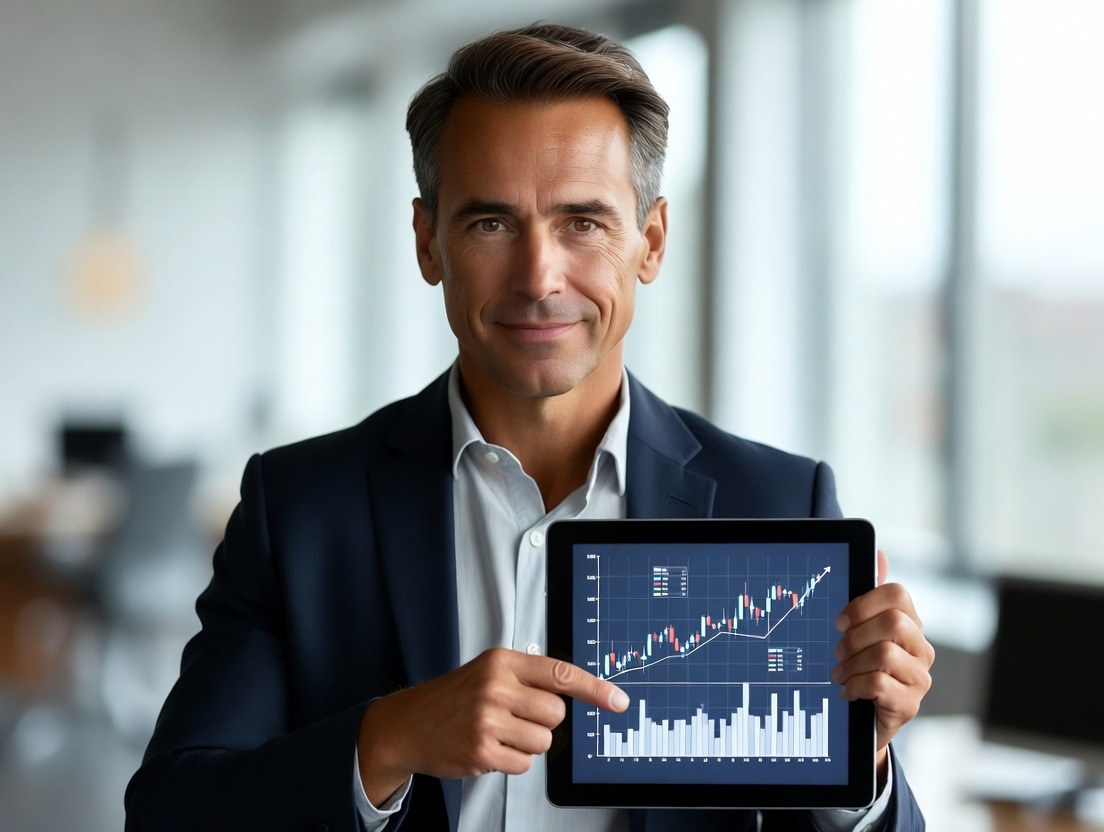
With a constant stream of data from multiple sensors—heart, temperature, movement, oxygen—the challenge becomes synthesis. How do you distill the nuanced story told by HRV, sleep stages, temperature deviation, and resting heart rate into a simple, clear message for the day ahead? The answer is the Readiness Score (sometimes called a Recovery Score). This is not a single measurement but a sophisticated algorithmically derived composite, a holistic gauge of your body’s preparedness to handle stress, physical exertion, and cognitive demand.
A well-designed Readiness Score is the culmination of the smart ring’s entire purpose. It takes the complex biometric narrative of your night and translates it into a single, intuitive number or descriptor (e.g., "Peak," "High," "Balanced," "Low," "Reboot"). To be truly valuable, this score must be weighted and calculated based on the most significant indicators of recovery. A robust algorithm typically considers:
The genius of a great Readiness Score is its actionability. It provides a clear, at-a-glance recommendation for the day:
By trusting and acting on your Readiness Score, you learn to collaborate with your body instead of fighting it. You periodize your life not just around a training plan, but around your body’s actual capacity. It turns the ancient wisdom of "listening to your body" into a modern, data-informed practice. For an in-depth look at how different factors influence readiness, explore our blog for more wellness tips on recovery and performance.
The ultimate test of any wellness tool is not its technological sophistication, but its ability to effect positive, real-world change. A smart ring’s greatest power is its role as a continuous biofeedback loop. Unlike a check-up at the doctor’s office once a year, it provides immediate, personal feedback on how your daily choices impact your physiology. This turns abstract health advice into tangible, personalized experiments.
Let’s explore concrete examples of how this feedback loop transforms habits:
This process cultivates body literacy. You begin to recognize the subtle physical sensations that correlate with your data—the feeling of a "busy brain" at night that shows up as high nighttime heart rate, or the lightness you feel on a morning when your HRV is high. The ring educates your intuition.
Furthermore, this feedback is not punitive; it’s empowering. It removes guilt and guesswork. You’re no longer following generic rules, but instead cultivating a deep, evidence-based understanding of what your body needs to thrive. It turns wellness from a destination into an engaging, daily practice of self-optimization. For inspiration on lifestyle changes backed by data, visit our collection of real customer reviews and user experiences.
For the athlete—whether elite, amateur, or dedicated fitness enthusiast—the margin between peak performance and overtraining is razor-thin. Traditional training plans are built on macros: volume, intensity, frequency. They often ignore the micro: the individual’s daily physiological readiness to absorb that load. This is where biometric monitoring ceases to be a wellness accessory and becomes an essential performance tool. It introduces a dynamic, autoregulated component to training, ensuring you work with your body, not against it.
The principle is known as autoregulatory training. Instead of blindly following a pre-set schedule that says "Tuesday is heavy squat day," you let your morning readiness data guide the session’s intensity and volume. The smart ring provides several critical inputs for this approach:
By integrating this data, an athlete transforms their approach from a linear plan to a responsive dialogue. The training log evolves to include not just what was done (output), but how the body was prepared to do it (input). This leads to more consistent progress, fewer setbacks, and a longer, healthier athletic career. It democratizes the kind of physiological monitoring once available only to professional sports teams. To understand the technology that enables this level of insight, you can discover how Oxyzen works for athletes.
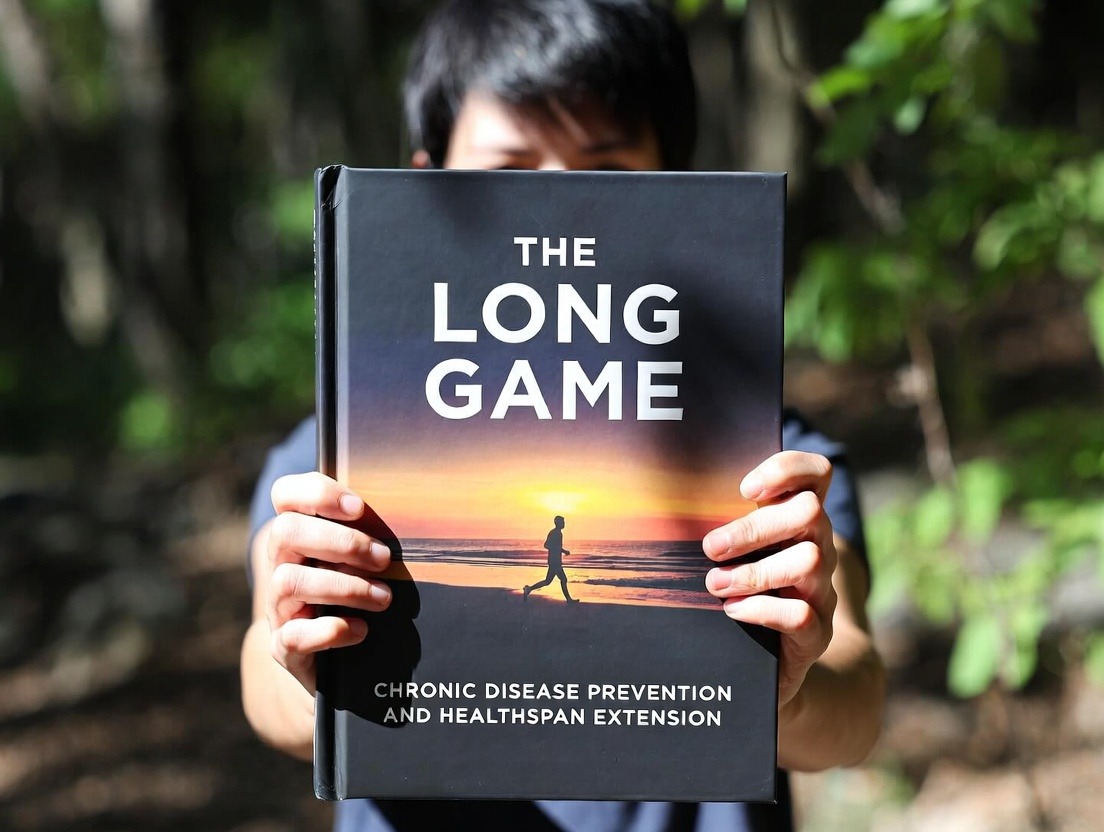
The most profound potential of continuous biometric monitoring lies beyond daily optimization and athletic performance. It resides in the realm of preventive health and healthspan extension—the goal of not just living longer, but living longer in good health. By providing a longitudinal, multi-year dataset of your core physiological patterns, a smart ring becomes a powerful tool for early detection and lifestyle-mediated prevention.
Many chronic diseases—like hypertension, type 2 diabetes, cardiovascular disease, and metabolic syndrome—develop silently over years. They are often preceded by gradual, detrimental shifts in autonomic balance, circadian rhythms, and metabolic health. These shifts are exactly what a smart ring is designed to detect.
This creates a shift from sick-care to true healthcare. Instead of waiting for symptoms to become severe enough to warrant a doctor’s visit, you are empowered with a dashboard showing the direction of your health trajectory. You can work with a healthcare provider, sharing concrete data to inform decisions. For example, showing a graph of improving HRV and sleep after starting a meditation practice or an exercise regimen provides objective evidence of its benefit.
In this long-game view, the smart ring is more than a gadget; it’s a companion on a lifelong journey of health awareness. It fosters a proactive, data-literate mindset, where small, consistent corrections—guided by feedback—can compound over decades to add years of vitality to your life. It represents the ultimate fusion of consumer technology and personalized preventive medicine. To learn more about the vision behind this long-term approach to wellness, you can read about our brand journey and values.
In our modern world, stress is not an event; it’s an environment. The constant drip of notifications, deadlines, and digital overload keeps our sympathetic nervous system in a state of low-grade, persistent activation—a phenomenon often called "allostatic load." The danger of this chronic stress isn't the feeling of being "stressed out"; it's that we become so accustomed to the background hum that we fail to recognize its physiological toll until it manifests as burnout, anxiety, or illness. This is where the smart ring transitions from a sleep and recovery tracker to a real-time stress and resilience guardian.
Unlike subjective questionnaires that ask "How stressed do you feel?", a smart ring measures the objective, physiological signature of stress through the language of your autonomic nervous system. The primary metrics here are, once again, heart rate and heart rate variability (HRV), but viewed through a different lens: their behavior in response to the events of your day. During a perceived stressor—a tense meeting, a difficult conversation, even a gripping movie—your sympathetic nervous system fires. This causes a predictable physiological shift: your heart rate increases, and your HRV decreases (because the time between beats becomes more uniform as your body prepares for action).
A sophisticated smart ring can detect these episodes by establishing a personal, daytime resting heart rate/HRV baseline and then identifying significant deviations. Some advanced systems provide a real-time stress or "body battery" score, visually indicating when your nervous system is activated. This isn't about labeling experiences as "bad," but about creating awareness. You can suddenly see the clear physiological impact of a 30-minute traffic jam, a caffeine spike, or even a joyful but stimulating social event.
The true power lies in the feedback loop this creates for resilience training. Resilience isn't the absence of stress; it's the speed and efficiency with which your physiology returns to baseline after a stressor passes. The ring allows you to measure this. After that tense meeting, how long does it take for your heart rate to settle and your HRV to recover? By practicing targeted interventions—like a 90-second breathing exercise (emphasizing a long exhale to stimulate the vagus nerve), a short walk outside, or a few minutes of mindfulness—you can literally watch your metrics shift back toward balance in real-time. You learn which tools are most effective for your body.
Over time, this practice does more than manage acute stress; it trains your nervous system to be more flexible and resilient. You may notice that over weeks of consistent breathwork or meditation, your daytime HRV baseline begins to rise, and your heart rate excursions become less severe. You are not just managing stress; you are upgrading your hardware to handle it better. This objective biofeedback makes the intangible tangible, turning the art of stress management into a trainable, data-informed skill. For more resources on building resilience, explore our blog for more wellness tips.
We often think of metabolism in simple terms: a fast or slow calorie burn. In reality, it's a complex, rhythmic interplay of hormones, energy production, and cellular repair that follows a powerful 24-hour cycle dictated by our circadian clock. Disrupt this clock, and you disrupt metabolic health. A smart ring, through its continuous tracking of skin temperature, resting heart rate, and sleep, provides surprising and powerful insights into this inner metabolic world, offering clues about how efficiently your body is managing its energy.
Your nocturnal skin temperature curve is a direct report on your circadian thermoregulation. A healthy, well-timed drop at night signals a robust circadian rhythm, which is foundational for proper hormone release (like cortisol in the morning and melatonin at night), nutrient partitioning, and cellular cleanup (autophagy). A blunted or erratic temperature rhythm suggests circadian misalignment, which is strongly linked to metabolic issues like glucose intolerance and weight management challenges.
Furthermore, deviations from your personal temperature baseline can reflect metabolic heat production from digestion and inflammation. A large, late-night meal, particularly one high in refined carbohydrates, can cause a noticeable elevation in nighttime skin temperature and a higher resting heart rate as your body works to digest and process the influx of energy. Similarly, a very intense workout can cause a slight temperature elevation for a night or two as your body repairs muscle tissue. Observing these patterns helps you connect dietary and activity choices directly to their metabolic cost during your precious recovery window.
Resting Heart Rate (RHR) is another key metabolic proxy. While influenced by fitness and stress, your RHR upon waking is also affected by thyroid function and metabolic rate. A sustained, unexplained rise in baseline RHR can sometimes signal a shift in metabolic demand or efficiency. When combined with temperature data, it paints a picture of your body's overnight workload.
For those interested in optimizing body composition or energy levels, this data is revolutionary. It moves the conversation beyond simplistic calorie counting. Instead, you can experiment with time-restricted eating (intermittent fasting) and observe if it sharpens your nocturnal temperature drop and improves morning HRV. You can see if a high-carb evening meal disrupts your sleep architecture and temperature, suggesting a need for earlier or differently composed dinners. The ring doesn't measure blood glucose directly, but it measures the downstream physiological effects of your dietary choices on your circadian and metabolic systems. It answers the question: Is my lifestyle supporting a healthy, rhythmic metabolism? This level of insight was once the domain of intensive lab testing; now, it's available nightly on your finger. To understand how we designed technology for these nuanced insights, learn more about the Oxyzen mission and technology.
For half the population, health is not a straight line—it's a dynamic, approximately 28-day cycle with profound effects on physiology, metabolism, cognition, and recovery. Yet, most health technology has been designed with a male, linear model in mind. The smart ring, by its very nature of collecting continuous, passive biometrics, is uniquely positioned to become the most intuitive and powerful tool for female-centric health tracking. It brings objective data to the often-subjective experience of the menstrual cycle, offering insights for everything from fertility and conception to performance and well-being.
The cornerstone of this is basal body temperature (BBT) tracking. A woman’s core body temperature shifts biphasically with her cycle: it’s lower during the follicular phase (post-menstruation) and rises by about 0.3–0.5°C after ovulation, remaining elevated throughout the luteal phase until menstruation begins. While a smart ring measures skin temperature, not core BBT, it detects the same cyclical shift with incredible convenience. Wearing a ring eliminates the hassle of taking an oral temperature at the same exact time every morning before moving. The ring automatically captures your lowest, most stable temperature each night, providing a perfect proxy for BBT trends.
When this temperature data is combined with other biometrics, the picture becomes remarkably clear:
This approach represents a paradigm shift: from viewing the cycle as an inconvenience to embracing it as a vital sign and a source of strategic intelligence. It empowers women with data that is intrinsically theirs, enabling them to optimize training, nutrition, and self-care in harmony with their biology, not in opposition to it. For personal stories on how this technology has impacted women’s lives, visit our page of real customer reviews and user experiences.
Travel disrupts our two most fundamental health anchors: circadian rhythm and environmental homeostasis. Whether it’s crossing time zones or ascending to high altitude, our bodies are thrust into a state of adaptive stress. A smart ring becomes an indispensable travel companion, providing a real-time dashboard of how your body is coping and offering data to guide your mitigation strategies.
Combating Jet Lag: Jet lag is essentially a state of severe internal desynchrony. Your external environment says one time, but your master clock in the brain and peripheral clocks in your organs are stuck in another. The ring’s metrics are exquisite indicators of this discord. Upon landing in a new time zone, you’ll see your nocturnal skin temperature rhythm, sleep stages, and HRV are completely misaligned with the local night. The ring allows you to track your resynchronization progress objectively. You can experiment with interventions like timed light exposure (using morning light to advance your clock or evening light to delay it) and melatonin, and see how quickly they help stabilize your temperature drop and improve sleep efficiency in the new zone. It turns the vague process of "adjusting" into a measurable, guided reset of your circadian biology.
Navigating High Altitude: As altitude increases, barometric pressure drops, and the air contains less oxygen. This leads to hypoxia (low blood oxygen), triggering a cascade of physiological responses like increased breathing rate (hyperventilation) and elevated heart rate as your body struggles to deliver enough oxygen to tissues. A smart ring with continuous SpO2 monitoring is a game-changer here. During ascent and acclimatization, you can watch your blood oxygen saturation levels in real-time. A healthy, acclimatizing individual will see SpO2 dip at rest (it’s normal for it to fall into the high 80s or low 90s at very high altitude) but recover with breathing and over days. Dangerous trends, like a persistently and severely low SpO2 that doesn’t improve with rest, can be an early warning sign of acute mountain sickness (AMS) or its more severe forms.
Furthermore, the ring tracks the physiological cost of altitude. You will see a significantly elevated resting heart rate and lowered HRV as your sympathetic nervous system works overtime. This data is crucial for pacing. It tells you unequivocally that a hike at 10,000 feet is not the same physiological challenge as the same hike at sea level, even if it feels similar. It guides you to rest more, hydrate aggressively, and avoid alcohol—and shows you the positive impact of those choices on your metrics.
By quantifying the stress of travel and altitude, the ring empowers you to move from a passive victim of environmental change to an active manager of your adaptation. It provides the hard data needed to make smart decisions that preserve your health, performance, and enjoyment in challenging environments. For common questions on using the ring in these scenarios, our FAQ and support page offers detailed guidance.
While the primary value of a smart ring is deeply personal, its potential expands when connectivity is considered. The future of wellness is not just individualized; it is also socially supported and collectively intelligent. When users can opt-in to share aggregated, anonymized data or participate in community challenges, the device transforms from a solo biofeedback tool into a node in a network of shared human health intelligence.
Imagine private, opt-in circles for families, partners, or close friends. With consent, you could see general wellness trends in loved ones. A parent might notice a trend of declining sleep quality in a college-aged child, prompting a supportive check-in. Partners training for an event together could sync their readiness scores, planning hard workout days when both are physiologically primed, and recovery days together. This fosters a shared language of health and mutual accountability that is based on empathy and data, not nagging.
Community Challenges take this a step further. Instead of step-count competitions that often incentivize empty movement, imagine challenges based on sleep consistency, HRV improvement, or stress resilience. Users could participate in a "30-Day Sleep Reboot" challenge, comparing not total hours, but their improvement in sleep efficiency or deep sleep percentage. This redirects competitive energy toward truly restorative habits and creates a forum for users to share what worked for them—a specific wind-down routine, a room temperature setting, a meditation app—creating a crowdsourced repository of effective wellness strategies.
On a macro scale, with strict privacy safeguards and anonymization, aggregated population data holds immense value for public health research. Researchers could study how major events, seasonal changes, or even time zone shifts affect population-wide sleep and stress patterns. This could lead to better-informed workplace policies, urban design, and health recommendations.
This connected layer doesn't diminish the personal journey; it enriches it. It combats the isolation that can come with self-optimization and provides motivation through positive, health-focused social reinforcement. It acknowledges that while health is personal, it thrives in a supportive community. To see how our community is growing and sharing their journeys, you can read about our brand’s story and values.
In an era where personal data is a valuable commodity, the intimate nature of the data collected by a smart ring—your sleep, your stress, your menstrual cycle, your nightly oxygen levels—demands an unparalleled commitment to privacy, security, and ethical stewardship. This is not a peripheral feature; it is the absolute bedrock of trust upon which the entire value proposition is built. Users must feel confident that their most personal biometric information is protected with the highest standards.
A trustworthy provider in this space must operate on several non-negotiable principles:
When evaluating a smart ring, scrutinize the company’s privacy policy and security white papers. Look for certifications and independent audits. The relationship with your data should feel like one of stewardship, not ownership, by the company. This ethical foundation is what allows you to fully embrace the benefits of the technology without reservation, knowing that the window into your inner world is yours alone to control and share. For complete transparency on how we uphold these principles, you can learn more about our company information and mission.
The smart ring of today is impressive, but it is merely the foundation for a more integrated and intelligent future. The true frontier lies in seamless ecosystem integration and the application of context-aware artificial intelligence (AI). We are moving toward a "closed-loop" health system where biometric data doesn't just inform you—it automatically orchestrates your environment and provides hyper-personalized, predictive insights.
Imagine these near-future scenarios:
This evolution will transform the ring from a data source into the central hub of a responsive, personalized health and wellness ecosystem. The AI won't make decisions for you, but it will surface the most relevant correlations and potential levers for improvement from a sea of data, making personalized health optimization more accessible and effective than ever before. To stay updated on these evolving integrations and features, explore our blog for the latest developments.
With the market for smart rings growing, choosing the right one requires looking beyond marketing claims to the core specifications and philosophy that determine real-world utility and satisfaction. Here is a focused guide on the critical decision points.
1. Sensor Suite & Accuracy:
This is the heart of the matter. Don’t be swayed by a long list of sensors; focus on the quality and implementation of the core ones.
2. Battery Life & Charging:
The promise of continuous tracking hinges on battery life. Look for a minimum of 5-7 days on a single charge. Less than this becomes burdensome. Consider the charging mechanism: a sleek, compact charging case is far more convenient than a puck-style charger that requires you to remove the ring.
3. Design, Fit, and Comfort:
You must forget you’re wearing it. This is non-negotiable for 24/7 use.
4. The App & Algorithmic Intelligence:
The hardware collects data; the software makes it meaningful.
5. Company Philosophy & Support:
Research the brand behind the ring. Do they emphasize scientific validation? Are they transparent about their privacy policy? What is their customer support reputation? A device this personal requires a relationship with a company you trust for the long term. For a closer look at the philosophy behind one such device, you can discover how Oxyzen works and our approach.
Choosing the right smart ring is an investment in a long-term health partnership. By prioritizing sensor accuracy, all-day comfort, battery life, and a thoughtful software experience, you select a tool that will seamlessly integrate into your life and provide trustworthy insights for years to come.
The allure of a smart ring lies in its promise to deliver clinical-grade insights from the comfort of your daily life. But this promise hinges on a single, critical question: How accurate is the data? For users to truly trust and act upon their biometric feedback, they must understand the science behind sensor validation. This isn't about marketing claims; it's about peer-reviewed studies, rigorous testing protocols, and a transparent conversation about what "accurate" means in the context of a consumer wearable versus a medical device.
First, a crucial distinction: Medical Devices vs. Wellness Tools. A device approved by regulatory bodies like the FDA or CE-marked as a medical device undergoes stringent clinical trials to prove its efficacy for a specific diagnostic purpose (e.g., detecting atrial fibrillation or diagnosing sleep apnea). Most smart rings, including leading models, are classified as wellness devices. They are not intended to diagnose, treat, or cure disease. However, this does not mean their data is "inaccurate." It means their purpose is trending and monitoring for health optimization, and their accuracy is benchmarked against these gold-standard medical devices in validation studies.
The gold standard for validation is the Bland-Altman analysis and Pearson correlation coefficient published in independent, peer-reviewed journals. For example, a credible study would have participants wear both a smart ring and reference devices simultaneously:
The results of such studies are telling. High-performing smart rings consistently show:
Understanding this context is empowering. It means you can trust the direction and magnitude of trends in your data. A 10-point drop in your HRV baseline, a 5% increase in your deep sleep percentage, or a pattern of 12 SpO2 dips per hour are real, meaningful signals. The ring is not a perfect medical-grade lab, but it is an extraordinarily precise observational laboratory for your personal physiology. For users, the practical takeaway is to focus less on a single night's absolute number and more on the multi-day and weekly trends, which are backed by robust sensor science. For a deeper look at the technology enabling this accuracy, you can discover how Oxyzen works.
Data, in a vacuum, is merely numbers. Its true power is unleashed only when it catalyzes tangible change in a human life. Beyond the graphs and scores, the most compelling evidence for a smart ring's value lies in the lived experiences of its users. These are not miracle stories, but narratives of empowerment—of individuals equipped with objective feedback who became the architects of their own well-being. Let’s explore a few anonymized, composite case studies that illustrate the profound, real-world impact.
Case Study 1: The Overtrained Executive
Case Study 2: The Anxious New Mother
Case Study 3: The Undiagnosed Sleeper
These stories underscore a common theme: the smart ring serves as a translator and an advocate. It translates vague symptoms into specific physiological patterns, and it advocates for your health by providing the evidence needed to seek help or make effective changes. To read more firsthand accounts of such transformations, visit our page of real customer reviews and user experiences.
For all its power, a smart ring is a single lens on the complex panorama of human health. It measures physiological outputs, not the full spectrum of human experience. Unchecked, the pursuit of optimal data can paradoxically become a source of stress—a phenomenon sometimes called "orthosomnia" (an unhealthy preoccupation with perfect sleep data) or more broadly, biometric anxiety. Responsible, effective use requires understanding the technology's limits and cultivating a healthy relationship with the data it provides.
Key Limitations to Acknowledge:
Strategies for Responsible Use:
The goal is to move from data obsession to data-informed intuition. Initially, you rely heavily on the numbers. Over time, as you learn the correlations, you start to feel the physical sensations that correspond to a high or low HRV. The ring trains your interoceptive awareness—your ability to perceive internal states. Eventually, the data serves as a periodic check-in, a system calibration, rather than a constant overseer. It should reduce anxiety about health, not create a new category of it. For a balanced perspective on integrating data into wellness, explore our blog for more wellness tips on mindful tracking.
The rise of continuous biometric monitoring presents a fascinating and potentially transformative challenge for the healthcare establishment. For decades, doctors have relied on episodic, snapshot data: blood pressure in the clinic, a sleep study for one night, patient recall of symptoms. The smart ring generates a torrent of longitudinal, real-world data that could revolutionize patient-provider interactions, moving medicine toward a more continuous, participatory model. However, this integration must be navigated thoughtfully.
The Immense Potential for Clinicians:
The Challenges and Considerations:
The most promising path forward is collaborative. The patient becomes an engaged self-monitor, equipped with data about their daily life. The clinician becomes an expert interpreter and guide, using that data to inform a more holistic, personalized care plan. The ring doesn't replace the doctor; it empowers a more productive, data-rich conversation between the patient and the doctor. For more on our vision for this collaborative future, you can learn more about the Oxyzen mission and values.
If today's smart rings feel like science fiction, the near future is poised to blur the line between consumer technology and medical tricorders. Research labs and forward-thinking companies are actively developing next-generation sensors aimed at measuring biomarkers that currently require blood draws or inflatable cuffs. Two holy grails are non-invasive, continuous glucose monitoring (CGM) and cuffless blood pressure tracking. While not yet perfected in a ring form factor, the progress signals a coming revolution.
The Quest for Non-Invasive Glucose:
For millions managing diabetes or metabolic health, finger-prick blood glucose tests are a daily burden. The promise of a smart ring that could estimate glucose trends through the skin is monumental. The most researched method is mid-infrared (MIR) or Raman spectroscopy, where specific wavelengths of light interact with glucose molecules in interstitial fluid to estimate concentration. The challenges are immense: calibration is highly personal and can be skewed by sweat, skin temperature, and other compounds. While no consumer ring currently offers this reliably, several are in advanced R&D. The first iterations will likely provide glucose trend indicators (rising, falling, stable) rather than exact mg/dL readings, which would still be a transformative tool for dietary feedback and metabolic insight.
Cuffless, Continuous Blood Pressure:
Blood pressure is a vital sign that fluctuates constantly throughout the day and in response to stress, yet we measure it with a bulky, intermittent cuff. The goal is Pulse Wave Analysis (PWA) and Pulse Transit Time (PTT). PWA uses the shape of the PPG waveform from the optical sensor to estimate pressure. PTT measures the time it takes for a pulse wave to travel between two points (e.g., from the heart to the finger). Both require complex, individualized calibration and are sensitive to motion and body position. Early implementations in watches and rings are emerging, but accuracy for absolute values remains a hurdle. However, for tracking relative changes and trends over time—like the nocturnal dip that indicates healthy circadian rhythm—this technology could soon be incredibly valuable.
Other Frontiers: Research continues into detecting electrolytes like sodium and potassium, measuring lactate for athletic performance, and even identifying biomarkers for inflammation. The finger, with its rich vascular bed, is the ideal platform for this multi-spectral future.
The arrival of these capabilities will further cement the smart ring's role as the central hub of personal health intelligence. It will move from tracking how your body is behaving to directly analyzing what is in your blood. This will demand even greater rigor in validation, privacy, and user education, but the potential to democratize access to profound health insights is staggering. To stay informed on these cutting-edge developments as they evolve, explore our blog for the latest updates.
We have journeyed through the anatomy, the metrics, the science, and the stories. We arrive now at the synthesis: How do you build a sustainable, fulfilling life that is informed by data but not ruled by it? This is the ultimate challenge and opportunity presented by technology like the smart ring. The goal is not to create a perfectly optimized, graph-lined existence, but to cultivate a deeper, more responsive relationship with the one body and mind you will have for life.
This philosophy rests on several pillars:
1. Curiosity Over Judgment: Approach your data with the mindset of a friendly scientist, not a harsh critic. View a low readiness score not as a failure, but as a fascinating clue: "What is my body trying to tell me about yesterday? Let's investigate." This shifts the emotional valence from punitive to exploratory.
2. Harmony Over Optimization: Perfect optimization is a mirage and often joyless. Seek harmony instead. Sometimes harmony means choosing the family dinner that lifts your spirit but may slightly elevate your nighttime temperature, because connection is a pillar of health. The data helps you understand the trade-off, not eliminate all trade-offs.
3. Empowerment Over Dependency: The ring is a tool to increase your self-efficacy—your belief in your ability to influence your own health. Use it to discover what works for you, then trust that growing internal wisdom. The tool's success is measured by how much you eventually need to look at it, because you've learned to feel the signals directly.
4. Wholeness Over Metrics: Remember that the data captures a significant, but incomplete, picture of health. It doesn't measure laughter, creativity, purpose, love, or awe. These are unquantifiable essentials. Let the data improve the vessel, so you can better experience the journey.
Practical Integration: Make the technology serve your life, not the other way around. Set simple, actionable rules based on your data: "If my readiness is low two days in a row, I swap my workout for a walk." "If my sleep latency is over 20 minutes, I read a physical book tomorrow night instead of using my tablet." Keep it simple.
In the end, the smart ring at its best becomes like a wise, silent mentor. It doesn't shout orders; it provides subtle, consistent feedback. It helps you decode your body's unique language, understand the impact of your choices, and develop a profound sense of agency over your own well-being. It marks a step away from outsourcing health to annual check-ups and toward embracing it as a daily, intimate practice. It is not the destination of health, but perhaps the most sophisticated compass we've yet invented for the journey. For more on the journey that inspired this philosophy, you can read our complete brand story and values.
Your Trusted Sleep Advocate: Sleep Foundation — https://www.sleepfoundation.org
Discover a digital archive of scholarly articles: NIH — https://www.ncbi.nlm.nih.gov/
39 million citations for biomedical literature :PubMed — https://pubmed.ncbi.nlm.nih.gov/
Experts at Harvard Health Publishing covering a variety of health topics — https://www.health.harvard.edu/blog/
Every life deserves world class care :Cleveland Clinic - https://my.clevelandclinic.org/health
Wearable technology and the future of predictive health monitoring :MIT Technology Review — https://www.technologyreview.com/
Dedicated to the well-being of all people and guided by science :World Health Organization — https://www.who.int/news-room/
Psychological science and knowledge to benefit society and improve lives. :APA — https://www.apa.org/monitor/
Cutting-edge insights on human longevity and peak performance:
Lifespan Research — https://www.lifespan.io/
Global authority on exercise physiology, sports performance, and human recovery:
American College of Sports Medicine — https://www.acsm.org/
Neuroscience-driven guidance for better focus, sleep, and mental clarity:
Stanford Human Performance Lab — https://humanperformance.stanford.edu/
Evidence-based psychology and mind–body wellness resources:
Mayo Clinic — https://www.mayoclinic.org/healthy-lifestyle/
Data-backed research on emotional wellbeing, stress biology, and resilience:
American Institute of Stress — https://www.stress.org/


