


Wearable Health Tech Guide: Social Features and Community Support
A guide to social features and online communities for wearable users.
A guide to social features and online communities for wearable users.
%402x.svg)
For years, the promise of wearable health tech has been a deeply personal one. It’s been you, your device, and a dashboard of numbers—your heart rate, your steps, your sleep score. You’ve been handed the quantified self, a solo journey of self-optimization where motivation is supposed to spring eternally from a graph on your phone. Yet, for so many, that initial spark of excitement fades. The ring sits on the nightstand. The watch charges for days. The data becomes a silent, sometimes guilty, reminder of unmet goals. Why? Because human health—true, holistic wellbeing—is not a solitary endeavor. It is fundamentally, inescapably social.
We are wired for connection. Our habits are contagious, our accountability shared, and our successes amplified in the company of others. The next great leap in wearable technology isn't about adding another sensor or shaving another millimeter off the device; it's about bridging the gap between the isolated data point and the human experience. It's about transforming the wearable from a personal dashboard into a portal to a supportive community. This is the new frontier: Social Wearable Tech.
This comprehensive guide dives deep into the transformative power of social features and community support integrated into modern wearable health technology, with a special focus on the emerging world of smart rings. We will move beyond the "what" of your biometrics to explore the "so what," and more importantly, the "now what—together." From understanding the psychological foundations of shared wellness to navigating the practicalities of finding your tribe in a digital space, we will chart how the very nature of health technology is evolving from a tool of measurement to a catalyst for meaningful, sustained human connection and growth. Whether you're a fitness novice seeking encouragement, a biohacker looking for deeper insights, or simply someone who knows that goals are more fun with friends, this guide will show you how the right wearable community can turn your health journey from a sprint into a shared, supported, and sustainable adventure.

We’ve all been there. The initial thrill of unboxing a sleek new health tracker, the meticulous setup, the first week of checking stats religiously. You hit 10,000 steps, you see your deep sleep duration, and you feel a surge of accomplishment. But by week three or four, the novelty wears off. The buzzes become nagging. The red "goal not met" notifications feel less like a nudge and more like a scolding from a piece of silicon. This phenomenon is so common it has a name: wearable abandonment. Studies suggest a significant drop-off in regular usage occurs within the first six months. The question is, why does a device packed with potential for good so often end up in a drawer?
The answer lies in a fundamental mismatch between technology's approach and human psychology. Traditional health tech operates on a simple, transactional model: collect data, present data, assume motivation follows. It treats the user as a rational actor who, upon seeing "poor sleep quality," will logically adjust bedtime. But humans are not purely rational. We are emotional, social creatures driven by complex webs of motivation, identity, and belonging.
The Motivation Gap: Intrinsic motivation—the drive that comes from within—is powerful but fragile. When your only feedback is a number, it’s easy to disengage. A graph showing a declining resting heart rate is excellent, but it lacks the warmth of a "Great job!" from a friend who knows you’ve been working hard. Data alone is inert; it lacks narrative, empathy, and shared joy. Without an emotional hook or social reinforcement, the burden of self-motivation becomes exhausting.
The Context Deficit: Your sleep score drops. Is it because of stress, late-night blue light, diet, or an impending illness? Your wearable might guess, but it doesn’t know. It doesn’t know about your tough work presentation, your sick child, or your celebratory dinner. In a community, you can share context. You might post, "Stressful week at work crushed my sleep," and instantly receive both validation ("Same here!") and supportive tips from others who’ve been there. The data gains a human story, making it more understandable and less judgmental.
The Accountability Void: Self-accountability is a Herculean task. It’s easy to break a promise to yourself, especially when no one is watching. A device can remind you, but it cannot hold you accountable in a meaningful, relational way. Missing a goal feels like a private failure, which we are adept at rationalizing away. Social accountability, however, introduces a gentle layer of external expectation and encouragement that is far more potent.
Analysis Paralysis and Confusion: The modern wearable generates a staggering amount of data: HRV, SpO2, skin temperature variation, sleep stages, activity scores. For the average user, this can lead to confusion and anxiety. What does it all mean? What should I prioritize? Without guidance or a forum to ask questions, this data overload can cause disengagement. You simply stop looking because it feels too complex.
This "loneliness of data" is the critical problem that the next generation of wearable tech seeks to solve. The innovation is no longer just in the hardware sensing the body, but in the software connecting hearts and minds. The goal is to build ecosystems where data serves as a starting point for conversation, support, and shared growth. To understand how this works, we must first look at the powerful psychological engines that make community so effective for behavior change. For those feeling stuck in the solo tracking cycle, exploring the stories of others who have broken through can be incredibly motivating. You can find such inspiration in real user experiences on the Oxyzen Testimonials page, where people share how connecting data with community changed their journey.
If isolated data tracking is a leaky vessel for change, community is the steady wind that fills the sails. The efficacy of social support in health outcomes is not anecdotal; it is a bedrock principle of behavioral psychology, sociology, and public health. Integrating these principles into wearable tech isn't a gimmick—it's about harnessing proven human dynamics to make the technology finally live up to its promise. Let's break down the core psychological mechanisms at play.
Social Contagion and Norming: Behaviors, attitudes, and even emotions spread through social networks like viruses—a phenomenon known as social contagion. In a wellness community, seeing friends or group members prioritize sleep, celebrate active days, or share healthy recipes creates a new social norm. Your reference point shifts from "what I usually do" to "what my community values and does." This powerful recalibration makes healthy choices feel less like a personal grind and more like a natural alignment with your tribe. When your wearable app shows that your challenge group has an average sleep duration of 7.5 hours, that number becomes a tangible, collective target, not an abstract recommendation.
The Power of Shared Identity and Belonging: When you join a community focused on a specific goal—whether it's "HRV Optimization," "New Runners," or "Mindful Recovery"—you adopt a piece of that group identity. You're no longer just "someone trying to get fit"; you're a "Recovering Athlete" or a "Sleep Explorer." This shared identity fosters a profound sense of belonging, which is a core human need (as outlined in Maslow's hierarchy). This belonging reduces the psychological burden of the journey. Struggle is reframed as a shared challenge, not a personal shortcoming. The platform becomes a digital "third place"—not home, not work, but a dedicated space for this part of your identity.
Vicarious Learning and Modeling: Albert Bandura's social learning theory posits that we learn immensely by observing others. In a wellness community, you have a front-row seat to the strategies, struggles, and successes of peers. You can learn how someone else interpreted a sudden dip in their readiness score, what they did to improve their deep sleep, or how they modified workouts based on recovery data. This vicarious learning accelerates your own understanding and application of complex biometrics far faster than any static FAQ or generic blog post could.
Reciprocal Accountability and Support: Accountability in a community is a two-way street. It’s not just about being answerable to others; it’s about being a resource for them. This reciprocity is key. When you commit to a goal in a group, you feel responsible not to let them down. Conversely, when you offer encouragement to someone else, you reinforce that value and behavior in yourself. This creates a positive feedback loop of mutual support that is far more resilient than solo willpower. The gentle ping of a teammate saying, "You got this!" on a day your activity ring is lagging carries a motivational weight that a system notification never will.
Gamification, Competition, and Cooperation: Healthy competition, when framed positively, can be a superb motivator. Step challenges, sleep consistency streaks, or group mileage goals tap into our innate drive for play and achievement. Crucially, in community-focused wearables, this is often blended with cooperation—team challenges where you contribute to a collective goal. This harnesses the energy of competition while avoiding the potential alienation of pure head-to-head rivalry. You’re competing with your community, not just against individuals, to reach a higher collective state.
Validation and Reduction of Anxiety: Health data can be anxiety-inducing. A low HRV reading can spark worry. In a community, you can quickly ask, "Has anyone seen this before?" and receive calming, experiential feedback. This provides context and normalizes fluctuations, reducing health anxiety and preventing the discouragement that leads to device abandonment. The data is demystified through shared experience.
By architecting wearable ecosystems that intentionally activate these psychological principles—norming, belonging, modeling, reciprocity, and playful challenge—tech companies are moving from selling hardware to fostering wellbeing. The device becomes the key to the clubhouse door. For a deeper look at how one company has woven this philosophy into its very foundation, you can explore the Oxyzen story, which details a vision built on the synergy of technology and human connection from the ground up.
The first generation of social features in fitness tech was often simplistic and, at times, counterproductive. A monolithic leaderboard showcasing only the top 1% of athletes could discourage the average user. A simple "like" on a completed workout offered minimal depth. Today, the landscape is maturing rapidly. Modern social features in wearables are nuanced, multi-faceted, and designed to foster genuine connection and progressive growth, not just superficial competition. Let's explore the key components that define this new era.
1. Purpose-Built Communities and Groups: Moving beyond a single, amorphous friend list, platforms now allow users to join or create micro-communities based on specific interests, goals, or identities. Examples include:
* Goal-Oriented Groups: "Training for a First 5K," "Meditation & Mindfulness," "HRV Biohackers."
* Identity-Based Groups: "Over-50 Fitness," "New Parents Balancing Sleep," "Shift Workers' Health."
* Condition-Specific Support Groups: (Often facilitated with care) Groups for managing stress, improving metabolic health, or supporting gentle rehabilitation.
These groups provide a safe, relevant context for sharing, making social interactions more meaningful and actionable.
2. Context-Rich Sharing and Storytelling: Sharing is no longer just about posting a final stat. It's about adding the story behind the data.
* Photo/Video Logs: Adding a photo of your hike view to your activity log or a short video discussing your pre-sleep routine.
* Mood & Feeling Tags: Allowing users to tag activities or days with emotions like "Stressed but managed," "Energetic," or "Recovering."
* Note and Commentary Fields: Spaces to add what worked, what didn't, and questions for the community (e.g., "Felt great today! Tried a new breathing exercise before bed.").
This transforms a raw data export into a relatable narrative that invites empathy and specific advice.
3. Cooperative and Team-Based Challenges: While individual step challenges persist, the emphasis is shifting to cooperative models.
* Team vs. Team Challenges: Departments in a company or groups of friends competing against other collectives.
* Accumulative Group Goals: "As a group, let's climb the cumulative height of Everest this month" or "Let's collectively log 10,000 hours of mindfulness."
* Support-Oriented "Cheer" Systems: Beyond a "like," features that allow sending specific encouragements like "Stay Strong," "Great Recovery," or "Inspiring!" that carry symbolic weight within the community.
4. Direct Messaging and "Squads": For deeper, more private support, features like direct messaging or small, invite-only "squads" or "circles" allow for intimate accountability partnerships. This is where close friends or dedicated accountability partners can check in, share sensitive struggles, and offer personalized support without the visibility of a larger group.
5. Expert-Led Groups and AMAs (Ask Me Anything): Some platforms integrate professional voices directly into the community fabric. Certified sleep coaches, nutritionists, or fitness experts might moderate groups, host weekly Q&A sessions, or provide commentary on common data trends. This blends peer support with credible, professional guidance, elevating the quality of information shared.
6. Data-Centric Discussion Tools: The most innovative features are those that let users discuss the data itself.
* Annotated Data Sharing: The ability to highlight a specific dip or spike in a sleep graph and ask, "What could have caused this?" with the visual attached.
* Comparison Trends (Opt-In): Anonymous, aggregate trend comparisons like "Your sleep consistency is in the top 20% of your age group in your city."
* Wellness "Check-Ins" or "Vitals": Simple, frequent prompts beyond data, like "How are you feeling today?" on a scale, which can be shared with a support circle to give a more holistic picture than biometrics alone.
7. Event Integration and Local Meetups: Bridging the digital-physical divide, some apps allow community organizers to schedule local walks, yoga sessions, or "coffee and compare data" meetups, using the shared interest in wellness tech as a springboard for in-person connection.
The throughline of all these modern features is intentionality. They are designed not for passive scrolling, but for active engagement, learning, and support. They recognize that wellness is multidimensional and that motivation flourishes in an environment of relatedness and competence. As you evaluate different platforms, look for these depth-oriented features over vanity metrics. To see examples of how these principles translate into real-world discussions and shared learning, a great resource is the Oxyzen Blog, where community insights often meet expert analysis.

The wearable health tech conversation has long been dominated by wrist-worn devices. The emergence of the smart ring form factor—exemplified by products like the Oura Ring, and now innovators like Oxyzen—is more than a stylistic choice. It represents a fundamental shift in the relationship between user, device, and community, offering unique advantages for social and always-connected wellness.
Unobtrusive, Always-Present Data Collection: A ring is perhaps the most intimate piece of jewelry we wear. It’s on us during keyboard typing, weightlifting, sleep, and showers. Unlike a watch that you might remove for comfort or charging, a smart ring is designed for 24/7 wear. This results in a more complete, uninterrupted biometric data stream. For social features, this richness is critical. Your community isn't seeing a fragmented story of your day (a workout tracked, then a gap); they're engaging with a holistic narrative of your readiness, activity, and recovery, seamlessly woven together. Your data avatar in the community is more "you."
The Discretion of a Ring and the Privacy Paradox: A smart ring is subtle. It doesn't light up your wrist during a meeting or look out of place at a formal event. This discretion extends to social interactions. Checking your wellness data or engaging with your community on your phone is a private act, no different from checking a text message. There's no public display of tracking. This lowered barrier to interaction means you're more likely to quickly cheer on a friend or log a mood check-in spontaneously, fostering more frequent, natural engagement with your support network.
Sleep as the North Star Metric: Rings excel at sleep tracking due to their placement on the finger, which provides excellent perfusion for pulse oximetry (SpO2) and robust heart rate variability (HRV) measurement during the night. In a wellness philosophy increasingly centered on recovery, this makes the ring's primary data output deeply relevant to community discussions. Communities built around smart rings often have a strong focus on sleep quality, stress management, and holistic recovery—topics that are universally relevant and rich with opportunities for shared learning and support, as opposed to solely activity-focused competition.
Battery Life and Ritual Charging: Most smart rings boast multi-day battery life (often 4-7 days). This creates a natural, low-friction ritual: a brief charging session during a shower or desk work. You're never disconnected for long. This contrasts with daily-charge watches, where users may forego wearing them for periods, creating data gaps that break the continuity of your story within a community challenge or support group. The "always-on" nature of the ring supports the "always-connected" potential of the community.
A Symbol of Commitment: Psychologically, a ring carries weight as a symbol of commitment. Wearing a smart ring can serve as a personal, tactile reminder of your commitment to your wellbeing journey. When that journey is shared within a community, the ring becomes more than a sensor; it's a badge of belonging to a group that values self-care and mutual support. This tangible symbol can strengthen your connection to both your goals and your digital tribe.
The Form Factor Fosters Intimacy: The very intimacy of a ring—a personal, constant companion—lends itself to a more intimate style of community interaction. Discussions tend to gravitate toward foundational health: "How did your meditation affect your sleep latency?" "Is my stress load impacting my recovery?" This fosters a community culture that is often more reflective, supportive, and focused on sustainable foundations than on performative outputs.
For the socially-connected wellness seeker, the smart ring offers a powerful trifecta: superior, continuous data for meaningful discussions; discreet access to community; and a form factor that naturally aligns with a holistic, recovery-oriented philosophy. It is the ideal hardware companion for a software experience built on support and shared growth. To understand how these advantages are engineered into a device from the ground up, you can learn more about Oxyzen's technology and approach.
With an understanding of why community matters and what features to look for, the next critical step is the personal one: finding your digital wellness home. Not every community will be the right fit. Joining a hyper-competitive marathon training group when your goal is gentle stress reduction can be demoralizing. The key is intentional selection. Here is a framework for evaluating and choosing the wellness community that will best support your unique journey.
1. Start with Self-Reflection: Define Your "Why" and "How."
* Your Primary Goal: Is it weight loss, running faster, sleeping better, managing anxiety, or general longevity? Be specific.
* Your Desired Support Style: Do you thrive on friendly competition? Do you need gentle encouragement and accountability? Do you prefer learning by reading others' experiences, or by active Q&A?
* Your Communication Comfort Zone: Are you a lurker who learns by observing, or an active poster who needs dialogue?
* Your Values: Is a science-backed, data-driven approach important? Do you prefer a holistic, intuitive wellness philosophy? Is inclusivity and a positive tone a must?
2. Audit the Platform's Community Ecosystem.
Once you've identified a potential wearable platform (like Oxyzen's app ecosystem), dig into its social structure:
* Diversity of Groups: Does it offer a wide range of official and user-led groups catering to different goals and identities? A rich ecosystem is a good sign.
* Discovery Tools: How easy is it to find relevant groups? Look for search functions, tags, and curated recommendations.
* Moderation and Tone: Spend time browsing group posts. Is the discourse supportive and constructive? Are there clear community guidelines and active moderators to maintain a positive environment? Toxic or overly critical communities can do more harm than good.
3. Evaluate the Depth of Interaction.
Move beyond member counts. Look for quality:
* Post Engagement: Do posts receive thoughtful comments and advice, or just sparse likes?
* Content Variety: Is there a mix of data shares, personal stories, questions, and resource links?
* Expert Presence: Are there verified experts, coaches, or even platform staff participating in discussions? This elevates the quality of information.
4. Consider the Integration with Your Data.
The best communities are those where the social features are seamlessly woven into the data experience.
* Can you easily share snippets of your data (charts, stats) directly into a post with context?
* Do challenges automatically pull in your relevant metrics (sleep score, activity minutes)?
* Is there a "social feed" that intelligently mixes friend updates, group discussions, and your own data insights? The tighter the integration, the more natural and valuable community engagement will feel.
5. Test the Culture with a "Soft Launch."
Don't feel pressure to immediately post. Join 2-3 promising groups as an observer.
* Lurk for a Week: Read the daily flow of conversation. Do you feel inspired, informed, or intimidated?
* Introduce Yourself: Most groups have welcome threads. Post a short intro with your goal. The response you get will be a strong indicator of the group's warmth.
* Ask a Starter Question: Pose a genuine, specific question about the platform or a common wellness topic. The helpfulness and tone of the replies are your best due diligence.
6. Assess Privacy Controls and Comfort.
Your health data is personal. Ensure the platform gives you granular control over what you share and with whom.
* Can you choose to share only with specific friends or groups?
* Are there anonymous sharing options for sensitive topics?
* Can you easily adjust or revoke sharing permissions at any time? Your comfort is paramount for long-term engagement.
Remember, the right community should feel like a resource, not an obligation. It should energize you, not drain you. It should make the complex data from your wearable feel understandable and actionable. If a community doesn't feel right, leave it and try another. The goal is to find your digital "wellness water cooler"—a place you look forward to visiting. For many, this journey of discovery starts with understanding the philosophy of the company behind the device, which you can explore on the Oxyzen About Us page to see if their values align with your own.
You've found your tribe and you're ready to engage. But staring at a blank post field can be daunting. How do you translate the numbers on your app into a conversation that yields support and insight? Moving from passive data consumption to active community participation is the skill that unlocks the full value of social wearables. Here’s a guide to becoming a confident contributor.
Starting the Conversation: Effective Post Templates
The key is to pair data with context and a clear prompt. Here are powerful ways to frame your shares:
Navigating Responses and Building Rapport
Community Etiquette: The Unwritten Rules
Handling Negative or Unhelpful Interactions
Most wellness communities are positive, but occasionally you might encounter unhelpful comments.
By mastering the art of community dialogue, you transform your wearable from a data source into a conversation starter. You become both a student and a teacher in a collective journey toward better health. For answers to common questions about how to get the most out of community features on a specific platform, checking the official FAQ page is always a recommended first step.
While large community groups provide invaluable support and diverse perspectives, there is a unique power in a one-on-one or small-group partnership. An accountability partnership in the context of wearable tech is a dedicated, mutually supportive relationship where two or a few individuals share their wellness data, goals, and journeys with a high degree of transparency and commitment. This is the "inner circle" of social wellness, offering a level of personalized attention and motivation that broader groups cannot match.
Why Form an Accountability Partnership?
How to Structure a Successful Wellness Accountability Partnership
Navigating Challenges in a Partnership
An accountability partnership powered by shared data transforms health from a private project into a collaborative adventure. It provides a mirror, a cheerleader, and a co-pilot, all in one. This deep integration of social support is where the vision of companies focused on connection truly comes to life, a principle you can explore further in the narrative of Oxyzen's mission and values.
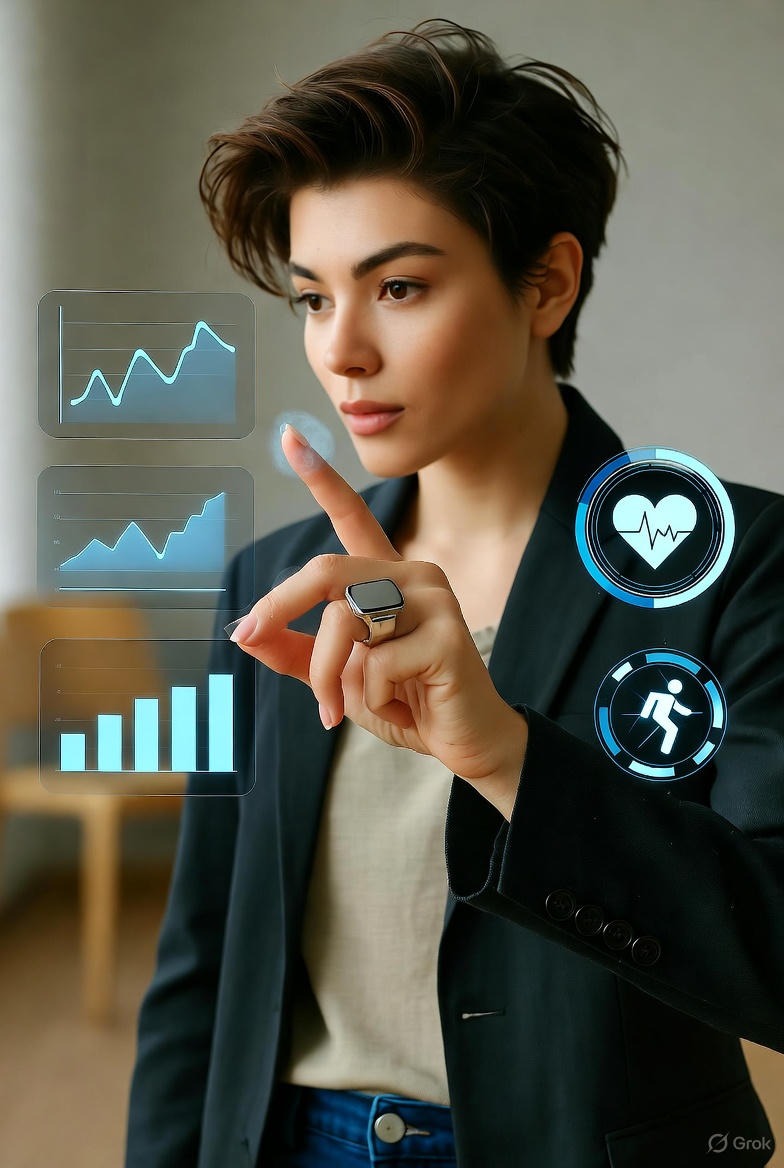
The integration of social features with intimate health data creates a powerful tool for good, but it also introduces important considerations around safety, privacy, and personal boundaries. A responsible and enjoyable community experience depends on both platform safeguards and individual vigilance. Here’s how to engage wisely and protect your wellbeing in the digital social wellness space.
Platform Responsibility: What to Look For
A trustworthy wearable community platform should be transparent and proactive about safety. Key features and policies include:
Personal Responsibility: Setting Your Boundaries
You are the final guardian of your digital wellness experience. Establish and maintain your boundaries.
A socially-connected wearable should feel like a safe garden, not a wild frontier. By choosing platforms that prioritize safety and exercising your own judgment, you can reap the immense benefits of community while minimizing the risks. For any user, familiarizing yourself with the platform's specific safety and privacy policies is essential, which is why we recommend reviewing the comprehensive support and FAQ resources at Oxyzen as a model for informed engagement.
To move from theory to practice, let's follow a fictional but representative user, Alex, through a week of using a smart ring and its integrated social community. We'll see how the interplay of data and dialogue creates a fundamentally different experience from solo tracking.
Alex's Profile: 38, office worker, goals to improve sleep consistency, manage work stress, and maintain basic fitness. Uses an Oxyzen smart ring and is a member of the "Mindful Professionals" and "Sleep Optimizers" groups.
The Cumulative Effect: Over a week, the social model transforms Alex's relationship with their health data from one of solitary judgment into a continuous loop of Awareness → Contextualization → Action → Reflection → Support. The wearable is no longer a critic, but a connector. The community provides the translation layer between raw biometrics and daily life, reducing anxiety, increasing knowledge, and sustaining motivation through human connection. This is the lived experience of modern, socially-integrated health tech.
The integration of social features and community into wearables is not the end state; it is the beginning of a new paradigm. As technology evolves, so too will the ways we connect and support each other through our data. Here are the emerging trends that will define the next wave of socially-connected wellness technology.
1. AI-Powered Community Matching and Insights:
Future platforms will use artificial intelligence to intelligently connect users.
* "Find Your Wellness Twin": Algorithms will match you with users who have similar biometric patterns, lifestyles, or goals, facilitating hyper-relevant accountability partnerships.
* Personalized Content Curation: Your community feed will be intelligently ranked to show you the most relevant discussions, expert answers, and success stories based on your own data trends and engagement history.
* Predictive Group Suggestions: The AI might notice a trend in your data (e.g., recurring mid-afternoon energy slumps) and suggest you join a "Sustainable Energy Management" group where others discuss this issue.
2. Hyper-Contextual and Asynchronous Support:
* Just-in-Time Peer Support: Imagine your wearable detecting a significant stress response. Beyond a notification, it could offer: "Your stress levels are elevated. [Anonymous] 15 others in your 'Stress Managers' group are also experiencing this right now. Click to see their coping strategies."
* Voice-Powered Sharing and Check-Ins: Quick voice notes to your squad ("Feeling drained, skipping the run today") that transcribe and log with your biometric context for that moment.
* AR (Augmented Reality) Overlays: During a solo run, you could see virtual cheers or stats from friends who are supporting you remotely in real-time through smart glasses or a heads-up display.
3. Decentralized and Interoperable Communities:
The current model often locks you into a single brand's ecosystem. The future may see:
* Cross-Platform Wellness Communities: A single community forum where users of Oura, Whoop, Garmin, and Oxyzen can compare data and strategies based on open data standards.
* User-Owned Health Data: With technologies like blockchain, users could own their aggregated health data and choose to share specific slices with different communities, coaches, or research projects without being tied to one company's server.
4. Integration with Telehealth and Professional Care:
Social communities will bridge more seamlessly into formal care.
* Clinician-Moderated Groups: Physical therapists or diabetes educators running sanctioned support groups directly within a wearable app, with the ability to view (with permission) aggregated, anonymized trend data from their patient group.
* Data-Sharing for Care Teams: Patients could easily share a week's worth of trend data with a doctor before an appointment, facilitating more productive conversations.
* Hybrid Care Models: A platform could offer a base level of peer community support, with the option to "upgrade" to direct messaging with an integrated certified coach or nutritionist.
5. Focus on Collective Wellbeing and Public Health:
* Anonymous, Aggregate Community Insights: Platforms could provide back to communities: "This week, our group's average sleep duration increased by 12 minutes," fostering a sense of collective achievement.
* Citizen Science Initiatives: Opt-in research projects where communities band together to explore specific questions, like the effect of a seasonal change on sleep patterns across different geographic locations.
* Employer and Organizational Wellness 2.0: Companies will move beyond simple step challenges to creating private, rich internal communities focused on holistic employee wellbeing, using aggregated, anonymous data to tailor workplace wellness programs.
6. Ethical AI and Guardrails Against Harm:
As these systems become more powerful, the ethical imperative grows. The leading platforms will be those that:
* Build in Safeguards: AI designed to detect signs of harmful comparison, orthorexia (an unhealthy obsession with healthy eating), or over-training, and gently intervene with resources or prompts to seek professional help.
* Promote Data Literacy: In-app tutorials and community discussions focused on understanding the limitations and proper interpretation of biometric data to prevent anxiety.
The trajectory is clear: the wearable of the future will be less of a "thing you wear" and more of an intelligent, empathetic conduit to human connection and collective wisdom. It will know you, understand your community, and facilitate the right support at the right time. This future aligns with the forward-looking vision of companies entering this space, a vision you can trace from its origins by exploring the Oxyzen story.
Finding an existing community is one path, but for many, the greatest impact comes from building their own. Perhaps you have a niche interest, a specific challenge, or a circle of friends eager to journey together. Creating a successful digital wellness group within a wearable platform is an art that blends leadership, empathy, and a clear purpose. Here’s how to cultivate a space that thrives and genuinely supports its members.
Phase 1: Laying the Foundation – Purpose and Parameters
Phase 2: Onboarding and Setting the Tone
Phase 3: Fostering Engagement and Managing Growth
Phase 4: Evolving and Sustaining
The magic of a member-led group is its authenticity. It’s a peer-to-peer network born from shared need. It proves that the most powerful feature of a wearable platform is not an algorithm, but the framework it provides for human beings to connect, learn, and grow together. For inspiration on the kinds of topics and discussions that can fuel such a community, founders often turn to resources like the Oxyzen Blog for science-backed talking points and wellness insights.
Within the ecosystem of a social wearable platform, a distinct layer of value is added by individuals who operate not just as peers, but as guides, educators, and inspirations. This includes certified coaches, healthcare professionals, content creators, and wellness influencers. Their presence can elevate a community from a support group to a learning hub, but it also requires careful navigation to maintain trust and authenticity.
The Value Add: Why Experts and Creators Belong in the Space
Navigating the Potential Pitfalls
The integration of authority figures into a peer-based space is not without risks:
Best Practices for Experts and the Platforms That Host Them
For a healthy, balanced ecosystem, certain frameworks are essential:
For Platforms (like Oxyzen's community environment):
For Experts and Influencers:
When done well, the symbiosis between experts and a peer community is powerful. The experts keep the information foundation solid and inspiring, while the community provides real-world, diverse feedback and keeps the dialogue grounded in everyday human experience. It models a collaborative approach to health where everyone, regardless of credential, has something to teach and something to learn. To see how one company views this collaborative relationship as part of its core mission, you can read about Oxyzen's philosophy and values.
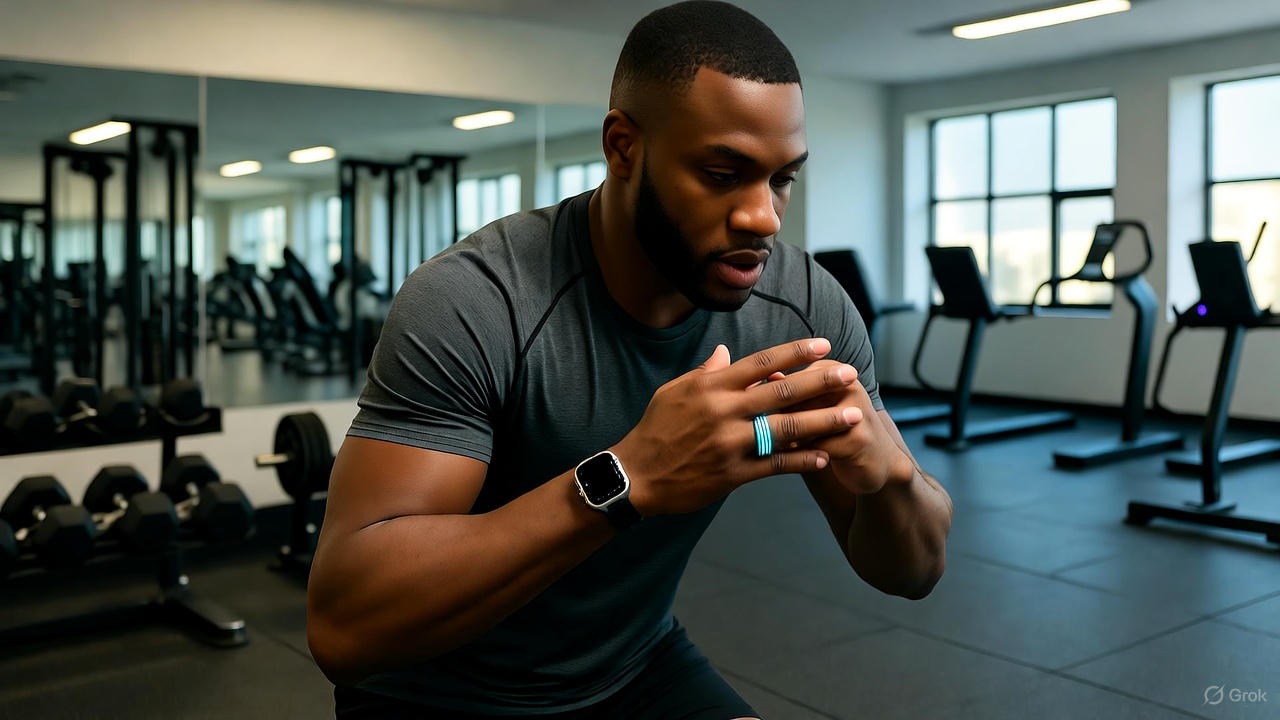
Today, a user's wellness data is often trapped in "silos"—the fitness app, the sleep app, the nutrition app, the wearable manufacturer's app, the electronic health record. Social features, meanwhile, are typically confined to a single platform's walled garden. The next great unlock for social wellness technology is interoperability: the seamless, secure exchange of data between different systems, devices, and communities. This is the key to moving from fragmented insights to a holistic, universally shared health narrative.
The Current Problem: The Siloed Self
Imagine you use a smart ring for sleep/recovery, a different watch for GPS running, a separate app for food logging, and a meditation app for mindfulness. Your social connections are scattered across these platforms and maybe a private WhatsApp group. To get a full picture of your health, you must mentally integrate all these data points. To share your journey with a friend or coach, you must send multiple screenshots. This friction inhibits deep understanding and rich, data-informed community support.
The Vision: A Unified, Portable Health Avatar
Interoperability envisions a future where you own a consolidated, portable digital profile of your wellness data—your "health avatar." Using open standards and secure APIs (Application Programming Interfaces), you could choose to share relevant slices of this data with whomever you wish:
How This Supercharges Social Features and Community
The Challenges and Roadblocks
This utopian vision faces significant hurdles:
The Path Forward: User Demand and Ethical Leadership
The push for interoperability will be driven by users demanding control and cohesion over their own data. Forward-thinking companies will lead by:
The community that forms around a truly interoperable platform won't be a fan club for a device; it will be a collective intelligence engine for human health, powered by the most complete data picture ever assembled voluntarily by individuals. This future-focused, user-empowering approach is what distinguishes next-generation companies, a principle embedded in the vision you can explore in Oxyzen's story.
As we eagerly connect our most intimate biometrics—heart rhythms, sleep brainwaves, stress states—to social networks, we step into a complex ethical landscape. The power of shared wellness is immense, but it must be balanced with rigorous ethical considerations to prevent harm, protect autonomy, and ensure these technologies truly serve human flourishing.
1. Informed Consent and Dynamic Control:
Sharing health data is not a binary, one-time decision. True informed consent in a social wearable context means:
2. The Perils of Biometric Comparison and "Health Shaming":
While friendly competition can motivate, the constant visibility of peers' "superior" data can be psychologically toxic.
3. Data Commercialization and the Line of Exploitation:
User data is the currency of the digital age. The ethical line is stark:
4. Algorithmic Bias and Equity:
The AI that powers community matching, insight generation, and even some health metrics is trained on data. If that data is not diverse, the outputs will be biased.
5. The Responsibility of Platform as Publisher:
When a platform hosts user-generated content containing health advice, it assumes some responsibility.
A Framework for Ethical Engagement:
For users, the ethical use of social wearables involves self-awareness:
The goal is to build ecosystems where technology facilitates connection without commodifying our bodies, where data empowers without creating hierarchies, and where community uplifts without imposing a single standard of health. This ethical foundation is what allows the technology to be a force for genuine good, a commitment that should be clear from a company's public resources, such as the transparent support and FAQ section provided by Oxyzen.
You're sold on the power of socially-connected wellness. Now, how do you choose the right device and platform? The hardware specs (battery life, sensor accuracy) are important, but the software experience—particularly the social and community ecosystem—will determine your long-term engagement and success. Use this checklist to evaluate your options.
Category 1: Community Architecture & Culture
Category 2: Social Interaction Tools
Category 3: Privacy and Data Control
Category 4: Platform Cohesion and Usability
Action Steps Before You Buy:
Your wearable is a long-term companion. Choosing one with a vibrant, well-designed, and ethically-managed social ecosystem isn't just about buying a gadget; it's about investing in a support system that will help you understand and improve your health for years to come. It’s the difference between buying a tool and joining a movement.
The application of socially-connected wearables extends far beyond the individual consumer. One of the most impactful arenas is the workplace. Traditional corporate wellness programs—often built around annual biometric screenings and impersonal step challenges—have struggled with low engagement and questionable ROI. Social wearable technology offers a paradigm shift, moving from a transactional, top-down program to an engaged, peer-supported culture of wellbeing. Let's examine a hypothetical but data-informed case study.
Company Profile: "TechSphere," a 500-person software company with a young, distributed workforce. Issues: High burnout rates, poor sleep hygiene due to late-night coding, and low cohesion among remote teams.
The Old Model (Failed):
The New Model: A Social Wearable Partnership (e.g., with a platform like Oxyzen for Business)
Phase 1: Voluntary, Subsidized Access.
TechSphere offers employees a heavily subsidized smart ring (like an Oxyzen ring) and access to a private, company-sponsored community within the platform. Participation is 100% voluntary, with strong emphasis on data privacy: the company cannot see individual employee data.
Phase 2: Building the Private Community Ecosystem.
The platform is configured with TechSphere-specific groups:
Phase 3: Socially-Driven, Inclusive Challenges.
Instead of "most steps," challenges are designed using the platform's social tools:
The Results (After 6 Months):
Why This Model Works:
This case study demonstrates that when social wearable technology is implemented with respect for privacy and a focus on community support, it can transform organizational culture. It moves wellness from a perfunctory HR benefit to a lived, shared value that improves both individual wellbeing and collective cohesion. For organizations considering such a transformation, understanding the provider's commitment to these principles is vital, which is why exploring a partner's mission and story is a critical first step.
Your Trusted Sleep Advocate: Sleep Foundation — https://www.sleepfoundation.org
Discover a digital archive of scholarly articles: NIH — https://www.ncbi.nlm.nih.gov/
39 million citations for biomedical literature :PubMed — https://pubmed.ncbi.nlm.nih.gov/
Experts at Harvard Health Publishing covering a variety of health topics — https://www.health.harvard.edu/blog/
Every life deserves world class care :Cleveland Clinic - https://my.clevelandclinic.org/health
Wearable technology and the future of predictive health monitoring :MIT Technology Review — https://www.technologyreview.com/
Dedicated to the well-being of all people and guided by science :World Health Organization — https://www.who.int/news-room/
Psychological science and knowledge to benefit society and improve lives. :APA — https://www.apa.org/monitor/
Cutting-edge insights on human longevity and peak performance:
Lifespan Research — https://www.lifespan.io/
Global authority on exercise physiology, sports performance, and human recovery:
American College of Sports Medicine — https://www.acsm.org/
Neuroscience-driven guidance for better focus, sleep, and mental clarity:
Stanford Human Performance Lab — https://humanperformance.stanford.edu/
Evidence-based psychology and mind–body wellness resources:
Mayo Clinic — https://www.mayoclinic.org/healthy-lifestyle/
Data-backed research on emotional wellbeing, stress biology, and resilience:
American Institute of Stress — https://www.stress.org/


