


Wearable Health Tech Guide: Understanding Sensor Technology
A guide to understanding the sensor technology in wearables.
A guide to understanding the sensor technology in wearables.
%402x.svg)
Imagine a world where your jewelry doesn't just accessorize, but actively advocates for your well-being. Where a simple ring on your finger becomes a window into the intricate symphony of your body, whispering insights about your heart, your sleep, your stress, and your readiness to conquer the day. This is no longer the realm of science fiction—it’s the reality of modern wearable health technology, and it's revolutionizing how we understand and manage our personal health.
From clunky wristbands to sleek, intelligent rings, the evolution of wearables has been a journey of miniaturization and sophistication. At the heart of this quiet revolution lies a suite of microscopic sensors, the unsung heroes translating biological signals into actionable data. These sensors are the fundamental translators between our analog bodies and our digital lives. Yet, for most users, how they work remains a black box of "magic."
This comprehensive guide is your key to that box. We will demystify the sensor technology powering the next generation of health wearables, with a particular focus on the elegance and potential of the smart ring form factor. Whether you're a biohacker seeking optimization, a wellness enthusiast tracking your journey, or simply curious about the tech on your finger, understanding these sensors empowers you to interpret your data accurately and make informed decisions for your health.
We’ll journey from the foundational principles of photoplethysmography (PPG) to the nuanced world of temperature tracking and accelerometry. We'll explore how raw light and motion signals are transformed into metrics for heart rate, sleep stages, recovery, and stress. Beyond the basics, we’ll delve into the cutting-edge sensors emerging on the horizon and tackle the critical questions of accuracy, privacy, and data utility.
By the end of this guide, you won't just see a smart ring; you’ll see a marvel of modern engineering, a personal health observatory, and a powerful tool for proactive well-being. Let's begin by pulling back the curtain on the most ubiquitous sensor in wearable tech: the optical heart rate sensor.

You’ve likely seen the gentle green glow on the underside of a fitness tracker or smart ring. This is the most visible sign of photoplethysmography (PPG), the foundational technology for non-invasive health monitoring in wearables. At its core, PPG is a deceptively simple optical technique that measures blood volume changes in the microvascular bed of tissue—in this case, the capillaries just beneath your skin.
The principle relies on a simple fact: blood absorbs light more effectively than the surrounding tissue. A PPG sensor consists of at least one light source (an LED) and a photodetector (a light sensor). The LED, often green for wrist and ring devices, shines light into the skin. Some of this light is absorbed, some is scattered, and a fraction is reflected back to the photodetector. As your heart beats, it pulses blood through your arteries and capillaries, causing minute, rhythmic changes in blood volume in the tissue beneath the sensor. When blood volume is highest (during a heartbeat), more light is absorbed, so less light is reflected back. Between beats, less light is absorbed, and more is reflected.
The photodetector captures these tiny fluctuations in reflected light intensity, creating a waveform called a photoplethysmogram. This waveform is the raw data treasure trove. Its primary peak-to-peak frequency directly corresponds to your heart rate. But look closer, and the shape of the waveform reveals far more: the steepness of the upstroke can relate to arterial stiffness, the dicrotic notch indicates vascular tone, and the overall amplitude can be influenced by respiration and blood pressure.
You might wonder why most consumer devices use green LEDs, while clinical equipment often uses infrared or red. It comes down to a balance of signal strength, power consumption, and motion robustness. Hemoglobin in our blood absorbs green light better than red or infrared. This stronger absorption creates a more pronounced PPG signal with a better signal-to-noise ratio, which is crucial for smaller devices like rings and watches. Green light also penetrates skin shallowly, making it ideal for capturing the high-density capillary beds in the wrist or finger, rather than deeper arteries. For a deeper dive into the science behind these choices and how they apply to ring-based design, you can explore our detailed technical blog posts at Oxyzen.ai/blog.
The journey from a flickering green light to a clean, reliable heart rate number on your app is a monumental feat of signal processing. The raw PPG signal is notoriously noisy. It’s contaminated by:
To combat this, modern devices employ sophisticated algorithms. They use accelerometers (which we’ll discuss later) to identify and subtract motion noise. They modulate the LED light frequency to filter out constant ambient light. Advanced algorithms, sometimes leveraging machine learning, are trained to recognize the true cardiac pulse within a sea of interference. This is why proper fit is non-negotiable for a smart ring—a snug, consistent fit minimizes motion artifact and ensures a stable optical path, which is why our FAQ at Oxyzen.ai/faq emphasizes finding your perfect size.
The outcome of this complex process is more than just beats per minute. A clean, processed PPG signal is the gateway to heart rate variability (HRV), respiratory rate, blood oxygen saturation (SpO2), and even stress and recovery analysis. It is, without exaggeration, the lifeblood of wearable health data.
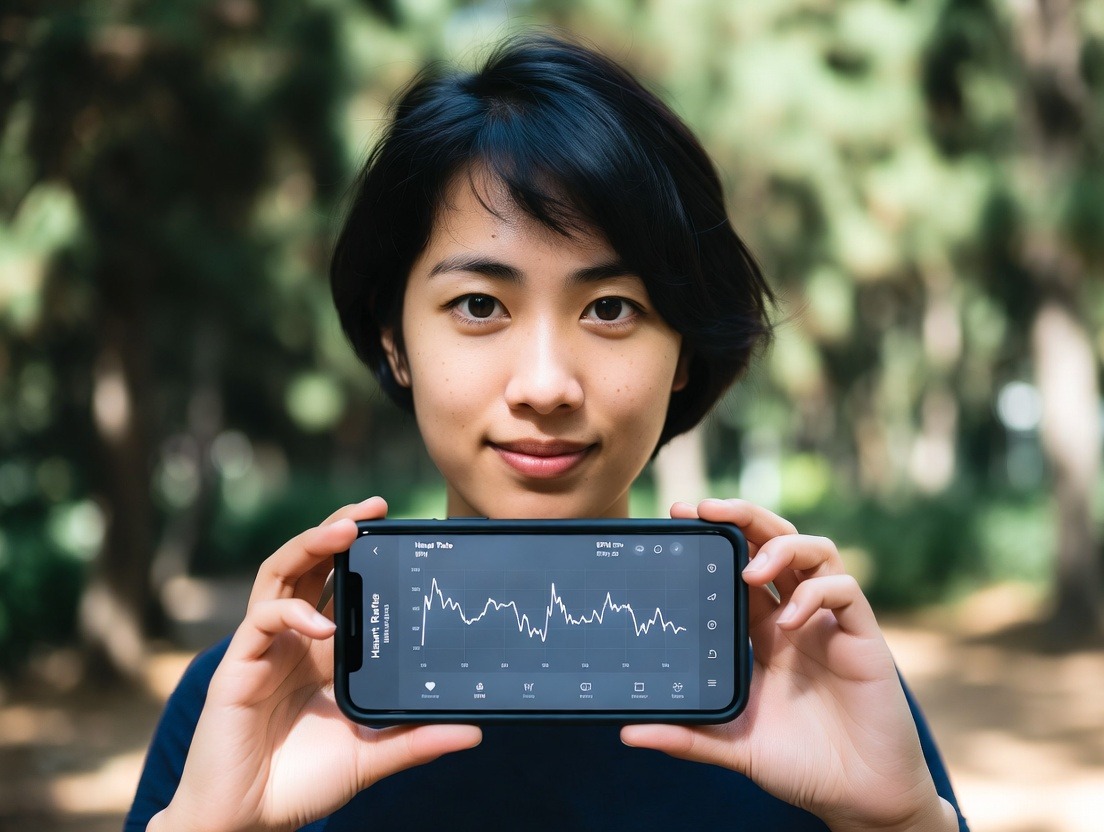
If heart rate is the rhythm of your music, then Heart Rate Variability (HRV) is the nuanced emotion and syncopation within that rhythm. It is a critical, yet often misunderstood, metric that has moved from clinical labs to the wrists and fingers of millions, offering a profound look into the autonomic nervous system's delicate balance.
HRV measures the subtle variations in time intervals between consecutive heartbeats, measured in milliseconds. Contrary to intuition, a healthy heart is not a perfect metronome. These tiny, millisecond variations are a sign of your heart's responsiveness and resilience. High HRV generally indicates a strong, adaptable autonomic nervous system, where the calming "rest-and-digest" (parasympathetic) branch and the energizing "fight-or-flight" (sympathetic) branch are in healthy tension. Low HRV can suggest an imbalance, often with sympathetic dominance, and is associated with stress, fatigue, overtraining, and various health risks.
Calculating HRV requires precise detection of each heartbeat, known as the R-peak in an ECG. In a wearable using PPG, the algorithm identifies the peak of each pulse wave in the cleaned signal. The time between these peaks is called the inter-beat interval (IBI). A sequence of these IBIs over a period (often a 5-minute reading during sleep for consistency) is analyzed using statistical or frequency-domain methods to compute HRV.
Common metrics include:
It's vital to understand that HRV is highly personal. Comparing your number to someone else's is meaningless. A "good" HRV is one that is stable or increasing within your own baseline range. Trends over time are infinitely more valuable than a single data point. A sudden, sustained drop in your HRV can be an early warning sign of impending illness, excessive stress, or inadequate recovery—often before you feel symptoms.
This is where wearables, especially rings worn continuously, shine. By capturing HRV nightly during deep sleep (the most standardized condition), they establish a personal baseline. Your morning readiness score on many apps is heavily influenced by how your nightly HRV compares to this baseline. It can answer questions like: Did that intense workout help or hinder my recovery? How is my work stress affecting my nervous system? Did that glass of wine last night impact my sleep quality?
By making the invisible visible, HRV empowers you to make lifestyle adjustments. You learn that meditation might boost your score, while a late meal might suppress it. This biofeedback loop is at the core of proactive health management. For real-world examples of how users interpret this data, the stories shared in our Oxyzen.ai/testimonials highlight its practical impact on daily life.
Understanding HRV transforms your wearable from a simple step-counter into a coach for your nervous system. It provides the "why" behind the "what" of your daily energy and mood, guiding you toward better balance.
Sleep is not a monolithic state of unconsciousness. It's a dynamically architected journey through distinct stages—Light, Deep, and REM (Rapid Eye Movement) sleep—each with critical restorative functions. Traditional wearables estimated sleep based on crude movement. Modern sensor fusion has turned them into sophisticated sleep stage analysts, painting a detailed picture of your night.
No single sensor can definitively determine sleep stages. Instead, devices use a combination of data streams, a process called sensor fusion:
By fusing these data streams with pattern-recognition algorithms (often machine learning models trained on polysomnography data—the clinical gold standard), the wearable constructs a hypnogram: a graph of your sleep architecture across the night.
Seeing your sleep broken into stages allows for nuanced insight far beyond "I slept 8 hours."
A smart ring is uniquely positioned for sleep tracking. The finger provides a strong PPG signal, often less prone to movement artifacts than the wrist during sleep. Wearing a ring is also less intrusive than a watch, leading to higher compliance and more consistent data. By tracking these metrics over time, you can see the impact of caffeine, alcohol, exercise timing, and evening routines on your sleep quality, turning guesswork into knowledge. To learn more about optimizing your sleep environment and routines, our resource library at Oxyzen.ai/blog offers extensive guidance.

While optical sensors listen to your internal rhythms, motion sensors track your external world. The accelerometer and gyroscope are the workhorses of activity tracking, transforming physical movement into quantifiable data. They answer the fundamental question: "How much, and what type, of movement did I do today?"
An accelerometer is a microscopic device that measures proper acceleration—the rate of change of velocity relative to freefall. In simple terms, it senses movement and tilt along its three axes (X, Y, Z). When integrated over time, acceleration data can be used to calculate steps, distance, and overall movement intensity.
How it tracks steps: The algorithm looks for repetitive acceleration patterns that match the unique signature of a human gait. A step creates a small, rhythmic bounce. By counting these characteristic peaks and valleys in the data, the device estimates your step count. Calibration with your personal stride length (often entered during setup) allows it to estimate distance.
Activity Recognition: Modern devices go beyond steps. By analyzing the frequency, amplitude, and pattern of acceleration signals, machine learning models can classify activities like walking, running, cycling, swimming, and even specific exercises. The pattern of a running stride is distinct from a walking stride in both frequency and force.
A gyroscope measures angular velocity—how fast an object is rotating around its axes. While an accelerometer tells you if the device is moving linearly, a gyroscope tells you if it's twisting, turning, or rotating. In wearables, gyroscopes are often used to:
The true power emerges when data from the accelerometer, gyroscope, and sometimes magnetometer (compass) are fused. This combination, often processed by a dedicated chip called an Inertial Measurement Unit (IMU), provides a highly accurate and detailed understanding of 3D movement and orientation. This is crucial for advanced fitness tracking, stroke analysis in sports, and fall detection for older adults.
In the context of a smart ring, motion data has unique applications. While a ring won't track precise cycling distance like a watch GPS, its motion data is invaluable for:
Understanding that your wearable is constantly analyzing these precise movements underscores the engineering marvel on your finger—it's not just counting steps; it's interpreting the language of your physical life.
Your body temperature is not a fixed 98.6°F (37°C). It is a dynamic variable, following a delicate circadian rhythm that is a cornerstone of your health. Tracking skin temperature with a wearable provides a proxy for understanding these internal cycles and their disruptions, offering insights that go far beyond detecting a fever.
Clinical body temperature is typically core temperature (oral, rectal). Wearables measure skin temperature, which is lower and more influenced by the environment. They use tiny sensors called thermistors or digital temperature sensors. Placed against the skin, they detect the heat radiating from the body's surface.
The critical innovation in modern wearables is continuous trend tracking. A single spot measurement of skin temperature is nearly useless due to environmental factors. However, by taking measurements every minute throughout the day and night, the device establishes your personal baseline curve. It's the deviations from your own norm that hold meaning.
For temperature data to be reliable, consistent wear is paramount. The finger is an excellent site for this, as it has good blood flow and, when covered by the ring, is partially shielded from rapid ambient temperature changes. This consistent, longitudinal data transforms temperature from a simple number into a narrative about your body's internal timing and state, a core principle behind the holistic health approach we detail at Oxyzen.ai/our-story.
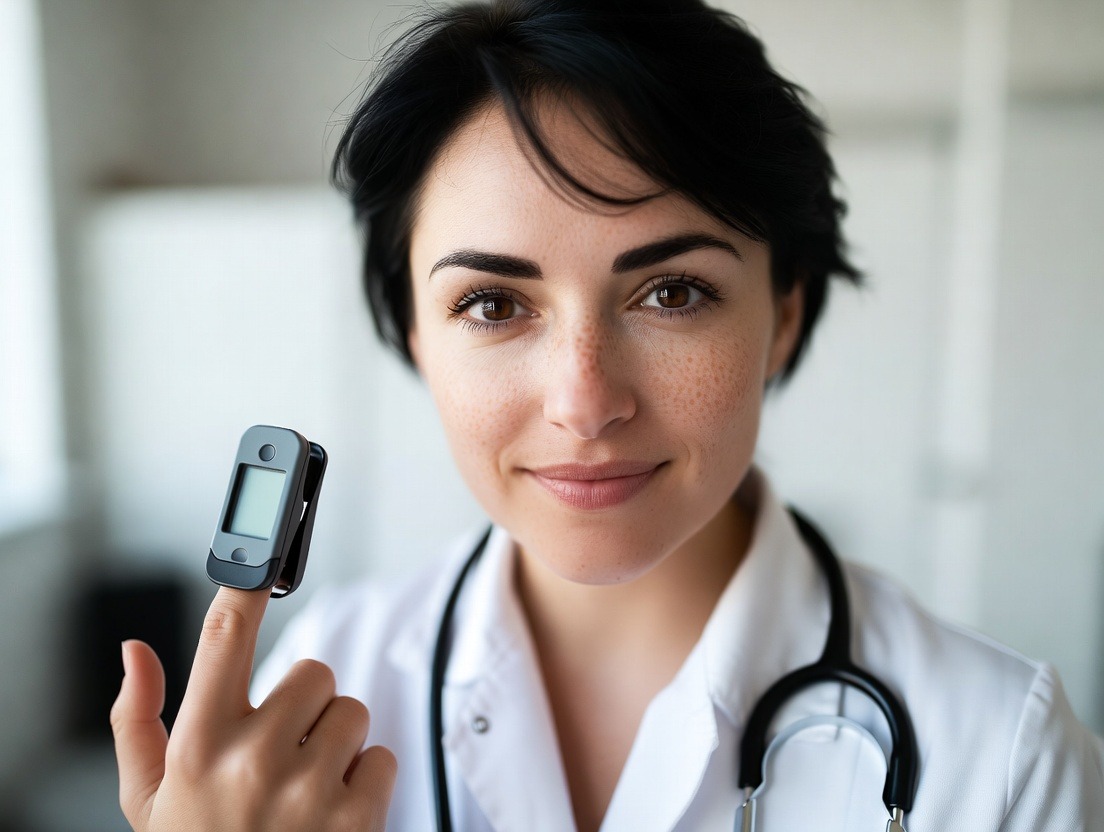
Blood oxygen saturation, or SpO2, is a measure of how much oxygen your red blood cells are carrying. It's a vital sign that, until recently, was primarily monitored in clinical settings. Now, thanks to miniaturized PPG technology, it's a standard feature on many wearables, offering insights into respiratory health and sleep quality.
Pulse oximetry leverages a clever optical trick. Oxygenated hemoglobin (HbO2) and deoxygenated hemoglobin (Hb) absorb light differently. HbO2 absorbs more infrared light and allows more red light to pass through. Deoxygenated Hb does the opposite: it absorbs more red light and allows more infrared light through.
A SpO2 sensor uses two LEDs: one red (around 660 nm) and one infrared (around 940 nm). It shines these lights alternately into the tissue. The photodetector measures how much of each light wavelength is absorbed by the pulsating arterial blood (the AC component of the PPG signal, isolated from the static tissue background). The ratio of the absorption of red light to infrared light is then calculated. This ratio corresponds to a specific SpO2 percentage, which is derived from a pre-calibrated curve.
While medical-grade accuracy is reserved for clinical devices, consumer wearables provide valuable trend data:
It's crucial to manage expectations. Factors like poor fit, excessive movement, cold fingers, and dark skin tones can affect the accuracy of consumer SpO2 readings. The value lies in longitudinal tracking under consistent conditions (like during sleep) to identify meaningful trends, not in treating a single reading as a medical datum.
Stress is not just a feeling; it's a physiological cascade initiated by the sympathetic nervous system. One of the most direct ways to measure this arousal is through changes in the skin's electrical properties, known as Galvanic Skin Response (GSR) or Electrodermal Activity (EDA). Once confined to lie detector tests and psychology labs, EDA sensors are now finding their way into advanced wearables.
Your skin is normally a poor conductor of electricity. However, your sweat glands are controlled by the sympathetic nervous system. During moments of stress, excitement, or emotional arousal—even if subconscious—these glands are stimulated, filling the sweat ducts with a saline solution. This moisture dramatically increases the electrical conductivity (or decreases the resistance) of your skin.
An EDA sensor measures this by applying a tiny, imperceptible electrical voltage between two electrodes on the device's surface. As skin conductivity changes, the current flow between these electrodes changes accordingly. The result is a signal with two components:
In a wearable context, EDA is used not for detecting lies, but for quantifying overall sympathetic nervous system activation—a proxy for stress load.
It's important to interpret EDA data thoughtfully. An SCR isn't inherently "bad"—it signals arousal, which could be due to stress, but also excitement, engagement, or cognitive effort. Context is key. When combined with data from HRV (which reflects the balance of both nervous system branches) and activity, EDA helps paint a more complete picture of your body's stress response patterns, empowering you to identify triggers and practice effective de-escalation techniques.
The electrocardiogram (ECG or EKG) is the clinical gold standard for measuring the heart's electrical activity. While PPG optical sensors infer heart rhythm from blood flow, an ECG captures it directly from the electrical impulses that cause the heart to beat. The integration of single-lead ECG into consumer wearables marks a significant leap from wellness tracking toward potential health monitoring.
A clinical 12-lead ECG uses electrodes placed at specific points on the chest and limbs to create a detailed, multi-dimensional electrical picture of the heart. It can diagnose a wide range of cardiac conditions.
A wearable ECG, like those in smartwatches and some emerging rings, is a single-lead system. It requires you to complete a circuit by touching the device with a finger from the opposite hand, creating an electrical path across the chest. This provides a view similar to Lead I in a clinical ECG. While limited in scope, this single lead is remarkably effective at detecting one critical thing: atrial fibrillation (AFib).
Atrial fibrillation is a common type of irregular heartbeat where the upper chambers of the heart (atria) quiver chaotically instead of contracting rhythmically. It is a major risk factor for stroke but can be intermittent and asymptomatic, making it hard to catch.
A wearable with an FDA-cleared ECG app allows users to take a 30-second reading whenever they feel symptoms like palpitations, dizziness, or shortness of breath—or simply as a routine check. The algorithm analyzes the electrical waveform for the tell-tale irregular irregularity of AFib. This capability has already documented cases of saving lives by prompting users to seek medical care for previously undiagnosed conditions.
A clean ECG signal also provides the most accurate method for calculating HRV, as it allows for pinpoint precision in detecting each R-peak (the heartbeat). While PPG-based HRV is excellent for trends, ECG-based HRV is considered more accurate, especially during movement.
The form factor of a ring presents both a challenge and an opportunity for ECG. The challenge is creating a reliable, always-available electrode contact without requiring a deliberate two-hand touch. The opportunity is profound: if solved, a ring could theoretically take continuous, passive ECG readings, providing an unprecedented, long-term record of heart rhythm during sleep, activity, and daily life. This is an area of intense innovation, driven by a mission to make advanced health monitoring truly unobtrusive, a vision central to our development philosophy at Oxyzen.ai/about-us.
Individually, each sensor tells a compelling but incomplete story. The PPG says your heart is racing. The accelerometer says you're still. The EDA says your skin is conductive. Alone, these are just data points. But together, through sensor fusion, they reveal a coherent narrative: you're experiencing stress or anxiety while sitting at your desk.
Sensor fusion is the sophisticated process of combining data from multiple, disparate sensors to produce information that is more accurate, reliable, and contextually rich than what any single sensor could provide. It's the brain behind the wearable's brawn.
Raw sensor data is processed through complex algorithms, increasingly powered by machine learning. These algorithms perform several key functions:
For sensor fusion to work optimally, it needs consistent, high-quality data from all sensors. This is where the smart ring has a distinct advantage. A ring on your finger:
The integration of these data streams transforms the wearable from a collector of metrics into an intelligent health companion. It provides not just numbers, but nuanced insights with context, turning data into wisdom you can use to guide your daily choices for better health. For a look at how this integrated data approach translates into user experiences, the feedback in our Oxyzen.ai/testimonials page speaks volumes.
Every flash of a green LED, every motion sample, and every temperature reading consumes a tiny amount of power. In a device as small as a smart ring, the battery is its most severe physical constraint. The engineering marvel isn't just packing in sensors; it's making them all work together while ensuring the device lasts for days on a single charge. Power management is the silent, critical discipline that makes modern wearables usable.
Smart wearables don't run all sensors at their highest sampling rate, 24/7. That would drain the battery in hours. Instead, they use a hierarchical and intelligent sampling strategy:
This power-saving dance has direct implications for the data you see:
The goal of companies like ours at Oxyzen.ai is to push this balance further: to develop more energy-efficient sensors, more intelligent algorithms, and better battery chemistries to maximize both data richness and user convenience. The best wearable is the one you forget you're wearing—until it provides an insight that matters.
The wearable health tech landscape is not static. While today’s devices offer remarkable insights, the next wave of sensor technology promises to deepen our understanding of physiology to a molecular and continuous level. These emerging technologies, many in advanced development or early commercialization stages, aim to move beyond monitoring and into true diagnostic and predictive health management. The smart ring, with its unique form factor and continuous wear potential, is poised to be a key platform for these innovations.
The quest for a non-invasive, continuous glucose monitor (CGM) is one of the holy grails of wearable tech. Current CGMs require a tiny subcutaneous filament. Emerging approaches using wearables include:
A ring that could provide metabolic insights—showing how your body responds to different foods, stress, and sleep—would revolutionize nutrition, diabetes management, and general wellness. Beyond glucose, similar spectroscopic techniques could one day monitor other biomarkers like lactate (for athletic performance and fatigue), alcohol, or cortisol (the primary stress hormone).
Today, wearables estimate blood pressure using Pulse Wave Velocity (PWV) or Pulse Arrival Time (PAT) methods. These techniques use the PPG signal to measure the time it takes for a pulse wave to travel between two points (e.g., from the heart to the finger). This time is related to blood pressure—stiffer arteries (higher pressure) propagate the pulse faster. However, these are indirect estimates that require frequent calibration with a traditional cuff and can be influenced by vascular tone, not just pressure.
True, cuffless, continuous blood pressure monitoring is the goal. Advanced approaches involve:
The implications are profound. Hypertension is a "silent killer." Continuous, unobtrusive monitoring could detect dangerous spikes, assess the efficacy of medications throughout the day, and illuminate the impact of daily activities on cardiovascular load.
Your unique physiological patterns—your heartbeat, your vein structure, your gait—form a "biometric signature." Future sensors will leverage this not just for security (like ECG-based authentication already on some watches) but for health.
These technologies represent a shift from external monitoring to integrated, physiological interaction. They hint at a future where your wearable is a seamless extension of your body's own communication systems. For a brand committed to staying at this frontier, the journey is one of relentless innovation, a story we share at Oxyzen.ai/our-story.
In the world of health data, not all numbers are created equal. The allure of a sleek device giving you precise-looking metrics can mask important nuances about what that data actually means. As an informed user, understanding the concepts of accuracy, precision, validity, and the inherent limitations of consumer wearables is crucial to using them effectively and safely.
Many consumer devices prioritize precision over absolute accuracy. For trend-based health insights, this is often acceptable—and even preferable. Knowing your HRV is 10% lower today than your personal baseline is more actionable than knowing its absolute value is 45 ms vs. a clinical reading of 50 ms. The device is precise enough to detect meaningful change.
Every metric has a clinical "gold standard" measurement tool:
Consumer wearables are not medical devices (unless they have specific FDA/CE clearances for particular features, like AFib detection). Their algorithms are typically validated against these gold standards in controlled studies. The results are expressed in terms like "mean absolute error" or "agreement rate" (e.g., "our sleep staging agrees with PSG 80% of the time").
Key Takeaway: It is vital to read the validation studies behind claims. A device validated on young, healthy athletes may perform differently on an older population with different health conditions or skin tones. For a deeper exploration of how we approach validation and transparency, our Oxyzen.ai/about-us page details our commitment to scientific rigor.
Even a well-validated device can give poor data if not used properly. Major confounders include:
Understanding these limitations prevents misinterpretation. A sudden spike in heart rate during a still meeting is worth noting; the same spike during a chaotic commute is likely noise. The device is a tool, and like any tool, its output depends on proper use and an understanding of its operating parameters.
Raw sensor data is a torrent of numbers—meaningless without interpretation. The algorithms, increasingly powered by artificial intelligence (AI) and machine learning (ML), are the translators, the pattern-finders, and the storytellers. They are what turn a photodetector's voltage fluctuations into a narrative about your recovery, stress, and sleep.
Modern health algorithms are rarely simple, hand-coded equations. Instead, they are ML models trained on vast, labeled datasets.
This is where algorithmic intelligence shines. Your "Readiness Score" is a perfect example of a composite metric. It doesn't come from one sensor. A typical algorithm might:
This synthesis is powerful because it mimics how a human coach would assess you: by looking at the whole picture. The algorithm handles the complex, multivariate analysis you couldn't do manually.
The frontier of wearable AI is prediction. By establishing a high-resolution baseline of your physiology, the system can detect subtle, multivariate anomalies that precede health events.
This predictive power transforms the wearable from a historical reporter to a proactive health guardian. It shifts the paradigm from "What happened?" to "What might happen, and how can I influence it?" To see how these insights manifest in daily life, the experiences shared by our community at Oxyzen.ai/testimonials offer powerful real-world examples.
In the age of digital health, your physiological data is among your most personal information. It can reveal not just your fitness level, but your sleep habits, stress patterns, and potentially early signs of illness. As you generate this intimate data stream, understanding who owns it, how it's protected, and how it's used is not a secondary concern—it is paramount.
A typical data journey involves:
In the United States, most consumer wearables are not covered by HIPAA (Health Insurance Portability and Accountability Act), which protects patient information held by healthcare providers, insurers, and their business associates. Your wearable data is typically governed by the company's own privacy policy and general consumer protection laws (like the FTC Act). This is a significant gap in protection.
Actionable Advice:
Your health data is a trust. Ensuring it is handled with integrity is as important as the insights it provides.
While smartwatches dominate the wearable market, the smart ring is emerging as a compelling, and in some ways superior, form factor for continuous health monitoring. Its advantages stem from its fundamental design: worn on the finger, it is unobtrusive, consistent, and biologically well-positioned.
The ring form factor is also an engineering crucible. Fitting multiple sensors, a capable processor, memory, a battery, and wireless radios into a package a fraction of the size of a watch is a monumental challenge. It drives innovation in:
The promise is a device that disappears into your life while providing clinical-grade health data continuity. It represents a shift from a tech gadget you interact with to a true ambient health guardian. It’s a vision of technology that serves you without demanding your attention, a design philosophy we are passionate about, as explored in our journey at Oxyzen.ai/our-story.
With an understanding of the technology, you are now equipped to make an informed decision. Not all wearables are created equal, and the "best" device is the one that aligns with your specific health goals, lifestyle, and priorities. Use this framework to evaluate your options.
Start by asking: "What do I most want to learn or improve?"
Based on your use case, scrutinize the sensor suite:
Remember, the most expensive device with the most sensors is not the best choice if it's uncomfortable and sits in a drawer. The best sensor is the one you use consistently. For a comprehensive comparison of how different form factors and technologies stack up, our resource center at Oxyzen.ai/blog offers ongoing analysis and guides.
Acquiring a powerful health wearable is the beginning, not the end. The risk lies in "data fatigue"—an initial surge of enthusiasm followed by overwhelm, leading to the device gathering dust. The goal is to move from being a passive data observer to an active participant in your well-being, using the device as a guide, not a guru. Here’s how to build a sustainable practice.
On day one, you’ll be flooded with metrics. Resist the urge to track everything. Choose one primary goal. For example:
This prevents overwhelm and creates a clear cause-and-effect learning loop.
For the first 2-4 weeks, simply wear the device consistently without making major changes. Let it learn you. This period establishes your personal baselines for HRV, resting heart rate, temperature, and sleep. These are your numbers. Comparing your future self to these baselines is infinitely more valuable than comparing yourself to population averages or your friends.
A single night of poor sleep or a low HRV reading is meaningless noise. Biology is variable. Look for trends over time (minimum one week, ideally two). The app's trend graphs are your best friend. Is your resting heart rate trending down over three months of consistent exercise? That's meaningful progress. Did your HRV trend downward for five consecutive days during a stressful work period? That's a validated signal to prioritize recovery.
This is the core of the practice. Create a simple feedback loop:
You are using data to have a conversation with your body. This transforms the device from a judge (giving you a "bad" score) into a collaborator helping you discover what works uniquely for you.
Data is a tool, not an identity. Chronic over-checking can lead to orthosomnia (an unhealthy preoccupation with perfect sleep data) or exercise addiction. Set boundaries:
The ultimate aim is to internalize the lessons the data teaches you, so you eventually make healthier choices intuitively. The wearable becomes a periodic check-in tool, not a crutch. For inspiration on building these sustainable habits, the community stories and tips collected at Oxyzen.ai/testimonials can be a wonderful resource.
The full potential of wearable data is unlocked not in isolation, but when it flows securely and meaningfully into the broader healthcare system. We are moving toward a future where your continuous physiological data becomes a valuable asset in preventive care and personalized medicine.
The technical backbone for this is being built today. Standards like FHIR (Fast Healthcare Interoperability Resources) are creating a common language for health data exchange. Imagine your wearable app, with your permission, generating a "Health Snapshot Report" in a FHIR format that can be:
For this to work, clinicians need tools to make sense of this data deluge. This is leading to the development of digital biomarkers—objective, quantifiable physiological data collected by digital devices that can be used as indicators of normal biological processes, pathogenic processes, or responses to an intervention.
A trend of decreasing nightly HRV could be a digital biomarker for rising allostatic load (cumulative stress). A pattern of nocturnal SpO2 dips is a digital biomarker for possible sleep-disordered breathing. When validated, these biomarkers can become powerful tools for early detection and management.
Looking further ahead, the integration of wearable data with other personal data streams (genomics, gut microbiome, continuous glucose monitors) will fuel hyper-personalization.
This connected health ecosystem promises a shift from reactive, symptom-based care to proactive, data-informed well-being. It turns you from a passive patient into an engaged partner in your health journey, armed with objective information about your own body. This vision of a seamlessly integrated health future is what drives continuous innovation, a commitment you can learn more about through our mission at Oxyzen.ai.
Your Trusted Sleep Advocate: Sleep Foundation — https://www.sleepfoundation.org
Discover a digital archive of scholarly articles: NIH — https://www.ncbi.nlm.nih.gov/
39 million citations for biomedical literature :PubMed — https://pubmed.ncbi.nlm.nih.gov/
Experts at Harvard Health Publishing covering a variety of health topics — https://www.health.harvard.edu/blog/
Every life deserves world class care :Cleveland Clinic - https://my.clevelandclinic.org/health
Wearable technology and the future of predictive health monitoring :MIT Technology Review — https://www.technologyreview.com/
Dedicated to the well-being of all people and guided by science :World Health Organization — https://www.who.int/news-room/
Psychological science and knowledge to benefit society and improve lives. :APA — https://www.apa.org/monitor/
Cutting-edge insights on human longevity and peak performance:
Lifespan Research — https://www.lifespan.io/
Global authority on exercise physiology, sports performance, and human recovery:
American College of Sports Medicine — https://www.acsm.org/
Neuroscience-driven guidance for better focus, sleep, and mental clarity:
Stanford Human Performance Lab — https://humanperformance.stanford.edu/
Evidence-based psychology and mind–body wellness resources:
Mayo Clinic — https://www.mayoclinic.org/healthy-lifestyle/
Data-backed research on emotional wellbeing, stress biology, and resilience:
American Institute of Stress — https://www.stress.org/


