


Wearable Health Tech Mastery: Your Complete Buyer's and User's Guide
A complete guide for both buying and using wearable health technology.
A complete guide for both buying and using wearable health technology.
%402x.svg)
Imagine a world where your most personal health insights don't come from an annual doctor's visit, but from a silent companion you wear every day—a companion that knows the rhythms of your heart, the depth of your sleep, and the subtle whispers of stress in your nervous system before you even consciously notice them. This is no longer science fiction. We are standing at the precipice of a profound shift in personal healthcare, moving from reactive medicine to proactive, continuous, and hyper-personalized wellness. The vehicle for this revolution? Wearable health technology, and at the elegant forefront of this movement sits the smart ring.
This comprehensive guide is your definitive map to navigating this exciting new landscape. Whether you're a quantified-self enthusiast hungry for deeper data, a wellness seeker looking to optimize your daily energy, or a cautious buyer wondering if a smart ring is worth the investment, you are in the right place. We will journey beyond marketing buzzwords and superficial feature lists. We will dissect the core technologies, translate the data into actionable life changes, and provide you with the strategic knowledge to choose and use a device that truly becomes a partner in your health. The goal is mastery—transforming a piece of wearable tech into a key that unlocks a higher state of well-being.
Forget clunky wristbands and screens that demand constant attention. The smart ring represents a paradigm of minimalist, continuous, and intimate biometric tracking. It’s about understanding your body’s unique language of readiness, recovery, and resilience. This guide will cover everything: from the foundational sensors and what they actually measure, to the critical art of interpreting your data, avoiding common user pitfalls, and integrating these insights seamlessly into your lifestyle. We’ll explore the cutting-edge research, address privacy concerns head-on, and look at the future trajectory of this technology.
Consider this more than a buyer's guide. It is a user's manual for a new way of living—one where you are empowered, informed, and in tune with your biology. Let's begin the journey to wearable health tech mastery.

We are in the midst of a fundamental transformation in how we understand and manage our health. For decades, the primary model was episodic and clinical: you felt unwell, you visited a doctor, who then provided a diagnosis and treatment based on a snapshot of data from that single point in time. This model, while vital, is inherently limited. It misses the dynamic, daily story of our physiology—the ebbs and flows that predict problems long before they become symptoms.
Enter the silent health revolution powered by wearable technology. This revolution is characterized by three seismic shifts:
1. From Episodic to Continuous Monitoring: Instead of a yearly blood pressure reading at a pharmacy, you now have access to 24/7 heart rate and heart rate variability (HRV) data. This continuous stream reveals patterns—how your heart responds to stress, a late meal, a tough workout, or poor sleep. It’s the difference between seeing a single photograph and watching a full-length film of your health.
2. From Generalized to Personalized Insights: Public health guidelines are invaluable, but they are population-based averages. Wearables provide your baseline. They answer questions unique to you: Is seven hours of sleep truly restorative for my body? What is my optimal workout intensity for a given recovery score? How does my stress response system react to caffeine? This personalization is the cornerstone of precision wellness.
3. From Reactive to Proactive and Preventative Action: The true power of this data lies in its predictive potential. A consistently declining HRV trend can be an early warning sign of overtraining, impending illness, or chronic stress buildup—often days before you feel "off." This allows for proactive intervention: taking a rest day, prioritizing sleep, or practicing mindfulness to rebalance your nervous system. It turns health management into a daily practice of subtle course corrections, preventing the ship from ever veering dangerously off course.
The adoption curve speaks volumes. Millions now wear fitness trackers and smartwatches, but these devices often come with limitations: form factor, battery life requiring frequent charging, and the potential for digital distraction. This is precisely where the smart ring has carved its powerful niche. By moving to the finger—a location rich with arterial blood flow—and adopting a minimalist, "wear-and-forget" design, it offers a more intimate, comfortable, and continuous tracking experience. It’s technology that serves you in the background, empowering you to live your life in the foreground.
To understand how we arrived at this elegant solution, one must appreciate the brand journey of pioneering companies in this space. The path from a visionary idea to a refined product on your finger is filled with challenges in sensor miniaturization, data science, and user-centric design. Learning about this evolution, such as the one detailed in our story at Oxyzen, provides crucial context for the device's capabilities and the philosophy behind the data it presents.
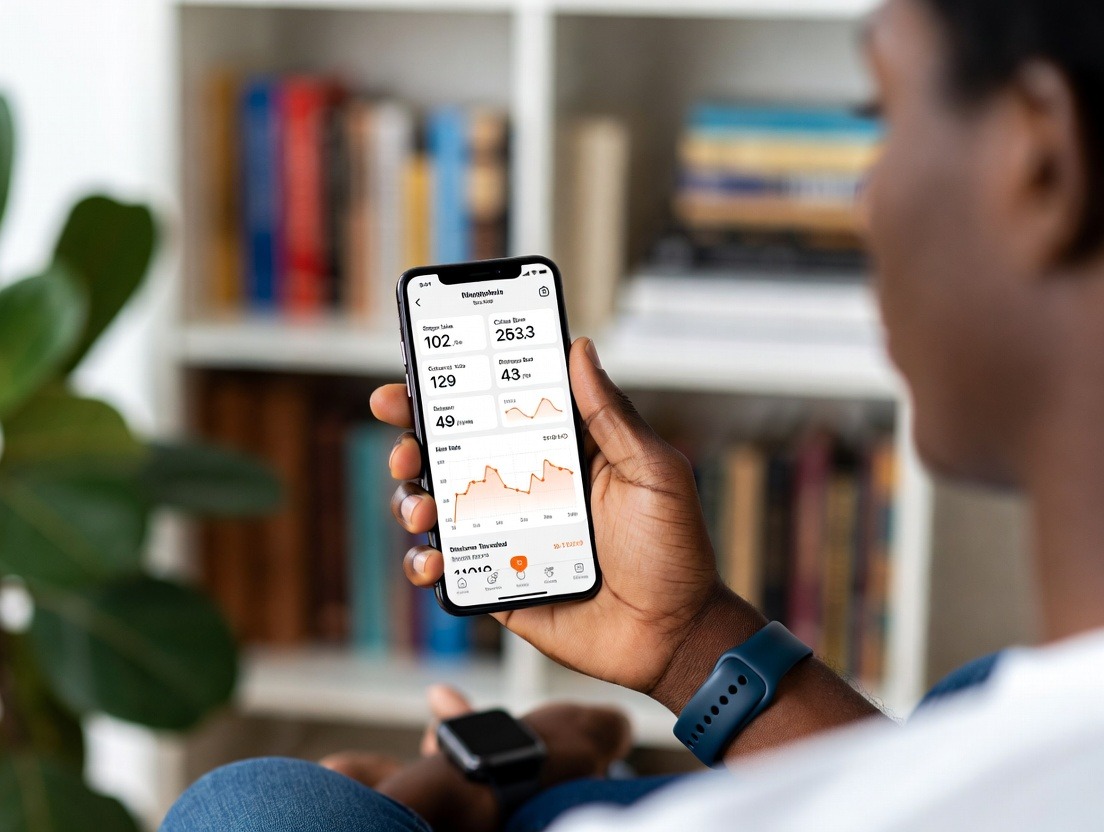
If the smart ring is the hardware, the biometrics it collects are the software of your well-being. Moving beyond the now-ubiquitous step count, modern rings capture a symphony of physiological signals. To master this technology, you must first learn to speak its language. Let’s decode the key metrics.
Heart Rate (HR): The Rhythm of Life
While your pulse is a basic vital sign, its continuous tracking tells a complex story. It’s not just the number of beats per minute (BPM), but the context of those beats.
Heart Rate Variability (HRV): The Gold Standard of Recovery & Resilience
This is arguably the most important and misunderstood metric in wearable tech. HRV is not your heart rate. It is the subtle variation in the milliseconds between consecutive heartbeats. Think of it not as the pace of a drummer, but the micro-timing between each beat. A higher HRV (greater variability) indicates a robust, adaptable autonomic nervous system—your body is resilient and ready to handle stress. A lower HRV suggests a dominant "fight-or-flight" (sympathetic) state, signaling fatigue, poor recovery, or high stress.
Skin Temperature & Peripheral Blood Flow: The Body's Silent Signals
Your finger is a fantastic window into your core physiology. Continuous skin temperature monitoring can detect subtle shifts—a slight elevation often precedes the onset of illness or indicates inflammatory responses. It also plays a crucial role in tracking the female cycle, with basal body temperature shifts indicating ovulation. Coupled with data on blood flow (perfusion), these metrics provide insights into circulation, stress responses, and even the quality of your sleep stages.
Blood Oxygen Saturation (SpO2): A Measure of Respiratory Health
This metric, popularized during the pandemic, measures the percentage of oxygen-carrying hemoglobin in your blood. While a healthy individual typically registers 95-100%, nighttime SpO2 monitoring is particularly valuable. Periodic dips can indicate sleep apnea or other breathing disturbances that fragment sleep and strain the cardiovascular system, even if you’re unaware of them.
Sleep Architecture: The Foundation of Everything
Sleep is not a binary on/off state. It’s a meticulously choreographed cycle of Light, Deep, and REM (Rapid Eye Movement) sleep stages. Each has a critical function: physical restoration in Deep sleep, memory consolidation and emotional processing in REM. A smart ring’s accelerometer and heart-based metrics work in tandem to estimate your time in each stage.
Understanding these metrics in isolation is just the first step. The magic—and the challenge—lies in their interpretation. For a deeper dive into the science of HRV or sleep staging, resources like the Oxyzen blog offer ongoing exploration and expert breakdowns of the latest research.
What enables a device small enough to wear on your finger to capture this rich tapestry of biological data? The answer lies in a marvel of modern miniaturization and optical engineering. Let’s open the proverbial hood and examine the core components.
The Photoplethysmogram (PPG) Sensor: The Heart of the Matter
This is the primary workhorse. A PPG sensor uses tiny light-emitting diodes (LEDs)—typically green, red, and infrared—to shine light into the capillaries in your finger. A photodetector then measures the amount of light that is reflected back.
The 3-Axis Accelerometer: Mapping Movement & Sleep
This micro-electromechanical system (MEMS) detects linear acceleration in three dimensions. It’s what counts your steps, identifies periods of activity versus rest, and, crucially, detects the micro-movements that characterize different sleep stages. During sleep, the near-absence of gross movement combined with stable heart rate data helps confirm deep sleep, while rapid eye movements (REM) trigger subtle, characteristic twitches.
The Skin Temperature Sensor: A Precise Thermometer
This is typically a negative temperature coefficient (NTC) thermistor—a highly sensitive resistor whose electrical resistance changes predictably with temperature. Placed against the skin, it tracks deviations from your personal baseline with precision, often to 0.1°C.
The Battery & Power Management: The Unsung Hero
Engineering a battery small enough to fit inside a ring shank, yet powerful enough to last 5-7 days on a single charge, is a monumental feat. Advanced power management systems intelligently control sensor sampling rates (e.g., taking HRV readings every 5 minutes during the day, but continuously during sleep) to maximize battery life without sacrificing critical data fidelity.
Design & Materials: Where Form Meets Function
The technology must be housed in a package that is durable, comfortable, and aesthetically pleasing. This involves critical choices:
This intricate marriage of hardware and software is what separates a true health-tracking device from a simple novelty. The raw sensor data is just the beginning; it is the proprietary algorithms and data science—developed over years of research and validation—that transform light reflections and movement signals into the insightful metrics on your app dashboard. When evaluating any device, looking into the company's mission and research focus at their About Us page can reveal the depth of their scientific commitment.
Armed with an understanding of the technology and metrics, you are now prepared to make an informed purchase. The market is expanding rapidly, and features vary widely. Use this structured framework to cut through the noise and identify the device that aligns perfectly with your goals, lifestyle, and values.
1. What is Your Primary "Why"?
Define your core objective. Is it to:
2. How Accurate and Validated is the Data?
This is paramount. Look for evidence of scientific validation. Has the device or its core algorithms been tested in peer-reviewed studies or validated against medical-grade equipment (like an ECG for heart rate)? Transparency from the company on this front is a major trust signal.
3. What is the App Experience Like?
The ring is just the data collector; the app is your interface for insight. Evaluate:
4. How Robust is the Sleep Tracking?
Don't settle for just "sleep duration." Ensure it provides:
5. How Does it Handle Health Insights & Recommendations?
The best devices move from data to wisdom. Does it provide a daily "Readiness" or "Recovery" score that synthesizes HRV, RHR, and sleep data to guide your day? Are the explanations behind the scores clear and helpful?
6. What About Battery Life and Charging?
Aim for a minimum of 5 full days of battery life to enable continuous overnight tracking without daily charging hassle. Consider the charging mechanism—is it a convenient dock or a finicky cable?
7. What are the Design, Sizing, and Durability Considerations?
8. How Does it Approach Data Privacy and Security?
Your biometric data is incredibly sensitive. Investigate:
9. What is the Ecosystem and Compatibility?
Does the ring's app integrate with other platforms you use, like Apple Health, Google Fit, Strava, or training platforms? This creates a unified health dashboard.
10. What is the Company's Support and Community Like?
Check for accessible customer support, a knowledge base, and an engaged user community. A strong community is a goldmine for tips and shared learning. Before purchasing, browsing a testimonials and reviews page can provide invaluable real-world insights into user experience and support quality.
11. What is the Total Cost of Ownership?
Look beyond the upfront price. Is there a required subscription fee to access all features or historical data? Some companies use a hardware-plus-software model. Ensure you understand the long-term financial commitment.
12. What is the Company's Long-Term Vision?
Are they committed to ongoing software updates and feature improvements based on new science? A company investing in R&D is a partner in your long-term health journey.
By systematically working through these questions, you transform from a passive consumer into a strategic buyer, ensuring your investment delivers tangible, lasting value.

You have your ring. The app is synced. A flood of data now greets you each morning: a sleep score, an HRV number, a readiness graph. The initial excitement can quickly turn to confusion or even anxiety—a phenomenon often called "analysis paralysis" or "wearable angst." This chapter is your guide through that fog. The goal is not to obsess over every single data point, but to identify meaningful trends and deviations from your personal baseline.
Step 1: Establish Your Personal Baseline (The First 30 Days)
Resist the urge to make drastic changes immediately. Use the first month as a data-gathering phase. Wear the ring consistently, live your normal life, and let the algorithms learn you. Your baseline is not a single number, but a range for each metric (e.g., "My typical HRV is between 45-65 ms," "My average sleep duration is 6h 45m").
Step 2: Focus on Trends, Not Absolute Numbers
A single night of poor sleep or a low HRV reading is meaningless noise. Life happens. The power is in the trend line. Is your 7-day average HRV steadily declining? Is your resting heart rate creeping up over two weeks? These multi-day trends are your body's true signals, indicating a need for lifestyle adjustment.
Step 3: Correlate, Don't Isolate (The Tagging Habit)
This is the master key to insight. Use the app's tagging or journaling feature to log daily behaviors. Tag your evening alcohol consumption, intense workouts, late work nights, meditation sessions, or even menstrual cycle phases. After several weeks, you can look back and see powerful correlations: "Every time I have a drink after 8 PM, my deep sleep percentage drops by 30%." Or, "On days after I meditate, my morning HRV is consistently 10% higher." This turns abstract data into direct cause-and-effect learning.
Step 4: Learn the Core Interpretations
Step 5: Embrace the Feedback Loop, Not the Scoreboard
Reframe your mindset. The data is not a judgment or a grade on your life. It is a neutral feedback system, like a compass. A low score isn't "bad"; it's valuable information that allows you to course-correct before you crash. It empowers you to make an evidence-based decision to take a rest day instead of guessing and risking injury.
Mastering this art transforms the device from a mere tracker into a coach. It fosters a deeper mind-body connection, where you learn to physically recognize the sensations that correlate with your data. For more specific strategies on interpreting trends or using tags effectively, a wealth of user guides and articles can be found in the FAQ and support resources.
Data without integration is just trivia. The true value of a smart ring is realized when its insights seamlessly inform your daily decisions, creating a closed-loop system of action and feedback. Here’s how to operationalize your data from morning to night.
The Morning Ritual: Setting the Tone for the Day
Your first interaction with your data should be a brief, non-judgmental check-in. This is your daily briefing from your body.
Throughout the Day: Real-Time Biofeedback
The Evening Wind-Down: Preparing for Restoration
Your ring’s data is profoundly predictive of sleep quality. Use it to engineer a perfect recovery environment.
The Weekly Review: The Strategic Overview
Once a week, spend 15 minutes looking at your weekly trends in the app.
Example Story: Maya’s Data-Informed Week
Maya, a project manager, sees her readiness score is "Low" on Monday after a weekend of social events and poor sleep. Instead of forcing her usual Monday high-intensity interval training (HIIT) class, she swaps it for a yoga session and focuses on hydration. By Wednesday, her score has recovered to "Optimal." She nails her key presentation and has an energizing workout. On Thursday night, she has a late work call. Seeing her elevated nighttime heart rate and poor sleep score on Friday morning, she knows her nervous system is frayed. She uses her lunch break for a walk in nature instead of scrolling social media. By listening and adapting, she avoids the weekend crash she used to experience.
Integrating data in this way turns wellness from a vague concept into a tangible, daily practice. It’s the cornerstone of wearable health tech mastery. To see how others have successfully integrated this technology, exploring real customer experiences can provide both inspiration and practical ideas.

Sleep is the single most powerful lever for overall health, performance, and longevity. It’s when your body repairs tissues, consolidates memories, cleanses metabolic waste from the brain, and regulates hormones. Your smart ring is the ultimate sleep lab on your finger, providing the feedback needed to master this domain.
Beyond Hours: Understanding Your Sleep Architecture
First, learn to read your sleep stage chart.
Identifying Your Personal Sleep Disruptors (The Detective Work)
Use tagging and trend analysis to find what specifically sabotages your sleep.
Data-Driven Sleep Hygiene Protocol
Armed with your personal insights, build a protocol:
Using Nap Data Strategically
If you nap, track it. A short "power nap" (10-20 minutes) can boost alertness without entering deep sleep, which can cause sleep inertia. Longer naps (60+ minutes) that include deep sleep can indeed help pay back a sleep debt, but may impact your ability to fall asleep that night. Your ring data will show you the impact of different nap lengths on your nighttime sleep score, allowing you to nap smarter.
Mastering your sleep with a smart ring is a iterative process of hypothesis, testing, and refinement. It empowers you to move from guessing what works to knowing with certainty, leading to profoundly better days. For a continuous stream of science-backed sleep tips and advanced strategies, the Oxyzen blog serves as an excellent companion resource on your optimization journey.
For the dedicated athlete, from the weekend warrior to the competitive endurance enthusiast, the smart ring is a game-changing tool. It shifts training from a plan based on calendar dates to one informed by daily physiological readiness—a concept known as autoregulation. This is the frontier of personalized performance.
HRV: The North Star for Athletic Recovery
While all users benefit from HRV, for athletes, it is mission-critical. It provides an objective, daily measure of your autonomic nervous system's balance.
The Readiness Score as Your Daily Coach
Your synthesized readiness score, heavily influenced by HRV and sleep, should directly dictate your training session.
Identifying Overtraining Syndrome (OTS) Before It Cripples You
OTS is a cascade of hormonal, neurological, and psychological symptoms caused by excessive training without adequate recovery. It can set you back for months. Your smart ring provides the earliest warnings:
Optimizing Training Phases and Tapering
Use trend data over weeks and months to plan macro-cycles. You can see how your body responds to a building phase and confirm when you have successfully adapted. During a taper before a competition, the data validates that your body is recovering and supercompensating—seeing HRV rise and RHR drop in the final days before race day is a massive confidence booster.
The Performance-Tracking Feedback Loop
Post-workout, review the impact. Did that brutal interval session cause a significant HRV drop the next morning? How long did it take to return to baseline? This teaches you the exact "cost" of different workouts, allowing for more precise future planning. You learn which workouts are most draining and which you bounce back from quickly.
For the athlete, the smart ring transforms intuition into intelligence. It replaces the destructive "no pain, no gain" mantra with a smarter, more sustainable philosophy: "Train smart, recover harder." This data-driven approach is the ultimate tool for longevity in sport, ensuring you can perform at your peak for years to come. To understand how this technology integrates into a holistic wellness philosophy, exploring the company's core mission at About Oxyzen can be enlightening.
Chronic, unmanaged stress is the silent epidemic of modern life, a known contributor to inflammation, cardiovascular disease, impaired immunity, and mental health challenges. Traditional stress management often relies on subjective, after-the-fact feelings ("I'm so stressed"). A smart ring introduces an objective, physiological dimension to this battle, allowing you to see stress in real-time and build resilience through concrete, biofeedback-informed practices.
From Cortisol to Data: Understanding Physiological Stress
Stress isn't just a feeling; it's a measurable chain of events. A perceived threat (a work deadline, a traffic jam, an argument) triggers your sympathetic nervous system ("fight-or-flight"). This releases hormones like cortisol and adrenaline, which cause your heart rate to rise, your heart rate variability (HRV) to plummet, and blood to shunt away from your extremities—all to prepare you for action. When this system is chronically activated by non-life-threatening psychological stressors, it becomes corrosive.
Your Ring as a Stress Detector
By continuously monitoring your heart rate and HRV, your ring can act as a mirror to your nervous system.
Building a Data-Driven Resilience Practice
The goal isn't to eliminate stress—that’s impossible. The goal is to improve your recovery rate—how quickly your physiology returns to a calm, parasympathetic ("rest-and-digest") state after a stressor.
The Long Game: Improving Your Basal Resilience
Beyond acute interventions, your ring tracks your foundational resilience—your ability to withstand stressors without going into physiological overdrive.
By making the invisible visible, your smart ring demystifies stress management. It turns it from a vague self-help concept into a tangible, trainable skill. You learn to recognize the early somatic signs of stress (which often precede conscious anxiety) and have a toolkit of proven practices to deploy. This is proactive mental wellness at its most powerful. For more on connecting specific practices to physiological outcomes, the Oxyzen blog regularly features deep dives into mindfulness, breathwork, and their quantifiable effects.
While daily readiness scores and sleep optimization deliver immediate value, the most profound potential of a smart ring lies in its ability to reveal the slow-moving story of your health over months and years. This longitudinal data is a treasure trove for preventative healthcare, allowing you and potentially your doctor to spot deviations from your personal norm long before they manifest as clinical symptoms.
Establishing Your Health Baseline: The Ultimate Benchmark
Your first year of consistent wear is about building the most important dataset you own: your unique, multi-parameter health baseline. This isn't a single number, but a dynamic profile that includes:
Early Warning System: The Power of Deviations
The body often signals distress through subtle, sustained shifts in autonomic function. Your ring is designed to detect these whispers.
From Self-Tracking to Shared Decision-Making
This data becomes powerful in a clinical context. Imagine visiting your doctor not just with symptoms, but with a two-week graph showing elevated nighttime heart rate and poor sleep continuity, pointing directly to potential sleep apnea. Or showing a trend of declining recovery metrics that correlates with a new medication. You become an active, informed partner in your healthcare. While the ring is not a diagnostic device, the trends it provides are compelling clues that can guide more targeted and efficient medical investigations.
The Horizon: Predictive Analytics and Personalized Health AIs
This is where the future is heading. As algorithms ingest millions of anonymized data points, they will become better at predicting individual risks. We are moving toward systems that might say:
Engaging with this long-term aspect requires a shift in perspective. The ring is not just a daily tool, but a lifelong health logging device. The commitment to wearing it consistently pays compounding interest in the form of a deeply personal health narrative that empowers you to make smarter choices for decades to come. To understand how one company envisions this long-term journey, you can explore their foundational vision and values.
With great data comes great responsibility. The path to wearable mastery requires not just technical understanding, but also psychological wisdom. It's alarmingly easy to fall into counterproductive patterns: checking your app compulsively, letting a low score ruin your day, or becoming a slave to the numbers at the expense of listening to your own body. Let's navigate these common pitfalls.
Pitfall 1: Data Anxiety and the "Bad Score" Spiral
You wake up to a "Poor" recovery score. The immediate reaction can be frustration or worry: "What did I do wrong? I'm failing at my health." This negative emotional response itself becomes a new stressor, further taxing your nervous system—the opposite of the device's intention.
Pitfall 2: Obsessive Checking and Quantification of Everything
The app is always there, tempting you to refresh. Checking your stress score every 20 minutes or obsessing over the live heart rate graph during a workout pulls you out of the present moment and into your head.
Pitfall 3: Misinterpreting Context and Chasing Ideal Numbers
Comparing your HRV of 40 to a friend's 80 and feeling inferior. Striving for 100% sleep scores every night. Forgetting that metrics are influenced by countless factors: age, genetics, lifestyle phase, and even your menstrual cycle.
Pitfall 4: Ignoring Body Wisdom for Device Data
This is the most critical trap. You feel energetic and excited for a run, but your readiness score is "Low." Or conversely, you feel tired and sluggish, but the score says "Optimal." Who do you trust?
Pitfall 5: Privacy Negligence
Blithely granting app permissions, sharing data without understanding how it's used, or using weak passwords puts your sensitive biometric history at risk.
Mastering the psychology of tracking is as important as understanding the metrics. The goal is to use the ring as a tool to enhance your body awareness, not replace it. It should reduce anxiety about your health by providing clarity, not create new anxiety about daily scores. When used with balance, it fosters a harmonious partnership between technology and self-knowledge.
A smart ring is not an island. Its true power is unlocked when its data flows into a broader ecosystem of apps and services, creating a centralized, holistic view of your well-being. This chapter guides you through the essential digital landscape surrounding your device, helping you build a personalized health command center.
The Native App: Your Primary Mission Control
Every ring comes with a proprietary application. This is your daily interface, and its design philosophy is critical. A best-in-class app should excel in three areas:
The Power of Integration: Unifying Your Data
Your health is influenced by more than just physiological metrics. Nutrition, mindfulness, specific workout details, and even calendar events all play a part. This is where third-party integrations via Apple Health (iOS) and Google Fit (Android) become transformative.
By reviewing your readiness score in the context of yesterday's calorie deficit, a hard 10k run, and a skipped meditation session, you get a complete, multi-factor explanation for your body's state.
Advanced Platforms and Professional Insights
For athletes and serious biohackers, deeper platforms exist.
Building Your Personal Dashboard: A Practical Exercise
The ecosystem transforms your ring from a data source into the core of a learning feedback loop. It breaks down the silos between different aspects of your wellness, revealing the interconnected nature of your choices. For users looking to maximize this interconnected approach, exploring the Oxyzen blog can yield tutorials on specific app integrations and dashboard creation.
As we welcome these devices into the most intimate aspects of our lives, we must engage in a sober, critical conversation about ethics. The data collected—your sleep patterns, stress responses, menstrual cycles, and potential early illness signs—constitutes a deeply personal biometric blueprint. How this data is stored, used, and protected is a paramount concern for any informed user.
The Core Questions of Data Ownership
When you use a wearable, you are often entering a data-sharing relationship. The critical questions to ask are:
The Insurance and Employer Grey Zone
The potential for "wellness programs" tied to wearables is already a reality. Some companies offer discounts on health insurance for participating in activity tracking. While incentivizing health is positive, it risks creating a biometric panopticon where not participating, or having "poor" metrics, leads to financial penalty. It’s a short step from voluntary programs to mandatory monitoring for risk assessment. As a user, you must understand if your data could ever be used in such a capacity.
Your Action Plan for Digital Self-Defense
The Future We Want to Build
The conversation extends beyond individual protection. As a society, we need to advocate for strong regulatory frameworks that treat biometric data with the sensitivity it deserves, akin to medical records. We must push for transparency and resist normalization of surveillance in the guise of wellness.
Choosing a wearable is, in part, a vote for a company's ethical stance. Supporting companies that are transparent, view data as a sacred trust, and advocate for user rights encourages a healthier ecosystem for everyone. You can often gauge this stance by reviewing a company's public-facing principles, such as those outlined on their About Us page, which often detail their commitment to user privacy and data ethics.
Humans are social creatures, and our wellness is often influenced by our connections. While health data feels intensely personal, the rise of wearable tech has fostered new forms of community and shared accountability that can powerfully boost motivation and provide unique insights.
The Positive Potential of Social Features
When implemented with privacy as a cornerstone, social features in wearable apps can transform a solitary journey into a shared experience.
Navigating the Comparison Trap
The dark side of social features is the risk of unhealthy comparison. Seeing a friend's consistently "Optimal" readiness scores while you struggle with "Low" can breed insecurity, not inspiration.
The Power of Community Knowledge
Beyond direct sharing, the aggregate knowledge of a user community is a vast resource. Forums and discussion boards (often hosted separately from the main app for privacy) are where users:
Building Your Support Circle
If your device's app has social features, start small and intentional.
When used with intention and clear boundaries, the social dimension of wearable tech can combat the isolation sometimes felt in personal health journeys. It reminds us that while our data is unique, the pursuit of well-being is a universal, shared human endeavor, made richer by connection.
Your Trusted Sleep Advocate: Sleep Foundation — https://www.sleepfoundation.org
Discover a digital archive of scholarly articles: NIH — https://www.ncbi.nlm.nih.gov/
39 million citations for biomedical literature :PubMed — https://pubmed.ncbi.nlm.nih.gov/
Experts at Harvard Health Publishing covering a variety of health topics — https://www.health.harvard.edu/blog/
Every life deserves world class care :Cleveland Clinic - https://my.clevelandclinic.org/health
Wearable technology and the future of predictive health monitoring :MIT Technology Review — https://www.technologyreview.com/
Dedicated to the well-being of all people and guided by science :World Health Organization — https://www.who.int/news-room/
Psychological science and knowledge to benefit society and improve lives. :APA — https://www.apa.org/monitor/
Cutting-edge insights on human longevity and peak performance:
Lifespan Research — https://www.lifespan.io/
Global authority on exercise physiology, sports performance, and human recovery:
American College of Sports Medicine — https://www.acsm.org/
Neuroscience-driven guidance for better focus, sleep, and mental clarity:
Stanford Human Performance Lab — https://humanperformance.stanford.edu/
Evidence-based psychology and mind–body wellness resources:
Mayo Clinic — https://www.mayoclinic.org/healthy-lifestyle/
Data-backed research on emotional wellbeing, stress biology, and resilience:
American Institute of Stress — https://www.stress.org/


