


How Wearable Health Tech Personalizes Your Wellness Journey
How wearable tech personalizes your journey to better health.
How wearable tech personalizes your journey to better health.
%402x.svg)
For decades, the pursuit of better health was a game of averages. We followed generalized advice: get eight hours of sleep, drink eight glasses of water, walk 10,000 steps. While well-intentioned, this one-size-fits-all approach overlooked a fundamental truth: you are unique. Your biology, your lifestyle, your stressors, your sleep patterns, and your recovery needs are a complex fingerprint, unlike anyone else's. This meant that the most critical data about your own well-being—the subtle, daily signals from your body—went largely unmeasured and unheard.
Enter the era of the hyper-personalized wellness journey, powered not by generic advice, but by continuous, intimate data. This revolution is being worn on our wrists, and now, more discreetly and effectively, on our fingers. Advanced wearable health technology, particularly the latest generation of smart rings like those pioneered by Oxyzen, is dismantling the old paradigm. It's shifting wellness from a reactive, symptom-based model to a proactive, data-driven, and deeply personal experience.
Imagine having a personal health detective on your finger, working 24/7 to decipher your body's unique language. It learns what optimal sleep looks like for you, not a population average. It identifies how your body truly responds to a stressful meeting, a hard workout, a late meal, or even a glass of wine. It connects invisible dots between your daily choices and their physiological impact, empowering you with knowledge that was once the sole domain of specialized lab tests.
This is not just about tracking; it's about translating. Wearable health tech is the bridge between your subjective feeling and objective biometric reality. That "tired but wired" sensation? Your wearable can show you the elevated resting heart rate and disrupted sleep stages behind it. That sense of peak performance? It’s correlated with your Heart Rate Variability (HRV) and recovery scores. This technology transforms intuition into insight, guesswork into strategy.
This article is your deep dive into how this personalization works. We will explore the sophisticated biometrics these devices monitor, from the familiar to the frontier. We'll see how continuous data creates a dynamic "baseline" unique to you, making deviations meaningful. We'll uncover how this technology is revolutionizing every pillar of modern wellness—sleep, stress management, fitness, recovery, and even nutrition—by making the feedback loop immediate and personal.
The journey from generalized health to personalized wellness begins with a single, profound step: understanding yourself. And that understanding starts with data. Let's explore how the technology you wear is becoming the most trusted guide on your path to a healthier, more optimized life.
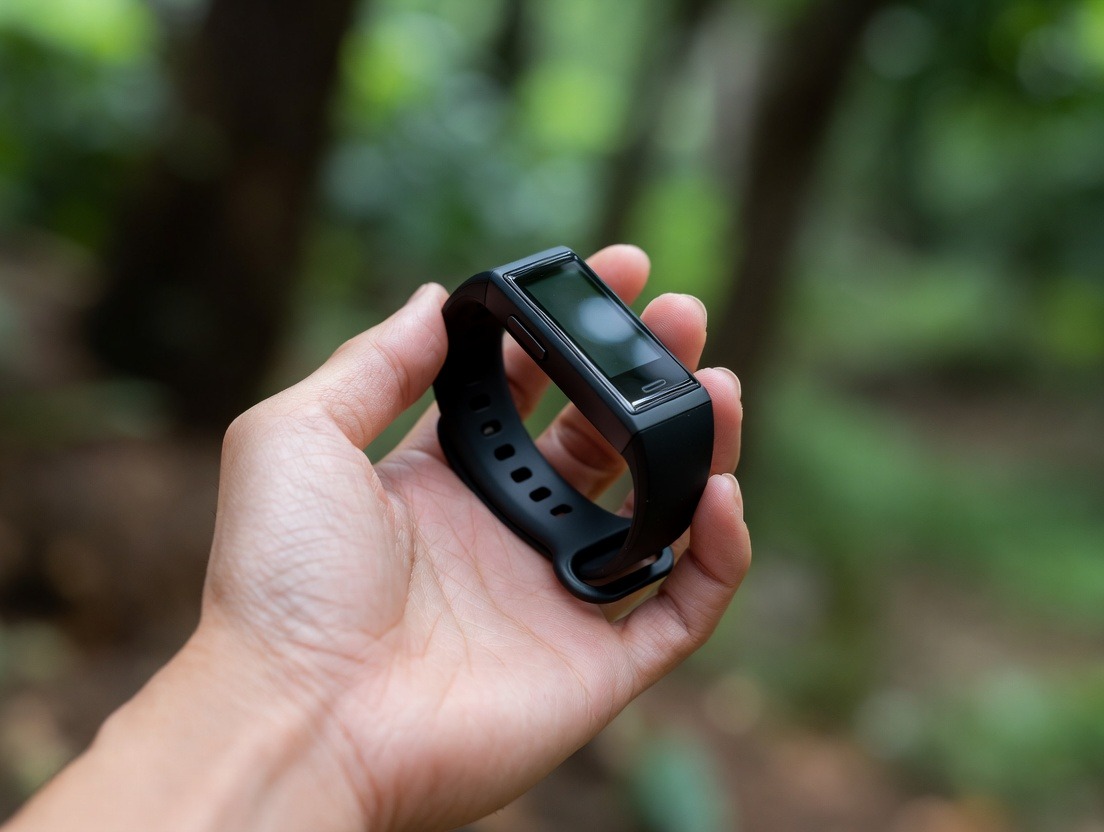
The journey of wearable health tech began with a simple, singular metric: the pedometer. For years, the focus was on movement volume—counting steps as a crude proxy for activity. While motivating for some, this approach was famously limited. It ignored the quality of movement, the body's response to it, and every other critical system influencing health. The step count was a monologue in a conversation that needed to be a symphony.
The true revolution arrived with the shift from activity tracking to biometric monitoring. Modern devices, especially smart rings, are not just motion detectors; they are comprehensive physiological hubs. By leveraging an array of sensors in direct contact with the vascular-rich finger, they capture a continuous stream of clinical-grade data that paints a holistic picture of your autonomic nervous system (ANS)—the autopilot controlling your heart, stress, recovery, and sleep.
This evolution represents a fundamental change in philosophy. The goal is no longer just to move more, but to understand more: How is your body responding to your environment? How well is it recovering? What is the true cost of that stress or that celebration? The smart ring form factor is uniquely suited for this mission. The finger provides a strong, consistent pulse waveform (photoplethysmogram or PPG signal) for highly accurate heart rate and HRV measurement, often superior to wrist-based devices which can suffer from motion noise. Furthermore, wearing a ring on your finger is comfortable for 24/7 use, including during sleep, capturing the most crucial recovery data without the bulk or discomfort of a wristband.
Key Biometrics Moving Beyond Steps:
This is the new foundation. By monitoring these interconnected signals, wearable tech stops telling you what you "should" do based on a textbook, and starts showing you what your body actually did and how it reacted. It’s the difference between following a static map and using a live GPS that reroutes based on real-time traffic—your body’s traffic. To see how this plays out in real-time, many users share their experiences and data interpretations on platforms like our community blog, where the conversation about personalized health is constantly evolving.
The ring is no longer a piece of tech; it's a personal biomarker lab. And the first thing this lab establishes is your unique operational baseline—the core of all personalization.
In the world of generalized health, numbers are often presented with universal "good" or "bad" labels. An RHR of 65 might be flagged as "average," while 75 might be "poor." But what if your genetically determined, healthy baseline RHR is 72? Chasing a number that isn't right for your body is not just futile; it can be demotivating and misleading.
This is where modern wearable tech shines. Its first and most critical job is to learn you. Over an initial period (typically 1-4 weeks), it silently observes, gathering data across days, nights, workouts, workdays, and weekends. Using sophisticated algorithms, it weaves this data into a dynamic, multi-dimensional profile: your personal baseline.
This baseline isn't a single number. It's a complex, living range for each metric that reflects your normal under your typical conditions. It accounts for:
The power of this personalized baseline is that it turns abstract data into meaningful feedback. Instead of comparing yourself to strangers, you compare yourself to… yourself.
Example in Action:
Your wearable reports an overnight HRV of 42. On a generic chart, that might be in the "fair" range. But your personal baseline range is 35-50. An HRV of 42 sits comfortably in your normal, indicating a typical night of recovery. Conversely, if your baseline is 55-70, that same 42 is a significant deviation—a red flag that your body is struggling to recover, prompting you to investigate (Was it stress? Late training? Poor sleep? An incoming illness?).
This is the essence of personalization: contextual relevance. The device moves from saying "Here is your data" to "Here is what your data means for you." It identifies deviations that matter, making you aware of subtle changes long before they manifest as fatigue, burnout, or sickness. It helps you understand the cost of lifestyle choices in the currency of your own physiology. For a deeper look at the science behind these algorithms and how we build your unique profile, you can learn more about our approach.
Establishing this baseline transforms the wearable from a passive recorder into an active guide. It creates the foundational map upon which every other aspect of your personalized wellness journey is plotted. With this self-knowledge in hand, we can now explore the first and most profound area of impact: the secret life of sleep.

For generations, sleep was a black box. We knew we needed it, and we could describe how we felt after poor sleep, but we had little objective insight into what actually transpired during those crucial hours. We were left with subjective guesswork: "I tossed and turned," or "I slept like a rock."
Wearable health tech has illuminated this darkness, turning sleep from a mystery into a masterclass in personal optimization. By tracking movement, heart rate, HRV, respiratory rate, and SpO2 throughout the night, these devices provide a detailed analysis of your sleep architecture—the cyclical journey through Light, Deep, and REM sleep stages. This data shatters blanket advice like "get 8 hours," revealing that sleep quality is intensely personal.
Personalized Sleep Signatures:
Your data will reveal your unique sleep signature. Perhaps you naturally have a long, robust Deep sleep phase in the first half of the night, which is crucial for physical repair and immune function. Or maybe your signature is abundant REM sleep later in the cycle, vital for emotional processing and memory consolidation. Understanding this signature allows you to prioritize protecting the sleep that matters most to your biology.
The Power of the Feedback Loop:
This is where personalization becomes actionable. The wearable creates a direct feedback loop between your evening choices and their measurable impact.
This loop can be run on countless variables:
Over time, you don't just follow sleep hygiene rules; you develop your own personalized sleep protocol based on empirical evidence from your body. This moves you from compliance to empowerment. Many of our users have shared transformative stories of this process in our real user testimonials, highlighting how data changed their relationship with sleep.
Furthermore, monitoring metrics like SpO2 and breathing regularity can unveil issues like sleep apnea or UARS (Upper Airway Resistance Syndrome) that might otherwise go undiagnosed, prompting crucial conversations with healthcare providers. The ring becomes a first-line observer, guarding your most important recovery period.
By mastering your sleep, you build a solid foundation for daily resilience. Yet, the challenges of the waking world constantly test this foundation. This brings us to the next frontier of personalization: managing the invisible tide of stress.
Stress is not an abstract concept; it is a cascading series of physiological events. The problem has always been that we often only recognize it at its peak—feeling overwhelmed, anxious, or irritable—long after our nervous system has been engaged in a silent, draining battle.
Wearable health tech makes the invisible, visible. It acts as a real-time dashboard for your autonomic nervous system (ANS), primarily through the lens of Heart Rate Variability (HRV) and resting heart rate (RHR). When you encounter a stressor—be it a difficult conversation, a work deadline, or even too much caffeine—your sympathetic nervous system ("fight or flight") activates. This causes your heart rate to rise and, critically, your HRV to drop as the time between heartbeats becomes more uniform (less variability). Your body is preparing for action.
Personalized Stress Signatures:
Just as with sleep, your stress response is unique. Your wearable learns what a "stress signature" looks like for you. For one person, a stressful work meeting might cause a sharp, brief HRV dip and heart rate spike. For another, it might cause a prolonged, low-grade suppression of HRV for hours. This personal signature is invaluable. It moves stress management from a generic "just meditate" to a targeted intervention based on your body's specific pattern of reaction.
Real-Time Biofeedback and Recovery Windows:
The most immediate personalization is biofeedback. By glancing at your device's stress score or seeing a live HRV reading during a breathing exercise, you receive direct validation. You can literally watch your nervous system calm down as you breathe deeply, confirming that the technique is working for you in that moment. This positive reinforcement strengthens the mind-body connection and makes stress management tools more effective and engaging.
Beyond acute moments, wearables identify your natural recovery windows. Your data will show times of day when your body is naturally in a more parasympathetic ("rest and digest") state, indicated by higher HRV. These are your ideal times for focused work, creative tasks, or important conversations. Conversely, it can flag periods of accumulated stress (consistently low daily HRV), serving as an objective warning sign to prioritize rest, dial back training, or employ more recovery strategies before reaching burnout.
Contextualizing Stress:
Crucially, the device helps you distinguish between "good" and "bad" stress. A hard workout will also cause a sympathetic response and a temporary dip in HRV—this is a positive, adaptive stress. The key is in the recovery. Your wearable tracks how quickly your HRV rebounds afterward. A fast recovery indicates good fitness and resilience. A slow or incomplete recovery suggests you may be overreaching. This personalized feedback is essential for intelligent training, which we will explore next.
By quantifying and contextualizing stress, wearable tech transforms it from a mysterious, overwhelming force into a series of manageable physiological signals. It empowers you to intervene earlier, use the right tools for your body, and understand the true rhythm of your nervous system throughout the day. This knowledge is the perfect precursor to optimizing how you apply physical stress—through exercise.

The fitness world has long been dominated by external metrics: lift heavier, run faster, burn more calories. While these can be motivating, they are incomplete narratives. They shout about the output while ignoring the critical input: how your body is tolerating and adapting to the strain. Training hard is easy; training smart is the challenge.
Wearable health technology closes this feedback loop, evolving your approach from fitness tracking to fitness coaching. It does this by monitoring your body's readiness before you even lace up your shoes, and its response after you finish.
Readiness Scores: The "Should I Train Today?" Answer.
Imagine starting your day not with a generic workout plan, but with a personalized readiness score. This composite metric (offered by many advanced platforms) analyzes your overnight data—sleep quality, HRV, RHR, and body temperature—to assess your physiological state. A high readiness score suggests your body is recovered, primed for a hard or intense session. A low score is a clear signal from your body that it’s dealing with residual stress, poor recovery, or possibly fighting off an illness; today is for rest, gentle movement, or active recovery. This prevents the common pitfall of pushing through fatigue and digging a deeper recovery hole, a practice that often leads to plateaus or injury.
Personalized Intensity Measurement:
While heart rate zones are a standard tool, wearables personalize their application. Your zones can be auto-calculated based on your measured maximum heart rate and resting heart rate (the HR Reserve method), making them far more accurate than age-predicted formulas. During a workout, you can see in real-time if you're working in your intended zone—are you genuinely in Zone 2 for aerobic base building, or have you drifted higher? This ensures your training has the intended physiological effect.
The True Measure: Recovery Analysis.
The most critical personalization happens after the workout. The real question isn't "How hard did I work?" but "How well did I recover from it?"
Your wearable tracks your post-exercise heart rate recovery (HRR)—how quickly your heart rate drops after stopping. A faster HRR indicates better cardiovascular fitness. More profoundly, it monitors the long-term impact on your nervous system through overnight HRV and RHR.
This insight is revolutionary. It means two people doing the identical workout can have diametrically opposite physiological responses. Your wearable honors that difference, guiding you to train at the intensity and frequency that is right for your body on that day. For athletes and everyday fitness enthusiasts alike, this is the key to sustainable progress and avoiding burnout. To explore how different individuals use this data for everything from marathon training to general wellness, our FAQ section addresses many common questions on interpreting fitness data.
By listening to your body's recovery signals, you move from a pre-written, linear training plan to a dynamic, responsive dialogue with your physiology. This dialogue naturally extends to the next pillar of recovery: the fuel you provide for repair.
Nutrition advice is arguably the noisiest and most contradictory space in wellness. Fads come and go, and what works wonders for one person does nothing for another. The classic approach—tracking calories and macronutrients—is useful but misses a crucial component: the biometric response to food. How does a meal truly affect your energy, inflammation, blood sugar stability, and even your sleep?
Wearable technology is beginning to bridge this gap, offering personalized nutritional insights not by judging the food on your plate, but by measuring your body's reaction to it. This moves the focus from isolated ingredients to systemic outcomes.
The Postprandial (After-Meal) Response:
Your wearable can serve as a detective for food sensitivities and energy management. While it doesn't measure blood glucose directly (yet), it tracks powerful proxies.
Personalized Meal Timing:
Your biometric data can also inform when you eat. As mentioned, late meals often disrupt sleep quality. Your wearable provides hard evidence of this cost. It may also reveal your personal ideal fasting window. If you experiment with time-restricted eating, you can monitor if a 12-hour vs. a 14-hour fast leads to better morning HRV, more stable daytime energy, or deeper sleep. The data helps you find the rhythm that supports your metabolism and circadian biology.
Hydration & Temperature:
Even simple metrics like skin temperature trends can offer clues. Chronic under-hydration can sometimes manifest in subtle physiological patterns. While not a direct hydration monitor, consistent biometric tracking can help you correlate your hydration habits with overall recovery and performance.
Building a Personal "Fuel Map":
Over months, you build a personalized "fuel map." You learn that:
This isn't about labeling foods "good" or "bad" in a vacuum. It’s about understanding their functional cost or benefit to your unique body. This empowers you to make informed choices: "I have a crucial day tomorrow, so I'll choose the meal that supports my recovery tonight." Or, "I'm fully recovered and have a light day, so I can enjoy this treat with minimal consequence."
This biometric feedback loop turns nutrition from a dogma into a personalized experiment, always with your body as the ultimate authority. This self-knowledge is the bedrock of not just physical, but also mental and emotional wellness—a journey our founders were deeply passionate about when they started this company, as shared in our story.
For half the population, a critical layer of personalization has been missing from mainstream health tech: the hormonal cycle. The traditional, static male model of physiology simply doesn't apply to individuals with menstrual cycles, where key metrics fluctuate predictably (and sometimes unpredictably) throughout the month. Ignoring this cycle leads to misinterpretation of data, frustration, and a feeling that the technology doesn't "understand" you.
The latest generation of wearables is changing this, bringing sophisticated cycle syncing and hormonal insight to the forefront of personalization—a feature beneficial for understanding all hormonal rhythms, including those in men (e.g., circadian testosterone cycles).
Mapping the Monthly Biome:
For menstruating individuals, wearables track basal body temperature (BBT) trends via skin temperature sensors and correlate them with resting heart rate and HRV patterns. This allows the device to:
Actionable Insights Across the Cycle:
With this phase-aware data, personalization becomes incredibly nuanced:
Beyond the Menstrual Cycle:
This philosophy of hormonal awareness extends further. For all genders, wearables highlight the powerful effect of circadian hormones like cortisol and melatonin on your daily metrics. Your data vividly shows the cost of disrupting these rhythms with late-night light exposure, erratic sleep schedules, or mistimed caffeine. It reinforces the importance of a consistent routine to keep your hormonal symphony in tune.
By honoring the hormonal tides within the body, wearable tech achieves a new depth of personalization. It validates lived experiences with data, removes blame and frustration, and provides a roadmap for working with your body's natural rhythms, not against them. This holistic understanding prepares us to look at the ultimate goal: the long-term picture of healthspan and disease prevention.

The ultimate promise of personalized wellness is not just about optimizing today's workout or tonight's sleep. It's about compressing morbidity and extending healthspan—the number of years we live in good health. Wearable health tech is emerging as a powerful tool in this proactive, preventative healthcare model by shifting the focus from diagnosing disease to preserving vitality.
The Power of Longitudinal Data:
The real magic happens over months and years. Your wearable builds a rich, longitudinal health record—a digital twin of your physiological trends. This history is invaluable because it establishes your normal aging trajectory for key metrics. Doctors typically see a snapshot; you (and with your permission, they) can see the movie.
Motivation for Lifestyle Medicine:
Chronic diseases like type 2 diabetes, hypertension, and cardiovascular disease are largely lifestyle-mediated. Wearable data provides the immediate, positive reinforcement needed to sustain lifestyle changes. Seeing your HRV improve and RHR drop after three months of consistent exercise and better sleep is a powerful motivator. It tangibly proves that your healthy choices are changing your internal biology, strengthening your commitment to long-term health behaviors.
Empowered Patient-Provider Conversations:
Walking into a doctor's office with a report showing your sleep disturbance patterns, your stress response trends, or your recovery metrics adds a powerful layer of objective evidence to your subjective complaints. It can move the conversation from "I'm tired" to "My data shows consistently poor sleep efficiency and elevated nighttime heart rate, can we explore this?" This facilitates more targeted testing and personalized treatment plans.
The Future: Biomarkers and Deep Health:
The frontier of wearable tech points toward non-invasive monitoring of more advanced biomarkers—continuous glucose monitoring (CGM) integration, blood pressure trends, and even hydration/electrolyte balance. Each layer adds to a more complete picture of your metabolic and cardiovascular health, enabling ever-more precise personalization of diet, exercise, and supplementation.
In this long-term view, the wearable becomes less of a daily coach and more of a lifelong health guardian. It fosters a mindset of stewardship over your own body, using data as the guiding light on the path to a longer, healthier, and more vibrant life. This journey, of course, is not without its challenges and questions, which we must address to use this technology wisely.
The image of a doctor checking your pulse with a watch is centuries old. Today, that pulse is a continuous, data-rich stream captured by your wearable, offering a potential revolution in clinical care. The true power of personalization reaches its zenith when the intimate data from your device integrates with the formal knowledge of your healthcare providers. This synergy is transforming the patient-provider relationship from episodic and reactive to continuous and collaborative.
From Annual Checkup to Continuous Dialogue:
Traditional medicine often relies on point-in-time measurements taken in an artificial, often stressful environment (the clinic). A blood pressure reading in a doctor's office ("white coat hypertension") is notoriously unreliable. Wearable data provides context that these snapshots lack. It shows how your heart behaves during sleep, under work stress, after meals, and during exercise—the real-world conditions that truly define your health.
Imagine sharing a 90-day trend report with your physician that includes:
This data shifts the conversation. It allows your doctor to ask better questions and move beyond generic advice to targeted interventions. For the patient, it fosters a sense of agency and active participation in their own health journey.
Remote Patient Monitoring (RPM) and Chronic Disease Management:
This integration is already proving transformative in managing chronic conditions. For patients with hypertension, a smart ring can provide weeks of daytime and nocturnal blood pressure trends (as non-invasive, cuffless BP monitoring becomes more reliable). For cardiac patients, continuous heart rhythm monitoring can detect asymptomatic atrial fibrillation. For those with diabetes, integrated CGM data alongside activity and sleep metrics can reveal personalized triggers for glucose dysregulation.
This enables Remote Patient Monitoring (RPM), where clinicians can monitor high-risk patients from afar, intervening only when the data indicates a problem. It improves outcomes, prevents hospitalizations, and gives patients peace of mind. It personalizes disease management to the individual's daily life, not just the clinic visit.
Personalized Rehabilitation and Post-Op Recovery:
After surgery or an injury, recovery is highly personal. Wearables provide an objective benchmark for progress. A physical therapist can set goals not just for movement, but for physiological recovery—getting your HRV back to pre-op baseline, or ensuring your resting heart normalizes after prescribed activity. This data-driven approach ensures rehabilitation is neither too aggressive nor too conservative, but perfectly paced for the individual.
Ethical Data Sharing and the Clinician's Dashboard:
For this integration to work seamlessly, the technology must prioritize clinician usability. This means clean, interpretable data summaries—not raw data dumps—that can be easily reviewed during a short consultation. It also requires robust patient control over data sharing. The individual must always own their data and decide what to share, with whom, and for how long. Companies leading in this space, like Oxyzen, are building these privacy-first frameworks and clinician portals to bridge the consumer and clinical worlds responsibly. Understanding our mission and commitment to secure, user-centric data is central to this evolution.
This synergy does not replace the clinician; it empowers them. It provides a richer soil from which their expertise can grow a more effective, personalized care plan. It heralds a future where healthcare is a partnership, with continuous, personalized data as the shared language.
With great data comes great responsibility—and the potential for paralysis. A new user opening a wellness app can be confronted with a dizzying array of graphs, scores, and percentages: HRV, RHR, sleep stages, SpO2, stress scores, recovery indexes, activity scores. The initial reaction can be one of anxiety or fixation, a state sometimes called "quantified self-induced stress." The key to harnessing the power of personalization is learning to navigate this sea of data without drowning in it.
The Hierarchy of Metrics: What to Watch First.
Not all data is created equal, especially when you're starting. To avoid overwhelm, focus on a simple hierarchy:
Embrace Trends, Not Moments.
The human body is noisy. A single night of poor sleep or a stressful day will cause blips in your data. This is normal. Personalization is about patterns, not perfection. Zoom out from the daily view to the weekly and monthly view. Ask yourself:
This trend-based analysis removes the emotional rollercoaster of daily numbers and reveals the true trajectory of your habits.
Context is King: Logging Your Life.
Data without context is just numbers. The personalization magic happens when you combine biometric data with subjective logging. Use your app's journal feature to note:
Over time, you'll be able to filter your data. "Show me my HRV on all nights after I had alcohol vs. nights I didn't." This turns the app into a personal discovery engine, revealing your unique triggers and supports. For practical tips on how to effectively log and interpret your data, many users find great value in the guides and discussions on our blog.
Set Personalized, Data-Informed Goals.
Move away from vague goals like "get healthier." Use your data to set specific, personal goals:
These goals are measurable, personal, and directly tied to your physiology. They transform the data from a source of scrutiny to a tool for focused, meaningful improvement.
We are standing at the frontier of a new era in personalized wellness. The current generation of wearables excels at descriptive analytics—telling you what happened. The next leap is into predictive and prescriptive analytics, powered by artificial intelligence (AI) and machine learning. This is where the wellness journey becomes not just personalized, but truly anticipatory and adaptive.
From Descriptive to Predictive: Your Body's Forecast.
Future algorithms will analyze your longitudinal data—sleep, stress, activity, recovery, menstrual cycle, and more—to identify highly personalized patterns and predictors. Imagine your wellness app providing a daily "physiological forecast" similar to a weather report:
This moves the device from a historian to a forecaster, giving you the insight to make proactive decisions.
The Hyper-Personalized Feedback Loop: Closed-Loop Systems.
The ultimate expression of this is the "closed-loop" wellness system. While still emerging, the concept involves wearables not just suggesting actions, but automatically adjusting your environment.
AI-Powered Coaching and Generative Insights.
Beyond predictions, AI will act as a true digital wellness coach. Instead of you manually searching for correlations, a generative AI interface will allow you to ask complex, personal questions of your data:
This coach will synthesize your unique data, the latest wellness research, and your stated goals to generate custom protocols that evolve with you. This journey from data collection to AI partnership is the core of our vision for the future, a vision deeply rooted in our founding story of making advanced health insights accessible.
The Ethical Horizon: Personalization and Privacy.
As systems become more predictive and integrated, ethical considerations around data privacy, algorithmic bias, and psychological dependency will intensify. The most trusted platforms will be those that are transparent about their algorithms, give users complete ownership and control over their data, and design features to empower rather than create anxiety. The goal is augmentation, not replacement, of human intuition and professional care.
The future of personalized wellness is a seamless, intelligent partnership between you and your technology—a partnership dedicated to unlocking your unique potential for vitality, longevity, and well-being.
With an array of devices on the market—smartwatches, fitness bands, and smart rings—selecting the right tool for your personalized wellness journey is a critical first step. The "best" device is not a universal title; it is the one that best aligns with your specific goals, lifestyle, and preferences. Here is a personalized framework for making your choice.
1. Define Your Primary Goal (The "Why"):
2. The Form Factor & Lifestyle Fit (The "Where" and "When"):
3. The Biometric Suite & Accuracy (The "What"):
4. The Ecosystem & App Experience (The "How"):
The Smart Ring Advantage for Deep Personalization:
For the individual focused on the nuanced, autonomic nervous system insights that form the core of a truly personalized wellness journey, the smart ring presents a compelling case. By prioritizing comfort for continuous wear and leveraging the ideal vascular access point of the finger, it is engineered to be an unobtrusive yet powerful biomonitoring tool. It is designed not as a distraction on your wrist, but as a silent guardian on your hand, dedicated to the singular purpose of understanding your body's unique language. When evaluating options, don't hesitate to reach out with questions to ensure the device and its ecosystem align with your expectations.
Choosing your wearable is the first active step in co-designing your wellness journey. Select the tool that will become a trusted, insightful, and seamless part of your life.
We began by contrasting the old world of average-based health advice with the new paradigm of data-driven personalization. We've traveled through the mechanics of how wearables establish your unique baseline, optimize your sleep, decode your stress, intelligently guide your fitness, offer nutritional insights, honor your hormonal rhythms, and empower long-term health. The through line is clear: the most effective path to wellness is the one that is uniquely yours.
This journey, however, does not end with data acquisition. Data is merely the raw material. The final, most human step is the transformation of this data into self-knowledge, and ultimately, into wisdom.
The Three Stages of the Personalized Wellness Journey:
Embracing the Non-Linear Path:
A personalized journey is not a straight line upward. It is a spiral. There will be weeks of progress and weeks of regression. Life events—travel, illness, emotional stressors—will disrupt your best-laid plans. The power of your wearable is that it helps you navigate these twists without judgment. It shows you the dip, helps you understand its cause, and guides you gently back to your path. It teaches resilience and self-compassion, key components of lasting wellness.
Your Invitation to Begin:
The technology is here. The science is robust. The barrier to entry is no longer expertise; it is simply the willingness to listen. To engage in a curious, collaborative dialogue with your own physiology.
Start by observing. Wear your device consistently. Look for one simple pattern. Make one small, data-informed change. Celebrate the insight, not just the outcome. Share your questions and discoveries with communities that support this journey, whether with healthcare providers, friends, or in dedicated forums.
This is the dawn of a new relationship with your health—one built on partnership between your lived experience and objective truth, between your aspirations and your body's innate intelligence. It is a journey that promises not just a longer life, but a life lived with more vitality, resilience, and alignment. Your body has been speaking its unique language all along. Now, you have the tool to finally understand it.
Ready to translate your body's data into your life's wisdom? The first step is choosing the right companion for your journey. Explore what's possible when technology is designed not to track, but to understand. Discover how a device can move from being something you wear, to something that genuinely knows you—learn more about how Oxyzen is built for this personalized journey.
As wearable health tech weaves itself deeper into the fabric of our lives, collecting our most intimate biological data, we must pause to consider not just what it can do, but what it should do. The power of personalization carries with it profound ethical considerations. Responsible innovation requires us to balance the incredible potential for individual empowerment with safeguards against privacy erosion, data misuse, and unintended psychological harm.
The Privacy Paradox: Your Body’s Data, But Who Owns It?
Every night of sleep, every moment of stress, every heartbeat is a data point. This information is arguably more sensitive than your financial records or browsing history—it is the story of your physical and mental state. The core ethical question is one of ownership and control.
The Quantified Self vs. The Qualified Self: Avoiding Data Anxiety
Personalization aims to liberate, but without the right mindset, it can imprison. A phenomenon often called "orthosomnia" (an unhealthy preoccupation with perfect sleep data) or more broadly, "quantified self-induced stress," can occur when the numbers become a source of anxiety rather than insight.
Algorithmic Bias and the "Standard" Human
Machine learning algorithms are only as unbiased as the data they are trained on. Historically, much medical and physiological research has been conducted on homogeneous populations (often male, of European descent). If a wearable’s algorithms are trained primarily on such data, they may be less accurate or provide less meaningful insights for women, the elderly, or people of diverse ethnic backgrounds.
Building an Ethical Framework for the Future
As a user, your role is to be an informed participant. Choose companies that prioritize privacy, transparency, and user well-being in their design and business models. As an industry, the mandate is to develop a Hippocratic Oath for health tech: First, do no harm. Second, empower. Third, protect.
The path forward requires a collaborative effort—between users demanding ethical practices, developers building with empathy and integrity, and regulators creating sensible guardrails. Only then can we ensure that the journey toward personalized wellness is not only effective but also safe, equitable, and truly human-centric.
While wearable health tech is profoundly personal, its impact need not be isolating. In fact, one of its most exciting—and often overlooked—evolutions is its ability to foster connection, create communities of support, and even contribute to a broader, collective understanding of human health. The personalized journey can have a powerful social dimension.
Shared Goals and Friendly Accountability:
Humans are social creatures, and motivation often thrives in community. Wearable platforms that enable secure, consent-based sharing of certain metrics or goals with friends, family, or like-minded groups add a powerful layer of social accountability and encouragement.
Crowdsourced Health Insights and Citizen Science:
When users anonymize and voluntarily contribute their data to research, wearable technology becomes a tool for monumental public health discovery. Imagine massive, diverse datasets revealing:
This transforms every user into a potential citizen scientist, contributing to a pool of knowledge that can lead to better societal health outcomes. Companies that facilitate this—with strict ethical guidelines and clear user consent—are building a future where personalized data serves a public good. Many insights gleaned from aggregated, anonymous data often spark deeper dives, which you can explore in resources like our blog on wellness trends.
Support Networks for Specific Health Journeys:
For individuals managing chronic conditions, mental health challenges, or specific goals like sobriety, connecting with others on a similar path can be life-changing. Wearables can facilitate these connections in safe, anonymized environments. Sharing not just stories, but anonymized trend data ("Seeing my resting heart rate normalize over 90 days of sobriety has been my strongest motivator") provides a unique form of hope and evidence-based encouragement that is profoundly powerful.
The Human Connection in a Quantified World:
It’s crucial that technology-mediated connection enhances, rather than replaces, human interaction. The data should be a conversation starter with your partner ("My stress data was high today, I need to vent") or a tool for deeper connection with your doctor. It should not become a substitute for looking into someone’s eyes and asking, "How are you, really?"
By fostering communities of support, shared learning, and collective discovery, wearable tech transcends its role as a personal dashboard. It becomes a thread in a larger social fabric, reminding us that while our health journeys are personal, we do not have to travel them alone. This sense of shared purpose naturally leads us to consider the ultimate horizon of this technology: its role in shaping a future of democratized, preventative health for all.
The ultimate goal of personalized wellness is not merely to optimize the present, but to proactively shape a healthier, more vibrant future. This is the domain of longevity science—the pursuit of extending not just lifespan, but more importantly, healthspan, the period of life spent in good health, free from chronic disease and disability. Wearable health technology is emerging as a foundational catalyst in this new paradigm, moving longevity from a theoretical science to a daily, actionable practice.
From Reactive Medicine to Proactive Physiology:
Traditional healthcare is largely reactive, intervening when disease manifests. Longevity medicine is proactive, seeking to identify and mitigate risks decades before symptoms appear. Wearables are the perfect tools for this preemptive approach because they monitor the very systems whose gradual decline underpins aging: cardiovascular resilience, metabolic flexibility, sleep quality, and stress adaptation.
Personalized Interventions for Decelerated Aging:
With this longitudinal data, personalization reaches its most sophisticated level. You can run targeted experiments to see what actually moves the needle on your biological metrics.
Integration with Advanced Biomarker Testing:
The future of longevity wearables lies in their integration with periodic, more advanced testing. Imagine a system where:
This creates a closed-loop, personalized longevity system that is dynamic and responsive.
Democratizing Access to Longevity Insights:
Historically, sophisticated health monitoring was confined to labs and elite athletes. Wearables, particularly accessible devices like smart rings, are democratizing this knowledge. They put the tools for proactive healthspan management directly on the finger of anyone who chooses to engage. This aligns with a core mission of modern wellness technology: to make advanced health insights not exclusive, but inclusive. It’s a vision that is deeply embedded in the story behind many innovative companies in this space.
The journey toward a longer, healthier life is the most personal journey of all. Wearable technology provides the map, the compass, and the constant feedback needed to navigate it successfully. It transforms longevity from a distant hope into a daily practice, informed by the most relevant data source in existence: your own living, breathing body.
Embarking on a personalized wellness journey with a new wearable can be exhilarating, but knowing how to start effectively is key to building lasting, beneficial habits. The first 30 days are a crucial foundation-setting period. Here is a step-by-step guide to moving from unboxing to insightful integration, ensuring you gain meaningful personalization without overwhelm.
Phase 1: The Observation Week (Days 1-7) – Become a Scientist, Not a Judge.
Your only task this week is to wear the device consistently and live your normal life. Do not try to change anything.
Phase 2: The Connection Phase (Days 8-21) – Discover One or Two Patterns.
Now, start to gently explore connections between your life and your data.
Phase 3: The Refinement & Goal-Setting Phase (Days 22-30) – From Insight to Intention.
With two weeks of experimentation under your belt, you can now set a personalized, data-informed goal.
Essential Mindset Tips for the First 30 Days:
The first month is about building a relationship—with your device, your data, and a new, more attentive way of listening to your body. By following this structured yet gentle approach, you lay the groundwork for a sustainable, insightful, and truly personalized wellness partnership that can last for years to come.
We stand at an inflection point in the history of human health. For millennia, we looked outward for guidance—to healers, to texts, to generalized public health advice. Today, we are learning to look inward, with a clarity and precision made possible by technology that listens to the whispers of our physiology. The journey through the mechanisms of wearables—from baseline establishment and sleep optimization to stress decoding, intelligent fitness, and longevity forecasting—reveals a consistent theme: the most profound wisdom in wellness is self-knowledge.
Wearable health technology, particularly in its most advanced and discreet forms like the smart ring, is not a replacement for intuition, medical expertise, or the irreplaceable value of human connection. It is, rather, a powerful amplifier. It amplifies your ability to perceive your body's signals. It amplifies the efficacy of your healthcare provider's advice with rich, contextual data. It amplifies the support of your community by providing a shared language of metrics and goals.
The promise of personalization is not a perfectly optimized, numerically flawless life. That is neither possible nor desirable. The promise is agency. It is the power to move from blindly following generic rules to intentionally crafting a lifestyle that resonates with your unique biology. It is the confidence that comes from understanding why you feel the way you do, and the empowerment to do something about it.
As this technology evolves, becoming more predictive, integrated, and sophisticated, our responsibility as users is to engage with it wisely. We must champion ethical data practices, guard against obsessive quantification, and always remember that the data serves the human, not the other way around. The stories of transformation, like those shared by users in their personal testimonials, are not stories about technology alone; they are stories about people using technology to reclaim authorship of their own health narratives.
Your wellness journey is exactly that—yours. It is as unique as your fingerprint. It has its own rhythms, its own challenges, and its own triumphs. Wearable technology now offers you a lantern to illuminate that path, showing you the contours of your personal landscape in real-time. It reveals where the ground is firm and where you might stumble, when to push forward and when to pause and rest.
The future of health is not a destination reached by following a crowd. It is a path discovered by walking it yourself, equipped with the best tools for self-understanding. It is personalized, proactive, and participatory. The question is no longer "What does the average person need?" but "What does my body need today?" And for the first time in history, you have a faithful, intelligent companion to help you answer that question, every beat of the way.
Your Trusted Sleep Advocate: Sleep Foundation — https://www.sleepfoundation.org
Discover a digital archive of scholarly articles: NIH — https://www.ncbi.nlm.nih.gov/
39 million citations for biomedical literature :PubMed — https://pubmed.ncbi.nlm.nih.gov/
Experts at Harvard Health Publishing covering a variety of health topics — https://www.health.harvard.edu/blog/
Every life deserves world class care :Cleveland Clinic - https://my.clevelandclinic.org/health
Wearable technology and the future of predictive health monitoring :MIT Technology Review — https://www.technologyreview.com/
Dedicated to the well-being of all people and guided by science :World Health Organization — https://www.who.int/news-room/
Psychological science and knowledge to benefit society and improve lives. :APA — https://www.apa.org/monitor/
Cutting-edge insights on human longevity and peak performance:
Lifespan Research — https://www.lifespan.io/
Global authority on exercise physiology, sports performance, and human recovery:
American College of Sports Medicine — https://www.acsm.org/
Neuroscience-driven guidance for better focus, sleep, and mental clarity:
Stanford Human Performance Lab — https://humanperformance.stanford.edu/
Evidence-based psychology and mind–body wellness resources:
Mayo Clinic — https://www.mayoclinic.org/healthy-lifestyle/
Data-backed research on emotional wellbeing, stress biology, and resilience:
American Institute of Stress — https://www.stress.org/


