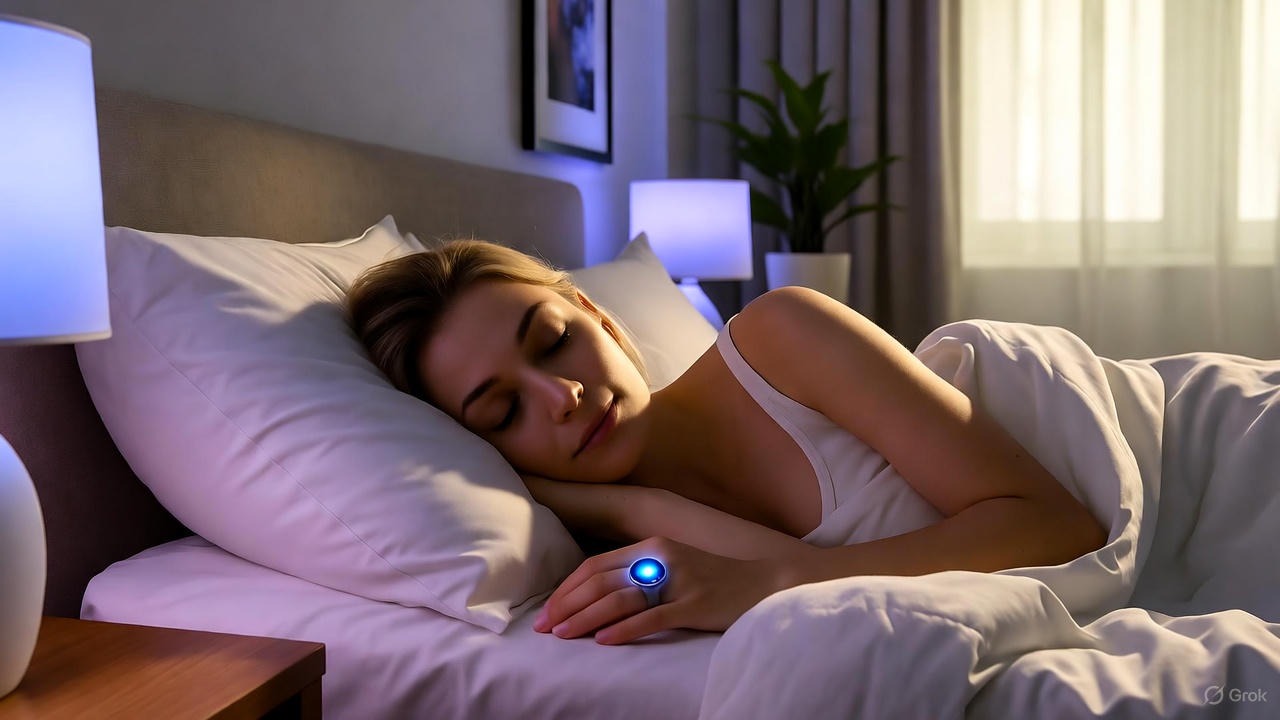
The Wearable Health Tech Revolution in Workplace Wellness
How wearable tech is being used in corporate wellness programs.
The Wearable Health Tech Revolution in Workplace Wellness
For decades, the concept of "workplace wellness" was often confined to a yearly biometric screening, a discounted gym membership, and perhaps a fruit basket in the breakroom. These initiatives, while well-intentioned, were largely reactive, impersonal, and disconnected from the daily reality of employee life. They treated wellness as a peripheral benefit, not a core operational strategy. Today, we stand at the precipice of a fundamental transformation, powered by a silent revolution on our fingers and wrists.
Enter the era of the smart ring and its wearable kin—a new class of sophisticated, unobtrusive health technology that is moving wellness from the periphery to the center of the modern work ecosystem. This isn't about counting steps for a corporate challenge; it's about harnessing continuous, hyper-personalized physiological data to fundamentally reshape employee health, resilience, and performance. The workplace is becoming a living laboratory for human potential, where data-driven insights foster not just productivity, but genuine human flourishing.
This revolution arrives at a critical juncture. Burnout rates are staggering, mental health concerns are at an all-time high, and the line between work and life has blurred into obscurity. Simultaneously, forward-thinking companies have realized that their greatest asset is not their technology or their real estate, but the holistic well-being of their people. They are asking: How can we build a workforce that is not just productive, but sustainably healthy, engaged, and resilient?
The answer is being written in the language of heart rate variability, sleep cycles, body temperature, and stress biomarkers, captured effortlessly by devices like the Oxyzen smart ring. This is the story of how wearable health technology is dismantling the old paradigm of workplace wellness and building a new one in its place—a paradigm that is predictive, personalized, participatory, and powerfully effective. We are moving from wellness as a program to wellness as a platform, integrated seamlessly into the fabric of our work lives. This article will explore the profound implications of this shift, from the science behind the sensors to the ethical considerations of a quantified workforce, and how pioneering companies are leveraging this data to unlock a new era of organizational vitality.
The Rise of the Quantified Employee: From Steps to Strategic Insights
The journey to today’s sophisticated wearables began with a simple metric: the step count. Pedometers and early fitness trackers introduced the concept of self-quantification to the masses, turning physical activity into a gamified competition. In the workplace, this manifested in team-based step challenges—a first, clumsy attempt to leverage wearable data for collective good. While these initiatives boosted engagement, their impact was superficial. They tracked an output (steps) but provided zero insight into the internal state of the employee—their recovery, their stress load, or their readiness to perform.
The evolution from the basic fitness tracker to the advanced health wearable marks a seismic shift from activity tracking to physiological monitoring. Modern devices, particularly smart rings like Oxyzen, utilize a suite of clinical-grade sensors to tap into the autonomic nervous system—the body’s unconscious control center for stress, recovery, and resilience.
Key metrics now driving the revolution include:
Heart Rate Variability (HRV): The gold-standard, non-invasive window into autonomic nervous system balance and recovery status. A higher HRV typically indicates better resilience and adaptability to stress.
Resting Heart Rate (RHR): A foundational vital sign that fluctuates with fitness, fatigue, illness, and stress.
Sleep Architecture: Moving beyond simple duration to analyze sleep stages (light, deep, REM), disturbances, and overall quality—the true foundation of cognitive function and emotional regulation.
Body Temperature: Continuous basal body temperature tracking, offering insights into menstrual cycles, illness onset, and metabolic health.
Blood Oxygen Saturation (SpO2): Monitored during sleep to identify potential disturbances like sleep apnea.
Activity & Recovery Balance: An intelligent synthesis of movement and physiological data to recommend optimal work and rest periods.
This rich, continuous data stream transforms the employee from a participant in a wellness program to a "quantified employee." The narrative is no longer "Did you exercise today?" but "Is your body recovered enough to tackle that high-stakes presentation? Are you trending toward burnout, and what personalized interventions can prevent it?" Companies like ours at Oxyzen have built our mission around translating this complex biometric data into actionable, personalized guidance, moving the needle from generic health tips to strategic, individual insights.
The quantified employee is thus empowered with self-knowledge, while the organization gains an aggregate, anonymized view of workforce vitality—a powerful strategic asset. This shift forms the bedrock of the modern wellness revolution, turning subjective feelings of fatigue into objective data for proactive care.
The Broken Model: Why Traditional Corporate Wellness Programs Fail
For billions of dollars spent annually, the return on investment (ROI) for traditional corporate wellness programs has been notoriously difficult to pin down and often disappointing. A landmark study published in the Journal of the American Medical Association found that a typical workplace wellness program had no significant effects on clinical health metrics, healthcare spending, or absenteeism after several years. Why does this trillion-dollar industry so often miss the mark?
The failures are systemic and rooted in a flawed, outdated model:
1. The "One-Size-Fits-None" Approach: Programs offer the same weight-loss challenge, smoking cessation webinar, or nutrition seminar to a 22-year-old software engineer, a 50-year-old project manager with chronic back pain, and a new parent struggling with sleep deprivation. This ignores the fundamental biological and psychological individuality of each employee.
2. Reactive, Not Proactive: Traditional programs often wait for a health issue to manifest—high cholesterol in a screening, a stress-related leave of absence—before intervening. By then, the personal and organizational cost is already high. They are fighting fires instead of preventing spark.
3. Low Engagement & The "Already Healthy" Bias: Wellness programs notoriously engage employees who are already health-conscious (the "worried well"), while failing to reach those who could benefit most. Mandatory biometric screenings can feel invasive and punitive, breeding resentment rather than motivation.
4. Siloed from Daily Work Life: Wellness is treated as a separate "module" or "benefit"—something you do outside of work (at the gym, in a meditation app) to recover from work. It is not integrated into workflow, management practices, or the cultural fabric of the company. The disconnect is palpable.
5. Lack of Meaningful Data: At best, these programs collect sparse, self-reported data (like weekly weigh-ins or self-declared activity). This data is often inaccurate, incomplete, and fails to provide a continuous, objective picture of an employee's well-being state.
6. No Focus on the Core Disruptors: Traditional programs rarely address the root causes of modern poor health in the knowledge workforce: chronic sleep deprivation, unmanaged stress, prolonged sedentary behavior, and social isolation. Telling an employee to eat more vegetables does nothing to mitigate the impact of a toxic manager or a culture of 24/7 availability.
The consequence is a cycle of wasted resources, employee cynicism ("another wellness fad"), and missed opportunities. Employees feel like statistics in a poorly designed program, and companies see little change in their key human capital metrics. This broken model has created a vacuum—and a readiness—for a truly disruptive solution. For a deeper exploration of these systemic flaws and how modern technology is addressing them, our blog features several case studies and analyses.
The New Frontier: How Smart Rings & Wearables Close the Loop
If traditional programs are defined by gaps, smart rings and advanced wearables are defined by closure. They close the critical feedback loops between the employee's body, their daily habits, and their work environment, creating a continuous cycle of awareness, insight, and improvement. Here’s how this new frontier operates:
The Continuous Monitoring Loop: Unlike a yearly check-up or a weekly log, a device like a smart ring provides a 24/7, 365-day stream of objective physiological data. This creates a personal health baseline for each individual. Deviations from this baseline—a sustained drop in HRV, a rise in resting heart rate, fragmented sleep—are instantly visible, serving as early warning signals long before an employee feels "burned out" or gets sick.
Personalization at Scale: The data allows for hyper-personalized recommendations. The system isn't suggesting "get more sleep"; it's telling User A, "Your deep sleep was 40% lower than your baseline last night. Consider a lighter workout today and try our 10-minute wind-down audio tonight." For User B, it might say, "Your recovery score is high today—it's an ideal time for focused, deep work on your most challenging project." This moves wellness from a generic broadcast to a personal conversation.
Integration with the Work Ecosystem: This is where the revolution becomes operational. Wearable data can be integrated (with strict employee consent and privacy controls) into well-being platforms that connect to:
Calendar Systems: To suggest meeting breaks or block focus time based on circadian rhythms.
Environmental Sensors: Correlating stress spikes with noisy office environments or stuffy meeting rooms.
Well-being Apps: Directing an employee to a specific meditation (for stress) or a mobility routine (after prolonged sitting) based on their real-time state.
Focus on Prevention & Readiness: The paradigm flips from treating illness to optimizing readiness. Managers (viewing only team-level, anonymized trends) can learn that team stress biomarkers peak every Thursday before a weekly deadline, prompting a workflow redesign. The organization can shift from asking "Why are so many people on sick leave?" to "How do we design work to keep our people in a state of sustainable high performance?"
The smart ring, worn silently on the finger, is the perfect form factor for this mission. It is unobtrusive, works seamlessly during sleep (providing critical recovery data), and avoids the social and practical awkwardness of a smartwatch during meetings or while typing. Companies like Oxyzen are at the forefront of this design philosophy, creating devices meant to be forgotten by the wearer but invaluable to their long-term health. This technology closes the loop, creating a dynamic, responsive, and deeply personal wellness infrastructure that traditional programs could never achieve.
Beyond Burnout Prevention: Optimizing for Peak Performance & Flow
While preventing burnout is a critical and urgent application, the true potential of wearable health tech in the workplace extends far beyond mitigation. The most progressive organizations are using this data not just to bring employees back from the brink, but to systematically cultivate the conditions for peak performance, creativity, and flow states.
Neuroscience and performance psychology have long identified the prerequisites for optimal performance: adequate recovery, managed stress, sharp focus, and emotional regulation. Wearables provide the objective metrics to engineer these conditions.
Engineering the "Flow State": The state of "flow"—being completely immersed and effectively engaged in a task—is associated with specific physiological signatures: a calm, focused nervous system (moderate HRV), aligned circadian energy, and minimal internal distraction. By analyzing personal data trends, employees can learn their own "performance fingerprint." They can identify the times of day when their body is primed for deep work, the sleep needed to facilitate creative insight, and the activities that best help them recover.
Data-Informed Work Design: Imagine a project team that reviews anonymized aggregate data and discovers that their most innovative ideas historically emerge during collaborative sessions held in the mid-morning, following a night of good sleep. This isn't anecdotal; it's data-driven. They can then intentionally schedule brainstorming sessions during these optimal windows, while reserving afternoons (when data shows a collective dip in energy) for administrative tasks.
From Fatigue Management to Energy Leadership: The conversation shifts from "You look tired" to "How can we structure your week to align with your energy rhythms?" Managers, armed with an understanding of physiological principles (though never individual data without consent), can coach their teams on sustainable performance. They can encourage true detachment after work (evidenced by a physiological "off switch"), champion the importance of recovery, and model healthy boundaries themselves. This fosters a culture of energy intelligence, where managing one's biological resources is seen as a key professional skill.
Enhancing Cognitive Security & Decision-Making: Fatigue and stress dramatically impair judgment, risk assessment, and ethical decision-making. In high-stakes industries, the cost of a poor decision is immense. Continuous physiological monitoring can serve as a "cognitive security system." If an executive or a trader shows signs of severe fatigue or hyper-stress, the system could suggest deferring a major decision or implementing a mandatory recovery protocol. This protects both the individual and the organization.
This proactive performance optimization represents the highest-value application of workplace wearable tech. It moves the goalpost from basic health compliance to creating a competitive advantage through a truly human-centered design of work. As we explore in our FAQ on performance integration, the key is always voluntary participation and clear benefits for the individual, creating a win-win scenario where employee vitality fuels organizational excellence.
The Privacy Paradox: Navigating Ethics, Consent & Data Security
The power of continuous physiological monitoring is inseparable from its profound privacy implications. The data collected by a smart ring is arguably more sensitive than any other corporate data—it is the story of your body, your stress, your sleep, and potentially, your vulnerabilities. Navigating this "privacy paradox" is the single greatest challenge and responsibility for organizations adopting this technology.
A failure to build ironclad trust will doom any initiative from the start. Employees must never feel surveilled, coerced, or judged by their biomarker data. The following principles are non-negotiable for an ethical implementation:
1. Voluntary, Opt-In Only with Informed Consent: Participation must be 100% voluntary. Consent must be explicit, ongoing, and informed—employees must understand exactly what data is collected, how it will be used, who will see it (in what form), and how it will be protected. They must be able to withdraw at any time without consequence.
2. Employee Data Sovereignty: The individual owns their raw data. The company should only ever have access to aggregated and anonymized insights—team- or company-level trends that cannot be traced back to any single person. Individual data should reside in a personal, encrypted account controlled by the employee. They may choose to share personalized insights with a wellness coach or their doctor, but this is their choice.
3. Strict Prohibition on Punitive Use: Data must never, under any circumstances, be used for performance evaluation, promotion/demotion decisions, discipline, or insurance premium adjustments. This must be a bedrock policy, legally binding and clearly communicated. The purpose is support and optimization, not assessment or control.
4. Enterprise-Grade Security & Transparency: Biometric data requires the highest level of cybersecurity—end-to-end encryption, secure cloud storage, and strict access protocols. Companies must be transparent about their security practices and comply with all relevant regulations (GDPR, CCPA, etc.). Partners like Oxyzen prioritize this security-first architecture from the ground up.
5. Cultivating a Culture of Psychological Safety: Beyond policies, the organizational culture must reinforce that using this technology is a tool for self-empowerment. Leaders must champion its voluntary nature and model healthy behavior based on their own learnings (which they share voluntarily). The goal is to create a safe container for exploration, not a panopticon.
The ethical path transforms the privacy paradox into a trust advantage. Companies that get this right will build unparalleled loyalty and engagement. They send a powerful message: "We care about your whole self, and we will protect your data with the utmost seriousness." This foundation of trust is what allows the profound benefits of the technology to be realized. For ongoing discussions on this critical topic, we encourage readers to explore our resources and community guidelines.
The Science of Stress & Recovery: HRV as the Ultimate Workplace Biomarker
To understand the revolution, one must understand the science it’s built upon. At the heart of most advanced wearable insights lies a single, powerful metric: Heart Rate Variability (HRV). Often misunderstood, HRV is not about your heart rate itself, but the subtle, millisecond variations in the time intervals between each heartbeat. These variations are controlled by the autonomic nervous system (ANS).
The ANS has two primary branches:
Sympathetic Nervous System (SNS): Your "gas pedal." It activates during stress, excitement, or threat, preparing the body for action (increasing heart rate, constricting blood vessels).
Parasympathetic Nervous System (PNS): Your "brake pedal." It promotes "rest and digest," recovery, and relaxation, slowing the heart rate and conserving energy.
HRV is the dance between these two systems. A higher HRV indicates a strong, resilient, and adaptable nervous system—one that can respond vigorously to a challenge (strong SNS activity) and then recover efficiently back to baseline (strong PNS activity). A low, less variable HRV suggests a nervous system that is stuck in a state of chronic stress (SNS dominance) or exhaustion, with poor adaptability.
Why HRV is a Game-Changer for the Workplace:
An Objective Stress Barometer: Unlike subjective surveys where an employee might under-report stress, HRV provides an unfiltered, physiological readout of nervous system load. A sustained dip in HRV can signal overtraining, emotional strain, impending illness, or chronic work overload—often days before the individual is consciously aware of it.
A Measure of Recovery & Readiness: Morning HRV readings are used to calculate "readiness" or "recovery" scores. A high score suggests the body is recovered and primed for high performance. A low score is a clear signal to prioritize rest, lighter workloads, and stress-management techniques.
Personalized Intervention Feedback: Employees can experiment with different recovery modalities—meditation, nature walks, breathwork, better sleep hygiene—and see the direct, objective impact on their HRV the next day. This creates powerful positive reinforcement for healthy behaviors.
Team & Organizational Vitality: Aggregated, anonymized HRV trends across a department can reveal systemic stressors. Is there a collective crash every product launch cycle? Does a specific manager’s team show consistently lower recovery scores, indicating a potential cultural or workload issue?
Smart rings are uniquely suited for accurate, long-term HRV measurement, especially during sleep, which is considered the gold-standard time for assessment. By placing a scientific biomarker like HRV at the center of the wellness conversation, companies move beyond vague notions of "work-life balance" to a precise, actionable understanding of human capacity. This empowers employees to work with their biology, not against it. For those curious about the technical specifics of how devices like Oxyzen measure and interpret this critical data, the underlying technology is both sophisticated and elegantly simple.
Sleep as a Strategic Advantage: Transforming Rest into a Core Business Metric
If HRV is the king biomarker, sleep is the foundation upon which all resilience is built. The corporate world has historically treated sleep as a personal commodity to be spent, not an investment to be protected. The cult of "hustle" glorified sleeplessness as a badge of honor. Wearable technology is shattering this dangerous myth by quantifying the catastrophic cognitive, emotional, and physiological cost of poor sleep—and reframing rest as the ultimate performance enhancer.
The Data-Driven Case for Sleep: Wearables track not just sleep duration, but sleep quality—the balance of light, deep, and REM stages. Each stage has a distinct function:
Deep Sleep: Physical restoration, immune function, and memory consolidation.
REM Sleep: Emotional processing, creativity, and complex learning.
Disrupting these cycles has direct, measurable workplace consequences: impaired decision-making, reduced focus, emotional volatility, weakened immunity, and a 40% reduction in the brain's ability to form new memories.
How Wearables Make Sleep Actionable:
Identifying Invisible Disruptors: An employee might believe they sleep "a solid 7 hours," but their ring data reveals frequent awakenings and minimal deep sleep. This prompts an investigation into root causes: undiagnosed sleep apnea (via SpO2 dips), environmental factors (room temperature, partner disturbance), or late-night screen time suppressing melatonin.
Personalized Sleep Coaching: Instead of generic "sleep hygiene" lists, the data allows for personalized recommendations. For the employee whose deep sleep is lacking, the system might suggest adjusting room temperature or timing exercise earlier. For someone with fragmented sleep, it might recommend a caffeine curfew or a wind-down routine.
Work-Sleep Integration: This is the revolutionary leap. Aggregate data can guide company policy. If data shows the workforce is chronically sleep-deprived, leadership might:
Discourage Late-Night Communication: Implement "no-email" policies after certain hours.
Design for Recovery: Offer nap pods or quiet rooms, acknowledging the post-lunch circadian dip.
Educate Managers: Train leaders to recognize signs of sleep deprivation and to model healthy boundaries by not sending messages outside of work hours.
Measuring the Impact of Interventions: When a company trials a "Meeting-Free Wednesday" or a "Flexible Start Time" policy, they can measure the impact not on subjective surveys, but on objective sleep data across the organization. Did average sleep duration increase? Did sleep consistency improve?
By making sleep quality visible and valued, companies send a powerful cultural signal: We care about your recharging time because it directly fuels our collective success. They shift from passive encouragement to active stewardship of their employees' recovery. This transforms sleep from a personal hobby into a strategic, organizational priority. The story of how leading companies are pioneering this shift is one we're proud to share as part of our own company's vision and journey.
Cultivating a Culture of Holistic Well-being: The Leader's Role in the Tech-Enabled Era
Technology alone cannot revolutionize workplace wellness. A smart ring is merely a sophisticated data-gathering tool. Its transformative potential is only unlocked when its insights are woven into the living culture of an organization. This requires a fundamental shift in leadership mindset—from managing output to stewarding human energy and potential. Leaders must become architects of an environment where well-being technology flourishes as a tool for empowerment, not surveillance.
The Tech-Enabled Leader's Playbook:
Modeling Vulnerability & Learning: Leaders must go first. By voluntarily sharing their own learnings from wearables (e.g., "I noticed my recovery plummets when I have back-to-back meetings all day, so I'm now blocking focus time"), they destigmatize the conversation around stress and recovery. They model that using data for self-improvement is a sign of strength, not weakness.
Championing Psychological Safety: This is the bedrock. Employees must feel safe to report feeling overloaded, to use a recovery day when their data suggests they need it, or to disconnect after hours without fear of reprisal. Leaders create this safety through consistent words, actions, and policies that prioritize well-being over mere presence.
Translating Data into Empathetic Action: When presented with anonymized team trends showing high stress, a modern leader doesn't demand more output. They ask empathetic questions: "What's driving this? How can we redistribute this workload? Do we need to change our processes?" They use data as a starting point for a human conversation, not as an end in itself.
Rewarding Sustainable Performance: The culture must shift from rewarding "heroic" burnout (the employee who pulls all-nighters) to rewarding consistent, high-quality output achieved in a sustainable rhythm. Recognition should be given to those who effectively manage their energy, collaborate well, and achieve results without sacrificing their health.
Facilitating Connection & Purpose: Wearables track the physical, but leaders must nurture the social and emotional. They must connect daily work to a larger purpose and foster genuine human connection within teams. A high HRV score is easier to maintain when an employee feels they belong, are valued, and that their work matters.
The leader’s role becomes that of a "Chief Energy Officer" for their team. They curate the conditions—through autonomy, mastery, purpose, and now, data-informed support—for their people to thrive. This human-centric leadership, amplified by personalized data, is what creates a true culture of holistic well-being. As seen in the testimonials from companies that have embraced this model, the impact on engagement and retention is profound and measurable.
Implementing the Revolution: A Step-by-Step Framework for Organizations
For an organization ready to move beyond theory and pilot a wearable health tech initiative, a deliberate, phased, and principled approach is critical for success. Rushing to distribute devices without the proper foundation is a recipe for failure, distrust, and wasted investment. Here is a strategic framework for implementation:
Phase 1: Laying the Foundation (Months 1-2)
Define Your "Why": Align stakeholders. Is the primary goal to reduce burnout, enhance performance, improve retention, or foster innovation? Your "why" will guide every subsequent decision.
Assemble a Cross-Functional Team: Include HR, IT, Legal, Compliance, Operations, and employee representatives. This is not just an HR program.
Establish Ironclad Ethical & Privacy Principles: Draft and socialize the policies on data sovereignty, anonymity, voluntary participation, and prohibited uses. Make these principles public and non-negotiable.
Select a Technology Partner: Choose a partner like Oxyzen that aligns with your ethical principles, offers robust security, provides actionable insights (not just raw data), and has a track record of successful enterprise implementation.
Phase 2: Communication & Voluntary Pilot (Months 3-5)
Transparent Launch Communication: Over-communicate. Explain the "why," the voluntary nature, the privacy safeguards, and the benefits for the individual. Host live Q&A sessions.
Launch a Pilot with Early Adopters: Recruit a diverse, voluntary pilot group from different departments. Provide devices, education on the science (HRV, sleep), and access to personalized dashboards.
Provide Support & Education: Offer workshops on interpreting data, stress-management techniques, and sleep science. Pair the tech with human coaching for best results.
Phase 3: Gather Feedback & Refine (Months 5-6)
Solicit Continuous Pilot Feedback: What’s working? What’s confusing? Are employees feeling empowered or anxious? Use surveys and focus groups.
Review Aggregated Pilot Data: Analyze anonymized trends. Did sleep scores improve? Are there departmental stress hotspots? What interventions were most effective?
Iterate on Program Design: Refine your communication, education, and support offerings based on pilot feedback and data insights.
Develop a Phased Roll-Out Plan: Expand to other departments voluntarily. Never mandate.
Integrate Insights into Operations: Use aggregate data to inform policy changes (e.g., meeting norms, flexible hours), workspace design, and management training. This is where the ROI materializes.
Celebrate Wins & Share Stories: Highlight voluntary employee testimonials about positive personal changes. Share anonymized success stories of teams that used data to improve their workflow and well-being.
Commit to Continuous Evolution: This is not a one-time project. Regularly reassess the technology, your policies, and the cultural integration. The field is evolving rapidly, and so should your program.
By following this human-centered, ethics-first framework, organizations can navigate the complexities of implementation and build a program that is both transformative and trusted.
The Future of Work is Human-Centric: A Vision of Integrated Well-being
As we look ahead, the wearable health tech revolution points toward a future of work that is fundamentally more human-centric, adaptive, and intelligent. The integration of physiological data will become seamless and predictive, moving from monitoring to true partnership between individuals and their organizations.
Emerging Frontiers on the Horizon:
Predictive Analytics & AI Coaches: Algorithms will not only report on your current state but predict future burnout risk weeks in advance, suggesting micro-adjustments to your schedule, workload, and habits. AI-powered wellness coaches will provide real-time, context-aware guidance.
Biometric Environmental Integration: Your wearable will communicate with your workspace. It could automatically adjust lighting (based on your circadian rhythm), suggest a break when stress biomarkers rise, or route calls to voicemail during a measured deep work session.
Focus on Metabolic & Long-term Health: Beyond stress and sleep, next-gen wearables will provide non-invasive insights into glucose trends, metabolic health, and other biomarkers, allowing for truly holistic, preventive health strategies sponsored by forward-thinking employers.
Democratizing Access to Health Insights: This technology has the potential to reduce health disparities by giving all employees, regardless of their access to premium healthcare, rich data about their own bodies, empowering them to advocate for their health with medical professionals.
In this future, well-being is not a perk or a program. It is the operating system of a high-performing, humane, and sustainable organization. Work is designed around human physiology, not in spite of it. Leaders are measured not only on financial results but on the vitality and resilience of their teams.
This revolution, powered by the silent data stream from devices like the smart ring, invites us to reimagine the very purpose of work. It suggests that the most successful organizations of the 21st century will be those that recognize that caring for the human is the strategy. They will understand that the path to extraordinary performance is not through extraction, but through cultivation—nurturing the energy, focus, and creativity that naturally flourish in an environment of trust, support, and biological wisdom.
The journey has begun. The data is speaking. The question for every organization is no longer if they will adapt to this human-centric future, but how quickly and wisely they will choose to embrace it. To continue exploring the practical applications and real-world impacts of this shift, we invite you to discover more stories and insights on our platform.
From Data to Action: Implementing a Human-Centric Tech Strategy
The vision of a human-centric workplace, powered by the deep insights of wearable technology, is compelling. Yet, the chasm between a compelling vision and tangible, day-to-day reality is where most initiatives fail. Success hinges not on the sophistication of the sensor, but on the sophistication of the implementation strategy. This is the critical bridge—the process of turning raw data into meaningful action, individual insight into cultural transformation, and ethical principles into lived experience.
Moving from data to action requires a systematic approach that honors both the science of human performance and the art of organizational change. It demands that we ask not just "What does this data mean?" but "What will we do differently because of it?" This phase is where the promise of the wearable revolution is either fulfilled or forgotten. It involves creating feedback loops that are closed not just technologically within an app, but socially within teams and structurally within company policies.
The organizations leading this charge are those that treat well-being data as a strategic input—akin to financial data or customer feedback—that informs decisions at every level. They understand that an alert on an employee's phone about low recovery is just the first step. The true value is unlocked when that employee feels empowered to act on it, when their manager respects that need, and when the company's systems support that action without penalty.
This section delves into the practical frameworks, change management principles, and actionable steps required to build this bridge. We will explore how to create psychological safety for data-sharing, how to design interventions that are both personalized and scalable, and how to measure success in terms of human outcomes, not just participation rates. This is the "how-to" guide for transforming a quantified workforce into an optimized, resilient, and deeply human organization.
Designing for Adoption: Incentives, Education, and Voluntary Engagement
A wearable health program lives or dies by its adoption rate. A warehouse of unopened smart rings or a fleet of devices languishing in desk drawers represents a catastrophic failure of strategy and trust. Forced or coerced adoption is not only unethical; it is ineffective, breeding resentment and ensuring the data collected is tainted by disengagement. Therefore, the design of the program itself must be an irresistible invitation to self-discovery, built on the pillars of autonomy, mastery, and purpose.
1. Framing the "Why" for the Employee: The company's "why" (reduce burnout, boost innovation) must be translated into a compelling personal "why" for each individual. Communication must center on personal benefit and empowerment. Messaging should emphasize:
"Understand your unique energy patterns to work and live smarter."
"Get objective feedback on what truly helps you recover and perform."
"Own your health data and use it to advocate for your own well-being." This frames the device not as a corporate monitoring tool, but as a personal health dashboard, provided as a benefit.
2. The Power of Voluntary, Gamified Onboarding:
Pilot with Champions: Begin with a small, enthusiastic group of volunteers from across the organization. Their authentic testimonials and shared learnings will be far more powerful than any top-down memo.
Create a "Discovery" Phase: The first month should be purely personal, with no data shared with the organization. This allows employees to build comfort, explore their own baseline, and see immediate personal value without any perceived judgment.
Gamify Learning, Not Outcomes: Instead of gamifying steps or sleep scores (which can encourage unhealthy behaviors), gamify education. Offer badges or modest rewards for completing interactive modules on sleep science, stress physiology, or how to interpret HRV. This builds mastery and intelligent engagement.
3. Providing Foundational Education: Data without context is confusing or alarming. A comprehensive education program is non-negotiable.
Explain the Science Simply: Host "Lunch & Learn" sessions explaining what HRV actually is, why sleep stages matter, and how stress biomarkers work. Demystify the data to reduce anxiety.
Offer Practical Toolkits: Pair the data with actionable strategies. If someone's sleep score is low, provide a curated list of evidence-based sleep hygiene tips, access to white noise apps, or information on our FAQ regarding common sleep tracking questions.
Human Coaching Access: Provide access to well-being coaches or trained internal champions who can help individuals interpret their data and create personalized action plans. The tech provides the "what"; the human provides the "how."
4. Incentivizing Participation, Not Performance: Incentives must be carefully designed to avoid coercion. Ideal incentives:
Cover the Cost: Providing the device free of charge is the primary incentive.
Reward Engagement: Offer a well-being stipend (for massages, fitness classes, etc.) or a charitable donation in the team's name for completing educational milestones and voluntary check-ins.
Celebrate Shared Learning: Create forums—like internal blog posts or video shares—where employees can voluntarily share their non-invasive learnings (e.g., "I learned caffeine after 2 PM ruins my deep sleep").
By designing for autonomy and mastery, organizations foster intrinsic motivation. The employee engages because they see value for themselves, creating a sustainable, trusting partnership around well-being data. This foundational trust is what allows the next, more integrative phases to unfold.
The Tech Stack Integration: Connecting Biomarkers to Business Tools
For wearable data to move beyond personal insight and influence organizational health, it must escape the silo of the wellness app. Strategic integration into the existing technology stack is what transforms a personal wellness program into a systemic organizational intelligence tool. This requires a thoughtful, privacy-by-design approach to connect biomarkers with the tools that shape the workday.
Key Integration Points and Their Value:
1. Calendar and Scheduling Systems (e.g., Google Calendar, Outlook):
Function: With explicit user permission, an API can analyze an individual's historical biometric trends to identify their personal "prime time" for focused work and their natural energy dips.
Action: The system can then automatically suggest or even block "Focus Time" during peak cognitive windows. It can also suggest breaking up long meeting blocks with short breaks, a practice proven to sustain HRV and focus.
Organizational Insight: Aggregated, anonymized data can inform company-wide scheduling norms. If data shows 3 PM is a universal energy low point, policy might discourage critical decision-making meetings at that time.
2. Communication Platforms (e.g., Slack, Microsoft Teams):
Function: Integration can allow for subtle, user-controlled nudges.
Action: An employee could set a "Do Not Disturb" mode that activates automatically when their wearable detects they are in a deep work state (based on low movement and stable heart rate). Alternatively, a wellness bot could prompt a team with a 2-minute breathing exercise before a high-stakes project kick-off.
Organizational Insight: Analytics could reveal if company-wide stress biomarkers spike in the hour after major company announcements, guiding leaders on how to frame communications more effectively.
3. Environmental Sensors & Workspace Management:
Function: Bridging the internal state with the external environment.
Action: In a smart office, an employee's wearable (opt-in) could trigger their workstation lighting to adjust to a circadian-supportive spectrum. Meeting room booking systems could prioritize natural light rooms for teams showing higher aggregate stress levels.
Organizational Insight: Correlating environmental data (noise, light, air quality) with team-level well-being metrics can guide real estate and facilities decisions, proving the ROI on healthier building design.
4. Performance and Project Management Tools (e.g., Asana, Jira):
Crucial Note: This is the most sensitive area. Individual data must NEVER be linked.
Function: Only highly aggregated, anonymized data should be used.
Action: Leadership could observe that teams working in "sprint" methodologies show severe recovery crashes at the end of each sprint. This could lead to a redesign of the sprint cycle to include mandatory recovery days, ultimately improving sustainability and quality of output.
Organizational Insight: It can help answer strategic questions: Does our "always-on" crisis response team show different long-term health trends than other departments? If so, what rotational or support policies need to be implemented?
The Implementation Imperative: Privacy Gateways All integrations must flow through a strict "privacy gateway." Individual raw data never leaves the employee's control. Integrations operate via permission-based, high-level flags or suggestions (e.g., "suggest focus time now") or use anonymized, aggregate datasets large enough to prevent reverse identification. Partners like Oxyzen build these privacy-preserving architectures as a core component of their enterprise platform, ensuring that integration empowers without exposing.
This connected tech stack creates a responsive, adaptive work ecosystem. It moves well-being from a separate activity to an embedded characteristic of the work environment itself, quietly optimizing the conditions for human performance in real-time.
From Personal Dashboards to Organizational Vitality: The Power of Aggregated Data
While the personal dashboard empowers the individual, the aggregated, anonymized dashboard illuminates the health of the organization. This is where wearable technology transitions from a wellness benefit to a strategic leadership tool. By stripping away all personally identifiable information and looking at trends across teams, departments, and the entire company, leaders gain an unprecedented, objective view of their most important asset: collective human capital.
What "Organizational Vitality" Metrics Look Like:
Workforce Recovery Index: The average nightly recovery score (based on HRV, sleep, etc.) across the organization. A declining trend is a leading indicator of future burnout, attrition, and decreased productivity.
Stress Load Heatmaps: Anonymized data can reveal which teams, projects, or times of the quarter are associated with the highest physiological stress signatures. This isn't about blaming teams, but about identifying systemic pressure points.
Adaptability Scores: By measuring how quickly aggregate HRV recovers after known stressful periods (e.g., a product launch), leadership can gauge the organization's overall resilience and capacity to handle change.
Focus & Collaboration Balance: Trends in activity and heart rate data can indicate whether the collective work pattern is skewed towards chaotic, interrupt-driven activity or sustained periods of focused work, allowing for calibration.
Turning Insight into Strategic Action:
Targeted Leadership Interventions: If the engineering department shows persistently low recovery scores, the conversation with its VP isn't "Your team is stressed." It's "The data suggests the engineering workflow is unsustainable. Let's explore the structural causes—deadline pacing, technical debt, on-call schedules—and co-create solutions."
Measuring Policy Impact: When a new "Flexible Friday" or "No-Meeting Wednesday" policy is implemented, leaders can measure its effect not by survey (which is biased) but by objective changes in the Organizational Vitality metrics. Did the Workforce Recovery Index improve? This creates a data-driven feedback loop for management experiments.
Informing Cultural Initiatives: If data shows company-wide sleep scores are poor, it validates investing in sleep education programs or stipends for sleep aids. If data shows social connectivity (correlated with certain biometric patterns) is low in remote teams, it justifies more intentional investment in virtual bonding and co-location events.
Benchmarking and Goal Setting: Organizations can begin to set goals for improving their vitality metrics, just as they do for financial targets. For example, "Increase our average Workforce Recovery Index by 10% over the next year by redesigning our peak season workflow and training managers in energy leadership."
This use of aggregated data flips the script. Instead of waiting for an exit interview to learn about burnout, or for healthcare costs to spike, leaders have a predictive, proactive dashboard. It allows them to steward the human energy of the organization with the same rigor they steward its finances. For leaders seeking to understand what this looks like in practice, reviewing case studies and testimonials from pioneering companies can provide a powerful blueprint.
Case Studies in Transformation: How Pioneering Companies Are Succeeding
The theoretical framework comes to life in the stories of early-adopter organizations that have successfully navigated the complexities of integrating wearable health tech. These case studies, drawn from various industries, reveal common themes of success: strong ethical foundations, leadership buy-in, and a focus on systemic change over individual monitoring.
Case Study 1: The Global Consulting Firm – Taming Travel Burnout
Challenge: Consultants faced chronic burnout due to relentless travel, client demands, and irregular hours. Attrition was high, and client service quality was inconsistent.
Solution: The firm provided voluntary Oura rings to a pilot group of traveling consultants. The program focused on education and personal strategy. Consultants learned to use their recovery scores to strategically schedule travel (e.g., avoiding red-eyes before key meetings), advocate for recovery days after intense projects, and optimize sleep in hotel rooms using data-driven tips.
Integration: Aggregated data revealed the most damaging travel patterns. The firm used this to redesign its travel policy, mandating a minimum recovery period between long-haul trips and investing in higher-quality sleep accommodations.
Outcome: The pilot group showed a 30% reduction in self-reported burnout and a 15% increase in client satisfaction scores. Voluntary attrition in the pilot group dropped significantly. The firm is now rolling out the program globally, framing it as a critical tool for sustainable high performance in a demanding career. The leadership's commitment to this is part of a broader philosophy, much like the one detailed in our story about human-centric innovation.
Case Study 2: The Tech Startup – Scaling Without Breaking the Culture
Challenge: A fast-growing Series B tech startup felt its cherished culture of collaboration and innovation slipping as it scaled. "Always-on" communication and meeting overload were draining energy and hindering deep work.
Solution: The startup implemented a voluntary wearable program paired with a "Meeting Reset" initiative. Employees used their focus/readiness scores to block personal "maker time." Anonymized team data was used in retrospectives: "Our team's collective stress spiked during that sprint. What can we change in our process?"
Integration: The company integrated anonymized data with its calendar system to create a "Collaboration Budget" dashboard for each team, showing the balance of meeting time vs. available focus time. Managers were trained to use this data to protect their teams' capacity for deep work.
Outcome: The company reported a 25% decrease in unnecessary meetings, a marked increase in product development cycle speed, and improved scores on employee engagement surveys related to autonomy and sustainable pacing. The culture shifted from valuing visible busyness to valuing measurable, sustainable output.
Case Study 3: The Manufacturing Leader – Enhancing Safety and Well-being on the Floor
Challenge: In a safety-critical manufacturing environment, fatigue is a direct risk factor for accidents. Traditional methods of assessing fatigue (self-reporting) were unreliable.
Solution: A voluntary program offered smart rings to floor supervisors and operators in high-risk roles. The focus was solely on fatigue risk management. The system provided personalized alerts about elevated fatigue risk, suggesting break timing or task rotation.
Integration: Absolutely no individual data was shared with management. Only plant-wide, anonymized fatigue risk trends were reported to safety officers, who could use them to adjust shift schedules, lighting, or break protocols.
Outcome: The plant saw a 20% reduction in minor safety incidents and a significant improvement in near-miss reporting, as employees felt the company was proactively partnering with them on safety. The program built tremendous trust, showing the company cared about worker health beyond mere compliance.
These cases demonstrate that success is not uniform; it is tailored to the organization's specific challenges. However, the common thread is using technology not to police, but to partner with employees in solving systemic problems that affect both human health and business outcomes.
Navigating Legal and Compliance Landscapes: GDPR, HIPAA, and Beyond
The deployment of wearable health technology in the workplace sits at the intersection of rapidly evolving data privacy law, employment regulation, and medical information oversight. Missteps here are not just operational failures; they carry significant legal, financial, and reputational risk. Proactive, expert-led compliance is not a hurdle—it is the essential guardrail that enables the program to proceed with confidence.
Key Regulatory Frameworks to Consider:
1. General Data Protection Regulation (GDPR) & Global Equivalents:
Core Tenet: Biometric data used for identification is classified as a "special category" of personal data, warranting the highest level of protection.
Implications for Employers:
Lawful Basis: "Employee consent" under GDPR is viewed with skepticism in an employment relationship due to the inherent power imbalance. Companies must heavily rely on other lawful bases, such as legitimate interest (improving workplace health and safety), while implementing massive safeguards.
Data Minimization & Purpose Limitation: Collect only the data absolutely necessary for the stated purpose. You cannot collect sleep data for a stress management program and then later decide to use it for performance evaluation.
Individual Rights: Employees must have easy ways to access their raw data, correct it, export it, and withdraw from the program entirely, with their data being deleted.
2. Health Insurance Portability and Accountability Act (HIPAA):
A Common Misconception: HIPAA generally applies to healthcare providers, health plans, and their business associates—not directly to employers collecting health data from employees.
The Gray Area: If an employer's wellness program is offered in conjunction with a group health plan, or if health data is used for underwriting or setting insurance premiums, HIPAA-like rules under the Americans with Disabilities Act (ADA) and Genetic Information Nondiscrimination Act (GINA) apply with fierce penalties.
Best Practice: Design the program to be entirely separate from the company health plan and insurance. Never use data for any insurance-related purpose.
3. Americans with Disabilities Act (ADA) & Genetic Information Nondiscrimination Act (GINA):
ADA: Wellness programs must be voluntary. "Voluntary" is legally defined—incentives must not be so large as to be coercive, and employees must provide knowing, voluntary, and written authorization.
GINA: Prohibits the collection of genetic information, which includes family medical history. Ensure your program's health assessments and any associated questionnaires are carefully designed to avoid GINA violations.
Building a Compliant Program: A Checklist
Engage Legal Counsel Early: Work with employment and data privacy attorneys specializing in this emerging field.
Conduct a Data Protection Impact Assessment (DPIA): A formal process to identify and mitigate privacy risks before launch.
Choose a Vendor with Compliance Built-In: Partner with a technology provider like Oxyzen that designs its platform with GDPR/global privacy principles, data anonymization, and secure by-default architecture.
Draft Transparent, Plain-Language Policies: Create a comprehensive privacy notice that explains data flows, retention periods, and rights in clear language. Make consent (or legitimate interest notices) explicit and granular.
Implement Robust Security Measures: Mandate encryption (at rest and in transit), strict access controls, and regular security audits.
Train Leaders and HR: Ensure anyone involved understands what they can and cannot do with data. A manager must never ask an employee about their wearable data.
Navigating this landscape is complex but non-negotiable. A legally robust program is the foundation of trust and the shield that protects both the organization and its employees, allowing the transformative benefits of the technology to be realized safely. For ongoing updates on best practices in this evolving space, our resource center provides regular insights.
Measuring ROI: Beyond Healthcare Costs to Human Capital Metrics
For decades, the ROI of wellness programs was narrowly, and often fruitlessly, pursued through the lens of reduced healthcare costs. This is a flawed and lagging indicator. The true return on investment from a strategic wearable health initiative manifests across a far broader spectrum of human capital metrics that directly impact organizational performance and resilience. This requires a new scorecard.
The Modern ROI Framework: Leading Indicators of Human Capital Health
1. Productivity & Performance Metrics:
Output Quality: Reduction in errors, bugs, or client complaints in knowledge work. In manufacturing, a reduction in safety incidents or quality defects.
Innovation Velocity: Measure time-to-market for new projects or the number of new ideas generated by teams with higher aggregate recovery scores.
Focus Time: Increased periods of uninterrupted work (measured via calendar integration or self-report), correlated with higher output.
2. Talent Retention & Acquisition Metrics:
Voluntary Turnover Rate: The most direct financial impact. Calculate the cost of replacing an employee (often 1.5x annual salary) and track reductions in turnover, especially in high-stress roles or departments that were part of the program.
Internal Mobility & Promotion Rates: Are employees in the program more likely to be healthy, engaged, and prepared for new challenges, thus being promoted from within?
Employer Brand & Recruitment: Use the program as a differentiator in recruitment. Track metrics like offer acceptance rates and candidate sentiment regarding the company's investment in well-being.
3. Engagement & Cultural Metrics:
Employee Engagement/NPS/eSat Scores: Track improvements in specific survey questions related to energy, sustainable workload, and organizational support for well-being.
Psychological Safety Scores: Measure via surveys if employees feel safer taking breaks, disconnecting after hours, and discussing workload concerns.
Absenteeism & Presenteeism: While traditional absenteeism may dip slightly, the bigger win is reducing presenteeism—the cost of employees at work but not fully functional due to fatigue or stress. This is captured indirectly through the performance metrics above.
4. Leadership & Operational Metrics:
Manager Effectiveness: Correlate team-level well-being metrics with 360-review scores for managers. This can identify managers who excel at energy leadership.
Meeting Efficiency: Use aggregated calendar and well-being data to show reductions in meeting overload and improvements in meeting effectiveness.
Project Cycle Time: Track if teams with healthier vitality metrics complete sprints or projects more consistently and with less last-minute crunch.
How to Calculate a Holistic ROI:
Baseline Measurement: Before launch, gather data on the metrics above (turnover, engagement scores, project cycle times).
Track Program Costs: Include device costs, platform fees, coaching, and internal program management.
Measure Leading Indicators: Continuously monitor the Organizational Vitality Dashboard (recovery index, stress heatmaps).
Correlate with Business Outcomes: After 12-18 months, analyze changes in the human capital metrics. For example: "Departments that improved their Recovery Index by 20% saw a 40% greater reduction in voluntary turnover compared to control groups, saving an estimated $X in recruitment and training costs."
Capture Qualitative Evidence: Collect powerful, voluntary testimonials and stories of prevented burnout or performance breakthroughs. This narrative data is invaluable.
By shifting the ROI conversation from sick-care costs to the vitality that drives performance, CFOs and CHROs can align on the strategic value of the investment. It’s an investment not in reducing illness, but in amplifying human potential. This broader perspective is central to the philosophy behind platforms like Oxyzen, which are designed to deliver insights that impact the full spectrum of business health.
Overcoming Resistance: Addressing Skepticism from Employees, Managers, and Executives
Even the most meticulously designed program will face skepticism. This resistance is natural and, if addressed with empathy and clarity, can be transformed into constructive dialogue and stronger program design. Different stakeholders have different fears, and each must be acknowledged and met with a credible response.
1. Addressing Employee Concerns: "Is this just a fancy surveillance tool?"
The Fear: Big Brother monitoring my every heartbeat, using it to judge me, promote me, or fire me.
Proactive Response:
Transparency & Choice: Over-communicate the voluntary, opt-in nature. Repeatedly state the privacy principles and the "no punitive use" guarantee in all-hands meetings and written materials.
Employee Data Control: Demonstrate the personal dashboard. Show that raw data stays in their account. Explain that only they decide if and what to share.
Pilot with Skeptics: Invite skeptical employees into the design or pilot phase. Let them pressure-test the privacy controls and voice concerns early.
Amnesty for Past Issues: Frame it as a fresh start focused on the future, not an audit of past burnout.
2. Addressing Manager Concerns: "This is just more HR fluff. How do I use this without being creepy?"
The Fear: Being handed sensitive data they don't understand and being told to "fix" their team's stress, crossing personal boundaries.
Proactive Response:
Clear Boundaries Training: Train managers extensively on what they will never see (individual data) and what they might see (anonymous team trends). Provide scripts for having team-level conversations: "The data suggests our team's energy is crashing every Thursday. Let's talk as a group about our workflow."
Focus on Systemic Levers: Empower managers to use insights to change work processes, not to therapize individuals. Give them tools: "If your team's recovery is low, here are three structural changes you can propose."
Modeling from Senior Leadership: When senior leaders openly discuss their own (voluntarily shared) learnings and the systemic changes they're making, it gives middle managers permission and a model to follow.
3. Addressing Executive/CFO Concerns: "What's the hard ROI? This sounds expensive and litigious."
The Fear: Wasting capital on a trendy wellness perk with no bottom-line impact while opening the company up to lawsuits over data misuse.
Proactive Response:
Frame as Risk Mitigation & Performance Strategy: Present the program not as a cost, but as an investment in risk mitigation (reducing burnout-related turnover, safety incidents) and performance amplification (increasing innovation, focus, and retention of top talent).
Present the New ROI Scorecard: Use the framework from the previous section. Tie proposed metrics to existing business goals. "If we improve retention in our engineering org by just 5%, we save $X million annually. This data helps us target the root causes of attrition."
Highlight the Competitive Talent Advantage: In a war for talent, being a pioneer in ethical, tech-enabled well-being is a powerful employer brand differentiator.
Showcase the Legal/Compliance Foundation: Present the comprehensive legal review, privacy-by-design architecture, and strict policies that protect the company. Demonstrate that the partner vendor (e.g., Oxyzen) is built for enterprise compliance.
Resistance is a form of engagement. By listening to these fears and addressing them head-on with integrity, transparency, and a clear value proposition for each stakeholder, organizations can turn skeptics into champions. This process builds the broad-based support necessary for long-term, sustainable integration.
The Role of AI and Machine Learning: From Descriptive to Predictive and Prescriptive Analytics
Today's wearables provide a descriptive view: "Your HRV was low last night." The next—and imminent—evolution is powered by Artificial Intelligence (AI) and Machine Learning (ML), moving insights from descriptive to predictive and prescriptive. This transforms the technology from a dashboard into an intelligent, proactive partner in health and performance.
The Evolution of Insight:
Descriptive (Now): "What happened?" You slept poorly, your stress was high yesterday.
Diagnostic (Now): "Why did it happen?" Your poor sleep correlates with late caffeine and a high-stress workday.
Predictive (Emerging): "What is likely to happen?" Based on your sleep data, heart rate trend, and calendar for tomorrow, there is an 85% probability your focus will be severely impaired by 3 PM.
Prescriptive (The Frontier): "What should I do about it?" "To mitigate the 3 PM focus crash, the system recommends: 1) Reschedule your critical creative work to 10 AM, your predicted peak. 2) Take a 20-minute walk outside at 2:30 PM. 3) Limit your afternoon meetings to 30 minutes."
How AI/ML Unlocks This Potential:
Pattern Recognition at Scale: An ML algorithm can analyze millions of data points across thousands of users to identify subtle, complex patterns invisible to the human eye. It might learn that for a certain demographic, a specific combination of sleep stage disruption and mild body temperature rise predicts the onset of a common cold 36 hours before symptoms appear.
Hyper-Personalized Baselines and Alerts: Instead of comparing you to population averages, the AI builds a dynamic, personal baseline. It learns your unique patterns, so its predictions ("you're deviating from your norm") become incredibly precise, reducing false alarms and increasing trust.
Context-Aware Prescriptions: By integrating with your calendar, email traffic (analyzed for sentiment/stress), and even local weather data, the AI can make context-aware suggestions. "You have a performance review at 4 PM. Your data shows you're anxious. Would you like to launch a 5-minute guided preparation exercise now?"
Optimizing Organizational Interventions: At the aggregate level, AI can predict workforce-wide burnout risk quarters in advance based on project pipelines and historical stress trends. It can prescribe optimal team compositions or workflow adjustments to preempt a crisis.
Ethical Imperatives in the AI Era: The power of prediction brings profound ethical questions.
Algorithmic Bias: If training data is not diverse, predictions may be less accurate for underrepresented groups, exacerbating health disparities. Vigilant auditing is required.
Autonomy vs. Automation: Prescriptions must be suggestions, not commands. The human must always be in the loop, with the final say over their actions.
Transparency: The "black box" problem—where an AI makes a prediction without explainable reasoning—is dangerous in health. Efforts must be made toward explainable AI ("We predict this because of X, Y, Z trend in your data").
The integration of AI is not about replacing human judgment but about augmenting it with profound, personalized foresight. It promises a future where our tools don't just tell us we're tired; they help us architect our lives to avoid fatigue altogether. This cutting-edge development is a core part of the roadmap for research-driven companies in this space, as they aim to move from tracking to true partnership.
Building a Sustainable Program: Long-Term Engagement and Iterative Improvement
Launching a wearable health initiative is an event. Sustaining it as a valued, evolving part of organizational culture is a journey. The "shiny object" effect will fade. To avoid the graveyard of abandoned wellness fads, the program must be designed for long-term engagement and continuous adaptation. It must become a living system, not a static product.
Strategies for Sustained Engagement:
Evolve the Value Proposition: The initial value is self-discovery. After 6-12 months, that novelty wears off. The program must introduce new layers of value:
Advanced Insights: Introduce new metrics or deeper analysis (e.g., longitudinal reports showing trends over a year).
Community & Connection: Create voluntary, opt-in team challenges focused on collective well-being (e.g., "collective sleep hours") or peer support groups for sharing strategies.
Integration Milestones: Celebrate when aggregated data leads to a concrete policy change (e.g., "Because our data showed meeting fatigue, we're instituting company-wide focus blocks every Tuesday"). This shows employees their participation drives real change.
Refresh Content and Challenges: Regularly update the educational content, meditation libraries, and wellness challenges. Partner with new experts, offer seasonal programs (e.g., "Summer Sleep Reset"), and keep the interface feeling fresh and relevant.
Recognize and Empower Champions: Identify and nurture organic champions who are passionate about the program. Give them a platform, resources, and a small budget to host events or create content. Peer-to-peer influence is far more powerful than top-down communication.
Maintain Ironclad Privacy and Trust: Nothing will kill a program faster than a single privacy breach or a manager overstepping. Continuously reinforce the ethical guidelines, audit data access, and publicly re-commit to the core principles annually.
The Cycle of Iterative Improvement: Adopt a product management mindset for your well-being program.
Quarterly Feedback Loops: Use short, anonymous polls to gather user feedback on the experience, perceived value, and suggestions.
Annual Program Review: Conduct a deep-dive analysis. Revisit your "why." Review aggregated vitality metrics against business outcomes. What worked? What didn't?
Technology Reassessment: The wearable tech field advances rapidly. Every 18-24 months, reassess your technology partner. Are there new sensors, better algorithms, or more seamless integrations available? Be willing to evolve your tech stack.
Communicate Evolution: When you make changes based on feedback and data, tell the story. "You told us X, we did Y, and here's the impact." This closes the loop and makes employees feel like co-creators.
A sustainable program is humble and adaptive. It acknowledges that well-being is a lifelong journey for individuals and a continuous learning process for organizations. It doesn't seek a final destination but cultivates a culture of constant, data-informed curiosity about how to better support human flourishing at work. This philosophy of ongoing evolution is shared by partners committed to the long game, as reflected in the continuous updates and community found on platforms like the Oxyzen blog.
The Global and Remote Work Imperative: Unifying Distributed Teams with Data
The mass shift to hybrid and remote work has shattered the traditional containers of workplace culture and support. Managers can't see the fatigue in a colleague's face over a pixelated video call. The watercooler conversations that signaled stress are gone. This dislocation creates a hidden crisis of isolation, overwork, and mismanaged energy. Wearable health technology, perhaps counterintuitively, becomes a powerful tool to reconnect and unify a distributed workforce through a shared, objective language of well-being.
Addressing the Unique Challenges of Remote Work:
Invisible Overwork & The "Always-On" Trap: Without the physical cue of leaving an office, remote employees often work longer, more fragmented hours. Wearables provide the objective boundary their environment lacks.
Action: Employees can use their recovery score as a personal mandate to stop working. Company culture can encourage sharing (voluntarily) messages like, "My ring is telling me to log off and recover. See you tomorrow!"
Loss of Collective Pulse: Leaders have no sense of the energy or morale of their distributed team.
Action: Anonymized aggregate data becomes the new collective pulse. A team dashboard might show "Team Recovery Score: 72/100. Trend: Improving." This allows a manager to say, "The data suggests we're recovering well from last week's push. Let's keep this sustainable pace," fostering a sense of shared journey.
Asynchronous Communication Stress: The anxiety of waiting for replies across time zones can elevate stress biomarkers.
Action: Integration with communication tools can help. If a platform detects an employee is in a focused state or outside work hours (inferred from biometric calm or location), it can automatically delay notifications or set clearer expectations for response times.
Creating Equity in Support: In-office employees might have access to ergonomic assessments, wellness rooms, or casual manager support. Remote employees can feel left out.
Action: Providing every employee, regardless of location, with the same advanced wearable and personalized dashboard creates a baseline of equity. It sends the message: "Your well-being is equally important, whether you're at HQ or at home."
Fostering Connection Through Shared Data:
Global Well-being Challenges: Run opt-in, global challenges based on aggregate improvement, not individual competition. "Can our global team of 500 collectively increase our average sleep score by 5% this month?" This creates a unifying, shared goal.
Data-Informed Virtual Socials: Use insights to plan better virtual events. If data shows energy dips on late Friday afternoons, don't schedule a mandatory social then. Instead, offer flexible, shorter connection opportunities during predicted higher-energy windows.
Cultural Cohesion: A shared focus on well-being, supported by a common technology, can become a pillar of company culture for distributed teams. It's a shared practice and value that transcends geography.
In a remote-first world, wearable data becomes the digital equivalent of seeing a colleague's body language. It provides the context and empathy that distance strips away, allowing organizations to build a cohesive, supportive, and high-performing culture that is rooted in data-driven care, no matter where their people are logged in. For companies navigating this new world, understanding how technology can bridge the physical divide is a key part of the strategy.



%402x.svg)