


How Wearable Health Tech Tracks Women's Health Specifically
How wearables track health metrics specific to women.
How wearables track health metrics specific to women.
%402x.svg)
For generations, women's health was a landscape of mysteries, often navigated through intuition, isolated conversations, or reactive medical visits. The intricate symphony of hormones, cycles, and physiological responses was monitored with guesswork, paper charts, and a frustrating lack of continuous data. Today, a silent revolution is unfolding on wrists, fingers, and even within our clothing. Wearable health technology is finally tuning into the unique frequency of the female body, moving beyond generic step counts to deliver a personalized, data-rich understanding of women's health.
This isn't just about fitness; it's about empowerment through knowledge. Modern wearables, especially the discreet sophistication of smart rings, are decoding the subtle language of our bodies—tracking menstrual cycles, predicting ovulation, monitoring sleep architecture, mapping stress resilience, and providing insights into everything from metabolic health to potential hormonal imbalances. They act as a 24/7 health companion, turning the invisible visible and providing a powerful tool for proactive wellness, fertility planning, and informed dialogues with healthcare providers. As we delve into this transformative era, we uncover how these devices are not merely tracking but fundamentally reshaping the narrative of women's healthcare, one data point at a time.

To appreciate the profound impact of specialized wearable tech, one must first understand that women are not simply smaller men. The female body operates on a complex, dynamic hormonal axis—primarily estrogen and progesterone—that creates a biological rhythm distinct from the relatively stable 24-hour circadian cycle. This infradian rhythm, typically spanning 25-35 days, influences nearly every system: metabolism, immune function, brain chemistry, energy levels, and body temperature.
For decades, mainstream health tracking was built on a male-centric model. Metrics like basal metabolic rate, workout recovery, and even standard "normal" ranges for vital signs were often derived from male-dominated studies. A woman using a generic tracker might be told her resting heart rate is elevated or her sleep is disturbed without the context that, during the luteal phase post-ovulation, a slight rise in resting heart rate and a dip in heart rate variability are perfectly normal. This lack of context can lead to misinterpretation, frustration, and a feeling that one's body is somehow "failing" at standardized benchmarks.
The core differentiators demanding specialized tracking include:
Specialized wearable tech bridges this gap by layering cycle data over biometrics. It answers the crucial "why." Why am I craving carbs today? Why did my sleep feel less restorative? Why did that workout feel so much harder? By centering the female experience in its algorithm, it transforms raw data into meaningful, actionable insights tailored to the individual's unique rhythm. This foundational understanding is what sets apart modern devices like the Oxyzen smart ring, which are engineered from the ground up to interpret the nuanced language of the female body. For those curious about the technology enabling this precision, you can discover how Oxyzen works on a deeper level.
The journey to today's sophisticated women-centric wearables began with basic fitness trackers—pedometers on steroids. They counted steps, estimated calories, and monitored sleep in broad, often inaccurate strokes. For women, the first significant innovation was the integration of menstrual cycle logging into apps. This was a digital upgrade from the paper diary, but the data was manually entered and largely siloed from other biometrics.
The next evolution saw optical heart rate sensors become standard on wristbands. This enabled continuous heart rate tracking, which, when combined with cycle logging, allowed for slightly more contextual data. However, significant limitations persisted. Wrist-based temperature sensing was too unreliable for BBT tracking due to external environmental factors. Furthermore, the wrist is a suboptimal location for precise physiological measurements; motion artifacts from daily hand movements easily corrupt data, and the distance from the core can lead to less accurate readings, especially during sleep.
Enter the smart ring. This form factor represents a paradigm shift in wearable health tech, particularly for women. Worn on the finger, it leverages a more stable vascular bed with finer capillaries, providing a stronger and cleaner signal for photoplethysmography (PPG)—the technology used to measure heart rate, HRV, and blood oxygen. But the true game-changer is its capacity for accurate, continuous peripheral temperature monitoring.
The finger provides a more consistent and reliable temperature reading than the wrist, making it possible to detect the subtle biphasic pattern of the menstrual cycle. When this temperature data is fused with pulse rate, HRV, and respiratory data—all collected from the same optimal location—the result is a comprehensive, multi-parameter health signature that is incredibly precise.
This evolution signifies a move from general activity tracking to holistic health monitoring. The smart ring is unobtrusive, worn 24/7 without the aesthetic or comfort compromises of a chunky wristband. It works seamlessly during all types of exercise, sleep, and daily life, capturing a complete dataset. It represents a maturation of the industry: an understanding that for women, the most critical health insights aren't found in the frenetic activity of the day, but in the quiet, restorative periods of night and the subtle daily shifts that tell the story of hormonal ebb and flow. The journey and vision behind creating such purpose-driven technology is a testament to this user-centric evolution.
At the heart of women-centric wearable tech is its ability to demystify the menstrual cycle. This goes far beyond simple period predictions. Advanced devices now offer a dynamic, data-driven map of the entire cycle, empowering women with knowledge about their fertile window, ovulation confirmation, and the distinct physiological phases.
The process begins with the device establishing a personalized baseline. Over the first few cycles, it learns the user's unique patterns in resting heart rate, skin temperature, HRV, and sleep. Using this data, sophisticated algorithms can:
This biometric cycle tracking is a significant advancement over methods that rely solely on calendar calculations or manual cervical fluid observations. It provides an objective, continuous stream of data that works even when sleep schedules are irregular. For women navigating conditions like PCOS, which often cause irregular cycles, this data becomes a powerful diagnostic ally, helping to identify if and when ovulation is occurring.
Furthermore, this insight allows women to practice cycle syncing—aligning their diet, exercise, and work demands with their hormonal phase. High-intensity training might be perfect during the follicular phase when energy is higher, while the luteal phase may call for more restorative yoga and strength training. By exploring our blog for more wellness tips, you can find detailed guides on integrating these insights into a holistic lifestyle plan.
While menstrual and fertility tracking is a cornerstone, modern women's health wearables cast a much wider net. They function as a holistic health dashboard, recognizing that hormonal health is inextricably linked to sleep, stress, activity, and recovery. This 360-degree view is where the true power of continuous monitoring is realized.
Sleep Architecture Analysis: Women often report different sleep experiences across their cycle. Wearables now go beyond "hours slept" to analyze sleep stages (light, deep, REM), disturbances, and latency. They can detect how sleep quality fluctuates with hormonal changes—perhaps showing more fragmented sleep in the days leading up to menstruation. This objective data validates personal experience and guides interventions, from adjusting bedtime routines to optimizing bedroom environment.
Stress and Recovery via HRV: Heart Rate Variability is one of the most critical metrics for assessing autonomic nervous system balance. A higher HRV generally indicates better recovery and resilience, while a lower HRV can signal stress, fatigue, or illness. For women, HRV naturally fluctuates with the cycle, typically dipping in the luteal phase. By tracking HRV trends within the context of the cycle, a woman can distinguish between a normal cyclical dip and a stress-induced drop, enabling better management of her workload and self-care.
Activity and Readiness Scores: Instead of pushing arbitrary step goals, advanced devices provide a daily "readiness" or "body battery" score. This score synthesizes sleep data, HRV, resting heart rate, and temperature to recommend how intensely to train or whether to prioritize rest. For a woman, this score is intelligently weighted by her cycle phase, preventing her from being guilted into a high-intensity workout when her body is signaling a need for recovery.
Long-Term Health Insights: By building a multi-month database of biometrics, these wearables can reveal long-term trends. They can highlight correlations between lifestyle choices (like alcohol consumption or late nights) and sleep quality or cycle regularity. They can track the gradual changes associated with perimenopause, such as increasing cycle variability and changes in temperature patterns.
This holistic approach transforms the device from a fitness accessory into a true health partner. It provides a coherent story, connecting the dots between lifestyle, cycle, and overall well-being, and empowers women to make informed decisions that support their health across every dimension. For common questions on how these metrics are used and interpreted, our comprehensive FAQ offers detailed support.
The physiological changes of pregnancy and the postpartum period are among the most profound a woman will experience. Wearable health technology, when designed with these stages in mind, becomes an invaluable, non-invasive companion, offering reassurance and insight during a time of tremendous transformation.
During pregnancy, continuous monitoring can provide expectant mothers with a deeper connection to their changing bodies:
The postpartum period, often described as the "fourth trimester," is where specialized tracking can be particularly powerful—and where generic fitness trackers can be detrimental. The priority shifts dramatically from fitness to recovery and hormonal rebalancing.
Crucially, devices focused on women's health will suspend typical "fitness" pressures, removing step goals and calorie burn estimates, and instead emphasize restoration. This supportive, non-judgmental approach aligns with the true needs of the postpartum body and mind. The real customer experiences shared by mothers using these devices often highlight this aspect of compassionate design.
Perimenopause—the multi-year transition leading to menopause (defined as 12 months without a period)—is a phase marked by hormonal turbulence that can feel chaotic and unpredictable. Symptoms like hot flashes, night sweats, sleep disturbances, mood swings, and changing menstrual patterns vary wildly from woman to woman. Here, wearable tech shifts from a fertility and cycle tool to a crucial decoder of this transition, replacing guesswork with clarity.
The data during perimenopause tells a new story:
This data-driven approach empowers women to have more productive conversations with their healthcare providers. Instead of describing "bad sleep," she can show a graph of nightly disturbances. Instead of saying "I'm having hot flashes," she can show their frequency and intensity. This transforms the patient-provider dynamic, enabling more personalized and effective management of the menopausal transition. For more on the company mission to support women through all life stages with technology, this ethos is central to product development.
In the realm of women's health, sleep is not a luxury; it is a non-negotiable pillar of hormonal regulation, metabolic function, and emotional resilience. The relationship is bidirectional: hormonal fluctuations affect sleep, and sleep quality directly impacts hormonal balance. Wearable technology illuminates this intimate connection, providing the evidence needed to prioritize and optimize rest.
For women, sleep architecture is intrinsically tied to the menstrual cycle. During the luteal phase (after ovulation), increased progesterone has a sedating effect but can also raise core body temperature, potentially leading to more fragmented sleep and less restorative deep sleep. In the days just before menstruation, drops in hormones can further disrupt sleep. A specialized wearable doesn't just note "poor sleep"; it correlates these disturbances with the cycle phase, explaining the "why" and predicting when they might occur.
Beyond cycle-specific changes, wearables track the fundamental components of sleep health:
This data empowers women to become sleep scientists of their own lives. They can run experiments: Does a magnesium supplement improve my deep sleep in my luteal phase? Does avoiding screens an hour before bed reduce my sleep latency? Does a cooler room temperature minimize disruptions?
By prioritizing sleep based on concrete data, women can support their hormonal health, improve stress resilience, enhance cognitive function, and bolster their overall well-being. The wearable acts as both a motivator and a guide, proving that investing in sleep is one of the most powerful health interventions available. To learn more about smart ring technology and its unique advantages for sleep tracking, the continuous, comfortable form factor is a key differentiator.
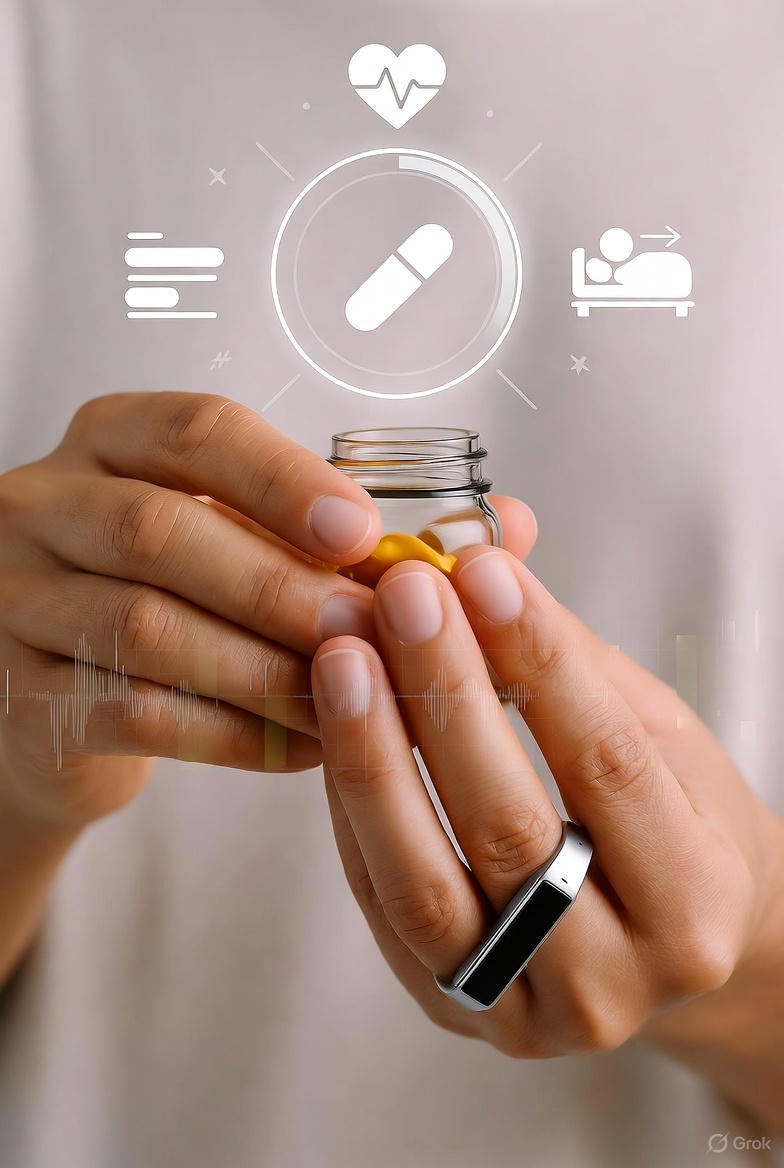
In our always-on culture, chronic stress is a pervasive health threat, and its impact on the female body is particularly potent due to the delicate interplay between stress hormones (like cortisol) and sex hormones (like estrogen and progesterone). Wearable technology provides an objective, real-time window into this interplay through the lens of Heart Rate Variability.
HRV measures the subtle variations in time between each heartbeat. A higher, more variable HRV indicates a resilient, adaptable autonomic nervous system with strong parasympathetic ("rest-and-digest") tone. A lower, less variable HRV suggests a system dominated by the sympathetic ("fight-or-flight") response, often due to stress, fatigue, or overtraining.
For women, interpreting HRV requires a cyclical lens. It is normal and expected for HRV to dip during the luteal phase, as progesterone influences the nervous system. A specialized algorithm accounts for this, preventing unnecessary alarm. The true insight comes from observing trends against this cyclical backdrop:
By making the invisible visible, HRV tracking empowers women to manage their stress proactively, not reactively. It provides early warning signs before stress manifests as insomnia, anxiety, cycle irregularities, or exacerbated PMS symptoms. It fosters a deeper body awareness, encouraging pauses and recovery when the data suggests it's needed most. This is a cornerstone of modern, proactive wellness, and a key reason why individuals choose dedicated health wearables. For additional resources on managing stress and optimizing nervous system health, our blog delves into these topics regularly.
The "no days off" and "push through the pain" mantras of traditional fitness culture are not only unsustainable for women but are often counterproductive. The female body's changing hormonal landscape means that energy, strength, injury risk, and recovery capacity are not static from day to day. Wearable technology ushers in a new era of intuitive, cyclical fitness—training in harmony with biology, not in defiance of it.
This approach, often called "cycle syncing" or "phase-based training," is powered by the continuous data from a wearable. The device identifies the user's current cycle phase and offers tailored insights:
A women-centric wearable integrates this wisdom. Instead of a generic, punishing calorie burn goal, it might suggest: "Your data indicates you're in your follicular phase—a great day for a challenging workout!" or "You're in your luteal phase. Prioritize recovery; consider a brisk walk or yoga."
This intelligent guidance helps prevent burnout, reduces injury risk, and makes fitness more effective and enjoyable. It reframes the cycle not as a limitation, but as a strategic advantage—a built-in periodization plan that, when followed, can lead to better performance, better body composition, and a healthier relationship with exercise. Understanding this synergy is part of the comprehensive education we provide, and you can read our complete guide to cyclical living for a deeper dive.
Nutrition is another domain where a one-size-fits-all approach fails women spectacularly. Cravings, hunger levels, metabolic rate, and even micronutrient needs fluctuate across the menstrual cycle. Wearable technology, while not a direct nutrient tracker, provides the metabolic and behavioral context that can revolutionize a woman's approach to food.
The data tells a cyclical story of changing needs:
With this insight, women can shift from restrictive, guilt-based eating to strategic, nourishing fueling:
By viewing nutrition through the lens of cyclical biometrics, women can develop a kinder, more effective, and more intuitive relationship with food. The wearable acts as a biofeedback tool, helping to distinguish between emotional eating and true physiological hunger driven by a heightened metabolic state. For personalized questions on integrating these insights, our support and FAQ section is a valuable resource.
The ultimate power of wearable health technology for women lies not in daily notifications, but in the long-term health legacy it helps build. This continuous stream of personalized data creates a powerful longitudinal health record—a story of your body told over months and years. This shifts healthcare from a reactive model (treating problems once they arise) to a proactive and preventative model (identifying patterns and making interventions early).
This legacy manifests in several transformative ways:
This data legacy is a form of health sovereignty. It demystifies the body, reduces anxiety through understanding, and places the woman as the central authority on her own health journey, supported by data. It's the culmination of all the tracking—the sleep, stress, cycle, and activity data—woven into a coherent narrative of well-being. This vision of empowered, data-informed health is at the core of our brand journey and values, driving innovation that puts long-term wellness in the hands of the individual.
To truly appreciate the sophistication of modern women's health wearables, we must peer beneath the sleek exterior. This isn't about a single sensor; it's about a symphony of hardware and intelligent software, purpose-built to capture and interpret the unique signals of the female body. The magic lies in the fusion of multi-modal data streams processed by machine learning algorithms trained on diverse female physiology.
Let's deconstruct the core technological pillars:
1. The Sensor Suite:
2. The Algorithmic Brain:
Raw data is meaningless without intelligent interpretation. This is where female-centric algorithms shine.
This dedicated technological stack—optimized hardware placement married to female-specific software—is what separates a true health tool from a simple activity tracker. It’s the reason why a device can confidently tell a woman she ovulated five days ago or that her body needs rest today, turning complex biology into clear, empowering knowledge. For those interested in the technical specifics and science, you can discover how Oxyzen works in detailed whitepapers and research summaries.
In an era where personal data is a currency, the information generated by a health wearable is among the most sensitive imaginable. It’s not just steps taken; it’s a digital fingerprint of your sleep, your stress, your reproductive cycle, and your intimate physiological rhythms. For women, the stakes are even higher, as this data could touch on fertility, pregnancy, and hormonal health. Therefore, a foundational pillar of any trustworthy women's health wearable must be an uncompromising commitment to data privacy, security, and user ownership.
Understanding the ethical framework is crucial:
1. The Principle of Data Minimization: The best companies collect only the data necessary to provide the promised service. They are transparent about what is collected, why it’s needed, and how it’s processed. There is no "fishing expedition" for extraneous personal information.
2. End-to-End Encryption (E2EE): From the moment data leaves the device to when it is stored on servers, it should be encrypted. This means that even if data were intercepted during transmission, it would be an unreadable jumble of characters without the unique decryption keys.
3. Anonymization and Aggregation for Research: If a company uses de-identified, aggregated data to improve its algorithms or contribute to women's health research, this must be an explicit, opt-in choice for the user. The process should strip away all personally identifiable information (PII) so that no individual can ever be linked back to the data set. This collective contribution can drive powerful advances, but only with informed consent.
4. User Control and Ownership: You are the owner of your data. A credible platform provides clear tools to:
5. Transparent Privacy Policies: Legitimate companies have clear, understandable privacy policies that outline exactly how data is handled, who (if anyone) it is shared with, and under what circumstances (e.g., a legal subpoena). They avoid legalese and make this information easy to find.
For women, this ethical stance is non-negotiable. The relationship with a health wearable is built on profound intimacy and trust. The device is invited into the most private aspects of life. Choosing a company that treats this data with the gravity it deserves is as important as the features it offers. It's a key part of the brand's mission and values to ensure that empowerment through data never comes at the cost of privacy or security.
The true potential of wearable data is realized when it moves beyond the smartphone app and into the clinical conversation. We are at the dawn of a new era of collaborative healthcare, where patient-generated health data (PGHD) from wearables provides clinicians with a continuous, objective view of a patient's life outside the 15-minute annual visit. For women's health, this integration is transformative, turning episodic care into continuous partnership.
This integration is happening on several fronts:
1. Enhanced Symptom Reporting: Instead of relying on a patient's recall of her last three cycles or the severity of her night sweats over the past month, she can present visual graphs. A trend line showing progressively more disrupted sleep, correlated with logged hot flashes, provides a doctor with a concrete severity and frequency assessment that is far superior to subjective memory.
2. Diagnostic Support for Complex Conditions: For conditions like Polycystic Ovary Syndrome (PCOS), endometriosis, or thyroid disorders, patterns are key. Data showing consistently anovulatory cycles, a perpetually elevated resting heart rate, or extremely low HRV can support a diagnosis and help differentiate between conditions with overlapping symptoms. It provides a longitudinal view that single-point blood tests cannot.
3. Fertility Treatment Optimization: In assisted reproductive technology (ART), understanding a woman's natural cycle is foundational. Wearable data can help fertility specialists pinpoint ovulation more accurately for timed intercourse or IUI procedures. It can also provide a baseline of her stress and recovery metrics, which are increasingly understood to impact treatment outcomes.
4. Remote Patient Monitoring (RPM): For high-risk pregnancies or postpartum monitoring, clinicians can be alerted to significant biometric deviations (e.g., a dangerous spike in resting heart rate or a sudden drop in blood oxygen) that might indicate a complication, enabling earlier intervention. This brings a layer of safety and reassurance to vulnerable periods.
5. Treatment Efficacy Tracking: Whether starting a new hormone therapy, an antidepressant, or a lifestyle intervention for perimenopause, wearable data offers a quantitative way to track response. Is sleep improving? Is resting heart rate coming down? Is cycle regularity returning? This objective feedback loop allows for personalized dosage and treatment plan adjustments.
The path forward requires developing standardized data reports that are clinician-friendly, highlighting key trends and anomalies without overwhelming with raw data. It also requires educating both patients and providers on how to interpret this data within a medical context. When this bridge is fully built, the wearable becomes a powerful tool for shared decision-making, making every clinical consultation more informed, efficient, and personalized. For women seeking to start this conversation with their providers, our blog offers resources on preparing and presenting health data.
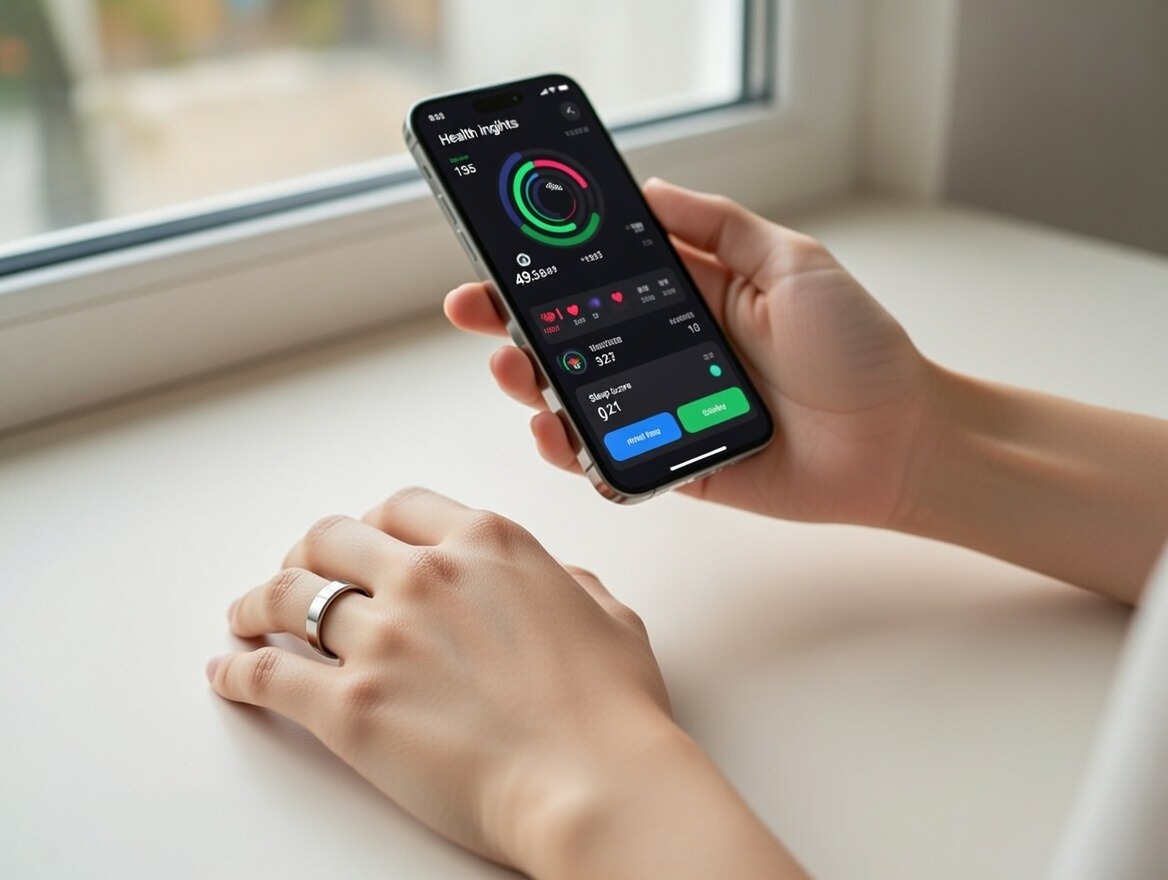
Today's wearables are brilliant historians, documenting the past and present state of our health. The next frontier—and one that is rapidly approaching—is predictive analytics. By applying advanced artificial intelligence and machine learning to longitudinal, multi-parameter datasets, these devices will evolve from descriptive tools to prescriptive health companions capable of forecasting potential future states. For women, this predictive power could reshape everything from fertility planning to chronic disease prevention.
Imagine a device that doesn't just tell you you're stressed, but predicts when you're heading toward burnout based on a two-week trend of declining HRV and rising resting heart rate, prompting you to schedule a rest day. This is the future in motion.
Key areas of predictive advancement include:
This shift from reactive to predictive health requires immense responsibility. The algorithms must be built with robust, diverse datasets to avoid bias, and predictions must be framed as possibilities, not certainties, to avoid causing anxiety. The goal is not to create a crystal ball, but to provide a probabilistic forecast that empowers women to take gentle, preventative action—a true partner in lifelong wellness. The pursuit of this ethical, predictive future is central to the vision and story of innovators in this space.
A smart ring or watch does not exist in a vacuum. Its true power is unlocked when it becomes the central hub of a personalized wellness ecosystem—a seamless network of connected devices, apps, and services that work together to paint a complete picture of your health. For the modern woman juggling multiple roles, this ecosystem turns fragmented efforts into a cohesive, manageable strategy.
This integrated ecosystem typically revolves around several layers:
1. The Wearable as the Core Sensor Hub: The ring or watch is the primary, always-on data collector, providing the continuous stream of core biometrics: pulse, temperature, movement, and sleep.
2. Integration with Nutrition & Fitness Apps: Through secure API connections, your wearable data can flow into apps like MyFitnessPal, Cronometer, or Strava. Imagine your calorie targets automatically adjusting based on your wearable-calculated elevated metabolic rate during your luteal phase. Or your post-workout recovery score in Strava informing your next day's training plan.
3. Connection to Home Environment: The ecosystem can extend to smart home devices. Your wearable detecting that you're in deep sleep could signal your smart thermostat to prevent a temperature drop that might wake you. Or, upon detecting that you're awake and your HRV is low, it could trigger your smart lights to simulate a sunrise to gently support cortisol awakening.
4. Telehealth and Clinical Integration: As discussed, secure sharing of curated data reports with your healthcare team via patient portals or dedicated telehealth platforms turns data into a clinical asset.
5. Female-Specific Health Platforms: The most advanced ecosystems are built around dedicated women's health platforms. Here, biometric data from the wearable is automatically layered with manually logged information: menstrual flow, symptoms (cramps, headaches, mood), sexual activity, medications (like birth control), and even qualitative notes. The platform's AI looks for patterns across all these layers, offering insights like: "You consistently report lower back pain on the second day of your period," or "Your sleep score drops by 30% when you consume alcohol in your luteal phase."
This ecosystem approach eliminates the frustration of data silos. It answers complex, holistic questions: How does my new workout regimen affect my cycle? Does my stress from work impact my sleep quality more during certain phases? By bringing all the pieces together, the woman is no longer a passive recipient of data but an active architect of her well-being, with a central command center that makes sense of it all. To see how different users have built their own personalized systems, browsing real customer reviews and experiences can provide practical inspiration.
For all its promise, the world of women's health wearables is not without significant challenges that must be acknowledged and addressed for the field to mature ethically and effectively. The path forward requires honest conversation about limitations and a commitment to making this empowering technology accessible to all women.
1. The Quest for Medical-Grade Accuracy: While sensor technology has advanced leaps and bounds, it is crucial to understand that consumer wearables are not yet FDA-cleared diagnostic devices (with a few specific exceptions). Their strength lies in tracking trends and patterns for wellness and lifestyle insights. Temperature sensors, for instance, are excellent for identifying the biphasic shift of ovulation but may not be precise enough to replace a clinical BBT thermometer for critical fertility timing. The industry must continue to invest in clinical validation studies and be transparent about the intended use and accuracy ranges of its devices.
2. The Diversity Gap in Data: If algorithms are trained primarily on data from homogeneous groups (e.g., women of a certain age, BMI, or ethnicity), they will be less accurate for those outside that group. For example, PPG sensors can have reduced accuracy on darker skin tones due to how light is absorbed. Symptoms and cycle experiences vary widely across cultures and ethnicities. The industry must prioritize building diverse datasets from the outset to ensure algorithms are inclusive and effective for all women.
3. The Cost Barrier: High-end wearables with the most advanced sensors represent a significant financial investment. This creates a "health tech gap," where the benefits of deep, personalized health insights are available only to those who can afford them. Companies must explore innovative business models, partnerships with insurers, or scaled product lines to broaden accessibility.
4. Navigating Mental Health and Data Anxiety: For some, constant data monitoring can lead to "orthosomnia" – an unhealthy obsession with achieving perfect sleep scores – or anxiety over minor biometric fluctuations. The design of apps and notifications must be psychologically informed, encouraging a balanced relationship with data. The focus should be on long-term trends and self-compassion, not daily perfection.
5. Supporting Non-Typical Cycles and Conditions: Women with conditions like PCOS, endometriosis, hypothalamic amenorrhea, or those who are perimenopausal have non-standard cycles. Wearables must be robust enough to handle extreme variability, anovulation, and missing data without providing meaningless or anxiety-inducing predictions. The software must offer modes or settings for these life stages and conditions.
Confronting these challenges is not a sign of weakness in the technology, but a sign of the industry's growing responsibility. The most trustworthy companies are those actively engaging in research to improve accuracy, building inclusive datasets, and designing with empathy to ensure their technology is a net positive for mental and physical health. For users navigating these nuances, a robust support and FAQ section is essential for setting realistic expectations and providing guidance.
Beyond the specs and algorithms, the most compelling evidence for the power of women's health wearables comes from the lived experiences of the women who use them. These stories cut through the marketing to reveal the tangible, sometimes life-altering, impact of having a continuous window into one's own biology. They showcase not just the tracking of metrics, but the recovery of agency, understanding, and peace of mind.
Story 1: The Diagnosis Detective. "After years of being told my painful, irregular periods were 'just bad cramps,' I started wearing a smart ring. The data showed clearly that my resting heart rate was chronically high and my luteal phase was only 8-9 days long, with dramatic temperature crashes. I took these charts to a new gynecologist. She immediately ordered tests and diagnosed me with a progesterone deficiency and potential endometriosis. That data gave me the vocabulary and proof I needed to be taken seriously. I'm now on a treatment plan that has changed my life." – Maya, 29
Story 2: The Fertility Journey Companion. "My husband and I had been trying to conceive for over a year. I was exhausted by OPK sticks and the stress of timing. Getting a ring that tracked my temperature and HRV took the guesswork out. It confirmed I was ovulating, but my data showed my sleep was terrible in my luteal phase, and my HRV was in the tank. My doctor and I focused on stress and sleep support. Seeing my recovery metrics improve cycle over cycle gave me hope. I’m now 20 weeks pregnant. The ring was our silent partner through it all." – Sophie, 34
Story 3: Navigating the "Change" with Clarity. "Perimenopause felt like my body was betraying me. Hot flashes at all hours, sleepless nights, and overwhelming anxiety. My smart ring showed me the direct correlation: a temperature spike would wake me, my heart rate would soar, and I’d be up for hours. Just seeing the pattern—'Oh, it’s a biological event, not a panic attack'—was hugely calming. I used the data to track the effects of cutting out caffeine and starting acupuncture. I could see my night-time disturbances decrease by 40%. It gave me back a sense of control." – Linda, 51
Story 4: The Athlete in Sync. "As a competitive runner, I used to train on a rigid schedule. I’d have amazing weeks and weeks where I felt drained and kept getting minor injuries. Once I started aligning my training with my cycle data—hard intervals in my follicular phase, more endurance and recovery in my luteal—everything changed. My performance became more consistent, my recovery times improved, and I stopped getting stress fractures. My body wasn't failing; I was just asking it for the wrong type of effort at the wrong time." – Chloe, 26
These testimonials underscore a common theme: knowledge is power. The wearable provides a neutral, objective mirror, reflecting back the truth of the body's experience. It reduces isolation, validates subjective feelings with objective data, and creates a pathway to more personalized, effective care—whether that care is self-directed or clinician-led. For a deeper collection of such transformative experiences, you can read more real customer reviews that highlight the personal impact of this technology.
Embarking on the journey with a women's health wearable is exciting, but with a growing market, it can be overwhelming. Making an informed choice and learning to use the device effectively are key to ensuring it becomes a true asset, not a source of confusion or clutter. Here’s a practical guide to navigating the selection process and integrating the technology into your life.
Step 1: Define Your "Why."
Before looking at devices, clarify your primary goals. Are you seeking to:
Step 2: Evaluate Key Features.
Step 3: Consider Data Privacy.
Review the company’s privacy policy. Do they sell your data? How is it encrypted? Can you easily delete it? Your health data is precious; treat it as such.
Step 4: Onboarding and the Learning Phase.
Once you choose a device, patience is vital.
Step 5: Integrate, Don't Obsess.
The goal is insight, not obsession. Check your app once or twice a day to note your readiness score or cycle phase, not every hour. Use the data to make gentle, informed adjustments—choosing a walk over a HIIT class, prioritizing an early bedtime, or increasing your nutrient intake in a specific phase. Let it be a guide, not a gospel.
By approaching this technology with clear intentions and a balanced mindset, you can build a profoundly informative partnership with your own body, unlocking a new level of self-awareness and proactive health management that honors your unique rhythm. For a comparative look at features and philosophies to aid your decision, exploring our blog can provide valuable context and deeper dives into usage strategies.
The proliferation of women-centric wearable technology represents more than a product trend; it signals a profound societal shift in the ownership and democratization of health knowledge. For centuries, information about the female body was controlled by institutions, filtered through cultural taboos, or dismissed as anecdotal. Today, wearables are placing the tools of inquiry directly into women's hands, fostering a grassroots movement of body literacy that is challenging outdated medical paradigms and empowering a generation to advocate for themselves.
This democratization manifests in several powerful ways:
1. From Patient to Partner in Care: The traditional, patriarchal model of medicine often positioned the doctor as the sole expert and the female patient as a passive recipient of care, her symptoms sometimes psychologized or minimized. Armed with her own longitudinal data, a woman now enters the clinic as a prepared partner. She can move the conversation from "I feel tired all the time" to "My wearable data shows my resting heart rate has been elevated and my deep sleep has decreased by 50% over the last three months, correlating with my reported fatigue." This shifts the dynamic from subjective complaint to collaborative problem-solving.
2. Breaking the Silence and Stigma: Wearables are creating a new, data-driven vocabulary for discussing women's health. In online communities and social media, women are sharing not just stories, but anonymized charts. They compare cycle patterns, discuss how different forms of exercise affect their luteal phase, and validate each other's experiences with hard data. This public, evidence-based conversation is dismantling the stigma around menstruation, perimenopause, and conditions like PCOS, making these topics mainstream and pressing for more research and better care.
3. Crowdsourced Research and Citizen Science: The aggregated, anonymized data from millions of users is creating an unprecedented real-world dataset on female physiology. This "real-world evidence" (RWE) is complementary to controlled clinical trials. Researchers can use it to study patterns of disease onset, the effectiveness of lifestyle interventions on a population scale, and the vast diversity of "normal" in menstrual and menopausal health. Women who opt-in to this research become citizen scientists, contributing to the very science that will improve future care.
4. Driving Innovation and Demand: As women become more educated about their bodies through their devices, their expectations for healthcare products and services rise. They demand supplements tailored to cycle phases, fitness programs that sync with their hormones, and clinical care that integrates their personal data. This informed consumer base is a powerful engine driving the explosive growth of the "femtech" sector, ensuring that innovation continues to be user-centric.
This societal shift is about reclaiming narrative authority. The data from a wearable becomes a woman's personal evidence file, strengthening her voice and validating her experience in a world that has too often questioned it. It’s a quiet revolution in autonomy, creating a future where every woman is the leading expert on her own body. The mission and values of companies in this space are deeply intertwined with this goal of democratization and empowerment.
As we stand at the intersection of biotechnology, artificial intelligence, and user-centered design, the horizon for women's health wearables is dazzling with potential. The next decade will likely see these devices evolve from insightful companions into deeply integrated, anticipatory health ecosystems. The future is not just about more sensors, but about smarter integration, predictive personalization, and seamless clinical utility.
Here are the key frontiers of innovation on the near-term horizon:
1. Multi-Omic Integration: The future wearable won't just track biometrics; it will integrate data from various biological layers—the "omics." Imagine a device that correlates your daily circadian rhythm (from the wearable) with your metabolic responses (from a continuous glucose monitor) and your gut microbiome diversity (from periodic at-home test kits). This holistic view could reveal how sleep disruption impacts glucose spikes or how certain foods affect inflammation and cycle symptoms, enabling hyper-personalized nutrition and lifestyle plans.
2. Non-Invasive Hormone Sensing: The holy grail of women's health tracking is the ability to measure hormone levels directly, continuously, and non-invasively. Research is advancing in areas like spectroscopic analysis of interstitial fluid or saliva via wearable patches or rings. A device that could track estrogen, progesterone, cortisol, and thyroid hormones in real-time would revolutionize the management of everything from fertility to adrenal fatigue to menopausal hormone therapy.
3. Advanced Mental and Cognitive Tracking: Future devices may incorporate subtle measures of cognitive function and emotional state. This could involve analyzing voice patterns for stress, using gentle cognitive gamification within the app to track focus and memory changes across the cycle, or even measuring pupillary response via a front-facing camera (with explicit consent) for momentary stress assessment. The goal is to create a complete mind-body dashboard.
4. Closed-Loop Wellness Systems: The ecosystem will become proactive. Based on your predictive data, it could automatically adjust your environment or make recommendations. Your calendar could be automatically blocked for a "focus deep work" session during your predicted peak cognitive follicular phase. Your smart lighting could shift to support melatonin production if your data indicates poor sleep latency. Your meditation app could be prompted to suggest a specific session when your HRV trend indicates rising stress.
5. Ubiquitous and Unobtrusive Form Factors: Technology will fade into the background. We'll see innovations in smart clothing with woven sensors, adhesive patches that last for weeks, and jewelry so elegant it's indistinguishable from non-tech pieces. The goal is 24/7 monitoring without any conscious thought or compromise on style, making comprehensive health tracking a effortless part of everyday life.
6. AI-Powered, Proactive Health Coaching: The AI will evolve from an analyst to a coach. Instead of just showing a graph, it will offer contextualized, actionable advice: "Your data suggests you're entering a high-stress period. I've rescheduled your high-intensity workout to a walking meeting and booked a 10-minute meditation slot at 3 PM." This AI coach will learn your preferences and become a truly personalized wellness guide.
This future is one of seamless, anticipatory, and deeply personalized care. It promises to move us from a paradigm of managing illness to one of optimizing health, uniquely tailored to the rhythms and needs of the female body across the lifespan. Staying informed on these emerging trends is part of engaging with this dynamic field, and you can explore our blog for more on the cutting edge of wellness technology.
The journey through the landscape of wearable health technology for women brings us to a singular, empowering conclusion: we are witnessing the dawn of a new era of embodied knowledge. For too long, the inner workings of the female body were shrouded in mystery, governed by external calendars, societal expectations, and medical generalizations. The smart ring on a finger, the sensor on a wrist—these are more than devices; they are conduits for a conversation we are finally able to have with ourselves.
This technology represents a fundamental reclamation. It is the tool that turns intuition into insight, suspicion into data, and frustration into understanding. It validates the lived experience of millions of women who have known, intuitively, that their energy, strength, sleep, and mood follow a rhythm—a rhythm that is now quantifiable. It provides the evidence to say, "This is not in my head; it is in my biology."
The impact ripples outward from the individual. It transforms clinical relationships, fuels groundbreaking research, shatters stigmas, and creates a new cultural narrative around women's health—one that is data-informed, proactive, and unapologetically centered on the female experience. It allows a woman to navigate puberty, fertility, motherhood, perimenopause, and beyond not as a series of medical crises to be endured, but as physiological phases to be understood and optimized.
Yet, with this power comes responsibility—for users to engage with their data with curiosity rather than anxiety, and for creators to build with ethics, inclusivity, and privacy at the core. The goal is not to create a generation of women obsessed with perfect metrics, but a generation empowered with profound self-knowledge.
As we move forward, the line between technology and wellness will continue to blur, creating a future where our devices know us as well as we know ourselves, anticipating our needs and supporting our health silently and seamlessly. This is the promise: a future where every woman has the keys to her own unique biological blueprint, enabling her to live not just longer, but with greater vitality, balance, and agency throughout all chapters of her life.
The silent revolution is here. It is personal, it is powerful, and it is just beginning. By embracing this fusion of technology and embodied wisdom, we are not just tracking our health—we are fundamentally rewriting what it means to care for it. To be part of this journey from its foundational principles, you can discover more about our story and vision for a healthier, more informed future.
Your Trusted Sleep Advocate: Sleep Foundation — https://www.sleepfoundation.org
Discover a digital archive of scholarly articles: NIH — https://www.ncbi.nlm.nih.gov/
39 million citations for biomedical literature :PubMed — https://pubmed.ncbi.nlm.nih.gov/
Experts at Harvard Health Publishing covering a variety of health topics — https://www.health.harvard.edu/blog/
Every life deserves world class care :Cleveland Clinic - https://my.clevelandclinic.org/health
Wearable technology and the future of predictive health monitoring :MIT Technology Review — https://www.technologyreview.com/
Dedicated to the well-being of all people and guided by science :World Health Organization — https://www.who.int/news-room/
Psychological science and knowledge to benefit society and improve lives. :APA — https://www.apa.org/monitor/
Cutting-edge insights on human longevity and peak performance:
Lifespan Research — https://www.lifespan.io/
Global authority on exercise physiology, sports performance, and human recovery:
American College of Sports Medicine — https://www.acsm.org/
Neuroscience-driven guidance for better focus, sleep, and mental clarity:
Stanford Human Performance Lab — https://humanperformance.stanford.edu/
Evidence-based psychology and mind–body wellness resources:
Mayo Clinic — https://www.mayoclinic.org/healthy-lifestyle/
Data-backed research on emotional wellbeing, stress biology, and resilience:
American Institute of Stress — https://www.stress.org/


