
The End of Generic Health Advice: How Your Wellness Ring Crafts a Plan Uniquely for You

For decades, the pursuit of better health has been plagued by a frustrating paradox: advice that is universal, yet rarely feels personal. We’re told to get “7-9 hours of sleep,” drink “eight glasses of water,” and take “10,000 steps.” But what if your body genuinely thrives on 6.5 hours of deep, restorative rest? What if your hydration needs shift dramatically with your stress levels or workout intensity? What if 8,000 steps with high heart rate variability is a better sign of fitness for you than 12,000 steps with a stressed system?

This one-size-fits-all approach is crumbling in the face of a new reality: true wellness is not a static destination, but a dynamic, personal journey. Your body is a complex, ever-changing system influenced by sleep, activity, stress, recovery, and even your daily rhythms. Understanding this unique biological fingerprint is the key to making meaningful, lasting improvements. Enter the modern wellness ring—a device that moves far beyond simple step counting into the realm of true, actionable personalization.

This isn't just another gadget; it's a personal health intelligence platform worn on your finger. By continuously gathering data from your unique physiology, it transforms generic health platitudes into precise, daily recommendations crafted just for you. This article will delve deep into the sophisticated technology and insightful algorithms that allow a device like the Oxyzen ring to move from passive tracking to active, personalized coaching. We’ll explore how it learns your baselines, deciphers the language of your body, and ultimately, becomes a partner in your health journey, offering guidance that evolves as you do.

The era of guessing is over. The era of knowing—and acting on that knowledge—is here.
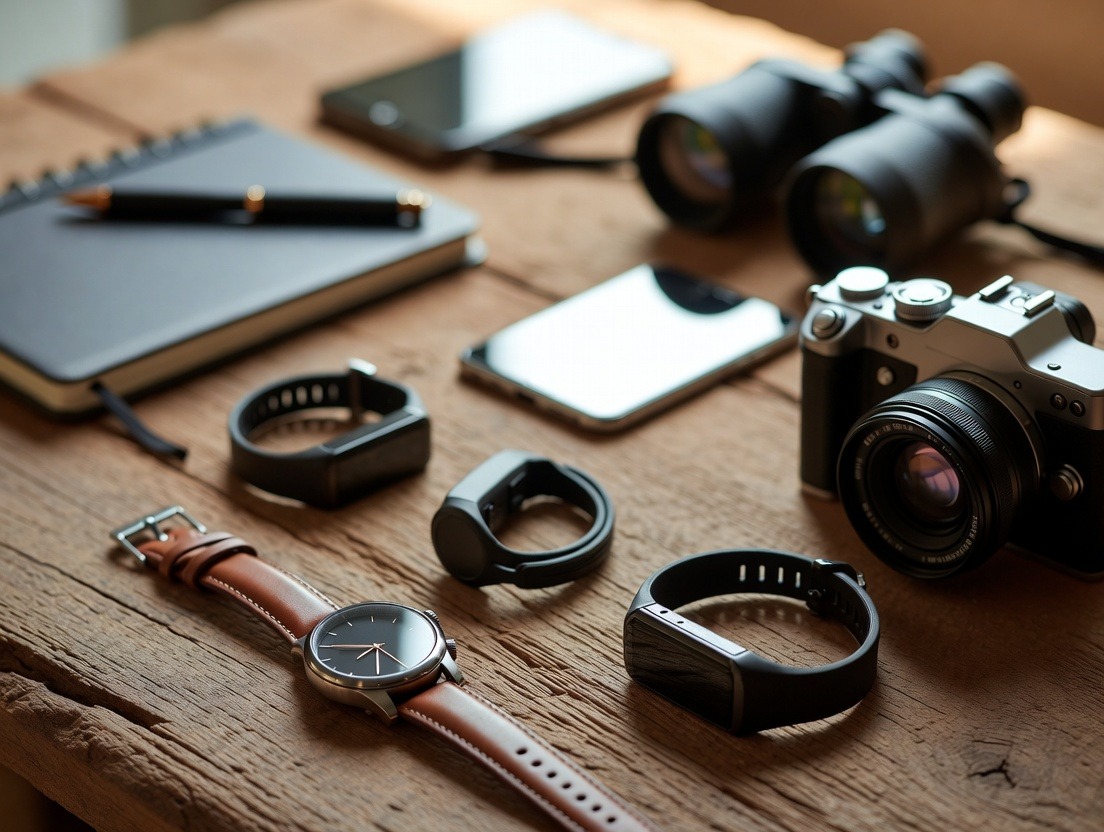
The Data Foundation: What Your Ring Actually Measures

Before we can understand how a wellness ring personalizes recommendations, we must first appreciate the rich, multi-layered data it collects. This isn't a single metric device; it's a comprehensive biosensing platform. While features vary, advanced rings like those developed by Oxyzen are built on a foundation of core, clinical-grade measurements that paint a holistic picture of your health.

The primary sensors and what they reveal:

  • Photoplethysmography (PPG) Sensors: These tiny LEDs (usually red, green, and infrared) shine light into the capillaries in your finger. By measuring the minute changes in light absorption as blood pulses through, the ring can derive a stunning array of data.
    • Heart Rate (HR): Tracked continuously, not just in workouts. Resting heart rate (RHR) is a fundamental indicator of cardiovascular fitness and overall health.
    • Heart Rate Variability (HRV): This is the gold standard for measuring your autonomic nervous system (ANS) balance—the interplay between your "gas pedal" (sympathetic "fight or flight") and "brake pedal" (parasympathetic "rest and digest"). A higher HRV typically indicates better recovery, resilience, and fitness.
    • Blood Oxygen Saturation (SpO2): Measured periodically, especially during sleep, this indicates how well oxygen is being carried throughout your body. Nocturnal drops can be critical indicators of sleep quality and overall respiratory health.
    • Pulse Wave Amplitude & Respiration Rate: Advanced algorithms can even extract your breathing rate from the PPG signal, a key stress and recovery metric.
  • 3-Axis Accelerometer & Gyroscope: This is the ring’s motion detective. It doesn’t just count steps; it classifies the type, intensity, and duration of movement.
    • Activity Recognition: Distinguishes between walking, running, cycling, and even specific workouts.
    • Sleep Stage Detection: By combining minimal movement data with heart rate and HRV, the ring can accurately estimate periods of light, deep, and REM sleep, as well as awakenings.
  • Skin Temperature Sensor: A constant, baseline skin temperature reading is one of the most insightful longitudinal metrics. It fluctuates with your circadian rhythm, menstrual cycle, onset of illness, and stress levels. Seeing a sustained elevation or drop from your personal norm can be an early warning sign.
  • Battery & Connectivity: The ring's ability to gather this data 24/7, syncing seamlessly to provide a continuous stream, is what sets it apart from intermittent wearables. You get a true, unbroken story of your day and night.

This constant, passive data collection creates a rich, multidimensional timeline of your physiology. It’s the raw material from which personal insights are forged. Every heartbeat, every movement, every minute temperature shift becomes a data point in the algorithm that understands you. To see how this technology translates into daily life, you can explore real user experiences and data stories on our testimonials page.

Beyond Averages: How Algorithms Learn Your "Normal"

This is where the magic of personalization truly begins. Generic health standards are population averages—they tell you nothing about what is optimal for you. A wellness ring’s first and most critical job is to establish your personal baselines. It doesn’t just measure your sleep; it learns what your good sleep looks like. It doesn’t just track your heart rate; it establishes your unique resting rhythm.

The Baseline Establishment Phase (The Learning Period):
When you first start wearing a ring, it enters a learning mode, typically lasting 7-14 days. During this time, it’s not just collecting data; it’s building a statistical model of you. It answers questions like:

  • What is my typical resting heart rate range on a calm, recovered day?
  • What is my normal HRV range, and how does it fluctuate?
  • What does my skin temperature curve look like over a 24-hour period?
  • How long do I usually sleep, and what is my typical sleep stage distribution?
  • What is my normal activity pattern on a workday vs. a weekend?

Context is King:
Crucially, these baselines aren’t static numbers. They are dynamic ranges that vary by context. Your system knows:

  • Circadian Context: Your HRV is naturally lower in the morning and higher at night. Your skin temperature follows a distinct daily curve.
  • Activity Context: A high resting heart rate after a intense workout is expected; the same reading after a day on the couch is a potential flag.
  • Lifecycle Context: For individuals who menstruate, baselines for temperature, RHR, and HRV will shift predictably across the cycle phases. A good algorithm will learn this pattern and adjust expectations accordingly.

The Power of Deviations:
Once your personal baselines are established, the ring’s intelligence shifts to detecting meaningful deviations. This is the core of personalized insight. A 5% elevation in your resting heart rate coupled with a 10% drop in your HRV and a slight rise in skin temperature might signal your body is fighting an infection—days before you feel symptoms. Alternatively, the same data pattern after a hard week of work might simply indicate systemic fatigue and a need for restorative rest.

The algorithm isn’t comparing you to a 25-year-old athlete; it’s comparing you to yesterday’s you and last-week’s you. This creates a feedback loop that is profoundly personal. As you make lifestyle changes, your baselines improve, and the system’s "normal" adjusts upward, constantly raising the bar for what your healthy best can be. For a deeper look at the science and philosophy behind this adaptive learning, you can read more on the Oxyzen blog.

Sleep: From Duration to Quality – Personalized Sleep Coaching

The old metric was "8 hours." The new understanding is that sleep quality is a multidimensional puzzle, and every piece looks different for each person. Your wellness ring acts as a personal sleep scientist, breaking down your night not into a single number, but into a detailed report card that informs actionable advice.

Deconstructing Your Sleep Architecture:
The ring analyzes several key pillars:

  • Sleep Stages: It estimates time spent in Light, Deep, and REM sleep. Personalization comes in understanding your ideal balance. An athlete in heavy training may need more Deep sleep (physical recovery), while someone studying for exams might benefit from optimizing REM (memory consolidation).
  • Sleep Latency: How long it takes you to fall asleep. The ring learns your norm. If your latency spikes, it might correlate with late caffeine, evening screen time, or high stress levels logged that day.
  • Sleep Consistency: Going to bed and waking up at wildly different times each night is deeply disruptive to your circadian rhythm. The ring tracks your schedule variability and makes it a measurable metric.
  • Restfulness: The number and duration of awakenings. Frequent disruptions, often undetected by you, can be linked to sleep apnea (flagged via SpO2 drops), environmental factors, or digestion.

Personalized Recommendations That Result:
This data moves far beyond a simple score. It becomes the basis for hyper-specific guidance:

  • Bedtime Alerts: Instead of a fixed "10 PM bedtime," the ring can analyze your recent sleep debt, current readiness level, and circadian rhythm to suggest, "Given your low recovery score today and an early meeting tomorrow, aiming for lights out by 9:45 PM would help you get the restorative sleep you need."
  • Wind-Down Coaching: If the data shows high heart rate and low HRV during your pre-sleep period, the ring might recommend a specific breathing exercise or prompt you to start your wind-down routine 20 minutes earlier.
  • Environmental Tweaks: A correlation between higher nighttime skin temperature and restlessness might lead to a suggestion to lower your bedroom thermostat or try lighter pajamas.
  • Habit Correlation: The app might show you that on days you have alcohol after 7 PM, your deep sleep percentage drops by an average of 15%. This isn't a judgment—it's a personal, data-driven fact about your body's response.

By focusing on the levers you can pull to improve your specific sleep weaknesses, the ring transforms sleep from a passive state into an active component of your wellness practice.

Readiness & Recovery: Your Daily Green, Yellow, or Red Light

Perhaps the most revolutionary feature of a advanced wellness ring is the "Readiness" or "Recovery" score. This is the ultimate synthesis of personalized data—a single, easy-to-understand metric that tells you how prepared your body is to take on stress (physical, mental, or emotional) each morning.

How the Score is Built:
This isn't a simple average. It's a weighted algorithm that prioritizes the signals most relevant to systemic strain and recovery. Key inputs include:

  1. Sleep Quality & Quantity: Did you get enough of the right kind of sleep to repair?
  2. Heart Rate Variability (HRV): The single best objective indicator of autonomic nervous system balance and recovery status. A score heavily weights your HRV relative to your personal baseline.
  3. Resting Heart Rate (RHR): Is your heart calm, or is it working harder than usual at rest, indicating potential stress or fatigue?
  4. Skin Temperature: A sustained deviation from your norm can signal immune system activation or hormonal shifts.
  5. Recent Activity Load: How much cumulative stress (positive and negative) have you placed on your body in the last 24-72 hours?

Personalized Interpretation and Action:
The true power lies not in the number itself, but in its personalized interpretation and the subsequent guidance.

  • Green (High Readiness): "Your body is well-recovered and resilient. Today is a great day for that intense workout, important meeting, or social event. Push yourself."
  • Yellow (Moderate Readiness): "Your resources are somewhat depleted. Consider a moderate workout instead of a peak performance one. Focus on nutrition and hydration. Be mindful of stress."
  • Red (Low Readiness): "Your body is signaling a strong need for rest. Prioritize recovery: gentle movement like walking, focus on sleep, meditation, and nutrition. Avoid intense stress if possible."

This guidance is profoundly empowering. It moves you away from rigid, dogmatic training schedules (e.g., "I must run 5 miles every Tuesday") and towards a responsive, body-led approach (e.g., "My body needs recovery today, so I'll swap my run for yoga"). This prevents overtraining, respects your body’s true needs, and can dramatically improve long-term performance and health. This philosophy is core to our mission at Oxyzen—to equip you with the intelligence to work with your body, not against it.

Activity: Moving from Steps to Personalized Strain

The "10,000 steps" goal is arbitrary and incomplete. It ignores intensity, your fitness level, and your body's daily capacity. Personalized activity tracking via a wellness ring introduces the concept of "body strain" or "activity load." This metric contextualizes your movement based on your physiology.

Measuring Strain, Not Just Steps:
Instead of just counting steps, the ring uses a combination of heart rate data (how hard your cardiovascular system is working) and motion data to estimate the physiological impact of your activity. A 30-minute brisk walk that elevates your heart rate to 65% of its max creates a different strain load for a beginner versus an elite athlete. The ring personalizes this calculation.

Adaptive Daily Goals:
This is where personalization shines. Your daily activity goal is no longer a fixed number. It becomes dynamic:

  • If your Readiness Score is high, the system might suggest a more ambitious goal or encourage you to tackle a challenging workout.
  • If your Readiness Score is low or you've had several high-strain days in a row, it might lower your goal and recommend "Active Recovery" (like gentle walking or stretching) to promote circulation without adding stress.
  • It learns what types of activities you do and can tailor suggestions. If it sees you consistently do weight training on Tuesdays, it might anticipate a higher strain score that day and adjust recommendations for Wednesday accordingly.

Preventing Overtraining and Promoting Balance:
By viewing activity through the lens of personalized strain and recovery, the ring helps you avoid the all-too-common cycle of burnout and injury. It provides objective data to support rest days, ensuring that your fitness journey is sustainable. The goal shifts from "doing more" to "doing what's right for my body today." For athletes and active individuals, this kind of tailored guidance is a game-changer, transforming how they plan training cycles and peak for events.

Stress & Resilience: Quantifying the Invisible Load

Stress is not an event; it's a physiological response. A wellness ring can objectively measure this response through two primary, interconnected lenses: Heart Rate Variability (HRV) and resting heart rate.

HRV as Your Stress Barometer:
As mentioned, HRV reflects the balance of your autonomic nervous system. Chronic stress, anxiety, and overwhelm tip the scale toward sympathetic dominance, which typically lowers your HRV. By tracking your HRV trend—not just a single reading—the ring can identify periods of sustained psychological or emotional stress that you may have normalized or even failed to consciously recognize.

Personalized Stress Signatures:
The ring learns what triggers stress responses for you. By allowing you to log activities, meals, or emotions, you can start to see powerful correlations in the data.

  • You might discover that your HRV consistently dips and your RHR rises on days with back-to-back meetings.
  • You might see that a particular type of workout is energizing, while another is overly draining.
  • You could find that certain foods, while not causing digestive upset, create a subtle but measurable stress response in your system.

From Detection to Intervention:
This data empowers proactive stress management. The ring can:

  • Prompt Mindful Breaks: If it detects physiological signs of stress (elevated RHR, lowered HRV) during a prolonged sedentary period, it might gently suggest a 2-minute breathing exercise. These guided sessions are designed to activate your parasympathetic nervous system and bring you back to balance.
  • Recommend Optimal Recovery Activities: Based on your stress signature, it might learn that a walk in nature is a more effective recovery tool for you than meditation, or vice versa.
  • Build Resilience Over Time: By consistently following the ring's recovery prompts and observing your HRV baseline gradually improve, you get quantifiable proof that your stress management techniques are working. This builds a powerful positive feedback loop.

Understanding your unique stress physiology is the first step in building genuine resilience. The ring provides the mirror, showing you the impact of your life on your body, so you can make informed choices to protect your well-being. If you have questions about how these stress metrics work in practice, our comprehensive FAQ page offers detailed explanations.
Nutrition & Hydration: Indirect Insights Through Physiology

While no ring can directly measure the calories or macronutrients you consume, it provides powerful proxy data that offers deep, personalized insights into how your body is responding to your diet and hydration. This turns nutrition from a guessing game into a science of self-experimentation.

The Metabolic and Hydration Signals:
Your physiology tells a clear story about your nutritional status:

  • Resting Heart Rate & HRV: A large, high-sodium meal or excessive sugar can cause inflammation and water retention, leading to a higher RHR and lower HRV overnight. The ring can show you this correlation, helping you identify foods that don't agree with your system.
  • Skin Temperature: Digesting food (especially protein) generates thermogenesis, a rise in body heat. The ring can track this. Furthermore, dehydration often leads to a higher baseline skin temperature as the body struggles to thermoregulate.
  • Heart Rate During Activity: Your heart rate response to a standard workout (e.g., your usual morning run) is a fantastic indicator of recovery and fuel status. If your heart rate is 10-15 beats per minute higher than normal for the same pace, it could signal dehydration, poor fueling, incomplete recovery, or the onset of illness.
  • Sleep Quality: As noted earlier, alcohol and heavy late-night meals profoundly impact sleep architecture. The ring quantifies this impact specifically for you.

Personalized Experimentation & Feedback:
This creates an unparalleled framework for biohacking your nutrition.

  • Hydration Guidance: If the ring sees elevated RHR, lower HRV, and higher skin temperature in a pattern that suggests dehydration—especially after a workout or on a hot day—it can push a timely reminder to drink water.
  • Meal Timing Insights: You might experiment with moving your last meal earlier and see if your deep sleep percentage improves. The ring provides the objective data to confirm or deny the benefit.
  • Food Sensitivity Clues: While not a diagnostic tool, consistently poor physiological responses after eating certain foods can be a strong nudge to investigate potential sensitivities with a healthcare professional.

By providing this indirect feedback, the wellness ring helps you build a diet that isn't based on trends, but on what genuinely fuels your body for optimal performance and recovery. For more on how to leverage wearable data for nutritional insights, explore the resources available on our blog.

The Menstrual Cycle & Female Health: A Revolutionary Tracking Lens

For roughly half the population, health metrics are not a flat line—they are a monthly symphony of hormonal fluctuations. Generic health standards completely fail this reality. A sophisticated wellness ring, by tracking basal metabolic signals, becomes an incredibly powerful tool for understanding the distinct phases of the menstrual cycle and perimenopause.

Mapping the Infradian Rhythm:
The menstrual cycle is an infradian rhythm (longer than a day) that influences nearly every system in the body. A ring that tracks skin temperature, RHR, and HRV can identify these phases with remarkable accuracy:

  • Follicular Phase: After menstruation, as estrogen rises, many will see a gradual decrease in waking skin temperature, a lower RHR, and often a higher, more stable HRV. Energy and resilience are typically higher.
  • Ovulation: There is a characteristic, sustained rise in waking skin temperature after ovulation, driven by progesterone. RHR often begins to climb, and HRV may start to show more variability.
  • Luteal Phase: With progesterone dominant, skin temperature remains elevated. RHR is often at its highest point in the cycle, and HRV can be lower and more volatile. This is a natural state of higher metabolic load and lower physiological resilience.
  • Menstruation: As hormones drop, skin temperature falls. The body is in a state of renewal.

Personalized Cycle-Aware Recommendations:
This is transformative for personalization. The ring’s advice can now be tailored to your phase:

  • Training: It might suggest high-intensity workouts and strength training in the Follicular phase when the body is more resilient to stress, and recommend more moderate exercise, yoga, or recovery in the Luteal phase.
  • Nutrition: Suggestions might emphasize iron-rich foods around menstruation or focus on supporting blood sugar stability in the Luteal phase.
  • Recovery: The system will understand that a slightly lower HRV or higher RHR in the Luteal phase is normal for you and may not flag it as "poor recovery" but rather interpret it within your cycle context.
  • Symptom Prediction: Tracking these biomarkers over cycles can help predict the onset of menstruation and correlate physiological data with subjective symptoms (like mood changes or cramps), providing validation and foresight.

For women and people with cycles, this turns a wellness ring from a generic tracker into a deeply personal health companion that finally speaks the language of their bodies. It acknowledges that a woman's "normal" has four distinct seasons each month, each requiring different care. This commitment to inclusive, nuanced health tracking is a key part of our story and vision.

Long-Term Trends & Health Forecasting: Seeing the Big Picture

The daily and weekly insights are invaluable, but the true paradigm shift occurs when you zoom out. A wellness ring accumulates a longitudinal data set—a digital twin of your physiology over months and years. This big-picture view enables predictive insights and trend analysis that can be life-changing.

Identifying Meaningful Trends:
Over time, you can see:

  • Fitness Improvements: A gradual, sustained lowering of your resting heart rate and an increase in your HRV baseline are concrete, objective proofs of improving cardiovascular fitness and resilience.
  • Lifestyle Impact: You can visually see the positive impact of a consistent meditation practice, a change in diet, or a new sleep routine on your core metrics.
  • Seasonal Patterns: Do your sleep scores dip in winter? Does your activity strain decrease during busy work quarters? These patterns become clear.
  • Aging Gracefully: Tracking these biomarkers over decades provides an incredible window into healthy aging, allowing you to see deviations from your own long-term trends that may warrant attention.

From Reactive to Proactive Health:
This is the frontier of personalized wellness: health forecasting. By establishing your ultra-personalized baselines, the system can detect subtle, multi-day deviations that often precede noticeable symptoms.

  • A creeping, sustained elevation in skin temperature and resting heart rate, paired with a dip in HRV, is a classic signature of your body mounting an immune response. The ring might alert you to "prioritize rest and hydration" potentially days before you feel a scratchy throat.
  • A gradual decline in sleep efficiency and a rise in nighttime heart rate could indicate rising stress levels or an unsustainable workload, prompting an early intervention before burnout occurs.

This shifts the healthcare model from reactive (treating illness after it appears) to proactive (supporting the body to prevent illness or catch it in its earliest stages). You become the expert on your body's unique warning signs, empowered with data to take preemptive action.

The Human-Machine Partnership: The Role of You in the Feedback Loop

For all its technological sophistication, a wellness ring is not an oracle. Its power is fully unlocked only in partnership with you. You are the essential source of context, the interpreter of subjective experience, and the ultimate decision-maker. This partnership creates a "closed-loop" system of continuous learning and refinement.

The Importance of Subjective Logging:
The ring measures the physiological response; you provide the cause. By using the app's journaling features to log:

  • Mood & Energy: "Felt anxious today," "High energy afternoon."
  • Perceived Stress: "Difficult conversation with boss," "Relaxing weekend."
  • Symptoms: "Headache at 3 PM," "Menstrual cramps."
  • Lifestyle Factors: "Drank two glasses of wine," "Ate late dinner," "Tried new meditation app."

...you create a rich layer of qualitative data. The algorithm can then find correlations. "On the 5 days you logged 'high work stress,' your nighttime HRV was 20% lower on average." This turns abstract data into a personal story you can understand and act upon.

Calibrating Your Intuition:
Over time, this partnership hones your body awareness, or interoception. You start to physically feel what "low HRV" or "high strain" feels like in your body. The data validates or challenges your intuition. You might think you're fine, but the data shows you're recovering poorly, prompting you to honor that need. Conversely, you might feel tired but see a high readiness score, giving you the confidence to push gently, knowing your body has the resources.

Avoiding Data Anxiety (The Art of Interpretation):
A crucial part of the partnership is learning to use the data wisely, not obsessively. The goal is informed awareness, not perfectionism. A single low sleep score or a red recovery day is meaningless noise. The focus must always be on trends over time and the actionable insights they provide. The best systems are designed not to induce anxiety but to offer compassionate, evidence-based nudges toward better self-care. Our about us page details how user-centric design and compassionate data presentation are central to our philosophy.

Privacy, Security, and Owning Your Data

In an age of digital surveillance, the intimacy of the data collected by a wellness ring—your heartbeat, your sleep, your stress patterns—rightly raises critical questions about privacy and security. Trust is the non-negotiable foundation of this entire personalized health paradigm.

The Sanctity of Your Biometric Data:
Reputable companies in this space treat your data with the utmost seriousness. Key principles you should look for include:

  • End-to-End Encryption: Your data should be encrypted both in transit (from ring to phone) and at rest (on servers).
  • Anonymization & Aggregation: Personal identifiers should be stripped from data used for aggregated research and algorithm improvement.
  • Clear Ownership Policies: You should own your raw data. The policy should be transparent about what is collected, how it is used, and who (if anyone) it is shared with. It should never be sold to third parties like advertisers or insurers without your explicit, informed consent.
  • User Control: You should have easy-to-use tools to download your complete data history or delete your account and all associated data permanently.

The Balance of Cloud and On-Device Processing:
Advanced personalization requires significant computing power, often done in the cloud. However, sensitive raw waveform data (the PPG signal) can be processed on your smartphone, with only derived metrics (HR, HRV, etc.) being sent to the cloud. Understanding your chosen company's data architecture and privacy-first design is essential.

Building a Future of Trust-Centric Health:
The potential of this technology to improve global health is monumental, but it can only be realized if users trust that their most personal information is protected. Choosing a company that is transparent, employs state-of-the-art security, and views strong privacy as a core feature—not an afterthought—is paramount. We encourage all users to read privacy policies carefully and choose partners who align with their values. At Oxyzen, we believe that empowering your health journey must start with empowering you with control and transparency over your data.

Implementing Your Personalized Data: From Insight to Sustainable Action

You now hold in your hand—or rather, on your finger—a continuous stream of insights about your unique physiology. You see your readiness score, understand your sleep architecture, and recognize your personal stress signatures. This knowledge is powerful, but it remains theoretical until it is translated into daily, sustainable action. This section focuses on the crucial bridge between knowing and doing. How do you move from a dashboard of metrics to a tangible improvement in your daily energy, resilience, and well-being without becoming overwhelmed or obsessive?

The key is to shift from being a passive data observer to an active habit architect. Your wellness ring provides the blueprint—the personalized feedback—but you are the builder. The process involves starting small, focusing on one high-impact lever at a time, and using the ring’s feedback to create a reinforcing loop of positive change. It’s about building systems, not chasing daily scores. This approach transforms personalization from a novelty into a lifelong competency for thriving.

Starting Small: The One-Percent Improvement Methodology

The allure of personalization can sometimes lead to a common pitfall: the desire to optimize everything at once. You might be tempted to overhaul your sleep, diet, exercise, and stress management simultaneously based on a flood of new data. This approach is a recipe for burnout and abandonment. The most effective path is rooted in the aggregation of marginal gains—the philosophy that a 1% improvement in many different areas leads to a monumental overall difference.

How Your Ring Facilitates Tiny, Focused Experiments:
Your wellness data is the perfect tool for this methodology because it provides immediate, objective feedback on small changes.

  • Choose One Domain: For the next two weeks, focus solely on sleep consistency. Ignore the activity strain and recovery score nuances for now.
  • Set a Micro-Habit: Your goal is not "perfect sleep." It is: "I will be in bed with the lights off within a 30-minute window each night." That’s it.
  • Use the Ring as Your Measurement Tool: Observe your sleep latency (time to fall asleep) and sleep score over this period. The ring will show you, in hard data, the benefit of this single, small change. You’ll likely see improvements in sleep efficiency and, subsequently, in your morning readiness score.
  • Celebrate the Data-Backed Win: This positive feedback—seeing the tangible result of a small, sustainable action—builds confidence and motivation. Once this habit is automatic (typically after 3-4 weeks), you can layer on another 1% change, like reducing blue light exposure 60 minutes before bed.

Examples of Sequential, Data-Informed Tweaks:

  1. Phase 1 (Weeks 1-4): Consistent Bedtime → Improved Sleep Consistency Score.
  2. Phase 2 (Weeks 5-8): Morning 10-minute walk for natural light → Improved circadian alignment, potentially better HRV.
  3. Phase 3 (Weeks 9-12): Strategic hydration (glass of water upon waking and before meals) → Observe impact on resting heart rate and skin temperature.
  4. Phase 4 (Weeks 13-16): Introduce 5 minutes of guided breathing on high-stress days → Observe direct impact on acute HRV recovery.

By using your ring to validate each tiny step, you build a fortress of healthy habits one brick at a time. This patient, focused approach ensures the changes are lasting and integrated into your life, not just another short-lived self-improvement sprint. For a wealth of ideas on starting your own micro-habit experiments, our blog is regularly updated with user-tested strategies.

Interpreting Your Daily Dashboard: A Practical Guide

The daily homepage of your wellness app can be a source of empowerment or anxiety, depending on how you frame it. Learning to interpret this dashboard with wisdom and perspective is a critical skill. Let’s walk through how to read your key metrics not as judgments, but as conversational prompts from your body.

The Morning Check-In: A Triangulated View
Don’t fixate on a single number. Look at the cluster of data together to get the true story.

  • Scenario A (Green Light): High Readiness Score (85), HRV trending at your personal high baseline, RHR at your low baseline, sleep score 88. This is a clear, coherent signal. Your body is saying, "I’m recovered and resilient." Action: It’s a great day to perform, take on challenges, or engage in intense training. Your body can handle the stress productively.
  • Scenario B (Yellow Flag): Moderate Readiness Score (72), but with conflicting signals: good sleep score (85) but elevated RHR and slightly depressed HRV. This dissonance is the key. The body is signaling something. Check for context: Are you in your luteal phase? Fighting off a mild bug? Mentally anxious about the day? Action: Proceed with mindfulness. Choose moderate exercise over intense. Prioritize good nutrition and stress-management breaks. Use the day for maintenance, not peak output.
  • Scenario C (Red Recovery): Low Readiness Score (40), poor sleep score (65), very low HRV, high RHR. The signal is loud and unanimous. Your body is shouting for resources. Action: Respect the red light. This is a day for radical recovery: gentle movement like walking or stretching, extra hydration, early bedtime, and saying no to non-essential demands. Pushing through this state is how people get injured, sick, or burned out.

Navigating the Emotional Rollercoaster of Data:
It’s normal to feel disappointed by a low score or overly proud of a high one. The goal is to cultivate detached curiosity.

  • Avoid Score Addiction: Do not let the pursuit of a perfect "90+ day" become a new source of stress. Variability is human and healthy.
  • Ask "Why?" Not "Why Me?": When you see a dip, instead of frustration, engage in gentle detective work. "What did my yesterday look like? Was my workout too intense? Did I have that difficult conversation? Did I eat too late?" This turns a "bad" score into a valuable learning opportunity.
  • Focus on Weekly and Monthly Averages: The long-term trend line is infinitely more important than any single daily blip. Is your average sleep score this month higher than last month? That is true success.

Your dashboard is a communication tool. Learning its language allows you to have a productive, daily dialogue with your own physiology, making adjustments not out of punishment, but out of informed self-care.

Building a Personalized Routine: Aligning with Your Biological Rhythms

Armed with the knowledge of your personal metrics, you can now design a daily routine that works with your biology, not against it. This is the pinnacle of personalization—structuring your day around your unique energy, focus, and recovery patterns. This concept, often called circadian alignment or biological priming, turns your generic schedule into a performance-optimizing template.

Mapping Your "Ultradian Rhythms" with Data:
Beyond the 24-hour sleep/wake cycle, we have 90-120 minute ultradian rhythms throughout the day—oscillations between high alertness and physiological rest. Your ring’s continuous data can help you spot your personal pattern.

  • Identify Your Peak Performance Window: Look at your historical HRV and RHR data by time of day. Many people, especially those aligned with a morning chronotype, have their highest HRV (indicating resilience and capacity) in the late morning. This is the ideal time for your most demanding cognitive work, creative tasks, or intense workouts.
  • Schedule the "Trough": Most people experience a natural dip in energy and alertness in the early afternoon (the post-lunch dip). Your data might show a slight HRV decrease or RHR increase here. Instead of fighting it with caffeine, this is the perfect time for administrative tasks, meetings that don’t require peak creativity, or a true break (a walk, a nap, meditation).
  • Wind-Down Based on Physiology, Not Clock Time: Don’t start your wind-down at 9 PM because a magazine said so. Use your data. If you notice your heart rate remains elevated and HRV stays low well into the evening on busy days, you might need to start your wind-down 90 minutes before bed. If your body cools down and calms quickly, 60 minutes might suffice.

Creating Your Personalized Daily Template:
Based on common data patterns, a personalized template might look like this:

  • 6:30 - 8:30 AM (Recovery & Alignment): Wake with sunrise alarm if possible. Hydrate. Gentle movement or walking in natural light (signals circadian system). Light breakfast. Ring Data Check: Confirm readiness score aligns with planned day.
  • 9:00 AM - 12:00 PM (Peak Performance): Tackle most important, complex work. Schedule deep work blocks. Consider high-intensity training if readiness is high.
  • 1:00 - 3:00 PM (Trough & Digestion): Lighter work, meetings, administrative tasks. Consider a 20-minute walk after lunch to aid digestion and mitigate energy crash.
  • 3:30 - 6:00 PM (Secondary Focus): Often a second, less intense peak. Good for collaborative work, planning, and moderate exercise like strength training or cycling.
  • 7:00 PM Onwards (Wind-Down Initiation): Begin reducing cognitive and physiological stress. Dim lights, reduce screen time, engage in relaxing activities. Last meal 2-3 hours before bed. Ring Data Prompt: If activity data shows you’ve been sedentary all day, it might suggest some gentle stretching to aid recovery.

By aligning your schedule with your personal biometric flow, you reduce internal friction, enhance productivity, and improve overall well-being. It’s the art of doing the right thing at the right time—for your body. For more on crafting your ideal day, visit Oxyzen.ai to explore tools and content designed to help you integrate this data into your life.

Navigating Setbacks and Plateaus: The Data Doesn't Lie, But It Needs Context

No wellness journey is a straight, upward line. There will be weeks where sleep is disrupted by travel, periods of high stress that depress your HRV for a month, or frustrating plateaus where you’re "doing everything right" but your scores aren’t improving. This is not failure; it is data. Learning to interpret and navigate these phases is what separates transient hobbyists from lifelong practitioners of personalized health.

Understanding the "Why" Behind Setbacks:
When you hit a rough patch, your ring’s historical data is your best diagnostic tool.

  • The Stress Cascade: You might see: High work stress (logged) → leads to poor sleep (lower deep sleep %) → leads to low morning readiness → leads to caffeine dependence and skipped workouts → leads to even lower HRV. The ring shows you this cascade visually on your trend graphs. The solution isn’t to fix sleep alone; it’s to address the root source of stress or build better stress resilience buffers.
  • Overtraining Syndrome: A common plateau/crash for athletes. The metrics tell a clear story: Despite maintained or increased training, performance drops. Resting heart rate is chronically elevated. HRV is chronically suppressed and "flatlined" (loses its natural variability). Sleep becomes restless. This is your body’s data-driven cry for a deload week or complete rest.
  • Life Happens: A sick child, a family emergency, a work deadline—these will show up in your data. The goal during these times is not to maintain perfect scores but to use the data for damage control. The ring can help you identify the minimum effective dose of self-care (e.g., "Even 15 minutes of meditation helped stabilize my HRV this week") to get through a tough period.

Breaking Through Plateaus with Advanced Personalization:
When you’re stuck, it’s time to experiment more strategically.

  • Change Your Stimulus: If your fitness scores have plateaued, your body has adapted. Your ring’s strain data can help you design a new challenge. If you always run, try adding a high-intensity interval training (HIIT) day and see how your body responds in recovery metrics.
  • Double Down on Recovery: A plateau might signal maxed-out capacity. Instead of pushing harder, pull back. Use your ring to strictly enforce recovery for 7-10 days: prioritize sleep, dial down training intensity by 30%, focus on nutrition. Often, you’ll see a "supercompensation" effect where your scores jump to a new baseline afterward.
  • Seek Correlations You Haven’t Noticed: Dive into your long-term data. Use the journal feature to tag new variables. Have you considered humidity? Pollen count? Social interactions? You might discover an unexpected factor influencing your well-being.

Setbacks, viewed through the lens of curious, compassionate data analysis, become your most valuable teachers. They reveal your unique vulnerabilities and resilience thresholds, making your personalized model even more accurate and robust. If you ever feel stuck interpreting your own data, our FAQ and support resources can provide guidance and community insights.

Beyond the Individual: Social Features and Community Insights

While health is personal, it is not always private. The journey can be enriched—and accountability enhanced—by the thoughtful, optional integration of social features. When built with privacy as a cornerstone, these features allow you to connect your personalized data with a community context, adding a powerful layer of motivation and shared learning.

Anonymous Benchmarking (The Power of Norms, Not Averages):
One of the most valuable social features is contextual, anonymized benchmarking. Instead of comparing you to a generic 30-year-old male, the system can show you how your metrics compare to a peer group you choose and identify with.

  • Examples: "Compared to other Oxyzen users in your age range who also identify as 'endurance athletes,' your recovery time after a long run is in the top 20%." Or, "Your sleep consistency is higher than 70% of users with similar shift-work schedules."
  • Why This Matters: This provides meaningful context. Knowing you’re recovering faster than your athletic peers is a huge confidence boost. Seeing that you’re sleeping better than others with your demanding job can be validating and reduce anxiety. It turns comparison from a thief of joy into a source of contextual understanding.

Optional Sharing & Accountability Partnerships:
The ability to consciously and controllably share specific data streams with a trusted partner, coach, or friend adds a layer of supportive accountability.

  • With a Friend or Partner: You might share your "Sleep Score" or "Readiness" with a workout buddy. Seeing they have a green readiness score can motivate you to join them for a morning session. Conversely, respecting their red recovery day fosters a culture of intelligent training over peer pressure.
  • With a Health Coach or Trainer: Granting temporary access to your trends allows a professional to provide infinitely more personalized guidance. They can see exactly how you respond to different training loads, nutrition strategies, and sleep interventions, making their advice data-driven and specific. This is the future of personalized coaching.
  • Challenges and Groups: Joining a 30-day "Sleep Consistency Challenge" with a group, where you see only each other’s progress bars (not raw data), can leverage our innate social drive for positive habit formation.

The Importance of Opt-In, Granular Control:
For these features to be ethical and trusted, they must be built on a foundation of user sovereignty. You should decide:

  • What specific metrics are shared (e.g., only readiness score, not detailed heart rate graphs).
  • With whom (a specific friend, a group, a coach).
  • For how long (one-time, ongoing, for 30 days).
  • With the ability to revoke access instantly.

This model fosters a supportive ecosystem where personalization is enhanced by community, not compromised by it. Sharing becomes an empowering choice that deepens connections and amplifies results. To see how real users are connecting and achieving their goals together, check out some of the stories shared on our testimonials page.

Integrating with Your Healthcare Ecosystem: The Proactive Patient

The most profound long-term impact of personalized wellness data may be its ability to transform the patient-provider relationship. You arrive at your doctor’s office not just with symptoms, but with a detailed, longitudinal report of your physiology. This shifts the dynamic from reactive problem-solving to collaborative, proactive health management.

Creating a Meaningful Health Report:
Before an annual physical or a visit for a specific concern, you can use your ring’s data to generate powerful reports.

  • Sleep History: Instead of saying "I sleep poorly," you can show 3 months of sleep scores, restlessness graphs, and SpO2 trends. This can immediately direct a conversation toward sleep apnea, insomnia, or circadian disorders.
  • Stress & Recovery Trends: Showing a sustained period of suppressed HRV and elevated RHR correlated with a major life event provides objective evidence of chronic stress, far more compelling than just saying "I feel stressed."
  • Pre- and Post-Intervention Data: Starting a new medication, supplement, or therapy? Tracking your relevant biomarkers before and after provides personal, n-of-1 evidence of efficacy or side effects. For example, did your resting heart rate increase after starting that new medication? Your data may show the trend.

Empowering Conversations with Specialists:

  • For a Cardiologist: Longitudinal resting heart rate and HRV data, especially in response to exercise and stress.
  • For a Sleep Specialist: Detailed sleep stage analysis, nighttime SpO2, and heart rate data across multiple nights.
  • For a Mental Health Professional: Objective markers of autonomic nervous system dysregulation (HRV trends) that correlate with reported anxiety or depressive episodes, and data showing the physiological impact of different therapeutic techniques (e.g., mindfulness, EMDR).
  • For a Nutritionist or Dietitian: Data on how different eating patterns (e.g., intermittent fasting, macronutrient changes) affect your energy, sleep, and recovery metrics.

The Future of Data-Informed Preventative Care:
Forward-thinking providers are beginning to welcome this data. It makes their job more efficient and effective. The ultimate goal is a seamless integration where, with your explicit permission, de-identified trend data can contribute to larger research while your personal data remains a private tool for your partnership with your care team. You become an engaged, informed, and proactive partner in your own health, moving the system toward true preventative medicine. Our company's mission is deeply aligned with this vision of empowering individuals within the broader healthcare landscape.

The Future of Personalization: AI, Predictive Health, and the Longitudinal You

The technology powering wellness rings is not static. It is on an exponential trajectory, driven by advances in sensor fidelity, battery life, and most importantly, artificial intelligence (AI) and machine learning. The future of personalization lies in systems that don’t just report your past state but predict your future needs and autonomously guide you toward optimal outcomes.

From Descriptive to Predictive and Prescriptive Analytics:

  • Today (Descriptive): "Your HRV was low last night, and your sleep was restless."
  • Near Future (Predictive): "Based on your current stress load, sleep debt, and circadian rhythm, there is an 85% probability you will have low resilience tomorrow. We recommend an active recovery day."
  • Evolving Future (Prescriptive): "To optimize your performance for Saturday’s event, here is your personalized taper protocol for the week: reduce training strain by 40% starting Wednesday, prioritize 8.5 hours of sleep nightly, and increase complex carbohydrate intake by 15% on Friday."

Hyper-Personalized AI Coaching:
Future systems will act less like a dashboard and more like an expert coach that knows you intimately.

  • Adaptive Learning: The AI will learn not just from your biometrics, but from your responses to its suggestions. Did you follow the "go to bed early" prompt? Did it improve your score? If not, what other factor was at play? The system iterates and improves its advice for you specifically.
  • Integrated Lifestyle Management: It will connect with other apps (with your consent) to create a unified action plan. It might automatically schedule a light workout in your calendar on a low-readiness day, order a hydration-promoting meal from your food delivery service on a high-activity day, or trigger your smart lights to begin a sunset simulation 90 minutes before your ideal bedtime.
  • Longitudinal Disease Risk Modeling: By analyzing decades of population-level, anonymized data, AI could identify subtle, early-warning biomarker patterns that precede common chronic conditions like hypertension, metabolic syndrome, or certain mood disorders. It could then screen your personal trends for similar patterns and suggest pre-emptive, lifestyle-based interventions years before clinical diagnosis.

The Ethical Imperative and Human-Centric Design:
This powerful future comes with significant responsibility. The development of these systems must be guided by:

  • Algorithmic Transparency: Users deserve to understand the general principles behind suggestions, even if the full AI model is complex.
  • Bias Mitigation: Training data must be diverse to ensure recommendations are effective across all ethnicities, genders, ages, and body types.
  • The "Off-Ramp": The technology must always empower, not dictate. It should include easy ways to pause suggestions, ignore advice, and ensure the human remains firmly in the loop, making final decisions about their body and life.

The destination is a world where technology acts as a seamless, intelligent extension of our own self-awareness, helping us navigate the complexities of modern life while staying true to our unique biological design. This journey of innovation, grounded in ethics and user empowerment, is at the heart of Oxyzen's ongoing story.

Conclusion of This Section: Your Personalized Health Journey Begins Now

We have traversed the landscape of modern wellness personalization, from the minute sensors capturing your heartbeat to the grand vision of AI-powered health forecasting. The core message is one of empowerment and partnership. You are no longer a passive recipient of generic health advice, guessing at what might work for your body. You are now equipped with a tool that provides a continuous, objective dialogue with your deepest physiology.

The promise of the wellness ring lies in its ability to make the invisible visible—to translate the subtle language of your autonomic nervous system, your circadian rhythms, and your metabolic responses into a clear, actionable narrative. This narrative is uniquely yours. It respects your individual baselines, your cyclical nature, and your personal goals. It replaces the noise of conflicting health trends with the signal of your own data.

The journey ahead is not about perfection. It is about progression. It is about using these personalized insights to build, one sustainable micro-habit at a time, a life that aligns with your biology. It’s about learning to respect the red light days as much as you capitalize on the green light days. It’s about becoming the expert on the one body you have been given to navigate this world.

The Evolving Self: How Personalized Data Shapes Lifelong Wellness

As we stand at the intersection of technology and human biology, a profound shift is occurring. The journey with a wellness ring is not a finite project with an endpoint, but an ongoing evolution—a partnership that deepens over months and years. This final portion of our exploration delves into the long-term implications of living with personalized health intelligence. We move beyond daily scores and weekly adjustments to consider how this continuous feedback loop reshapes our relationship with our bodies, our understanding of aging, and our very approach to life’s challenges and goals. This is where data transcends metrics and becomes wisdom; where tracking becomes thriving.

The ultimate promise of a device like the Oxyzen ring is not just to help you sleep better this week or recover from a workout, but to cultivate a form of biometric self-literacy. This is the practiced ability to interpret your body's signals, anticipate its needs, and make choices that compound over a lifetime into sustained vitality, resilience, and purpose. It’s about building a healthspan that matches—or exceeds—your lifespan.

The Compound Effect: How Micro-Adjustments Create Macro Changes

In finance, the compound effect refers to the powerful results of small, consistent investments over time. The same immutable law applies to your health. The personalized micro-adjustments guided by your wellness ring—the slightly earlier bedtime adhered to 80% of the time, the conscious hydration, the strategic rest days—are your daily deposits into your "health wealth" account. Over years, the returns are not merely additive; they are multiplicative, leading to transformations that seem disproportionate to the individual actions.

Visualizing Long-Term Trends as Your Success Map:
This is where the long-term trend view in your app becomes your most inspiring asset.

  • The Downward Slope of Resting Heart Rate: Seeing your average RHR decline from 68 bpm to 58 bpm over 18 months is a graph of your improving cardiovascular efficiency. It’s a silent, powerful testament to the cumulative effect of better sleep, managed stress, and consistent movement.
  • The Ascending Climb of HRV: Watching your HRV baseline slowly but steadily rise is a direct visualization of your growing autonomic resilience. It means your nervous system is becoming more adaptable, better able to handle stress and return to balance—a fundamental marker of biological youth and health.
  • The Stabilization of Sleep: Observing your sleep score variability decrease—fewer dramatic peaks and valleys—shows increasing circadian robustness. Your body trusts its rhythm, leading to more predictable energy and mood.

Case Study: From Reactive to Proactive Health Management:
Consider “Anna,” who started wearing her ring during a period of burnout. Year 1 data showed low, erratic HRV, high RHR, and poor sleep scores. By focusing on one lever at a time (first sleep consistency, then mindful walking, then digital curfews), her Year 2 trends showed gradual improvement. By Year 3, her baselines had reset to a fundamentally healthier state. When a stressful work project hit in Year 4, her metrics dipped, but the trend line remained stable. More importantly, she recognized the early warning signs (rising RHR, sleep latency) from her data history and proactively implemented her stress buffers before crashing. The compound effect had given her not just better numbers, but a resilient system and the wisdom to protect it.

This long-view perspective redefines success. A “bad week” becomes a barely visible blip on a multi-year upward trajectory. Your focus shifts from daily perfection to lifelong progression, which is psychologically liberating and sustainably motivating.

Biohacking vs. Bioharmony: A Philosophy of Personalized Wellness

The term "biohacking" often conjures images of extreme optimization, nootropics, and aggressive experimentation. While data-driven experimentation is valuable, the deeper insight from continuous biometric feedback often points toward a more graceful concept: Bioharmony. This is the state where your lifestyle choices are in sync with your innate biological design and current needs. Your wellness ring becomes the instrument that helps you tune your life to this harmonious state.

Listening to Your Body's "Yes" and "No”:
Personalized data teaches you what true nourishment and true depletion feel like for you.

  • The “Yes” Response: You try a new form of movement—say, martial arts. Your ring shows not just high activity strain (expected), but a subsequent strong recovery—deep sleep increases, HRV bounces back robustly. This is your body saying "YES, this is a good stress for me."
  • The “No” Response: You follow a popular intermittent fasting protocol. While you lose weight, your data shows a sustained drop in HRV, a rise in waking cortisol (inferred from heart rate patterns), and fragmented sleep. This is your body saying "NO, this is costing me more than it's giving." Bioharmony would guide you to modify the protocol—perhaps shortening the fasting window—until the physiological cost disappears.

Respecting Your Unique Design:

  • The Endurance Engine vs. The Strength Archetype: One person’s data might show they thrive on long, steady-state cardio, with superb recovery. Another might see optimal results from short, heavy strength sessions, with longer recovery needs. Your data helps you honor your archetype instead of fighting it.
  • The Social Recharger vs. The Solitude Recharger: You might log “social dinner with friends” and see a subsequent boost in HRV and positive mood. Or, you might see the opposite—a physiological stress signal after highly stimulating social events. This isn’t about being an introvert or extrovert; it’s about knowing what specifically drains or fills your unique battery.

Bioharmony, guided by data, moves you away from dogmatic health rules and toward a fluid, intuitive, and evidence-based dance with your own nature. The goal is not to hack yourself into a superhuman, but to align yourself so fully with your biology that you become the most vibrant, resilient, and authentic version of you. For ongoing discussions on balancing optimization with harmony, our blog features thoughtful explorations from experts and users alike.

The Mind-Body Feedback Loop: Data as a Tool for Mental Wellness

The connection between mental and physical states is inseparable, and your wellness ring provides a critical bridge between the two. It offers an objective, physiological translation of your subjective emotional world. This feedback is invaluable for managing mental well-being, as it makes the intangible tangible and often provides early warning signs before conscious awareness kicks in.

Physiological Signatures of Emotional States:

  • Anxiety and Worry: Often manifests as a “spiky” heart rate pattern during rest, elevated resting heart rate, suppressed HRV, and increased sleep latency. Seeing this pattern can validate your feelings and prompt you to use a breathing exercise, the physiological impact of which is then immediately visible in a calming heart rate and rising HRV. This creates a powerful reinforcement loop: “My action directly improved my state.”
  • Low Mood or Lethargy: Can correlate with flattened HRV (low variability), higher nighttime heart rate, and reduced deep sleep. Sometimes, the data can distinguish between physiologically-based low energy (from poor recovery) and a more cognitively-driven state.
  • Calm and Focus: Presents as a coherent heart rhythm (smooth, wave-like patterns in your PPG), higher HRV, and a stable, low resting heart rate. You can learn what activities (e.g., nature walks, certain types of music, focused work) generate this state for you and intentionally cultivate them.

Using Data for Cognitive Behavioral Techniques:
Your ring can supercharge therapeutic practices.

  • Evidence for Gratitude or Mindfulness: You do a 10-minute meditation and see your HRV spike 15% during the session. This isn't just a feeling; it's hard data proving the intervention's efficacy on your nervous system, increasing adherence.
  • Challenging Cognitive Distortions: In a state of anxiety, you might think, “My heart is going crazy; I can't handle this.” Looking at your live heart rate might show it’s only 75 bpm (mildly elevated, not “crazy”). This objective reality check can help down-regulate the panic response.
  • Tracking Therapy Progress: Over the course of therapy, the long-term trend of your HRV and sleep scores can serve as an objective marker of improving emotional regulation and resilience, complementing your subjective experience.

By closing the loop between mind and body, the wellness ring fosters a form of embodied self-awareness. You learn to feel what “balanced” and “imbalanced” feel like in your flesh and blood, giving you the power to course-correct in real-time. This is a profound step toward integrated well-being. If you're curious about how others have used this data for mental wellness, you can find personal accounts in our user testimonials.

Aging with Agency: Redefining Healthspan Through Personal Baselines

One of the most powerful applications of long-term biometric tracking is its ability to reframe the aging process. Societal norms present aging as a predictable decline. Personalized data challenges this by distinguishing between natural, chronological changes and accelerated, pathological decline. It empowers you to age with agency, focusing on maintaining your functional healthspan—the period of life spent in good health.

Establishing Your “Aging Curve”:
Instead of comparing your 50-year-old metrics to a generic 25-year-old’s, you compare them to your own 40-year-old baselines. This is a game-changer.

  • Healthy Aging: A slight, very gradual increase in resting heart rate and decrease in HRV over decades is normal. The key is the slope of the change. A gentle slope indicates healthy aging. Your deep sleep percentage may decrease slightly, but your sleep consistency can remain high.
  • Accelerated Decline: A sudden or steep drop in HRV, a sharp rise in RHR, or a rapid disruption of sleep architecture that is not linked to an acute event (like an illness) can be an early warning sign. This data provides the impetus to investigate root causes—nutrition, undiagnosed sleep apnea, chronic inflammation, excessive stress—and intervene early.

Personalized Interventions for Longevity:
Your data guides targeted actions to flatten your decline curve.

  • Recovery Becomes Paramount: The data makes it irrefutably clear that without adequate recovery (sleep, rest days), your system incurs damage that accelerates aging. The ring enforces this priority.
  • Strength & Mobility Preservation: While the ring doesn’t measure strength directly, it shows the systemic recovery cost of strength training. Maintaining muscle mass is critical for metabolic health and longevity. Your data helps you find the optimal dose—enough to stimulate adaptation, not so much that it causes unsustainable inflammation or strain.
  • Circadian Rhythm as a Foundation: The stability of your circadian rhythms (sleep/wake, temperature, hormone release) is intimately tied to longevity. A wellness ring that reinforces consistent timing and light exposure becomes a core longevity tool.

Aging with data means you are not a passive passenger on a predetermined track. You have the gauges and the controls. You can see the impact of your choices on your internal machinery and adjust to ensure the journey is not just long, but vibrant and fulfilling all the way through. This proactive approach to longevity is central to the vision behind Oxyzen.

The Limitations and Ethical Boundaries of Self-Tracking

As we embrace the power of personalization, it is crucial to maintain a balanced perspective. A wellness ring is a powerful tool, but it is not a medical device, a crystal ball, or a substitute for professional care. Understanding its limitations is essential for using it wisely and ethically, preventing data anxiety or misinterpretation.

Key Limitations to Remember:

  • It Measures Correlates, Not Causes: The ring shows your heart rate is elevated. It cannot tell you if that’s due to dehydration, anxiety, caffeine, or an underlying infection. You are the interpreter of context.
  • It Can Promote Excessive Self-Focus (Orthosomnia): An unhealthy preoccupation with achieving perfect sleep scores can itself cause insomnia. The data should reduce anxiety by providing insight, not become a new source of performance pressure. It’s vital to sometimes take the ring off and simply live.
  • Data is Not Destiny: A low readiness score is a suggestion, not a life sentence. There will be days when you have a red score but feel you must perform at a critical event. The data informs you of the cost, but you remain the decision-maker, weighing all of life’s priorities.
  • It’s One Piece of the Puzzle: It doesn’t track sunlight exposure comprehensively, the quality of your social connections, your sense of purpose, or your joy. These unquantifiables are massive contributors to well-being.

Navigating the Ethics of Self-Knowledge:

  • Avoiding Self-Diagnosis: It is tempting to see a pattern and diagnose yourself. A drop in SpO2 during sleep could be sleep apnea, or it could be you sleeping on your back. Always take concerning trends to a healthcare professional for diagnosis.
  • Data Privacy and Long-Term Security: As discussed, choose companies with transparent, robust policies. Consider what happens to your decades of intimate data if the company is acquired or folds.
  • The Equity Divide: Access to this technology is a privilege. As advocates for personalized health, we must also support public health initiatives that address the foundational social determinants of health for all.

Using a wellness ring with wisdom means holding it lightly. It is a servant to your well-being, not its master. It provides clues, not commandments. For answers to common questions about the appropriate use and interpretation of ring data, our comprehensive FAQ is a valuable resource.

Building Your Personalized Wellness Ecosystem

Your wellness ring is the central hub of your personalized health intelligence, but its power is magnified when it connects—with your permission and control—with other elements of your life. This creates a cohesive, responsive wellness ecosystem that works synergistically.

Potential Integrations for a Seamless Experience:

  • With Fitness Apps (Strava, Apple Health, Google Fit): This merges your ring’s physiological strain and recovery data with your GPS-tracked workouts and activity history, giving a complete picture of load and performance.
  • With Nutrition Trackers (MyFitnessPal, Cronometer): By correlating your logged food with next-day recovery scores, sleep quality, and energy levels, you move beyond calorie counting to understanding how different foods affect your unique biology.
  • With Smart Home Devices: Imagine your ring detecting you are in deep sleep and signaling your smart thermostat to hold a slightly cooler temperature. Or, it sees your wind-down heart rate is still high and triggers your smart lights to adopt a more calming, amber hue.
  • With Calendar and Productivity Apps: A true “meeting readiness” score could block out your peak performance hours for deep work based on your circadian data, or automatically schedule short breaks after periods of high cognitive strain.

The Human Element: Integrating with Coaches and Practitioners:
The most powerful integration is with human experts.

  • Share with Your Trainer: A fitness coach can see exactly how you recover from different workouts and periodize your plan with precision, minimizing injury risk and maximizing gains.
  • Share with Your Therapist: A mental health professional can see the physiological impact of therapeutic interventions and correlate them with emotional states you discuss.
  • Share with Your Doctor: As previously mentioned, this bridges the gap between daily life and the clinical snapshot.

The ecosystem approach means your wellness intelligence flows effortlessly across the tools and people you trust, automating insights and removing friction from healthy choices. It creates an environment that supports your goals proactively. To understand how Oxyzen envisions this connected future, you can learn more about our vision and partnerships.

The Future is You: Embracing a New Relationship with Your Health

We are witnessing the dawn of a new era in personal well-being. For the first time in history, we have access to continuous, affordable, and sophisticated insights into our inner workings. This is not about technology for technology’s sake; it’s about leveraging tools to fulfill a timeless human aspiration: to know ourselves, to care for ourselves, and to live with vitality and purpose.

The journey with a personalized wellness device like the Oxyzen ring culminates in a fundamental shift in identity. You are no longer a patient waiting for something to go wrong. You are an active steward of your own biology. You move from:

  • Ignorance to Awareness
  • Guesswork to Knowledge
  • Reaction to Prevention
  • Generic to Personal
  • Anxiety to Agency

This relationship is built on curiosity, compassion, and consistency. Some days you will follow the data’s advice perfectly; other days life will happen, and you’ll ignore it. Both are part of the process. The data is non-judgmental; it simply reports. You learn, you adapt, you grow.

The Invitation:
We invite you to see this not as a conclusion, but as a beginning. Your data story is waiting to be written. Start with one question, one curiosity. “How does my body truly respond to my morning coffee?” “What is my optimal bedtime?” “How can I navigate my work week with more energy and less fatigue?”

Use your wellness ring as a lantern, illuminating the hidden pathways of your own physiology. Let it guide you to deeper sleep, more resilient stress responses, more energized days, and a profound sense of partnership with the amazing, complex, and unique organism that is you.

The future of health is not a pill or a protocol invented in a lab far away. The future of health is personal, it is participatory, and it is powered by the intelligent, compassionate use of your own data. It starts with a single heartbeat, measured not as a statistic, but as a story. Your story.

Citations:

Your Trusted Sleep Advocate: Sleep Foundation — https://www.sleepfoundation.org

Discover a digital archive of scholarly articles: NIH — https://www.ncbi.nlm.nih.gov/

39 million citations for biomedical literature :PubMed — https://pubmed.ncbi.nlm.nih.gov/

Experts at Harvard Health Publishing covering a variety of health topics — https://www.health.harvard.edu/blog/  

Every life deserves world class care :Cleveland Clinic - https://my.clevelandclinic.org/health

Wearable technology and the future of predictive health monitoring :MIT Technology Review — https://www.technologyreview.com/

Dedicated to the well-being of all people and guided by science :World Health Organization — https://www.who.int/news-room/

Psychological science and knowledge to benefit society and improve lives. :APA — https://www.apa.org/monitor/

Cutting-edge insights on human longevity and peak performance:

 Lifespan Research — https://www.lifespan.io/

Global authority on exercise physiology, sports performance, and human recovery:

 American College of Sports Medicine — https://www.acsm.org/

Neuroscience-driven guidance for better focus, sleep, and mental clarity:

 Stanford Human Performance Lab — https://humanperformance.stanford.edu/

Evidence-based psychology and mind–body wellness resources:

 Mayo Clinic — https://www.mayoclinic.org/healthy-lifestyle/

Data-backed research on emotional wellbeing, stress biology, and resilience:

 American Institute of Stress — https://www.stress.org/
