


How Your Wellness Ring Tracks Healthy Aging Biomarkers
How a wellness ring tracks specific biomarkers related to healthy aging.
How a wellness ring tracks specific biomarkers related to healthy aging.
%402x.svg)
In an age where we can track a package across the globe in real-time, shouldn’t we have a clearer, more continuous view of our own biological journey? For decades, understanding our health has been a reactive process—a snapshot from an annual blood test, a diagnosis after symptoms appear. But what if you could shift from merely treating age-related decline to actively managing your healthspan? The convergence of wearable technology, artificial intelligence, and advanced biomarker science is making this possible, and it’s fitting right on your finger.
Welcome to the frontier of healthy aging, powered not by guesswork, but by data. Modern wellness rings are evolving from simple fitness trackers into sophisticated biomarker monitoring systems. These sleek devices are beginning to decode the complex language of your body, translating subtle physiological signals into actionable insights about how you are aging at a cellular level. This isn't about chasing an arbitrary number of steps; it's about understanding your resting heart rate variability, your sleep architecture, your nocturnal blood oxygen saturation, and your body temperature rhythms—all established indicators of biological resilience and systemic aging .
The global market for these digital health technologies is exploding, projected to grow from $5 billion to nearly $19 billion by 2030 . This growth is fueled by a fundamental shift: people are no longer satisfied with just living longer; they want to live better for longer. They seek to maintain vitality, cognitive sharpness, and physical independence deep into their later years. A wellness ring becomes a personal guide on this journey, offering a 24/7, non-invasive window into the biomarkers that matter most for long-term health and longevity .
This article is the first part of a comprehensive guide to how this technology works. We will delve deep into the science of aging biomarkers, explore the sophisticated sensors packed into a tiny ring, and uncover how artificial intelligence weaves this data into a coherent story of your biological age. We’ll move beyond the basics of step counting to understand how your ring can signal early warnings, track recovery, and even help predict your body's response to stress, illness, and lifestyle changes. To see how this technology is being applied by real users, you can explore genuine experiences on our testimonials page.
Your journey to a data-empowered, healthier future starts here.

To manage your healthspan effectively, you first need a reliable way to measure it. This is where biomarkers—short for biological markers—come into play. In the simplest terms, a biomarker is any measurable substance or characteristic in the body that provides information about your health. It can be a molecule in your blood, a pattern in your heartbeat, or a characteristic of your sleep .
For aging, biomarkers take on a critical role. Chronological age—the number of candles on your birthday cake—is a poor indicator of your true physical condition. Two 50-year-olds can have vastly different health profiles and risks for age-related disease. Biological age, however, reflects the functional state of your cells and organs. It is this biological age that biomarkers help us estimate and track .
Traditional medicine has long relied on blood tests as the gold standard for assessing health. These tests provide a direct, cellular-level look at how your body is functioning. For example:
These biomarkers are powerful because they show the underlying causes of your physiological state. However, they are typically static snapshots, taken perhaps once a year during a check-up. They tell you where you are at a single point in time but offer little insight into the dynamic, daily fluctuations of your body.
This is where digital biomarkers revolutionize the paradigm. These are physiological and behavioral measures collected continuously by digital devices, like your wellness ring or smartphone . They include:
The true power lies not in viewing these digital and blood biomarkers in isolation, but in integrating them. Imagine seeing how a week of poor sleep (a digital biomarker) correlates with a rise in your hsCRP (a blood biomarker). Or how a consistent meditation practice that improves your HRV leads to better glucose regulation. This integrated, longitudinal view is what turns data into profound, personal health intelligence. For a deeper look at the science behind these connected health insights, our blog features ongoing analysis and research summaries.
Your body is in constant conversation with itself, speaking a language of rhythms, rates, and patterns. A wellness ring acts as a sophisticated translator, decoding this silent language into metrics you can understand and act upon. These metrics are not random data points; they are well-researched digital biomarkers that offer a real-time proxy for your internal health and aging processes. Let’s explore the core biomarkers your ring tracks and what they reveal about your biological age.
If you learn only one metric from your wellness ring, make it Heart Rate Variability. Often misunderstood, a higher HRV is generally better. It does not mean your heart is erratic; it means your heart is responsive and adaptable.
What it is: HRV measures the millisecond variations between consecutive heartbeats. This variation is controlled by your autonomic nervous system (ANS)—the unconscious regulatory system that controls your heartbeat, digestion, and breathing. The ANS has two branches:
HRV is the balance between these two forces. A high HRV indicates a strong, flexible PNS that can efficiently apply the brakes, allowing your body to recover from stress quickly. It is a hallmark of cardiovascular fitness, resilience, and youthful autonomic function. A low or declining HRV can be a sign of chronic stress, overtraining, poor sleep, or impending illness .
How your ring tracks it: Using its optical heart rate sensor (PPG), the ring captures beat-to-beat intervals throughout the night, when external influences are minimal. It calculates your nighttime HRV, providing a clean, baseline measure of your recovery status each morning.
Your Resting Heart Rate is the number of times your heart beats per minute while you are completely at rest. It’s a simple but profoundly informative metric.
What it reveals: A lower RHR typically indicates a stronger, more efficient heart muscle that can pump more blood with each beat. It is a classic marker of good cardiovascular fitness. As we age or become sedentary, RHR tends to creep upward. An unexplained, sustained increase in your baseline RHR can be one of the earliest signs of dehydration, overtraining, stress, or the onset of an infection .
How your ring tracks it: Like HRV, your ring establishes your true RHR during sleep. It tracks trends over time, alerting you to significant deviations from your personal baseline that warrant attention.
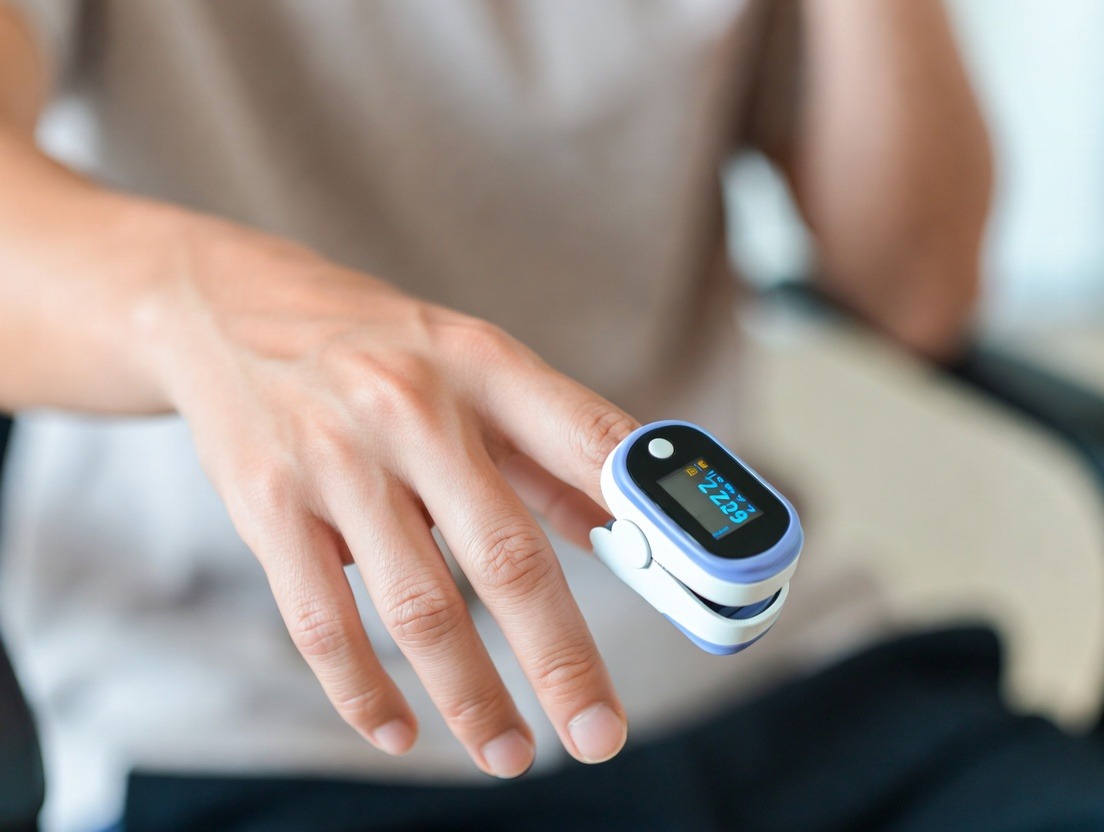
Blood Oxygen Saturation measures the percentage of hemoglobin in your blood that is carrying oxygen. While daytime SpO2 is usually stable, the night tells a different story.
What it reveals: During sleep, muscles relax, including those in your airway. For many people, this can lead to partial or complete blockages—a condition known as sleep apnea. These events cause blood oxygen levels to dip (desaturations). Frequent nocturnal desaturations strain the cardiovascular system, fragment sleep, and are linked to hypertension, cognitive decline, and metabolic dysfunction. Monitoring this biomarker is crucial for long-term health, as sleep apnea is a significant but often undiagnosed accelerator of biological aging .
How your ring tracks it: Using the same PPG sensor with specific wavelengths of light, the ring estimates SpO2 levels throughout the night. It can identify the frequency and depth of desaturation events, providing a powerful screening tool for sleep-disordered breathing.
Your body’s core temperature is tightly regulated, but the temperature at your skin—where the ring sits—offers a different kind of insight.
What it reveals: Your baseline skin temperature follows a circadian rhythm, typically dipping at night to promote sleep. Significant deviations from your personal baseline are highly informative. A sustained elevation can signal the onset of illness, an inflammatory response, or, for women, ovulation . For those focused on healthy aging, tracking temperature trends can help identify hidden inflammation or hormonal imbalances.
How your ring tracks it: A tiny thermistor on the inner band of the ring takes frequent temperature readings. Advanced algorithms separate the signal from the noise, identifying meaningful shifts in your baseline that correlate with other biomarkers like heart rate and sleep disturbances.

Sleep is the most potent recovery and repair tool your body possesses. Sleep tracking goes far beyond just counting hours.
What it reveals: Quality sleep is cyclical, moving through stages:
A healthy, youthful sleep pattern features sufficient time in both deep and REM sleep, with minimal awakenings. Aging, stress, and poor sleep hygiene can erode this architecture, reducing restorative deep sleep. Your ring’s analysis provides a nightly report card on this vital repair process .
How your ring tracks it: By combining movement data (from an accelerometer) with heart rate, HRV, and breathing rate patterns, the ring uses validated algorithms to estimate your time in each sleep stage. It assesses your sleep latency (time to fall asleep), sleep efficiency, and overall restfulness.
Together, these biomarkers form a composite picture of your systemic health. They are the vital signs of your healthspan, and tracking them daily puts you in the driver’s seat of your own aging process.
The magic of a wellness ring lies in its ability to condense a clinical-grade health monitoring suite into a device that weighs less than a dime. This feat of engineering is powered by a sophisticated array of miniature sensors working in concert. Understanding how they work demystifies the data and builds trust in the insights you receive.
The primary sensor in any wellness ring is the PPG sensor. This is the technology that enables heart rate, HRV, and blood oxygen tracking.
How it works: On the inner curve of the ring, you’ll find tiny LED lights (usually green and sometimes infrared/red) and a light-sensitive photodetector. The LEDs shine light into the capillary-rich tissue of your finger. As your heart beats, blood volume in these capillaries pulses slightly. The photodetector measures the amount of light absorbed or reflected by this changing blood volume.
The PPG sensor operates continuously, taking hundreds of readings per minute to build a high-fidelity waveform of your cardiovascular activity.
While light tells the story of your circulation, movement tells the story of your activity and rest. This is the job of the accelerometer.
How it works: This micro-electromechanical system (MEMS) chip measures acceleration forces in three dimensions: side-to-side, up-and-down, and forward-backward. Its applications are dual-purpose:
Nestled alongside the PPG sensor is a precision thermistor—a resistor whose electrical resistance changes predictably with temperature.
How it works: This sensor takes frequent readings of the skin temperature at your finger. Because it’s worn continuously, it can establish a highly personalized baseline for you. The real value is in detecting deviations. The ring’s algorithms are not looking for a single high reading but for a sustained shift of a few tenths of a degree Celsius over hours or days. This pattern-based approach is what allows it to potentially flag the onset of illness or physiological changes like ovulation before you feel symptoms .
Raw sensor data is meaningless without processing. Advanced wellness rings incorporate efficient processors and memory to perform initial data processing on the device itself (edge computing). This reduces battery consumption and allows for the intelligent, intermittent transmission of summarized data packets rather than a constant stream of raw data.
Bluetooth Low Energy (BLE) is the standard for connectivity, enabling the ring to sync seamlessly with your smartphone app every few hours or when you open the app. This balance between onboard processing and cloud-based analysis is key to providing deep insights while maintaining excellent battery life—often 3-7 days on a single charge .
This synergy of sensors transforms your finger into a powerful health data port. It is a non-invasive, always-on laboratory, gathering the fundamental signals that paint a dynamic picture of your health and aging. To learn more about the specific technology and design philosophy behind our own implementation of these sensors, you can visit our about-us page.

The sensors collect the raw notes, but artificial intelligence (AI) is the composer that turns them into a symphony of insight. This is where a modern wellness ring separates itself from basic data loggers. AI and machine learning algorithms perform the complex, contextual analysis that makes your data truly personal and actionable .
The first and most critical job of the AI is to learn you. During an initial period (often 2-4 weeks), the system doesn’t just collect data; it analyzes it to establish your personal baselines for every biomarker. What is a "normal" resting heart rate for you? What does your unique HRV range look like? What is your typical sleep architecture?
This personal baseline is revolutionary. It moves health assessment away from population averages (which can be misleading) and toward a personalized framework. Your scores and insights are based on deviations from your own normal, not a generic ideal. This means the system can detect subtle, meaningful changes that would be invisible when comparing you to a broader population.
Once your baseline is set, the AI’s real-time analytical power shines. It continuously looks for patterns and correlations across multiple data streams.
The most advanced application of AI is in prediction and personalized guidance. This is where the system evolves from a reporter to a coach.
It’s crucial to remember that this AI is a tool for augmented intelligence, not artificial replacement. Its recommendations are prompts for you to consider in the context of your own life. Did you have a stressful work meeting that explains the stress detection? Did you have a glass of wine that affected your sleep? By allowing you to tag events, log activities, and note feelings, the system creates a feedback loop. You teach the AI about the context behind the physiology, which in turn refines its future interpretations and recommendations.
This collaborative relationship between human experience and machine analysis is the key to unlocking true, sustainable health behavior change and empowered aging management. For answers to common questions about how this AI partnership works in practice, our comprehensive FAQ is a valuable resource.
If you could choose one daily activity to optimize for healthy aging, sleep should be at the top of your list. It is during sleep that your body performs its most critical maintenance work: clearing metabolic waste from the brain, repairing tissues, consolidating memories, and regulating hormones that control appetite and metabolism. Your wellness ring provides an unprecedented nightly audit of this vital process, moving far beyond simple duration to analyze the quality and architecture of your sleep—factors directly tied to longevity .
Aging is often associated with a decline in sleep quality, particularly a reduction in deep sleep (slow-wave sleep). This stage is essential for physical restoration and growth hormone release. Your ring’s analysis helps you understand your personal sleep architecture:
By tracking these metrics, you can see how lifestyle factors—like evening screen time, caffeine, alcohol, or late meals—directly impact the structure of your sleep and, by extension, your daily recovery and long-term health.
One of the most significant health threats that can be screened via your ring is sleep-disordered breathing, like sleep apnea. This condition, where breathing repeatedly stops and starts, causes intermittent blood oxygen desaturations and places immense strain on the cardiovascular and nervous systems. It is a major risk factor for hypertension, atrial fibrillation, stroke, and cognitive decline .
How your ring helps: By tracking your blood oxygen (SpO2) levels throughout the night, the ring can identify patterns of significant dips. While it is not a diagnostic medical device, it can provide powerful data showing the frequency and severity of potential events. This information can be the critical nudge you need to seek a formal sleep study from a healthcare professional, potentially diagnosing a condition that silently accelerates biological aging.
Are you a morning lark or a night owl? Your chronotype is your natural predisposition to sleep and wake times. Fighting against your chronotype (e.g., a night owl forcing early mornings) can lead to chronic social jet lag, misaligning your internal body clock (circadian rhythm) with your social obligations. This misalignment is linked to metabolic dysfunction, mood disorders, and increased inflammation .
How your ring helps: By analyzing your long-term sleep-wake patterns and potentially your body temperature rhythm, the AI can identify your chronotype. It can then offer personalized guidance, such as an ideal bedtime window that aligns with your biology, helping you achieve more regular, restorative sleep. Aligning your lifestyle with your circadian rhythm is a foundational pillar of healthy aging.
Your nightly sleep data is a direct reflection of your nervous system’s ability to downshift into a state of repair. Prioritizing and optimizing this one-third of your life, guided by the insights from your ring, is perhaps the single most effective step you can take to support your healthspan.
The relentless pace of modern life means chronic stress has become a ubiquitous, silent accelerant of aging. Stress is not just a feeling; it is a measurable physiological cascade involving cortisol, adrenaline, and a shift in your autonomic nervous system balance toward "fight or flight." When this state becomes chronic, it contributes to inflammation, weakens immune function, impairs cognitive performance, and damages cardiovascular health . Your wellness ring provides an objective, real-time dashboard for your nervous system, helping you manage stress not as an abstract concept, but as a quantifiable biological phenomenon.
As discussed, HRV is your body’s real-time report card on stress and recovery. When you are stressed (physically or mentally), your sympathetic nervous system dominates, making your heart rate more regular and predictable, which lowers HRV. When you are relaxed and recovered, your parasympathetic system is active, creating more variability between beats, which raises HRV .
Daily Monitoring: Your ring tracks your daytime HRV patterns to identify periods of high stress. Seeing a tangible dip in your HRV during a stressful work period validates your experience with data and can serve as a prompt to engage a stress-reduction technique.
Trend Analysis: More importantly, it tracks your long-term HRV trends. A gradual decline in your baseline HRV over weeks or months is a critical warning sign of allostatic load—the cumulative wear and tear from chronic stress. Addressing this trend through lifestyle intervention is a direct investment in slowing biological aging.
Some advanced rings now offer a dedicated Daytime Stress metric. This uses a combination of HRV, heart rate, and activity data to classify your moments into states like "stressed," "engaged," "relaxed," or "restored" . This feature helps you:
Your ring’s Readiness or Recovery Score is a master algorithm that synthesizes multiple biomarkers—previous night’s sleep, HRV, resting heart rate, body temperature, and recent activity—into a single, easy-to-understand number. This score answers the question: "How capable is my body of handling stress and exertion today?"
This is a paradigm shift from "no pain, no gain" to strategic, personalized exertion. On a high-recovery day, you might push for a personal best in your workout. On a low-recovery day, the intelligent choice might be a gentle walk, yoga, or focused recovery. This approach prevents the downward spiral of overtraining and burnout, allowing for consistent, sustainable progress that respects your body’s needs. It’s a cornerstone of training for longevity rather than just short-term performance.
By giving you an objective view of your stress physiology and recovery status, your wellness ring empowers you to transition from being a passive victim of stress to an active manager of your nervous system. This skill is invaluable for preserving vitality and resilience throughout the decades.
For healthy aging, the goal of activity shifts from burning calories or building an aesthetic to maintaining functional capacity, metabolic health, and muscle mass—key components of healthspan. Sporadic, intense workouts are less beneficial than consistent, intelligent movement integrated into your life. Your wellness ring supports this longevity-focused fitness philosophy by tracking not just workouts, but your 24/7 activity profile and how your body responds to it .
A major limitation of traditional fitness trackers is their focus on dedicated "workouts." However, Non-Exercise Activity Thermogenesis (NEAT)—the energy you burn through all daily movement outside of formal exercise—is a huge component of metabolic health. This includes walking, gardening, housework, and even fidgeting.
How your ring helps: With its always-on wearability, the ring excels at capturing this background activity. It encourages you to view fitness holistically. Hitting a step goal, breaking up long sedentary periods, and accumulating movement throughout the day are all celebrated and tracked. This promotes a naturally active lifestyle, which is more sustainable and protective against age-related metabolic decline than weekend-warrior routines alone .
Some advanced wellness platforms now offer insights into your cardiovascular age or fitness level. By analyzing your heart rate response to standardized activities (like a guided walking test) or your resting metrics over time, the system can estimate how your cardiovascular system compares to population averages for your chronological age .
For example, it might tell you your cardiovascular system is "8 years younger" than your actual age. This is a powerful motivational tool, providing direct feedback that your healthy habits are paying off at a systemic level. Conversely, if your fitness age is higher, it’s a clear signal to prioritize cardiovascular health through consistent, moderate-intensity activity.
This is where the integration of data becomes powerful. Your ring’s Recovery Score should directly inform your Activity Score.
The message is clear: for longevity, consistency beats intensity, and recovery is as important as the workout itself. Your wellness ring provides the feedback loop to practice this balance intelligently, ensuring your activity habits support your healthspan for the long run.
The true frontier of personalized health is the convergence of continuous digital data from wearables and deep, cellular-level data from traditional lab tests. This integration creates a complete picture: the digital biomarkers show the real-time effects of your lifestyle, while the blood biomarkers reveal the underlying causes and systemic health. This powerful combination is now emerging, taking health tracking from informative to truly transformational .
When combined, they answer each other's questions. The blood test explains why your digital metrics might be off, and the digital data shows how your daily life impacts your blood chemistry over time.
Pioneering companies are beginning to offer this integration as a service. For example, a user can order a comprehensive at-home blood test kit through their wellness app, measuring 50+ biomarkers across metabolic, cardiovascular, liver, kidney, and immune health . The results are then seamlessly uploaded into the same app that houses their ring data.
The AI then works its magic on this combined dataset:
This integration moves you from reactive healthcare (treating problems after they arise) to proactive health optimization. You can now:
This holistic, data-driven approach represents the future of managing healthy aging—a future where you are empowered with a complete, connected understanding of your body. This vision of integrated health is at the core of our mission, and you can learn more about our journey and values on our our-story page.
Theoretical knowledge of biomarkers is one thing; seeing how they play out in real life is another. Let’s walk through hypothetical but research-backed scenarios that illustrate how a wellness ring’s data could provide critical insights for healthy aging. These stories demonstrate the shift from generic health advice to personalized, data-driven discovery.
Background: Michael, 52, is a busy executive. He exercises regularly, eats well, and gets what he thinks is enough sleep (7 hours per night). His annual physical shows borderline high blood pressure and cholesterol, which his doctor attributes to "getting older."
Ring Data Tells a Different Story:
The "Aha" Moment: Michael uses the ring's stress alerts to try brief breathing exercises. He sees his stress status shift to "relaxed" on the app in real time. He makes a concerted effort to build breaks into his day and improve his sleep hygiene. Over 3 months, his HRV baseline rises, his deep sleep increases, and his readiness scores improve. At his next check-up, his blood pressure has dropped into a healthier range. The ring data helped him identify and address chronic nervous system activation as a root cause, not just an age-related inevitability.
Background: Susan, 68, is an avid walker and gardener. She’s experiencing more joint stiffness but pushes through it, believing "motion is lotion." She fears slowing down will cause faster decline.
Ring Data Provides Clarity:
The Intelligent Adjustment: Instead of stopping, Susan uses her Recovery Score as a guide. On high-recovery days, she does her longer walks. On lower-recovery days, she swaps for gentle yoga or swimming, which are easier on her joints. She prioritizes sleep and hydration on active days. This recovery-focused approach allows her to maintain her activity volume over the long term without triggering inflammatory pain, keeping her functionally fit and independent.
Background: David, 45, is focused on metabolic health. He eats a low-carb diet and exercises but is frustrated that his fasting blood glucose is still creeping up. His doctor mentions "prediabetes."
Ring Data Reveals a Pattern:
The Root-Cause Intervention: Armed with this data, David discusses his ring’s SpO2 report with his doctor and gets a sleep study. He is diagnosed with mild sleep apnea. Using a CPAP machine dramatically improves his sleep quality and oxygen levels. Within a few months, his ring shows improved deep sleep and stable overnight SpO2. His follow-up blood test shows a notable decrease in both HbA1c and hsCRP. The ring helped identify sleep-disordered breathing as a key driver of his metabolic dysfunction, leading to a targeted and effective intervention.
These stories show that biomarkers are not abstract numbers. They are interconnected threads in the story of your health. A wellness ring helps you read that story as it’s being written, enabling you to become the author of a healthier, longer chapter.
As these devices collect increasingly intimate and continuous data about our bodies, legitimate concerns about privacy, security, and ethical data use arise. When you wear a wellness ring, you are entrusting a company with a detailed diary of your physiology. It is crucial to understand how responsible companies protect this sensitive information and empower you with control .
Reputable wellness technology companies implement multiple layers of security:
You should be the ultimate owner and controller of your data. Look for platforms that offer:
The ethical use of health data extends beyond legal compliance:
Choosing a wellness partner is about more than features and design; it’s about trust. By prioritizing companies with robust, transparent, and ethical data practices, you can confidently leverage this powerful technology to enhance your healthspan while safeguarding your personal information.
In the first part of this guide, we established how modern wellness rings translate your body's subtle signals—heart rate, sleep architecture, oxygen levels—into a dynamic dashboard of your biological age. We explored the sophisticated sensors and AI that make this possible and saw how integrating this digital data with traditional blood tests creates a revolutionary, holistic health picture. But this is only the beginning. The true promise of this technology lies not just in observation, but in actionable foresight and personalized strategy.
We are moving from an era of tracking health metrics to one of orchestrating health outcomes. The continuous data stream from your finger is the foundational layer for a more profound journey: one that connects daily habits to long-term cellular health, incorporates cutting-edge science like epigenetics, and ultimately helps you build a cohesive, data-empowered plan to extend your healthspan. This next section explores that frontier, examining how the insights from your ring can integrate with the broader pillars of longevity—nutrition, mindset, and advanced biomarkers—to craft a future where you don't just live longer, but live with more vitality, resilience, and purpose for every one of those years.
The core value of continuous wearables shifts dramatically when you view data not as daily scores, but as longitudinal trends. A single day of low HRV is noise; a three-month downward trend in your HRV baseline is a critical signal. This shift from acute to chronic analysis is where wearables transition from fitness gadgets to genuine health management tools, enabling a predictive, rather than reactive, approach to aging.
The first step in predictive health is establishing a personalized baseline, as discussed earlier. The next step is monitoring deviations from that baseline over meaningful timescales—weeks, months, and years.
The most advanced predictive models don't look at biomarkers in isolation. They combine them into composite indices that tell a more robust story. Your ring's "Readiness Score" is a simple example—a single number derived from HRV, RHR, sleep, and temperature.
Researchers are now developing more sophisticated digital aging clocks. Similar to how epigenetic clocks (like the Horvath or PhenoAge clock) estimate biological age from DNA methylation patterns, digital aging clocks use machine learning to estimate biological age from a panel of wearable-derived biomarkers: activity levels, sleep quality, heart rate dynamics, and potentially even voice or gait analysis from other devices .
How it could work: An algorithm trained on thousands of people's long-term wearable data and health outcomes learns which combinations of digital biomarkers correlate with faster or slower biological aging. It then applies this model to your data stream to estimate your digital biological age and, more importantly, your rate of aging. You could literally see if your biological age is decelerating thanks to your lifestyle choices.
Perhaps the most significant predictive application is the early detection of subclinical dysfunction—problems that haven't yet caused symptoms but are eroding your health foundations.
This predictive, longitudinal lens transforms your wellness ring from a historian into a forecaster and guide, helping you navigate your health journey with informed confidence.
Nutrition is the bedrock of longevity, but personalized nutrition has long been elusive. Generic advice ("eat more vegetables") fails to account for individual differences in genetics, gut microbiome, and metabolic response. Wearable data is beginning to close this loop, providing real-time, objective feedback on how your body responds to the fuel you provide it.
While rings don't directly measure calories or macronutrients, they track the metabolic consequences of your dietary choices through several key biomarkers:
Fasting and time-restricted eating (TRE) are popular longevity interventions. Your ring is an ideal tool to measure your physiological adaptation to these practices.
The next leap in personalized nutrition is the integration of wearable ring data with Continuous Glucose Monitor (CGM) data. CGMs provide a real-time, granular view of blood sugar responses to food, exercise, and sleep.
When CGM data is combined with the ANS (autonomic nervous system) and recovery data from a ring, the insights become transformative:
This multi-system feedback is the ultimate tool for bio-individual nutrition, moving far beyond one-size-fits-all diet plans. For more insights on integrating technology with daily wellness practices, explore the resources on our blog.
Longevity is not just a physical pursuit; cognitive health and emotional resilience are equally critical components of healthspan. Chronic psychological stress is a potent driver of inflammation and cellular aging. Conversely, practices that cultivate mental calm and resilience have measurable, positive effects on physiology. Your wellness ring quantifies this mind-body bridge, showing you the tangible physical benefits of mental practices.
Meditation, deep breathing, and mindfulness are often praised anecdotally. Wearable data provides the proof.
The link between sleep and brain health is undeniable. Deep sleep is when the brain's glymphatic system is most active, clearing out metabolic waste like beta-amyloid proteins, which are associated with Alzheimer's disease .
In our always-connected world, cognitive and emotional burnout is a common stealth accelerator of aging. It manifests not just as feeling tired, but as a specific physiological pattern:
Seeing this pattern quantified can be the jarring evidence needed to make serious lifestyle changes—setting digital boundaries, taking real vacations, or seeking professional support—to prevent long-term health consequences.
By making the invisible link between mind and body visible, your wellness ring elevates mental self-care from a nice-to-have to a non-negotiable, data-verified pillar of your longevity strategy.
The field of longevity science is advancing rapidly, moving beyond traditional metrics to assess aging at the cellular and molecular level. While today's wellness rings focus on systemic, organ-level biomarkers, the future points toward integration with these advanced tests, creating a multi-layered aging dashboard.
Epigenetic clocks are currently the most accurate measure of biological age. They analyze chemical modifications (methylation) on your DNA, which change predictably with age and are influenced by lifestyle, environment, and genetics. Tests like PhenoAge or GrimAge provide a powerful snapshot of your cellular age and even predict mortality risk .
The trillions of bacteria in your gut (the microbiome) influence everything from inflammation and metabolism to brain health and immune function. Its composition is a key biomarker of health and aging. Dysbiosis (an imbalanced microbiome) is linked to nearly every age-related disease.
Longevity is also about the functional reserve of specific organs. Emerging tests go beyond standard blood panels:
The wearable's role in this advanced landscape is to provide the context of daily life. It answers the question: "What was I doing in the months leading up to this improved (or worsened) cellular or microbiome result?" This turns advanced testing from a static report into a dynamic chapter in your ongoing health story, the narrative of which you can explore further through our our-story page.
Data is only as valuable as the action it inspires. The culmination of all this tracking and analysis is the creation of a Personalized Longevity Plan (PLP)—a living, breathing strategy that uses your unique biomarker profile to guide daily, monthly, and yearly choices toward the goal of extending your healthspan. Here is a practical framework to build one, using your wellness ring as the core feedback mechanism.
Focus on one pillar at a time. Use the ring to run a clear, data-driven experiment.
Once you improve one pillar, it creates a foundation for the next. Improved sleep will likely boost your HRV. Now, layer in a new priority.
Your PLP is a cycle, not a checklist. After 6-12 months, revisit advanced tests. Did your epigenetic age improve? Did your blood markers shift favorably? This long-term validation is incredibly motivating.
Always integrate this data with professional advice. Your PLP should be developed in partnership with:
Your wellness ring is the compass for this journey, providing continuous feedback to ensure you're always heading in the direction of a longer, healthier life.
As powerful as this technology is, it is not a panacea. To use it effectively for longevity, one must understand its limitations and avoid the pitfalls of excessive self-tracking, which can lead to anxiety ("orthosomnia") or an obsessive, unhealthy relationship with data.
Orthosomnia is a coined term for the insomnia that arises from an obsessive pursuit of perfect sleep data. It's a real risk when the tool meant to improve health becomes a source of stress.
The most advanced algorithm cannot replace interoception—your ability to perceive the internal state of your body. The goal of using a wearable is to enhance this skill, not replace it.
By approaching this technology with a balanced, informed, and self-compassionate mindset, you harness its power for good while avoiding its potential downsides. It becomes a partner in your health journey, not a source of it. For further discussion on using technology mindfully, our FAQ addresses common questions and concerns.
The current capabilities of wellness rings are impressive, but they represent just the first chapter. The convergence of several technological and scientific trends promises a future where the device on your finger becomes an indispensable, AI-powered health guardian integrated seamlessly into the healthcare ecosystem.
Future rings will incorporate additional sensors to capture a wider biological picture:
The AI will evolve from interpreting data to becoming a true proactive health partner.
The ultimate goal is for this data to bridge the gap between daily life and clinical care.
This future is one of democratized, preventative, and participatory health. Your wellness ring will be the constant, unobtrusive interface between you and this new world of medicine, empowering you with the knowledge and tools to actively shape your own health destiny. To learn more about the company working to bring parts of this future to life, you can visit our about-us page.
Your Trusted Sleep Advocate: Sleep Foundation — https://www.sleepfoundation.org
Discover a digital archive of scholarly articles: NIH — https://www.ncbi.nlm.nih.gov/
39 million citations for biomedical literature :PubMed — https://pubmed.ncbi.nlm.nih.gov/
Experts at Harvard Health Publishing covering a variety of health topics — https://www.health.harvard.edu/blog/
Every life deserves world class care :Cleveland Clinic - https://my.clevelandclinic.org/health
Wearable technology and the future of predictive health monitoring :MIT Technology Review — https://www.technologyreview.com/
Dedicated to the well-being of all people and guided by science :World Health Organization — https://www.who.int/news-room/
Psychological science and knowledge to benefit society and improve lives. :APA — https://www.apa.org/monitor/
Cutting-edge insights on human longevity and peak performance:
Lifespan Research — https://www.lifespan.io/
Global authority on exercise physiology, sports performance, and human recovery:
American College of Sports Medicine — https://www.acsm.org/
Neuroscience-driven guidance for better focus, sleep, and mental clarity:
Stanford Human Performance Lab — https://humanperformance.stanford.edu/
Evidence-based psychology and mind–body wellness resources:
Mayo Clinic — https://www.mayoclinic.org/healthy-lifestyle/
Data-backed research on emotional wellbeing, stress biology, and resilience:
American Institute of Stress — https://www.stress.org/


