


How Your Wellness Ring Turns Metrics Into Health Action
How your wellness ring turns data into actionable health steps.
How your wellness ring turns data into actionable health steps.
%402x.svg)
You wake up, glance at your finger, and see more than just jewelry. You see a night of restless sleep quantified, a resting heart rate that’s a few beats higher than usual, and a readiness score suggesting you take it easy. A decade ago, this would have been science fiction. Today, it’s a morning ritual for millions. The modern wellness ring—a discreet, always-on guardian—has moved far beyond counting steps. It sits at the nexus of biometrics, artificial intelligence, and personalized health, generating a continuous stream of data about your body’s most intimate rhythms.
But here lies the modern dilemma: we are drowning in data while thirsting for insight. We have access to more health metrics than any generation in history, yet often feel paralyzed by the numbers. What does a dip in Heart Rate Variability (HRV) really mean? Is a low sleep score a cause for concern or just a bad night? The sheer volume of information can lead to “analysis paralysis” or, worse, data fatigue, where the numbers become meaningless noise, leading us to disengage entirely.
This article is not just about what your wellness ring tracks. It’s about the critical, often-missing bridge between tracking and transformation. We will delve deep into the sophisticated science behind the metrics, translate them into a clear narrative about your unique physiology, and provide a actionable framework to turn this knowledge into sustainable health decisions. This is the journey from raw data points to empowered action—from simply knowing your sleep duration to understanding the quality of your deep sleep and implementing a wind-down routine that genuinely improves it. We’ll explore how devices like the OxyZen ring are engineered not just to collect data, but to contextualize it, turning a stream of numbers into a personalized health coach on your finger.
The promise is profound: a shift from reactive healthcare to proactive, personalized wellbeing. It’s about moving from asking, “What’s wrong with me?” to proactively declaring, “Here’s how I can optimize myself.” Let’s begin by understanding the very foundation of this technology: the sophisticated biometrics it captures and, more importantly, what they are truly telling you about your body’s silent language.
Before you can act on data, you must understand its language. Your wellness ring is a linguist, translating the subtle, continuous signals of your autonomic nervous system (ANS) into a dashboard you can comprehend. The ANS is the control center for your unconscious bodily functions—your heart rate, respiration, digestion, and stress response. It has two primary branches: the sympathetic (fight-or-flight) and the parasympathetic (rest-and-digest). The balance between these two is the cornerstone of your wellbeing, and your ring’s key metrics are direct windows into this balance.
Heart Rate (HR) and Resting Heart Rate (RHR): The Pulse of Basal Metabolism
Your heart rate is more than just a beat; it’s a responsive gauge of demand. While active HR measures exertion, Resting Heart Rate—measured optimally during deep sleep or upon first waking—is a powerful biomarker of cardiovascular fitness and overall health. A lower RHR generally indicates a more efficient heart muscle and better aerobic fitness. But the trend is king. A sustained, unexplained increase in your RHR can be an early warning sign of overtraining, impending illness, dehydration, or chronic stress. Your ring tracks this baseline relentlessly, providing a daily check-in on your engine’s idle speed.
Heart Rate Variability (HRV): The Gold Standard of Resilience
If RHR is the idle speed, HRV is the sophistication of the engine’s timing system. Contrary to intuition, a healthy heart does not beat with metronomic regularity. The tiny, millisecond variations between each heartbeat are what we call HRV. A higher HRV indicates a strong, adaptable ANS—a heart that can respond fluidly to stress and then recover quickly. It signifies good parasympathetic (rest-and-digest) tone. A lower or declining HRV suggests your system is under strain, possibly from physical overload, emotional stress, poor sleep, or illness. It’s your body’s most honest measure of recovery and readiness. For a deeper dive into the science of HRV and recovery, our blog features extensive resources on interpreting these nuanced signals.
Body Temperature: The Metabolic Thermostat
Continuous wrist-based temperature sensing, especially nocturnal temperature, is a revolutionary feature. Your core body temperature follows a circadian rhythm, dipping at night to facilitate sleep and rising during the day. Disruptions in this cycle can signal the onset of illness (a fever), hormonal changes (like ovulation, marked by a slight sustained rise), or circadian misalignment from poor sleep habits or jet lag. Tracking this trend helps you connect physiological states to external factors.
Blood Oxygen Saturation (SpO2): The Fuel Gauge
Measured primarily during sleep, SpO2 indicates the percentage of oxygen-carrying hemoglobin in your blood. Consistent nocturnal dips (sleep apnea events) can fragment sleep and strain the cardiovascular system. While not a medical diagnosis tool, trends in nightly SpO2 can prompt important conversations with a healthcare provider about sleep quality.
Sleep Staging: The Architecture of Restoration
Modern rings use accelerometry and heart rate data to estimate sleep stages: light, deep, and REM sleep. Each stage has a purpose. Deep sleep is physically restorative, while REM sleep is crucial for memory consolidation and emotional processing. Your ring doesn’t just tell you how long you slept, but how well you cycled through these stages. Waking up tired after 8 hours of sleep makes immediate sense if your data shows a lack of deep sleep—pointing you toward solutions for sleep quality, not just quantity.
Together, these metrics form a holistic picture. A high RHR, low HRV, elevated temperature, and fragmented sleep create a biometric story of a body under siege, perhaps fighting a virus or crushed by stress. Conversely, a low RHR, high HRV, stable temperature, and solid sleep architecture paint a picture of resilience and recovery. The next step is moving from reading this story to writing a better one, which begins with establishing your own unique baseline.
The greatest flaw in generic health advice is the “average.” An average sleep duration, an average HRV, an average step count—these are statistical abstraations that are often useless, and sometimes harmful, on an individual level. Your wellness ring’s primary power lies in its ability to define normal for you. This process of establishing a personal baseline transforms data from a report card into a relational map.
Why Averages Lie: The Myth of the "Perfect" Number
Being told your HRV is “50” is meaningless without context. For one person, 50 might be a sign of peak fitness; for another, it could indicate a significant drop from their normal 70, signaling overtraining. The health and fitness industry is rife with benchmarks that create unnecessary anxiety. The goal is not to hit a population average but to understand your unique range of variation and what causes you to move within it.
The Baseline Period: Capturing Your Fingerprint of Health
Establishing a true baseline requires time and relative stability. The ideal period is 2-4 weeks of your “typical” life—not on vacation, not acutely ill, not undergoing extreme new training. During this time, your ring quietly learns your rhythms:
This creates your biometric fingerprint. For instance, you might learn that your baseline HRV is 65 ms, with a typical daily fluctuation of +/- 5 ms. You learn that you normally get 1.5 hours of deep sleep. This is your foundation.
Context is King: Tagging and Correlation
Baseline data becomes truly powerful when layered with life context. This is where user input transforms the ring from a passive monitor to an interactive journal. Leading apps allow you to “tag” your days:
After several weeks, patterns emerge that are uniquely yours. You may see that:
These personalized cause-and-effect relationships are the golden nuggets of self-knowledge. They move you from “alcohol is bad for sleep” (generic) to “My sleep is measurably and significantly disrupted by even one drink” (personal and actionable). To see how real users have discovered their unique patterns, you can explore their experiences in our customer testimonials.
Establishing your baseline is the essential first act of self-quantification. It turns the generic into the specific. But data alone, even personalized data, can still feel like a disconnected series of events. The true magic happens when your ring’s algorithms weave these data points into a coherent, daily narrative about your readiness to perform, recover, and thrive. This is the rise of the daily score.

To combat data overload, the best wellness platforms synthesize multiple metrics into simple, intuitive scores. These scores are not arbitrary grades; they are algorithmically weighted summaries designed to guide your daily decisions. The three pillars are typically Readiness (or Recovery), Sleep, and Activity.
The Readiness Score: Your Daily Prescription for Effort
This is arguably the most valuable output. A Readiness Score distills your overnight recovery data—HRV trend, RHR, sleep quality, and temperature—into a single number (often out of 100) that answers the question: “How prepared is my body to handle stress today?”
The genius of the Readiness Score is its directive nature. It doesn’t just inform; it advises. It helps you align your actions with your physiology, promoting a flexible, responsive approach to training and life that reduces burnout and enhances performance.
The Sleep Score: Beyond Hours in Bed
This score evaluates the quality of your sleep. It combines duration, consistency (time you went to bed), efficiency (how little you woke up), and the balance of sleep stages. A high Sleep Score with 7 hours of sleep is better than a low score with 9 hours of restless tossing. It shifts the focus from chasing an arbitrary number of hours to cultivating behaviors that promote deep, restorative sleep cycles. Seeing a low Sleep Score after a night of social scrolling in bed provides a concrete incentive to protect your sleep hygiene.
The Activity Score: Balancing Movement and Recovery
An Activity Score moves beyond crude step counts. It typically considers your heart rate-based activity (moderate to vigorous minutes), overall daily movement (NEAT – Non-Exercise Activity Thermogenesis), and how your activity level balances with your Readiness Score. The system might encourage you to “hit your target” on high-readiness days and gently nudge you to “take it easy” or focus on mobility on low-readiness days. This creates a dynamic, intelligent activity plan that respects your body’s need for variation.
Synthesizing the Story: A Day in the Data
Imagine your ring tells you this: Sleep Score: 92 (Excellent). Readiness Score: 45 (Low).
This apparent contradiction is a rich story. You slept deeply and well (92), but your body is still in a deep state of stress or recovery (45). This tells you that the fatigue you feel isn’t from last night; it’s cumulative. The prescription is clear: honor the low Readiness Score. Take a rest day, even though you slept well. This level of nuanced insight prevents the common error of ignoring deep fatigue just because you managed to sleep.
These scores are the bridge between complex data and simple decisions. They are the translation layer. But to make those decisions truly effective, we must dive deeper into the most potent and often misunderstood metric: Heart Rate Variability, and its central role in guiding your training and recovery.
Heart Rate Variability has evolved from an obscure physiological measure to the central pillar of biohacking and performance optimization. Understanding how to apply HRV data is where the transformation from tracker to coach truly happens. It provides an objective, internal measure of your body’s stress response, free from the biases of “how you feel.”
HRV-Based Training: Listening to Your Body’s Wisdom
Traditional training plans are linear and predetermined: Monday is leg day, Tuesday is cardio, etc. They ignore your body’s daily fluctuating state. HRV-guided training introduces autoregulation.
HRV and Stress: The Quantified Calm
HRV is exquisitely sensitive to psychological stress. A difficult conversation, a looming deadline, or financial worry can depress your HRV as effectively as a hard workout. This makes it a powerful tool for mindfulness and stress management.
Navigating the Trends: Acute vs. Chronic Shifts
It’s crucial to interpret HRV correctly:
By treating HRV not as just another number but as a daily conversation with your nervous system, you gain a profound level of bodily awareness. It teaches you to recognize the physical footprint of stress and recovery long before your conscious mind catches up. This foundational knowledge then allows us to optimize the most powerful lever for health that we have: sleep.

Sleep is the non-negotiable foundation of health, and your wellness ring is its most thorough auditor. But tracking is only the diagnosis; optimization is the cure. Your ring’s sleep data provides the blueprint for a personalized sleep overhaul.
Deconstructing the Sleep Score: Identifying Your Weak Link
A low Sleep Score is a starting point for investigation. The breakdown reveals the culprit:
Leveraging Data for Behavioral Change
This is where metrics become action. Here’s how to use specific data points:
The Wind-Down Analysis: Predicting Sleep Quality
Advanced systems now analyze your physiology before sleep. How elevated was your heart rate in the hour before bed? Was your body already cooling? This “pre-sleep” data helps you refine your wind-down ritual. If your data shows you’re going to bed with a racing heart, you can experiment with earlier, more calming activities like reading instead of stimulating TV or work.
SpO2 and the Breathing Connection
For some, consistently low nightly SpO2 averages or frequent “dips” can be a prompt to investigate breathing habits. This data can encourage practices like nasal breathing during the day and night, which can improve sleep quality and reduce snoring. It serves as a conversation starter with a healthcare professional about sleep-disordered breathing.
By treating your sleep data as a nightly experiment, you can systematically identify and eliminate the barriers to restorative sleep. You move from feeling tired and guessing why, to knowing exactly which levers to pull—be it caffeine curfew, temperature control, or stress management. This restorative foundation then fuels everything else, including how you navigate one of modern life’s most pervasive challenges: stress.
We all “feel” stressed, but that feeling is subjective and unreliable. Your wellness ring objectifies stress by measuring its direct physiological footprint: a suppressed HRV, an elevated RHR, and sometimes, a raised skin temperature. This allows you to manage what you can measure.
From Feeling to Data: The Stress Score
Many platforms now incorporate a daily Stress Score or a measure of “stress load.” This isn’t a measure of your emotional state, but of your nervous system’s activation. It quantifies how much time during the day your body spent in a sympathetically dominant (fight-or-flight) state based on heart rate and HRV analysis. You might have a “calm” day emotionally but see a high stress score because of three back-to-back meetings, poor posture, and caffeine—all silent stressors on your ANS.
Identifying Your Unique Stress Signatures
The ring helps you discover your non-obvious stressors. Through tagging, you might find:
This awareness is empowering. It allows you to anticipate and buffer these effects.
Active Recovery and the Art of Deliberate De-stressing
Data turns recovery from a passive hope into an active practice. If your ring shows a high stress load by 3 PM, that’s your cue to intervene, not push through.
The Role of Temperature in Stress
A sustained, slight elevation in your baseline temperature can be a sign of systemic inflammation, often driven by chronic psychological or dietary stress. Noticing this trend can prompt you to investigate anti-inflammatory dietary changes or more aggressive stress-reduction protocols.
By making the invisible visible, your wellness ring demystifies stress. It stops being a vague, overwhelming feeling and becomes a series of manageable physiological events that you can observe, understand, and mitigate. This holistic management of mind and body load sets the stage for optimizing your most active hours: your training and daily movement.

The era of “more is better” in fitness is over. Intelligent training is about precision, timing, and adaptation. Your wellness ring provides the data layer to train smarter, not just harder, by integrating readiness with activity.
Readiness-Driven Workout Planning
This is the practical application of your morning Readiness Score. It creates a dynamic, responsive training week:
This approach, often called “autoregulated training,” maximizes gains while minimizing injury and overtraining. It respects the fundamental biological principle that adaptation happens during recovery, not stress.
Heart Rate Zones: Training with Precision
Your ring provides continuous heart rate monitoring, enabling true heart rate zone training without a chest strap.
Activity Breadth: Celebrating NEAT (Non-Exercise Activity Thermogenesis)
Steps are a crude proxy for a crucial health component: general, all-day movement. NEAT—the energy expended for everything that isn’t sleeping, eating, or sports-like exercise—is a major determinant of metabolic health. Your ring tracks this all-day burn. It encourages you to break up sedentary time with short walks, to take the stairs, and to fidget. This “activity score” component rewards consistency of movement, not just dedicated workout blocks.
Recovery Tracking: Measuring the Response
The ring doesn’t stop tracking when your workout ends. It measures how you recover from it. How long does it take your heart rate to return to baseline after a hard set (Heart Rate Recovery – HRR)? How does your nocturnal HRV respond to different types of workouts? You may learn that heavy strength training impacts your nervous system (HRV) more than a steady-state run, or that evening workouts disrupt your sleep onset. This informs not just what you do, but when you do it.
By serving as both a coach and a historian for your movement, the ring creates a virtuous cycle: intelligent effort followed by quality recovery, leading to better readiness for the next effort. This holistic approach to energy expenditure must be paired with an equally intelligent approach to energy intake and the body’s other rhythms, which brings us to the fascinating world of circadian health and metabolic tracking.
Your body runs on a master 24-hour clock that governs everything from hormone release to digestion to cell repair. Disrupting this circadian rhythm is linked to poor sleep, weight gain, impaired cognition, and chronic disease. Your wellness ring, through temperature and activity data, is a powerful tool for getting back in sync.
Temperature: Your Core Circadian Signal
Your core body temperature is one of the most reliable markers of your circadian phase. It hits its nadir (lowest point) in the middle of your sleep and begins to rise in the early morning to promote wakefulness.
Timing of Light, Food, and Activity
Your ring’s data helps you optimize the timing of key behaviors:
Metabolic Fueling Insights
While rings don’t measure glucose directly (yet), they provide powerful proxy signals.
By revealing your unique circadian pattern, the ring helps you structure your day in harmony with your biology, not against it. This is the pinnacle of personalized health: living in sync with your internal rhythm. But to make all these insights sustainable and truly impactful, they must be integrated into a seamless, everyday system that guides you without overwhelming you.
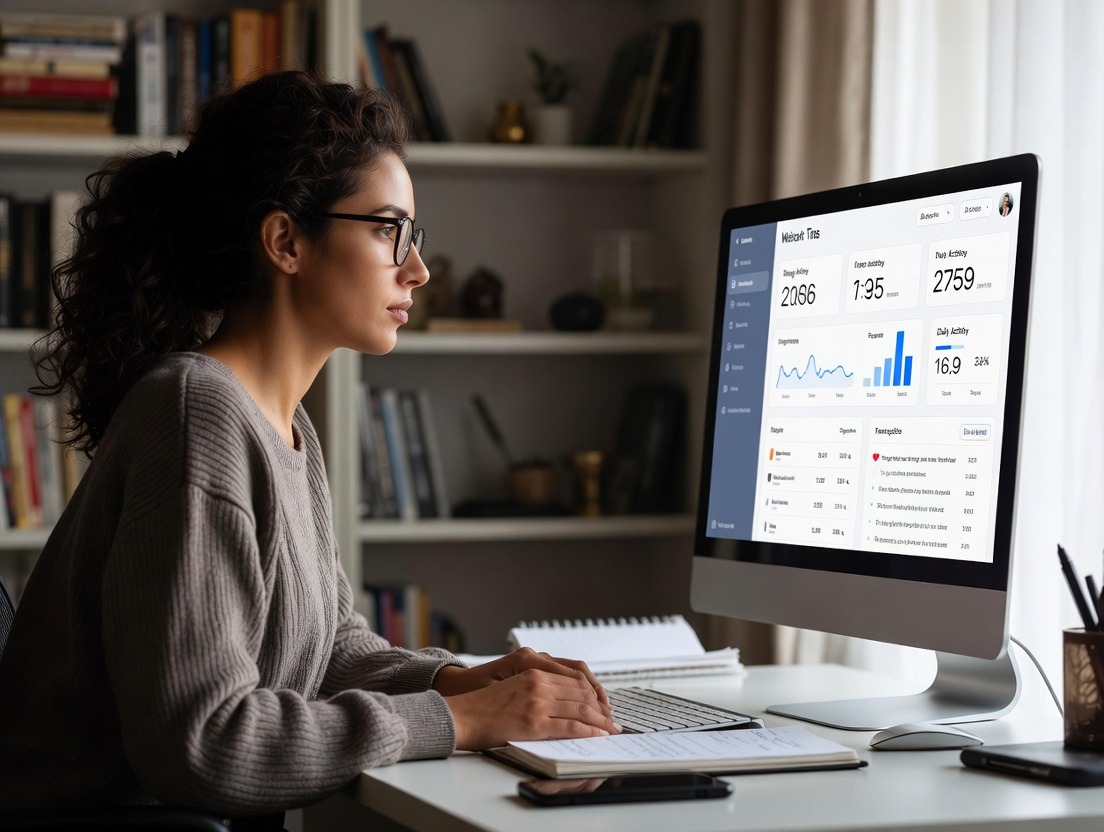
A wellness ring is not a magic talisman. Its value is realized only when its insights are woven into the fabric of your daily decisions. This requires moving from passive observation to active system-building—creating your Personal Health Operating System (OS).
The Morning Ritual: The 5-Minute Health Check
Instead of reaching for your phone and social media, the first interaction of the day becomes a check-in with your data. This ritual takes less than 5 minutes:
This ritual fosters a profound sense of agency. You start the day informed, not reactive.
The Power of Tagging: Creating Your Cause-Effect Database
Consistent tagging is the single most important habit for long-term learning. It’s how you build your personal health encyclopedia. Make tagging as easy as possible—use quick-add buttons for common tags like “alcohol,” “late meal,” “meditation,” “stressful day.” Over months, this database becomes invaluable. You’ll have hard evidence to answer questions like, “What’s the optimal workout time for me?” or “How does my cycle affect my recovery?”
Setting Intelligent, Dynamic Goals
Move beyond static goals like “10,000 steps a day.” Set dynamic, intelligent goals based on your system:
These goals are personalized, measurable, and directly tied to underlying physiology.
The Weekly Review: The Strategic Pause
Once a week, spend 15 minutes reviewing your trends. Look at your weekly averages for sleep, readiness, and activity. Identify patterns: Is your readiness consistently low on Mondays? Is your deep sleep lower on weekends? This weekly audit allows for strategic adjustments to your routines, sleep schedule, or training plan for the week ahead. For inspiration on how to structure this review and set meaningful goals, our blog contains several user guides and case studies.
Integration with Other Ecosystems
A robust Personal Health OS often integrates data from other sources. Does your ring data sync with your nutrition app, your calendar, or your training platform? This creates a holistic dashboard. Seeing that a low-readiness day consistently follows a day packed with back-to-back meetings allows you to proactively buffer those days with recovery practices.
By treating your data not as a novelty but as the core feedback mechanism for a living system, you transition from being a wearer of technology to a master of your own wellbeing. This journey, of course, is best understood not in theory, but in practice—through the lived experiences of those who have walked this path.
Theory crystallizes into conviction through story. The true power of a wellness ring is revealed in the specific, life-changing insights it provides to real people. Here are anonymized composites of common transformation archetypes.
Case Study 1: The Overtrained Athlete
Case Study 2: The Stressed Executive
Case Study 3: The Health-Seeking Parent
These stories illustrate that the transformation isn’t in the ring itself, but in the actionable knowledge it provides and the behavioral changes that knowledge inspires. This journey of discovery is at the very heart of why companies like ours build these tools, a mission rooted in a desire to empower individuals with self-knowledge.
The stories of Marco, Sarah, and David are not outliers; they are early adopters of a fundamental shift in personal health management. They moved from guessing to knowing, from generic advice to personalized protocol. Their wellness rings provided the objective mirror, revealing the hidden rhythms and cause-effect relationships governing their energy, performance, and wellbeing. But the journey doesn’t end with personal optimization. The true potential of this continuous biometric stream lies in its ability to integrate with the broader ecosystem of your life, anticipate future needs, and even reshape our collective approach to health. In this portion, we explore the frontiers of this technology: from advanced analytics and preventative healthcare to the ethical considerations and the exciting future of what your silent companion might soon be able to tell you.
The current generation of wellness rings is brilliantly diagnostic. The next evolutionary leap is into the predictive and preventative realm. By applying machine learning and advanced pattern recognition to longitudinal data, these devices will transition from telling you what happened to suggesting what might happen—and how to prevent it.
Illness Prediction: The Early-Warning System
One of the most well-documented predictive capabilities is illness onset. A confluence of biomarkers often signals your body’s fight against a pathogen before symptoms appear.
Injury Risk Forecasting: Listening to the Whispers
For athletes and active individuals, overuse injuries are a constant threat. Predictive analytics can identify the subtle signs of accumulating strain.
Mental Wellbeing and Burnout Forecasting
The physiological footprint of chronic stress, anxiety, and impending burnout is unmistakable in biometric data. A persistently suppressed HRV, poor sleep architecture (especially lack of REM sleep), and a flattened circadian rhythm are the body’s distress signals.
This predictive capacity requires immense respect for data privacy and user agency—topics we will address later. But the potential is staggering: a shift from healthcare that waits for you to break, to a system of wellbeing that helps you stay resilient. To learn more about the research and development behind these predictive health features, you can explore our company’s mission and vision for proactive wellness.
Your wellness ring is a powerhouse of physiological data, but it’s not the only source of health-relevant information. Its true power is multiplied when it acts as the central hub in a connected ecosystem of apps and devices—a unified health dashboard.
The Synergy of Connected Data
Imagine a dashboard where your ring’s readiness score informs your calendar app, which gently suggests moving a demanding meeting if you’re in recovery mode. Consider these integrations:
The Calendar as a Health Tool
One of the most impactful future integrations is with your digital calendar. By analyzing your schedule (meeting density, travel blocks, focus time) alongside your biometrics, you could receive insights like:
This turns time management into a component of health management.
The Role of the Smartphone and Ambient Sensors
The ring doesn’t operate in a vacuum. It can be complemented by your phone’s microphone (analyzing ambient noise for sleep disruption), GPS (tracking sunlight exposure via location and weather data), and even future home sensors that monitor air quality and light. This ambient data layer adds rich context to your physiological story, helping to explain why your HRV dipped (e.g., a night in a noisy hotel room with poor air quality).
Building this dashboard requires open APIs and a commitment to user-centric design, placing you in control of your own aggregated health data. It’s about creating a cohesive narrative from disparate data points, empowering you with a holistic view of your lifestyle’s impact. For practical advice on setting up these integrations and getting the most from your connected health ecosystem, our FAQ section provides useful technical guidance.
As these devices become more intimate and their insights more profound, a rigorous ethical framework is not optional—it’s essential. Trust is the foundation of any effective health tool. Users must be confident stewards of their own data.
The Sanctity of Biometric Data: Beyond Credit Cards
Your sleep patterns, stress levels, and heart rhythms are more sensitive than your credit card number. They reveal your vulnerabilities, your habits, and your health status.
Informed Consent and User Sovereignty
Consent cannot be a one-time, buried checkbox in a Terms of Service document. It should be an ongoing conversation.
Avoiding Data Anxiety and Orthosomnia
A significant ethical consideration is the psychological impact of constant monitoring. “Orthosomnia” is a clinically recognized condition where an obsession with perfect sleep data actually causes insomnia and anxiety.
The Equity Question
As this technology advances, there is a risk of deepening health inequities. Ensuring these tools are accessible, designed for diverse populations (e.g., accurate on all skin tones), and that their insights don’t exacerbate existing disparities is a critical challenge for the industry.
Navigating these ethical waters with integrity is what separates a responsible health partner from a mere data-harvesting gadget. It ensures the technology remains empowering, not exploitative. With this foundation of trust, we can look ahead to the breathtaking possibilities on the horizon.
The current sensor suite in wellness rings is powerful, but it’s just the beginning. Research labs and pioneering companies are developing the next generation of non-invasive sensors that will turn the ring into an even more comprehensive health monitor.
Continuous, Non-Invasive Glucose Monitoring (cgM)
This is the holy grail for metabolic health insight. While current cgM requires a subcutaneous sensor, several companies are racing to develop optical (light-based) sensors that can estimate glucose trends from the wrist or finger. Success here would be transformative, allowing millions to see their real-time glycemic response to food, sleep, and stress without a needle. It would personalize nutrition in a way never before possible.
Blood Pressure Monitoring
Estimating blood pressure from a small wearable is a monumental engineering challenge, but progress is being made using Pulse Transit Time (PTT)—the speed at which the pressure wave from your heartbeat travels. While likely not as accurate as a cuff for absolute diagnosis, tracking relative trends throughout the day and night could provide invaluable insight into cardiovascular stress and the impact of lifestyle.
Advanced Hydration & Electrolyte Status
By analyzing the electrical properties of tissue (bioimpedance), future rings might estimate fluid levels and electrolyte balance. This could be a game-changer for athletes, the elderly, and anyone in hot climates, providing a direct nudge to hydrate or replenish electrolytes before performance declines or health is risked.
Cortisol Sensing
Cortisol, the primary stress hormone, follows a distinct diurnal rhythm. Disruption of this rhythm is linked to numerous health issues. Researchers are exploring ways to measure cortisol levels in sweat or interstitial fluid. A ring that could track your daily cortisol curve would offer the ultimate objective measure of HPA axis (stress system) health, guiding stress management with unprecedented precision.
Alcohol and Lactate
Experimental sensors can detect alcohol or lactate (a marker of muscular fatigue) in sweat. Imagine your ring gently confirming you’ve had enough to drink for the night based on your metabolism, or telling a runner their muscles are nearing exhaustion during a race.
These advancements will require rigorous clinical validation and regulatory approval. They won’t replace medical devices, but they will fill the vast void between annual check-ups and hospital visits, providing continuous, contextual health awareness. This brings us to the final, and perhaps most important, frontier: bridging the gap between the quantified self and the qualified medical professional.
For all their sophistication, wellness rings are not medical devices. They are wellness tools designed for education and lifestyle enhancement. However, the data they generate can become a powerful bridge to professional healthcare when used appropriately.
The Empowered Patient: From Anecdote to Data
Walking into a doctor’s office and saying “I’m tired” is subjective. Walking in with a 3-month trend showing a progressively elevated resting heart rate, declining HRV, and poor sleep efficiency is objective. This data provides a concrete starting point for investigation. It can help differentiate between psychological fatigue (“I feel tired”) and physiological strain (“my nervous system shows signs of chronic stress”).
Creating a Health Timeline
Your ring data creates a detailed timeline of your physiology around health events. For example:
This data moves the conversation past recall bias and into observable patterns.
Remote Patient Monitoring (RPM) and Preventative Care
The future of chronic disease management is remote and continuous. While today’s rings aren’t FDA-cleared for this, the pathway is clear. Imagine a future where:
The Doctor’s New Tool
Forward-thinking clinicians are beginning to welcome this patient-generated health data (PGHD). It provides context that a 15-minute appointment never could. The key is presentation: a clear, one-page summary of key trends and correlations is far more useful than a raw data dump. Companies that facilitate this—creating secure, HIPAA-compliant “reports for your doctor”—will add tremendous value.
This partnership model is the ideal: the individual empowered with daily insight and the professional equipped with longitudinal data. It fosters a collaborative, preventative, and personalized approach to health that our current system desperately needs. For those interested in how this philosophy shapes our product development and user support, you can learn more about our approach to building tools for empowered health.
Wellness is not a sprint; it’s a lifelong marathon. The ultimate value of a wellness ring is not in optimizing a single workout or fixing one bad night’s sleep. It’s in the cumulative, compounding effect of thousands of better daily decisions informed by a deeper understanding of your body. This is the long game of healthspan and longevity.
From Acute Optimization to Chronic Adaptation
The initial months with a ring are about discovery and acute optimization: fixing sleep, balancing training, managing stress. The long-term value, however, is in monitoring chronic adaptations.
The Healthspan Dashboard
“Healthspan”—the number of years we live in good health—is becoming a more important goal than pure lifespan. Your ring’s data over years becomes a personal healthspan dashboard. Key biomarkers like resting heart rate, HRV, and sleep quality are strong predictors of long-term health outcomes and biological age. Maintaining favorable trends in these metrics is arguably one of the best things you can do for your future self.
Detecting Age-Related Shifts
As we age, our physiology changes. Nocturnal temperatures might become less stable, sleep architecture naturally shifts (less deep sleep), and HRV has a general, gradual decline. Having your own decades-long dataset allows you to distinguish between normal, healthy aging and abnormal, accelerated decline that might warrant medical attention. It provides a personalized aging curve.
Motivation Through Microscopy
The day-to-day fluctuations can be noisy, but the long-term trend is the signal. Seeing a multi-year chart where your stress resilience (HRV) has improved, your cardiovascular fitness (RHR) has enhanced, and your sleep has stabilized is a powerful motivator. It visualizes the return on investment for your healthy habits in a way that scales, clothing size, or even how you feel in the mirror cannot.
The Legacy of Data
In the future, this longitudinal biometric data could be one of the most valuable assets you pass on. Family health history is powerful but vague. A detailed record of your sleep, stress, and heart data across decades could provide your children or their doctors with unparalleled insights into hereditary patterns and personalized risk factors.
Playing the long game with your health data requires a shift in perspective. It’s about curiosity and patience, about observing the slow, beautiful trend of self-improvement. It turns health from a project into a lifelong practice of learning and adaptation.
With the market for wellness rings expanding, choosing the right one is crucial. The ideal ring is not just about specs; it’s about the synergy of accurate hardware, intelligent software, and a philosophy that aligns with your goals. Here are the key considerations to guide your choice.
Sensor Accuracy: The Non-Negotiable Foundation
If the data isn’t reliable, nothing else matters. Prioritize rings with validated sensor arrays.
Battery Life and Form Factor: The Always-On Promise
A wellness ring must be worn continuously to establish a true baseline. This makes battery life and comfort paramount.
The Intelligence Layer: Software is the Soul
The hardware collects data; the software turns it into wisdom. Evaluate the app and algorithm quality.
Ecosystem and Connectivity
Consider how the ring will fit into your existing tech life.
Privacy Philosophy
Investigate the company’s stance. Do they prioritize on-device processing? Is their privacy policy clear and user-friendly? Your biometric data is precious; trust is earned.
Price and Subscription Model
Be aware of the total cost of ownership. Some rings have a high upfront cost but no subscription. Others are cheaper but require a monthly fee to access advanced analytics and scores. Determine which model aligns with your budget and the value you expect. For a detailed comparison of features and philosophies to find the right fit for your journey, our blog offers ongoing reviews and guides.
Choosing a ring is choosing a long-term health partner. It’s worth careful consideration. Once you’ve made your choice, the final step is beginning the journey with intention, setting yourself up for success from the very first day.
The initial period with your wellness ring is a unique opportunity for accelerated learning. Following a structured approach will help you build a solid foundation of self-knowledge and avoid common pitfalls like data overload or obsession.
Phase 1: The Silent Observer (Days 1-30) – Establish Your Baseline
Phase 2: The Pattern Detective (Days 31-60) – Correlate and Discover
Phase 3: The Integrated Coach (Days 61-90) – Implement and Systematize
Avoiding Common Pitfalls:
This 90-day roadmap builds competence and confidence. It transforms the ring from a fascinating gadget into an indispensable tool for self-mastery. For ongoing support, community stories, and advanced tips as you progress on this journey, remember that resources like our community blog and testimonials are always available.
We have traveled a considerable distance from the initial introduction to the biometric language of your body. We’ve decoded core metrics, established the critical importance of your personal baseline, and explored how synthesized scores translate data into daily direction. We’ve seen how HRV acts as a north star for training and stress, how sleep data provides a blueprint for restoration, and how objective metrics demystify subjective stress.
We then peered into the future, where data becomes predictive and preventative, and where the ring integrates seamlessly into a unified health dashboard. We navigated the essential ethical landscape of privacy and psychological safety, and glimpsed the next generation of sensors that will deepen our self-understanding. We discussed bridging the gap to professional healthcare and playing the long game for healthspan. Finally, we equipped you with a framework for choosing your device and a 90-day plan to master it.
This journey—from raw metrics to health action—is the essence of modern, empowered wellbeing. It represents a profound shift from outsourcing our health to external authorities, to developing an internal authority guided by data. The wellness ring is the tool that makes this possible, but the agent of change is you. It provides the mirror, but you choose what to see and what to act upon.
The story of this technology is still being written, not just in labs, but on the fingers of millions of individuals making better choices, one data point at a time. It’s a story of moving from guesswork to precision, from anxiety to agency, and from simply living to optimally thriving. If you’re inspired by this vision of a more informed, proactive approach to health, we invite you to discover the story behind our own commitment to this empowering future.
Your Trusted Sleep Advocate: Sleep Foundation — https://www.sleepfoundation.org
Discover a digital archive of scholarly articles: NIH — https://www.ncbi.nlm.nih.gov/
39 million citations for biomedical literature :PubMed — https://pubmed.ncbi.nlm.nih.gov/
Experts at Harvard Health Publishing covering a variety of health topics — https://www.health.harvard.edu/blog/
Every life deserves world class care :Cleveland Clinic - https://my.clevelandclinic.org/health
Wearable technology and the future of predictive health monitoring :MIT Technology Review — https://www.technologyreview.com/
Dedicated to the well-being of all people and guided by science :World Health Organization — https://www.who.int/news-room/
Psychological science and knowledge to benefit society and improve lives. :APA — https://www.apa.org/monitor/
Cutting-edge insights on human longevity and peak performance:
Lifespan Research — https://www.lifespan.io/
Global authority on exercise physiology, sports performance, and human recovery:
American College of Sports Medicine — https://www.acsm.org/
Neuroscience-driven guidance for better focus, sleep, and mental clarity:
Stanford Human Performance Lab — https://humanperformance.stanford.edu/
Evidence-based psychology and mind–body wellness resources:
Mayo Clinic — https://www.mayoclinic.org/healthy-lifestyle/
Data-backed research on emotional wellbeing, stress biology, and resilience:
American Institute of Stress — https://www.stress.org/


