What Is HRV Tracking? The Smart Ring Feature That Changes Everything
How HRV tracking is a feature that significantly changes health monitoring.
What Is HRV Tracking? The Smart Ring Feature That Changes Everything
Imagine a single, silent metric whispering secrets about your body that even you don’t know. It can warn you of oncoming illness before the first sniffle, reveal the hidden cost of that “harmless” late-night coffee, and quantify the elusive state of your nervous system. This isn’t science fiction; it’s the reality of Heart Rate Variability (HRV) tracking, a profound health insight once confined to clinical labs and elite athlete training facilities. Today, it’s being delivered to your fingertip by the most elegant and personal health device yet: the smart ring.
For decades, health tracking was about the obvious—steps taken, calories burned, hours slept. It was a rearview mirror look at your activity. But the modern quest for wellness has evolved. We don’t just want to know what we did; we need to understand how it affected us. We seek a proactive, personalized blueprint for resilience, performance, and longevity. This is where HRV ascends as the king of biomarkers, and the smart ring becomes its perfect conduit. Unobtrusive, worn 24/7, and measuring from the vasculature-rich finger, devices like the Oxyzen smart ring are transforming HRV from a complex curiosity into a daily, actionable guide.
This article is your deep dive into the revolution. We’ll unravel the science of HRV, explore why it’s the ultimate window into your autonomic nervous system, and demonstrate how continuous tracking via a smart ring is changing the game for everyone—from biohackers and executives to parents and retirees. This is not just another feature; it’s the foundation for a truly intelligent, personalized, and preventative approach to health.
The Silent Language of Your Heart: Defining HRV
If someone asked you, “What’s your heart rate?” you’d likely give a single number: 72 beats per minute (BPM). This measurement, known as your average heart rate, has been a staple of basic health checks for centuries. But it tells only a fraction of the story. Beneath that steady thump-thump lies a complex, dynamic, and incredibly informative variation. This is Heart Rate Variability.
What HRV Actually Measures
Contrary to intuition, a healthy heart does not beat with the metronomic precision of a drum machine. The time interval between successive heartbeats—measured in milliseconds—constantly fluctuates. One beat might come 850 milliseconds after the last, the next 820 milliseconds, then 870 milliseconds. This subtle, ever-changing variation is your HRV.
Think of it like this: Imagine two skilled musicians keeping time. One taps a perfectly consistent, robotic beat. The other plays with nuanced, expressive timing—sometimes rushing slightly, sometimes holding back—all while maintaining the overall tempo. Which performance is more alive, more responsive, more resilient? The expressive one. Your heart is that expressive musician. HRV quantifies its “expressiveness,” and in doing so, provides a real-time readout of your body’s ability to adapt to stress.
At its core, HRV is a proxy for the balance between the two branches of your autonomic nervous system (ANS):
The Sympathetic Nervous System (SNS): Your "fight-or-flight" system. It accelerates heart rate, prepares for action, and dominates during stress, exercise, or anxiety.
The Parasympathetic Nervous System (PNS): Your "rest-and-digest" system. It slows the heart, promotes recovery, digestion, and relaxation.
These two systems are in a constant, delicate tug-of-war, sending signals to your heart’s pacemaker (the sinoatrial node) to speed up or slow down. A high HRV generally indicates a strong, responsive parasympathetic influence and a healthy balance between the two systems. It means your body can swiftly shift gears—ramping up to meet a challenge and then efficiently downshifting to recover. A low HRV suggests sympathetic dominance—your system is stuck in a state of high alert, less resilient, and with fewer resources for repair and restoration.
From Medical Mystery to Mainstream Metric
The significance of HRV is not new. Chinese physicians noted pulse variability over 2,000 years ago. In the 18th century, the German physician Albrecht von Haller documented it. But it wasn’t until the latter half of the 20th century, with the advent of digital electrocardiograms (ECGs), that scientists could measure these millisecond-level changes accurately.
Pioneering research began to link low HRV to serious health outcomes. Seminal studies in the post-infarction (post-heart attack) population, such as the famous 1987 article in The Lancet, showed that reduced HRV was a powerful, independent predictor of mortality. This sparked decades of clinical research, cementing HRV’s role as a key indicator of cardiovascular health, diabetic neuropathy, and overall systemic resilience.
For years, measuring HRV required specialized, expensive equipment and expert interpretation. It was a tool for cardiologists and researchers. The turning point came with the proliferation of photoplethysmography (PPG) sensors in consumer wearables—the same green LED lights used in smartwatches and fitness bands to measure heart rate from the wrist. While early wrist-based measurements had (and still have) limitations, they opened the door. Today, the convergence of advanced PPG sensors, powerful algorithms, and the form factor of the smart ring has brought clinical-grade HRV insights into the realm of practical, daily use. You can explore the blog at Oxyzen for a deeper look at the evolution of wearable sensor technology.
Why Your Average Heart Rate Is Deceiving
To truly appreciate HRV, you must understand its distinct advantage over average heart rate. Consider these two scenarios:
The Overtrained Athlete: After weeks of intense, unrelenting training with inadequate sleep, an athlete might wake up with a lower-than-usual resting heart rate (a classic sign assumed to indicate fitness). However, their HRV will have plummeted, screaming a warning of systemic fatigue, insufficient recovery, and high injury risk.
The Stressed Executive: Sitting at their desk, their heart rate might be a "normal" 68 BPM. But a chronically low HRV would reveal a nervous system drowning in cortisol, perpetually in a low-grade fight-or-flight state, inhibiting cognitive function and eroding long-term health.
Average heart rate is a blunt instrument; HRV is a finely tuned sensor. It detects subtleties and internal conflicts that a simple pulse count completely misses. It is the difference between seeing a still pond’s surface and being able to measure the complex currents and life teeming beneath it.
Your Nervous System's Dashboard: The Science of HRV and the ANS
Heart Rate Variability is more than just a heart metric; it is the most accessible, non-invasive window we have into the functioning of the autonomic nervous system. The ANS is the master regulator of your internal universe, controlling everything you don’t have to think about: heart rate, blood pressure, digestion, body temperature, hormone release, and pupil dilation. By decoding HRV, we are essentially tapping into the control panel of this unconscious operating system.
The Autonomic Nervous System: A Balancing Act
As mentioned, the ANS has two primary, opposing branches. Let’s give them their due depth:
The Sympathetic Nervous System (SNS): Your Gas Pedal
Function: Mobilizes the body’s resources for action. It’s the system that enabled our ancestors to flee predators and fight threats.
Effects: Increases heart rate and blood pressure, dilates airways, shunts blood to muscles, releases glucose for energy, and inhibits non-essential functions like digestion and reproduction.
In Modern Life: It’s activated not just by physical threats but by psychological ones: an overflowing inbox, a traffic jam, financial worries, or social media stress. Chronic, low-grade sympathetic activation is a hallmark of modern living.
The Parasympathetic Nervous System (PNS): Your Brake and Repair Crew
Function: Conserves energy, promotes restoration, and maintains baseline bodily functions.
Key Nerve: The vagus nerve, a massive "information superhighway" running from the brainstem to the abdomen, is the primary conduit for parasympathetic signals.
Neurotransmitter: Acetylcholine.
Effects: Slows heart rate, stimulates digestion, promotes nutrient absorption, supports immune function, and facilitates tissue repair and growth. It is the state of "rest and digest," essential for recovery.
HRV emerges from the heart’s sinus node listening to the competing whispers of these two systems. When the PNS is strong and active, it delicately modulates the heartbeat, creating more variability (higher HRV). When the SNS dominates, it shouts orders for a faster, more uniform beat, suppressing variability (lower HRV).
How HRV Reflects Stress, Recovery, and Resilience
A single HRV reading is a snapshot; trends over time tell the epic story of your body’s interaction with the world.
Acute Stress Response: During an intense workout, a stressful work presentation, or an argument, your SNS fires up. Your HRV will drop sharply as your heart rate climbs and becomes more regular to fuel the perceived challenge. This is normal and healthy—a sign of appropriate mobilization.
The Recovery & Supercompensation Phase: After the stressor ends, a healthy system sees a strong PNS rebound. Your HRV should not only return to baseline but often overshoot it in the following hours or days. This "supercompensation" is where adaptation and improvement happen—muscles repair and grow stronger, the immune system fortifies, neural pathways consolidate. A high or rising HRV trend indicates effective recovery and growing resilience.
The Danger of Chronic Stress: When stressors are relentless—be they physical, emotional, or environmental—the SNS never fully disengages. The PNS is stifled. HRV remains suppressed day after day. This is a state of allostatic load, where the body’s stress-response systems are perpetually activated, leading to wear and tear. Chronically low HRV is a validated biomarker for burnout, anxiety disorders, cardiovascular disease risk, and compromised immune function.
The Clinical Backbone: HRV as a Predictor of Health
The power of HRV isn’t just anecdotal; it’s supported by a vast and growing body of peer-reviewed research.
Cardiology: As established, low HRV is a significant predictor of mortality after a heart attack. It’s also associated with hypertension, atherosclerosis, and heart failure.
Metabolic Health: Studies link low HRV to insulin resistance, metabolic syndrome, and diabetes. The ANS plays a direct role in regulating glucose metabolism and pancreatic function.
Mental Health: Depression, anxiety, and PTSD are consistently associated with reduced HRV. Some therapeutic interventions, like cognitive behavioral therapy and certain antidepressants, have been shown to increase HRV.
Performance & Fatigue: In sports science, HRV is the gold standard for monitoring training load and preventing overtraining. A sustained drop in HRV is a clear signal to reduce intensity. This principle applies equally to cognitive performance and workplace fatigue.
This scientific pedigree is what elevates HRV from a "nice-to-have" wellness metric to a "must-understand" vital sign. It provides objective data on a system that governs our subjective experience of health, stress, and vitality. For those curious about the science behind their wellness data, a visit to Oxyzen's FAQ page can offer clear, detailed explanations of these complex physiological concepts.
Beyond the Wrist: Why the Smart Ring is the Ideal HRV Monitor
The quest for accurate, continuous health tracking has led us from chest straps to wristbands, from clips to patches. Each has its trade-offs. The emergence of the smart ring represents a paradigm shift, not just in form factor, but in fundamental data quality, especially for a metric as sensitive as HRV. It solves the critical problems that have plagued wrist-based wearables.
The Problem with Wrist-Based HRV Tracking
Wrist-worn devices are incredibly convenient, but they are suboptimal for physiological measurement for several key reasons:
Motion Artifact: The wrist is a highly mobile joint. Typing, gesturing, driving, and even minor hand movements create "noise" that can obscure the clean pulse signal needed for accurate HRV calculation. This often forces devices to rely on nighttime readings only, missing the rich, day-long story of your ANS.
Suboptimal Vasculature: The blood vessels at the wrist (the radial and ulnar arteries) are smaller and farther from the heart than the major vessels in the finger. The signal is inherently weaker and more susceptible to interference from temperature changes and poor fit.
Fit Consistency: A watch band must be tight for a good reading (often uncomfortably so), but can loosen with movement. A loose fit allows ambient light to "contaminate" the optical sensor, degrading data quality.
These limitations mean that while your smartwatch can give you a general HRV trend, the data is often inconsistent, prone to gaps, and can’t be reliably used for moment-to-moment feedback.
The Finger: A Data-Rich, Stable Platform
The finger, specifically the base of the finger where a ring sits, offers distinct advantages:
Dense Vascular Network: The palmar digital arteries in the fingers are rich with capillaries. The tissue is thinner, allowing the optical sensor’s LEDs to penetrate more easily and capture a stronger, cleaner pulse wave signal (photoplethysmogram or PPG). This is the same principle used in hospital-grade pulse oximeters, which are almost always placed on the finger.
Reduced Motion: Compared to the wrist, the finger experiences far less large-amplitude movement during daily activities. While fingers move, the motions are smaller and less disruptive to the sensor’s contact with the skin. This enables reliable 24/7 tracking, capturing your body’s responses to work meetings, meals, commutes, and workouts—not just sleep.
Consistent, Snug Fit: A well-designed smart ring conforms to the shape of your finger, maintaining consistent sensor contact without a need for a tourniquet-like tightness. This ensures a stable data stream. The team at Oxyzen has dedicated immense effort to perfecting this fit, a journey you can read about in their our-story section.
Enabling True 24/7 Baseline Tracking
This is the game-changer. HRV’s true power is unlocked when you have a continuous baseline—a personalized "normal" for you across all hours and contexts. A smart ring can seamlessly collect this data.
Sleep: It captures your nightly HRV, which is a pure reflection of recovery, free from the conscious stresses of the day. This is your recovery score.
Daytime: It quietly logs how your nervous system reacts to your morning coffee, a tough conversation, a focused work session, or a lunchtime walk. This builds a comprehensive picture of your stress load.
Trends Over Time: With months of continuous data, the ring’s algorithms learn your unique patterns. It can distinguish a normal, healthy post-workout HRV dip from a concerning, prolonged drop due to illness or overtraining. It moves from giving you generic numbers to providing personalized insights.
The smart ring, by virtue of its location and wearability, transforms HRV from a periodic check-up into a flowing narrative of your body’s inner state. It is the always-on, non-intrusive guardian of your nervous system balance.
Decoding the Numbers: What Your HRV Score Actually Means
You’ve strapped on your smart ring. The data is flowing. Your app displays a number: say, 52 milliseconds (ms) on the RMSSD scale (a common time-domain measure of HRV). The immediate question is: Is that good or bad? This chapter is your guide to becoming fluent in the language of HRV, moving beyond the raw number to meaningful interpretation.
Understanding Common HRV Metrics (RMSSD, SDNN, LF/HF)
Different devices and apps may use different algorithms and metrics. It’s crucial to know what you’re looking at:
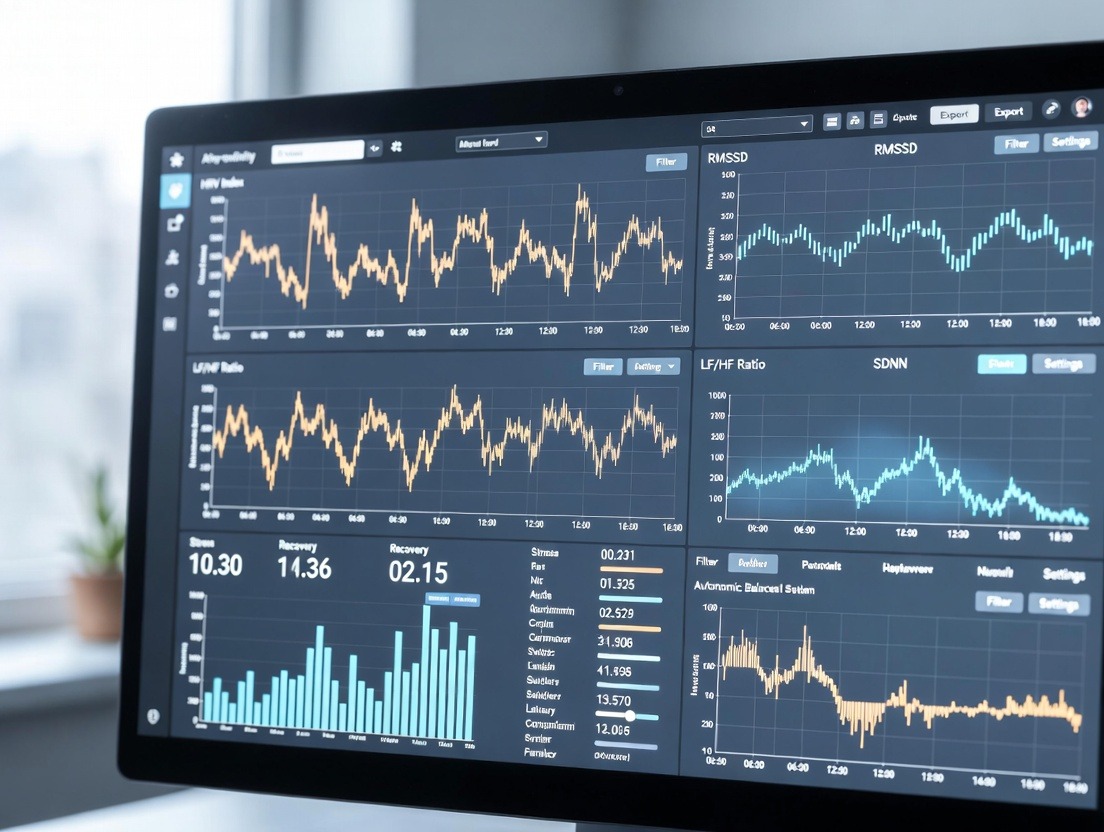
RMSSD (Root Mean Square of Successive Differences): This is the most common metric for short-term, beat-to-beat variability and is considered the best proxy for parasympathetic (vagal) activity. It’s highly sensitive to acute changes and is the standard in most consumer wellness devices. Higher RMSSD = stronger parasympathetic tone/better recovery.
SDNN (Standard Deviation of NN Intervals): This reflects overall variability over a longer period (typically 5 minutes to 24 hours). It is influenced by both sympathetic and parasympathetic systems and is a strong predictor of cardiovascular health in clinical settings. A 24-hour SDNN is a gold-standard holistic measure.
Frequency Domain Metrics (LF, HF, LF/HF Ratio): This requires longer, cleaner data segments and is more common in clinical analysis. It breaks down the HRV signal into frequency bands:
High Frequency (HF): Linked to parasympathetic (vagal) activity and respiratory sinus arrhythmia (the natural increase and decrease in heart rate with breathing).
Low Frequency (LF): A more debated metric, once thought to represent sympathetic activity but now seen as a mix of both systems, influenced by baroreceptor activity (blood pressure regulation).
LF/HF Ratio: Often (and controversially) used as a marker of "sympathovagal balance." A high ratio was thought to indicate sympathetic dominance, but its interpretation is highly context-dependent.
For the smart ring user, RMSSD (or a proprietary score derived from it) is your primary daily guide. It’s the most robust to the noise of daily life and directly tied to your recovery state.
The Golden Rule: Your Trend is Your Truth
This is the single most important principle in HRV interpretation: Do not compare your absolute number to anyone else’s. HRV is intensely personal.
A world-class athlete might have an RMSSD of 120ms. A healthy, middle-aged office worker might have a baseline of 40ms. A 70-year-old might be at 20ms. All can be perfectly healthy for their context. Genetics, age, sex, fitness level, and even circadian rhythm all influence your absolute number.
Therefore, your baseline trend is everything. The goal is to establish what’s normal for you and then watch for meaningful deviations.
A Rising Trend: Over weeks and months, a general upward trend in your baseline HRV (e.g., from an average of 45ms to 55ms) is one of the best signs of improving overall health, fitness, and resilience. It means your lifestyle interventions are working.
A Sharp, Sustained Drop: A drop of 20-30% or more from your personal baseline that lasts for several days is a major red flag. Your body is signaling systemic stress. This could be due to:
Overtraining/Under-recovering
Oncoming illness (viral or bacterial)
Significant emotional or psychological stress
Poor sleep over multiple nights
Excessive alcohol consumption
Unhealthy dietary choices
Context is King: Correlating HRV with Lifestyle Logs
An HRV number in isolation is like a single word from a sentence. To understand the full story, you need context. This is where the journaling or tagging feature in your companion app becomes invaluable.
When you see a low morning HRV score, you should be able to look back and ask: What did I do yesterday?
Did I log a brutal workout?
Did I have three glasses of wine?
Did I eat a heavy, late meal?
Did I have a huge argument with my partner?
Did I only get 5 hours of broken sleep?
Conversely, when you see a surprisingly high score, you can identify positive contributors:
Did I get 8+ hours of quality sleep?
Did I take a relaxing walk in nature?
Did I have a meditation session?
Did I eat a clean, nutrient-dense meal?
Did I spend quality time with loved ones?
By consistently logging these behaviors, you move from guesswork to cause-and-effect understanding. You stop asking "What’s wrong with me?" and start asking "What specific action depleted or nourished my system?" This is the foundation of biofeedback and true self-experimentation. For a wealth of information on how to conduct these kinds of personal experiments and interpret your data, Oxyzen's blog is an excellent resource.
From Data to Action: How to Use HRV for Daily Decisions
Knowledge is power, but only if it leads to action. The real magic of HRV tracking with a smart ring is its ability to inform your daily choices, transforming abstract health principles into a personalized, dynamic playbook. It turns intuition into data-driven strategy.
The Morning Readiness Score: Your Body's Bullshit Detector
For many users, this is the most transformative application. Instead of dragging yourself out of bed and deciding how you think you feel, your smart ring provides an objective "Readiness" or "Recovery" score based primarily on your nighttime HRV, sleep quality, and heart rate data.
This score isn’t a judgment; it’s a recommendation from your own body. Here’s how to use it:
High Readiness (HRV at or above baseline): Your body is saying "I’m recovered and resilient." This is the day to attack. Schedule your hardest workout, tackle your most demanding cognitive work, or take on that important presentation. Your system is primed for stress and adaptation.
Moderate/Low Readiness (HRV below baseline): Your body is saying "I’m still repairing" or "I’m under stress." This is the day to strategize. It’s not a day to coast, but to prioritize differently:
Swap intensity for technique: Do a light, skill-focused session instead of a heavy lift. Go for a Zone 2 cardio session instead of HIIT.
Focus on recovery practices: Prioritize hydration, nutrient-dense foods, mobility work, and stress-management techniques like meditation or gentle walks.
Manage cognitive load: Delegate where possible, avoid scheduling back-to-back intense meetings, and be mindful of decision fatigue.
Very Low Readiness (A significant HRV drop): Your body is waving a red flag. It’s screaming for rest. This is the day to prioritize restoration above all else. Skip the planned workout entirely. Focus on sleep hygiene, gentle movement like stretching or walking, hydration, and perhaps even consider a mental health day if possible. Pushing through on a day like this is how you dig a deeper hole, increasing injury and illness risk.
This daily feedback loop ends the cycle of guesswork and overtraining. It teaches you to respect your body’s signals and work with your physiology, not against it.
Optimizing Training and Preventing Overtraining
For athletes and fitness enthusiasts, this is HRV’s classic use case, and the smart ring makes it effortless.
Periodized Training: Use weekly and monthly HRV trends to guide your training blocks. A rising trend allows you to carefully increase volume or intensity. A plateau or slight dip signals a need for a deload week.
Auto-Regulation: Instead of blindly following a pre-written program, let your HRV guide your session. A low morning score tells you to reduce the prescribed weight or volume. A high score might mean you can safely add an extra set or more intensity. This is called autoregulation and is a hallmark of elite coaching.
The Illumination of "Hidden" Stress: You might think you’re recovering well from your workouts, but a persistently low HRV could reveal that work stress, poor sleep, or diet is undermining your recovery. This forces a more holistic view of your "training load," where life stress counts just as much as gym stress.
Managing Life Stress and Emotional Wellbeing
The impact of psychological stress on HRV is profound and immediate. This makes your ring a powerful tool for mental and emotional self-regulation.
Mindfulness & Biofeedback: Use your ring in real-time during a 5-minute meditation session. Watch how your HRV responds as you focus on deep, diaphragmatic breathing (which stimulates the vagus nerve). This creates a powerful biofeedback loop, proving the mind-body connection tangibly.
Identifying Stress Triggers: Notice your HRV dipping after specific meetings, interactions, or tasks? This is objective data pointing to a personal stressor you may have rationalized or ignored. It allows you to address or reframe these triggers.
Validating Recovery Activities: After a yoga class, a nature walk, or laughing with friends, check your HRV. Seeing it rise post-activity reinforces the value of these non-exercise practices for your nervous system health. It turns "I should relax" into "I need to relax, and here’s the proof it works."
By acting on these insights, you stop chasing generic wellness fads and start crafting a life that authentically supports your unique physiology. It’s the ultimate form of self-care: informed, responsive, and precise. If you have questions about implementing these strategies, Oxyzen's support and FAQ section is designed to help users navigate this very journey from data to daily life.
The Sleep-Stress Connection: HRV as the Ultimate Recovery Metric
Sleep is the most potent recovery tool we possess. It’s when the parasympathetic nervous system is meant to reign supreme, directing resources toward cellular repair, memory consolidation, and metabolic detoxification. HRV doesn’t just measure sleep duration; it provides a direct, physiological audit of sleep quality and its restorative power. Your smart ring, working silently through the night, becomes a personal sleep lab technician.
Why Nighttime HRV is Your Purest Recovery Signal
During the day, your HRV is a complex mix of conscious and unconscious stimuli. At night, especially during deep (Slow-Wave) sleep, conscious influences fade. The reading you get is a cleaner reflection of your autonomic nervous system’s restorative capacity.
Deep Sleep & HRV: Periods of deep sleep are typically associated with higher HRV and strong vagal (parasympathetic) activity. This is when growth hormone is released, tissues are repaired, and the brain’s glymphatic system clears metabolic waste.
REM Sleep & HRV: REM sleep is more physiologically active, with brain waves resembling wakefulness. HRV can become more variable and may dip slightly, reflecting the emotional processing and memory integration happening in this stage.
Sleep Disruptions: Any arousal—from a noise, a partner’s movement, sleep apnea, or even a stressful dream—triggers a sympathetic spike. Your heart rate jumps, and your HRV plummets. A night full of these micro-disturbances results in low average nighttime HRV, even if you were "asleep" for 8 hours. You wake up feeling unrefreshed because, physiologically, you are.
How HRV Reveals the Hidden Costs of Poor Sleep Hygiene
Your smart ring’s HRV data can pinpoint the exact lifestyle factors sabotaging your sleep quality:
Late Eating: A large meal or snacking close to bedtime forces your body to prioritize digestion over deep restoration, often suppressing nighttime HRV.
Evening Alcohol: While alcohol may induce sleep onset, it severely fragments sleep architecture in the second half of the night, suppressing REM and causing rebounds in sympathetic activity. This leads to characteristically low, erratic overnight HRV.
Blue Light & Mental Stimulation: Scrolling through work emails or intense content before bed keeps the SNS engaged. You might fall asleep, but your HRV data will show a prolonged period of elevated heart rate and low variability as your system struggles to downshift.
Temperature & Environment: A room that’s too warm can prevent the core body temperature drop necessary for deep sleep, reflected in suboptimal HRV.
By correlating your evening behaviors with your nightly HRV graph, you get undeniable feedback. It moves the advice "don’t look at screens before bed" from a suggestion you might ignore to a rule you see the tangible cost of breaking.
Correlating HRV with Sleep Stages (Deep, REM, Light)
Advanced smart rings use a combination of heart rate, HRV, and movement data to estimate sleep stages. The synergy between stage data and HRV is insightful:
Low HRV + Low Deep Sleep: A clear double-whammy indicating poor physical recovery. This combination suggests a need to focus on sleep extension, consistency, and practices that promote deep sleep (cool room, no alcohol, sufficient daytime activity).
Low HRV + Disrupted REM: May point to high emotional stress or anxiety impacting sleep architecture. This suggests a focus on wind-down routines, mindfulness, or journaling before bed to process the day’s events.
Good HRV but Frequent Awakenings: Could indicate environmental disruptors (noise, light, partner) or mild sleep disorders. The body is trying to recover (good HRV during sleep periods) but is being constantly interrupted.
This granular view transforms sleep from a black box into a transparent process. You’re no longer just "trying to sleep better"; you’re strategically engineering your nights for maximum nervous system recovery, guided by objective data. The stories of users who have transformed their sleep using these insights are a testament to the power of this technology, many of which you can find in Oxyzen's testimonials.
Fueling Your Resilience: HRV's Response to Nutrition and Hydration
You are what you eat, and your HRV is the proof. Every meal and beverage is a biochemical intervention, sending direct signals to your autonomic nervous system. The smart ring’s continuous tracking allows you to move beyond food dogma ("carbs are bad," "fasting is good") and into the realm of personalized nutritional insight. It answers the most important question: How does this specific food or eating pattern affect my body’s stress and recovery state?
The Acute Impact of Meals: The Postprandial Dip
Notice a pattern: after a large lunch, you feel sluggish, foggy, and perhaps even irritable. This is often reflected in a measurable, acute dip in HRV known as the postprandial response.
The Physiology: Digesting a meal, especially one high in refined carbohydrates, unhealthy fats, or large in overall volume, requires significant energy and blood flow to the gut. This process can stimulate sympathetic activity and/or withdraw parasympathetic resources from other systems, leading to a temporary decrease in HRV.
What the Data Tells You: A severe or prolonged post-meal HRV dip suggests the meal was stressful to your system. This could be due to food intolerances (e.g., gluten, dairy for some), a massive insulin spike, or inflammation from processed ingredients.
The Experiment: Try different meal compositions. Compare a large pasta meal to a balanced plate with protein, healthy fats, and fiber-rich vegetables. Compare eating quickly vs. eating slowly and mindfully. Your HRV response will give you clear, personal feedback on what fuels your resilience vs. what drains it.
Chronic Eating Patterns and Baseline HRV
Beyond single meals, your overall dietary pattern sets the stage for your baseline HRV.
Anti-Inflammatory Diets: Diets rich in omega-3 fatty acids (fatty fish), antioxidants (berries, leafy greens), and polyphenols (colorful vegetables) are associated with higher HRV. They reduce systemic inflammation, which is a known suppressor of vagal tone.
Processed Foods and Sugar: A diet high in ultra-processed foods, refined sugars, and unhealthy trans fats promotes inflammation and oxidative stress, contributing to a lower HRV baseline over time.
Caloric Balance: Both chronic overeating and severe undereating (dieting) are significant stressors that can lower HRV. Your body interprets a large energy deficit as a threat, activating the sympathetic nervous system.
Hydration, Electrolytes, and Autonomic Function
Water is the medium for every electrochemical signal in your body, including those governing your heart rhythm.
Dehydration: Even mild dehydration increases blood viscosity and heart rate, forcing the heart to work harder. This sympathetic stress manifests as a lower HRV. Many people operate in a chronically under-hydrated state, unknowingly keeping their HRV suppressed.
Electrolyte Balance: Minerals like sodium, potassium, and magnesium are critical for nerve conduction and muscle contraction, including the heart muscle. An imbalance (often from sweating heavily without proper replenishment or from a highly restrictive diet) can disrupt normal autonomic function and HRV.
The Caffeine and Alcohol Experiment: These are two of the most powerful dietary modulators of HRV.
Caffeine: A stimulant, it reliably causes an acute, dose-dependent dip in HRV for several hours as it blocks adenosine and increases sympathetic tone. Tracking this can help you optimize timing (e.g., not after 2 PM if it affects your sleep HRV) and quantity.
Alcohol: A depressant with a complex effect. It may initially increase HRV due to sedation, but as it metabolizes, it causes significant sympathetic activation, sleep fragmentation, and a pronounced next-day HRV suppression. Seeing this graph can be a powerful motivator for moderation.
By using your smart ring as a nutritional biofeedback tool, you become your own nutritionist. You move from following rules to understanding responses, crafting a way of eating that actively supports your nervous system balance and long-term vitality. For those looking to dive deeper into the science of nutrition and the nervous system, additional resources are available on our blog.
The Long Game: HRV Trends and Your Healthspan
While daily HRV guidance is invaluable, the true, transformative power of tracking reveals itself over months and years. This longitudinal data paints a macro picture of your health trajectory, shifting the focus from managing daily symptoms to actively investing in your healthspan—the period of life spent in good health, free from chronic disease and disability. Your HRV trendline becomes a leading indicator of your biological age and systemic resilience.
HRV as a Biomarker of Biological Age
Chronological age is the number of years you've lived. Biological age is a measure of how well your systems are functioning relative to that number. HRV is one of the most robust biomarkers of biological aging.
The Inevitable Decline: Like muscle mass and bone density, average HRV naturally decreases with age. This is due in part to a reduction in vagal tone and a stiffening of the cardiovascular system.
The Rate of Decline is Malleable: Here’s the crucial insight: while the decline is expected, the slope of that decline is heavily influenced by lifestyle. A sedentary life, chronic stress, poor diet, and isolation can steepen the slope. An active, nutrient-rich, low-stress, socially connected life can flatten it significantly. Some interventions can even cause a temporary reversal, where your HRV rises to levels typical of a younger age.
Your Personal Dashboard: Watching your own HRV trend over years gives you direct feedback on whether your lifestyle is accelerating or decelerating your biological aging process. A stable or gently rising baseline in your 40s, 50s, and beyond is a powerful sign that you are winning the long game.
Tracking the Impact of Lifestyle Interventions
Making a lifestyle change is an act of faith—until you have data. HRV turns faith into evidence.
Starting a Meditation Practice: You commit to 10 minutes daily. Over 8-12 weeks, does your resting HRV trend upward? Does your acute stress response (the HRV dip after a bad event) become less severe and recover faster? This data validates the practice and cements it as a habit.
Beginning a New Exercise Regime: Starting cardio or strength training should, over time, increase your HRV as your cardiovascular fitness and metabolic health improve. If your HRV is plummeting and not recovering, it’s a sign you’re overdoing it and need to adjust.
Improving Sleep Hygiene: Committing to a consistent bedtime and a screen-free wind-down routine should yield a measurable improvement in your average nighttime HRV within weeks.
Dietary Shifts: Moving to a whole-foods diet, addressing food sensitivities, or optimizing meal timing should all positively impact your HRV baseline and reduce post-meal dips.
Each positive shift in your trendline is a quantifiable victory. It transforms health from a vague concept into a tangible, measurable project of optimization. This long-term, empowering perspective is at the very heart of the mission behind tools like the Oxyzen ring, a vision you can learn more about on our about-us page.
Early Warning System for Burnout and Chronic Stress
Perhaps one of the most socially valuable applications of long-term HRV tracking is in the prevention of burnout—a state of emotional, physical, and mental exhaustion caused by prolonged stress.
Burnout doesn’t happen overnight. It’s a slow creep. Subjectively, you might normalize the increasing fatigue, cynicism, and feeling of ineffectiveness. You might tell yourself you’re "just busy." But your HRV tells the truth.
A long-term, gradual downtrend in HRV, despite attempts to "power through," is the physiological signature of a system being drained. It’s an objective signal that your current mode of operation is unsustainable. Catching this trend early—months before a full breakdown—gives you the chance and the imperative to make fundamental changes: setting boundaries, delegating, taking real time off, or re-evaluating priorities.
In this way, HRV tracking becomes more than a wellness tool; it becomes a system for sustainable performance and a guardian of your long-term capacity to contribute and thrive. It’s the data-backed antidote to the "hustle culture" that glorifies self-depletion.
Beyond the Individual: The Future of HRV in Personalized Health Ecosystems
The story of HRV tracking is evolving from a solo practice of self-quantification to a integrated node in a broader, intelligent health ecosystem. The smart ring, as a continuous, passive data collector, is poised to be the central hub for this personalized future, where insights don’t just live in an app but connect to guide holistic care.
Integration with Wearables, Apps, and Professional Coaching
The true potential of HRV data is unlocked when it is contextualized with other data streams and expert interpretation.
Fitness Apps & Platforms: Imagine your smart ring’s HRV data automatically adjusting the workout intensity in your connected fitness app (like Apple Fitness+, Strava, or Peloton). A low readiness score could trigger a suggested "Recovery Flow" yoga session instead of a HIIT class.
Nutrition & Meal Tracking Apps: Your HRV trend could be analyzed alongside your food log in an app like Cronometer or MyFitnessPal, with AI suggesting which foods correlate with your best recovery scores and flagging potential reactivity.
Professional Integration: This is the frontier. Your longitudinal HRV data could be securely shared with:
Functional Medicine Practitioners: Providing them with objective data on nervous system function and stress load, far beyond what a one-time questionnaire can reveal.
Therapists/Counselors: Offering tangible metrics on the physiological impact of stress and the efficacy of therapeutic interventions like EMDR or CBT.
Athletic Coaches & Physical Therapists: Allowing for truly individualized, responsive training and rehab programs that minimize injury risk and maximize performance.
The smart ring becomes the seamless data pipeline from your body to the professionals who help you optimize it.
The Role of AI and Predictive Personal Insights
Raw data is one thing; intelligent interpretation is another. The next leap forward is AI-driven analytics that move from describing what happened to predicting what will happen and recommending what to do.
Predictive Illness Alerts: Algorithms are already being developed that can detect subtle, early shifts in HRV patterns (often combined with resting heart rate and body temperature) that precede symptomatic illness like the common cold or even flu-like infections. Your ring could notify you: "Your physiological data suggests your body is fighting something. Prioritize rest and hydration today."
Personalized Habit Nudges: Instead of generic health tips, your app could learn your patterns and deliver hyper-personalized suggestions: "Your HRV consistently drops after late dinners. Try finishing your last meal by 7:30 PM this week." Or, "Your best recovery scores follow days where you take a 20-minute afternoon walk. Schedule one today?"
Dynamic Baselines: AI can account for life phases, seasonal changes, and hormonal cycles (for women), creating dynamic, context-aware baselines so that "normal" is always accurately defined for your current situation.
This transforms the device from a tracker into a proactive health guardian.
Ethical Considerations and Data Privacy in Continuous Monitoring
As this technology becomes more intimate and powerful, serious questions must be front and center.
Ownership and Control: Who owns your continuous physiological data? The user must have unequivocal control over where their data goes, who can access it, and for what purpose. Transparency is non-negotiable.
Data Security: A stream of heart rate and HRV data is highly personal biometric information. It must be encrypted end-to-end, with security protocols that meet the highest standards (like those used in healthcare).
Psychological Impact & Data Anxiety: For some, constant feedback can lead to "orthosomnia" (an unhealthy obsession with perfect sleep data) or anxiety over every HRV dip. The design of apps and insights must emphasize trends over single data points and encourage a healthy, not obsessive, relationship with the data.
Insurance and Employer Use: The potential for misuse by insurers or employers to penalize or discriminate based on physiological data is a real concern. Clear ethical guidelines and strong legal protections are essential as this field grows.
The companies leading this space, including Oxyzen, have a profound responsibility to build these principles into their foundation. The future of personalized health depends not just on technological brilliance, but on unwavering trust. The commitment to this balance between insight and integrity is part of the core vision and values you can discover in our story.
The Biofeedback Bridge: Training Your Nervous System with HRV Data
Knowledge of your HRV is transformative, but the ability to actively influence it is empowering. This is the realm of HRV biofeedback (HRV-B)—a deliberate practice where you use real-time data from your smart ring to train your autonomic nervous system, much like lifting weights trains your muscles. It turns passive observation into active mastery, giving you direct tools to dial down stress and dial up resilience on command.
The Principles of HRV Biofeedback (HRV-B)
At its core, HRV-B is based on a simple, powerful physiological fact: your breathing and your heart rate are intimately linked through a mechanism called respiratory sinus arrhythmia (RSA). When you inhale, your heart rate naturally increases slightly (sympathetic influence). When you exhale, particularly a long, slow exhale, your heart rate decreases as the vagus nerve is stimulated (parasympathetic influence).
This creates a wave-like pattern in your heart rate: up with the in-breath, down with the out-breath. The amplitude of this wave is a direct component of your HRV. The stronger and more consistent this wave, the higher your HRV during the practice. HRV-B trains you to maximize this wave through paced, coherent breathing.
Your Smart Ring as a Real-Time Biofeedback Device
While dedicated HRV-B systems exist, a smart ring with a live data display in its app is a perfectly suited, always-available tool for this practice. Here’s how to use it:
Find a Quiet Moment: Sit comfortably with good posture. Open your companion app to the real-time HRV or live heart rate graphic.
Observe the Chaotic Baseline: At first, just breathe normally. You’ll likely see an erratic, jagged heart rate line—a visual representation of a nervous system responding to random thoughts and minor stimuli.
Initiate Coherent Breathing: Begin to pace your breathing. A common and effective pattern is the 5.5-second cycle: inhale slowly and gently for 5.5 seconds, then exhale slowly and completely for 5.5 seconds. This equates to about 5.5 breaths per minute. The goal is smooth, diaphragmatic breathing (breathing into your belly).
Watch the Wave Emerge: As you lock into this rhythm, watch your heart rate display. The jagged line should begin to smooth out into a clear, sinusoidal wave, perfectly synchronized with your breath: rising on the inhale, falling on the exhale. This is "coherence." Your app may even display a "coherence score" that increases.
Sustain and Anchor: Maintain this paced breathing for 5 to 20 minutes. Use the visual wave as an anchor for your focus. When your mind wanders, gently return your attention to synchronizing your breath with the wave on the screen.
The experience is profoundly centering. You are not just calming your mind; you are providing direct, evidence-based stimulation to your vagus nerve, strengthening your parasympathetic response.
Proven Benefits and Protocols for Daily Practice
Clinical studies on HRV-B have demonstrated significant benefits, making it more than just a relaxation technique:
Reduction in Anxiety & Depression Symptoms: Multiple studies, including meta-analyses, show HRV-B can be as effective as medication for some in reducing symptoms of anxiety and depression by directly improving autonomic regulation.
Hypertension Management: By promoting relaxation and vasodilation, regular HRV-B practice can contribute to meaningful reductions in blood pressure.
Enhanced Cognitive Performance: "Coherence" states are associated with improved focus, emotional regulation, and decision-making by reducing cognitive "noise" from stress.
Pain Management: By modulating the stress response, HRV-B can alter pain perception and improve coping mechanisms for chronic pain conditions.
A Simple Daily Protocol:
Frequency: Aim for 1-2 sessions per day.
Duration: Start with just 5 minutes and work up to 10-20 minutes.
Timing: Ideal times are upon waking to set a calm tone for the day, during a midday slump to reset, or in the evening to wind down for sleep.
Consistency Over Perfection: Even 5 minutes of coherent breathing while watching your ring's feedback is more valuable than an occasional long session. The cumulative effect of daily practice rewires your nervous system's default setting toward greater balance.
Integrating this practice transforms your smart ring from a tracking device into an interactive training tool. It puts the lever of control for your stress response directly in your hands—and on your finger. For users seeking to build this practice, guidance and community experiences can often be found in a company's blog or resource section, offering tips and shared journeys toward nervous system mastery.
The Hormonal Symphony: HRV Across Genders and Life Stages
HRV is not a one-size-fits-all metric. Its rhythms are deeply intertwined with the hormonal cycles that govern our biology. Understanding these variations is critical for accurate interpretation, especially for women and individuals navigating major life transitions. Failing to account for them can lead to misinterpretation of data and unnecessary anxiety. A sophisticated smart ring ecosystem will help you see these patterns not as noise, but as meaningful biological context.
The Menstrual Cycle and HRV: A Monthly Rhythm
For pre-menopausal women, the menstrual cycle creates a predictable, repeating pattern in autonomic tone that is clearly visible in HRV data.
Follicular Phase (Post-Period to Ovulation): As estrogen rises, it tends to have a stimulating, sympathetic-like effect for some women. HRV may be slightly lower or more variable in the early-mid follicular phase for some.
Ovulation: The estrogen peak can cause a brief, distinct shift. Some women see a transient dip in HRV around ovulation.
Luteal Phase (Post-Ovulation to Menstruation): After ovulation, progesterone rises. Progesterone is a neurosteroid with calming, sedative effects and is a potent respiratory stimulant (which can influence RSA). For many women, HRV often reaches its highest point in the mid-luteal phase, reflecting this progesterone-driven boost in parasympathetic activity. However, if premenstrual syndrome (PMS) or premenstrual dysphoric disorder (PMDD) is present, the accompanying inflammation and stress can override this, causing a severe late-luteal plunge in HRV.
Menstruation: The drop in both hormones at the start of bleeding can be a stressor. HRV often drops to its lowest point in the cycle during the first few days of menses, which aligns with common reports of fatigue and lower resilience.
Actionable Insight: Tracking your cycle alongside HRV allows you to plan your life and training synced to your biology. The higher-HRV luteal phase might be a great time for strength and endurance work. The lower-HRV menstrual phase is a signal for more rest, recovery-focused movement, and self-compassion. Seeing this pattern normalize what you feel subjectively can be incredibly validating.
Pregnancy, Postpartum, and the Autonomic Rollercoaster
Pregnancy is a state of profound physiological and autonomic change, making HRV a fascinating, though complex, metric to follow.
First Trimester: The surge in progesterone often increases HRV early on. However, nausea, fatigue, and the metabolic demands of building a placenta can suppress it.
Second Trimester: Often a period of relative stability and higher energy, which may be reflected in a more stable or improved HRV.
Third Trimester: Physical strain, weight gain, sleep disruption, and increased cardiac output often lead to a gradual decline in HRV as term approaches. Research suggests very low late-pregnancy HRV may be associated with pregnancy complications.
Postpartum: The immediate postpartum period is one of the most significant autonomic stressors a body can undergo. HRV typically plummets due to sleep deprivation, hormonal crashes, metabolic demands of lactation, and psychological adjustment. Recovery is slow and nonlinear. Monitoring HRV here isn't about achieving high numbers; it's about observing the very gradual return toward a personal baseline, offering a objective glimpse of physical recovery amidst the emotional whirlwind.
Menopause and the Autonomic Shift
Menopause represents a fundamental shift in the hormonal landscape, with direct consequences for the ANS.
Perimenopause: Fluctuating and declining estrogen levels can lead to hot flashes, night sweats, and sleep disruption—all potent sympathetic activators. HRV often becomes more erratic and can show a declining trend during this transition.
Postmenopause: The loss of estrogen's cardioprotective and potentially vagotonic effects can contribute to a new, lower baseline HRV. This is one physiological mechanism behind the increased cardiovascular risk in postmenopausal women.
Empowerment Through Data: For women navigating this transition, HRV tracking provides a objective measure of how lifestyle interventions (like HRV biofeedback, strength training, phytoestrogen-rich diets, and stress management) can help stabilize the autonomic nervous system and mitigate some of these effects. It moves the conversation from vague symptoms to manageable physiology.
The Male Hormonal Rhythm: Testosterone, Cortisol, and HRV
While men don't experience a monthly cycle, their hormones still interact with HRV in important ways.
Testosterone: There is a complex relationship. Acute boosts in testosterone (from intense exercise) may temporarily lower HRV due to the associated sympathetic surge. However, healthy, baseline testosterone levels support metabolic health and muscle mass, which are indirectly supportive of good HRV. Chronically low testosterone is often associated with higher body fat and inflammation, which can suppress HRV.
Cortisol Diurnal Rhythm: The male stress response system is crucial. A healthy cortisol curve—high in the morning, tapering through the day—supports a good HRV pattern. Chronic stress flattens this curve (high cortisol at night) which directly suppresses nighttime HRV and disrupts sleep. The smart ring, by measuring sleep HRV, becomes an indirect auditor of your cortisol rhythm's health.
Understanding these hormonal contexts prevents the mislabeling of normal biological variations as "poor recovery." It allows every individual to work with their unique physiology, not against it. This level of personalized understanding is a cornerstone of modern wellness technology, reflecting a commitment to inclusive health that you can learn more about in our company's mission.
Beyond HRV: Integrating Data for a Holistic Picture
While HRV is a superstar metric, it does not exist in a vacuum. Its true diagnostic and insightful power is magnified exponentially when cross-referenced with other physiological signals. A modern smart ring doesn't just measure HRV; it captures a symphony of data. Interpreting HRV in the context of this symphony is what turns individual notes into a comprehensible song about your health.
The Critical Triad: HRV, Resting Heart Rate (RHR), and Heart Rate (HR)
These three metrics form the essential core of cardiovascular and autonomic assessment.
The Relationship: Generally, as your fitness improves and parasympathetic tone strengthens, you see a higher HRV and a lower Resting Heart Rate. They often move in opposite directions. A simultaneous drop in HRV and rise in RHR is one of the clearest, most alarming signs of physiological stress (overtraining, illness, severe fatigue).
The Divergence Warning: If your RHR is staying low (which you might interpret as "fit") but your HRV is also trending down, it's a major red flag. This is classic "parasympathetic withdrawal" often seen in non-functional overreaching or emotional burnout. The body is too exhausted to even mount a proper stress response, leading to a low-but-misleading RHR. HRV catches what RHR misses.
Body Temperature: The Metabolic and Immune Context
Nocturnal or continuous temperature tracking adds a crucial layer.
Basal Body Temperature & Metabolism: A consistently low morning temperature (as measured from the finger) can suggest a sluggish thyroid or low metabolic rate, both of which can be associated with lower HRV.
The Illness Signal: A sustained elevation in nocturnal temperature, even a minor one of 0.5°C (1°F), coupled with a drop in HRV and a rise in RHR, is a near-certain early indicator of your body fighting an infection, often 24-48 hours before symptoms appear.
Menstrual Cycle Tracking: For women, the slight rise in basal body temperature after ovulation confirms the progesterone-dominant luteal phase, providing context for the HRV shifts discussed earlier.
Respiratory Rate: The Often-Overlooked Vital Sign
Breathing rate is a direct window into autonomic state and metabolic demand.
Resting Respiratory Rate (RRR): A normal RRR is between 12-20 breaths per minute. During deep sleep or deep relaxation, it should drop toward the lower end. A persistently high RRR during sleep can indicate sleep apnea, anxiety, or other respiratory issues, and will correlate with poor HRV.
The HRV-B Connection: During HRV biofeedback, you manually slow your respiratory rate to 5-6 breaths per minute to induce coherence. Your smart ring can confirm you've hit this pace, providing feedback even without looking at a screen.
Activity and Movement: Completing the Stress-Recovery Loop
The ring’s accelerometer fills in the final piece of the puzzle: what you actually did.
Activity Strain vs. HRV Response: Did your HRV drop appropriately after a hard workout (good stress), or did it plummet and stay down for days (excessive stress)? The activity data quantifies the input so you can understand the output.
Non-Exercise Activity Thermogenesis (NEAT): Low daily movement (a sedentary day) can sometimes result in surprisingly low HRV, as gentle movement stimulates circulation and metabolic health. The data can nudge you to take a walk, not just for steps, but for your nervous system.
Sleep Movement & Restlessness: Correlating periods of high movement during sleep with dips in HRV can pinpoint undetected sleep disturbances.
The Holistic Dashboard: When viewed together on a single timeline, this integrated data tells a complete story:
"Yesterday you had a high-strain day (activity data). Last night, your respiratory rate was elevated, your body temperature was slightly up, and your HRV was low while your RHR was high. This morning, your readiness score is low. Conclusion: Your body is under significant systemic stress, likely fighting something. Recommendation: Prioritize rest, hydration, and cancel the intense workout."
This is the future of personal health: not a single number, but an interpreted narrative of your body's continuous conversation. Exploring user testimonials and case studies often reveals powerful stories of how this integrated picture has led to breakthrough health insights.
Demystifying the Technology: How a Ring Accurately Measures HRV
The magic of seeing your nervous system's state on your smartphone is underpinned by remarkable engineering and physiology. Understanding how your smart ring captures this data builds trust in the numbers and clarifies its strengths and limitations. It's a journey from the pulse in your finger to the insight on your screen.
Photoplethysmography (PPG): Sensing Light Through Your Skin
At the heart of every optical health sensor is PPG. It's a elegant, non-invasive method for detecting blood volume changes in the microvascular bed of tissue.
The Basic Principle: The ring's inner surface contains tiny LED lights (usually green) that shine into the skin of your finger. A photodetector sits right next to them, measuring the amount of light that is reflected back.
The Pulse Wave: Blood is a strong absorber of green light. When your heart beats and a pulse of blood surges through your capillaries, more green light is absorbed, so less light is reflected back to the sensor. Between beats, less blood is present, so more light is reflected. The photodetector records these rhythmic fluctuations in reflected light intensity.
The Result: This light-intensity waveform is, for all intents and purposes, a pulse wave. Each major peak corresponds to a heartbeat. The time between these peaks is called the Inter-Beat Interval (IBI).
From Pulse Wave to Inter-Beat Intervals (IBIs): The Raw Material
The raw PPG signal is noisy. Movement, poor fit, and environmental light can create artifacts. Advanced digital signal processing (DSP) algorithms act as sophisticated filters:
Noise Filtering: They remove high-frequency noise from movement and low-frequency "drift" from changes in ambient temperature or pressure.
Peak Detection: The cleansed waveform is analyzed to identify the precise moment of each pulse peak with millisecond accuracy.
IBI Array Creation: The algorithm outputs a list of consecutive Inter-Beat Intervals in milliseconds: e.g., [850, 823, 867, 810, 841...].
This array of IBIs is the gold mine. Every HRV metric is mathematically derived from this sequence of numbers.
Calculating HRV: The Algorithms That Find Meaning
With a clean IBI array (typically from a 2-5 minute segment for a short-term reading), the ring's processor or paired smartphone calculates the HRV metrics.
Time-Domain Methods (like RMSSD): These analyze the sequence of IBIs directly.
RMSSD Calculation: It's literally the root mean square of the successive differences. It takes the difference between each adjacent IBI, squares each difference, averages those squares, and takes the square root. This heavily weights the short-term, beat-to-beat variability driven by the vagus nerve.
Frequency-Domain Methods (like LF/HF): This uses a mathematical transformation (Fast Fourier Transform) to convert the IBI sequence into its frequency components, revealing how much of the variance is occurring at different rhythmic frequencies (e.g., linked to breathing cycles or blood pressure waves).
The Advantage of the Finger: Signal Quality and Consistency
This is where the ring's form factor proves its technical superiority for HRV, especially versus the wrist.
Signal Strength: The finger's dense capillary network and thin tissue layer provide a stronger, cleaner PPG signal with a higher signal-to-noise ratio. It's closer to a clinical pulse oximeter reading.
Reduced Motion Artifact: As established, finger movement is generally of smaller amplitude than wrist movement. More importantly, the ring is a closed loop. It doesn't have a clasp that can loosen; its fit is consistently snug, maintaining optimal sensor-skin contact. This minimizes data gaps and "dropouts."
24/7 Feasibility: Because it's comfortable and socially unobtrusive, you're far more likely to wear a ring continuously than a tight chest strap or a bulky watch to bed. This enables the collection of long, consistent data segments for superior trend analysis, including full-night SDNN calculations which are clinically valuable.
Understanding Limitations and Ensuring Accuracy
No consumer device is a medical-grade ECG. Informed use means understanding the boundaries.
It's an Estimate, Not a Diagnosis: Smart ring HRV is for wellness guidance and trend observation, not for diagnosing cardiac conditions. Always consult a healthcare professional for medical concerns.
Motion is Still the Enemy: While reduced, intense hand movements (like weightlifting, typing vigorously, or driving on a bumpy road) can still corrupt the signal. Good algorithms will flag and discard these periods.
The Fit is Paramount: A ring that is too loose will give poor data. Proper sizing during purchase is critical. Most companies provide detailed sizing kits for this reason.
Individual Variability: PPG can be less reliable on very dark skin tones or with certain tattoos due to light absorption characteristics, though modern multi-wavelength sensors (using green and infrared light) have significantly improved this.
By demystifying the process, users can engage with their data intelligently. They can trust the trends while understanding the context, making them empowered partners in their health journey rather than passive consumers of numbers. For technical questions about measurement, the FAQ page of any reputable brand is an essential resource for users.
Case Studies in Transformation: Real-World HRV Applications
The theoretical power of HRV tracking becomes undeniable when seen in action. These anonymized composite case studies, drawn from common user experiences, illustrate how the continuous, nuanced data from a smart ring drives tangible change across different lifestyles and goals.
The Overtrained Athlete: Finding the Edge Without Going Over
Profile: Marco, 38, amateur marathoner. Obsessed with hitting weekly mileage targets, often running through fatigue. The Pattern: His training log showed perfect adherence. His performance plateaued, then declined. He was irritable, slept poorly, and caught colds frequently. Subjectively, he thought he was "just tired." The HRV Revelation: Upon wearing a smart ring, he saw a clear 6-week downtrend in his morning HRV, despite a falling RHR. His nightly HRV graph looked chaotic, with frequent sympathetic spikes. The data was unambiguous: chronic sympathetic overdrive and zero recovery. The Intervention: Using his daily readiness score, Marco switched to a polarized training model. On low-readiness days, he swapped intense interval runs for very easy Zone 2 jogs or rest. He prioritized sleep and hydration. He used the ring's sleep data to improve his bedtime routine. The Outcome: After 4 weeks, his HRV baseline began a sustained climb. His sleep graph smoothed out. Most tellingly, after a planned deload week guided by his HRV trend, he set a personal best in a 10K race with a lower perceived effort. The ring helped him understand that adaptation happens during recovery, not stress. He learned to train smarter, not just harder.
The Corporate Burnout: Quantifying Stress and Building Boundaries
Profile: Sarah, 45, senior project manager. Constantly connected, working 60+ hour weeks, feeling chronically wired but tired. The Pattern: She felt her health slipping—weight gain, brain fog, anxiety—but attributed it to "aging" and "the job." Her attempts to exercise felt exhausting and unproductive. The HRV Revelation: Her HRV baseline was very low and flat, showing almost no daily variation—a sign of autonomic rigidity. Her workdays and weekends looked identical physiologically. Sharp, severe HRV dips were timestamped to specific, stressful weekly meetings and late-night email sessions. The Intervention: The objective data was the catalyst for change. Sarah started using 5-minute HRV biofeedback sessions before big meetings and after work to trigger a physiological "brake." She set a hard rule: no devices after 8 PM, a boundary her ring's data showed was crucial for her sleep HRV. She replaced some high-intensity workouts with walking, which her data showed improved her HRV. The Outcome: Over 3 months, her HRV trend began a slow but steady ascent. The deep troughs after work stress became less severe and recovered faster. She reported improved sleep, better focus at work, and a regained sense of control. The ring didn't reduce her job stress, but it gave her the tools to manage her response to it and the evidence to defend her new boundaries.
The Health Seeker: Navigating Chronic Fatigue and Fuzzy Symptoms
Profile: Alex, 32, struggling with persistent low energy, post-meal bloating, and unrefreshing sleep. Doctors found "nothing wrong" on standard labs. The Pattern: A confusing array of symptoms with no clear trigger. Alex was cycling through elimination diets and supplements without a clear feedback mechanism. The HRV Revelation: The ring provided the missing feedback loop. Two patterns emerged dramatically: 1) A massive, prolonged HRV crash after eating dairy and gluten, and 2) A consistently low and erratic nighttime HRV, even with 8+ hours in bed. The Intervention: Armed with this data, Alex pursued targeted testing with a functional practitioner, confirming non-celiac gluten sensitivity and small intestinal bacterial overgrowth (SIBO). The sleep data prompted a sleep study, revealing mild sleep apnea. Interventions became precise: a strict elimination diet, treatment for SIBO, and a dental appliance for sleep apnea. The Outcome: As the interventions took hold, Alex's nighttime HRV graph transformed from a jagged, low line into a smoother, higher wave. Post-meal dips vanished with trigger foods removed. The correlation between actions and physiological state was now clear, turning a frustrating health mystery into a manageable, data-informed journey. As shared in many user testimonials, this shift from confusion to clarity is one of the most profound benefits of deep physiological tracking.
The Biohacking Enthusiast: Optimizing Protocol Efficacy
Profile: Jordan, 29, avid biohacker, experimenting with nootropics, cold exposure, and various training modalities. The Pattern: Following protocols based on population studies, but unsure of their individual efficacy or interactions. Was the new supplement helping or hindering? Was daily cold immersion leading to adaptation or overstress? The HRV Revelation: The ring became Jordan's personal N-of-1 lab. By implementing only one change at a time and observing the HRV trend, Jordan could objectively assess impact. * Experiment 1 (Cold Plunge): A morning plunge caused an acute HRV dip (expected stressor), but if followed by a significant rebound to above baseline by evening, it indicated positive adaptation. If the dip lasted all day, it was a sign to reduce duration or frequency. * Experiment 2 (New Nootropic): A new "calming" supplement showed no change in daytime HRV but caused a noticeable drop in nighttime HRV. Jordan discontinued it, hypothesizing it was disrupting sleep architecture. * Experiment 3 (Meal Timing): Switching to an earlier eating window (finishing dinner by 7 PM) produced a marked and consistent improvement in average nighttime HRV. The Outcome: Jordan moved from generic biohacking to personalized bio-optimization. The ring provided the objective, physiological feedback to separate hype from what actually worked for their unique biology, saving time, money, and potential side effects.
These cases underscore a universal theme: HRV tracking via a smart ring provides an objective, external perspective on your internal state. It cuts through denial, validates intuition, and turns the abstract concept of "wellness" into a tangible, manageable dataset for meaningful, lasting change.
Choosing Your Companion: What to Look for in an HRV-Smart Ring
The market for smart rings is growing. While the form factor is similar, the underlying technology, data integrity, and analytical intelligence can vary dramatically. If your primary goal is serious HRV insight, not just notification silencers or payment features, here are the critical factors to evaluate.
Sensor Technology and Data Accuracy: The Foundation
This is non-negotiable. The quality of the insight is built on the quality of the raw signal.
Multi-Wavelength PPG: Look for rings that use more than just green LEDs. The inclusion of infrared (IR) and sometimes red LEDs improves accuracy across different skin tones and under varying conditions (like cold fingers where blood flow is reduced). It's a mark of a more sophisticated sensor suite.
Sampling Rate: How often does the sensor take a reading? Continuous, high-frequency sampling (rather than intermittent spot-checks) is essential for capturing the fine details of heart rhythm needed for accurate HRV. Ask about their sampling frequency for heart rate/PPG.
Sensor Fusion: The best devices don't rely on PPG alone. They use the accelerometer to detect and filter out motion artifact in real-time, and the temperature sensor to contextualize the data. This sensor fusion is key to 24/7 reliability.
Battery Life and Wearability: The Continuity Factor
You need a device you can forget you're wearing, both physically and in terms of charging.
Minimum Battery Life: Aim for at least 5-7 days on a single charge. Charging nightly defeats the purpose of continuous overnight tracking. A week-long battery life means you can charge it during a shower or desk session without missing data.
Charging Design: A sleek, compact charging case is ideal. Avoid designs that are awkward or easy to misplace.
Comfort & Design: The ring should be low-profile, lightweight, and have a rounded, comfortable interior. Materials matter: titanium is strong, lightweight, and hypoallergenic; coatings like DLC (Diamond-Like Carbon) add scratch resistance. It should pass the "sleep test"—you shouldn't feel it at night.
The App and Analytics: Where Insight is Born
The ring is a sensor. The app is the brain. A poor app renders the best hardware useless.
Data Presentation: Is the HRV data shown in a clear, trend-focused way? Can you easily see your daily score vs. your 30-day baseline? Look for clean graphs and intuitive design.
Contextual Logging: The app must allow you to easily tag activities, meals, stress events, and symptoms. This is how you build cause-and-effect understanding.
Actionable Readiness/Recovery Scores: Does it provide a simple, synthesized score based on HRV, RHR, sleep, and temperature? The algorithm behind this score is a key differentiator.
Educational Content: Does the app help you understand your data? Look for in-app guides, explanations of metrics, and science-backed articles. A company invested in user education, like through a dedicated resource blog, is a major plus.
Data Export & Integration: Can you export your raw IBI data for advanced analysis? Does it integrate with other ecosystems like Apple Health, Google Fit, or Strava? Openness is a sign of confidence.
Company Ethos and Long-Term Vision: The Trust Factor
You are inviting this device into your most personal space—your continuous physiological data. The company behind it matters.
Privacy Policy: Read it. Where is data processed? Is it anonymized? Can you delete it? The gold standard is on-device processing with optional, encrypted cloud backup.
Scientific Rigor: Does the company engage with the research community? Do they have clinical advisors? Are their claims measured and backed by science?
Roadmap and Support: Is the company iterating on software and algorithms? Is customer support responsive and knowledgeable? A device like this is a long-term health companion, not a disposable gadget. The company's story and mission often reveal its commitment to users' long-term wellbeing.
Community & Transparency: A company that fosters a user community and is transparent about updates, limitations, and future plans builds lasting trust.
Choosing the right ring is an investment in a long-term partnership for your health. Prioritize accuracy, continuity, intelligent software, and a company you can trust to be a responsible steward of your data. This due diligence ensures the device on your finger becomes a truly transformative tool, not just another piece of tech.
The Frontiers of HRV: Where Science is Taking Us Next
Heart Rate Variability is not a static field. It is a vibrant area of scientific discovery, with research continually uncovering new layers of meaning and potential application. The advent of continuous, consumer-grade monitoring via smart rings is not just benefiting users; it's fueling a feedback loop that accelerates research itself. We are on the cusp of seeing HRV move from a wellness metric into a cornerstone of predictive, personalized medicine.
Neurocardiology: The Heart-Brain Axis and Emotional Physiology
One of the most profound frontiers is the deepening understanding of the heart-brain connection. It is not a one-way street where the brain commands the heart. It is a dynamic, two-way dialogue, and HRV is a key part of the heart's vocabulary.
The Heart's Intrinsic Nervous System: The heart possesses its own complex nervous system, often called the "heart brain" or intrinsic cardiac nervous system. It can sense, process information, and make decisions independently of the cranial brain. This system is in constant communication with the brain via the vagus nerve and sympathetic channels, influencing perception, emotion, and cognitive function.
HRV as a Marker of Emotional Regulation: Research is increasingly linking higher HRV to greater emotional flexibility and resilience. Individuals with higher HRV tend to recover from negative emotional stimuli more quickly, exhibit better executive function under stress, and have a higher threshold for frustration. This is because a robust, variable heart rhythm supports the brain's prefrontal cortex—the seat of rational decision-making—in its constant effort to modulate the amygdala's emotional alarm signals.
Future Implications: This opens doors for HRV biofeedback as a core component in treating conditions like PTSD, anxiety disorders, and emotional dysregulation. The goal is not to eliminate emotion, but to strengthen the physiological infrastructure that allows for adaptive emotional processing. Smart rings could provide real-time, in-the-moment feedback during therapy or daily challenges, helping individuals learn to self-regulate.
HRV and Longevity: The Telomere Connection
The quest to quantify biological aging has led scientists to telomeres—the protective caps on the ends of chromosomes that shorten with each cell division. Shorter telomeres are associated with aging and age-related diseases. Intriguingly, HRV is emerging as a potential predictor of telomere length.
The Stress-Aging Link: Chronic psychological stress is a known accelerator of telomere shortening. The proposed mechanism is through prolonged inflammation and oxidative stress—the same forces that suppress HRV.
The Data: Multiple studies have now found positive correlations between higher HRV (particularly during sleep) and longer telomere length, even after controlling for age, BMI, and other factors. This suggests that a healthy, resilient autonomic nervous system may create a cellular environment that protects against accelerated aging.
The Promise: While correlation doesn't prove causation, it paints a compelling picture. HRV could become a simple, non-invasive, and continuous proxy for tracking the rate of biological aging. Lifestyle interventions that raise HRV (exercise, meditation, deep sleep) may then be viewed not just as feeling good today, but as directly investing in your cellular longevity tomorrow.
Predictive Analytics and Machine Learning
This is where the scale of data from consumer wearables becomes revolutionary. With millions of users generating billions of data points, machine learning (ML) algorithms can find patterns invisible to the human eye or to smaller studies.
Pre-Symptomatic Detection: ML models are being trained to identify the unique, subtle perturbations in HRV, RHR, temperature, and activity that precede specific health events. Early research shows promise for predicting:
Infectious Illness: Like the common cold or flu, 1-3 days before symptom onset.
Mental Health Episodes: Patterns that precede depressive or anxious episodes in individuals with bipolar disorder or major depression.
Metabolic Dysregulation: Early signs of glycemic variability or inflammation.
Personalized Baselines & Dynamic Ranges: Instead of comparing you to population averages, future algorithms will understand your unique rhythms. They will know what a "normal" stress response looks like for you versus a "concerning" one, accounting for your menstrual cycle, chronotype, and personal history.
Causal Inference Modeling: By correlating your continuous physiological data with your logged behaviors (food, drink, medication, stress events), advanced systems could move beyond correlation to suggest likely causes for deviations, turning your data into a personalized detective.
This future positions the smart ring not as a tracker, but as an early-warning system and a discovery engine for your health. The company behind your device plays a crucial role in responsibly developing these insights, a process rooted in a deep commitment to scientific innovation and user benefit.
HRV in the Clinical Mainstream: From Wellness to Medicine
The journey of HRV from the ICU to the fitness tracker is now completing a loop back into mainstream clinical practice, empowered by accessible data. Forward-thinking practitioners are beginning to incorporate this continuous, real-world data into patient care, bridging the gap between the clinic and daily life.
The Rise of Digital Biomarkers and Remote Patient Monitoring (RPM)
Healthcare is undergoing a digital transformation. Digital biomarkers—objective, quantifiable physiological data collected by digital devices—are at the forefront. HRV is a prime candidate.
RPM for Chronic Conditions: Patients with heart failure, hypertension, or diabetes could use a smart ring as part of an RPM program. A sustained drop in a patient's HRV trend could alert their care team to early signs of decompensation, allowing for proactive intervention before a costly emergency room visit or hospitalization.
Post-Operative and Rehabilitation Monitoring: After surgery or a cardiac event, tracking HRV recovery provides an objective measure of healing and readiness to increase activity levels. It can help prevent re-injury or overexertion during rehab.
Mental Health Treatment Monitoring: Therapists and psychiatrists can use HRV trends as an objective adjunct to subjective patient reports. Is a new medication or therapeutic technique improving autonomic regulation? The data can provide evidence and guide treatment adjustments.
Integrative and Functional Medicine: A Foundational Tool
In models of medicine that seek root causes rather than just managing symptoms, HRV is a foundational assessment tool.
The HPA-Axis Dashboard: HRV is a direct readout of the final common pathway of the stress response system, which includes the Hypothalamic-Pituitary-Adrenal (HPA) axis. Practitioners use it to assess adrenal function, allostatic load, and the physiological impact of life stress.
Guiding Personalized Interventions: An HRV trend can answer: Is the prescribed meditation working? Is the elimination diet reducing systemic inflammation? Is the supplement protocol supporting or straining the nervous system? It turns treatment into a guided, data-informed experiment.
Motivation and Adherence: Seeing objective improvement in their HRV graph can be a powerful motivator for patients to adhere to lifestyle changes, providing tangible proof that their efforts are paying off at a systemic level.
Challenges and Standardization for Medical Adoption
For HRV to become a standard vital sign, hurdles remain:
Validation and Standardization: While the science is robust, medical adoption requires standardized measurement protocols, validated against gold-standard ECGs for specific use cases, and clear clinical reference ranges.
Regulatory Pathways: Devices making clinical claims (e.g., "detects atrial fibrillation" or "predicts heart failure exacerbation") must undergo rigorous FDA or equivalent regulatory approval. Most consumer smart rings are currently wellness devices, not medical devices. The landscape is evolving quickly.
Integration into Clinical Workflow: For busy clinicians, data must be synthesized and actionable. Simply dumping a raw HRV graph into an electronic health record is not helpful. The future lies in smart algorithms that generate clear, prioritized alerts and summaries for the care team.
The trajectory is clear. The smart ring on your finger is gathering data of clinical grade and relevance. As validation grows and integration improves, the line between consumer wellness and professional healthcare will continue to blur, ushering in an era of more continuous, preventive, and personalized medicine. Users often have questions about this distinction, which are addressed in comprehensive FAQs from leading companies.
The Ethical Horizon: Navigating the World of Continuous Biometrics
As we embrace a future where our most intimate physiological rhythms are continuously recorded, analyzed, and potentially acted upon, we must navigate a complex ethical landscape with foresight and care. The benefits of personalized health are immense, but so are the responsibilities and risks.
Data Sovereignty, Privacy, and Security
This is the paramount concern. Your HRV data is not just a number; it's a unique physiological fingerprint that reveals your stress state, sleep quality, and potentially your health vulnerabilities.
True Ownership: Users must retain ultimate ownership and control of their data. This includes the right to access it, export it, delete it entirely, and grant or revoke specific permissions for its use.
Transparent Use Policies: Companies must be crystal clear about how data is used. Is it anonymized and aggregated for research? Is it used to train algorithms? Is it ever sold or shared with third parties (e.g., advertisers, insurers)? Opt-in consent for any use beyond core product functionality is essential.
Bank-Level Security: Continuous biometric data streams are a high-value target. Encryption must be robust, both in transit (to the cloud) and at rest. On-device processing, where sensitive data never leaves the ring, is the most secure model.
The Potential for Misuse: Insurance, Employment, and Social Scoring
The dark side of this technology is its potential for surveillance and discrimination.
Insurance Premiums: Could life or health insurers demand access to HRV data to adjust premiums? A chronically low HRV could be seen as a pre-existing condition risk. Robust legal protections, akin to genetic information non-discrimination acts (GINA), are needed.
Workplace Wellness and Surveillance: Employers offering corporate wellness programs might provide rings. The line between voluntary wellness and mandatory surveillance is thin. Data could be used to gauge productivity, monitor stress, or even penalize employees for "poor lifestyle choices" reflected in their metrics. Clear, ethical boundaries and voluntary participation are critical.
The "Quantified Self" Pressure: There is a social and personal risk of becoming obsessed with optimization, leading to anxiety, orthosomnia, or a disconnection from the subjective experience of life in favor of the numbers. Technology should serve human flourishing, not define it.
Designing for Human Flourishing, Not Just Data Collection
The ultimate ethical test is in the design philosophy. The goal should not be to collect the most data, but to generate the most wisdom and support the most wellbeing.
Human-Centric Design: Apps should be designed to reduce anxiety, not induce it. This means emphasizing long-term trends over daily fluctuations, using compassionate language, and avoiding gamification that encourages unhealthy behaviors (e.g., "winning" sleep at the cost of relaxation).
Inclusivity and Bias: Algorithms must be trained on diverse datasets to ensure accuracy across ages, genders, ethnicities, and body types. The technology must work for everyone.
Promoting Agency, Not Dependence: The best tools empower users with understanding and skills—like teaching HRV biofeedback—so they eventually rely less on the device and more on their own cultivated body awareness.
The companies that will lead this space will be those that build trust as meticulously as they build algorithms. Their public commitment to these principles, often found in their founding story and values, is as important as their technical specifications. The future we want is one where technology illuminates our biology to set us free, not to box us in.
Putting It All Together: Your Action Plan for HRV Mastery
You now possess a deep understanding of HRV, its significance, and the technology that unlocks it. This final section is your practical blueprint for integrating this knowledge into your life. Let’s move from theory to practice, from learning to living.
Step 1: Establish Your Personal Baseline (The First 30 Days)
When you first put on your smart ring, resist the urge to over-interpret or make drastic changes. Your primary job is to observe and establish context.
Wear It Consistently: Aim for 24/7 wear, removing it only for charging. Consistency is key for accurate trends.
Log Key Behaviors Diligently: Use the app’s tagging features. Log:
Exercise (type, duration, perceived intensity)
Alcohol & Caffeine (time and quantity)
Major meals (especially large or late ones)
Notable stressors (big work deadline, argument, travel)
Bedtime and wake time
Ignore the Absolute Numbers: Don’t compare your 45 ms to a friend’s 80 ms. Focus on how your number changes from day to day in relation to your logs.
Identify Early Patterns: After 2-3 weeks, you’ll likely see obvious correlations: "My HRV is always lowest on Monday mornings after weekend socializing," or "My best scores follow my yoga day."
Once you have a 30-day baseline, you can begin to experiment. Change one variable at a time for at least 1-2 weeks to assess its impact on your trend.
Experiment 1: Sleep Hygiene. For two weeks, commit to a consistent bedtime, a 1-hour screen-free wind-down, and a cool, dark room. Observe the change in your average nighttime HRV.
Experiment 2: Training Load. If you’re an athlete, use your morning readiness score to autoregulate your workouts for a month. Defer intense sessions on low-score days. See if your baseline HRV trends upward.
Experiment 3: Nutrition. Try eliminating a suspected trigger food (e.g., gluten, dairy, sugar) for 3 weeks, or experiment with finishing dinner 3 hours before bed. Note the effect on your daily and sleep HRV.
Experiment 4: Stress Management. Commit to a daily 10-minute HRV biofeedback session using your ring’s live display. Track your acute stress recovery and weekly baseline.
Step 3: Develop Your Personalized HRV-Responsive Lifestyle
Based on your experiments, build a set of personal rules and flexible responses.
Your Non-Negotiables: These are the habits your data shows are foundational for you. (e.g., "No alcohol on work nights," "In bed by 10:30 PM," "Always eat protein with breakfast").
Your Flexible Responses: This is your decision matrix based on your daily readiness score.
Green (High Readiness): Go for it. Hard training, deep work, social engagement.
Red (Low Readiness): Protect and restore. Prioritize sleep, nutrition, gentle movement, and say "no" to extra demands.
Your Quarterly Review: Every 3 months, step back and look at your long-term trend. Is your baseline gently rising, holding steady, or declining? This macro-view informs whether your overall lifestyle is sustainable and health-promoting.
The Mindset: Curiosity Over Anxiety, Trends Over Points
Your ultimate tool is not the ring, but your mindset.
Be a Compassionate Scientist: View your body as a fascinating system to understand, not a machine to optimize perfectly. There will be unexplained dips and spikes. Approach them with curiosity, not criticism.
Trust the Trend, Not the Daily Number: A single low score is meaningless noise. A week-long downward trend is meaningful signal. Always zoom out.
Use Data to Connect, Not Disconnect: The goal is to use objective data to better understand your subjective experience—to connect the feeling of fatigue with a physiological state. It should make you more embodied, not less.
Remember the "Why": The purpose of tracking HRV is to live a more vibrant, resilient, and fulfilling life. It is a means to an end. If the process of tracking ever becomes a source of stress itself, it’s time to take a step back. The data should serve your life, not the other way around.
Conclusion: The Unchanging Pulse in a Changing World
In a world of constant external noise and demands, Heart Rate Variability offers us something rare and precious: an unfiltered, honest signal from within. It cuts through the stories we tell ourselves about how busy or stressed we are, and shows us the physiological truth of our resilience. The smart ring, by making this profound metric accessible, continuous, and personal, has indeed changed everything.
It has changed how we understand recovery, moving it from a passive state to an active process we can measure and nurture. It has changed how we view training and performance, introducing a language of autoregulation and respect for the body’s limits. It has changed how we manage stress, providing a real-time biofeedback tool to regain control of our nervous system. And it is beginning to change medicine, offering a continuous digital biomarker that bridges the gap between the clinic and daily life.
But the core revelation of HRV is ancient, even if our measurement of it is modern. It teaches us that health is not about the absence of challenge, but about the capacity to meet challenge and then return to balance. It is about variability, flexibility, and resilience. The high-performing heart, like a high-performing life, is not a rigid, metronomic beat, but a dynamic, responsive, and expressive rhythm.
Your journey with HRV is a journey of self-listening. It is an invitation to move from living on autopilot to engaging in a conscious dialogue with the deep wisdom of your own body. The Oxyzen smart ring and devices like it are simply the translators in this conversation. As you learn its language—observing its rhythms, respecting its signals, and nurturing its capacity—you unlock the potential not just for better data, but for a more balanced, resilient, and vibrant life. The ultimate feature this technology changes is not on the device; it is within you.



%402x.svg)