What Is Sleep Quality and Why Does It Matter More Than Hours?
Sleep quality matters more than hours because it determines how restorative your rest actually is. This comprehensive guide explores what defines quality sleep, how it differs from quantity, and why focusing on sleep depth, continuity, and efficiency produces better health outcomes than simply spending more time in bed.
What Is Sleep Quality and Why Does It Matter More Than Hours?
For generations, we’ve been sold a simple, numerical metric for success: eight hours of sleep. It’s a tidy, round number that fits perfectly into our productivity-obsessed culture, turning the profound, restorative process of sleep into just another box to check. We brag about “getting our eight hours” as if it’s a personal achievement, and we lament nights that fall short. But what if this singular focus on quantity is the very thing sabotaging our health, our cognitive function, and our well-being?
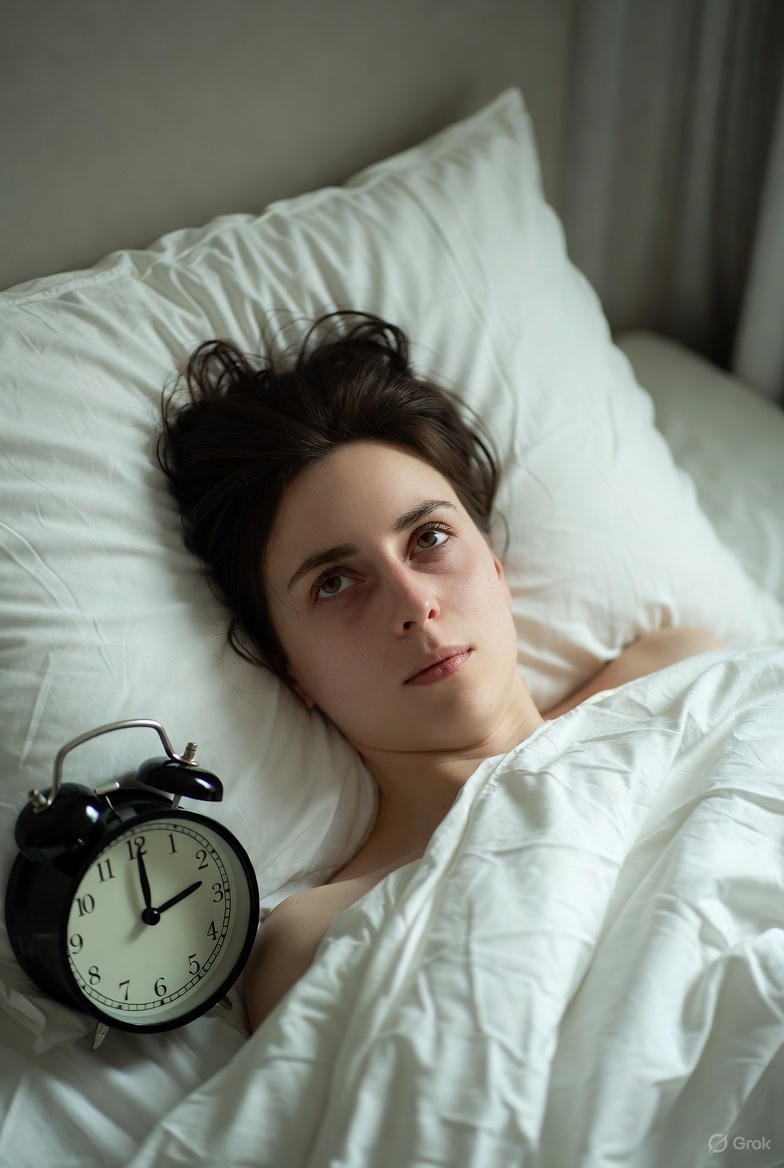
Imagine two people, both clocking eight hours in bed. The first tosses and turns, wakes up multiple times to a blaring car alarm or a racing mind, and spends little time in the deep, restorative stages of sleep. They wake feeling groggy, foggy, and utterly unrested. The second slips effortlessly through a full cycle of sleep stages, with minimal disturbances, waking naturally just before their alarm, feeling refreshed and alert. By the old metric, they are equals. In reality, they inhabit different universes of health.
This is the fundamental flaw of counting hours alone. Sleep quality—the architecture and continuity of your sleep—is the true determinant of its power. It’s the difference between merely being unconscious and undergoing the critical, biological maintenance that repairs your brain, consolidates memories, regulates hormones, and fortifies your immune system. In our modern world of constant stimulation, blue light, and stress, chasing sleep duration while ignoring sleep quality is like meticulously counting calories while eating only junk food. You might hit the number, but you’re starving your body of what it truly needs.
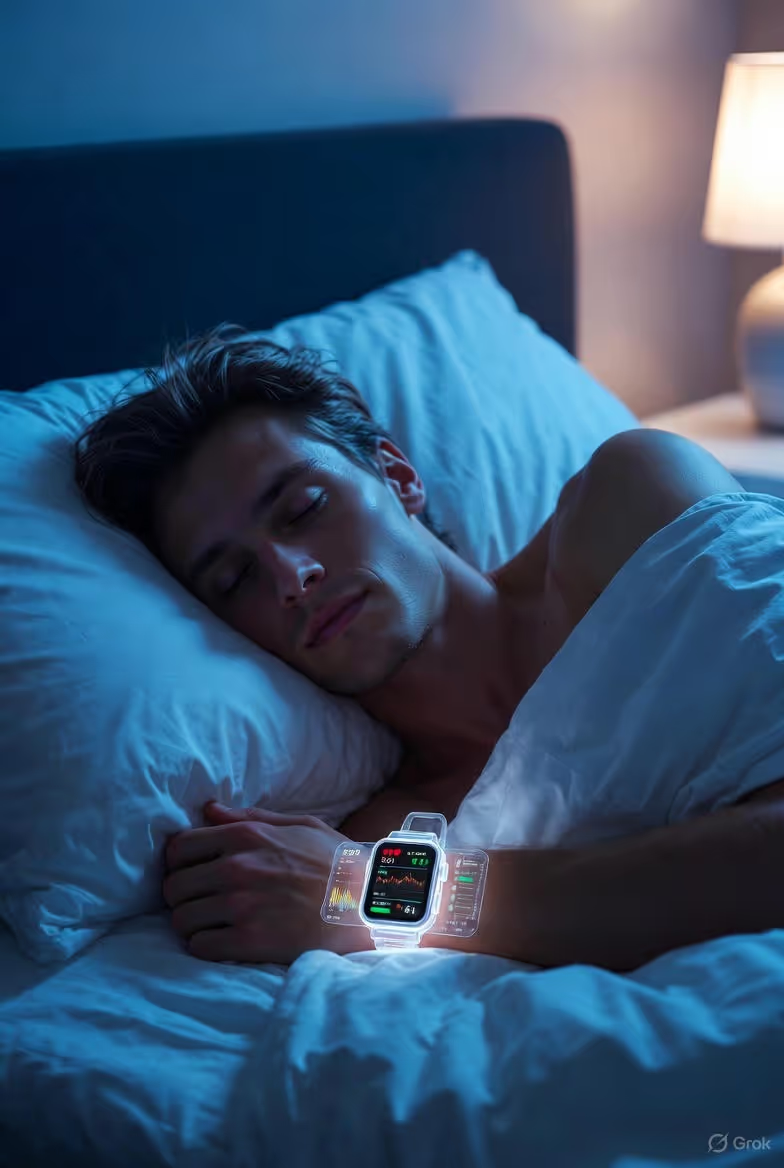
This article is your deep dive into the science, significance, and measurement of sleep quality. We will dismantle the myth of the eight-hour rule and explore why the structure of your sleep matters infinitely more than its simple length. We’ll journey through the brain’s nocturnal cleaning cycle, the hormonal ballet that occurs only in deep sleep, and the reasons why fragmented sleep can be more detrimental than short sleep. Finally, we’ll move from understanding to action, exploring how modern technology, like the advanced sensors in a smart ring from Oxyzen, is revolutionizing our ability to measure what truly matters, moving us beyond the crude clock and into a new era of personalized sleep intelligence.
The journey to better health doesn’t start with sleeping more. It starts with sleeping better.
The Eight-Hour Myth: How Our Obsession with Quantity Misses the Point
The belief that eight hours is the golden standard for sleep is deeply embedded in our cultural consciousness. Its origins, however, are more sociological than scientific. The industrial revolution and the standardization of the workday played a significant role in cementing this specific duration. Before artificial light, historical records and studies of pre-industrial societies suggest sleep patterns were often biphasic—a longer sleep at night with a shorter siesta—with total sleep time varying seasonally. The eight-hour mandate became a convenient, one-size-fits-all rule for a regimented workforce.
Modern sleep science has thoroughly debunked the universality of this number. The National Sleep Foundation, along with a consensus of sleep researchers, acknowledges that sleep needs are highly individual and change across a lifespan. While 7-9 hours is a recommended range for adults, the optimal amount for any given person depends on a matrix of factors:
Genetics: A small percentage of the population are natural "short sleepers" (functioning optimally on less than 6 hours) or "long sleepers" (needing more than 9-10 hours), due to specific genetic variants.
Age: Sleep architecture changes dramatically. A newborn needs 14-17 hours of mostly light and REM sleep, while a healthy older adult may find 7-8 hours sufficient, even with more frequent awakenings.
Overall Health and Activity Level: An athlete in intense training or someone recovering from illness will have significantly greater sleep demand for physical repair.
Sleep Debt: Chronic short sleep builds a debt that the body will try to reclaim, temporarily increasing needed duration.
The critical flaw in the "hours-only" model is that it treats all sleep as equal. It assumes that an hour of light, fitful sleep holds the same value as an hour of deep, uninterrupted slumber. This is biologically false. By fixating on the clock, we make poor strategic decisions:
We force ourselves into bed when we’re not sleepy, leading to prolonged periods of frustrating wakefulness that can condition insomnia.
We panic over one "short" night, creating anxiety that further disrupts sleep.
We ignore the glaring signs of poor quality—daytime fatigue, brain fog, moodiness—if we’ve "hit our eight hours," delaying intervention for potential sleep disorders like apnea.
We misuse sleep trackers that only measure duration, feeling a false sense of accomplishment after a long but restless night.
The truth is, six hours of high-quality, consolidated, architecturally sound sleep can be more restorative than nine hours of fragmented, shallow sleep. The metric that matters is not how long you’re in the bed, but what happens to your mind and body while you’re there. To understand that, we must look under the hood at the very structure of sleep itself. For those interested in how personal data can reveal your unique sleep needs, our blog features several case studies on moving beyond generic time-based goals.
The Architecture of Sleep: Understanding Stages, Cycles, and the Nightly Repair Schedule
If sleep were a symphony, its quality wouldn't be determined by its length alone, but by the perfect performance and sequence of its movements. These movements are the sleep stages, organized into recurring sleep cycles throughout the night. Each stage serves a distinct, non-negotiable physiological purpose, and high-quality sleep is characterized by the right balance and progression of these stages.
A single sleep cycle (lasting roughly 90-120 minutes) progresses through four key stages:
Stage 1 (N1) - Light Sleep: The Gateway This is the drowsy, transitional phase lasting 1-5 minutes. Your muscles begin to relax, brain waves start to slow from their daytime wakeful patterns (beta waves) to alpha and theta waves, and you can be easily awakened. It’s the doorway into sleep.
Stage 2 (N2) - Light Sleep: The Foundation You spend nearly 50% of your total sleep time in this stage. It’s characterized by specific brain wave patterns called sleep spindles (brief bursts of activity believed to play a role in memory consolidation and protecting sleep from disturbances) and K-complexes (large brain waves thought to suppress cortical arousal). Your heart rate slows, body temperature drops, and you become fully disengaged from your environment. This stage is crucial for processing the day’s information and priming the brain for deep sleep.
Stage 3 (N3) - Deep Sleep (Slow-Wave Sleep): The Physical Restoration This is the most restorative stage. Brain waves slow to large, synchronized delta waves. It is extremely difficult to wake someone from deep sleep. This is when the body undertakes its most critical repair work:
Tissue Growth and Repair: Release of growth hormone peaks, facilitating muscle repair, bone building, and cell regeneration.
Immune System Strengthening: The immune system is activated and reinforced.
Energy Restoration: Cellular energy stores (adenosine triphosphate, or ATP) are replenished.
Brain Detoxification: The glymphatic system, the brain’s waste-clearance system, becomes highly active, flushing out metabolic toxins like beta-amyloid (associated with Alzheimer’s disease).
Stage 4 - REM Sleep: The Mental Restoration REM (Rapid Eye Movement) sleep is where dreaming most vividly occurs. The brain becomes highly active, with brain waves resembling wakefulness (beta waves), while the body experiences temporary muscle paralysis (atonia) to prevent you from acting out your dreams. REM sleep is the cognitive and emotional repair shop:
Memory Consolidation: Skills and declarative knowledge from the day are integrated and solidified into long-term memory.
Emotional Processing: The emotional charge of memories is processed, which is vital for mental health and emotional resilience.
Brain Development: Crucial for learning and neural plasticity.
The Nightly Pattern: A Shifting Balance The architecture of these cycles isn’t static. As the night progresses, the balance shifts:
Early Night: Dominated by long, deep N3 periods. The body prioritizes physical restoration.
Late Night: REM sleep periods become progressively longer, while deep sleep diminishes. The brain prioritizes cognitive and emotional processing.
High-quality sleep, therefore, is defined by:
Sufficient time in each stage, particularly deep sleep and REM.
Undistrupted progression through complete 90-120 minute cycles.
The correct architectural pattern (more deep sleep early, more REM late).
When sleep is fragmented—constantly interrupted by awakenings, even brief ones you don’t remember—you are kicked back to Stage 1 or wakefulness. You must then start the cycle over, robbing yourself of the essential later stages, especially deep and REM sleep. This is why someone can be in bed for eight hours but have the sleep architecture of someone who slept for four. Understanding this architecture is the first step; measuring it personally was once confined to sleep labs. Now, technology like the Oxyzen ring brings this clinical-level analysis home, a journey you can read about in our founder’s story.
The High Cost of Poor Sleep Quality: Beyond Fatigue to Systemic Breakdown
We often dismiss poor sleep as merely causing a bit of tiredness and irritability, a nuisance to be overcome with caffeine. This is a dangerous underestimation. Chronic low-quality sleep is not a minor inconvenience; it is a relentless, systemic stressor that erodes the foundations of your health. The consequences extend far beyond yawning, impacting every major system in your body and increasing the risk for our most prevalent chronic diseases.
Cognitive & Mental Performance: The Fogged Mind
Impaired Memory & Learning: Without the memory consolidation of Stage 2 and REM sleep, new information fails to stick. Studies show that sleep deprivation after learning can reduce memory retention by 40%.
Reduced Focus & Attention: The prefrontal cortex, responsible for executive function, is particularly vulnerable to sleep loss. This leads to distractibility, poor decision-making, and reduced ability to concentrate.
Slowed Reaction Time: Comparable to being legally drunk, sleep deprivation dramatically slows cognitive and motor response times, a critical factor in accidents.
Creativity Block: REM sleep, where the brain makes novel connections, is essential for creative problem-solving and innovation. Poor sleep stifles this process.
Emotional & Mental Health: The Fragile Psyche
Emotional Dysregulation: The amygdala, the brain’s emotional center, becomes hyperreactive, while its connection to the rational prefrontal cortex weakens. This leads to increased irritability, anxiety, and emotional volatility.
Risk of Depression & Anxiety: Chronic sleep disruption is a well-established bidirectional risk factor for mood disorders. It’s not just a symptom; it can be a primary contributing cause.
Reduced Stress Resilience: The body’s stress response system (the HPA axis) becomes dysregulated, leaving you less able to cope with daily challenges.
Metabolic & Cardiovascular Health: The Internal Storm
Reduces insulin sensitivity, forcing the pancreas to produce more insulin to clear glucose from the blood—a direct path to weight gain and Type 2 diabetes.
Increased Cardiovascular Risk: Fragmented sleep raises blood pressure, increases inflammation (a key driver of heart disease), and disrupts heart rate variability. Conditions like sleep apnea, which severely fragment sleep, are strongly linked to hypertension, stroke, and heart failure.
Immune Function: The Weakened Defenses
During deep sleep, the body produces and distributes key immune cells like cytokines, T-cells, and antibodies. Poor sleep quality cripples this process.
You become more susceptible to common infections like colds and flu. Landmark research has shown that people sleeping less than 7 hours are almost three times more likely to develop a cold than those sleeping 8 hours or more.
Chronic inflammation fueled by poor sleep is also linked to the development of autoimmune conditions and may impair the body’s ability to fight cancer cells.
The Vicious Cycle Perhaps the most insidious aspect is that these consequences feed back into the problem. The stress and anxiety from poor performance and low mood make it harder to fall asleep. Weight gain can worsen sleep apnea. Inflammation disrupts sleep architecture. It becomes a self-perpetuating downward spiral.
Recognizing these severe costs reframes sleep quality from a "wellness nice-to-have" to a non-negotiable pillar of preventative medicine. It’s the foundation upon which all other health efforts are built. If you’re struggling with these symptoms, our FAQ page addresses common questions about how sleep tracking can identify underlying patterns.
The Silent Saboteurs: Common (and Surprising) Culprits That Fragment Your Sleep
You now understand the ideal architecture of sleep and the devastating cost of its disruption. But what are the actual forces that shatter this delicate process? The enemies of sleep quality are often stealthy, woven into the fabric of our modern lives. They don’t always prevent you from falling asleep; instead, they infiltrate the night, causing micro-awakenings and preventing you from descending into or maintaining the deep, restorative stages.
1. Environmental Disruptors: Your Bedroom as a Battlefield
Light Pollution: Even small amounts of ambient light from streetlights, digital clocks, or electronics can suppress melatonin production and fragment sleep. Blue light is particularly disruptive.
Temperature: The body needs to drop its core temperature to initiate and maintain sleep. A room that’s too warm (generally above 68°F or 20°C) prevents this drop, leading to restless, light sleep.
Noise: Intermittent noises—a snoring partner, traffic, a dripping faucet—cause micro-arousals. You may not remember them, but they pull you out of deep sleep cycles. White noise can be a helpful masker.
An Uncomfortable Mattress/Pillow: Physical discomfort is a direct pathway to tossing, turning, and waking.
2. Lifestyle & Behavioral Culprits: The Daytime Decisions That Haunt the Night
Caffeine & Alcohol: Caffeine has a half-life of 5-6 hours; an afternoon coffee can still be blocking adenosine receptors at bedtime. While alcohol is a sedative that may help you fall asleep, it metabolizes into aldehydes that disrupt the second half of the night, severely fragmenting REM sleep.
Late, Heavy Meals: Digesting a large meal before bed raises body temperature and demands energy, interfering with the body’s wind-down process.
Inconsistent Schedule: Varying your bed and wake times by more than an hour confuses your circadian rhythm, weakening the sleep-wake signal and leading to unstable, poor-quality sleep.
Lack of Daytime Light & Activity: Regular sunlight exposure anchors your circadian clock. Sedentary days can lead to less "sleep pressure" (adenosine buildup), making sleep shallower.
3. Digital Intrusions: The Blue Light and Brain Buzz
Screen Time Before Bed: The blue light from phones, tablets, and TVs is the most potent signal to your brain that it’s daytime, suppressing melatonin by over 50% in some studies.
Psychological Hyperarousal: Scrolling through work emails, engaging in stressful social media debates, or watching thrilling content activates the mind and nervous system, making the quiet transition to sleep nearly impossible.
4. Psychological & Medical Saboteurs
Stress & Anxiety: A racing mind is the antithesis of sleep. Worry activates the sympathetic nervous system (fight-or-flight), directly opposing the parasympathetic (rest-and-digest) state needed for sleep.
Sleep Disorders:
Sleep Apnea: Characterized by repeated breathing pauses, causing brain arousals and oxygen drops hundreds of times a night. It is a primary destroyer of sleep continuity and one of the most under-diagnosed conditions.
Restless Legs Syndrome (RLS): An irresistible urge to move the legs, often in the evening, delaying sleep onset.
Chronic Pain: Pain is inherently alerting, making it difficult to find a comfortable position and stay asleep.
The Cumulative Effect It’s rarely one saboteur alone. It’s the late work email on your laptop (blue light + stress), followed by a glass of wine to unwind (REM disruptor), in a slightly too-warm room (temperature dysregulation), with a partner who snores (noise). Each factor chips away at the architecture, resulting in a night that looks long on a clock but short on restoration. Identifying your personal saboteurs is the first step to reclaiming your sleep, a process greatly accelerated by objective data from a wearable like the Oxyzen ring, as shared by many users in their personal testimonials.
The Gold Standard vs. The Guessing Game: How Sleep Quality Is Actually Measured
For decades, accurately measuring sleep quality was an exclusive, clinical affair. You would spend a night in a sterile sleep lab, wired from head to toe with electrodes—a process called polysomnography (PSG). This remains the medical gold standard for diagnosing sleep disorders like apnea and narcolepsy. PSG measures:
Muscle activity (EMG): To note muscle tone and movements.
Heart rhythm (ECG): To track cardiac activity.
Breathing effort & airflow: To identify apneas and hypopneas.
Blood oxygen levels (SpO2): To detect oxygen desaturations.
It produces a detailed "hypnogram"—a minute-by-minute map of your sleep architecture. It’s incredibly accurate but also expensive, inaccessible, and impractical for tracking nightly trends in your natural environment. It’s a snapshot, not a continuous story.
For the public, measurement was a guessing game. We relied on subjective, flawed proxies:
The Clock: "I was in bed for 8 hours." (But were you asleep? In what stages?)
How We Felt: "I woke up tired." (But was it due to poor sleep, stress, or diet?)
Partner Reports: "You were tossing all night." (Helpful, but not quantitative.)
The advent of consumer wearables and "nearables" brought measurement home, but with a spectrum of accuracy and focus.
1. Smartphone Apps (The Least Accurate): Using your phone’s microphone and accelerometer, they claim to detect movement and snoring to estimate sleep. Placed on the mattress, they are highly error-prone, cannot assess sleep stages, and are easily fooled by a still, awake person.
2. Wrist-Worn Fitness Trackers & Smartwatches (The Common Compromise): Using optical heart rate sensors and accelerometers, they infer sleep stages through heart rate variability (HRV) and movement. While better than phones, they have limitations:
Placement Issues: On the wrist, which moves frequently (leading to false "awake" readings) and is suboptimal for precise HRV measurement.
Algorithm Variability: Accuracy varies wildly between brands and models. They often overestimate sleep time and struggle to accurately distinguish between light and deep sleep.
3. Smart Rings (The New Frontier in Personal Measurement): Worn on the finger, devices like the Oxyzen ring represent a significant leap forward for at-home sleep quality assessment. The finger offers key advantages:
Superior Physiological Signal: The palmar digital arteries provide a stronger, less noisy signal for heart rate and, crucially, Heart Rate Variability (HRV)—a direct metric of your autonomic nervous system state and a primary input for accurate sleep stage estimation.
Minimal Movement Artifact: Your finger moves far less than your wrist during sleep, reducing motion-based errors.
Comprehensive Multi-Sensor Data: Advanced rings combine accelerometers, optical heart rate/HRV sensors, and—critically—a red/infrared photoplethysmogram (PPG) sensor for medical-grade blood oxygen (SpO2) monitoring. This allows them to not only estimate sleep stages with higher confidence but also screen for potential disturbances like nocturnal oxygen dips, which can indicate sleep-disordered breathing.
This technology shifts the paradigm from guessing based on duration to knowing based on physiological data. You move from asking "How long did I sleep?" to analyzing: What was my deep sleep percentage? How many times did my blood oxygen drop? How stable was my heart rate overnight? How fragmented was my sleep? This is the language of true sleep quality. To understand the technology and science behind this approach, you can learn more about how Oxyzen works.
Key Metrics That Define Sleep Quality: Moving Beyond Time in Bed
Armed with the right technology, you can finally measure what matters. But which metrics should you focus on? Drowning in data is just as unhelpful as having none. High-quality sleep can be distilled into several key, actionable metrics that paint a comprehensive picture of your nightly restoration.
1. Sleep Stages Breakdown (% of Light, Deep, REM) This is the core architectural report. While individual needs vary, a healthy adult typically aims for:
Deep Sleep (N3): 15-25% of total sleep time. This is your non-negotiable physical repair time.
REM Sleep: 20-25% of total sleep time. This is your cognitive and emotional processing time.
Light Sleep (N1+N2): Makes up the remaining 50-60%. Tracking these percentages night-over-night reveals patterns. A consistently low deep sleep percentage could point to factors like excessive alcohol, late exercise, or an undiagnosed sleep disorder. Low REM might be linked to stress, antidepressants, or rebound from prior sleep deprivation.
2. Sleep Latency (Time to Fall Asleep) The ideal window to fall asleep is between 10 and 20 minutes. Falling asleep in under 5 minutes often indicates significant sleep deprivation or a sleep disorder. Taking longer than 30 minutes consistently may suggest poor sleep hygiene, anxiety, or circadian misalignment.
3. Sleep Efficiency (The Gold Standard Metric) This is perhaps the single best summary metric of sleep quality. It’s calculated as: (Total Time Asleep / Total Time in Bed) x 100. Aim for 85% or higher. An efficiency of 90% is excellent. This metric penalizes long periods of restless lying awake in bed, forcing you to associate your bed with sleep, not wakefulness. If your efficiency is low, you may need to restrict your time in bed (a core technique in Cognitive Behavioral Therapy for Insomnia, or CBT-I).
4. Wake After Sleep Onset (WASO) & Fragmentation WASO is the total minutes you are awake after initially falling asleep. Some brief awakenings are normal, but less than 20-30 minutes of total WASO is a good target. Fragmentation is a related measure of how often you wake up. Frequent micro-awakenings (even if you don’t remember them) destroy sleep continuity and prevent deep cycles. A low fragmentation score is ideal.
RHR: Your heart rate should dip significantly during sleep, reaching its lowest point (nadir) during deep sleep. A higher-than-normal nocturnal RHR can indicate stress, illness, dehydration, or lack of recovery.
HRV: This is the beat-to-beat variation in your heart rate, a direct window into your autonomic nervous system. Higher HRV during sleep is a strong indicator of good recovery and parasympathetic ("rest-and-digest") dominance. It’s a sensitive metric that drops with stress, overtraining, and poor sleep quality itself.
6. Blood Oxygen (SpO2) Variability For those with devices that measure it, this is a game-changer. Stable, high blood oxygen levels (95-100%) throughout the night are ideal. Repeated, significant dips (generally below 90%) can be a critical sign of sleep-disordered breathing like apnea, even if you are unaware of snoring or gasping. This metric can provide life-changing early awareness.
By tracking this dashboard of metrics, you move from a vague feeling of being "tired" to a precise diagnosis: "My sleep efficiency was 78% due to high fragmentation, my deep sleep was only 12%, and my nocturnal HRV dropped 30% from my baseline." This specific data empowers targeted interventions, which we will explore next. For a deeper dive into interpreting these metrics, our blog offers extensive resources.
The Foundation of Quality: Mastering Sleep Hygiene for Uninterrupted Cycles
Knowing your metrics is diagnosis. Sleep hygiene is the treatment. It is the collection of behavioral and environmental practices that are scientifically proven to promote both sleep onset and, more importantly, sleep continuity and depth. It’s about creating the ideal conditions for your body’s natural sleep architecture to unfold without interruption. Think of it as curating the perfect environment for a delicate seedling—your sleep—to grow.
The Wind-Down Ritual: Signaling Safety to the Nervous System Your body cannot pivot from "go" to "stop" instantly. A consistent 60-90 minute wind-down routine is essential to trigger the parasympathetic nervous system.
Digital Sunset: Implement a strict screen curfew 60 minutes before bed. Use blue light blockers if you must use devices, but better yet, switch to analog activities.
The Light-Dark Cycle: Dim household lights. In the hour before bed, expose yourself to soft, warm light (like lamps). Upon waking, seek bright, preferably natural, light to anchor your circadian rhythm.
Mindfulness & Relaxation: Practices like gentle stretching, meditation, deep breathing (e.g., 4-7-8 technique), or reading a physical book (not a thriller!) calm the mind. The goal is to reduce cognitive and emotional arousal.
Optimizing the Sleep Sanctuary: Your Bedroom Environment Your bedroom should have one primary purpose: sleep (and intimacy). It should be a cave—cool, dark, and quiet.
Temperature: Set the thermostat between 65-68°F (18-20°C). Consider a cooling mattress pad or breathable bedding if you sleep hot.
Darkness: Invest in blackout curtains. Cover or remove all electronic lights. Consider a comfortable sleep mask.
Quiet: Use earplugs or a white noise machine/sound conditioner to mask disruptive sounds. The constant, predictable hum helps prevent micro-arousals from intermittent noise.
Comfort: Ensure your mattress and pillows are supportive and comfortable. A good rule of thumb: if you notice your bedding when trying to sleep, it needs an upgrade.
Daytime Habits That Build Sleep Pressure & Stability What you do during the day dictates the night.
Morning Light: Get at least 15-30 minutes of outdoor light within an hour of waking. This is the most powerful signal to set your internal clock.
Consistent Schedule: Wake up at the same time every day, even on weekends. This is more important for rhythm regulation than a consistent bedtime. A fixed wake time solidifies your circadian drive.
Exercise Smartly: Regular exercise dramatically improves sleep depth and continuity. However, finish intense workouts at least 3 hours before bedtime, as they raise core temperature and are stimulating. Gentle evening yoga or walking is fine.
Manage Stimulants & Depressants:
Caffeine: Limit and front-load it. Consume it before noon.
Nicotine: A stimulant that fragments sleep. Avoid it entirely, especially in the evening.
Alcohol: Understand it as a REM sleep suppressor. If you drink, do so early and moderately, with plenty of water.
The Power of the "Brain Dump" If anxiety or a racing mind is your primary saboteur, keep a notebook by your bed. Before your wind-down, spend 10-15 minutes writing down every worry, to-do, or thought. The act of externalizing it gets it out of your cyclical mental loop, freeing your mind to relax.
Perfect sleep hygiene is a practice, not a perfection. The goal is to build habits that collectively lower the barrier to high-quality sleep. It’s the essential, non-negotiable baseline. When practiced consistently, these behaviors create the stable foundation upon which your body can build perfect sleep architecture, night after night. For personalized support on implementing these strategies, our team’s mission is to help, as detailed here about our company.
The Role of Technology: How Advanced Wearables Are Revolutionizing Sleep Awareness
We’ve established that subjective feeling is unreliable and that sleep hygiene is the foundational practice. But in the 21st century, we have a powerful third pillar: objective, personalized data. Advanced wearable technology, particularly the latest generation of smart rings and sensors, is fundamentally changing our relationship with sleep from one of mystery to one of mastery. This isn’t about obsessive tracking; it’s about gaining a objective feedback loop for the most important biological process of your life.
From Guesswork to Guided Insight Before advanced wearables, you were flying blind. You might feel terrible after eight hours in bed, but you had no way to know why. Was it low deep sleep? Apnea events? A high resting heart rate due to stress? Now, these devices provide a detailed nocturnal report card that answers these questions. This transforms sleep from a black box into a transparent, improvable system.
Key Technological Capabilities Driving the Revolution:
Medical-Grade Sensors in a Consumer Device: The integration of red/infrared PPG sensors for SpO2 monitoring is a paradigm shift. It brings a critical diagnostic tool—screening for oxygen desaturations linked to sleep apnea—into the home. This can provide life-altering early awareness, prompting users to seek medical evaluation long before daytime symptoms become severe.
Optimal Form Factor for Accuracy: The finger, as discussed, provides superior physiological signals (HR, HRV, SpO2) with less motion noise than the wrist. This leads to more reliable sleep stage estimation and vital sign tracking.
Longitudinal Baselines & Personalization: The true power lies not in a single night’s data, but in trends over weeks and months. These devices learn your personal baselines for HRV, resting heart rate, and sleep stage distribution. They can then alert you to significant deviations—a sustained drop in HRV or rise in RHR can be an early warning sign of illness, overtraining, or chronic stress, often before you feel symptoms.
Integration with Holistic Health Data: The best platforms don’t view sleep in isolation. They correlate your sleep quality with other data: daily activity, workout strain, heart rate variability throughout the day, and even subjective mood logs. This allows you to see clear cause-and-effect: "On days after my deep sleep was low, my afternoon HRV was also low and my workout performance suffered." Or, "That late dinner correlated with a 40% increase in sleep fragmentation."
The Feedback Loop for Behavior Change This is where technology creates tangible change. Measurement → Insight → Action → Re-measurement.
You measure and see high sleep fragmentation and low SpO2.
You gain the insight that this pattern suggests possible sleep-disordered breathing.
You take action by recording your snoring, discussing it with your doctor, and trying positional therapy or a mandibular advancement device.
You re-measure and see your fragmentation score drop and SpO2 stabilize, confirming the intervention works.
Similarly, you can experiment with your own N=1 studies:
Test cutting off caffeine at 2 PM vs. 4 PM and compare deep sleep scores.
Compare sleep efficiency after a 90-minute wind-down routine vs. scrolling in bed.
See the direct impact of an alcoholic drink on your REM sleep percentage.
This demystifies sleep and empowers you to become an active participant in your own recovery. It turns abstract advice into personalized, verifiable truth. The vision behind creating such a tool is often rooted in a personal health journey, a narrative you can discover in our company’s story.
The Mind-Body Connection: How Stress, Mental Health, and Sleep Create a Vicious Cycle
Perhaps the most complex and intimate relationship affecting sleep quality is the one between your sleeping brain and your waking mind. Sleep and mental health are locked in a bidirectional, often vicious, cycle. Poor sleep quality doesn’t just make you tired; it actively worsens stress, anxiety, and depressive symptoms. Conversely, psychological distress is one of the most potent destroyers of sleep continuity and architecture. Understanding this loop is crucial for breaking it.
How Poor Sleep Fuels Psychological Distress:
Emotional Amygdala Hijack: As seen in neuroimaging studies, sleep deprivation causes the amygdala (the fear and emotion center) to become hyperreactive. At the same time, the connection between the amygdala and the prefrontal cortex (the rational, inhibitory center) weakens. The result? You react more intensely to negative stimuli and have less capacity to regulate those reactions. Small stressors feel like crises.
Negative Cognitive Bias: Tired brains preferentially attend to and remember negative information. This "negative attribution bias" fuels pessimistic thinking, anxiety, and a sense of being overwhelmed.
Impaired Problem-Solving: The mental flexibility and creativity needed to navigate life’s challenges—hallmarks of good REM sleep—are diminished. Problems feel insurmountable.
Reduced Resilience: The body’s stress response system (HPA axis) becomes dysregulated. Cortisol, the stress hormone, may peak at the wrong times (like at night when it should be low), further disrupting sleep and creating a state of chronic, low-grade alertness.
How Psychological Distress Shatters Sleep:
Cognitive Hyperarousal: This is the racing mind—replaying conversations, worrying about the future, analyzing problems. It is the direct cognitive antithesis of the quiet, disengaged state required for sleep onset (Sleep Latency) and a primary cause of prolonged awakenings in the middle of the night (high WASO).
Physiological Hyperarousal: Anxiety and stress activate the sympathetic nervous system (fight-or-flight), increasing heart rate, blood pressure, and body temperature—all physiological states incompatible with sleep.
REM Sleep Disturbance: While stress can initially increase REM (as the brain works overtime to process emotional memories), chronic anxiety often leads to fragmented, restless REM sleep and can suppress deep N3 sleep. Conditions like PTSD are characterized by severe REM disturbances.
Behavioral Consequences: Distress leads to poor sleep hygiene—using screens late to distract, consuming alcohol to sedate, keeping irregular hours—which further degrades sleep quality.
Breaking the Cycle: Targeted Strategies Intervening in this cycle requires addressing both sides simultaneously.
Use Data for Objectivity: A wearable can show an anxious person that, despite feeling they "barely slept," they actually achieved 1.5 hours of deep sleep. This can reduce sleep-related anxiety ("I’m getting some restoration"), which in turn improves sleep.
Schedule "Worry Time": As part of your wind-down, have a dedicated 15-minute period earlier in the evening to write down worries and potential solutions. When worries arise at night, you can tell yourself, "That’s for tomorrow’s worry time, not for now."
Parasympathetic Activation Before Bed: Practices like diaphragmatic breathing, progressive muscle relaxation, or guided meditation directly counter physiological hyperarousal, lowering heart rate and signaling safety to the nervous system.
Cognitive Behavioral Therapy for Insomnia (CBT-I): This is the gold-standard psychological treatment for chronic sleep problems. It directly targets the cognitive distortions ("I’ll never sleep!") and behaviors that perpetuate the cycle. It’s more effective and durable than sleep medication.
The goal is to use sleep quality as both a barometer and a lever for mental health. Improving sleep stabilizes mood and resilience. Improving emotional regulation protects sleep. It’s the most powerful positive cycle you can cultivate for overall well-being. For many, the journey to better sleep starts with understanding this connection, a topic we frequently explore with experts on our blog.
The Chronotype Conundrum: Why Your Personal Body Clock Dictates Sleep Quality
We live in a society largely structured for early risers. The 9-to-5 workday, morning meetings, and cultural praise for "the early bird" create a world where night owls are perpetually out of sync. This misalignment isn't a matter of discipline or laziness; it's rooted in chronobiology—the science of our internal body clocks. Your chronotype is your genetically predisposed tendency to sleep and be active at certain times, and ignoring it is one of the most common yet overlooked ways we sabotage our sleep quality.
Understanding the Spectrum: Lions, Wolves, and Dolphins While often simplified to "morning lark" or "night owl," chronotypes exist on a spectrum. Dr. Michael Breus popularized a more nuanced animal model:
The Lion (Morning Type): Wakes early, full of energy. Peak productivity is before noon. Tends to fade in the evening and prefers early bedtimes.
The Bear (Intermediate Type): Follows the sun. Most common chronotype. Sleep-wake cycle tied to daylight, with productivity peaks mid-morning and mid-afternoon.
The Wolf (Evening Type): Slow to start in the morning, hits stride in the late afternoon and evening. Most creative and alert at night. Struggles with traditional early schedules.
The Dolphin (Light/Anxious Sleeper): Often has irregular sleep patterns, light sleep, and may struggle with insomnia. Wakes easily and is sensitive to sleep environment.
Your chronotype is dictated by your suprachiasmatic nucleus (SCN), the master clock in your brain, and its genetic programming. It regulates not just sleepiness, but also core body temperature fluctuations, hormone release (like melatonin and cortisol), and digestive function on a roughly 24-hour cycle (circadian rhythm).
The Quality Cost of Chronotype Misalignment (Social Jet Lag) When you force a Wolf to live on a Lion's schedule, you create a state of chronic social jet lag. This is the consistent difference between your biological clock and social clock (work, school). The consequences for sleep quality are severe:
Compromised Sleep Architecture: Trying to sleep when your body clock says "awake" results in prolonged sleep latency, more time in light sleep (N1/N2), and reduced deep and REM sleep. You may get "enough" hours, but the restorative value is minimal.
Weekend Rebound and "Sleep Drag": Wolves often sleep very late on weekends to repay debt, further desynchronizing their clock. This leads to "Sunday night insomnia" and a groggy, low-quality sleep week ahead—a brutal cycle.
Metabolic and Cognitive Impact: Chronic misalignment is linked to higher risks of obesity, diabetes, depression, and impaired cognitive performance. Your body's systems are optimized to perform certain functions at specific biological times; violating this schedule creates systemic stress.
Finding and Honoring Your Chronotype
Self-Assessment: Track your natural tendencies. When, without an alarm, do you feel sleepiest? When are you most alert? The Munich Chronotype Questionnaire is a gold-standard tool available online.
Strategic Light Exposure: Light is the most powerful zeitgeber (time-giver) for your SCN.
Lions/Wolves: Get bright light immediately upon waking to solidify your phase.
Wolves/Bears: Seek afternoon light to sustain energy and delay evening melatonin release slightly.
All Types: Dim lights and avoid blue light 90 minutes before your biological bedtime.
Schedule Your Life Wisely: Align demanding cognitive work, important meetings, and intense exercise with your personal peak times. Schedule administrative tasks or downtime for your biological troughs.
Smart Napping (For Some): A short 20-minute "power nap" before 3 PM can help non-dolphin types. Longer naps or later naps can further disrupt nighttime sleep architecture.
The Role of Wearable Data This is where a device like the Oxyzen ring provides profound insight. By tracking your nightly sleep midpoint (the halfway point between falling asleep and waking) over months, you can identify your true, natural rhythm. You can also see how deviations—like a late weekend—affect your sleep stability scores and next-day readiness. The data provides objective proof of your chronotype, empowering you to have informed conversations about flexible work schedules or to strategically plan your most important life activities. This personalized rhythm is key to the vision behind Oxyzen's approach to holistic health.
Respecting your chronotype isn't about coddling a preference; it's about respecting your biology. Aligning your life with your internal clock is perhaps the single most effective step you can take to unlock consistently high-quality, restorative sleep.
Nutrition as a Sleep Modulator: How What (and When) You Eat Builds or Breaks Your Sleep Architecture
You are not just what you eat; you sleep how you eat. The connection between diet and sleep quality is a complex, bidirectional relationship. Certain nutrients are precursors for sleep-regulating neurotransmitters, while your meal timing directly influences your circadian biology and core temperature regulation. Food can be either a powerful sleep medicine or a potent saboteur of sleep continuity.
The Macronutrient Symphony: Carbs, Proteins, and Fats Each macronutrient plays a distinct role in the hormonal ballet of sleep:
Complex Carbohydrates: Consumed in moderation earlier in the day or at dinner, they can facilitate the transport of tryptophan (an amino acid) across the blood-brain barrier. Tryptophan is converted into serotonin and then into melatonin, the sleep-signaling hormone. Think sweet potatoes, oats, or quinoa at your evening meal, not a giant bowl of pasta.
Protein: Provides the tryptophan itself. Sources like turkey, chicken, fish, nuts, and seeds are essential. Protein also helps stabilize blood sugar overnight, preventing hypoglycemic awakenings. However, very high-protein, very low-carb diets can initially disrupt sleep in some people as the body adapts.
Healthy Fats: Critical for hormone production and neural health. Omega-3 fatty acids (from fatty fish, walnuts, flaxseed) have been linked to increased sleep duration and less fragmentation. They support the health of cell membranes, including those in the brain.
Key Micronutrients: The Sleep Vitamins and Minerals
Magnesium: The original "relaxation mineral." It regulates neurotransmitters, activates the parasympathetic nervous system, and binds to GABA receptors. Deficiency is linked to insomnia and restless legs. Sources: leafy greens, nuts, seeds, avocados, dark chocolate.
Vitamin D: Low levels are strongly correlated with poor sleep quality and shorter sleep duration. While the mechanism is still being studied, Vitamin D receptors in the brain areas that regulate sleep suggest a direct role. Sun exposure is primary; supplementation may be necessary.
B Vitamins (B6, B12, Folate): B6 is a direct cofactor in converting tryptophan to serotonin. B12 influences circadian rhythms. A balanced B-complex supports overall energy metabolism and neurological function.
Zinc: Like magnesium, plays a role in GABA and melatonin production. Higher zinc levels are associated with longer sleep.
The Timing Trap: When You Eat Matters as Much as What Your digestive system has its own circadian rhythm. Eating at aberrant times confuses peripheral clocks in your gut and liver, sending conflicting signals to the master clock in the brain.
The Early Dinner Advantage: Finishing your last large meal at least 3 hours before bedtime allows for partial digestion, a subsequent drop in core body temperature (essential for sleep initiation), and a shift of energy away from digestion and toward restoration.
Late-Night Eating: A heavy meal close to bed raises core temperature and demands metabolic activity, directly opposing the body's sleep-prep process. It's also a major trigger for acid reflux, which can cause painful micro-awakenings.
Time-Restricted Eating (TRE): Aligning your eating window with daylight hours (e.g., 10 AM to 7 PM) has been shown in studies to improve sleep quality and depth by reinforcing circadian signals. It gives your digestive system a long, fasted period aligned with your sleep cycle.
Dietary Disruptors: The Usual Suspects
Caffeine: Its half-life is 5-6 hours. A 3 PM coffee means 25% of its caffeine is still in your system at 9 PM, blocking adenosine receptors and reducing sleep pressure. Genetics (CYP1A2 gene) affect your sensitivity.
Alcohol: A double-edged sword. While it sedates and can hasten sleep onset, it metabolizes into acetaldehyde, a stimulant that disrupts the second half of the night, severely suppressing REM sleep and causing fragmentation and early morning awakenings.
High-Glycemic, Sugary Foods Before Bed: Cause a rapid spike and subsequent crash in blood sugar, which can trigger cortisol release and awaken you.
Excessive Fluids: Leads to disruptive nocturia (bathroom trips) that fragment sleep continuity.
Practical Application: The Sleep-Supportive Plate For your evening meal, aim for:
A portion of lean protein (salmon, chicken, lentils).
A generous serving of non-starchy vegetables (broccoli, asparagus, salad).
A moderate portion of complex carbohydrates (butternut squash, wild rice).
A source of healthy fat (avocado, olive oil). Consider a small, magnesium-rich snack 60 minutes before bed if hungry: a handful of almonds, a slice of turkey, or tart cherry juice (a natural source of melatonin).
Tracking the impact of these choices is where data becomes empowering. You can log your last meal time and correlate it with metrics like sleep latency, deep sleep percentage, and nocturnal HRV on your Oxyzen app. You might discover that your "healthy" late protein shake is shaving 20 minutes off your REM sleep, or that a magnesium-rich dinner improves your sleep efficiency by 8%. This turns nutritional advice from generic to hyper-personalized, a process many of our users detail in their shared experiences.
Movement and Recovery: How Exercise Influences Sleep Depth and Continuity
The relationship between physical activity and sleep is one of the most robust in health science: regular exercisers report significantly better sleep quality. But the connection is more nuanced than "tire yourself out." The type, timing, intensity, and consistency of movement all play a critical role in either fortifying or fragmenting your sleep architecture. Furthermore, sleep is the primary time when the benefits of exercise—muscle repair, metabolic adaptation, and cognitive consolidation—are realized.
The Mechanisms: How Exercise Builds Better Sleep
Temperature Regulation: Exercise raises core body temperature sharply. The subsequent cooling process over the next 90-120 minutes mirrors the natural pre-sleep temperature drop, acting as a strong circadian signal and promoting sleep onset.
Adenosine Buildup: Physical activity accelerates the accumulation of adenosine, a neurotransmitter that builds "sleep pressure" in the brain. Higher daytime adenosine leads to a stronger drive for deep, restorative sleep.
Anxiety and Stress Reduction: Exercise is a powerful modulator of the stress response. It burns off stress hormones like cortisol and adrenaline while stimulating endorphins. This reduction in psychological and physiological hyperarousal is critical for quieting the mind at night.
Circadian Rhythm Reinforcement: Daytime exercise, especially in natural light, strengthens the amplitude of your circadian signals, making the difference between day (active, alert) and night (restful, quiet) more distinct.
Direct Impact on Sleep Disorders: Regular aerobic exercise can reduce the severity of sleep apnea by improving respiratory muscle tone and aiding weight management. It's also a first-line treatment for Restless Legs Syndrome (RLS).
The Timing Dilemma: When to Move for Optimal Sleep This is the most common point of confusion. The old adage "never exercise before bed" is being refined by science.
Morning/Midday Exercise (Ideal for Most): Provides all the benefits above while giving your body ample time to complete the temperature cooldown and arousal reduction before bed. It's the safest, most effective timing for improving sleep quality.
Afternoon/Evening Exercise (It Depends):
Moderate-Intensity & Gentle Movement: A brisk walk, light cycling, yoga, or stretching finished 60-90 minutes before bed can be beneficial. These activities promote relaxation without a significant stimulating effect.
High-Intensity Exercise: Vigorous training (heavy weightlifting, HIIT, competitive sports) within 2-3 hours of bedtime can be problematic for many. It creates a significant sympathetic nervous system response (elevated heart rate, adrenaline, core temperature) that can delay sleep onset and impair sleep quality, particularly deep sleep, in heat-sensitive individuals.
The Individual Factor: Some people (often Wolves with later chronotypes) are not negatively affected by evening exercise. The only way to know is to track it.
The Recovery-Sleep Feedback Loop This is the critical, often missed, component. Sleep is not passive; it's when your body integrates the stress of exercise and becomes stronger.
Deep Sleep for Physical Repair: The surge of Growth Hormone (GH) during deep sleep is essential for repairing the micro-tears in muscle fibers caused by resistance training, facilitating muscle growth (hypertrophy) and strength gains.
REM Sleep for Motor Learning: The consolidation of procedural memory in REM sleep is vital for athletes. It solidifies skill learning, technique refinement, and neural pathways for complex motor patterns.
HRV as the Bridge: Nocturnal Heart Rate Variability is a superb metric for this loop. A hard training day should be followed by a night of high-quality sleep and a subsequent rise in HRV, indicating successful recovery and adaptation. If you see your HRV plummet after a workout and stay low, it's a sign of overtraining or under-recovery—your sleep quality is insufficient to handle the training load.
Using Data to Personalize Your Movement Plan With a comprehensive wearable, you can move beyond guesswork:
Correlate Workout Timing with Sleep Scores: Does your 8 PM HIIT class correlate with a 30% reduction in deep sleep and a high sleep latency? Does evening yoga correlate with higher sleep efficiency?
Monitor the Recovery Signal: Track your morning resting heart rate and nocturnal HRV. A consistently elevated RHR and suppressed HRV suggest you need a rest day or to focus on sleep quality.
Balance Strain and Recovery: Use your daily activity/exercise score (strain) alongside your sleep quality and readiness score (recovery). The goal is to modulate your training intensity based on your recovery status, not just a pre-written plan.
The mantra becomes: "Train with sleep in mind, and sleep to support your training." This holistic view of movement and recovery is central to achieving not just fitness goals, but sustained energy and health. For more on optimizing this balance, our blog features guides on recovery science.
Beyond the Night: How Daytime Habits and Rhythms Set the Stage for Sleep Success
High-quality sleep is not an isolated event that begins when you turn off the lights. It is the culmination of a well-orchestrated 24-hour rhythm. Every decision you make from the moment you wake—your light exposure, your stress management, your eating pattern, and even your social interactions—sends signals to your circadian system, either strengthening or weakening the sleep-wake signal for the coming night. Mastering sleep quality, therefore, requires a daytime strategy.
The Primacy of Morning Light: Anchoring Your Circadian Clock The most powerful circadian signal is bright light, particularly in the blue spectrum, hitting your eyes in the first hour after waking. This does several things:
Suppresses Melatonin: It definitively ends the night-time melatonin signal, clearing it from your system.
Resets the SCN: It tells your master clock that "day has begun," synchronizing a cascade of hormonal and physiological events for the next 24 hours.
Boosts Cortisol (Healthily): It triggers a natural, healthy spike in cortisol, which provides alertness and energy for the day (this is a good, expected rise, unlike the chronic stress cortisol of the afternoon/evening).
Action: Get 15-30 minutes of outdoor light without sunglasses. If sunrise is late, use a bright light therapy lamp (10,000 lux) at your breakfast table.
Managing the Energy Dip: The Afternoon Slump The post-lunch dip in alertness is a natural part of the circadian rhythm (there's a smaller dip around 2-3 PM). Fighting it with caffeine or sugar creates evening repercussions.
Better Strategies: Take a short walk outside (combining light, movement, and a break). Have a protein-rich snack (nuts, Greek yogurt). Try 5-10 minutes of deep breathing or meditation. A 10-20 minute power nap before 3 PM can be miraculous for non-insomniacs, boosting afternoon cognition without stealing nighttime sleep drive.
Stress Mitigation as a Daily Practice Since cognitive and physiological hyperarousal are prime enemies of sleep continuity, managing stress cannot be an "at-bedtime" fix.
Micro-Mindfulness: Incorporate brief mindfulness check-ins throughout the day—three deep breaths at your desk, a mindful minute while washing your hands. This builds the skill of disengaging from the stress spiral.
Physical Stress Release: Movement breaks, stretching, or even shaking out tension (literally) can discharge sympathetic nervous system energy before it accumulates.
Digital Boundaries: Designate times to check email/social media, rather than being perpetually "on." Constant notification-driven distraction is a low-grade chronic stressor that frays nerves and impacts evening wind-down.
Social Rhythms and Connection Humans are social creatures, and our interactions have circadian effects.
Morning Connection: A positive social interaction early in the day (a warm conversation, shared laugh) can boost mood and oxytocin, setting a positive tone.
Evening Wind-Down with Others: Calm, positive social time in the evening (a family dinner, a quiet chat) can support relaxation. Conversely, contentious or highly stimulating social interactions late at night can trigger arousal that lasts for hours.
Loneliness and Sleep: Studies show a strong link between perceived social isolation and poor sleep quality, likely mediated by increased anxiety and vigilance. Prioritizing meaningful connection is a sleep-supportive act.
The Rhythm of Hydration
Front-Load Fluids: Drink the majority of your water in the morning and afternoon.
Strategic Tapering: Significantly reduce fluid intake 90 minutes before bed to minimize sleep-disruptive trips to the bathroom (nocturia), a major source of fragmentation, especially as we age.
Consistency is the Catalyst Underpinning all these habits is consistency. A regular wake time, meal times, and even consistent times for work blocks and breaks create a predictable rhythm that your body can trust. This predictability reduces the metabolic and cognitive cost of adapting to chaos, freeing up resources for restoration at night.
Think of your daytime as building sleep pressure and priming the pump. Every good decision is a brick in the dam that holds back wakefulness at night, allowing the deep, continuous waters of sleep to flow. By viewing sleep as a 24-hour endeavor, you take back control of its quality. This comprehensive philosophy is what drives our mission at Oxyzen—to provide the tools that illuminate these connections. You can learn more about that mission here.
Navigating Sleep Disorders: When Poor Quality Signals a Deeper Problem
For many, optimizing hygiene, diet, and rhythm will dramatically improve sleep quality. However, for a significant portion of the population, persistent poor sleep—despite best efforts—is a symptom of an underlying sleep disorder. These are medical conditions that directly attack the architecture and continuity of sleep. Recognizing the signs is crucial, as these disorders don't just cause fatigue; they are serious risk factors for cardiovascular disease, cognitive decline, and metabolic dysfunction.
1. Sleep Apnea: The Silent Fragmenter Obstructive Sleep Apnea (OSA) is characterized by repeated collapse of the upper airway during sleep, causing breathing pauses (apneas) or reductions (hypopneas).
Impact on Sleep Quality: Each event causes a micro-arousal (often unbeknownst to the sleeper) to restart breathing. This can happen hundreds of times per night, preventing any sustained deep or REM sleep. The result is severely fragmented, non-restorative sleep.
Key Signs: Loud, chronic snoring, witnessed pauses in breathing, gasping/choking at night, excessive daytime sleepiness (e.g., falling asleep in meetings or while driving), morning headaches, high blood pressure.
The Modern Screening Tool: Wearables with nocturnal SpO2 monitoring are revolutionizing awareness. A pattern of repeated blood oxygen dips (desaturations) is a strong proxy indicator for apnea, prompting further medical evaluation with a sleep study.
2. Insomnia: The Hyperarousal Trap Insomnia Disorder involves persistent difficulty falling asleep (onset), staying asleep (maintenance), or waking too early, despite adequate opportunity, causing daytime impairment.
Impact on Sleep Quality: Creates profound anxiety around sleep itself ("conditioned arousal"). Time in bed becomes a state of stressful wakefulness. Sleep architecture is often shallow, with very low sleep efficiency.
Key Signs: Taking >30 minutes to fall asleep regularly, lying awake for long periods during the night, worrying about sleep, feeling worse after a "good" night due to relief anxiety.
The Gold Standard Treatment: Cognitive Behavioral Therapy for Insomnia (CBT-I), not medication. It addresses the thoughts and behaviors perpetuating the cycle.
3. Restless Legs Syndrome (RLS) / Periodic Limb Movement Disorder (PLMD)
RLS: An uncomfortable, irresistible urge to move the legs, usually in the evening when at rest, relieved only by movement. It devastates sleep onset.
PLMD: Involves involuntary, rhythmic limb jerking during sleep (often legs), causing micro-awakenings and fragmentation. The sleeper is usually unaware; a partner may notice.
Impact on Sleep Quality: Delays sleep onset (RLS) and causes constant fragmentation (PLMD), robbing deep sleep.
Connection to Nutrition: Often linked to iron deficiency (specifically low ferritin) or magnesium deficiency.
4. Circadian Rhythm Disorders When your internal clock is permanently misaligned with the 24-hour day, beyond typical "social jet lag."
Delayed Sleep-Wake Phase Disorder: Extreme "night owl" pattern (e.g., natural sleep 3 AM to 11 AM). Unable to fall asleep earlier, causing severe daytime impairment on a normal schedule.
Advanced Sleep-Wake Phase Disorder: Extreme "early bird" pattern (e.g., natural sleep 7 PM to 3 AM). Unable to stay awake in evening or sleep in the morning.
Impact on Sleep Quality: When forced to live against your disorder, sleep duration and quality are perpetually poor. When allowed to follow your natural rhythm, sleep is normal.
The Role of Data in Awareness and Management This is where sophisticated personal tracking transitions from optimization to potential early intervention.
Screening: Consistently poor scores on Sleep Efficiency, Fragmentation, and Resting Heart Rate, coupled with a pattern of oxygen desaturations (SpO2), can be the first objective clue of apnea, especially in individuals who don't fit the "typical" overweight, male stereotype.
Monitoring Treatment Efficacy: For those diagnosed with apnea using a CPAP machine, a wearable can show the dramatic improvement in sleep continuity, deep sleep percentage, and nocturnal HRV, providing motivation for compliance. It can answer: "Is my treatment actually improving my sleep architecture?"
Identifying Triggers for RLS/Insomnia: Correlating days with high stress (low daytime HRV) or poor diet with worse insomnia symptoms or limb movement.
If your sleep quality metrics remain stubbornly poor despite impeccable habits, it is a signal to consult a sleep specialist. A professional can interpret your personal data alongside a clinical evaluation and may recommend an in-lab or home sleep test for definitive diagnosis. Taking this step can be life-changing, turning years of unexplained exhaustion into a manageable condition. For support and common questions about using data in a clinical conversation, visit our FAQ page.
The Longevity Connection: How Sleep Quality is Your Best Investment in a Longer, Healthier Life
In the pursuit of longevity, attention often focuses on diet, exercise, and cutting-edge biohacks. Yet, mounting evidence positions high-quality sleep as the most fundamental, non-negotiable pillar of living a longer, healthier life. It is not merely a passive state of rest, but an active, nightly maintenance session that repairs cellular damage, clears metabolic waste from the brain, and recalibrates every system in your body. The difference between fragmented sleep and deep, consolidated sleep could very well be the difference between a sharp, vibrant old age and one marked by chronic disease and cognitive decline.
Sleep as the Brain's Power Wash: The Glymphatic System One of the most profound discoveries in neuroscience of the past decade is the glymphatic system. This waste-clearance network, highly active during deep N3 sleep, flushes toxic metabolic byproducts from the brain.
The Alzheimer's Link: One of the primary proteins cleared is beta-amyloid, which forms the plaques characteristic of Alzheimer's disease. During deep sleep, the channels in the brain expand by 60%, allowing cerebrospinal fluid to rush through and carry away these toxins. Chronic poor sleep quality, with reduced deep sleep, means inadequate clearing. This leads to beta-amyloid accumulation, which itself further disrupts sleep, creating a vicious cycle toward pathology.
The Tau Protein: Another neurodegenerative protein, tau (linked to Alzheimer's and other dementias), is also cleared by the glymphatic system. Sleep fragmentation is associated with higher tau tangles in the brain.
Cellular Aging and Telomere Length Telomeres are the protective caps on the ends of chromosomes that shorten with each cell division, a key marker of cellular aging. Shorter telomeres are associated with age-related diseases and earlier mortality.
The Sleep-Quality Link: Multiple epidemiological studies have found that poor sleep quality and short sleep duration are associated with shorter telomere length. The mechanism is believed to be increased systemic inflammation and oxidative stress from poor sleep, which accelerates telomere attrition. High-quality sleep, by contrast, may be protective.
Immune System Senescence Aging is accompanied by immunosenescence—the decline of immune function. Sleep is a potent regulator of immunity.
Deep Sleep and Immunity: As discussed, deep sleep is when the body produces and distributes key immune cells. Chronic sleep fragmentation leads to a state of low-grade chronic inflammation (elevated cytokines like IL-6), which is a hallmark of aging and a driver of nearly every age-related disease: cardiovascular disease, diabetes, cancer, and neurodegeneration.
Vaccine Response: Studies show that people with good sleep quality produce a more robust antibody response to vaccines than those who are sleep-deprived.
Metabolic Health and Hormonal Balance The hormonal chaos unleashed by poor sleep (elevated cortisol, ghrelin; lowered leptin, insulin sensitivity) directly fuels the diseases that shorten lifespan.
Diabetes Risk: Fragmented sleep is an independent risk factor for Type 2 diabetes, as potent as poor diet.
Cardiovascular Aging: Nighttime blood pressure dipping is a healthy pattern. Poor sleep, especially with apnea, leads to "non-dipping," which accelerates vascular aging and hardening of the arteries.
The Cognitive Reserve Sleep, particularly REM sleep, is essential for memory consolidation and neural plasticity. Over a lifetime, consistently high-quality sleep helps build a cognitive reserve—a resilience of brain networks that allows you to withstand age-related pathological changes without showing clinical symptoms of decline. It keeps your brain adaptable and resilient.
Investing in Your "Sleep Capital" Think of high-quality sleep not as a daily need, but as a long-term investment portfolio. Every night of deep, uninterrupted sleep with stable SpO2 is a deposit into your healthspan account. It pays compound interest in the form of cellular repair, a cleansed brain, a balanced metabolism, and a robust immune system. Conversely, chronic sleep debt and fragmentation are high-interest loans against your future health.
This perspective makes the pursuit of sleep quality one of the most profound acts of self-care imaginable. It is the ultimate preventative medicine, available for free, every night. The tools we now have to measure and guide this investment, like the comprehensive data from a well-designed smart ring, transform hope into strategy. They allow you to directly monitor the metrics—deep sleep, HRV, SpO2 stability—that are your best proxies for this nightly repair work. To see how others are using this data to invest in their long-term health, explore their real-world stories and results.
(This concludes the first one-third of the long-form article, covering the foundational science, key disruptors, measurement, and the broad health implications of sleep quality. The next portions would delve into advanced optimization, demographic-specific considerations, technological futures, and a comprehensive action plan.)
From Insight to Action: Building Your Personalized Sleep Quality Protocol
Understanding the "why" and "what" of sleep quality is only half the battle. The true transformation begins when you translate that knowledge into a Personalized Sleep Quality Protocol (PSQP)—a dynamic, data-informed set of habits tailored uniquely to your biology, lifestyle, and goals. A PSQP moves you from generic advice to a precise, iterative system for nightly restoration. It turns you from a passive sleeper into an active architect of your own recovery.
The PSQP Framework: A Four-Phase Cycle Your protocol is not a rigid set of rules, but a living system based on this continuous cycle:
Measure & Observe: This is your data foundation. Using a comprehensive wearable, you gather objective metrics on sleep stages, latency, efficiency, HRV, and SpO2. You also maintain a simple subjective log (energy, mood, stress).
Analyze & Correlate: Here, you become a detective. Look for patterns. Does a late meal correlate with a low deep sleep percentage? Does a high-stress day predict high sleep fragmentation? Does morning light exposure correlate with better sleep efficiency?
Experiment & Intervene: Based on your analysis, you design a single, clear change. This is the "one variable at a time" principle. Example: "For the next 7 nights, I will finish dinner by 7 PM and note the impact on my deep sleep and nocturnal HRV."
Refine & Sustain: Assess the results. Did the intervention move your target metrics in the desired direction? If yes, incorporate it as a permanent pillar of your protocol. If no, discard it and design a new experiment. Your PSQP evolves with you.
Building Your Protocol: Core Pillars and Personalization Levers Your PSQP will be built on universal pillars, with dials you can adjust based on your data.
Pillar 1: Circadian Anchor Points
Universal: Consistent wake time (± 30 min) is non-negotiable. Morning light within 30 minutes of waking.
Personalization Levers:
Bedtime: Let your chronotype and sleep latency data guide this. If you're a Wolf with consistent 5-minute sleep onset at 1 AM, forcing 10 PM is counterproductive.
Evening Light Curation: If you're light-sensitive, you may need a 2-hour digital sunset. Others may tolerate 60 minutes.
Pillar 2: The Pre-Sleep Wind-Down
Universal: A 60-90 minute period of reducing cognitive and sensory stimulation.
Personalization Levers:
Activity Choice: Does reading fiction calm you or engage your mind? Does light stretching help or does yoga raise your heart rate? Track your pre-bed activity against sleep latency.
Temperature Ritual: A hot bath 90 minutes before bed induces a beneficial temperature plunge. But if you sleep hot, you may need cooler room temperatures (e.g., 65°F vs. 68°F). Use your device's nighttime temperature correlation data.
Pillar 3: Nutritional Timing & Composition
Universal: Caffeine curfew (likely before noon), alcohol minimization, last large meal 3+ hours before bed.
Personalization Levers:
Macronutrient Balance at Dinner: Experiment with higher protein vs. higher complex carb ratios and track deep sleep/REM.
Evening Snack: If needed, test different snacks (tart cherry juice, kiwi, almonds, casein protein) and measure impact on sleep maintenance and HRV.
Hydration Cutoff: Adjust based on your nocturia data. You may need a 2-hour vs. 1-hour fluid cutoff.
Pillar 4: Daytime Stress & Energy Management
Universal: Some form of daily movement, stress-check ins.
Personalization Levers:
Exercise Timing: Let your data decide. Does afternoon exercise spike your nighttime resting heart rate? Does morning exercise boost your deep sleep? Be guided by your recovery metrics (HRV, RHR).
Stress Modulation Technique: Find what lowers your physiological stress: box breathing, meditation, nature walks. Use your daytime HRV readings to gauge effectiveness.
Leveraging Technology as Your Co-Pilot Your wearable is the engine of your PSQP. Use its features strategically:
Set Custom Goals: Instead of just "8 hours," set goals for "Sleep Efficiency > 88%" or "Deep Sleep > 1.5 hours."
Use Correlation Tools: Many advanced apps allow you to tag behaviors (e.g., "Late Dinner," "Evening Workout," "Meditation") and see their statistical impact on your sleep scores over time.
Establish Baselines: Know your personal normal ranges for HRV, RHR, and SpO2. An alert for a significant deviation can be an early warning sign of illness or overtraining.
Share with Professionals: Your longitudinal data can be invaluable for a sleep doctor, nutritionist, or therapist, moving conversations from symptoms to evidence.
The Mindset: Patience and Non-Attachment A PSQP requires a scientist's mindset, not a fanatic's. Some experiments will fail. One "bad" night of data is noise; a trend is a signal. The goal is progress, not perfection. The protocol should reduce anxiety about sleep, not increase it. If tracking becomes a source of stress, take a break from the data and return to the foundational behaviors.
By building and iterating on your Personalized Sleep Quality Protocol, you claim ownership of your most powerful health lever. It is the ultimate application of the knowledge that sleep quality matters more than hours, transforming abstract science into a daily practice that compounds into a lifetime of better health, sharper cognition, and greater resilience. For ongoing ideas and inspiration as you build your protocol, a wealth of resources awaits on our blog.
Sleep Quality Across the Lifespan: From Cradle to Golden Years
Sleep quality is not a static target. Its architecture, its challenges, and its health implications evolve dramatically across the human lifespan. What constitutes "good sleep" for a teenager is physiologically different from that of a newborn or a senior. Understanding these shifts is crucial for setting realistic expectations, identifying true disorders versus normal changes, and optimizing sleep quality for every stage of life.
Infancy & Early Childhood: The Foundation of Sleep Architecture
The Pattern: Newborns sleep 14-17 hours in polyphasic chunks, with about 50% in REM sleep—crucial for massive brain development and neural pathway formation. Deep sleep emerges and consolidates.
Quality Focus: Continuity and safety. The primary goal is establishing circadian rhythms through exposure to natural light/dark cycles. Key challenges are night awakenings (normal for feeding) and learning self-soothing. Fragmentation is expected; consistency is the quality lever.
Long-Term Impact: Healthy sleep patterns in early childhood are linked to better emotional regulation, cognitive development, and even metabolic health later in life.
Adolescence: The Great Chronotype Shift
The Pattern: A profound biological delay in the circadian rhythm occurs. The melatonin surge shifts later, making teens naturally inclined to fall asleep and wake later. Concurrently, deep sleep is at its lifetime peak in quantity and intensity.
Quality Focus: Aligning social schedules with biological reality. Early school start times are the single greatest destroyer of adolescent sleep quality, leading to chronic sleep deprivation, lost deep sleep, and impaired learning, mood, and impulse control. Quality here means protecting sleep opportunity despite social demands.
The Tech Saboteur: The combination of a delayed clock and ubiquitous blue-light devices creates a perfect storm for severely delayed sleep phase and poor quality.
Adulthood (20s-50s): The Battle Against Fragmentation
The Pattern: Sleep architecture stabilizes but begins a very gradual decline in deep sleep percentage. Total sleep need remains 7-9 hours for most. This is the stage where sleep continuity becomes the paramount challenge due to lifestyle factors: career stress, parenting, social obligations, and the emergence of sleep disorders like apnea.
Quality Focus: Protecting sleep against intrusion. This is the prime time for implementing the PSQP, mastering sleep hygiene, and using technology to combat fragmentation. The focus is on preserving deep sleep and REM against the erosive forces of modern life. This is also the critical window where poor sleep quality accelerates the risk for chronic diseases that manifest in later life.
Pregnancy & Postpartum: A Unique Physiological Storm
The Pattern: Dramatic hormonal changes (progesterone, estrogen) increase sleepiness but also fragment sleep. Physical discomfort, fetal movement, and frequent nocturia destroy continuity. Postpartum brings severe, necessary fragmentation for feeding.
Quality Focus: Sleep opportunity and support, not perfection. Strategic napping, optimizing sleep environment for comfort, and enlisting partner support for sleep shifts are essential. Data tracking can help identify restful periods but must be used without guilt.
Middle to Older Age (60+): The Shift in Architecture
The Pattern: Normal aging brings significant changes:
Advanced Sleep Phase: Tendency to get sleepy earlier and wake earlier.
Reduced Deep Sleep: The amount of slow-wave (N3) sleep can decrease significantly.
Increased Fragmentation: More frequent and longer nighttime awakenings (WASO) due to lighter sleep, medical conditions, medication side effects, or pain.
Reduced Sleep Efficiency: Often, more time is spent in bed with less time asleep.
Quality Focus: Reframing expectations and optimizing the sleep you get. The goal shifts from maximizing deep sleep (which is naturally lower) to:
Maximizing Continuity: Aggressively managing causes of nocturia, pain, and environmental disturbances.
Reinforcing Circadian Signals: Vigorous morning light exposure and strict bedtime routines become even more critical to combat phase advance and weaken sleep-wake signals.
Monitoring for Disorders: The prevalence of sleep apnea, PLMD, and insomnia rises sharply. Nocturnal SpO2 and movement data are vital screening tools.
Prioritizing Daytime Vigor: The measure of success becomes daytime alertness and function, not an arbitrary sleep duration number.
The Lifespan Lens: Compassion and Strategy Viewing sleep through this lifespan lens fosters self-compassion. A 75-year-old should not expect or strive for the same hypnogram as a 25-year-old. The question becomes: "How can I achieve the best possible sleep quality for my current stage of life?"
Technology adapts to serve these different needs. For a teen, it might highlight the impact of late-night gaming on REM sleep. For a new parent, it might help identify the most restorative 4-hour chunk. For a senior, its value is in screening for apnea via SpO2 and proving the benefit of a consistent morning walk on sleep efficiency. This adaptive, lifelong approach to well-being is at the heart of our mission at Oxyzen.
The Gender Gap in Sleep: How Biology and Sociology Shape Restorative Rest
Sleep is not an equal opportunity experience. A growing body of research reveals significant, biologically and socially rooted differences in sleep quality between men and women. Women are at a higher risk for insomnia and report poorer sleep quality overall, yet they are less likely to be diagnosed with sleep apnea. Understanding this gap is essential for personalized sleep optimization and effective medical care.
Biological Factors: The Hormonal Symphony Women's sleep architecture is intimately tied to the fluctuations of estrogen and progesterone across the menstrual cycle, pregnancy, and menopause.
The Menstrual Cycle: In the luteal phase (after ovulation), rising progesterone increases sleepiness but can also cause lighter, more fragmented sleep and reduced REM. Core body temperature is elevated, which can impair sleep depth. Premenstrual symptoms like bloating and pain are direct sleep disruptors.
Pregnancy: The first trimester brings profound fatigue due to soaring progesterone. The third trimester brings severe fragmentation from physical discomfort, fetal movement, acid reflux, and relentless nocturia. Sleep quality often hits a lifetime low.
Perimenopause & Menopause: This transition is a major disruptor. Declining estrogen leads to:
Hot Flashes & Night Sweats: Cause sudden awakenings and difficulty returning to sleep.
Increased Risk of OSA: Loss of progesterone (a respiratory stimulant) and changes in upper airway collapsibility raise sleep apnea risk, though symptoms may differ from men's (less snoring, more fatigue, insomnia).
Mood and Anxiety: Fluctuating hormones can exacerbate anxiety and depression, which in turn fragment sleep.
Social & Psychological Factors: The Mental Load Beyond biology, sociological realities shape sleep quality.
The Caregiver Burden: Women still perform a disproportionate share of caregiving for children and aging parents, leading to more nighttime disturbances and "on-call" anxiety that prevents deep sleep.
Mental Labor: The cognitive burden of managing household logistics—the "mental load"—can contribute to cognitive hyperarousal at bedtime.
Differential Stress Response: Some research suggests women may be more prone to rumination, which extends the stress response into the sleep period.
The Diagnostic Dilemma: Missed and Misdiagnosed Disorders
Sleep Apnea in Women: The classic presentation—loud snoring, witnessed apneas in an overweight, older man—often doesn't fit women. Women are more likely to report "non-typical" symptoms: insomnia, fatigue, morning headaches, mood disturbances, and lack of energy. Their apnea may be subtler (hypopneas) but just as fragmenting. As a result, it is grossly underdiagnosed.
Insomnia Bias: Because women report more insomnia, there's a risk that underlying apnea or other disorders are overlooked and labeled simply as "insomnia."
Implications for a Personalized Sleep Protocol For women, a PSQP must account for these unique factors:
Cycle-Aware Tracking: Using an app to track sleep quality against menstrual phases can reveal personal patterns, allowing for pre-emptive adjustments (e.g., stricter sleep hygiene in the luteal phase, earlier bedtime when fatigue is high).
Targeted Symptom Management: For perimenopausal women, tracking can correlate hot flashes with sleep disruptions and help gauge the effectiveness of interventions like cognitive behavioral therapy, hormone therapy, or cooling technologies.
Vigilance for Apnea: Women, especially those who are postmenopausal, hypertensive, or fatigued, should pay particular attention to nocturnal SpO2 data and subtle fragmentation metrics, even in the absence of dramatic snoring. This objective data can be crucial for advocating for a sleep study.
Stress & Boundary Management: Incorporating wind-down rituals that specifically address mental load (e.g., a complete "brain dump" list, delegating tasks) is critical.
For Men: Unique Considerations Men are not exempt from unique challenges. They have a higher prevalence of Obstructive Sleep Apnea, especially with increased age and weight. Societal norms discouraging help-seeking for mental health can lead to untreated anxiety or depression manifesting as insomnia or substance use for sleep. The male PSQP must emphasize screening for apnea (Snoring? Daytime fatigue? High blood pressure?) and creating safe spaces to address psychological stressors impacting sleep.
Ultimately, recognizing the gender gap moves us toward more nuanced, effective sleep healthcare. It empowers individuals to advocate for themselves with better information and tailor their sleep optimization journey to their biological and social reality. Sharing experiences can be powerful; read how others navigate these unique challenges in user testimonials.
The Future of Sleep Science: Emerging Research and Technologies on the Horizon
Our understanding of sleep quality is undergoing a rapid revolution, fueled by advances in neuroscience, genetics, and biotechnology. The future promises not just better measurement, but deeper interpretation, proactive intervention, and even targeted enhancement of our most restorative state. Here’s a glimpse at the horizon that will shape the next generation of sleep optimization.
1. The Neuroscience Frontier: Beyond Stages to Brainwaves Current sleep staging (N1, N2, N3, REM) is a useful but coarse map. The future lies in high-density EEG and neuromodulation.
Sleep Spectrograms: Instead of 30-second epochs labeled as a single stage, we'll analyze continuous brainwave frequencies (delta, theta, alpha, sigma). This will reveal the "quality within the quality"—e.g., the density of slow waves within deep sleep, which is linked to its restorative power.
Closed-Loop Acoustic Stimulation: Pioneering studies show that playing gentle, pink-noise pulses synchronized to a sleeper's slow brainwaves can augment deep sleep. Wearables of the future may detect your slow-wave sleep and use bone-conduction speakers or bed-based transducers to gently enhance it in real-time, potentially improving memory consolidation and glymphatic clearance.
Targeted Memory Reactivation (TMR): Using cues (scents, sounds) associated with learning during specific sleep stages to selectively strengthen memories.
2. The "Omics" of Sleep: Personalized Predictive Biology
Sleep Genetics (Chronogenetics): Consumer genetic testing will move beyond ancestry to include panels for genes like DEC2 (short sleep), PER3 (chronotype), and markers for restless legs or apnea risk. This will allow for truly innate personalization of sleep schedules and risk profiling.
Metabolomics & Sleep: Analyzing the metabolites in your blood or saliva may reveal a personalized "sleep fingerprint"—biochemical signatures of good or poor sleep quality, and how your metabolism uniquely responds to sleep loss. This could lead to precise nutritional recommendations for sleep support.
3. Next-Generation Wearables & Ambient Sensors
Non-Contact Radar & Biomotion Sensors: Advanced radar chips (already in some sleep trackers) can measure minuscule chest movements to derive heart rate, respiration rate, and even sleep stages without touching the body. Combined with under-mattress pads or bedside devices, they offer a seamless, zero-effort tracking experience.
Advanced Biomarker Detection: Research is ongoing into sweat- or interstitial-fluid sensing patches that could measure sleep-related biomarkers like cortisol rhythms, inflammatory cytokines (IL-6), or adenosine levels throughout the night.
Integrated Smart Environment: Your wearable will communicate with your smart home. As you fall asleep, it signals lights to fully dim, thermostats to drop, and sound machines to activate. If it detects an extended awakening, it might trigger subtle, soothing light or sound cues to guide you back to sleep.
From Description to Prescription: AI will move beyond showing you what happened to telling you what to do. By analyzing millions of data points (your sleep, activity, heart rate, calendar, weather), an AI coach could provide daily, hyper-personalized advice: *"Based on your low HRV today and your late meeting tomorrow, we recommend a 20-minute nap at 2 PM and a magnesium-rich dinner by 7 PM."*
Predictive Health Alerts: Machine learning models will identify subtle precursors in your sleep data that predict migraines, manic episodes in bipolar disorder, or infections days before symptoms appear, turning your sleep tracker into a preventative health guardian.
5. The Sleep-Tech Ecosystem and Professional Integration
Clinical-Grade Data at Home: The line between consumer wearables and medical devices will blur. FDA-cleared algorithms for diagnosing sleep disorders via wearable-derived data (like photoplethysmography [PPG] for apnea screening) will become commonplace, facilitating faster, cheaper diagnosis.
Seamless Practitioner Sharing: You will be able to share a full year of your sleep, HRV, and SpO2 trends with your doctor via a secure portal with a single click, transforming annual check-ups into data-rich health reviews.
The future of sleep science is not about sleeping less, but about sleeping smarter and more effectively. It’s about leveraging technology to respect our biology, enhance our innate restorative processes, and make high-quality sleep a predictable, achievable outcome for everyone. This future-oriented, evidence-based approach is what drives continuous innovation, a principle you can explore in our company's journey.
Integrating Sleep Quality with Holistic Health: The Central Pillar of Biohacking and Wellness
In the modern wellness and "biohacking" landscape, a dizzying array of interventions promise optimized performance and longevity: nootropics, cold plunges, infrared saunas, and sophisticated supplements. Yet, without a foundation of high-quality sleep, these interventions are, at best, inefficient and, at worst, a waste of resources. Sleep is the non-negotiable substrate upon which all other biohacks act. It amplifies their benefits and mitigates their stresses. A holistic health strategy that neglects sleep quality is building on sand.
Sleep as the Foundation of the Recovery Pyramid Imagine a pyramid of recovery and adaptation:
Base Tier (Non-Negotiable): Sleep Quality & Nutrition. These are the foundational inputs that govern cellular repair, hormonal balance, and neural function. Without them, the upper tiers collapse.
Middle Tier (Performance Modulators): Structured Exercise, Stress Management, Social Connection. These are potent drivers of health but require the base tier to recover from and adapt to their stresses.
Top Tier (Enhancers & Optimizers): Supplements, Tech Modalities (e.g., PEMF, red light), Advanced Protocols (e.g., prolonged fasting). These provide marginal gains only when the base and middle tiers are solid.
How Sleep Quality Amplifies Other Biohacks:
Cold Exposure & Heat Therapy: Both impose hormetic stress, challenging the cardiovascular and nervous systems. High-quality sleep is when the body integrates this stress, upregulating heat shock proteins, improving mitochondrial biogenesis, and enhancing brown fat activation. Poor sleep blunts these adaptive responses.
Nutritional Supplementation: The efficacy of many supplements is tied to sleep.
Adaptogens (Ashwagandha, Rhodiola): They modulate the stress response (HPA axis). Their work is consolidated and reinforced during deep sleep.
Nootropics & Cognitive Enhancers: They may boost daytime neurochemistry, but memory consolidation and synaptic pruning happen in sleep. A nootropic without quality sleep is like writing notes in disappearing ink.
Protein & Muscle Synthesis: The anabolic signal from protein intake and resistance training is realized during deep sleep via Growth Hormone release. Inadequate deep sleep = wasted protein.
Fasting & Metabolic Flexibility: Sleep is a natural fast. Quality sleep improves insulin sensitivity and supports autophagy (cellular cleanup). Conversely, poor sleep raises cortisol and ghrelin, making fasting more difficult and increasing the likelihood of poor food choices upon breaking the fast.
Sleep as the Ultimate Diagnostic Tool for Holistic Health Your sleep data is a real-time report card on your overall system load. It integrates all inputs.
Overtraining? Your nocturnal HRV will plummet and resting heart rate will rise.
Under chronic stress? Sleep latency increases, REM becomes fragmented.
Fighting an infection? Deep sleep may increase as the body directs energy to the immune system, followed by changes in HRV and RHR.
A new supplement disagreeing with you? You might see a spike in sleep fragmentation or a drop in sleep efficiency.
Therefore, before adding a new biohack, establish a sleep baseline. Then, introduce the new intervention and monitor its impact on your sleep metrics for 1-2 weeks. If your sleep quality declines, the "hack" is likely a net negative for your system, regardless of its purported benefits. If sleep quality improves or holds steady, it may be a beneficial addition.
Creating a Synergistic Routine: The 24-Hour Cycle The goal is to create a virtuous cycle where all habits support each other.
Morning: Bright light exposure (supports circadian rhythm for sleep) after a night of good sleep (provides energy for the day).
Day: Strategic exercise (improves sleep depth) fueled by good nutrition (supported by sleep-regulated hormones).
Evening: Digital sunset and wind-down (protects sleep quality) after a day of managed stress (made easier by good sleep).
Night: High-quality sleep (integrates the day's stresses, repairs tissues, clears the brain).
In this model, sleep is not an isolated 8-hour chore. It is the keystone habit that determines the success of your entire wellness architecture. It is the dark, quiet, potent space where the magic of adaptation happens. Investing in sleep quality is the highest-return investment you can make in your holistic health portfolio. For those building this integrated approach, our blog offers numerous guides on connecting these dots.
Overcoming Plateaus and Setbacks: The Realistic Path to Sustainable Sleep Quality
The journey to exceptional sleep quality is rarely a linear ascent. It is a path marked by progress, inevitable plateaus, and occasional setbacks—a poor night before a big presentation, a week of sleeplessness with a sick child, a vacation that throws your routine into chaos. The goal is not to avoid these disruptions, but to build resilience and a responsive system that allows you to navigate them without panic and return to baseline quickly. This is what makes sleep quality sustainable for life.
Understanding the Plateau: When Optimization Seems to Stall After initial improvements from fixing glaring issues (e.g., removing caffeine, darkening the room), you may hit a plateau. Your metrics stop improving despite your consistent efforts. This is normal and signals it’s time to shift from foundational fixes to fine-tuning.
Advanced Levers to Consider:
Precision Nutrition Timing: Experiment with the exact macronutrient ratio of your last meal or try a specific pre-sleep amino acid (e.g., glycine).
Temperature Micro-Adjustments: Tweak your bedroom temperature by 1-2 degrees Fahrenheit.
Advanced Wind-Down Techniques: Incorporate vagus nerve stimulation exercises, heart coherence breathing, or a gratitude journal.
Addressing Subclinical Issues: Could mild, undiagnosed allergies, histamine intolerance, or very mild sleep-disordered breathing be the hidden limiter? Consider deeper investigation.
Navigating Setbacks: The Art of the Quick Reset A setback is a deviation, not a definition. The key is to prevent a single bad night or week from becoming a new, negative pattern.
The 24-Hour Reset Rule: After a terrible night, prioritize the next day’s rhythm above all else. Do not sleep in, nap excessively, or drink extra coffee. Force yourself into bright morning light, have a normal day, and get to bed at your regular time, even if you're tired. This protects your circadian rhythm from unraveling.
Practice Sleep-Stress Decoupling: Learn to cognitively separate a bad night from catastrophic thinking. Instead of "I’m ruined for the week," think, "My body prioritized alertness last night due to stress. I will support it today and trust it will sleep well tonight." Your wearable data can help here—even a "bad" night usually includes some deep sleep.
Have a "Sleep First Aid" Kit: Pre-plan your response to a poor night. This might include a 10-minute afternoon meditation instead of a nap, a magnesium glycinate supplement that evening, or an especially strict digital sunset.
Travel and Time Zone Changes: The Ultimate Test Jet lag is a brutal assault on sleep quality, caused by misalignment between your internal clock and the external environment.
Proactive Strategy (Before Travel): If traveling east, gradually shift your bedtime and wake time earlier by 15-30 minutes per day for several days beforehand. If traveling west, shift later.
Light as Your Drug: Use light exposure strategically. Upon arrival in a new time zone, use light (outdoors or a therapy lamp) to shift your clock to the new local time. For eastward travel, seek bright morning light and avoid afternoon light. For westward travel, seek bright afternoon/evening light.
The First Night Effect: Accept that your first night in a new place will almost always be poor quality due to heightened environmental vigilance. Don’t panic. Use your standard wind-down routine to signal safety.
When Life Intervenes: Illness, Stress, and Grief There are times when sleep optimization must take a back seat to survival and healing.
Acute Illness: Your body may need more sleep, or it may fragment sleep to raise temperature for immune function. Let it. Sleep quality during sickness is about supporting healing, not hitting metrics.
Periods of High Stress or Grief: Sleep will be disturbed. The goal shifts from "optimal" to "adequate." Focus fiercely on the non-negotiables: protecting your morning wake time and getting some morning light. Be compassionate. Use your wind-down ritual as a comforting anchor, even if sleep doesn’t come easily.
The Long Game: Consistency Over Perfection Sustainable sleep quality is the average of hundreds of nights, not the result of any single one. It’s about the trend line, not the data points. A well-built PSQP gives you the confidence that you have a system to return to, no matter what life throws at you. It makes you antifragile—able to withstand disruptions and come back stronger.
This resilient, compassionate, and data-informed approach is what separates a short-term sleep fix from a lifetime of restorative rest. It acknowledges that we are human, not machines, and that the ultimate metric of success is not a perfect hypnogram, but a life lived with energy, clarity, and resilience, supported by the quiet, powerful certainty of good sleep. For support and community as you navigate this journey, remember that help is always available through our comprehensive FAQ and support resources.



%402x.svg)