What Sleep Trackers Can Teach You About Your Health
Sleep trackers teach valuable lessons beyond just sleep including insights about stress, recovery, activity levels, overall health patterns, and lifestyle impacts. This comprehensive guide explores the broader health intelligence available from rest monitoring and how to leverage it for total wellness.
What Sleep Trackers Can Teach You About Your Health
For centuries, sleep was a biological black box—a mysterious, unobservable process that happened to us. We knew it was essential, but we could only guess at its true quality based on how we felt in the morning. Today, that mystery is being unlocked, byte by nightly byte. Advanced sleep trackers, from sleek smart rings to sophisticated apps, have transformed our bedrooms into personal sleep labs, offering an unprecedented window into the third of our lives we spend unconscious. This isn't just about counting hours; it’s about understanding the complex architecture of rest and its profound dialogue with our overall health.
The data is clear: sleep is a pillar of wellness as critical as nutrition and exercise. Yet, national surveys reveal a stark disconnect, showing that only 25-50% of adults consistently get the recommended 7-8 hours per night. This widespread sleep debt is linked to a host of chronic issues, from impaired cognitive function to increased risks for heart disease and diabetes. In response, the market for sleep technology has exploded into a multi-billion-dollar industry, projected to grow steadily as more people seek to take control of their rest.
This article is the beginning of a deep exploration into this silent revolution. We will journey beyond the simple sleep score to understand what your nightly data truly means. We'll decode the language of sleep stages, uncover the hidden health signals in your heart rate and temperature, and learn how this continuous stream of personal biometrics can serve as an early-warning system for your well-being. By transforming raw data into actionable knowledge, you can move from being a passive sleeper to an active architect of your own health and vitality.
The Silent Epidemic: Why Modern Society Is Starved for Sleep
We live in an age of incredible convenience and connection, yet these very advancements have engineered a perfect storm for sleep deprivation. The problem is so pervasive that health experts have labeled it a public health epidemic. The figures are alarming: between 20-35% of adults in the United States report consistent sleep difficulties, a pattern reflected globally where 10-40% of sampled adults struggle with their sleep. This isn't merely about feeling tired; it's a systemic issue with deep roots in our modern lifestyles.
The culprits are both environmental and psychological. Our homes and cities are bathed in artificial blue light from screens, which directly suppresses the production of melatonin, the hormone that signals to our body it's time to wind down. Work cultures that glorify "hustle" and blur the boundaries between office and home have led to chronic stress and a mind that struggles to power off. Furthermore, constant connectivity means we are never truly disengaged, with the ping of a notification capable of triggering a stress response that fragments precious sleep.
The consequences of this collective sleep debt extend far beyond yawning in morning meetings. Dr. William C. Dement, a pioneer in sleep science, warned that our sleep-deprived society represents a major public health risk. His research, and decades that followed, have cemented the links between poor sleep and serious medical conditions:
Metabolic Dysfunction: Sleep helps regulate hormones like ghrelin and leptin, which control hunger. Disrupted sleep can lead to increased appetite and a higher risk of obesity and type 2 diabetes.
Cardiovascular Strain: Consistently short sleep is associated with higher blood pressure, inflammation, and an increased risk of heart disease and stroke.
Cognitive and Emotional Toll: Sleep is when the brain consolidates memories and processes emotions. Without it, we see impairments in focus, learning, and emotional regulation, and a heightened vulnerability to mood disorders.
In this context, sleep tracking emerges not as a tech fad, but as a critical tool for awareness. It moves the conversation from a vague sense of being "tired all the time" to possessing concrete data about the duration and quality of your rest. This data provides the foundational evidence needed to start making meaningful changes, turning the abstract goal of "sleeping better" into a tangible, data-informed journey. For those beginning this journey, resources like the Oxyzen.ai blog offer a wealth of starting points for understanding and improving sleep hygiene.
Beyond Counting Sheep: What Modern Sleep Trackers Actually Monitor
Gone are the days when tracking sleep meant jotting down a rough bedtime in a journal. Today's devices are sophisticated data hubs, employing a suite of sensors to paint a detailed, multi-dimensional picture of your night. While specific capabilities vary by device—from bedside units to wearables and smart rings—they collectively move far beyond simple motion detection to provide insights that were once only available in a clinical sleep lab.
The core metrics that form the backbone of sleep analysis include:
Sleep Duration & Quality: This is the foundational data. Trackers record when you fall asleep, when you wake, and identify periods of wakefulness in between. This calculates your total sleep time and, crucially, your sleep efficiency—the percentage of time in bed you're actually asleep. An efficiency rate below 85% can be a key "yellow flag" indicating room for improvement.
Sleep Stages: By analyzing movement patterns, heart rate, and heart rate variability, advanced trackers estimate your progression through the sleep cycle. This includes light sleep (Stages 1 & 2), deep sleep (Stages 3 & 4, vital for physical repair and immune function), and REM sleep (critical for memory consolidation and dreaming). Understanding the balance of these stages is more informative than sleep duration alone.
Vital Sign Biomarkers: This is where the health insights deepen. Many devices now continuously monitor:
Heart Rate & Heart Rate Variability (HRV): Your resting heart rate typically dips during sleep, and a failure to do so can indicate poor recovery or stress. HRV, the variation in time between heartbeats, is a powerful indicator of your nervous system's balance and resilience.
Blood Oxygen (SpO2): Continuous SpO2 monitoring can detect periodic dips in oxygen saturation, which are a primary signature of sleep apnea, a serious disorder where breathing repeatedly stops and starts.
Respiratory Rate: Changes in your breathing rate during sleep can also signal disruptions or disorders.
Skin Temperature: Nocturnal body temperature follows a circadian rhythm. Deviations from your personal norm can indicate the onset of illness, stress, or hormonal changes.
It's important to understand what trackers are and are not. They are phenomenal pattern-recognition tools. As experts note, they don't measure sleep directly like a medical polysomnogram (which monitors brain waves), but instead use indicators like inactivity as a proxy. Their true power lies in revealing trends over time. They can answer personalized questions: Do I sleep better on days I exercise? Does caffeine after 2 PM fragment my deep sleep? Is my room too warm? By providing user-friendly graphs and reports, they turn the intangible into the visible, offering a concrete starting point for optimization. For a deeper look at how one of the most discreet forms of this technology works, you can explore the story behind devices like the Oxyzen smart ring.
Decoding Your Nightly Report: Understanding Sleep Stages and Cycles
To make sense of your sleep data, you need to understand the natural architecture of a good night's rest. Sleep is not a monolithic state but a dynamic journey through distinct, repeating stages that form a 90- to 110-minute cycle. Each cycle, and the stages within it, serves a unique and non-negotiable purpose for your physical and mental restoration.
A typical night unfolds in this recurring pattern:
Stage 1 (N1 - Light Sleep): This is the brief transition period, lasting just a few minutes, as you drift from wakefulness into sleep. It's a light doze from which you can be easily awakened.
Stage 2 (N2 - Light Sleep): Your body begins to downshift. Brain waves slow, body temperature drops, and heart rate becomes regular. You spend approximately 50% of your total sleep in this stage, which is crucial for processing information and memories from the day.
Stages 3 & 4 (N3 - Deep Sleep): Often combined as "slow-wave sleep," this is the most restorative phase. It's hardest to wake from, and it's when the body focuses on physical repair, muscle growth, tissue regeneration, and strengthening the immune system. This stage is predominant in the first half of the night.
REM (Rapid Eye Movement) Sleep: As the name suggests, your eyes dart rapidly under closed lids. Your brain becomes highly active, almost to waking levels, and vivid dreaming occurs. REM sleep is essential for cognitive functions, emotional regulation, and long-term memory storage. REM periods lengthen with each successive cycle, dominating the later hours of sleep.
A sleep tracker visualizes this journey, showing how you oscillate between these stages. A healthy pattern shows clear, cyclical transitions. Disruptions—like frequent awakenings that prevent you from reaching deep sleep, or a lack of REM in the early morning hours—are instantly visible in the data.
Why does this matter for your health? The balance is key. Chronic shortage of deep sleep can impair physical recovery, weaken your immune response, and has been linked to conditions like hypertension. Inadequate REM sleep, on the other hand, can cloud your thinking, destabilize your mood, and make it harder to learn new skills. Your tracker’s stage breakdown is a report card on these fundamental recovery processes. By reviewing this data over time, you can see if lifestyle changes—like adjusting your workout time, managing evening stress, or optimizing your bedroom environment—are helping you achieve a more balanced, restorative sleep architecture.
The Finger vs. The Wrist: Why Smart Rings Are Revolutionizing Sleep Data
In the quest for accurate sleep data, not all wearables are created equal. While wrist-based devices popularized sleep tracking, a new contender has emerged that offers distinct advantages by moving the sensors to your finger. Smart rings represent a significant evolution in wearable technology, prioritizing discreet, continuous, and high-fidelity biometric monitoring.
The fundamental advantage lies in human physiology. The finger, particularly the base where a ring sits, is an ideal location for collecting clean sensor data for several compelling reasons:
Superior Vascular Access: The fingertips have a high density of capillaries with strong blood flow. This provides a clearer, stronger signal for photoplethysmography (PPG) sensors, which use light to measure heart rate and blood oxygen. The result is more accurate and consistent readings for heart rate, HRV, and SpO2 with less "noise".
Reduced Motion Artifact: A ring on your finger root experiences minimal movement compared to a watch on your wrist. During sleep, tossing and turning can cause a wrist device to shift or lift off the skin, creating gaps in data. A well-fitted ring maintains stable skin contact, leading to fewer false readings and more reliable sleep stage detection based on movement and heart rate.
Stable Temperature Readings: Skin temperature on the wrist can be easily influenced by bedding and ambient air. The finger provides a more stable thermal environment, allowing the ring's sensor to detect the subtle, clinically meaningful fluctuations in skin temperature that correlate with circadian rhythms, menstrual cycles, and the onset of illness.
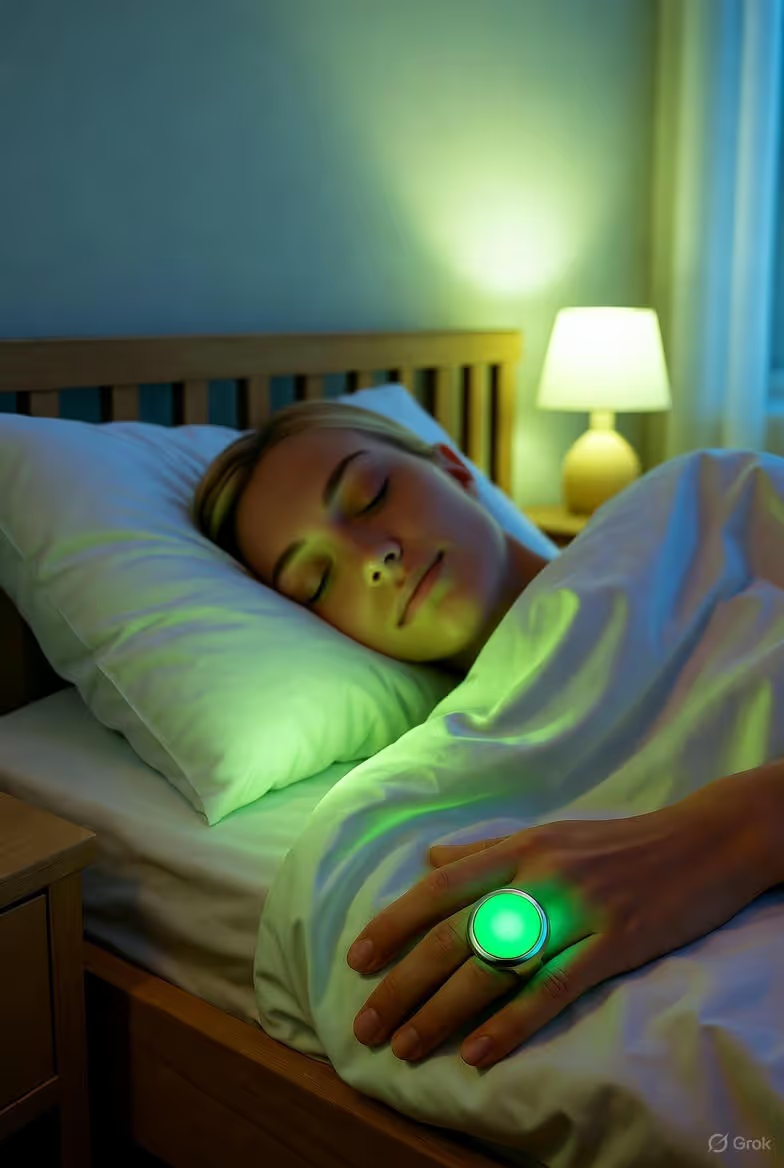
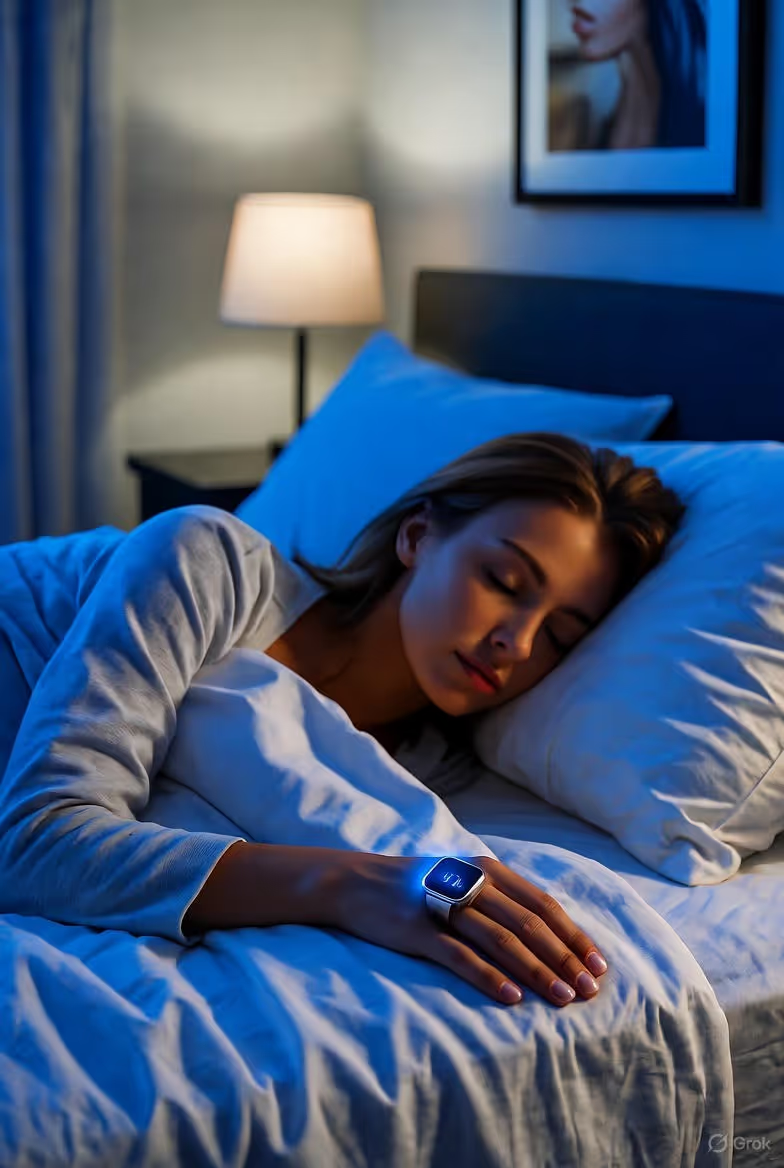
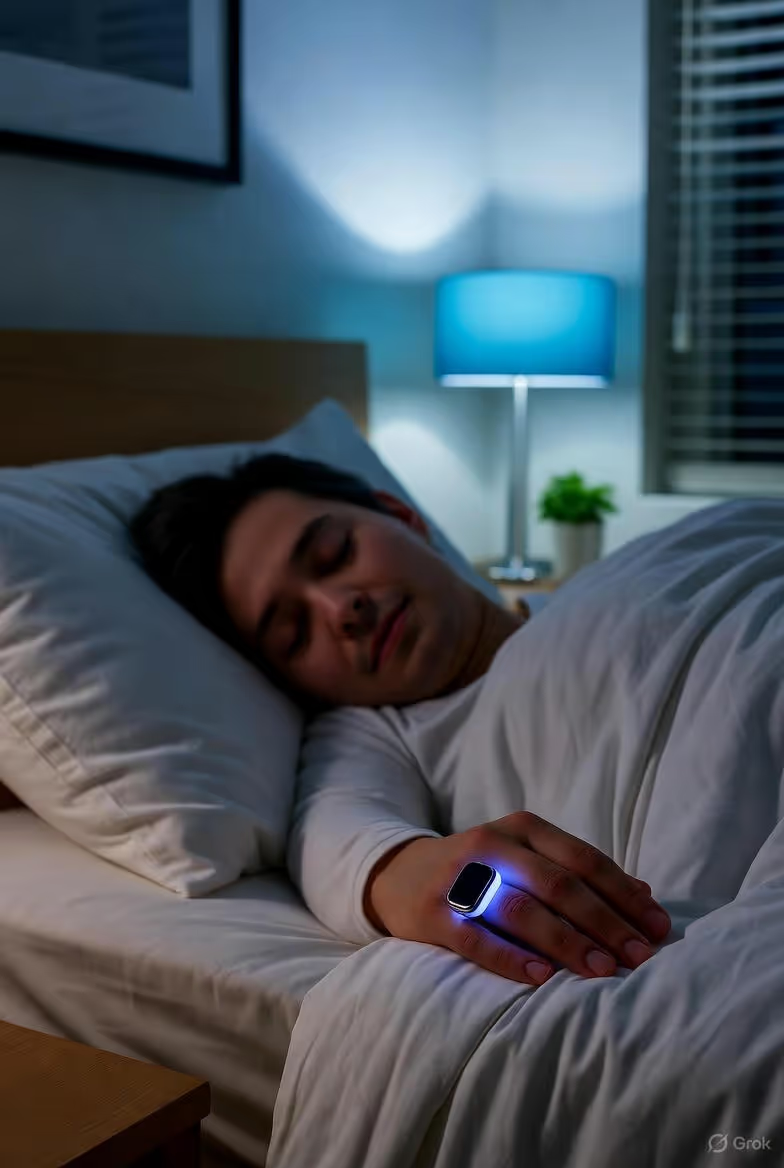
Beyond accuracy, the ring form factor champions continuous wearability. Devices like the OxiZen Smart Ring are crafted to be ultra-lightweight (as light as 4.4 grams) and unobtrusive, with no screens to distract or emit light. This design philosophy, coupled with features like IP68 waterproofing, encourages users to wear them 24/7—through showers, workouts, and of course, all night long. This continuous wear solves a major data gap: many people remove their smartwatch to charge it overnight, precisely when the most critical health data is being generated.
This continuous, high-quality data stream transforms the smart ring from a simple tracker into a powerful health observatory. It enables the detection of nuanced trends and subtle deviations that might be missed by less consistent or accurate devices. For anyone serious about using sleep data as a true health diagnostic tool, understanding the technological edge offered by the ring form factor is essential. The Oxyzen.ai FAQ provides further details on how this technology maintains performance and comfort for all-day, all-night wear.
More Than Fatigue: Sleep Data as an Early-Warning System for Health
Your sleep data is a nightly biometric check-up, often revealing subtle clues about your health long before daytime symptoms become obvious. By establishing your personal baseline—what "normal" looks like for you—deviations in the data can serve as proactive alerts, prompting earlier investigation and intervention.
Several key metrics are particularly potent as early indicators:
Resting Heart Rate (RHR) Trends: A normal, healthy pattern shows a distinct dip in your resting heart rate during sleep. A consistently elevated nighttime RHR, or a failure to see that dip, can be a sign of overtraining, chronic stress, an underlying infection, or cardiovascular strain. It suggests your body is not fully entering a state of recovery.
Heart Rate Variability (HRV): HRV is one of the most insightful metrics for overall resilience. A higher HRV generally indicates a healthy, adaptable nervous system. A sustained downward trend in your HRV can signal that your body is under significant physical or psychological stress, potentially heading toward burnout or illness.
Blood Oxygen (SpO2) Drops: For individuals with undiagnosed sleep apnea, this can be a life-changing metric. Sleep trackers that measure SpO2 can detect repetitive, periodic drops in blood oxygen saturation throughout the night—a hallmark of the disorder. Early detection of these patterns is crucial, as sleep apnea is linked to high blood pressure, heart disease, and stroke.
Skin Temperature and Sleep Onset: Your core body temperature needs to drop to initiate sleep. A tracker can show if you have difficulty achieving this cooling phase, which could be linked to hormonal issues, poor bedtime habits (like using heated blankets), or an inconsistent schedule.
Unexplained Wakefulness: While waking up briefly is normal, a tracker that shows a sudden increase in fragmented sleep or early morning awakenings you can't recall might point toward anxiety, digestive issues, or pain.
It is vital to frame this information correctly. A sleep tracker is not a diagnostic device. It is a screening and awareness tool. The patterns it reveals are "yellow flags"—compelling reasons to consult a healthcare professional and share your data. Bringing several weeks of tracked data to a doctor’s appointment provides objective evidence that goes far beyond saying "I'm tired," allowing for a more informed and productive conversation about your health.
From Data to Action: Building Your Personalized Sleep Sanctuary
Collecting data is only the first step; its true value is realized when you translate insights into tangible changes. Your sleep tracker becomes a personal sleep coach, helping you experiment with and validate modifications to your habits and environment—a process often called "sleep hygiene."
The data guides you to personalize key levers in your routine:
Optimizing Your Sleep Environment:
Temperature: Data may show you sleep more soundly when your bedroom is cooler. Most experts recommend a range between 60-67°F (15-19°C). Your tracker can confirm your ideal personal zone.
Light & Sound: Trackers with environment logging can help you correlate poor sleep with external noise or light pollution. This data justifies investments in blackout curtains, a sleep mask, or a white noise machine.
Refining Daily Habits:
Caffeine and Alcohol: Logging your consumption in your app can vividly show how a late-afternoon coffee cuts into your deep sleep or how alcohol, while perhaps helping you fall asleep faster, leads to a spike in restless awakenings in the second half of the night.
Exercise Timing: You might discover that vigorous exercise too close to bedtime raises your nighttime heart rate and delays sleep onset, while morning or afternoon workouts promote deeper sleep later on.
Crafting a Wind-Down Ritual: Tracking can reveal how long it truly takes you to fall asleep (sleep latency). If it's consistently long, the data supports creating a longer, screen-free buffer zone before bed filled with calming activities like reading, light stretching, or meditation.
The process is one of scientific personalization. You form a hypothesis ("I'll sleep better if I stop using my phone an hour before bed"), test it for a week or two, and review the data for evidence. Did your sleep score improve? Did you fall asleep faster? Did your deep sleep increase? This feedback loop is empowering, moving you from generic advice to a routine sculpted by your own biology. For inspiration and a deeper understanding of the rituals that support wellness, you can explore the philosophy and our story behind brands dedicated to this holistic approach.
Avoiding the Pitfalls: How to Use Sleep Trackers Without Fueling Anxiety
While sleep trackers are powerful tools, they come with a potential psychological downside often called "orthosomnia" – a preoccupation with perfecting sleep data that ironically leads to more anxiety and worse sleep. It’s crucial to cultivate a healthy, balanced relationship with your device to ensure it serves as a guide, not a source of stress.
To use your tracker effectively without falling into the anxiety trap, keep these principles in mind:
Focus on Long-Term Trends, Not Nightly Scores: A single night of poor sleep data is meaningless. Your body has natural variations. The power of tracking lies in observing patterns over weeks and months. Look for the general direction of your metrics, not the daily fluctuations. Did a new habit gradually improve your sleep efficiency over a month? That’s a meaningful win.
Let How You Feel Be Your Primary Metric: The sleep score is a composite algorithm's guess. Your lived experience is the truth. If you wake up feeling refreshed and energized, but your tracker gives you a "poor" score, trust your body. The data should explain how you feel, not dictate how you should feel.
Use Data for Curiosity, Not Judgment: Approach your data with the mindset of a curious scientist exploring your own biology, not a strict judge handing down a verdict. Ask, "What's interesting about this pattern?" instead of "Why did I fail last night?"
Know When to Take a Break: If you find yourself obsessively checking the app first thing in the morning or feeling distressed by the numbers, it’s time for a tracker vacation. Put the device away for a week or two. Reconnect with the innate, intuitive sense of your own sleep. You can always return to tracking later with a fresher, healthier perspective.
Remember, the ultimate goal is better health and well-being, not a perfect sleep graph. The tracker is a means to that end. By maintaining this perspective, you harness the technology's benefits while avoiding the trap of letting the quantification of sleep degrade its natural, restorative quality. If questions arise about how to best interpret your data or manage your expectations, support resources like the Oxyzen.ai FAQ can provide helpful guidance.
The Bigger Picture: How Sleep Insights Connect to Overall Fitness and Longevity
Sleep cannot be siloed off from the rest of your health. The data from your nights is intimately connected to your performance during the day, creating a continuous feedback loop between recovery and activity. Viewing sleep as the foundational pillar of your fitness and longevity strategy transforms it from passive rest into active preparation.
The connections are direct and powerful:
Sleep and Physical Performance: Deep sleep is when your body releases human growth hormone, repairs muscle tissue broken down during exercise, and replenishes energy stores. Poor sleep or inadequate deep sleep means you wake up less recovered, leading to reduced strength, endurance, coordination, and a higher risk of injury. Your tracker’s deep sleep metric is a direct report on your body's repair shop.
Sleep and Metabolic Health: As noted, sleep regulates the hormones that control appetite. A tracker showing fragmented sleep can help explain why you're experiencing increased cravings or hitting a weight loss plateau. Furthermore, research indicates that good sleep enhances insulin sensitivity, which is crucial for metabolic health and longevity.
Sleep and Cognitive Resilience: REM and deep sleep are critical for clearing metabolic waste from the brain, including proteins associated with cognitive decline. Consistent, high-quality sleep, as evidenced by balanced stage data, is one of the most potent tools for maintaining long-term brain health and cognitive function.
The Recovery Trinity: Modern wellness understands that health is built on three pillars: Activity, Nutrition, and Recovery. Sleep is the cornerstone of recovery. A smart ring or tracker that monitors 24/7 provides the missing link, showing how your daily activity and choices directly impact your night, and how your night, in turn, prepares you for the next day.
This holistic view is where wearable technology truly shines. A device that tracks your workouts, daily steps, and heart rate and provides detailed sleep analysis offers a unified dashboard for your entire well-being. It allows you to see, for example, that a particularly strenuous day of training was followed by an elevated resting heart rate and reduced HRV at night—a clear sign you may need an easier recovery day. This integrated feedback is the key to personalized, sustainable health optimization, moving you toward the ultimate goal of not just living longer, but living with more vitality and resilience.
Choosing Your Tool: A Guide to Selecting the Right Sleep Tracker for You
With a market flooded by apps, wristbands, bedside devices, and smart rings, selecting the right sleep tracker can feel overwhelming. The "best" device is not a universal answer; it’s the one that best aligns with your lifestyle, goals, and comfort, ensuring you’ll use it consistently. Your choice should be guided by a few key considerations.
To find your ideal match, evaluate the following dimensions:
Form Factor and Wearability:
Smart Rings (e.g., OxiZen): Best for users seeking maximum discretion, continuous wear, and high-fidelity biometric data (especially HRV and SpO2). Ideal if you find wristwear uncomfortable at night or dislike charging daily. Their minimalist design suits 24/7 wear.
Smartwatches/Fitness Bands: Offer a strong combination of sleep tracking with daytime smart features (notifications, GPS for runs). Sleep data can be very good, though sometimes less consistent than rings due to wrist movement. Requires nightly charging for full sleep data.
Non-Wearable Trackers (Bedside or Under-Mattress): Great for those who don't want to wear anything. They typically track sleep duration, movement, and some environmental factors well, but usually lack the detailed physiological data (like HRV or precise SpO2) that wearables provide.
Smartphone Apps (e.g., Sleep Cycle): A fantastic, low-cost entry point. Uses your phone's microphone and/or accelerometer to analyze movement and sound. While convenient and capable of detecting snoring or general cycles, they cannot measure core physiological metrics like heart rate or blood oxygen.
Key Metrics and Accuracy:
For Basic Insight: If you simply want to track duration and general sleep/wake patterns, a smartphone app or basic non-wearable may suffice.
For Health and Performance Insights: If you want data on sleep stages, recovery (HRV), and potential sleep apnea signs (SpO2), you need a wearable with advanced sensors. Research and reviews suggest rings often have an edge in consistency for heart-rate-based metrics due to their stable finger placement.
Ecosystem and Battery Life:
Consider how the device fits into your existing tech life. Does it sync with your preferred health app (Apple Health, Google Fit)?
Battery life is critical for consistency. A device that needs daily charging is more likely to be off your wrist (or finger) on the night you need it most. Smart rings often lead here, with many offering 5-7+ days on a single charge, enabling truly continuous tracking.
Making an informed decision requires weighing these factors. Think about your non-negotiables: Is all-night comfort your priority? Then a feather-light ring may be best. Do you need a single device for fitness and sleep? A high-end smartwatch could be the answer. Listening to real user experiences and testimonials can provide invaluable context for how these devices perform in everyday life.
The Future of Rest: Where Sleep Technology Is Heading Next
The field of sleep technology is not static; it is accelerating rapidly, propelled by advances in artificial intelligence, sensor miniaturization, and a deeper scientific understanding of sleep's role in health. The trackers of tomorrow will move beyond monitoring to become proactive, integrated wellness partners.
We are already on the cusp of several transformative developments:
Predictive and Prescriptive Analytics: Future devices will use AI not just to tell you how you slept, but to predict how you will sleep based on your day's activities, and more importantly, to offer personalized, actionable prescriptions. Imagine your app analyzing a week of poor sleep data and suggesting: "Based on your elevated nighttime heart rate, consider a 30-minute mindfulness session tonight instead of a high-intensity workout," or "Your data suggests you're fighting off a virus; your body temperature is elevated. Prioritize rest."
Advanced Multi-Sensor Integration: The next generation will seamlessly correlate sleep data with a wider array of biomarkers. This could include non-invasive blood glucose trend monitoring, advanced stress hormone indicators, or even metrics related to hydration levels, all providing a more complete picture of your physiological state during recovery.
Closed-Loop Environment Control: The future sleep sanctuary will be automated. Your tracker will communicate with smart home devices to subtly adjust your bedroom. As your data shows you entering light sleep, it could signal your thermostat to cool the room by another degree or gradually dim your lights to zero as you approach your target bedtime.
Deeper Clinical Integration and Validation: As data quality improves, the line between consumer tech and clinical tools will blur. We will see more FDA-cleared sleep tracking features and streamlined pathways for users to share their long-term trend data directly with healthcare providers, facilitating remote patient monitoring and more personalized care plans.
This future points toward a paradigm where sleep is not a passive state we hope for, but an active, optimized component of our health strategy. Technology will empower us to create personalized sleep ecosystems that respond to our bodies in real-time. The journey that began with simply counting hours is evolving into a holistic practice of bio-hacking our rest for enhanced longevity, performance, and well-being. To stay at the forefront of these innovations and understand how they are being developed with the user in mind, learning about the vision and values of pioneering companies in this space can be enlightening.
Conclusion: Becoming the Architect of Your Own Sleep Health
Our exploration into the world of sleep tracking reveals a fundamental truth: the data generated each night is far more than a curiosity. It is a rich, personal language of health, speaking in the rhythms of your heart, the depth of your breaths, and the architecture of your sleep cycles. From exposing the silent epidemic of sleep deprivation to serving as an early-warning system for underlying conditions, this technology has democratized access to knowledge that was once locked away in sleep clinics.
We have seen that the most profound insights come not from a single night's score, but from the long-term trends that reveal your unique biological patterns. Whether you choose a discreet smart ring for its physiological advantages or another form factor that suits your life, the key is consistent use with a mindful, non-anxious perspective. The goal is to move from passive observation to active experimentation—using data to personalize your sleep sanctuary, refine your daily habits, and understand the intimate feedback loop between your days and your nights.
This journey transforms you from a passenger in your own health to its informed architect. By learning to decode what your sleep tracker can teach you, you gain agency over a fundamental pillar of your well-being. You are equipped to make informed choices that enhance not just your sleep, but your energy, your focus, your emotional balance, and your long-term resilience. The night is no longer a black box, but a space for measurable, actionable restoration. The path to better health, it turns out, is paved with data—and it begins the moment you close your eyes.
The Symphony of the Night: Understanding Heart Rate Variability (HRV)
If your average heart rate is the steady drumbeat of your cardiovascular system, then heart rate variability (HRV) is the complex, nuanced symphony playing between each beat. This metric, which measures the subtle variations in time between consecutive heartbeats measured in milliseconds, has emerged from clinical research labs to become a cornerstone of advanced wellness tracking. Far from being a sign of an irregular heartbeat, a higher HRV is a powerful indicator of a healthy, resilient, and adaptable nervous system.
At its core, HRV reflects the balance between your sympathetic nervous system (your "fight-or-flight" accelerator) and your parasympathetic nervous system (your "rest-and-digest" brake). When you're stressed, anxious, or facing a physical challenge, your sympathetic system dominates, leading to a more regular, metronome-like heartbeat and a lower HRV. When you are relaxed, recovered, and in a state of safety, your parasympathetic system takes over, creating more variation between beats and a higher HRV.
For sleep and recovery, HRV is a gold-standard metric. During deep, restorative sleep, your parasympathetic system should be predominant, leading to a natural rise in your nightly HRV. Your sleep tracker monitors this pattern, and over time, it establishes your personal baseline.
Why is tracking HRV so transformative for health?
The Ultimate Recovery Score: A high HRV reading upon waking suggests your body has effectively recovered from the previous day's stresses—both physical and mental. A consistently low or dropping HRV trend is a clear, data-driven sign that you are under-recovering, overreaching, or potentially fighting off illness. It’s your body’s way of whispering, "I need a break," before it starts shouting with fatigue or injury.
A Window into Stress Resilience: HRV is exquisitely sensitive to psychological stress. By correlating dips in your HRV with specific days or events, you gain objective insight into what truly drains your nervous system, allowing you to manage your schedule and commitments more strategically.
Personalized Training & Lifestyle Guidance: Athletes use HRV to guide their training intensity. A low morning HRV might indicate the need for a light recovery day instead of a high-intensity session. For everyone, it can inform decisions about when to push forward and when to prioritize rest, meditation, or gentle movement.
It's crucial to interpret HRV correctly: Never compare your absolute HRV number to someone else's. It is highly individualized, influenced by age, genetics, fitness, and even breathing patterns. The immense value lies in tracking your own trends over time. A sustained downward trend is a meaningful alert to pay attention to your overall load, while a stable or rising trend indicates good adaptability and health. For a deeper understanding of how this and other biomarkers are captured by cutting-edge devices, you can learn more about the technology behind metrics like HRV.
The Breath of Life (and Sleep): Tracking Respiration and Blood Oxygen
While your heart tells one story, your breath tells another. During sleep, your respiratory system should operate on autopilot, providing a steady, rhythmic supply of oxygen to fuel your body's overnight repair work. Disruptions in this pattern are among the most critical signals a sleep tracker can detect, offering early clues to serious health conditions.
Modern trackers monitor two key respiratory metrics:
Respiratory Rate: This is simply the number of breaths you take per minute. A normal adult rate during sleep is typically between 12-20 breaths per minute. Your tracker will establish your personal baseline. Significant, persistent increases in your sleeping respiratory rate can be an early sign of cardiopulmonary stress, infection, or other medical issues, often appearing before other symptoms.
Blood Oxygen Saturation (SpO2): This measures the percentage of oxygen carried by your red blood cells. Healthy levels at night are generally at or above 95%. The critical insight comes from tracking dips or desaturations.
This is where the connection to sleep apnea—a disorder characterized by repeated pauses in breathing—becomes clear. In obstructive sleep apnea, the airway collapses, stopping breathing for 10 seconds or more. This causes blood oxygen levels to fall. When breathing resumes, often with a gasp or snort, oxygen levels rebound. This creates a telltale "sawtooth" pattern of repetitive SpO2 dips on your tracker's graph.
What your respiration data can reveal:
Potential Sleep Apnea Indicators: While not a diagnosis, a pattern of frequent SpO2 dips (e.g., more than 5 dips per hour that are 3-4% or greater) is a strong reason to discuss a sleep study with your doctor. Untreated sleep apnea is a major risk factor for hypertension, heart disease, stroke, and diabetes.
Insight into Sleep Quality: Even without full-blown apnea, subtle breathing disturbances or elevated respiratory rates can fragment sleep and prevent you from reaching deep, restorative stages. Your data can show if issues like allergies, sinus problems, or sleeping position are affecting your breathing.
Overall Health Snapshot: Consistently low baseline SpO2 or unusual breathing patterns can sometimes point to other concerns, such as chronic respiratory conditions or circulatory issues, warranting further medical investigation.
The ability to monitor SpO2 continuously and comfortably at home is a revolutionary aspect of modern wearables. It transforms a vital sign that was typically only measured in clinics into a nightly stream of data, empowering individuals to spot potential problems and seek professional evaluation earlier than ever before.
The Body's Silent Rhythm: Nocturnal Skin Temperature and Its Clues
Your body temperature is not a fixed setting but a dynamic curve that follows your circadian rhythm. A core component of the sleep-wake cycle is a deliberate drop in core body temperature, which begins in the evening and helps initiate sleep. While we can't easily measure core temperature at home, advanced wearables track skin temperature, which closely mirrors these internal rhythms and provides surprising insights.
A healthy nocturnal temperature pattern shows a gradual cooling after bedtime, reaching its lowest point in the early morning hours (around 4-5 AM), before slowly rising to help prepare the body for wakefulness. Your sleep tracker observes this rhythm, noting both the overall trend and any deviations from your personal norm.
Deviations in your skin temperature data are like your body raising a silent hand:
Sign of Illness Onset: One of the earliest signs of your body fighting an infection is a fever. Even before you feel symptomatic, your nighttime skin temperature may show an unexplained elevation. Spotting this trend early can be a cue to hydrate, rest, and support your immune system.
Hormonal Fluctuations: For women, skin temperature is intimately tied to the menstrual cycle. During the luteal phase (after ovulation), progesterone causes a sustained rise in basal body temperature. A wearable can clearly chart this shift, helping to identify ovulation and understand the cyclical nature of energy, sleep, and mood. Disruptions in this pattern can also provide data to discuss with a healthcare provider.
Sleep Environment Feedback: Your data provides direct evidence of your bedroom's climate. If your temperature graph shows you warming up throughout the night without a clear dip, it might indicate your room is too warm or your bedding is too insulating. Conversely, a sharp, uncomfortable drop could mean the room is too cold.
Marker of Poor Sleep Quality: Difficulty achieving the necessary cooling phase can directly interfere with falling asleep and reaching deep sleep. Data showing a flat or elevated temperature curve can correlate with subjective feelings of restless, "light" sleep.
By paying attention to this subtle biomarker, you move beyond simply tracking sleep to understanding some of the underlying physiological processes that govern it. It connects your sleep quality to your immune health, hormonal balance, and even your immediate environment, allowing for precise, data-driven adjustments.
The Digital Pillow: How Apps and AI Synthesize Data into Insight
Raw data—heartbeats, motion, temperature points—is meaningless on its own. The magic happens in the algorithms and digital platforms that synthesize this torrent of information into coherent, actionable stories about your health. The apps paired with your sleep tracker are the brains of the operation, using sophisticated models, often powered by machine learning, to translate sensor readings into health insights.
This process involves several key layers:
Signal Processing & Cleaning: The app's first job is to filter out "noise"—false signals caused by a sudden movement, the device shifting, or environmental interference. This ensures the analysis is based on the cleanest possible physiological data.
Pattern Recognition & Sleep Staging: Algorithms are trained on massive datasets to recognize patterns that correlate with different sleep stages. For example, the combination of very low movement, a slowed but steady heart rate, and low HRV is characteristic of deep sleep. The rapid heart rate, brainwave-like motion of REM, and increased breath variability signal REM sleep. The app stitches these classified moments together to build your nightly sleep architecture graph.
Baseline Establishment & Trend Analysis: The true intelligence emerges over time. A good platform doesn't just show you last night's data; it compares it to your own personal 30-, 60-, or 90-day average. This is how it identifies a "higher than usual resting heart rate" or a "lower than average HRV." It moves from reporting facts to highlighting meaningful deviations.
Correlation and Context: The most advanced systems allow you to log daily behaviors (called "tags" or "contributors"). You can log caffeine intake, alcohol consumption, workout timing, stress levels, or medication. Over weeks, the app can perform correlation analysis, showing you, for instance, that on days you record "late caffeine," your deep sleep percentage drops by an average of 15%. This turns guesswork into evidence-based understanding.
The role of Artificial Intelligence is expanding rapidly. Future iterations will move from descriptive analytics ("this happened") to prescriptive analytics ("try this"). AI could analyze a month of your data and lifestyle logs to generate personalized recommendations: "Based on your data, your sleep is most restorative when you finish exercise before 7 PM. Try this for the next two weeks and see if your deep sleep improves."
It’s important to remember that these algorithms are proprietary and have limitations. They are educated estimates, not medical-grade polysomnography. However, their consistency and ability to reveal trends make them an unparalleled tool for self-discovery and proactive health management. The insights they generate form the basis for informed conversations with healthcare professionals and for taking control of your daily habits. For a look at how one company is approaching the integration of data and user-centric design, you can explore their mission and development philosophy.
Case Studies in Sleep: Real-World Stories of Discovery and Transformation
Data becomes most compelling when it leaves the realm of theory and enters real life. Across the globe, individuals are using sleep trackers to solve mysterious health puzzles, optimize performance, and reclaim their energy. These stories illustrate the profound practical impact of paying attention to the night.
Story 1: The "Always Tired" Executive Mark, a 45-year-old manager, complained of chronic fatigue despite sleeping 7-8 hours nightly. His doctor found nothing conclusively wrong. Using a smart ring with SpO2 monitoring, Mark discovered a pattern of frequent, small blood oxygen dips throughout the night, though he rarely woke up fully. He did not snore loudly, so sleep apnea wasn't suspected. This data prompted a home sleep test, which confirmed mild obstructive sleep apnea. With treatment (a dental appliance), his SpO2 graph flattened into a healthy line, and his reported energy levels soared within weeks. The tracker provided the objective clue that standard questioning had missed.
Story 2: The Overtrained Athlete Sophia, a dedicated marathon runner, found her performance plateauing and her mood irritable. Her smartwatch showed she was meeting her sleep duration goals. However, when she started paying attention to her HRV and resting heart rate (RHR) trends, she saw a clear picture: her morning HRV had been on a steady decline for three weeks, and her nighttime RHR was 8-10 beats per minute higher than her baseline. This was a textbook sign of non-functional overreaching. The data forced her to honor a true recovery week—light activity, focus on nutrition and sleep—instead of pushing through. Her HRV and RHR returned to baseline, and she subsequently broke her performance plateau, learning to balance training with recovery.
Story 3: The Perimenopausal Professional Anna, 48, began experiencing unexplained sleep disruptions—waking up drenched in sweat and unable to fall back asleep. She felt it was related to perimenopause but had no way to quantify it. Using a wearable that tracked skin temperature, she could see clear nocturnal temperature spikes that directly correlated with her reported night sweats and wake-ups. This objective data helped her and her doctor have a more productive conversation about her symptoms. It also allowed her to experiment: she found that lowering her bedroom temperature by 3 degrees and using moisture-wicking bedding visibly reduced the intensity of the temperature spikes on her graph and improved her sleep continuity.
These cases highlight common themes: the tracker provided objective evidence where subjective feeling was vague, it revealed patterns invisible to the naked eye, and it empowered each individual to become an active participant in their health journey, leading to targeted interventions and significant improvement in quality of life. Reading more about real user experiences and testimonials can provide further motivation and relatable context for your own journey.
The Dark Side of Blue Light: How Your Daytime Habits Sabotage Your Night
One of the most powerful lessons from sleep tracking is the profound connection between daytime choices and nighttime results. Perhaps no modern habit is more damaging to sleep than our constant exposure to blue-wavelength light, primarily from LEDs, smartphones, tablets, and computer screens. While tracking reveals the symptoms of poor sleep, understanding the biology of light explains the cause.
Here’s the science: Specialized cells in our eyes detect light, sending signals to the brain's suprachiasmatic nucleus (SCN)—the master circadian clock. Bright blue light signals "daytime" to the SCN, which suppresses the pineal gland's production of melatonin, the hormone that makes us feel sleepy. When we scroll through social media or watch TV at night, we are essentially injecting a digital sunrise into our retinas, delaying melatonin release and shifting our entire circadian rhythm later.
Your sleep tracker quantifies this sabotage. You may see:
Increased Sleep Latency: It takes you much longer to fall asleep after screen use.
Reduced REM Sleep: The delay in sleep onset can truncate the later sleep cycles where REM is most abundant.
Fragmented Sleep: Even after falling asleep, the disrupted circadian signaling can lead to more frequent, if brief, awakenings.
A Later Temperature Minimum: Your body's cooling process is delayed, reflected in a shifted skin temperature curve.
Armed with this knowledge and your data, you can fight back with evidence-based strategies:
Embrace the "Digital Sunset": Institute a strict screen curfew 60-90 minutes before bed. This is non-negotiable for sleep hygiene. Use this time for reading a physical book, light stretching, or conversation.
Harness Technology for Good: Use device settings. Enable "Night Shift" (iOS) or "Night Light" (Android) on all devices after dusk. These features reduce blue light emission by shifting screens to warmer amber tones.
Become a Lighting Connoisseur: Replace bright, cool-white LED bulbs in bedrooms and bathrooms with warm-white (<2700 Kelvin) or dimmable bulbs. Consider smart bulbs that automatically dim and warm at sunset.
Get Morning Light for Balance: Just as avoiding evening light is crucial, seeking bright, natural light within 30 minutes of waking reinforces a strong circadian signal. It boosts daytime alertness and helps solidify a healthy sleep-wake cycle, making it easier to wind down at night.
By tracking the impact of these changes, you close the feedback loop. You can literally see on your graph how implementing a digital sunset decreases your time to fall asleep. This turns a wellness recommendation into a proven, personal fact, creating lasting motivation for healthy habits.
Sleep Nutrition: How Diet and Digestion Influence Your Sleep Architecture
What you eat doesn't just fuel your day; it directly scripts your night. Sleep tracking reveals that dietary choices act as powerful modulators of sleep quality, influencing everything from how quickly you fall asleep to the balance of deep and REM sleep you achieve. The connection runs through digestion, blood sugar regulation, and the availability of key sleep-supporting nutrients.
Dietary Factors That Appear in Your Sleep Data:
Timing of Your Last Meal: Eating a large, heavy, or spicy meal too close to bedtime forces your digestive system to work overtime when it should be winding down. This can lead to discomfort, acid reflux, and a higher core body temperature—all of which can show up as restlessness, frequent awakenings, and reduced deep sleep on your tracker.
Macronutrient Balance: Meals high in refined carbohydrates and sugar can cause a rapid spike and subsequent crash in blood glucose during the night. This metabolic rollercoaster can trigger the release of cortisol (a wake-promoting hormone), leading to middle-of-the-night awakenings. Conversely, meals that include complex carbs, protein, and healthy fats promote more stable blood sugar.
Key Sleep Nutrients: Your body requires specific building blocks to produce sleep-regulating neurotransmitters.
Tryptophan (found in turkey, dairy, nuts) is a precursor to serotonin and melatonin.
Magnesium (found in leafy greens, nuts, seeds) acts as a natural muscle relaxant and supports nervous system calm.
Glycine (found in bone broth, collagen) has been shown to improve sleep quality and lower core body temperature.
Alcohol – The Deceptive Depressant: Alcohol is perhaps the most clearly visible disruptor in sleep data. While it may help with sleep onset, it reliably causes a surge in nighttime awakenings in the second half of the night as its sedative effects wear off and the body metabolizes it. It also potently suppresses REM sleep, the stage critical for memory and emotional processing.
Using Your Tracker as a Dietary Guide: You can run simple experiments. Log your evening meals and note their composition and timing. Observe your data for the following patterns:
Do you fall asleep faster on nights you have a light, early dinner?
Does a sugary dessert correlate with a "jagged" sleep graph with more wakefulness?
Does a glass of wine with dinner show up as a noticeable drop in your REM sleep percentage?
This biofeedback allows you to personalize "sleep nutrition." You might discover that your ideal routine is a dinner rich in magnesium and tryptophan, finished at least 3 hours before bed, with no alcohol. Your data provides the proof, moving you from generic advice to a diet that genuinely supports restorative sleep.
Mastering Your Mind for Sleep: The Critical Link Between Stress, Anxiety, and Rest
Your sleep tracker doesn't just measure your body; it reflects the state of your mind. Psychological stress and anxiety are among the most common and potent thieves of deep, restorative sleep. They activate the sympathetic nervous system, flooding your system with cortisol and adrenaline—hormones designed for alertness and survival, not for drifting peacefully into slumber. The data makes this mind-body connection irrefutable.
How Mental Stress Manifests in Sleep Data:
Elevated Nighttime Heart Rate & Low HRV: A stressed nervous system keeps your heart rate elevated and suppresses HRV, even during sleep. Your graph may show a resting heart rate that looks more like a relaxed daytime reading than a true recovery state.
Prolonged Sleep Latency: The "monkey mind" that won't quiet down directly translates to a long time to fall asleep, as measured from lights out to the first signs of light sleep.
Increased Sleep Fragmentation: Stress and anxiety can cause micro-awakenings—brief arousals you may not remember but that fragment your sleep architecture, preventing sustained periods in deep and REM sleep. Your sleep efficiency score will drop.
Early Morning Awakenings: Waking up at 3 or 4 AM with a racing mind and inability to fall back asleep is a classic signature of anxiety. Your tracker will clearly log this as a long period of wakefulness at the end of your sleep period.
Breaking the Cycle with Data-Informed Techniques: Knowing that stress is the culprit is the first step. The second is using targeted practices to calm the nervous system, with your tracker serving as a validation tool.
Wind-Down Rituals with Intent: A pre-bed routine isn't just about actions; it's about signaling safety to the brain. This could include gentle yoga (not vigorous exercise), progressive muscle relaxation, or a gratitude journal. The goal is to transition from "doing" to "being."
The Power of Breathwork: Controlled breathing is a direct lever on the autonomic nervous system. Techniques like 4-7-8 breathing (inhale 4, hold 7, exhale 8) or simple diaphragmatic breathing can rapidly increase parasympathetic tone, lowering heart rate. You can literally watch your real-time heart rate drop on some devices as you do this before bed.
Cognitive Techniques: If rumination is the problem, "brain dumping" by writing down worries and to-do lists for the next day can get them out of your head. Scheduling a "worry time" earlier in the day can also contain anxiety.
Mindfulness and Meditation: Regular practice trains the brain to detach from stressful thoughts. Studies show it can improve both subjective sleep quality and objective measures like sleep efficiency. Tracking can show you how a consistent meditation practice gradually improves your HRV and reduces sleep latency over weeks.
Your sleep data provides the hard evidence that these "soft" practices work. When you see your HRV trend upward or your sleep graph become less fragmented after a week of dedicated wind-down time, it reinforces the value of mental hygiene for physical rest. It proves that caring for your mind is not separate from caring for your body—it is fundamental to it. For additional strategies and perspectives on managing stress for better wellness, exploring a blog dedicated to these topics can offer fresh insights and techniques.
Chronotypes and Chronobiology: Working With Your Body's Natural Clock
One of the most liberating concepts in sleep science is the chronotype—your personal, genetically influenced predisposition for when you naturally prefer to sleep and be awake. Are you an early-rising "lark," a night-owl, or somewhere in between? Forcing a night owl to live on a lark's schedule is a recipe for chronic sleep deprivation and misaligned biology, something a sleep tracker can painfully expose.
Sleep trackers help you discover your true chronotype not by a quiz, but by observing your natural patterns on free days (like weekends or vacations) when you're not forced awake by an alarm. Key metrics include:
Your natural sleep onset time when you don't set an alarm.
The timing of your lowest nighttime skin temperature (the temperature nadir), which is a core circadian marker.
The consistency (or inconsistency) of your sleep-wake times.
Living in alignment with your chronotype, known as your "social jetlag," can dramatically improve your health data:
Improved Sleep Efficiency: When you go to bed and wake up in sync with your internal clock, you fall asleep faster and experience more consolidated sleep.
Better Metabolic Markers: Misalignment between your chronotype and your schedule is linked to poorer glucose control and higher risk of metabolic syndrome. Alignment supports healthier metabolic function.
Enhanced Mood and Cognitive Performance: You will feel more alert and positive when your peak activity times match your body's natural energy rhythms.
Practical Steps for Chronotype Alignment:
Discover Your Type: Use your tracker data from a low-obligation week to find your natural midpoint of sleep.
Optimize Your Schedule: If possible, negotiate work hours or structure your most demanding cognitive tasks for your personal peak times (typically late morning for larks, late afternoon for owls).
Use Light Strategically: Night owls can benefit from bright light exposure immediately upon waking to help shift their clock slightly earlier. Larks should prioritize avoiding evening light to prevent their clock from shifting later.
Respect Your Biology on Weekends: While keeping a consistent schedule is ideal, a night owl shouldn't force a 6 AM wake-up on Saturday. Allow for a modest, consistent deviation (e.g., sleeping in 1-2 hours) rather than a drastic 4-5 hour shift that causes severe social jetlag.
The goal isn't to label yourself, but to build self-compassion and a lifestyle that works with your biology, not against it. Your sleep data provides the objective proof of what your body needs, empowering you to advocate for a schedule that allows you to thrive. Understanding this deep biological basis for individual differences in sleep is part of a broader vision for personalized wellness that respects our unique physiological blueprints.
The Oura of Readiness: Quantifying Your Body's Preparedness for the Day
The ultimate goal of tracking sleep is not to achieve a perfect score for its own sake, but to optimize your readiness to perform, engage, and thrive during your waking hours. The most advanced sleep tracking systems have evolved to synthesize the night's data into a single, actionable metric often called a Readiness Score or Recovery Index. This score distills the complex story of your night—its duration, quality, and physiological signals—into a clear message about how prepared your body is for the day ahead.
A well-designed readiness score is not a simple average of sleep metrics. It is a weighted algorithm that prioritizes the biomarkers most indicative of systemic stress and recovery capacity. While the exact formulas are proprietary, they typically integrate:
Sleep Data: Total sleep time, sleep efficiency, and the balance of deep and REM sleep.
Autonomic Nervous System Metrics: Heart rate variability (HRV) is almost always the most heavily weighted component, as it is the purest indicator of your nervous system's balance and resilience. Resting heart rate (RHR) compared to your baseline is another key input.
Activity Balance: Many scores incorporate your previous day's activity load, ensuring the recommendation considers both recovery from and preparation for physical exertion.
Body Temperature: Significant deviations from your personal nocturnal temperature baseline can lower a readiness score, signaling potential illness or inflammation.
Interpreting and acting on your readiness score transforms passive tracking into daily decision-making:
High Readiness Score (e.g., 85-100): This is a green light. Your body is well-recovered and resilient. It's an ideal day for challenging workouts, important cognitive tasks, social engagement, or taking on new stressors. Your system is primed to adapt and perform.
Moderate Readiness Score (e.g., 70-84): This is a yellow light, suggesting mild strain or sub-optimal recovery. It's a day to proceed with awareness. Consider a moderate-intensity workout instead of a peak performance one, prioritize good nutrition, and be mindful of stress. It's a signal to support your body, not push it to its limits.
Low Readiness Score (e.g., <70): This is a red light, indicating significant strain or inadequate recovery. The prescription here is active recovery, not rest. This might mean a gentle walk, yoga, or focused mobility work instead of a training session. It’s a day to prioritize sleep, hydration, nutrient-dense foods, and stress management. Pushing through on a low score increases injury risk and can deepen a recovery deficit.
By letting this synthesized metric guide your daily choices, you learn to dance with your body's rhythms rather than fight against them. It cultivates a discipline of listening and responding, which is the cornerstone of sustainable high performance and long-term health. For those navigating the nuances of these metrics for the first time, resources like the Oxyzen.ai FAQ can provide valuable guidance on interpreting scores and taking appropriate action.
Syncing with the Sun: The Science of Circadian Rhythms and Light Exposure
Your sleep is governed by a master 24-hour clock known as your circadian rhythm. This internal timekeeper, located in the suprachiasmatic nucleus (SCN) of your brain, regulates not just sleepiness and wakefulness, but also hormone release, body temperature, digestion, and cellular repair. The most powerful "zeitgeber" (time-giver) that sets and syncs this clock is light.
Modern life, with its indoor environments and artificial lighting, has profoundly disrupted our natural light-dark cycle. Sleep tracking data often reveals this disruption in the form of delayed sleep onset, irregular sleep patterns, and poor sleep quality. The solution lies in deliberate, strategic light exposure.
The Circadian Toolkit for Better Sleep, Backed by Data:
Morning Sunlight (Within 30-60 Minutes of Waking): This is non-negotiable for circadian health. Bright, outdoor light, even on a cloudy day, contains the high-intensity blue wavelengths needed to signal to your SCN that "day has begun." This does several critical things:
It sharply suppresses any lingering melatonin, promoting alertness.
It starts a timer for the release of melatonin roughly 14-16 hours later, solidifying your sleep-wake cycle.
Trackable Impact: Consistent morning light can lead to a measurable reduction in sleep latency (time to fall asleep) and more stable sleep-wake times on your tracker.
Daytime Light Abundance: Seek bright light throughout the day, especially if you work indoors. Position your desk near a window. Take walking meetings outside. This reinforces the strong daytime signal, supporting stable energy and a robust circadian rhythm.
The Evening Wind-Down: Dimming the Lights: As sunset approaches, your goal is to mimic the natural fading of daylight. Reduce overhead lighting and use lamps with warm-white bulbs. This gradual dimming encourages the natural rise of melatonin.
Nighttime Darkness: Defending Your Melatonin: This is where the battle is often lost. Beyond screens, consider all ambient light. Use blackout curtains to block streetlights. Cover or remove small LED indicators in the bedroom. Even the glow from a digital alarm clock can be disruptive. The sleeping environment should be as pitch black as possible.
Your sleep tracker validates this practice. When you commit to a week of disciplined light hygiene, you will likely see the evidence in your data: a more regular bedtime, improved sleep efficiency, and a more predictable skin temperature curve. It proves that aligning your habits with this ancient biological rhythm is one of the most effective, drug-free ways to master your sleep. The founders of wellness technology companies often embed this deep respect for natural biology into their products; you can learn more about this philosophy in the our story section of Oxyzen.ai.
Movement as Medicine: How Exercise Influences Sleep Architecture
The relationship between exercise and sleep is a virtuous, bidirectional cycle. Physical activity is one of the most reliable promoters of sleep quality and duration, while good sleep is essential for athletic performance, muscle repair, and motivation to exercise. Your sleep tracker provides the concrete feedback that connects your daily movement to your nightly recovery.
How different types of exercise show up in your sleep data:
Moderate Aerobic Exercise (e.g., brisk walking, cycling, swimming): This type of activity is strongly associated with increased deep sleep (slow-wave sleep). Deep sleep is when the body focuses on physical restoration, releasing growth hormone, and repairing tissues stressed during the workout. You may see a higher percentage of deep sleep on nights following consistent aerobic activity.
High-Intensity Interval Training (HIIT) & Vigorous Strength Training: These activities create significant metabolic and muscular stress. While beneficial, they can acutely elevate core body temperature and stimulate the sympathetic nervous system. If performed too close to bedtime (within 1-3 hours for most people), this can delay sleep onset and potentially reduce sleep efficiency. The data often shows a higher resting heart rate and lower HRV on nights after very intense late-day sessions.
Mind-Body & Recovery Movement (e.g., yoga, tai chi, gentle stretching): These practices promote parasympathetic activation and can be excellent pre-sleep rituals. They may help lower nighttime heart rate and improve sleep latency, especially if they incorporate breathwork and mindfulness.
Using Your Data to Optimize the Exercise-Sleep Loop:
Find Your Ideal Timing: Experiment and track. You might discover that morning workouts give you the best sleep quality, while evening sessions, if done, must be finished at least 3 hours before bed to avoid disruption. Your data on sleep latency and resting heart rate will tell the story.
Balance Intensity and Volume: Periodize your training. Your tracker's HRV and readiness score are perfect guides. A low readiness score after several hard training days is a clear signal to incorporate a light active recovery day instead of pushing for another intense session.
Use Sleep to Fuel Performance: View your sleep data as a post-workout report card. Poor sleep after a hard training day means you didn't fully recover, which will compromise your next session. This might mean prioritizing sleep duration or adjusting your nutrition to better support recovery.
The key takeaway is that exercise and sleep are partners. One without the other is far less effective. By using your sleep tracker to observe this relationship, you can strategically plan your movement to maximize both your nightly restoration and your daytime performance, creating a self-reinforcing cycle of health.
Navigating Life Stages: Sleep Tracking Through Menstruation, Pregnancy, and Menopause
Female physiology undergoes dramatic changes across the lifespan, and these changes are profoundly reflected in sleep. Hormonal fluctuations associated with the menstrual cycle, pregnancy, and perimenopause can significantly alter sleep architecture and quality. For women, a sleep tracker is not just a wellness tool; it can be an essential companion for navigating these transitions with greater awareness and agency.
The Menstrual Cycle: A typical cycle creates a predictable, biphasic pattern in sleep data.
Follicular Phase (post-period to ovulation): With rising estrogen, many women report better sleep quality, which may show as more stable sleep graphs and higher readiness scores.
Luteal Phase (post-ovulation to period): After ovulation, progesterone rises, causing a sustained increase in basal body temperature. This can make it harder to fall asleep and stay cool at night. Progesterone's metabolites can also have a sedating effect for some, while others experience more restless sleep. In the days before menstruation, drops in hormones can trigger PMS symptoms, leading to more frequent awakenings. Tracking temperature and sleep quality can vividly chart this monthly cycle, helping to predict challenging nights and plan for extra self-care.
Pregnancy: Sleep challenges evolve through each trimester.
First Trimester: Soaring progesterone causes profound fatigue and can lead to increased daytime sleepiness and longer sleep duration at night.
Second & Third Trimesters: Physical discomfort, frequent urination, fetal movement, and conditions like restless legs syndrome lead to severe sleep fragmentation. A tracker will show numerous awakenings and low sleep efficiency. Monitoring SpO2 can also be important to watch for signs of pregnancy-related sleep-disordered breathing.
Perimenopause and Menopause: This transition, marked by declining and fluctuating estrogen, is a leading cause of sleep disturbances in middle-aged women.
Vasomotor Symptoms: Night sweats and hot flashes, caused by the brain's thermoregulatory center reacting to dropping estrogen, are brutally visible on a temperature-tracking device. They appear as sharp, episodic spikes in skin temperature directly correlated with wake-ups.
Other Factors: Increased anxiety, mood changes, and a higher risk of sleep apnea further disrupt sleep.
Empowerment Through Data: For women, tracking provides validation ("This is real, and here's the proof") and a basis for action. It can:
Identify the specific days in a cycle when sleep is most vulnerable.
Provide objective data to share with a gynecologist or healthcare provider when discussing symptoms like suspected night sweats or extreme fatigue.
Guide lifestyle adjustments, like optimizing bedroom temperature during the luteal phase or menopause, or adjusting exercise timing based on cyclical energy levels.
This application of sleep technology moves it firmly into the realm of personalized healthcare, acknowledging and addressing the unique physiological journeys of half the population.
The Collective Zzz's: How Social and Environmental Factors Shape Our Sleep
Sleep is not an individual act in a vacuum. It is deeply embedded in our social worlds and physical environments. The quality of our collective rest is influenced by societal norms, workplace policies, family dynamics, and even the design of our neighborhoods. While a tracker measures the individual outcome, understanding these broader forces helps explain the "why" behind the data.
Social Synchronization and "Social Jetlag": Humans are social creatures, and we tend to synchronize our sleep schedules. Partners influence each other's bedtimes; parents' sleep is dictated by young children; social events push bedtimes later. This can create "social jetlag"—a mismatch between your biological chronotype and your socially mandated sleep schedule. A night owl forced to wake early for work and family suffers this weekly, and their tracker will consistently show shorter sleep duration on weekdays with rebound sleep on weekends, a pattern linked to metabolic health risks.
The Work-Sleep Conflict: The "always-on" culture, shift work, and long commutes are formidable sleep adversaries. Work-related stress activates the sympathetic nervous system, making it hard to unwind. Late-night emails bleed into sleep time. Irregular shift work directly attacks the circadian system, leading to severe and chronic sleep disruption, which trackers quantify as low sleep efficiency, inconsistent sleep times, and poor physiological recovery metrics.
The Physical Environment: Noise, Light, and Safety: Beyond the bedroom, broader environmental factors play a role.
Noise Pollution: Traffic, airplanes, or noisy neighbors can cause micro-awakenings you may not recall, but that fragment sleep architecture. Trackers with sound detection can sometimes correlate these disturbances with wakefulness.
Light Pollution: Streetlights shining through windows contribute to the artificial light problem, suppressing melatonin.
Safety and Security: Feeling unsafe in one's environment creates a state of hypervigilance that is antithetical to restful sleep.
What can we do with this knowledge? On a personal level, we can advocate for our sleep within our households and set boundaries with work. We can invest in solutions like white noise machines and blackout curtains. On a societal level, this understanding argues for sleep-friendly policies: later school start times for adolescents (who have a biological shift toward later chronotypes), workplace cultures that respect off-hours, and urban design that minimizes noise and light pollution in residential areas.
Your sleep tracker's data, especially when viewed over the long term, tells the story of your interaction with the world. It highlights where your personal biology clashes with social demands, providing a powerful starting point for conversations and changes, both at home and beyond. For more insights into building a lifestyle that supports deep rest, the Oxyzen.ai blog often explores the intersection of environment, habit, and wellness.
Bridging the Gap: How to Talk to Your Doctor About Your Sleep Data
One of the most powerful yet underutilized applications of sleep tracking is enhancing the patient-doctor conversation. Walking into a clinic with weeks or months of objective data transforms the discussion from subjective complaints ("I'm tired") to evidence-based dialogue ("My data shows my blood oxygen dips 12 times per hour, and my resting heart rate hasn't dipped below 65 for a month"). This can lead to faster, more accurate referrals and diagnoses.
Preparing for the Appointment: Turning Data into a Clinical Asset
Identify and Summarize Key Patterns: Don't just show your doctor 90 days of raw graphs. Do the analytical work first. Create a simple summary:
"On average, I'm getting 6 hours and 15 minutes of sleep, with a sleep efficiency of 78%."
"I've attached a graph highlighting a pattern of recurrent SpO2 dips below 90%, occurring about 15 times per night."
"My resting heart rate during sleep has trended up from an average of 58 to 66 over the last three months."
"My skin temperature data shows frequent, unexplained spikes correlating with reported night sweats."
Correlate with Symptoms: Link the data to how you feel. "On these nights with more than 10 SpO2 dips, I wake up with a headache and feel exhausted. On nights with fewer dips, I feel more refreshed."
Bring Visual Aids: Screenshots or printouts of the most relevant weekly or monthly trend graphs are invaluable. A picture is worth a thousand words, especially when it shows a clear, abnormal pattern like sawtooth oxygen dips.
How This Changes the Clinical Encounter:
Increases Diagnostic Efficiency: For conditions like sleep apnea, insomnia, or circadian rhythm disorders, your data can be the key piece of evidence that justifies a specialist referral or a home sleep test, bypassing months of trial and error.
Facilitates Treatment Monitoring: If you are prescribed a treatment (like a CPAP for apnea or cognitive behavioral therapy for insomnia), continuing to track provides objective feedback on its effectiveness, which you can share at follow-ups.
Promotes Collaborative Care: It positions you as an engaged, informed partner in your own health. You're not just presenting a problem; you're presenting researched clues to its solution.
A Note on Limitations: It is vital to frame the data appropriately with your doctor. You should say, "My consumer device suggests a possible pattern of oxygen desaturations," not "My tracker says I have sleep apnea." Acknowledge it is a screening tool, not a diagnostic one. A good healthcare provider will welcome this data as a helpful starting point for further clinical investigation.
By learning to present your sleep data effectively, you bridge the gap between the quantified-self movement and traditional medicine, creating a synergy that can dramatically improve your path to diagnosis and treatment. For common questions on how to prepare and what to expect from such conversations, checking a dedicated FAQ resource can be helpful.
The Long Game: Sleep Tracking as a Lifelong Tool for Healthspan and Longevity
The ultimate promise of sleep tracking extends far beyond fixing a few bad nights. When used consistently over years and decades, it becomes a longitudinal dataset of your healthspan—the period of life spent in good health. The nightly trends in your HRV, resting heart rate, sleep architecture, and breathing patterns become a mirror reflecting your overall physiological aging and resilience.
Sleep Metrics as Biomarkers of Aging:
The Decline of Deep Sleep: Scientific studies show that the percentage of time spent in deep, slow-wave sleep naturally decreases with age. However, the rate of this decline can be influenced by lifestyle. Tracking your deep sleep allows you to monitor this trajectory and see if interventions like consistent exercise, stress management, and optimized sleep hygiene help preserve this critical restorative stage.
HRV as a Vitality Metric: Heart rate variability is one of the most sensitive biomarkers of biological age. A higher HRV for your chronological age is associated with better cardiovascular health and greater resilience. A long-term trend showing a gradual, healthy HRV profile is a strong positive indicator, while a premature or steep decline can be a prompt to investigate lifestyle or health factors.
Sleep Consistency and Circadian Health: The robustness of your circadian rhythm is linked to longevity. Highly irregular sleep-wake times, chronic social jetlag, and poor sleep efficiency are associated with higher all-cause mortality risk. Your tracker's consistency score and time-in-bed regularity provide a simple measure of this important health factor.
The Proactive, Preventive Mindset: This long-view perspective shifts the purpose of tracking from troubleshooting to prevention and optimization. It's not just about feeling better tomorrow; it's about investing in the quality of your next decade.
Early Detection of Deviations: A long-term baseline makes small but significant changes more obvious. A gradual, weeks-long creep in your resting heart rate might be the earliest sign of an underlying issue, prompting a preventative doctor's visit long before symptoms appear.
Motivation for Sustained Healthy Habits: Seeing a direct, positive impact on your "vitality metrics" (like HRV and deep sleep) from a new habit—be it regular meditation, a whole-foods diet, or daily morning walks—provides powerful, intrinsic motivation to maintain that habit for life.
Personalized Aging Strategy: Your data reveals your unique vulnerabilities. If your data shows you are particularly sensitive to evening light, you know that defending your circadian rhythm with strict light hygiene is a non-negotiable part of your longevity strategy. If your deep sleep is hard to come by, you know to prioritize the habits that specifically promote it.
In this way, a sleep tracker evolves from a gadget into a lifelong health companion. It provides the feedback loop necessary to build a lifestyle that doesn't just add years to your life, but adds life to your years, ensuring you have the energy, clarity, and vitality to fully enjoy every stage of it. The journey of understanding and optimizing sleep is, at its heart, a commitment to a richer, more engaged existence, a principle often echoed in the core vision & values of companies dedicated to this field.



%402x.svg)